B21, China Town Mall, Midrand

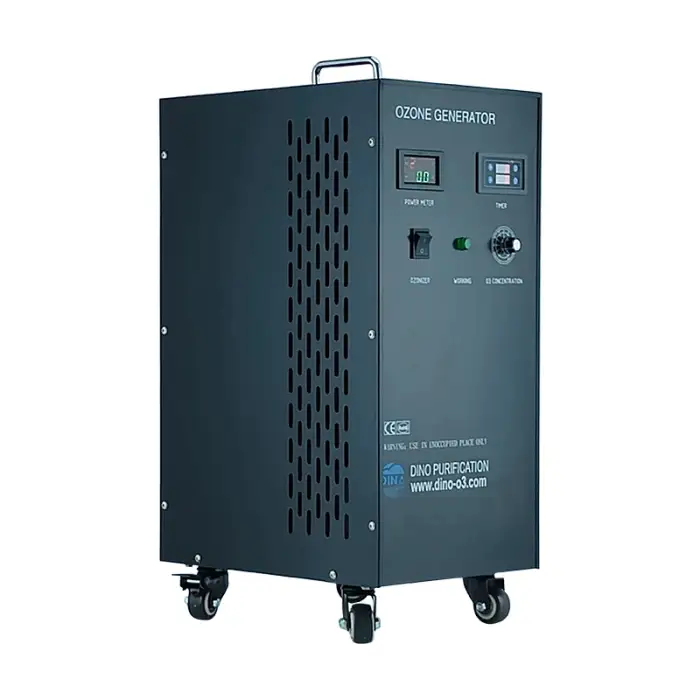
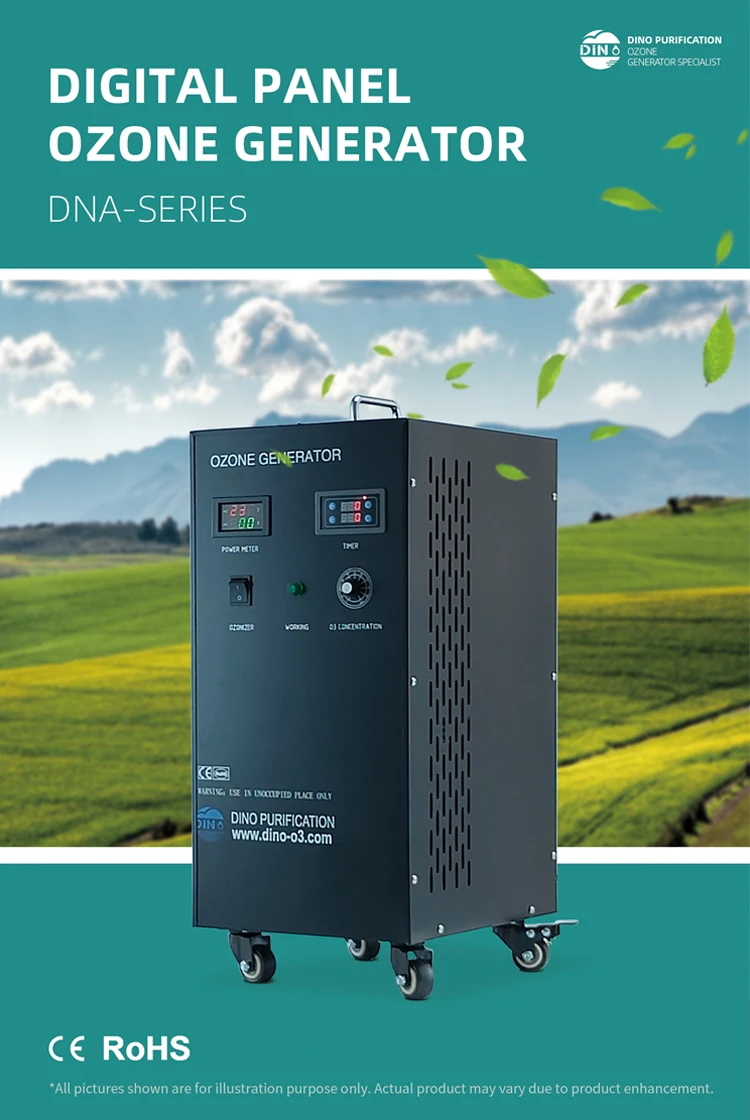
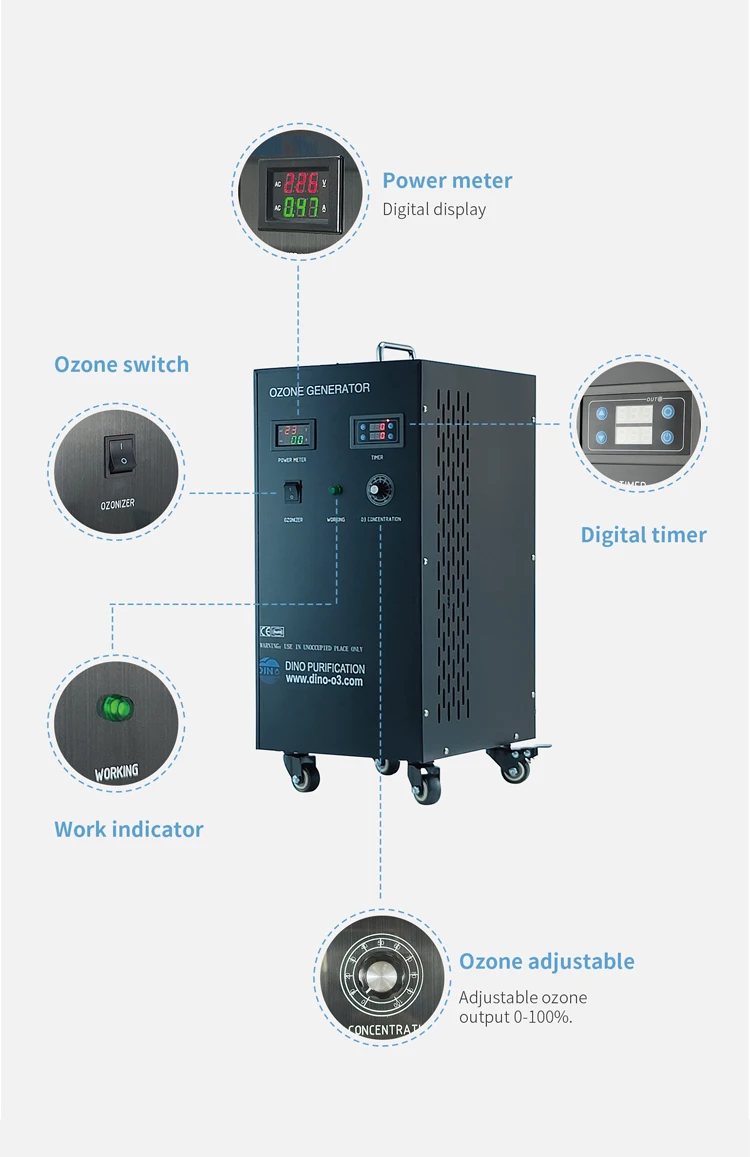
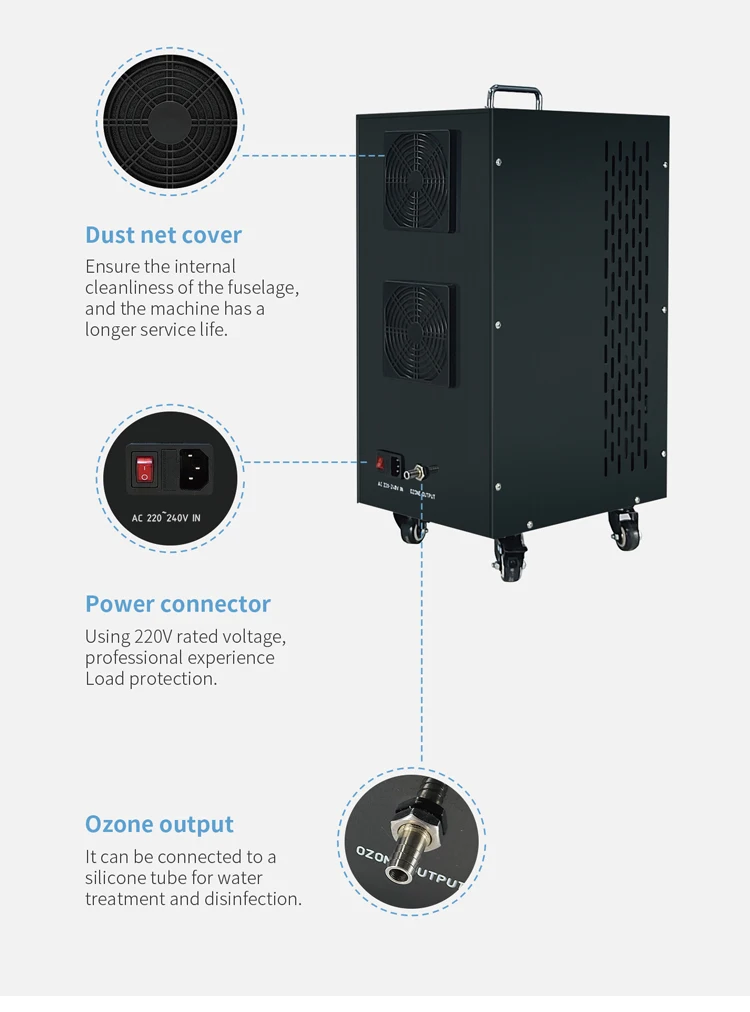
Ozone Generator 10g 20g hr Water Treatment Machinery Aquaculture Ozonator Fish Ponds Farm

- Section : Machinery
- Category : Environmental Machinery
- SKU : 11000004677035

Product Description
Product Paramenter
- Shipping Timeframes: All orders are processed within 2-5 business days (excluding weekends and holidays). After your order has been processed, the estimated delivery time is before 08 Dec, 2026, depending on customs, Please note that due to high demand, some items may experience longer shipping times, which will be communicated at order confirmation email.
- Order Processing Time: Please allow 2-5 business days for us to process your order before it is shipped . Orders placed after 16:00 on Fridays, or during weekends and public holidays, will begin processing on the next business day. Processing times may be extended during peak seasons or sales events.
- Manufacturing Time: Some products needs manufacturing time, the manufacturing process will take approximately 10-30 business days depending on the product. This timeframe may vary depending on the complexity of the product and current demand. but this will be communicated with you during order confirmation.
- Returns and Exchanges: We offer a 30-day return policy for most items. If you are not completely satisfied with your purchase, you may return it within 30 days of receipt for a refund or exchange. Items must be unused, in their original packaging, and accompanied by proof of purchase. Return shipping costs are the responsibility of the customer, unless the item was damaged or defective upon arrival.
1. What is an ozone generator and how does it work?
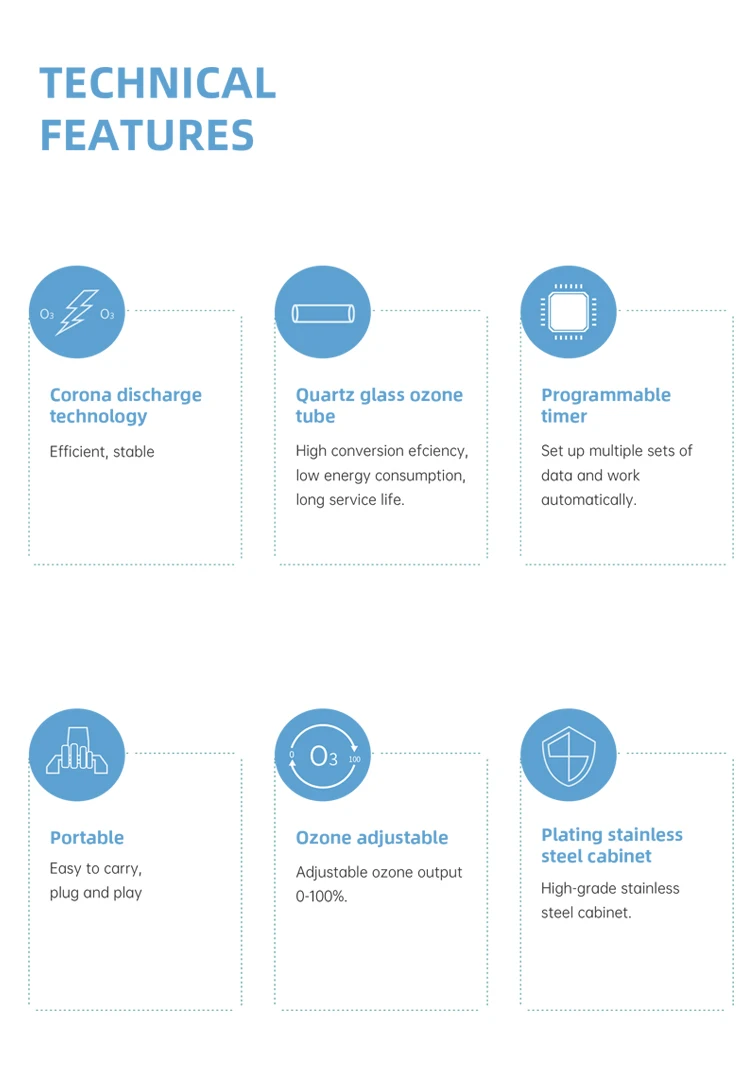
An ozone generator produces ozone (O3) gas from ambient air or oxygen. This ozone is then used to purify water in applications such as aquaculture and fish farming by eliminating pathogens and improving water quality.
2. What is the difference between the 10g and 20g/hr models?
The 10g/hr model produces 10 grams of ozone per hour, while the 20g/hr model produces 20 grams per hour. The higher output model is suitable for larger ponds or higher demand water treatment needs.
3. Can this ozone generator be used for both freshwater and saltwater aquaculture?
Yes, the ozone generator is designed to effectively treat both freshwater and saltwater environments, making it versatile for various aquaculture applications.
4. How does ozone treatment benefit fish ponds?
Ozone treatment helps by disinfecting water, removing organic contaminants, reducing odors, and improving overall water clarity, which promotes a healthier environment for fish.
5. Is the ozone generator easy to install and operate?
Yes, the ozone generator is designed for easy installation and operation, typically requiring minimal setup. Detailed instructions are usually included in the product manual.
6. What maintenance is required for the ozone generator?
Regular maintenance includes checking and cleaning the ozone output system, inspecting connections for leaks, and ensuring the power supply is functioning correctly.
7. Can the ozone generator operate continuously?
Yes, the ozone generator can be operated continuously, but it is recommended to run it periodically and monitor water quality to optimize its effectiveness.
8. How long does it take to see results after using the ozone generator?
Results can vary, but generally, users may start to see improvements in water quality and clarity within a few hours of operation.
9. Are there any safety concerns when using an ozone generator?
While ozone is effective for purification, it can be harmful in high concentrations. It's essential to follow safety guidelines, including ensuring proper ventilation and avoiding direct inhalation of ozone gas.
10. What is the energy consumption of the ozone generator?
Energy consumption varies based on the model and usage, but ozone generators are generally designed to be energy-efficient. Refer to the product specifications for detailed energy consumption information.
11. Is there a warranty for the ozone generator?
Most ozone generators come with a manufacturer's warranty. Check the product details or contact the seller for specific warranty information.
12. Can this ozone generator be used for other applications besides aquaculture?
Yes, in addition to aquaculture, the ozone generator can be used for water treatment in swimming pools, spas, and wastewater management.
13. What types of fish are suitable for use with ozone-treated water?
Most freshwater and saltwater fish species can thrive in ozone-treated water, provided that ozone levels are properly managed and not harmful to the fish.
14. How does ozone treatment compare to other water treatment methods?
Ozone treatment is often more effective than traditional methods like chlorine for disinfection and oxidation, as it leaves no harmful residues and improves overall water quality.
15. What is the expected lifespan of the ozone generator?
With proper maintenance, ozone generators can last several years. However, the lifespan may vary based on usage and environmental conditions.
Latest Order Arrivals
Discover our latest orders
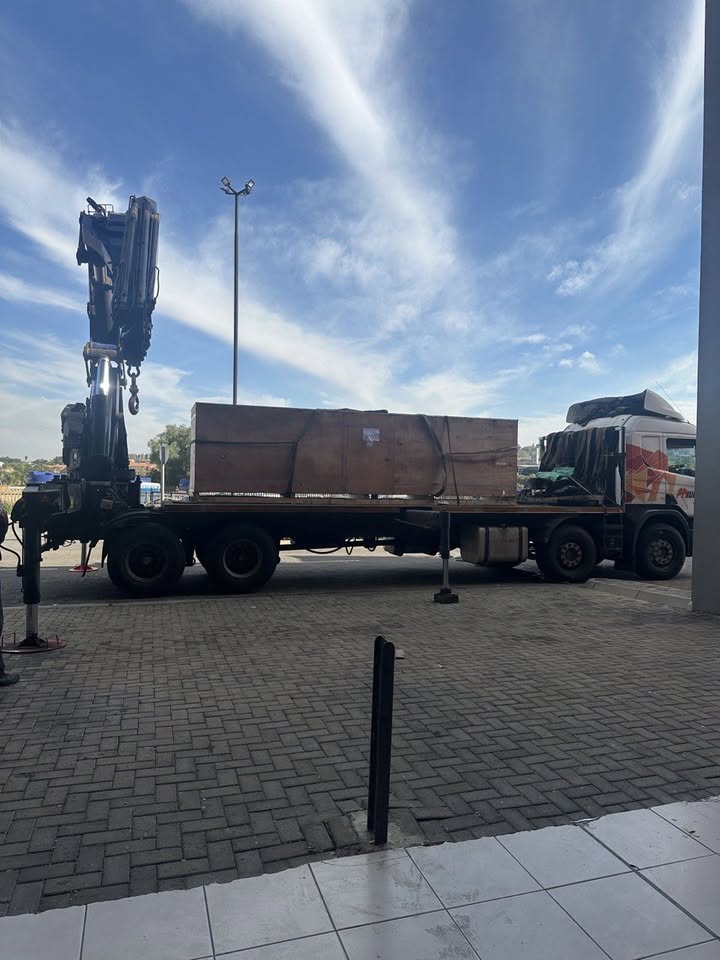
12 Heads Embroidery Machine
Toilet Paper Machine Machine
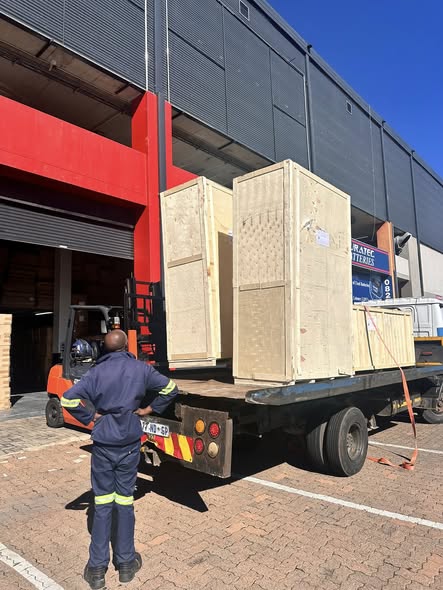
Order Collection
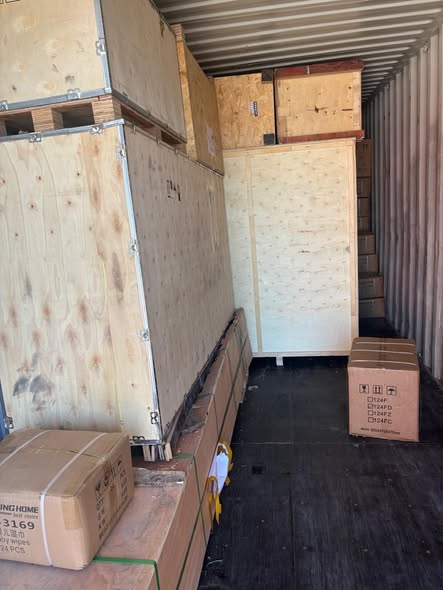
Cross Border Clients
Order cros border countries Collected
Industrial Machine Cllection
Agriculture Processing Machines
Ready for collection
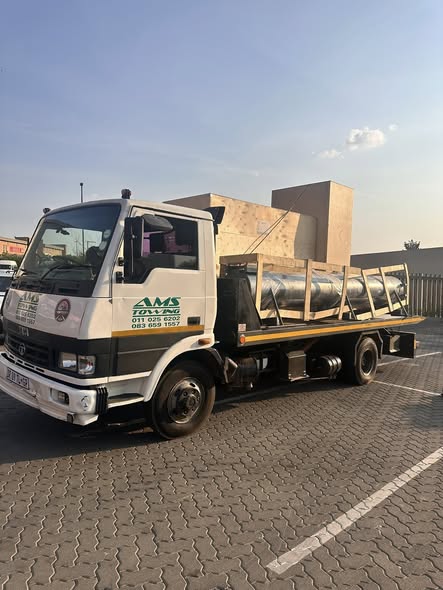
Water Pump Equipment
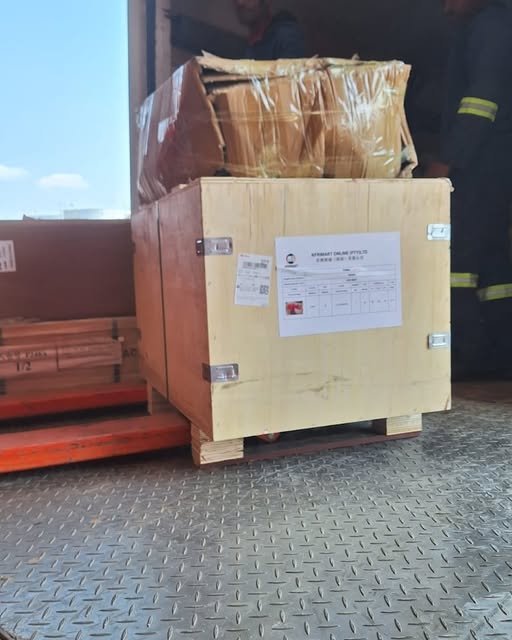
Packaging Machine and accessories
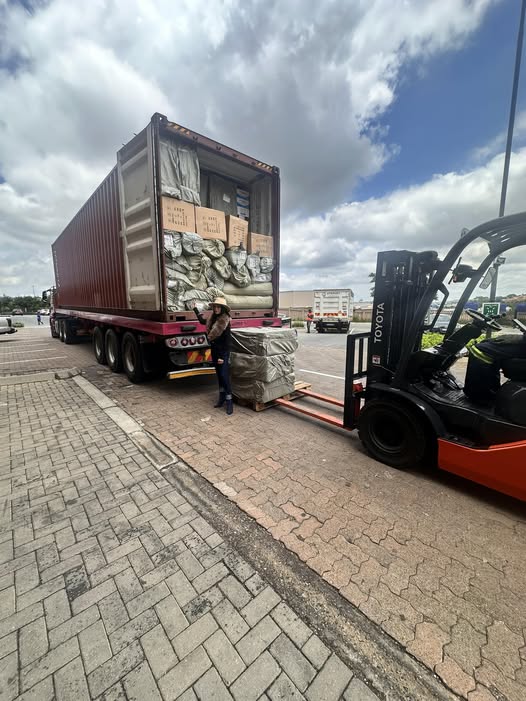
Fabrics Manufacturing Equipment
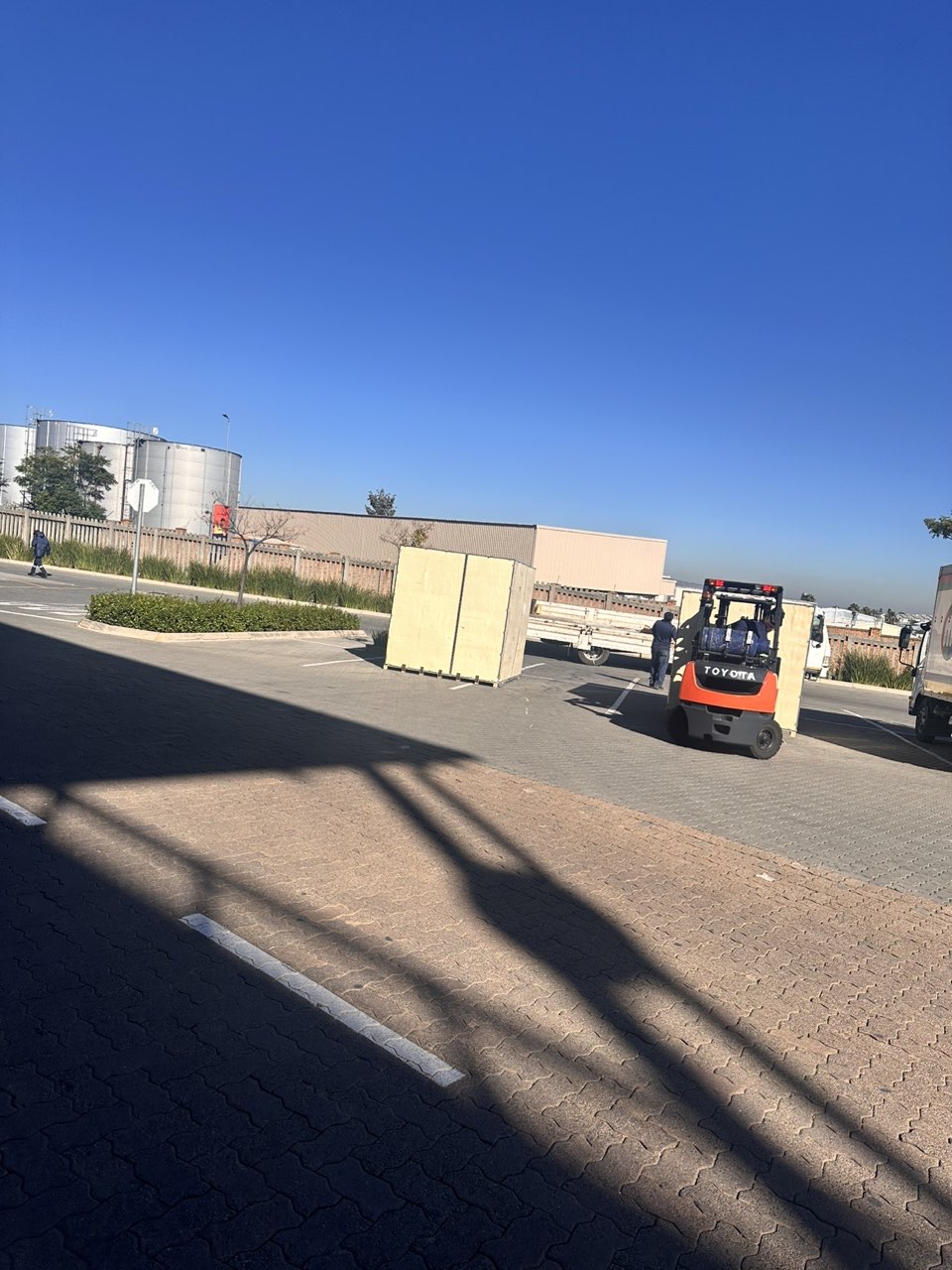
Mining Equipments
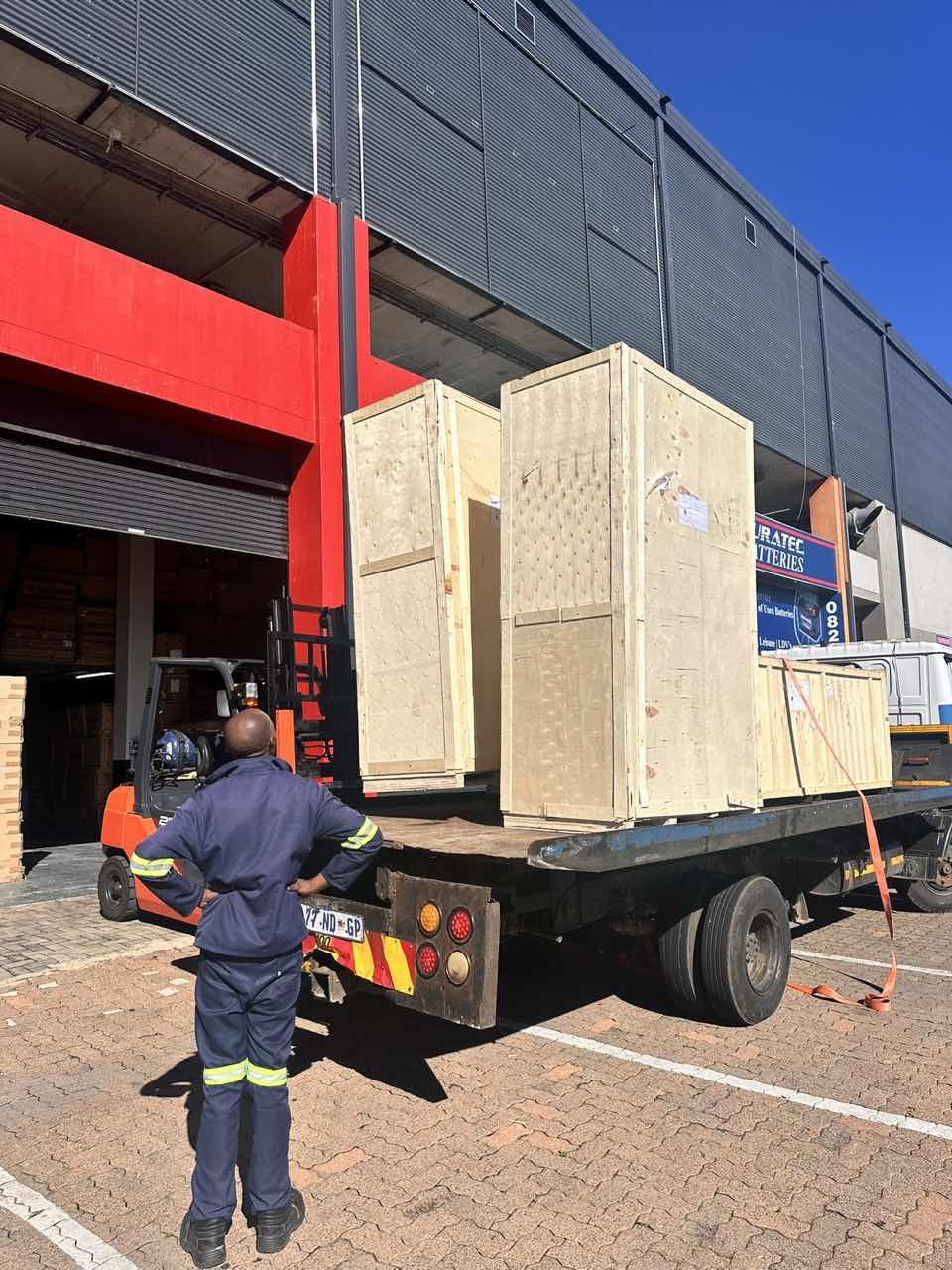
Food Processing Machine
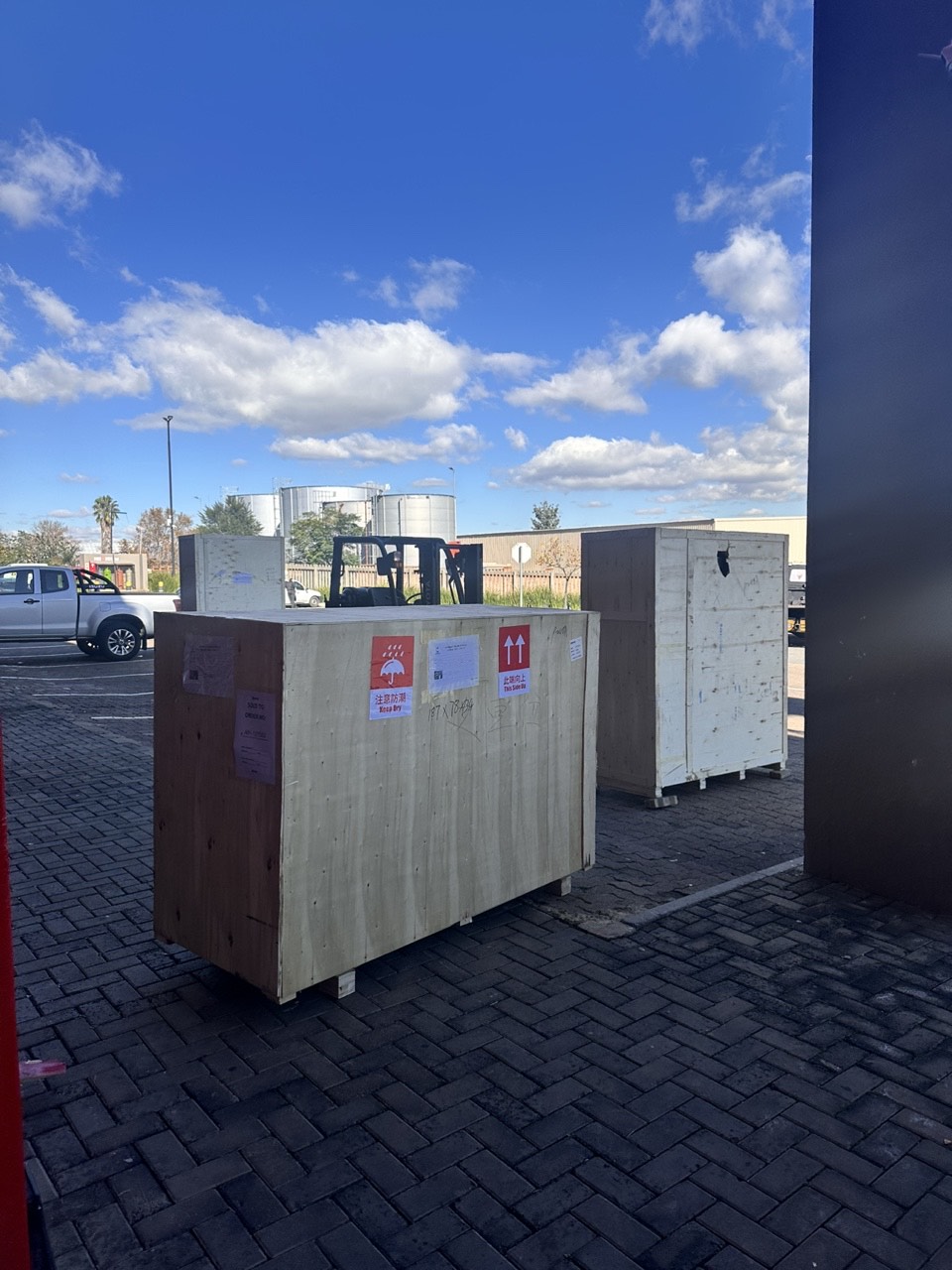
Batch of Orders
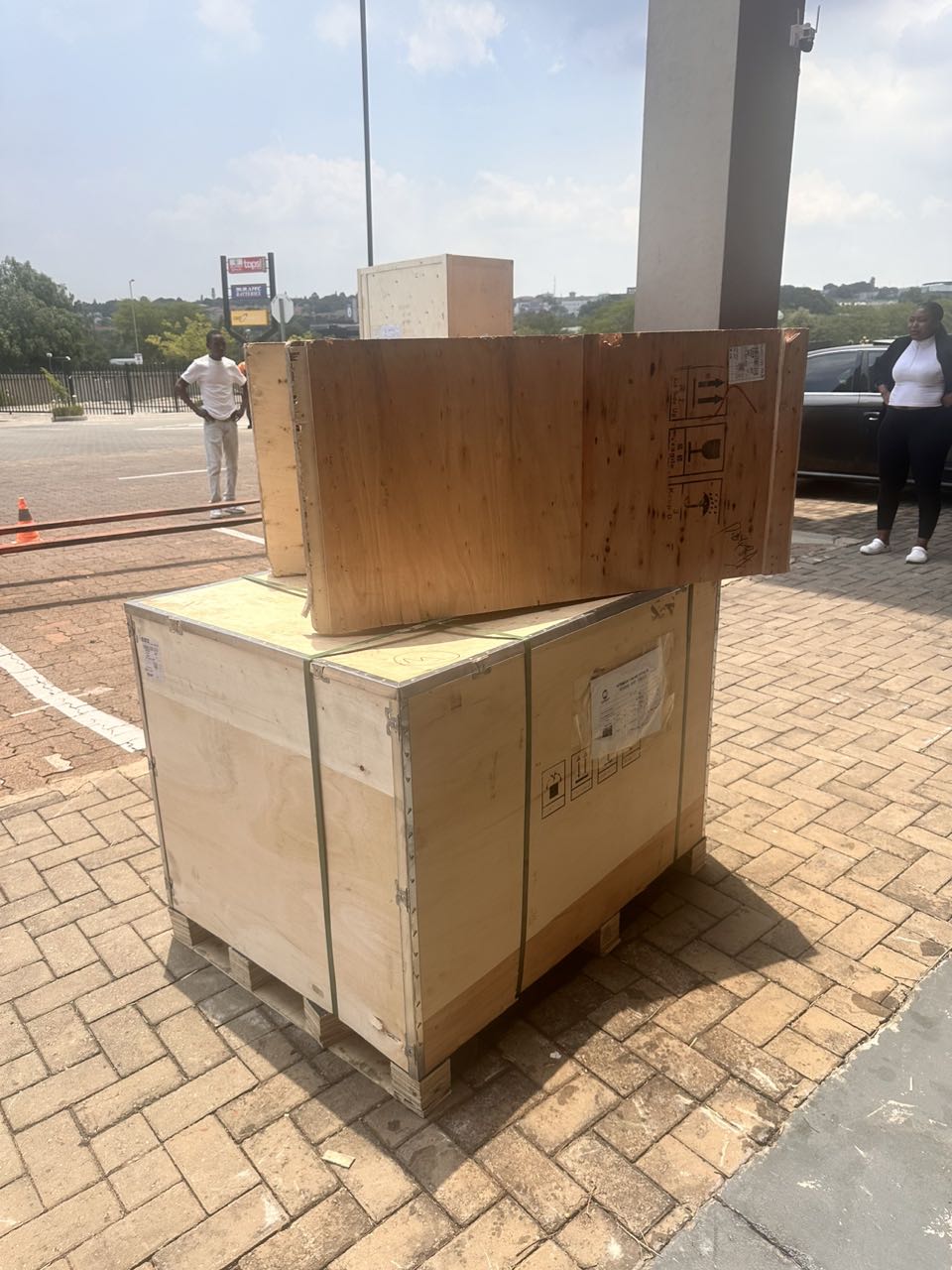
Batch of Orders
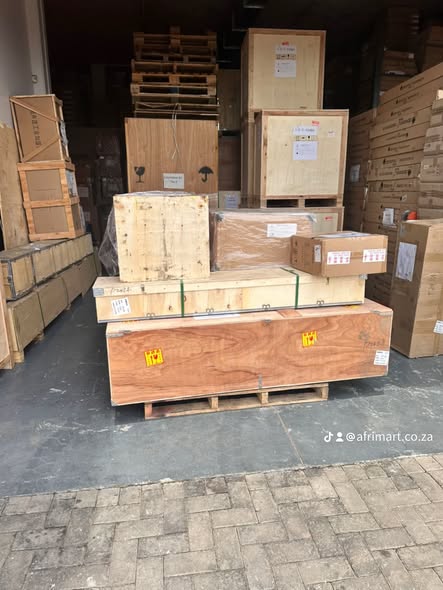
Latest Orders Labelled
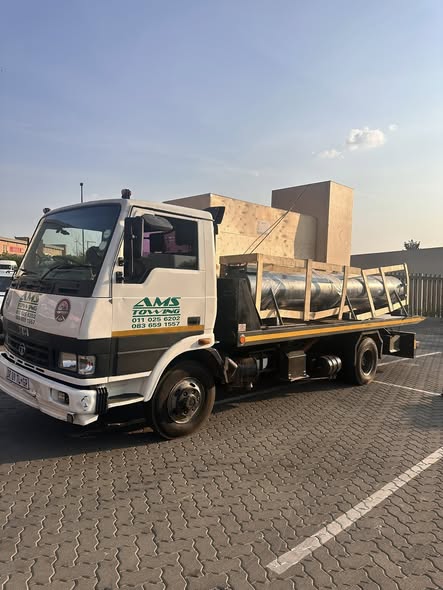
wheel alignment machines
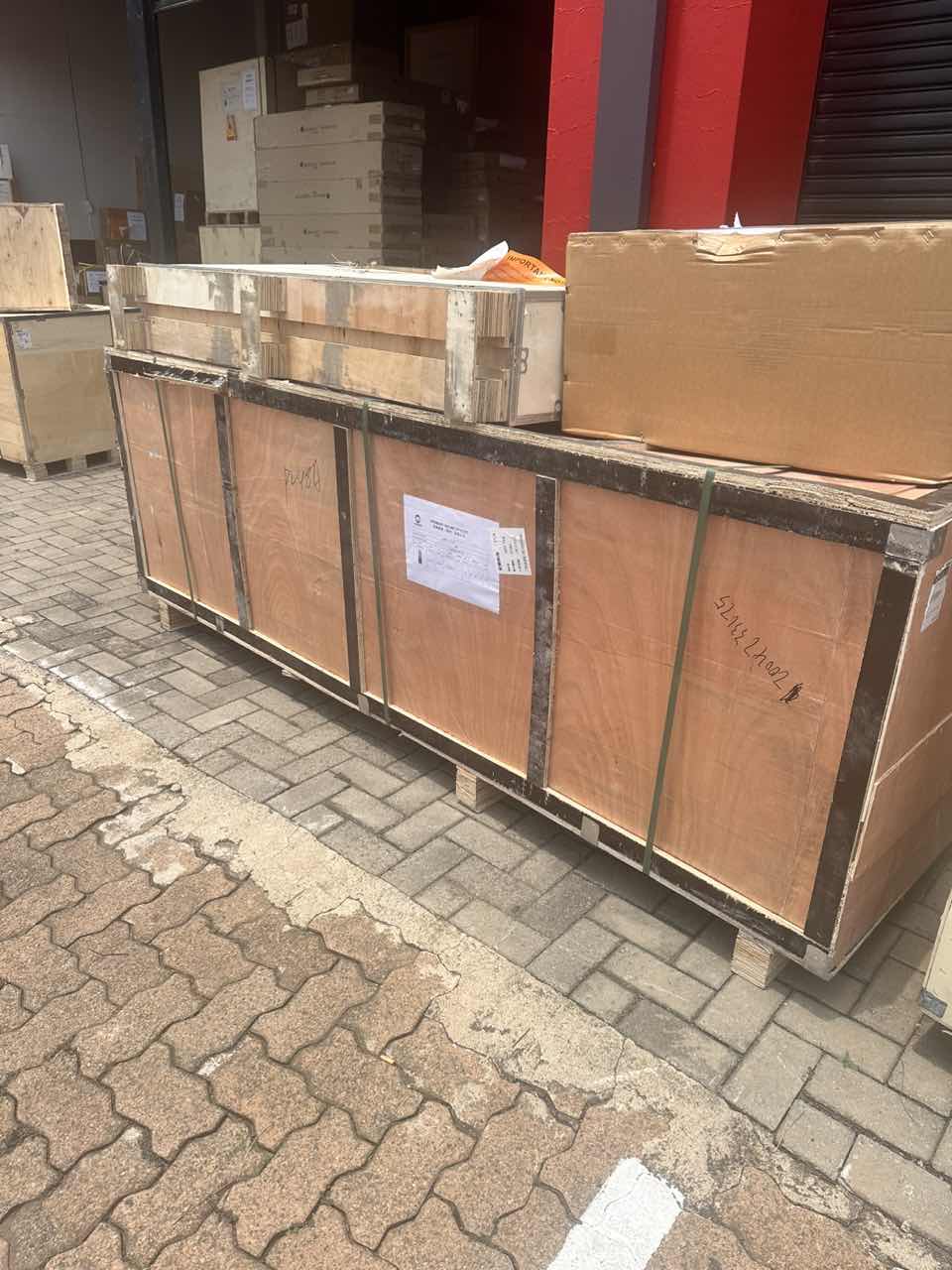
new arrivals
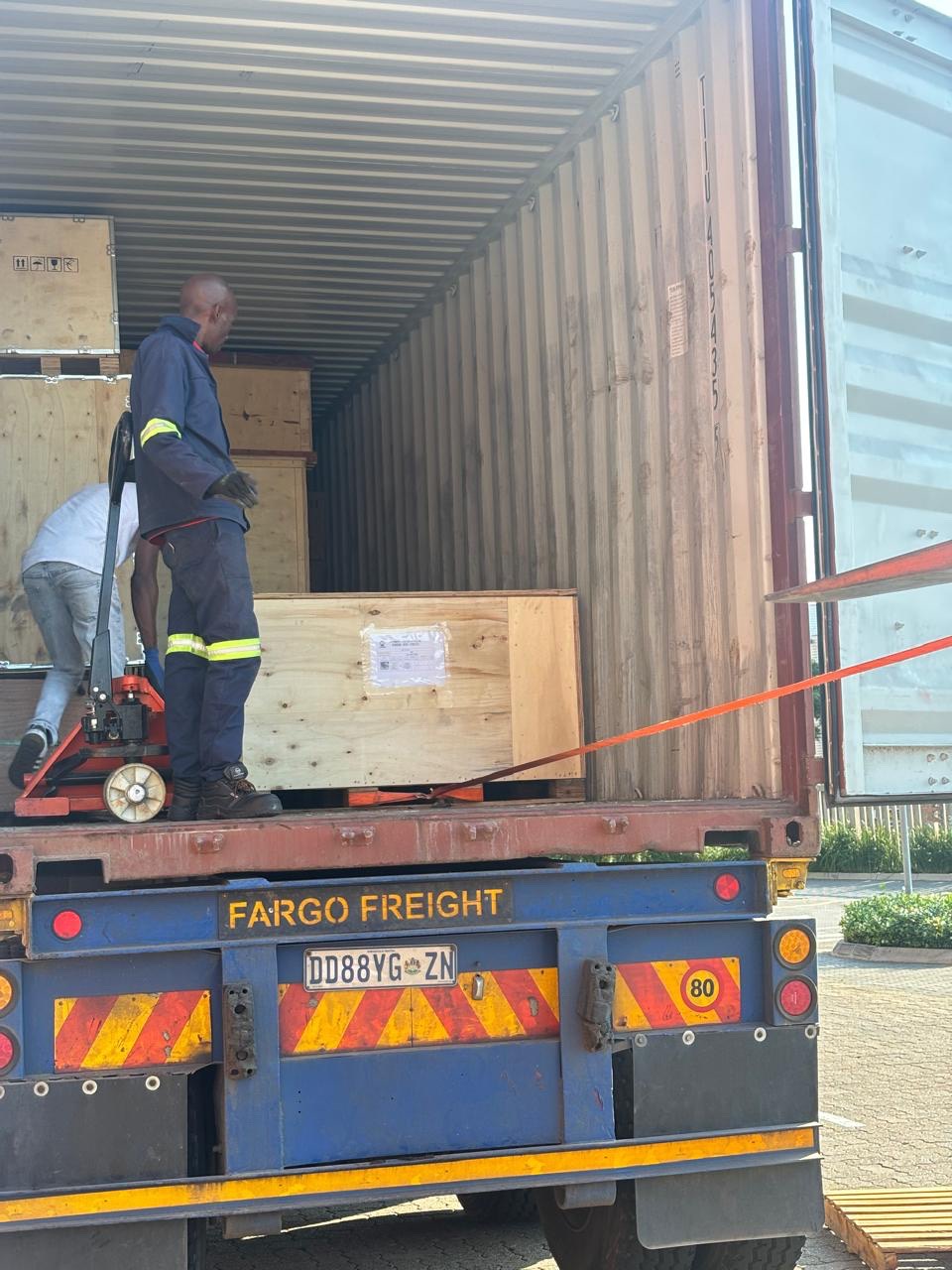
Pre Orders Offloading
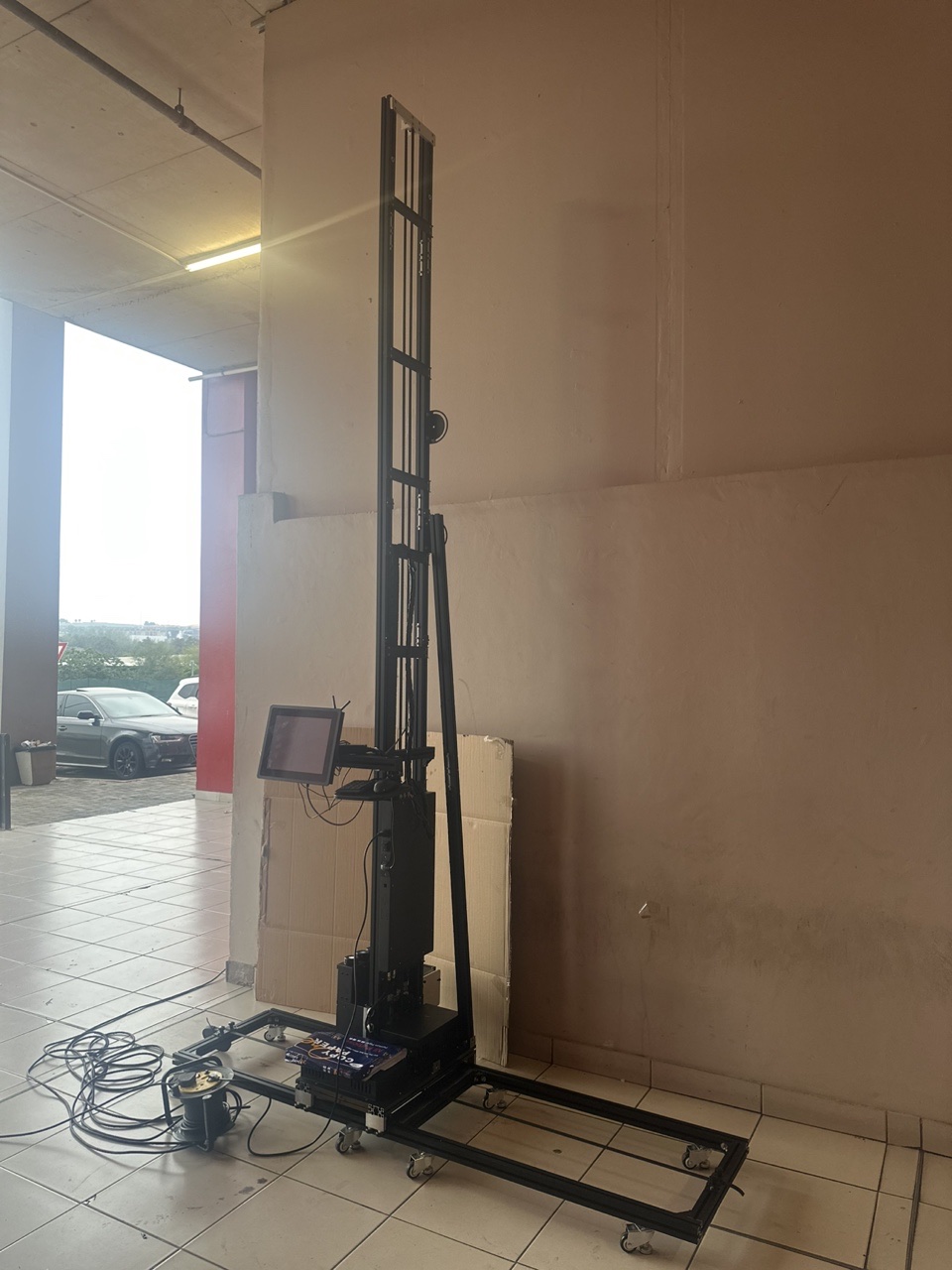
Latest Arrivals
Latest Arrivals
Latest Arrivals
Loading
Toilet paper making machine
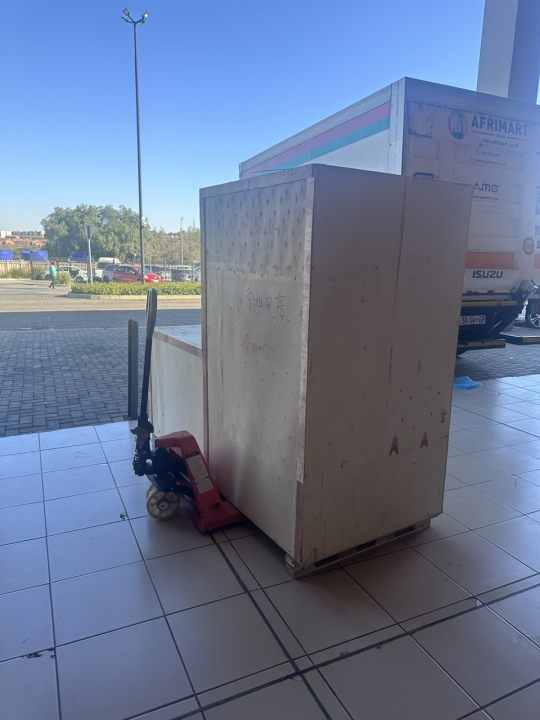
Toilet paper making machine
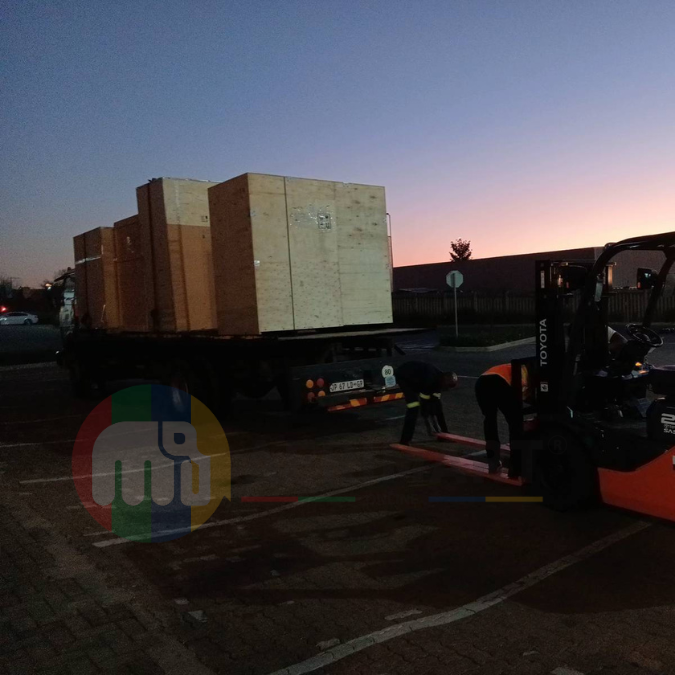
Toilet paper Rewinding Machine
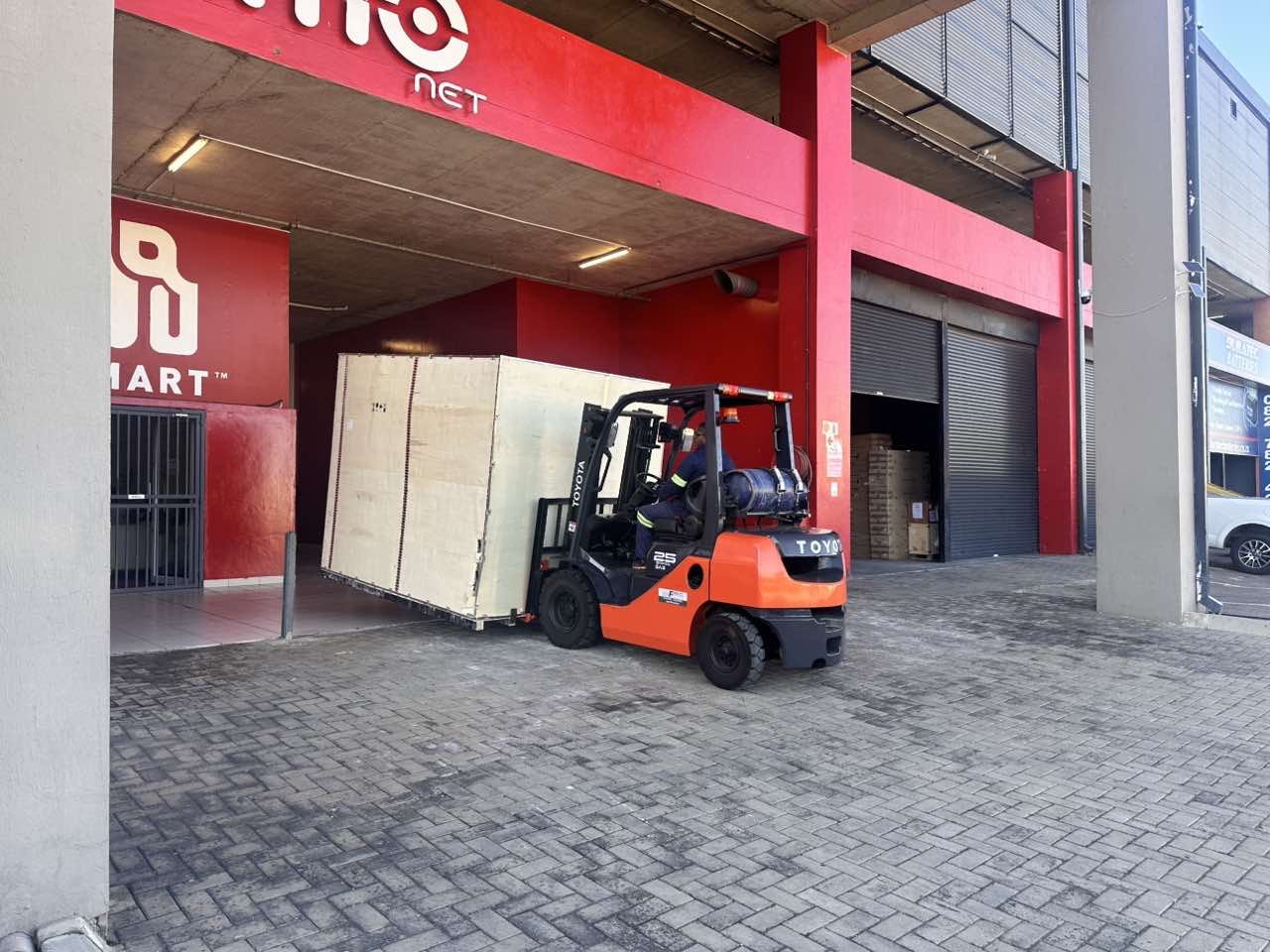
latest arrivals
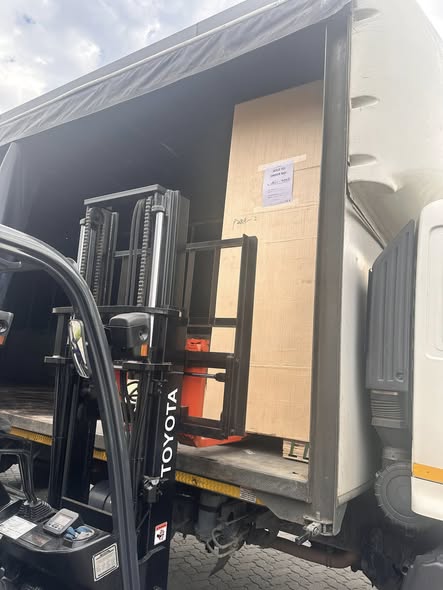
offloading
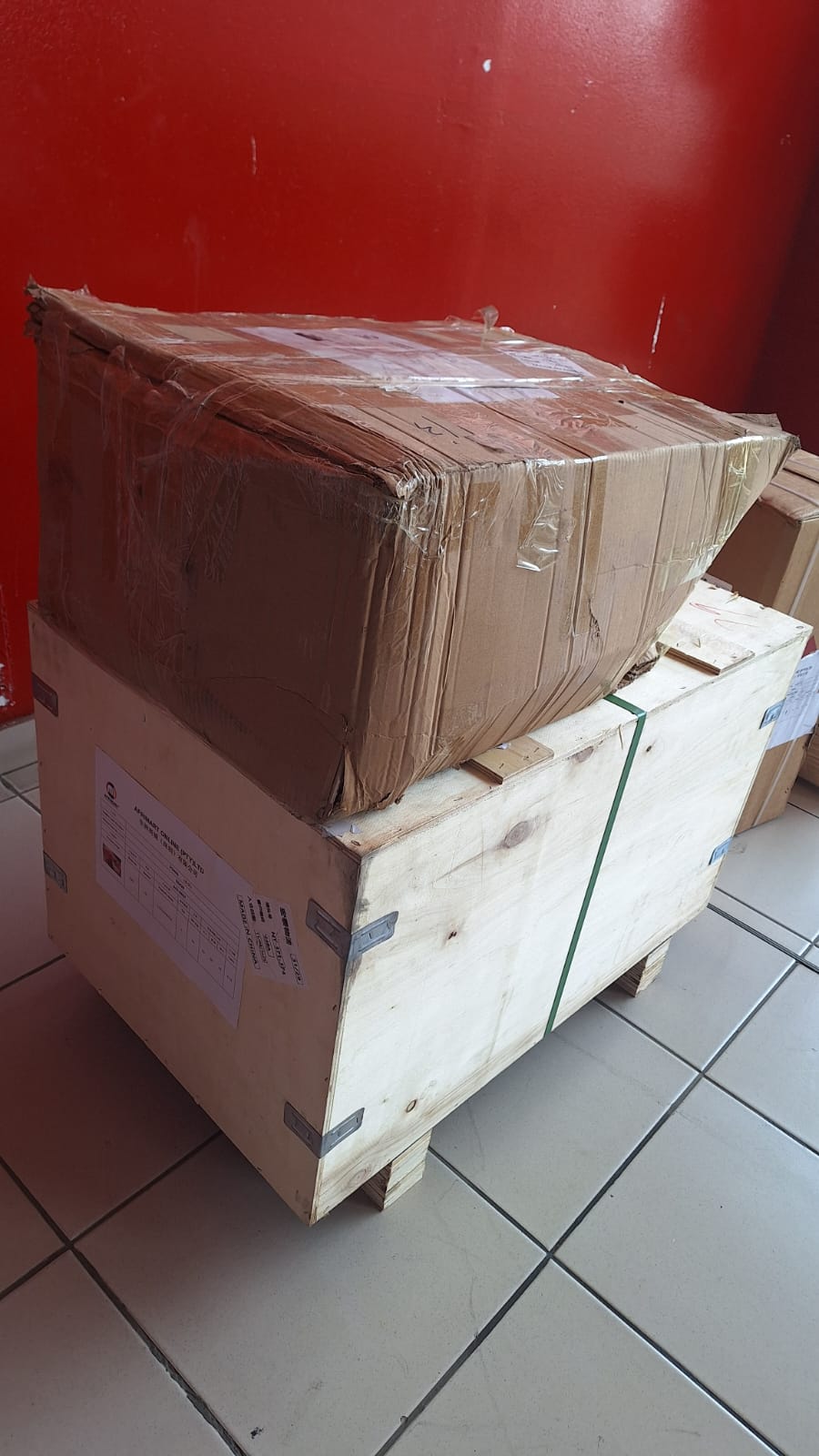
order success
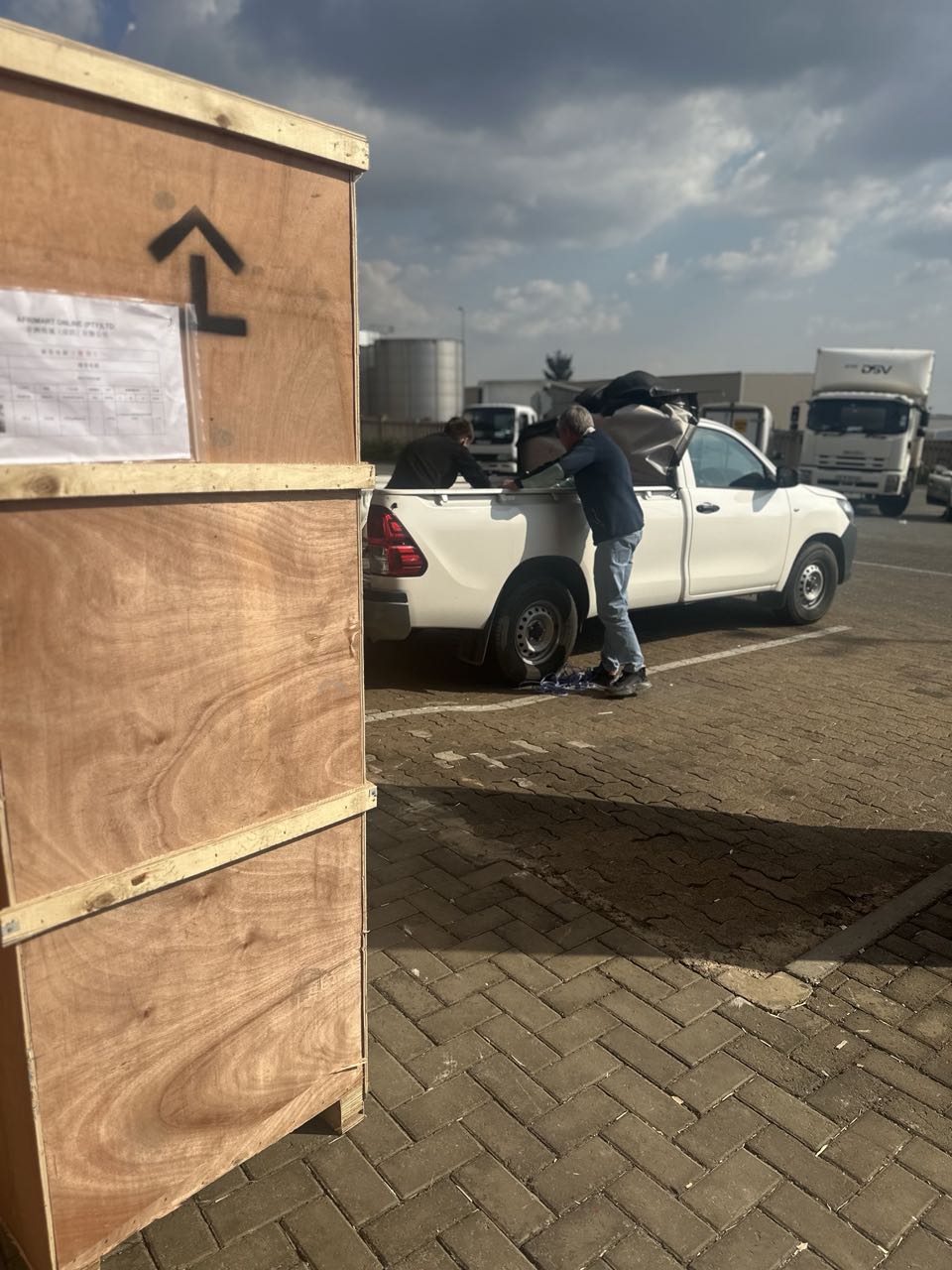
order collection
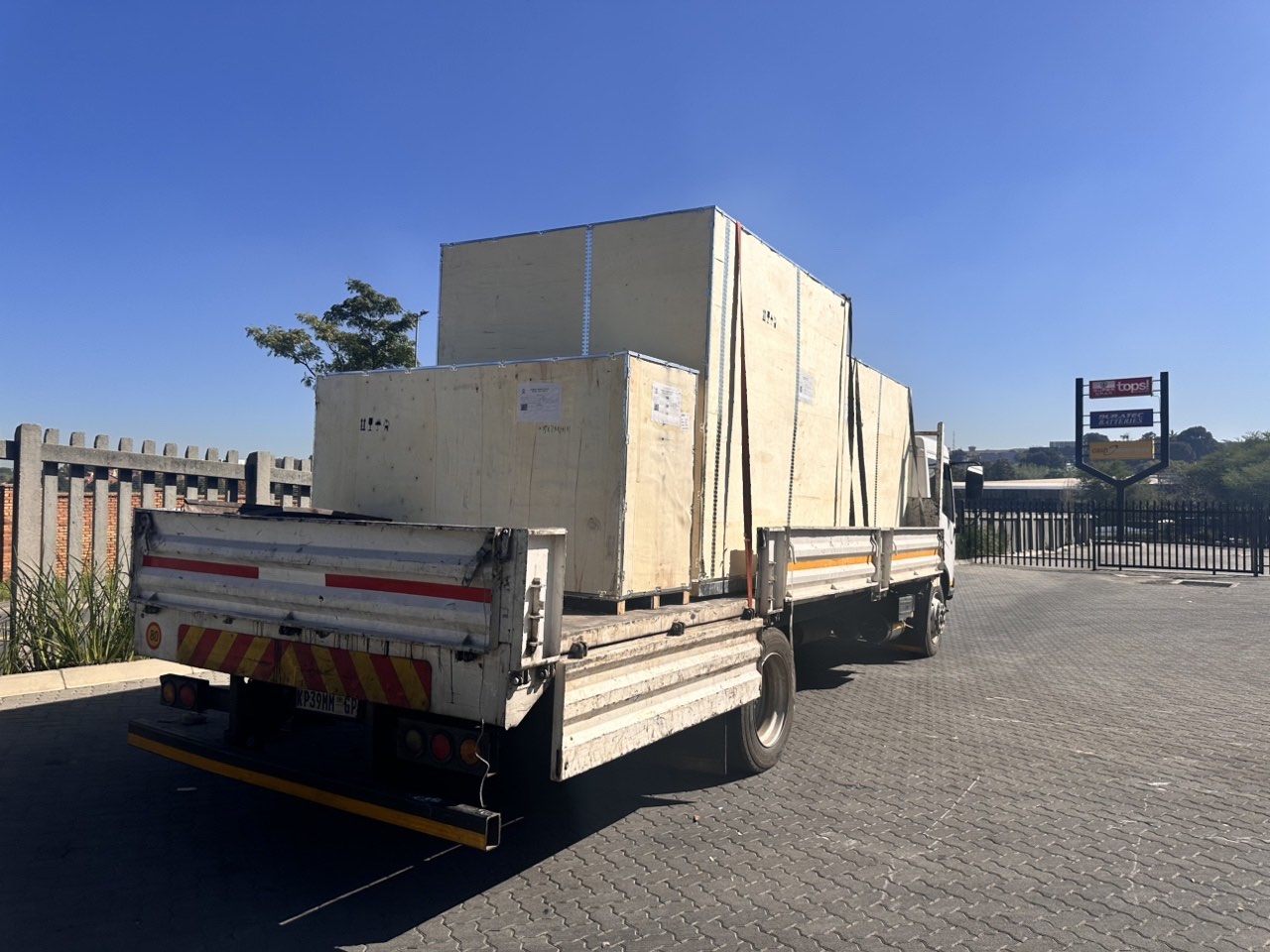
order offloading