B21, China Town Mall, Midrand

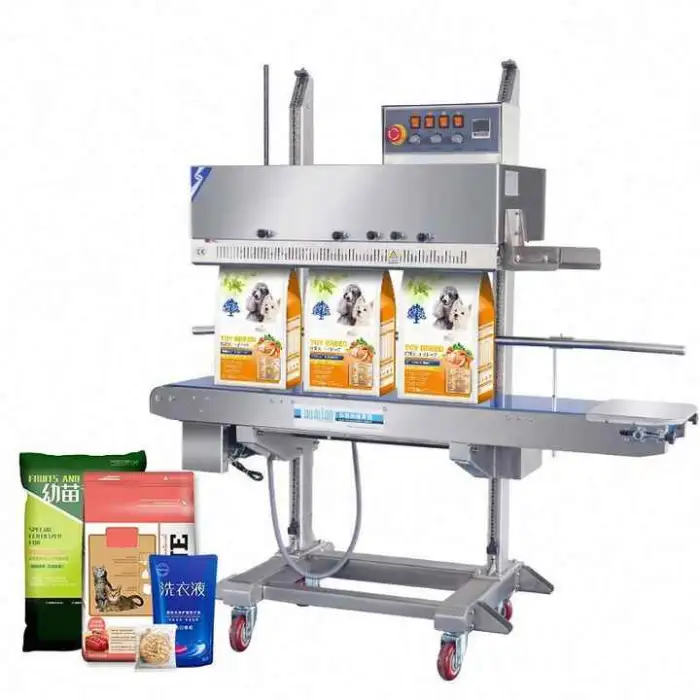
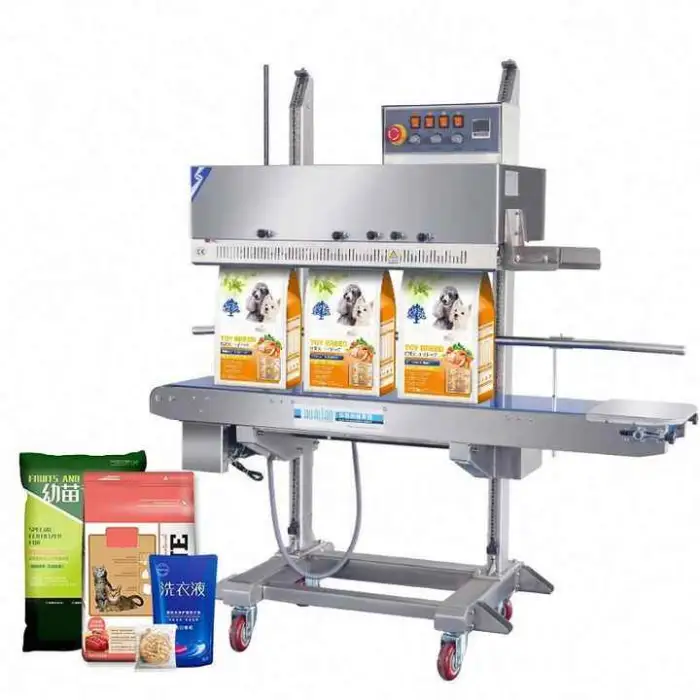
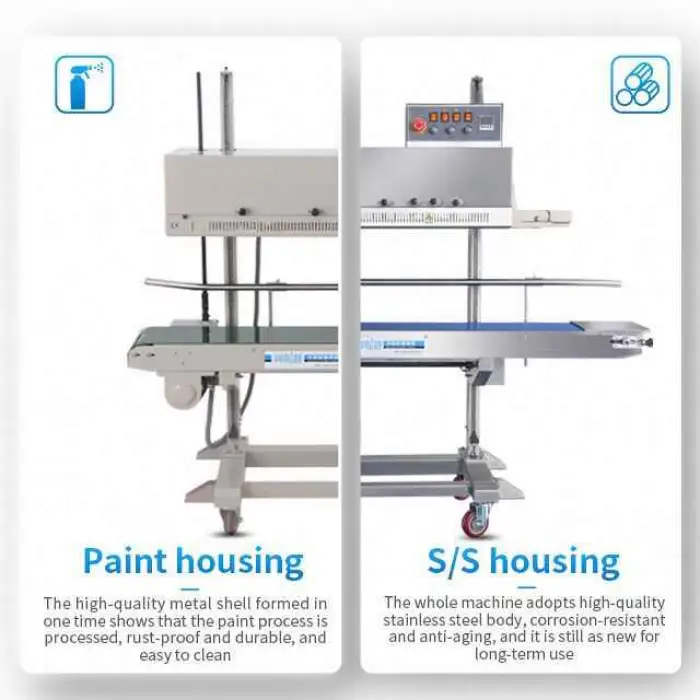
LR-1120LD Continuous Band Hot Sealing Machine with Date Coding
Asset finance available
Do you want funding for this equipment?
Afrimart can connect you with trusted funding partners who specialise in asset finance for businesses like yours. Compare options and apply in minutes — final approval is subject to provider review.
Check funding options
Secure & no obligation

- Section : Machinery
- Category : Packaging Machines
- SKU : 1600591619806

LR-1120LD Continuous Band Hot Sealing Machine with Date Coding
The LR-1120LD Continuous Band Hot Sealing Machine is a robust stainless-steel packaging solution designed for fast, reliable and continuous sealing of thermoplastic bags and pouches. With adjustable sealing temperature, sealing speed and sealing width, the machine is suitable for a wide range of packaging applications across food, pharmaceutical, chemical, agricultural and general manufacturing industries.
The machine features a 1200W heating system, 120W conveyor motor, and a temperature control range of 0–300°C, allowing operators to adjust sealing conditions according to different packaging materials and thicknesses. Its integrated conveyor table supports loads of up to 18 kg, making it suitable for both lightweight and relatively heavy products.
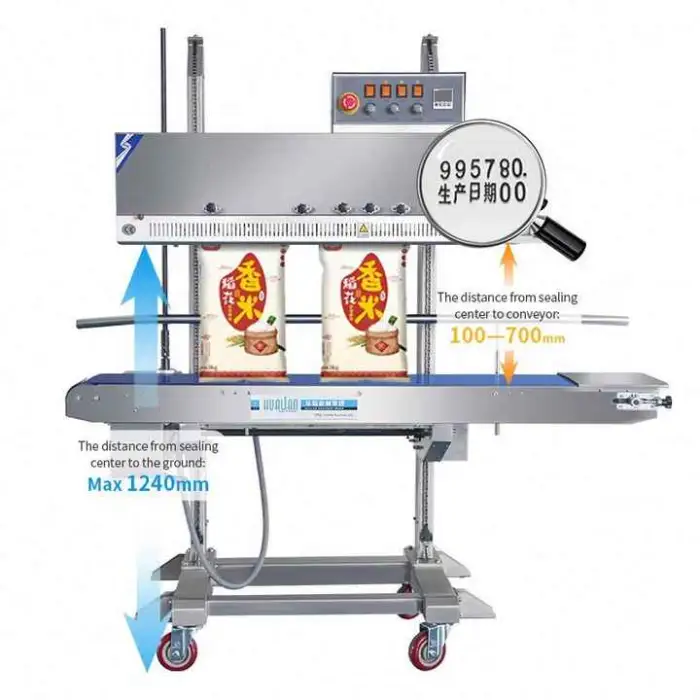
An integrated date coding function allows production or expiry information and other required codes to be printed during the sealing process, helping improve product traceability and packaging presentation.
Specifications
| Attribute | Details |
|---|---|
| Driven Type | Electric |
| Packaging Type | Bags |
| Voltage | 110V/220V, 50/60Hz |
| Packaging Material | Plastic |
| Max Speed | 0 - 12m/min |
| Heating Power (W) | 1200w |
| Sealing Width (mm) | 16 - 12mm |
| Bag thickness: | 0.02 - 0.8mm |
| Machine size | L1240 x W580 x H1200 (mm |
| Machine Weight | 75kg |
| Packaging Details | Wooden case packing |
Applications
- Food packaging for snacks and meals.
- Packaging for medical supplies.
- Sealing of industrial products.
- Use in retail for various commodities.
Product Info Gallery
- Shipping Timeframes: All orders are processed within 2-5 business days (excluding weekends and holidays). After your order has been processed, the estimated delivery time is before 21 Nov, 2026, depending on customs, Please note that due to high demand, some items may experience longer shipping times, which will be communicated at order confirmation email.
- Order Processing Time: Please allow 2-5 business days for us to process your order before it is shipped . Orders placed after 16:00 on Fridays, or during weekends and public holidays, will begin processing on the next business day. Processing times may be extended during peak seasons or sales events.
- Manufacturing Time: Some products needs manufacturing time, the manufacturing process will take approximately 10-30 business days depending on the product. This timeframe may vary depending on the complexity of the product and current demand. but this will be communicated with you during order confirmation.
- Returns and Exchanges: We offer a 30-day return policy for most items. If you are not completely satisfied with your purchase, you may return it within 30 days of receipt for a refund or exchange. Items must be unused, in their original packaging, and accompanied by proof of purchase. Return shipping costs are the responsibility of the customer, unless the item was damaged or defective upon arrival.
1. Is this machine fully automatic or semi-automatic?
No answer provided
2. What types of bags and packaging materials can it seal?
The machine is designed for plastic bags and common flexible packaging films used in food, medical and industrial applications. For best results, test your specific film (e.g., PE, PP, laminated films) before purchase.
3. How does the nitrogen gas function improve packaging?
Nitrogen flushing reduces oxygen inside the bag to extend shelf life and protect oxygen-sensitive products. It helps prevent oxidation, moisture damage and preserves freshness, especially for food and some medical products.
4. Can it seal in both horizontal and vertical orientations?
Yes. The machine supports both horizontal and vertical band sealing to accommodate different bag styles and production workflows.
5. What is the maximum sealing speed?
No answer provided
6. What are the electrical and power specifications?
Voltage options are 220V or 110V. Sealing power is specified as 300W × 2, and printing/heating power as 40W × 2. Contact the supplier to confirm single- or three-phase requirements and plug type for your region.
7. What is the sealing width and temperature range?
Sealing width is 10 mm. Temperature control range is 0–300°C, allowing adjustment for different film types and thicknesses.
8. What are the machine dimensions and weight?
No answer provided
9. Does the machine include a printing or coding function?
No answer provided
10. What maintenance is required and how often?
Regular maintenance includes cleaning sealing surfaces, checking/adjusting belt tension and alignment, inspecting and replacing worn heating elements or Teflon/PTFE covers, and verifying gas connections. Frequency depends on usage—daily visual checks and scheduled preventive maintenance (e.g., monthly) are recommended.
11. Are spare parts and overseas service available?
No answer provided
12. What safety features should I expect?
No answer provided
13. What consumables are required?
Consumables typically include nitrogen gas (in cylinders or central supply), replacement heating elements or sealing ribbons/Teflon tape, and spare conveyor/belt materials. Exact items depend on your packaging materials and production regimen.
14. Can this machine integrate with upstream/downstream equipment?
Yes. The continuous band sealer is commonly integrated with upstream fillers, dosing machines or automated feeders and downstream conveyors or checkweighers. Discuss integration points and control interfaces with the supplier.
15. How do I choose the right sealing settings for heat-sensitive products?
Start with lower temperature and slower speed, run sample seals, and inspect for bond quality and film deformation. Use nitrogen to reduce oxidation temp effects and consult the supplier for recommended settings for specific film types.
Latest Order Arrivals
Discover our latest orders
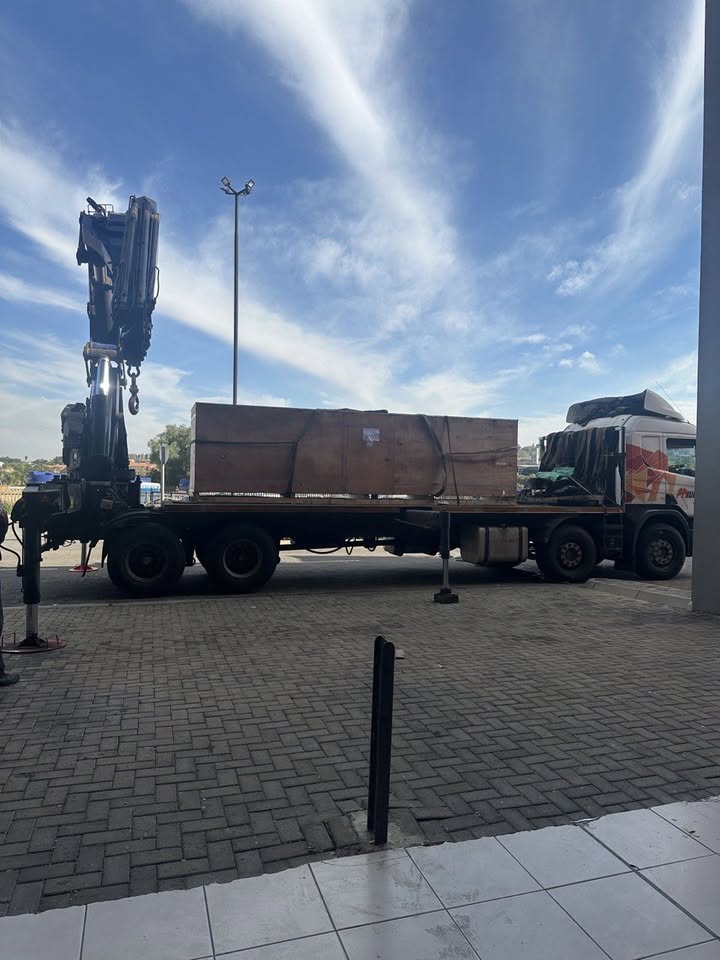
12 Heads Embroidery Machine
Toilet Paper Machine Machine
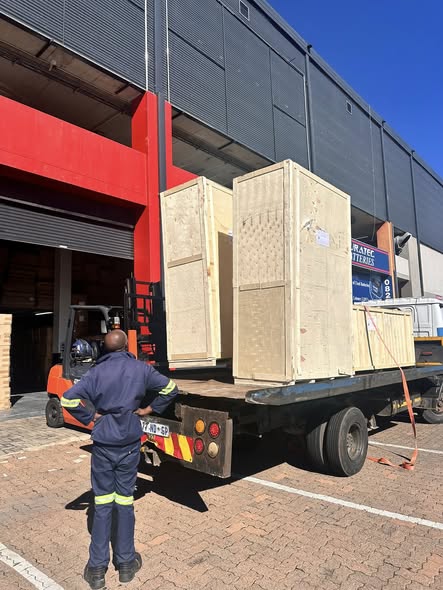
Order Collection
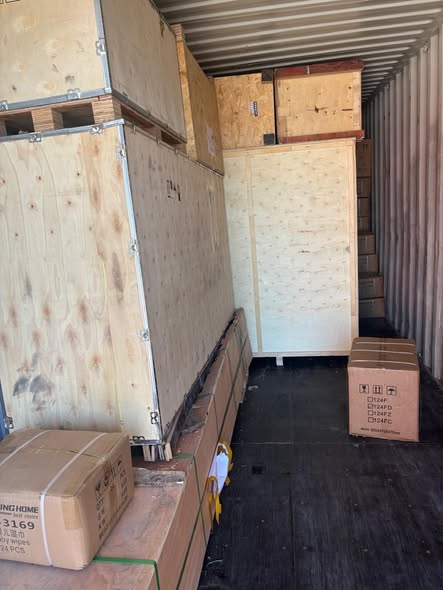
Cross Border Clients
Order cros border countries Collected
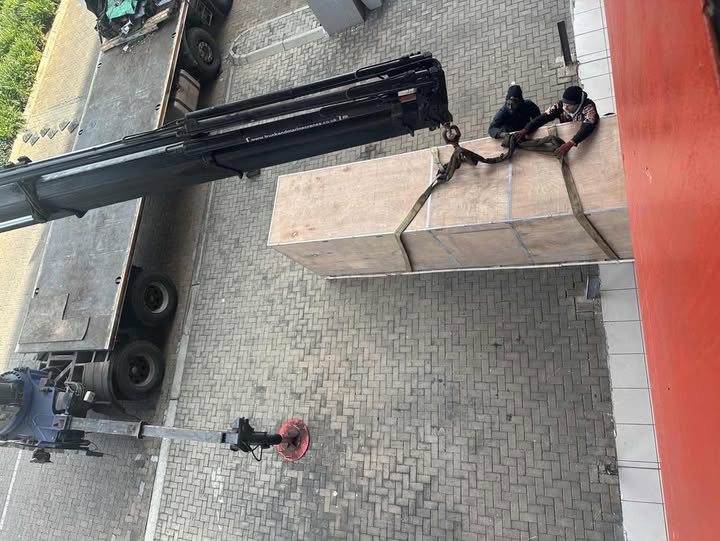
Industrial Machine Cllection
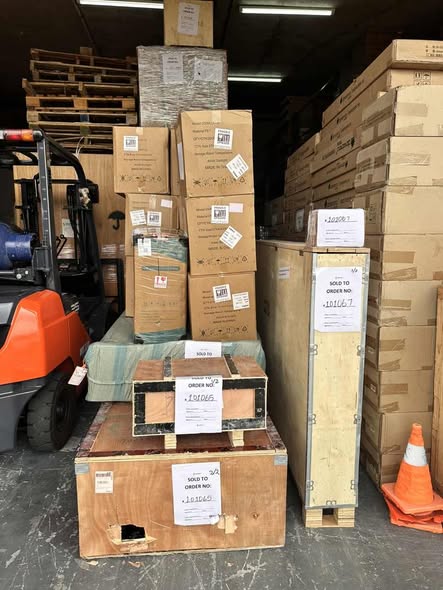
Agriculture Processing Machines
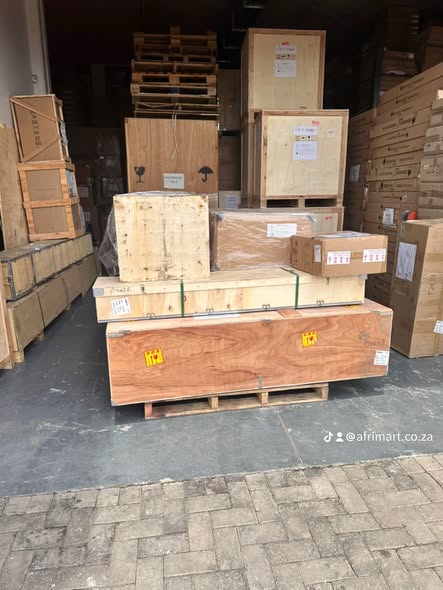
Ready for collection
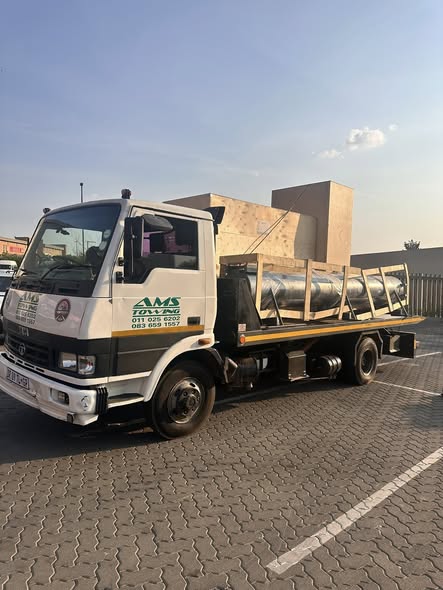
Water Pump Equipment
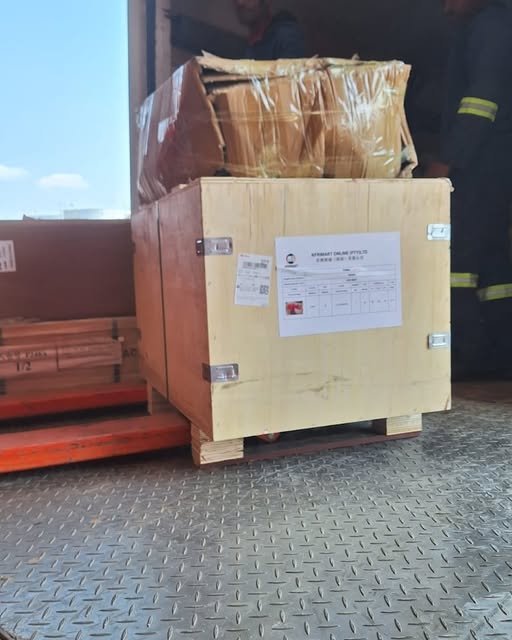
Packaging Machine and accessories
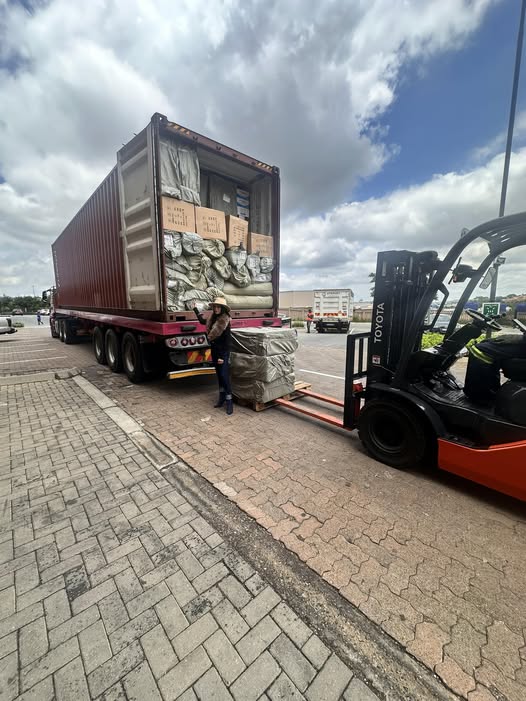
Fabrics Manufacturing Equipment
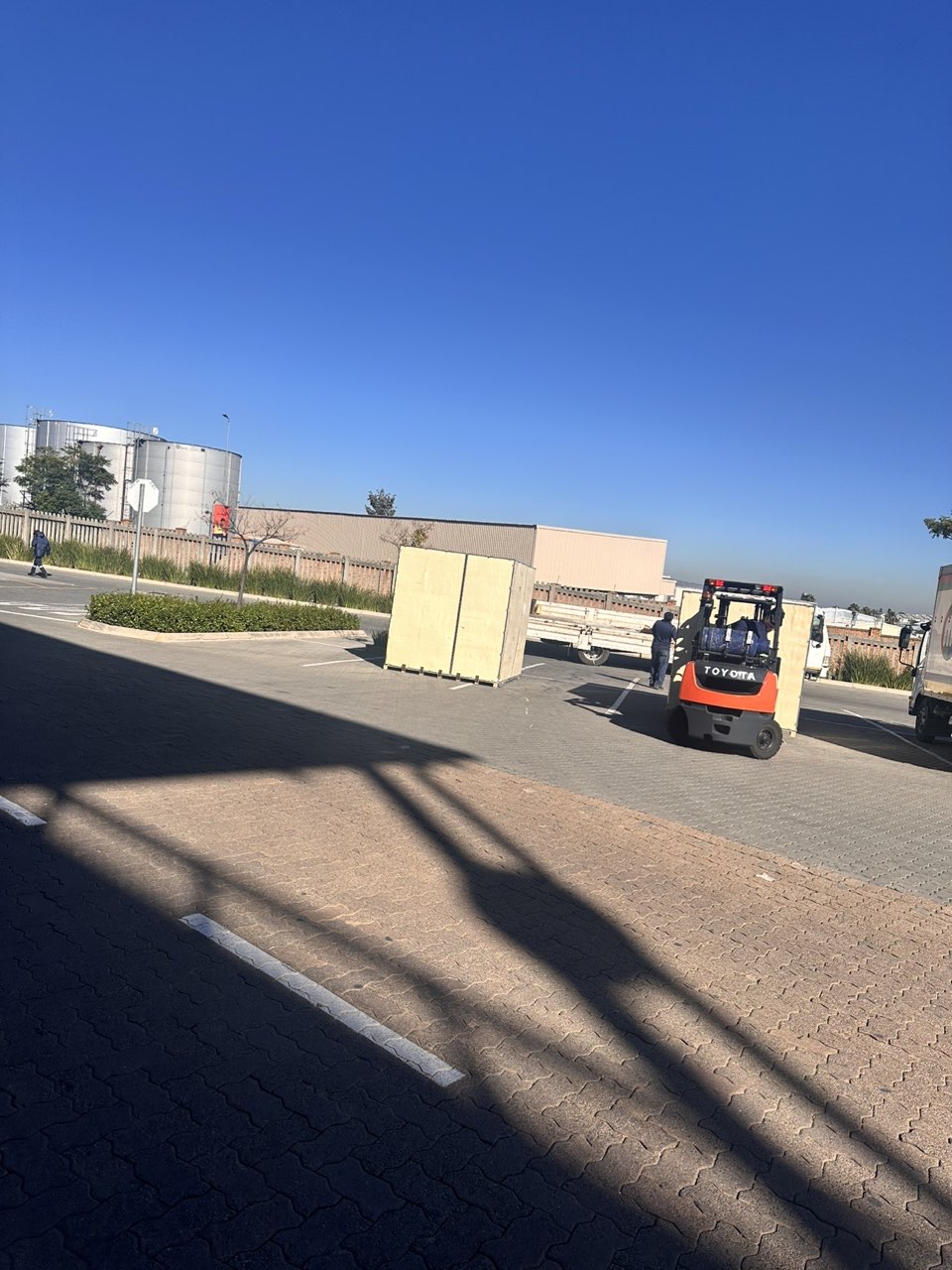
Mining Equipments
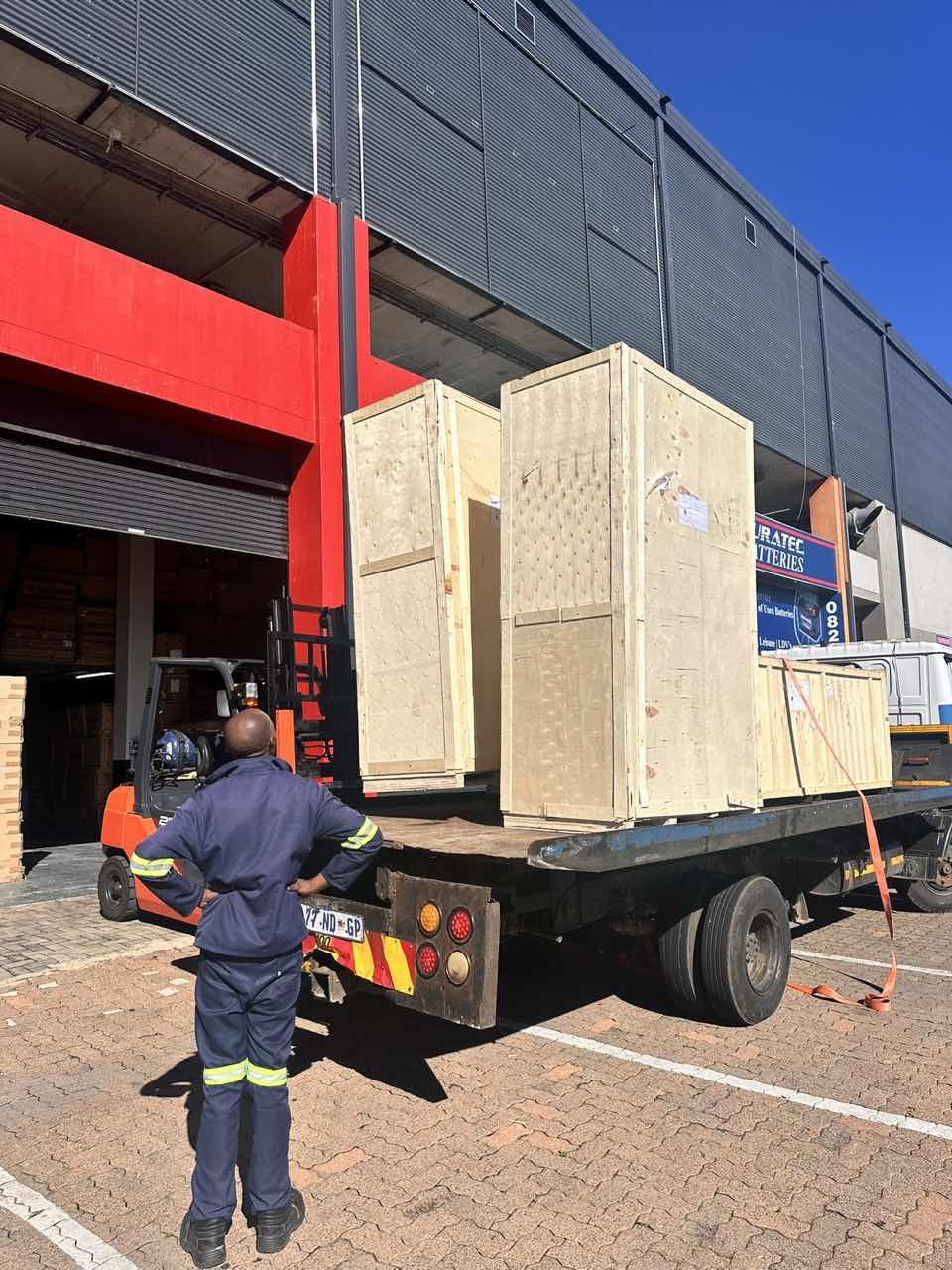
Food Processing Machine
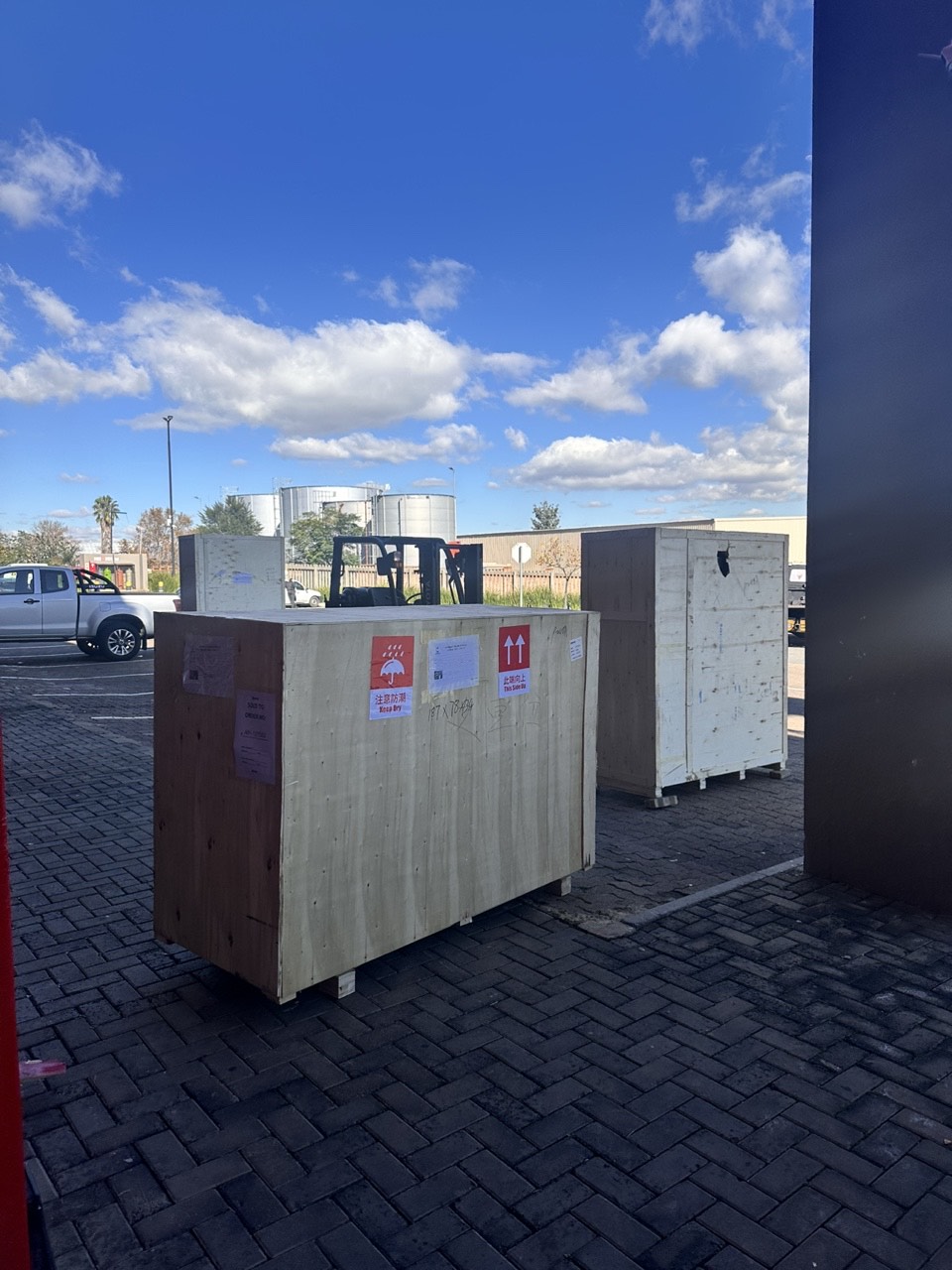
Batch of Orders
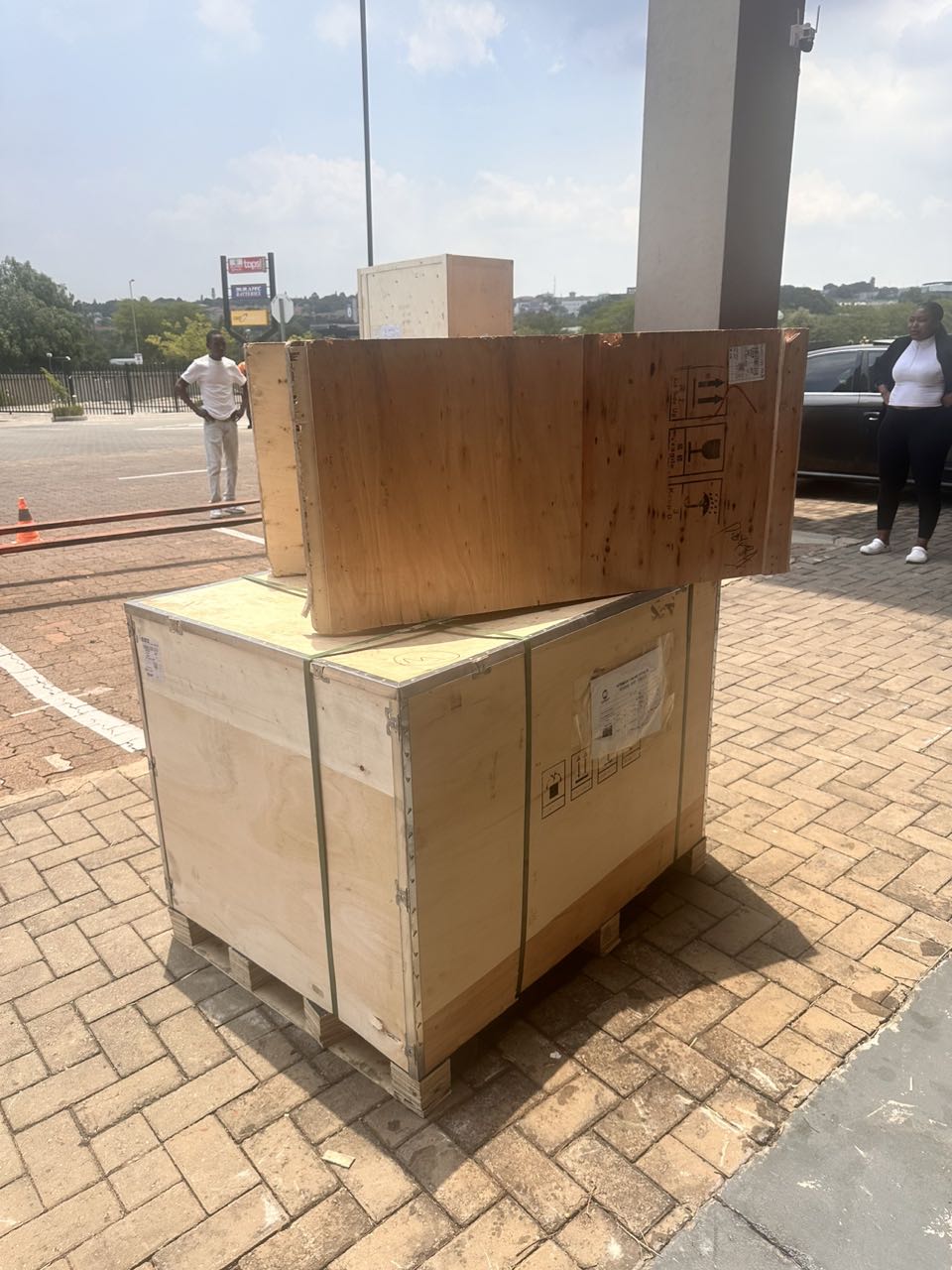
Batch of Orders
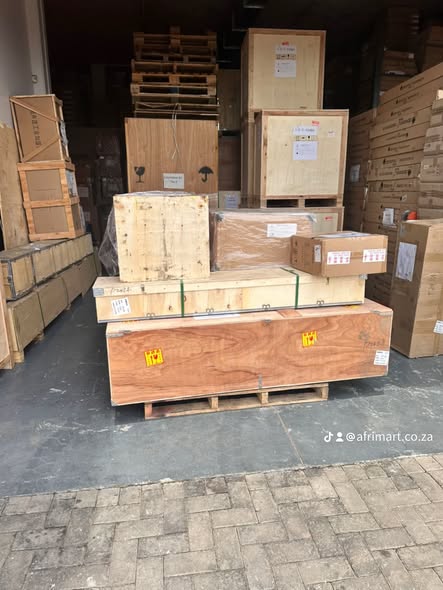
Latest Orders Labelled
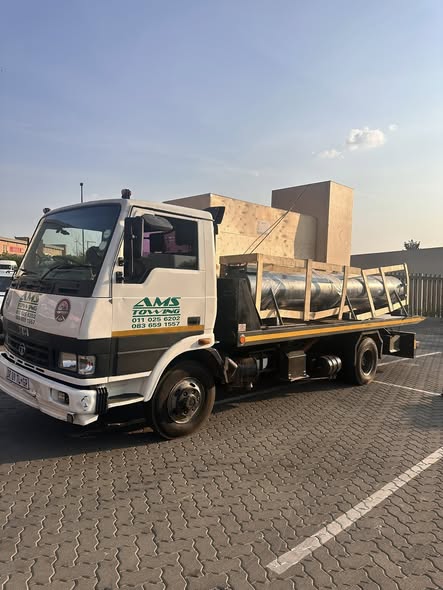
wheel alignment machines
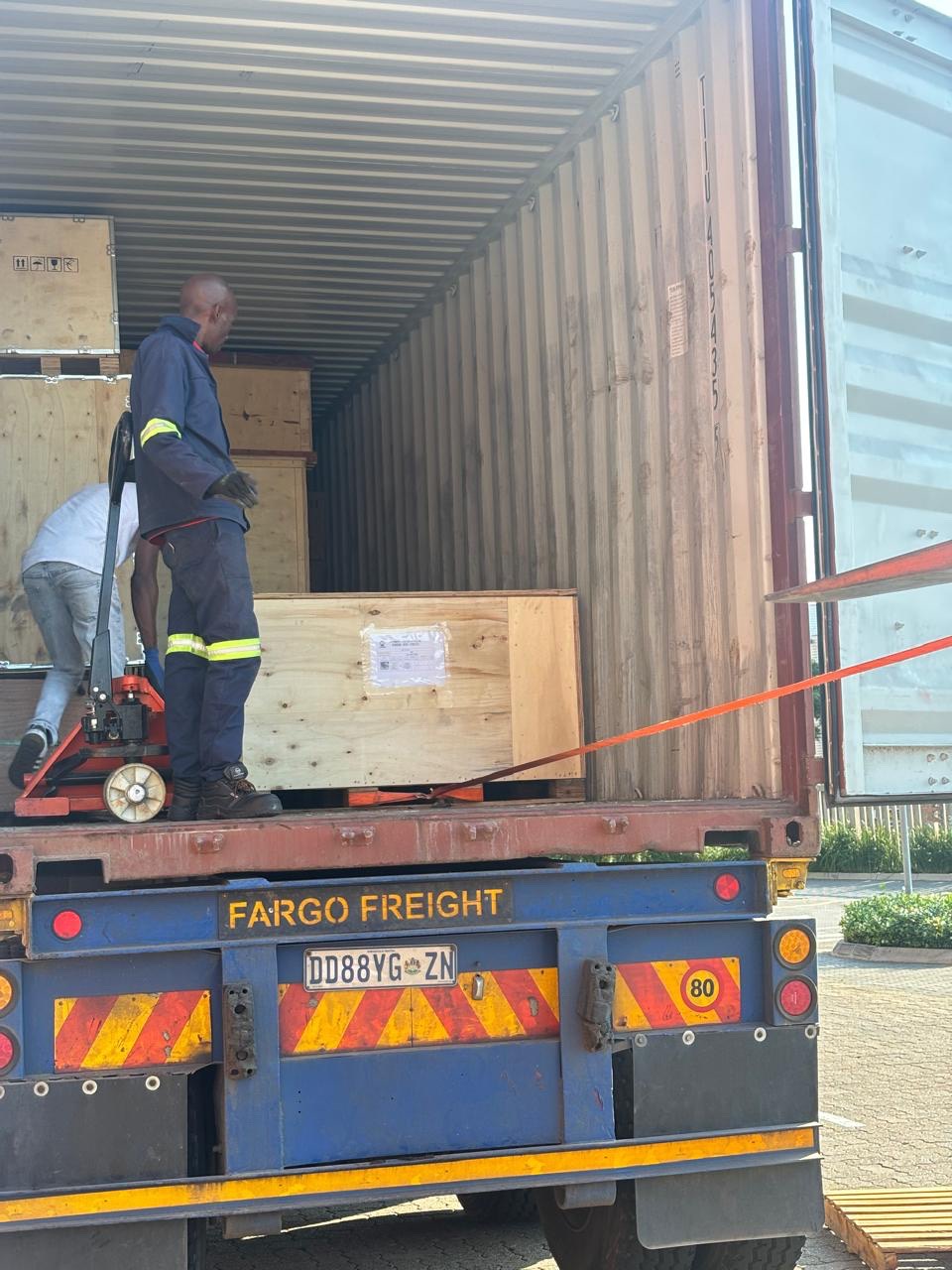
new arrivals
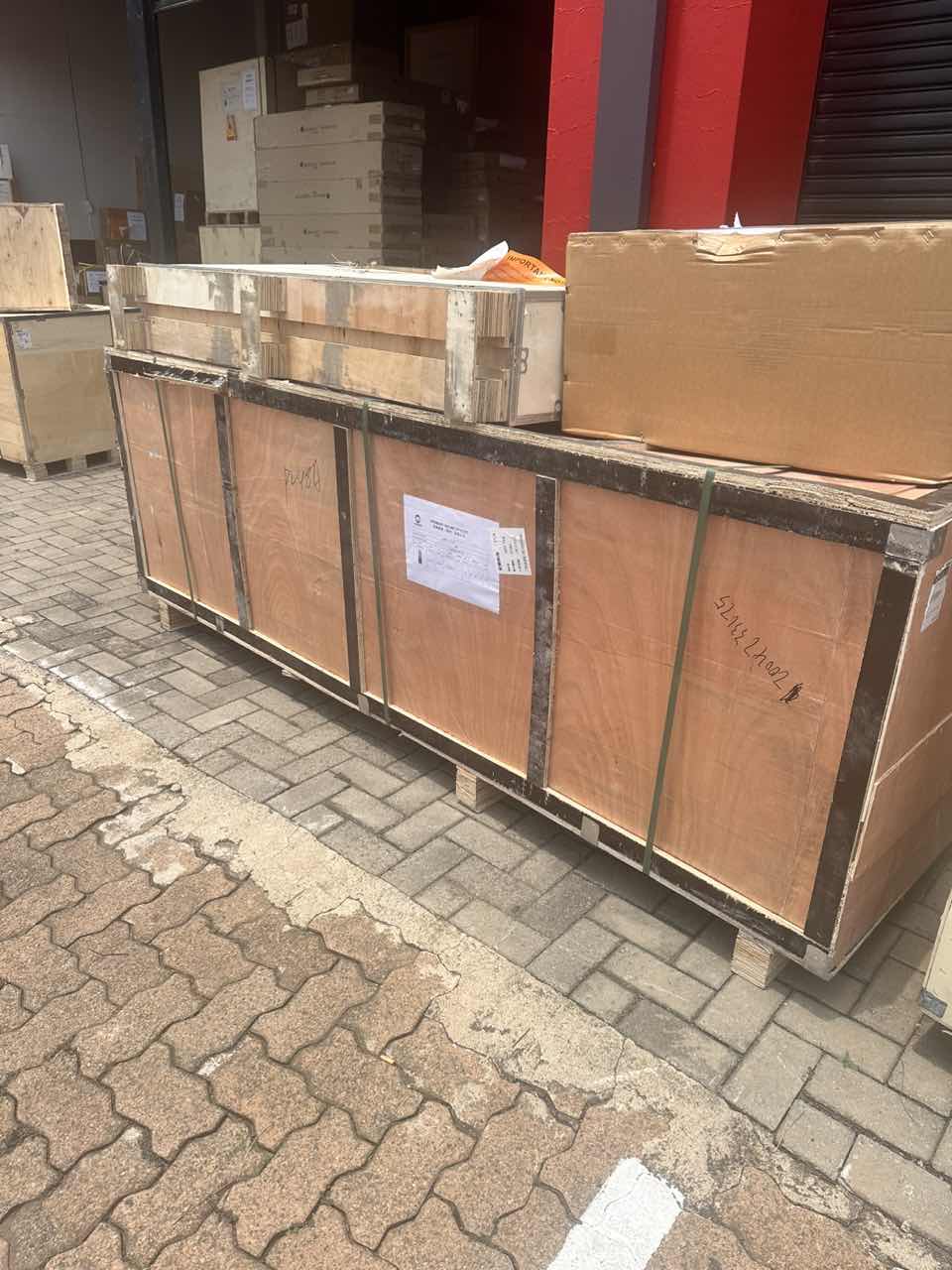
Pre Orders Offloading
Latest Arrivals
Latest Arrivals
Latest Arrivals
Loading
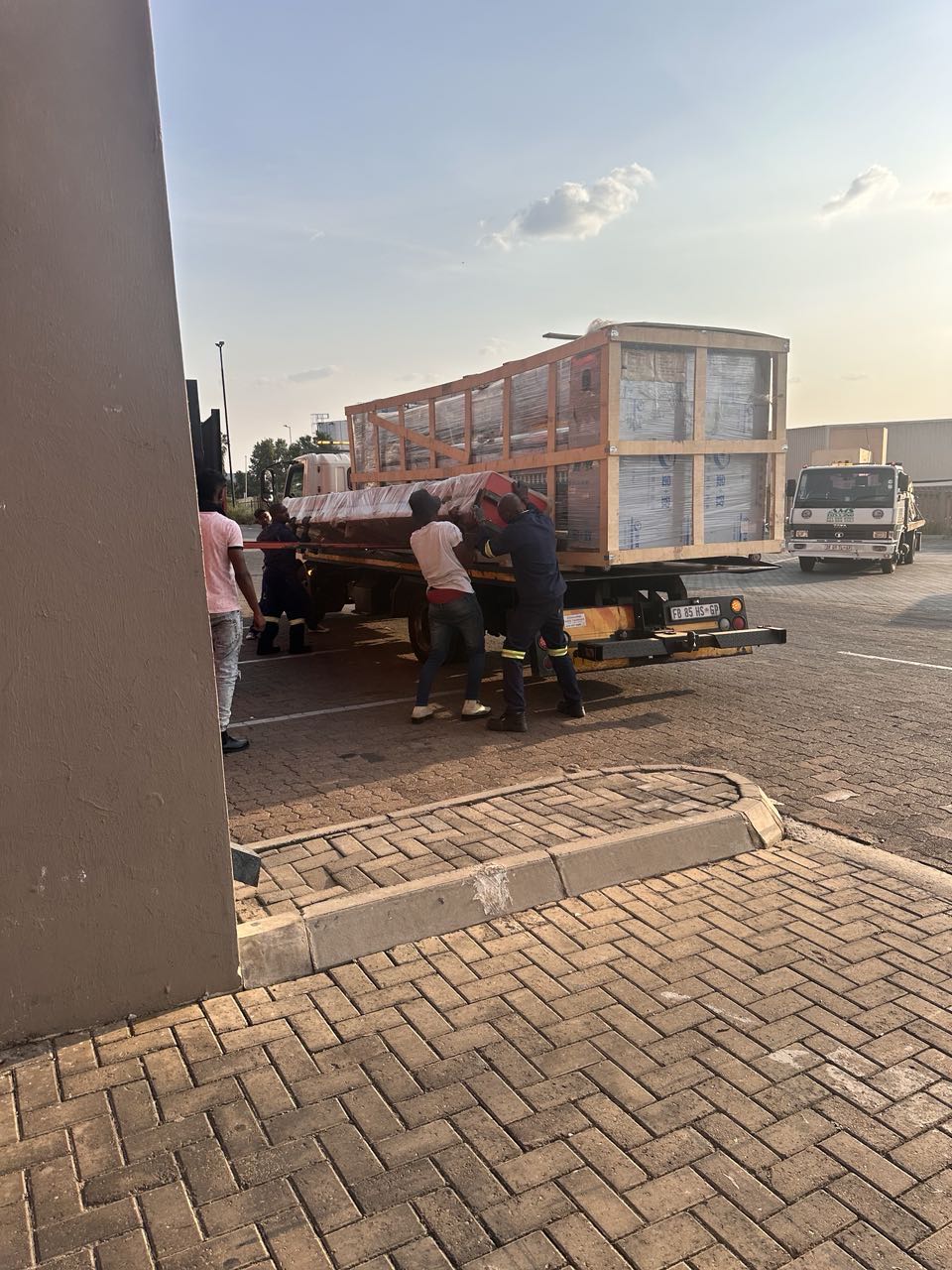
Toilet paper making machine
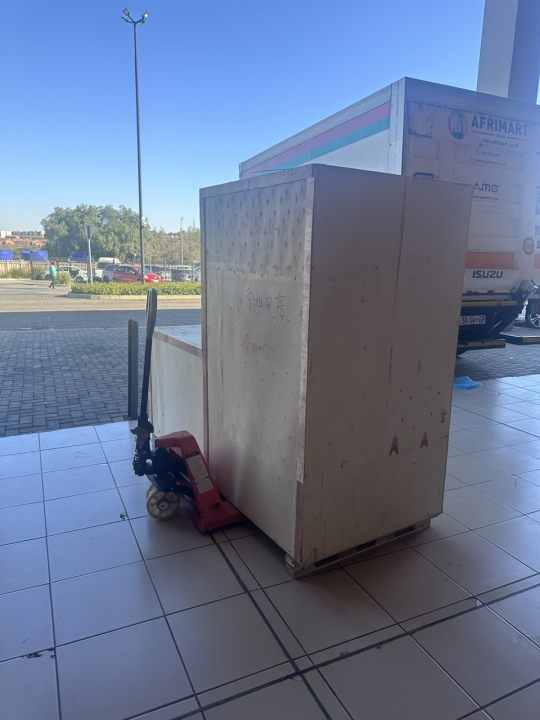
Toilet paper making machine
Toilet paper Rewinding Machine
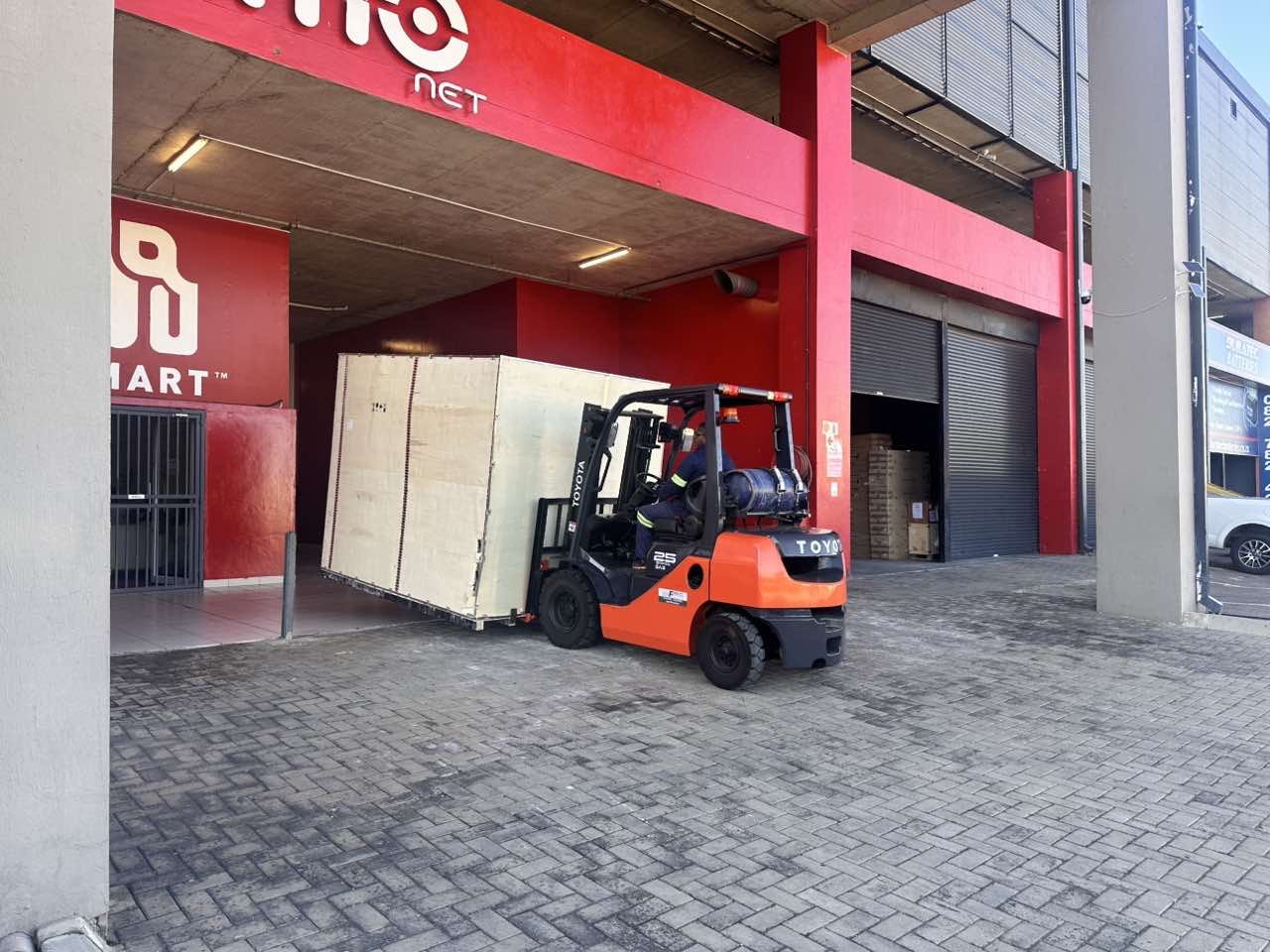
latest arrivals
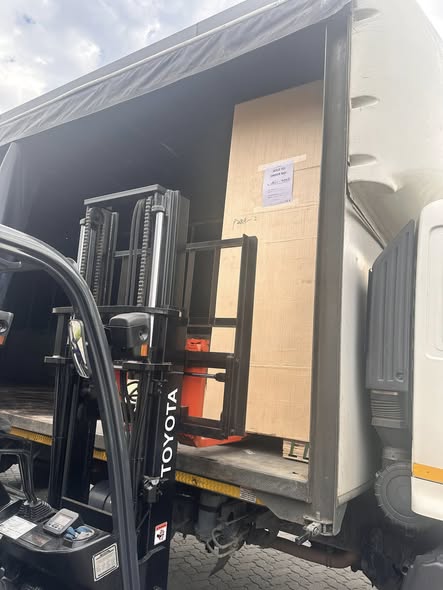
offloading
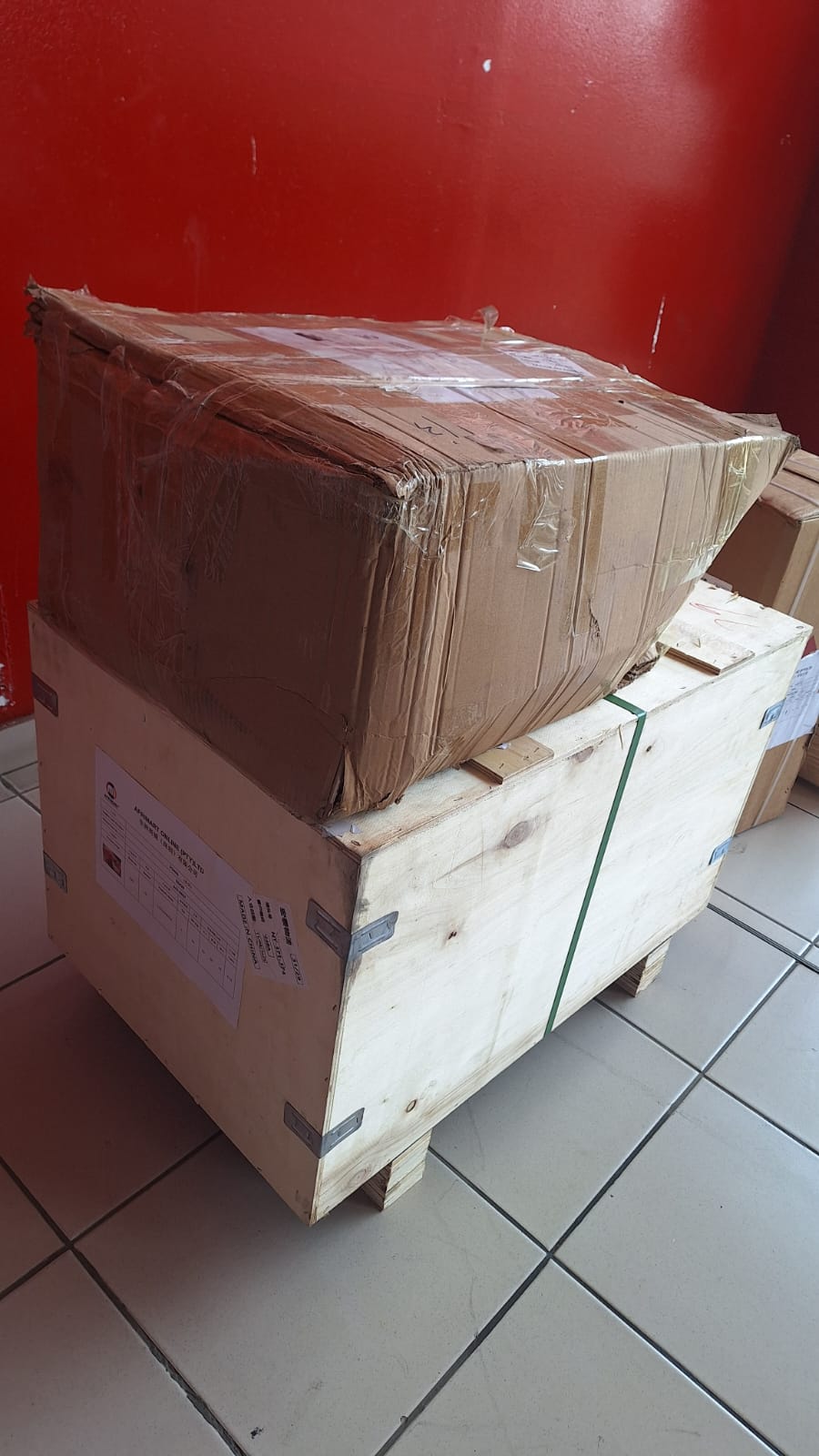
order success
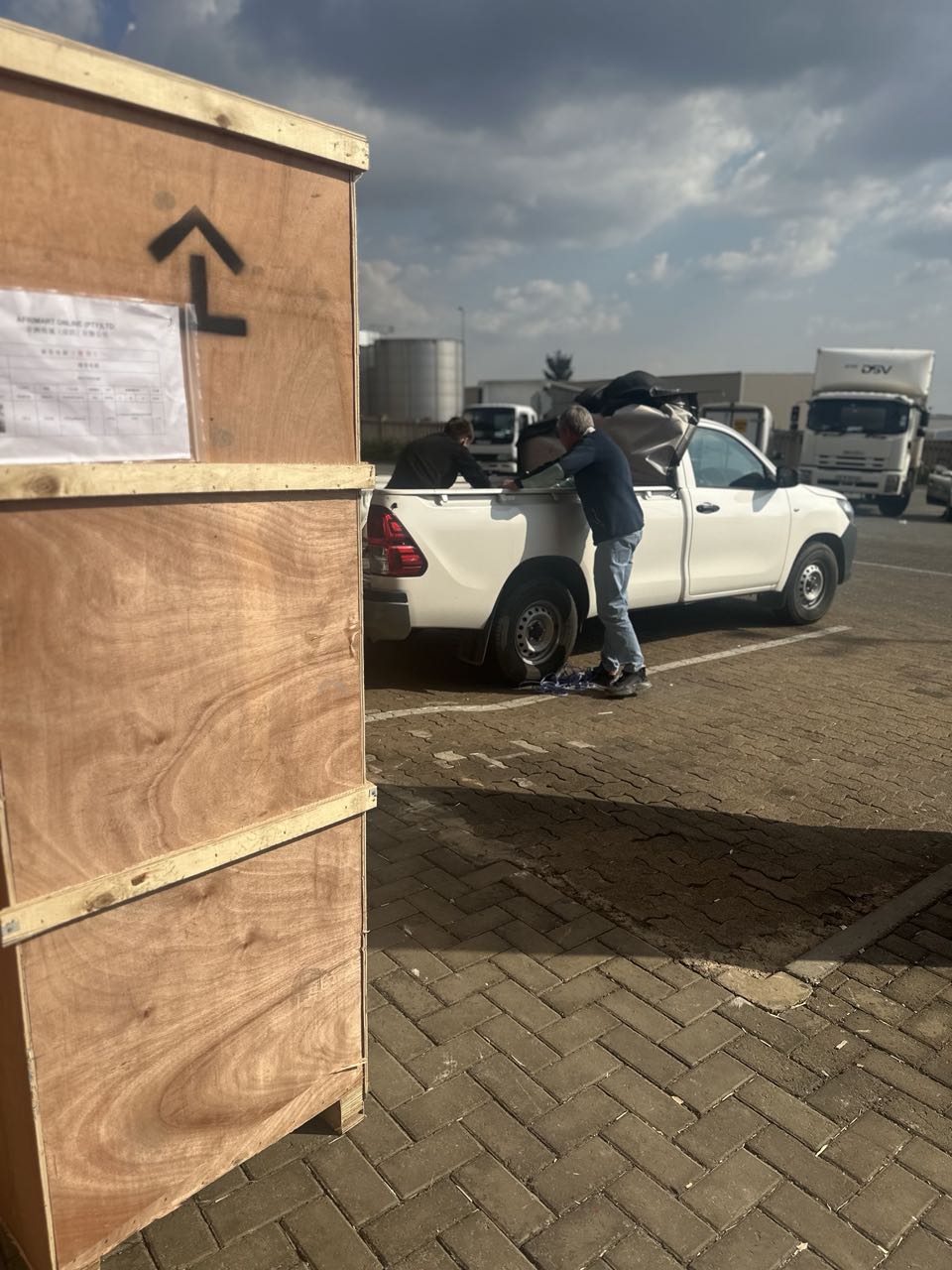
order collection
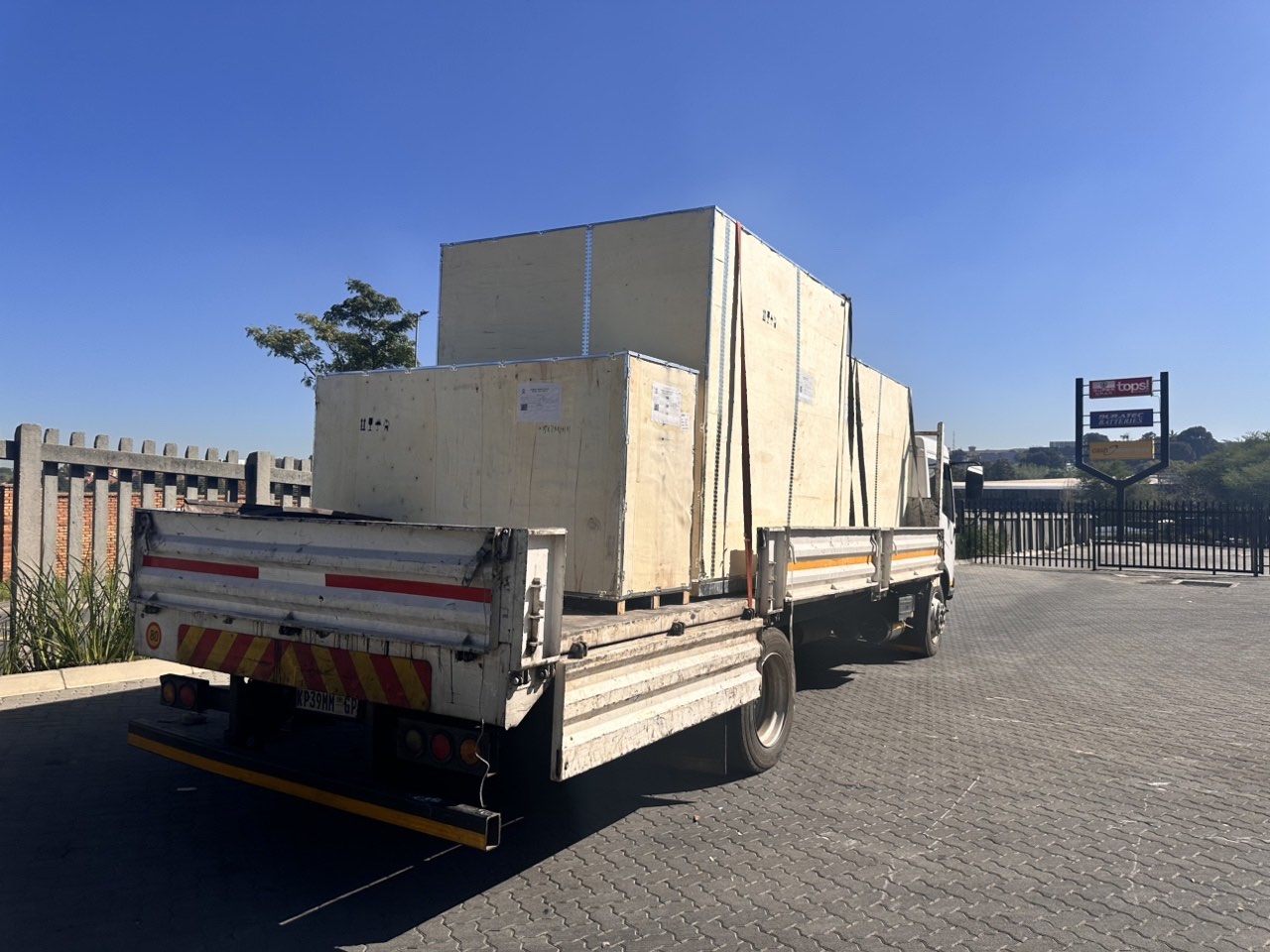
order offloading