B21, China Town Mall, Midrand

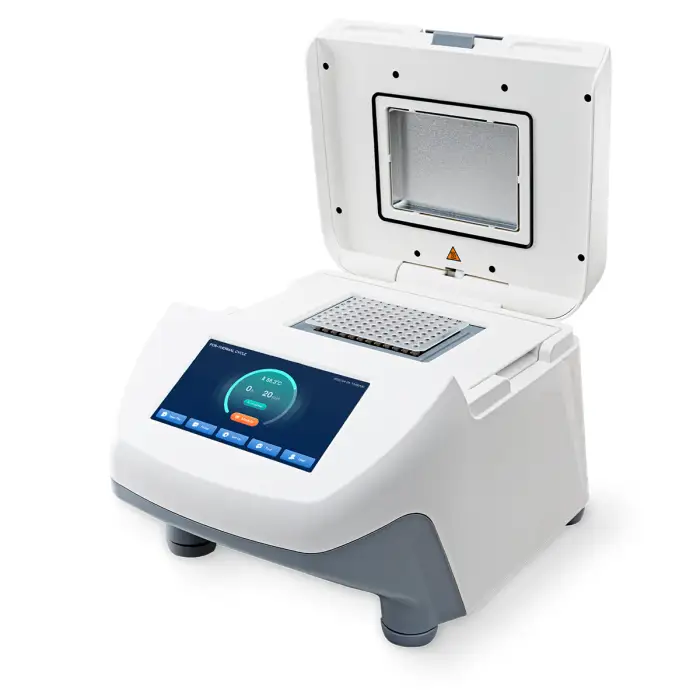
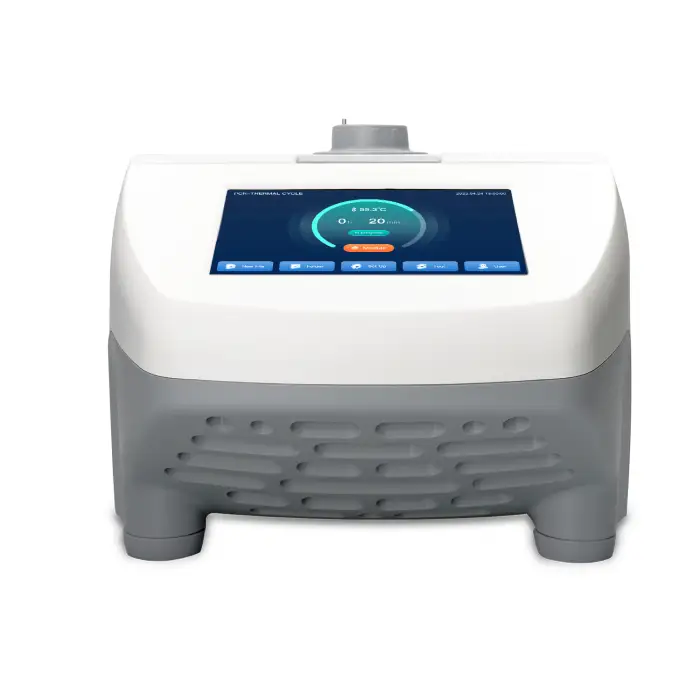
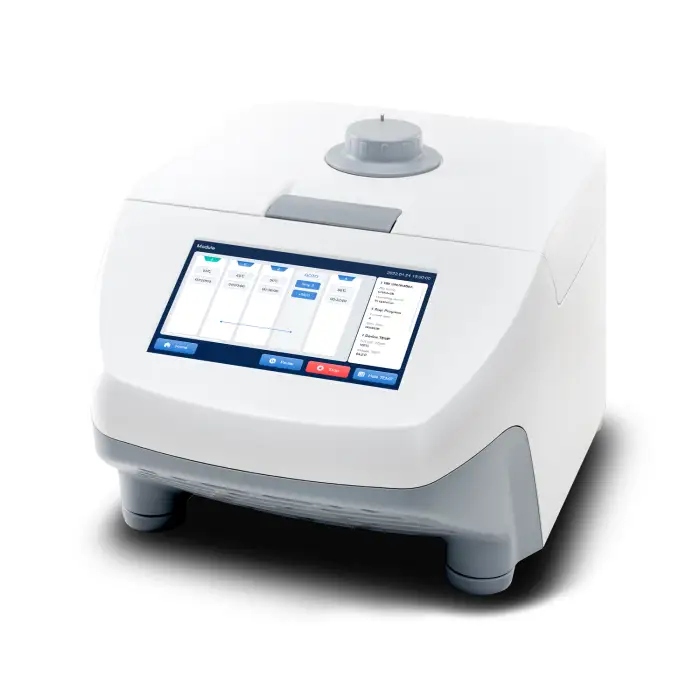
Lab Fast Testing PCR Gradient Thermal Cycler Real-time Pcr Thermocycler System
Asset finance available
Do you want funding for this equipment?
Afrimart can connect you with trusted funding partners who specialise in asset finance for businesses like yours. Compare options and apply in minutes — final approval is subject to provider review.
Check funding options
Secure & no obligation

- Section : Medical Supplies
- Category : Professional Medical Devices
- SKU : 1601017036614

Lab Fast Testing PCR Gradient Thermal Cycler Real-time PCR Thermocycler System
The Lab Fast Testing PCR Gradient Thermal Cycler is a powerful tool for laboratories and clinical settings. This advanced real-time PCR thermocycler system allows for quick and accurate temperature changes, making it ideal for various applications. With its user-friendly interface and customizable features, it helps researchers and clinicians achieve reliable results efficiently.
Specifications
| Attribute | Details |
|---|---|
| Model Number | TC1000-G-Pro |
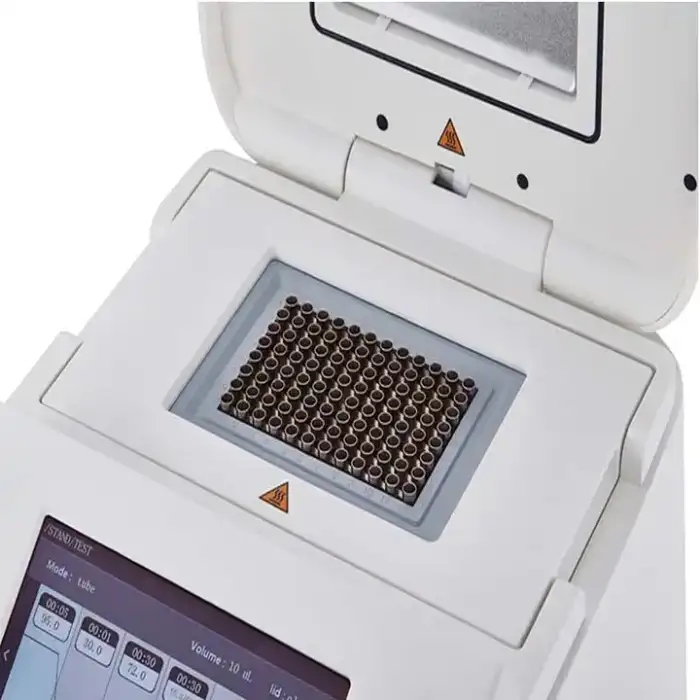
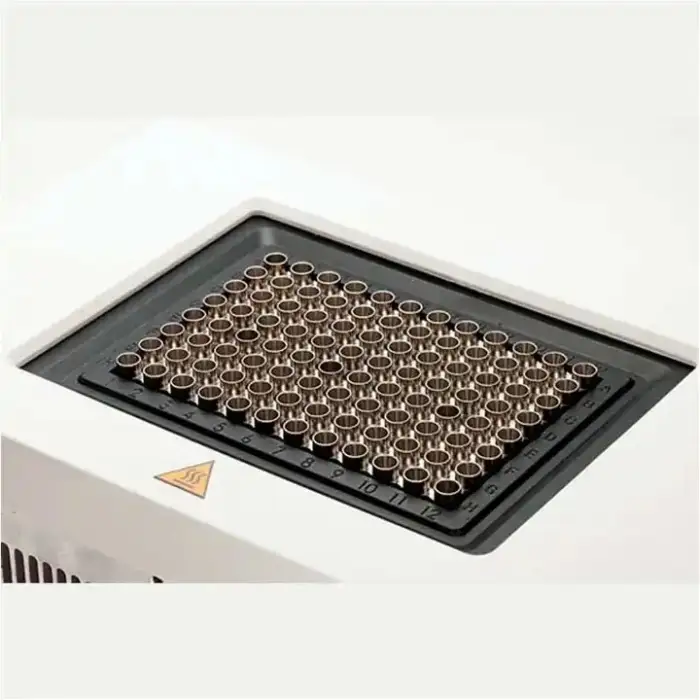
| Sample Capacity | 96X0.2mL PCR tube, 8X12 PCR plate or 96 well plate |
| Heating Temperature Range /℃ | 0-105℃ |
| Temperature Display Accuracy /℃ | ±0.1 |
| Max. Heating/Cooling Rate | 5℃/Sec |
| Display | 7 Inch LCD 1024x600 |
| Certificate | CE |
| Communication Interface | USB 2.0; WIFI |
| User Defined File System | 4-105℃ Max. 30 steps in a single program, 99 cycles |
Key Features
- Supports customized OEM models for specific needs.
- Fast heating and cooling rates for efficient cycling.
- Large sample capacity for various PCR formats.
- Easy-to-read 7-inch LCD display.
- Compatible with USB 2.0 and WIFI for data transfer.
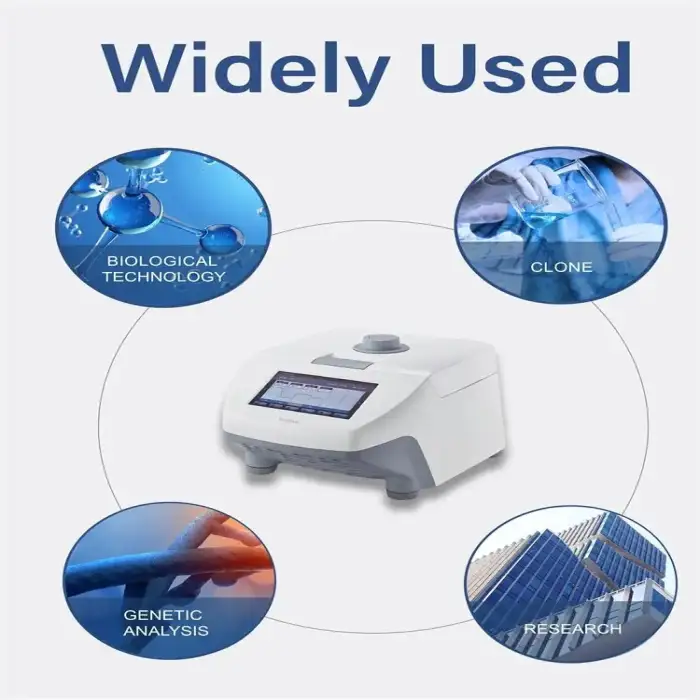
Applications
- Clinical diagnostics for disease detection.
- Research laboratories for genetic analysis.
- Educational institutions for teaching molecular biology.
- Environmental testing for pathogen detection.
- Food safety testing for microbial analysis.
The Lab Fast Testing PCR Gradient Thermal Cycler is perfect for anyone looking to enhance their laboratory capabilities with a reliable and efficient thermocycler system.
Product Info Gallery

_1754912814.jpg)
_1754912814.png)
_1754912815.png)
_1754912815.png)
_1754912813.jpg)
- Shipping Timeframes: All orders are processed within 2-5 business days (excluding weekends and holidays). After your order has been processed, the estimated delivery time is before 05 Dec, 2026, depending on customs, Please note that due to high demand, some items may experience longer shipping times, which will be communicated at order confirmation email.
- Order Processing Time: Please allow 2-5 business days for us to process your order before it is shipped . Orders placed after 16:00 on Fridays, or during weekends and public holidays, will begin processing on the next business day. Processing times may be extended during peak seasons or sales events.
- Manufacturing Time: Some products needs manufacturing time, the manufacturing process will take approximately 10-30 business days depending on the product. This timeframe may vary depending on the complexity of the product and current demand. but this will be communicated with you during order confirmation.
- Returns and Exchanges: We offer a 30-day return policy for most items. If you are not completely satisfied with your purchase, you may return it within 30 days of receipt for a refund or exchange. Items must be unused, in their original packaging, and accompanied by proof of purchase. Return shipping costs are the responsibility of the customer, unless the item was damaged or defective upon arrival.
1. What sample formats does the Lab Fast Testing PCR Gradient Thermal Cycler support?
The system accepts 96 x 0.2 mL PCR tubes, 8 x 12 PCR plates, and standard 96-well PCR plates.
2. What is the operating temperature range and temperature accuracy?
The heating temperature range is 0–105 °C with a temperature display accuracy of ±0.1 °C.
3. How fast does it heat and cool?
The maximum heating/cooling rate is 5 °C per second for rapid cycling.
4. What does the gradient function do and how is it used?
The gradient function creates a temperature gradient across the block so you can test multiple annealing temperatures in a single run (useful for primer optimization). The user-programmable range supports settings within 4–105 °C—refer to the user manual for step-by-step setup.
5. Is this unit a real-time (quantitative) PCR system with optical detection?
The product is described as a real-time PCR thermocycler system. Optical detection hardware (number and type of fluorescence channels) can vary by model or OEM configuration. Please confirm the specific optical module and channel specifications with your supplier.
6. How many program steps and cycles can I run?
You can create programs with up to 30 steps per program and run up to 99 cycles per protocol.
7. What kind of display and user interface does it have?
The instrument features an easy-to-read 7-inch LCD with 1024 × 600 resolution. For details about touchscreen capability or physical buttons, consult the product manual or contact the vendor.
8. How do I transfer and export run data?
The cycler supports data communication via USB 2.0 and Wi‑Fi. Export file formats depend on the control software provided—check with your supplier for supported export formats (e.g., CSV, TXT, or proprietary formats).
9. Can this unit be customized for specific applications?
Yes. The product supports customized OEM models to meet specific laboratory or clinical requirements. Contact the manufacturer or distributor to discuss available customization options.
10. What are common applications for this thermocycler?
Typical applications include clinical diagnostics for disease detection, genetic analysis in research labs, molecular biology teaching in educational institutions, environmental pathogen testing, and food safety microbial analysis.
11. What routine maintenance and calibration are required?
Perform routine exterior and block cleaning, inspect seals and consumables, and follow the manufacturer's maintenance schedule. Periodic performance verification and calibration (temperature and, if applicable, optical calibration) are recommended—commission qualified service or the manufacturer's support team for calibration.
12. Which consumables and accessories are recommended?
Use PCR-grade tubes, compatible 96-well plates, adhesive or heat seals, and filtered pipette tips. If the unit has optical detection, use low-fluorescence plates or optically clear seals as recommended. Always follow the manufacturer's consumable compatibility list.
13. What warranty and technical support are available?
Warranty terms and support packages vary by vendor and region. The product listing does not specify warranty length—verify warranty coverage, response times, and available service contracts with your supplier before purchase.
14. How can I avoid contamination and ensure reliable qPCR results?
Use standard qPCR best practices: separate pre- and post-PCR workspaces, use filtered tips and clean consumables, include negative and positive controls, minimize freeze-thaw cycles of reagents, and properly seal plates/tubes. Regular maintenance and calibration also help ensure consistent performance.
15. What are the instrument size, power requirements, and installation needs?
The specification sheet provided does not list footprint, weight, or power requirements. Contact the manufacturer or distributor for exact dimensions, electrical specifications, and any site-preparation recommendations prior to installation.
Latest Order Arrivals
Discover our latest orders
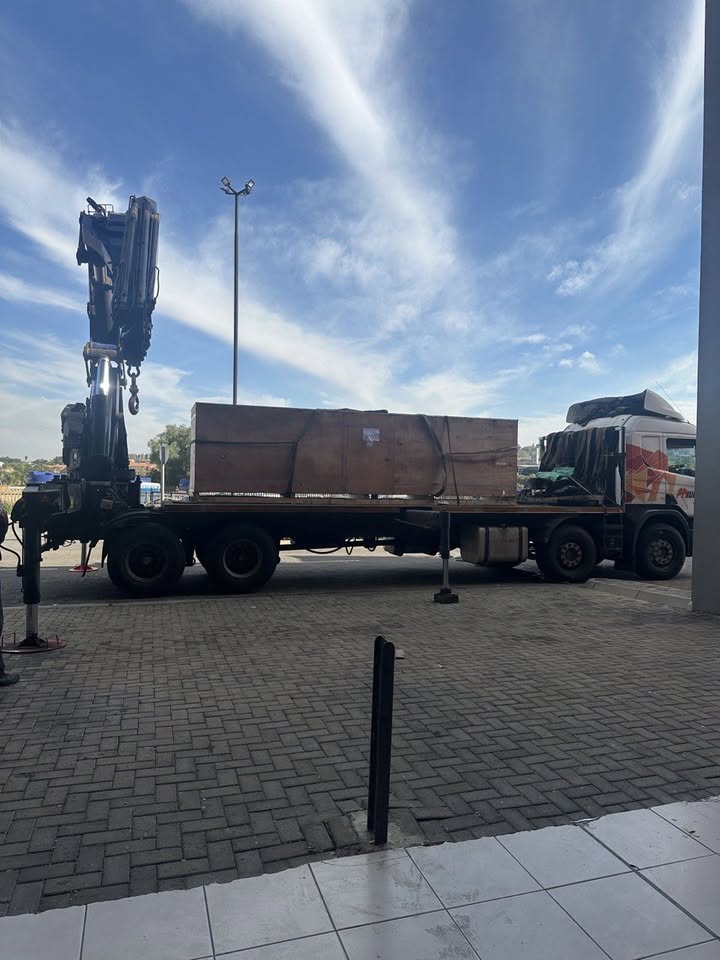
12 Heads Embroidery Machine
Toilet Paper Machine Machine
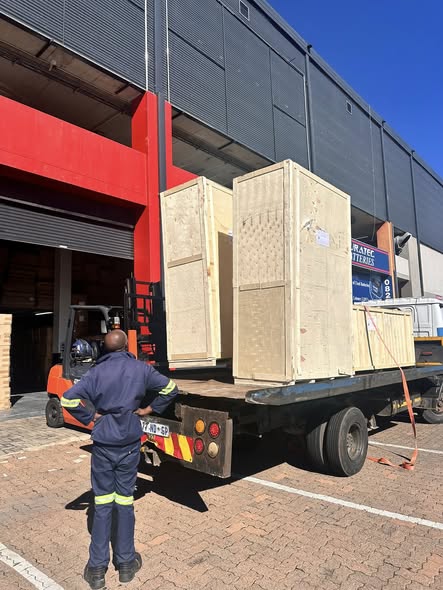
Order Collection
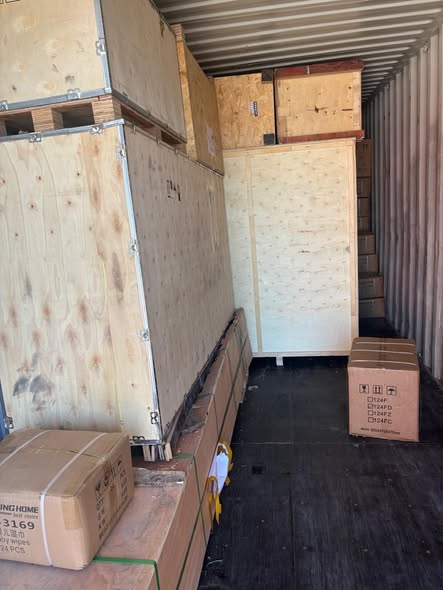
Cross Border Clients
Order cros border countries Collected
Industrial Machine Cllection
Agriculture Processing Machines
Ready for collection
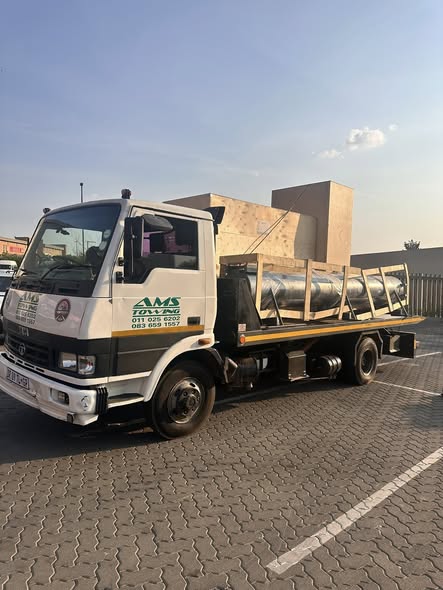
Water Pump Equipment
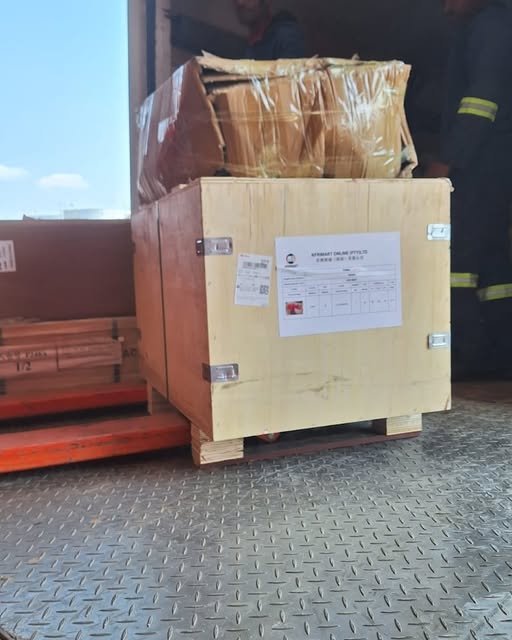
Packaging Machine and accessories
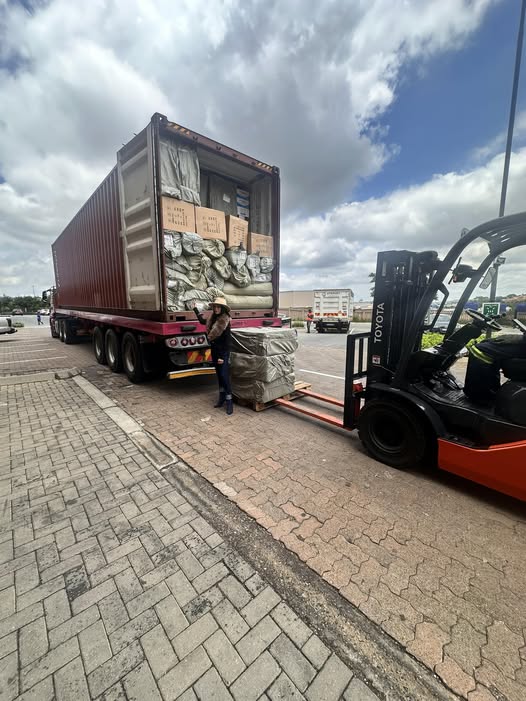
Fabrics Manufacturing Equipment
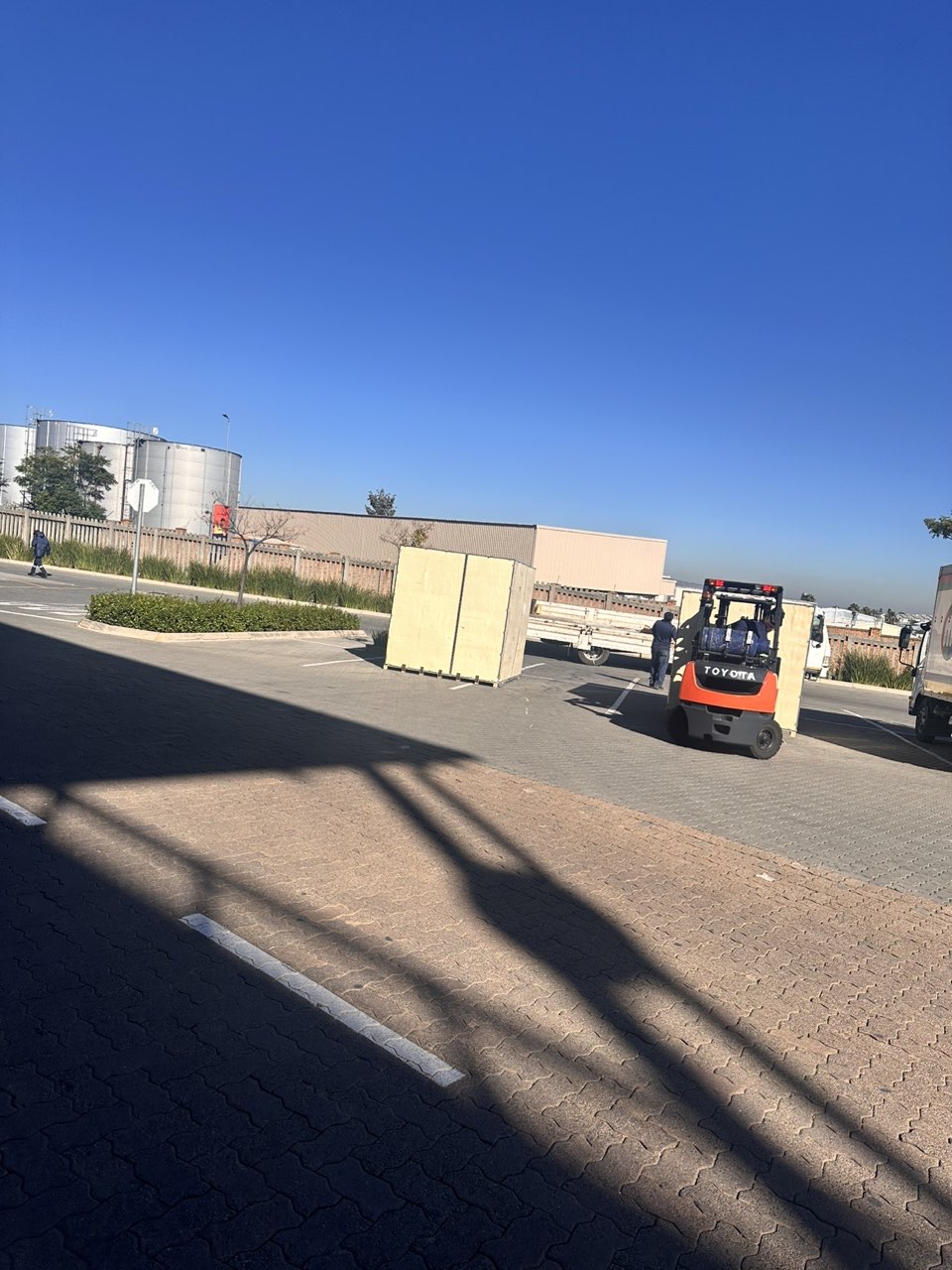
Mining Equipments
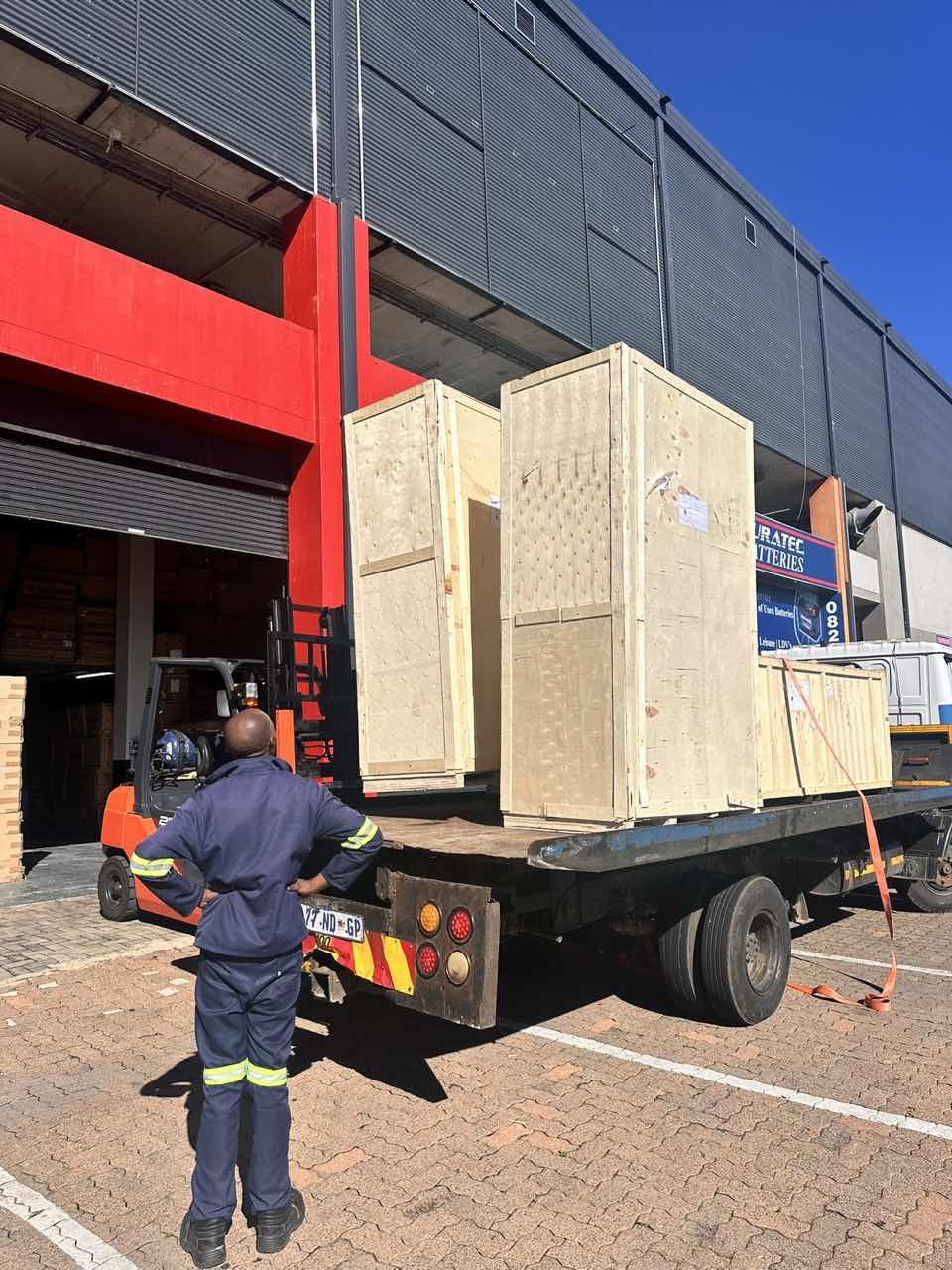
Food Processing Machine
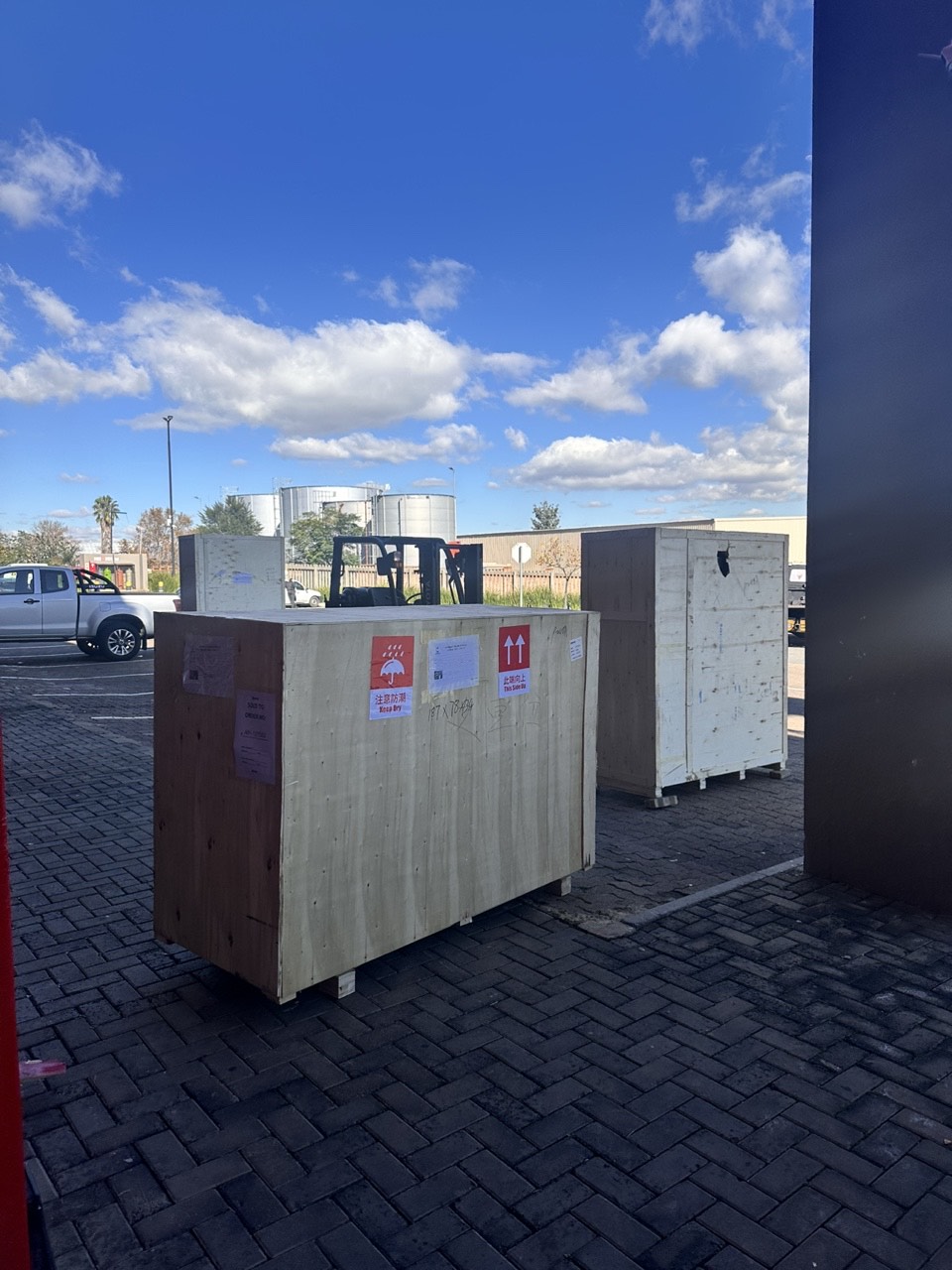
Batch of Orders
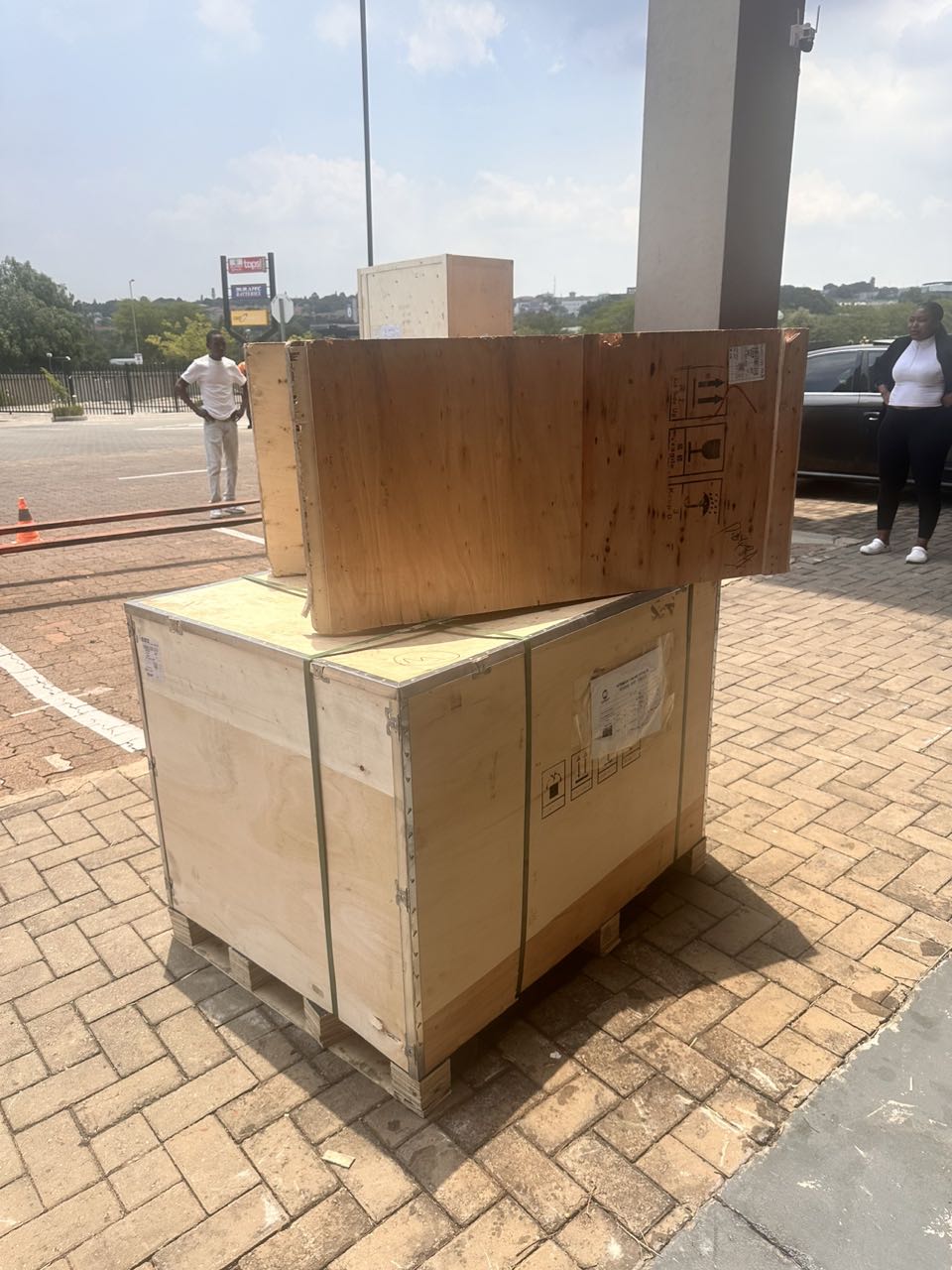
Batch of Orders
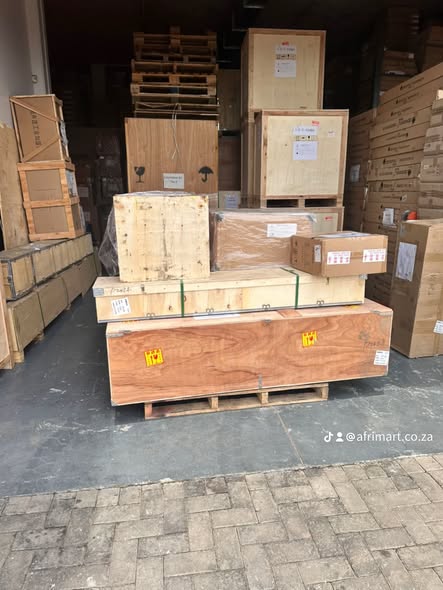
Latest Orders Labelled
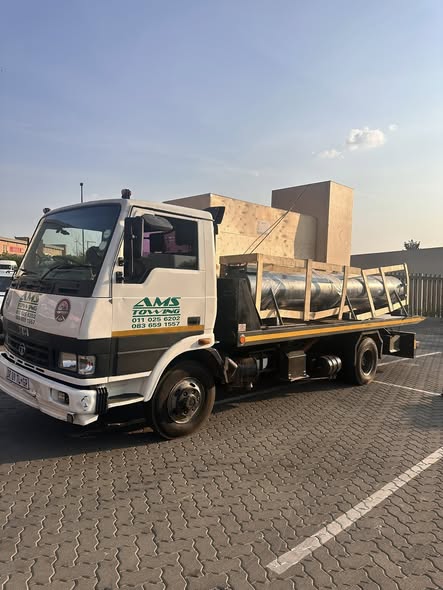
wheel alignment machines
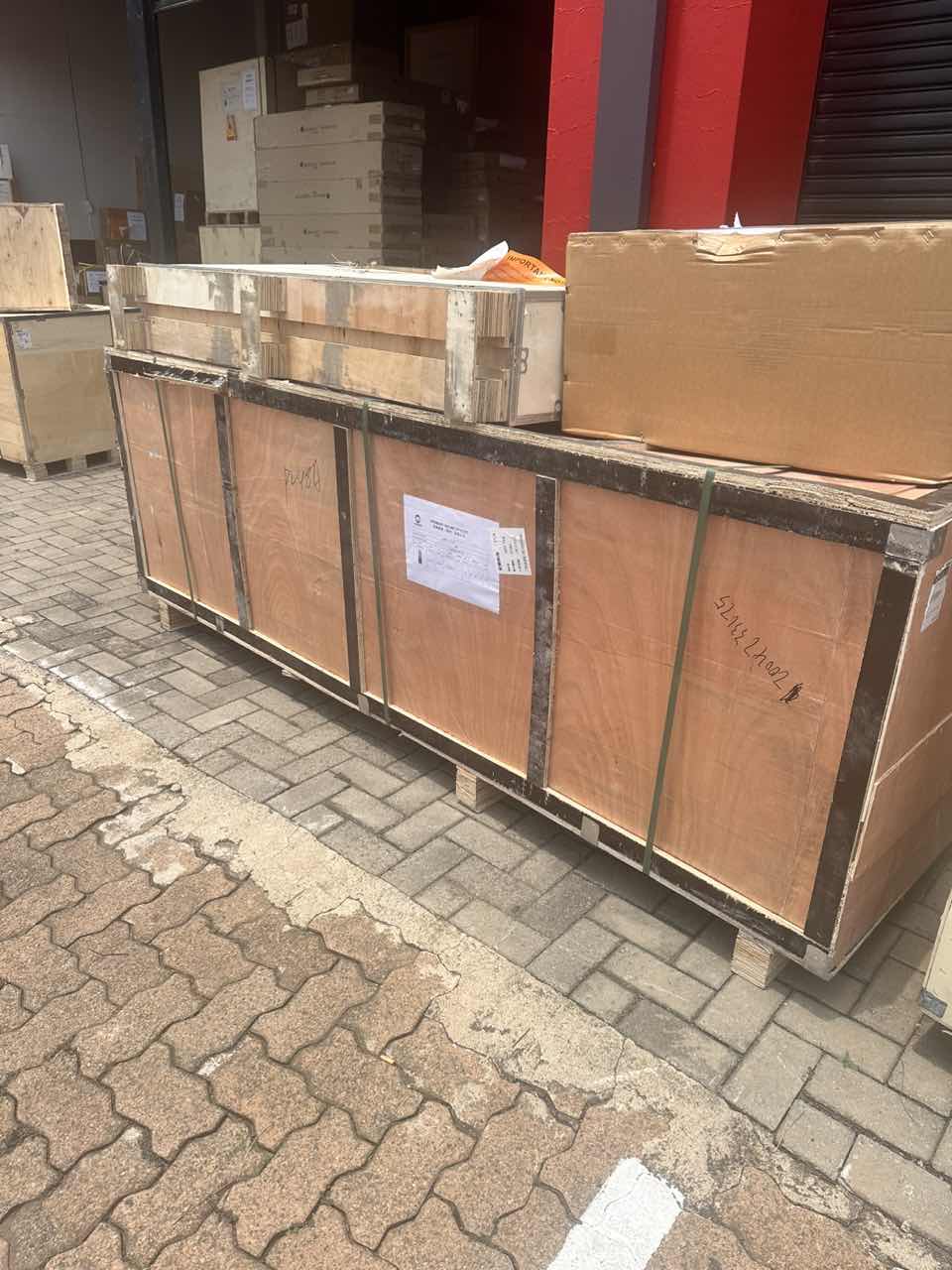
new arrivals
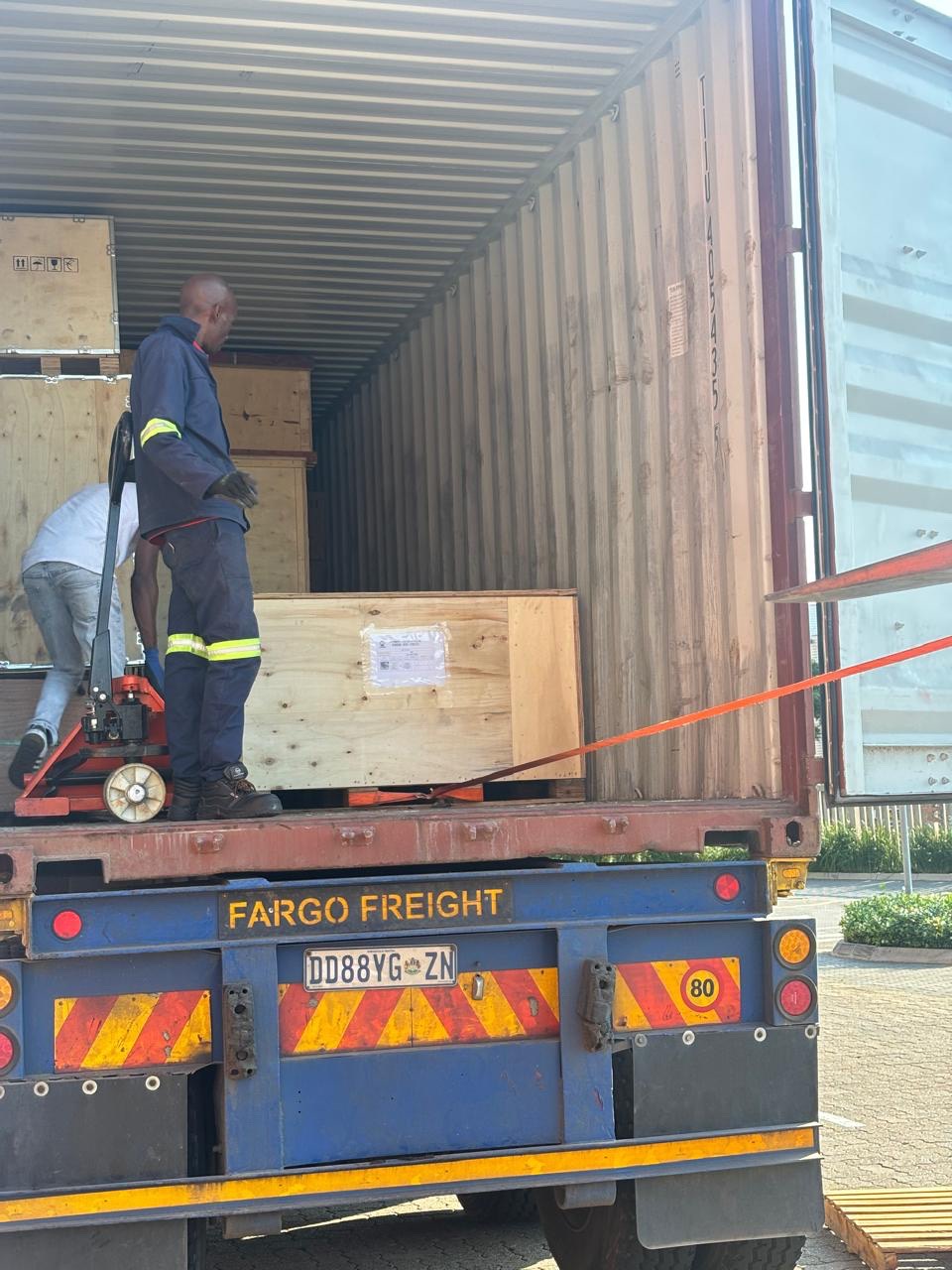
Pre Orders Offloading
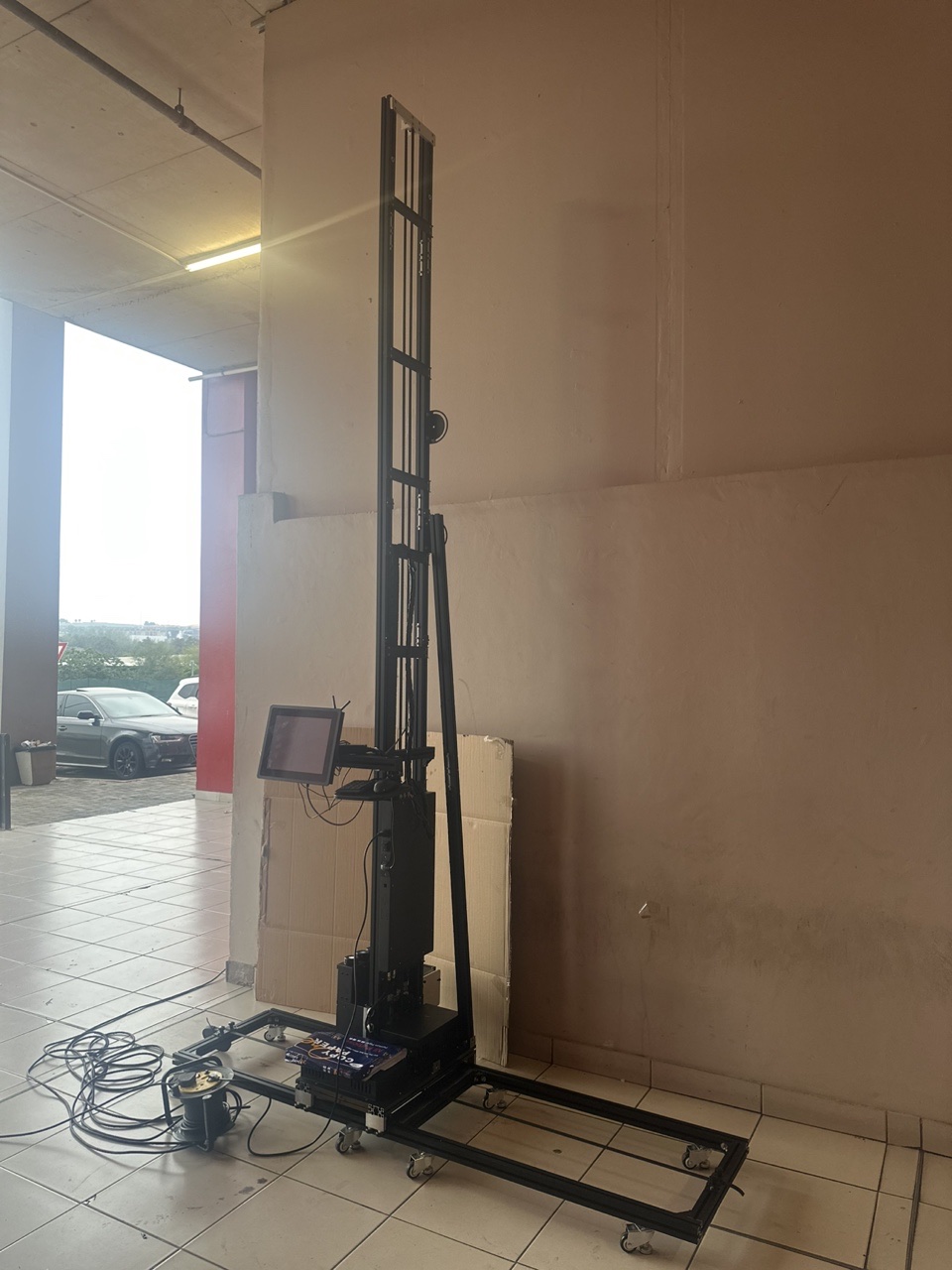
Latest Arrivals
Latest Arrivals
Latest Arrivals
Loading
Toilet paper making machine
Toilet paper making machine
Toilet paper Rewinding Machine
latest arrivals
offloading
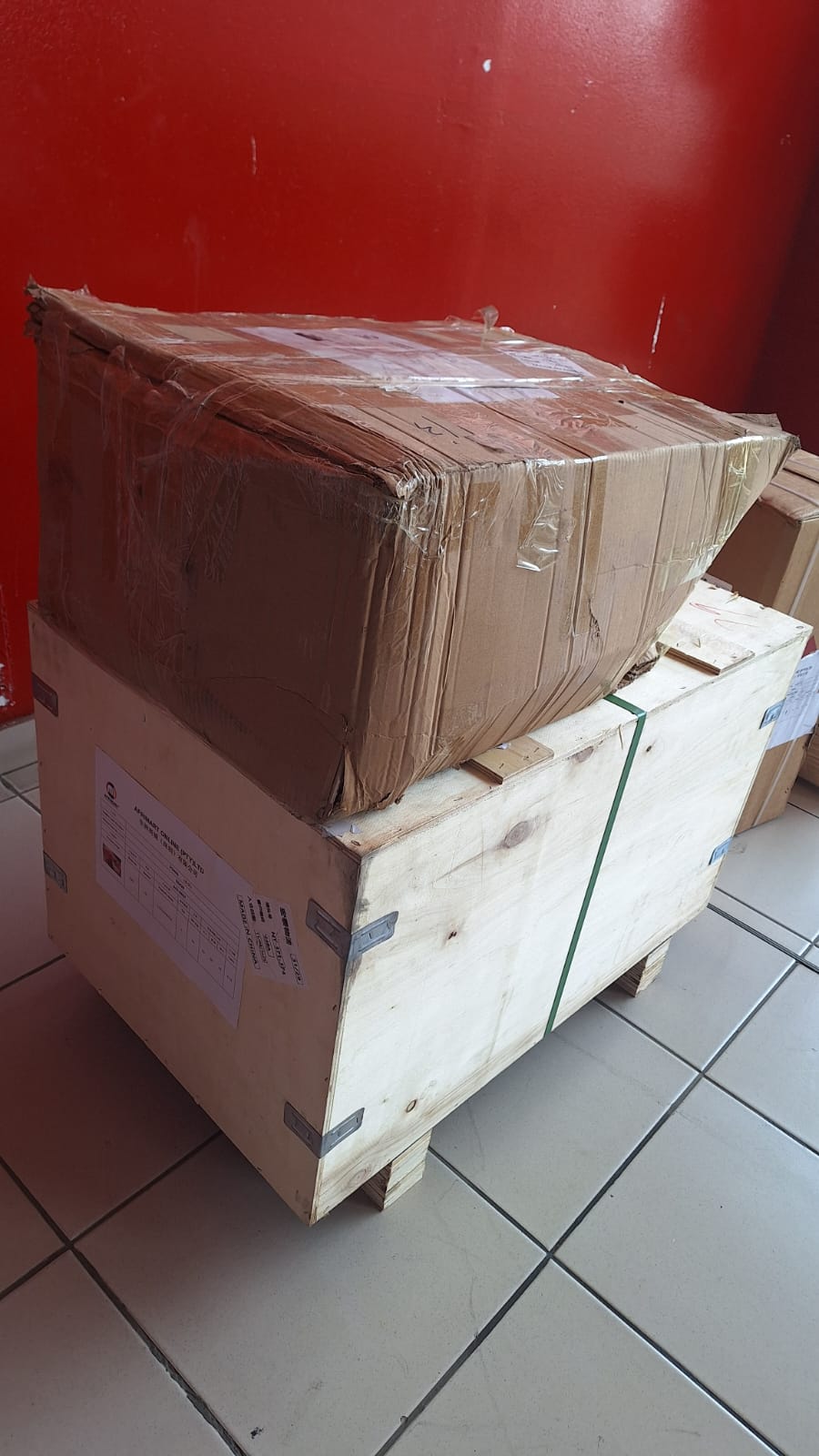
order success
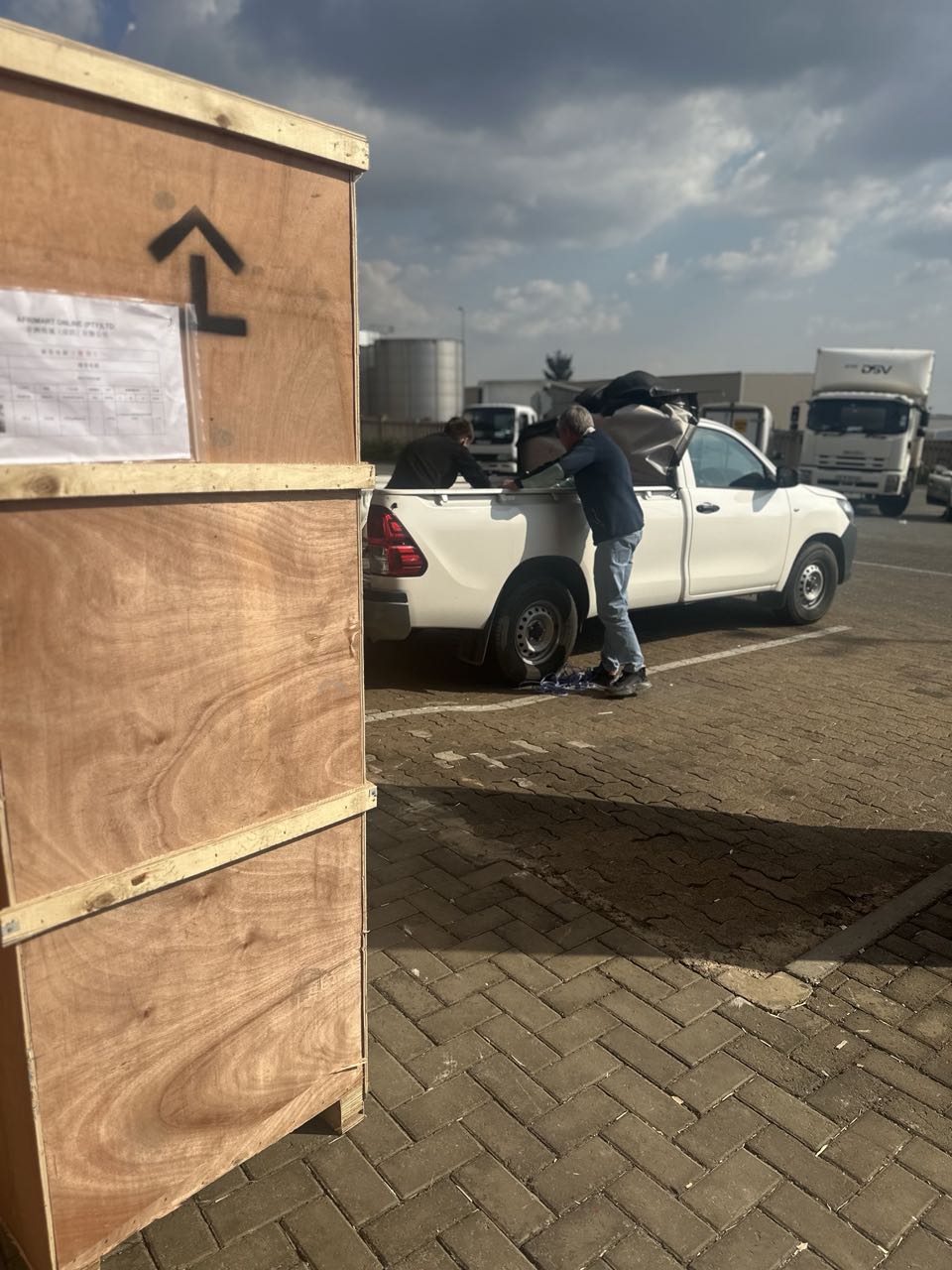
order collection
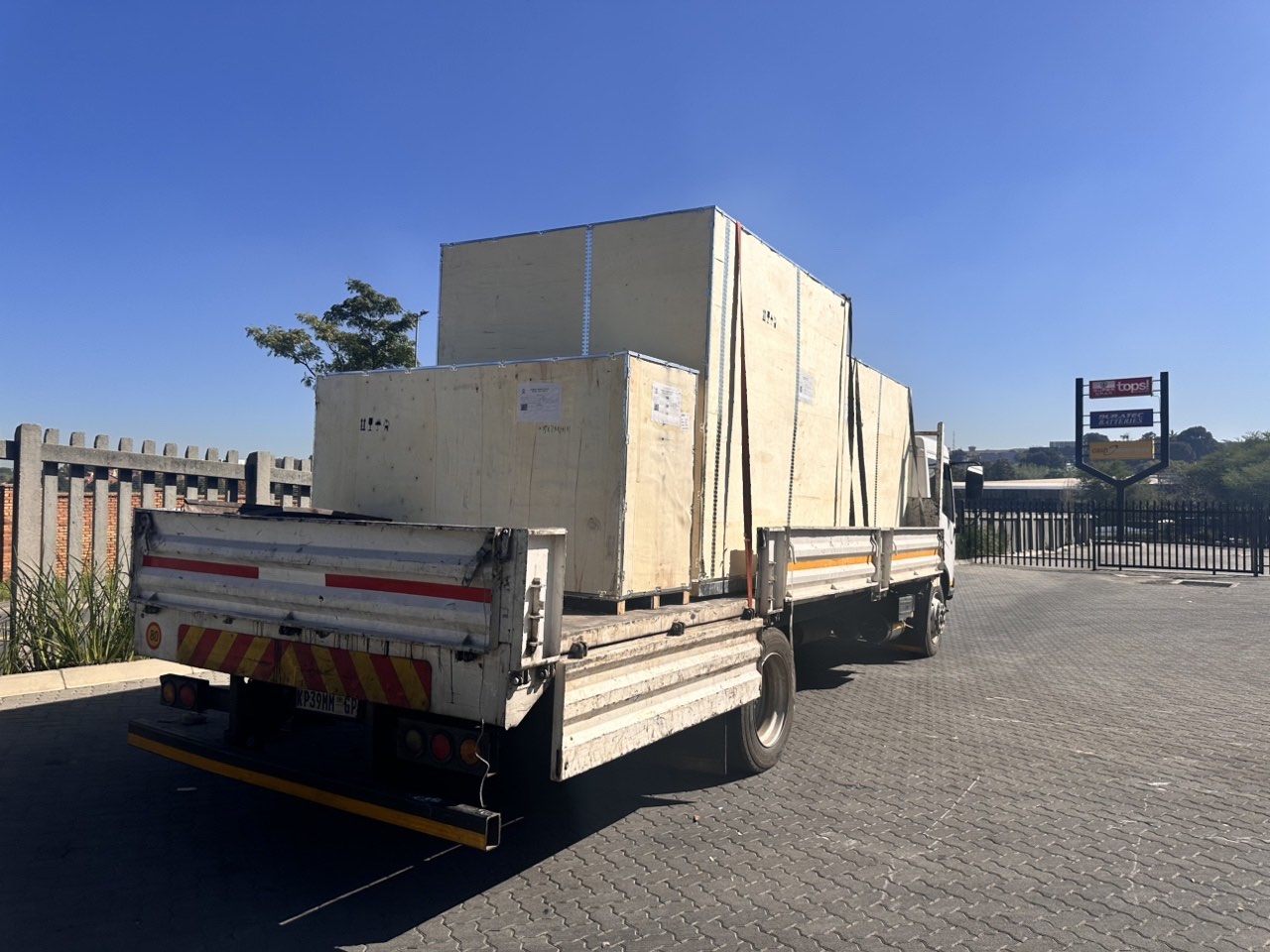
order offloading