B21, China Town Mall, Midrand

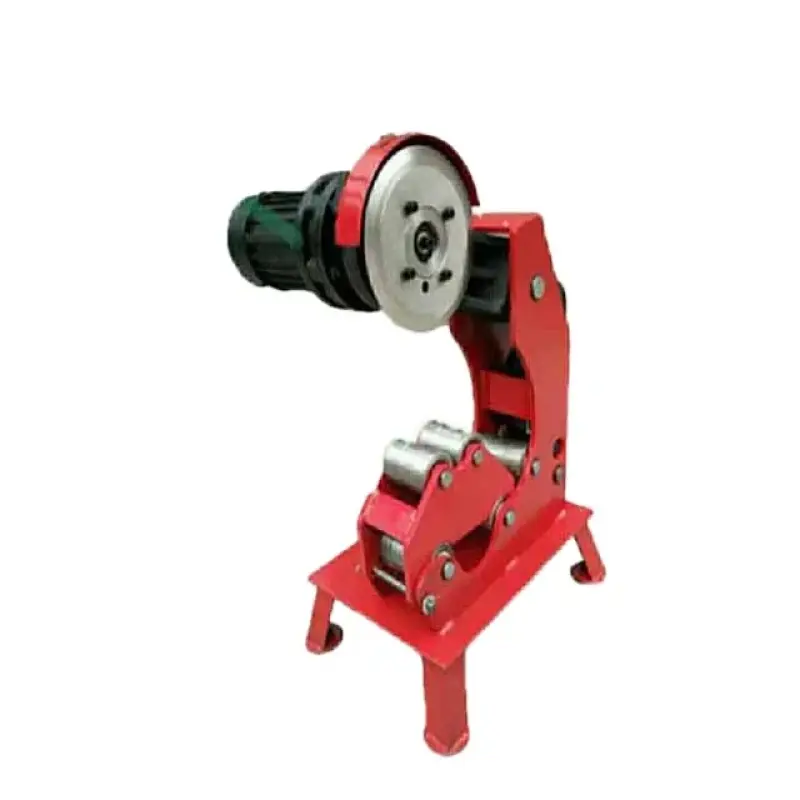
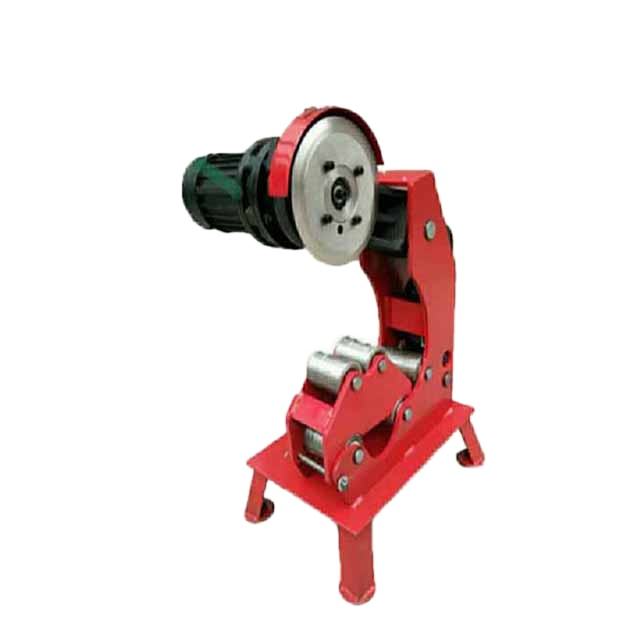
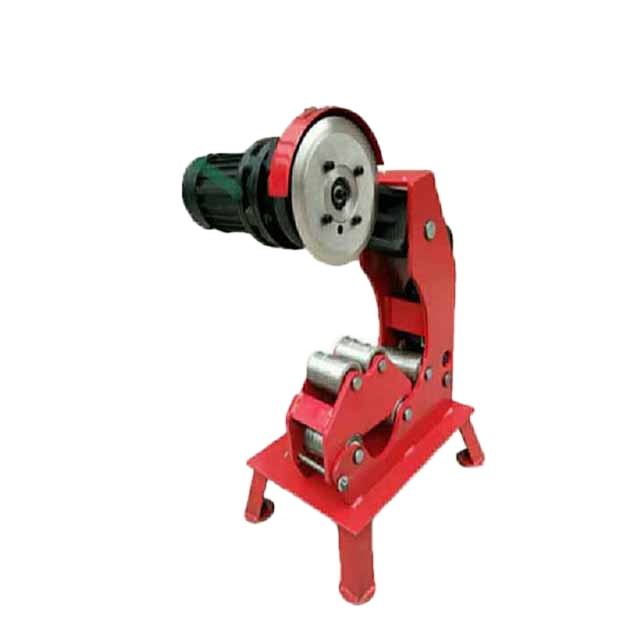
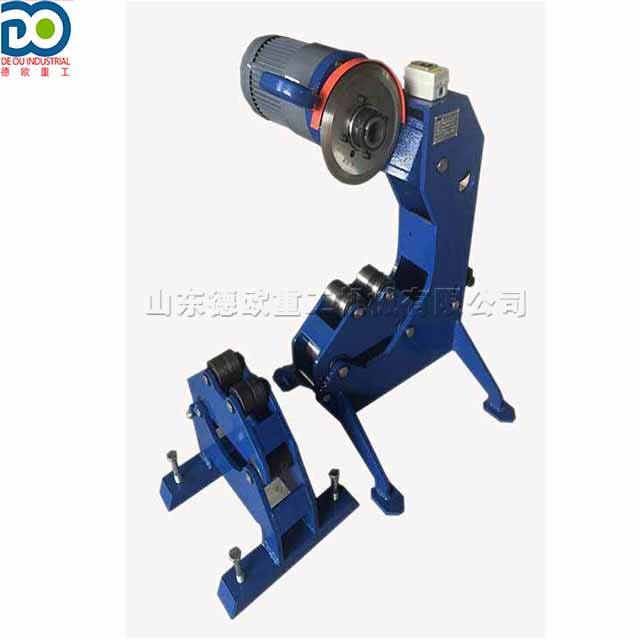
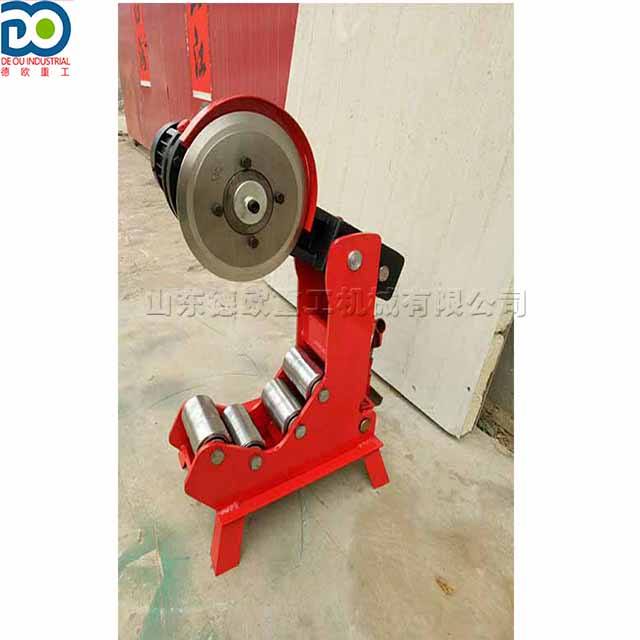
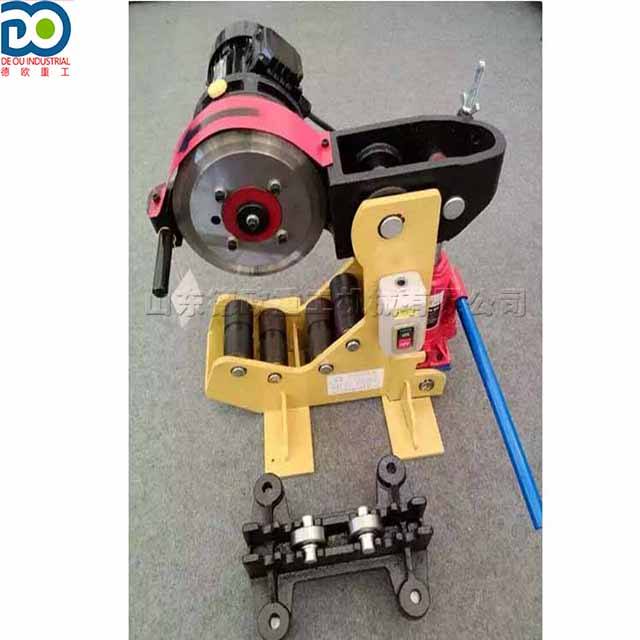
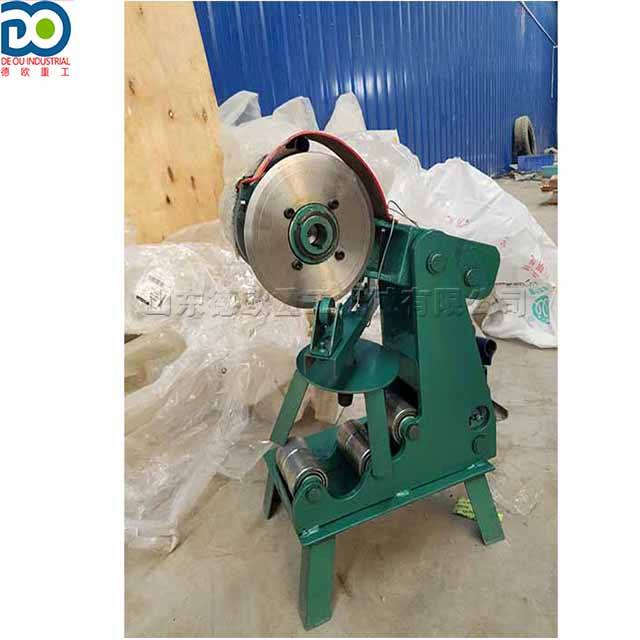
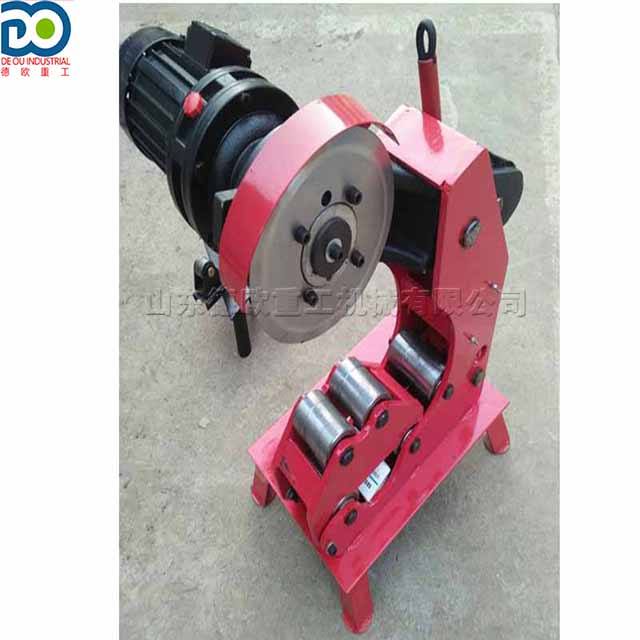
Pipe Cutting Machine by DEOU

- Section : Machinery
- Category : Other Construction Machinery
- SKU : 1600628029039

Pipe Cutting Machine by DEOU
Looking for a reliable solution to cut pipes with precision? The Pipe Cutting Machine by DEOU is your answer. Designed for high operating efficiency, this machine meets various cutting needs while ensuring durability and performance.
Key Features:
Efficient Cutting Range: Capable of cutting pipes with diameters from 20mm (0.6 inch) to 200mm (8 inch), making it versatile for different applications.
Powerful Motor: Equipped with a 0.75KW motor that operates efficiently at a spindle speed of 23 mpr, ensuring smooth and consistent cutting.
Robust Pressure: The main pump pressure of 5 tons allows for reliable cutting through various materials.
Thickness Handling: Designed to cut materials no higher than 8mm in thickness, perfect for various projects.
Long Service Life: Built with quality components to ensure longevity and reduce maintenance costs.
Conclusion:
The Pipe Cutting Machine by DEOU is an excellent investment for those needing efficient and precise cutting capabilities. With its strong performance and reliable features, it will enhance your productivity and streamline your operations.
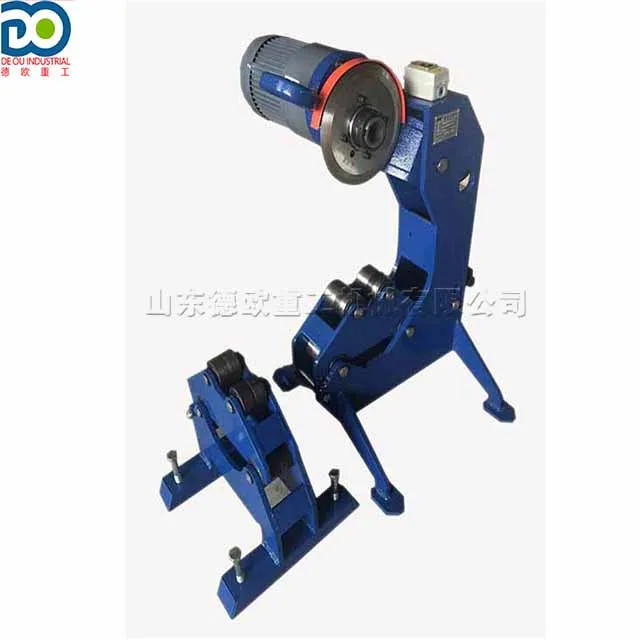
Hand-held electric pipe cutting machine stainless steel pipe cutting equipment hydraulic pipe cutting machine
Place the pipe cutter horizontally and adjust the height of the bracket according to the size of the pipe diameter. If the pipe is too heavy, it is recommended to tie rivets directly to the foundation and tighten the pipe cutter to prevent it from moving during the cutting process. According to the thickness of the steel pipe, the steel pipe is placed on the different rollers of the pipe cutting machine (100mm and 100mm pipe should be placed on the two rollers of the pipe cutting machine). The handle of the oil pump should not be continuously pressed. Press the handle, and the blade moves down about 0.5mm, The steel pipe is rotated once and then pressed again. When the blade is about a little more than 1/2 point into the steel pipe, no more pressing is needed. After the steel pipe is rotated a few times, the steel pipe will naturally break.
Specification
| Motor voltage | 380V |
| Spindle speed | 23mpr |
| Motor power | 0.75KW |
| Cutting range | 20 (0.6 inch) to 200 (8 inch) mm pipe diameter |
| Main pump pressure | 5T |
| Cutting thickness | no higher than 8mm |
- Shipping Timeframes: All orders are processed within 2-5 business days (excluding weekends and holidays). After your order has been processed, the estimated delivery time is before 02 Oct, 2026, depending on customs, Please note that due to high demand, some items may experience longer shipping times, which will be communicated at order confirmation email.
- Order Processing Time: Please allow 2-5 business days for us to process your order before it is shipped . Orders placed after 16:00 on Fridays, or during weekends and public holidays, will begin processing on the next business day. Processing times may be extended during peak seasons or sales events.
- Manufacturing Time: Some products needs manufacturing time, the manufacturing process will take approximately 10-30 business days depending on the product. This timeframe may vary depending on the complexity of the product and current demand. but this will be communicated with you during order confirmation.
- Returns and Exchanges: We offer a 30-day return policy for most items. If you are not completely satisfied with your purchase, you may return it within 30 days of receipt for a refund or exchange. Items must be unused, in their original packaging, and accompanied by proof of purchase. Return shipping costs are the responsibility of the customer, unless the item was damaged or defective upon arrival.
1. What pipe diameter range can the Pipe Cutting Machine by DEOU handle?
The machine cuts pipes with diameters from 20 mm (0.6 inch) up to 200 mm (8 inch).
2. What is the maximum wall thickness this machine can cut?
It is designed to cut materials with a thickness of up to 8 mm.
3. What kind of motor and power specifications does the machine have?
The machine is equipped with a 0.75 kW motor that runs at a spindle speed of 23 mpr.
4. What is the operating voltage of the motor?
The motor voltage specified is 380 V. Check local electrical requirements and consult an electrician for installation.
5. How much hydraulic pressure does the main pump produce?
The main pump develops a pressure of 5 tons (5 T), providing the force needed for cutting various pipe materials.
6. Which pipe materials can this machine cut?
It is suitable for common metal pipes including stainless steel and carbon steel. For specialty alloys, verify cutting suitability with your supplier.
7. Is this a handheld cutter or a bench-mounted/hydraulic machine?
This description refers to a bench-mounted hydraulic pipe cutting machine (with rollers and a bracket). If you need a handheld model, contact the supplier for available variants.
8. How do I position and secure the pipe before cutting?
Place the pipe cutter horizontally and adjust the bracket height to match the pipe diameter. Use the appropriate rollers for the pipe size and, if the pipe is heavy, secure it to the foundation with rivets or clamps to prevent movement.
9. What is the recommended cutting technique/operation steps?
Press the oil pump handle briefly so the blade advances about 0.5 mm, then rotate the pipe once and press again. Repeat this incremental feeding. When the blade has entered roughly a little more than half the wall thickness, stop pressing; rotate the pipe several times until it breaks free.
10. Are there special rollers for different pipe sizes?
Yes. The machine uses different rollers for various pipe diameters—follow the guidance (for example, two rollers for 100 mm pipes) to properly support the pipe during cutting.
11. What maintenance is required to keep the machine running reliably?
Regularly inspect and lubricate moving parts, check hydraulic oil level and condition, tighten fasteners, keep rollers and blade surfaces clean, and replace worn blades or seals as needed. Follow the supplier's maintenance schedule for best results.
12. How do I replace or sharpen the cutting blade?
Blade replacement and sharpening procedures vary by blade type. Use only the recommended blade model and follow the supplier's instructions or service manual; ensure the machine is powered down and depressurized before servicing.
13. What safety precautions should operators follow?
Wear appropriate PPE (safety glasses, gloves, hearing protection), secure the workpiece, avoid continuous over-pumping of the oil handle, keep hands away from the blade area, ensure proper grounding and electrical protection, and follow lockout/tagout procedures during maintenance.
14. Who should I contact for spare parts, warranty, or technical support?
Contact your DEOU dealer or the vendor from whom you purchased the machine for spare parts, warranty details, and technical support. If you need contact information, check product documentation or the supplier website.
Latest Order Arrivals
Discover our latest orders
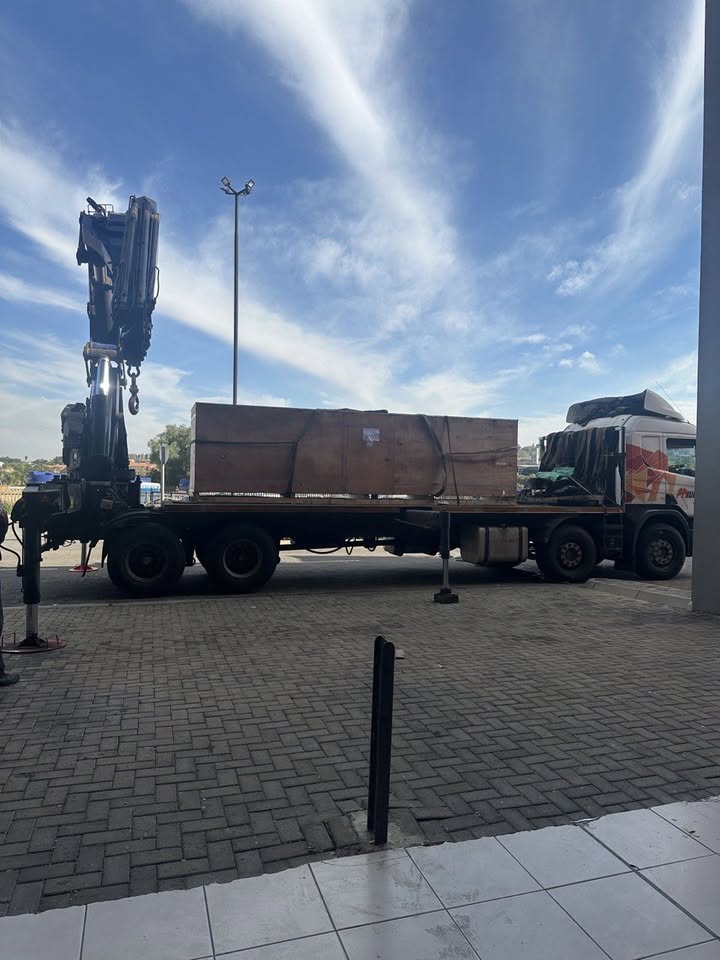
12 Heads Embroidery Machine
Toilet Paper Machine Machine
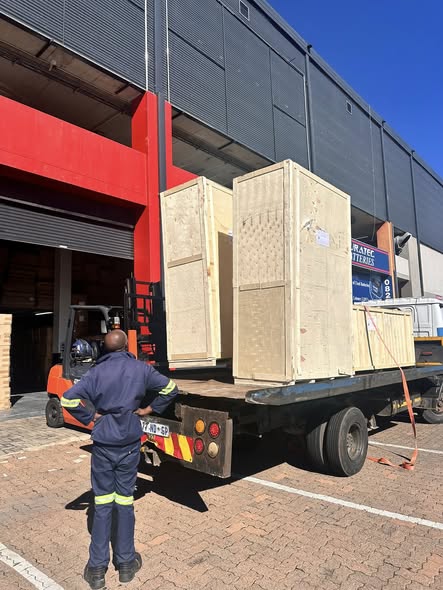
Order Collection
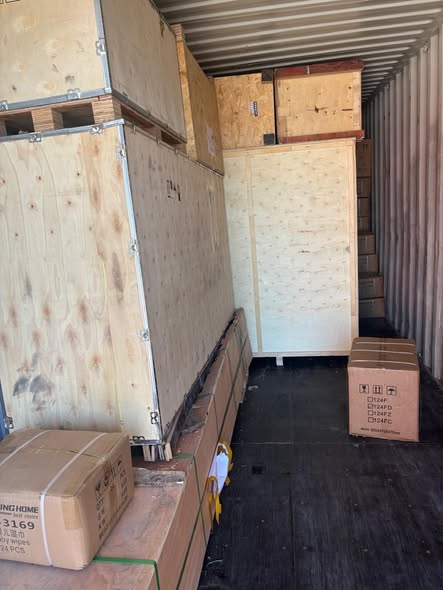
Cross Border Clients
Order cros border countries Collected
Industrial Machine Cllection
Agriculture Processing Machines
Ready for collection
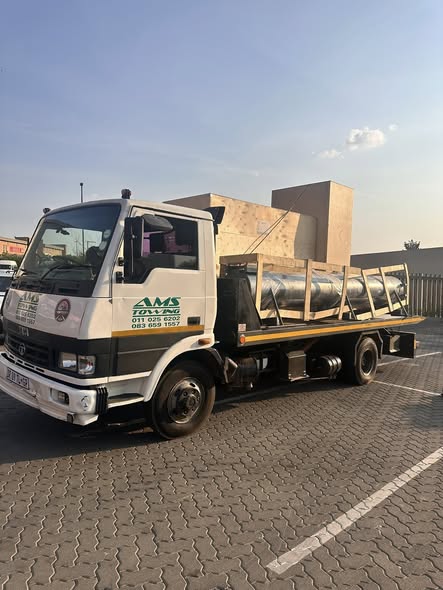
Water Pump Equipment
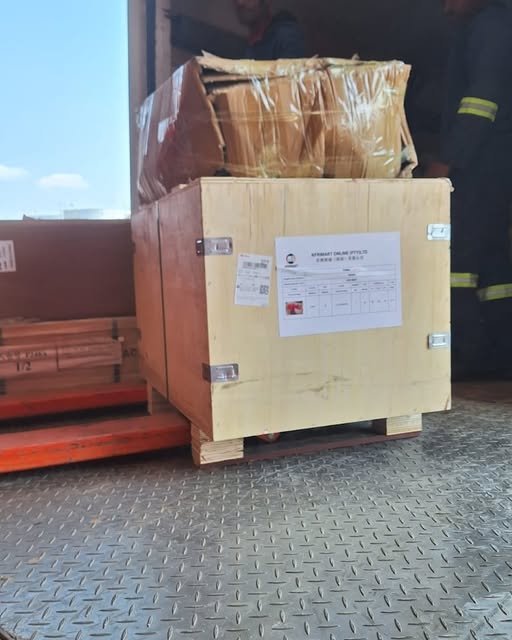
Packaging Machine and accessories
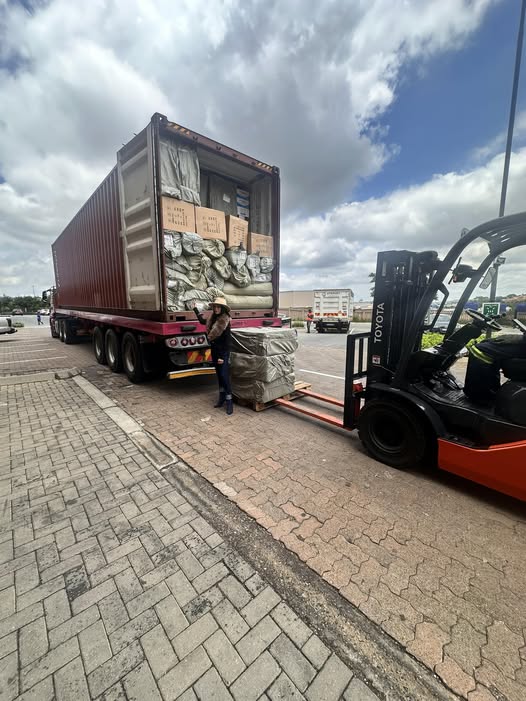
Fabrics Manufacturing Equipment
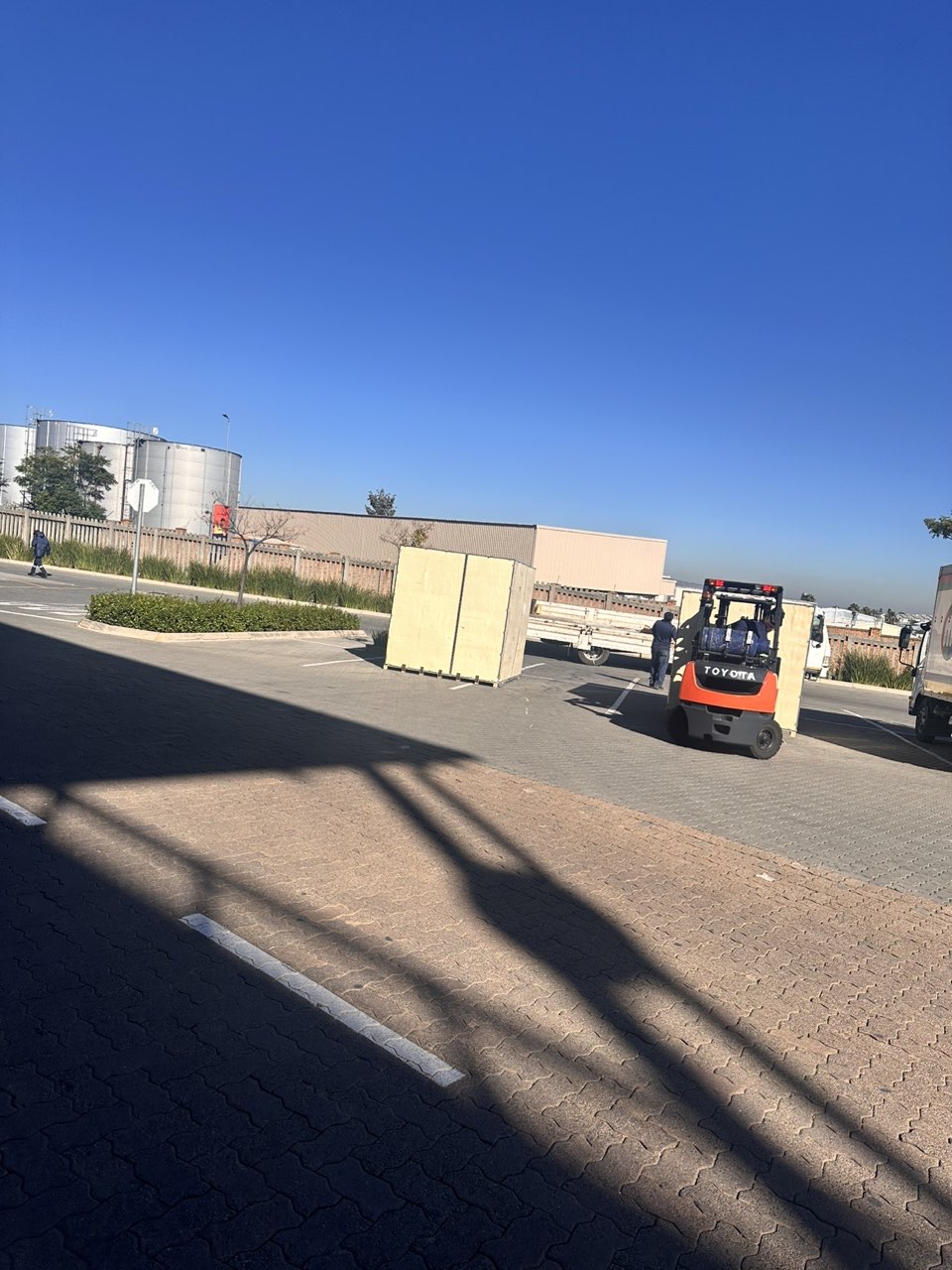
Mining Equipments
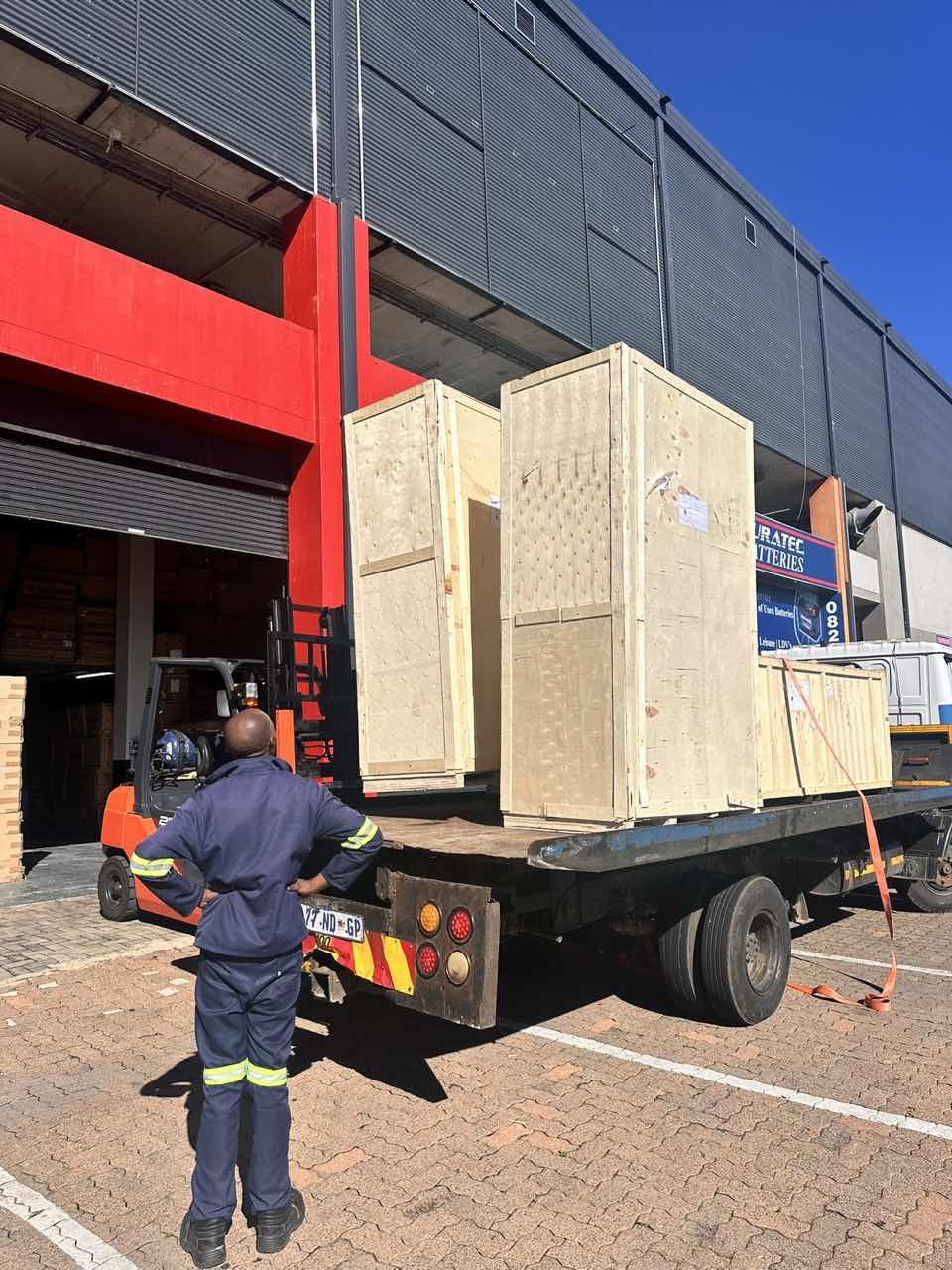
Food Processing Machine
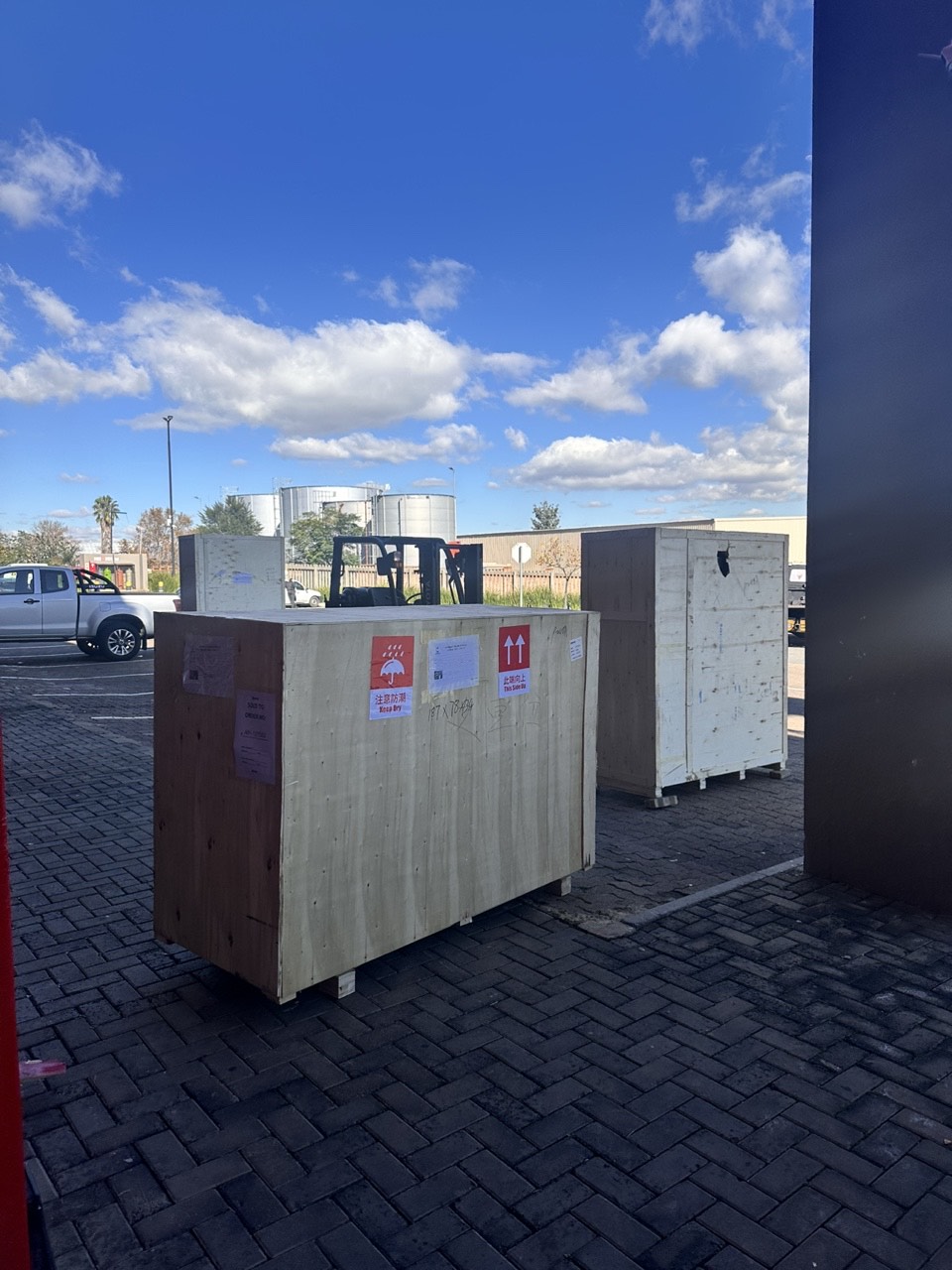
Batch of Orders
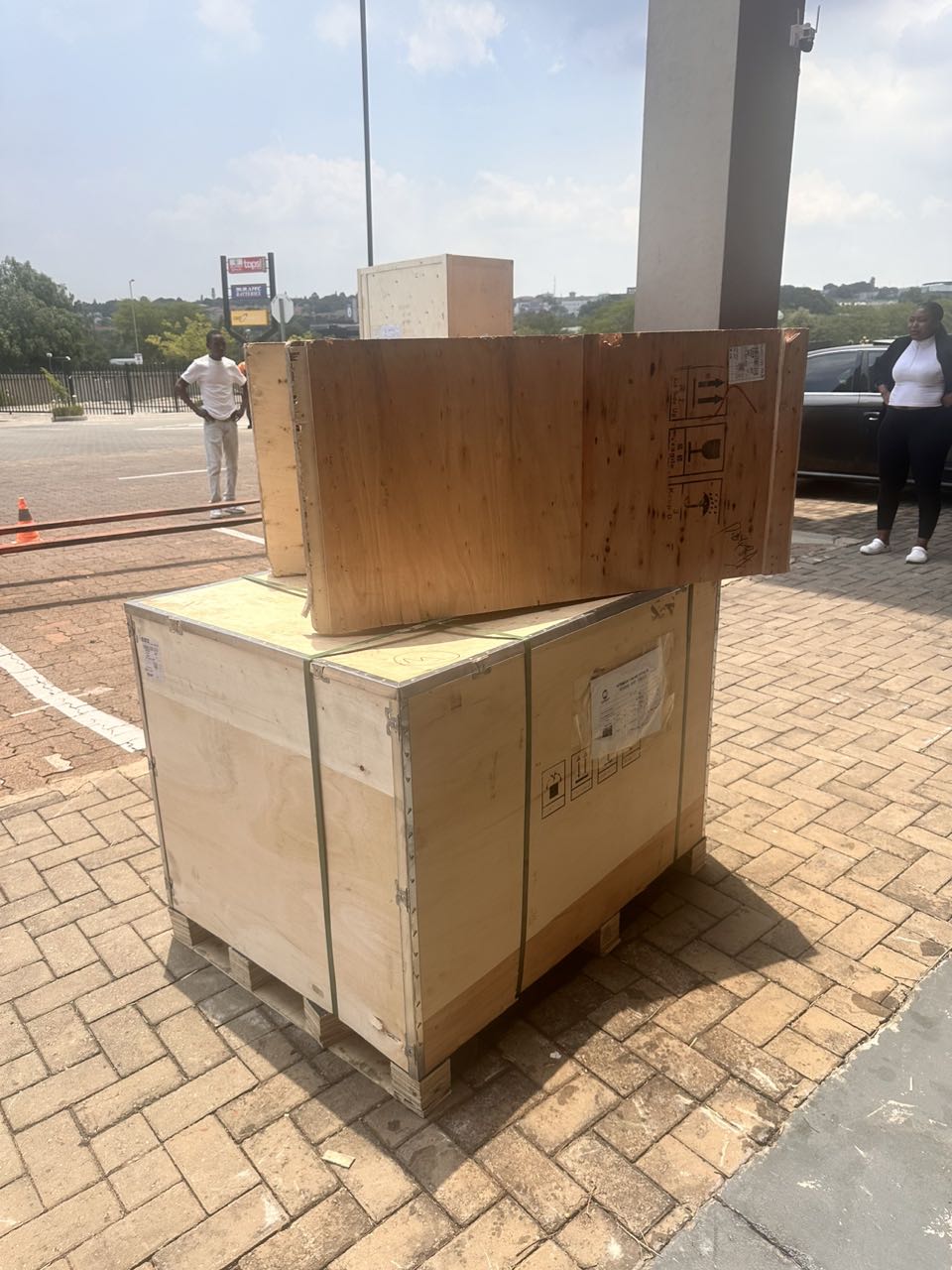
Batch of Orders
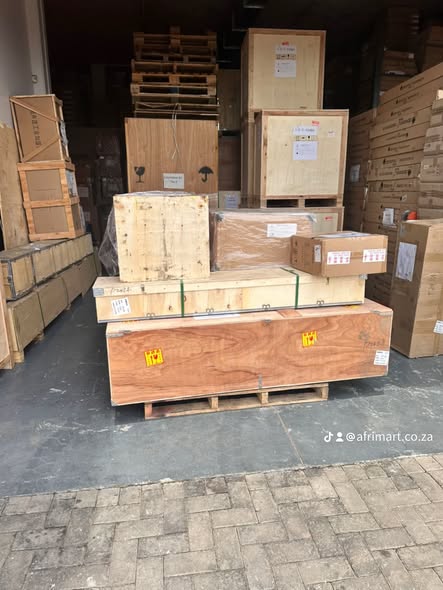
Latest Orders Labelled
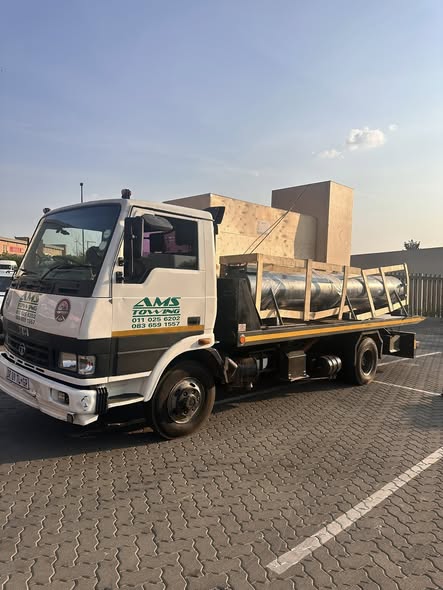
wheel alignment machines
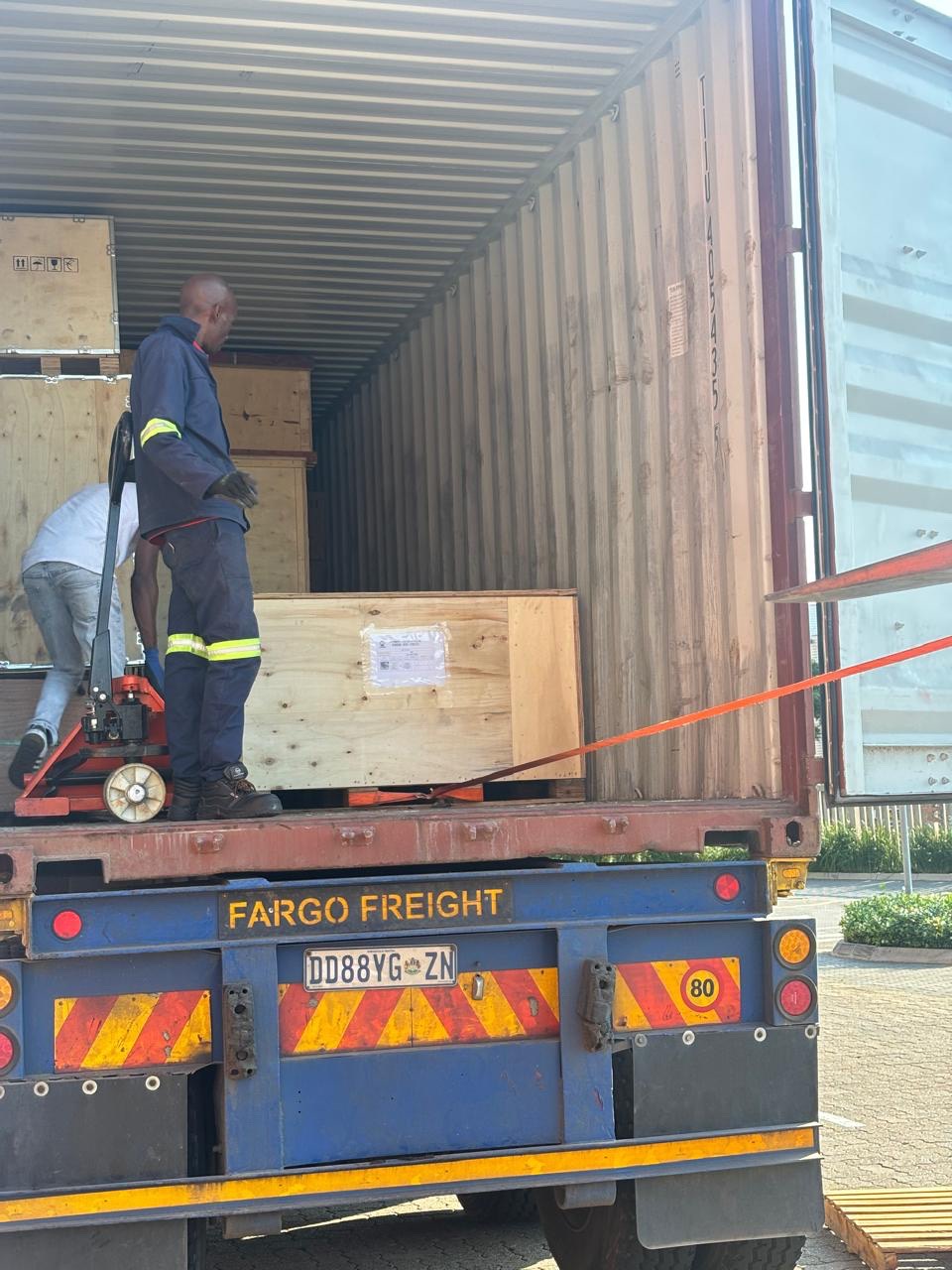
new arrivals
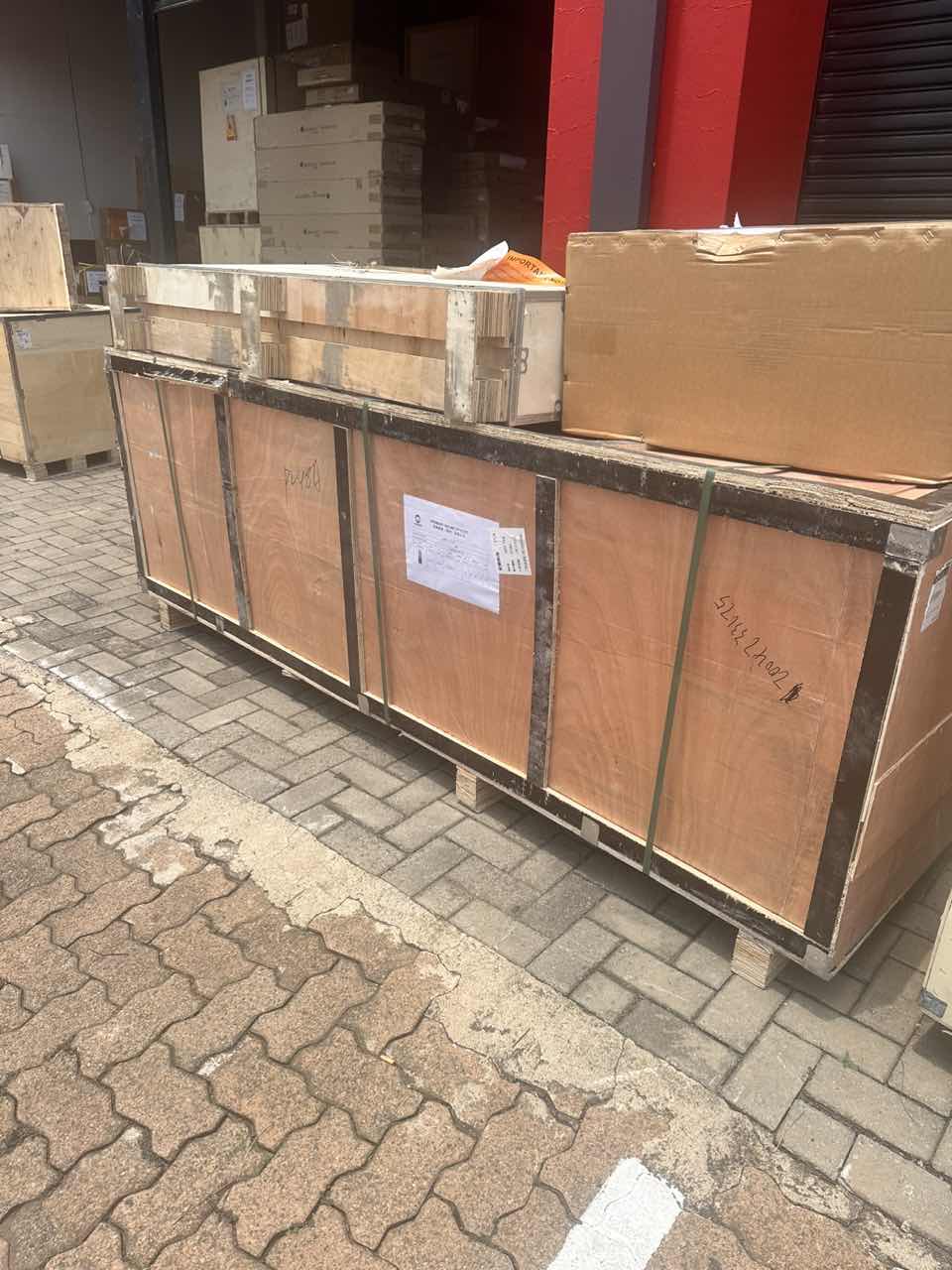
Pre Orders Offloading
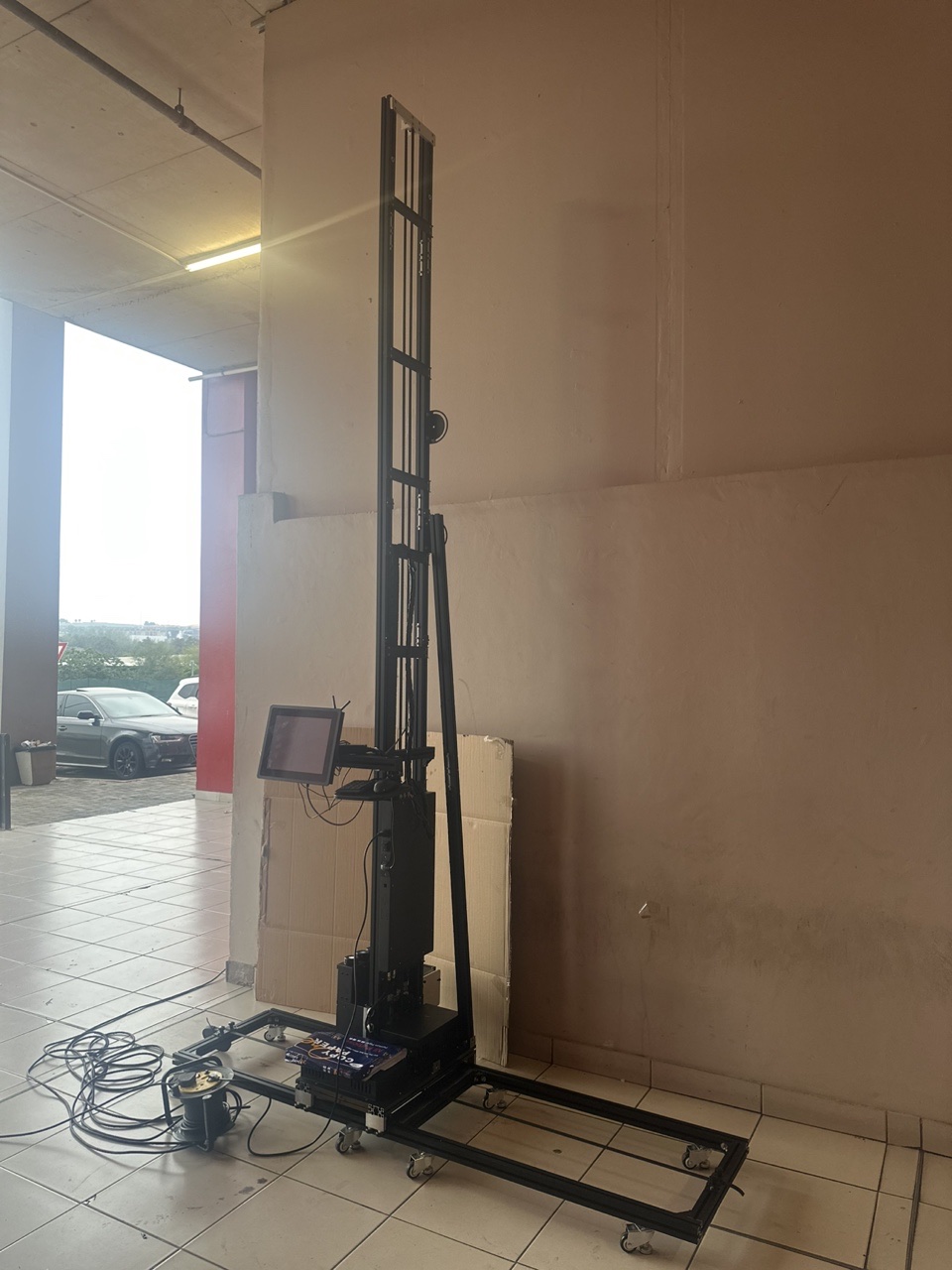
Latest Arrivals
Latest Arrivals
Latest Arrivals
Loading
Toilet paper making machine
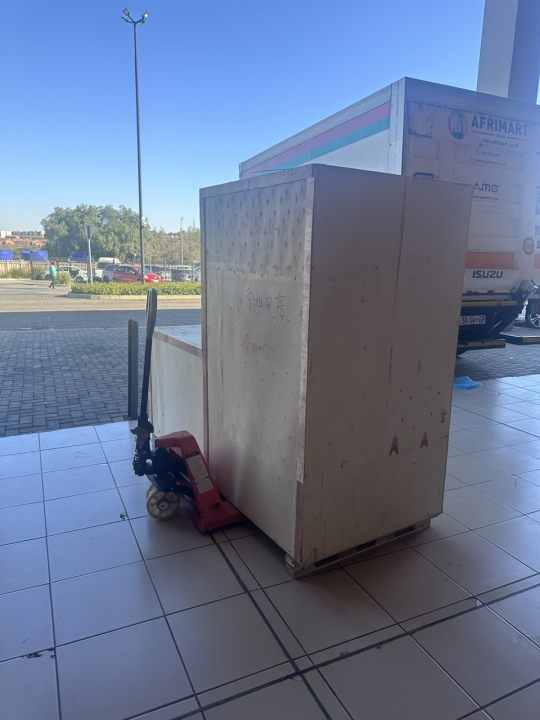
Toilet paper making machine
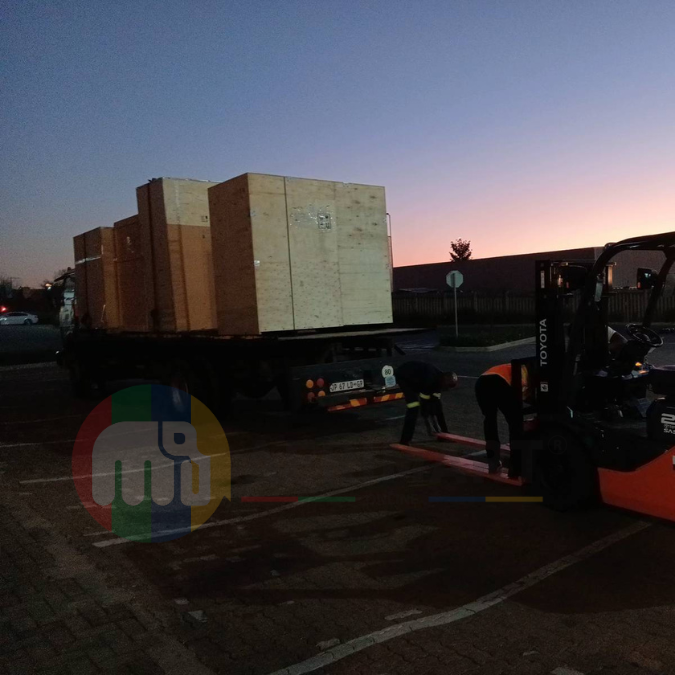
Toilet paper Rewinding Machine
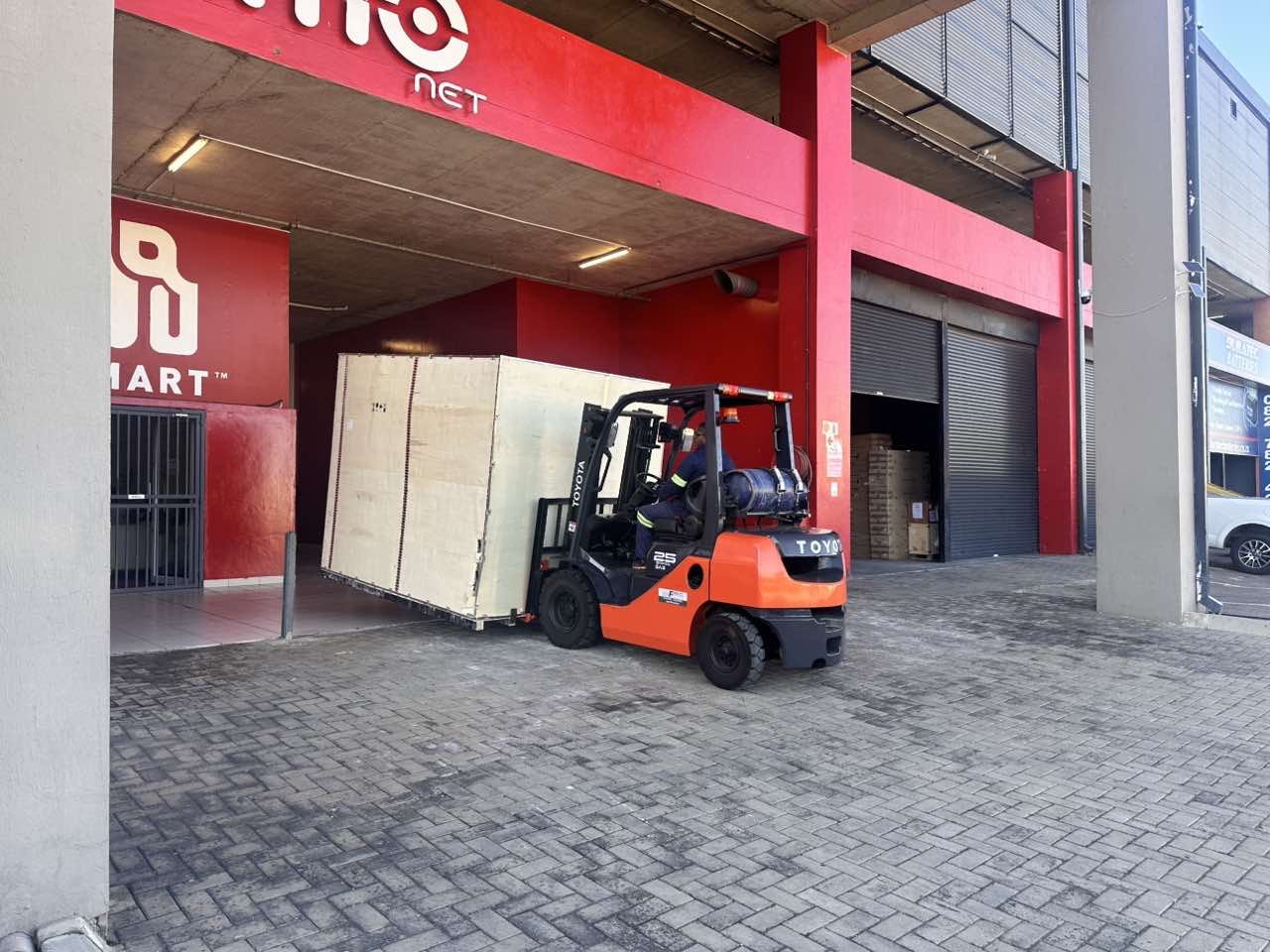
latest arrivals
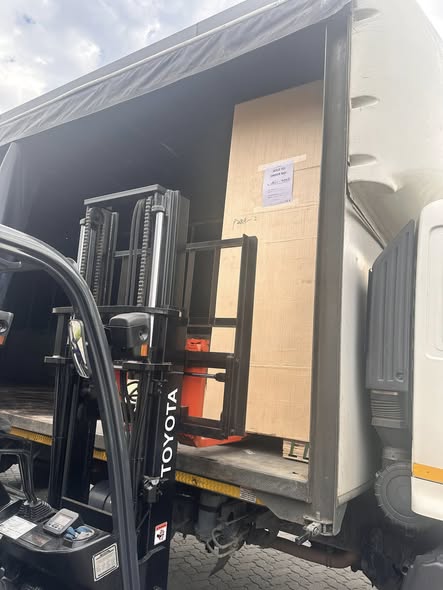
offloading
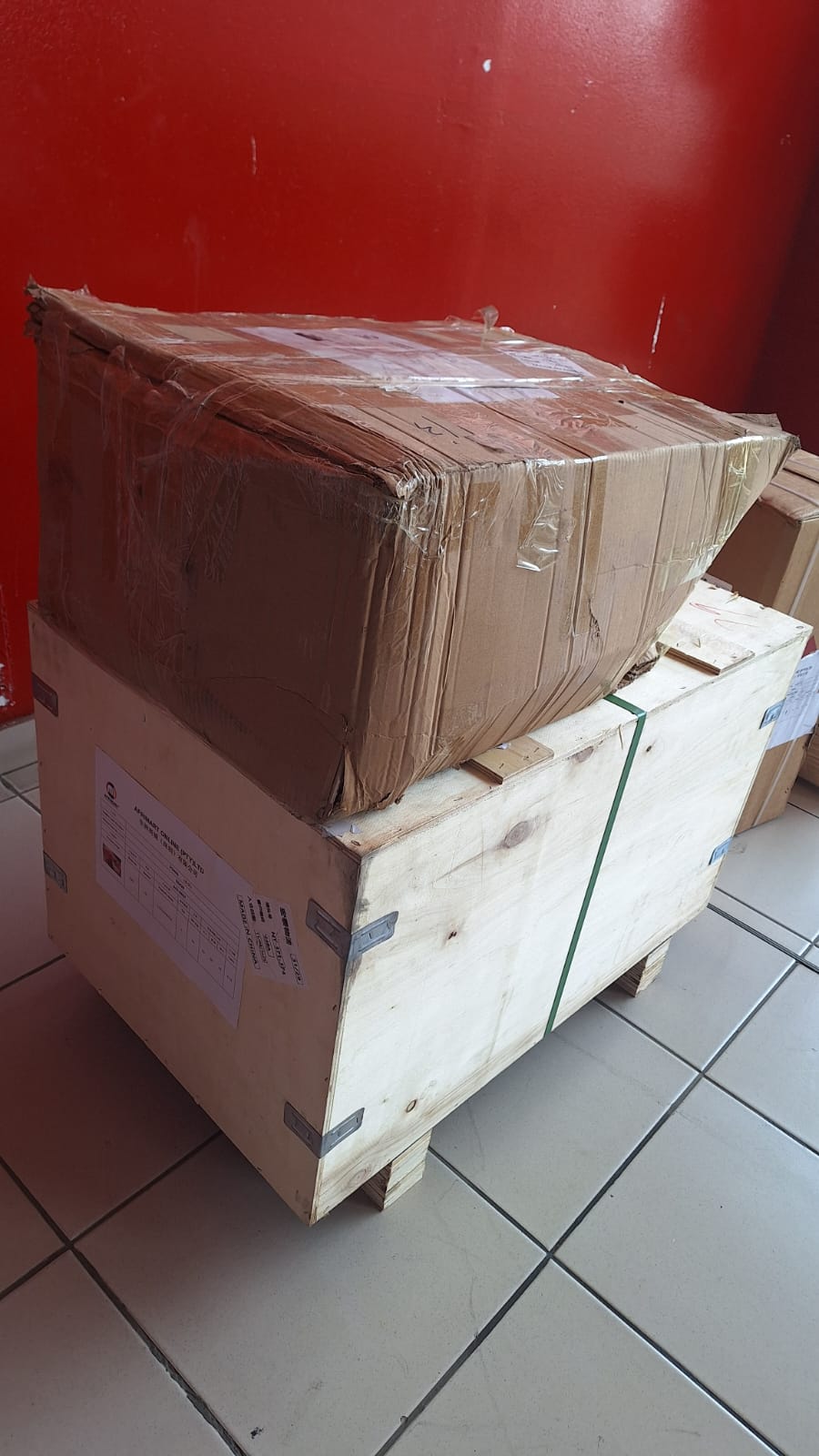
order success
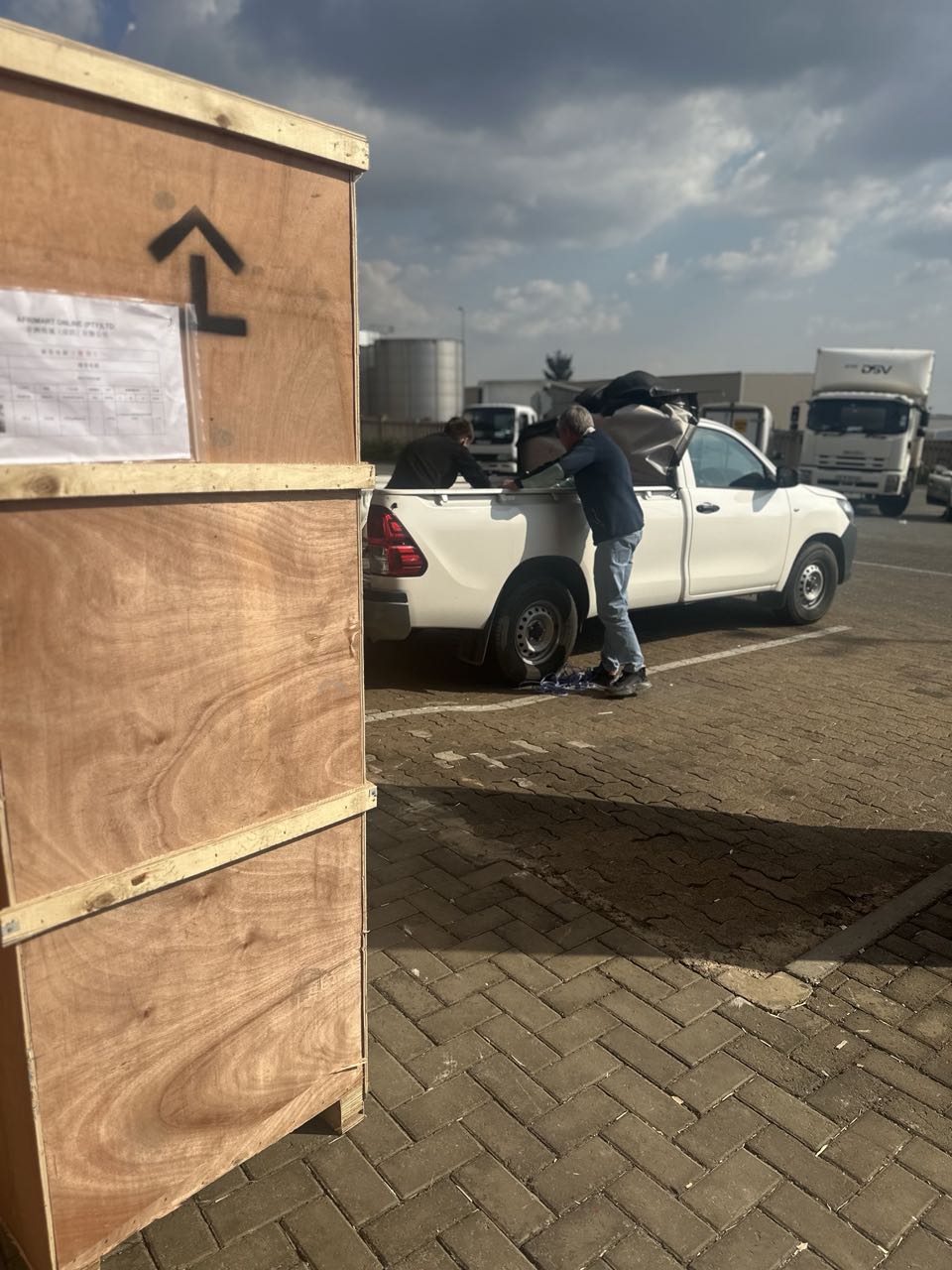
order collection
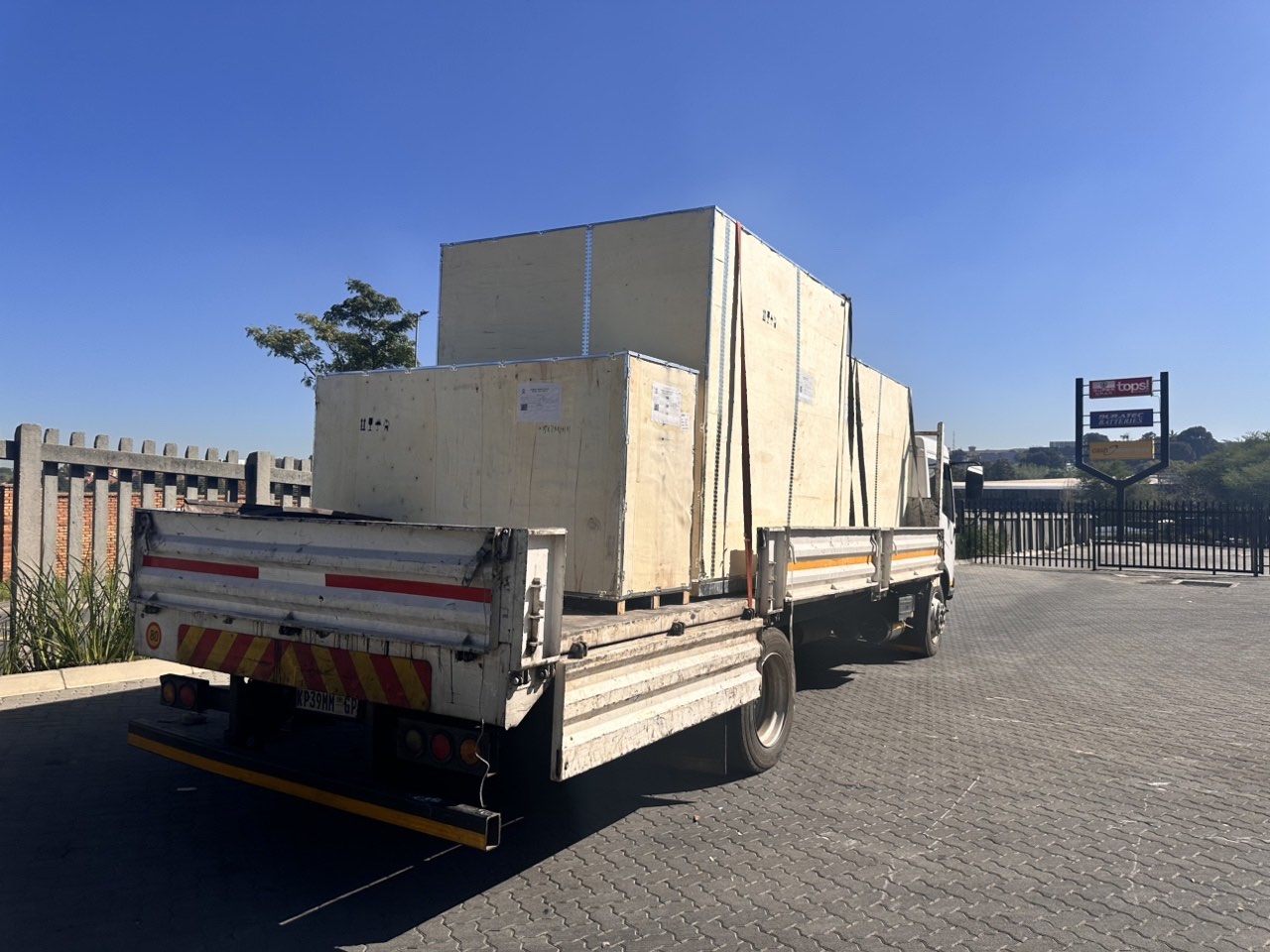
order offloading