B21, China Town Mall, Midrand

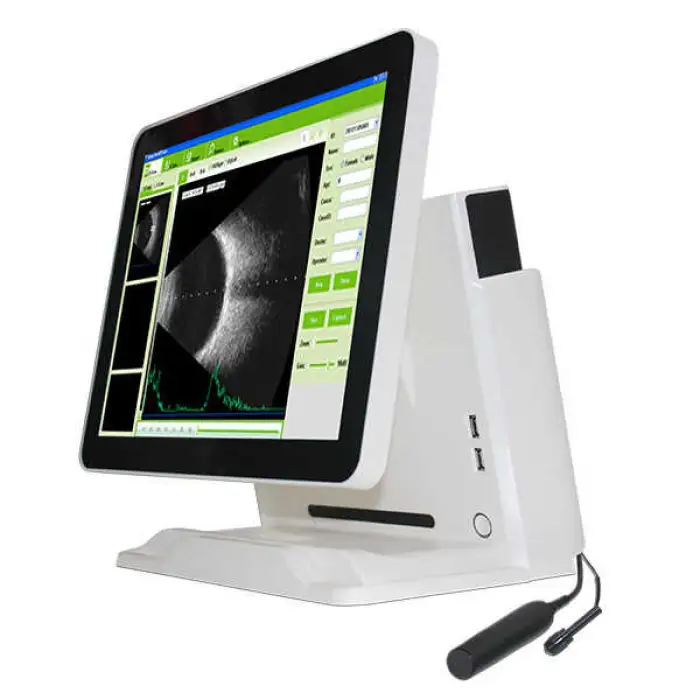
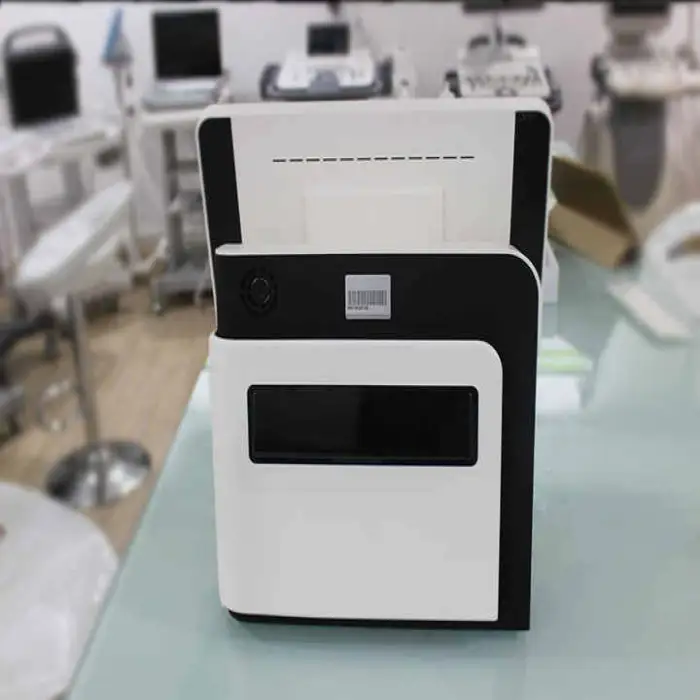
AB Scan Ultrasound Ophthalmic Machine Ultrasonic A/B Scanner for Ophthalmology
Asset finance available
Do you want funding for this equipment?
Afrimart can connect you with trusted funding partners who specialise in asset finance for businesses like yours. Compare options and apply in minutes — final approval is subject to provider review.
Check funding options
Secure & no obligation

- Section : Medical Supplies
- Category : Professional Medical Devices
- SKU : 1600924476446

AB Scan Ultrasound Ophthalmic Machine Ultrasonic A/B Scanner for Ophthalmology
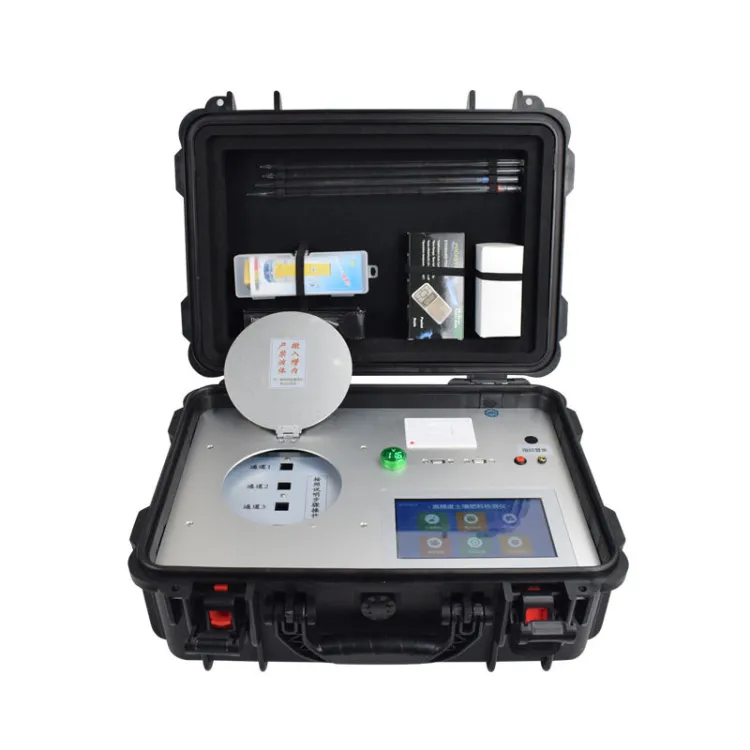
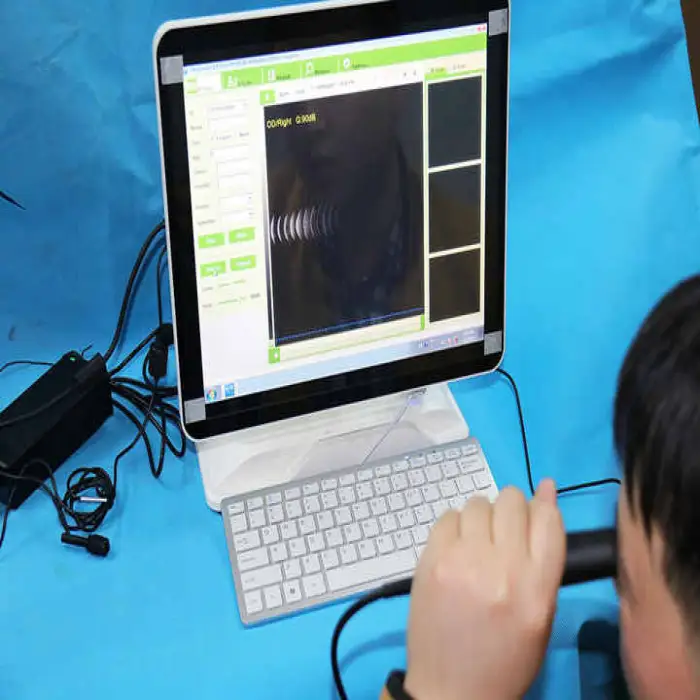
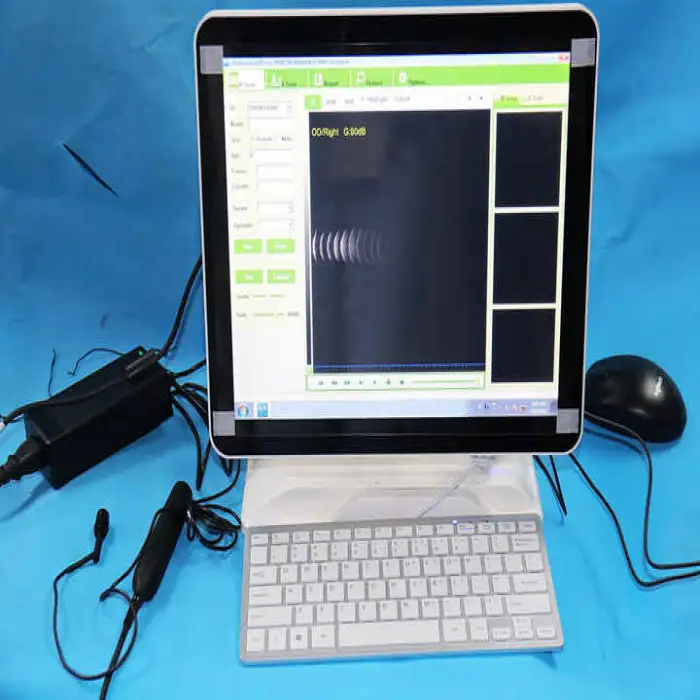
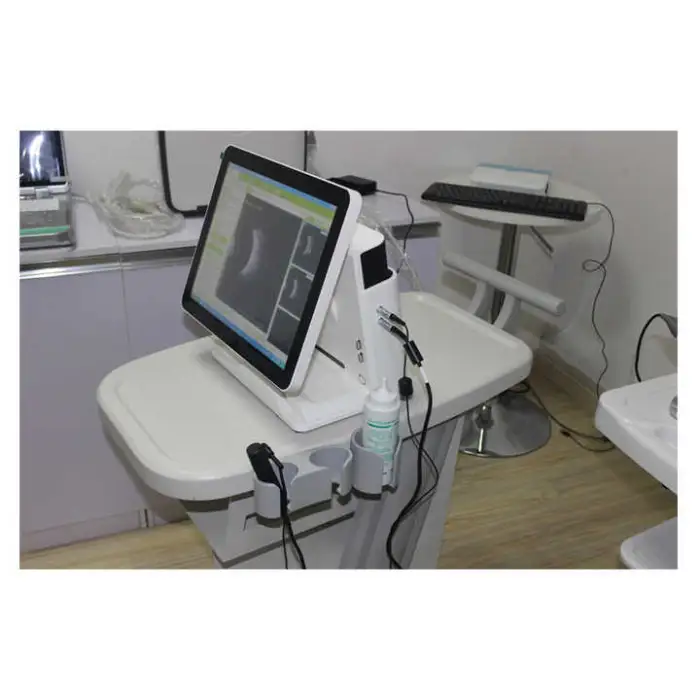
The AB Scan Ultrasound Ophthalmic Machine is a cutting-edge device designed for ophthalmology professionals. This state-of-the-art ultrasonic A/B scanner provides precise imaging for better eye health assessments. With its user-friendly interface and advanced features, this machine enhances the diagnostic capabilities of eye care specialists.
Specifications
| Attribute | Details |
|---|---|
| Service | Return and Replacement |
| Instrument Classification | Class II |
| Brand Name | MSL |
| Model Number | MSLMD24 |
| Power Source | Electric |
| Shelf Life | 2 years |
| Quality Certification | CE |
| Screen | 15 inch LCD color touch screen |
| Printer | Internal thermal printer |
| Connector | USB port to connect with PC |
| Selling Units | Single item |
Key Features
- High-resolution imaging for accurate diagnosis.
- User-friendly 15 inch color touch LCD screen.
- Internal thermal printer for instant results.
- USB connectivity for easy data transfer to PC.
- Durable design with a shelf life of 2 years.
Applications
- Measuring eye dimensions for cataract surgery.
- Assessing ocular tumors and other abnormalities.
- Evaluating the eye's internal structures.
- Supporting diagnosis in various eye conditions.
- Enhancing patient care in ophthalmology clinics.
Product Info Gallery
- Shipping Timeframes: All orders are processed within 2-5 business days (excluding weekends and holidays). After your order has been processed, the estimated delivery time is before 05 Dec, 2026, depending on customs, Please note that due to high demand, some items may experience longer shipping times, which will be communicated at order confirmation email.
- Order Processing Time: Please allow 2-5 business days for us to process your order before it is shipped . Orders placed after 16:00 on Fridays, or during weekends and public holidays, will begin processing on the next business day. Processing times may be extended during peak seasons or sales events.
- Manufacturing Time: Some products needs manufacturing time, the manufacturing process will take approximately 10-30 business days depending on the product. This timeframe may vary depending on the complexity of the product and current demand. but this will be communicated with you during order confirmation.
- Returns and Exchanges: We offer a 30-day return policy for most items. If you are not completely satisfied with your purchase, you may return it within 30 days of receipt for a refund or exchange. Items must be unused, in their original packaging, and accompanied by proof of purchase. Return shipping costs are the responsibility of the customer, unless the item was damaged or defective upon arrival.
1. What is the AB Scan Ultrasound Ophthalmic Machine used for?
It is an ultrasonic A/B scanner used by ophthalmology professionals to image and measure internal eye structures, assist in cataract surgery planning, evaluate ocular tumors and abnormalities, and support diagnosis of various eye conditions.
2. What imaging modes does this device support?
The device provides A-scan and B-scan ultrasound imaging modes commonly used in ophthalmology to obtain quantitative eye measurements (A-scan) and cross-sectional images (B-scan).
3. What are the main hardware specifications?
Key hardware features include a 15 inch color LCD touch screen, internal thermal printer, USB port for PC connection, and electric mains power. The model is MSLMD24 and the unit carries CE certification and Class II instrument classification.
4. How do I transfer images and data to a computer?
The unit has a USB port for connecting to a PC. Use the provided connection and follow the supplier's instructions for data export; contact the supplier for any dedicated PC software or driver requirements.
5. Does the device have a built-in printer?
Yes, it includes an internal thermal printer for instant hard-copy results. Thermal paper and consumables should be ordered from the supplier or authorized reseller.
6. What power source does the scanner require?
The scanner is mains powered (electric). Confirm the required input voltage and plug type for your region with the supplier before purchase.
7. Is the AB Scan certified for clinical use?
Yes. The unit is CE certified and classified as a Class II medical instrument, indicating compliance with applicable regulatory standards in regions that accept CE marking.
8. What warranty or after-sales service is available?
The product listing specifies 'Return and Replacement' service. Warranty length and technical support terms may vary by seller or distributor—check with the vendor for detailed warranty and service agreements.
9. What is the product's shelf life and durability?
The product has a stated shelf life of 2 years. For operational longevity, follow the manufacturer's maintenance and storage guidelines and schedule routine checks as recommended by your supplier.
10. Are probes or transducers included, and what types are compatible?
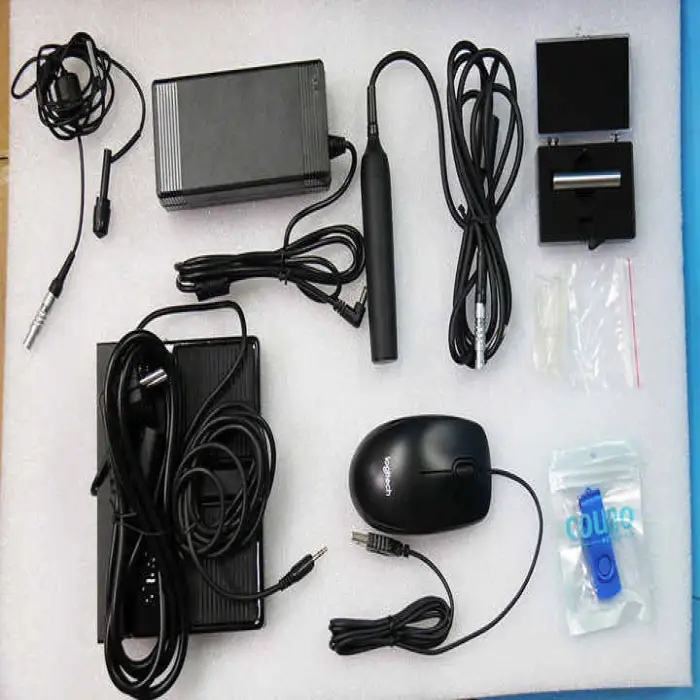
The scanner supports standard ophthalmic A- and B-scan probes. Probe inclusion and available probe models may vary—confirm with the supplier which probes are supplied with the unit and which optional probes are compatible.
11. What maintenance and cleaning procedures are recommended?
Follow standard ophthalmic equipment cleaning protocols: use manufacturer-recommended disinfectants for the probe and housing, avoid immersion of electronic parts, inspect cables and connectors regularly, and arrange periodic calibration and servicing through authorized service centers.
12. Does the unit require calibration or regular servicing?
Yes. To ensure accurate measurements and image quality, periodic calibration and preventive maintenance are recommended. Contact the manufacturer or authorized service provider for calibration schedules and service options.
13. What training is needed to operate the scanner?
Operators should be trained in ophthalmic ultrasound techniques and the specific user interface of this model. Training options vary by supplier and may include on-site training, online resources, or user manuals—ask your vendor about available training materials.
Latest Order Arrivals
Discover our latest orders
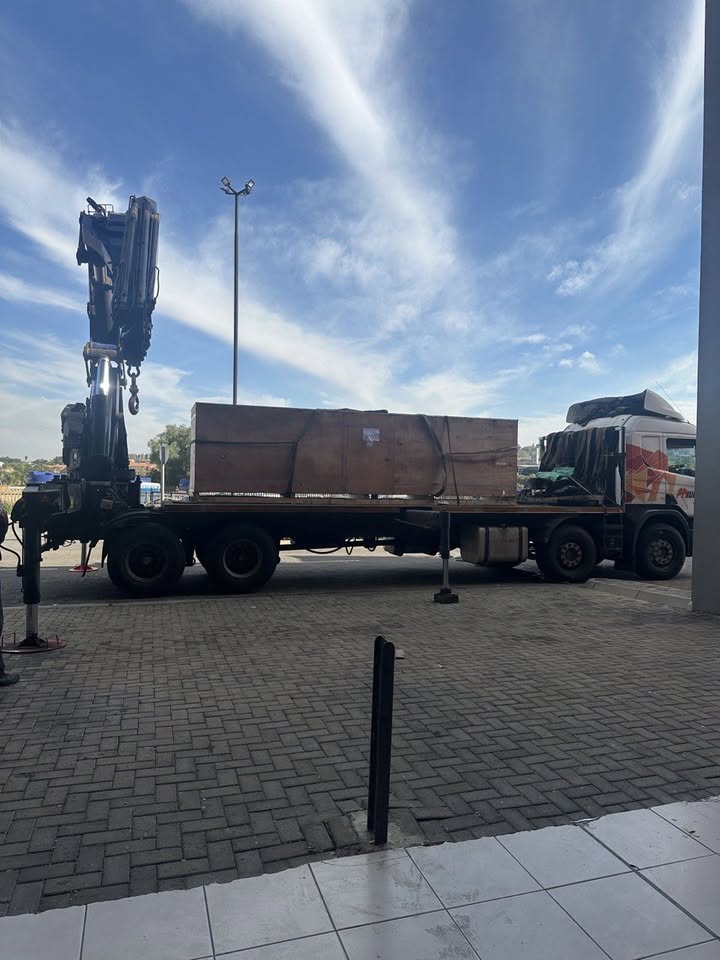
12 Heads Embroidery Machine
Toilet Paper Machine Machine
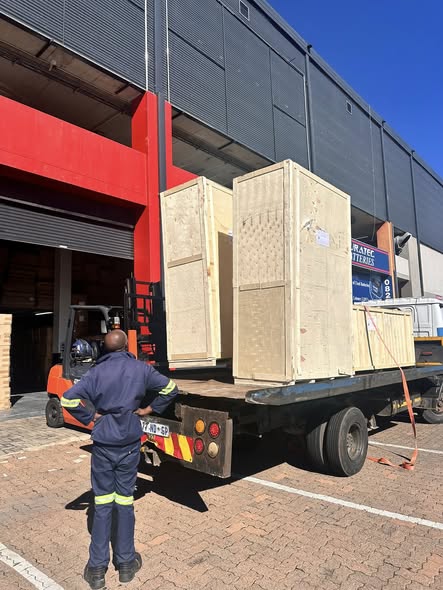
Order Collection
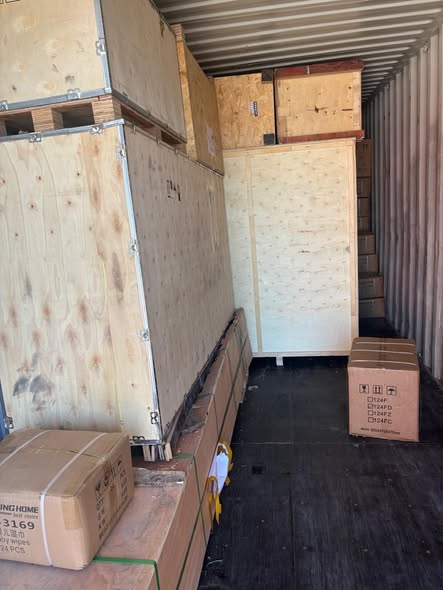
Cross Border Clients

Order cros border countries Collected
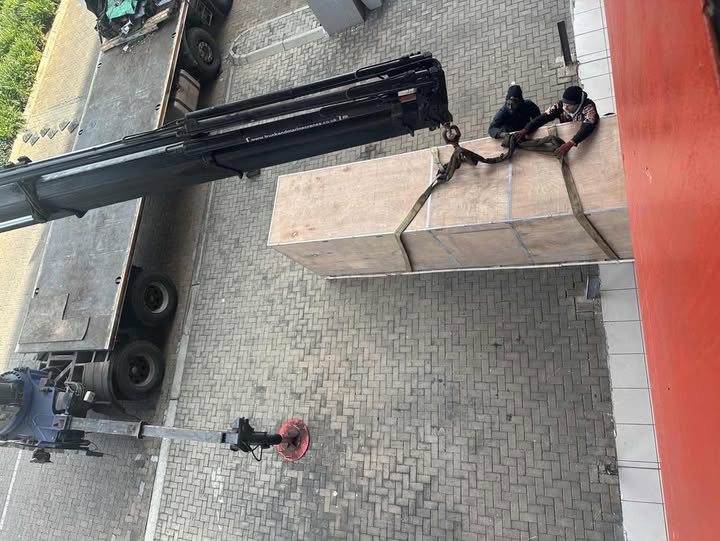
Industrial Machine Cllection
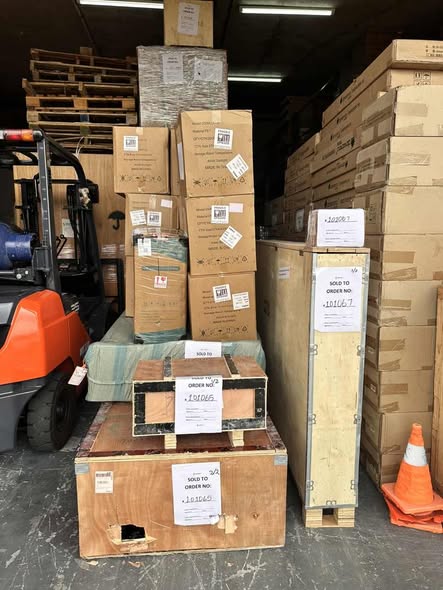
Agriculture Processing Machines
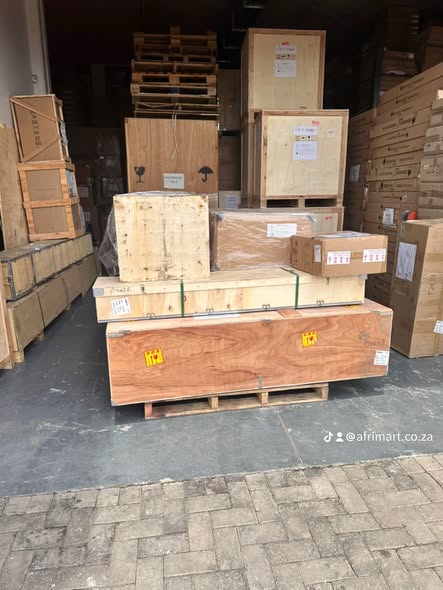
Ready for collection

Water Pump Equipment
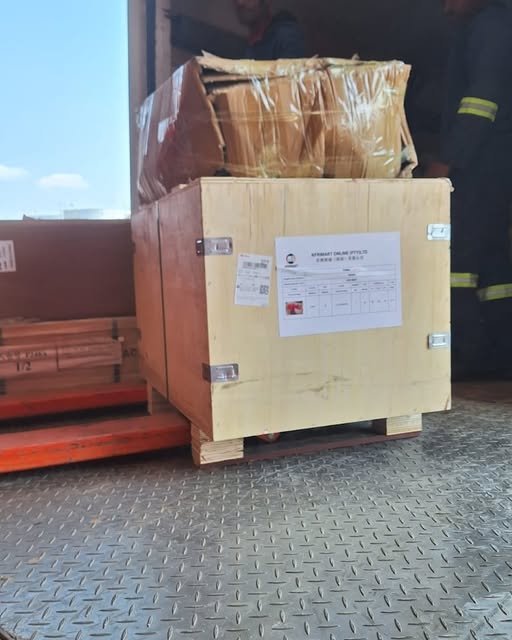
Packaging Machine and accessories

Fabrics Manufacturing Equipment

Mining Equipments
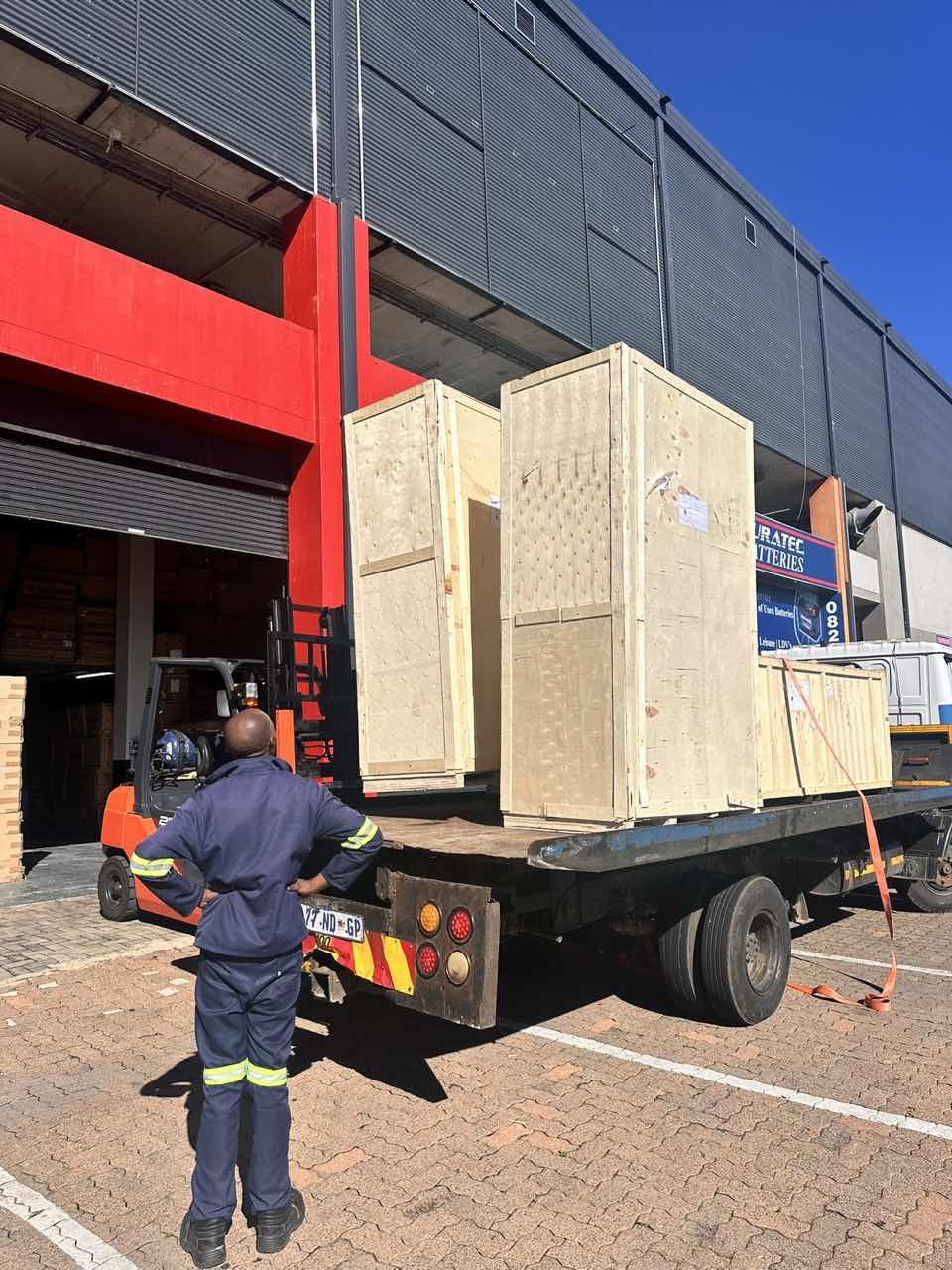
Food Processing Machine
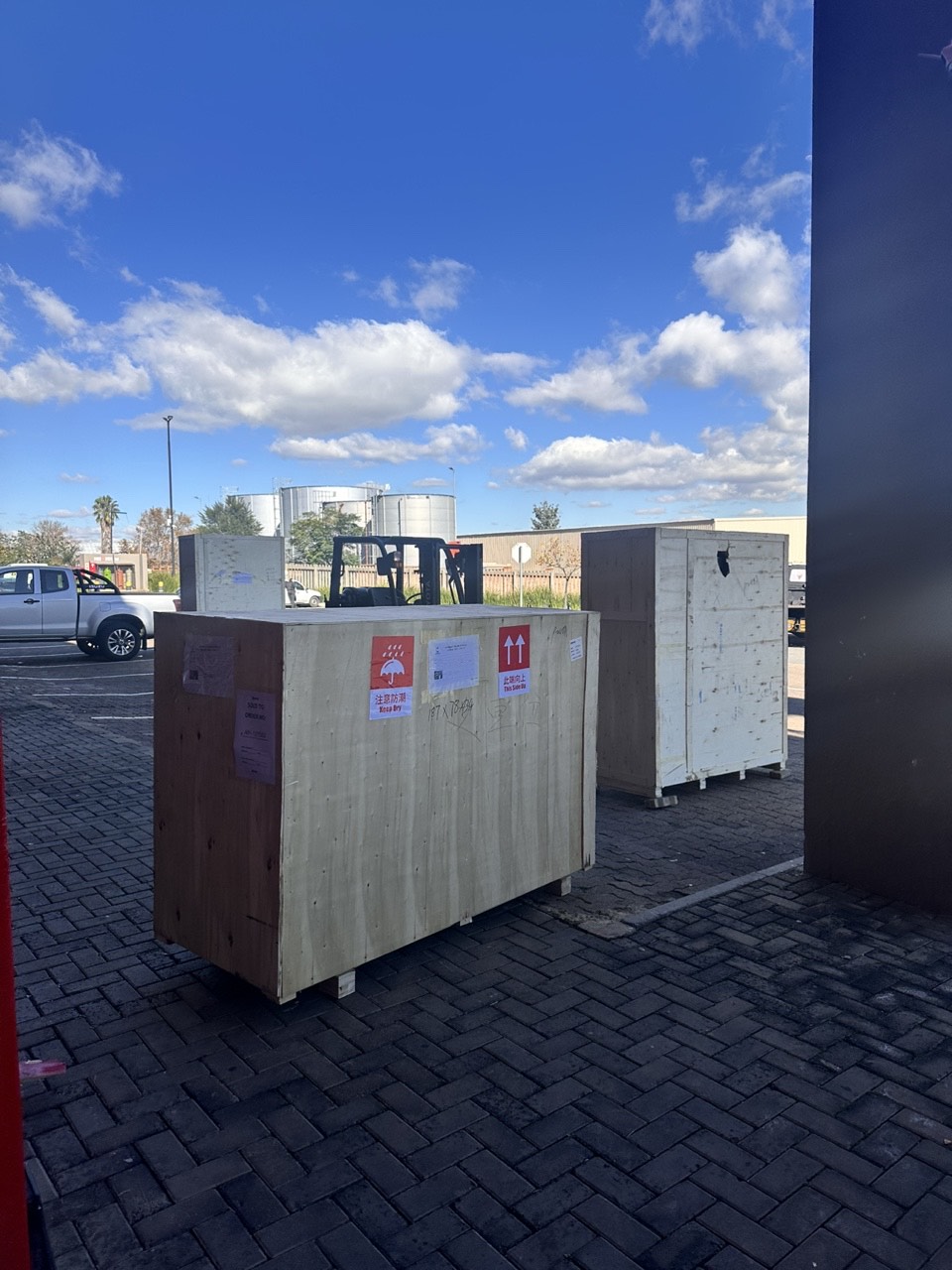
Batch of Orders
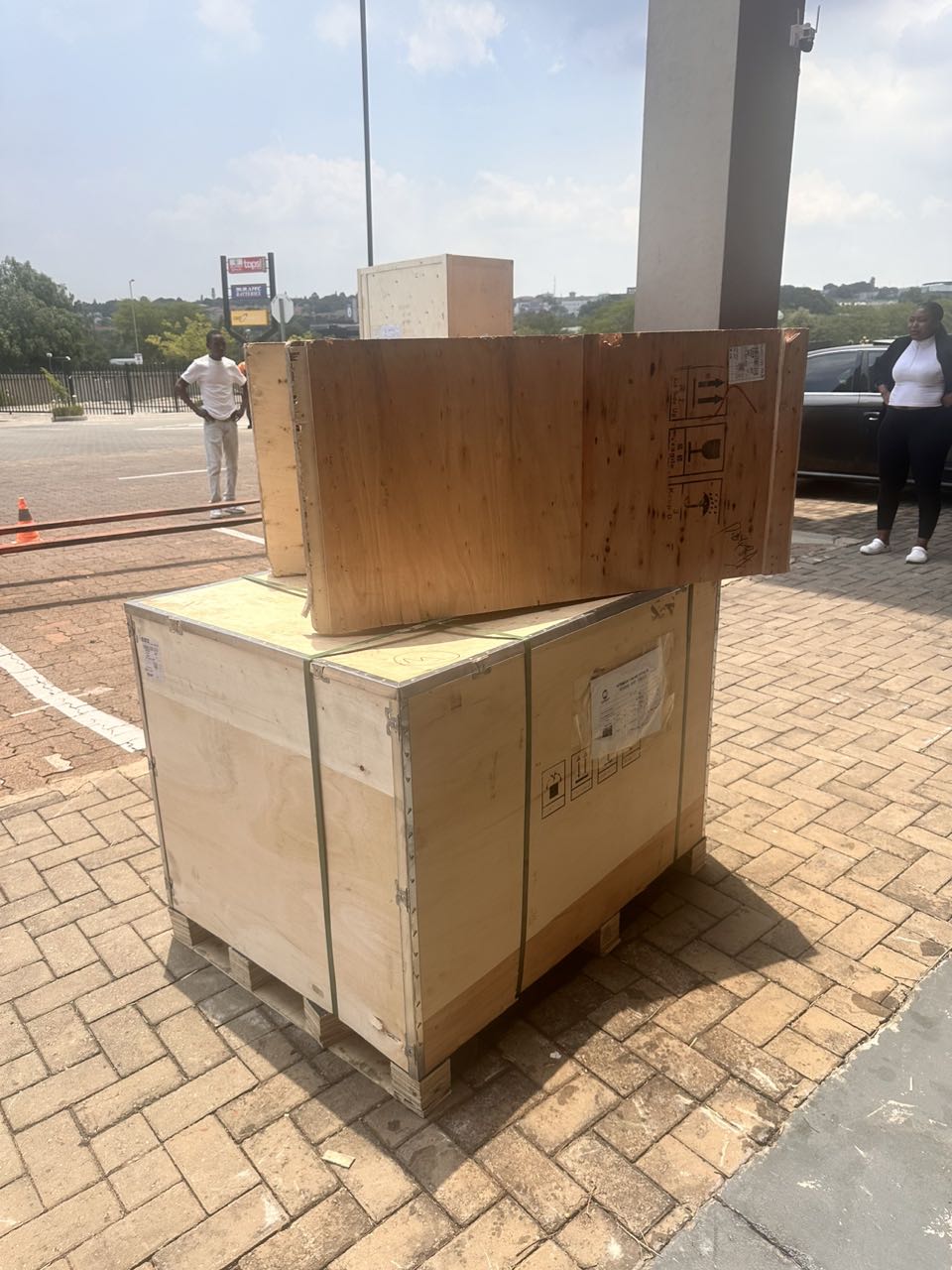
Batch of Orders
Latest Orders Labelled

wheel alignment machines

new arrivals
Pre Orders Offloading
Latest Arrivals
Latest Arrivals
Latest Arrivals
Loading

Toilet paper making machine
Toilet paper making machine

Toilet paper Rewinding Machine
latest arrivals
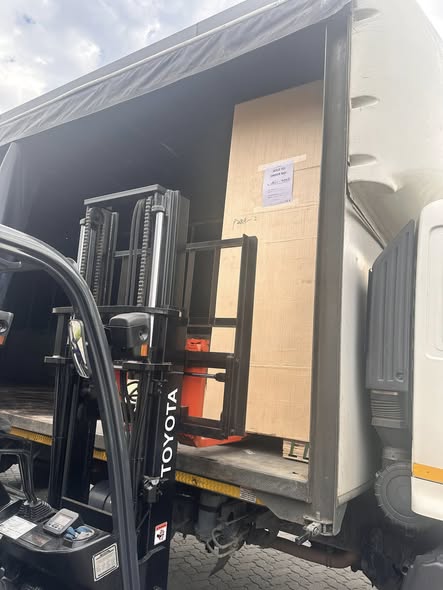
offloading
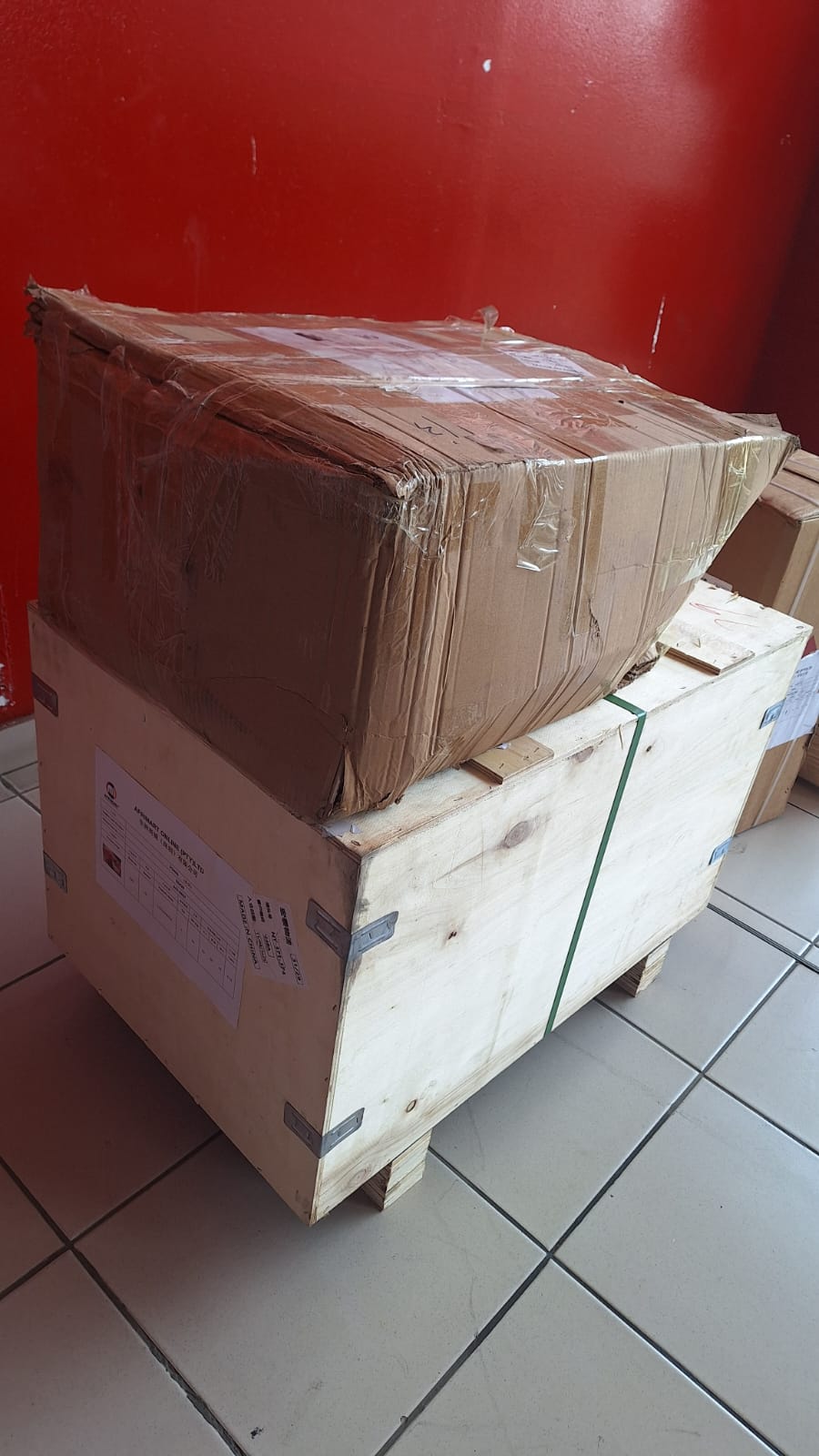
order success

order collection
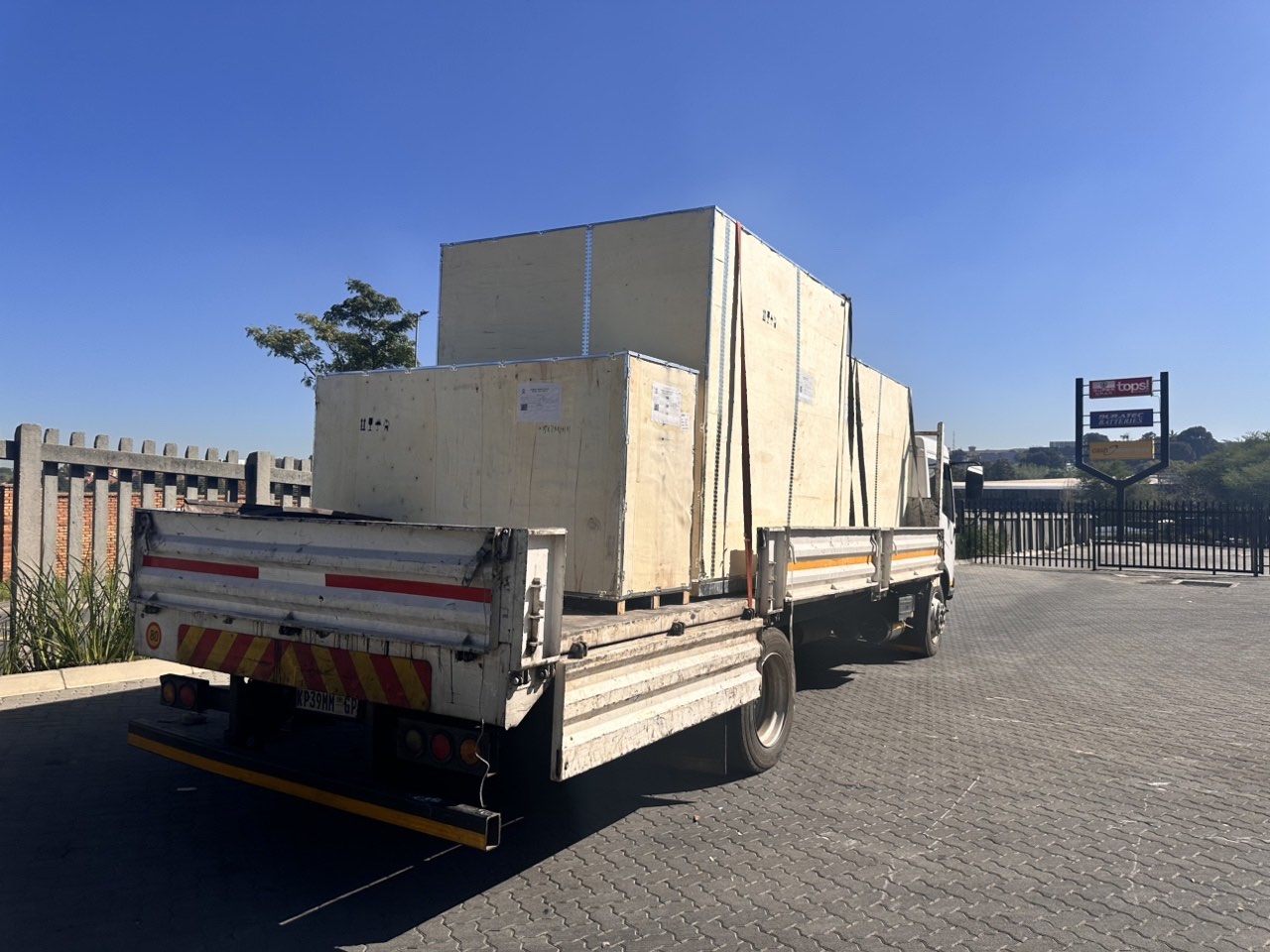
order offloading