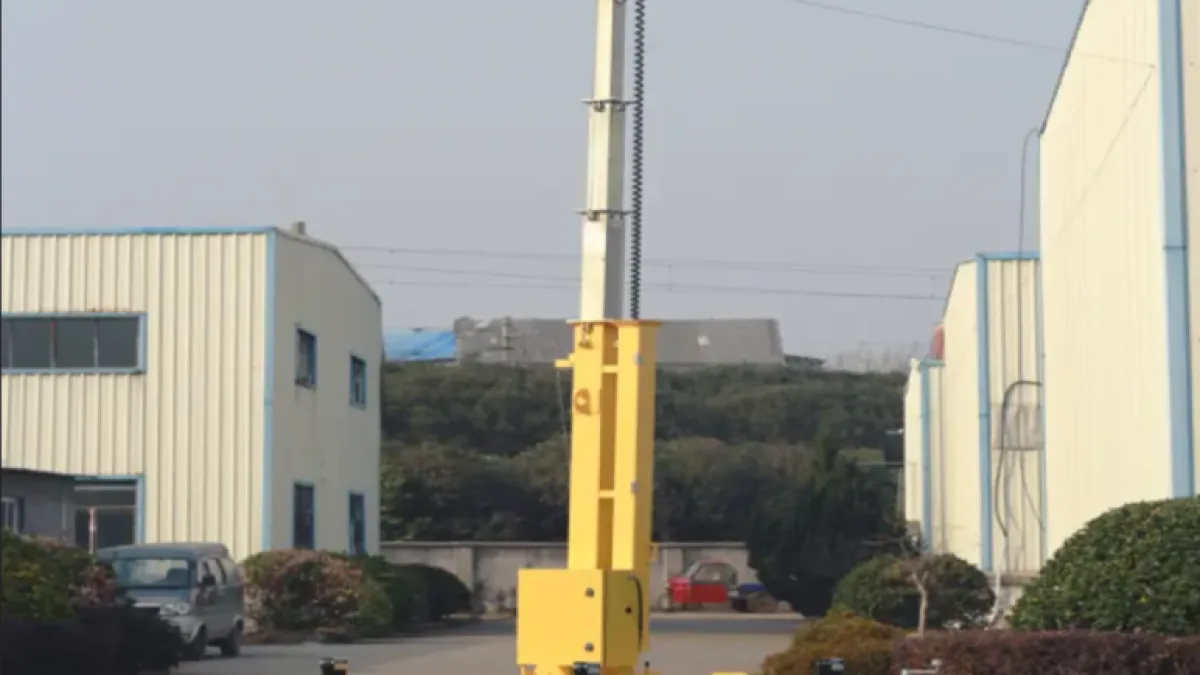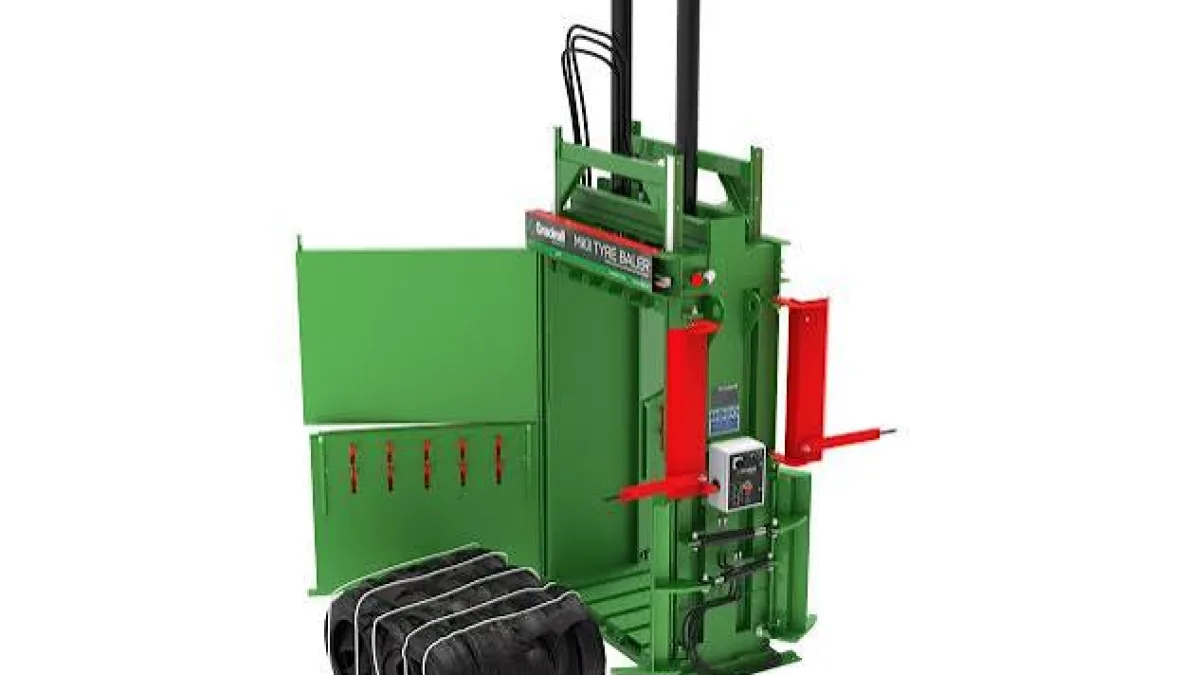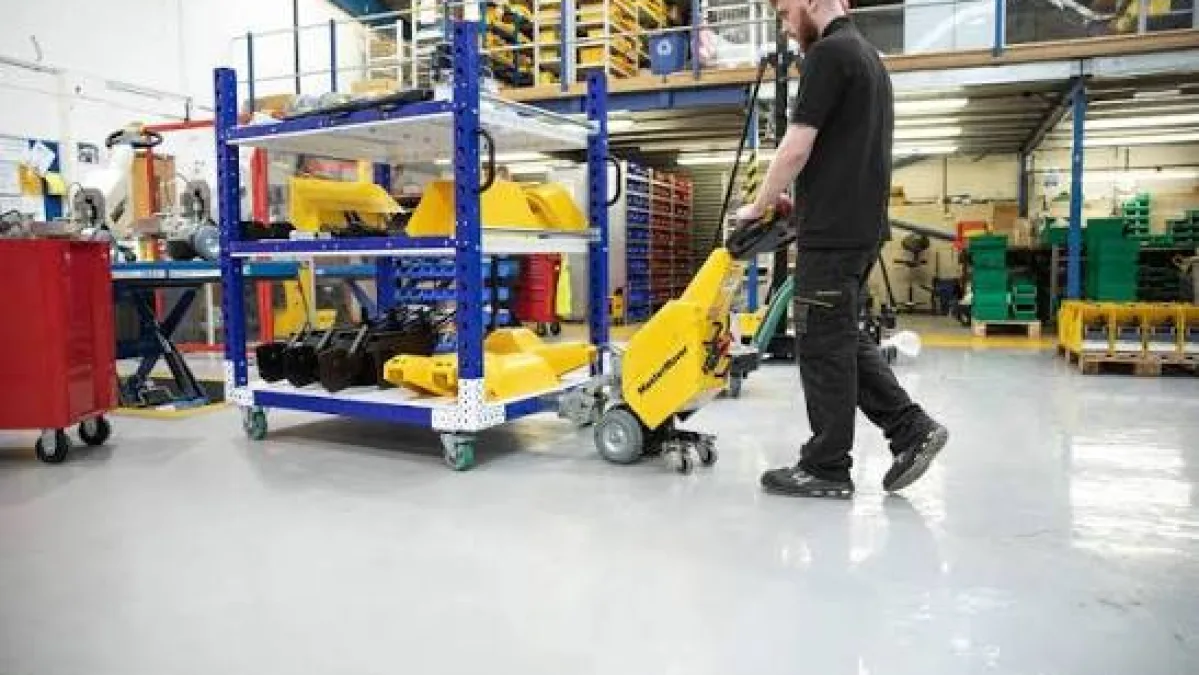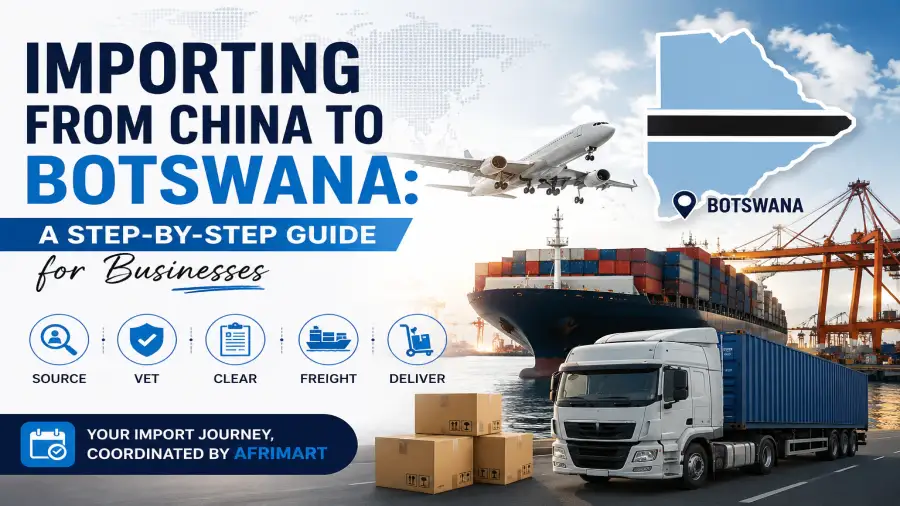
Importing from China to Botswana can give businesses access to competitive machinery, industrial equipment, construction materials, packaging machines, solar products, agricultural equipment, electronics, spare parts, furniture, and other business goods. For many Botswana companies, China is not only a low-cost sourcing market. It is also one of the most important supply bases for equipment and products that may not be easily available locally.
But importing successfully is not only about finding a supplier online.
The real challenge is managing the full process: choosing the right supplier, confirming product specifications, checking documentation, planning freight, estimating customs costs, coordinating clearance, and arranging delivery into Botswana.
This is where Afrimart helps.
Afrimart supports Botswana businesses by coordinating the China-to-Botswana import process from the early sourcing stage through to delivery planning. Through its sourcing network in Asia and its logistics and clearing partner network in Southern Africa, Afrimart assists with supplier sourcing, supplier vetting, product checks, freight coordination, customs clearance support, and delivery planning into Gaborone, Francistown, Maun, Palapye, Lobatse, Selebi-Phikwe, and other parts of Botswana.
Instead of dealing separately with overseas suppliers, freight companies, customs agents, and transport providers, Botswana businesses can start with Afrimart as the main coordination point.
Why Botswana Businesses Import from China
Botswana businesses import from China for several reasons.
China has a wide manufacturing base, competitive pricing, and strong production capacity across many product categories. For businesses in construction, agriculture, retail, mining support, hospitality, logistics, manufacturing, and industrial supply, China offers access to products that can help reduce procurement costs and improve availability.
Common products imported from China to Botswana include:
- industrial machinery
- construction equipment
- packaging machines
- solar panels and inverters
- agricultural tools and irrigation equipment
- generators and power equipment
- vehicle parts and workshop tools
- electronics and appliances
- furniture and fittings
- retail stock
- warehouse and material-handling equipment
- production line equipment
However, buying from China without proper checks can be risky. The lowest price is not always the best deal. Product quality, supplier reliability, packaging, shipping route, warranty, spare parts, voltage requirements, and customs documentation all matter.
For Botswana importers, the most important question is not only “Where can I buy this product?” but also “How do I get the correct product into Botswana safely, legally, and at a predictable landed cost?”
The Main Challenge Is Not Buying — It Is Managing the Import Process
Many businesses can find Chinese suppliers online. The harder part is knowing which supplier is reliable, whether the product matches the required specifications, whether the quotation includes the right details, whether the goods can be exported correctly, and whether the final landed cost makes business sense.
A supplier may quote a very attractive price, but that price may exclude important costs such as freight, insurance, customs duty, VAT, clearance charges, border handling, and delivery into Botswana.
This is why proper import planning is important before payment is made.
For example, a Botswana business importing machinery from China must think about:
- Is the supplier a factory, trader, or reseller?
- Does the machine match Botswana’s power requirements?
- Are spare parts available?
- What is included in the quotation?
- What Incoterm is being used?
- What is the HS code?
- Does the product need an import permit or certificate?
- What route will the cargo take?
- Will the shipment come through Durban, Johannesburg, Walvis Bay, or by air?
- Who coordinates customs clearance?
- What will the final landed cost be?
Afrimart helps structure these questions before the buyer commits, reducing avoidable mistakes that can become expensive later.
How Afrimart Supports Botswana Importers
Afrimart helps Botswana importers by coordinating the main stages of importing from China.
This includes identifying suitable suppliers, reviewing product options, checking supplier reliability, assisting with quotation comparisons, confirming product specifications, coordinating order requirements with the supplier, arranging freight through logistics partners, supporting import documentation, coordinating customs clearance through clearing partners, and planning delivery into Botswana.
This gives Botswana businesses a more structured import process instead of managing each stage alone.
Afrimart’s role is not limited to finding products. The value is in connecting the sourcing, verification, freight, documentation, clearing, and delivery planning into one coordinated process.
For businesses importing machinery, production equipment, industrial products, or other high-value goods, this coordination is especially important because mistakes can be costly.
Step 1: Choose the Right Product and Supplier in China
The first step is to clearly define the product you want to import.
A proper product request should include the product name, size, model, capacity, quantity, voltage, material, packaging requirement, intended use, and any technical specification that matters.
For example, if you are importing a packaging machine, it is not enough to say “packaging machine.” You may need to specify the type of product being packed, packaging material, speed, voltage, sealing method, printing requirement, spare parts, and whether installation support is needed.
Afrimart assists by helping compare supplier options and checking whether the proposed product matches the buyer’s needs.
Supplier checks may include:
- reviewing the supplier’s business profile
- checking product experience
- comparing quotation details
- checking product photos and videos
- confirming technical specifications
- reviewing warranty and spare parts availability
- confirming packaging requirements
- checking whether the supplier can prepare export documents
This stage is important because once a product is manufactured or shipped, correcting a mistake becomes much harder.
Step 2: Confirm Product Specifications Before Payment
Before a deposit is paid, Botswana importers should confirm all important specifications in writing.
This is especially important for machinery, electrical products, industrial equipment, and custom-made goods.
Important details to confirm include:
- model number
- production capacity
- machine dimensions
- weight
- voltage and frequency
- spare parts list
- warranty terms
- user manual availability
- packaging method
- installation requirements
- product certificates
- photos or videos before shipment
- final invoice and packing details
For Botswana, voltage and technical compatibility should not be ignored. A machine that looks correct online may still create problems if the power requirements, parts, or operating conditions do not match the local environment.
Afrimart helps coordinate these checks with suppliers before the shipment moves.
Step 3: Estimate the Landed Cost Before Shipping
One of the biggest mistakes importers make is looking only at the supplier’s price.
The supplier’s product price is not the final cost of importing into Botswana.
A proper landed cost estimate should include:
- product cost
- China inland transport, where applicable
- export charges
- ocean freight or air freight
- cargo insurance
- port and handling charges
- customs duty
- VAT
- clearance coordination
- border or transit costs
- final delivery into Botswana
Botswana applies customs duty according to the product’s HS code and applicable tariff classification. VAT is also applied to imports. This means that two products with the same supplier price may have different final costs depending on their classification, freight cost, duty rate, and documentation.
Afrimart helps buyers think through the landed cost before the shipment is confirmed, so there are fewer surprises when the goods arrive.
Step 4: Choose the Best Shipping Route to Botswana
Botswana is landlocked, so goods imported from China usually enter Southern Africa through a neighbouring country before moving by road or bonded transit into Botswana.
The most common routes include:
China to Durban, then road freight into Botswana
This is one of the most common routes for Botswana-bound cargo.
Goods are shipped from China to Durban in South Africa, then moved inland by road through South Africa and into Botswana. This route is often practical because Durban is a major regional port, South Africa has a mature logistics network, and there are established road freight routes into Botswana.
This route is often suitable for full container loads, less-than-container loads, machinery, industrial goods, retail stock, and general commercial cargo.
For many Botswana businesses, this is the default route because it provides good shipping frequency and strong regional logistics support.
China to Johannesburg, then road freight into Botswana
For smaller shipments, air cargo, or consolidated goods, Johannesburg may be used as a logistics hub before goods move into Botswana.
This can be useful when cargo arrives by air, when goods are consolidated with other shipments, or when road freight from Gauteng into Botswana is more practical than direct port movement.
Johannesburg is also useful for urgent shipments, smaller consignments, and goods that require faster movement into Gaborone or nearby areas.
China to Walvis Bay, then through the Trans-Kalahari Corridor
Walvis Bay in Namibia is another important route option for Botswana.
Goods can be shipped from China to Walvis Bay and then moved by road through Namibia into Botswana via the Trans-Kalahari Corridor. This route can be useful for certain cargo profiles, especially where routing through Namibia provides a practical alternative to Durban.
For some shipments, Walvis Bay can help reduce dependence on South African port congestion or provide a better route depending on the final destination, cargo type, and freight availability.
Air freight into Botswana
Air freight is suitable for urgent, small, high-value, or time-sensitive shipments.
It is faster than sea freight but usually much more expensive. It may be suitable for samples, spare parts, electronics, urgent replacement components, medical-related goods, or small commercial cargo where speed is more important than freight cost.
For larger machinery, bulky products, and heavy goods, sea freight is usually more cost-effective.
Afrimart helps coordinate route selection based on the buyer’s product type, quantity, urgency, destination, and budget.
Step 5: Prepare the Import Documents
Correct documentation is one of the most important parts of importing into Botswana.
Missing or incorrect documents can delay clearance, increase costs, or create customs queries.
Common import documents include:
- commercial invoice
- packing list
- bill of lading or airway bill
- certificate of origin, where required
- supplier export documents
- insurance certificate
- customs declaration
- import permit, where required
- product certificates, where required
- transport documents
- clearing instructions
For commercial imports into Botswana, the documentation must match the cargo being shipped. The product description, quantity, value, weight, consignee details, and HS code should be consistent across the invoice, packing list, transport document, and customs entry.
Afrimart helps coordinate the document pack between the supplier, freight partner, and clearing partner before the shipment arrives.
This is important because many delays happen not because the product is illegal, but because the paperwork is incomplete, inconsistent, or prepared too late.
Step 6: Check Whether the Product Needs an Import Permit
Not every product requires an import permit, but some goods are controlled or restricted.
Import permit requirements depend on the type of goods, product category, HS code, and applicable Botswana regulations.
Products that may require special attention include:
- food products
- plants and seeds
- animal products
- medicines and medical products
- chemicals
- telecommunications products
- products subject to standards control
- firearms or security-related goods
- certain used goods
- agricultural inputs
- goods requiring health, veterinary, or standards approval
Botswana also has standards and regulatory requirements for certain products. Some goods may need to comply with Botswana Bureau of Standards requirements or other relevant authorities before importation.
Afrimart helps buyers identify potential permit or compliance issues before shipment. This is important because permit problems are much easier to solve before cargo leaves China than after it arrives at the border.
Step 7: Customs Clearance in Botswana
Botswana imports are handled through the Botswana Unified Revenue Service, commonly known as BURS.
BURS is responsible for customs administration, duties, VAT on imports, and customs clearance procedures.
Commercial goods must be declared correctly, and duties and taxes must be assessed according to the product classification and customs value. The customs process may include electronic declaration, document submission, duty and VAT assessment, inspection where required, payment, and release of goods.
In many cases, commercial importers use registered clearing agents to handle customs entries. Afrimart coordinates customs clearance support through its clearing partner network, helping ensure the correct documents are prepared and submitted.
The customs process normally includes:
- Confirming the HS code
- Preparing the customs declaration
- Submitting supporting documents
- Assessing customs duty and VAT
- Paying duties and taxes
- Handling customs queries or inspections if required
- Securing release of the cargo
- Arranging final delivery
The goal is to avoid last-minute document issues, incorrect values, missing permits, or classification problems that can delay release.
Step 8: Understand Customs Duty and VAT
Botswana is part of the Southern African Customs Union, commonly known as SACU. This means customs duty treatment is linked to the SACU tariff structure.
For goods imported from China, duties depend on the product’s HS code and the applicable tariff rate.
VAT is also payable on imports, based on Botswana’s import VAT rules. Import VAT is calculated on a customs value that may include the product value, freight, insurance, and applicable customs duty.
This is why a landed cost estimate is important before importing.
For example, a product may look affordable based on the supplier’s quotation, but once freight, insurance, customs duty, VAT, clearance, and delivery are added, the final cost may be much higher.
Afrimart helps Botswana importers plan around these costs before the shipment moves, especially for machinery and high-value goods where landed cost accuracy matters.
Step 9: Move Goods Correctly When Using South Africa or Namibia as a Gateway
Because Botswana is landlocked, many shipments enter the region through South Africa or Namibia before moving into Botswana.
When goods arrive in Durban, Johannesburg, or Walvis Bay but are destined for Botswana, the shipment must be handled correctly as Botswana-bound cargo.
In many cases, goods can move under customs transit or bond arrangements before final import clearance in Botswana. This helps avoid treating the goods as if they are being imported for local use in South Africa or Namibia.
The exact process depends on the route, cargo type, freight arrangement, and customs procedure.
Afrimart coordinates this through logistics and clearing partners so that the movement from port or hub into Botswana is planned correctly.
Step 10: Plan Final Delivery Into Botswana
Once goods are cleared, they must be delivered to the buyer’s destination.
Major delivery destinations in Botswana include:
- Gaborone
- Francistown
- Maun
- Palapye
- Lobatse
- Selebi-Phikwe
- Kasane
- Molepolole
- Serowe
- Jwaneng
- Ghanzi
- Mahalapye
Gaborone is usually the easiest destination because it is close to South Africa and has stronger logistics access. Francistown is also an important commercial centre, especially for northern and central Botswana. Maun may require more careful planning because of distance and last-mile delivery costs.
For large machinery, delivery planning must include truck access, offloading equipment, site readiness, and installation requirements where relevant.
Afrimart helps coordinate delivery planning based on cargo size, weight, destination, and handling requirements.
Sea Freight vs Air Freight: Which Is Better?
The best shipping method depends on the size, weight, urgency, and value of the goods.
Sea freight
Sea freight is usually best for:
- machinery
- large equipment
- bulk goods
- furniture
- construction materials
- industrial products
- high-volume retail stock
- non-urgent shipments
Sea freight can be done as a full container load or less-than-container load.
A full container load is suitable when the buyer has enough goods to fill a container or when the goods need dedicated space. Less-than-container load is useful when the buyer has a smaller shipment that can be consolidated with other cargo.
Air freight
Air freight is best for:
- urgent parts
- small high-value items
- samples
- electronics
- medical or technical products
- time-sensitive goods
- emergency replacement components
Air freight is faster but more expensive. It is usually not suitable for large, heavy, or bulky cargo unless urgency justifies the cost.
Afrimart helps buyers decide whether sea freight, air freight, or consolidated cargo is the best option.
Common Mistakes Botswana Importers Should Avoid
Importing from China can be profitable, but mistakes can quickly reduce margins.
Common mistakes include:
1. Buying only based on the cheapest price
The cheapest supplier may not offer the best product, packaging, warranty, or export support. A low price can become expensive if the product arrives damaged, incomplete, or unsuitable.
2. Not verifying the supplier
Supplier verification is important before payment. Buyers should confirm whether the supplier is reliable, whether the product matches the quotation, and whether the supplier can produce or supply the required goods.
3. Not confirming specifications
For machinery and technical products, specifications must be clear. Voltage, capacity, dimensions, spare parts, and installation requirements should be confirmed before production or shipment.
4. Ignoring landed cost
Product price is not the final cost. Freight, insurance, customs duty, VAT, clearance, border movement, and final delivery must be included.
5. Using unclear Incoterms
Incoterms define who is responsible for costs and risks at each stage of the shipment. If these terms are unclear, the buyer may face unexpected charges.
6. Shipping without checking permits
Some goods may need permits, certificates, or standards approval. This must be checked before shipping.
7. Preparing documents too late
Documents should be checked before the cargo arrives. Waiting until arrival can cause customs delays and storage charges.
8. Not planning final delivery
Large or heavy cargo needs delivery planning. The buyer must consider truck access, offloading equipment, site readiness, and installation requirements.
Afrimart helps reduce these risks by coordinating the import process from supplier sourcing to delivery planning.
Why Use Afrimart for China-to-Botswana Imports?
Afrimart gives Botswana businesses a practical way to import from China without managing every step alone.
Instead of dealing separately with overseas suppliers, freight companies, customs agents, and transport providers, businesses can work through Afrimart as the coordinating partner.
Afrimart assists with:
- supplier sourcing
- supplier vetting
- product quotation support
- specification checks
- order coordination
- China-side supplier communication
- freight arrangement through logistics partners
- import documentation support
- customs clearance coordination through clearing partners
- delivery planning into Botswana
This is especially useful for businesses importing machinery, industrial equipment, production lines, construction equipment, solar products, packaging machines, agricultural equipment, and other high-value goods where mistakes can be costly.
Afrimart’s advantage is that it understands both sides of the transaction: the supplier side in Asia and the delivery realities in Southern Africa.
For Botswana businesses, this means a more structured route from product sourcing to final delivery.
Practical Import Checklist for Botswana Businesses
Before importing from China to Botswana, use this checklist:
- Define the product clearly
- Confirm quantity, model, voltage, and technical specifications
- Verify the supplier
- Compare quotations properly
- Confirm the Incoterm
- Check the HS code
- Estimate customs duty and VAT
- Confirm whether an import permit is needed
- Prepare the commercial invoice and packing list
- Confirm shipping route and freight method
- Arrange cargo insurance
- Coordinate customs clearance documents
- Plan delivery into Botswana
- Prepare for offloading or installation if needed
Afrimart can assist with each stage of this process.
Frequently Asked Questions
Can I import directly from China to Botswana?
Yes. Botswana businesses can import from China, but because Botswana is landlocked, most shipments enter the region through ports or logistics hubs in neighbouring countries before moving into Botswana.
Common routes include China to Durban, China to Johannesburg, China to Walvis Bay, and air freight into Botswana or via regional hubs.
Do I need an import permit to import goods into Botswana?
It depends on the product. Not all goods require an import permit, but controlled or restricted goods may need approval from the relevant authority.
Products such as food, plants, animal products, medicines, chemicals, certain regulated goods, and goods subject to standards control may require permits or certificates.
Afrimart helps buyers check these requirements before shipment.
Which port is best for importing from China to Botswana?
Durban is commonly used because of its shipping frequency and South Africa’s strong logistics network. Walvis Bay is also a useful alternative through the Trans-Kalahari Corridor. The best route depends on the cargo type, destination, cost, and urgency.
Is air freight better than sea freight?
Air freight is faster but more expensive. It is best for urgent, small, or high-value goods. Sea freight is usually better for machinery, bulk goods, furniture, construction materials, industrial products, and larger shipments.
How long does it take to import from China to Botswana?
The timeline depends on the supplier’s production time, shipping method, port route, customs clearance, and final delivery destination.
Air freight may take days, while sea freight and inland movement can take several weeks. Importers should also allow time for supplier preparation, export documentation, customs clearance, and delivery into Botswana.
What costs should I budget for?
You should budget for the product cost, freight, insurance, customs duty, VAT, clearance coordination, transit costs, handling charges, and final delivery.
For machinery or heavy equipment, you may also need to budget for offloading, installation, spare parts, and technical support.
Can Afrimart help with customs clearance?
Afrimart coordinates customs clearance support through its clearing partner network. This means Afrimart helps ensure the required documents and process are coordinated as part of the full import support service.
Can Afrimart deliver to Gaborone, Francistown, Maun, or other parts of Botswana?
Afrimart helps coordinate delivery planning into Botswana through its logistics partner network. Delivery options depend on the shipment size, cargo type, route, and final destination.
Final Thoughts
Importing from China to Botswana can be a strong business opportunity, especially for companies looking for machinery, equipment, solar products, construction materials, packaging machines, industrial goods, and business supplies.
But success depends on planning.
The supplier must be checked. The product must be specified correctly. The route must be chosen carefully. The documentation must be prepared properly. Customs duty, VAT, permits, and delivery costs must be considered before the shipment moves.
Afrimart helps Botswana businesses simplify this process by coordinating sourcing, supplier vetting, freight planning, documentation support, customs clearance coordination, and delivery planning through its trusted partner network.
If your business is planning to import from China to Botswana, speak to Afrimart first.
Afrimart helps you source the right supplier, verify product details, coordinate shipment, support customs clearance, and plan delivery into Botswana — giving your business one structured import support channel from China to Botswana.