Introduction
The Toilet Paper Production Line is a state-of-the-art industrial solution designed to streamline and automate the manufacturing of toilet tissue rolls at scale. For South African and African industries, this equipment is a game-changer—addressing the high demand for hygiene products, eliminating supply chain bottlenecks, and creating new business opportunities in a cost-efficient, sustainable manner. Whether you’re a procurement manager, SME owner, or engineer looking to diversify or localize your production, investing in a modern toilet paper production line can boost your productivity, maximize ROI, and help meet the continent’s growing needs for essential hygiene products.
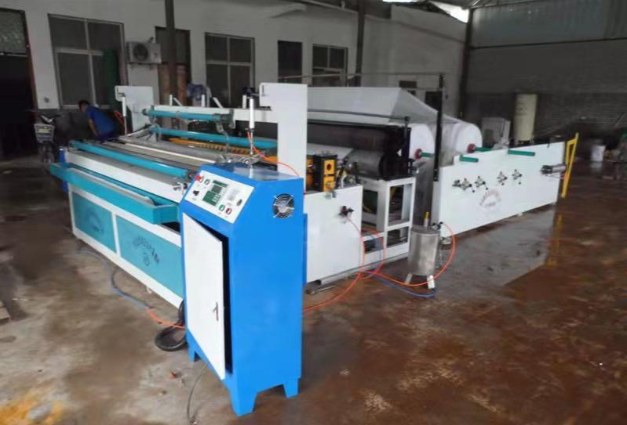
In this comprehensive guide, we’ll explore what a toilet paper production line is, its core applications, technical specifications, and the unique benefits it offers African industries. You’ll also discover why sourcing through Afrimart—Africa’s leading B2B industrial equipment platform—ensures a seamless, secure procurement process tailored for local market realities.
What Is a Toilet Paper Production Line?
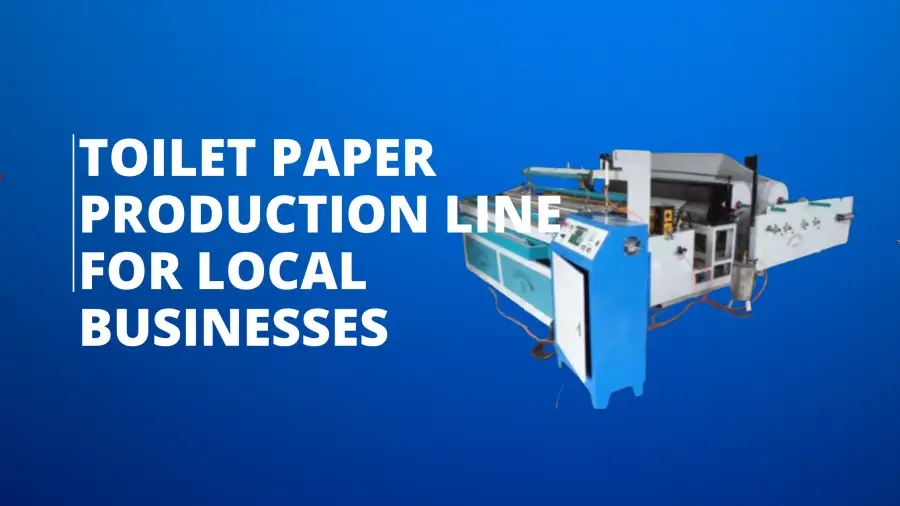
A toilet paper production line is an integrated industrial system that automates the conversion of raw paper materials into finished, consumer-ready toilet tissue rolls. This equipment encompasses multiple stages—including unwinding, embossing, perforating, slitting, rewinding, and cutting—delivering high-capacity, consistent output with minimal manual intervention.
At its core, the production line transforms jumbo tissue paper rolls (parent rolls) into smaller, packaged toilet rolls ready for retail or institutional use. Advanced models incorporate features such as automatic core feeding, precise embossing for softness, programmable logic controllers (PLC) for smart automation, and energy-efficient motors. The result is a compact, high-productivity solution that minimizes waste and labor costs while ensuring top-quality output.
A typical toilet paper production line includes:
- Jumbo Roll Unwinder: Feeds raw paper into the system.
- Embossing & Perforating Unit: Adds texture and creates easy-tear lines.
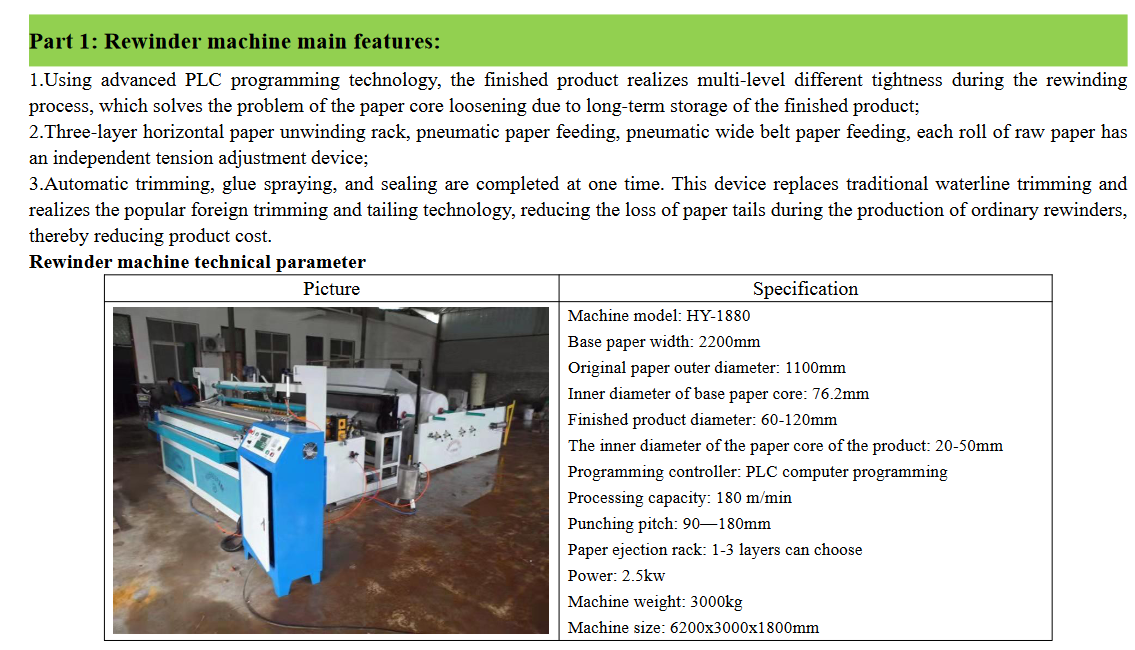
- Rewinder: Rolls the processed paper onto cardboard cores.
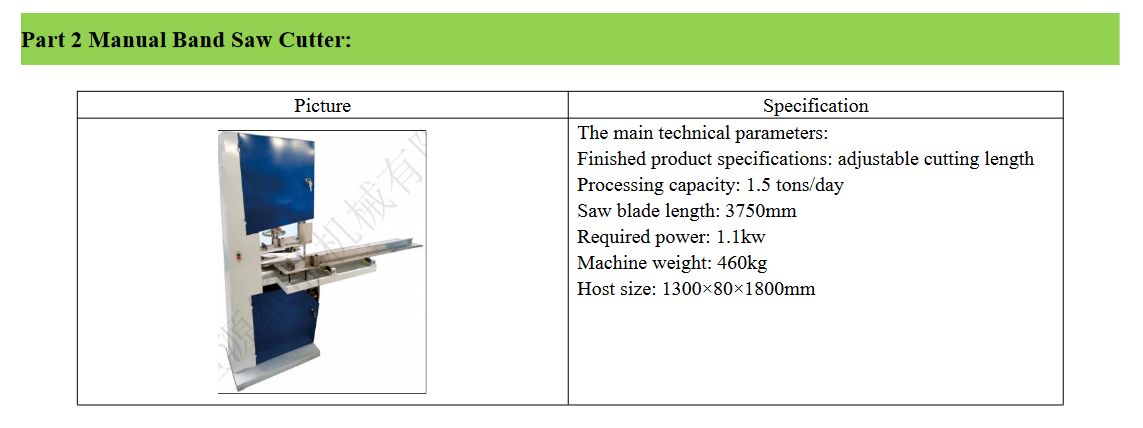
- Slitting & Cutting Machine: Slices the large rolls into standard retail sizes.
- Packaging Section: (Optional) Wraps and packs finished rolls for distribution.
These lines can be configured for different capacities, roll sizes, and levels of automation—making them ideal for both small and large-scale tissue manufacturers across Africa.
Core Applications
Toilet paper production lines are essential for a wide range of industries and enterprises across Africa. Their flexibility and scalability make them suitable for:
- Paper Product Manufacturers: Core equipment for companies specializing in tissue, napkins, and other hygiene products.
- SMEs & Startups: Enables new entrants to the hygiene market with cost-efficient, compact manufacturing solutions.
- Large-Scale Industrial Plants: High-capacity models support mass production for national and regional distribution.
- Hospitality & Facilities Management: In-house tissue production for hotels, hospitals, universities, and mining camps to ensure supply security.
- Retail & Distribution: Private-label brands and wholesalers can control quality and costs by producing their own toilet paper lines.
Use Cases in the African Market:
- Meeting the rising demand for affordable, locally-produced hygiene products in urban and rural areas.
- Reducing dependency on imports and overcoming international supply chain disruptions.
- Creating jobs and supporting local economies through value-added manufacturing.
- Enabling rapid scale-up for government and NGO hygiene initiatives.
Technical Specifications Table
Below is a sample technical comparison for common models of toilet paper production lines. Please note, actual specs may vary depending on supplier and configuration. For custom requirements, Afrimart’s sourcing team can assist in identifying the ideal solution.
| Model | Power Requirement | Machine Size (L×W×H) | Weight | Output Capacity | Input Material | Roll Size Range | Automation Level | Certifications |
|---|---|---|---|---|---|---|---|---|
| TPPL-800 | 7.5 kW | 6500×2200×2000 mm | 3500 kg | 800 rolls/hour | Jumbo tissue rolls (1.2–2.8m width) | 90–300 mm | Semi-automatic | CE, ISO9001 |
| TPPL-1200 | 12 kW | 8000×2500×2200 mm | 4800 kg | 1200 rolls/hour | Jumbo tissue rolls (1.5–3.0m width) | 90–350 mm | Fully automatic | CE, ISO9001 |
| TPPL-2000 | 18 kW | 12000×3500×2500 mm | 8500 kg | 2000 rolls/hour | Jumbo tissue rolls (2.5–3.5m width) | 90–400 mm | Fully automatic with PLC | CE, ISO9001, SGS |
Key Benefits
Investing in a modern toilet paper production line brings a host of advantages for African manufacturers and procurement teams:
- High Productivity: Automated operations deliver consistent, high-volume output with minimal downtime.
- Cost Efficiency: Reduces labor costs and material waste, boosting your bottom line.
- Waste-to-Value: Optimized cutting and rewinding processes maximize material utilization, turning more input into sellable product.
- Compact Design: Space-efficient layouts fit a range of factory sizes, ideal for SMEs and urban locations.
- Quality Control: Advanced embossing and cutting systems ensure every roll meets market standards for softness and strength.
- Easy Maintenance: User-friendly interfaces and robust construction reduce downtime and simplify training.
- Scalability: Modular systems allow you to expand capacity as your business grows.
- Sustainability: Energy-efficient motors and optimized processes help lower your environmental footprint.
Why It Matters for African Industry
The African market faces unique challenges that make local production of essential goods like toilet paper both a necessity and an opportunity. Here’s how a modern production line addresses these issues:
- Overcoming Import Barriers: Local manufacturing reduces reliance on fluctuating global supply chains, tariffs, and currency risks.
- Energy Management: Many models are designed for energy efficiency or can be adapted for alternative power sources, mitigating the impact of unreliable grid power.
- Job Creation: Establishing tissue production plants stimulates local employment and skills development.
- Affordable Hygiene: Lower production costs translate to more accessible hygiene products for underserved communities.
- Waste Reduction: Efficient processes minimize scrap, supporting sustainability and reducing landfill pressure.
- Rapid Response: Localized production enables quick scale-up to meet spikes in demand—critical during public health emergencies.
- Supporting SMEs: Compact, modular lines make it feasible for small businesses to enter the hygiene sector.
For South Africa and the continent at large, investing in industrial equipment like toilet paper production lines is a strategic move toward self-reliance, resilience, and long-term economic growth.
Where to Source the Product
When it comes to industrial equipment procurement in South Africa and across Africa, Afrimart stands out as the trusted B2B sourcing platform for quality, reliability, and local support. Here’s why Afrimart is your ideal partner for sourcing toilet paper production lines:
- Supplier Vetting: All suppliers undergo rigorous screening for quality, compliance, and after-sales support.
- Local Presence: Afrimart’s on-the-ground teams understand African market needs and regulatory requirements.
- Logistics Support: From factory to your site, Afrimart coordinates shipping, customs, and last-mile delivery.
- Warranty Handling: Enjoy peace of mind with clear warranty terms and local technical support.
- Secure Payments: Transact with confidence using Afrimart’s secure payment gateway, protecting both buyers and suppliers.
- Customization: Get expert assistance in selecting and configuring the right model for your production goals and budget.
- End-to-End Service: Afrimart provides installation guidance, training resources, and ongoing maintenance support.
For procurement managers, engineers, and SME owners, Afrimart streamlines the entire sourcing journey—connecting you with vetted suppliers, competitive pricing, and unmatched local expertise.
Conclusion
A toilet paper production line is more than just industrial equipment—it’s a catalyst for productivity, self-sufficiency, and sustainable growth in African manufacturing. Whether you’re scaling up operations, launching a new hygiene brand, or seeking to localize supply chains, this technology empowers you to deliver high-quality, cost-efficient products to your market.
By sourcing through Afrimart, you gain access to Africa’s leading network of trusted suppliers, robust after-sales support, and a seamless procurement experience tailored for the continent’s unique needs. Take your tissue manufacturing to the next level—contact Afrimart today for expert guidance and competitive quotes.
Frequently Asked Questions (FAQ)
- What is a toilet paper production line?
It is an integrated industrial system that automates the transformation of jumbo tissue rolls into finished toilet paper rolls, including processes like unwinding, embossing, perforating, rewinding, and cutting.
- What are the main benefits of using a production line for toilet paper?
Key benefits include high productivity, cost savings, consistent product quality, reduced waste, and the ability to scale operations efficiently.
- Can these machines operate with unreliable power supply?
Many models are energy-efficient and can be adapted for backup power solutions, making them suitable for regions with unstable electricity.
- Is the equipment suitable for SMEs?
Yes, compact and modular models are available, allowing small and medium enterprises to start or expand tissue production with manageable investment and space requirements.
- How do I source a toilet paper production line through Afrimart?
Visit Afrimart’s product page, submit your inquiry, and a sourcing specialist will guide you through selection, customization, and procurement.
- What after-sales support does Afrimart offer?
Afrimart provides warranty management, installation guidance, technical support, and training resources to ensure smooth operation and maintenance.
Ready to transform your hygiene product business? Contact Afrimart for expert advice and to request a quote today.