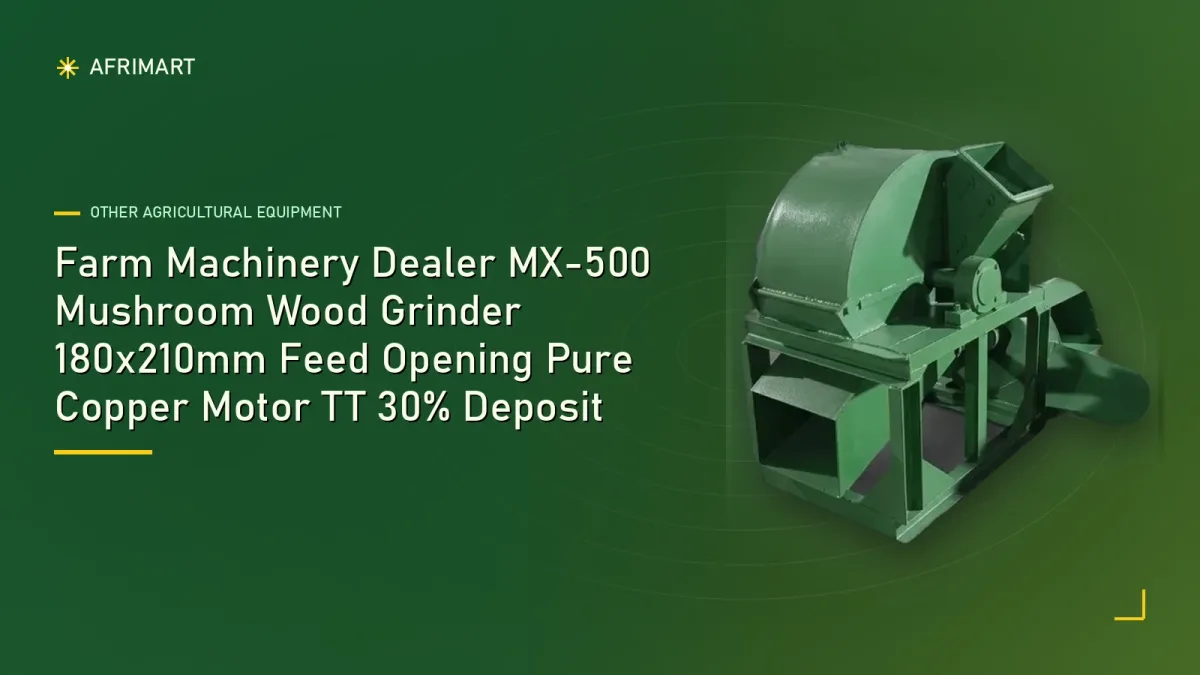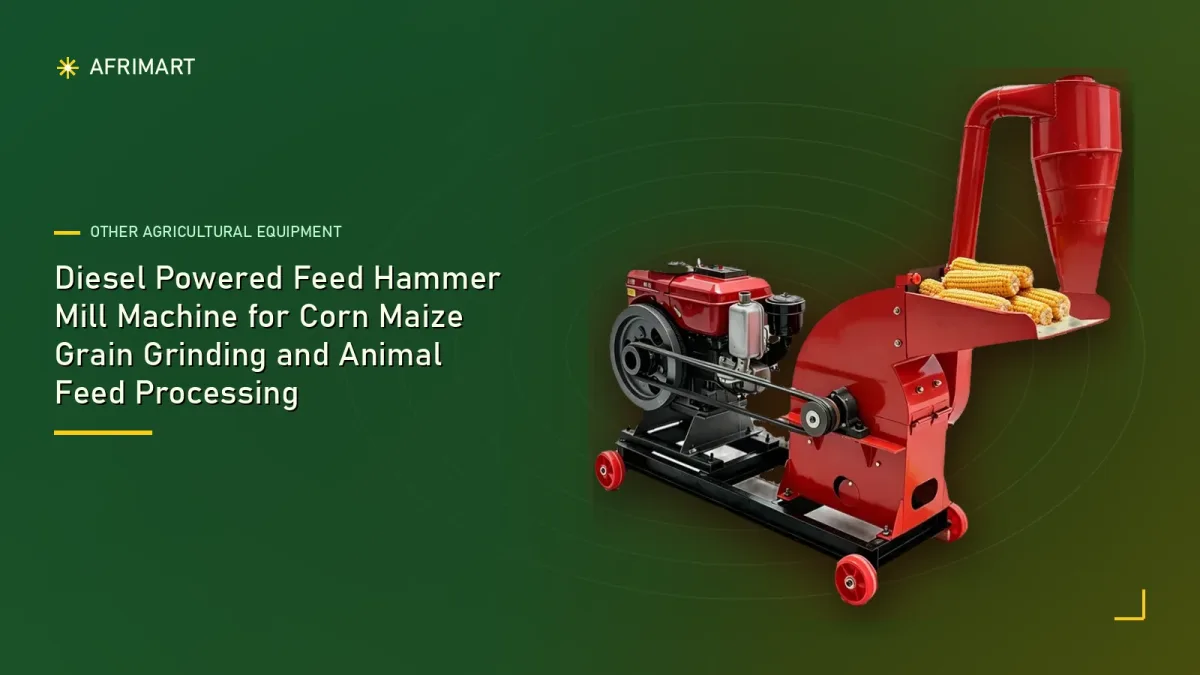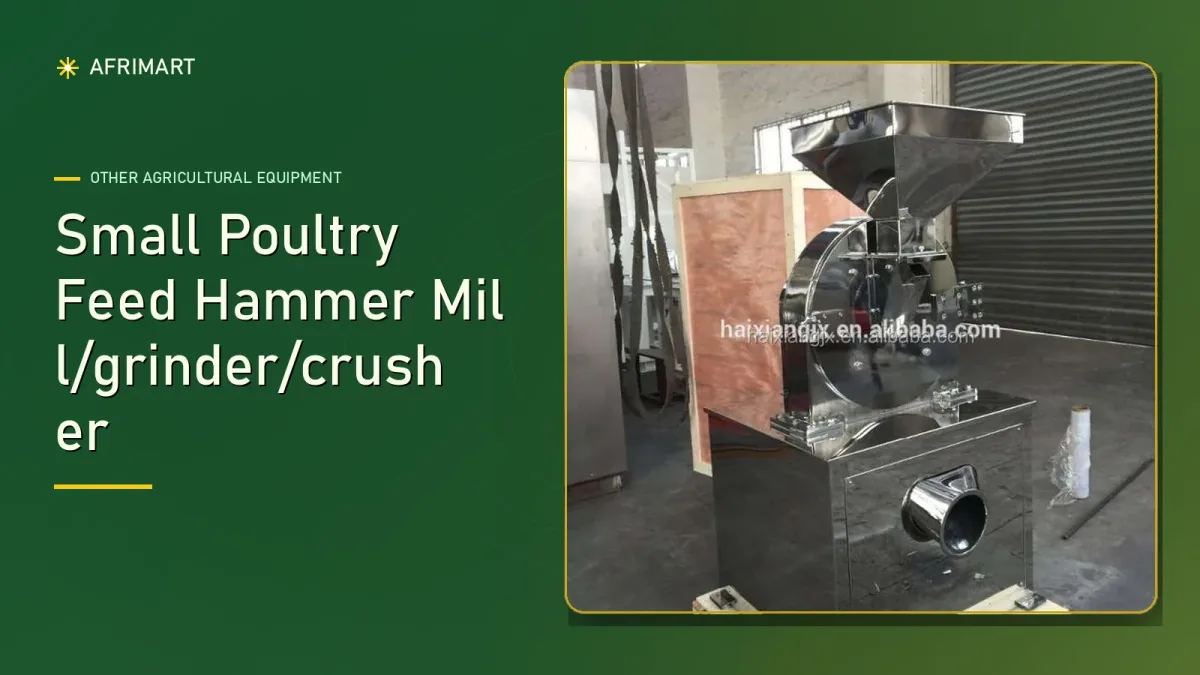
































































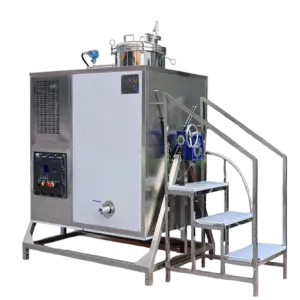





































































































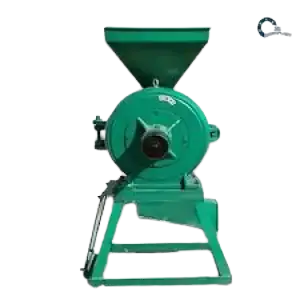




















































































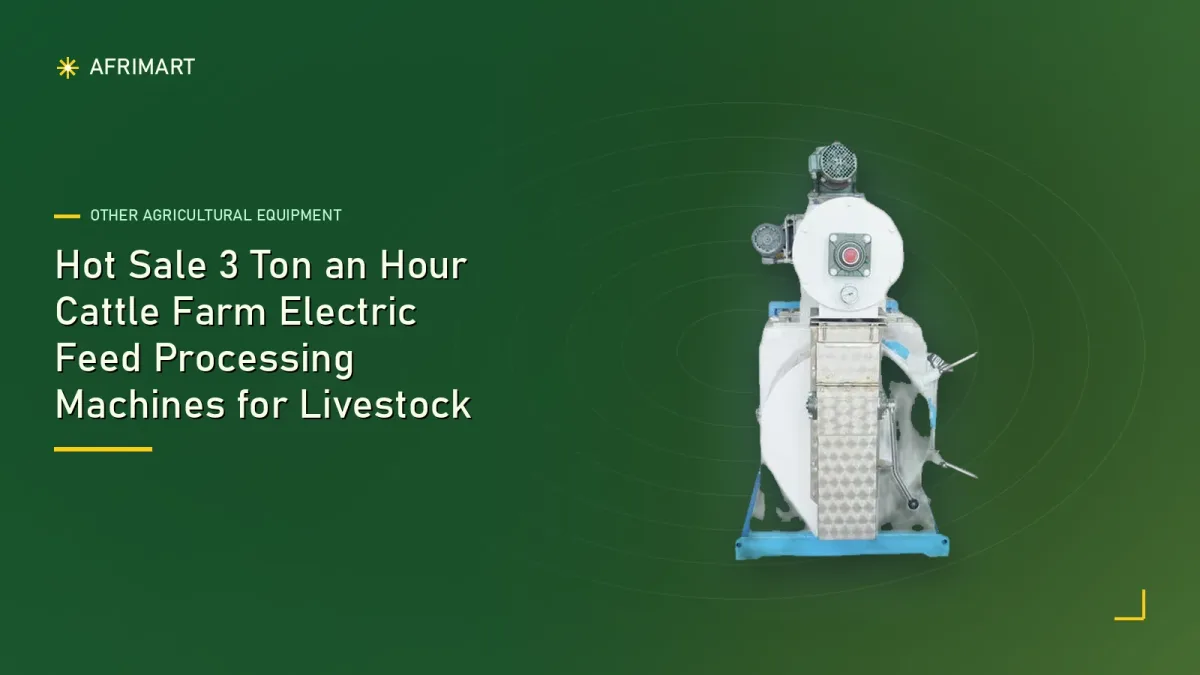
The Hot Sale 3 Ton an Hour Cattle Farm Electric Feed Processing Machines for Livestock is an electric feed pellet machine designed for farms and feed operations that need consistent livestock feed production. It processes grains, straw, and meat & bone meal into pellets, offers a verified 3 ton/h capacity, and uses a Siemens motor with customizable pellet size.
At a glance
Best suited to: Cattle farms and livestock feed processing operations
Input material: Grains, Straw, Meat & Bone Meal
Final product: Feed pellets for livestock
Engine type: Electric Engine
Rated capacity: 3 ton/h
Motor: Siemens
What is Hot Sale 3 Ton an Hour Cattle Farm Electric Feed Processing Machines for Livestock?
This product is a feed pellet machine for producing livestock feed pellets from prepared raw materials. Its stated function is to compress feed ingredients such as grains, straw, and meat & bone meal into pellet form for animal feeding.
For buyers, the key distinction is that this machine pelletises feed material; it does not grow, dry, grind, or formulate the raw ingredients itself unless additional equipment is supplied separately. That matters when planning a complete feed line, because pellet quality and throughput depend heavily on the condition of the incoming material.
The published product information identifies it as a new FAR-branded machine with an electric engine, one mold, two rollers, and one blade included. Its construction materials are listed as stainless steel, alloy steel, and carbon steel, indicating a mixed-material build intended to balance wear resistance, structural strength, and process-contact durability. The listing does not name a separate PLC (programmable logic controller), touch screen, or automated control package, so buyers should assess the operating and control arrangement in the quotation stage rather than assuming a specific control system.
How does Hot Sale 3 Ton an Hour Cattle Farm Electric Feed Processing Machines for Livestock work?
This feed pellet machine works by forcing prepared feed material through a die assembly to form pellets. Based on the verified product information, the operating sequence can be understood as follows:
Material feeding: Prepared feed raw materials such as grains, straw, and meat & bone meal are introduced into the pelletising section. Because the listing confirms compatible material types but does not state required particle size or moisture level, buyers should match upstream preparation to the machine before ordering.
Roller compression: The machine uses 2 rollers to press the feed material against the die. This compression stage is central to pellet formation, because the rollers apply the pressure that shapes the feed into dense, uniform pieces.
Die forming: Material is forced through a die with an ID of 320 mm. The die is the key forming component, and the published information also states 1 mold, which buyers should read as a single installed forming set unless Afrimart’s quotation defines it differently.
Pellet sizing: The machine offers customizable pellet size, allowing the output to be selected for the feeding programme. This is useful where operators need different pellet formats for cattle or other livestock categories, but the exact available size range should be confirmed in writing for the chosen configuration.
Cutting and discharge: The machine includes 1 blade, which indicates that the formed material is cut into pellet lengths after extrusion through the die. Finished pellets are then discharged for collection, cooling, or transfer to the next handling stage, depending on the wider plant layout.
The product page does not specify whether feeders, mixers, grinders, coolers, conveyors, control panels, or finished-product handling equipment are supplied as part of the package. Buyers should confirm the complete machine scope and line configuration before ordering.
Where is Hot Sale 3 Ton an Hour Cattle Farm Electric Feed Processing Machines for Livestock used?
Commercial cattle farms: Operations with regular feed demand can use this machine to pelletise feed on site instead of depending entirely on externally supplied finished feed. The verified 3 ton/h capacity makes it relevant to farms that need steady throughput rather than very small batch production.
Livestock feed preparation units: Farms or agricultural businesses that prepare feed for multiple livestock groups can use the machine where pellet form is preferred for handling and ration consistency. The stated customizable pellet size supports feed programmes that require output suited to the target animals.
Integrated crop-and-livestock businesses: Agricultural operations that already handle grains and straw may use the machine to convert available feed ingredients into pellets. This can support more organised internal feed handling, especially where loose material is harder to store, measure, or distribute.
Regional feed supply businesses: Smaller feed producers serving nearby cattle farmers may use a pellet machine in this capacity class to produce saleable feed output for local distribution. The machine’s stated output of 2-5 TPH and high productivity positioning suggest it is intended for more than occasional use, although buyers should request the exact throughput basis for their recipe.
Meat and bone meal blending applications: Because meat & bone meal is explicitly listed among the feed raw materials, the machine may suit formulations that include animal-protein-based feed ingredients where permitted by local rules and buyer practice. This is important for buyers who need confirmation that the machine is marketed for more than cereal-only inputs.
Contract feed processing services: Agricultural contractors or service providers can use a machine of this type where farmers bring prepared raw material for pelletising. The combination of electric engine, Siemens motor, and engineers available to service machinery overseas may be attractive where technical support matters for uptime planning.
Farm expansion projects: Growing livestock operations that need to formalise feed production can use the machine as part of a broader processing upgrade. The verified CE and ISO9001 certifications may matter to project developers and institutional buyers seeking equipment with stated quality and conformity credentials.
Training and demonstration sites: Agricultural training farms or demonstration centres can use pellet equipment to show the transition from loose feed ingredients to pellets. The machine’s stated simple use and visible roller-and-die pelletising process make it practical for operator instruction and process familiarisation.
Technical specifications
The table below summarises the verified published information for the Hot Sale 3 Ton an Hour Cattle Farm Electric Feed Processing Machines for Livestock, Afrimart SKU 1601720221660.
| Specification | Verified value | Buyer note |
|---|---|---|
| Product name | Hot Sale 3 Ton an Hour Cattle Farm Electric Feed Processing Machines for Livestock | Use the full product name when requesting a quotation to avoid confusion with other pellet machines. |
| Afrimart SKU | 1601720221660 | Quote this SKU in enquiries for faster product identification. |
| Brand name | FAR | Brand identity is verified on the product page; request the current nameplate photo in the quotation pack if required. |
| Type | Feed Pellet Machine | Confirms the machine’s process category: pelletising prepared feed materials. |
| Capacity | 3 ton/h | Treat this as the headline rated figure and confirm the basis of the rating for your intended raw material mix. |
| Output | 2-5 TPH | TPH means tonnes per hour; buyers should clarify how this output range relates to the stated 3 ton/h capacity. |
| Feed raw material | Grains, Straw, Meat & Bone Meal | Confirm suitability for your exact formulation and ingredient preparation method before purchase. |
| Engine type | Electric Engine | This confirms electrical drive rather than diesel or PTO drive; site power availability must be checked. |
| Phase | Single Phase | This should be checked carefully against the stated 380V supply, because local power arrangements vary by country and site. |
| Voltage | 380V | Confirm site compatibility, cable sizing, and motor starting requirements before installation. |
| Motor | Siemens | Named motor brand can support maintenance planning and buyer confidence on a critical component. |
| Pellet size | Customizable | Ask for the available pellet diameter options and the changeover method for different output sizes. |
| Number of molds | 1 | Confirm whether one mold means one supplied die set or one installed forming assembly. |
| Number of rollers | 2 | Roller count is relevant to pellet formation and wear-part planning. |
| Number of blades included | 1 | Ask whether additional blades are available as recommended spares. |
| ID of die | 320 mm | Verify whether this figure refers to die internal diameter and request a drawing if layout planning depends on it. |
| Material | Stainless Steel, Alloy Steel, Carbon Steel | Mixed construction materials suggest different duties across product-contact and structural parts; request a component material breakdown if needed. |
| Weight | 1000 | The product page gives 1000 but does not state the unit; buyers should request a confirmed weight with unit and whether it is net or shipping weight. |
| Condition | New | Confirms supply condition for procurement records. |
| Certification | CE ISO9001 | Request copies or references to the current certification documents if required by your procurement process. |
| Warranty | 1 Year | Ask what parts and services are covered, and when the warranty period starts. |
| Key selling points | High Productivity | This is a supplier claim rather than a measured test figure; rely on the stated capacity and quotation details for technical evaluation. |
| After-sales service | Engineers available to service machinery overseas | Useful for projects needing commissioning or technical visits outside the seller’s home market; confirm availability for your country. |
| Free support | Free replacement parts & online technical support | Request the exact list of replacement parts included and the duration or scope of online support. |
Specifications may vary according to configuration and should be confirmed in Afrimart’s current written quotation before purchase.
What are the main operational benefits?
Useful throughput for feed production: The verified 3 ton/h capacity gives buyers a concrete planning figure for medium-scale feed pellet production. For farms or feed units that need more than small-batch output, this can support regular production scheduling.
Flexibility in feed ingredient choice: The machine is listed for grains, straw, and meat & bone meal, which gives buyers a broader raw-material base than grain-only pellet systems. That flexibility matters where feed formulations depend on locally available agricultural inputs.
Adaptable pellet output: Customizable pellet size allows the machine to be matched to the feeding programme rather than forcing one fixed pellet format. In practice, this supports different ration strategies and purchasing preferences across livestock operations.
Recognisable drive component: The use of a Siemens motor is a practical advantage because the motor is one of the most important reliability components in an electric pellet machine. Buyers can factor this into maintenance planning and spare-parts strategy.
Pellet-forming hardware suited to continuous work: The verified 2 rollers, 1 mold, and 1 blade included show that the machine is a complete basic pelletising assembly rather than a bare frame. This helps procurement teams assess wear parts, operating spares, and service requirements.
Mixed-material construction: The machine is built from stainless steel, alloy steel, and carbon steel. That combination can support durability across product-contact and structural sections, though buyers should still request a component-level material breakdown where corrosion resistance or hygiene is critical.
Support package beyond the machine itself: The product information includes 1 year warranty, free replacement parts, online technical support, and engineers available to service machinery overseas. For African buyers operating across long supply chains, these verified support points may influence supplier selection and risk assessment.
Why does this equipment matter for African industry?
Feed processing equipment matters across Africa because livestock production is closely tied to feed availability, handling efficiency, and the ability to convert local agricultural materials into usable rations. A pellet machine of this type is relevant where farms or agricultural businesses want more control over the physical form of feed instead of relying only on purchased finished pellets.
In many African markets, livestock operations range from expanding commercial farms to integrated agri-businesses that combine crop production with animal husbandry. A machine that can process grains, straw, and meat & bone meal may support local value addition by turning available feed ingredients into a more manageable pelletised product. That does not remove the need for proper formulation and raw-material preparation, but it can support more structured feed handling on site.
The machine is also relevant to regional supply chains. Some buyers will use it as farm equipment, while others may consider it for local feed service businesses supplying nearby producers. In both cases, electric drive can suit sites with stable industrial power, while the after-sales support statement is relevant where technical back-up and parts planning are important due to longer distances between user sites and service centres.
Africa is not one uniform operating environment, so suitability depends on local electricity quality, maintenance capability, ingredient preparation methods, and access to installation support. For that reason, the machine’s value is strongest where buyers evaluate it as part of a real operating system rather than as a standalone capacity figure.
What should buyers confirm before ordering?
- Required tonnes per hour for actual daily feed demand
- Whether the 3 ton/h figure matches your intended recipe
- How the 2-5 TPH output range is defined
- Exact raw materials to be pelletised
- Incoming material particle size
- Incoming material moisture condition
- Required pellet size options
- Die specification and change parts supplied
- Roller wear-part availability
- Blade spares included with delivery
- Confirmed power supply compatibility with 380V
- Clarification of the stated Single Phase supply arrangement
- Motor starting method and protection requirements
- Full machine dimensions for layout planning
- Confirmed machine weight and unit of measure
- Foundation, floor loading, and access route needs
- Scope of supplied auxiliaries such as feeder or cooler
- Operator controls and level of automation
- Safety guarding and emergency stop arrangement
- Installation, commissioning, and training scope
- Spare-parts package and free replacement parts list
- Warranty terms, exclusions, and start date
- Availability of service engineers in the destination country
- Delivery destination, import documentation, and local compliance needs
The most consequential unstated point in the published listing is the incomplete electrical and installation detail, especially the relationship between Single Phase and 380V, plus the absence of confirmed dimensions. Buyers should request the formal technical datasheet and general arrangement drawing in Afrimart’s written quotation pack.
How to source Hot Sale 3 Ton an Hour Cattle Farm Electric Feed Processing Machines for Livestock through Afrimart
Afrimart can help buyers confirm whether this feed pellet machine matches the intended application and can prepare a quotation based on the required operating conditions. That is particularly important where throughput, pellet size, utilities, and auxiliary equipment must be aligned to a specific farm or feed-processing project.
When requesting a quotation, provide:
- Required capacity
- Intended application
- Input materials
- Project location and country
- Available utilities
- Required accessories
- Installation and training requirements
- Target project date
Request a quotation for Hot Sale 3 Ton an Hour Cattle Farm Electric Feed Processing Machines for Livestock through Afrimart. If you prefer to submit project details directly by email, you can also contact [email protected].
Frequently asked questions
What is the Hot Sale 3 Ton an Hour Cattle Farm Electric Feed Processing Machines for Livestock used for?
It is used for making livestock feed pellets from prepared raw materials. The verified input materials are grains, straw, and meat & bone meal, and the machine’s purpose is to compress these materials into pellet form for animal feeding rather than to grind or formulate feed from scratch.
What capacity does this feed pellet machine have?
The product page states a capacity of 3 ton/h and also lists output of 2-5 TPH. Buyers should use these figures as published reference points, then ask Afrimart to confirm the throughput basis for their exact feed formulation, because actual output can depend on the selected configuration and the processed material.
What raw materials can this machine process?
The verified feed raw materials are grains, straw, and meat & bone meal. Those are the only published input categories that should be relied on publicly. If your formulation includes other ingredients or a specific mix ratio, request written confirmation that the machine is suitable for that recipe before ordering.
Is this machine electric, and what power supply does it need?
Yes, it is listed as an Electric Engine machine and the published voltage is 380V. The product page also states Single Phase, so buyers should confirm the exact electrical arrangement, starting requirements, and site compatibility in the quotation documents before procurement or installation planning.
Can the pellet size be adjusted?
Yes, the machine is described as having customizable pellet size. That means buyers can specify output suited to their livestock feeding requirements, but the product page does not publish the available pellet size range, die options, or changeover details, so these should be confirmed in the technical offer.
What key components are confirmed in the published specification?
The published specification confirms a Siemens motor, 1 mold, 2 rollers, 1 blade included, and a die ID of 320 mm. These figures help buyers evaluate the pelletising section, wear parts, and maintenance planning, but they do not replace a full machine drawing or complete bill of supply.
Does Afrimart support installation and after-sales service?
The product page states engineers available to service machinery overseas, as well as free replacement parts and online technical support. Buyers should still confirm whether commissioning, site visits, training duration, and spare-parts supply are included in the quotation for the destination country and project schedule.
How do I request a quotation for this feed processing machine?
The best approach is to send Afrimart your required capacity, intended application, feed materials, project country, available utilities, accessories needed, installation requirements, and target project date. Use the product name and Afrimart SKU 1601720221660 so the quotation is matched to the correct machine configuration.
Sources and technical review
- Afrimart product page: https://afrimart.co.za/product/3-ton-an-hour-cattle-farm-electric-feed-processing-machines-for-livestock
- ISO, International Organization for Standardization: https://www.iso.org
- European Commission guidance on CE marking: https://single-market-economy.ec.europa.eu/single-market/ce-marking_en