B21, China Town Mall, Midrand

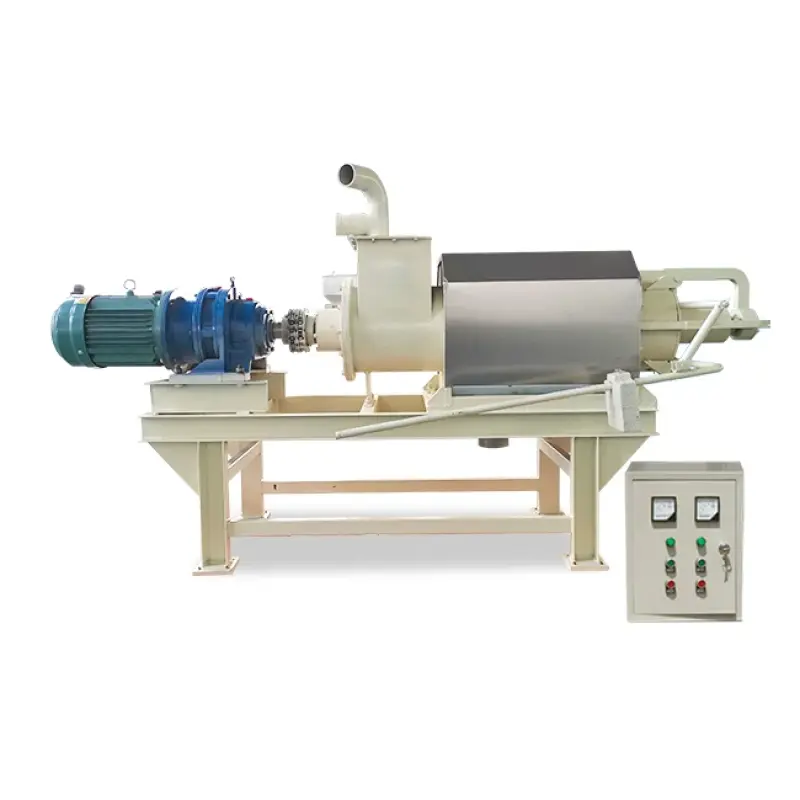
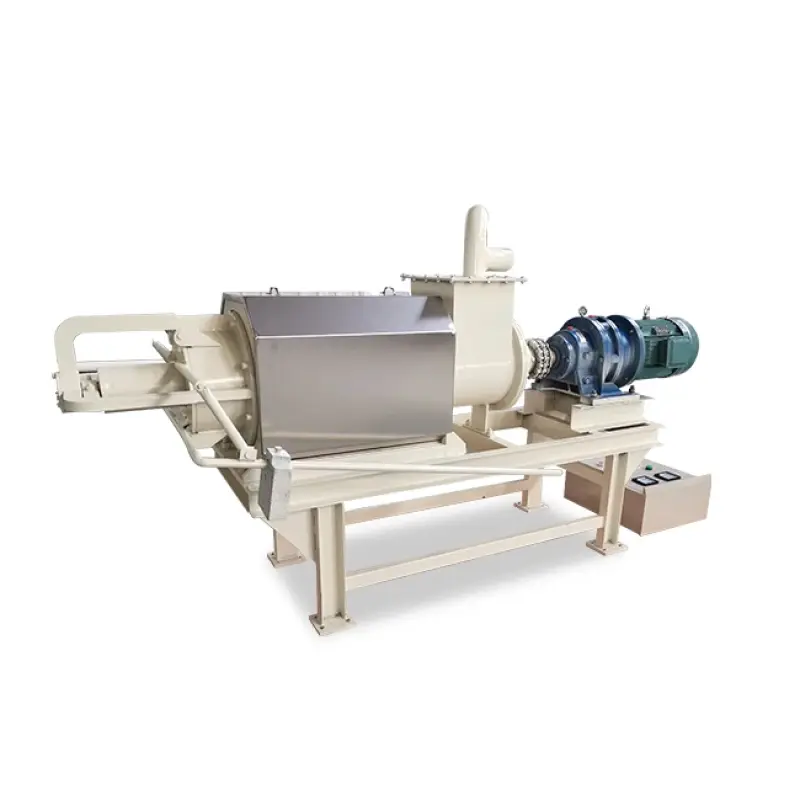
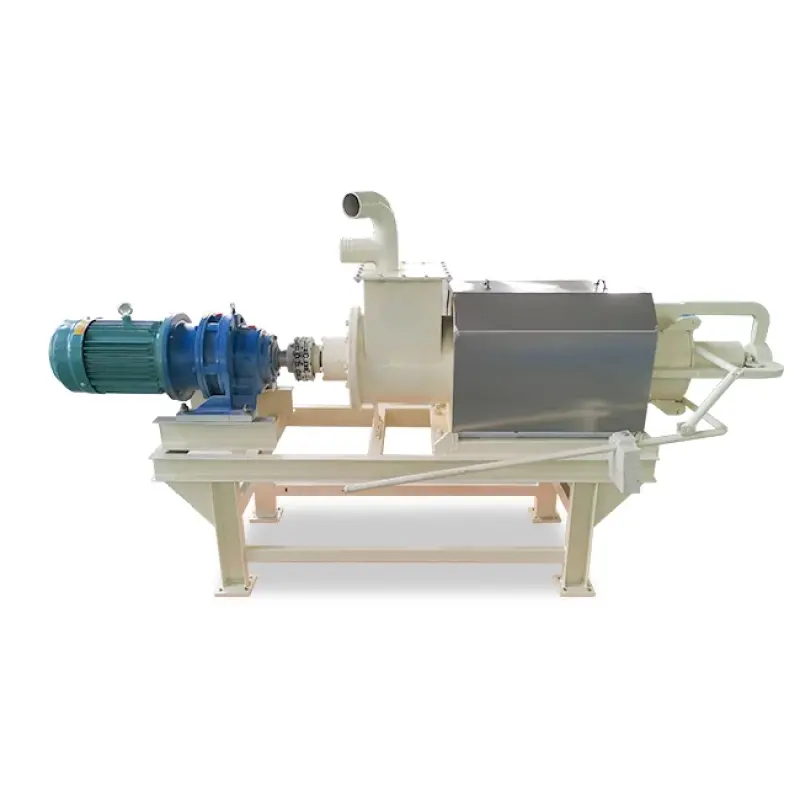
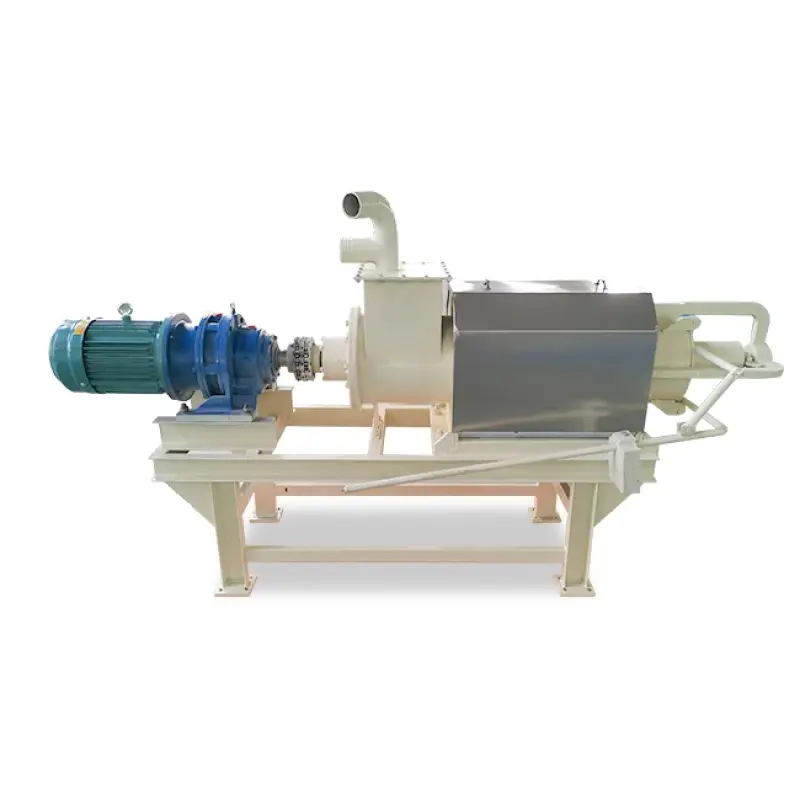
Cow Dung Manure Dewatering Machine
Asset finance available
Do you want funding for this equipment?
Afrimart can connect you with trusted funding partners who specialise in asset finance for businesses like yours. Compare options and apply in minutes — final approval is subject to provider review.
Check funding options
Secure & no obligation

- Section : Machinery
- Category : Agriculture Machinery
- SKU : 1600499395215

Cow Dung Manure Dewatering Machine
The Cow Dung Manure Dewatering Machine is an efficient solution for farmers needing to separate solid and liquid waste from animal manure. This machine is designed to make the management of manure easier and more effective.
Key Features
High Productivity: With a capacity of 20-25 m³/h, this machine can handle a large amount of manure quickly.
Robust Construction: Weighing 350 kg, the machine is built to withstand heavy use and last through tough working conditions.
Core Components: The Cow Dung Manure Dewatering Machine includes essential components like an engine, motor, and gears, ensuring reliable performance.
Effective Separation: The machine uses a screw design to separate solid and liquid waste efficiently, making it ideal for managing cow, pig, and poultry manure.
User-Friendly Design: The inlet diameter of 76 mm allows for easy loading of manure, while the drainage system, with a 110 mm drain diameter, ensures quick removal of the separated liquid.
Compact Dimensions: With dimensions of 2200 x 610 x 1350 mm, it can fit into various farming setups without taking up too much space.
Electric Type: This machine runs on a 4 kW electric power supply, making it an energy-efficient choice for farmers.
Versatile Applications: The Cow Dung Manure Dewatering Machine is suitable for dewatering animal manure from different sources, including cows, pigs, and poultry.
This machine simplifies the process of manure management on farms. By effectively separating solid and liquid waste, it helps improve hygiene and reduces environmental impact. For farmers looking for a dependable and productive solution, the Cow Dung Manure Dewatering Machine is an excellent choice.
Product Info Gallery
- Weight: 350 kg
- Core Components: Engine, motor, Gear
- Capacity: 15-20 m³/h
- Screen Diameter: 200 mm
- Drain Diameter: 110 mm
- Dimension: 2200 x 610 x 1350 mm
- Power: 4 kW
- Inlet Diameter: 76 mm


1. The screw solid-liquid separator dewatering machine has small volume, low speed, simple operation, convenient installation and maintenance, low cost, high efficiency, fast investment recovery;
And no need to add any flocculant. horse manure dewatering machine dewatering screw press animal manure crushing machine
The weight of the whole machine is nearly half a ton and the dimensions are small.horse manure dewatering machine cow pig dug separator dewatering machine

2. The separated solid part is dry and odorless. It is a good farmland fertilizer. It does not produce leachate during storage.
It is convenient to transport and store.manure dewatering machine solid liquid seperator cow dung dewatering machine for making fertilizers manure separator
It can effectively improve the air environment of livestock farms and solve the problem of solid manure transportation Environmental Pollution.

After separation, the water content of the liquid portion is 60% or so, and crusts and precipitation are not easy to occur during storage.
The separated liquid has less nitrogen and phosphorus content, which can be diluted for irrigation water or fertilizer, and can be effectively used by agricultural crops absorb.

Models and Parameter of screw dewatering machine dewater/dung dewater machine
| Model | FR-180 | FR-200 | FR-280 |
| Voltage | 380V | 380V | 380V |
| Power | 4kw | 4kw | 5.5kw |
| Dimension | 2000*600*1300 | 2200*610*1350 | 2400*800*1300 |
| Weight | 340kg | 510kg | 680kg |
| Capacity | 10-15 M³/H | 15-20 M³/H | 20-25 M³/H |
| Sieve dia. | 180mm | 200mm | 280mm |
| Inlet dia. | 76mm | 76mm | 76mm |
| Material | Carbon steel+304SS | Ductile iron+304SS | Ductile iron+304SS |

01 discharge port Solid liquid separation of raw material, soil discharge port.

02 Stainless stell screen Stainless steel screen,good quality and long service life. cow dung manure dryingpig manure solid separator chicken manure dewatering machine for sale

03 Screw All welding technology is adopted.More durable and durable

04 Control cabinet Well known electrical appliances,overload protection,security

Solid 304 spiral shaft,corrosion resistance,oxidation resistance,accelerate discharge speed

Independent distribution box and Pure copper motor horse manure dewatering machine cow dung dewatering manure solid liquid separator animal waste processing machine
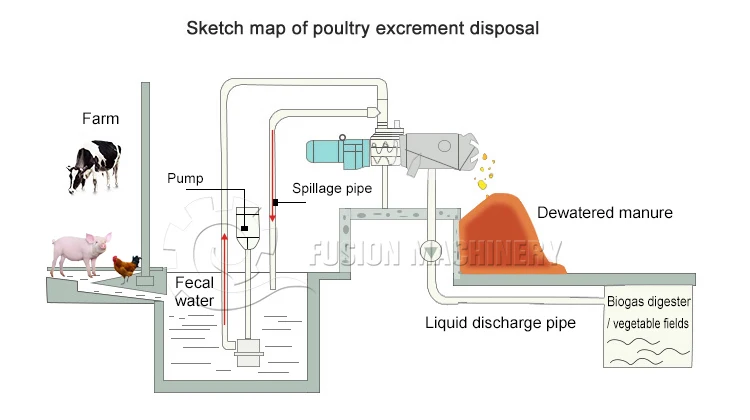
Principle of manure screw dewatering machine/dung dewater machine :
The principle of solid-liquid separator is screw extrusion solid-liquid separation technology.
The main components are: body, screen, extrusion auger, reduction motor, unloading device and other components.
When the cutting feed pump pumps the mixed liquid to the solid-liquid separator through the pipeline, the separator starts, the squeeze auger gradually pushes the mixed liquid to the front of the body, and at the same time, continuously increases the pressure at the leading edge, forcing the moisture in the material to squeeze out Mesh screen, flowing out of the drain pipe. The work of the extruder is continuous, and its materials are continuously pumped into the body, and the pressure at the leading edge is constantly increasing. When it reaches a certain level, the discharge opening is pushed open, and the extrusion opening is squeezed to achieve the extrusion discharge purpos.


The old customers feedback of screw dewatering machine real site and working effect
- Shipping Timeframes: All orders are processed within 2-5 business days (excluding weekends and holidays). After your order has been processed, the estimated delivery time is before 08 Aug, 2026, depending on customs, Please note that due to high demand, some items may experience longer shipping times, which will be communicated at order confirmation email.
- Order Processing Time: Please allow 2-5 business days for us to process your order before it is shipped . Orders placed after 16:00 on Fridays, or during weekends and public holidays, will begin processing on the next business day. Processing times may be extended during peak seasons or sales events.
- Manufacturing Time: Some products needs manufacturing time, the manufacturing process will take approximately 10-30 business days depending on the product. This timeframe may vary depending on the complexity of the product and current demand. but this will be communicated with you during order confirmation.
- Returns and Exchanges: We offer a 30-day return policy for most items. If you are not completely satisfied with your purchase, you may return it within 30 days of receipt for a refund or exchange. Items must be unused, in their original packaging, and accompanied by proof of purchase. Return shipping costs are the responsibility of the customer, unless the item was damaged or defective upon arrival.
1. What is the Cow Dung Manure Dewatering Machine and what does it do?
It is a screw-type solid–liquid separator designed to separate solid and liquid fractions from animal manure (cow, pig, poultry, horse). It reduces volume, produces a transportable dry solid for fertilizer and a liquid fraction suitable for dilution and irrigation.
2. What is the processing capacity of the machine?
Typical capacity is 15–20 m³/h (depends on model and manure consistency). Actual throughput varies with feed concentration, pump rate and particle size.
3. What power supply and motor size does it require?
Standard specification uses a 4 kW motor and is designed for a 380 V three-phase supply (confirm voltage for your region or model).
4. What are the machine dimensions and weight?
Overall dimensions are approximately 2200 × 610 × 1350 mm and the machine weight is around 350 kg (model-dependent).
5. Which types of manure can this machine process?
It is suitable for cow, pig, poultry and horse manure, and generally works with other livestock slurries having similar particle sizes.
6. What are the inlet, screen and drain specifications?
Inlet diameter is 76 mm, standard screen diameter is 200 mm, and the liquid drain diameter is 110 mm (model-specific variations may apply).
7. What materials are used in construction?
Typical construction uses carbon steel combined with 304 stainless steel for the screen and wetted parts; some models use ductile iron plus 304 SS components for durability and corrosion resistance.
8. How does the screw dewatering/separator work?
A pump feeds slurry into the separator. The rotating extrusion screw pushes material toward a progressively narrowing end while a stainless steel screen allows expelled liquid to pass out via the drain. Solids are compacted and discharged continuously.
9. Do I need to add flocculants or chemicals?
No flocculants are required for normal operation; the screw extrusion and screening provide mechanical separation without added chemicals.
10. What is the quality of the separated solid and liquid outputs?
Solids are substantially drier, largely odor-reduced and suitable for storage or use as farmland fertilizer without producing leachate. The liquid fraction is wetter (contains a high share of water) with lower nutrient concentration and can be diluted for irrigation or fertiliser use.
11. What moisture content can I expect in the separated solids?
Moisture content varies with feedstock and operating conditions; solids are significantly drier than raw slurry and are easier to transport and store. For precise moisture targets, tests on your material and adjustment of feed rate/pressure are recommended.
12. What site and installation requirements are needed?
Provide a level, solid foundation and anchor bolts for mounting. Connect to a compatible slurry pump and a 3-phase power supply. Ensure appropriate drainage for the liquid outlet and allow space for maintenance and material handling equipment (forklift or crane for positioning).
13. What routine maintenance is required?
Regularly clean the screen and inlet, inspect and replace worn screens or screw flights, lubricate bearings as specified, check motor and electrical connections, and inspect seals and bearings for wear. Follow the manufacturer's maintenance schedule.
14. What safety precautions should operators follow?
Always isolate power before maintenance, never reach into the inlet or screw while running, provide guarding around moving parts, use PPE (gloves, eye protection, boots), and ensure only trained personnel operate the machine.
15. Are spare parts, service and warranty available?
Common spare parts include screens, screw augers, bearings and electrical components. Warranty and after-sales service terms vary by supplier—contact your vendor for specific warranty coverage, spare-parts availability and local service options.
Latest Order Arrivals
Discover our latest orders
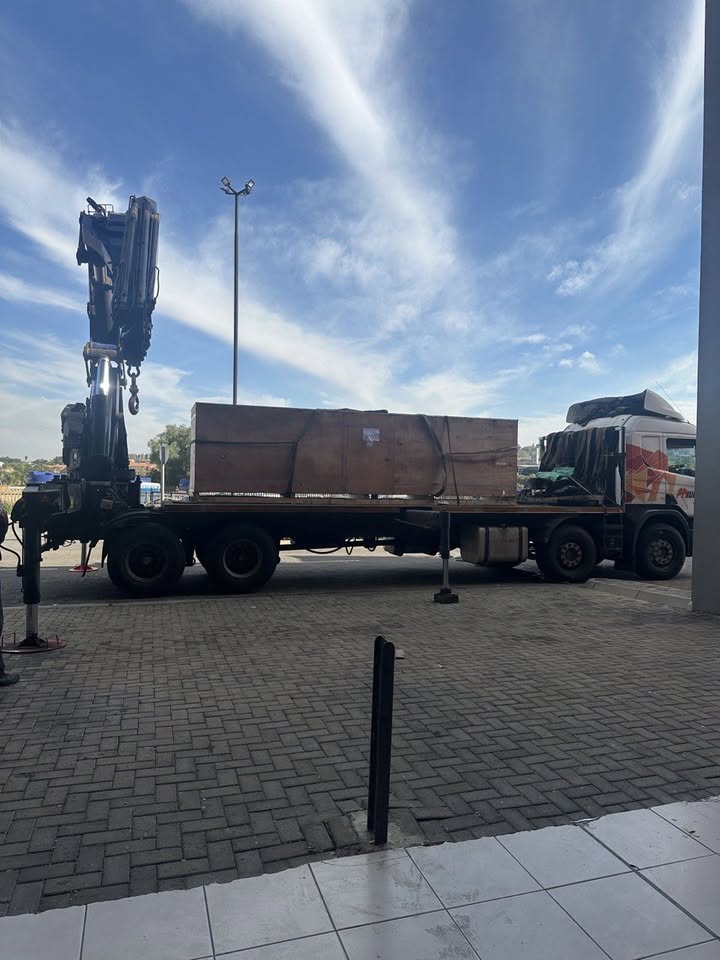
12 Heads Embroidery Machine
Toilet Paper Machine Machine
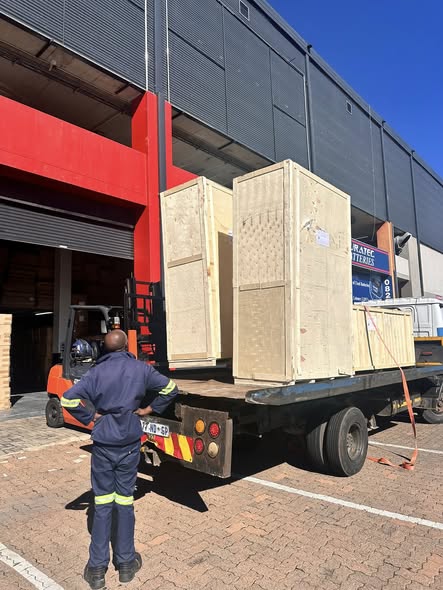
Order Collection
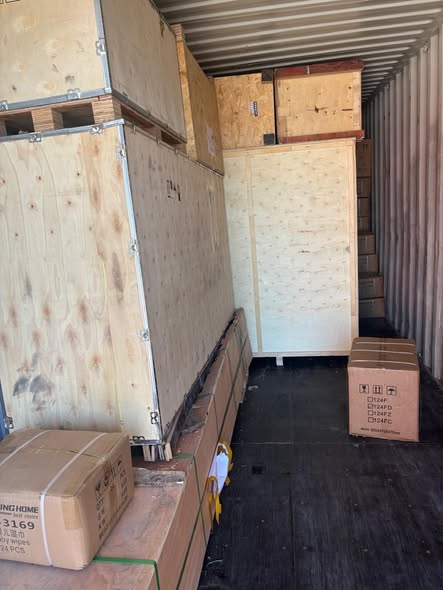
Cross Border Clients
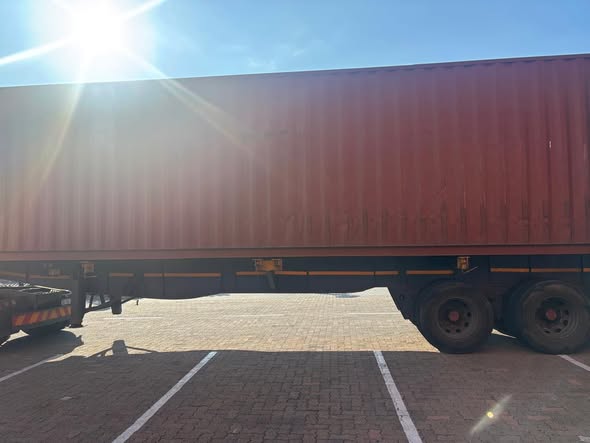
Order cros border countries Collected
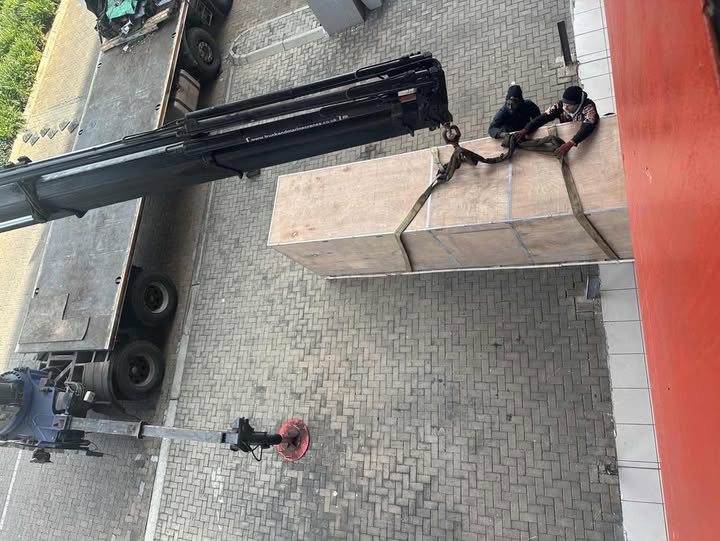
Industrial Machine Cllection
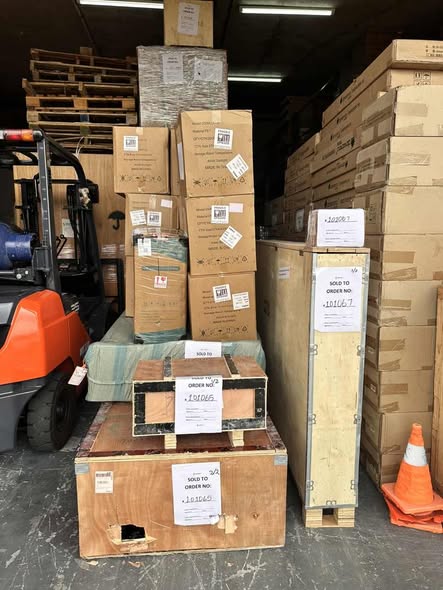
Agriculture Processing Machines
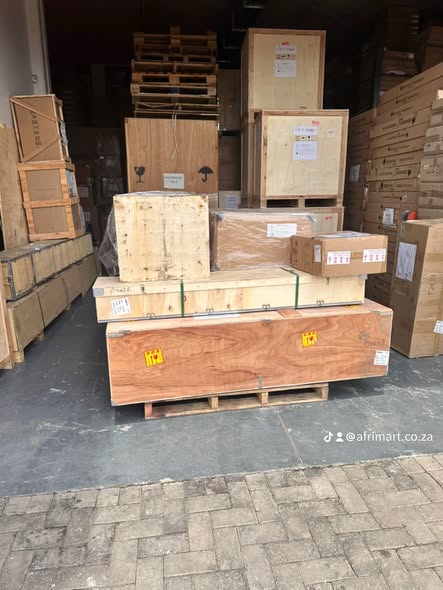
Ready for collection
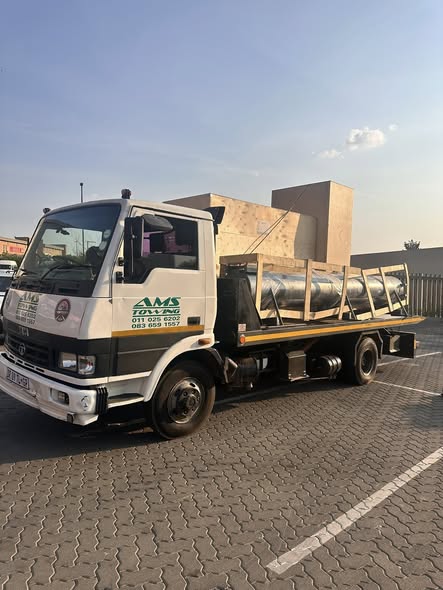
Water Pump Equipment
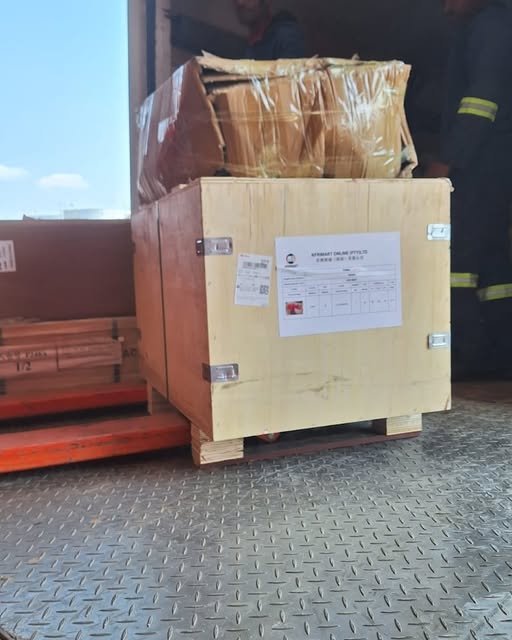
Packaging Machine and accessories
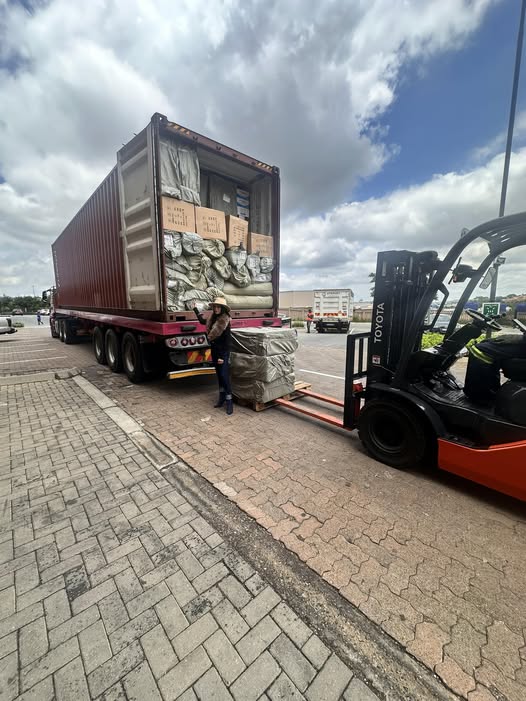
Fabrics Manufacturing Equipment
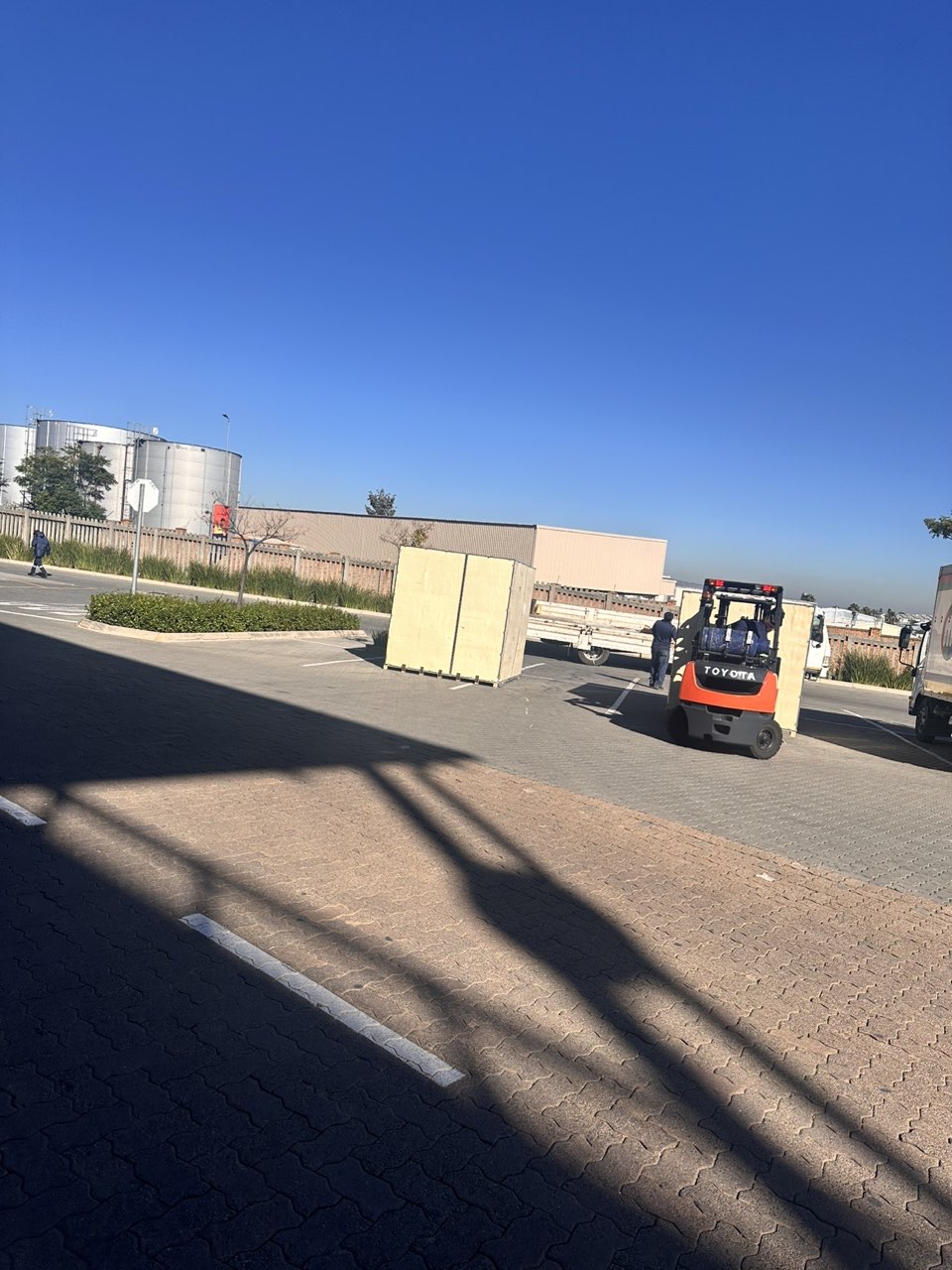
Mining Equipments
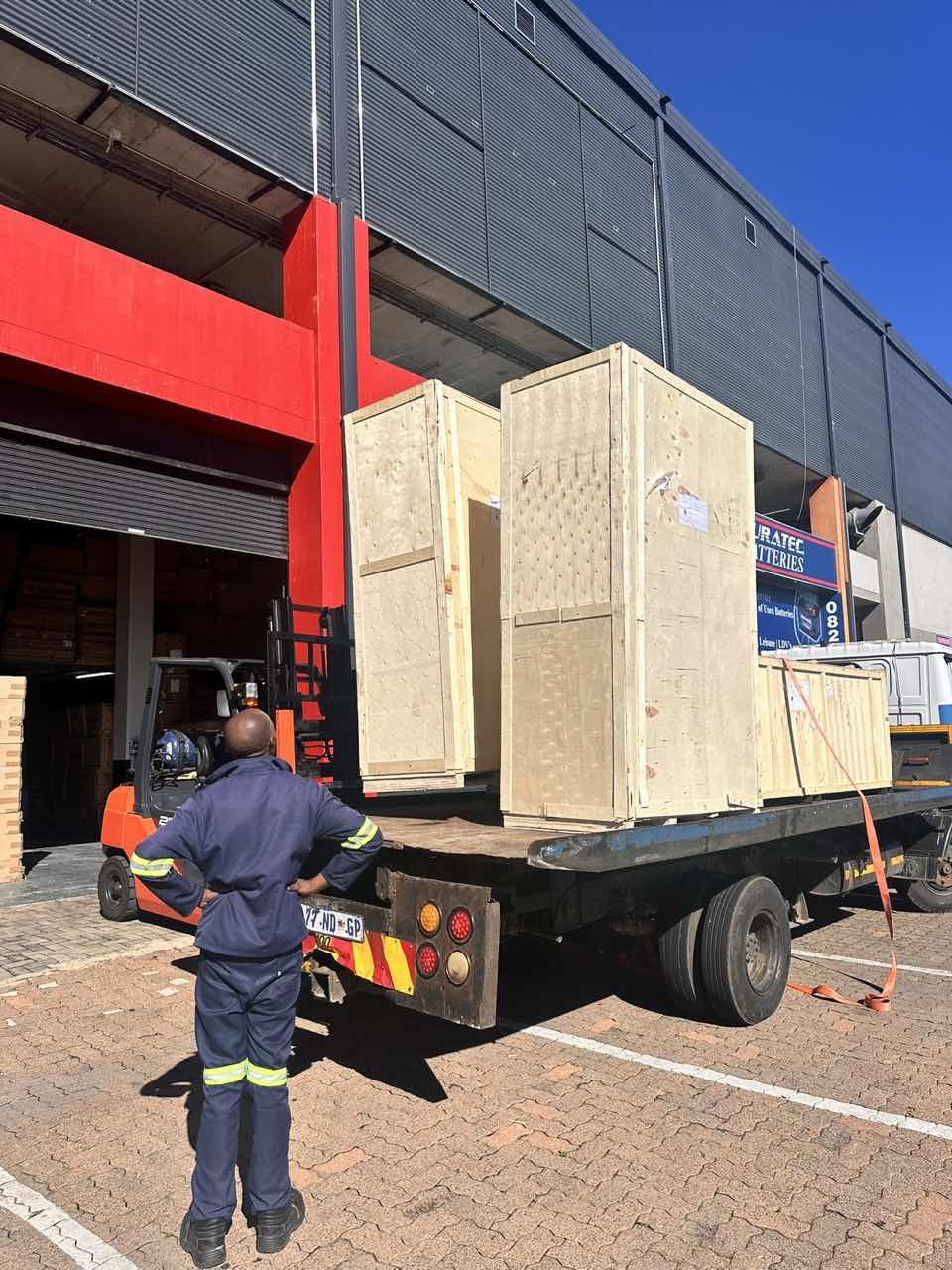
Food Processing Machine
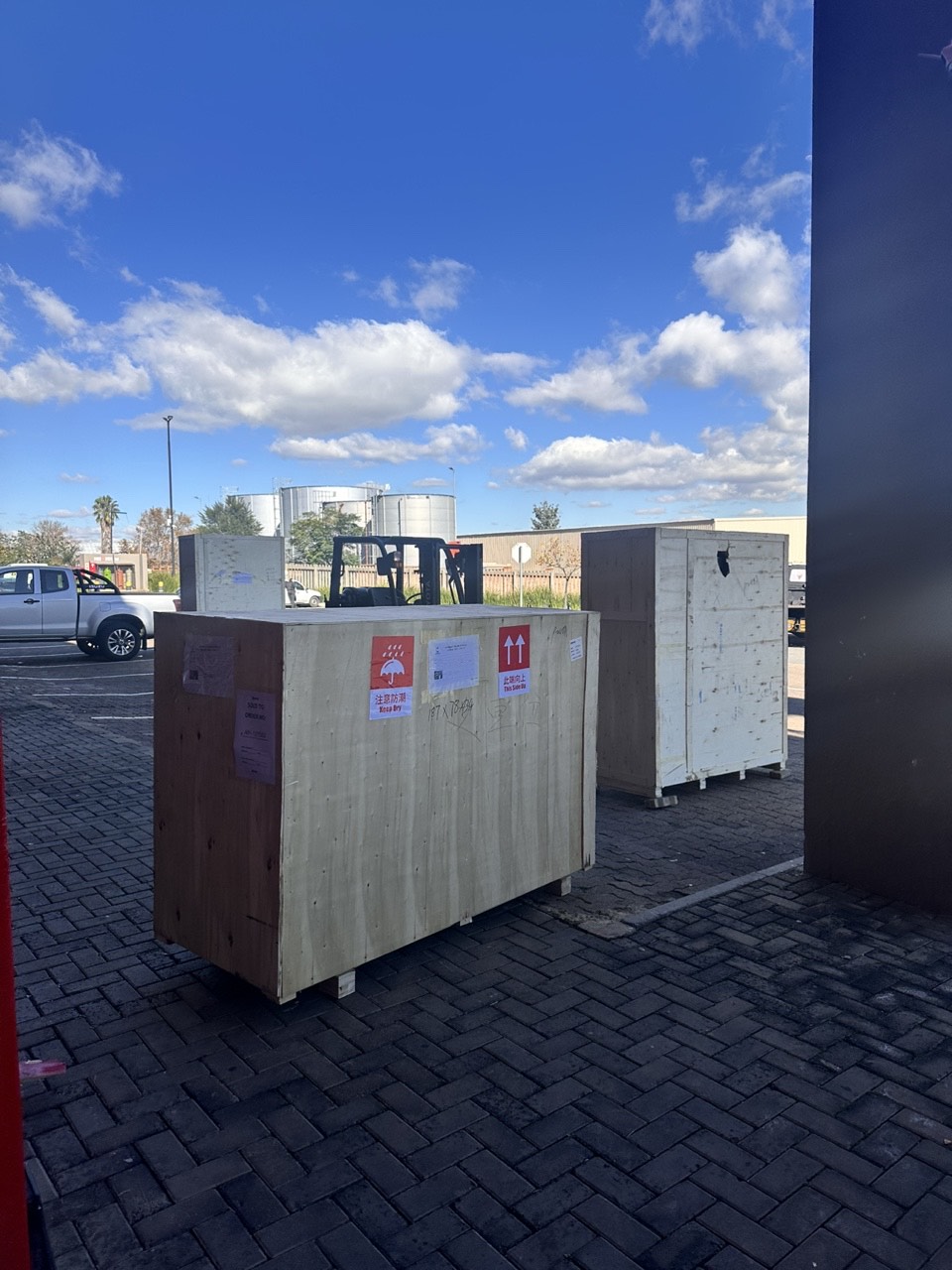
Batch of Orders
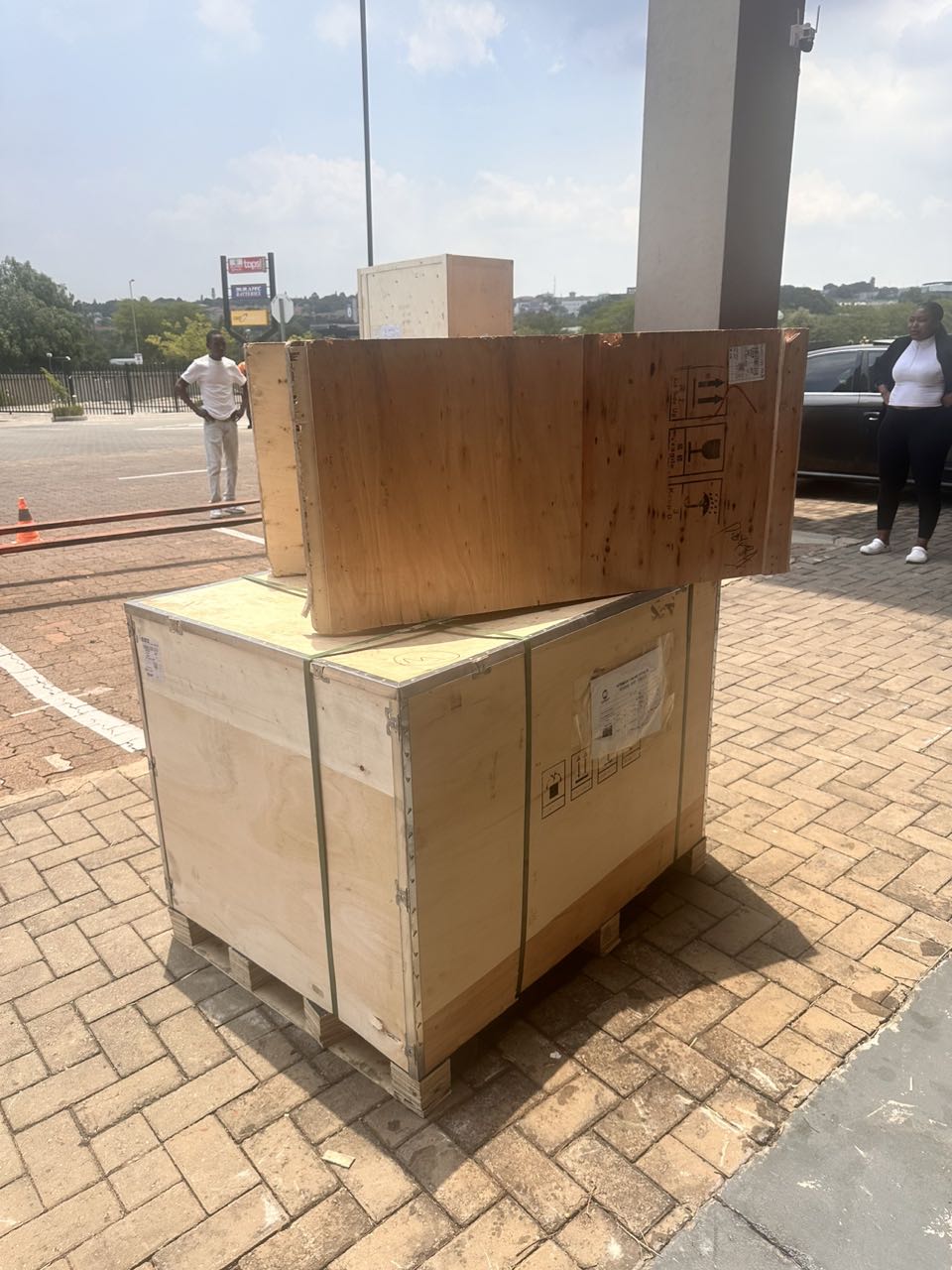
Batch of Orders
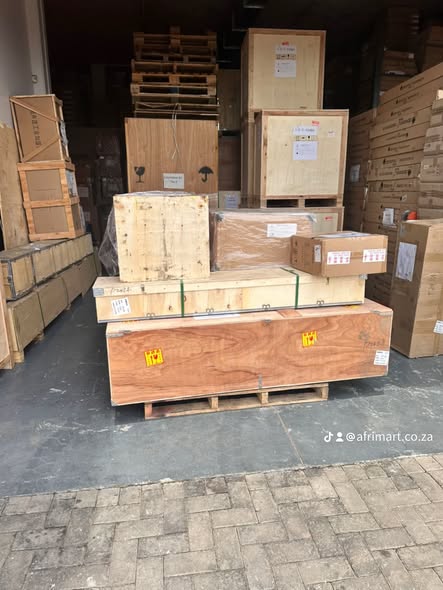
Latest Orders Labelled
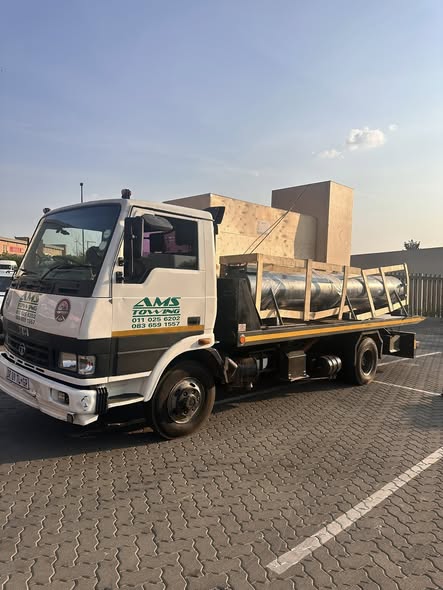
wheel alignment machines
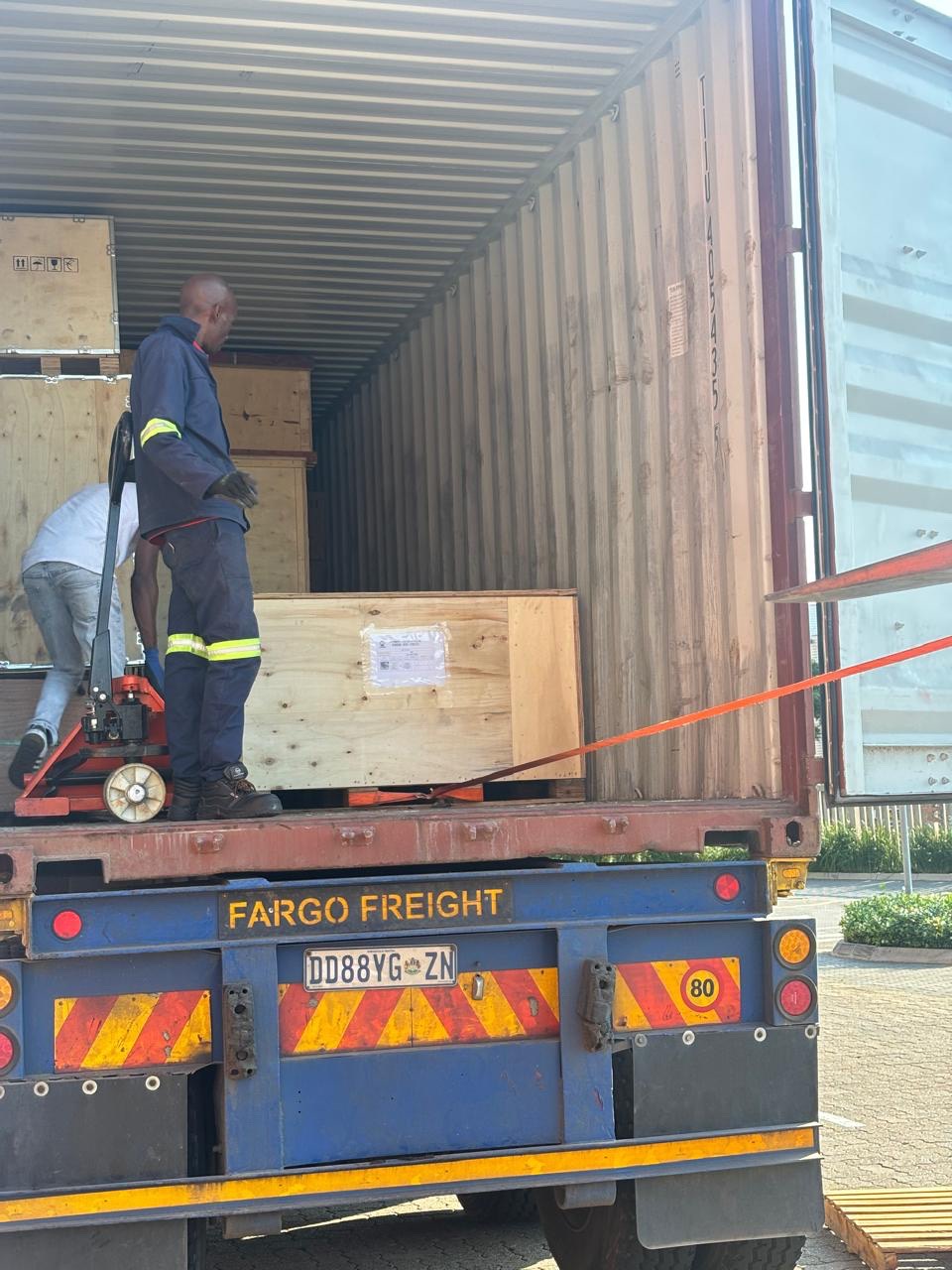
new arrivals
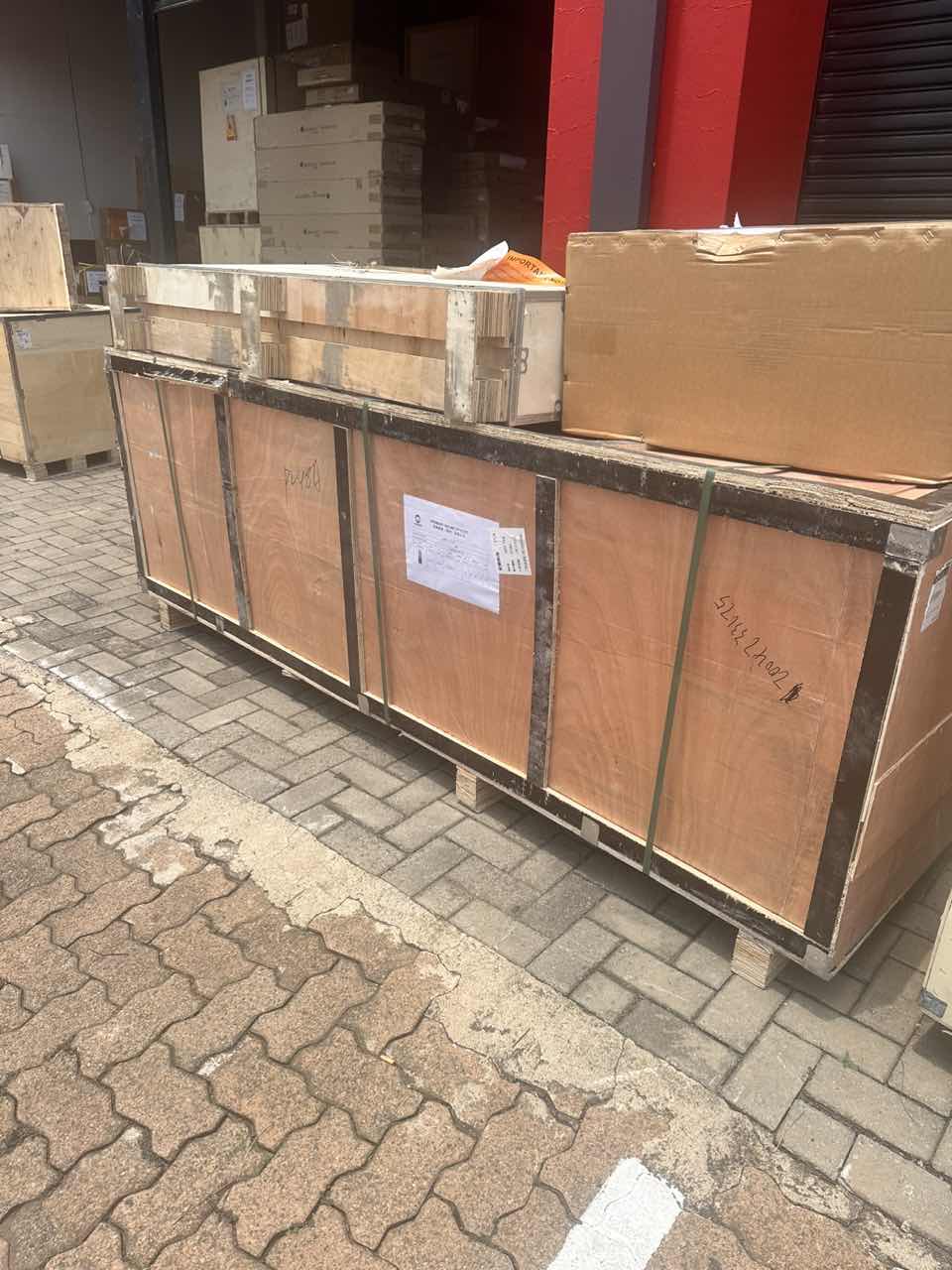
Pre Orders Offloading
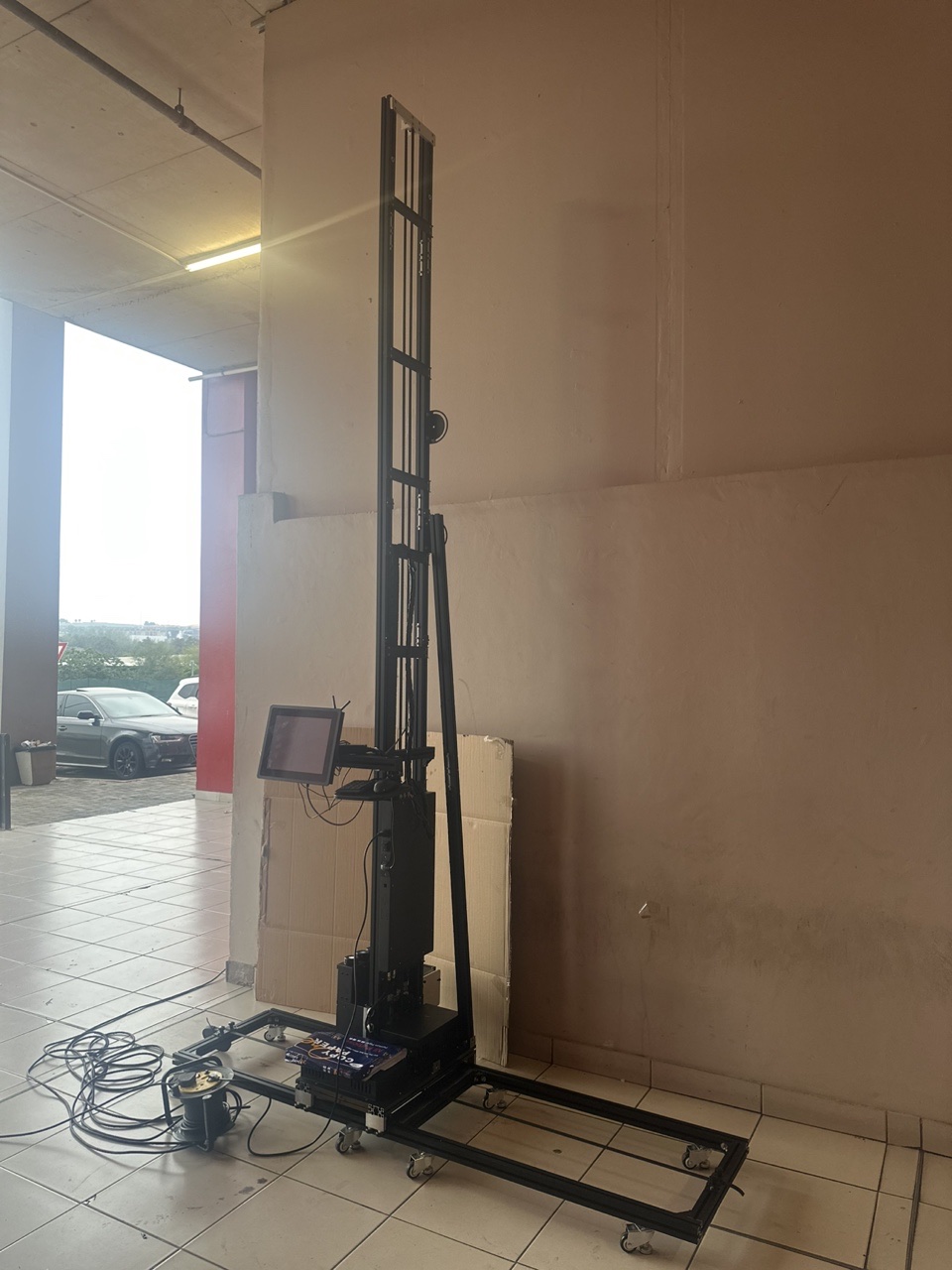
Latest Arrivals
Latest Arrivals
Latest Arrivals
Loading
Toilet paper making machine
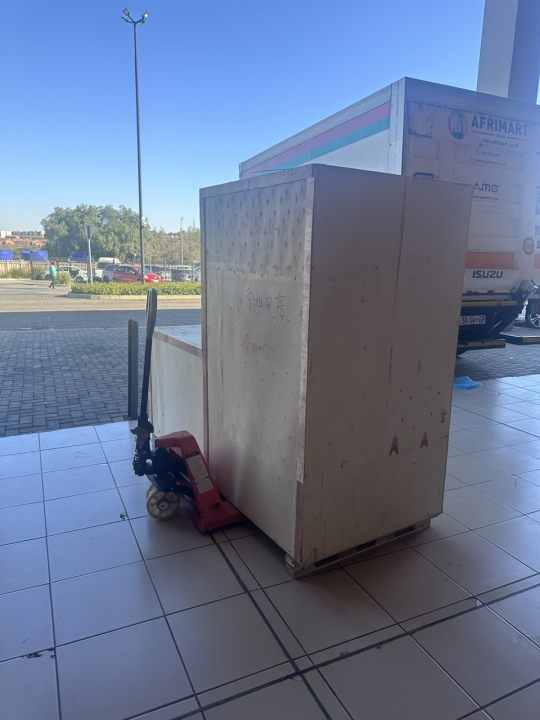
Toilet paper making machine
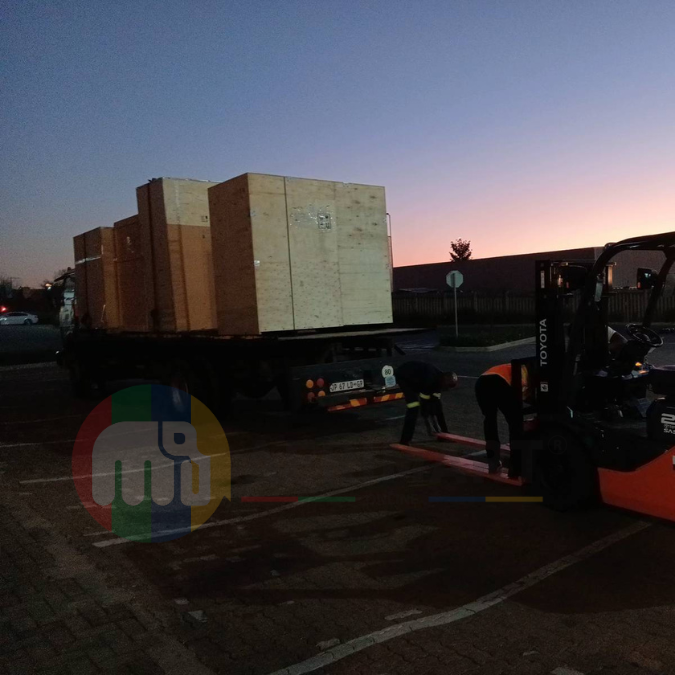
Toilet paper Rewinding Machine
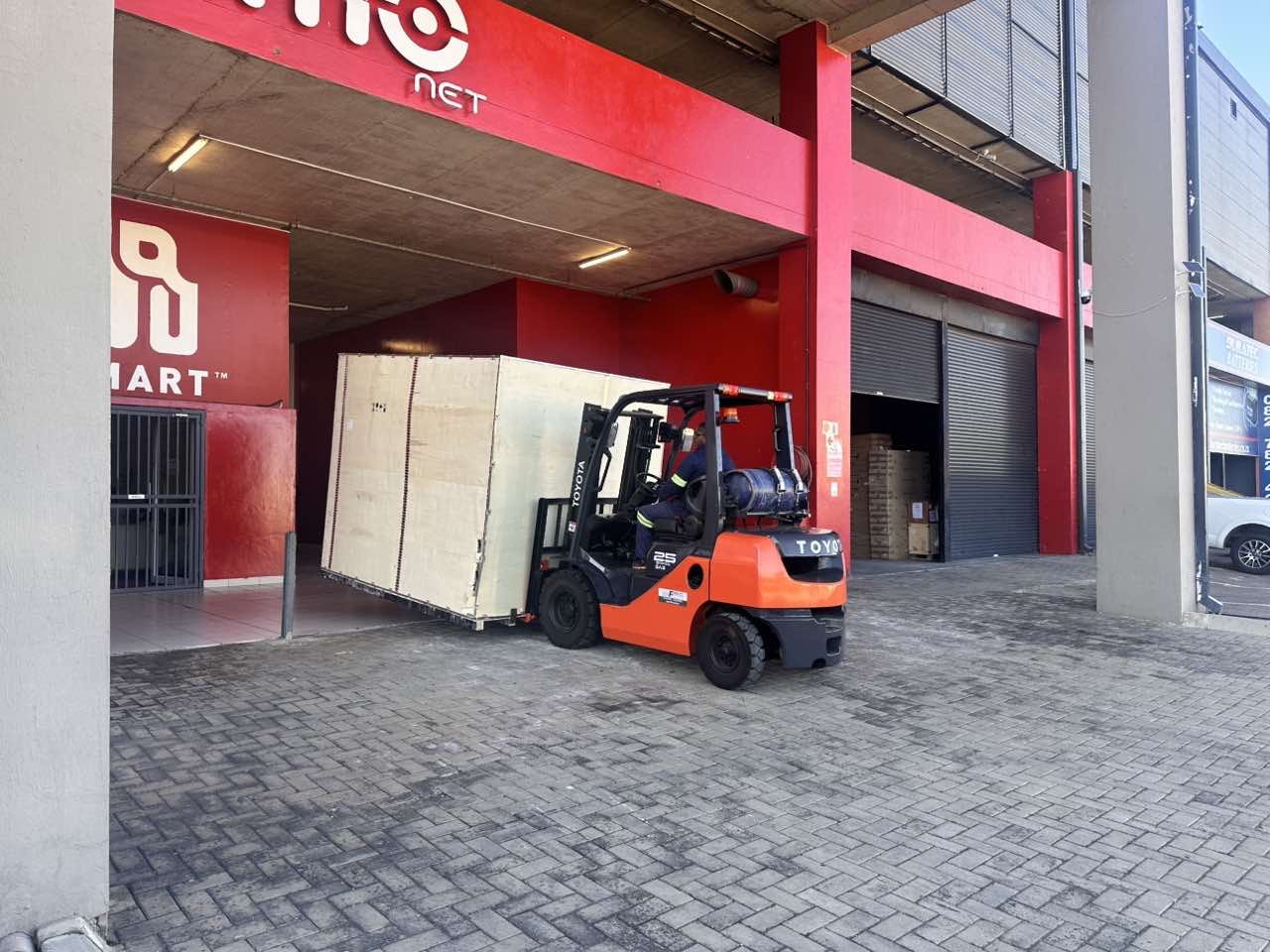
latest arrivals
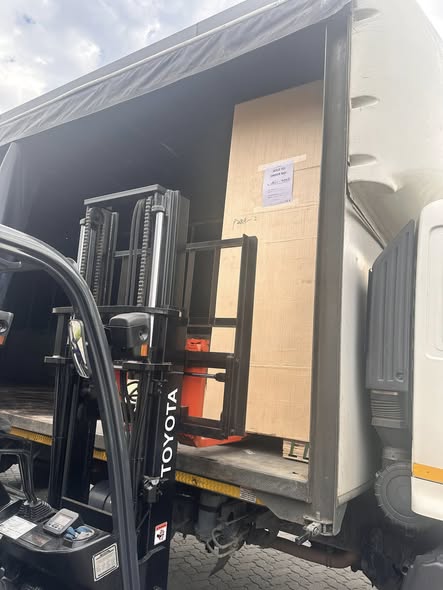
offloading
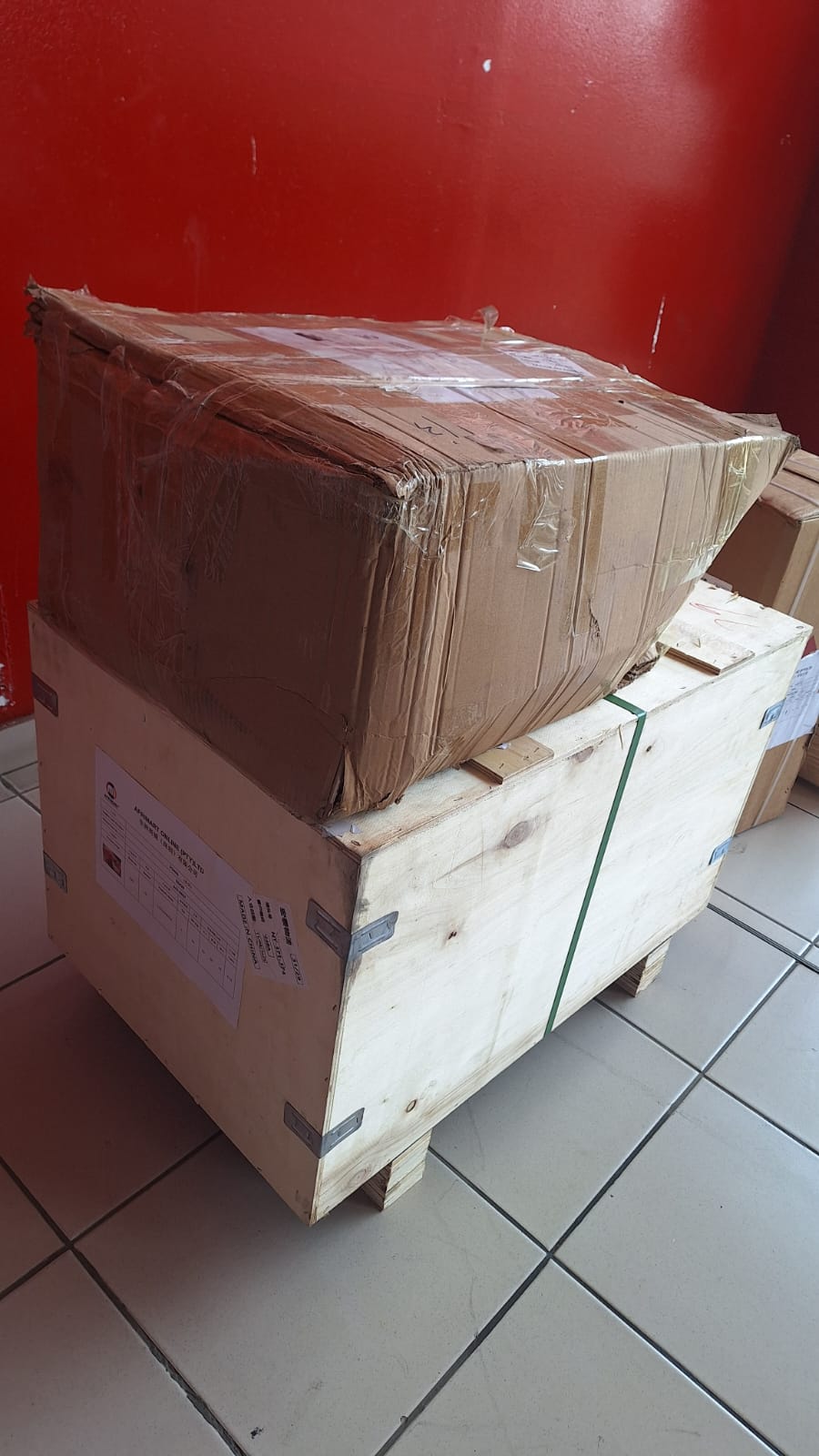
order success
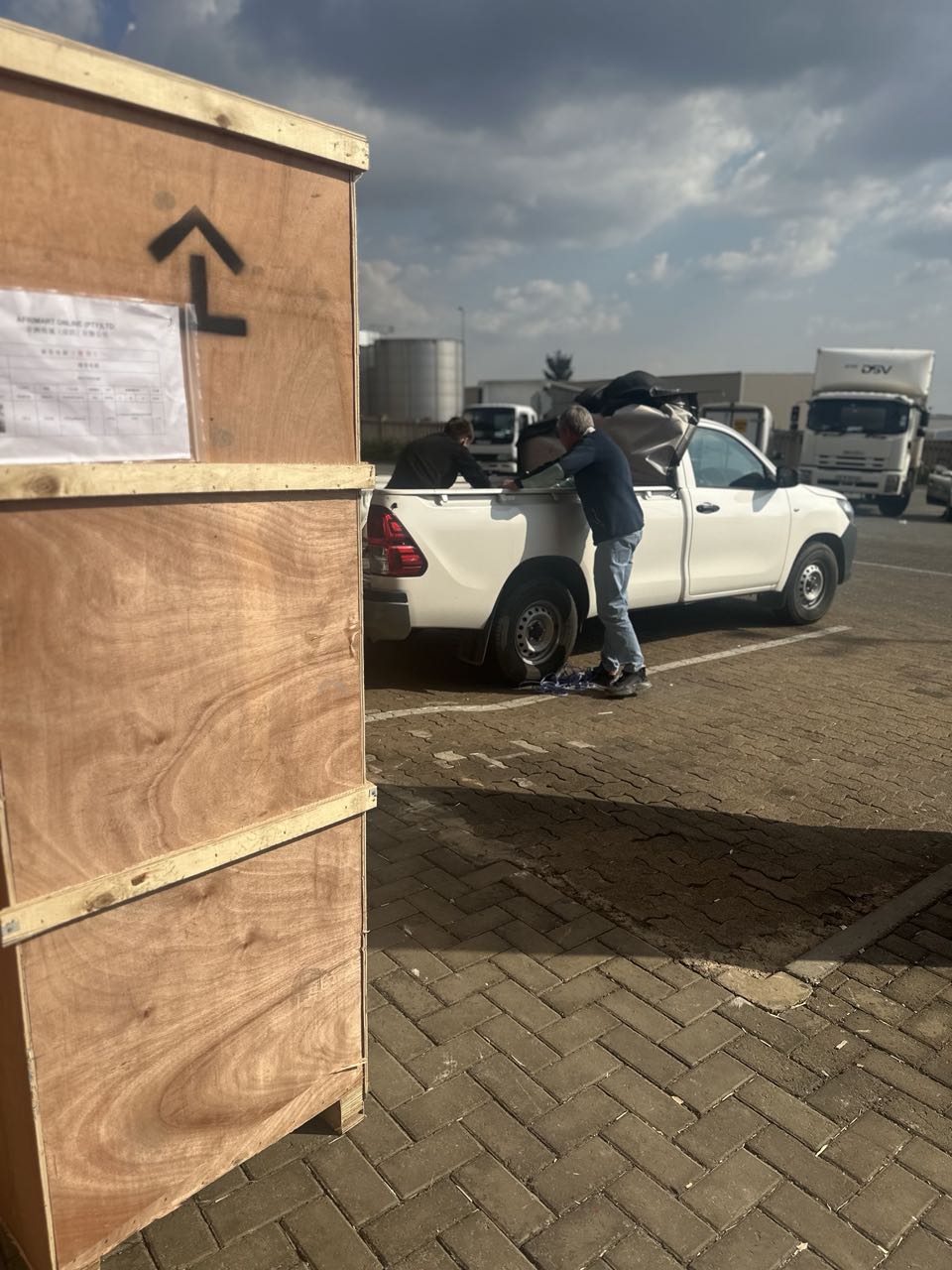
order collection
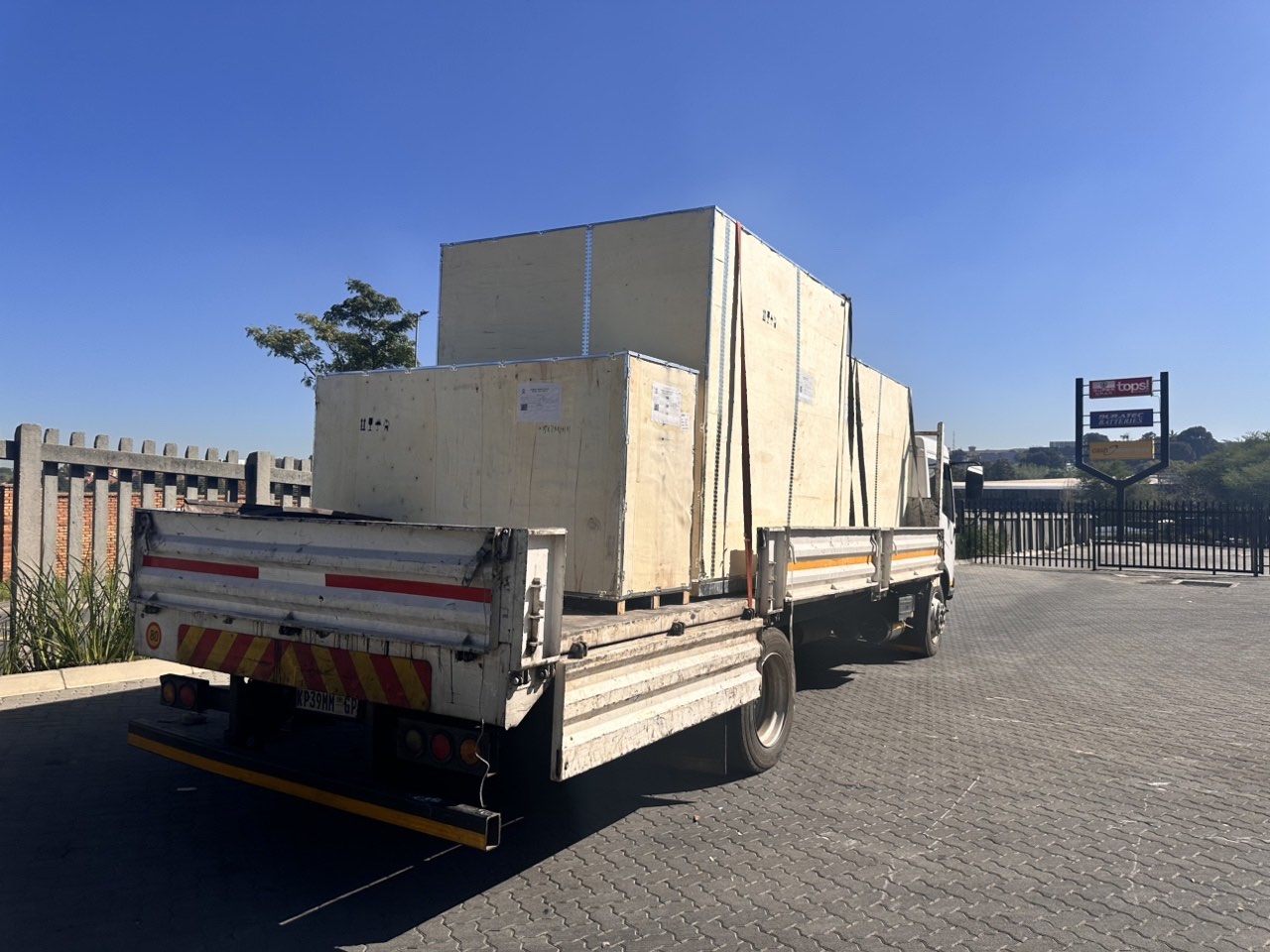
order offloading