B21, China Town Mall, Midrand

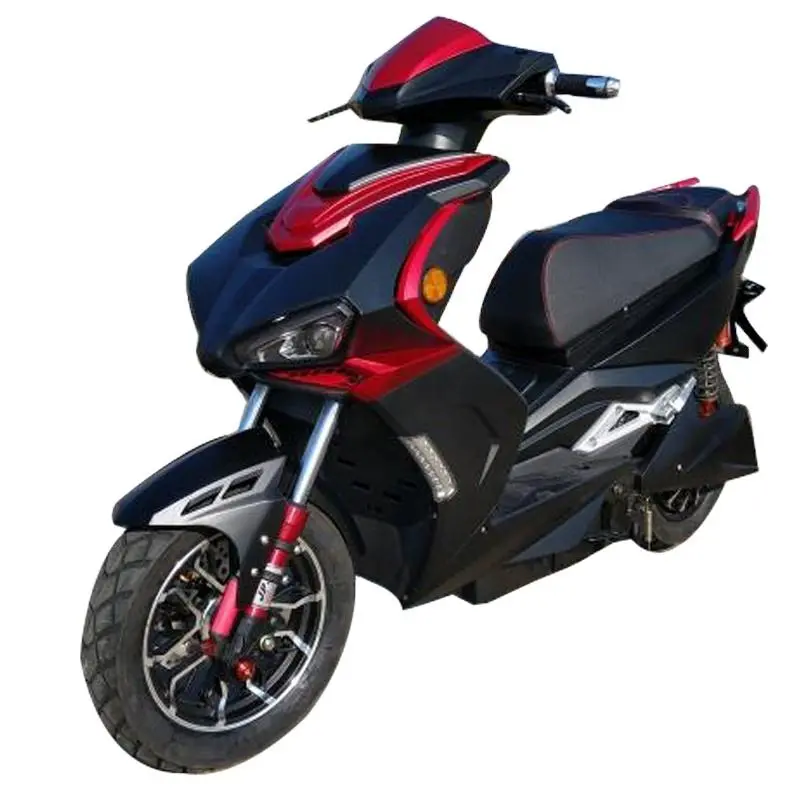
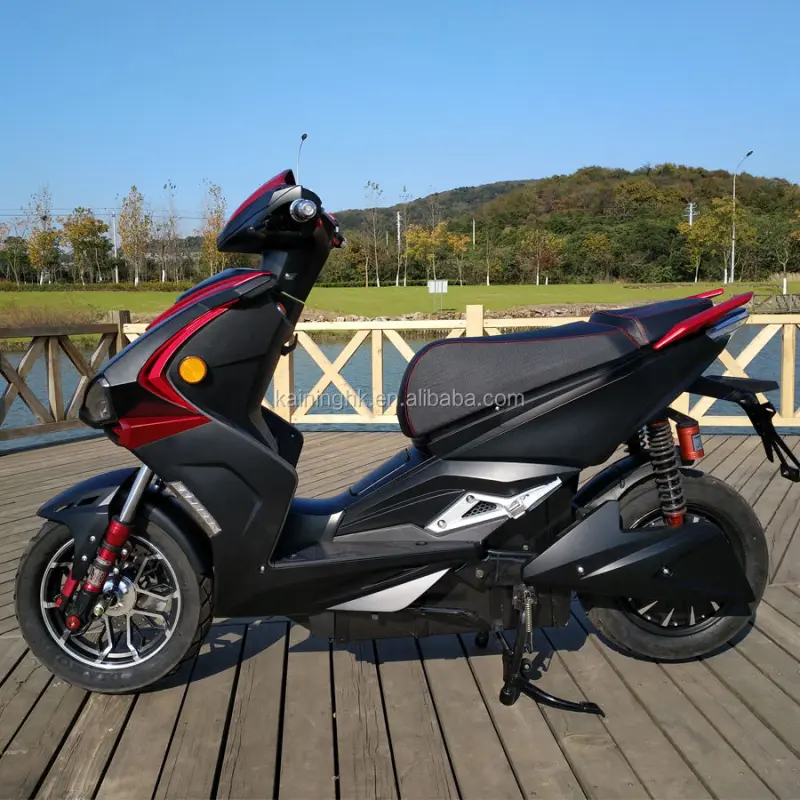
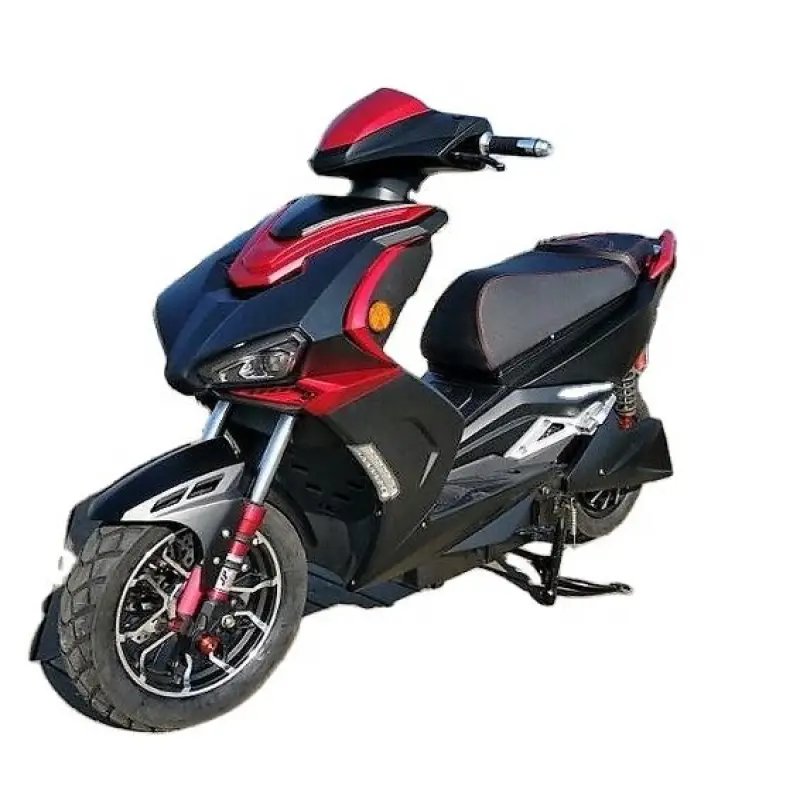
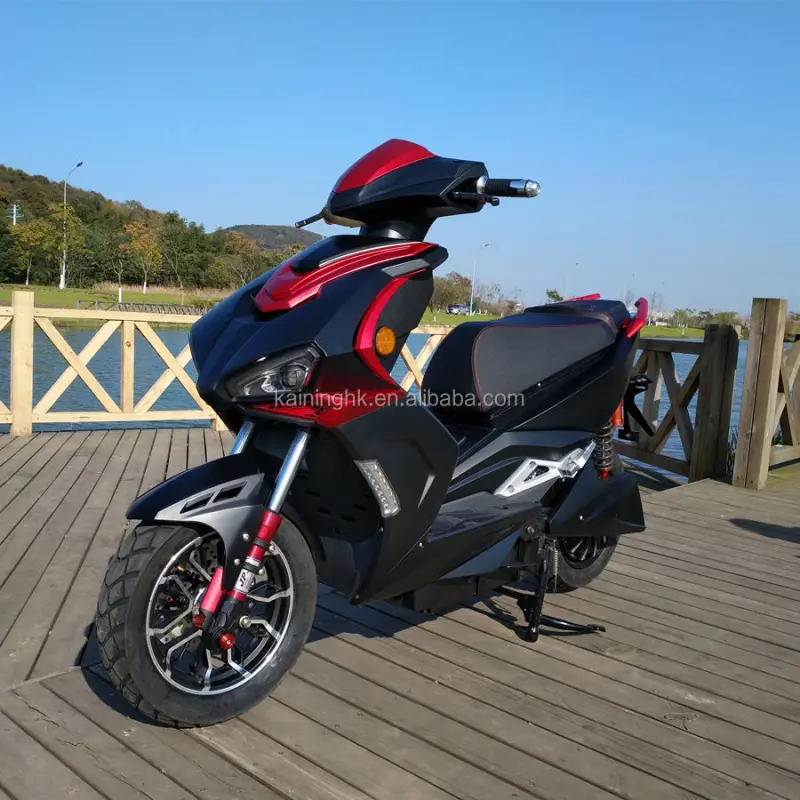
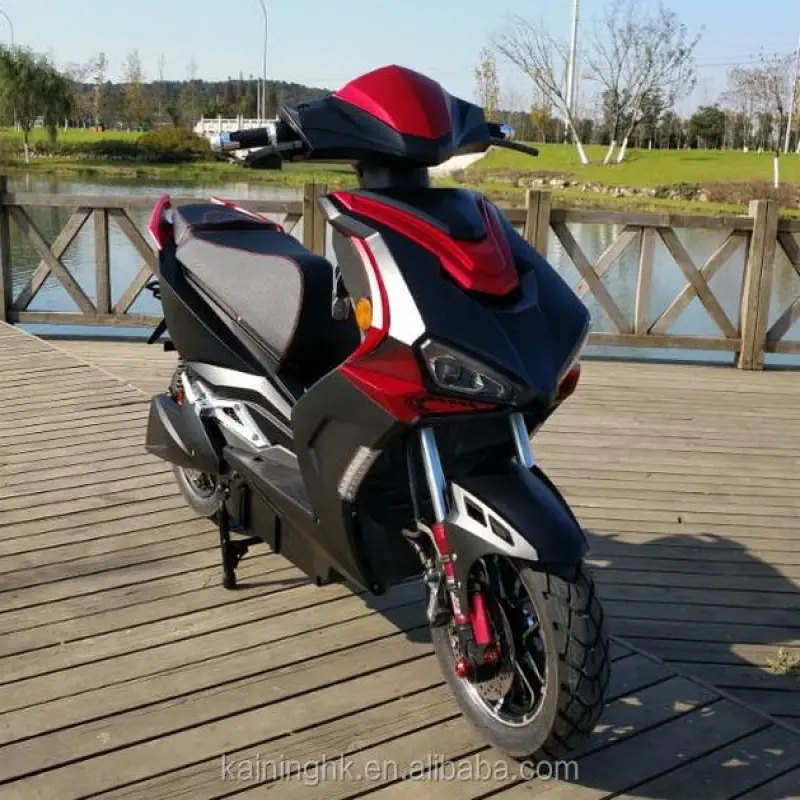
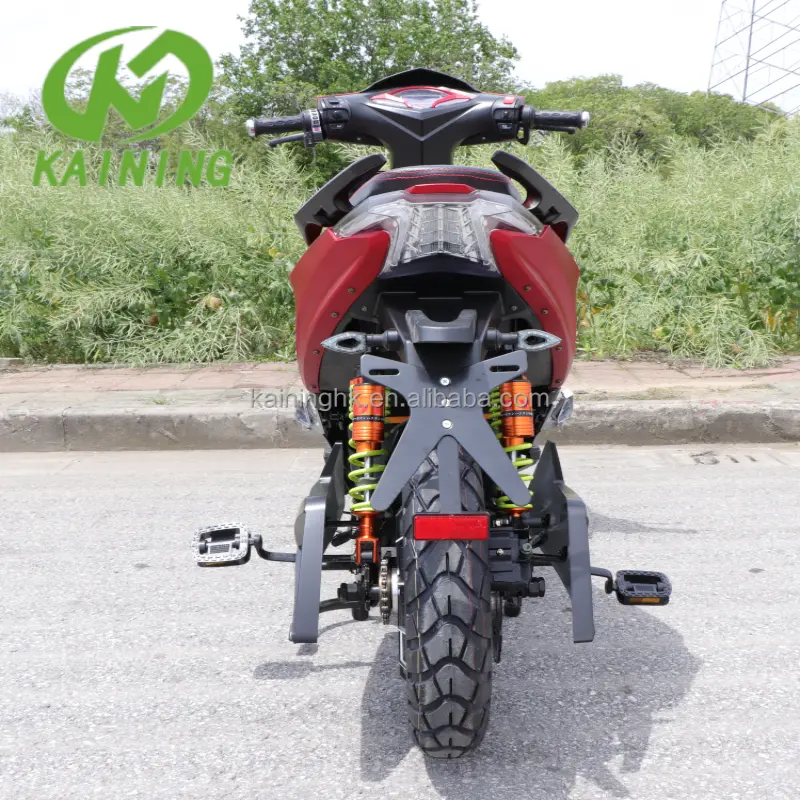
Scooters Two Wheeler Scooters Electric Motorcycle
Asset finance available
Do you want funding for this equipment?
Afrimart can connect you with trusted funding partners who specialise in asset finance for businesses like yours. Compare options and apply in minutes — final approval is subject to provider review.
Check funding options
Secure & no obligation

- Section : Sports & Entertainment
- Category : Scooters
- SKU : 1600474256138


| Model | KN - A9 |
| Tire | 130/60-13 |
| Brake | Disc/Disc |
| Shock | Hydraulic/Hydraulic |
| Motor Power | 2000W |
| Battery | 72V20AH-40AH lithium |
| 72V20AH Lead-acid | |
| Max Speed | 50-55km/h |
| Range | 50-55km |
| Climbing | 0.25 |
| Weight | 100KG |
- Shipping Timeframes: All orders are processed within 2-5 business days (excluding weekends and holidays). After your order has been processed, the estimated delivery time is before 03 Aug, 2026, depending on customs, Please note that due to high demand, some items may experience longer shipping times, which will be communicated at order confirmation email.
- Order Processing Time: Please allow 2-5 business days for us to process your order before it is shipped . Orders placed after 16:00 on Fridays, or during weekends and public holidays, will begin processing on the next business day. Processing times may be extended during peak seasons or sales events.
- Manufacturing Time: Some products needs manufacturing time, the manufacturing process will take approximately 10-30 business days depending on the product. This timeframe may vary depending on the complexity of the product and current demand. but this will be communicated with you during order confirmation.
- Returns and Exchanges: We offer a 30-day return policy for most items. If you are not completely satisfied with your purchase, you may return it within 30 days of receipt for a refund or exchange. Items must be unused, in their original packaging, and accompanied by proof of purchase. Return shipping costs are the responsibility of the customer, unless the item was damaged or defective upon arrival.
1. What is the exact model name and core specifications of this electric scooter?
The model is KN-A9. Key specs: 2000W motor, 72V battery options (20Ah–40Ah lithium or 72V 20Ah lead-acid), 130/60-13 tires, disc front and rear brakes, hydraulic front and rear shocks, top speed about 50–55 km/h, range approx. 50–55 km, rated climbing ability 0.25 (≈25% grade), curb weight ~100 kg.
2. What battery options are available and how do they differ?
There are two battery types listed: lithium (72V with capacities from 20Ah up to 40Ah) and a 72V 20Ah lead-acid option. Lithium batteries are lighter, have higher energy density, give longer life and typically better range (a 40Ah lithium will give more range than a 20Ah), while lead-acid is heavier, has shorter cycle life and usually less range for the same capacity.
3. What is the expected range per charge?
The listed range is approximately 50–55 km per full charge. Actual range will vary with battery capacity (20Ah vs 40Ah), rider weight, cargo load, average speed, terrain, temperature, and riding style.
4. What is the top speed of the scooter?
The advertised top speed is about 50–55 km/h. Actual achievable speed may vary slightly with rider weight, battery charge level, and road conditions.
5. How long does it take to fully charge the battery?
Charging time is not specified in the sheet. Typical full-charge times for 72V systems are approximately: 72V 20Ah lithium ~4–8 hours, 72V 40Ah lithium ~6–12 hours, and lead-acid generally takes longer. Exact times depend on the charger output and battery condition—check the manufacturer charger specs for precise figures.
6. What is the scooter's climbing ability?
The spec lists a climbing capability of 0.25, which indicates it can handle slopes up to roughly a 25% grade under typical conditions. Performance uphill will depend on payload and battery charge.
7. What are the tire, brake and suspension details?
Tires: 130/60-13. Brakes: disc front and disc rear. Suspension: hydraulic front and hydraulic rear shocks. These components are suitable for urban riding and provide improved braking and ride comfort compared with drum brakes and basic shocks.
8. How much does the scooter weigh and what about payload capacity?
The curb weight is listed as approximately 100 kg. Maximum payload (recommended rider + cargo limit) is not specified in the provided spec—contact the seller or check the owner manual for the official payload/maximum load rating.
9. Is this scooter suitable for two riders (pillions)?
The listing calls it a two-wheeler scooter, but seating capacity isn't explicitly stated. Many scooters of this class are designed to carry a rider and a passenger, but you should confirm seat design, passenger footrests, and payload limits with the manufacturer or seller before carrying a pillion.
10. Do I need a license or registration to ride this scooter?
Legal requirements vary by country and region. Since the top speed is about 50–55 km/h and motor power is 2000W, many jurisdictions may classify it as a moped or motorcycle requiring registration, insurance, and a driving license. Check local vehicle regulations to confirm.
11. What maintenance should I expect?
Regular maintenance includes checking tire pressure and tread, inspecting brake pads and fluid, keeping the battery charged and terminals clean, checking suspension components for leaks or wear, and routine electrical checks. Follow the manufacturer’s maintenance schedule for best results.
12. Are there any safety or weather-resistance specs?
Specific IP (water/dust) ratings or active safety systems are not provided. The scooter has hydraulic shocks and disc brakes which help safety and handling, but for riding in heavy rain or through deep water verify water-resistance details with the manufacturer and avoid submerging electrical components.
13. Can I upgrade the battery for longer range?
The spec indicates multiple lithium capacities (20Ah–40Ah), suggesting higher-capacity lithium packs may be available. Any battery upgrade must be manufacturer-approved to ensure proper fit, BMS compatibility and safe charging—check with the seller or dealer before modifying battery configuration.
14. What accessories or spare parts are available?
The provided description doesn't list accessories. Common add-ons for scooters include top boxes, windshields, security locks, upgraded chargers and protective covers. Contact the dealer or manufacturer for official parts, compatible accessories and availability of spare components.
15. Is there warranty and after-sales support?
Warranty and after-sales support details are not included in the specs. Ask the dealer or seller about warranty length, what it covers (battery, motor, electrical system, frame), service centers and spare-part support before purchase.
Latest Order Arrivals
Discover our latest orders
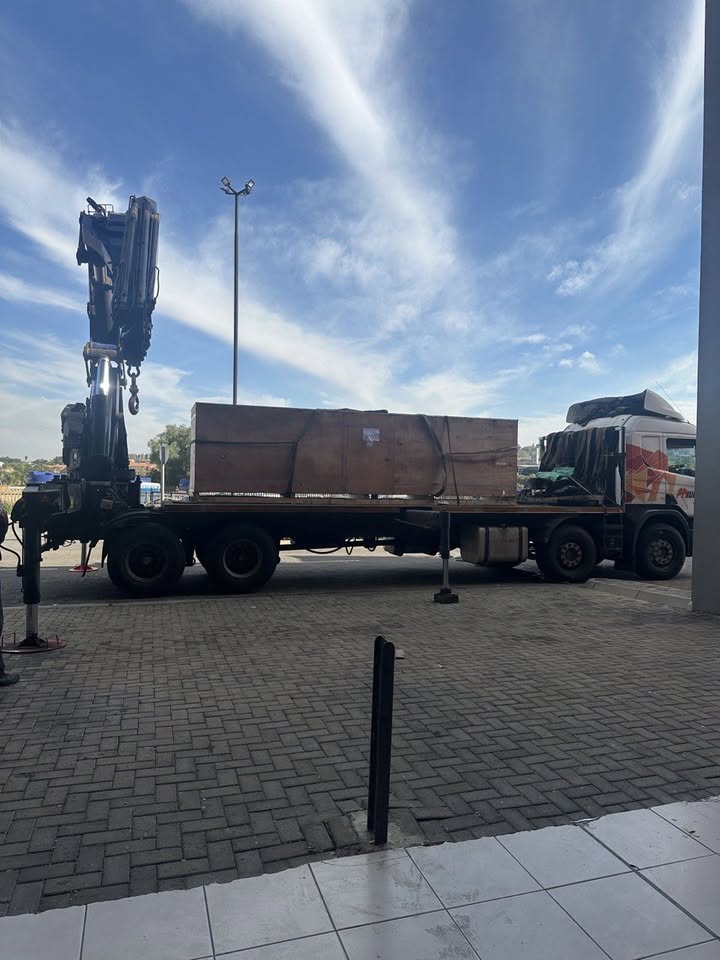
12 Heads Embroidery Machine
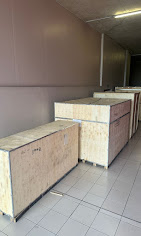
Toilet Paper Machine Machine
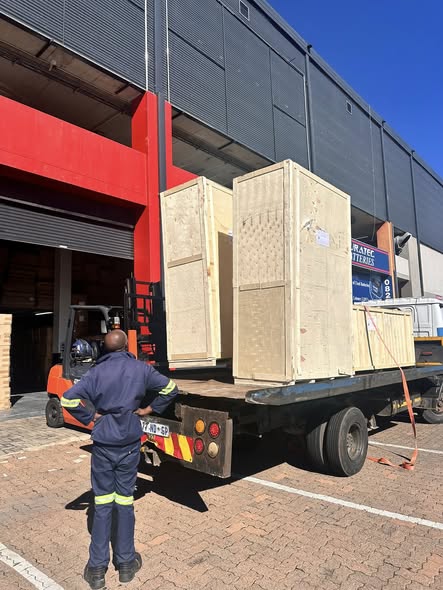
Order Collection
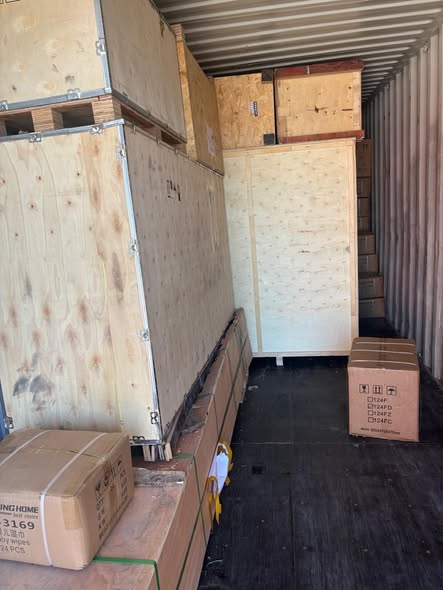
Cross Border Clients
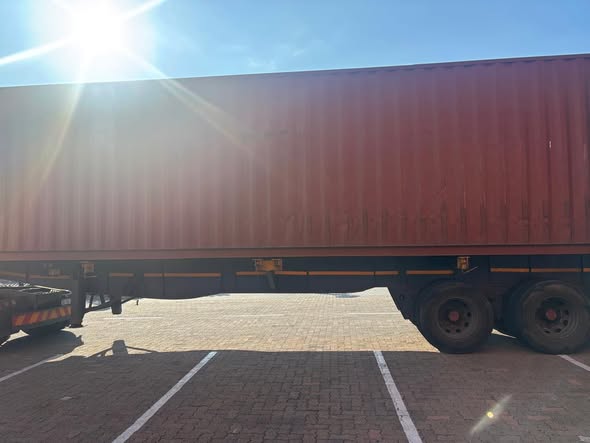
Order cros border countries Collected
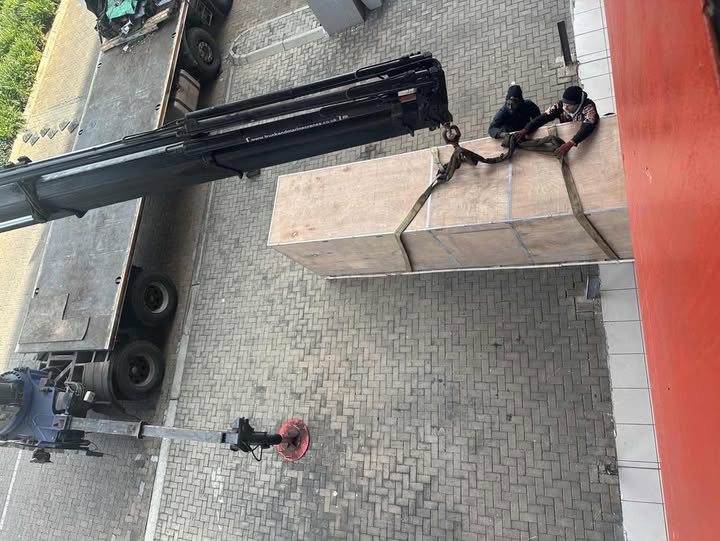
Industrial Machine Cllection
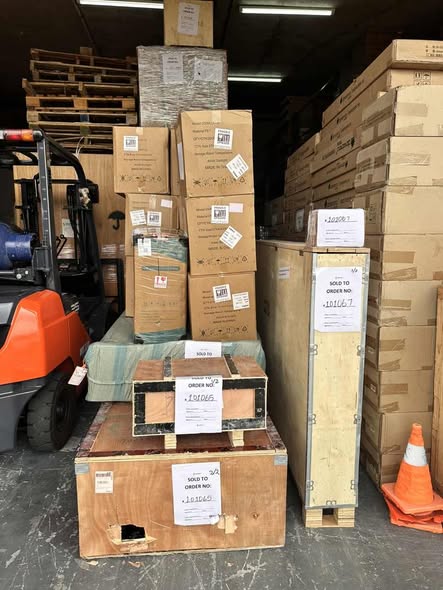
Agriculture Processing Machines
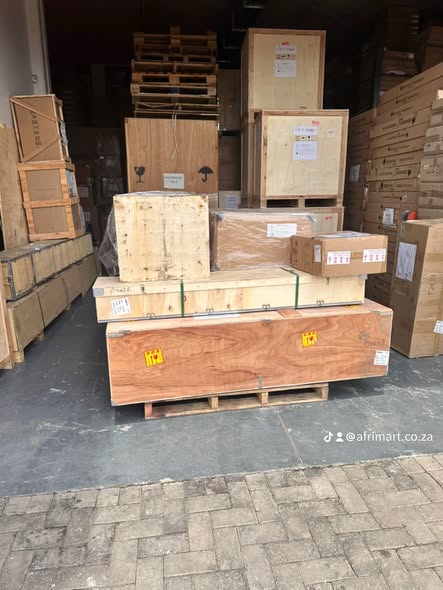
Ready for collection
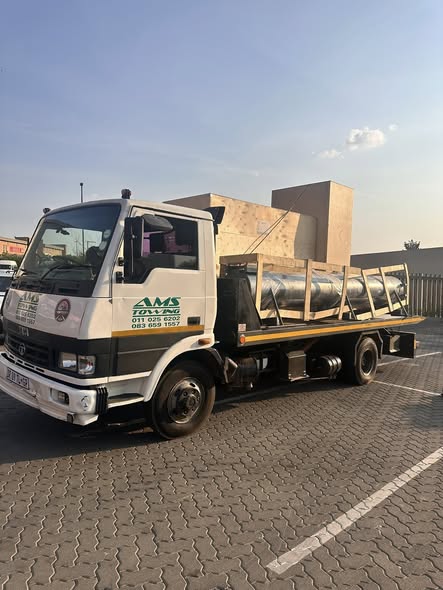
Water Pump Equipment
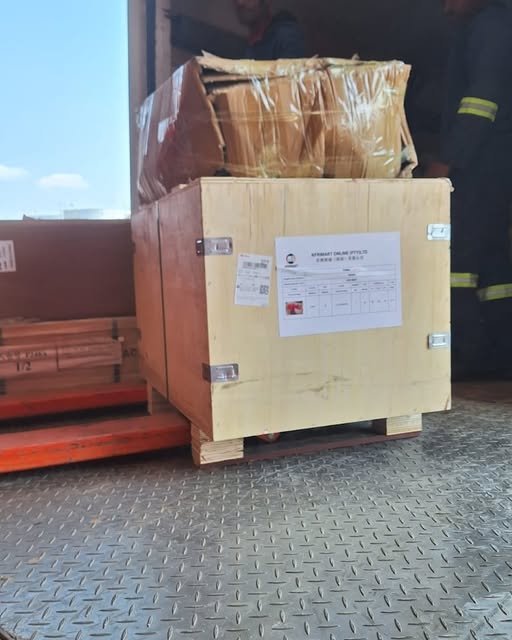
Packaging Machine and accessories
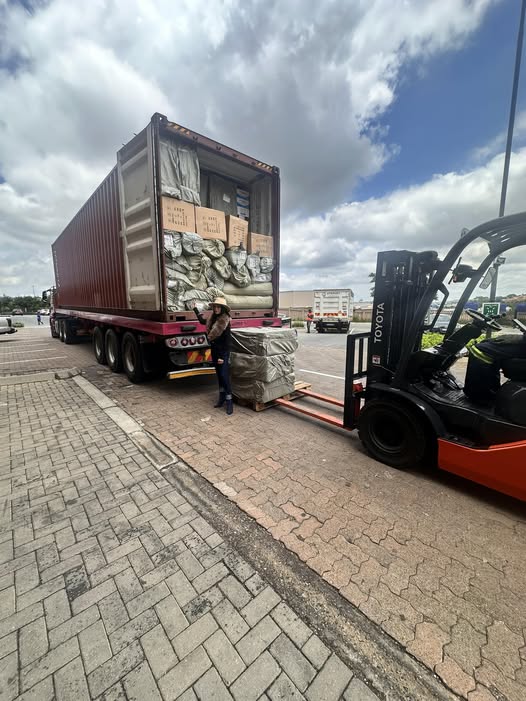
Fabrics Manufacturing Equipment
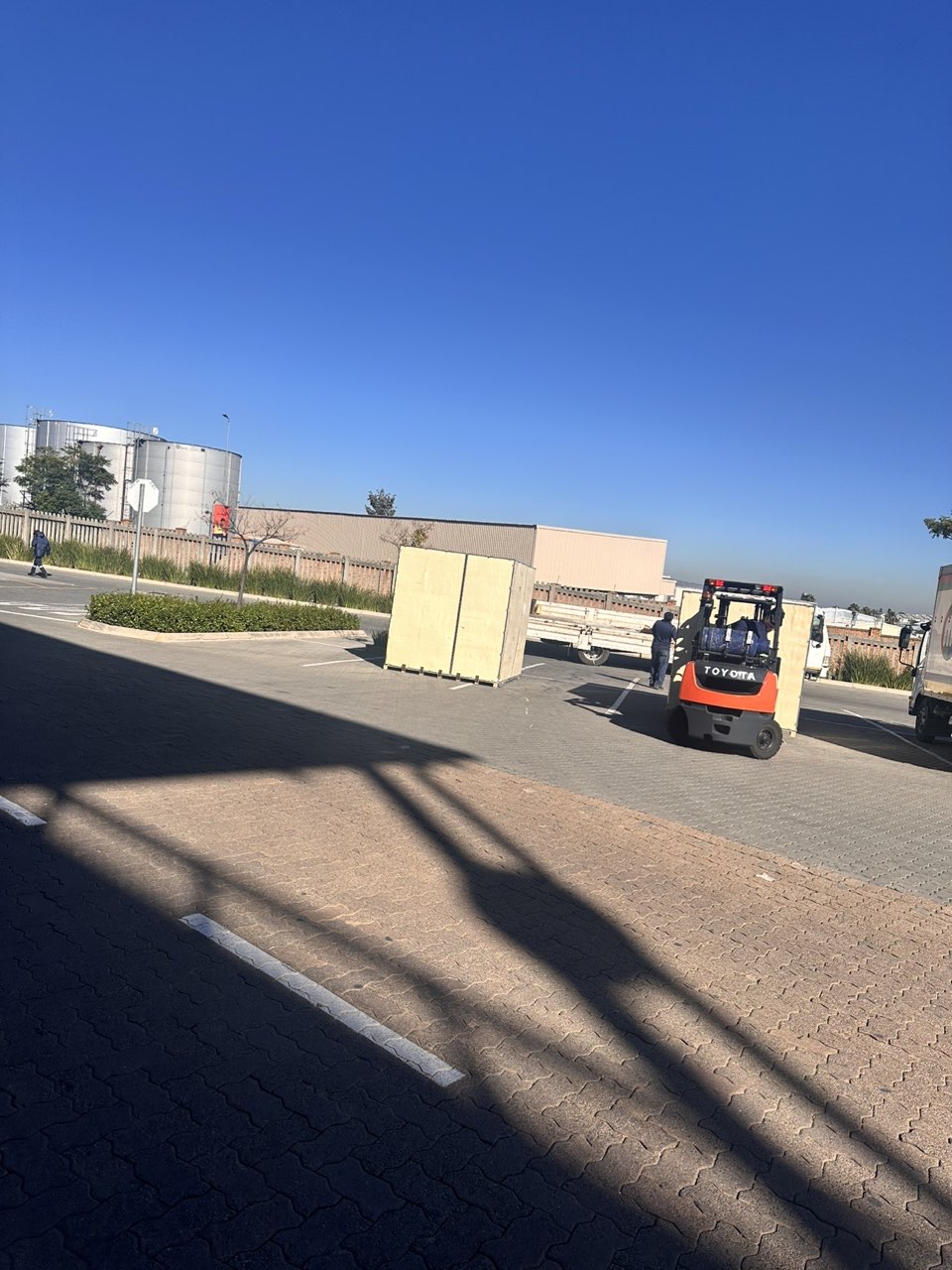
Mining Equipments
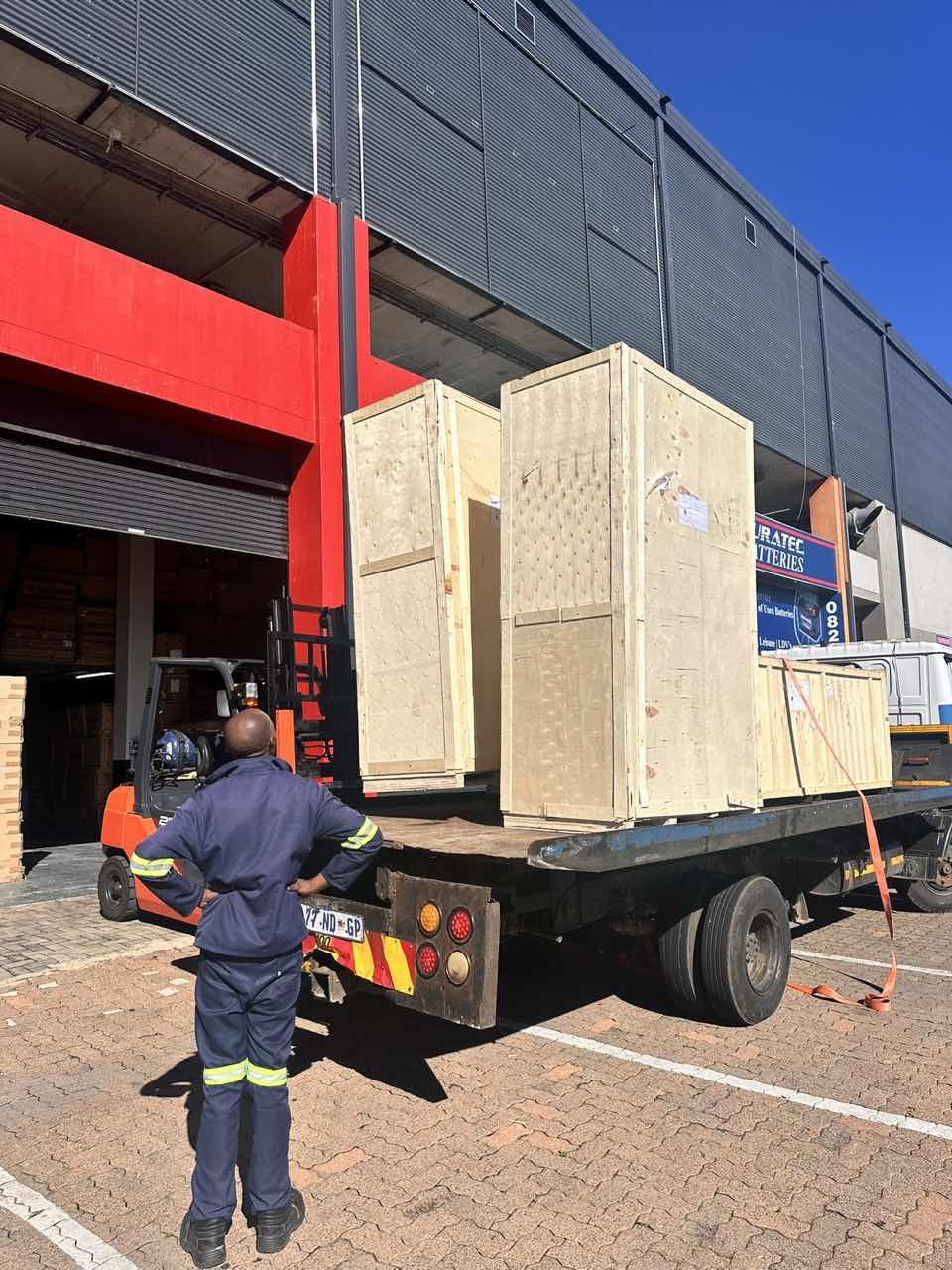
Food Processing Machine
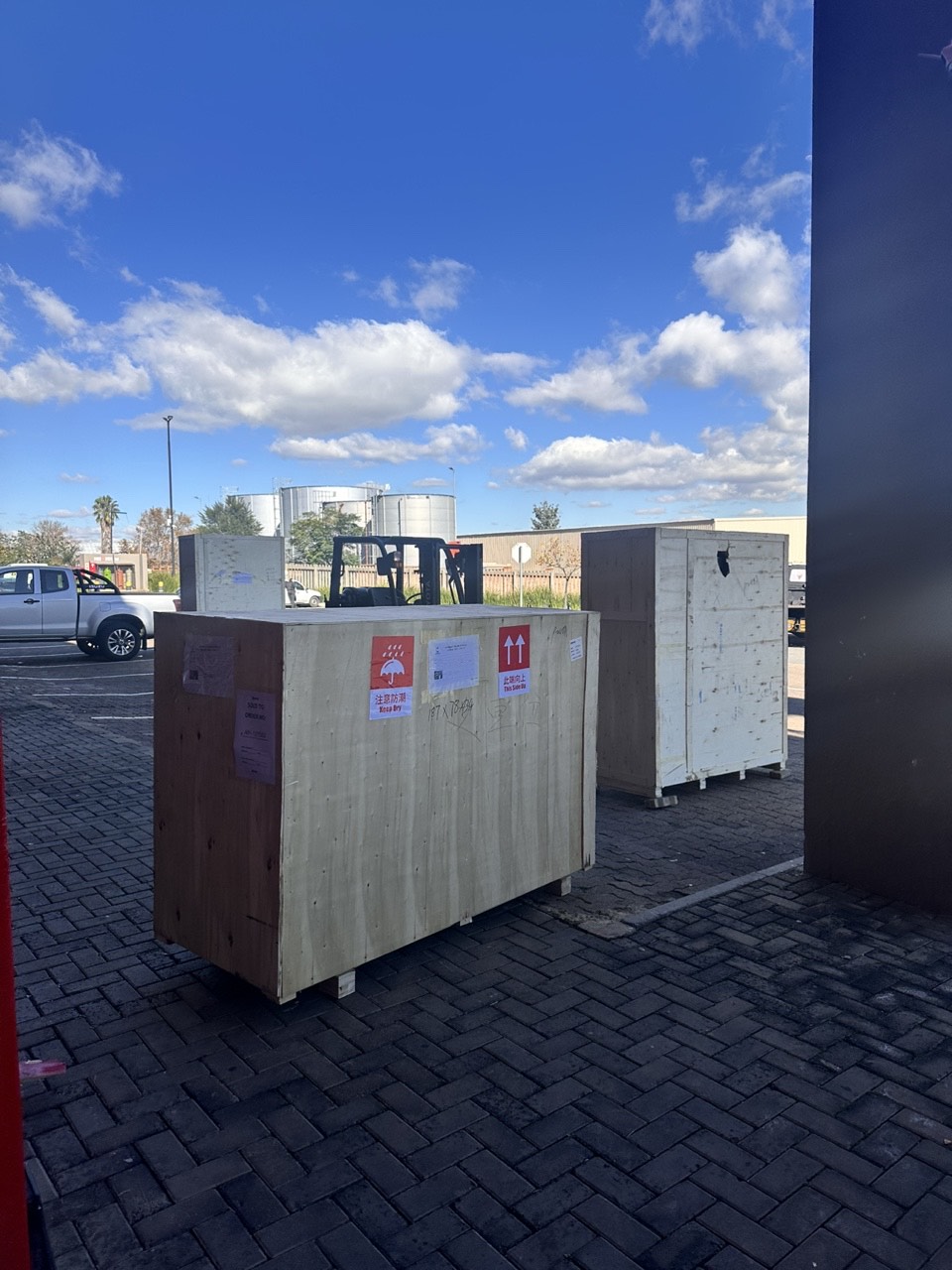
Batch of Orders
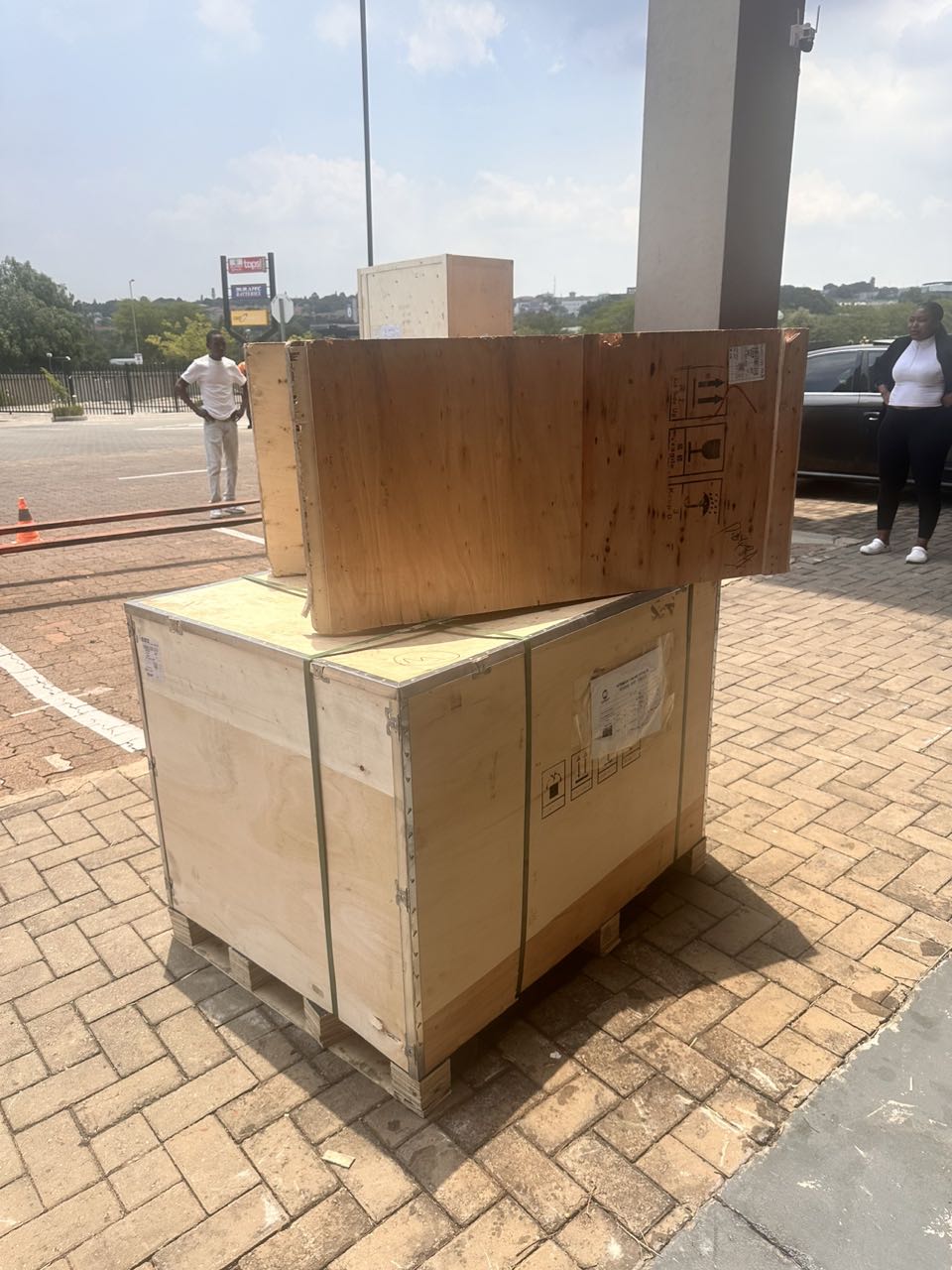
Batch of Orders
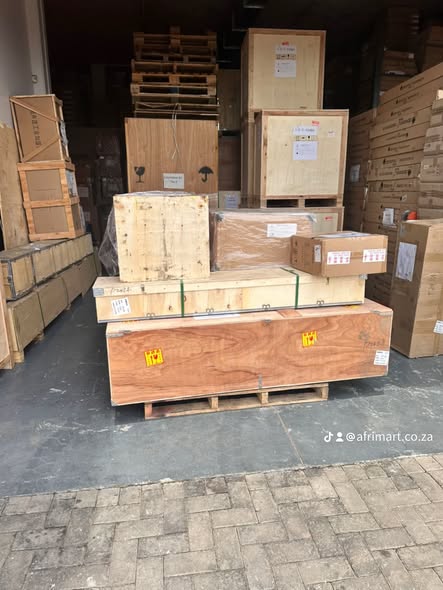
Latest Orders Labelled
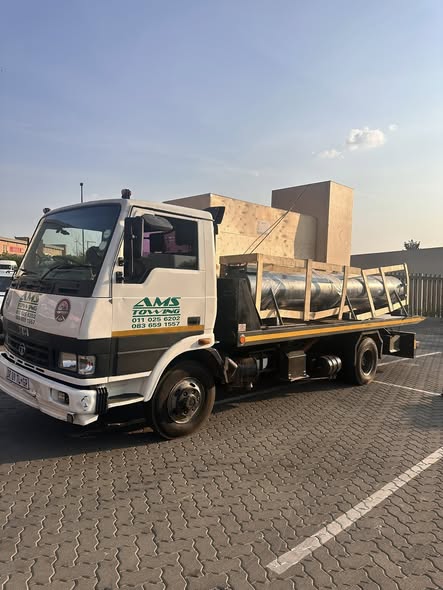
wheel alignment machines
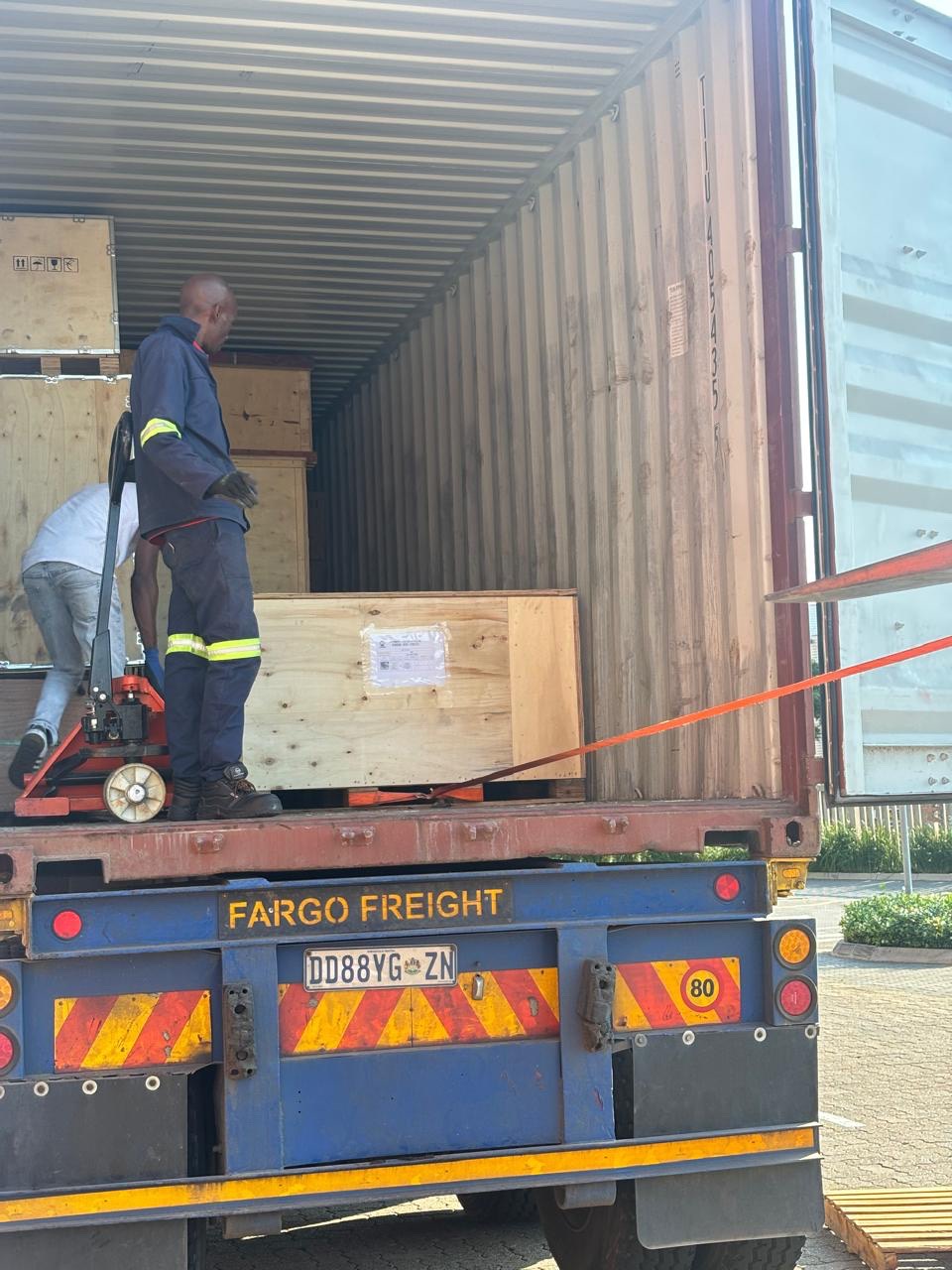
new arrivals
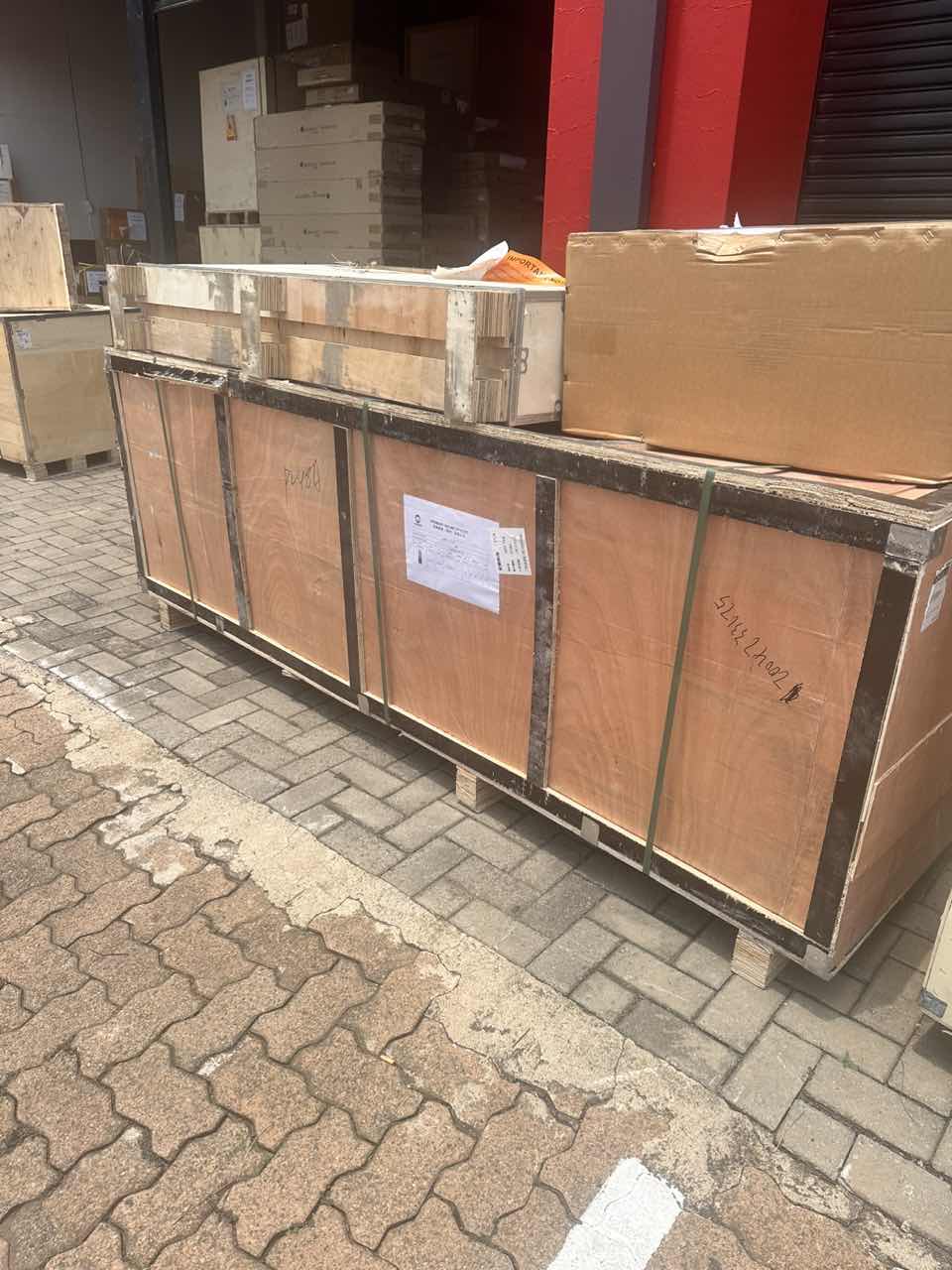
Pre Orders Offloading
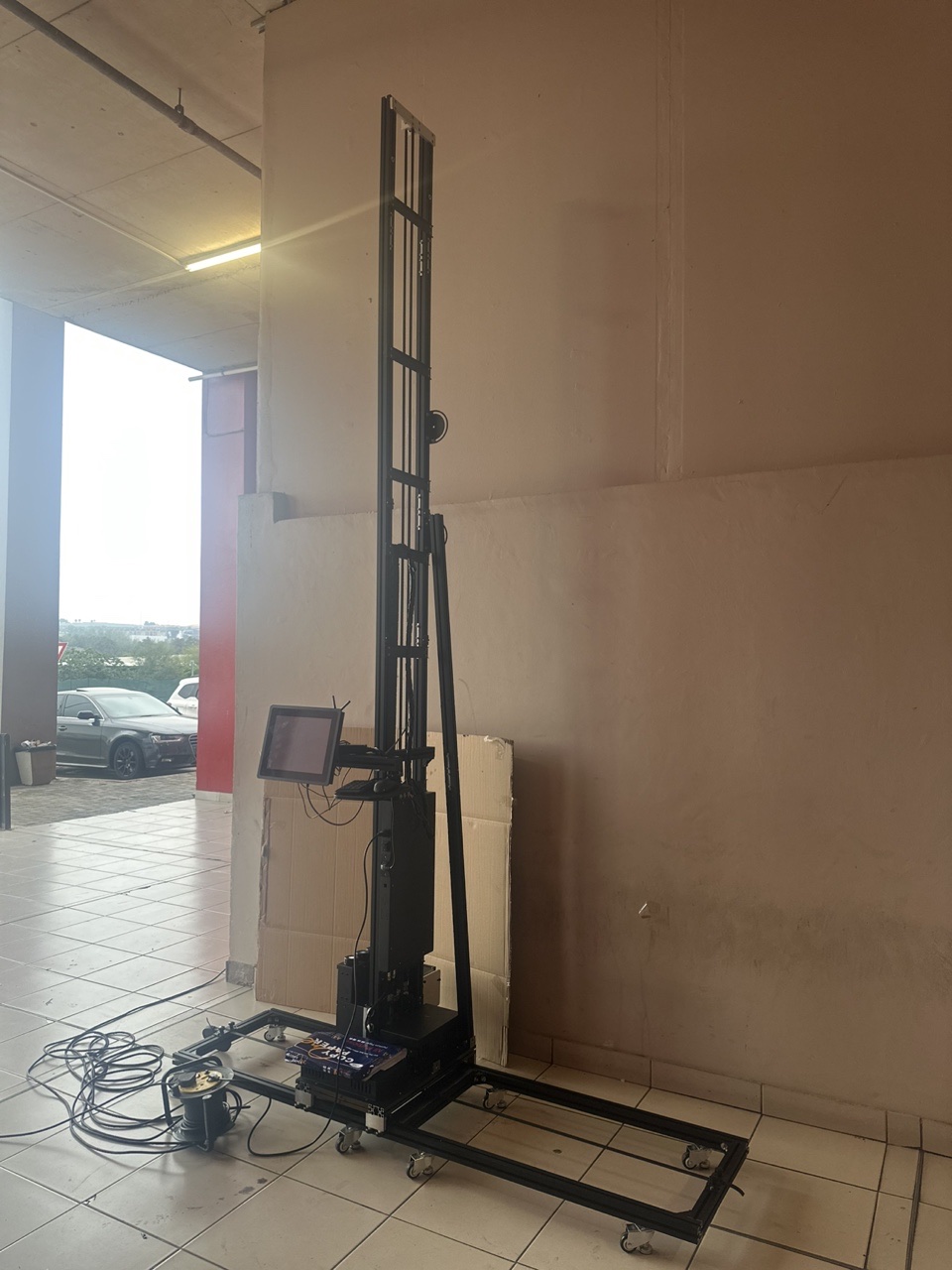
Latest Arrivals
Latest Arrivals
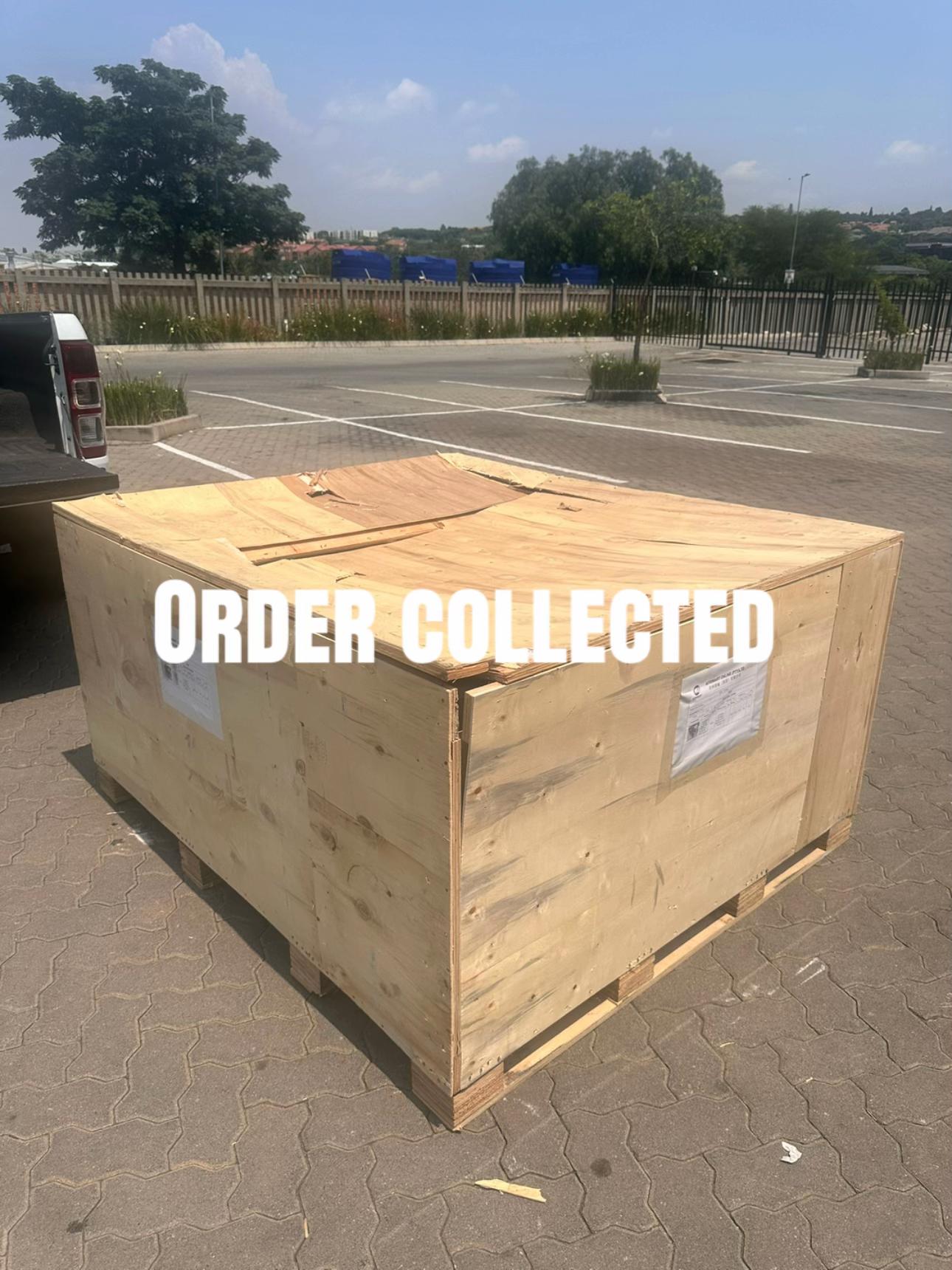
Latest Arrivals
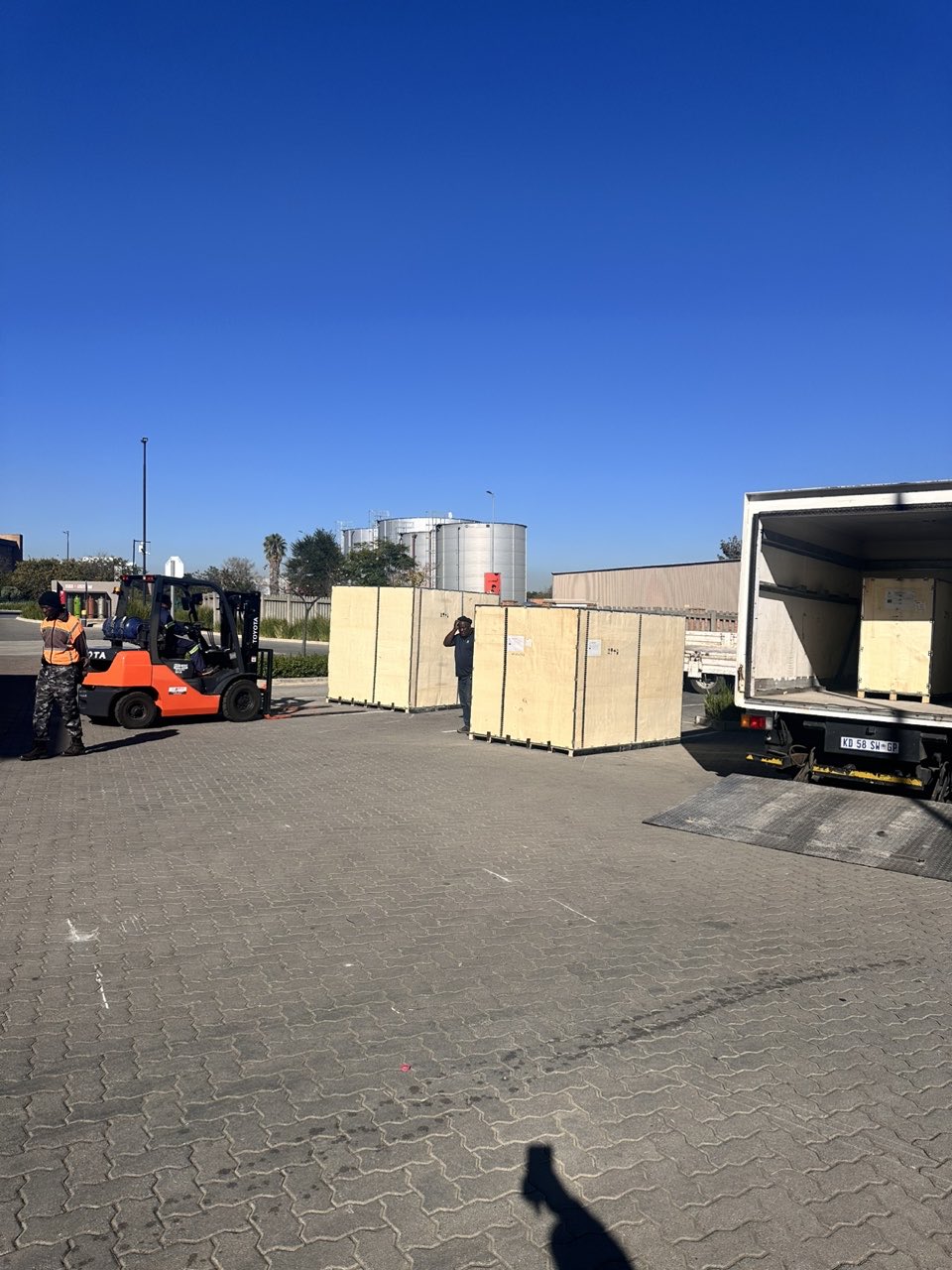
Loading
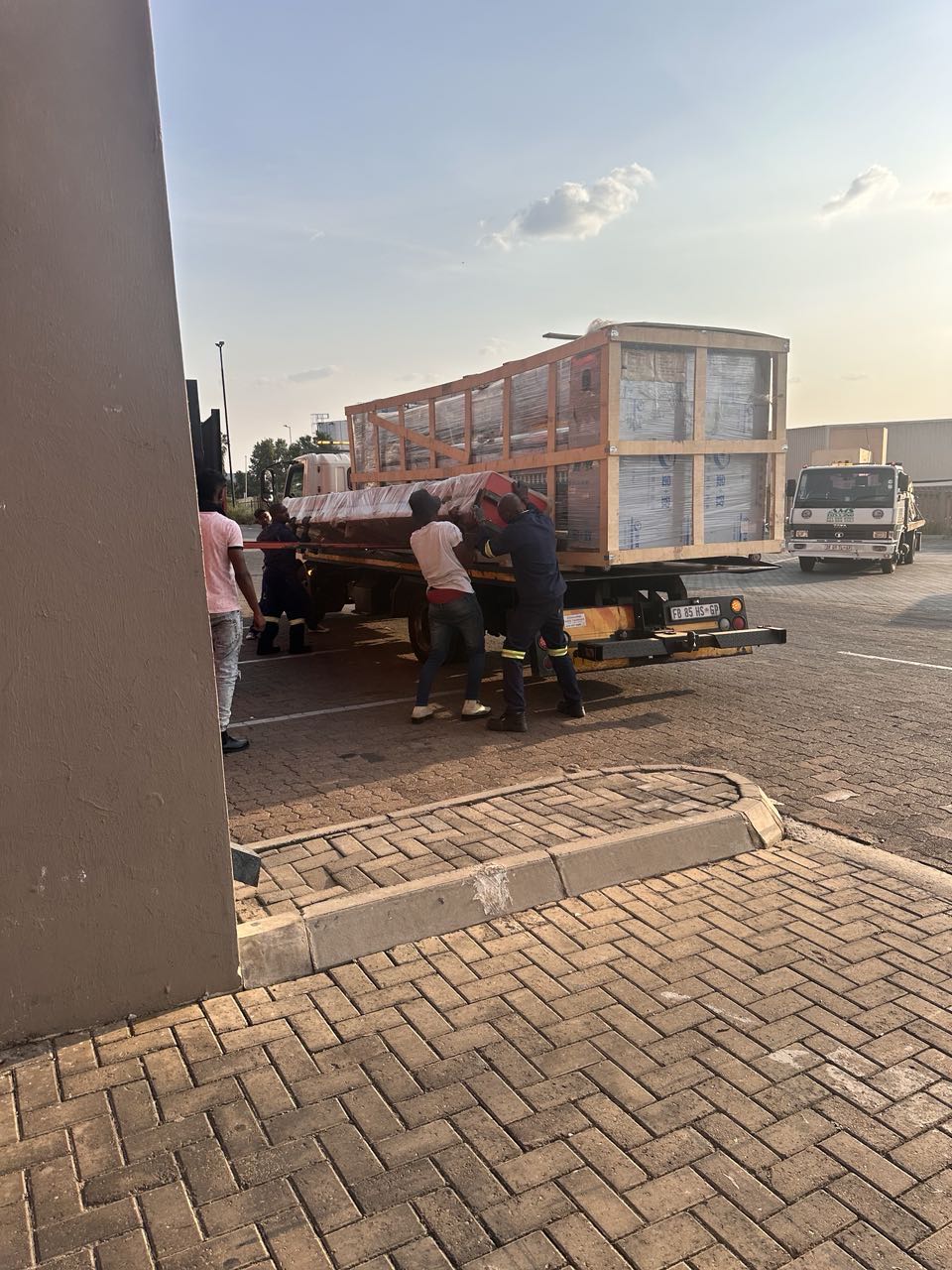
Toilet paper making machine
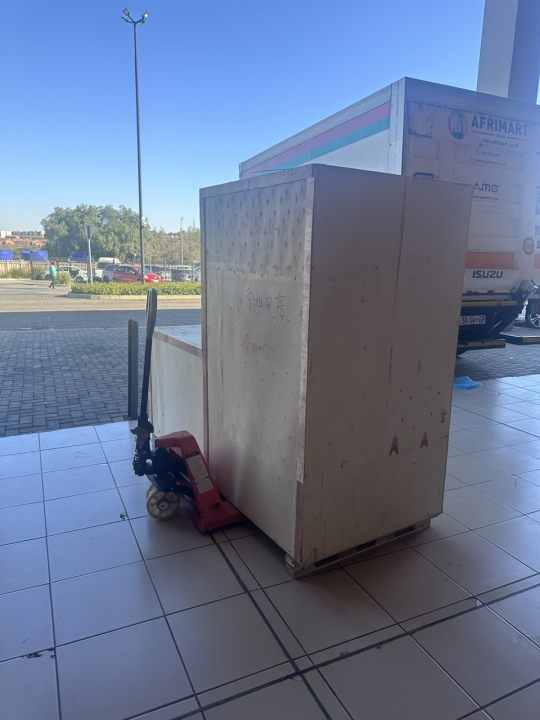
Toilet paper making machine
Toilet paper Rewinding Machine
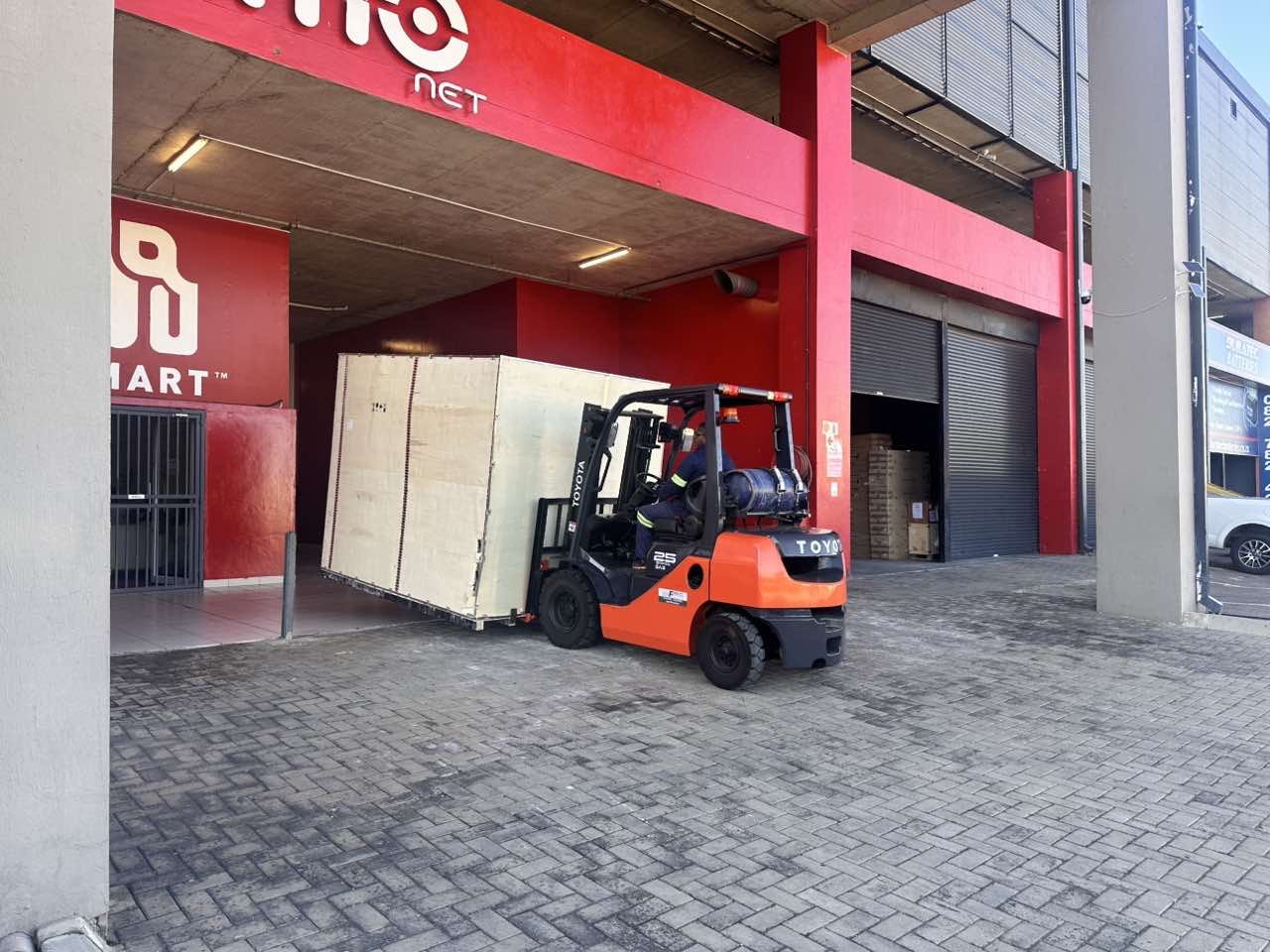
latest arrivals
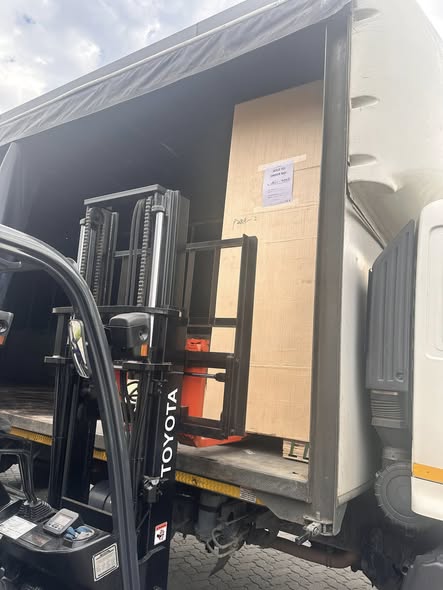
offloading
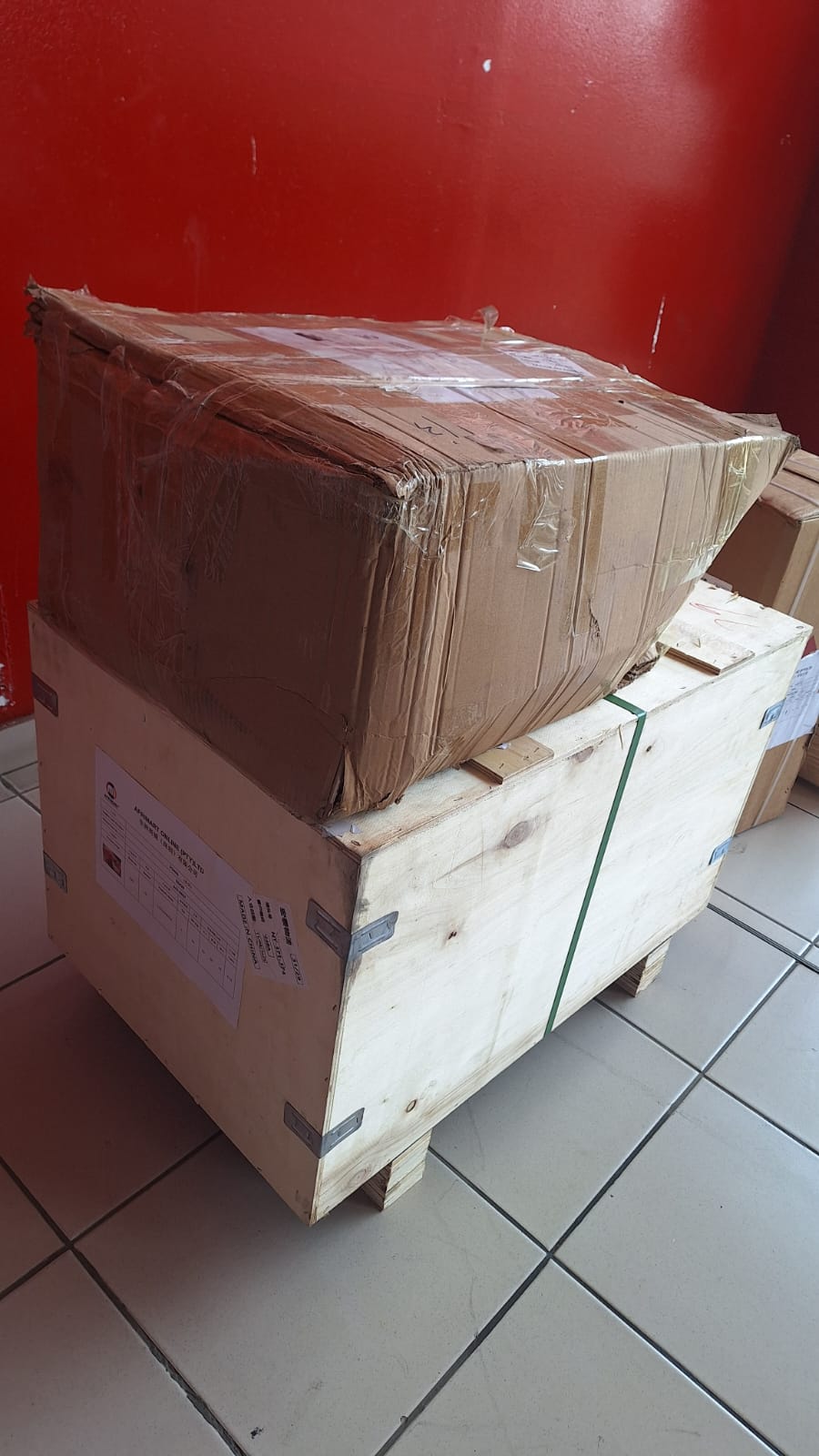
order success
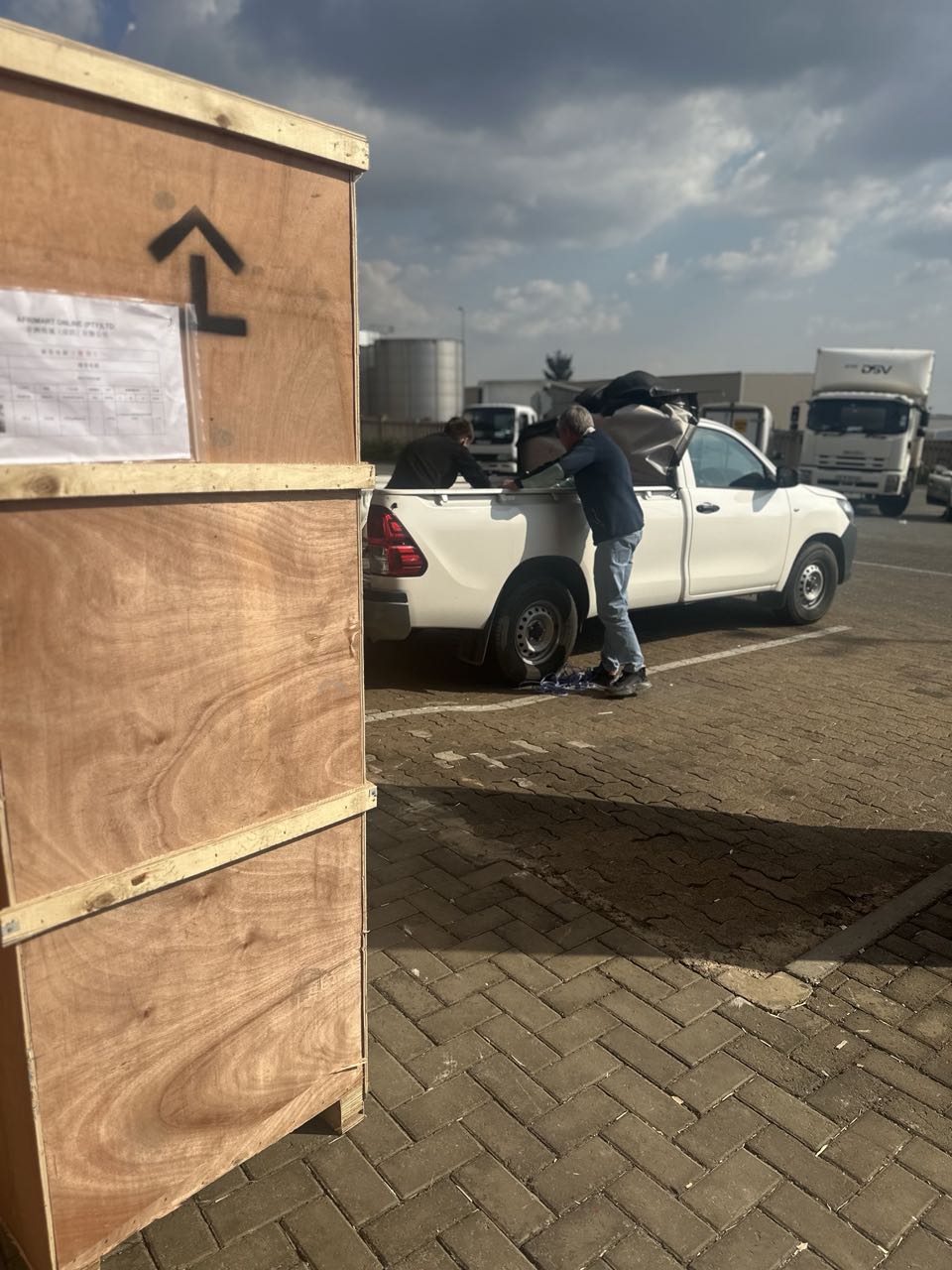
order collection
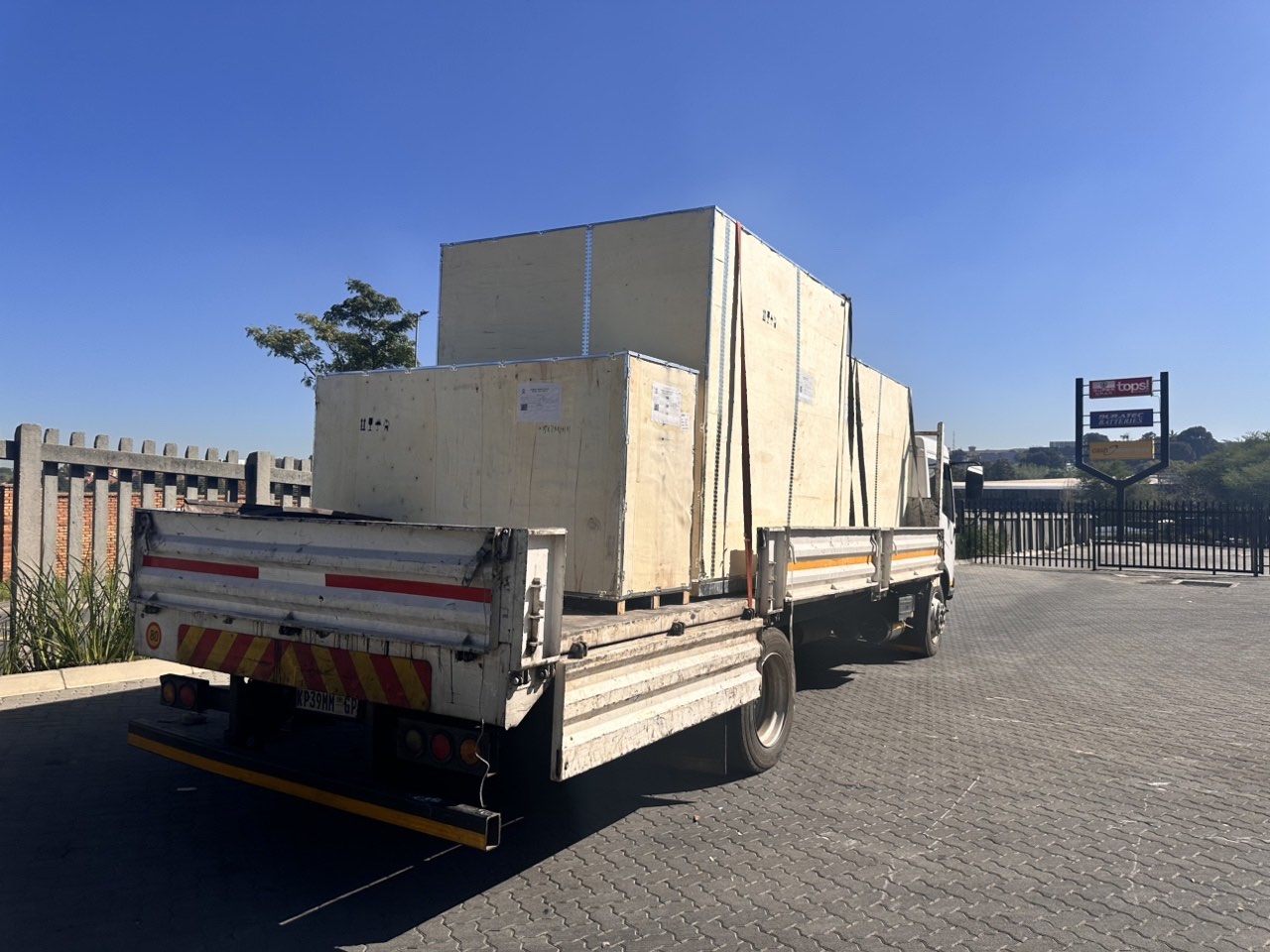
order offloading