B21, China Town Mall, Midrand


EEC COC certificate Three Wheels Big Tire Trike Adult Tricycle Citycoco Scooter sldb 2000w

- Section : Sports & Entertainment
- Category : Electric Scooters
- SKU : 1600691184672



Detail:


- Shipping Timeframes: All orders are processed within 2-5 business days (excluding weekends and holidays). After your order has been processed, the estimated delivery time is before 03 Aug, 2026, depending on customs, Please note that due to high demand, some items may experience longer shipping times, which will be communicated at order confirmation email.
- Order Processing Time: Please allow 2-5 business days for us to process your order before it is shipped . Orders placed after 16:00 on Fridays, or during weekends and public holidays, will begin processing on the next business day. Processing times may be extended during peak seasons or sales events.
- Manufacturing Time: Some products needs manufacturing time, the manufacturing process will take approximately 10-30 business days depending on the product. This timeframe may vary depending on the complexity of the product and current demand. but this will be communicated with you during order confirmation.
- Returns and Exchanges: We offer a 30-day return policy for most items. If you are not completely satisfied with your purchase, you may return it within 30 days of receipt for a refund or exchange. Items must be unused, in their original packaging, and accompanied by proof of purchase. Return shipping costs are the responsibility of the customer, unless the item was damaged or defective upon arrival.
1. What is the EEC COC certificate included with this product?
The EEC COC (Certificate of Conformity) is a document that certifies the vehicle complies with EU technical and safety standards. It is used to register the vehicle in many European countries and demonstrates it meets applicable regulations.
2. What exactly is the 'Three Wheels Big Tire Trike Citycoco Scooter sldb'?
It is an adult three-wheel electric tricycle (trike) with large off-road-style tires and Citycoco-style scooter styling. The model name 'sldb' identifies this particular configuration.
3. Can I use this trike on public roads?
That depends on your local laws. The included EEC COC makes it easier to register and legally operate the vehicle in many EU countries, but you should confirm speed/power limits and local registration requirements with your local transport authority.
4. What is the typical top speed?
Top speed varies by motor and configuration. Citycoco-style electric trikes commonly range from about 25 km/h up to 45 km/h or more for higher-power versions. Check the specific technical specifications for the exact top speed of the sldb model.
5. How far can I travel on a single charge?
Range depends on battery capacity, rider weight, terrain and riding style. Typical ranges for similar models are roughly 30–80 km per charge. Refer to the product's battery specs for an estimated range.
6. What kind of battery does it use and how long to charge?
Most modern Citycoco trikes use removable lithium-ion batteries. Charging time commonly falls between 4 and 8 hours from empty using the supplied charger. Consult the specific battery specification for exact capacity and charge time.
7. What motor power options are available?
Motor power varies by build—common options range from 500 W up to 2000 W or higher. Higher-power motors deliver better acceleration and hill performance but may affect range and legal classification.
8. What are the braking and safety features?
Typical safety features include disc brakes (front and/or rear), mechanical or hydraulic systems, LED headlights and taillights, turn indicators, horn, and sometimes electronic cutoffs or regenerative braking. Check the product sheet for the exact features fitted to the sldb model.
9. What is the maximum rider weight or payload capacity?
Payload capacity depends on frame and axle design. Many adult trikes support between 150 kg and 300 kg total (including rider and cargo). Verify the exact maximum load rating in the technical specifications.
10. Is the trike delivered fully assembled?
Most units are shipped partially assembled to reduce shipping damage. Basic assembly (attaching handlebars, front wheel, mirrors, and battery) and safety checks are usually required. A user manual and necessary tools are often included.
11. What maintenance is required?
Regular maintenance includes checking tire pressure and tread, inspecting and adjusting brakes, keeping the battery charged and stored correctly, tightening bolts, and lubricating moving parts as needed. Follow the maintenance schedule in the user manual.
12. Are replacement parts and accessories available?
Spare parts (tires, batteries, chargers, brake pads, lights) and accessories are typically available through the manufacturer or distributor. Ask the seller for a parts list and availability for the sldb model.
13. What warranty is provided?
Warranty terms vary by seller and manufacturer. Common warranties cover the frame, motor, and battery for specific periods (e.g., 12–24 months). Confirm the exact warranty coverage, exclusions, and claim procedure with the vendor before purchase.
14. How do I register and insure this vehicle?
If the vehicle has an EEC COC, you can usually present that document when applying for registration with your national vehicle authority. Insurance requirements vary by country and by vehicle classification—contact your insurer and local registration office for precise steps.
15. Is this trike suitable for off-road or beach use?
Big tires improve stability and traction on rough surfaces, so light off-road use (gravel, dirt paths) is often possible. However, long-term off-road, sand, or saltwater exposure can accelerate wear and may void warranties—check the manufacturer guidance and avoid deep water or corrosive conditions.
Latest Order Arrivals
Discover our latest orders

12 Heads Embroidery Machine

Toilet Paper Machine Machine

Order Collection

Cross Border Clients

Order cros border countries Collected

Industrial Machine Cllection

Agriculture Processing Machines

Ready for collection

Water Pump Equipment

Packaging Machine and accessories

Fabrics Manufacturing Equipment

Mining Equipments

Food Processing Machine

Batch of Orders

Batch of Orders

Latest Orders Labelled

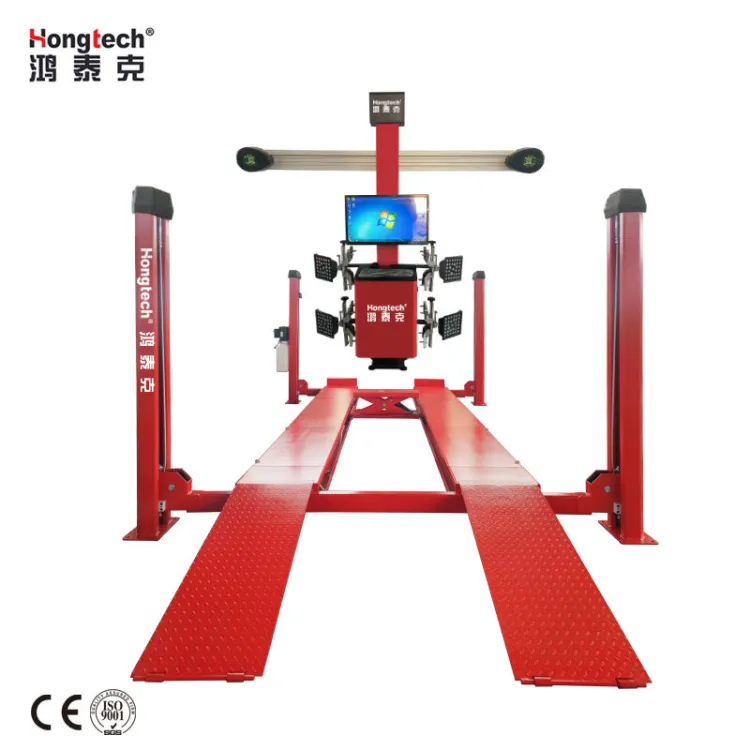
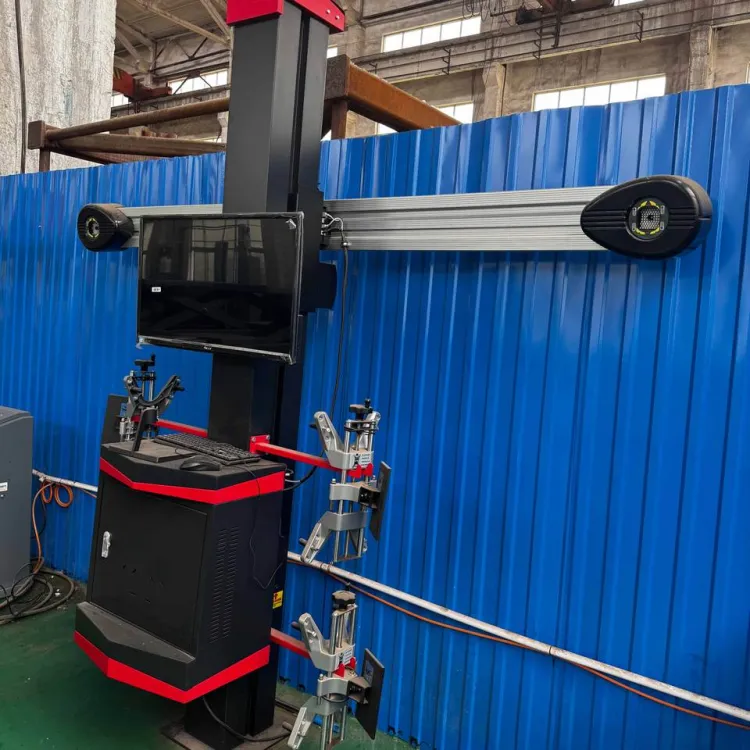
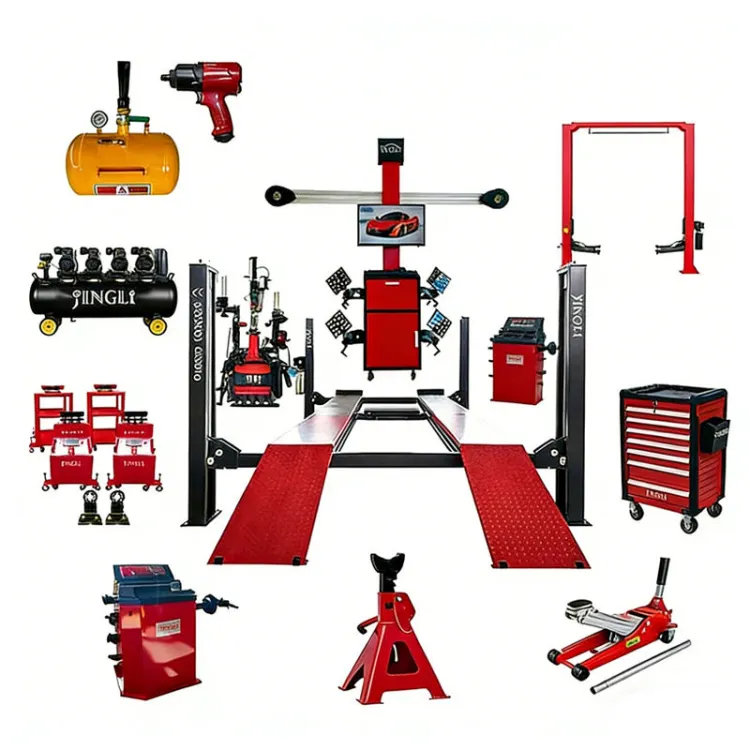
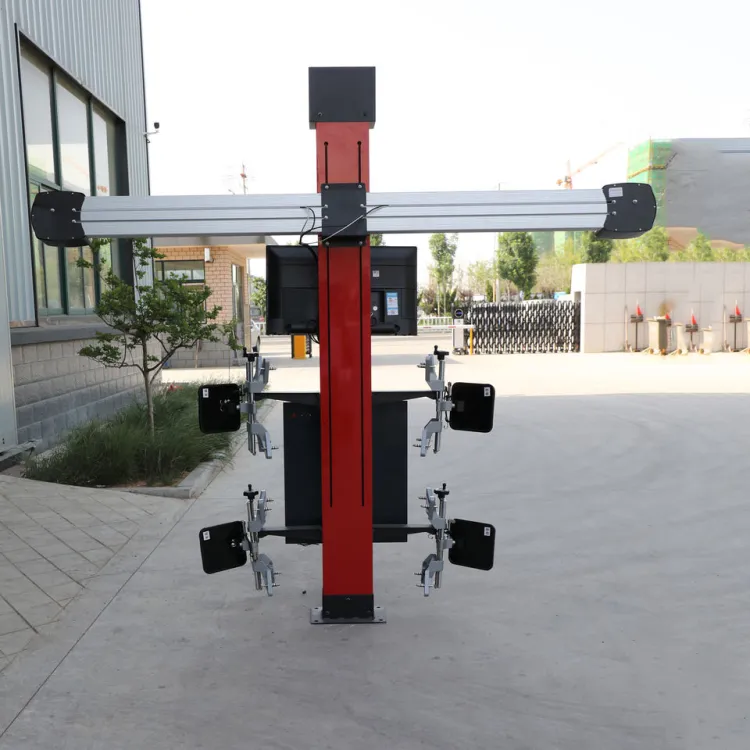
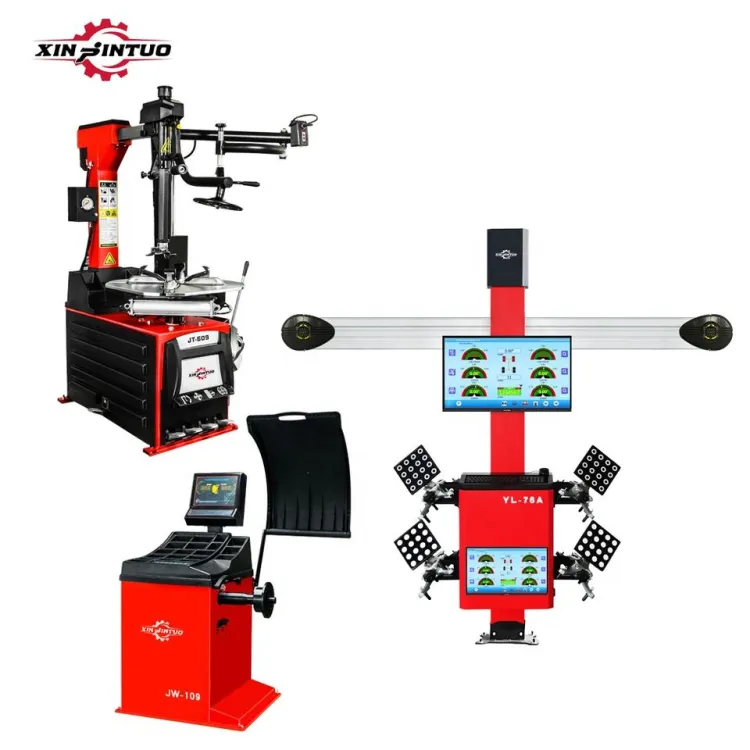
wheel alignment machines

new arrivals

Pre Orders Offloading

Latest Arrivals

Latest Arrivals

Latest Arrivals

Loading

Toilet paper making machine

Toilet paper making machine

Toilet paper Rewinding Machine

latest arrivals

offloading

order success

order collection

order offloading