B21, China Town Mall, Midrand


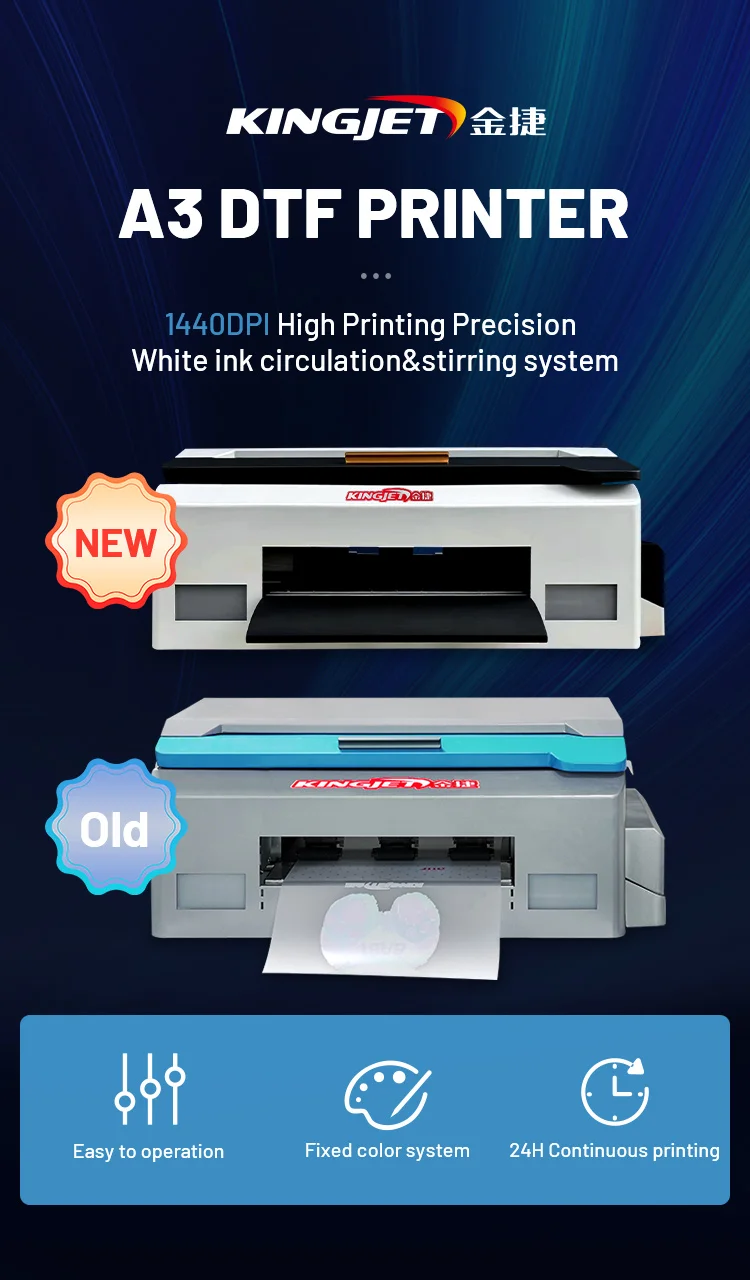
DTF Printer T-shirt Hoodie Jersey Printing Machine A3

- Section : Consumer Electronics
- Category : DTF Printers
- SKU : 1601003064837

Product Description


- Shipping Timeframes: All orders are processed within 2-5 business days (excluding weekends and holidays). After your order has been processed, the estimated delivery time is before 03 Aug, 2026, depending on customs, Please note that due to high demand, some items may experience longer shipping times, which will be communicated at order confirmation email.
- Order Processing Time: Please allow 2-5 business days for us to process your order before it is shipped . Orders placed after 16:00 on Fridays, or during weekends and public holidays, will begin processing on the next business day. Processing times may be extended during peak seasons or sales events.
- Manufacturing Time: Some products needs manufacturing time, the manufacturing process will take approximately 10-30 business days depending on the product. This timeframe may vary depending on the complexity of the product and current demand. but this will be communicated with you during order confirmation.
- Returns and Exchanges: We offer a 30-day return policy for most items. If you are not completely satisfied with your purchase, you may return it within 30 days of receipt for a refund or exchange. Items must be unused, in their original packaging, and accompanied by proof of purchase. Return shipping costs are the responsibility of the customer, unless the item was damaged or defective upon arrival.
1. What is a DTF printer?
DTF stands for Direct to Film, which is a printing technology that transfers designs onto various materials, including fabric, by printing onto a special film and then using heat to transfer the ink.
2. What types of materials can I print on with the DTF Printer?
You can print on a variety of materials, including cotton, polyester, blends, and even some hard surfaces, making it suitable for T-shirts, hoodies, and jerseys.
3. What is the maximum print size of the A3 DTF printer?
The A3 DTF printer can accommodate prints up to A3 size, which is approximately 11.7 x 16.5 inches.
4. Do I need any special ink or film for this printer?
Yes, the DTF printer requires specific DTF ink and transfer film to ensure optimal quality and durability of the prints.
5. How do I operate the DTF printer?
Operating the DTF printer involves loading your design into the printing software, selecting the appropriate settings, printing onto the transfer film, applying adhesive powder, and then heat pressing it onto the fabric.
6. Can I use this printer for commercial printing?
Yes, the DTF Printer is suitable for both personal and commercial use, allowing you to produce high-quality prints for a variety of products.
7. What kind of maintenance does the DTF printer require?
Regular maintenance includes cleaning the print head, checking ink levels, and ensuring the printer is free from dust and debris to maintain print quality.
8. Is the DTF printing process environmentally friendly?
DTF printing can be more environmentally friendly compared to traditional methods, as it uses less water and can utilize eco-solvent inks, but it's important to check the specific materials used.
9. How long do the prints last?
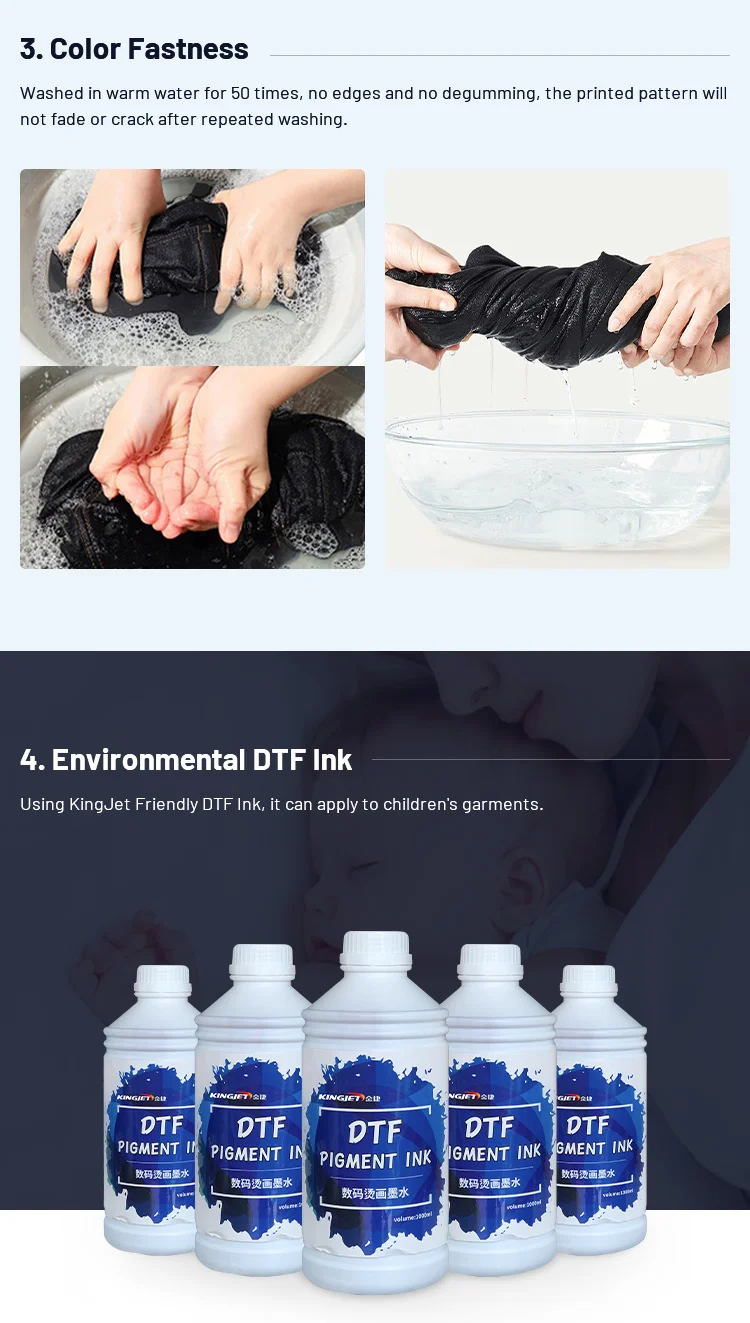
When applied correctly, DTF prints can last for several washes without fading or peeling, making them durable for everyday wear.
10. Does this printer come with a warranty?
Warranty details can vary by retailer, so it's best to check with the seller for specific warranty information regarding the DTF printer.
11. What is the setup process for the DTF printer?
Setup typically involves unboxing the printer, installing the software, connecting it to your computer, and loading ink and film according to the manufacturer's instructions.
12. Can I print multi-color designs with this printer?
Yes, the DTF printer can handle multi-color designs, allowing you to create vibrant and detailed prints with various color combinations.
13. What is the recommended temperature for heat pressing?
The recommended temperature for heat pressing DTF prints is usually around 320°F to 350°F (160°C to 180°C), but you should refer to the specific instructions for your materials.
14. How do I ensure the best quality prints?
To ensure the best quality prints, use high-resolution images, maintain the printer regularly, and follow the manufacturer's guidelines for settings and materials.
15. Is user training available for using the DTF printer?
Some retailers may offer training or resources for using the DTF printer. It's advisable to check with the seller for any available tutorials or support.
Latest Order Arrivals
Discover our latest orders
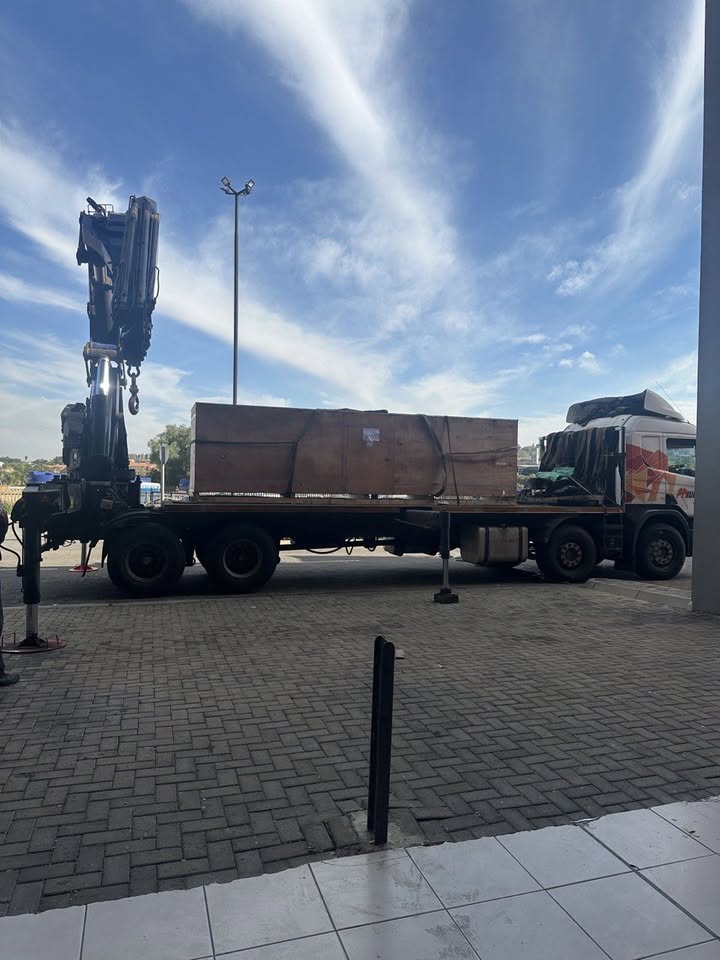
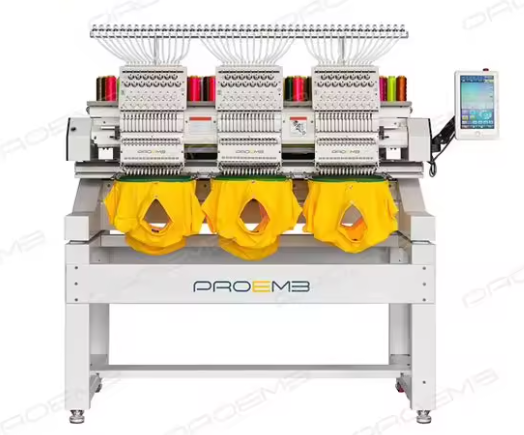
12 Heads Embroidery Machine
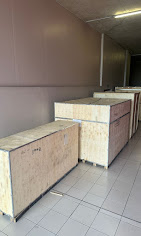
Toilet Paper Machine Machine
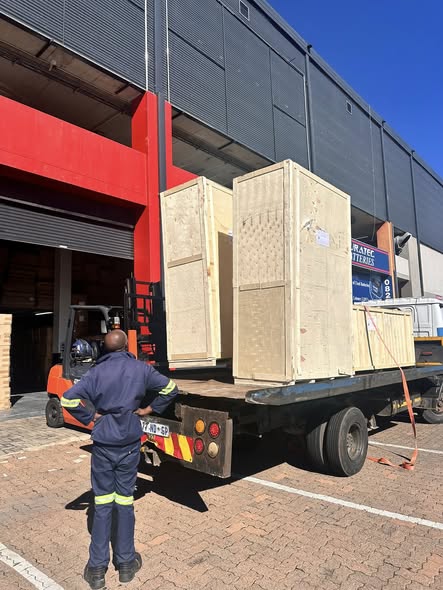
Order Collection
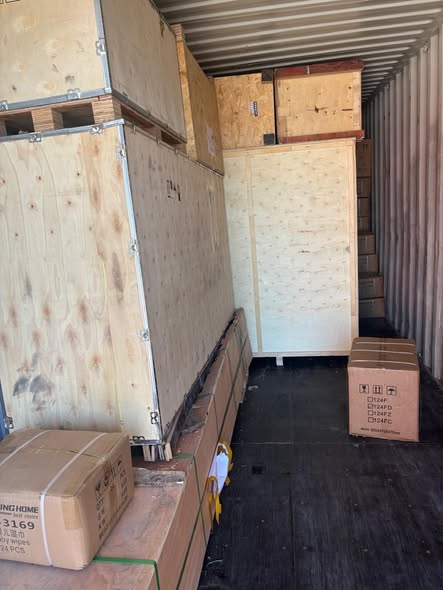
Cross Border Clients
Order cros border countries Collected
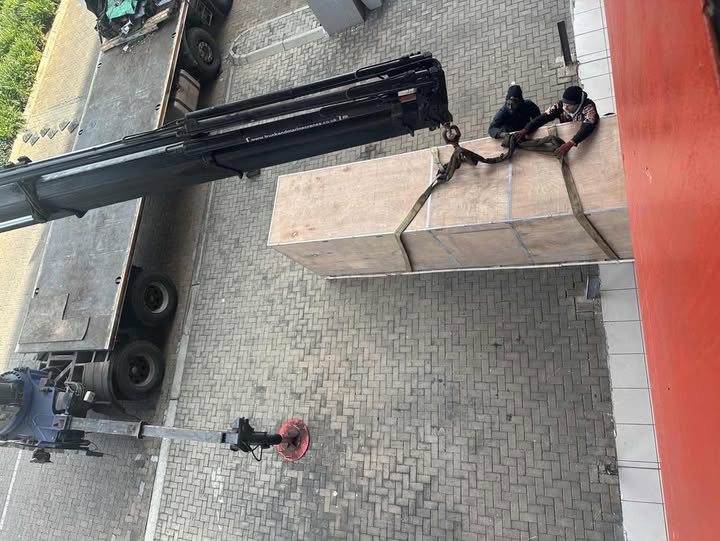
Industrial Machine Cllection
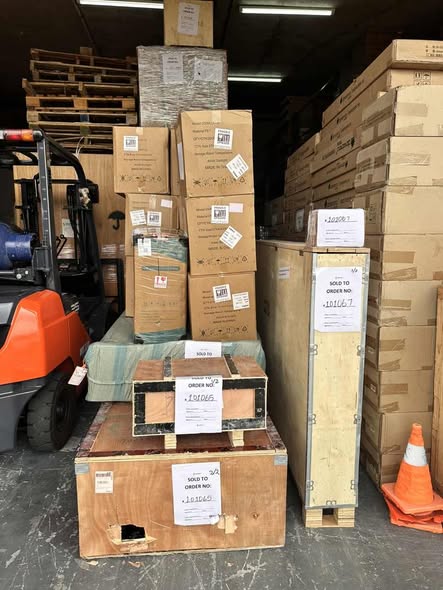
Agriculture Processing Machines
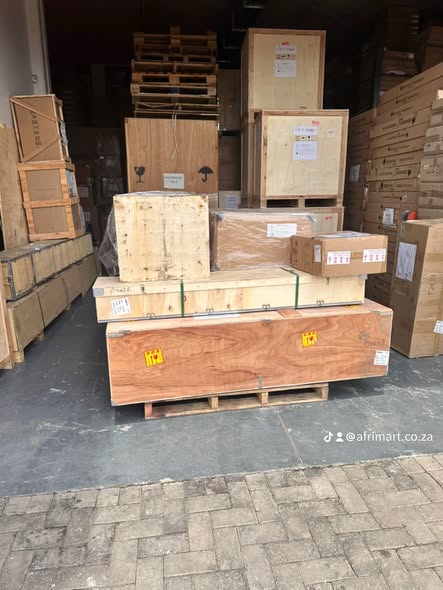
Ready for collection
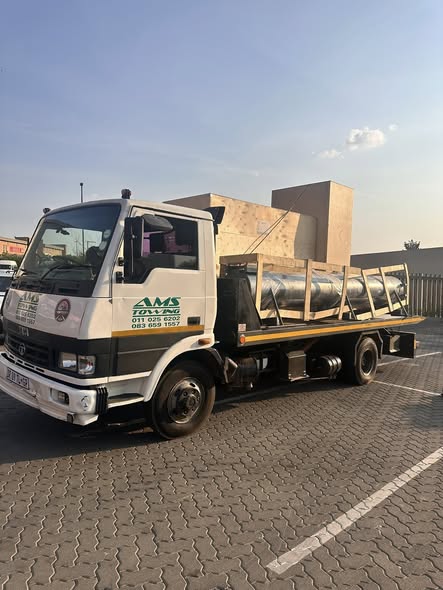
Water Pump Equipment
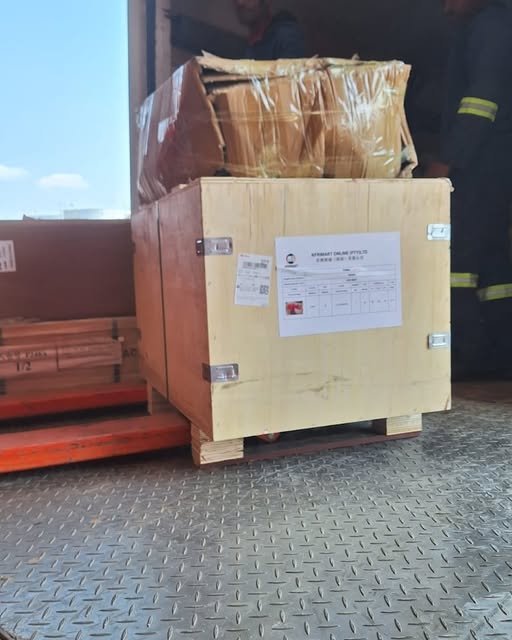
Packaging Machine and accessories
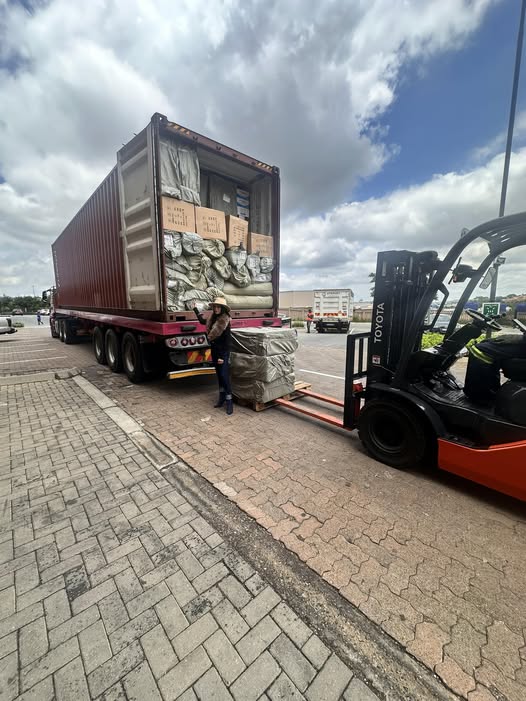
Fabrics Manufacturing Equipment
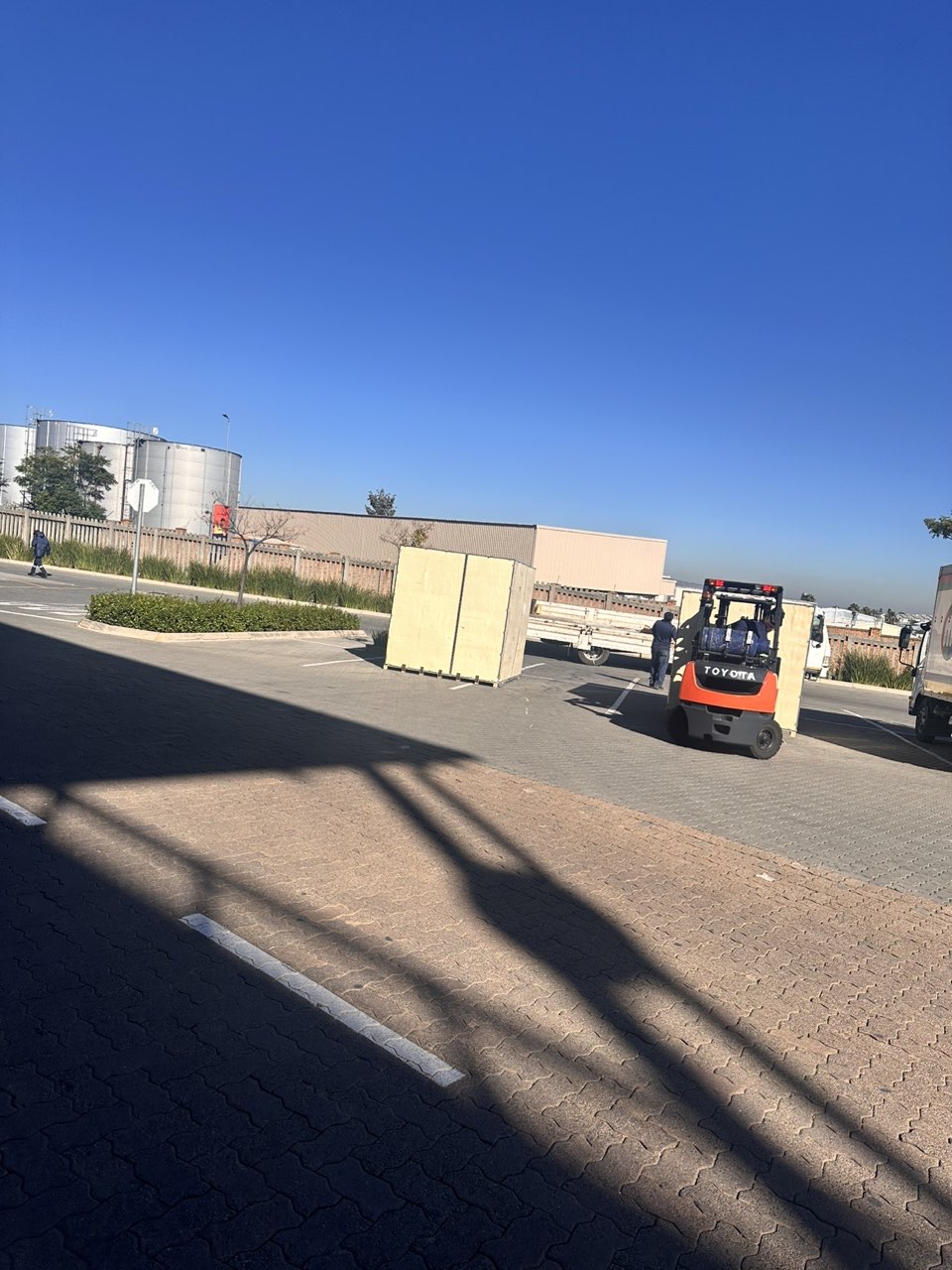
Mining Equipments
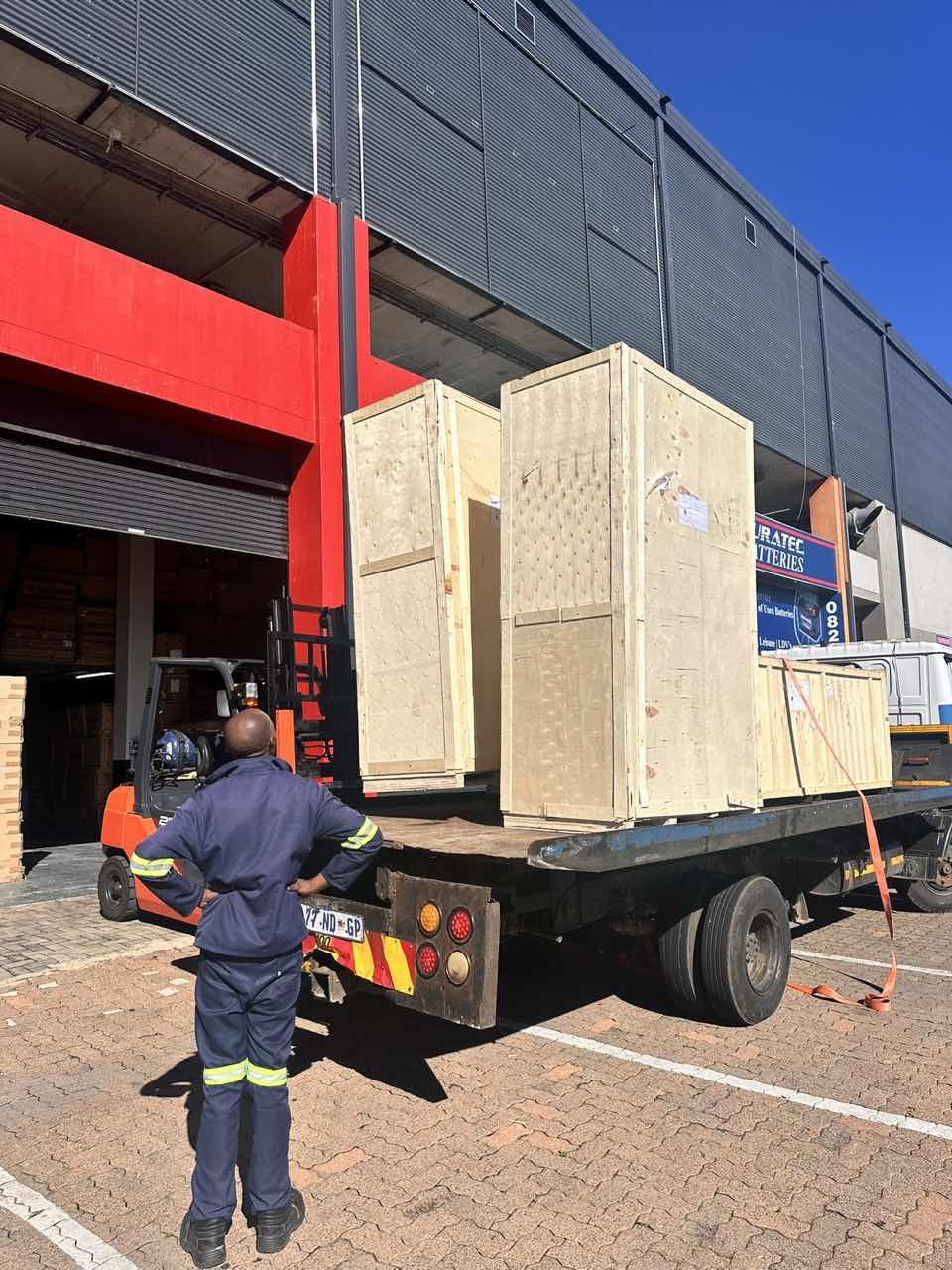
Food Processing Machine
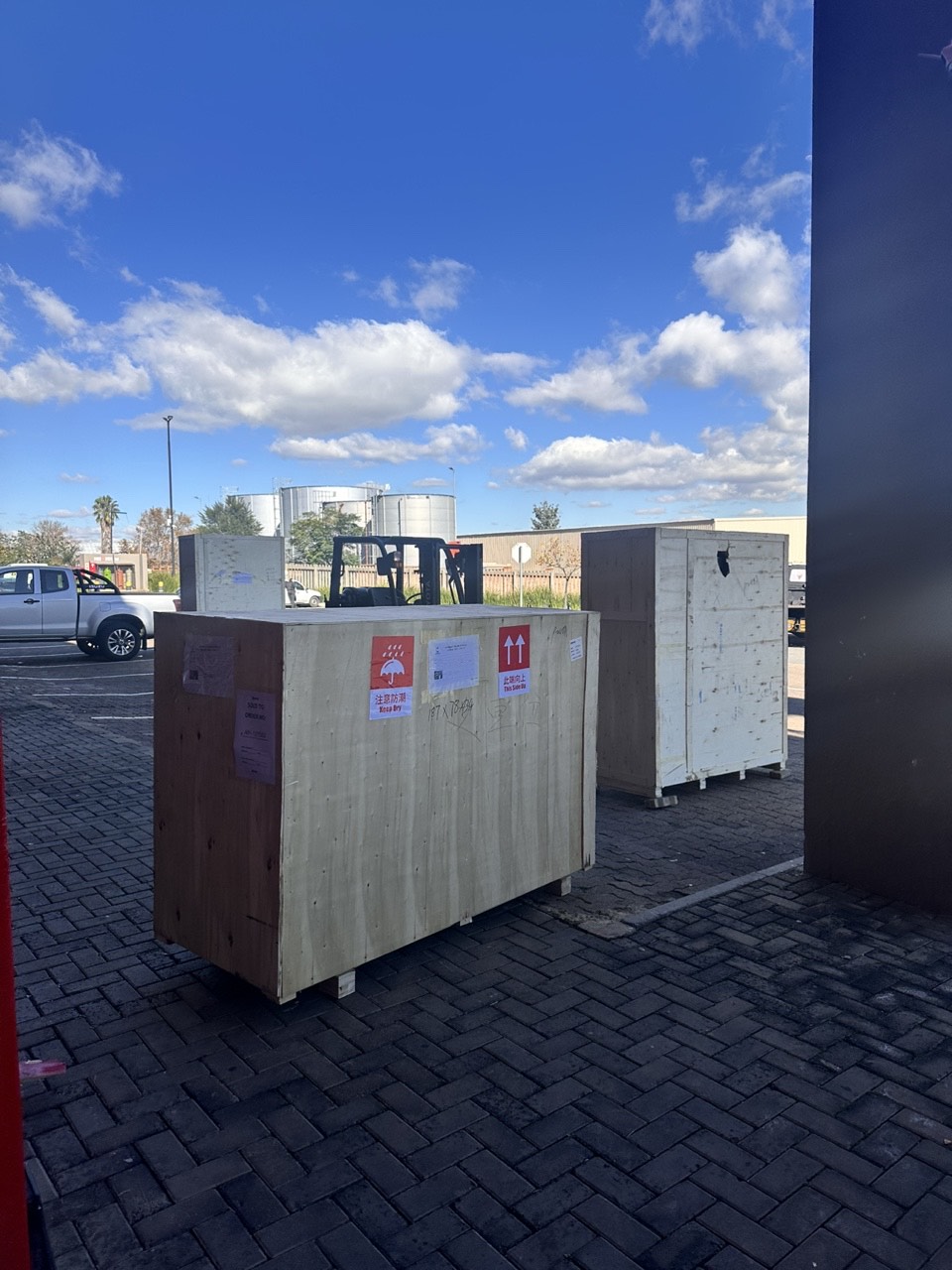
Batch of Orders
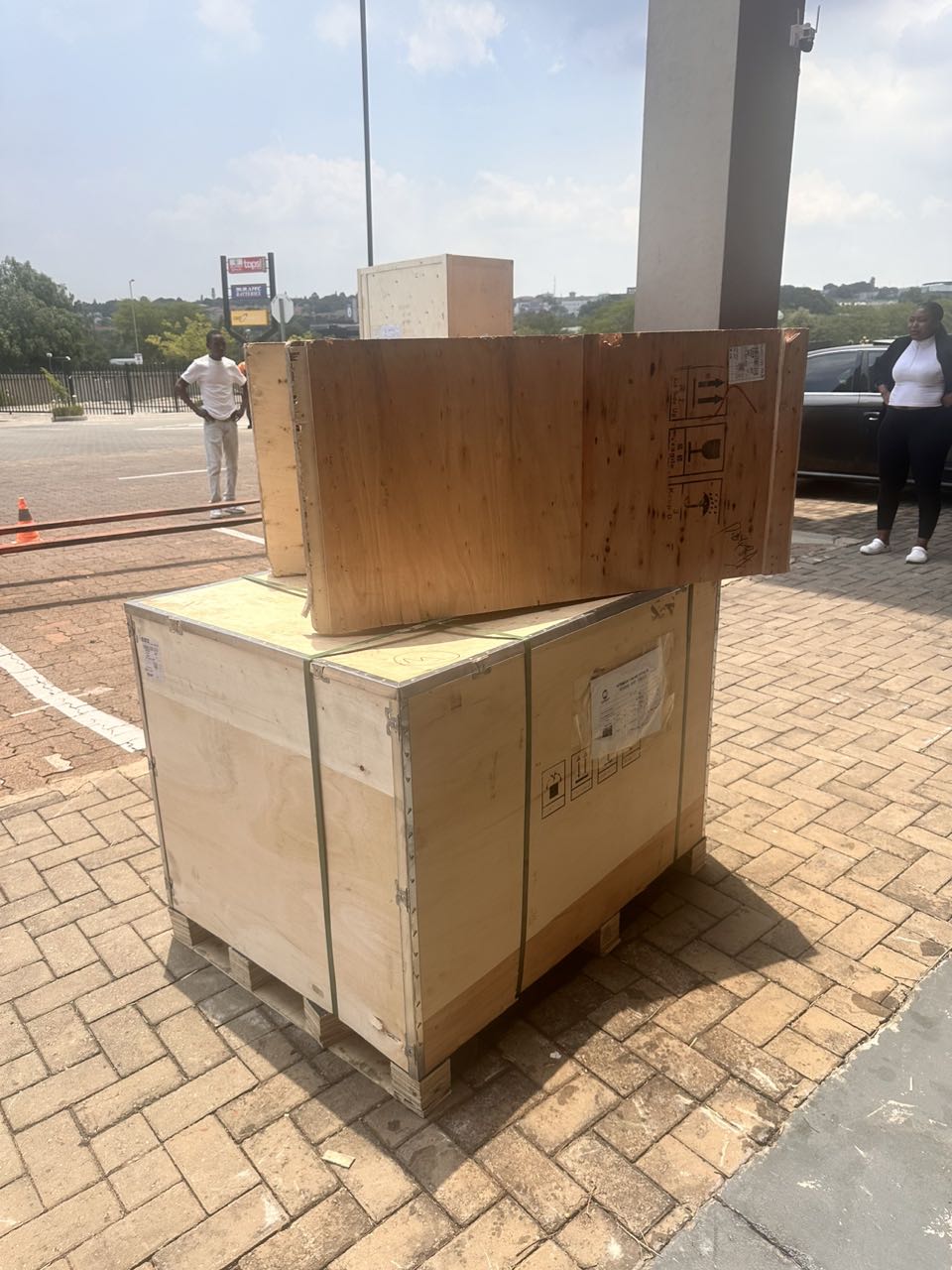
Batch of Orders
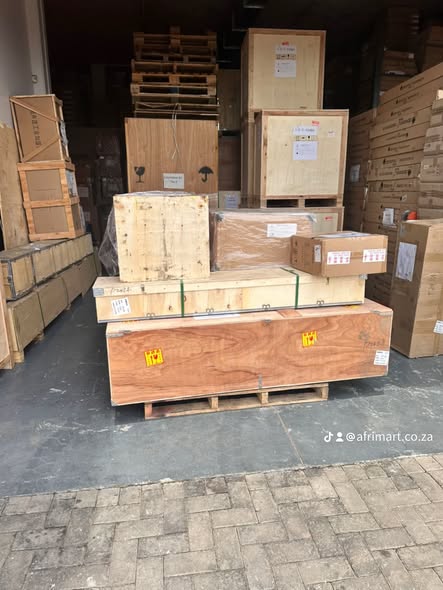
Latest Orders Labelled
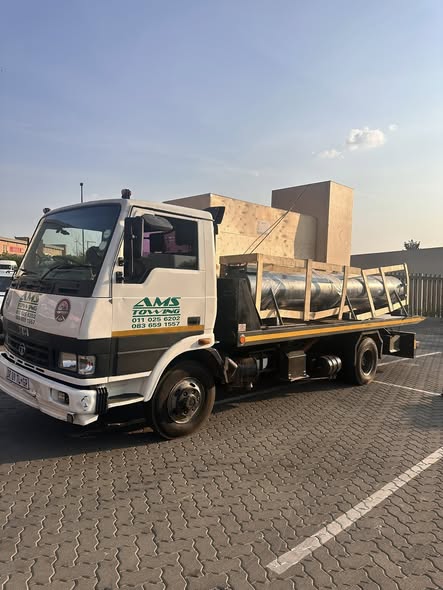
wheel alignment machines
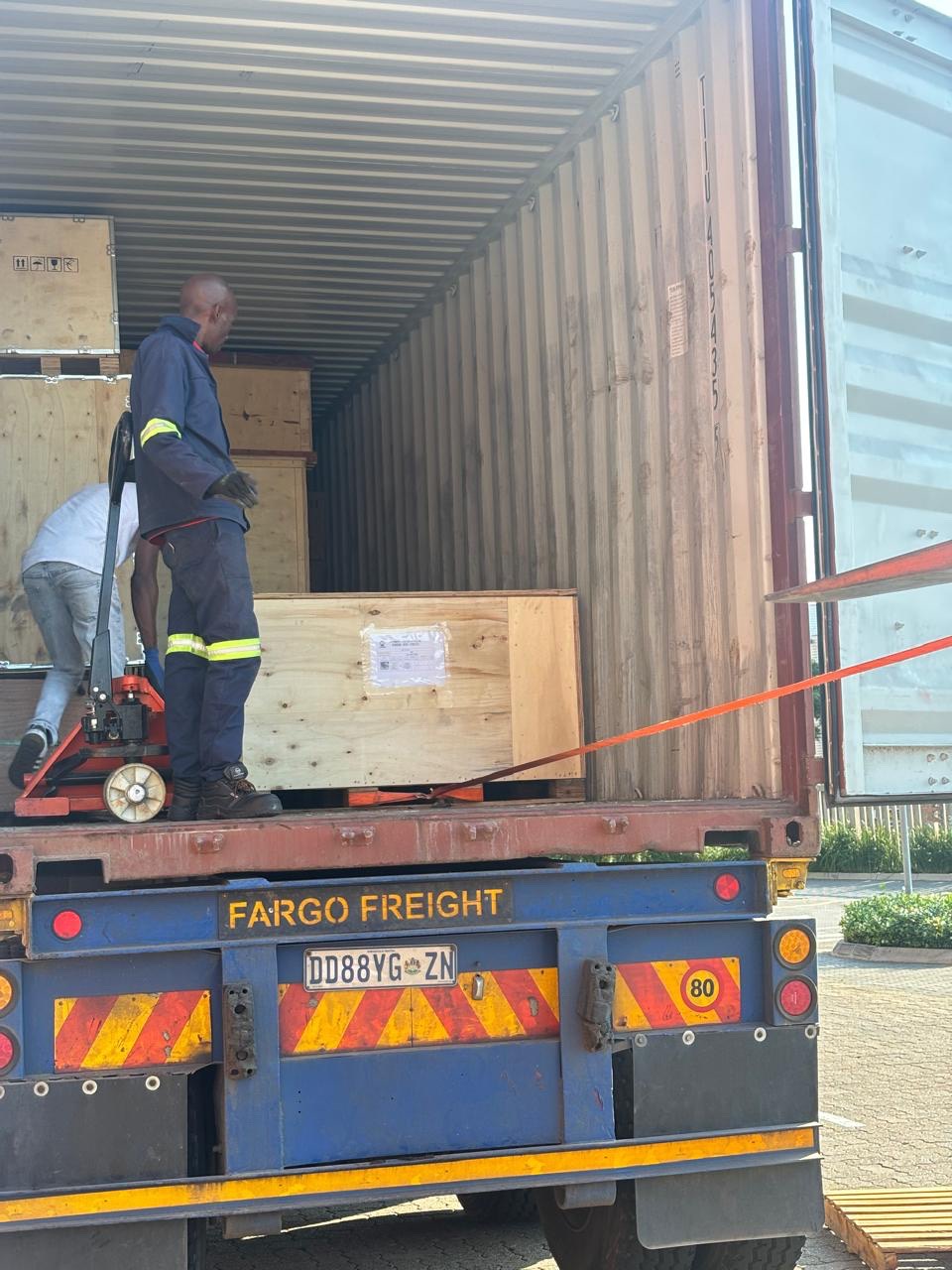
new arrivals
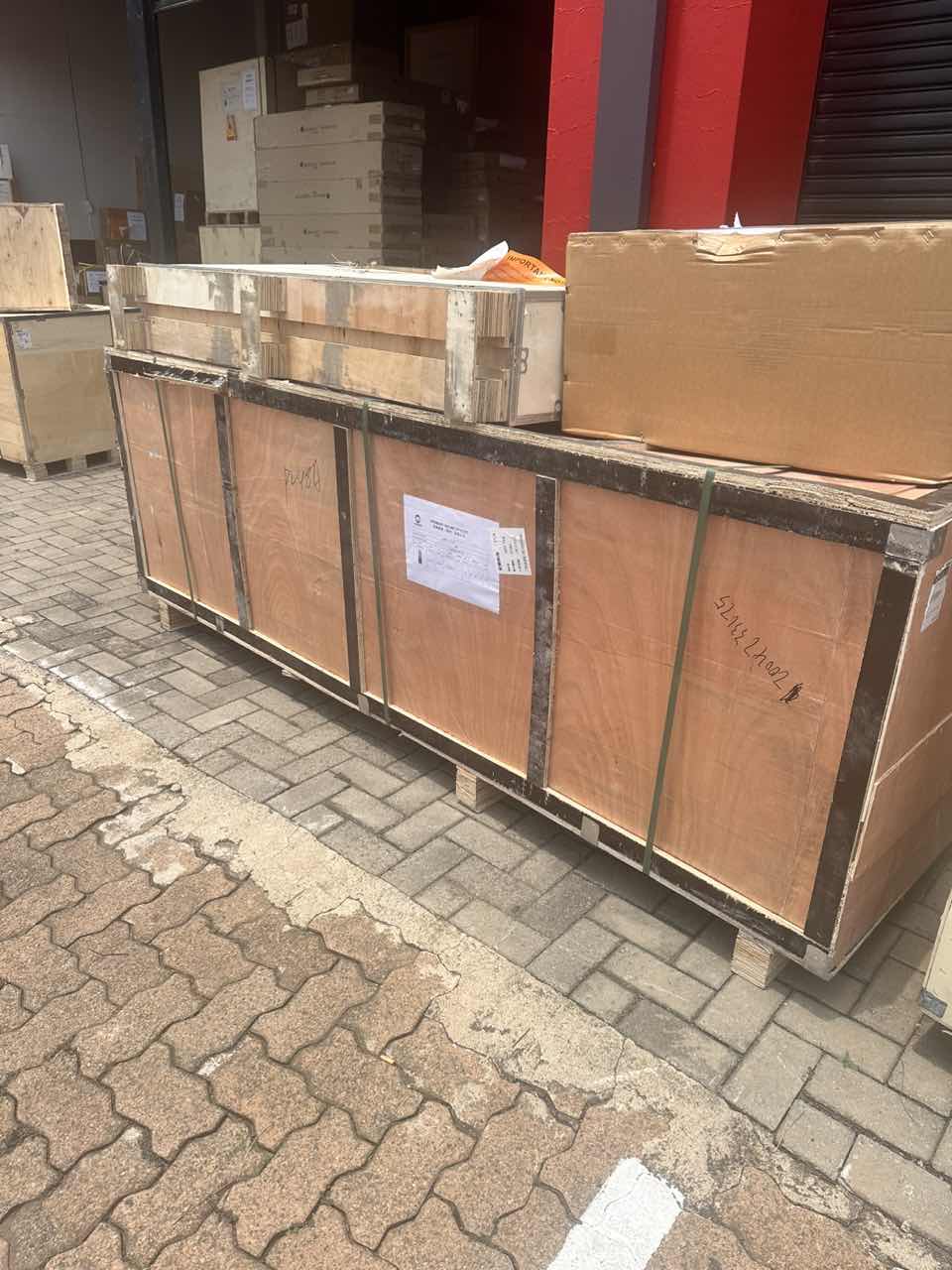
Pre Orders Offloading
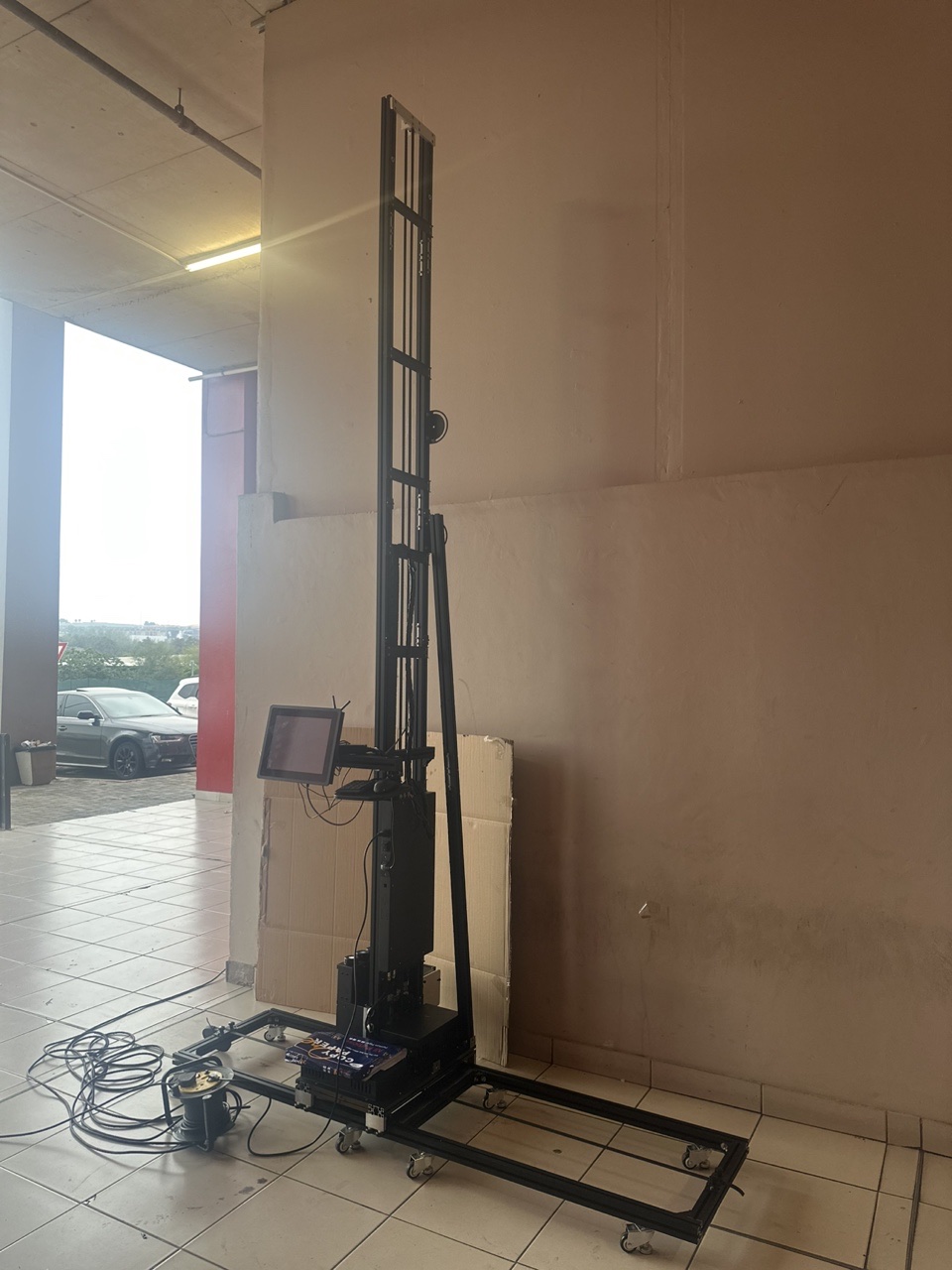
Latest Arrivals
Latest Arrivals
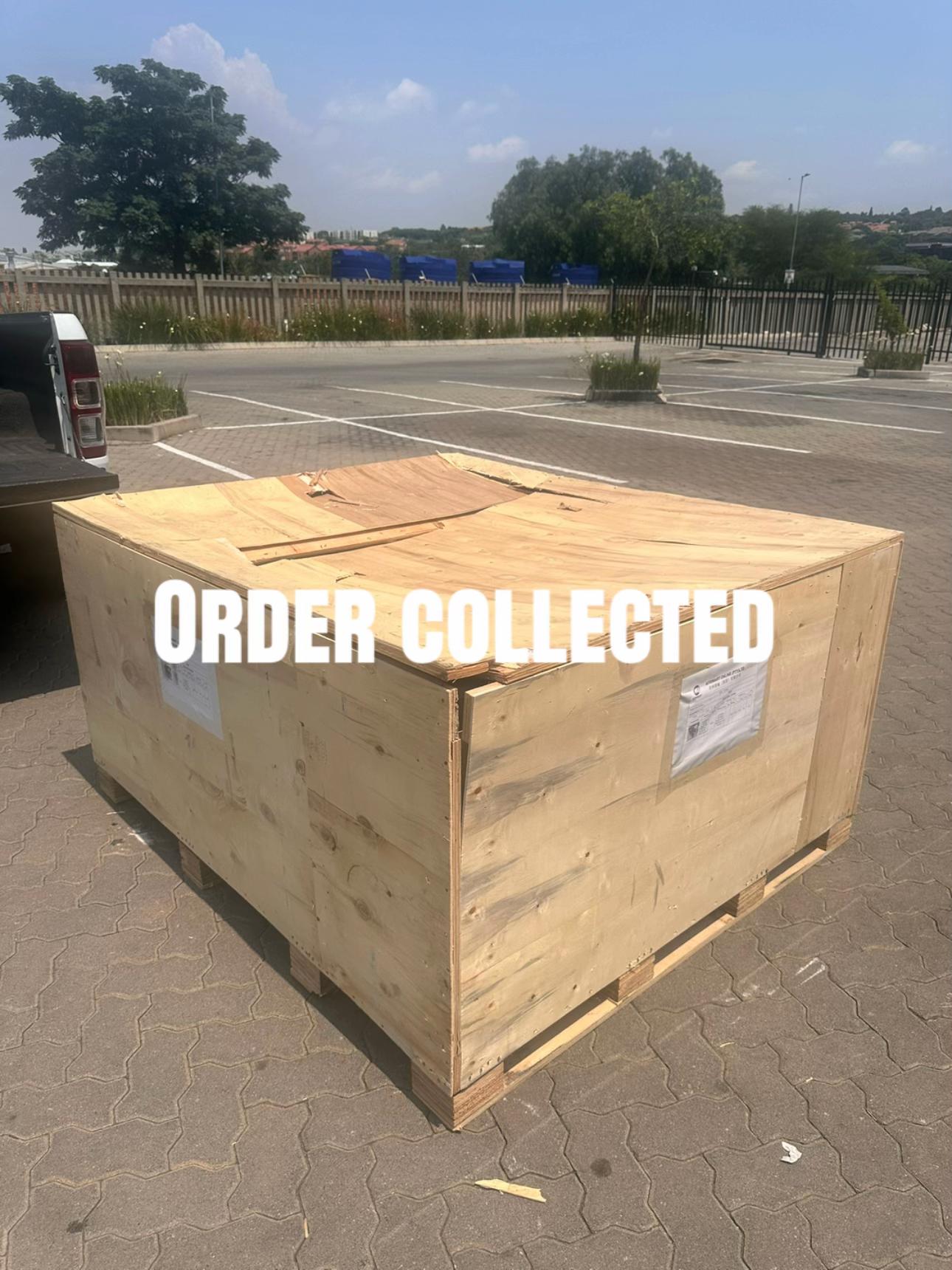
Latest Arrivals
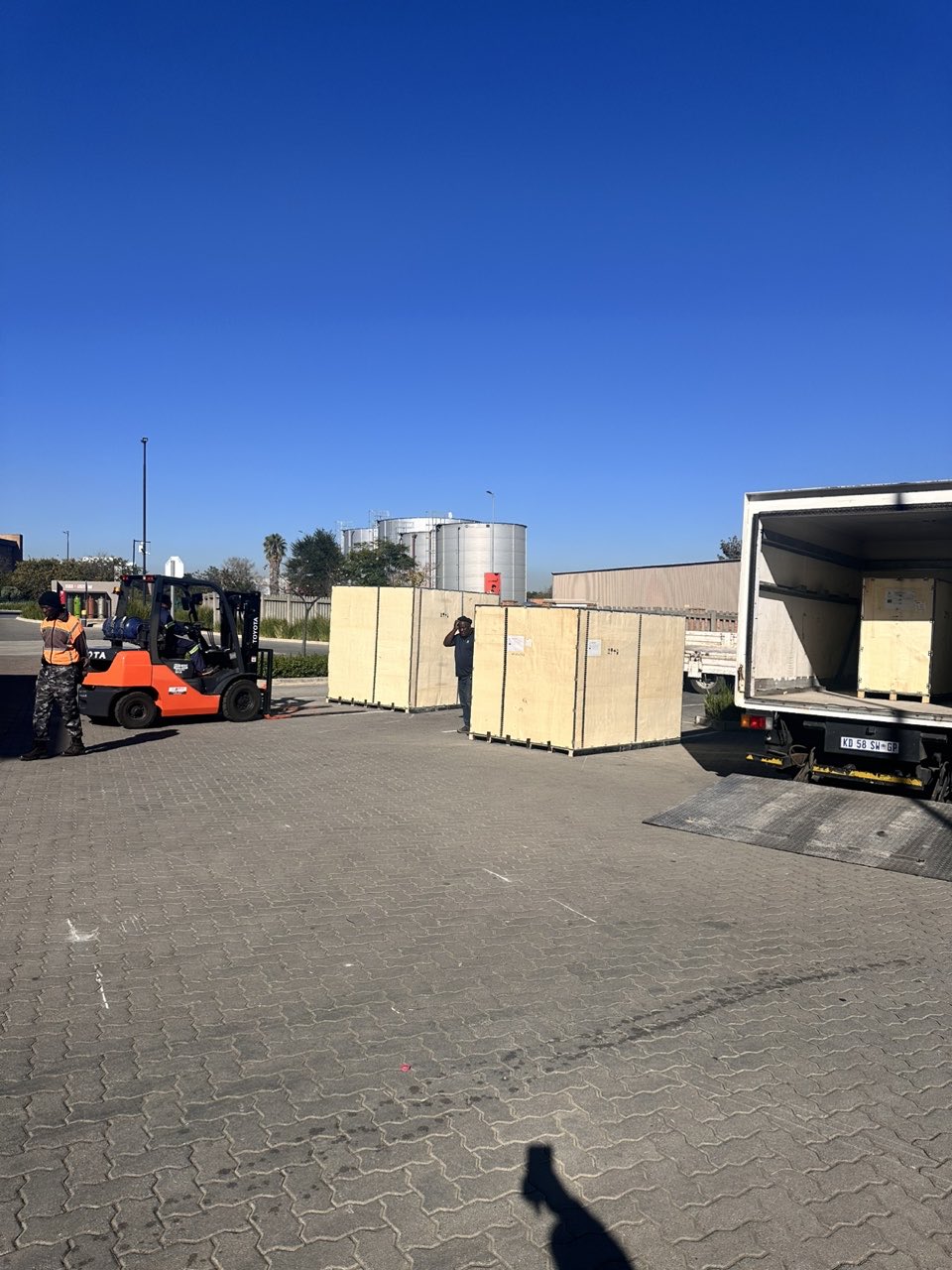
Loading
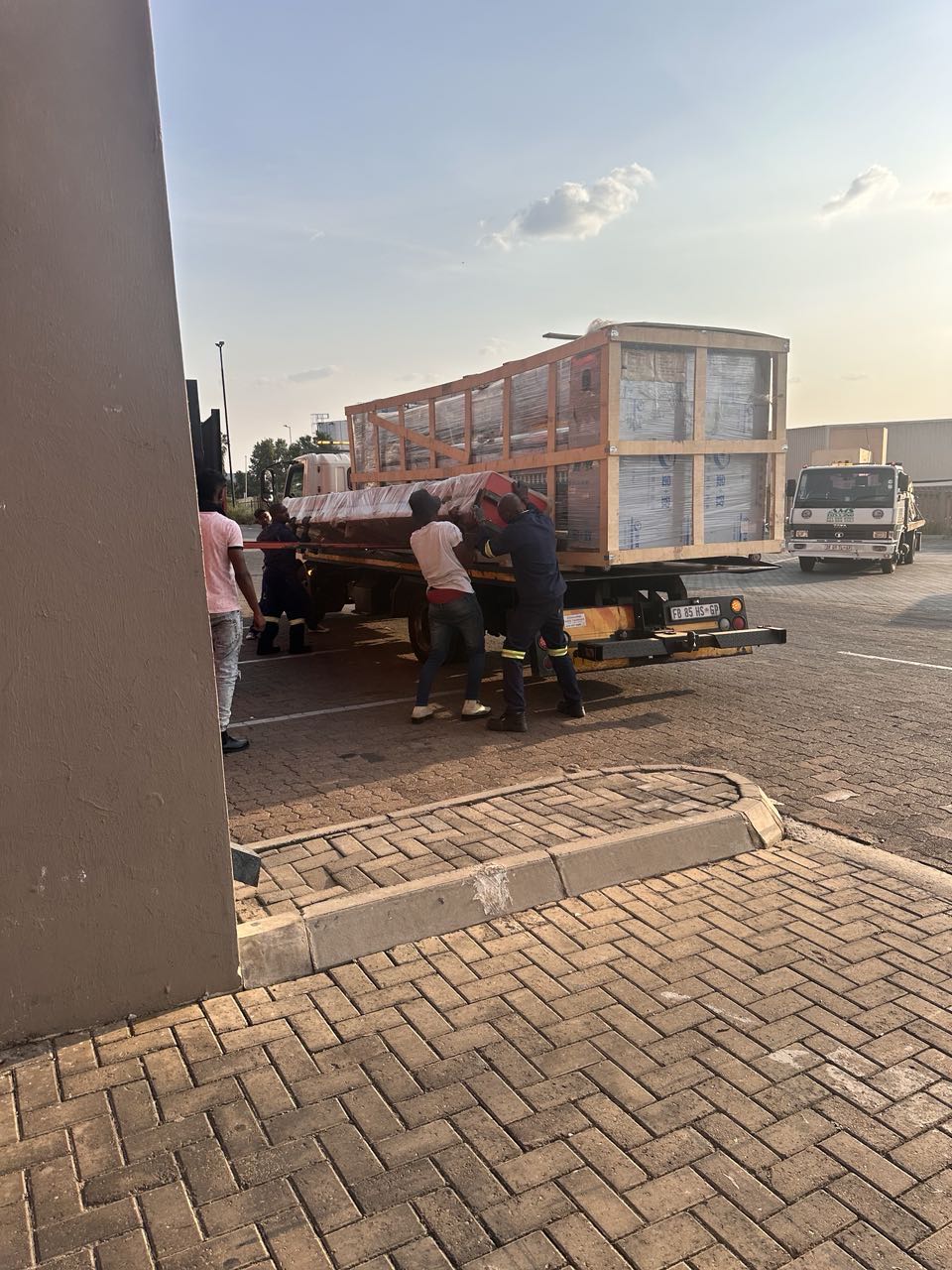
Toilet paper making machine
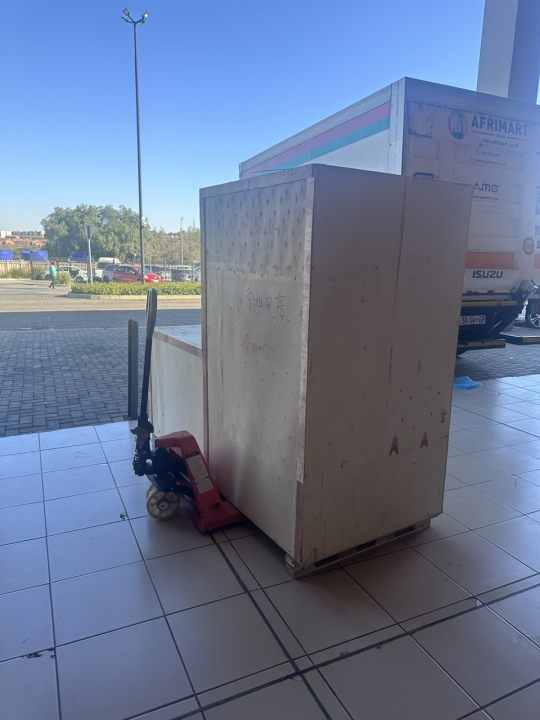
Toilet paper making machine
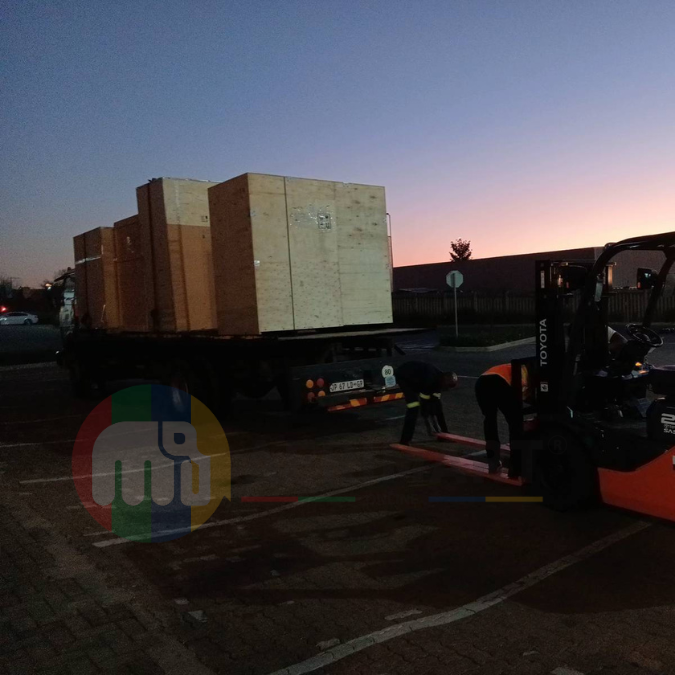
Toilet paper Rewinding Machine
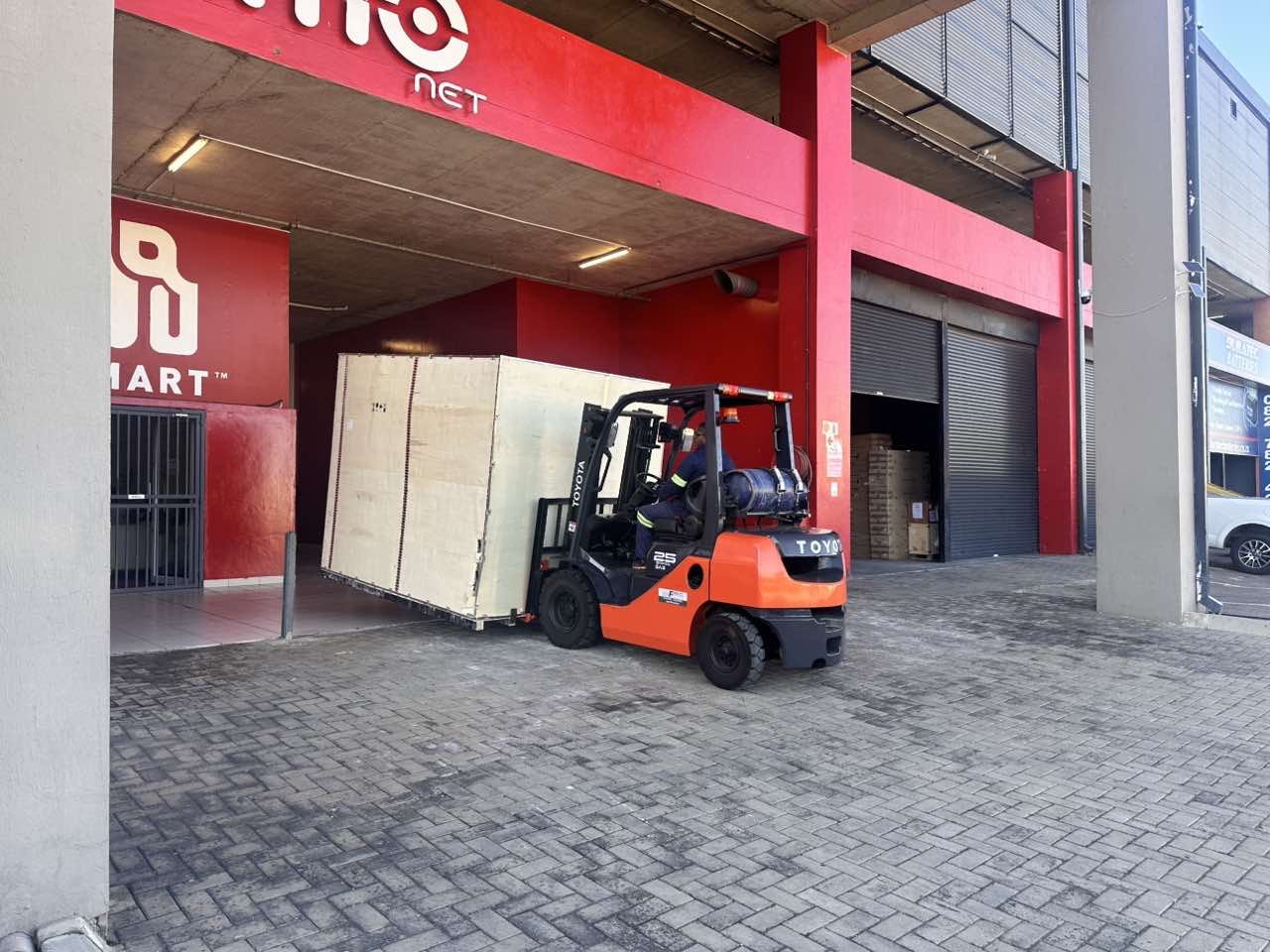
latest arrivals
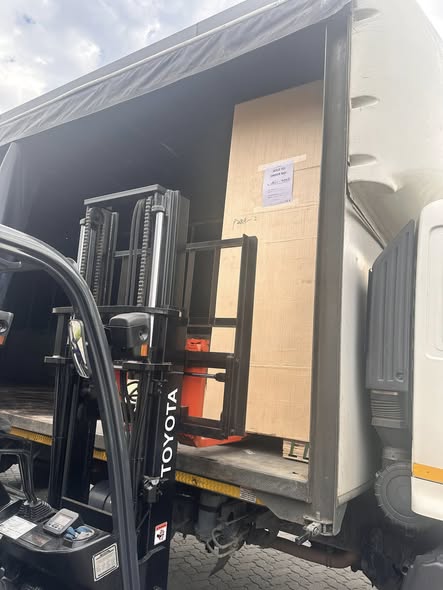
offloading
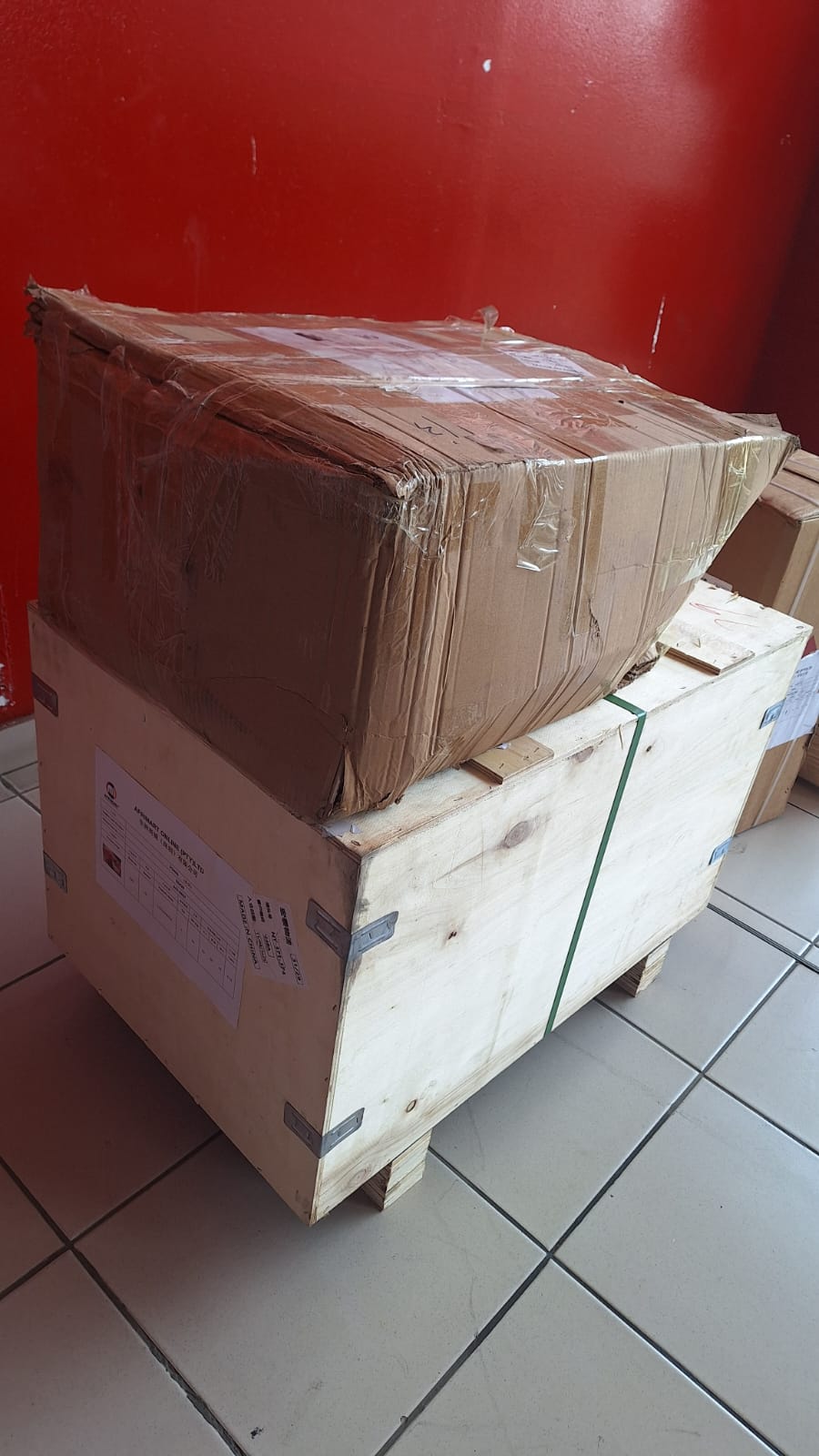
order success
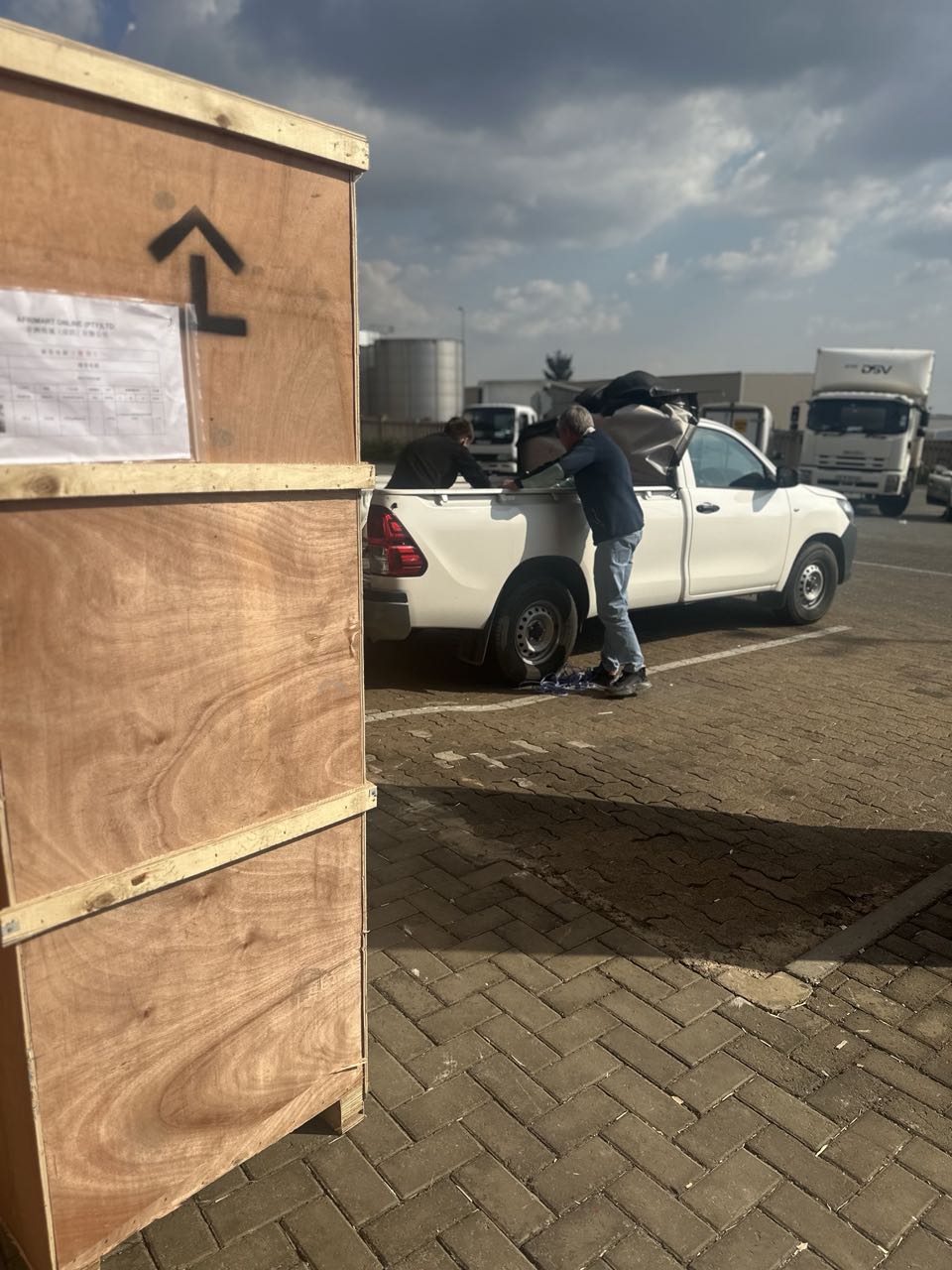
order collection
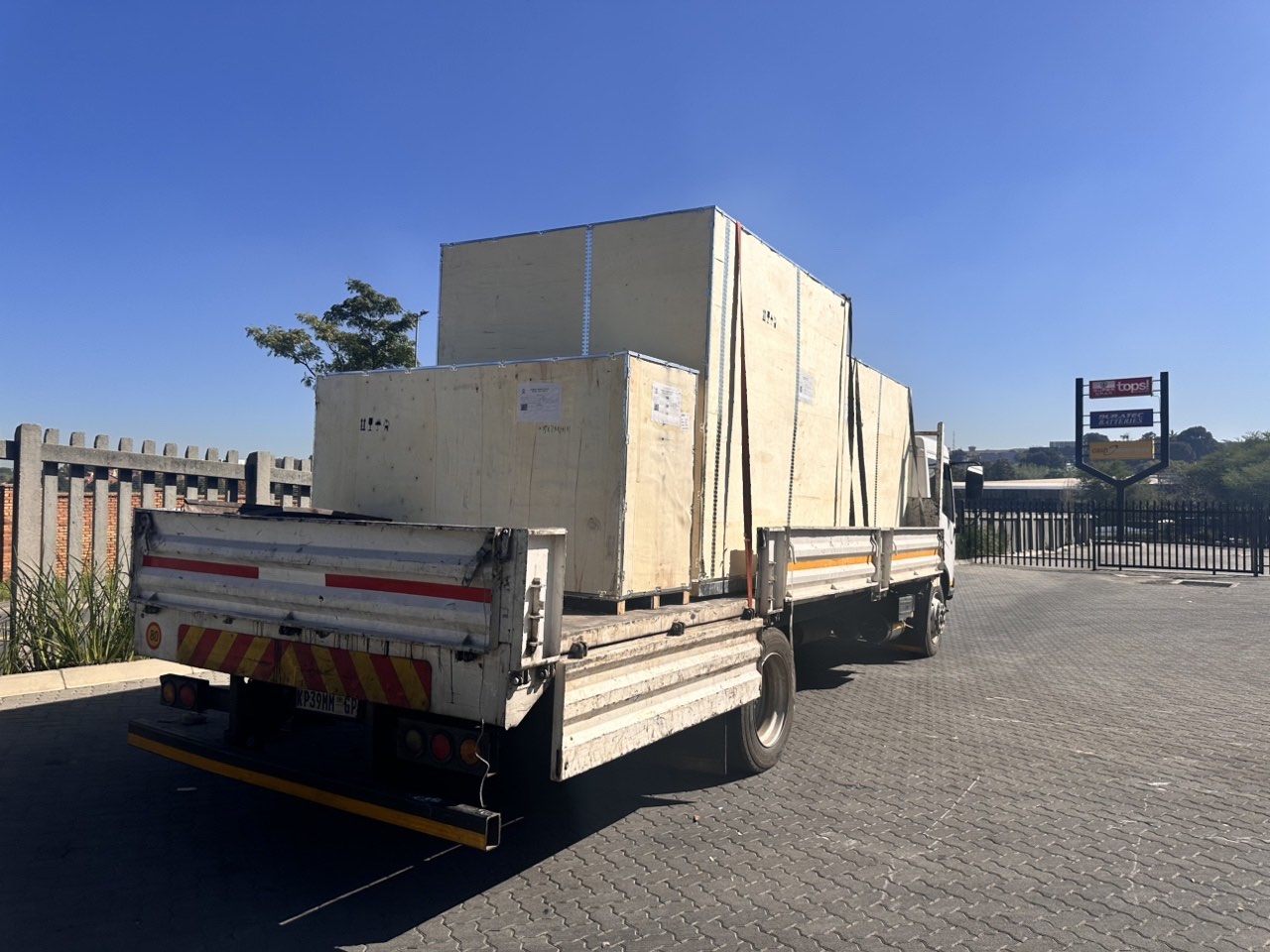
order offloading