B21, China Town Mall, Midrand


400w Solar System Home Power Kit Combo Kit Power Tools hilti
Asset finance available
Do you want funding for this equipment?
Afrimart can connect you with trusted funding partners who specialise in asset finance for businesses like yours. Compare options and apply in minutes — final approval is subject to provider review.
Check funding options
Secure & no obligation

- Section : Sports & Entertainment
- Category : Trucks
- SKU : 1601032577729

400w Solar System Home Power Kit Combo Kit Power Tools Hilti
The 400w Solar System Home Power Kit Combo Kit Power Tools Hilti is the perfect solution for your home energy needs. This kit offers reliable power generation with a focus on efficiency and sustainability. Whether you need to power tools or support your home appliances, this kit is designed to provide the energy you need, when you need it.
Specifications
| Attribute | Details |
|---|---|
| Condition | New |
| Horsepower | 285 HP |
| Emission Standard | Euro 2 |
| Engine Capacity | 8L |
| Drive Wheel | 6x4 |
| Maximum Torque | 1000-1500 Nm |
| Gross Vehicle Weight | 15001-20000 kg |
| Fuel Type | Diesel |
| Engine Brand | Top Brand |
| Color | Red |
| Size | 6850*2500*3300 mm |
Key Features
- Efficient 400w solar energy generation
- Easy to install and use
- Durable and reliable components
- Designed for home power needs
- Supports various power tools and appliances
Applications
- Residential electricity supply
- Powering tools for home improvement projects
- Supporting outdoor activities like camping
- Backup power during outages
- Eco-friendly energy solutions for homes
Product Info Gallery
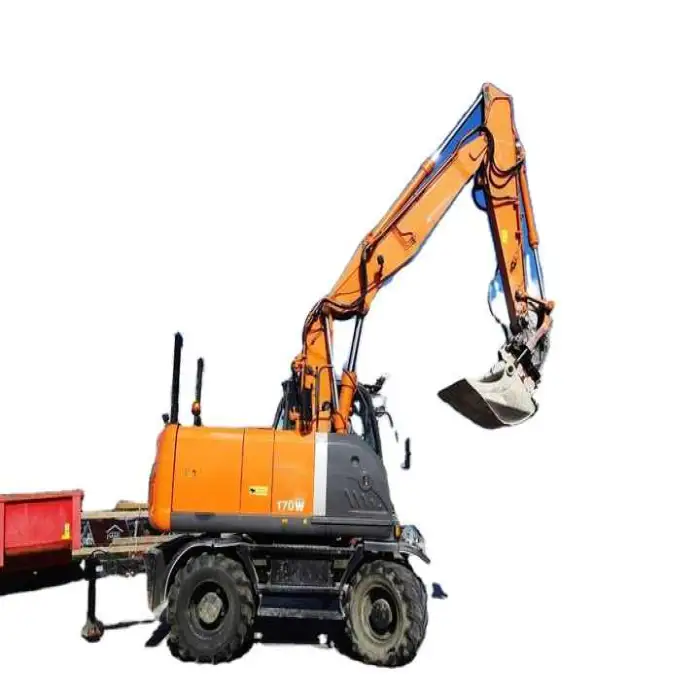
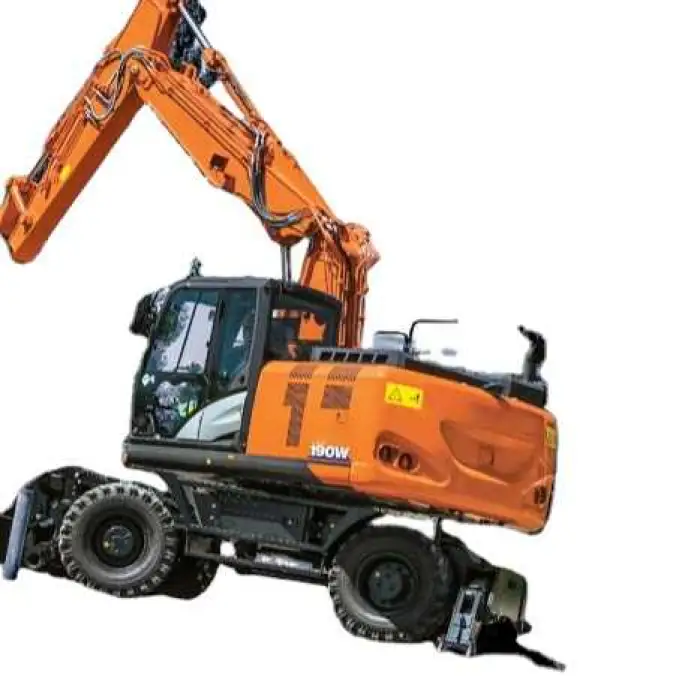
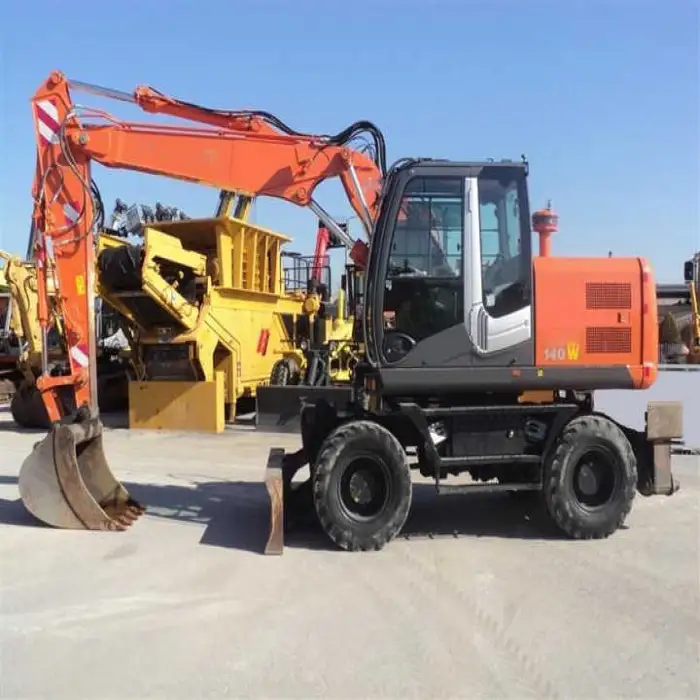
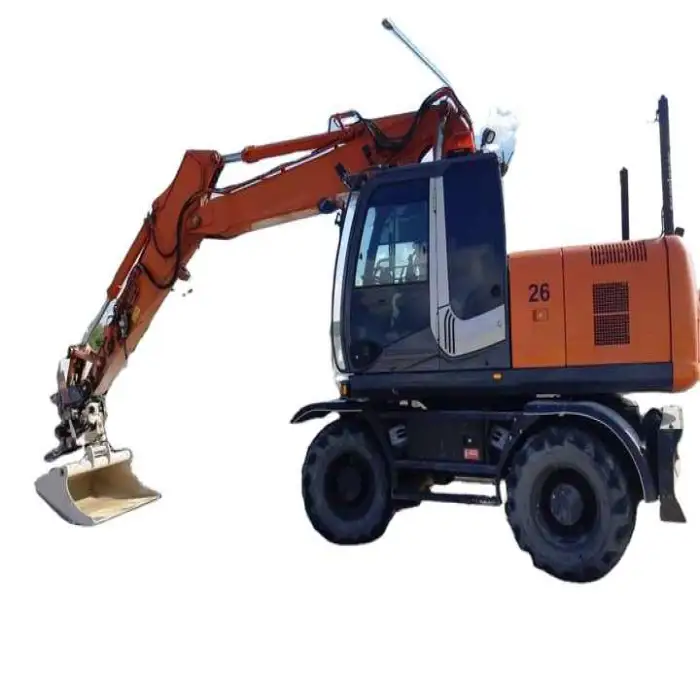
- Shipping Timeframes: All orders are processed within 2-5 business days (excluding weekends and holidays). After your order has been processed, the estimated delivery time is before 03 Aug, 2026, depending on customs, Please note that due to high demand, some items may experience longer shipping times, which will be communicated at order confirmation email.
- Order Processing Time: Please allow 2-5 business days for us to process your order before it is shipped . Orders placed after 16:00 on Fridays, or during weekends and public holidays, will begin processing on the next business day. Processing times may be extended during peak seasons or sales events.
- Manufacturing Time: Some products needs manufacturing time, the manufacturing process will take approximately 10-30 business days depending on the product. This timeframe may vary depending on the complexity of the product and current demand. but this will be communicated with you during order confirmation.
- Returns and Exchanges: We offer a 30-day return policy for most items. If you are not completely satisfied with your purchase, you may return it within 30 days of receipt for a refund or exchange. Items must be unused, in their original packaging, and accompanied by proof of purchase. Return shipping costs are the responsibility of the customer, unless the item was damaged or defective upon arrival.
1. What exactly is included in the 400W Solar System Home Power Kit Combo?
Contents can vary by seller. A typical 400W solar kit includes solar panels (totaling 400W peak), a charge controller (MPPT or PWM), an inverter, battery/battery bank or provision for one, mounting hardware, cabling, and basic connectors. Confirm the exact list with the seller before purchase.
2. The product description shows diesel engine and vehicle specs (HP, torque, 6x4). Do those apply to this solar kit?
No. The diesel engine, horsepower, drive wheel and related vehicle specs are inconsistent with a residential solar power kit and appear to be an error in the listing. The 400W solar kit is a photovoltaic system for electrical generation and does not include any diesel engine or vehicle components. Please verify the correct technical sheet with the seller.
3. What does '400W' mean — how much can this kit actually power?
The 400W rating describes the peak output of the solar panels under ideal sun conditions. Actual available power depends on sunlight, panel orientation, and system losses. To power devices continuously, you also need a suitable inverter and battery storage; the kit's ability to run specific appliances depends on the inverter rating and battery capacity, which you should confirm with the seller.
4. Can this kit run Hilti power tools?
You can run many Hilti tools if the inverter and battery support the tool's peak and continuous power needs. Small cordless tool chargers and low-power handheld tools are usually fine; high-draw corded tools, breakers, or heavy-duty Hilti equipment may exceed a 400W panel’s sustainable output and require a larger battery/inverter or a generator. Check each tool’s wattage and start-up surge against the inverter specifications.
5. Is a battery included and how long will it power my appliances?
Battery inclusion depends on the kit variant—some kits include batteries while others require separate purchase. Runtime depends on battery capacity (Ah and voltage) and appliance power draw. Ask the seller for battery specs and use the formula: runtime (hours) = battery usable Wh ÷ appliance wattage. If battery info isn’t provided, request it before buying.
6. What type and size of inverter does the kit use?
Inverter type and size should be specified by the seller. For powering household appliances and tools you’ll typically want a pure sine wave inverter with an appropriate continuous and surge watt rating. Confirm the inverter’s continuous wattage, surge capacity, and output waveform before purchase.
7. Can I connect this kit to my home grid or use it as backup during outages?
Some kits are designed for off-grid or backup use; others may be grid-tied. For safe grid connection you need a grid-tie inverter with anti-islanding protection and local utility permission. To use as backup during outages, the system must include an inverter/battery solution and proper transfer switch installation by a qualified electrician.
8. Is the kit easy to install? Do I need a professional?
Basic physical installation (mounting panels) can be DIY for experienced homeowners, but electrical connections, inverter setup, battery installation, grounding, and grid interconnection should be performed or at least inspected by a licensed electrician or certified solar installer to ensure safety and code compliance.
9. Can I expand this system later (add more panels or batteries)?
Expansion is possible but depends on the charge controller, inverter, and mounting capacity. Ensure the included charge controller and inverter support additional panels/battery capacity or can be replaced with higher-capacity components. Ask the seller for guidance on expandability limits and compatibility.
10. What maintenance does the 400W solar kit require?
Routine maintenance includes keeping panels clean and free of debris, checking and tightening electrical connections, monitoring battery health (if included), ensuring proper ventilation for inverters and batteries, and inspecting mounts for corrosion or damage. Follow the manufacturer’s maintenance schedule where provided.
11. Is the system safe to use indoors or in wet conditions?
Solar panels are installed outdoors; inverters, charge controllers and batteries should be mounted in dry, ventilated locations protected from direct weather. All electrical installations must follow local codes, use proper enclosures, fuses/circuit breakers, and grounding. Batteries (especially lead-acid) require special ventilation and handling precautions.
12. What certifications and warranties come with the kit?
Certifications (CE, UL, ISO, IEC) and warranty terms vary by manufacturer and seller. Ask for documentation that verifies panel performance, inverter safety certifications, and the length/details of warranties for panels, inverters, and batteries. Get warranty information in writing before purchase.
13. How can I estimate whether this kit meets my needs?
Calculate the daily energy you need (sum of watts × hours for each appliance). Compare that to expected daily solar generation (400W × peak sun hours × system efficiency). Also factor in battery size for night or cloudy-day use and inverter capacity for peak/surge loads. If unsure, provide your appliance list to the seller or an installer for an assessment.
Latest Order Arrivals
Discover our latest orders

12 Heads Embroidery Machine

Toilet Paper Machine Machine

Order Collection

Cross Border Clients

Order cros border countries Collected

Industrial Machine Cllection

Agriculture Processing Machines

Ready for collection

Water Pump Equipment

Packaging Machine and accessories

Fabrics Manufacturing Equipment

Mining Equipments

Food Processing Machine

Batch of Orders

Batch of Orders

Latest Orders Labelled

wheel alignment machines

new arrivals

Pre Orders Offloading

Latest Arrivals

Latest Arrivals

Latest Arrivals

Loading

Toilet paper making machine

Toilet paper making machine

Toilet paper Rewinding Machine

latest arrivals

offloading

order success

order collection

order offloading