B21, China Town Mall, Midrand

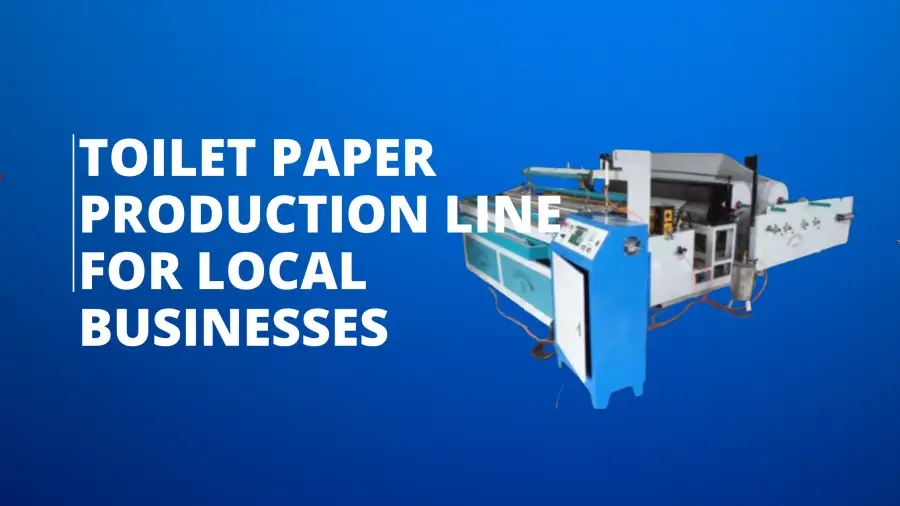
Toilet Paper Production Line
26 Jan 20262

- Products Sourcing
Factory Audits & Quality Control: How Afrimart Protects South African Importers
-
Eman Libatu
-
03 Oct 2025
-
82 Comment
Afrimart helps South African businesses reduce the risk of importing from China by providing independent factory audits and quality control inspections.
Before production begins, we verify a supplier’s legitimacy, capacity, and compliance. During and after production, we inspect goods against agreed specifications, packaging standards, and South African regulations. This protects importers from fraud, defects, and costly delays, ensuring shipments arrive ready for market.
Why factory audits and quality control matter for South African importers
Importing is high risk when you rely on suppliers you’ve never met. South African businesses often face:
Factories that exist only on paper.
Traders pretending to be manufacturers.
Inconsistent quality between samples and final goods.
Customs rejections due to poor labeling or missing certificates.
Without audits and inspections, these issues surface only when goods arrive in Durban, Cape Town, or Johannesburg — far too late to fix. Afrimart prevents this by checking before money leaves South Africa and before goods leave China.
How do I verify a supplier in China before paying?
The safest way is through a factory audit. Afrimart conducts audits that cover:
Business license checks: confirming the factory is legally registered.
On-site verification: ensuring the address and facilities exist.
Capacity assessment: evaluating production lines, machinery, and workforce.
Compliance check: reviewing certifications for ISO, CE, NRCS, or SABS compatibility.
With this, South African importers know if they are dealing with a real, capable supplier before paying deposits.
What is included in Afrimart’s quality control service?
Afrimart offers multiple QC stages:
Pre-production checks: verifying raw materials and components before assembly.
In-line inspections: checking products during production to catch errors early.
Pre-shipment inspections: random sampling of finished goods, testing packaging, weights, and functionality.
Container loading supervision: ensuring goods are packed correctly and seals are secure.
Each inspection comes with a detailed report, photos, and pass/fail results based on AQL (Acceptable Quality Level) standards.
Case study: cutting defect rates
A Johannesburg textile importer worked with Afrimart after a failed direct order that resulted in 22% defective uniforms. Afrimart introduced in-line QC and pre-shipment inspection. The next batch had less than 2% defects, saving the importer R400,000 in rework and lost contracts.
This shows why QC is not an expense — it’s insurance against far greater costs.
Do factory audits delay shipping?
No. Audits and inspections are fast. Afrimart typically delivers audit reports within 48–72 hours and pre-shipment inspection reports within 24 hours. These checks prevent months of lost time from rejected shipments or reorders.
What industries benefit from QC?
Afrimart provides audits and QC for:
Machinery and industrial equipment (drilling rigs, sachet fillers, embroidery machines).
Consumer electronics (chargers, accessories, appliances).
Textiles and apparel (uniforms, fashion, safety gear).
Packaging products (bottles, sachets, cartons).
Household and general goods.
Any importer concerned with durability, safety, or compliance benefits from QC.
Step-by-step guide: Afrimart’s QC workflow
Audit request: Client specifies supplier or asks Afrimart to vet new ones.
Pre-production audit: Afrimart checks documents, licenses, and facilities.
Sampling and testing: Samples sent to South Africa or tested in China.
Inspection booking: Afrimart schedules on-site QC during production.
Inspection execution: Inspectors test random samples against agreed specs.
Report delivery: Client receives photos, test results, and recommendations.
Shipment approval: Goods are released only if QC passes.
How much does QC cost in South Africa imports?
Afrimart offers QC services at fixed per-inspection fees or bundled into sourcing packages. Costs are minor compared to the risks of rework or replacement. For example, one failed container can cost R500,000+, while inspections typically cost a fraction of that.
QC as a growth enabler
Factory audits and QC inspections are not just defensive measures. They also enable South African importers to scale confidently, knowing they can order larger volumes without increasing risk. Afrimart provides trust, compliance, and accountability in a trade environment where uncertainty is otherwise the norm.
Leave Comment
Your email address will not be published. Required fields are marked
Comments
30 Jan, 2022
Glenn Greer
"This proposal is a win-win situation which will cause a stellar paradigm shift, and produce a multi-fold increase in deliverables a better understanding"