B21, China Town Mall, Midrand

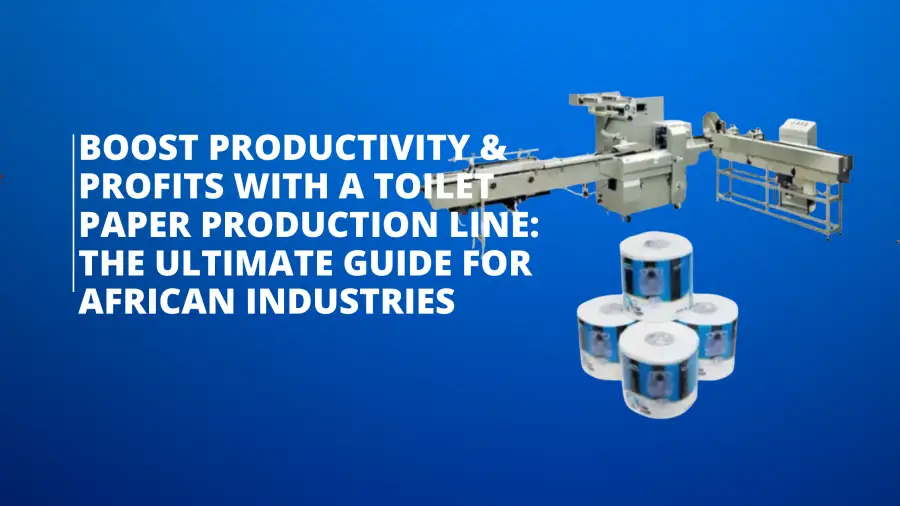
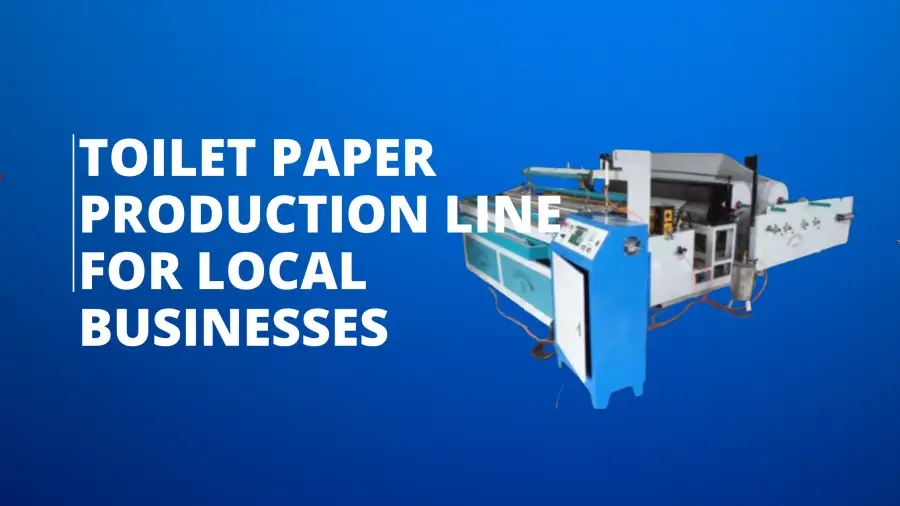
Toilet Paper Production Line
26 Jan 20262
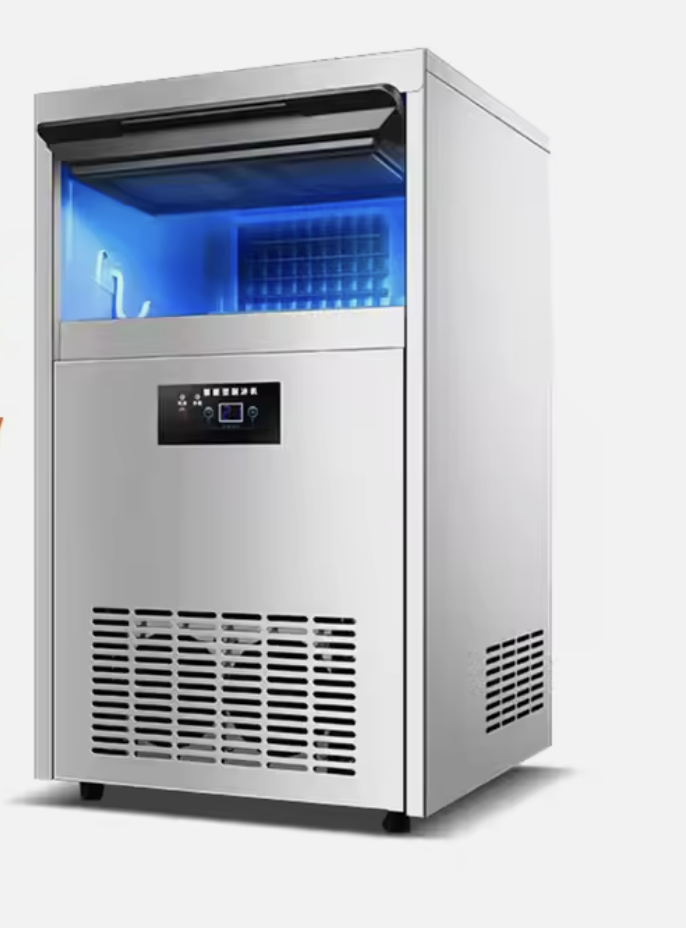
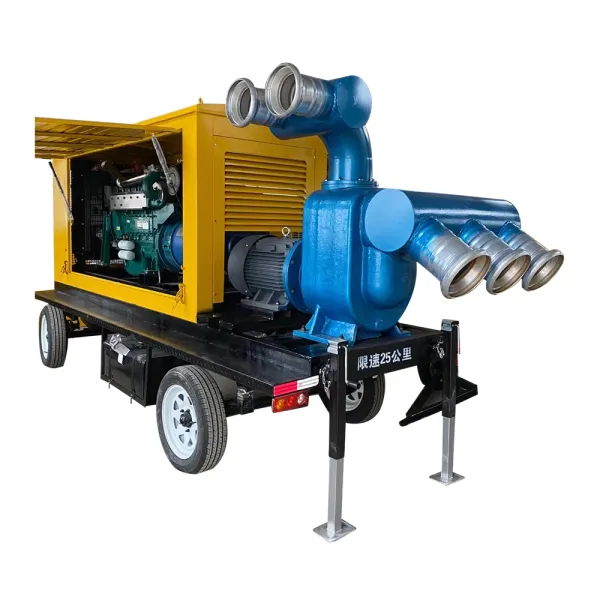
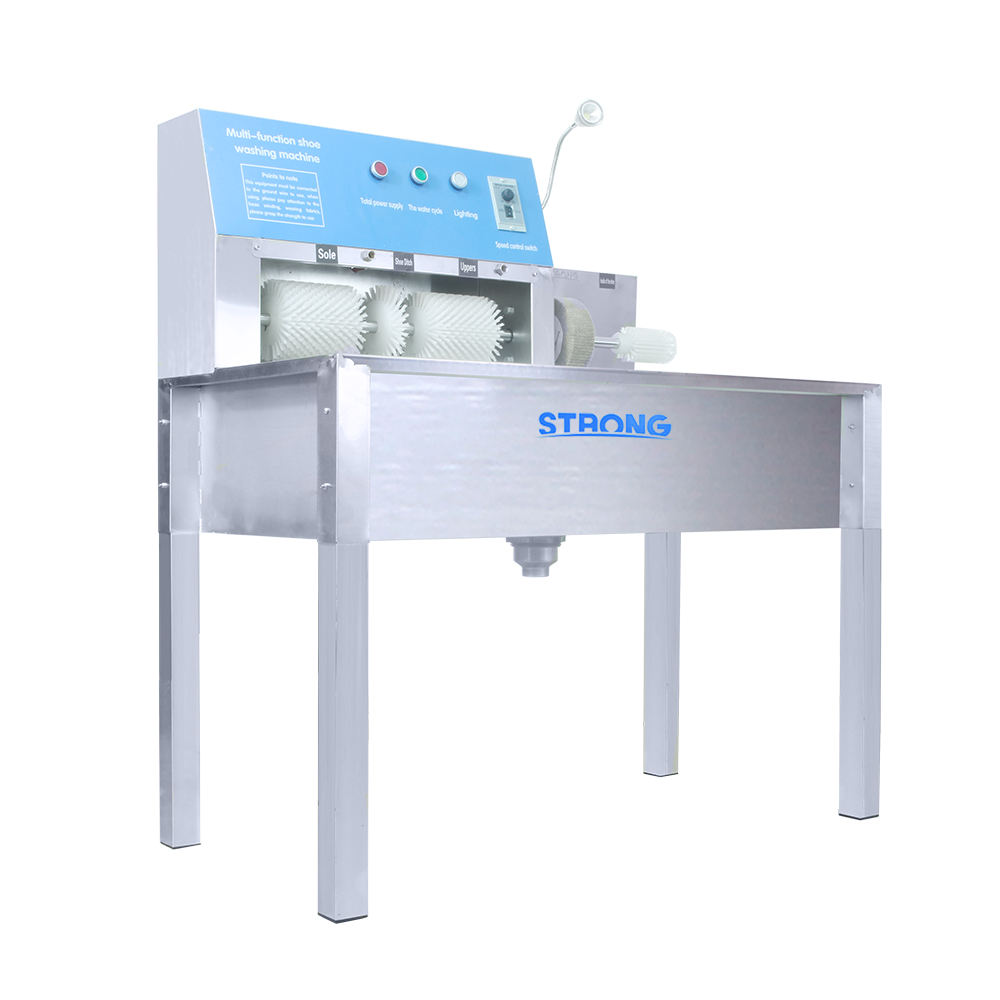

China Sourcing Services for South African Businesses
-
Eman Libatu
-
03 Oct 2025
-
82 Comment
Afrimart provides South African businesses with a safe, predictable way to source products from China. Instead of searching blindly on marketplaces, Afrimart identifies and vets reliable factories, negotiates pricing, ensures compliance with South African standards, and manages logistics from China to your door. This end-to-end sourcing service helps SMEs and corporates lower landed costs, avoid fraud, and shorten lead times while focusing on growth.
Why China sourcing matters for South Africa
China remains South Africa’s largest trading partner. From machinery and textiles to electronics and packaging, Chinese suppliers dominate import categories. But the opportunity comes with risks:
Scams and fraudulent factories.
Poor quality control or bait-and-switch products.
Misclassified customs codes that trigger fines.
Logistics complexity between Chinese ports and South African inland hubs.
South African businesses that try to go it alone often face surprise costs, delayed shipments, or non-compliant products. Afrimart exists to bridge this gap with on-the-ground vetting in China and local accountability in South Africa.
How to import machinery from China to South Africa?
Importing machinery is not just about finding the lowest price. You need to:
Identify genuine manufacturers (not middlemen).
Audit factory capacity to ensure they can handle your order volume.
Request and test samples for functionality and compliance.
Negotiate Incoterms (DDP vs CIF).
Secure customs documentation aligned with South African HS codes.
Plan freight mode (air vs sea, LCL vs FCL).
Manage clearance and inland delivery to your warehouse.
Afrimart streamlines this into a managed flow, so you don’t waste months figuring out suppliers, permits, or ports.
Afrimart’s China sourcing process
1. Supplier discovery and vetting
Afrimart maintains a network of verified Chinese suppliers across industries. Each supplier undergoes:
Company registration verification.
Factory audits (licenses, certifications, capacity checks).
Compliance screening against South African import regulations.
2. Price negotiation
Chinese suppliers often inflate quotes for African buyers. Afrimart benchmarks prices across multiple suppliers, leveraging relationships to secure better rates. We ensure pricing transparency so South African businesses know their true landed cost.
3. Quality control and inspection
Afrimart conducts pre-production, in-line, and pre-shipment inspections. Products are tested for durability, packaging compliance, and conformity to the agreed specs. For regulated categories (electronics, cosmetics, food packaging), additional lab testing ensures compliance.
4. Logistics and customs
Afrimart arranges freight (air or sea), prepares customs paperwork, pays duties and VAT where applicable, and ensures delivery to Johannesburg, Cape Town, or other destinations. With DDP shipping, clients get a single invoice covering all costs.
Why not just use Alibaba or Made-in-China?
Platforms like Alibaba are useful for discovery, but they don’t protect South African businesses from:
Fake suppliers or traders posing as manufacturers.
Inflated quotes targeted at African buyers.
Products that fail quality checks.
Customs clearance issues at Durban or Cape Town ports.
Afrimart provides accountability: if a shipment is non-conforming, it’s our responsibility to resolve it. Online marketplaces don’t offer that.
Case study evidence: reducing landed costs
One Afrimart case study involved a Durban-based importer sourcing textile machinery. The client initially purchased directly via an online marketplace. After arrival, customs reclassified the HS code, adding 18% duties, and the machine failed QC, costing months of delay.
With Afrimart managing the next order under DDP, duties were pre-paid correctly, clearance took 48 hours, and the client’s landed cost was 15% lower overall. The machine was operational within three weeks of shipping, compared to three months on the first attempt.
What are the risks of importing from China to South Africa?
Scams: fake factories or bait-and-switch suppliers.
Quality issues: products not matching samples.
Compliance risks: missing certificates for electronics, cosmetics, or food-contact materials.
Cost overruns: unexpected port charges under CIF.
Delays: customs inspections triggered by incomplete paperwork.
Afrimart’s sourcing service exists to reduce each of these risks by offering supplier verification, factory audits, QC inspections, and managed logistics.
Natural query: Does Afrimart handle small MOQs?
Yes. Many South African SMEs start with small trial orders. Afrimart negotiates with suppliers willing to handle low minimum order quantities, especially for testing markets. While small MOQs carry higher unit prices, Afrimart ensures they are still competitive and delivered without compliance issues.
What industries does Afrimart source from China?
Afrimart sources across multiple categories:
Industrial machinery (drilling rigs, packaging machines, embroidery machines).
Consumer electronics (accessories, small appliances).
Textiles and apparel (clothing, uniforms, fabrics).
Packaging materials (bottles, sachet fillers, printing equipment).
General goods (tools, furniture, decor).
Afrimart also provides industry-specific compliance guidance, such as NRCS approvals for electronics.
Step-by-step guide: Importing with Afrimart’s China sourcing service
Send requirements: The importer shares product specs, quantity, and budget.
Supplier shortlist: Afrimart provides 2–3 vetted suppliers with sample options.
Sampling and testing: Products are tested for conformity.
Quotation and contract: Pricing and Incoterms are agreed.
Production oversight: Afrimart monitors manufacturing.
Inspection and compliance: QC and certificates prepared.
Shipping and clearance: Afrimart books freight, pays duties, clears customs.
Final delivery: Goods arrive at the importer’s location, ready for sale.
Why Afrimart is the safer choice
South African importers can try Alibaba, agents, or forwarders, but the risks of fraud, poor quality, and customs headaches are real. Afrimart combines China-based supplier vetting with South African accountability to deliver predictable, compliant, cost-effective imports. For SMEs and corporates alike, Afrimart simplifies China sourcing into one accountable service.
Leave Comment
Your email address will not be published. Required fields are marked
Comments
30 Jan, 2022
Glenn Greer
"This proposal is a win-win situation which will cause a stellar paradigm shift, and produce a multi-fold increase in deliverables a better understanding"