B21, China Town Mall, Midrand

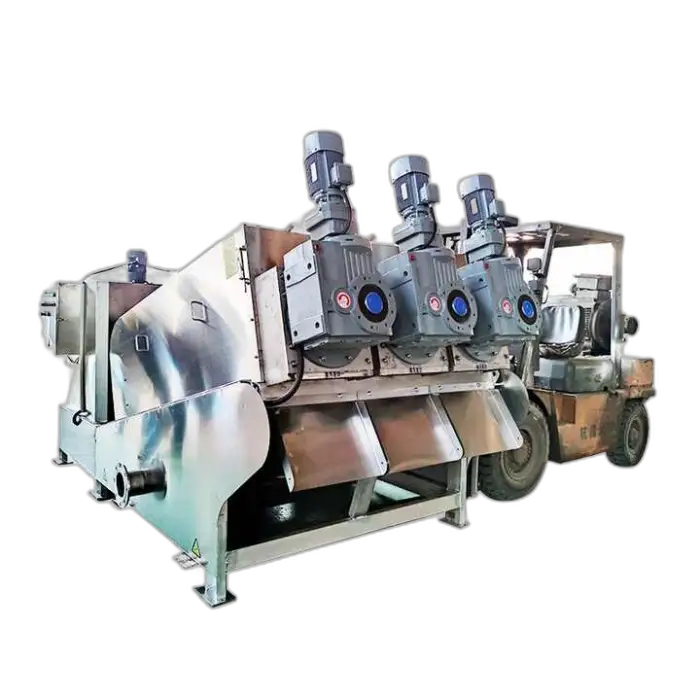
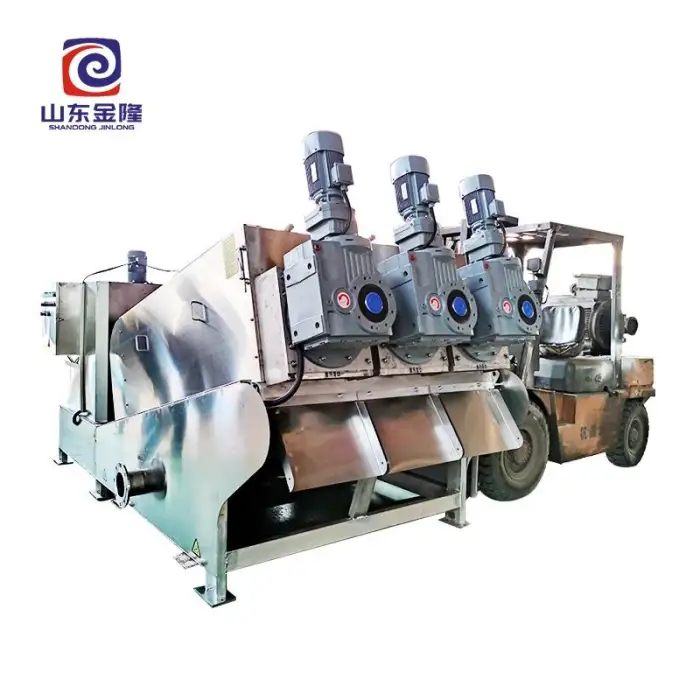
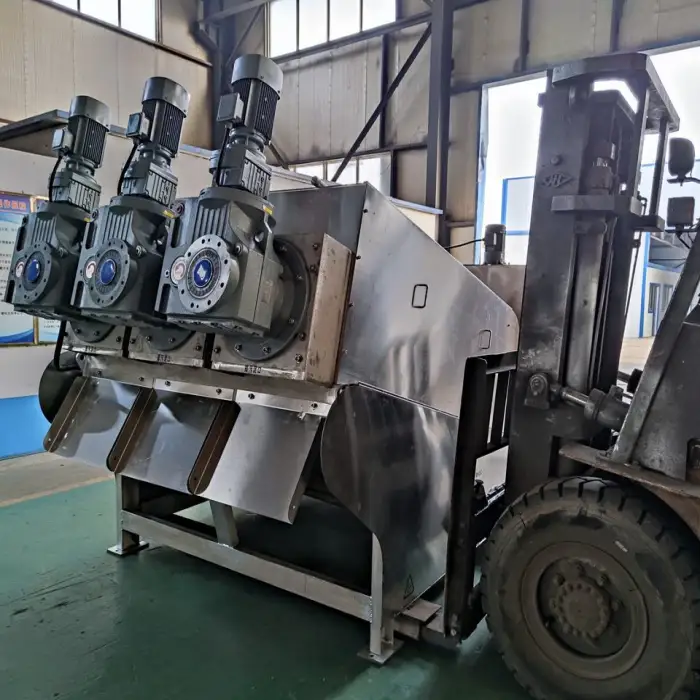
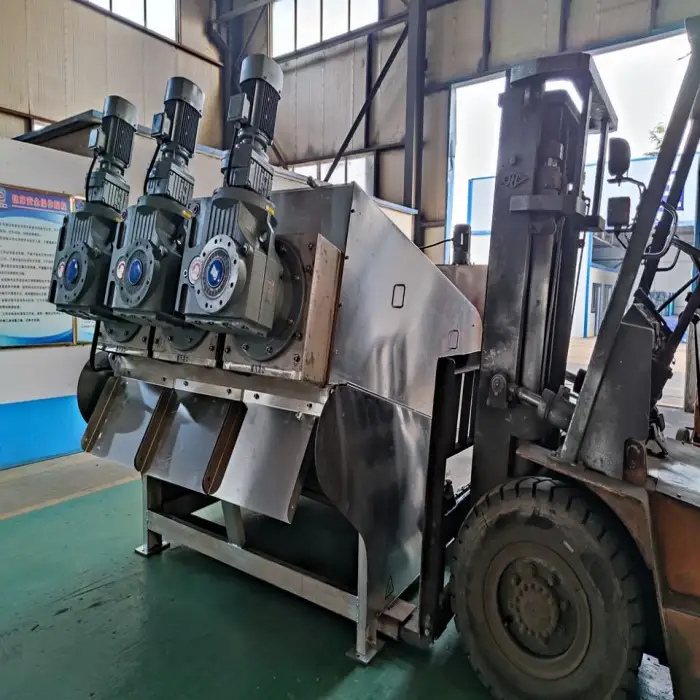
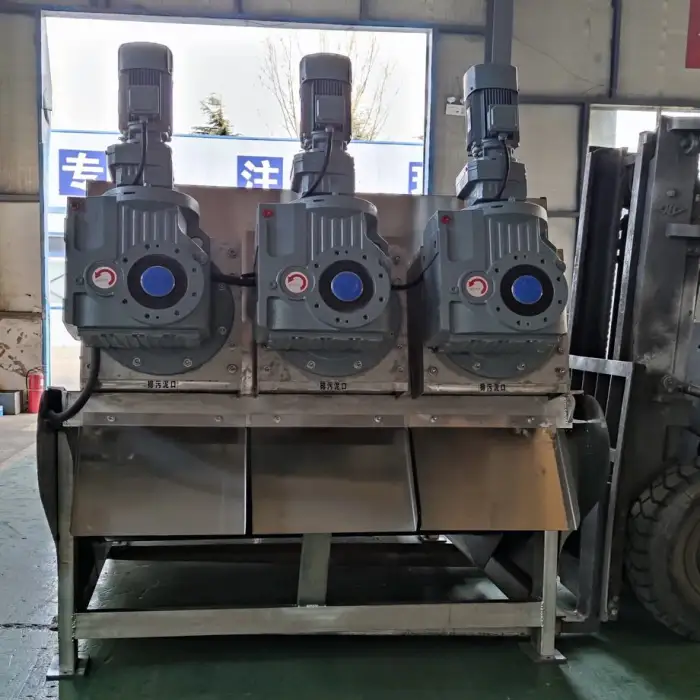
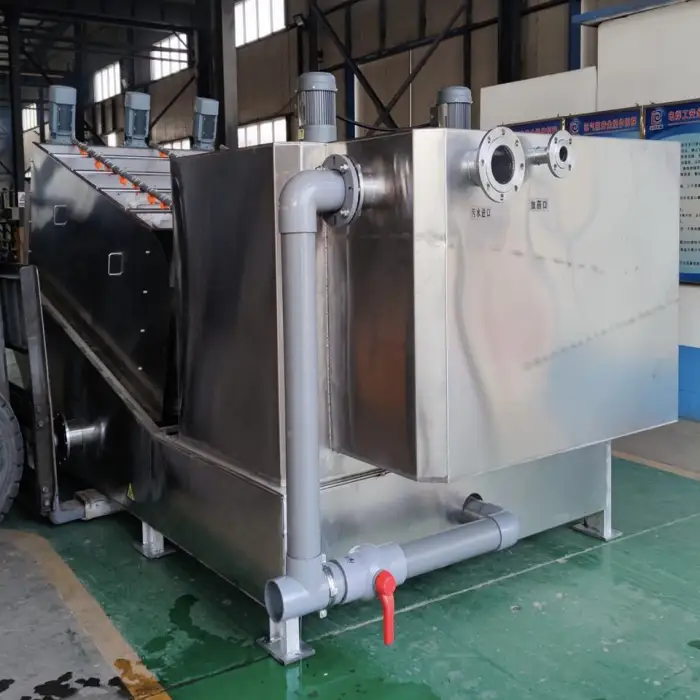
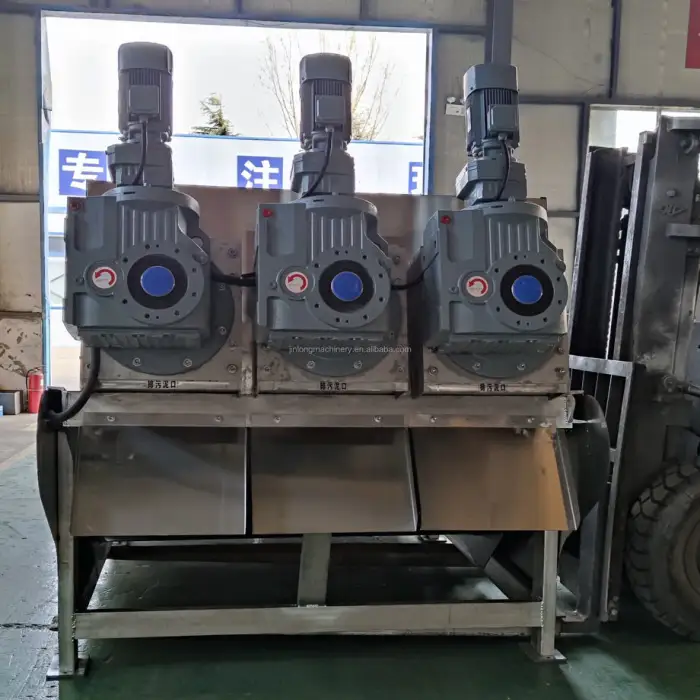
Stacked spiral sludge dewatering machine
Asset finance available
Do you want funding for this equipment?
Afrimart can connect you with trusted funding partners who specialise in asset finance for businesses like yours. Compare options and apply in minutes — final approval is subject to provider review.
Check funding options
Secure & no obligation

- Section : Machinery
- Category : Environmental Machinery
- SKU : 1600821550836

Stacked Spiral Sludge Dewatering Machine
The Stacked Spiral Sludge Dewatering Machine is designed to efficiently remove water from sludge, making it a vital tool in the production process. With a high capacity of 200 pieces per minute, this machine operates effectively to reduce waste volume and enhance productivity. Its robust construction and reliable components ensure long-lasting performance in various applications.
Specifications
| Attribute | Details |
|---|---|
| Voltage | 220/380 |
| Core Components | Gear, Motor, Bearing |
| Processing Type | Other |
| Product Type | Toilet Tissue |
| Production Capacity | 200 pcs/min |
| Weight | 5000 KG |
| Power | 3 kW |
| Selling Units | Single item |
| Single Package Size | 230X80X150 cm |
| Single Gross Weight | 500.000 KG |
Key Features
- Video outgoing inspection included
- Machinery test report provided
- High production capacity of 200 pieces per minute
- Durable components such as gears, motors, and bearings
- Efficient power usage at 3 kW
Applications
- Wastewater treatment plants
- Sludge processing facilities
- Toilet tissue manufacturing
- Environmental remediation projects
- Industrial waste management
Product Info Gallery
- Shipping Timeframes: All orders are processed within 2-5 business days (excluding weekends and holidays). After your order has been processed, the estimated delivery time is before 18 Nov, 2026, depending on customs, Please note that due to high demand, some items may experience longer shipping times, which will be communicated at order confirmation email.
- Order Processing Time: Please allow 2-5 business days for us to process your order before it is shipped . Orders placed after 16:00 on Fridays, or during weekends and public holidays, will begin processing on the next business day. Processing times may be extended during peak seasons or sales events.
- Manufacturing Time: Some products needs manufacturing time, the manufacturing process will take approximately 10-30 business days depending on the product. This timeframe may vary depending on the complexity of the product and current demand. but this will be communicated with you during order confirmation.
- Returns and Exchanges: We offer a 30-day return policy for most items. If you are not completely satisfied with your purchase, you may return it within 30 days of receipt for a refund or exchange. Items must be unused, in their original packaging, and accompanied by proof of purchase. Return shipping costs are the responsibility of the customer, unless the item was damaged or defective upon arrival.
1. What is the Stacked Spiral Sludge Dewatering Machine?
A mechanical dewatering unit that uses stacked spiral/screw elements to remove water from sludge, reducing waste volume and improving downstream handling. It is designed for continuous operation in wastewater, sludge processing and other industrial applications.
2. What processing capacity does the machine have?
The specification lists a production capacity of 200 pcs/min. Note: "pcs/min" appears to be a templated field (possibly for other product types). For sludge dewatering, capacity is normally expressed as sludge flow (m3/h) or dry solids (kg/h). Confirm actual sludge throughput and cake solids with the supplier.
3. What are the electrical requirements and power consumption?
Rated power is 3 kW and the voltage options listed are 220/380 V. Confirm whether the 220 V is single-phase or 380 V three-phase and any local electrical requirements prior to installation.
4. What are the machine's main components and materials?
Core components listed are gears, motor and bearings. Contact parts are typically made from corrosion-resistant materials (stainless steel or coated steel) — verify exact construction and grades with the manufacturer for compatibility with your sludge chemistry.
5. What are the machine dimensions, weight and packaging details?
Single package size is listed as 230 x 80 x 150 cm. The spec lists Weight: 5000 KG and Single Gross Weight: 500.000 KG (this appears inconsistent). Because of these discrepancies, confirm the shipped weight and any special lifting/foundation requirements with the vendor.
6. What level of dryness (cake solids) can I expect?
The datasheet does not specify cake solids. Actual dryness depends on sludge type, feed solids, polymer dosing and operating settings. Typical spiral dewatering systems can produce a wide range of cake solids; request lab or site trial data from the supplier for an accurate expectation.
7. Which applications is this machine suitable for?
Intended applications include wastewater treatment plants, sludge processing facilities, environmental remediation projects and industrial waste management. (The spec also lists "toilet tissue manufacturing" which appears to be a template error — confirm intended use with the vendor.)
8. Does the machine come with quality inspection and test documentation?
Yes — the specification states that a video outgoing inspection is included and a machinery test report is provided with the unit.
9. What are the installation and site requirements?
Prepare a suitable foundation capable of supporting the machine's weight, provide the specified electrical supply, ensure crane or forklift access for placement (machine is heavy), arrange inlet/outlet piping and provide room for maintenance access. Exact civil and utility requirements should be obtained from the supplier.
10. What routine maintenance is required?
Regular checks and lubrication of gears and bearings, inspection of the spiral element and wear parts, motor maintenance, cleaning of screens or drainage paths, and periodic replacement of consumable items. Follow the manufacturer’s maintenance schedule for intervals and procedures.
11. Are spare parts and service available?
The machine uses standard components (gears, motors, bearings). Ask the manufacturer or distributor about spare parts kits, lead times, and on-site service or commissioning support before purchase.
12. What safety features should I expect or install?
Typical safety features include guards over moving parts, emergency stop buttons, electrical protection, and access interlocks. Ensure machine guarding and local safety requirements (lockout/tagout, PPE) are implemented per site standards.
13. How do I select the right model for my sludge type?
Provide the supplier with sludge characteristics (flow rate, % solids, particle size distribution, organic content), desired cake dryness, polymer usage (if any) and footprint/installation constraints. The vendor will size and configure the spiral stack and drive accordingly.
14. What warranties and certifications come with the machine?
The specification does not list warranty terms or certifications. The datasheet does note a machinery test report is provided. Request written warranty details, CE/ISO or other applicable certifications and any factory acceptance test documentation from the supplier.
15. How is the machine shipped and what packaging can I expect?
A single package size is listed (230 x 80 x 150 cm) and a gross weight entry is provided in the spec. The vendor states a video outgoing inspection is performed; confirm final packaging method, transport weight and any special crating requirements for international shipping.
Latest Order Arrivals
Discover our latest orders

12 Heads Embroidery Machine

Toilet Paper Machine Machine

Order Collection

Cross Border Clients

Order cros border countries Collected

Industrial Machine Cllection

Agriculture Processing Machines

Ready for collection

Water Pump Equipment

Packaging Machine and accessories

Fabrics Manufacturing Equipment

Mining Equipments

Food Processing Machine

Batch of Orders

Batch of Orders

Latest Orders Labelled

wheel alignment machines

new arrivals

Pre Orders Offloading

Latest Arrivals

Latest Arrivals

Latest Arrivals

Loading

Toilet paper making machine

Toilet paper making machine

Toilet paper Rewinding Machine

latest arrivals

offloading

order success

order collection

order offloading