B21, China Town Mall, Midrand

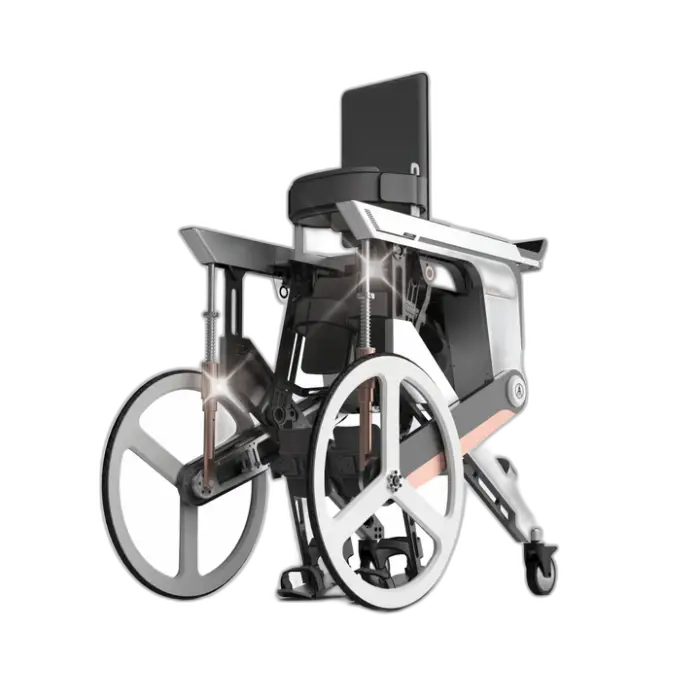
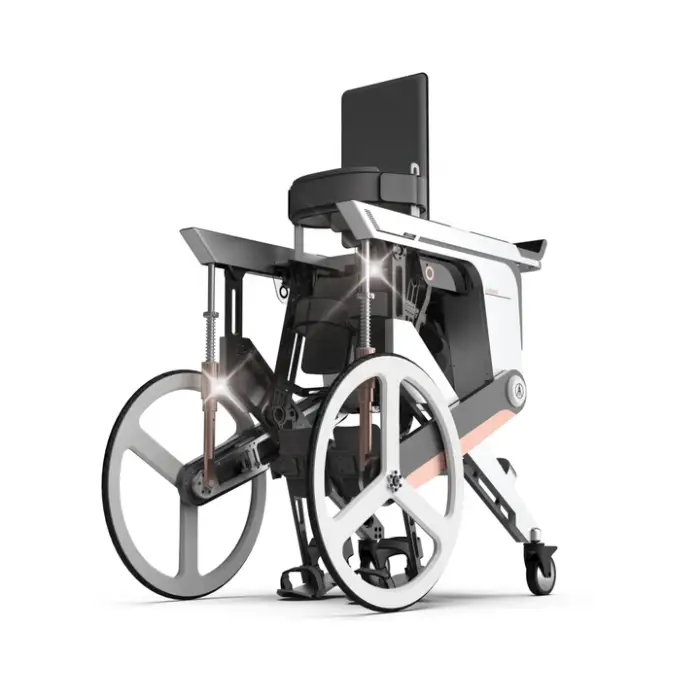
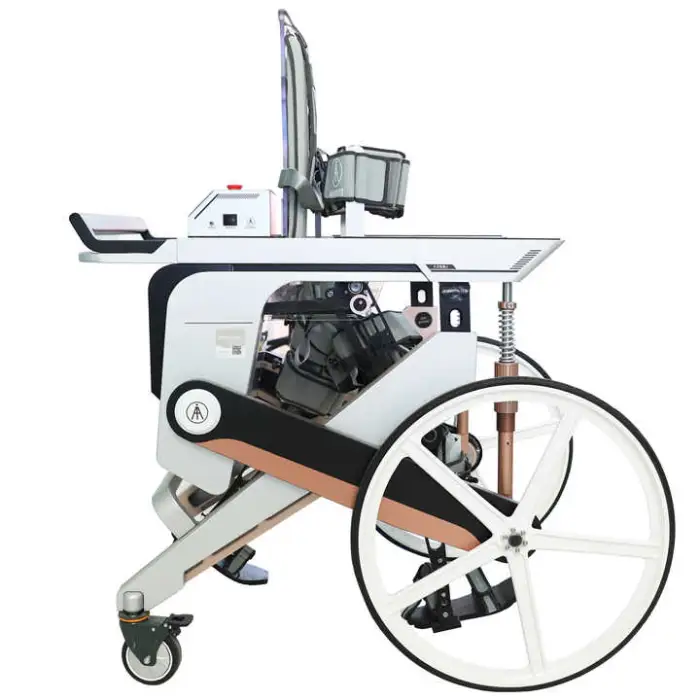
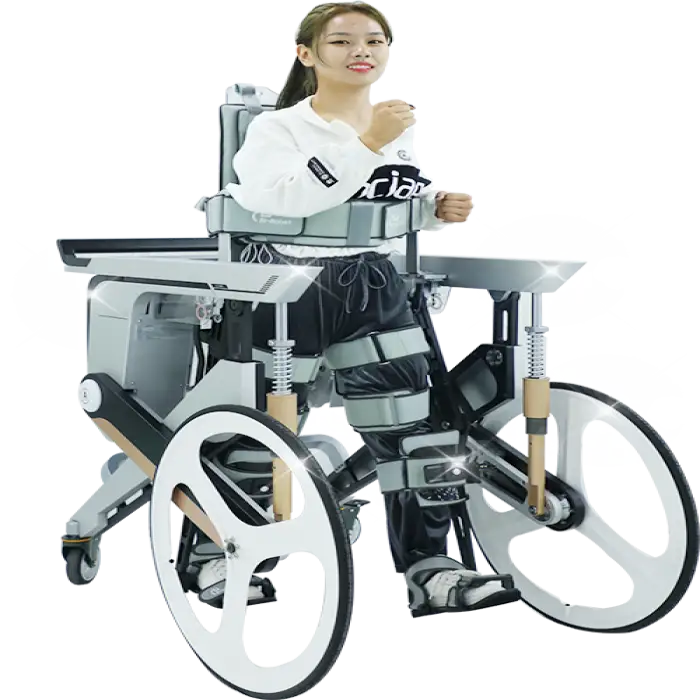
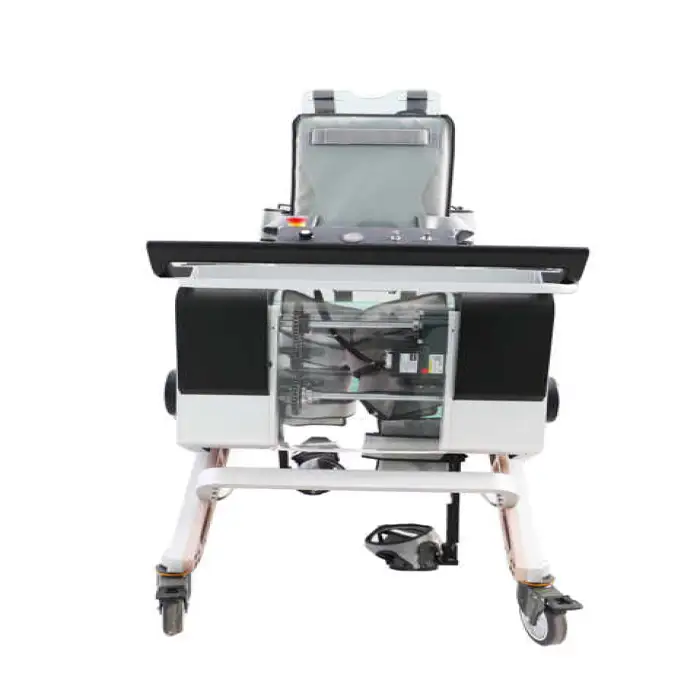
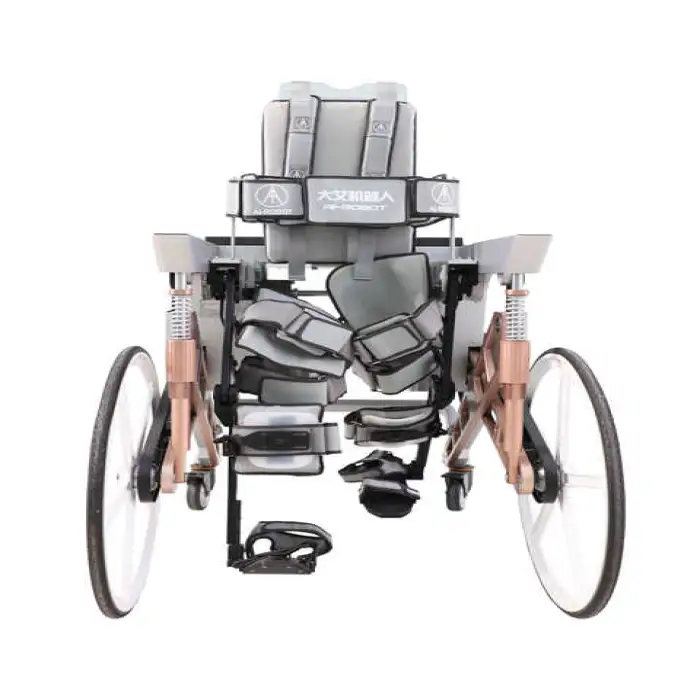
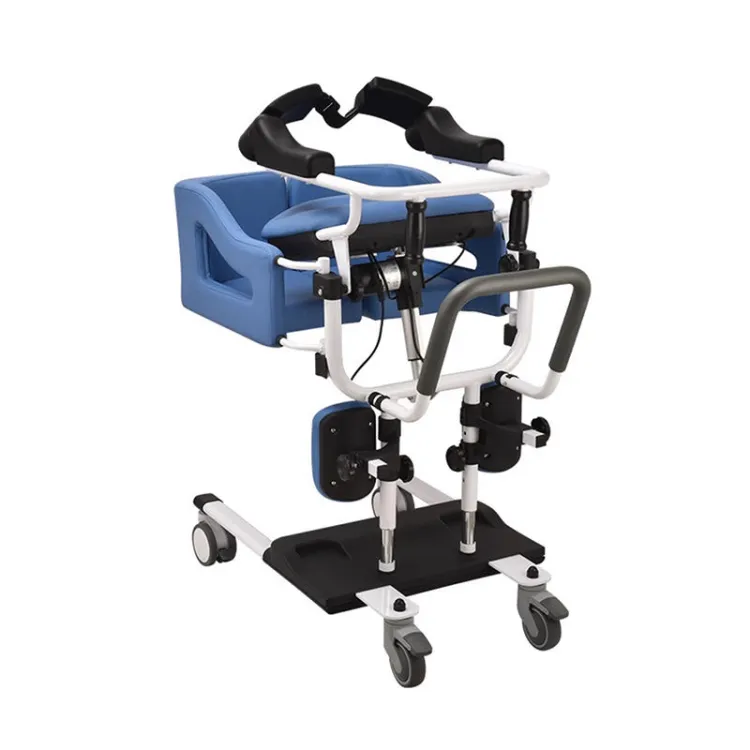
Spinal Cord Injury Recovery Paraplegia Stroke Rehabilitation Equipment Hemiparesis Robot Walking Assist Aid Gait Trainer
Asset finance available
Do you want funding for this equipment?
Afrimart can connect you with trusted funding partners who specialise in asset finance for businesses like yours. Compare options and apply in minutes — final approval is subject to provider review.
Check funding options
Secure & no obligation

- Section : Medical Supplies
- Category : Professional Medical Devices
- SKU : 1600795483750

Spinal Cord Injury Recovery Paraplegia Stroke Rehabilitation Equipment Hemiparesis Robot Walking Assist Aid Gait Trainer
The Spinal Cord Injury Recovery Paraplegia Stroke Rehabilitation Equipment is designed to help individuals regain mobility and independence. This innovative robot walking assist aid is perfect for those recovering from spinal cord injuries, strokes, or hemiparesis. It provides essential support during rehabilitation, making the journey to recovery smoother and more effective.
Specifications
| Attribute | Details |
|---|---|
| Brand Name | MUNIU |
| Model Number | Type |
| Application | Health Care, Hospital |
| Selling Units | Single item |
Key Features
- Provides walking assistance for rehabilitation.
- Supports recovery from spinal cord injuries.
- Aids in stroke rehabilitation.
- Helps individuals with hemiparesis regain mobility.
- Easy to use and adjust for different needs.
Applications
- Rehabilitation centers for spinal cord injury patients.
- Hospitals for stroke recovery programs.
- Home care for individuals with mobility challenges.
- Physical therapy sessions.
- Support for caregivers assisting patients in recovery.
Product Info Gallery
- Shipping Timeframes: All orders are processed within 2-5 business days (excluding weekends and holidays). After your order has been processed, the estimated delivery time is before 05 Dec, 2026, depending on customs, Please note that due to high demand, some items may experience longer shipping times, which will be communicated at order confirmation email.
- Order Processing Time: Please allow 2-5 business days for us to process your order before it is shipped . Orders placed after 16:00 on Fridays, or during weekends and public holidays, will begin processing on the next business day. Processing times may be extended during peak seasons or sales events.
- Manufacturing Time: Some products needs manufacturing time, the manufacturing process will take approximately 10-30 business days depending on the product. This timeframe may vary depending on the complexity of the product and current demand. but this will be communicated with you during order confirmation.
- Returns and Exchanges: We offer a 30-day return policy for most items. If you are not completely satisfied with your purchase, you may return it within 30 days of receipt for a refund or exchange. Items must be unused, in their original packaging, and accompanied by proof of purchase. Return shipping costs are the responsibility of the customer, unless the item was damaged or defective upon arrival.
1. What is the Spinal Cord Injury Recovery Paraplegia Stroke Rehabilitation Gait Trainer?
It is a robot-assisted walking aid designed to support gait training and mobility recovery for people with spinal cord injuries, paraplegia, stroke-related hemiparesis and other mobility impairments. It provides body weight support, guided leg movement and adjustable assistance to facilitate rehabilitation.
2. Who is this gait trainer intended for?
The device is intended for patients undergoing rehabilitation for spinal cord injury, paraplegia, stroke (hemiparesis) and other conditions that impair walking. Use should be determined by a physician or physical therapist.
3. How does the device support recovery?
By providing adjustable body-weight support, guided repetitive stepping motions and postural assistance, the trainer enables intensive, task-specific practice of walking patterns which can improve gait, endurance and neuromuscular retraining when used as part of a supervised rehab program.
4. Can this equipment be used at home or only in clinics and hospitals?
It can be used in rehabilitation centers, hospitals and in some home-care settings; however, home use should be under the guidance of a clinician or trained caregiver and after confirming suitability for the individual patient.
5. Is professional supervision required during use?
Yes. A physical therapist or trained caregiver should supervise sessions to ensure correct setup, appropriate assistance levels and patient safety. Initial sessions should always be clinician-directed.
6. How do I adjust the device for different patients?
Most gait trainers offer adjustable height, harness straps, and assistance levels to accommodate different body sizes and impairment severities. Specific adjustment steps vary by model—follow the user manual or clinician instructions for safe calibration.
7. What are the weight and height limits for this equipment?
Maximum user weight and compatible height range vary by model. Consult the product specification sheet, user manual or contact the seller/manufacturer (brand: MUNIU) for exact limits before use.
8. What safety features are included?
Common safety features typically include a supportive harness, secure attachment points, emergency stop or quick-release mechanisms, and stable base/lockable wheels. Confirm the exact safety features for the specific model you are purchasing.
9. Are there any medical contraindications for using a gait trainer?
Contraindications can include unstable fractures, uncontrolled cardiovascular conditions, severe orthostatic hypotension, open wounds or other conditions deemed unsafe by a physician. Always obtain medical clearance before starting gait training.
10. Does the device require electricity or batteries?
Power requirements depend on the specific model and features. Some units are motorized and require mains power; others may be mechanical. Check the model specifications or contact the manufacturer for power details.
11. How do I maintain and clean the gait trainer?
Regularly inspect straps, fasteners and the frame for wear; tighten hardware as needed. Wipe surfaces and harnesses with a mild disinfectant per the manufacturer's instructions. Follow the maintenance schedule in the user manual and arrange professional servicing when required.
12. Is training provided for clinicians and caregivers?
Many manufacturers and distributors offer training, setup guides and clinical protocols. Ask the seller or MUNIU about available training options, instructional materials or on-site support when purchasing.
13. What warranty and after-sales support are available?
Warranty coverage and support services vary by seller and region. Contact the retailer or MUNIU directly to confirm warranty length, what it covers, and available repair or spare-part services.
14. How do I order replacement parts or accessories?
Order replacement parts, harnesses or accessories through the authorized dealer or directly from the manufacturer (MUNIU). Provide the model number and part description to ensure compatibility.
15. How do I buy or get more detailed product specifications?
For pricing, exact specifications, shipping and return policies, contact the retailer or MUNIU. They can provide model-specific datasheets, user manuals and clinical evidence or guidelines for implementation.
Latest Order Arrivals
Discover our latest orders
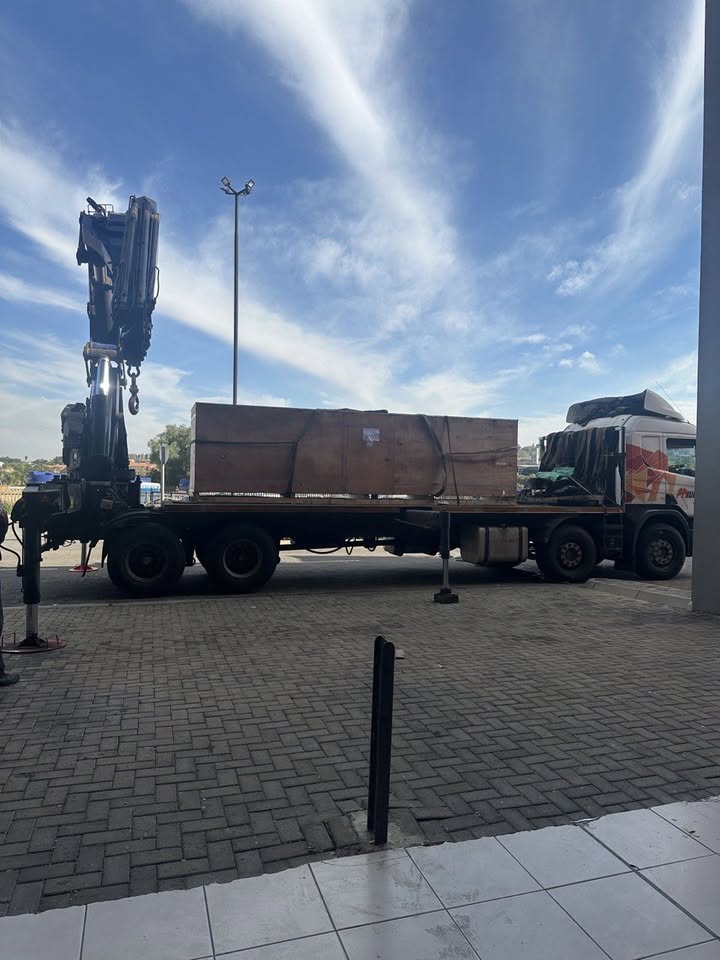
12 Heads Embroidery Machine
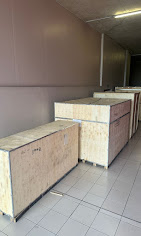
Toilet Paper Machine Machine
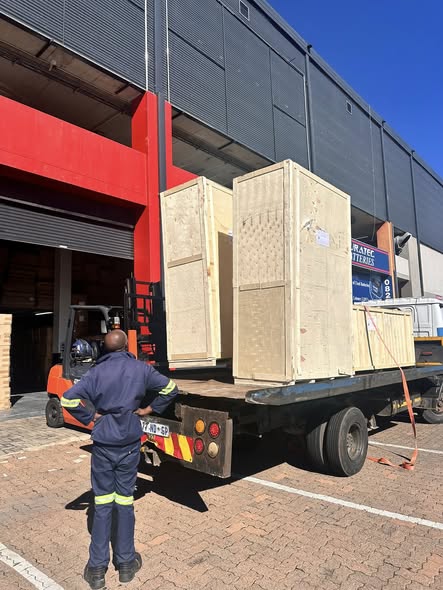
Order Collection
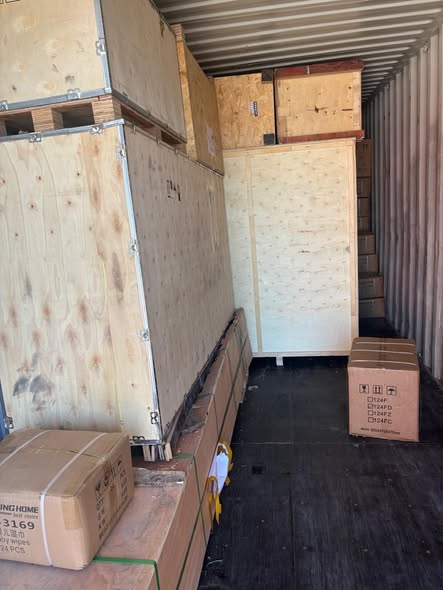
Cross Border Clients
Order cros border countries Collected
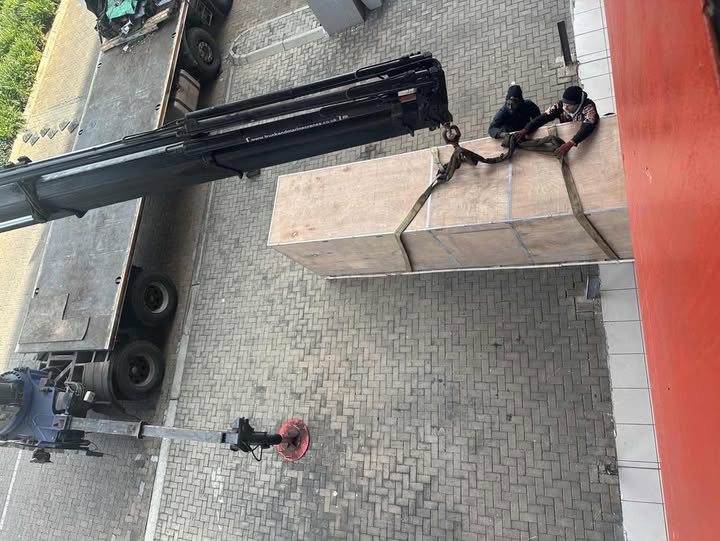
Industrial Machine Cllection
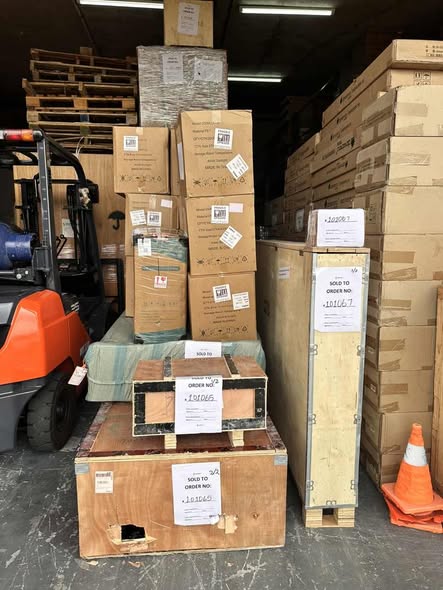
Agriculture Processing Machines
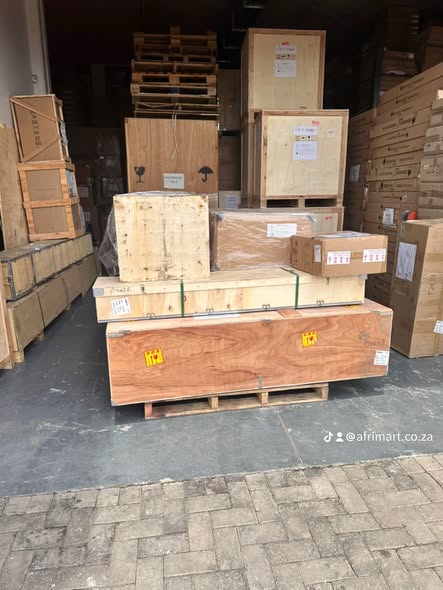
Ready for collection
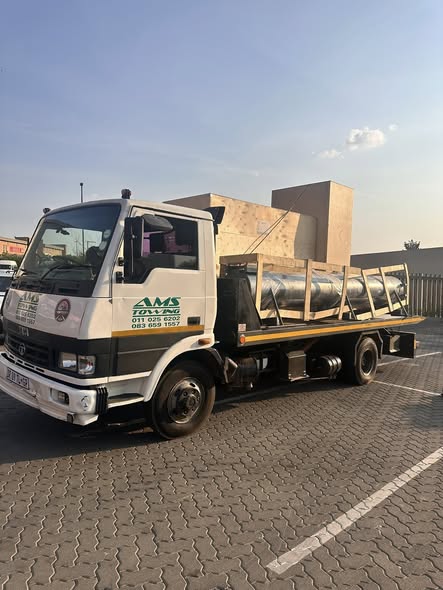
Water Pump Equipment
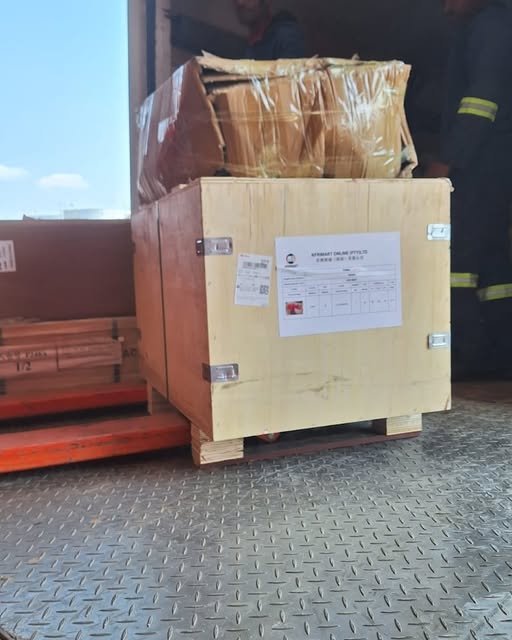
Packaging Machine and accessories
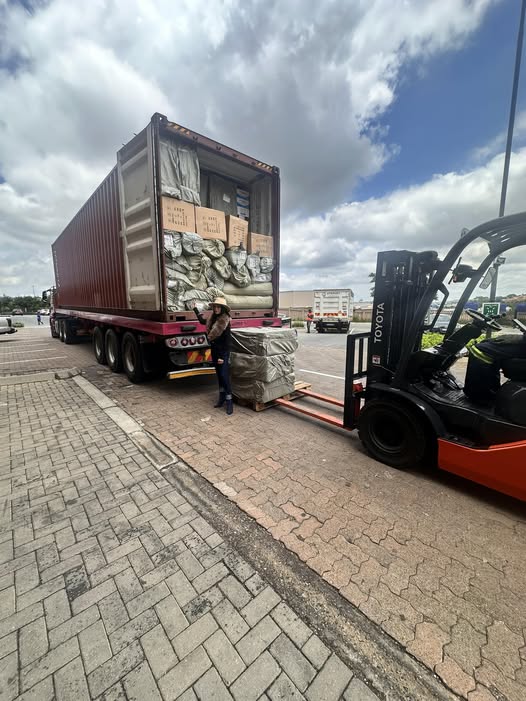
Fabrics Manufacturing Equipment
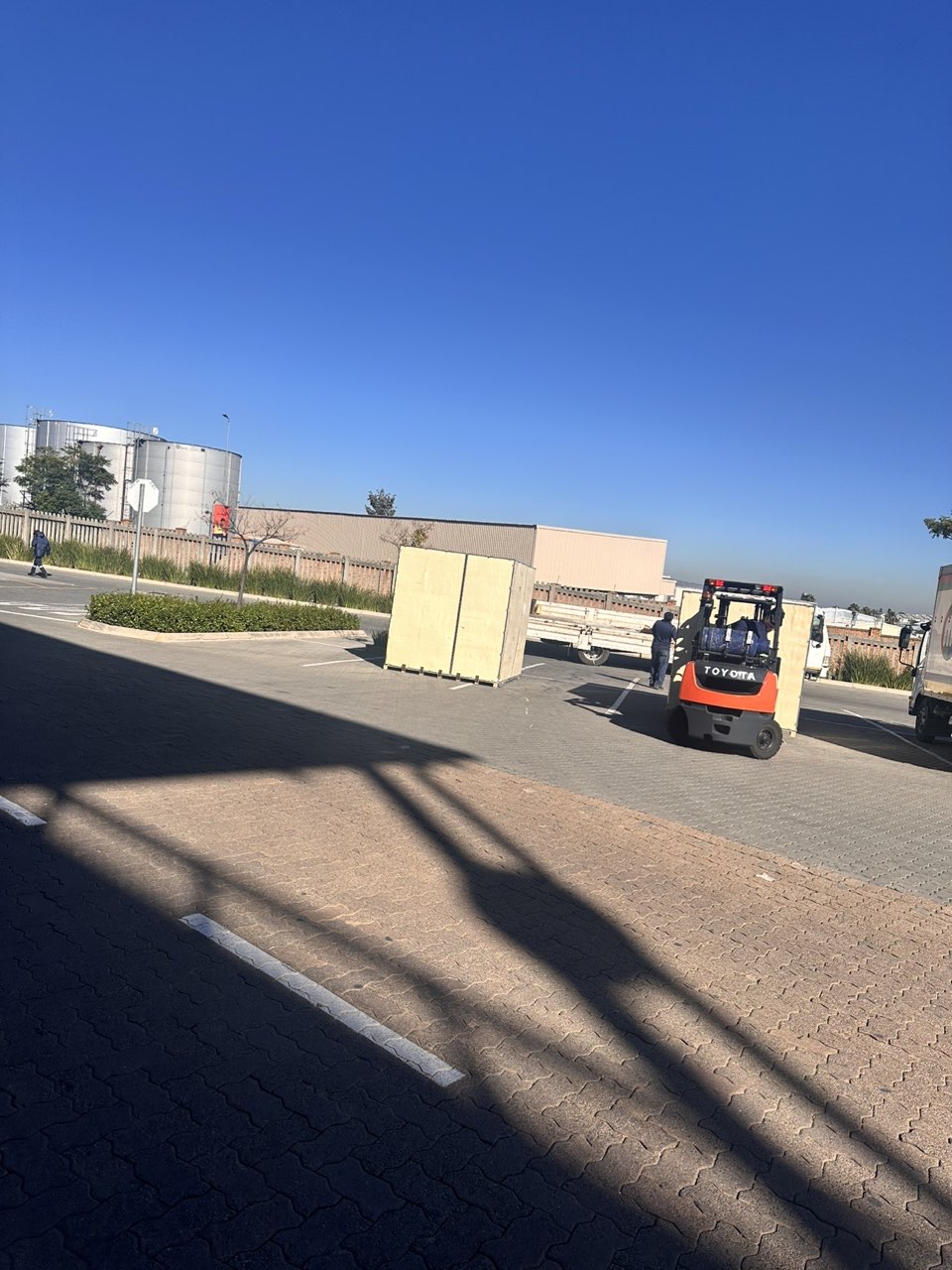
Mining Equipments
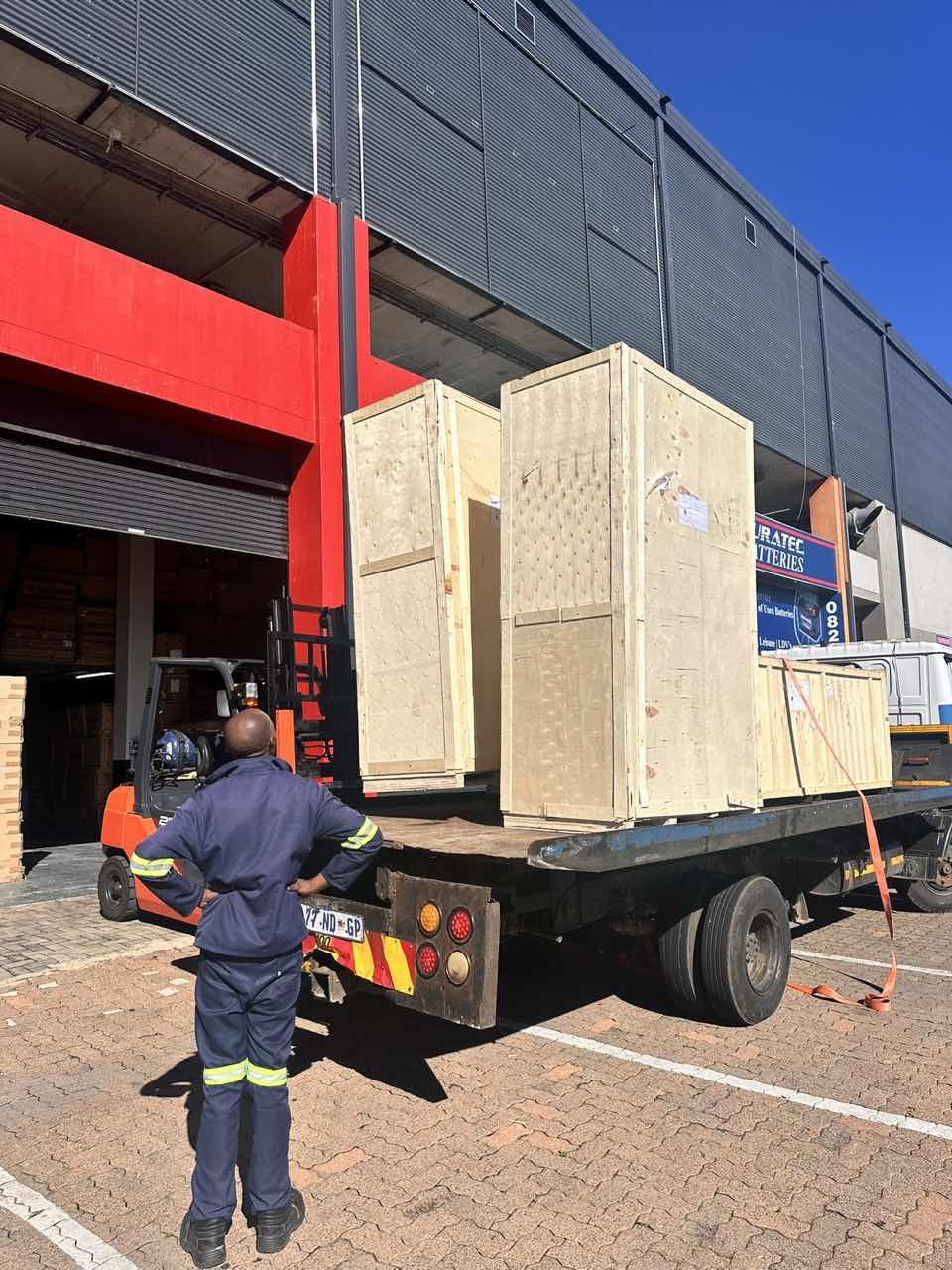
Food Processing Machine
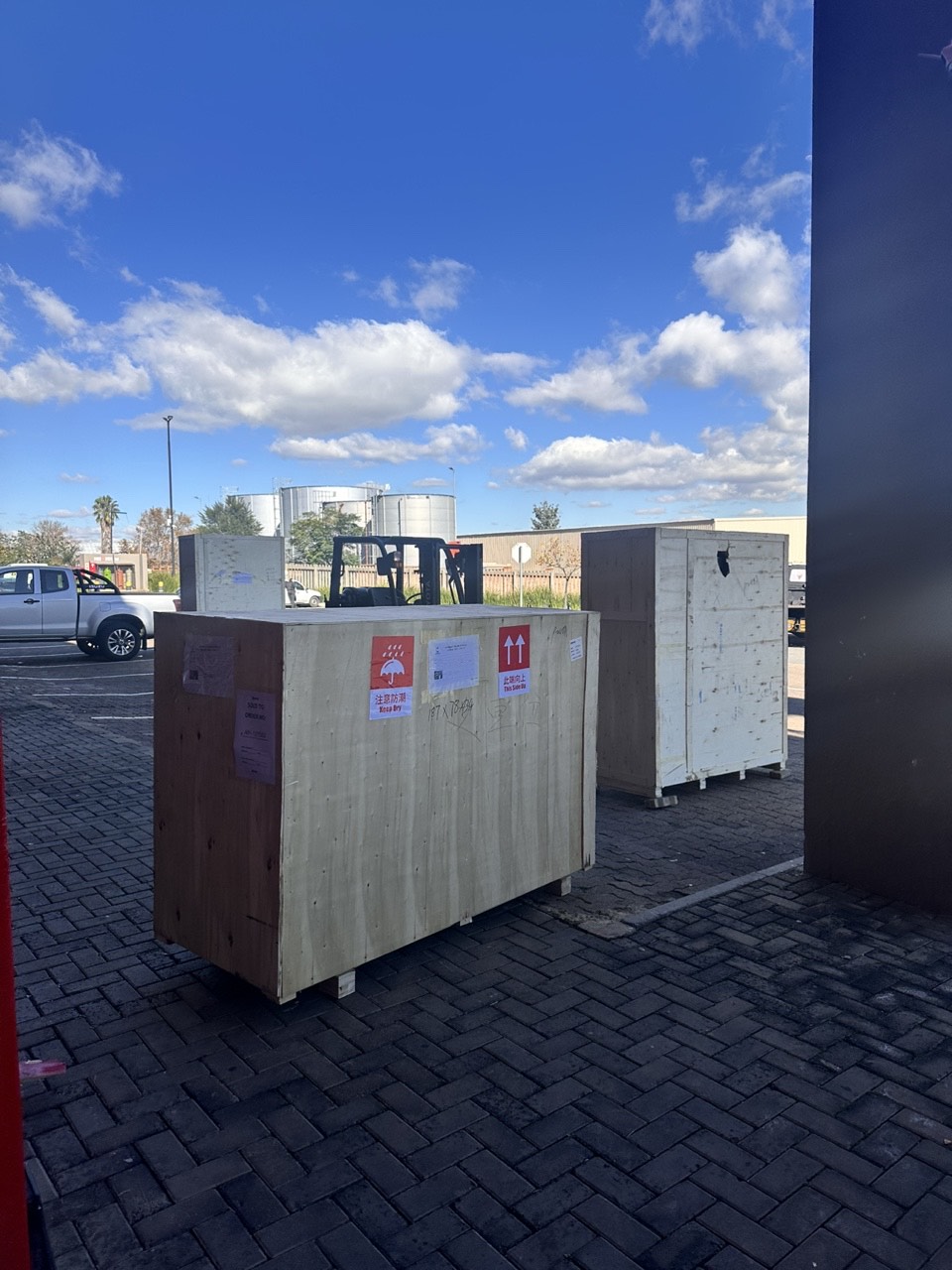
Batch of Orders
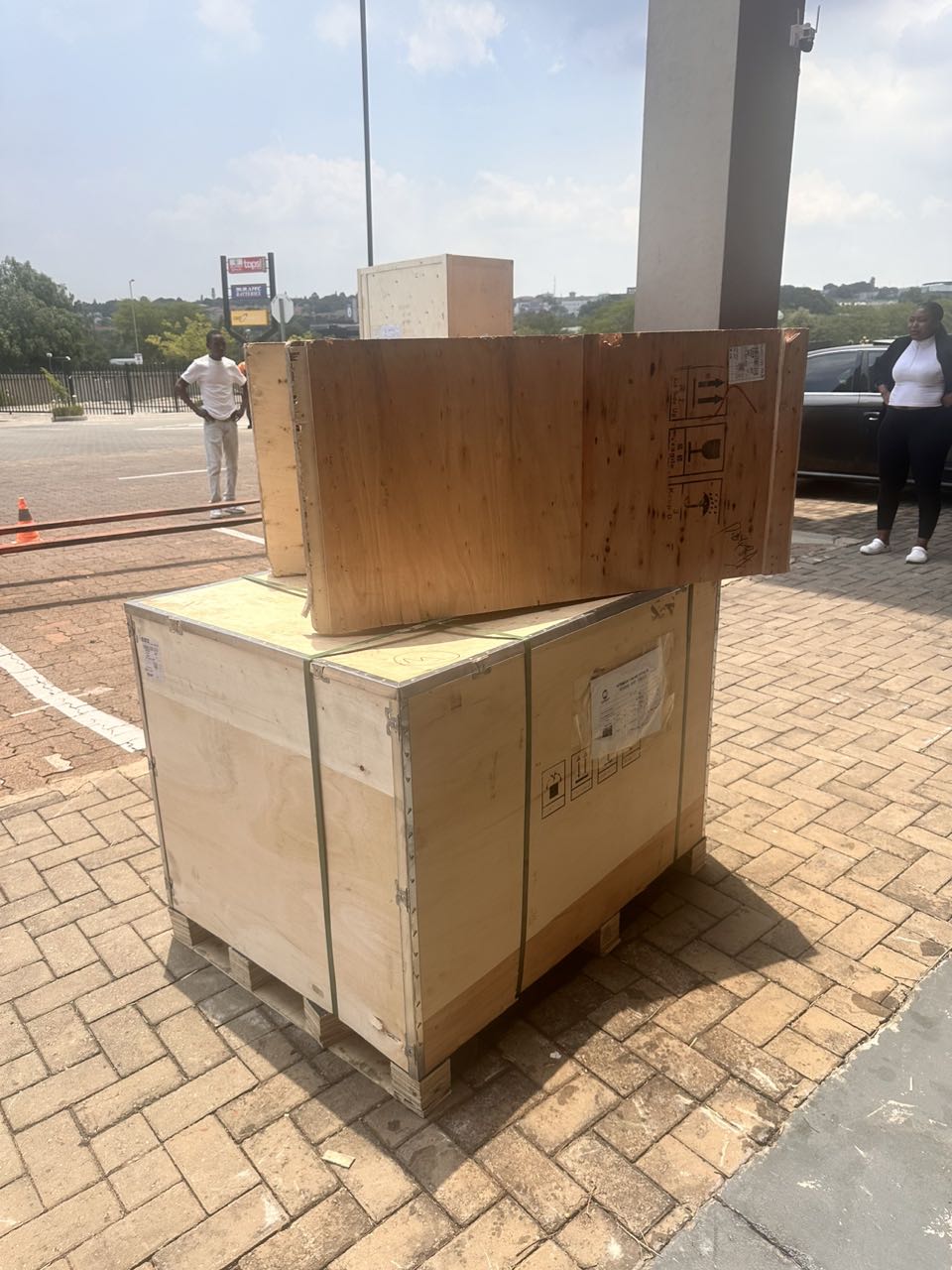
Batch of Orders
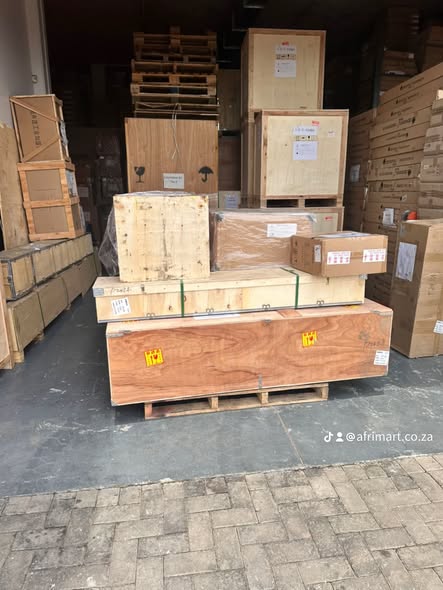
Latest Orders Labelled
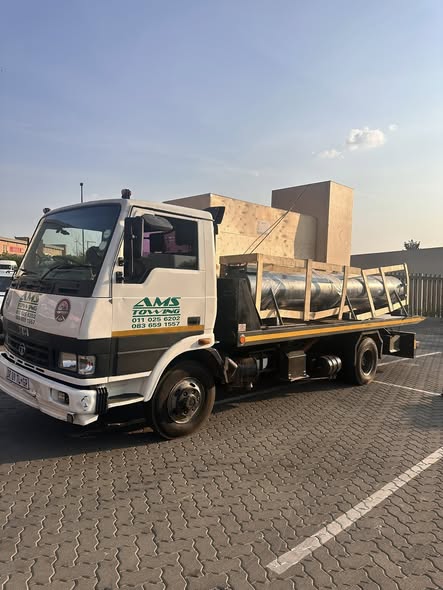
wheel alignment machines
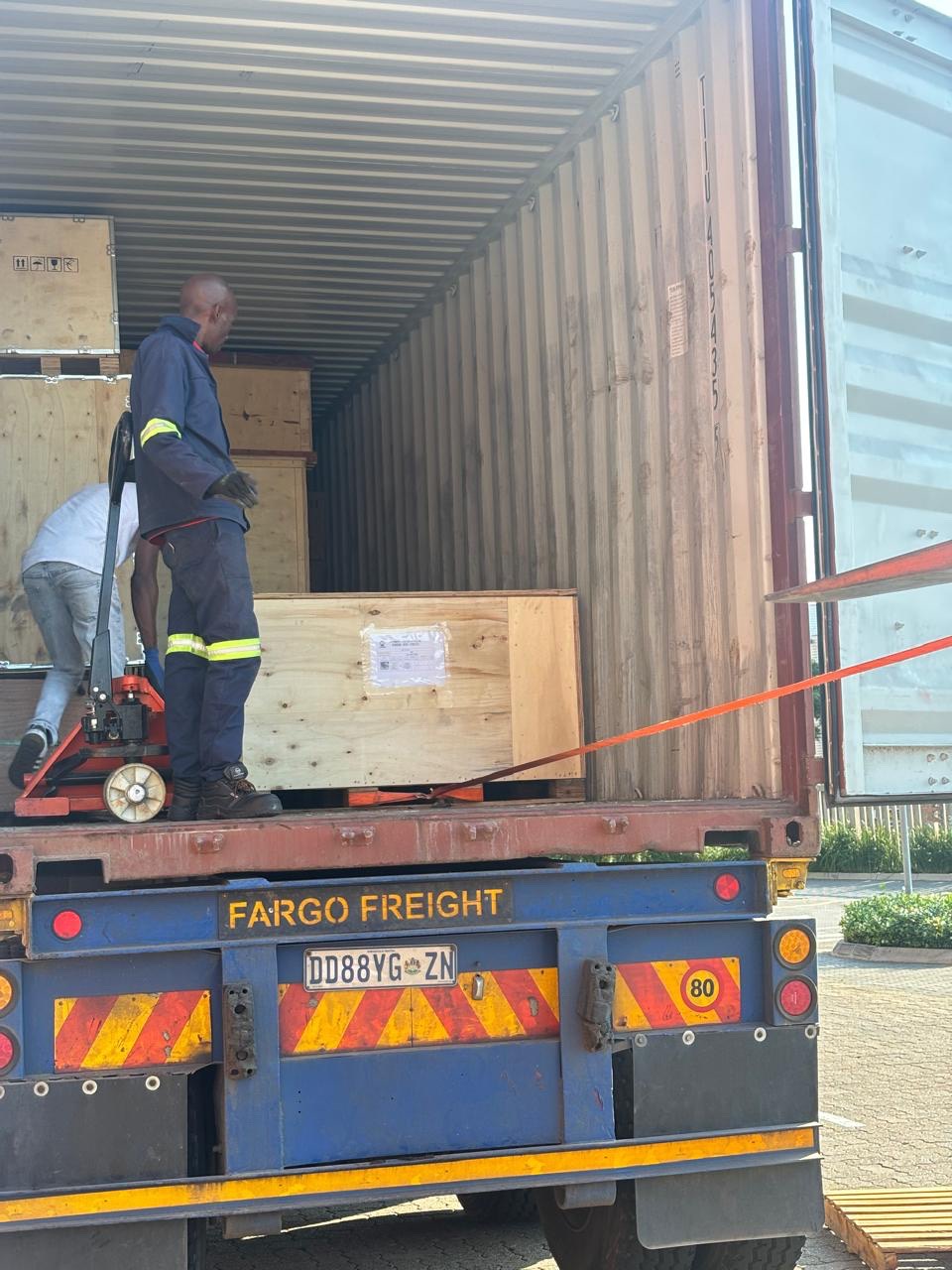
new arrivals
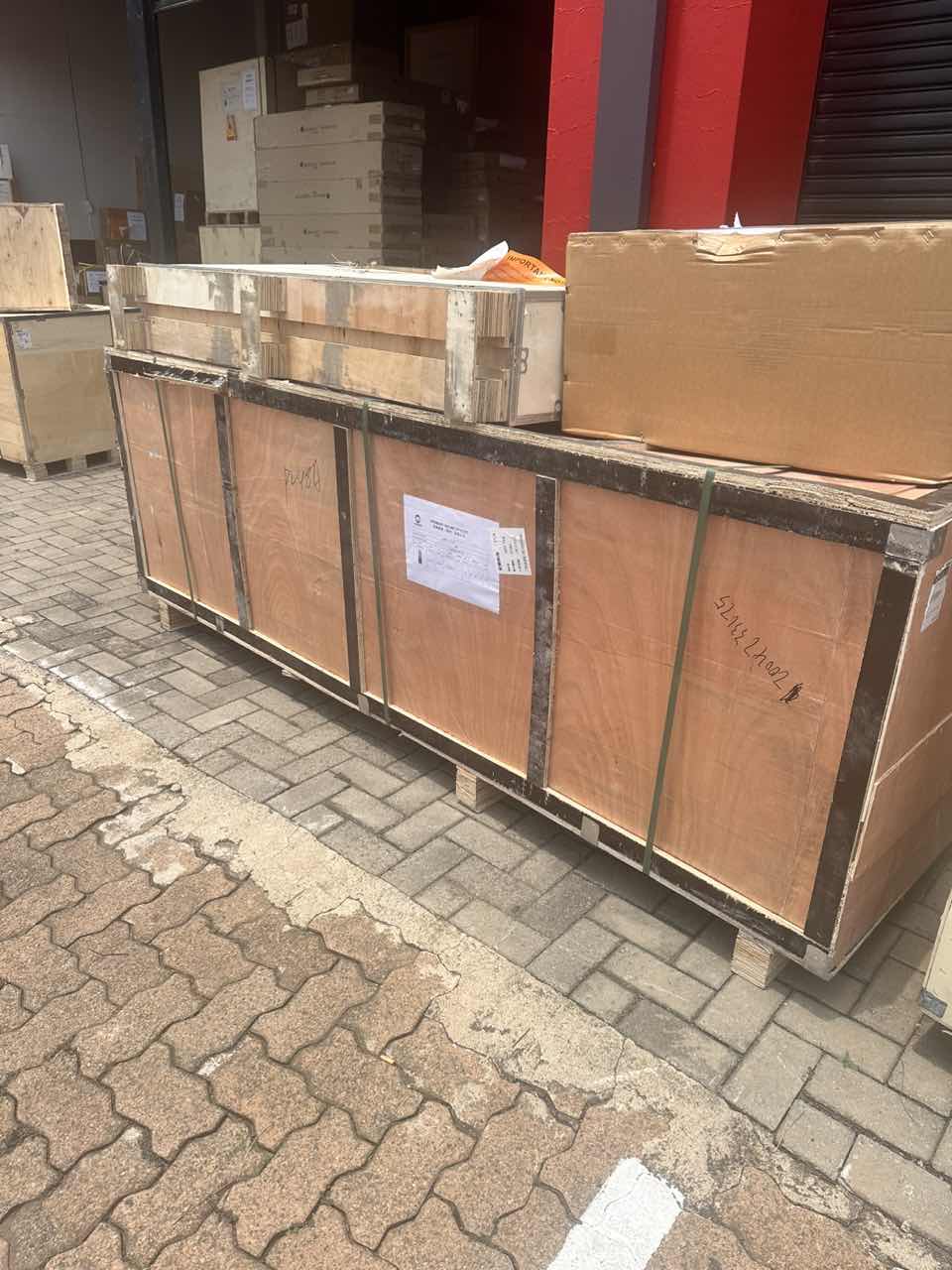
Pre Orders Offloading
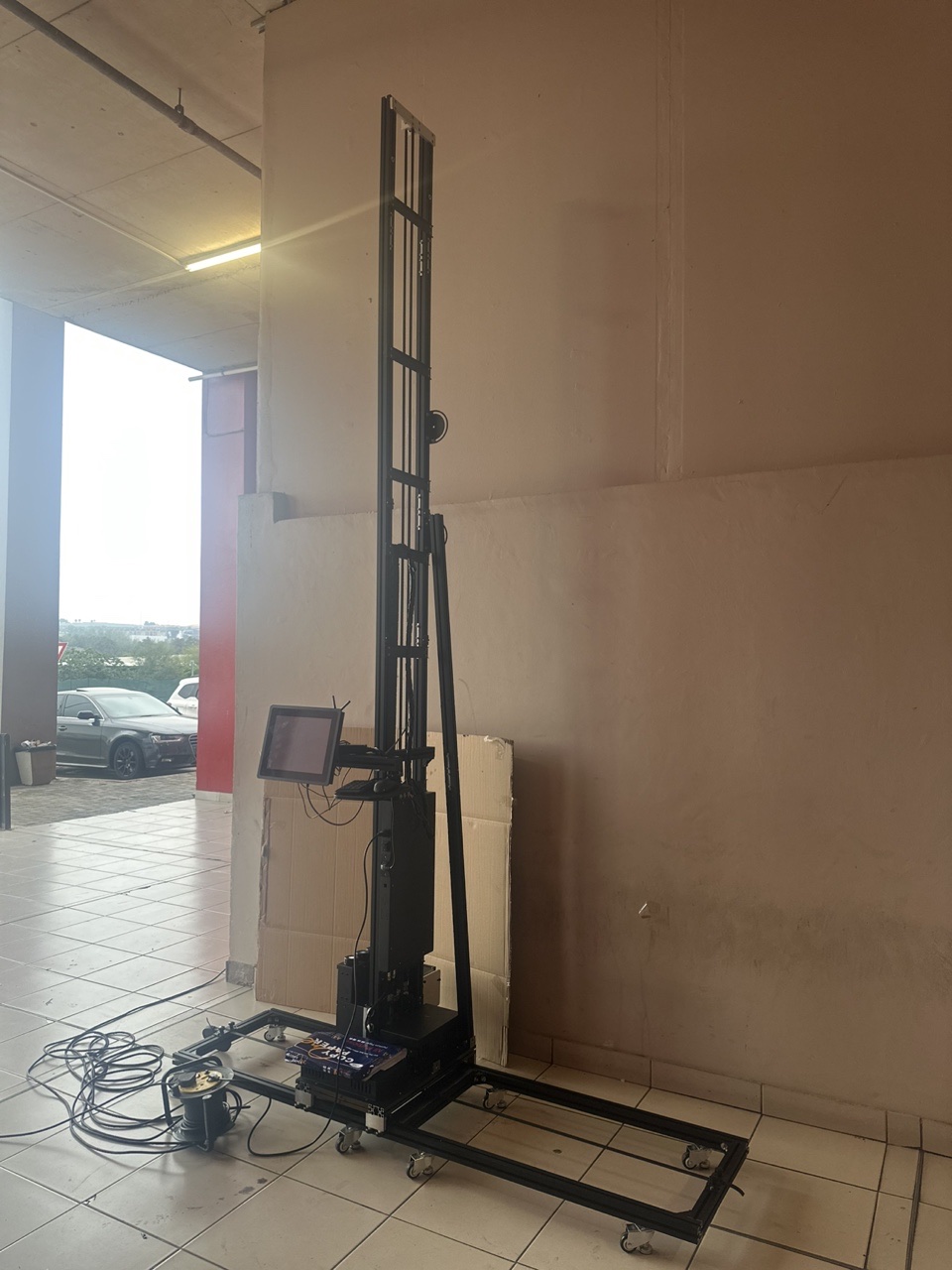
Latest Arrivals
Latest Arrivals
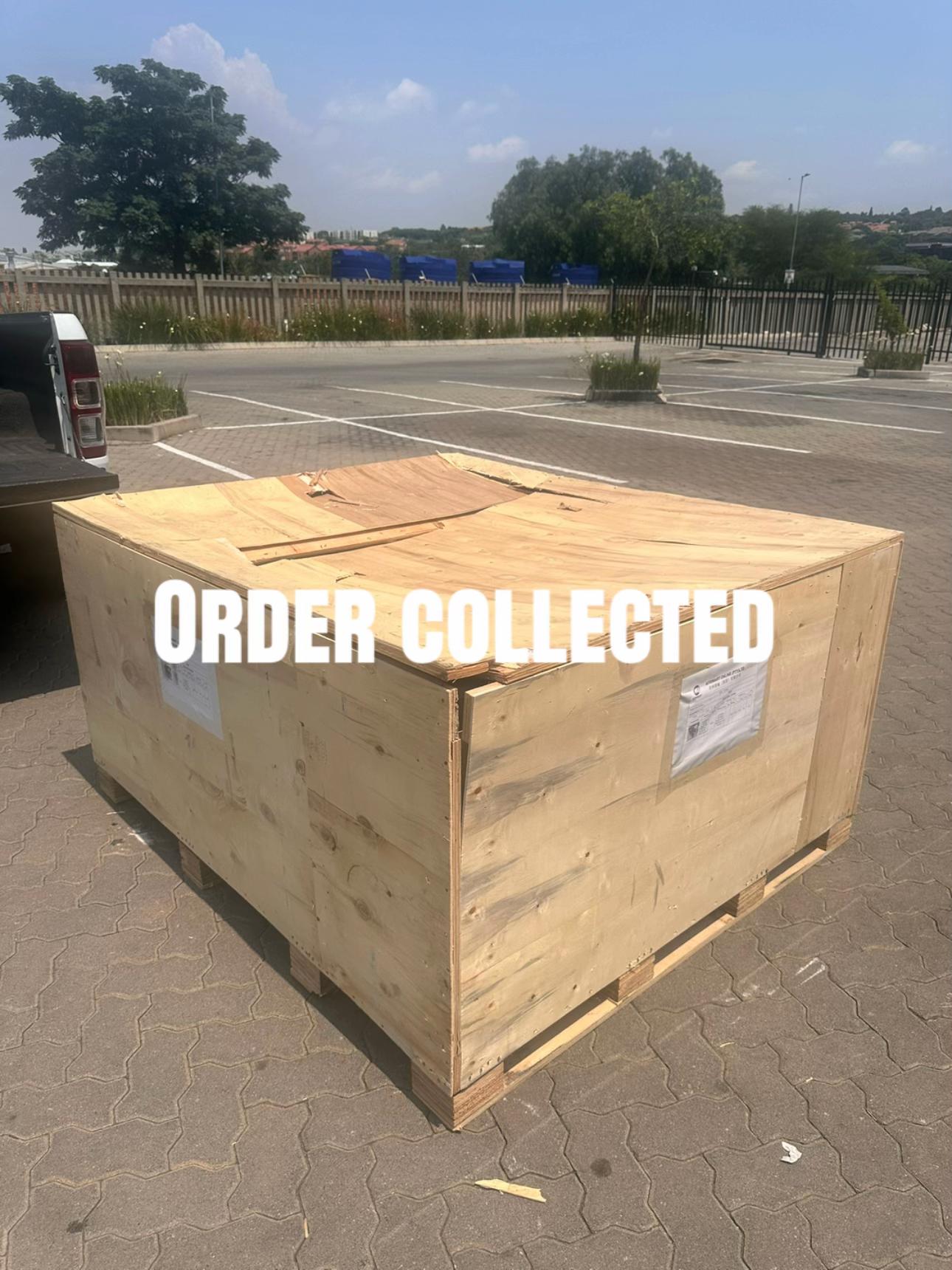
Latest Arrivals
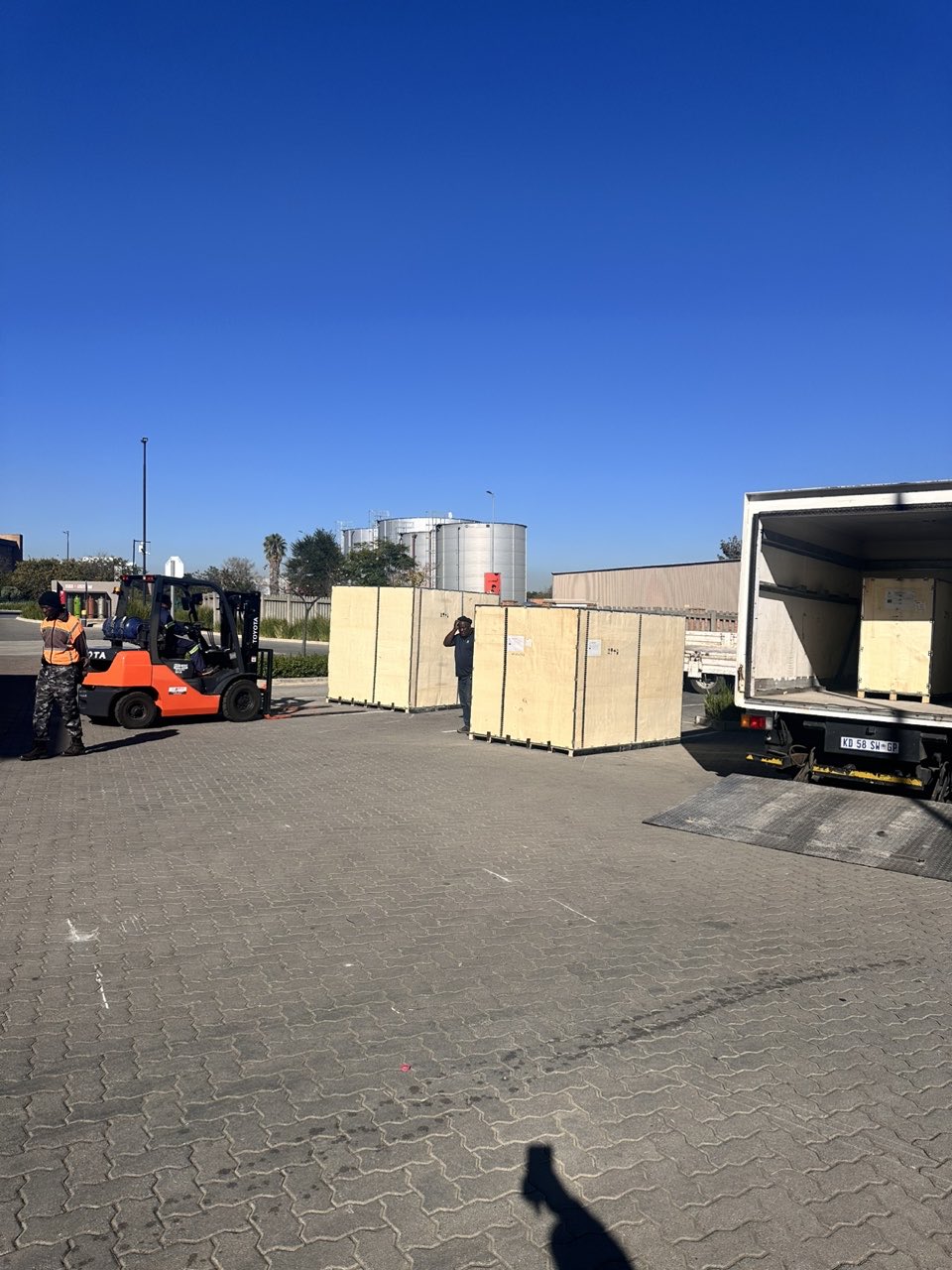
Loading
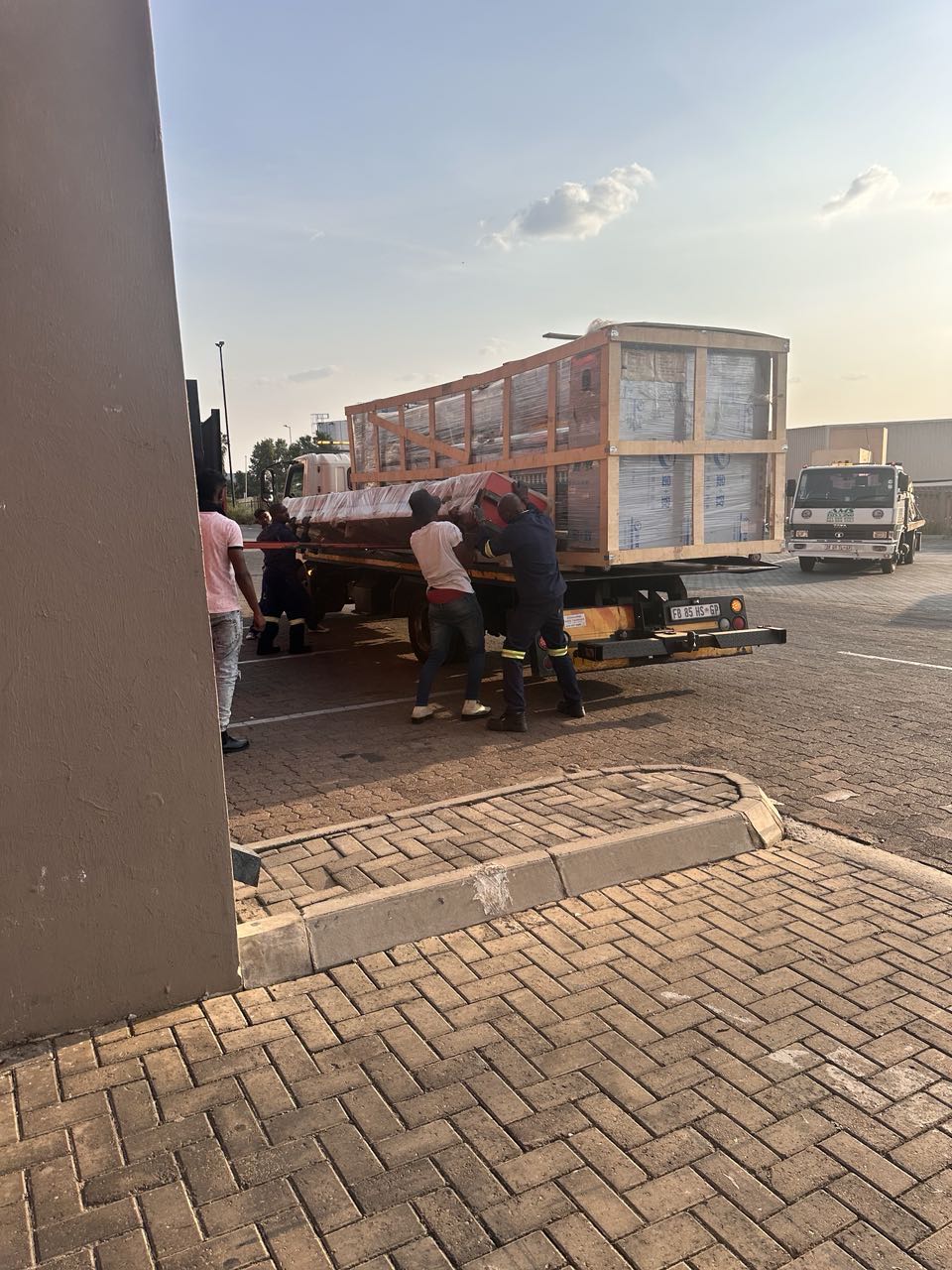
Toilet paper making machine
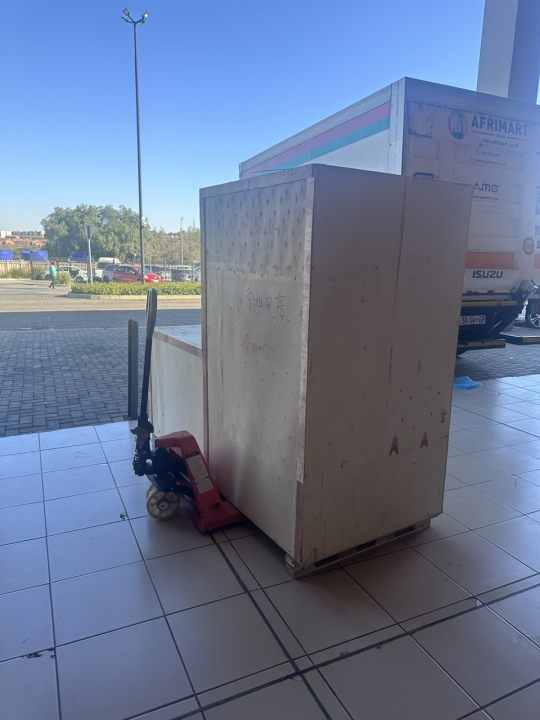
Toilet paper making machine
Toilet paper Rewinding Machine
latest arrivals
offloading
order success
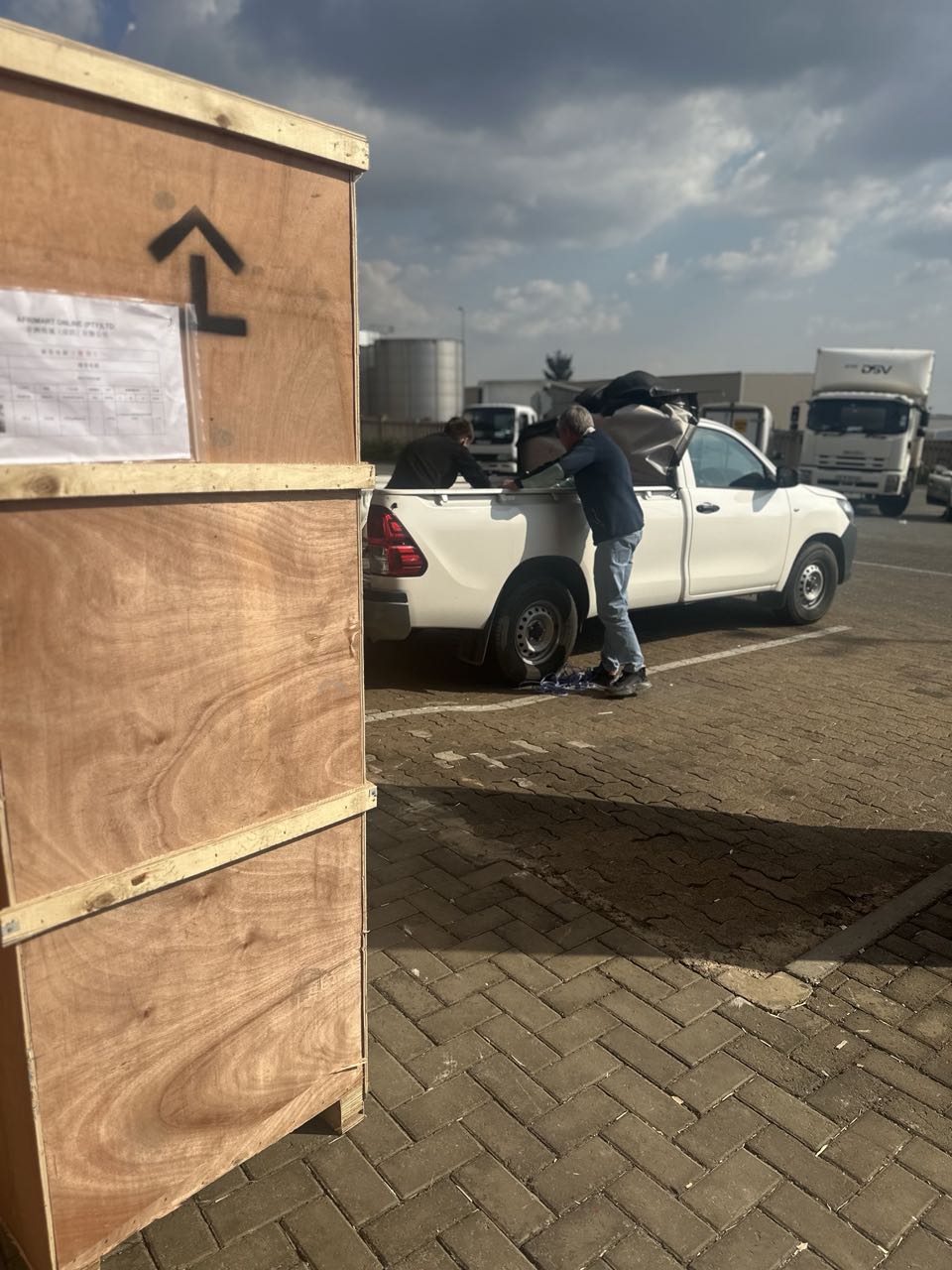
order collection
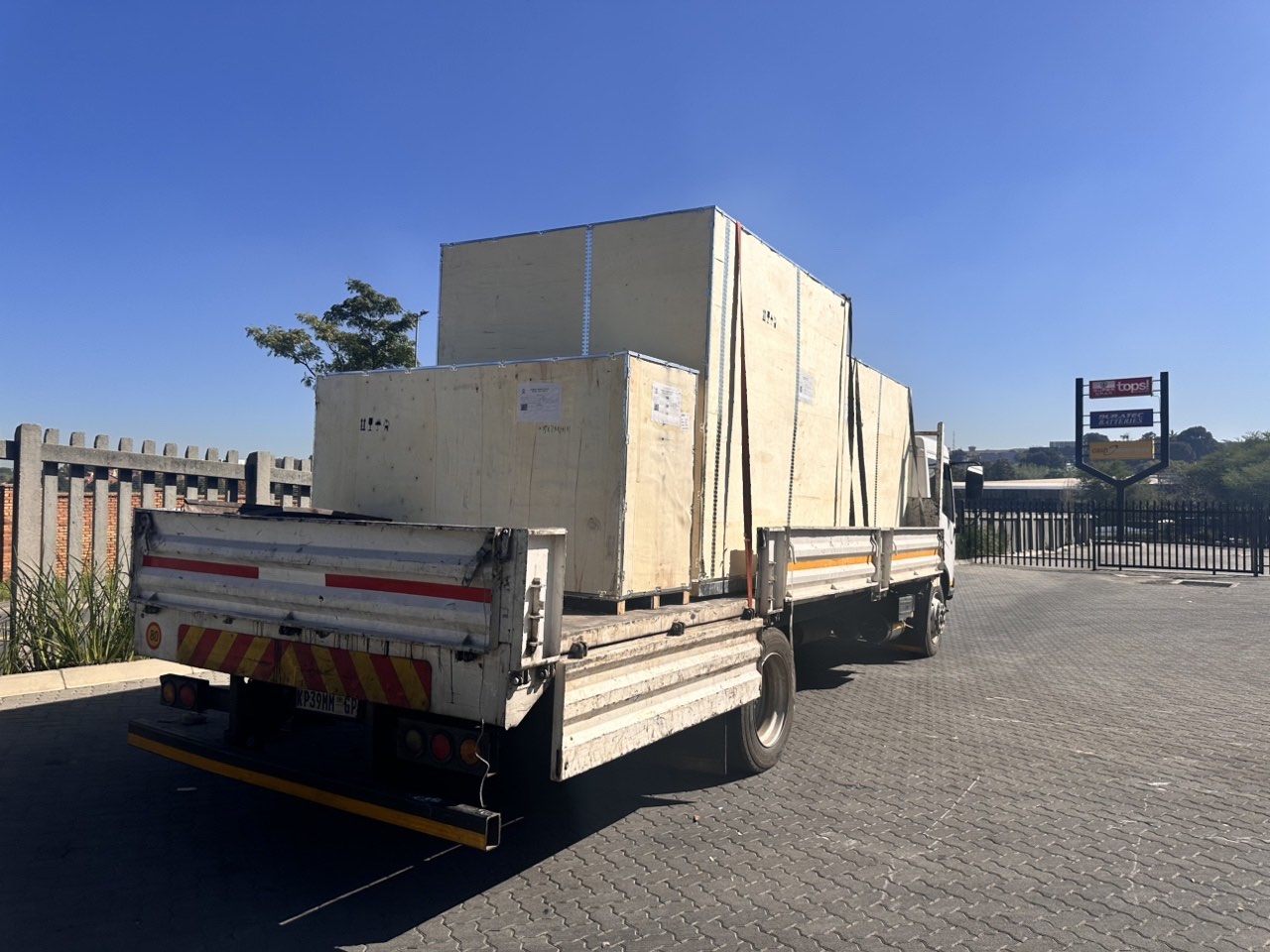
order offloading