B21, China Town Mall, Midrand

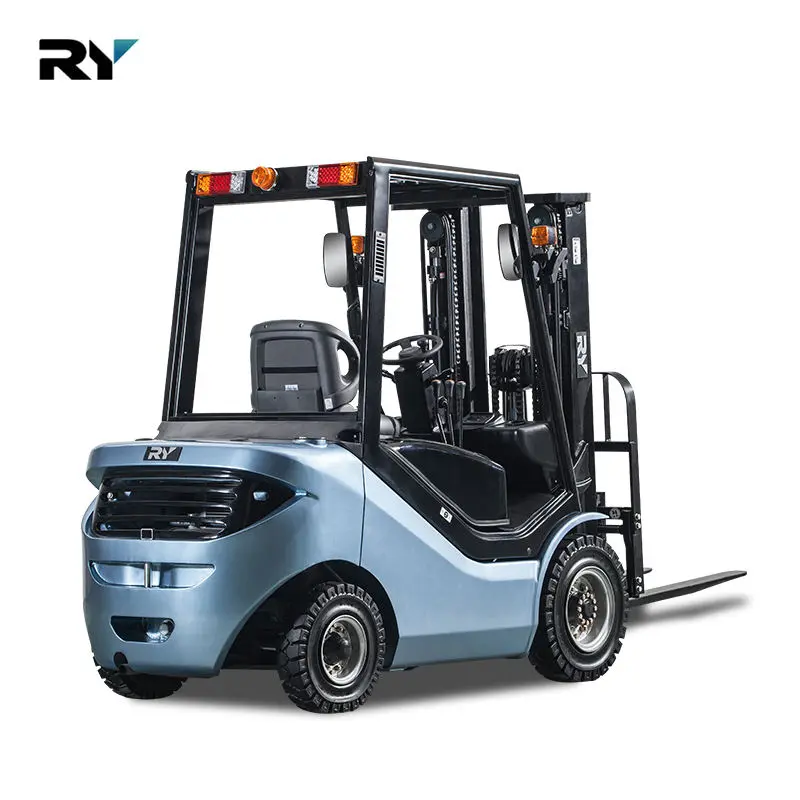
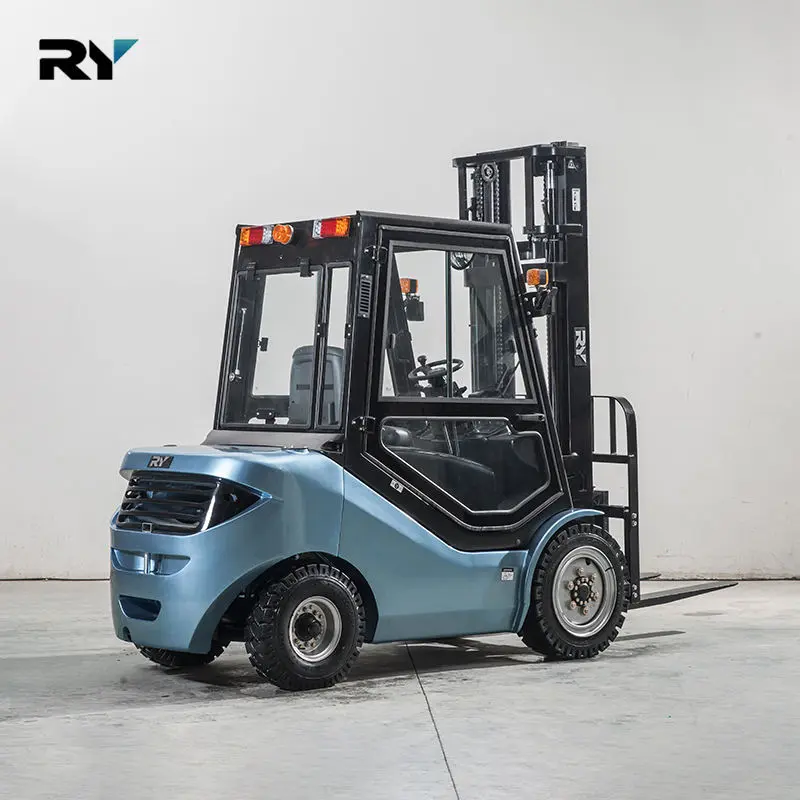
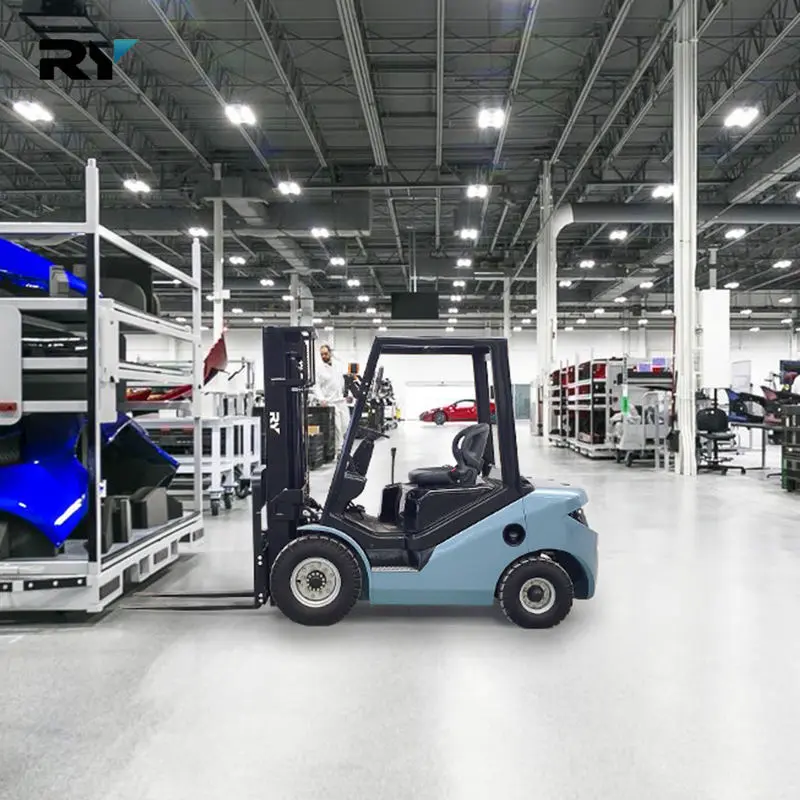
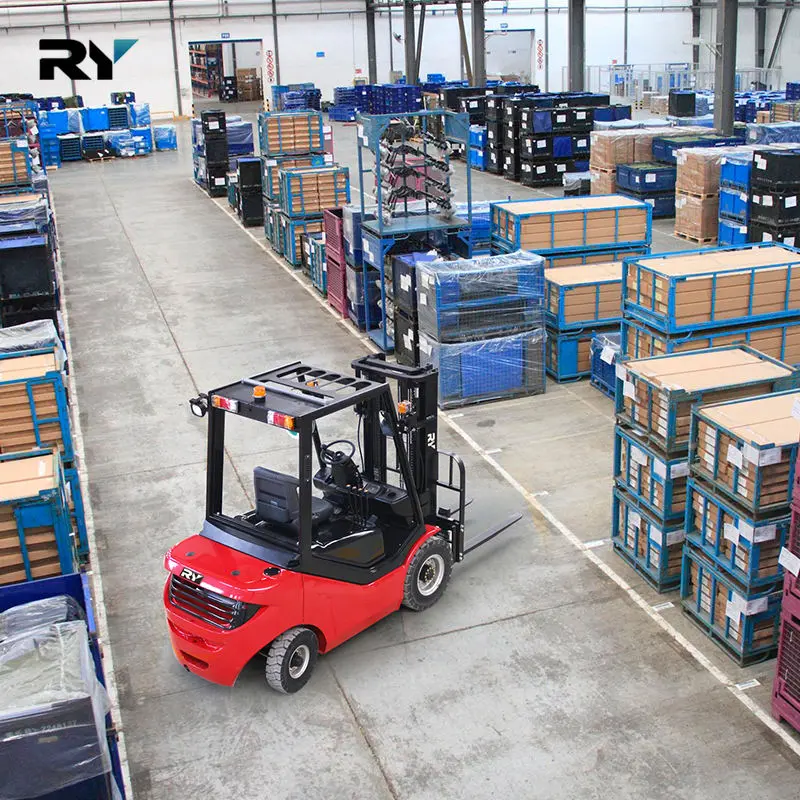
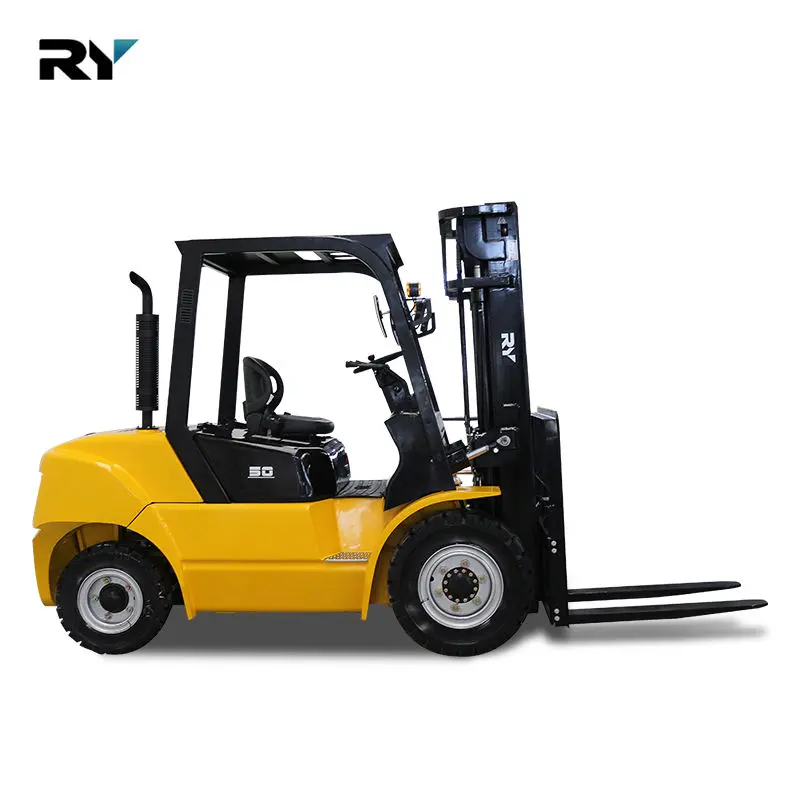
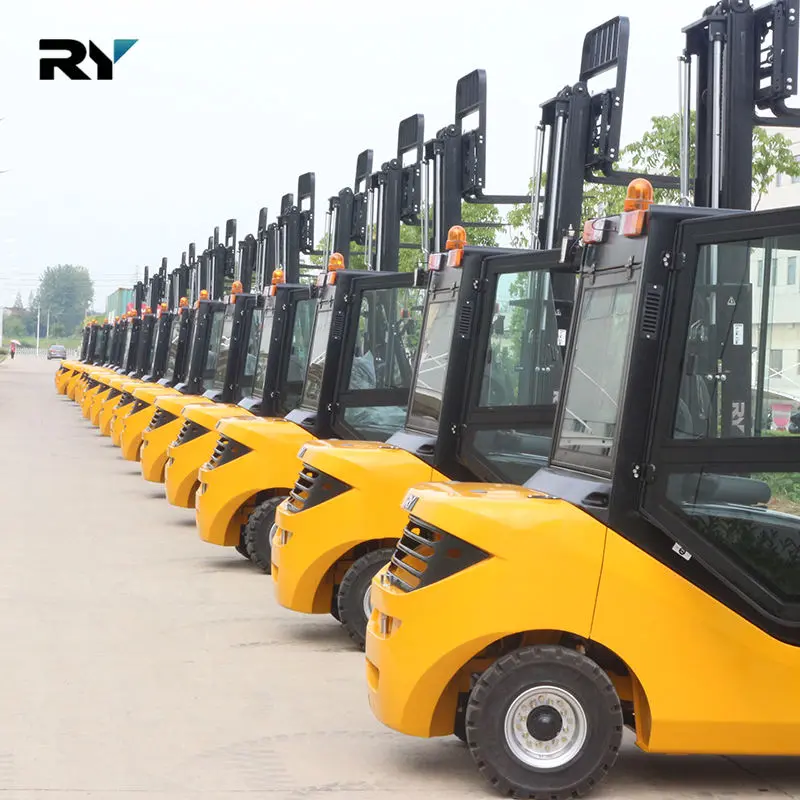
ROYAL 1.5 Ton 2.5 Ton 3 Ton 3.5 Ton 4 Ton Origin Japanese Engine Diesel forklift truck with Tire 4
Asset finance available
Do you want funding for this equipment?
Afrimart can connect you with trusted funding partners who specialise in asset finance for businesses like yours. Compare options and apply in minutes — final approval is subject to provider review.
Check funding options
Secure & no obligation

- Section : Machinery
- Category : Forklifts
- SKU : 1600691210222

ROYAL 1.5 - 4 Ton Origin Japanese Engine Diesel Forklift Truck with Tire 4
The Forklift is an essential piece of equipment designed for heavy lifting and transportation in various industries. Its robust construction and versatile capabilities make it perfect for warehouses, construction sites, and manufacturing plants.
Key Features
Power Type: Available in Diesel, Gasoline, or LPG to meet diverse operational needs.
Rated Load Capacity: With a capacity of 3000 kg, it effectively handles large loads with ease.
Rated Lift Height: Can lift up to 3000 mm, allowing for efficient stacking and retrieval of materials.
Mast Tilt Angle: Features a mast tilt angle of 6/12 degrees, providing better load stability during transport.
Travel Speed: Achieves a speed of 20 km/h when unloaded and 18.5 km/h when fully loaded, enhancing productivity.
Turning Radius: The compact turning radius of 2420 mm facilitates maneuverability in tight spaces.
Max Gradeability: With a maximum gradeability of 20, it can efficiently navigate inclines and ramps.
In conclusion, the Forklift is a reliable solution for improving efficiency in material handling across various sectors.
Product Info Gallery

| Royal Diesel Forklift Trucks | |||||||||
| Model | C15 | C18 | C20 | C25 | C30 | C35 | C40 | C45 | C60 |
| Power Type | Diesel | Diesel | Diesel | Diesel | Diesel | Diesel | Diesel | Diesel | Diesel |
| Loading Capacity(KG) | 1500 | 1800 | 2000 | 2500 | 3000 | 3500 | 4000 | 4500 | 6000 |
| Loading Centre(MM) | 500 | 500 | 500 | 500 | 500 | 500 | 500 | 500 | 500 |
| Rate Lifting Height(MM) | 3000 | 3000 | 3000 | 3000 | 3000 | 3000 | 3000 | 3000 | 3000 |
| Free Lifting Height(MM) | 115 | 115 | 140 | 140 | 145 | 150 | 140 | 135 | 140 |
| Mast Lowered Height(MM) | 2040 | 2040 | 2045 | 2045 | 2060 | 2060 | 2120 | 2260 | 2260 |
| Safeguard Height(MM) | 2134 | 2134 | 2180 | 2180 | 2192 | 2192 | 2200 | 2265 | 2265 |
| Min.Ground Clearance(MM) | 120 | 120 | 130 | 130 | 145 | 145 | 145 | 170 | 170 |
| Length(MM) | 2286 | 2286 | 2675 | 2675 | 2716 | 2780 | 2968 | 3260 | 3310 |
| Width(MM) | 1120 | 1120 | 1150 | 1150 | 1220 | 1220 | 1220 | 1220 | 1220 |
| Total Weight(KG) | 2590 | 2920 | 3450 | 3620 | 4310 | 4750 | 5170 | 6800 | 7100 |


- Shipping Timeframes: All orders are processed within 2-5 business days (excluding weekends and holidays). After your order has been processed, the estimated delivery time is before 11 Sep, 2026, depending on customs, Please note that due to high demand, some items may experience longer shipping times, which will be communicated at order confirmation email.
- Order Processing Time: Please allow 2-5 business days for us to process your order before it is shipped . Orders placed after 16:00 on Fridays, or during weekends and public holidays, will begin processing on the next business day. Processing times may be extended during peak seasons or sales events.
- Manufacturing Time: Some products needs manufacturing time, the manufacturing process will take approximately 10-30 business days depending on the product. This timeframe may vary depending on the complexity of the product and current demand. but this will be communicated with you during order confirmation.
- Returns and Exchanges: We offer a 30-day return policy for most items. If you are not completely satisfied with your purchase, you may return it within 30 days of receipt for a refund or exchange. Items must be unused, in their original packaging, and accompanied by proof of purchase. Return shipping costs are the responsibility of the customer, unless the item was damaged or defective upon arrival.
1. What capacity models are available in the ROYAL forklift range?
The ROYAL range includes models C15, C18, C20, C25, C30, C35, C40, C45 and C60 corresponding to nominal capacities from 1.5 tonne up to 6.0 tonne. The product listing you provided highlights the 1.5 t, 2.5 t, 3.0 t, 3.5 t and 4.0 t variants — confirm with your dealer which specific models are in stock.
2. What engine and fuel options does this forklift offer?
The forklifts are offered with Diesel, Gasoline or LPG power options. The diesel variant can be fitted with an origin Japanese engine as stated in the product name — confirm engine model and origin with your supplier.
3. What is the rated load capacity and lift height?
Rated load capacity depends on model. A common configuration (C30) is rated at 3,000 kg. Rated lift height across the listed models is typically 3,000 mm. Always check the model-specific data plate for exact ratings.
4. What is the mast tilt and free-lift specification?
The mast tilt specification is 6° forward / 12° backward. Free-lift heights vary by model (examples in the line: ~115–150 mm); refer to the model datasheet for exact free-lift values.
5. What are the travel speeds when unloaded and loaded?
Typical travel speeds are 20 km/h when unloaded and 18.5 km/h when fully loaded (model-dependent).
6. What is the turning radius and how maneuverable is it in tight spaces?
The forklifts feature a compact turning radius around 2,420 mm (model dependent), which helps maneuverability in narrow aisles and congested sites.
7. What is the maximum gradeability?
Maximum gradeability is rated at 20% (verify whether this is expressed as % or degrees on the specification sheet for the exact model).
8. What does 'Tire 4' mean for this product?
'Tire 4' indicates a 4-wheel configuration. Tire type (pneumatic, solid/cushion or non-marking) is selectable depending on application — specify required tire type when ordering.
9. What are typical overall dimensions and operating weight?
Overall dimensions (length, width, mast heights) and total operating weight vary by model. Example ranges in the line: widths around 1,120–1,220 mm and machine weights that vary significantly by capacity. Ask your dealer for the exact datasheet for the model you plan to purchase.
10. What safety equipment is included or recommended?
Common safety items for these forklifts include overhead guard, seat belt, horn, lights (head/reverse), mirrors and backup alarm. Additional safety aids such as load backrests, lights or cameras can be added; confirm the factory or dealer fitted safety package.
11. Which attachments are available or compatible?
Common attachments include fork extensions, side shifters, paper or carton clamps, rotators and specialized forks. Attachment compatibility depends on mast, carriage and hydraulic options — verify compatibility for your intended attachments.
12. What maintenance schedule should be followed?
Follow the operator's manual, but typical practice is: daily pre-operation checks (fluid leaks, tires, controls), periodic checks every 50–250 hours (filters, fluids, brake/drive checks) and more comprehensive service at recommended hourly intervals (e.g., 250–500 hours) depending on usage. Use OEM parts and record all service.
13. How do I choose the right model for my operation?
Match the forklift to your application by assessing: required load capacity (with safety margin), rated lift height and free-lift, load centre distance, aisle width and turning space, ground conditions and gradeability, fuel preference (diesel/gas/LPG), and attachments needed. If unsure, provide sample loads and workspace dimensions to your dealer for selection help.
14. Are spare parts and service support available?
Spare parts and service availability depend on your dealer or distributor network. Ask your supplier about local parts inventory, authorized service centers and lead times before purchase.
15. How can I get detailed technical specifications or a datasheet for a specific model?
Contact the seller or authorized dealer and request the model-specific technical datasheet. Provide the model code (e.g., C30) and desired configuration (engine type, mast, tires, attachments) so the dealer can supply accurate spec sheets and quotation.
Latest Order Arrivals
Discover our latest orders
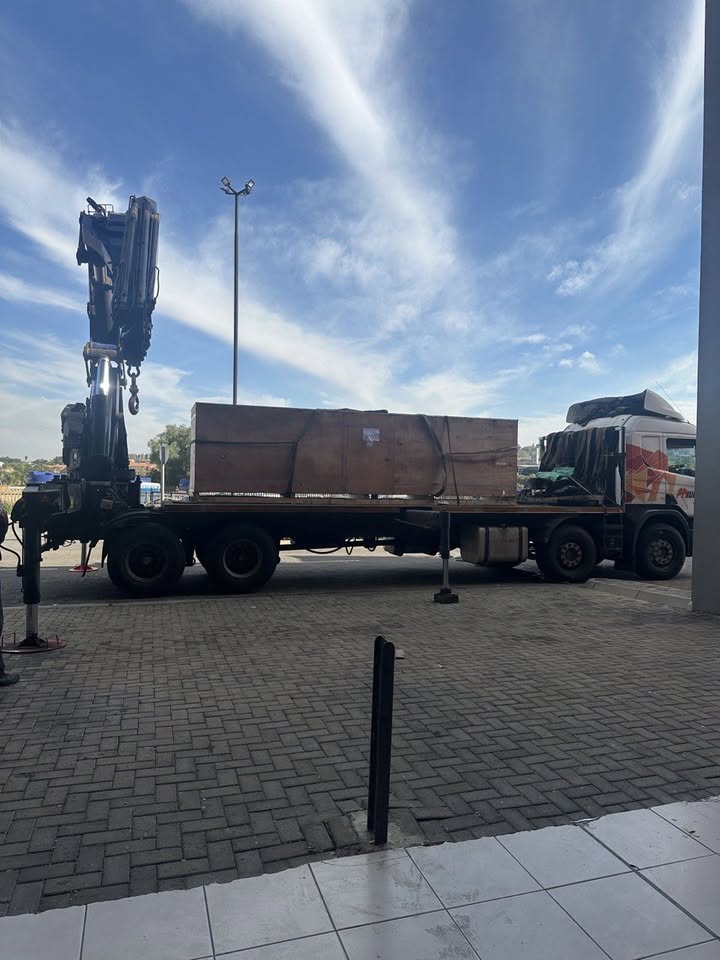
12 Heads Embroidery Machine
Toilet Paper Machine Machine
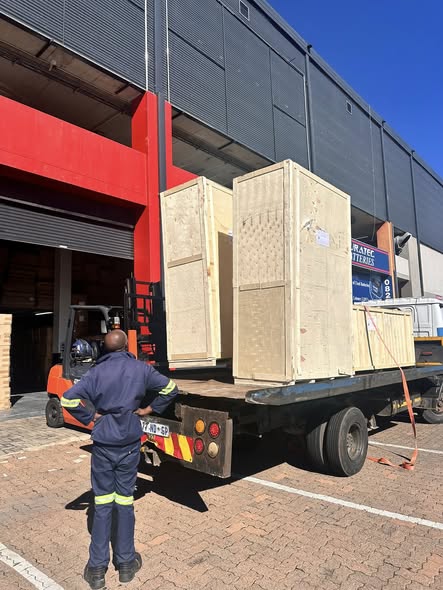
Order Collection
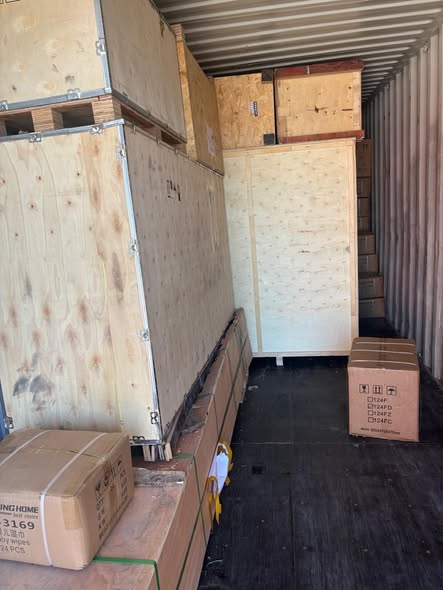
Cross Border Clients
Order cros border countries Collected
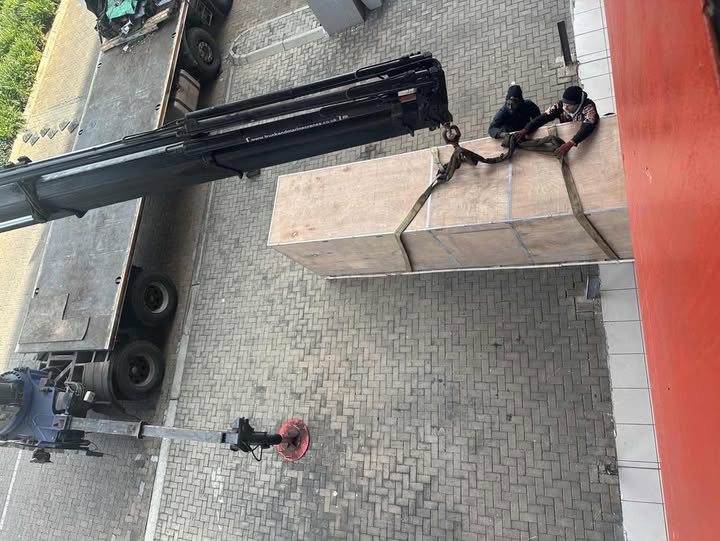
Industrial Machine Cllection
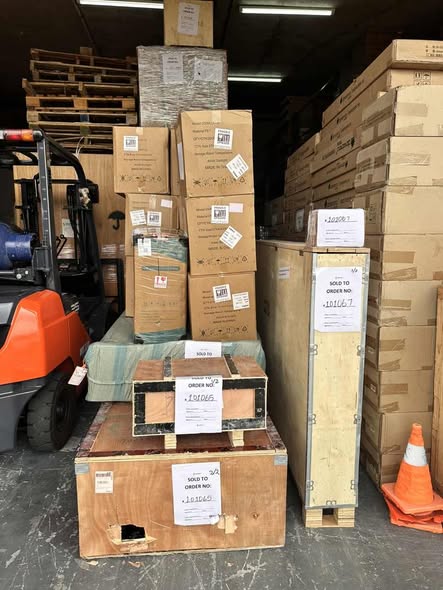
Agriculture Processing Machines
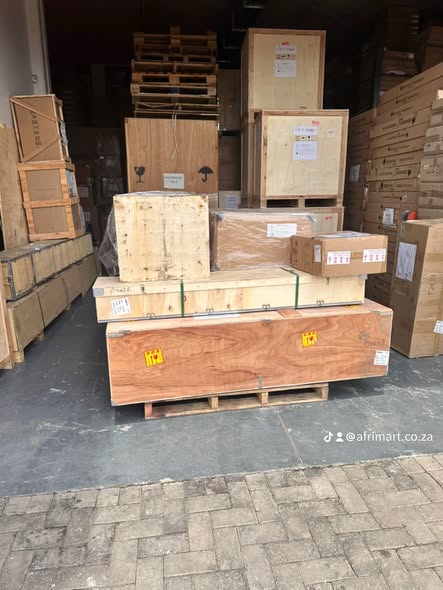
Ready for collection
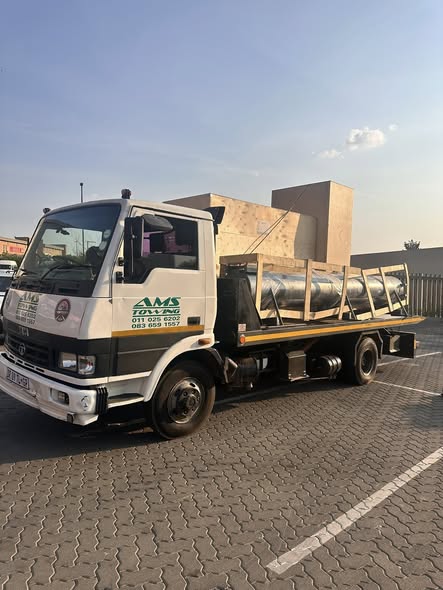
Water Pump Equipment
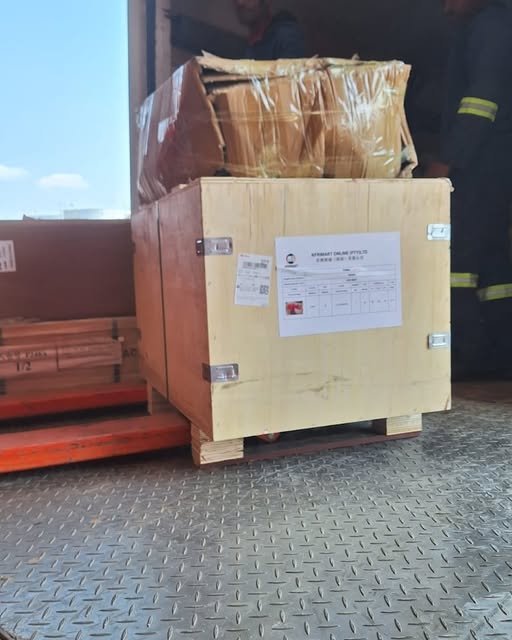
Packaging Machine and accessories
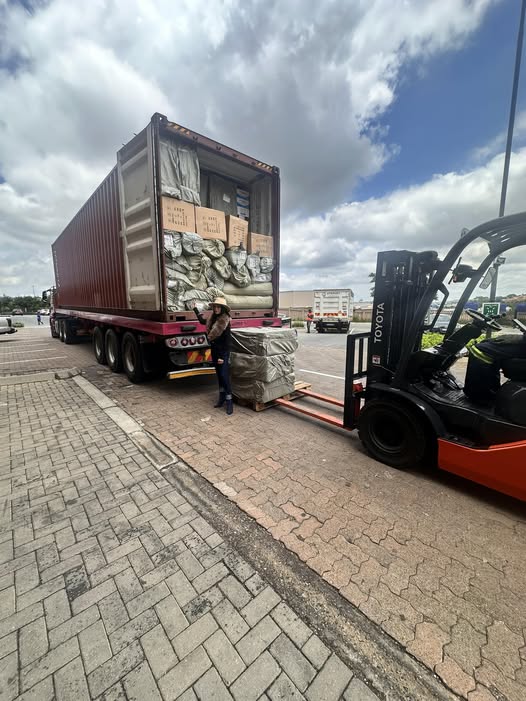
Fabrics Manufacturing Equipment
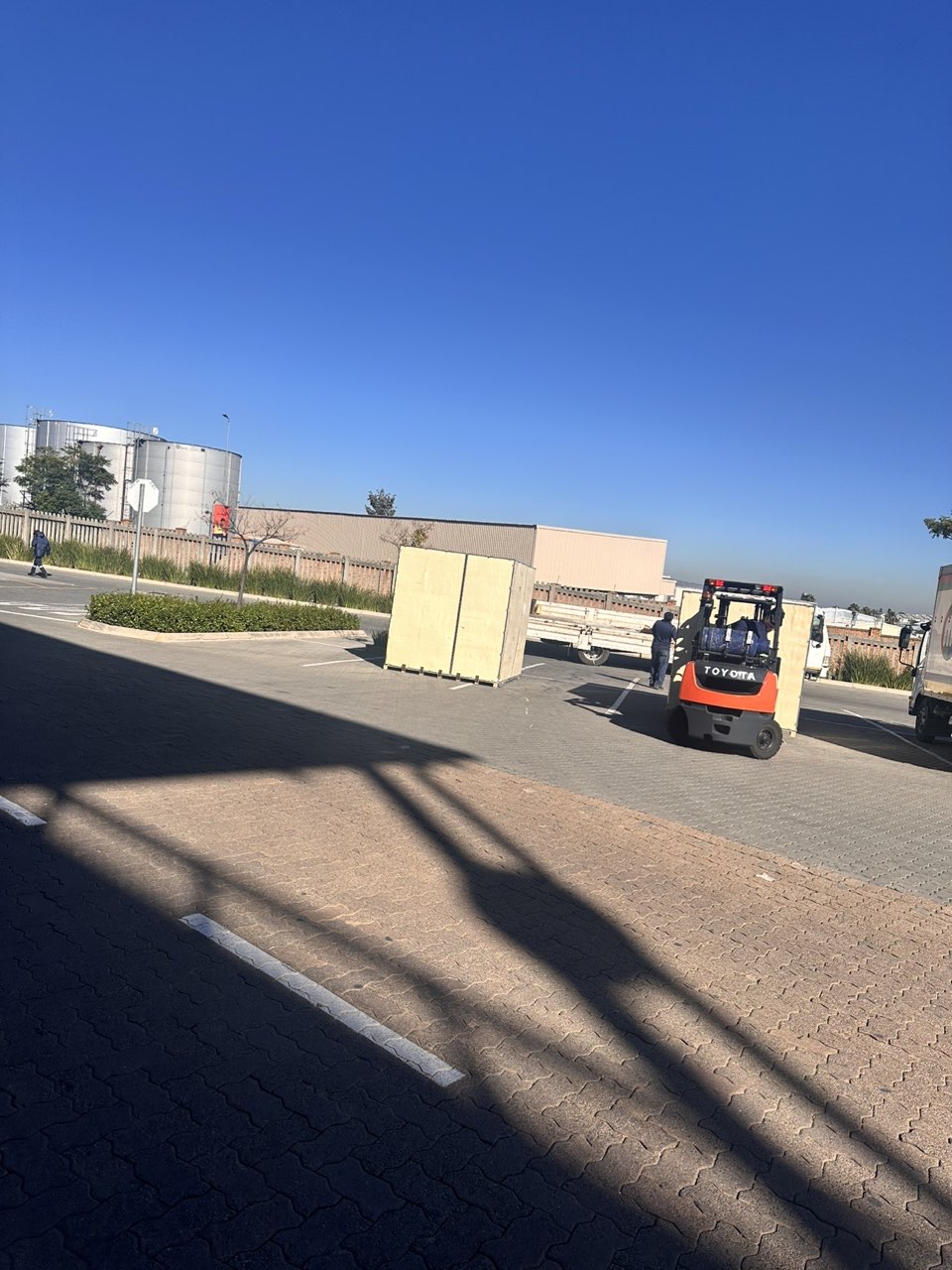
Mining Equipments
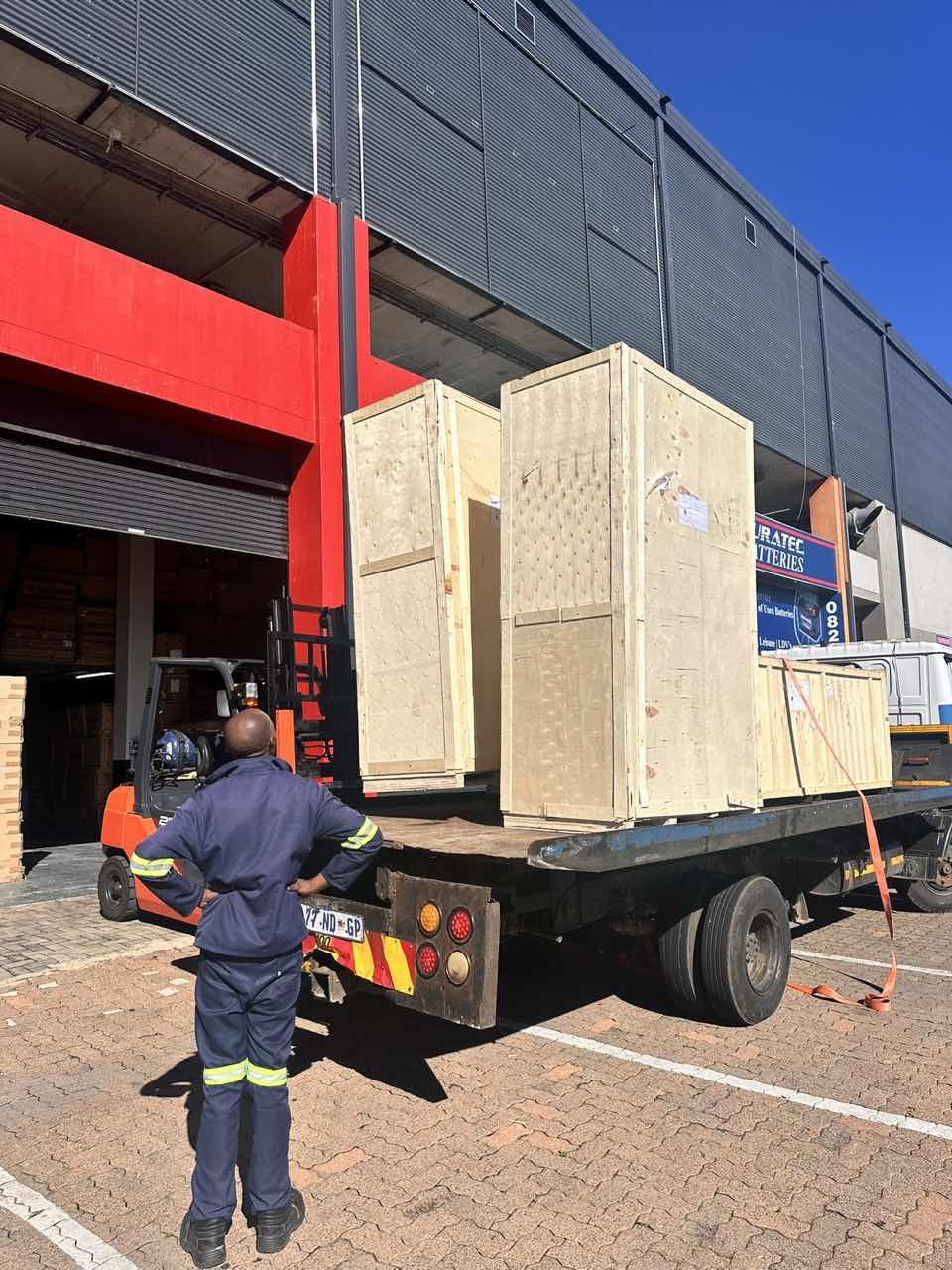
Food Processing Machine
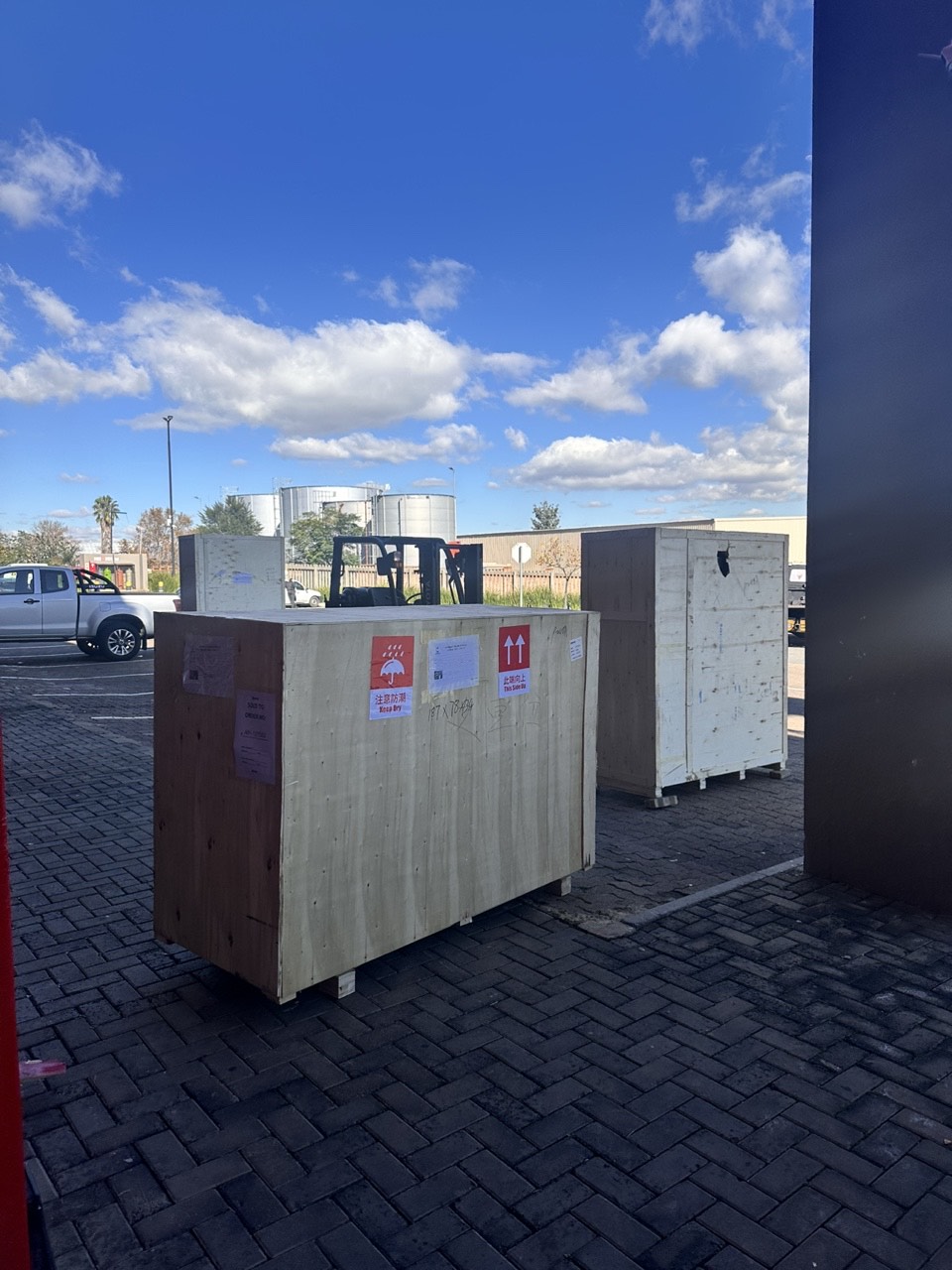
Batch of Orders
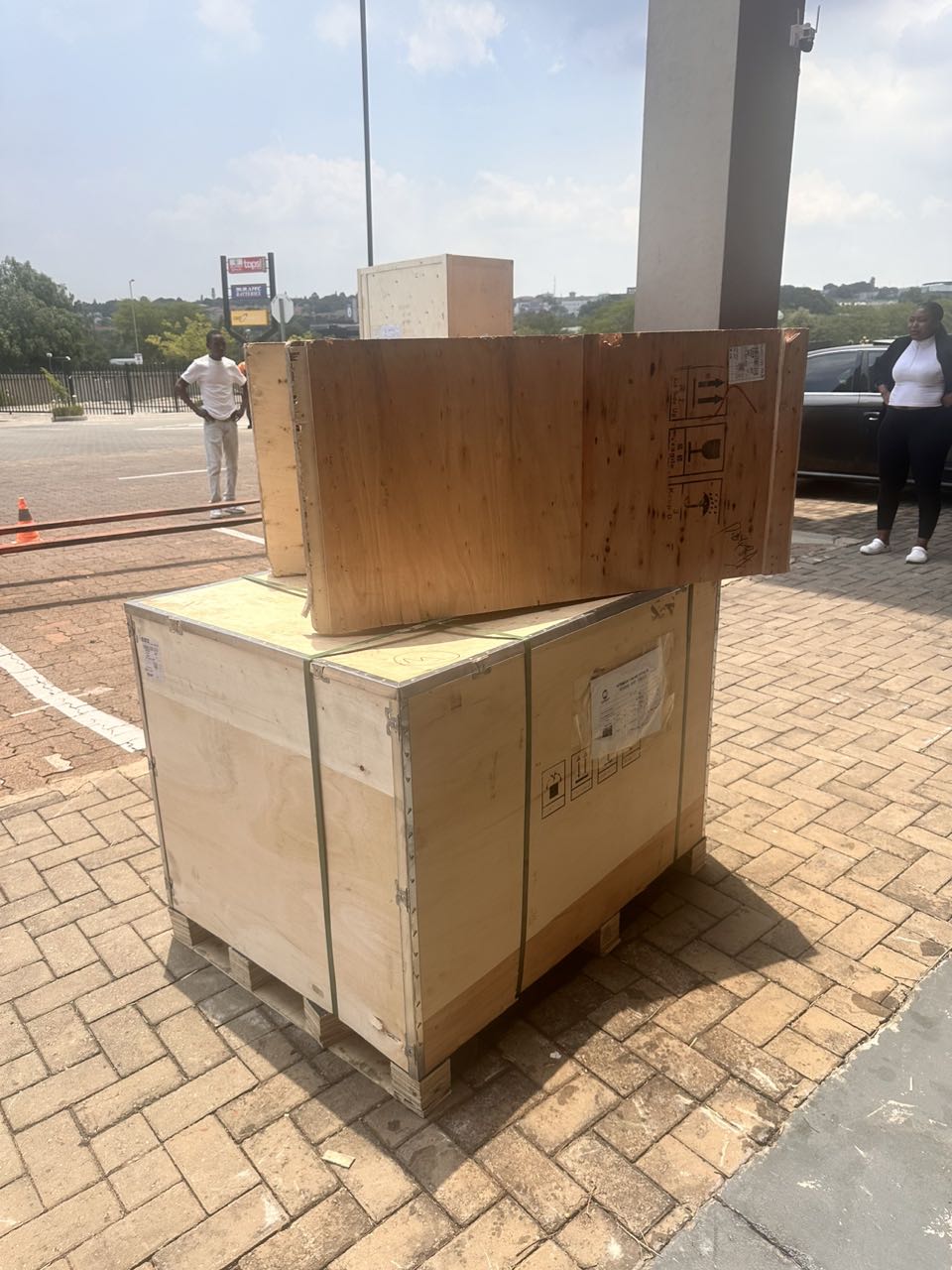
Batch of Orders
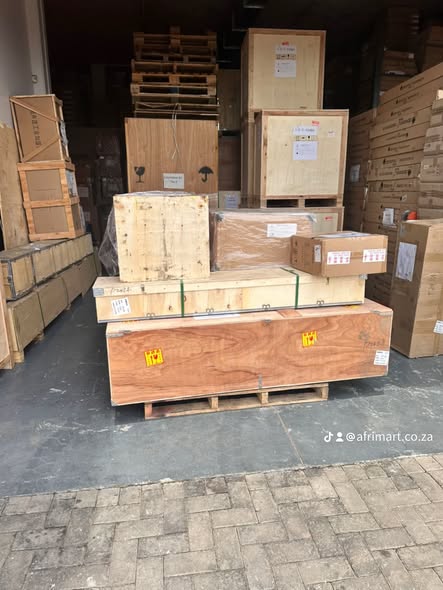
Latest Orders Labelled
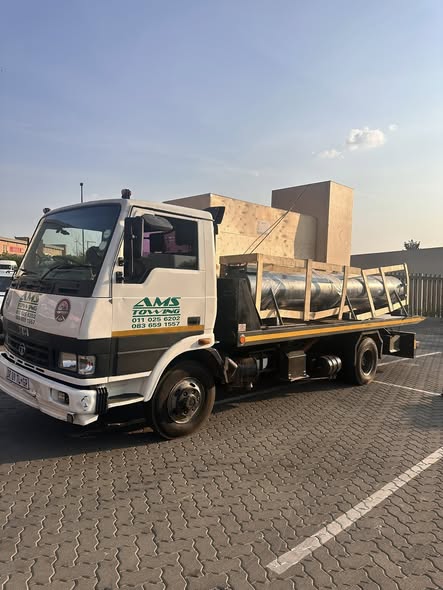
wheel alignment machines
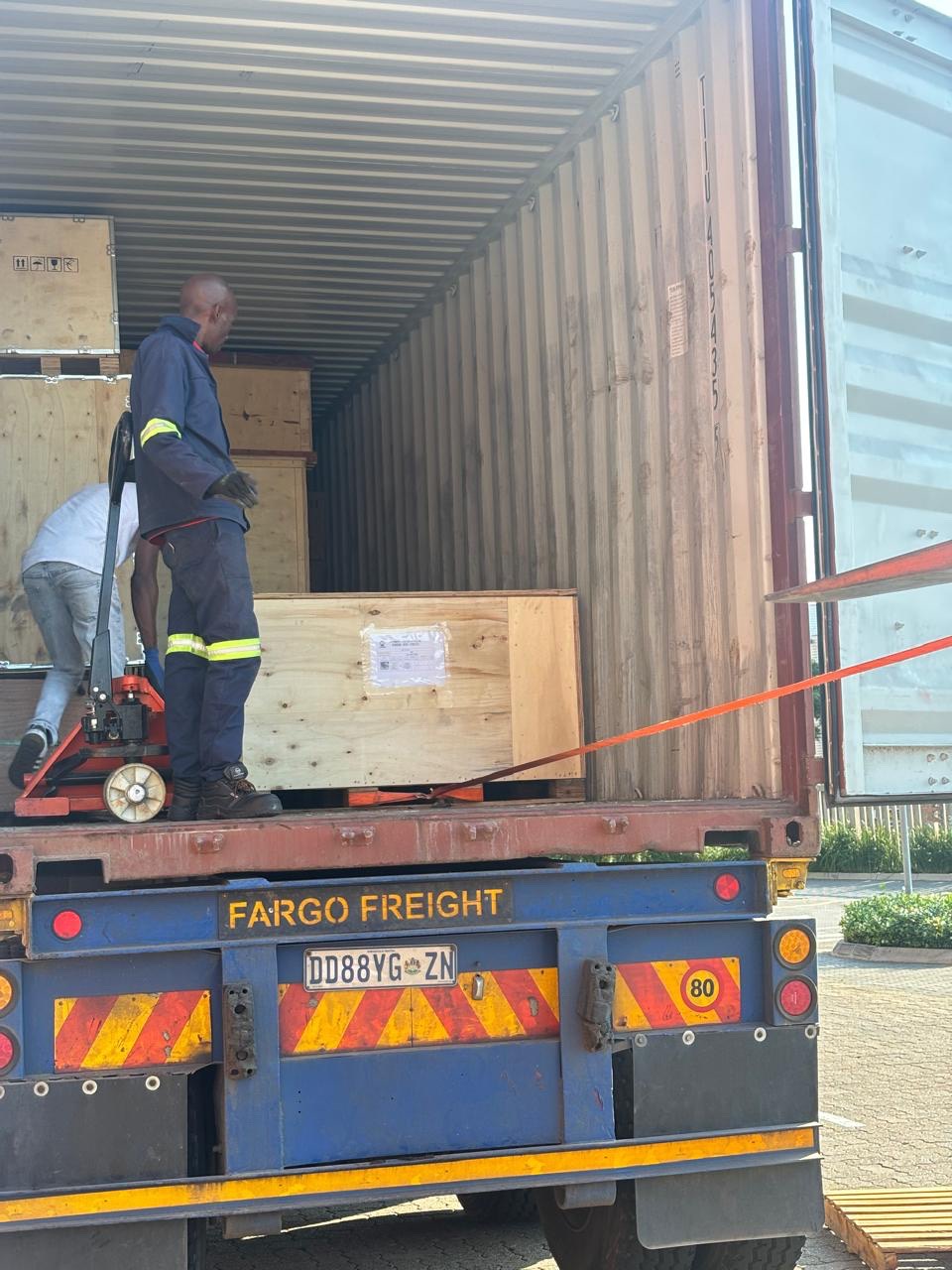
new arrivals
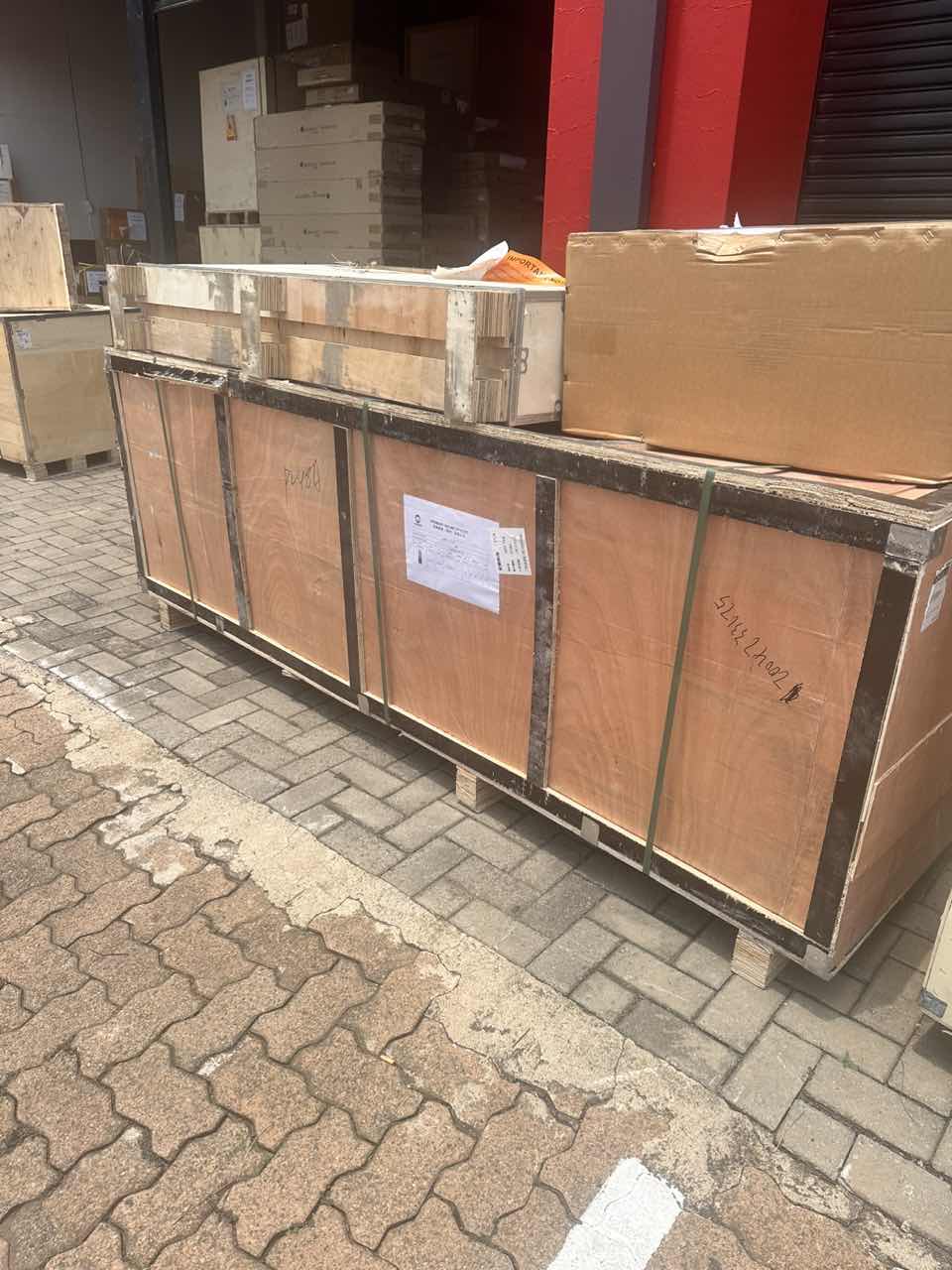
Pre Orders Offloading
Latest Arrivals
Latest Arrivals
Latest Arrivals
Loading
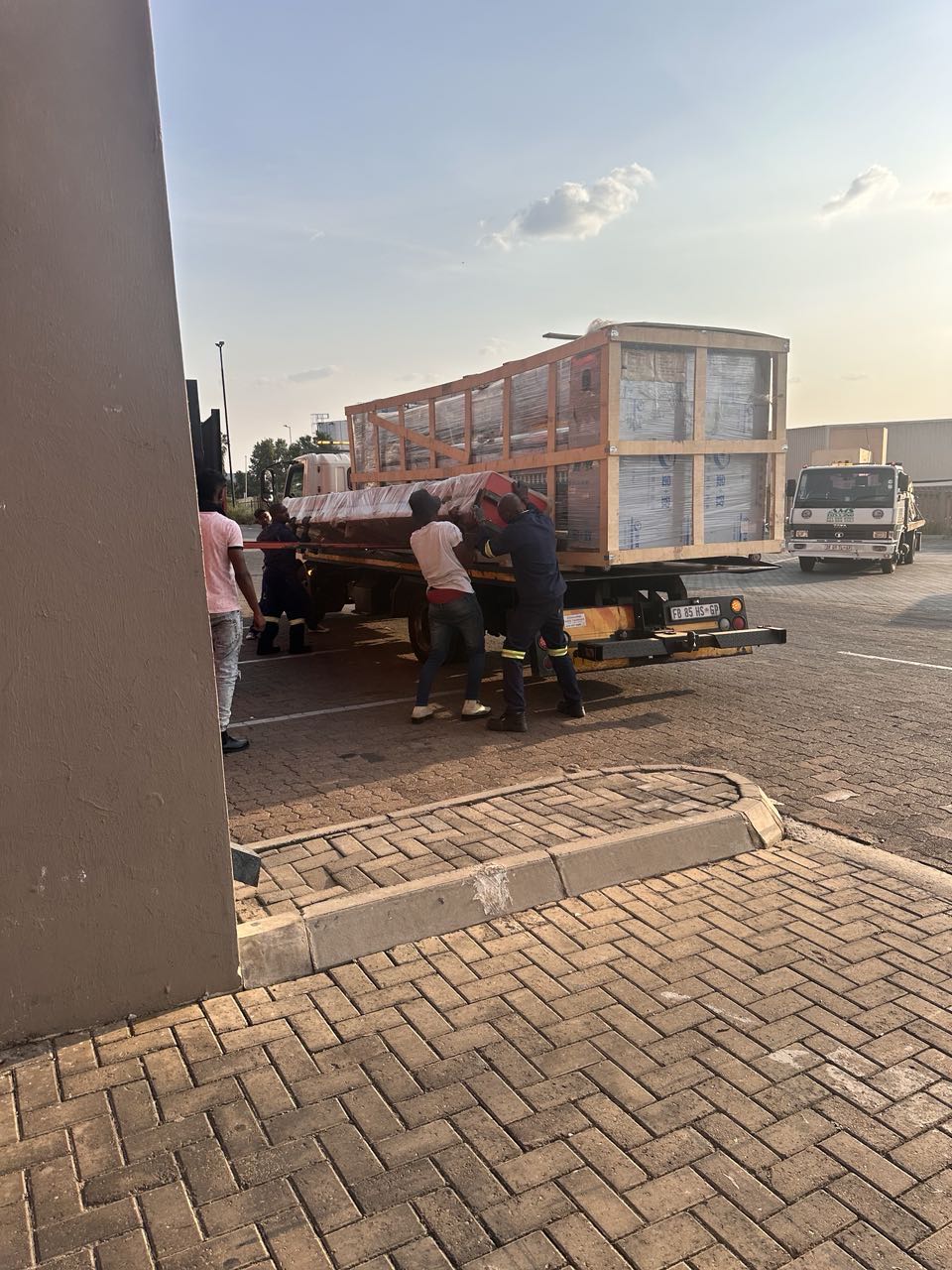
Toilet paper making machine
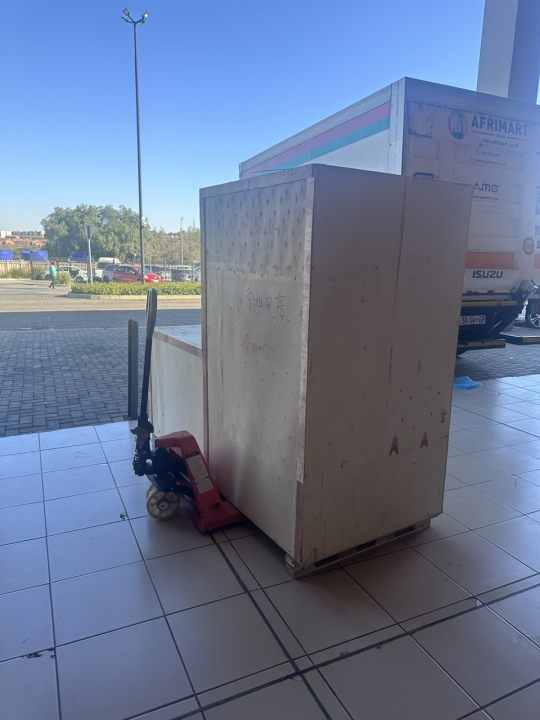
Toilet paper making machine
Toilet paper Rewinding Machine
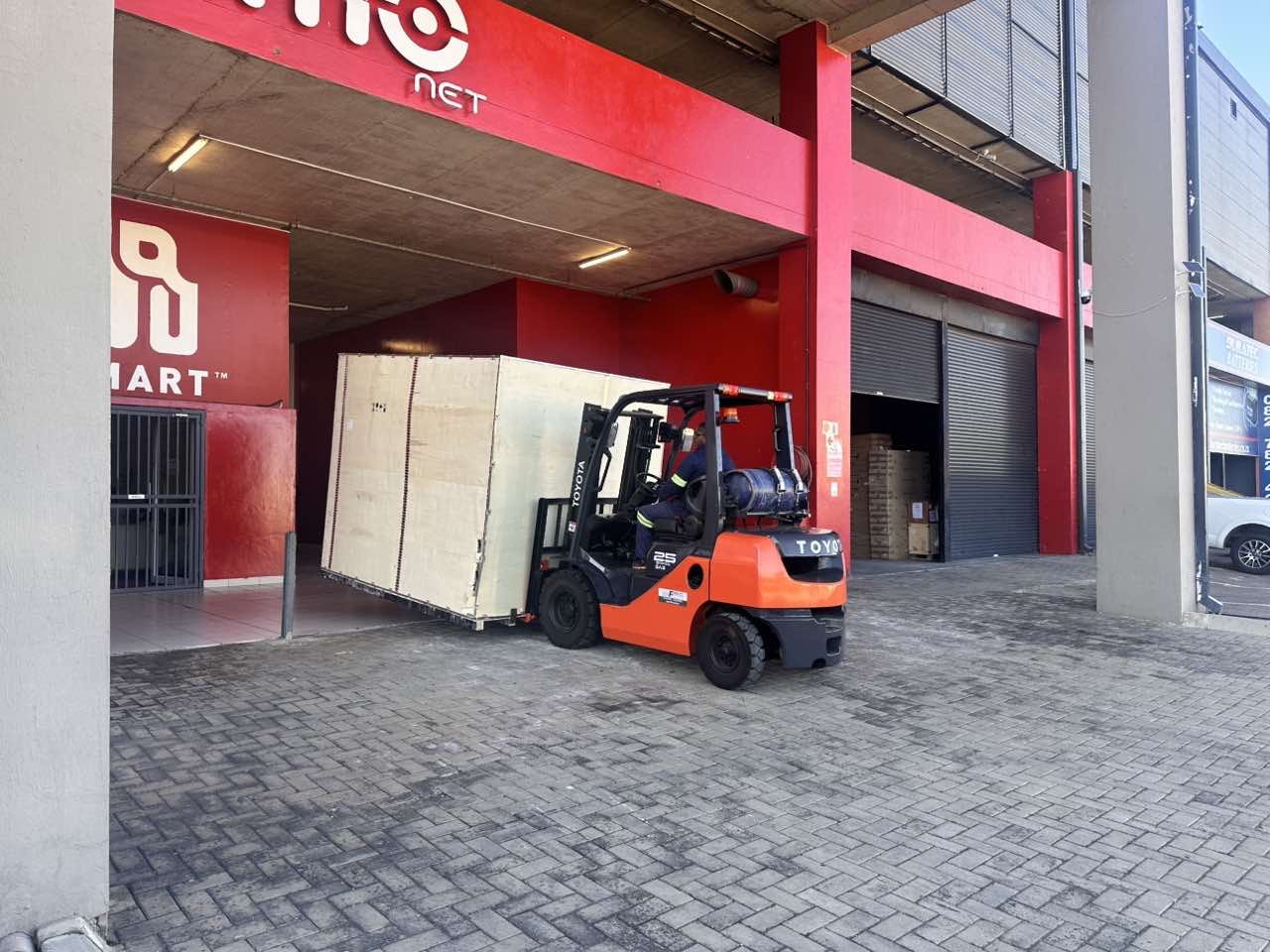
latest arrivals
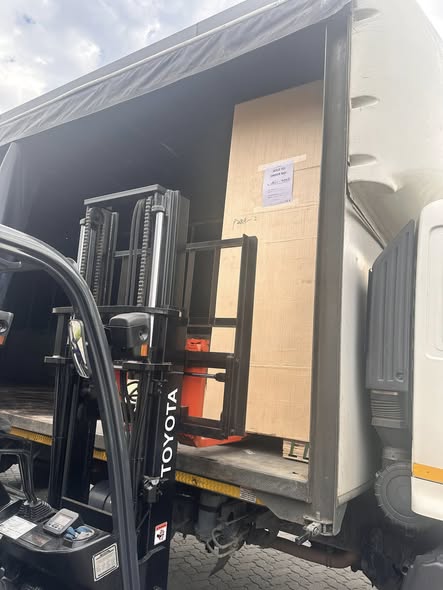
offloading
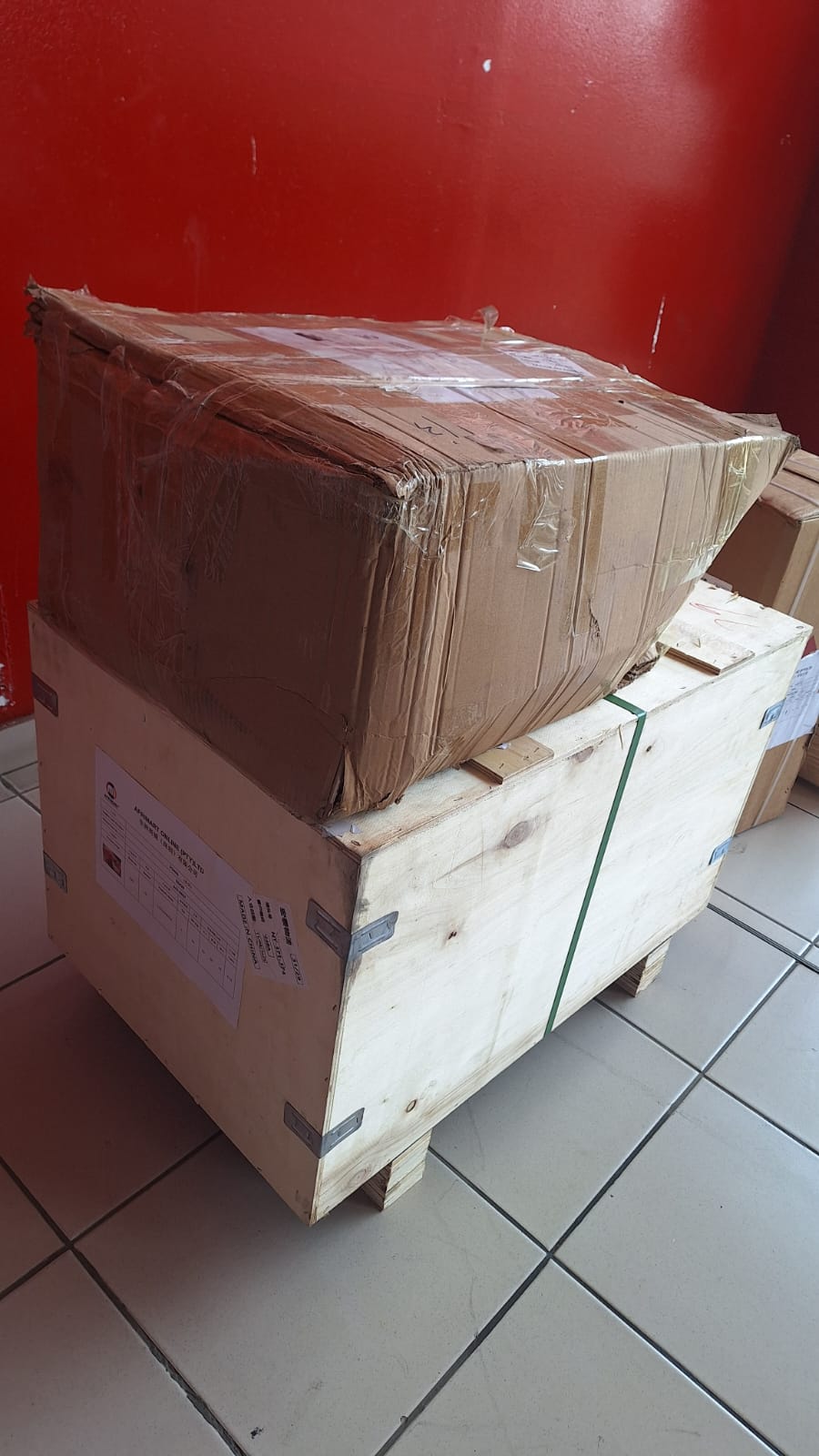
order success
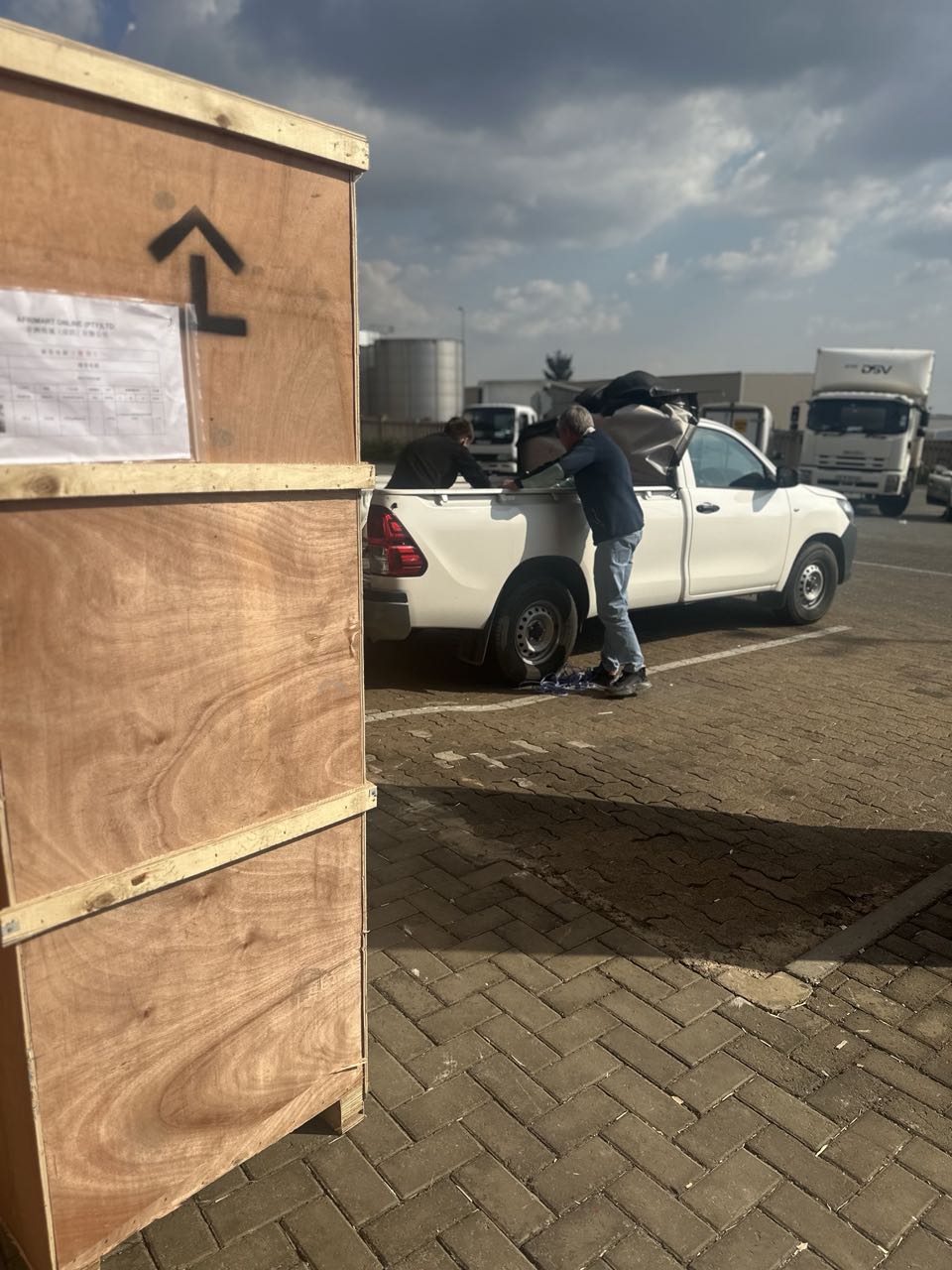
order collection
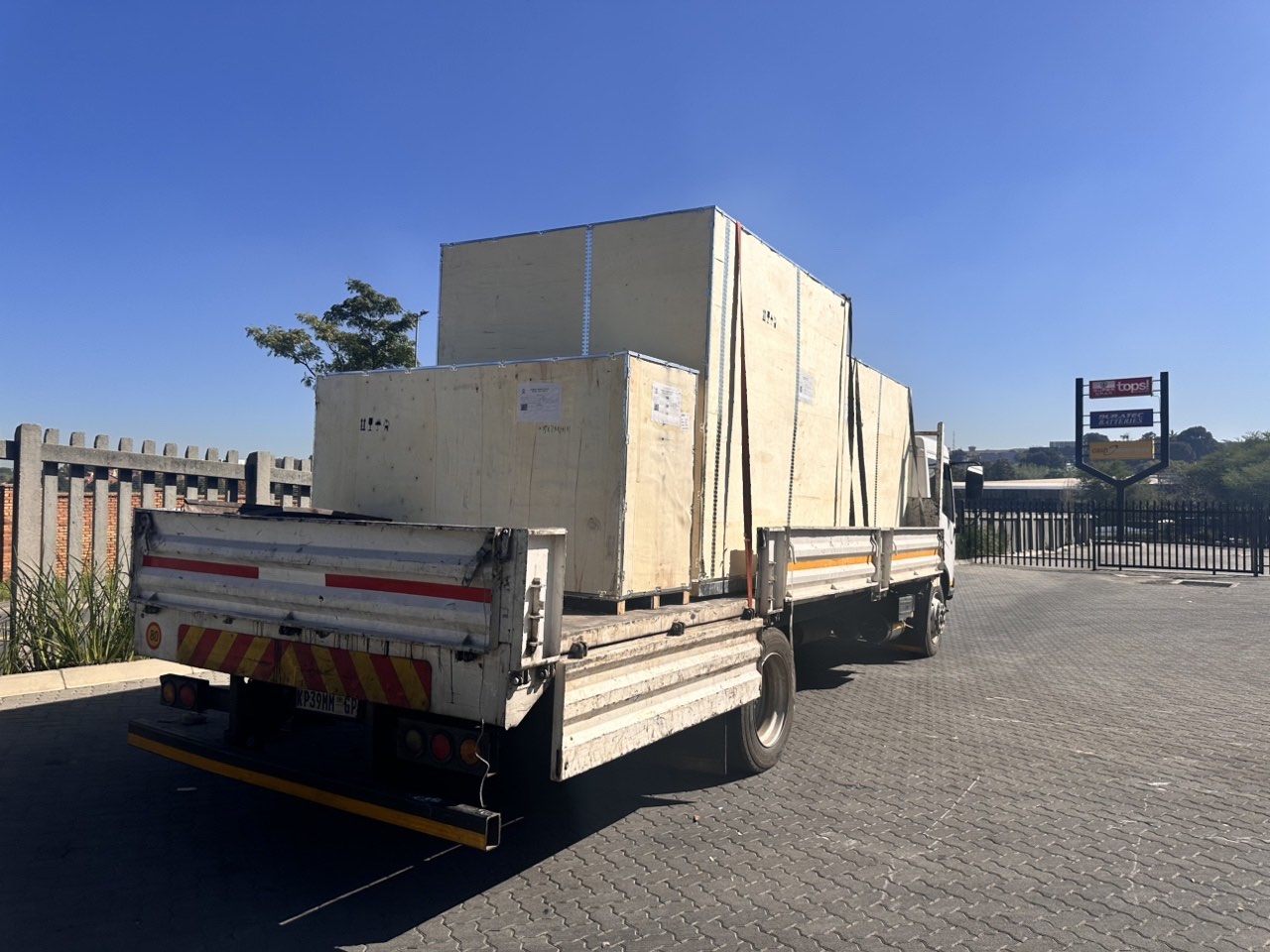
order offloading