B21, China Town Mall, Midrand

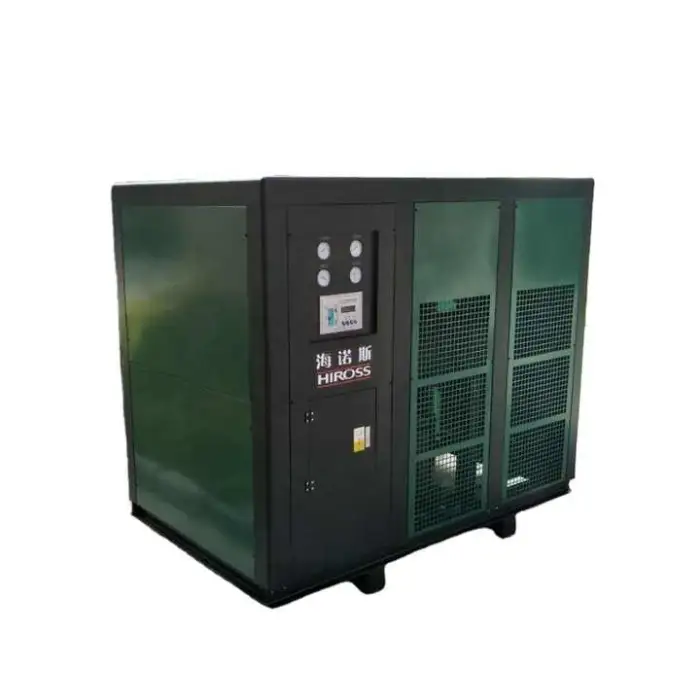
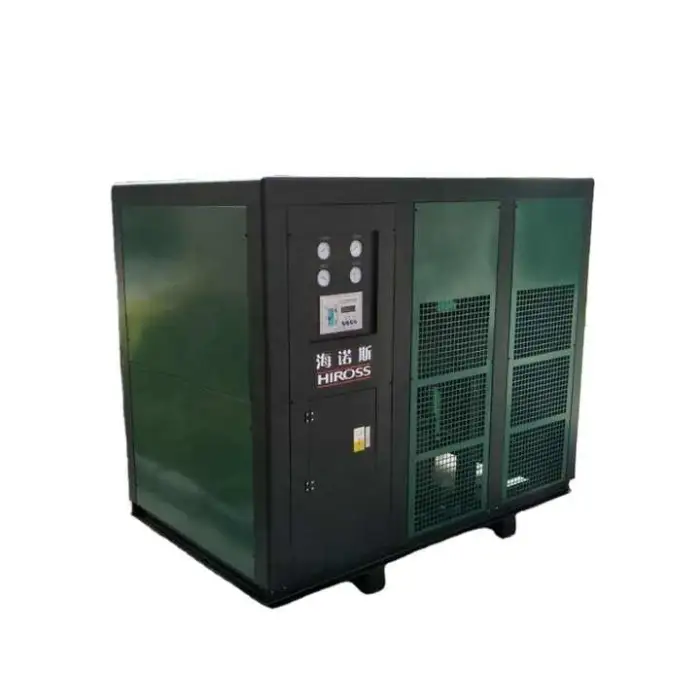
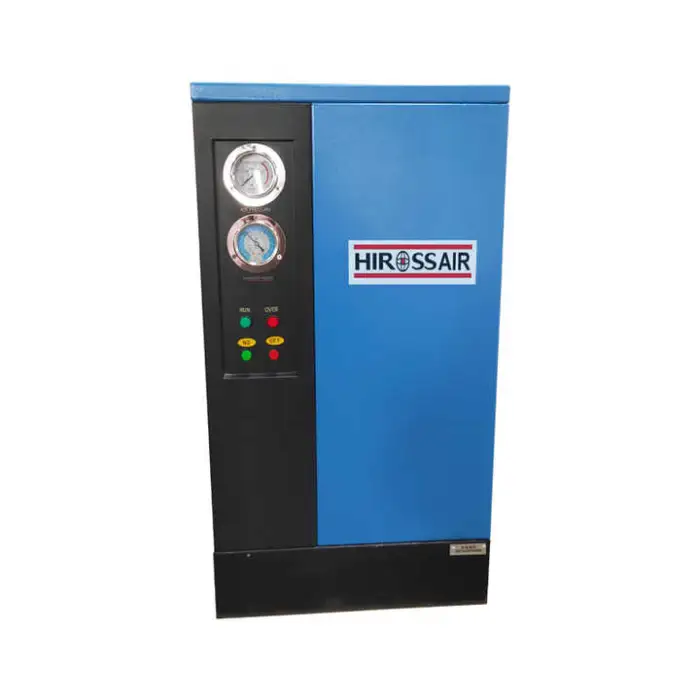
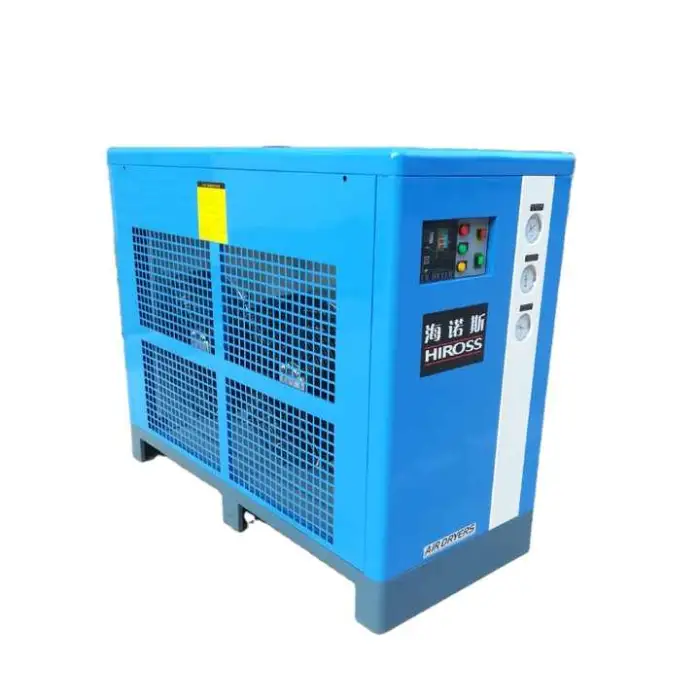
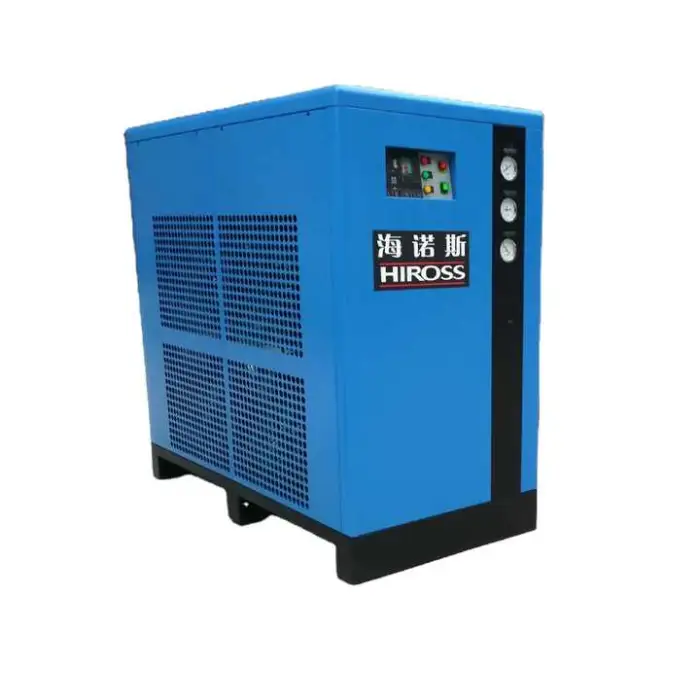
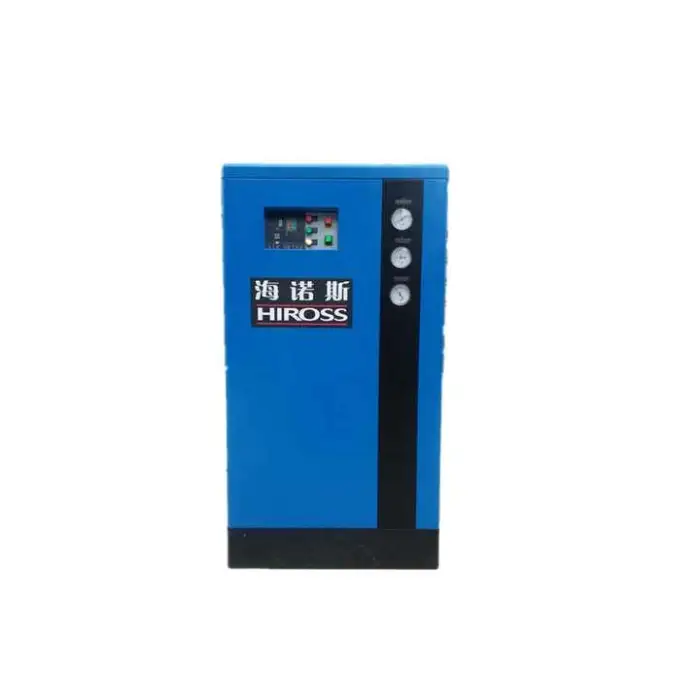
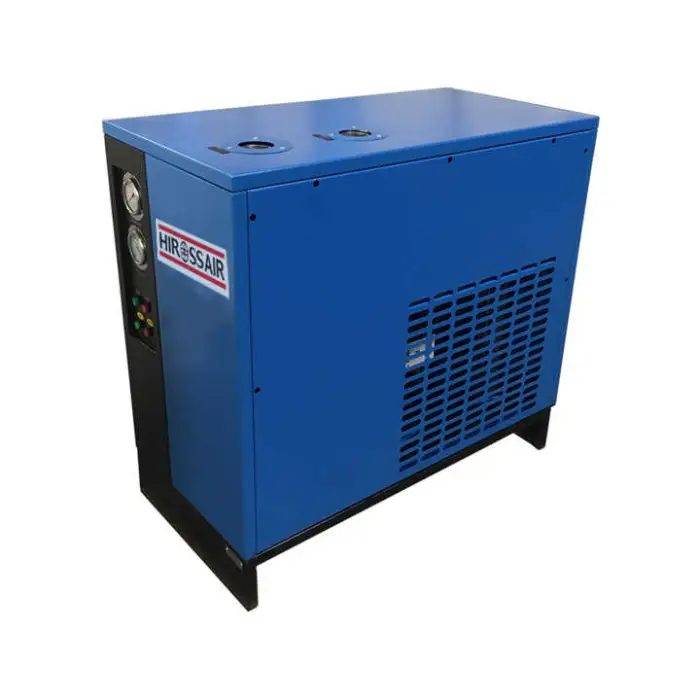
Revair Reverse-Air Metal Dryer Machine Cold and Air Freeze Dryer
Asset finance available
Do you want funding for this equipment?
Afrimart can connect you with trusted funding partners who specialise in asset finance for businesses like yours. Compare options and apply in minutes — final approval is subject to provider review.
Check funding options
Secure & no obligation

- Section : Machinery
- Category : Industrial Compressors & Parts
- SKU : 1600312419485

Revair Reverse-Air Metal Dryer Machine Cold and Air Freeze Dryer
The Revair Reverse-Air Metal Dryer Machine Cold and Air Freeze Dryer is a powerful and efficient drying solution. Designed to quickly dry a variety of materials, this machine uses advanced reverse-air technology. It is perfect for both commercial and industrial use. Its robust build and high-performance features ensure reliable operation for all your drying needs.
Specifications
| Attribute | Details |
|---|---|
| Gas Type | Oxygen |
| Lubrication Style | Lubricated |
| Core Components | Screw, Pressure Vessel, Motor |
| Engine Voltage | 220V |
| Cooling Method | Air Cooled |
| Power Source | AC Power |
| Video Outgoing Inspection | Provided |
| Machinery Test Report | Provided |
| Configuration | Stationary |
| Mute | No |
| Selling Units | Single item |
| Package Size | 130X50X50 cm |
| Gross Weight | 68.000 KG |
Key Features
- Advanced reverse-air drying technology.
- High efficiency with quick drying times.
- Robust design made for durability.
- Easy to operate with user-friendly controls.
- Low maintenance with lubricated components.
Applications
- Drying food products.
- Industrial drying for textiles.
- Drying chemicals and pharmaceuticals.
- Use in laboratories and research facilities.
- Drying agricultural products.
Product Info Gallery
- Shipping Timeframes: All orders are processed within 2-5 business days (excluding weekends and holidays). After your order has been processed, the estimated delivery time is before 30 Nov, 2026, depending on customs, Please note that due to high demand, some items may experience longer shipping times, which will be communicated at order confirmation email.
- Order Processing Time: Please allow 2-5 business days for us to process your order before it is shipped . Orders placed after 16:00 on Fridays, or during weekends and public holidays, will begin processing on the next business day. Processing times may be extended during peak seasons or sales events.
- Manufacturing Time: Some products needs manufacturing time, the manufacturing process will take approximately 10-30 business days depending on the product. This timeframe may vary depending on the complexity of the product and current demand. but this will be communicated with you during order confirmation.
- Returns and Exchanges: We offer a 30-day return policy for most items. If you are not completely satisfied with your purchase, you may return it within 30 days of receipt for a refund or exchange. Items must be unused, in their original packaging, and accompanied by proof of purchase. Return shipping costs are the responsibility of the customer, unless the item was damaged or defective upon arrival.
1. What is reverse-air drying technology and how does it work?
Reverse-air drying uses periodically reversed airflow through the product bed or drum to fluidize and redistribute the load, promoting uniform heat and mass transfer. This reduces drying times, minimizes hot spots and improves overall drying consistency for a wide range of materials.
2. Is the Revair unit a freeze dryer (lyophilizer) or a cold-air dryer?
The product name includes both 'Cold and Air Freeze Dryer' and 'Reverse-Air', suggesting it is designed for cold-air drying with reverse-air technology. True laboratory/industrial freeze-drying (lyophilization) normally requires vacuum pumps and condensers; those components are not listed in the supplied specifications, so confirm freeze-drying capability and required accessories with the supplier if you specifically need vacuum-based lyophilization.
3. What types of materials can this machine dry?
Typical applications listed include food products, textiles, chemicals, pharmaceuticals, agricultural products and laboratory samples. Always verify material compatibility (thermal sensitivity, particle size, dust/explosion risk) with the manufacturer before processing.
4. What are the electrical and cooling requirements?
The machine is configured for 220V AC power and uses air cooling. Ensure you have the appropriate AC supply and adequate ventilation/airflow at the installation site.
5. The specifications list 'Gas Type: Oxygen' — does the dryer require oxygen?
The specification field shows 'Oxygen' for gas type, but dryers commonly operate with air. This may be a product-sheet entry or indicate optional process gas compatibility. Do not assume oxygen is required; contact the seller/manufacturer to clarify gas requirements and to discuss inerting options (e.g., nitrogen) if your materials are oxygen-sensitive or flammable.
6. How loud is the machine during operation?
The specification lists 'Mute: No', indicating it is not designed to be silent. Exact noise levels (dB) are not provided; request measured sound pressure levels from the manufacturer if workplace noise limits or hearing protection requirements are a concern.
7. What maintenance is required?
Key components are lubricated (screw, bearings and moving parts). Routine maintenance generally includes scheduled lubrication, inspection of the motor and pressure vessel, filter replacement or cleaning, checking seals and fasteners, and following the manufacturer's service intervals. Obtain the operator and maintenance manual for detailed procedures.
8. Does the unit come with inspection or test documentation?
Yes — the listing indicates 'Video Outgoing Inspection' and a 'Machinery Test Report' are provided with the unit.
9. What are the machine dimensions and weight for planning installation?
Package size is listed as 130 x 50 x 50 cm and gross weight is 68.000 kg. The machine is described as stationary, so allow space for installation, ventilation, access for maintenance and safe handling of the boxed unit.
10. Is the machine suitable for use in food or pharmaceutical production?
The machine is intended for drying those product types, but regulatory and hygiene requirements vary. For food or pharmaceutical use you may need specific surface finishes, cleanability documentation, GMP compliance or validation support. Confirm certifications and sanitary design options with the supplier before purchasing.
11. Can the dryer be customized for different throughput or shelf sizes?
Customization options are common for industrial dryers, but specific capacities and configurations are not provided in the basic spec. Contact the manufacturer or vendor to discuss throughput requirements, tray/shelf options, control systems and custom engineering.
12. Is training provided for operation and safety?
The specification does not list training explicitly. Many suppliers offer operator training and commissioning as part of sale or as an add-on. Ask the supplier about available training, manuals and safety documentation.
13. What safety features should I expect or require?
Typical safety features include emergency stop, motor overload protection, temperature and pressure monitoring, guard interlocks and electrical protection. Because the spec lists oxygen and lubricated components, discuss explosion risk mitigation (if drying powders), ventilation, and any required inerting or gas-monitoring with the vendor and your safety officer.
14. How do I clean and sanitize the machine?
Cleaning methods depend on the materials processed. General guidance: disconnect power, follow the manufacturer's cleaning procedures, use compatible cleaning agents that do not corrode surfaces or affect lubricated parts, rinse and dry thoroughly. For food/pharma use follow validated cleaning-in-place (CIP) or cleaning protocols approved for your quality system.
15. What is the warranty and how do I order spare parts or service?
Warranty, spare parts availability and service contracts are not specified in the provided information. Contact the supplier or manufacturer to confirm warranty terms, lead times for spare parts, availability of technical support and options for preventive maintenance contracts.
Latest Order Arrivals
Discover our latest orders
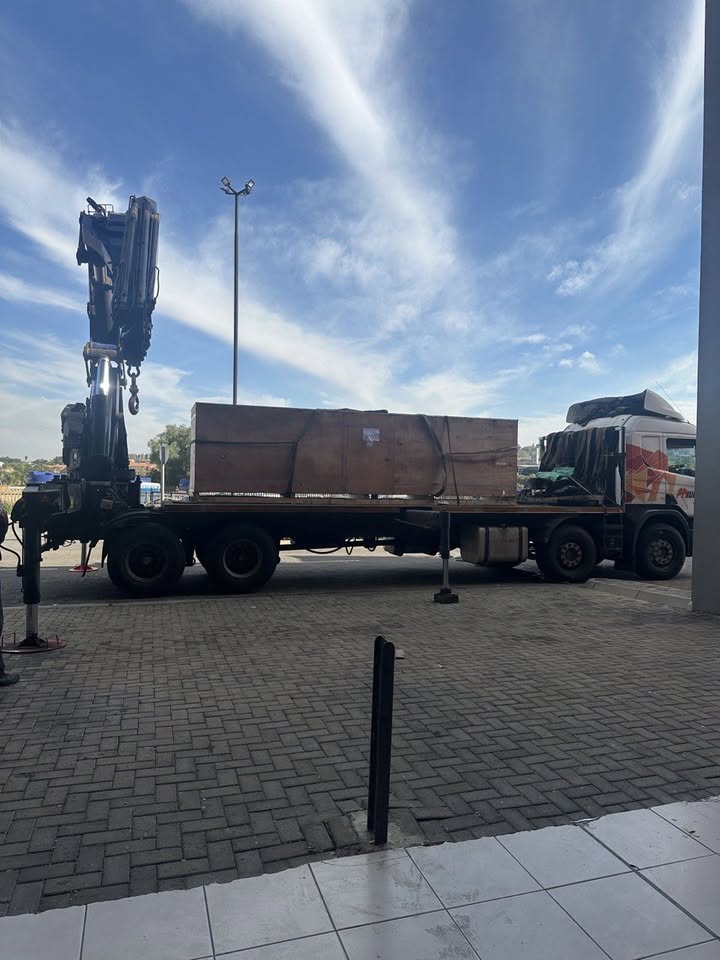
12 Heads Embroidery Machine
Toilet Paper Machine Machine
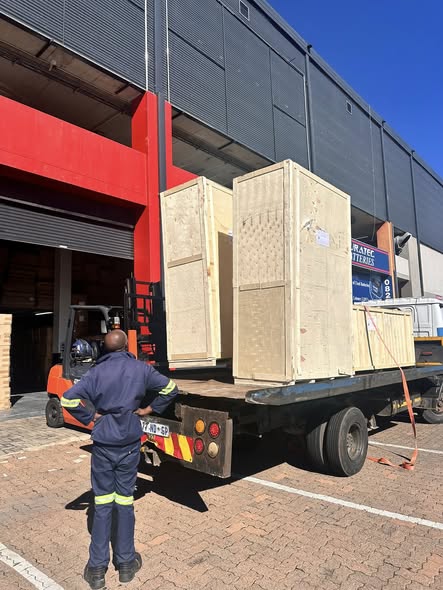
Order Collection
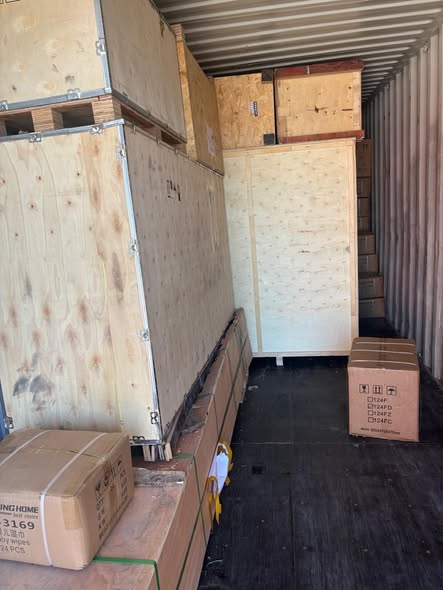
Cross Border Clients
Order cros border countries Collected
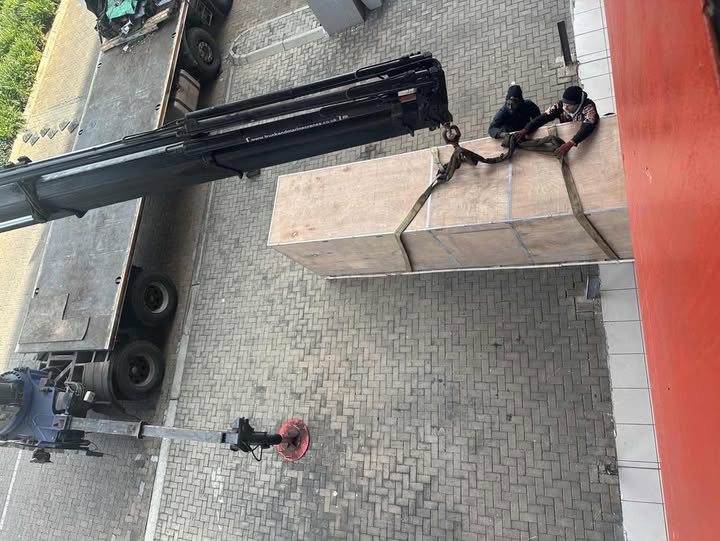
Industrial Machine Cllection
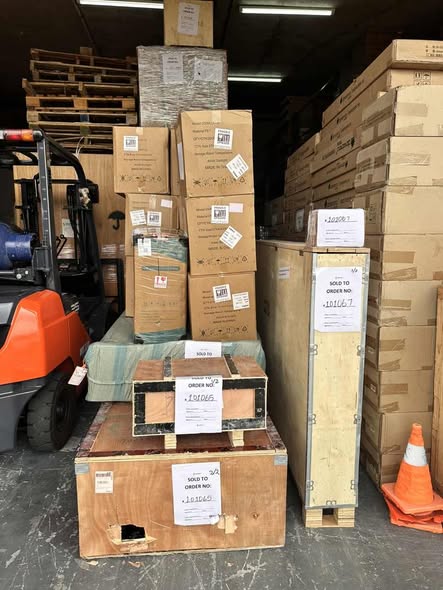
Agriculture Processing Machines
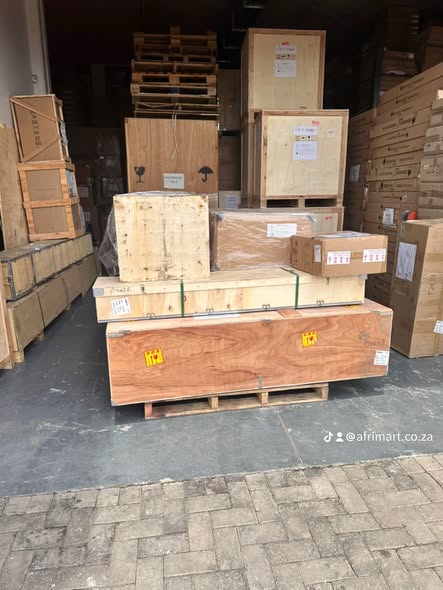
Ready for collection
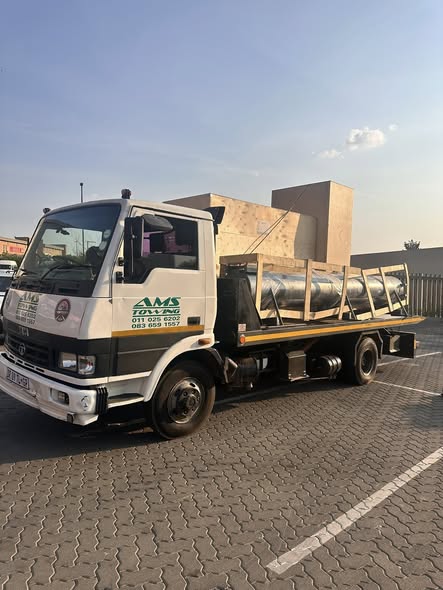
Water Pump Equipment
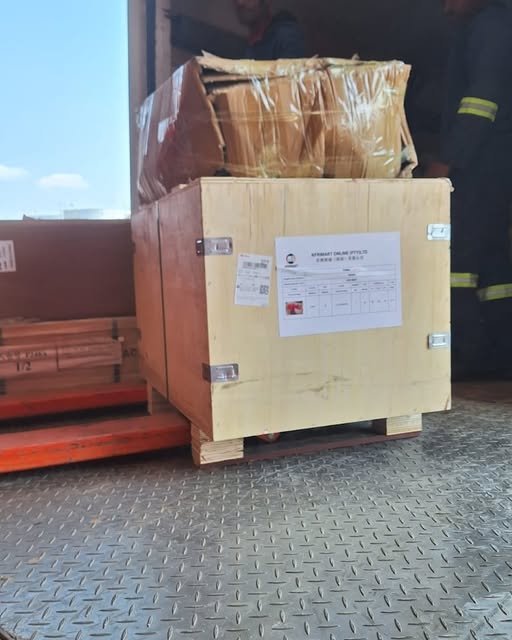
Packaging Machine and accessories
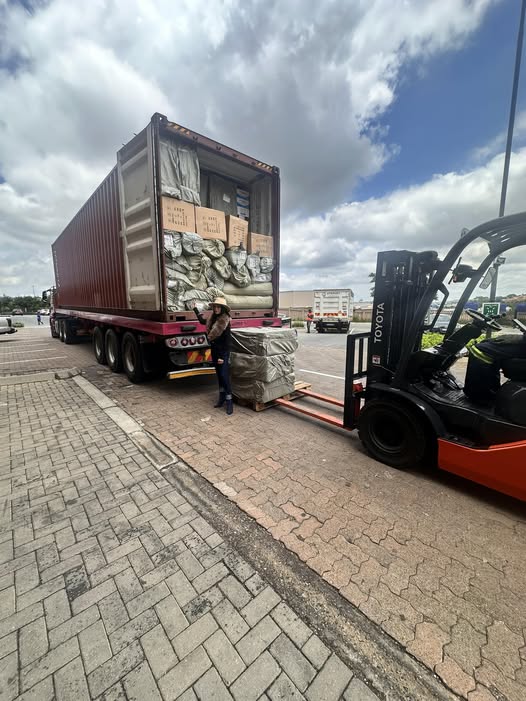
Fabrics Manufacturing Equipment
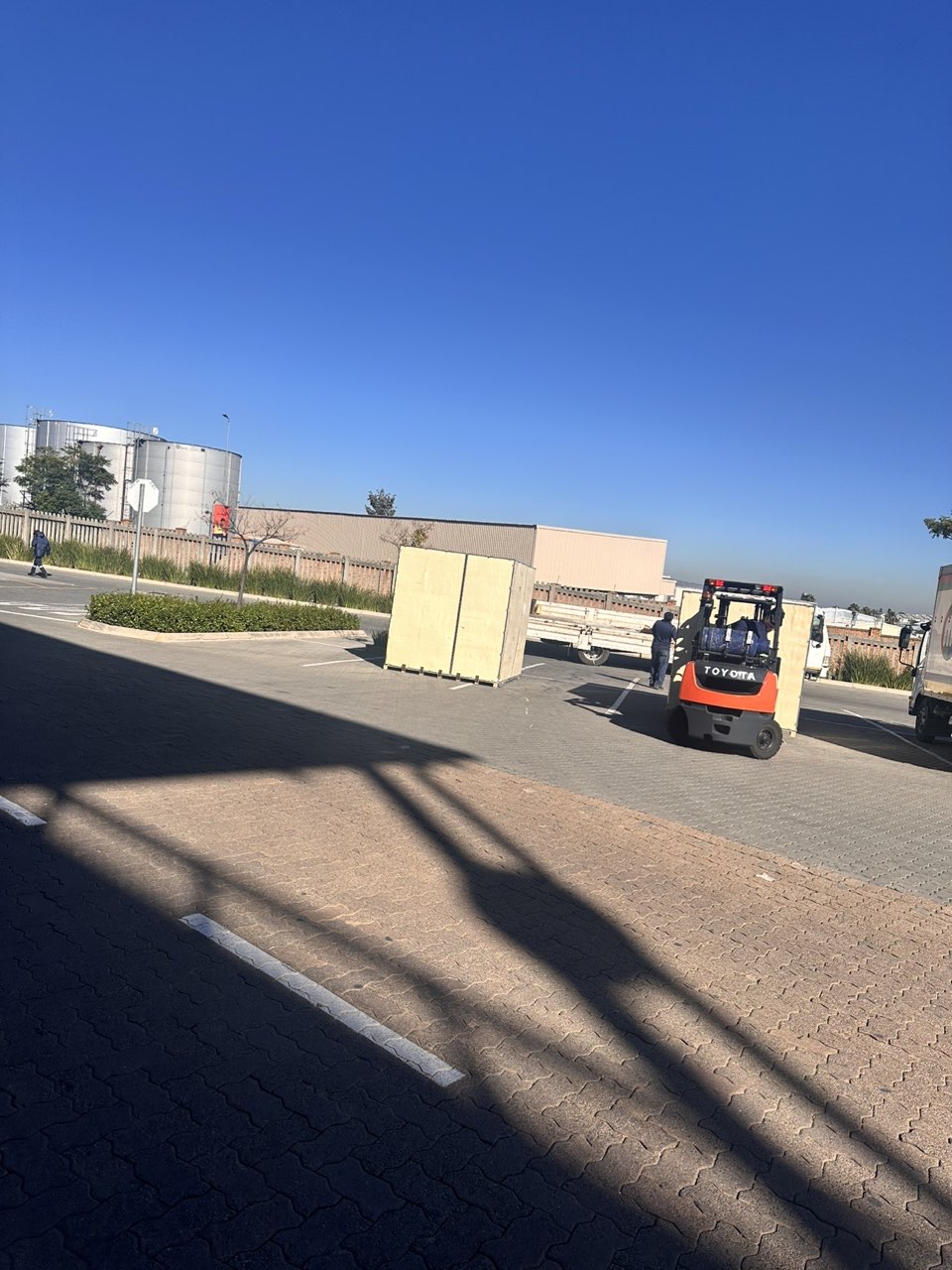
Mining Equipments
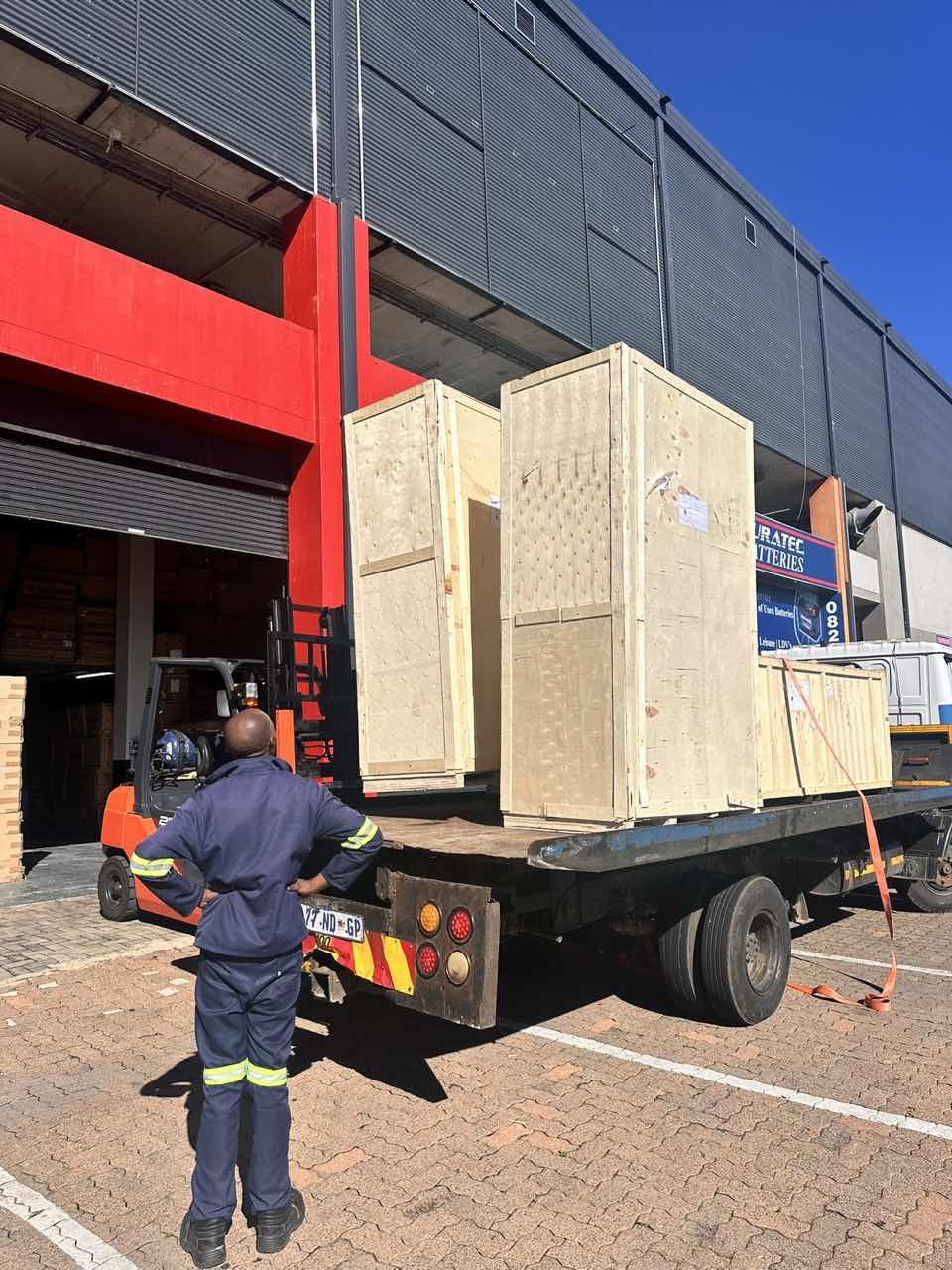
Food Processing Machine
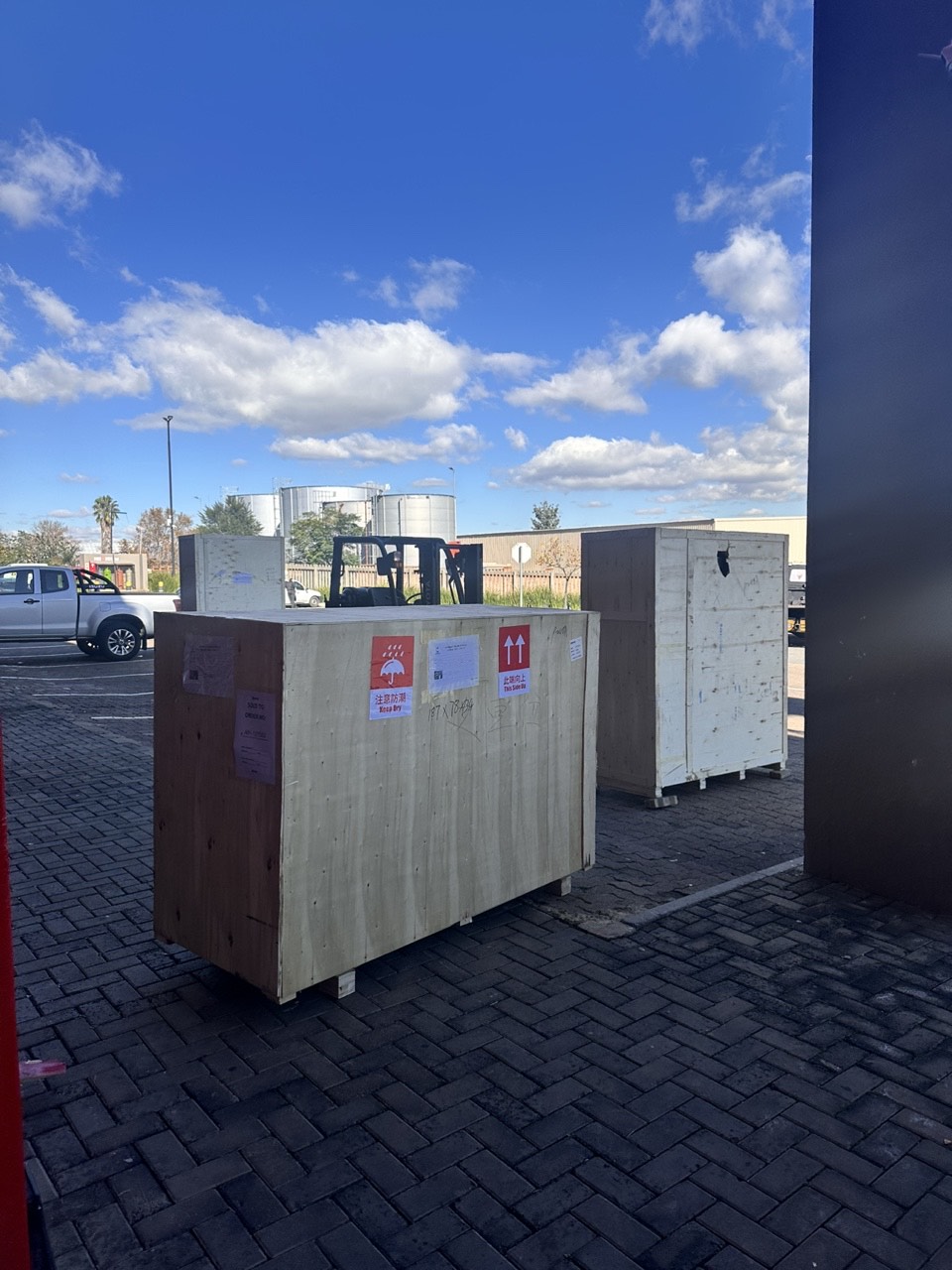
Batch of Orders
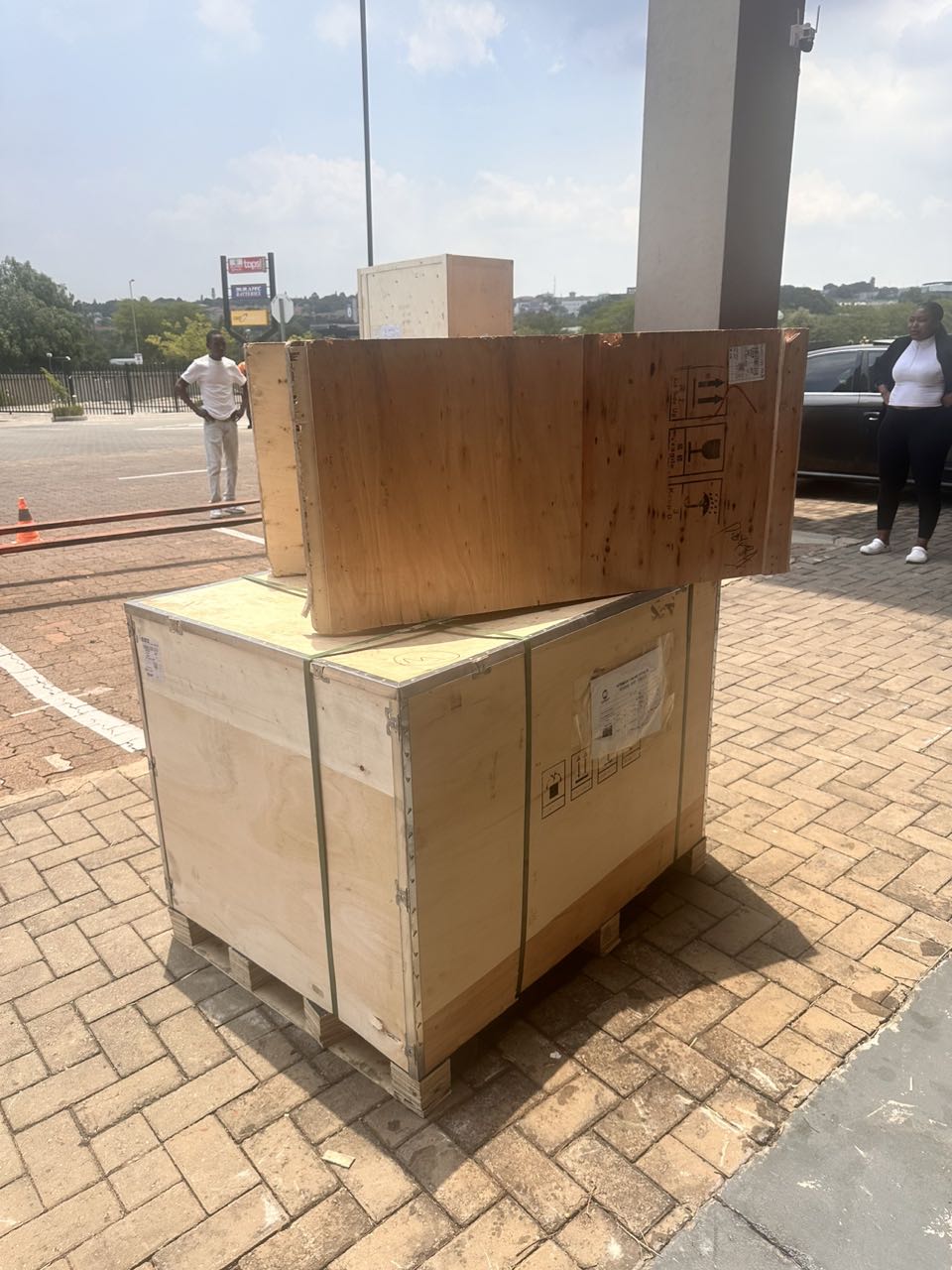
Batch of Orders
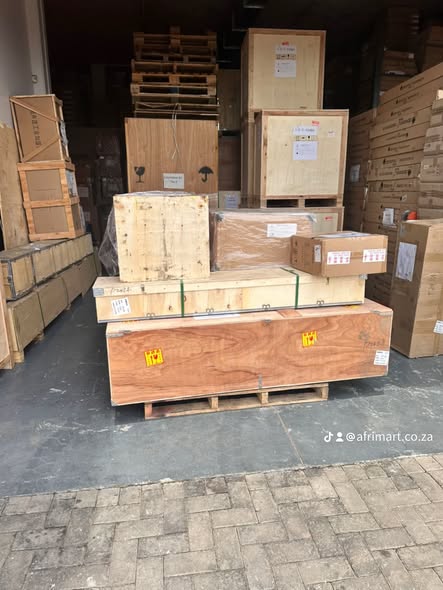
Latest Orders Labelled
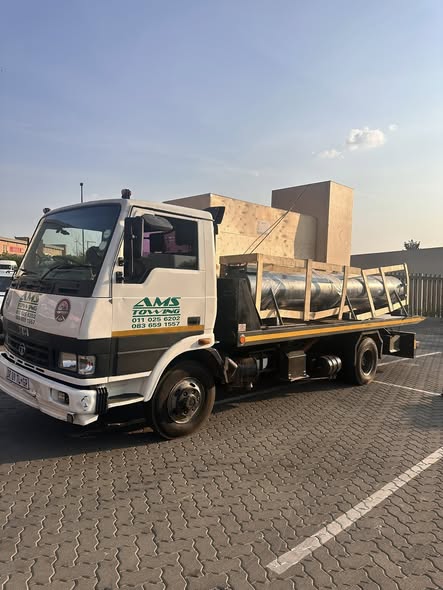
wheel alignment machines
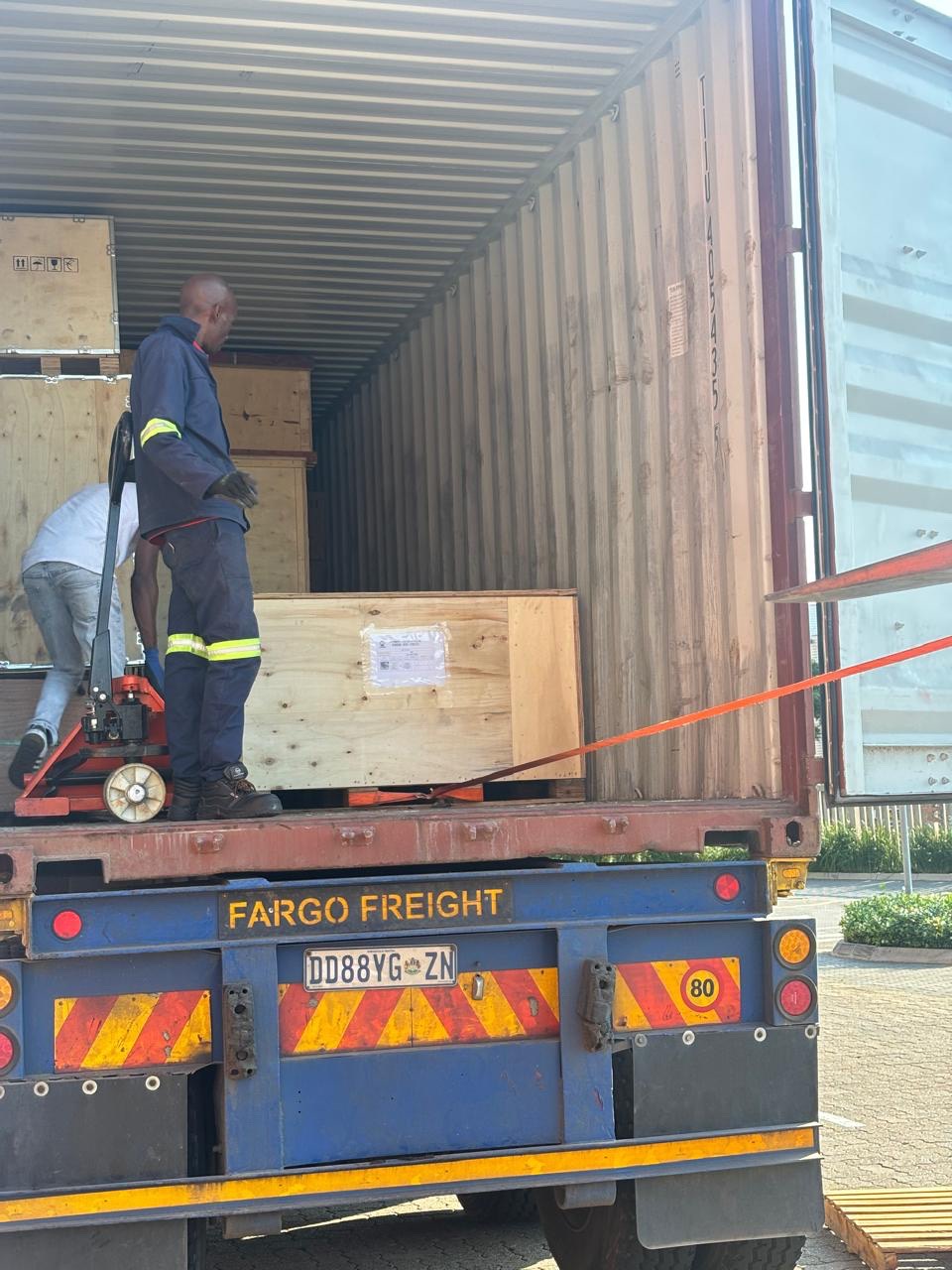
new arrivals
Pre Orders Offloading
Latest Arrivals
Latest Arrivals
Latest Arrivals
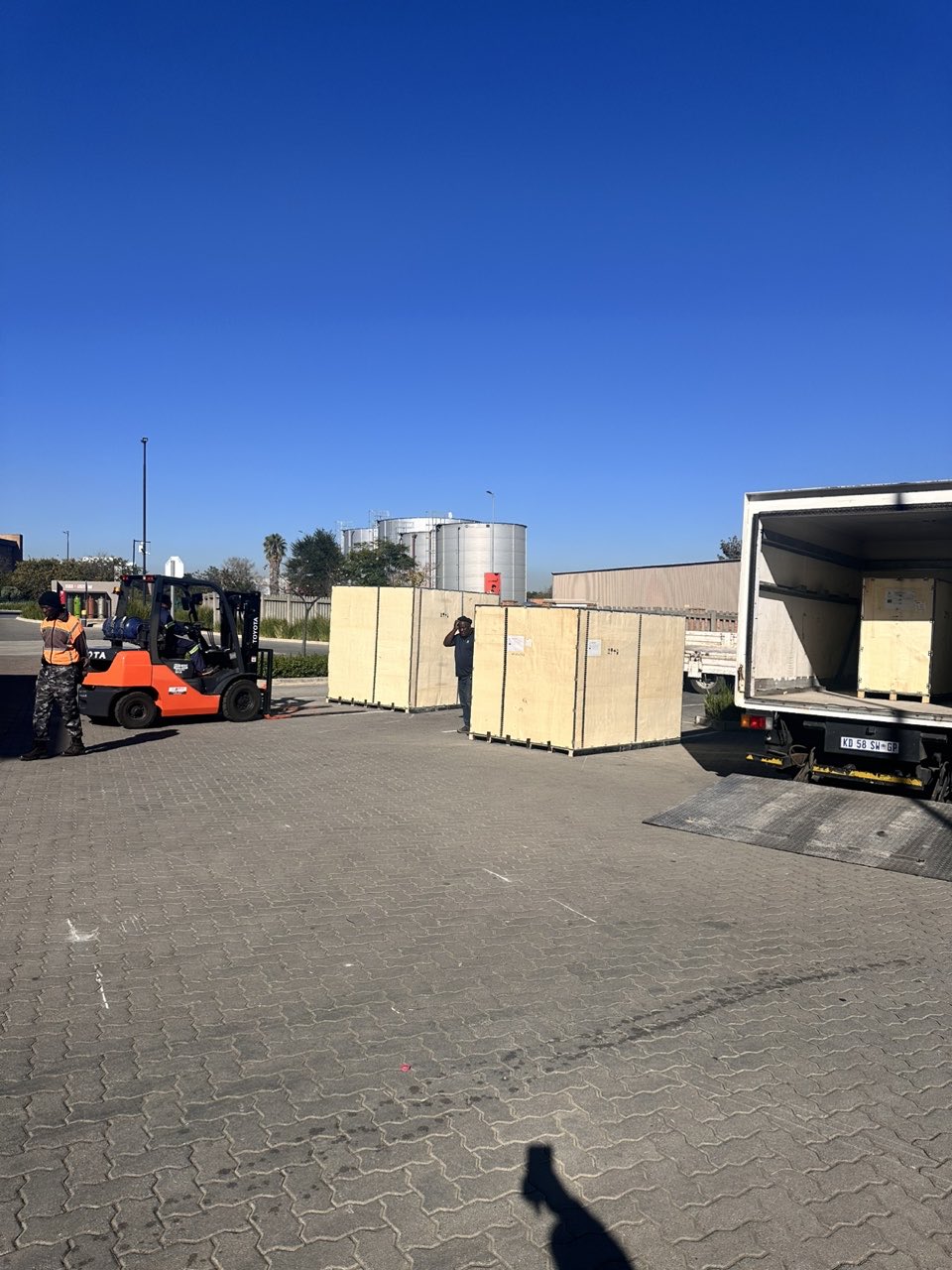
Loading
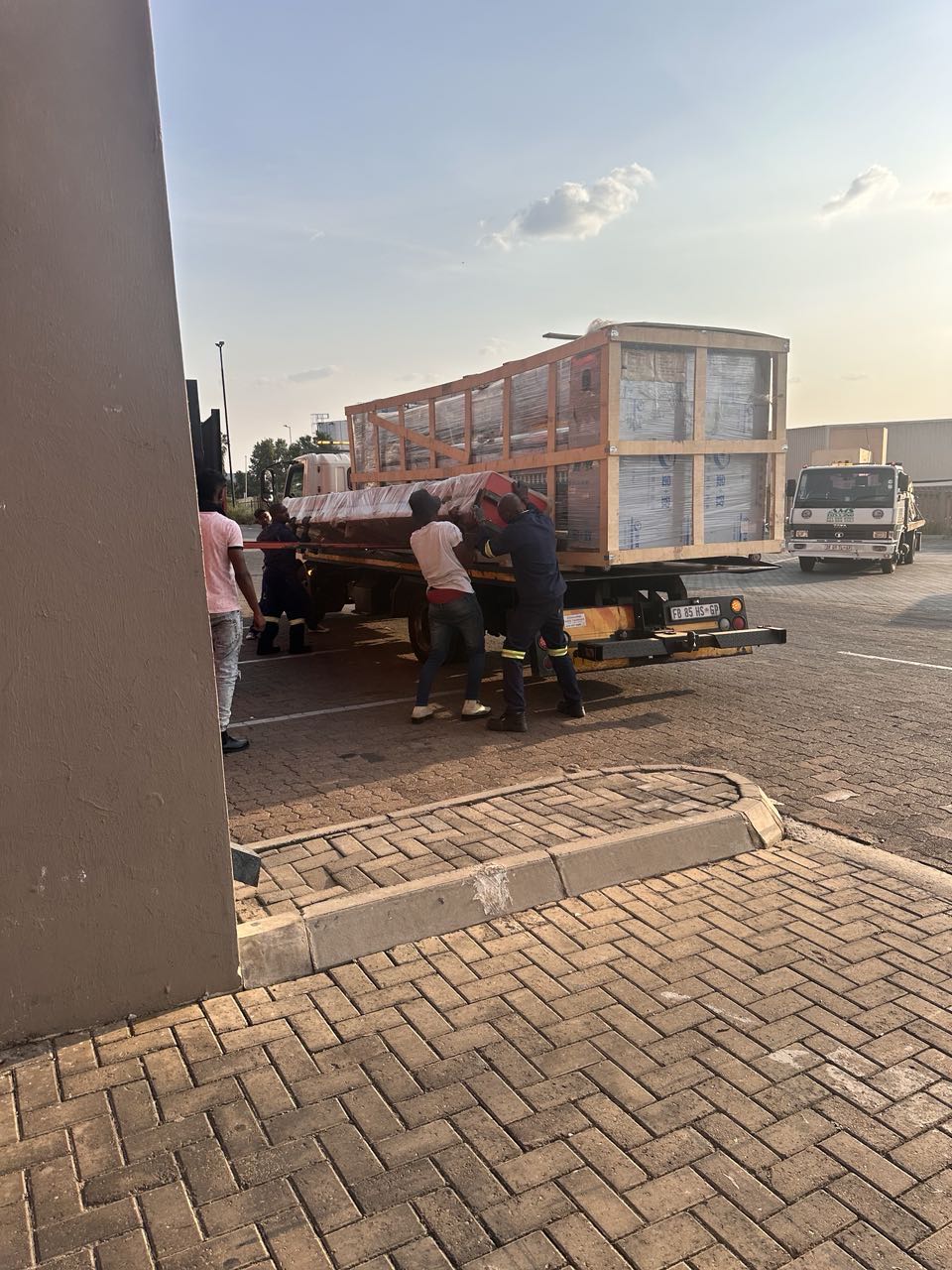
Toilet paper making machine
Toilet paper making machine
Toilet paper Rewinding Machine
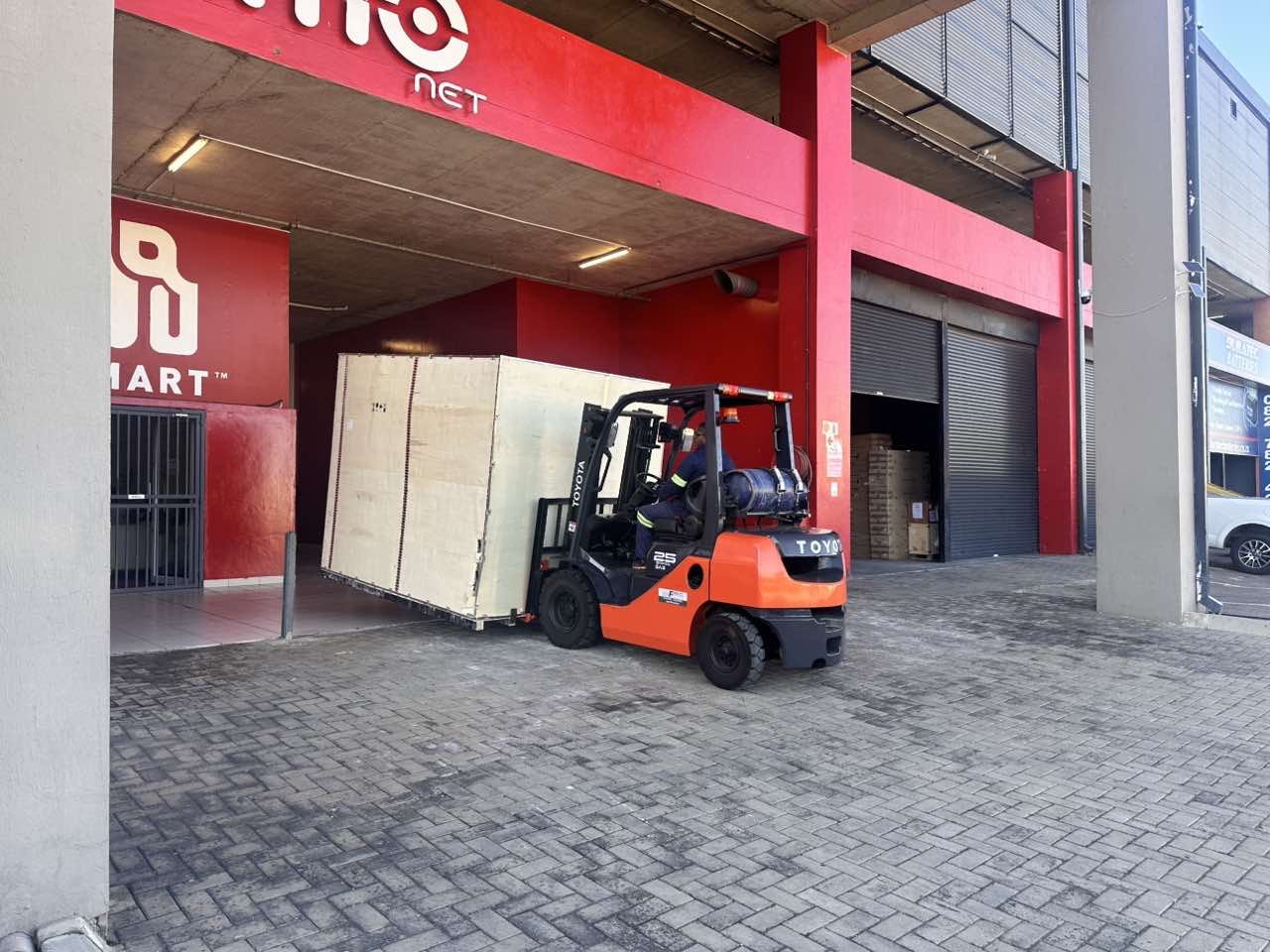
latest arrivals
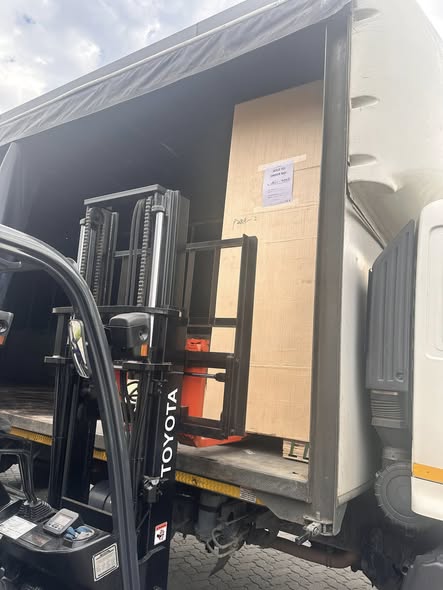
offloading
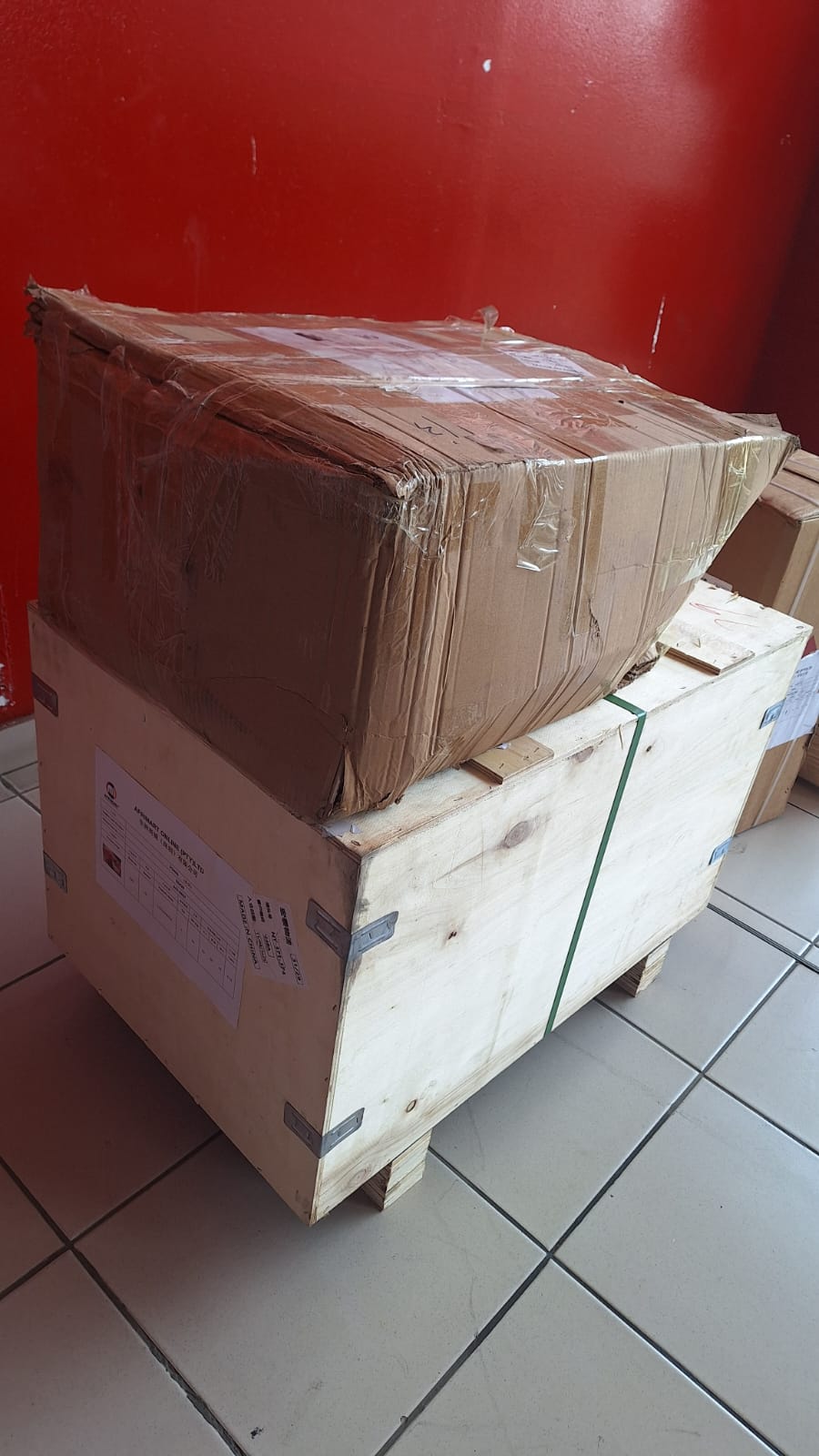
order success
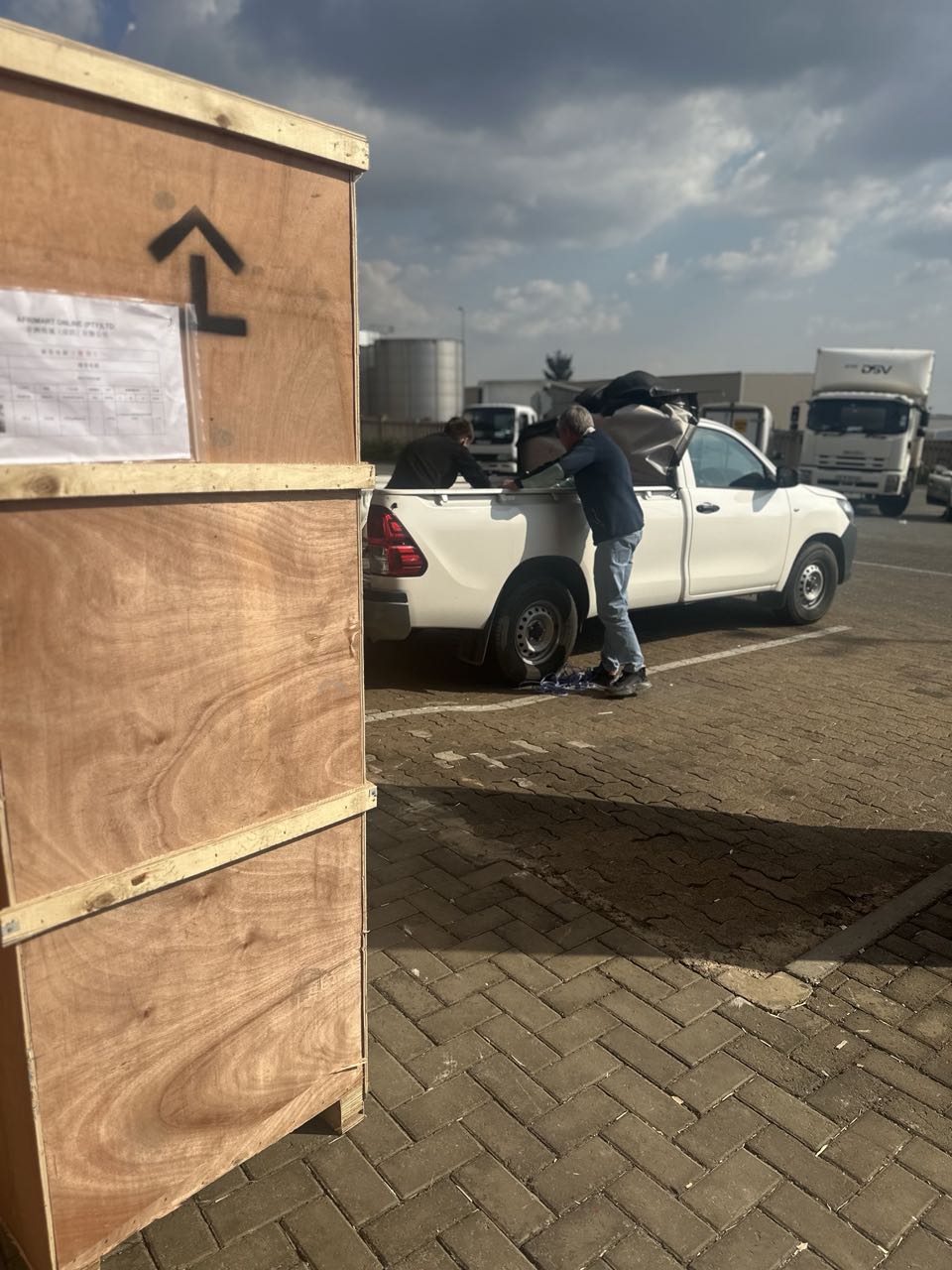
order collection
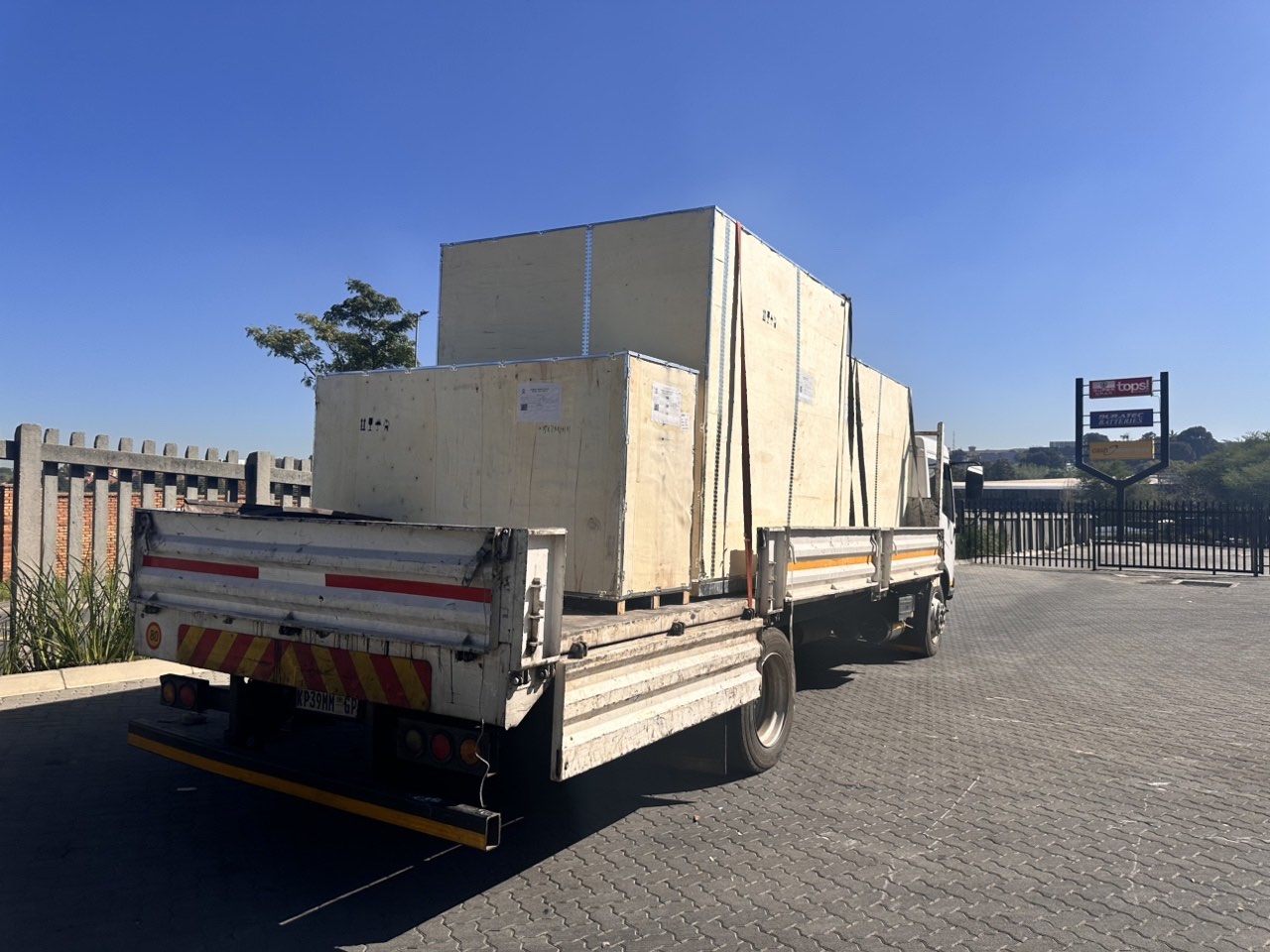
order offloading