B21, China Town Mall, Midrand

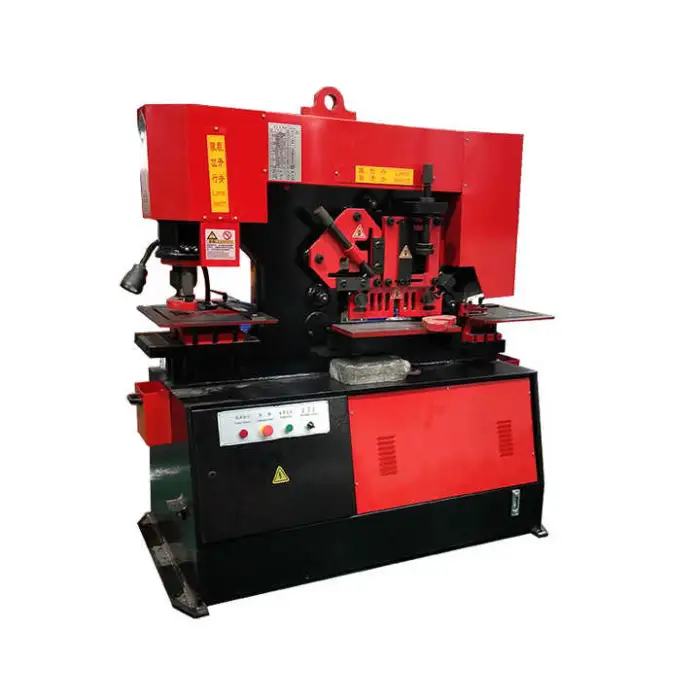
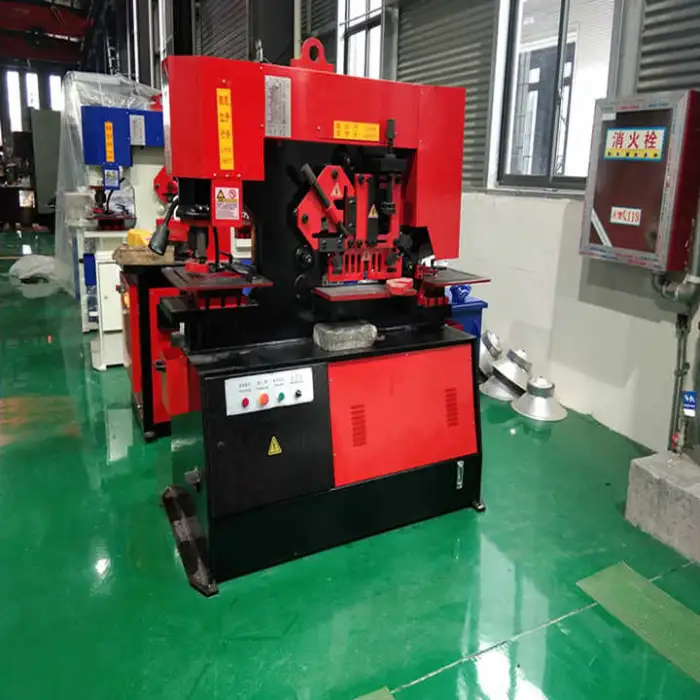
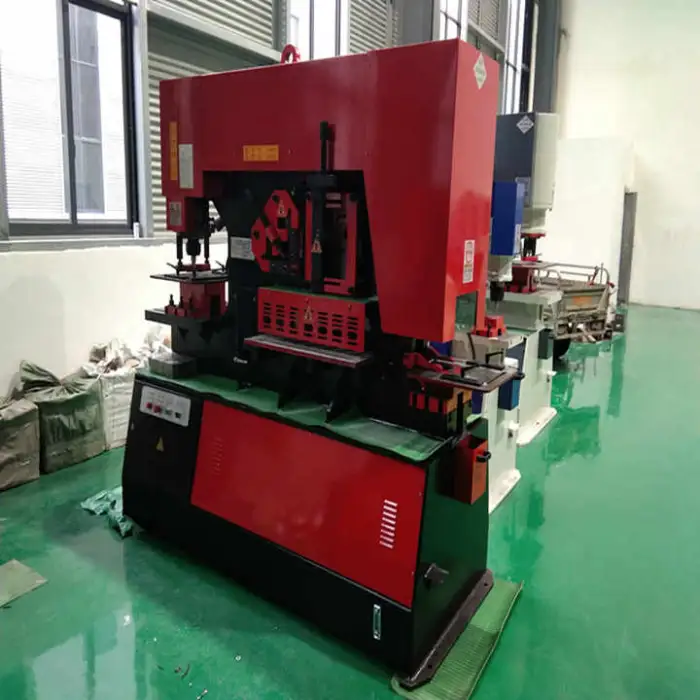
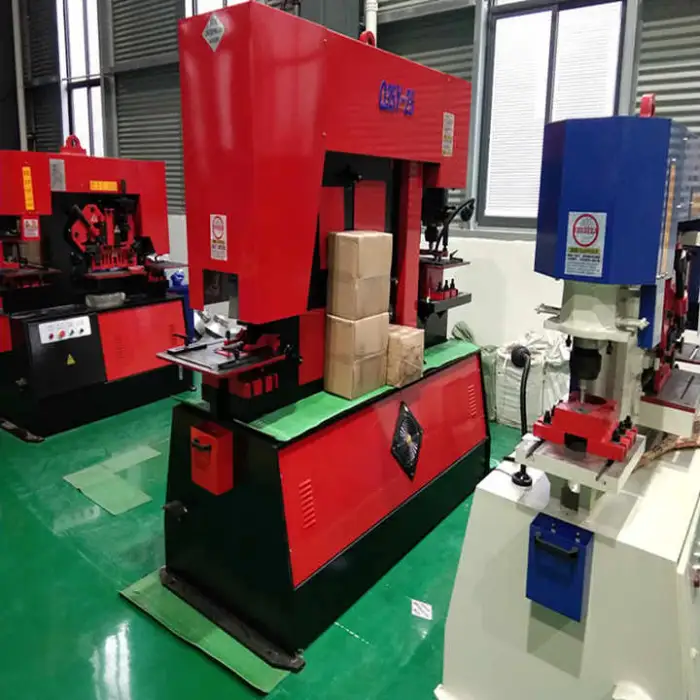
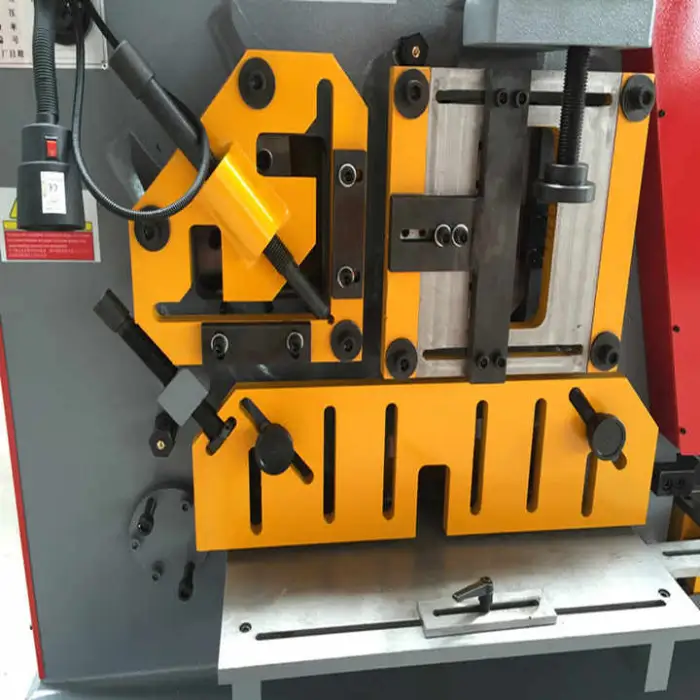
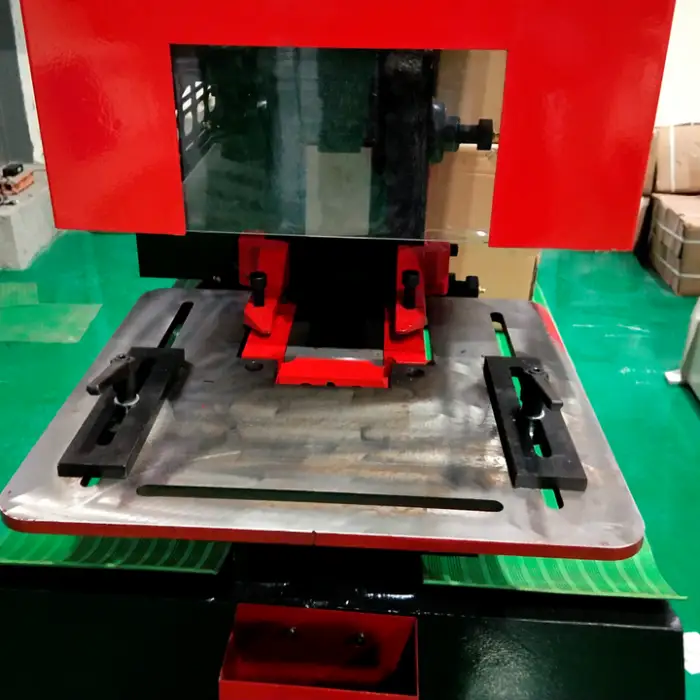
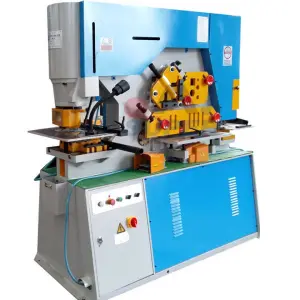
Q35Y-16 Cutting and Notching Machine Stainless Steel Bar Hydraulic Ironworker
Asset finance available
Do you want funding for this equipment?
Afrimart can connect you with trusted funding partners who specialise in asset finance for businesses like yours. Compare options and apply in minutes — final approval is subject to provider review.
Check funding options
Secure & no obligation

- Section : Machinery
- Category : Machine Tool Equipment
- SKU : 1600280071676

Q35Y-16 Cutting and Notching Machine Stainless Steel Bar Hydraulic Ironworker
The Q35Y-16 Cutting and Notching Machine is a powerful and versatile tool designed for metal working. This machine is perfect for punching, shearing, and bending stainless steel bars and metal sheets. It is easy to operate, making it a great choice for anyone in need of reliable metal fabrication equipment.
Specifications
| Attribute | Details |
|---|---|
| Power Source | Hydraulic |
| Nominal Force (kN) | 90 |
| Weight (t) | 2.6 |
| Dimensions (L*W*H) | 1860 x 800 x 1900 mm |
| Motor Power (kW) | 7.5 |
| Function | Punching, Shearing, Bending |
| Type | Q35Y-16 |
| Color | Customized |
| Max Punching Diameter (mm) | 20 |
| Max Shearing Thickness (mm) | 20 |
| Condition | New |
| Selling Units | Single item |
Key Features
- High efficiency for quick metal processing.
- Easy to operate, suitable for all skill levels.
- Designed for durability and long-term use.
- Customizable color to fit your workshop style.
- Compact size for easy placement in any workspace.
Applications
- Home use for DIY metal projects.
- Manufacturing plants for mass production.
- Retail environments for custom metal work.
- Machinery repair shops for quick repairs.
- Metal sheet punching and fabrication tasks.
Product Info Gallery
- Shipping Timeframes: All orders are processed within 2-5 business days (excluding weekends and holidays). After your order has been processed, the estimated delivery time is before 04 Dec, 2026, depending on customs, Please note that due to high demand, some items may experience longer shipping times, which will be communicated at order confirmation email.
- Order Processing Time: Please allow 2-5 business days for us to process your order before it is shipped . Orders placed after 16:00 on Fridays, or during weekends and public holidays, will begin processing on the next business day. Processing times may be extended during peak seasons or sales events.
- Manufacturing Time: Some products needs manufacturing time, the manufacturing process will take approximately 10-30 business days depending on the product. This timeframe may vary depending on the complexity of the product and current demand. but this will be communicated with you during order confirmation.
- Returns and Exchanges: We offer a 30-day return policy for most items. If you are not completely satisfied with your purchase, you may return it within 30 days of receipt for a refund or exchange. Items must be unused, in their original packaging, and accompanied by proof of purchase. Return shipping costs are the responsibility of the customer, unless the item was damaged or defective upon arrival.
1. What is the Q35Y-16 Cutting and Notching Machine used for?
The Q35Y-16 is a hydraulic ironworker designed for punching, shearing, and bending stainless steel bars and metal sheets. It’s suitable for fabrication, repair shops, retail metal work, and DIY metal projects.
2. What are the key specifications of the Q35Y-16?
Nominal force: 90 kN; Motor power: 7.5 kW; Weight: 2.6 t (tonnes); Dimensions (L×W×H): 1860 × 800 × 1900 mm; Functions: punching, shearing, bending; Max punching diameter: 20 mm; Max shearing thickness: 20 mm.
3. What materials can this machine process?
The machine is built for stainless steel bars and metal sheets. It can also work with mild steel and many other alloys, but cutting/punching capacity depends on material hardness and thickness—test or consult the supplier for very hard/high-strength materials.
4. What is the maximum punching diameter and maximum shearing thickness?
Maximum punching diameter is 20 mm and maximum shearing thickness is 20 mm, as specified. Actual performance can vary by material type and tooling condition.
5. What power supply is required to run the Q35Y-16?
The machine has a 7.5 kW motor. Typical installations use a three-phase industrial electrical supply; exact voltage, phase and breaker requirements will depend on your motor configuration—confirm with the supplier or the machine's technical manual before installation.
6. How much space is needed to install the machine?
Machine footprint is approximately 1860 × 800 mm and height 1900 mm. Allow additional clearance around the machine for operator access, material handling and maintenance—typically a minimum of 1–1.5 m clearance on working sides.
7. Is the color customizable?
Yes. The machine can be customized in color to fit your workshop style. Confirm customization options and lead times with your sales representative.
8. What safety features should I expect and what PPE is recommended?
Standard safety measures include guards for punch and shear areas, emergency stop, and foot or hand controls depending on configuration. Operators should wear safety glasses, gloves, steel-toe shoes, and hearing protection as appropriate. Always follow the machine manual and local safety regulations.
9. What maintenance does the Q35Y-16 require?
Regular maintenance includes checking and changing hydraulic oil and filters, inspecting and tightening bolts, keeping tooling sharp and aligned, lubricating moving parts per the manual, and monitoring for leaks. Follow the manufacturer’s maintenance schedule for intervals and oil specifications.
10. Are spare parts and tooling available?
Yes. Standard wear parts such as punches, dies, shear blades, seals, and hydraulic components are typically available. Contact the supplier for part numbers, pricing and lead times for replacement tooling or custom tooling.
11. What installation requirements are needed (foundation, anchoring)?
Install on a flat, level surface—typically a reinforced concrete floor. The machine should be anchored with appropriate foundation bolts to minimize vibration and movement. Exact anchoring and foundation specs will be in the installation manual provided by the manufacturer.
12. Is training available for operators?
Many suppliers offer operator training, either on-site or via documentation and video. Ask your vendor about available training packages, startup assistance, and operator manuals.
13. What warranty and after-sales support are provided?
Warranty terms and after-sales support vary by supplier and region. Contact the seller for specific warranty duration, what it covers, and details about service contracts or local service centers.
14. How portable is the machine and how is it shipped?
The machine weighs approximately 2.6 tonnes and is not intended for frequent relocation. It’s normally shipped on a pallet or crate and delivered by freight. Plan for forklift or crane unloading and local transport to the installation site.
15. Can the Q35Y-16 be adapted for special jobs or custom tooling?
Yes. The ironworker is versatile and can be fitted with custom punches, dies and attachments for specific tasks. Discuss your application with the supplier to arrange custom tooling or modifications.
Latest Order Arrivals
Discover our latest orders
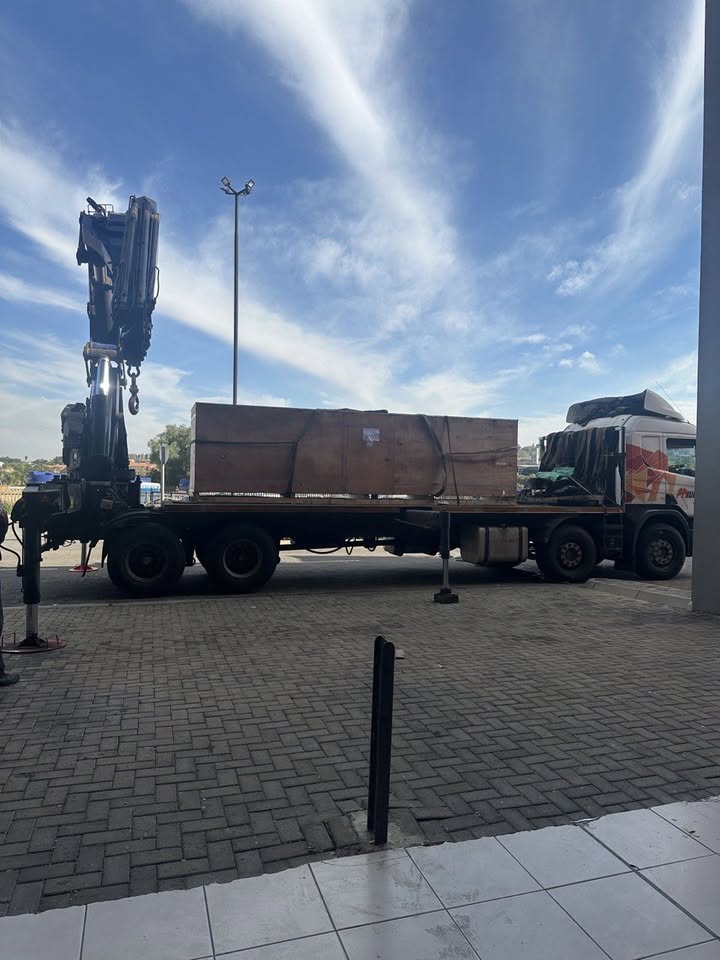
12 Heads Embroidery Machine
Toilet Paper Machine Machine
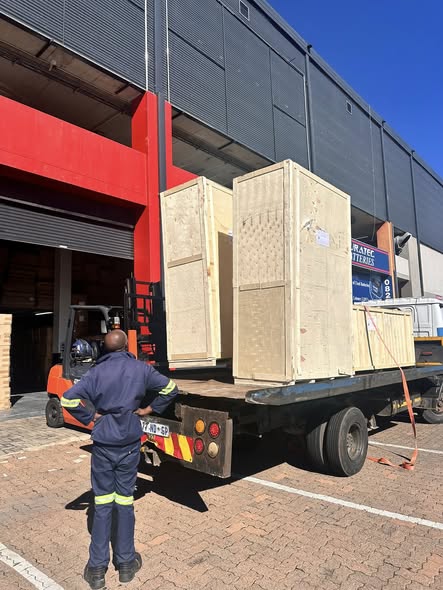
Order Collection
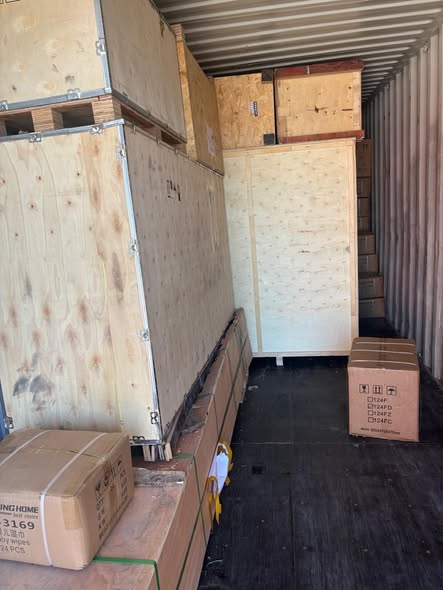
Cross Border Clients
Order cros border countries Collected
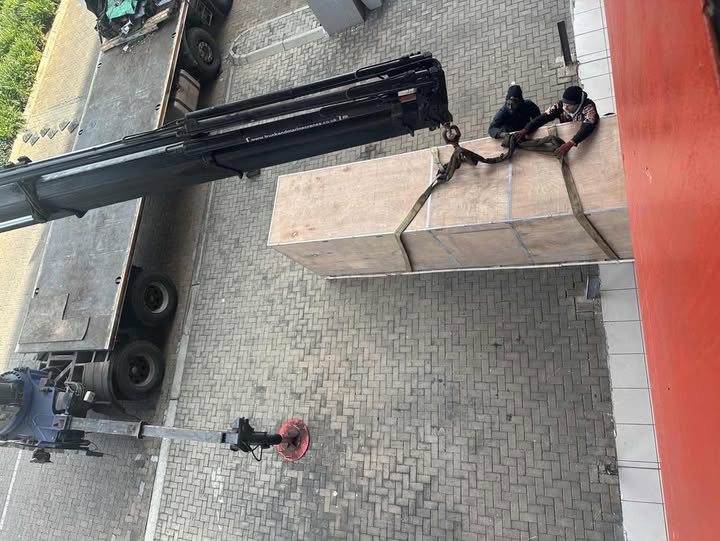
Industrial Machine Cllection
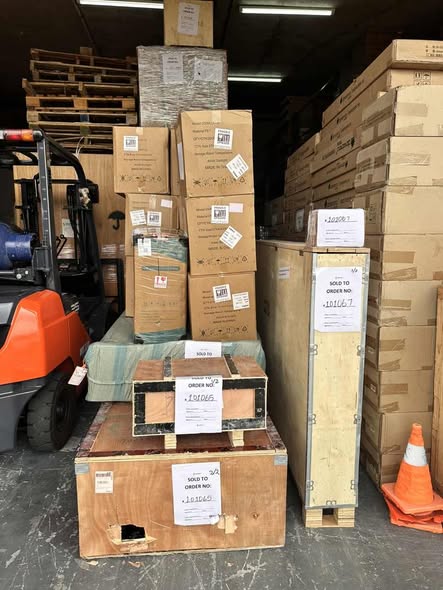
Agriculture Processing Machines
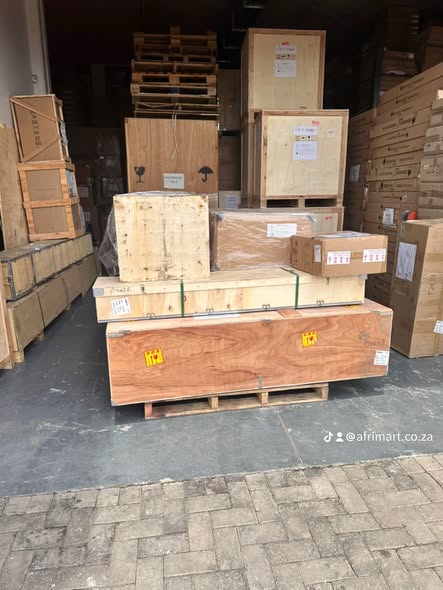
Ready for collection
Water Pump Equipment
Packaging Machine and accessories
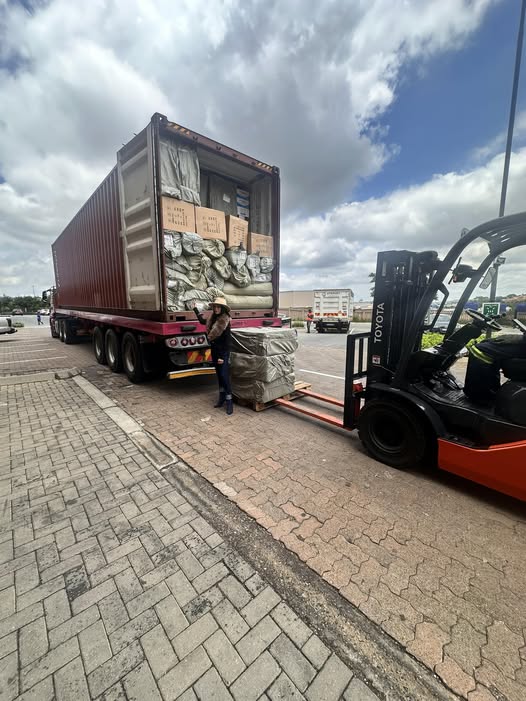
Fabrics Manufacturing Equipment
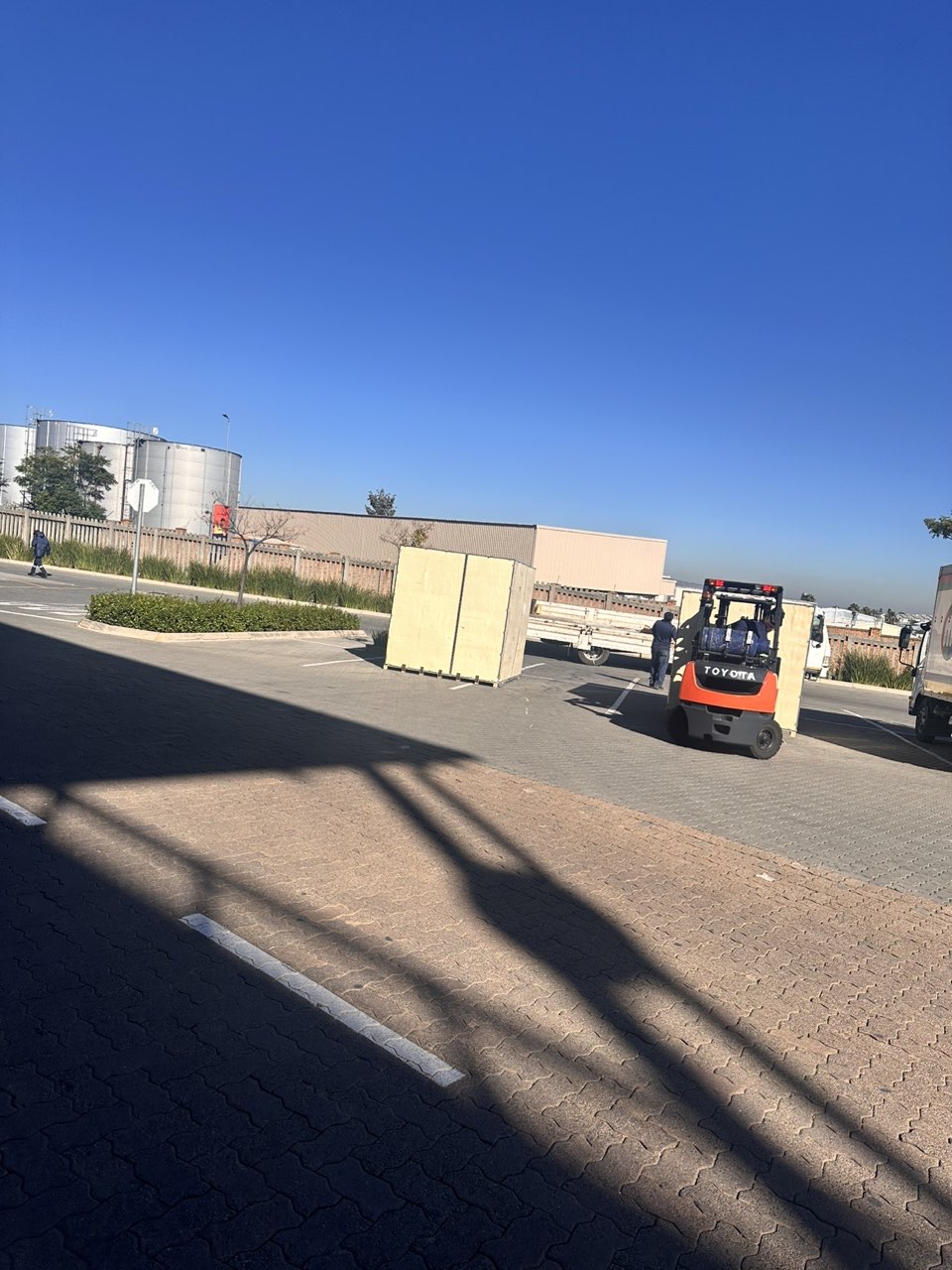
Mining Equipments
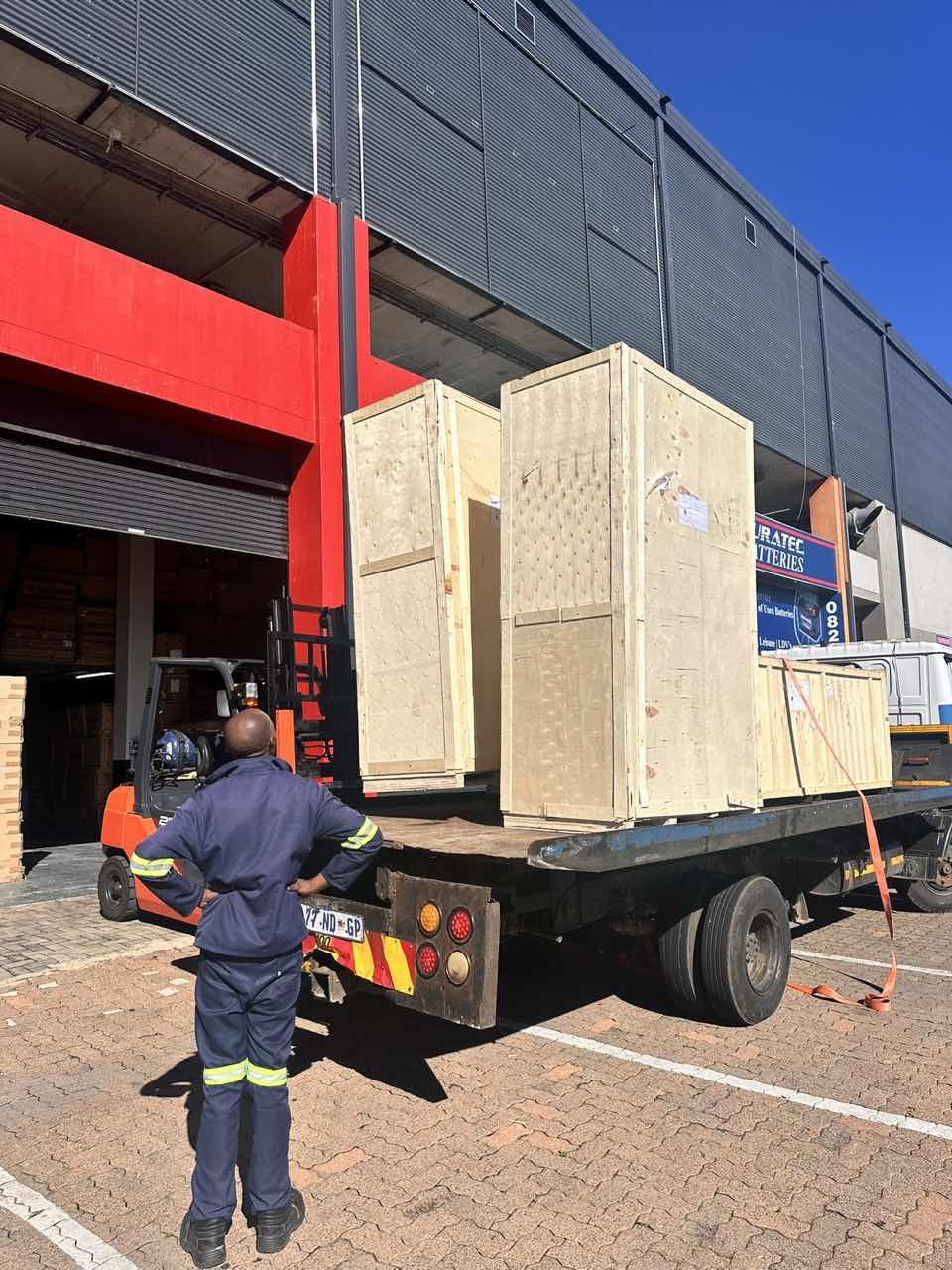
Food Processing Machine
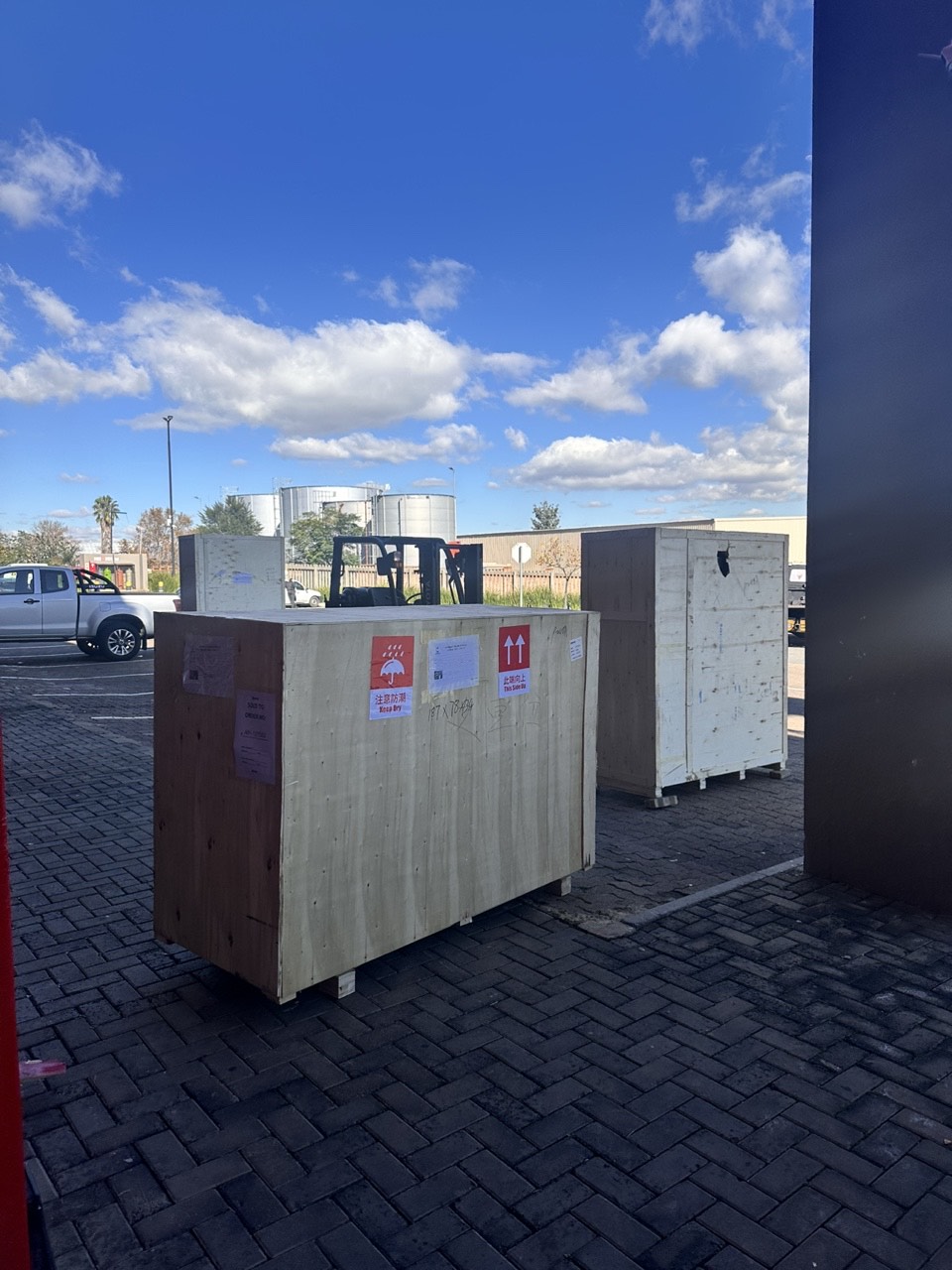
Batch of Orders
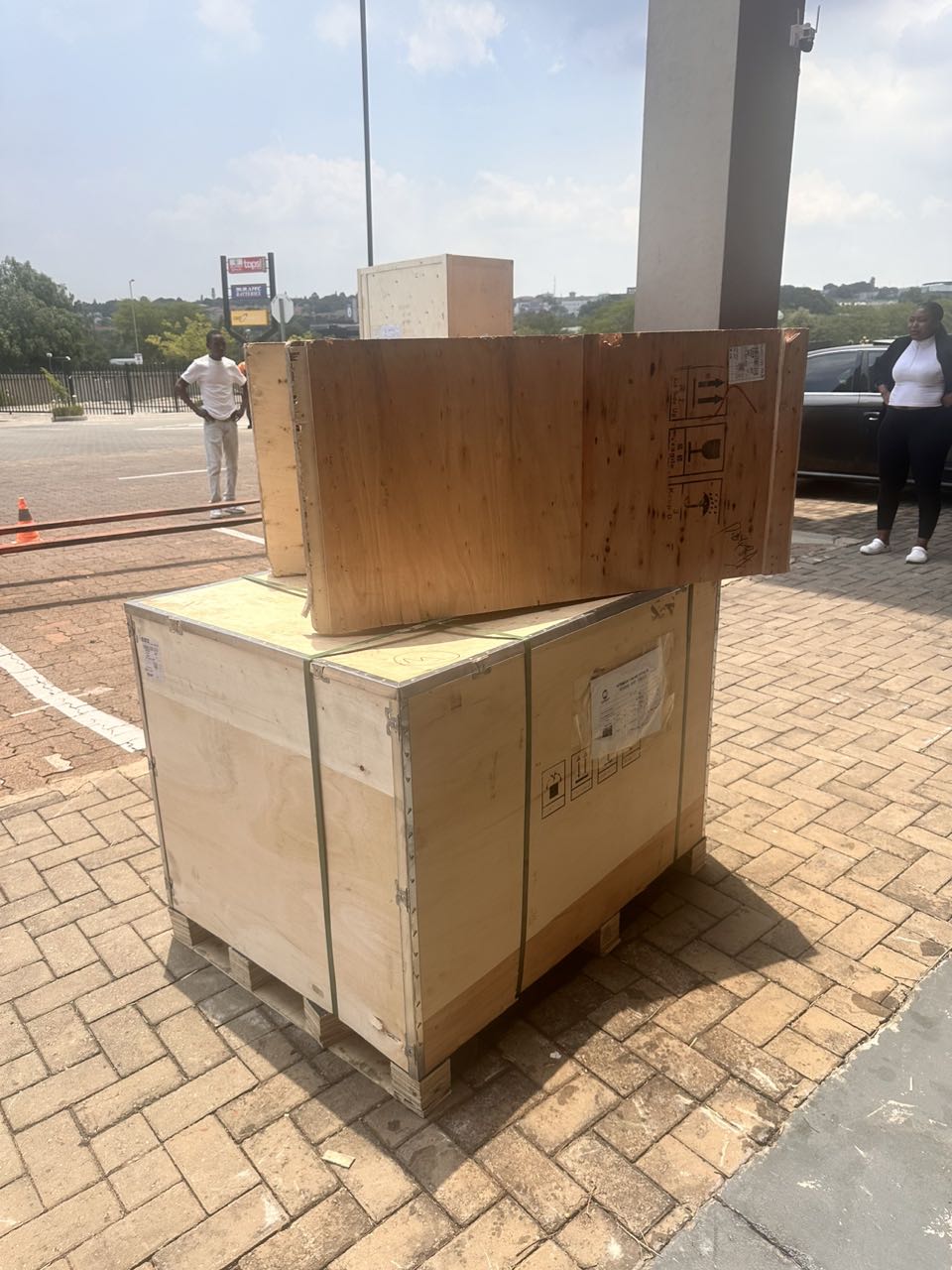
Batch of Orders
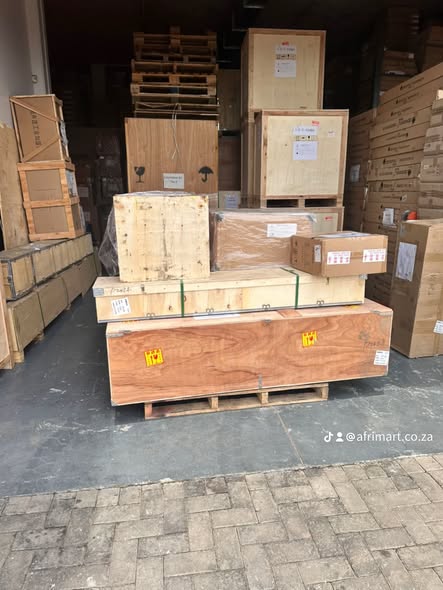
Latest Orders Labelled
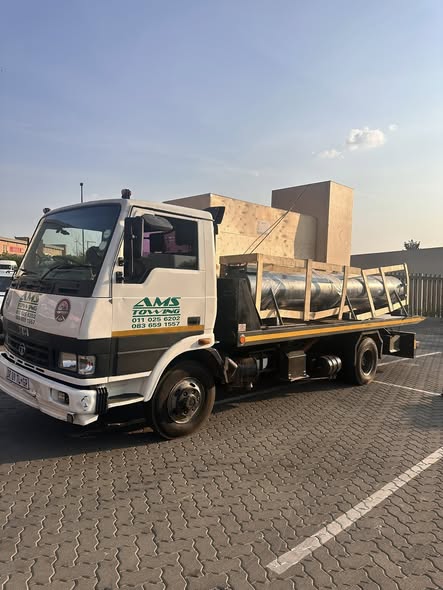
wheel alignment machines
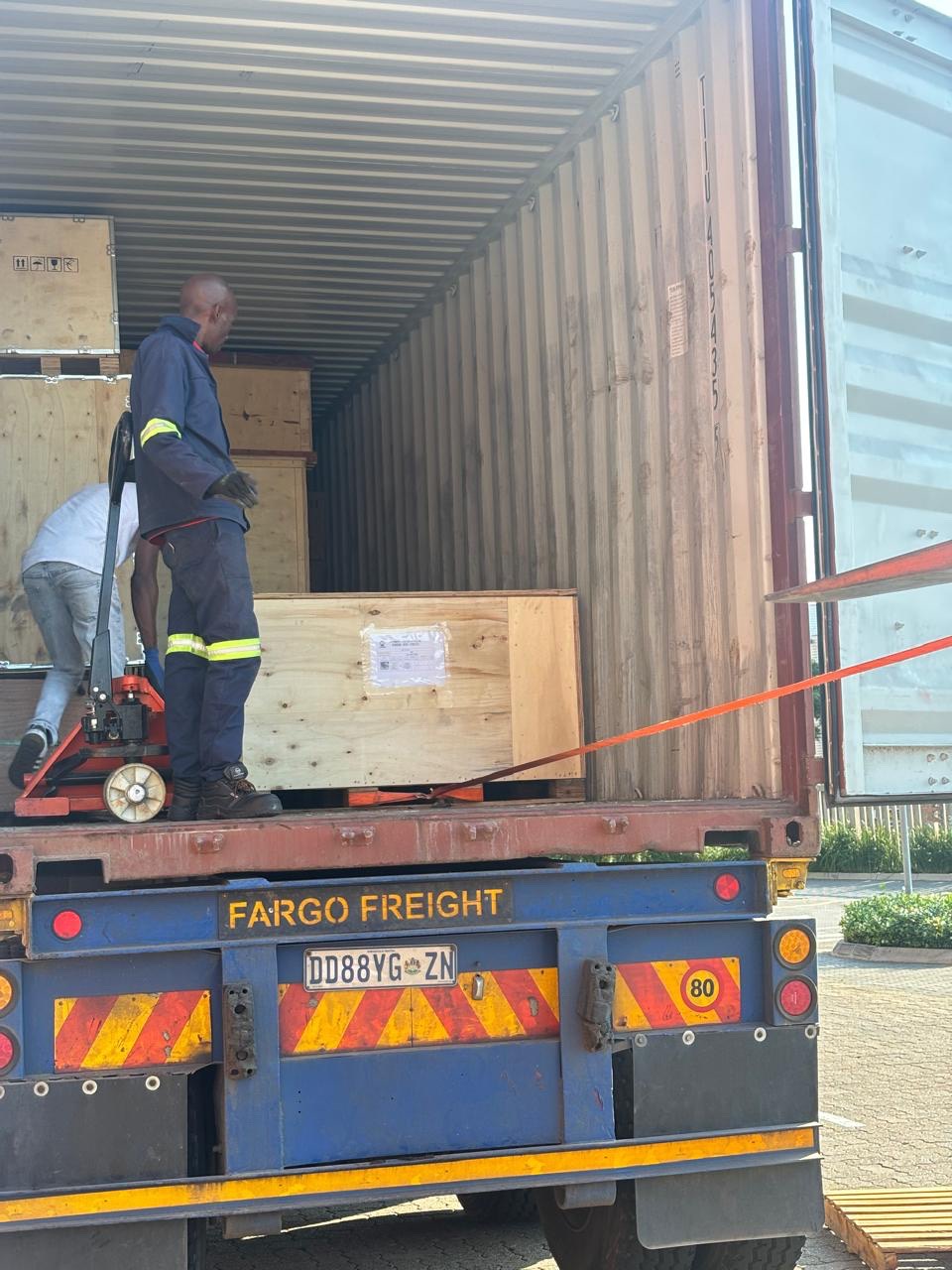
new arrivals
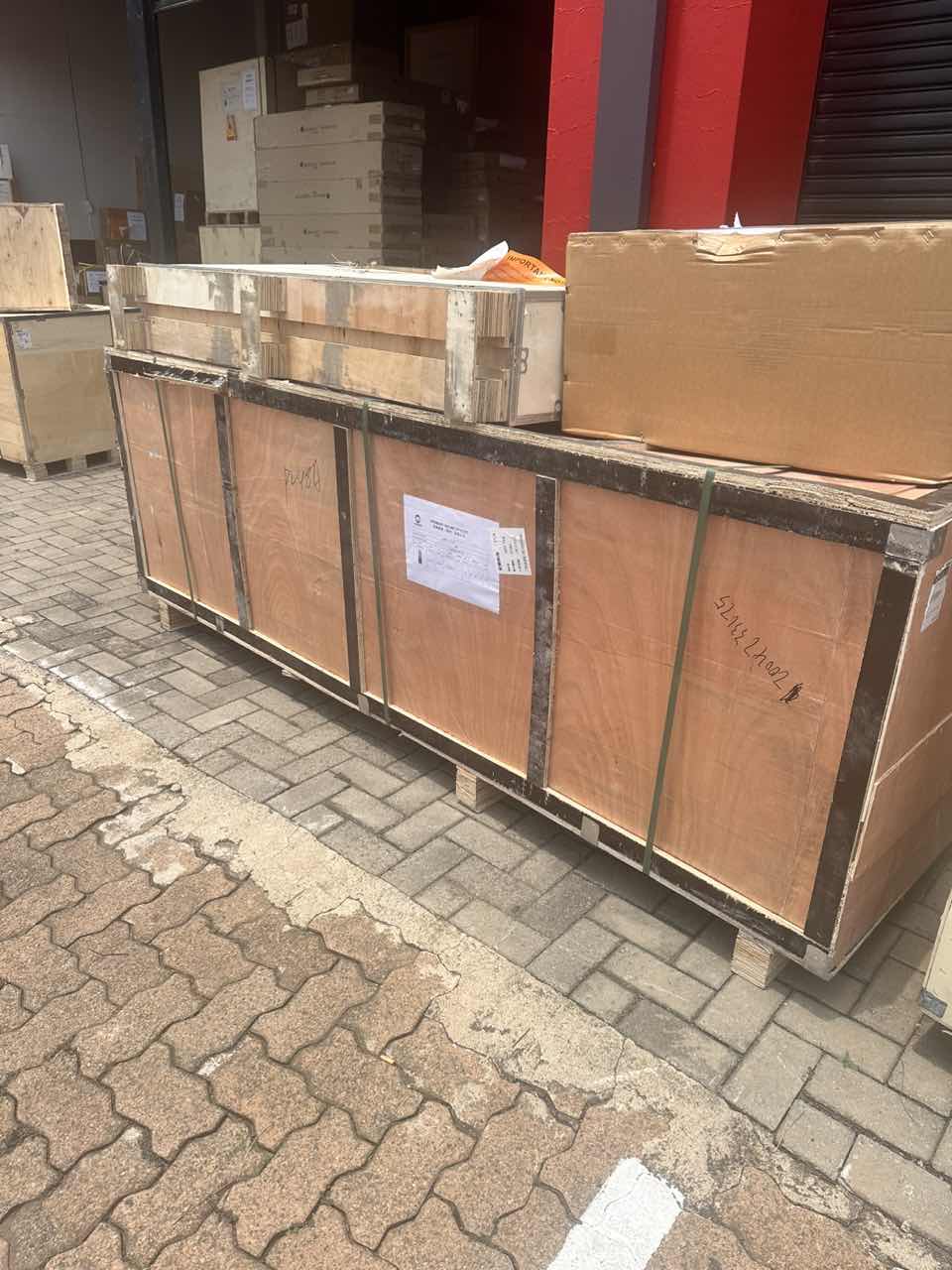
Pre Orders Offloading
Latest Arrivals
Latest Arrivals
Latest Arrivals
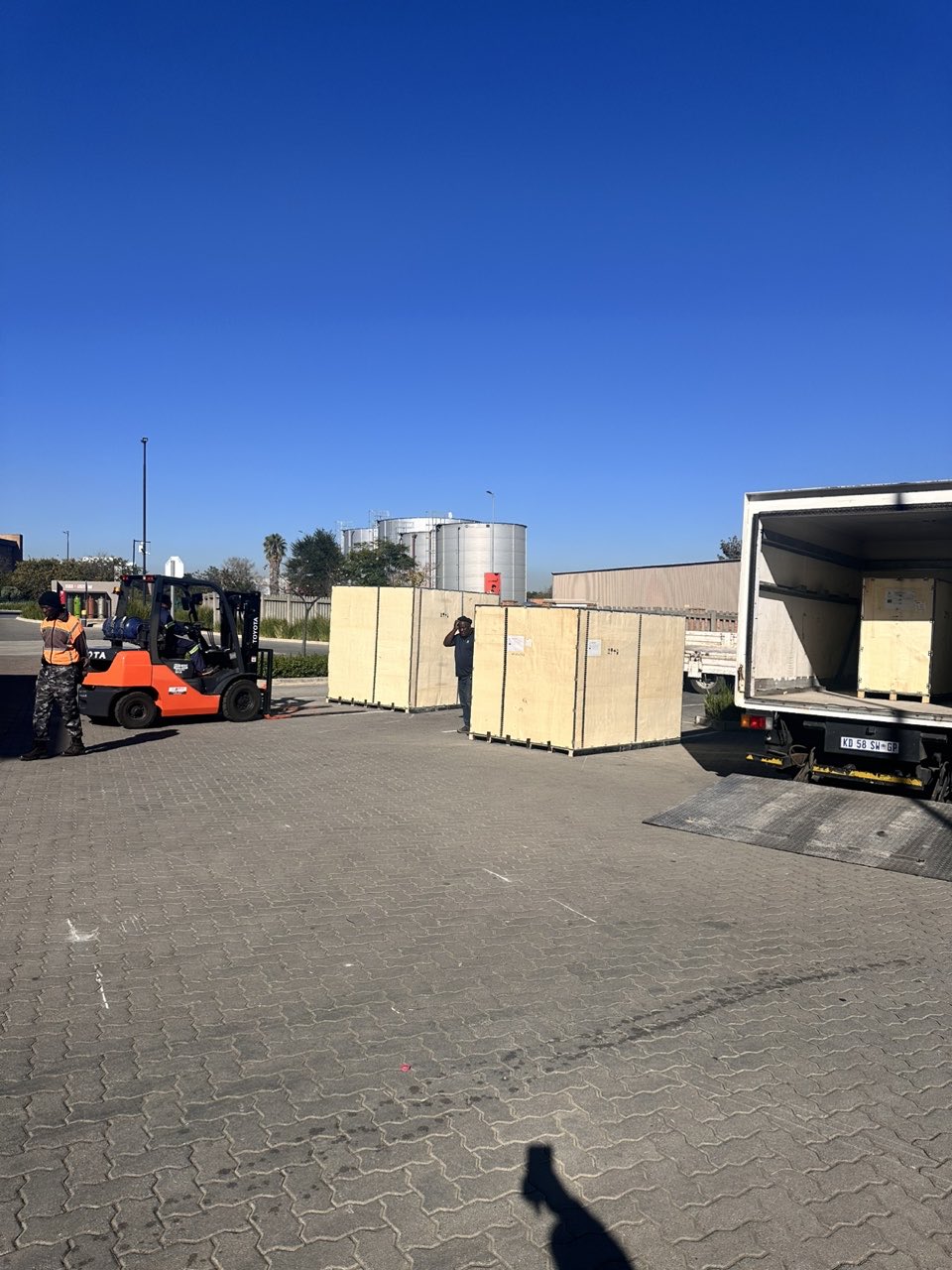
Loading
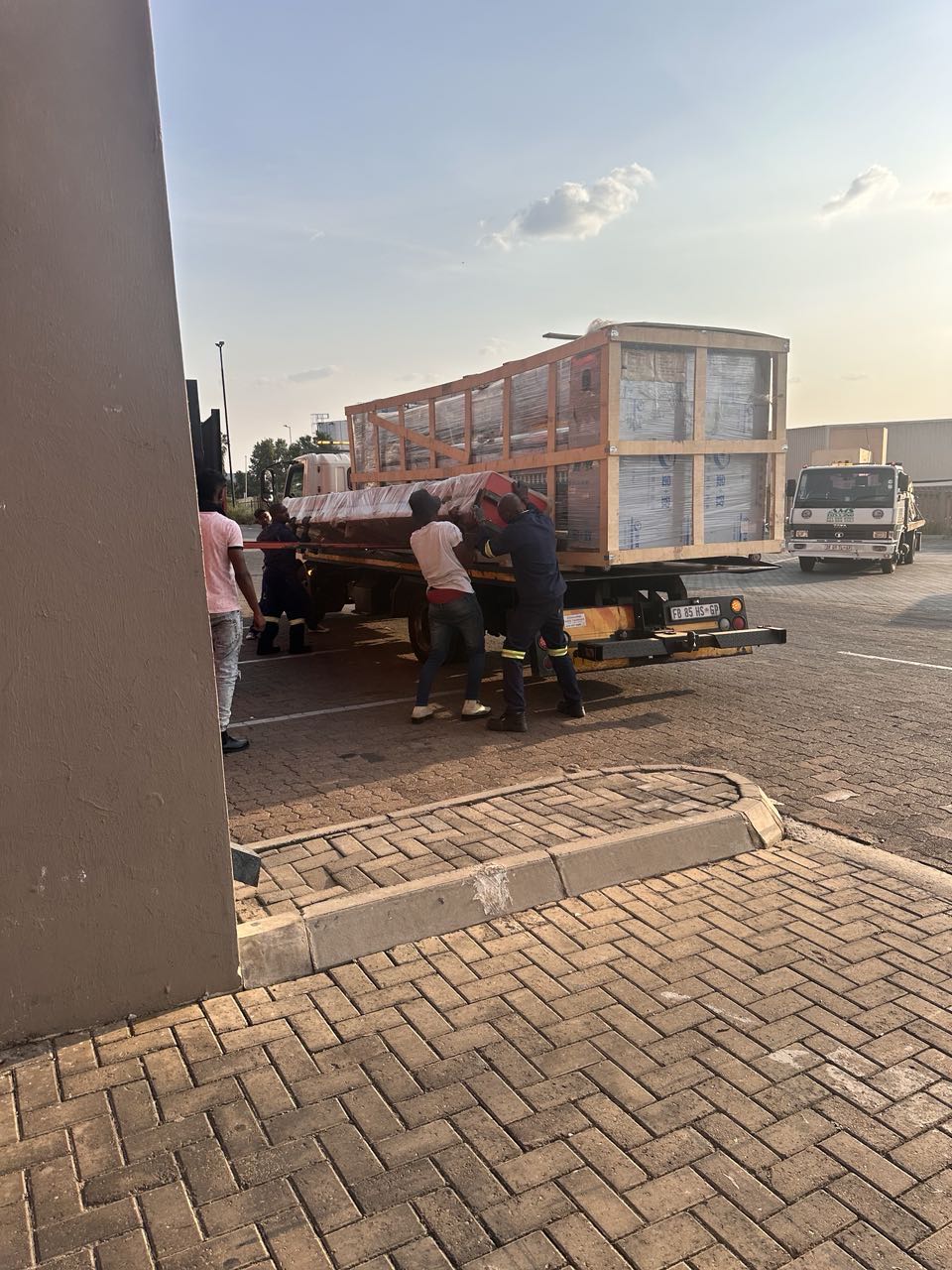
Toilet paper making machine
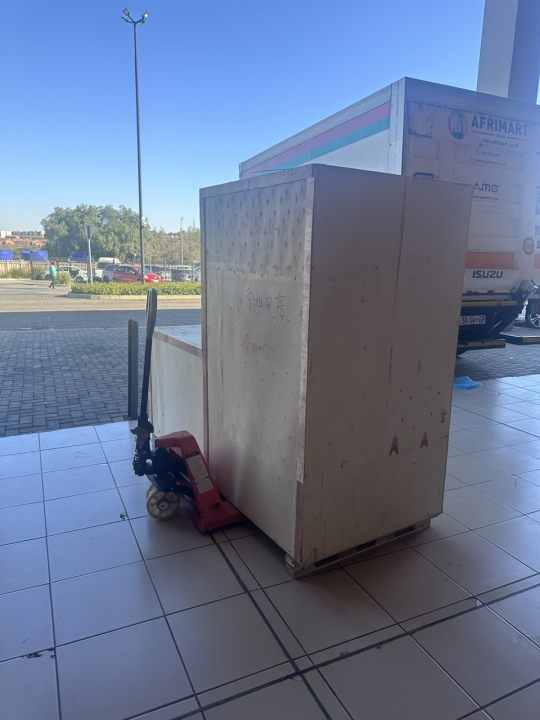
Toilet paper making machine
Toilet paper Rewinding Machine
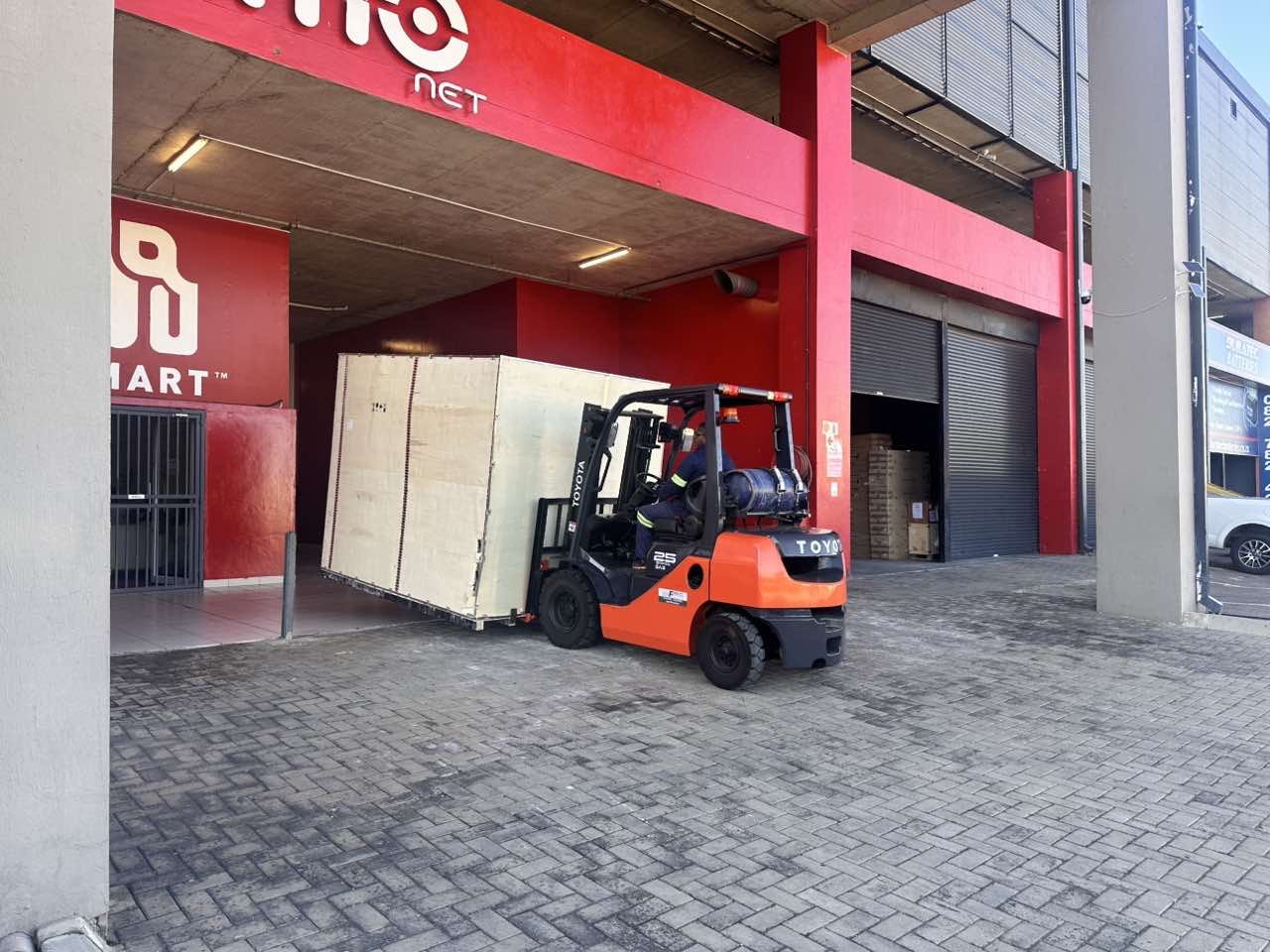
latest arrivals
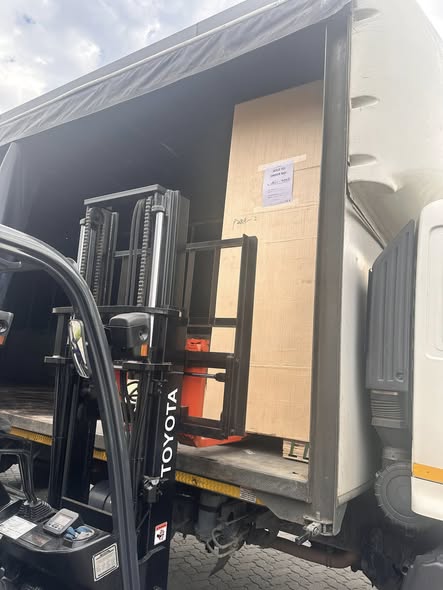
offloading
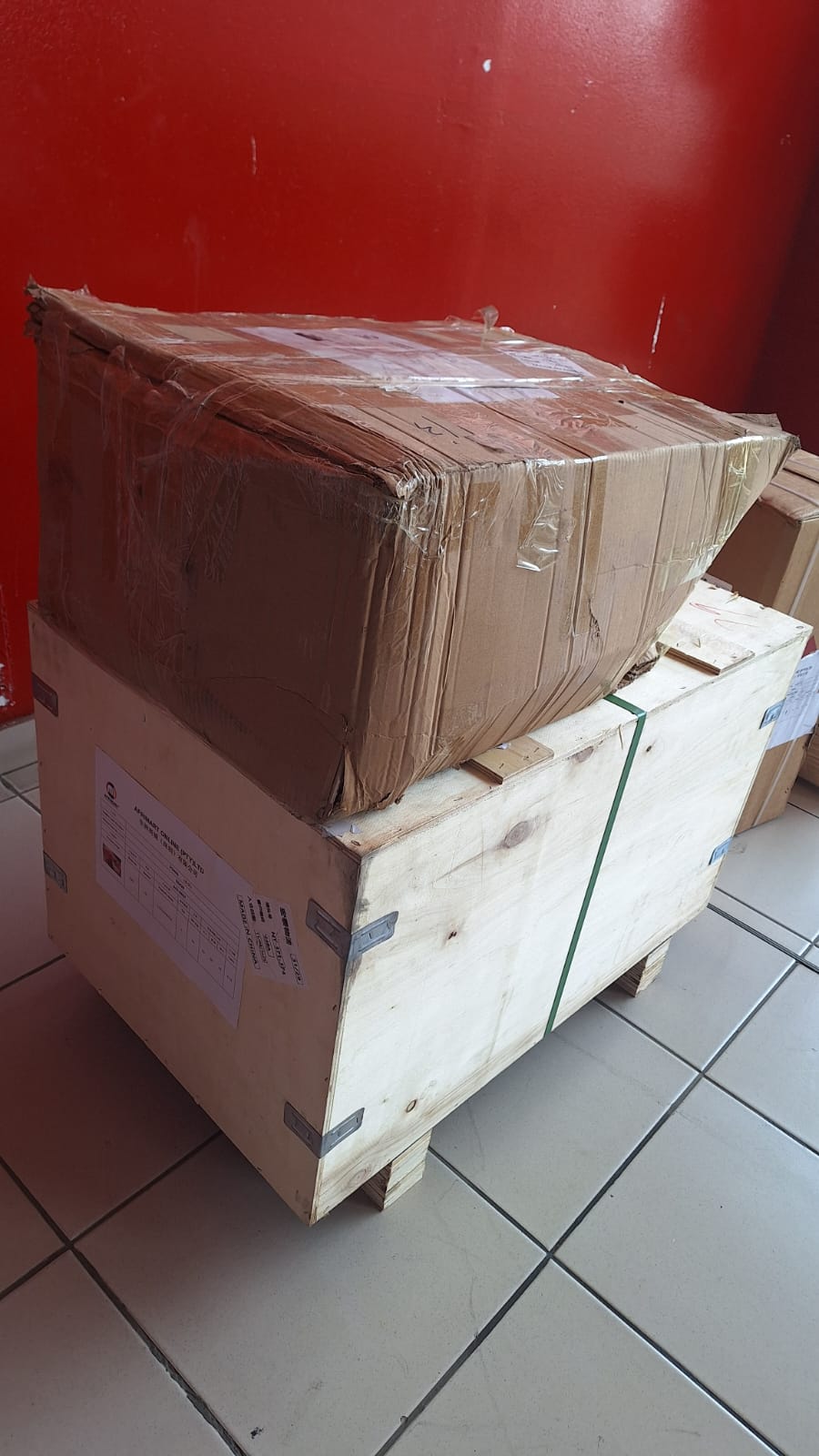
order success
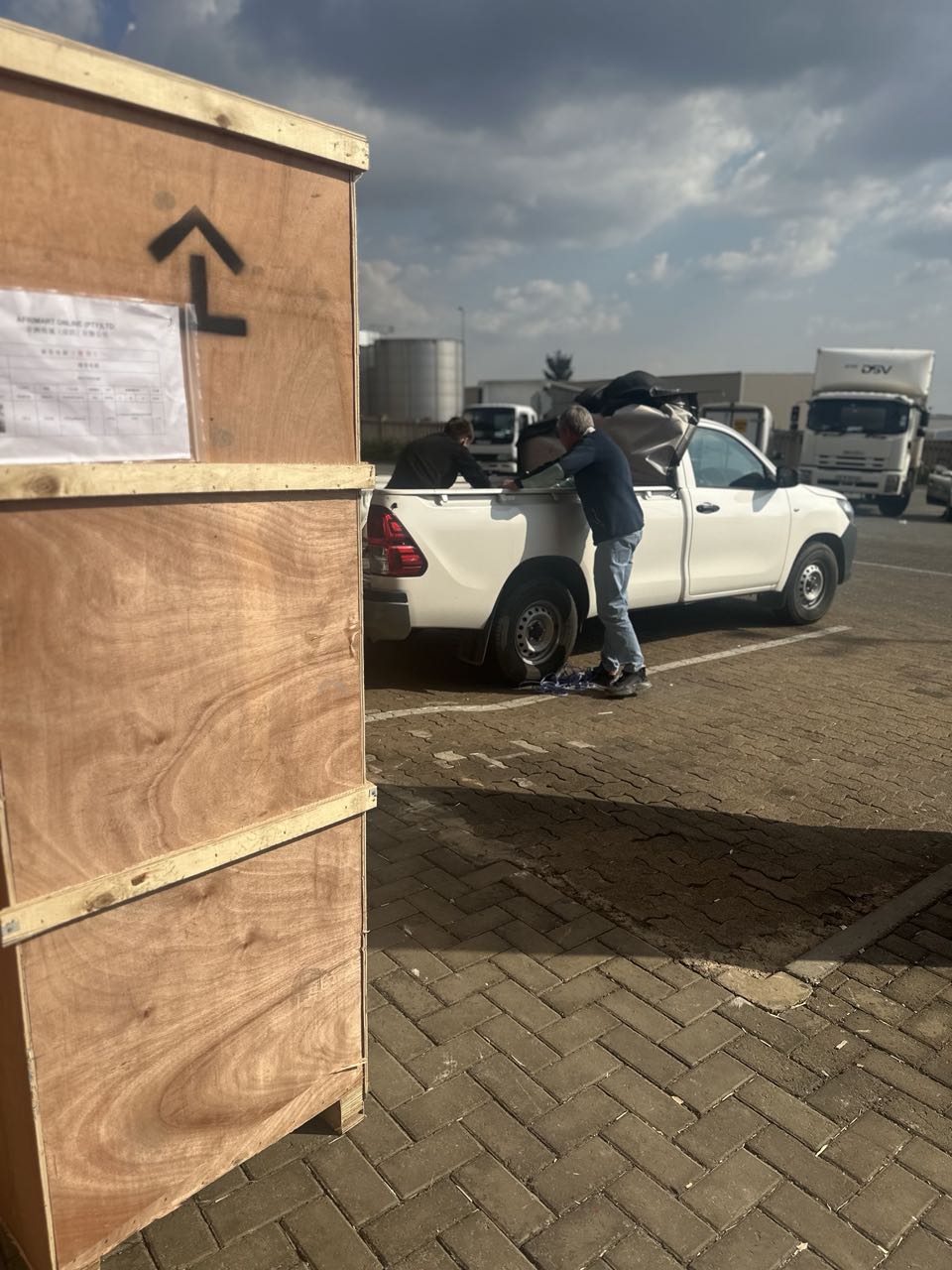
order collection
order offloading