B21, China Town Mall, Midrand

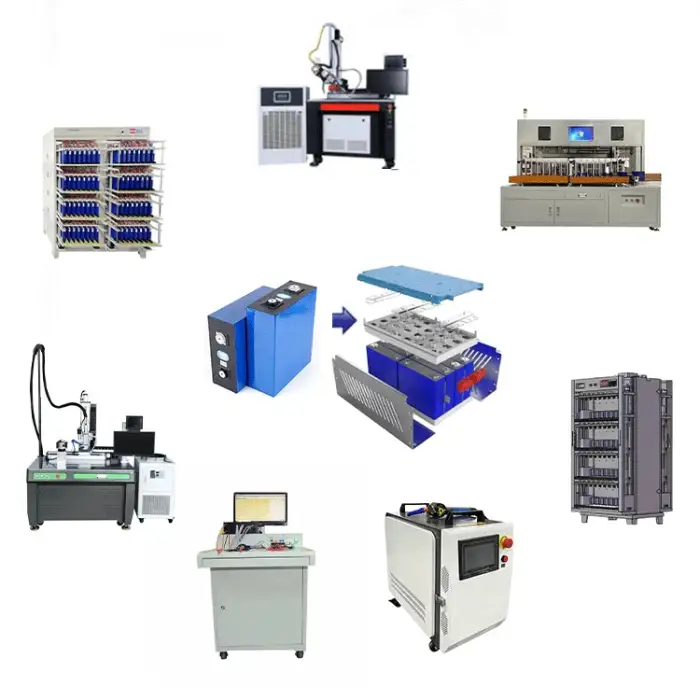
Prismatic Cell Solar Battery Pack Semi Automatic Assembly Production Line Machine
Asset finance available
Do you want funding for this equipment?
Afrimart can connect you with trusted funding partners who specialise in asset finance for businesses like yours. Compare options and apply in minutes — final approval is subject to provider review.
Check funding options
Secure & no obligation
- Section : Production Lines
- Category : Production Lines
- SKU : 1601056109006

Product Introduction
The semi-automatic prismatic cell battery assembly line is a production system used for manufacturing prismatic cell battery components. Prismatic battery pack is a type of rechargeable battery commonly used in various applications, including electric vehicles, consumer electronics, and renewable energy storage systems. More and more customers are planning to produce such aluminum shell battery packs themselves, and our semi-automatic assembly line aims to improve your production capacity and ensure consistent quality.
Single Prismatic Cell Capacity Testing Machine

8 Channel Prismatic Cell Sorting machine

Battery Stacking Press Machine

Laser Cleaning Machine

Laser Welding Machine

BMS Testing Machine

Battery Pack Comprehensive Tester

Battery Pack Aging Machine

- Shipping Timeframes: All orders are processed within 2-5 business days (excluding weekends and holidays). After your order has been processed, the estimated delivery time is before 05 Dec, 2026, depending on customs, Please note that due to high demand, some items may experience longer shipping times, which will be communicated at order confirmation email.
- Order Processing Time: Please allow 2-5 business days for us to process your order before it is shipped . Orders placed after 16:00 on Fridays, or during weekends and public holidays, will begin processing on the next business day. Processing times may be extended during peak seasons or sales events.
- Manufacturing Time: Some products needs manufacturing time, the manufacturing process will take approximately 10-30 business days depending on the product. This timeframe may vary depending on the complexity of the product and current demand. but this will be communicated with you during order confirmation.
- Returns and Exchanges: We offer a 30-day return policy for most items. If you are not completely satisfied with your purchase, you may return it within 30 days of receipt for a refund or exchange. Items must be unused, in their original packaging, and accompanied by proof of purchase. Return shipping costs are the responsibility of the customer, unless the item was damaged or defective upon arrival.
1. What is a prismatic cell solar battery pack?
A prismatic cell solar battery pack is a type of rechargeable battery designed in a prism shape, commonly used in applications like electric vehicles, consumer electronics, and renewable energy storage systems.
2. What are the main features of the semi-automatic assembly line?
The semi-automatic assembly line includes various machines such as a cell capacity testing machine, sorting machine, stacking press, laser cleaning and welding machines, BMS testing machine, comprehensive tester, and aging machine to improve production efficiency and ensure quality.
3. How does the semi-automatic assembly line improve production capacity?
The assembly line is designed to streamline the production process by automating certain tasks, thus reducing manual labor, minimizing errors, and speeding up the overall assembly time.
4. Can the assembly line handle different battery sizes?
Yes, the semi-automatic assembly line is adaptable and can be configured to handle various sizes of prismatic cells, making it versatile for different production requirements.
5. What is the importance of a BMS testing machine?
The Battery Management System (BMS) testing machine is crucial for ensuring the safety and efficiency of the battery pack by monitoring its performance, charging cycles, and overall health.
6. Is training provided for using the assembly line?
Yes, we offer training and support for operators to ensure they can effectively use the semi-automatic assembly line and understand all its functionalities.
7. What is the expected production output of this assembly line?
The production output can vary based on the specific configuration and operational efficiency, but it is designed to significantly increase output compared to manual assembly methods.
8. What materials are compatible with the assembly line?
The assembly line is primarily designed for aluminum shell battery packs but can be configured to work with other materials depending on the specific needs of the production process.
9. How do I maintain the assembly line machinery?
Regular maintenance includes cleaning the machines, checking for wear and tear, and following the manufacturer's maintenance schedule to ensure optimal performance.
10. What safety features are included in the assembly line?
The assembly line includes various safety features such as emergency stop buttons, safety guards, and proper ventilation systems to ensure a safe working environment.
11. Can the assembly line be integrated with existing production systems?
Yes, the semi-automatic assembly line can be integrated with existing production systems, allowing for a seamless transition and improved workflow.
12. What is the warranty period for the assembly line?
The warranty period typically covers one year from the date of purchase, but specific terms can vary, so it's best to check with the manufacturer for detailed warranty information.
13. What is the lead time for delivery after placing an order?
The lead time for delivery can vary based on production schedules and customization requirements, but it generally ranges from 4 to 12 weeks.
14. Is technical support available after purchase?
Yes, we provide ongoing technical support to assist with any issues or questions that may arise after the purchase.
15. What are the power requirements for the assembly line?
The power requirements depend on the specific machines included in the assembly line configuration, and detailed specifications will be provided upon inquiry.
Latest Order Arrivals
Discover our latest orders
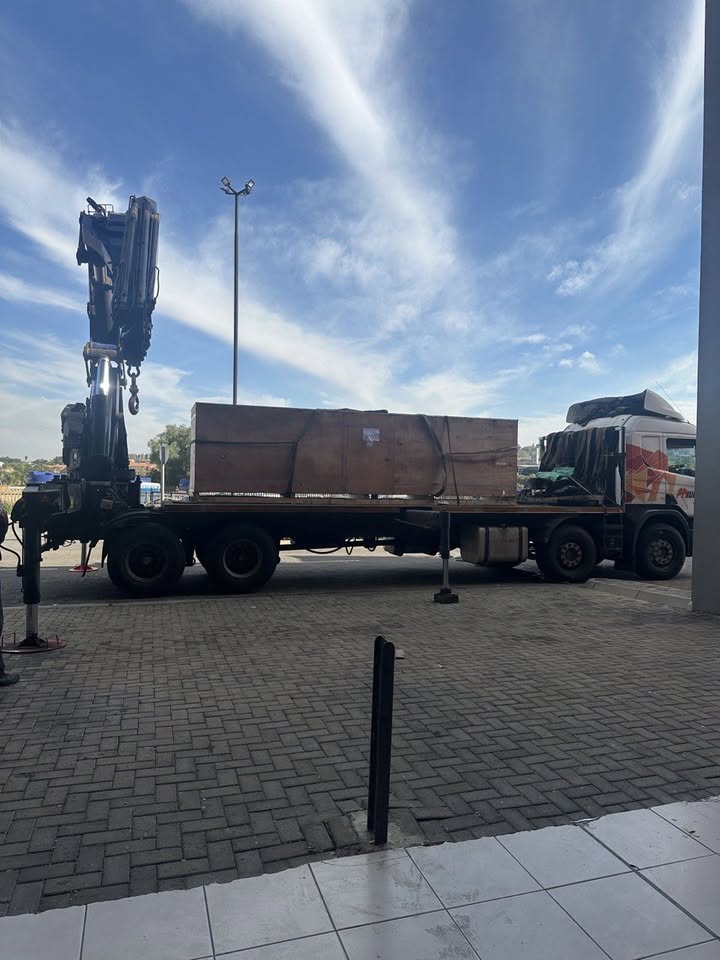
12 Heads Embroidery Machine
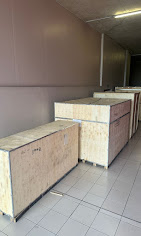
Toilet Paper Machine Machine
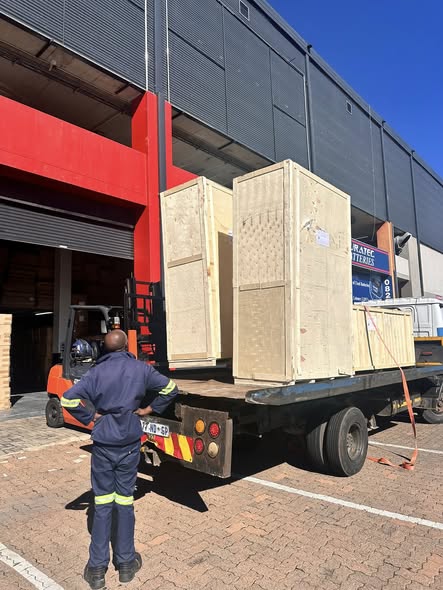
Order Collection
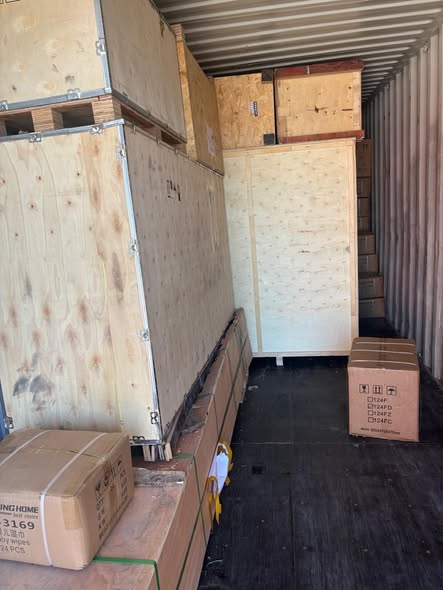
Cross Border Clients
Order cros border countries Collected
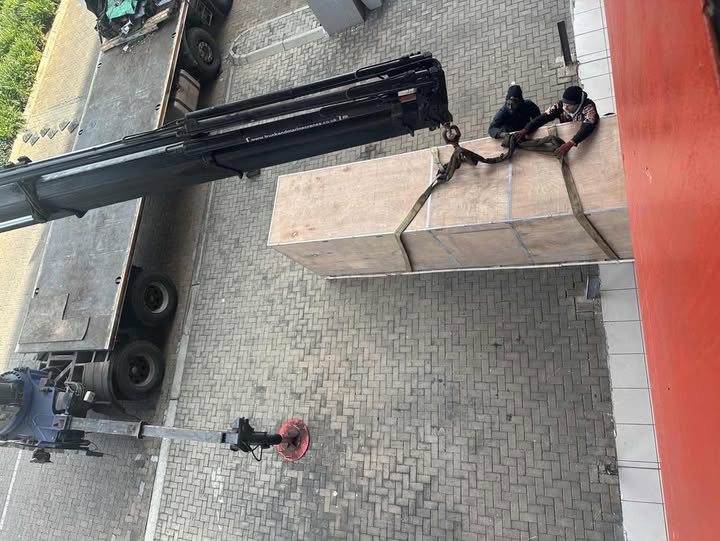
Industrial Machine Cllection
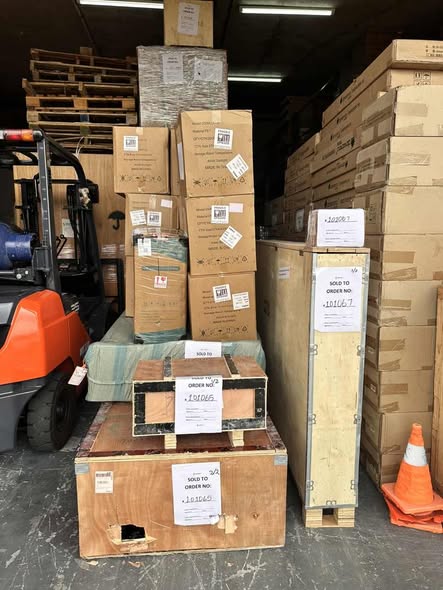
Agriculture Processing Machines
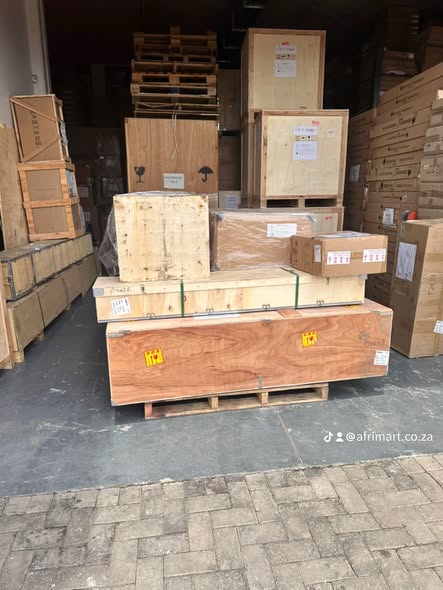
Ready for collection
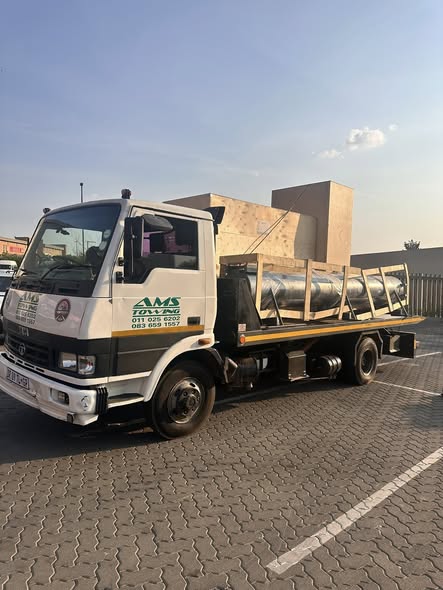
Water Pump Equipment
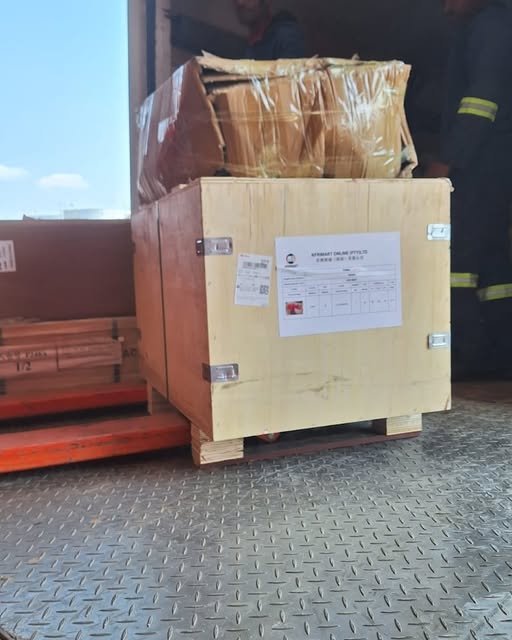
Packaging Machine and accessories
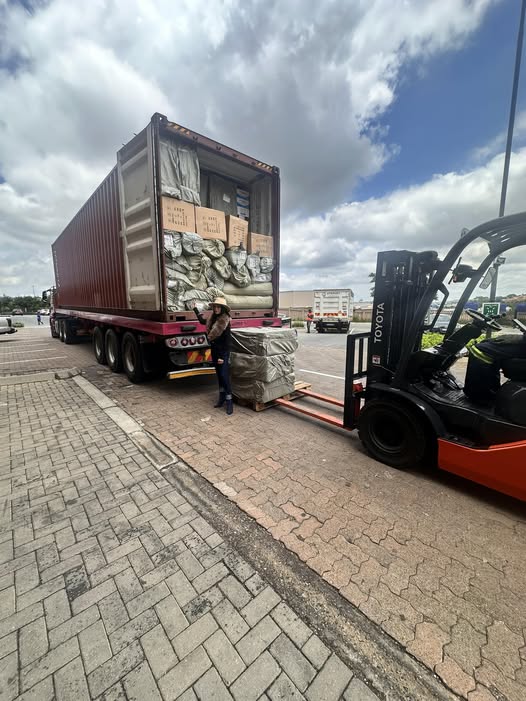
Fabrics Manufacturing Equipment
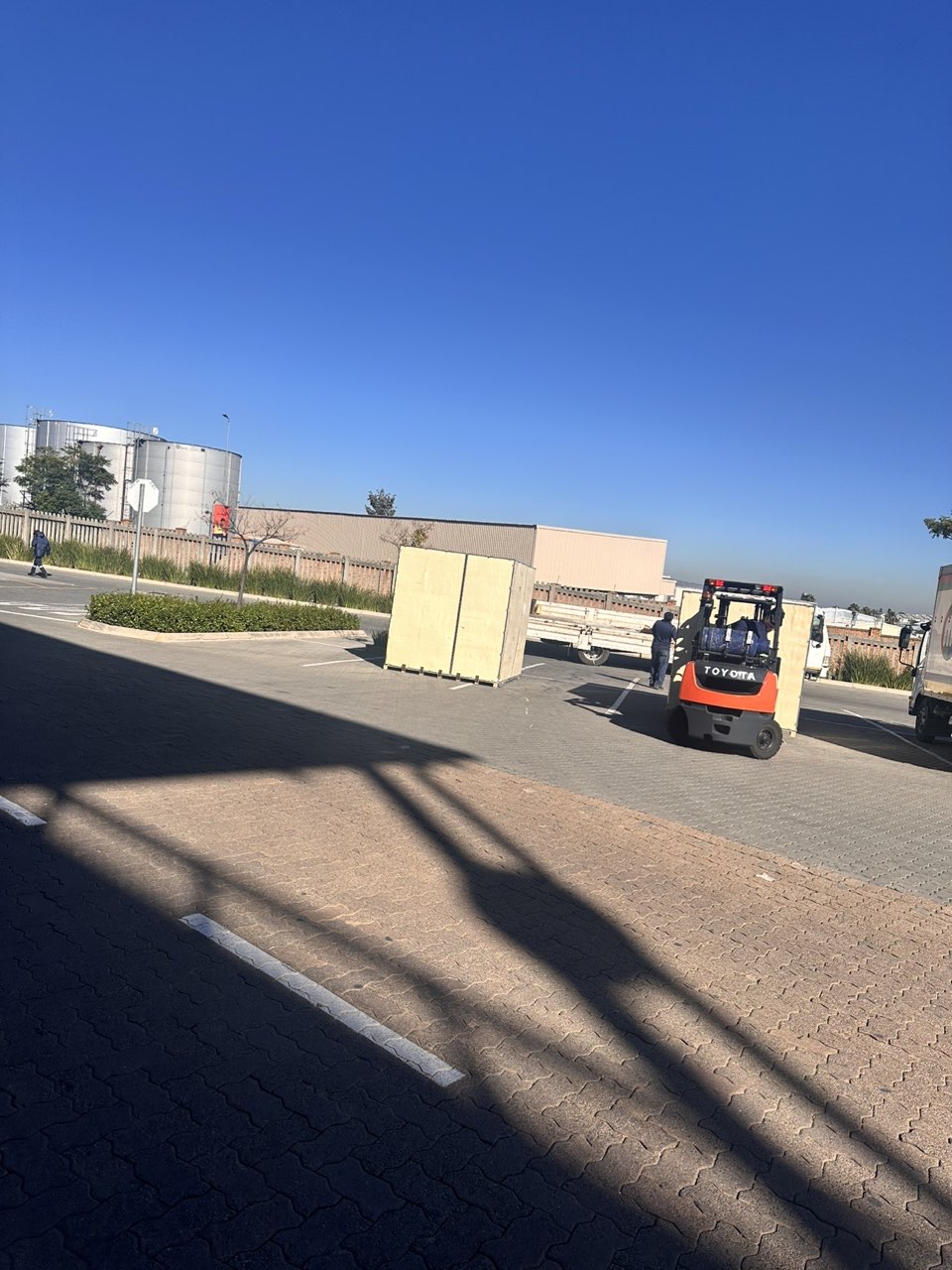
Mining Equipments
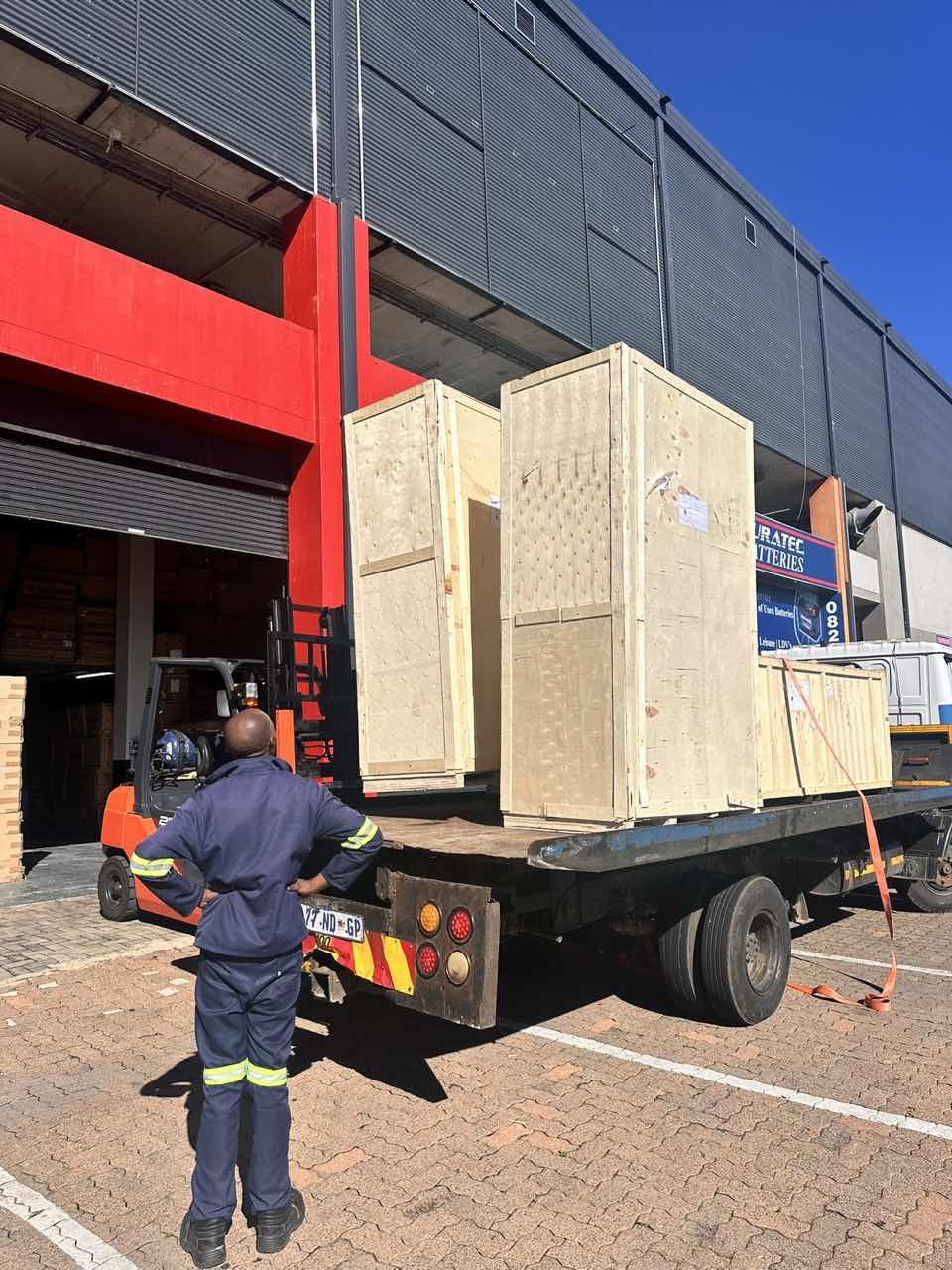
Food Processing Machine
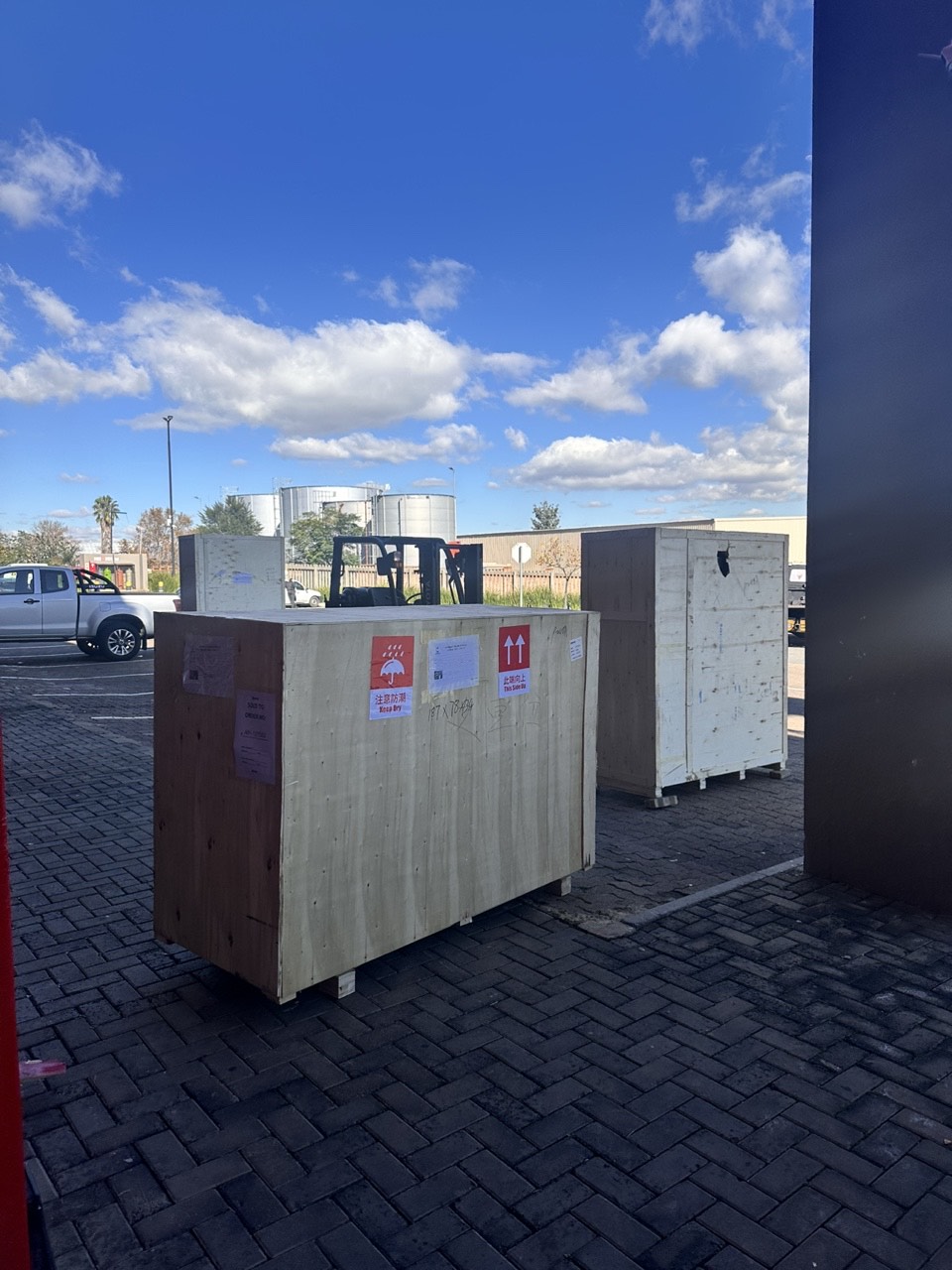
Batch of Orders
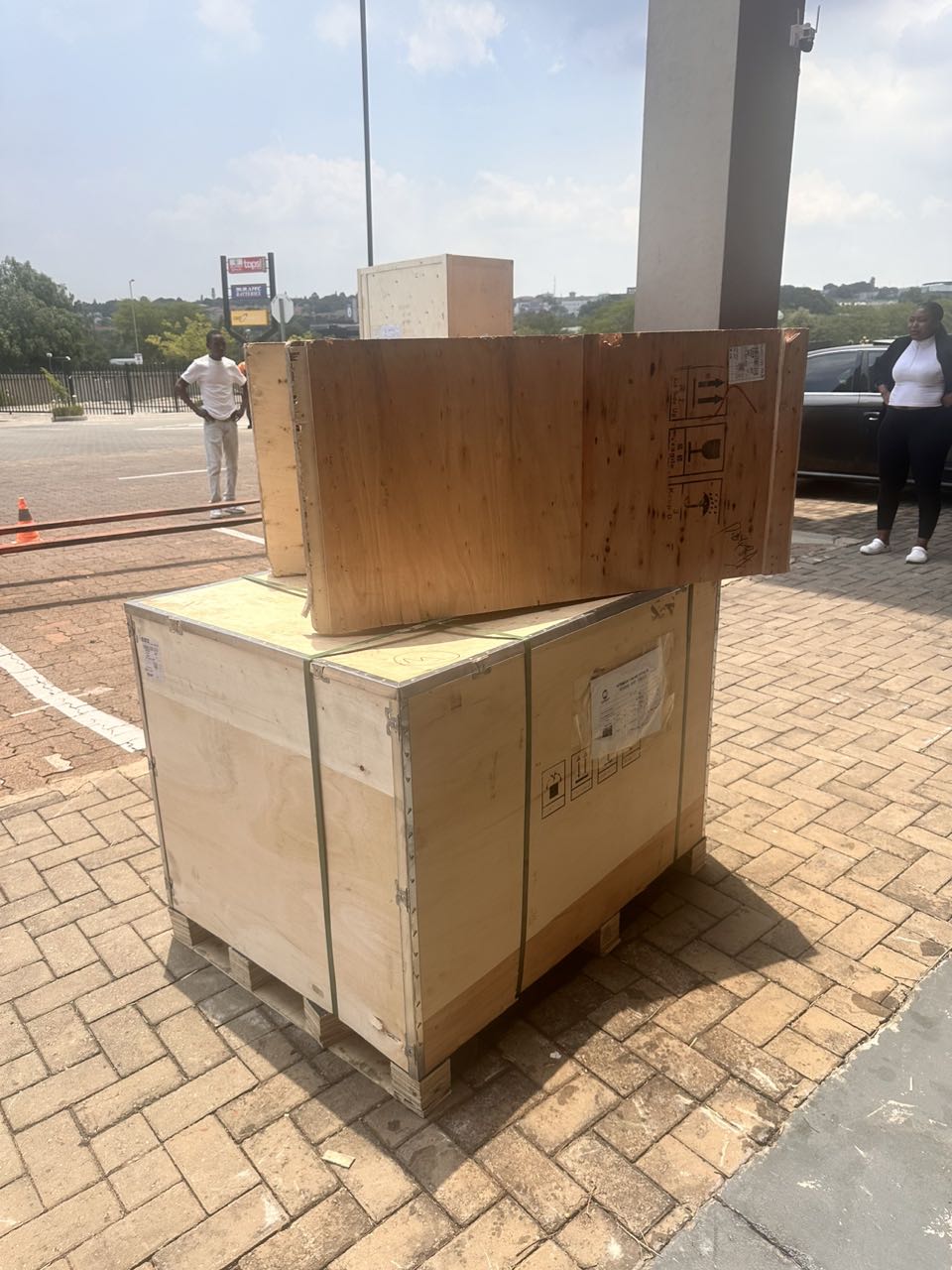
Batch of Orders
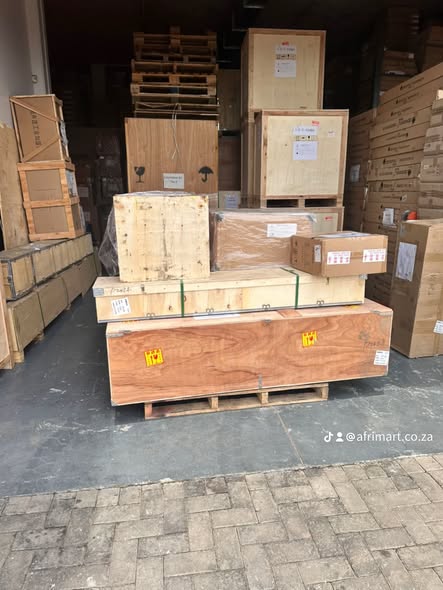
Latest Orders Labelled
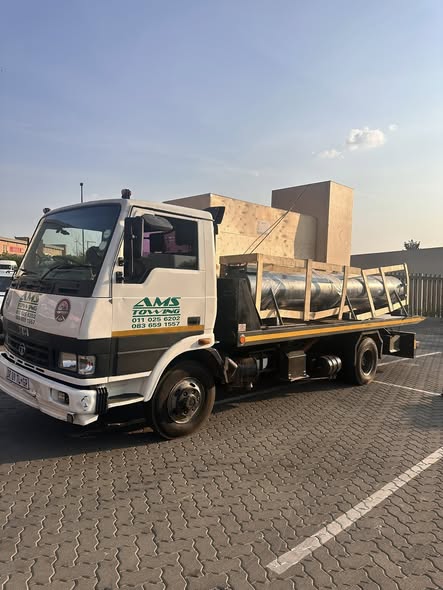
wheel alignment machines
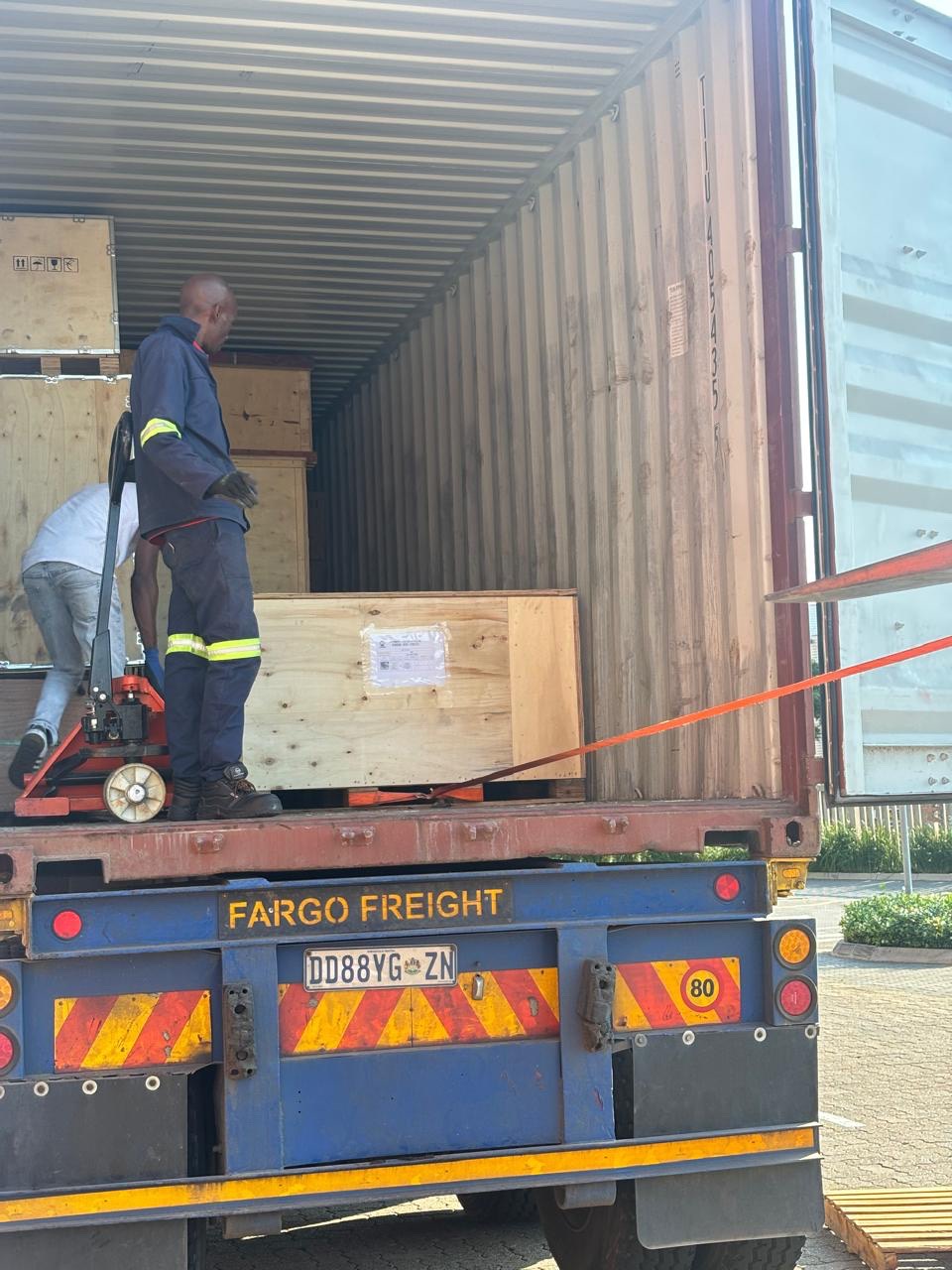
new arrivals
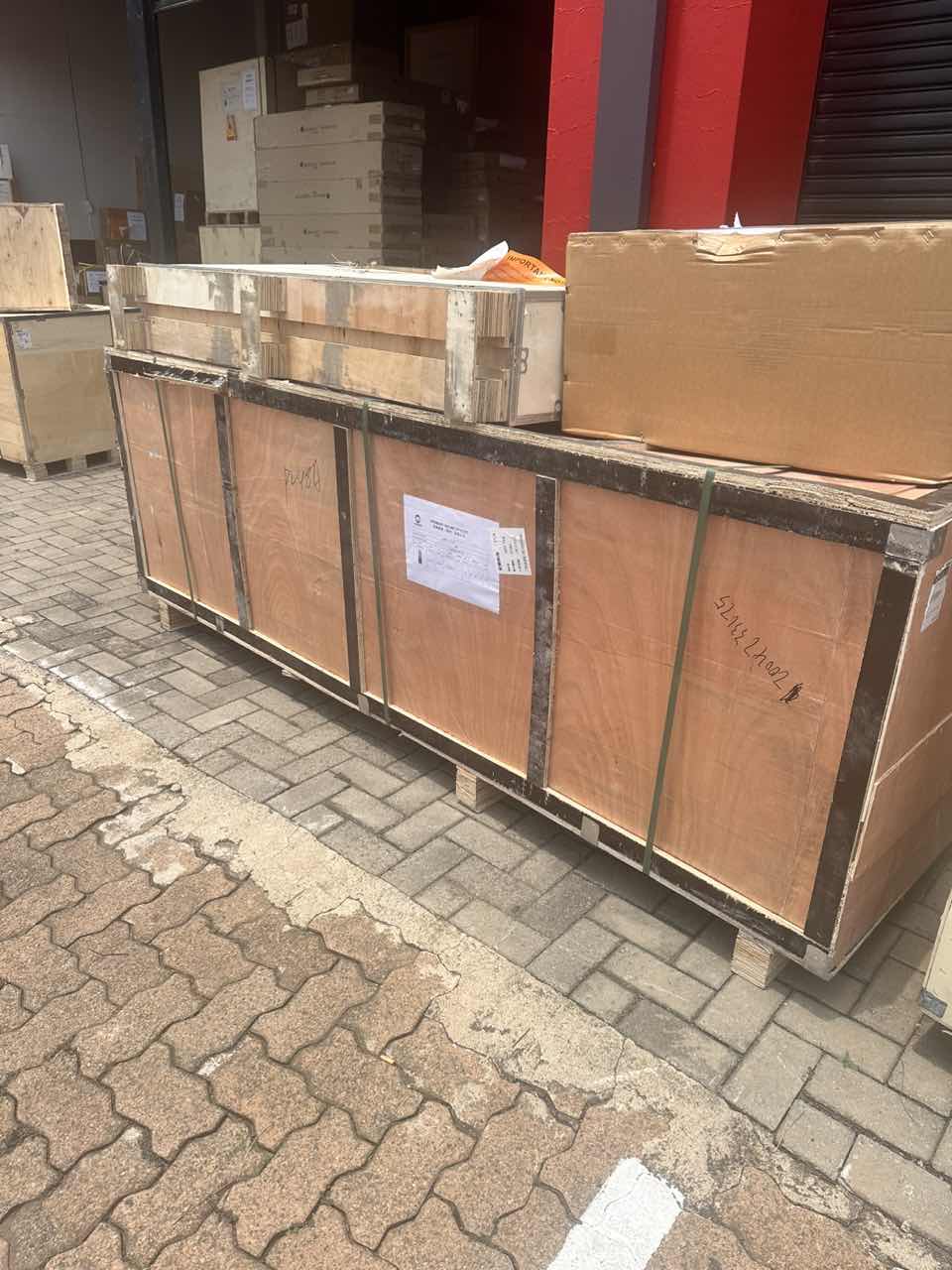
Pre Orders Offloading
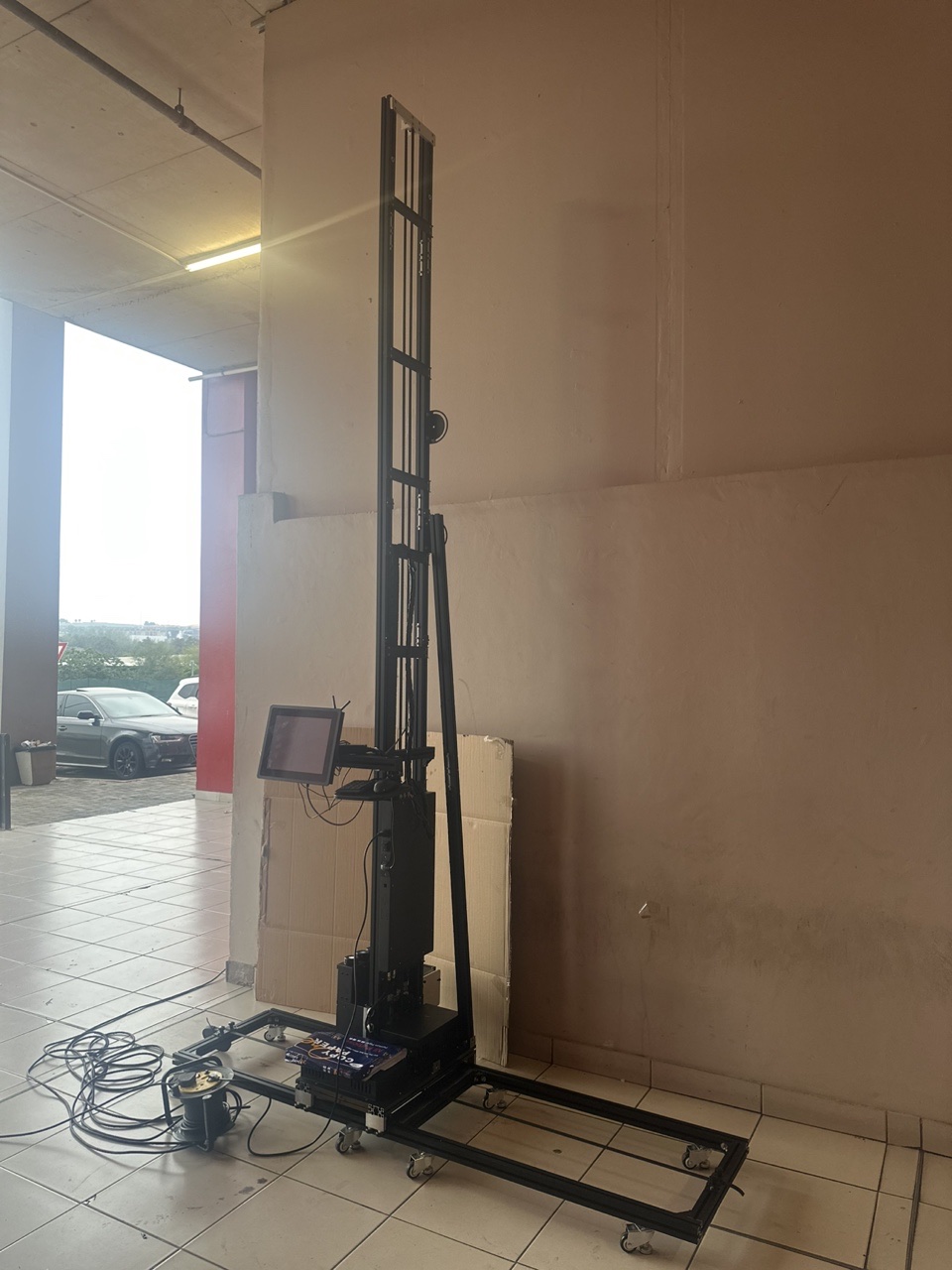
Latest Arrivals
Latest Arrivals
Latest Arrivals
Loading
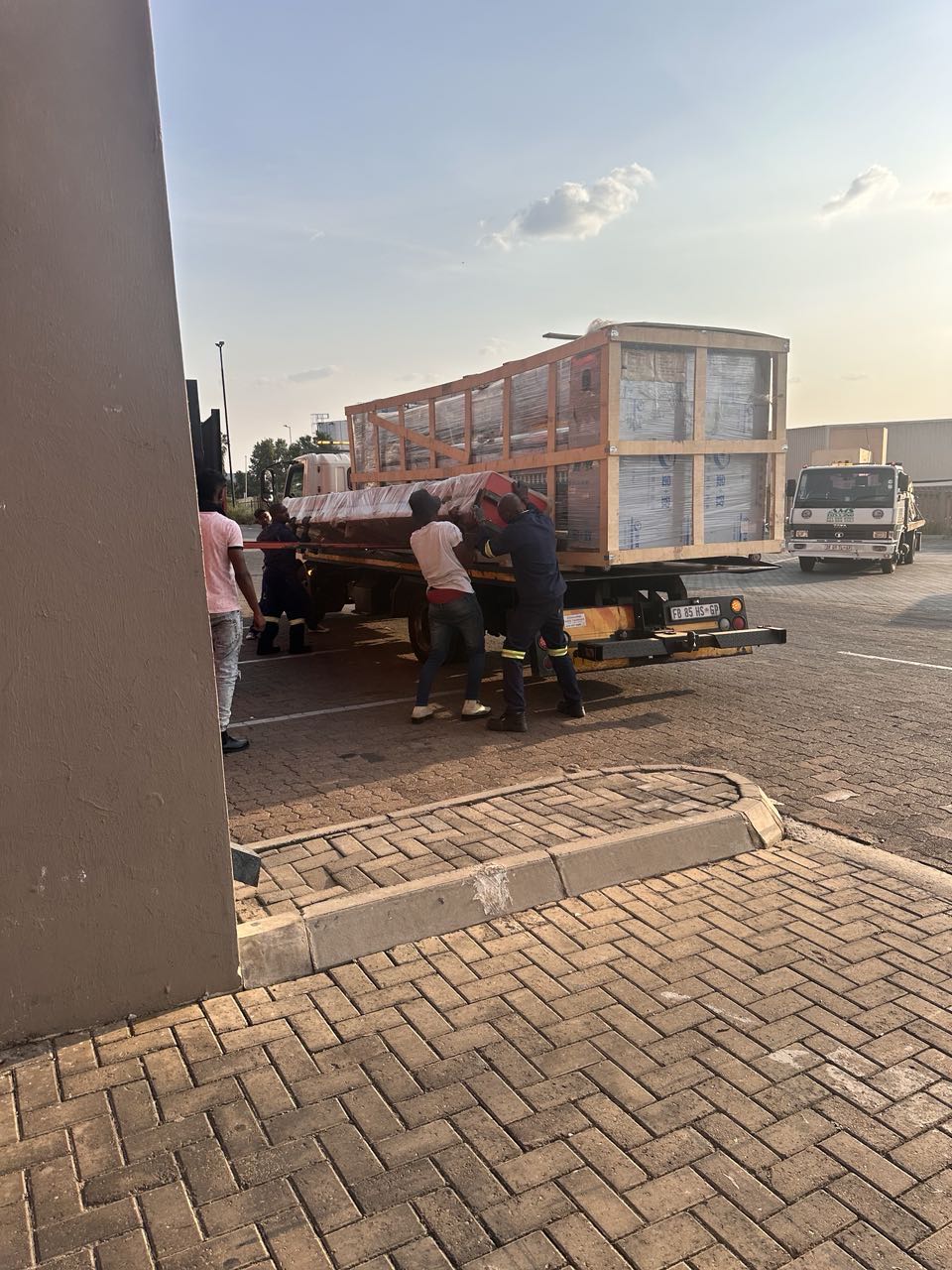
Toilet paper making machine
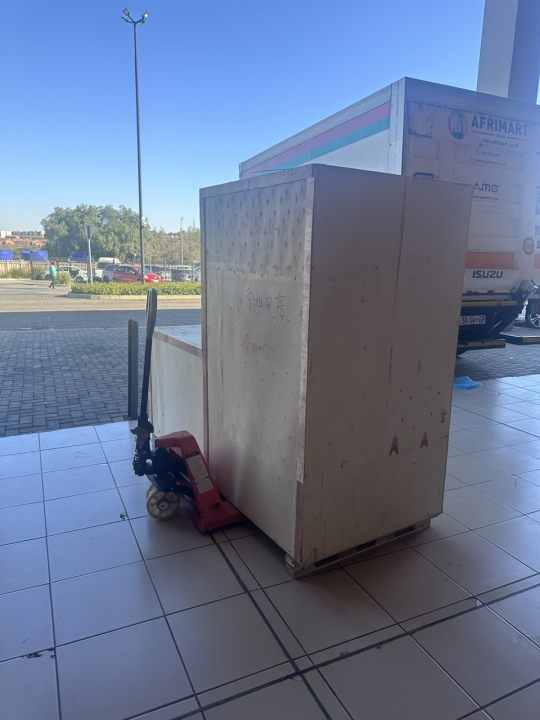
Toilet paper making machine
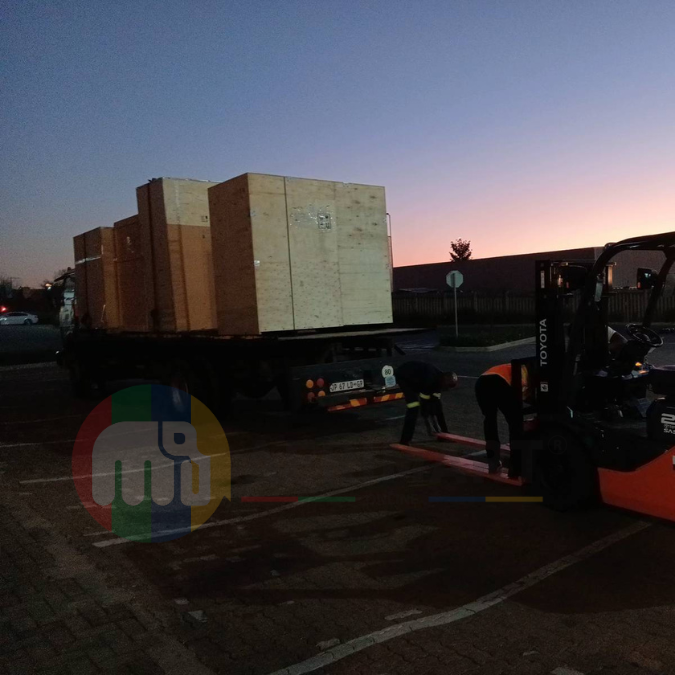
Toilet paper Rewinding Machine
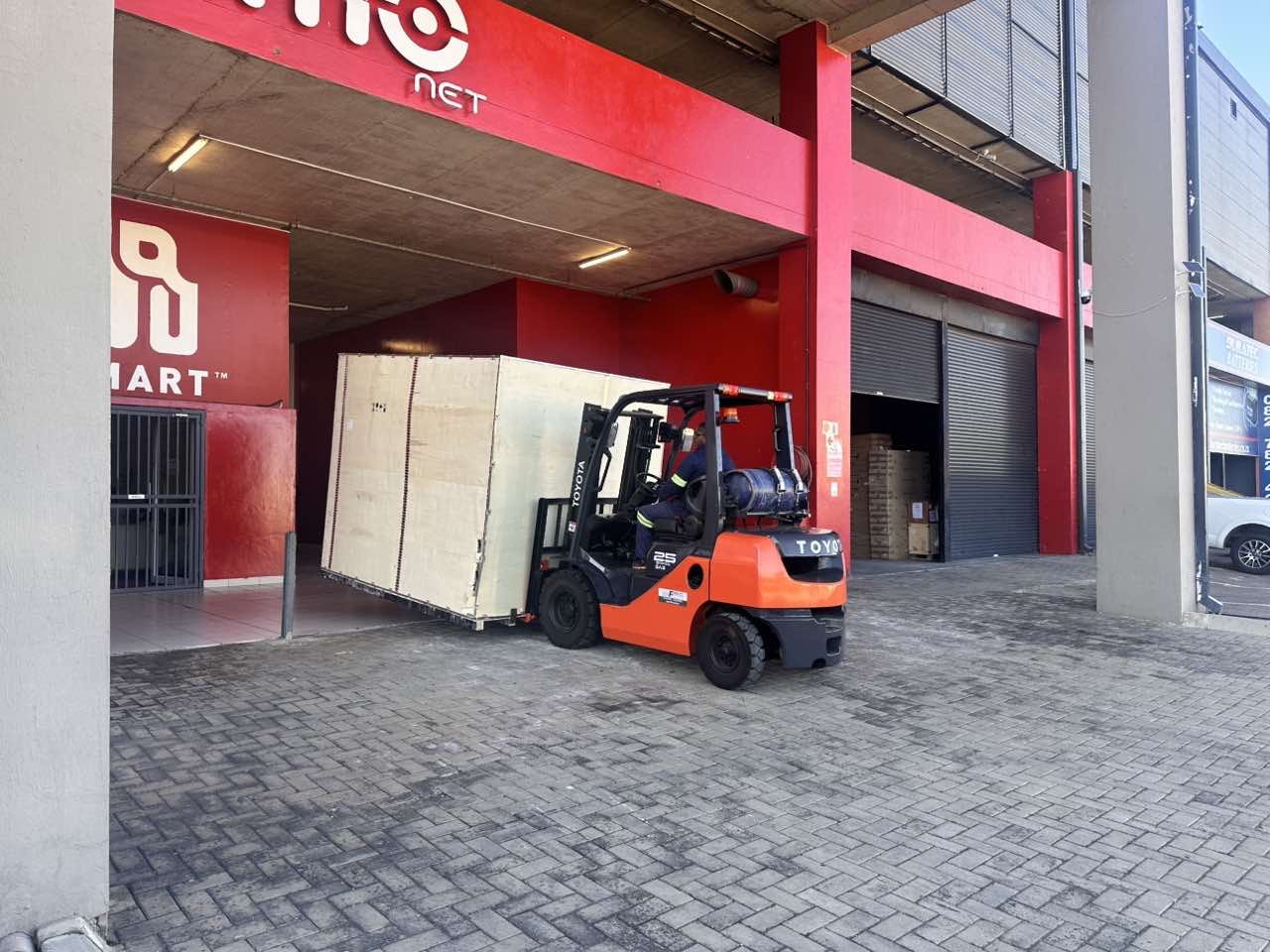
latest arrivals
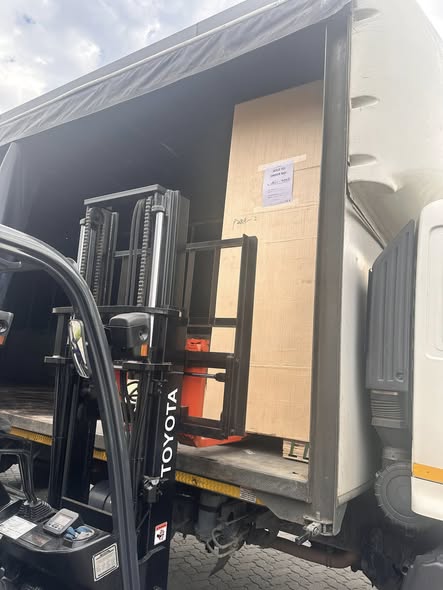
offloading
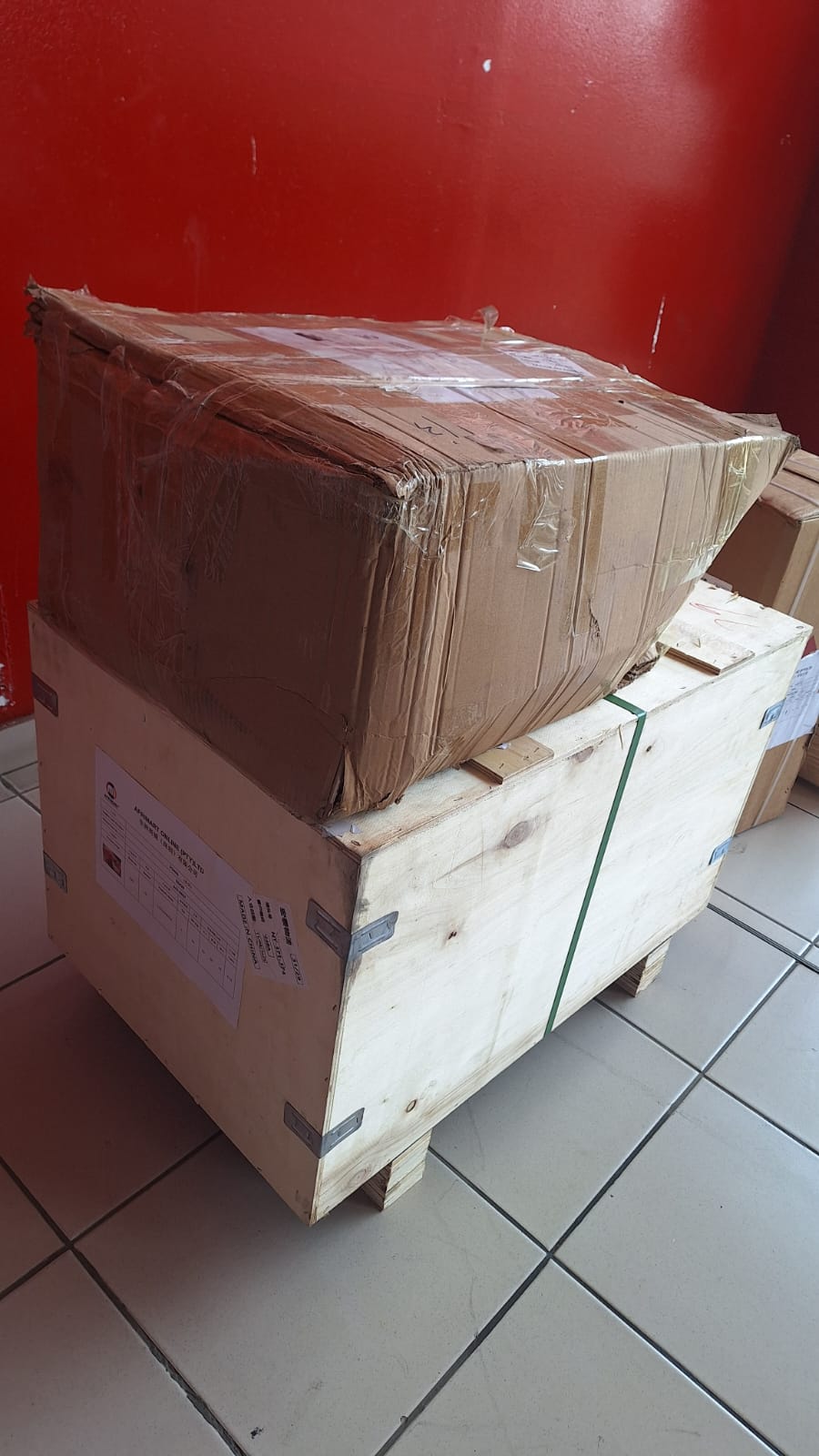
order success
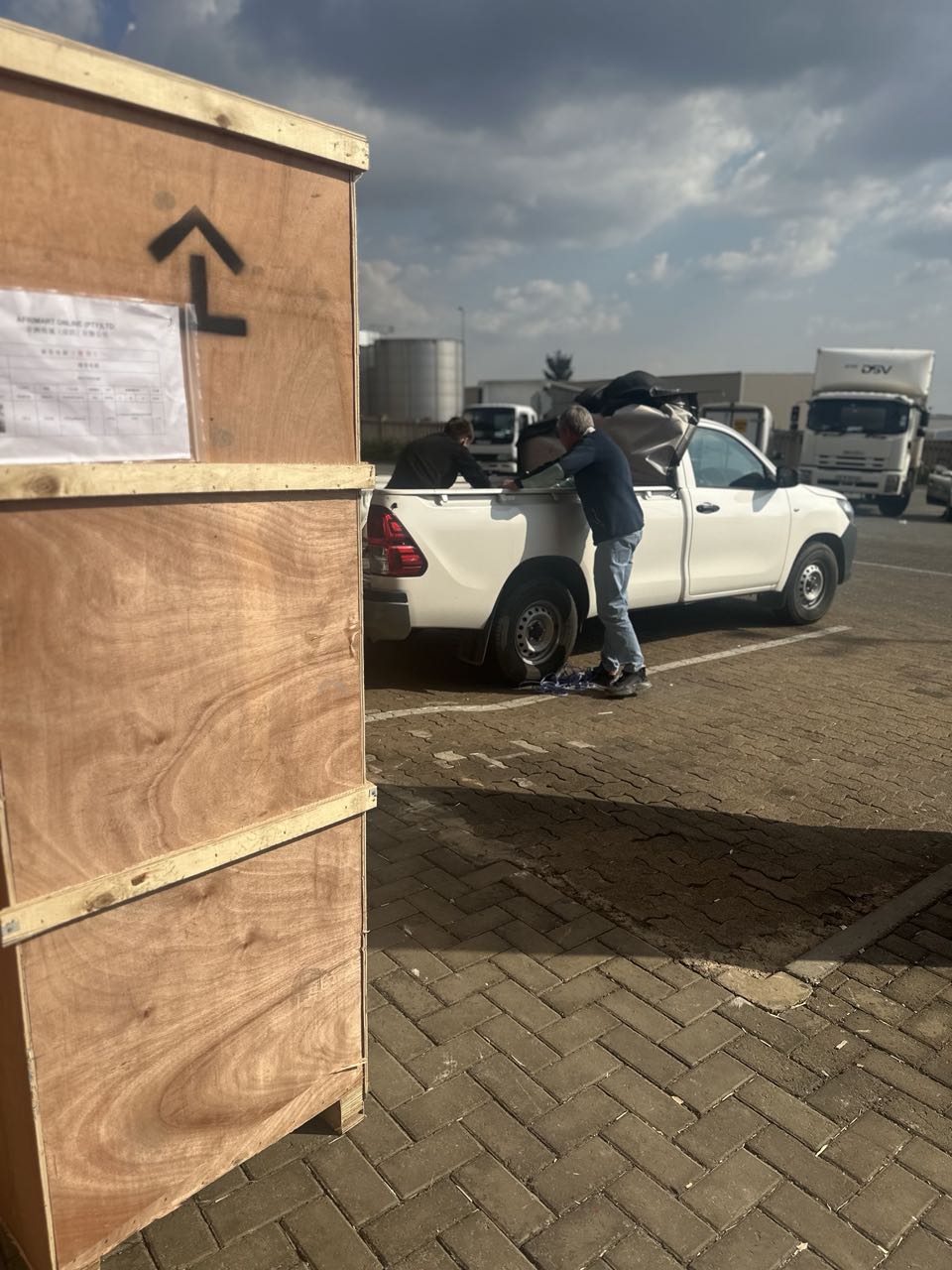
order collection
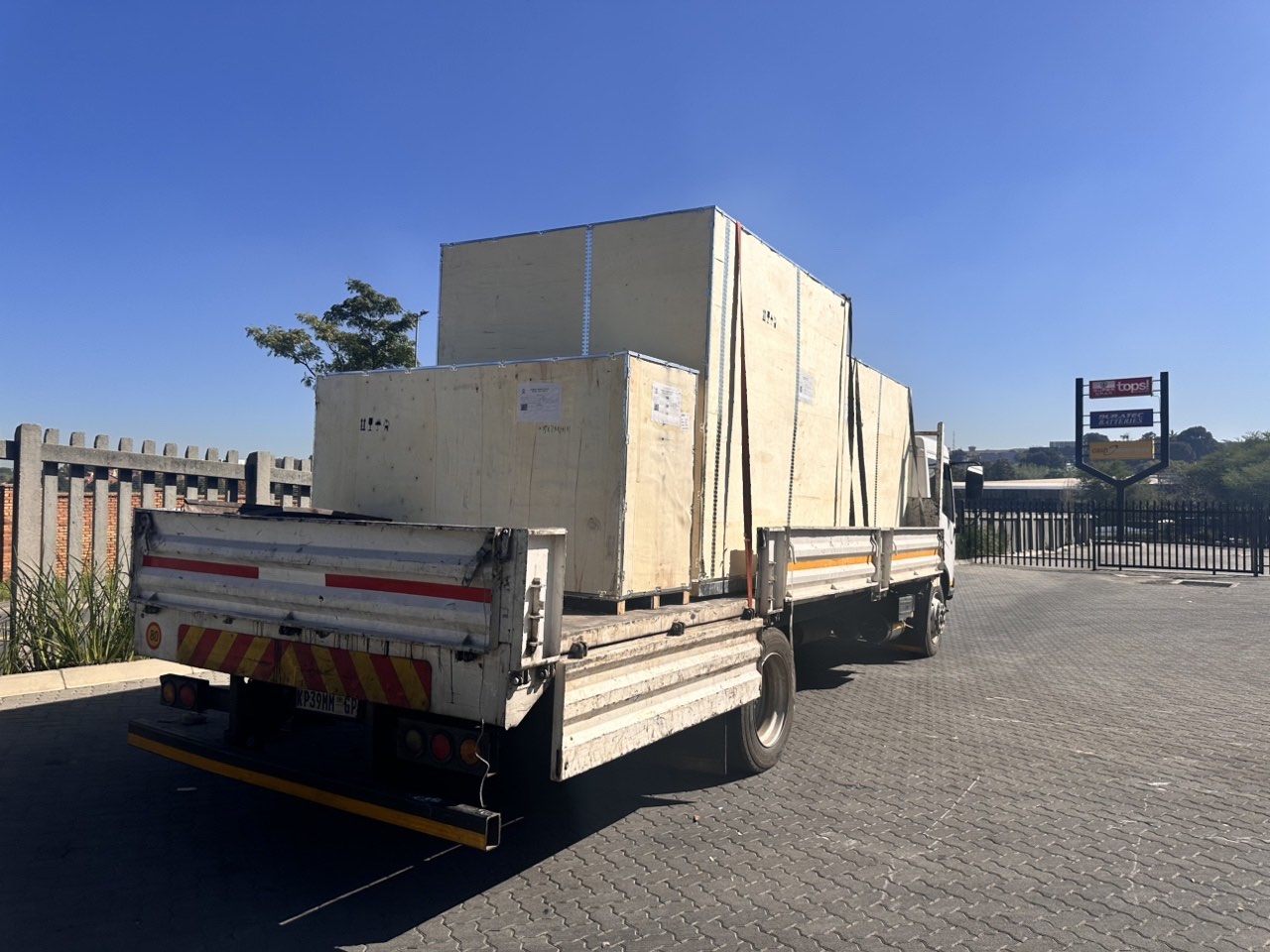
order offloading