B21, China Town Mall, Midrand

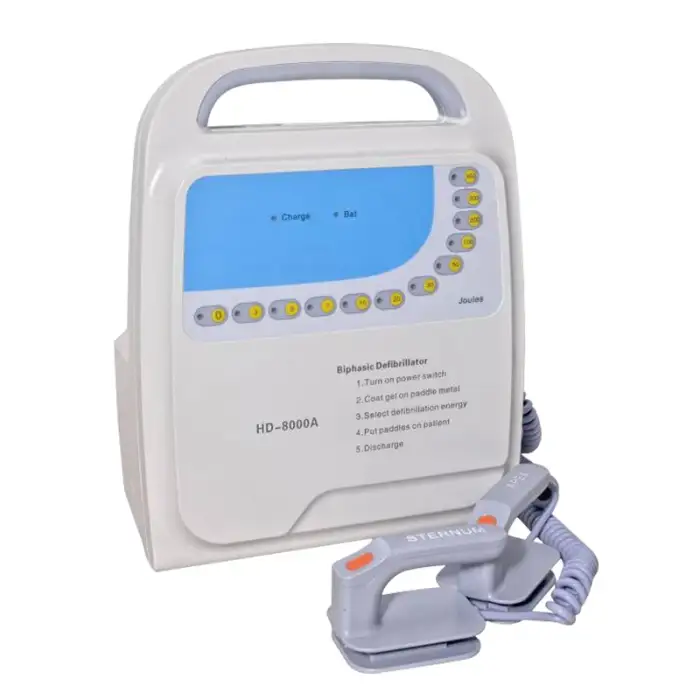
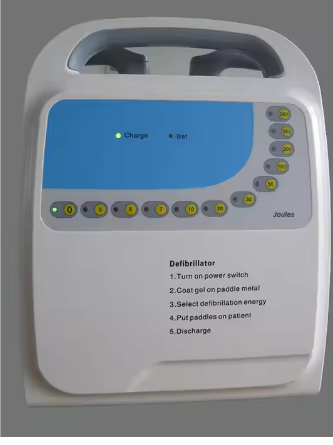
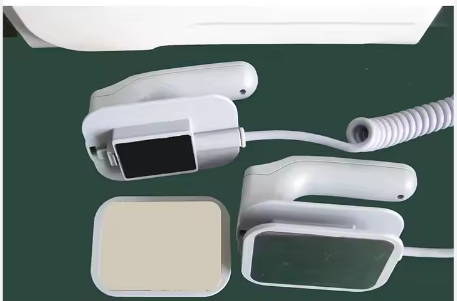
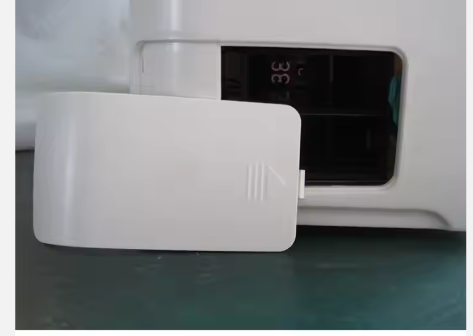
Portable Defibrillator AED Automated External Defibrillator

- Section : Medical Supplies
- Category : Professional Medical Devices
- SKU : 1700005759176

HFMED HD-8000A Electric Surgical Light
Elevate your surgical procedures with the HFMED HD-8000A Electric Surgical Light. Designed for precision and clarity, this surgical light is ideal for operating rooms, ensuring optimal visibility for healthcare professionals.
Key Features
Robust Construction: Crafted from high-quality metal, plastic, steel, and resin, the HD-8000A ensures durability and longevity in clinical environments.
Instrument Classification: Classified as Class II, this surgical light meets stringent medical device standards for safety and performance.
Safety Compliance: Adheres to the GB15979-2002 safety standard, providing reassurance for both patients and healthcare providers.
Power Source: Designed to operate on electricity, ensuring reliable and consistent illumination during procedures.
Adjustable Brightness: Offers customizable brightness levels, allowing surgeons to adapt the light to specific needs for different procedures.
Efficient Cooling System: Features an integrated cooling mechanism to prevent overheating, ensuring prolonged use without interruptions.
Flexible Arm Design: The surgical light’s flexible arm allows for easy positioning, providing optimal illumination angles for various surgical tasks.
The HFMED HD-8000A Electric Surgical Light is an essential tool for any surgical team, enhancing visibility and precision during procedures.
Are you ready to enhance your surgical environment? The HFMED HD-8000A Electric Surgical Light is the perfect choice for superior illumination in the operating room. Get yours today and improve the quality of care for your patients!
Product Info Gallery


- Shipping Timeframes: All orders are processed within 2-5 business days (excluding weekends and holidays). After your order has been processed, the estimated delivery time is before 05 Dec, 2026, depending on customs, Please note that due to high demand, some items may experience longer shipping times, which will be communicated at order confirmation email.
- Order Processing Time: Please allow 2-5 business days for us to process your order before it is shipped . Orders placed after 16:00 on Fridays, or during weekends and public holidays, will begin processing on the next business day. Processing times may be extended during peak seasons or sales events.
- Manufacturing Time: Some products needs manufacturing time, the manufacturing process will take approximately 10-30 business days depending on the product. This timeframe may vary depending on the complexity of the product and current demand. but this will be communicated with you during order confirmation.
- Returns and Exchanges: We offer a 30-day return policy for most items. If you are not completely satisfied with your purchase, you may return it within 30 days of receipt for a refund or exchange. Items must be unused, in their original packaging, and accompanied by proof of purchase. Return shipping costs are the responsibility of the customer, unless the item was damaged or defective upon arrival.
1. What is a Portable Defibrillator AED?
A Portable Defibrillator AED (Automated External Defibrillator) is a medical device designed to treat people experiencing sudden cardiac arrest by delivering an electric shock to restore a normal heart rhythm.
2. How does the AED work?
The AED analyzes the heart's rhythm and determines if a shock is needed. If necessary, it delivers an electrical shock to help the heart regain a normal rhythm.
3. Who can use a Portable Defibrillator AED?
AEDs are designed for use by laypersons and trained professionals alike. They provide audio and visual instructions to guide users through the process.
4. Is training required to use an AED?
While no formal training is required, it is highly recommended to take a CPR and AED course to be familiar with the device and emergency procedures.
5. How portable is the AED?
The AED is specifically designed to be lightweight and compact, making it easy to carry and transport to emergency situations.
6. What should I do if the AED is used?
After using the AED, ensure that emergency medical services are on their way, and provide them with information about the patient and the device used.
7. How often should the AED be maintained?
Regular maintenance checks are recommended, including checking the battery, pads, and ensuring the device is in working order. Follow the manufacturer's instructions for specific maintenance schedules.
8. What is the battery life of the AED?
The battery life varies by model but generally lasts between 2 to 5 years. It is important to check the battery status regularly.
9. Where should the AED be stored?
The AED should be stored in a designated, easily accessible location that is known to all potential users, ideally near areas with high foot traffic or where cardiac emergencies are likely.
10. What are the key features of the AED?
Key features typically include a user-friendly interface, voice prompts, visual indicators, portability, and the ability to analyze heart rhythms automatically.
11. Can the AED be used on children?
Yes, many AEDs come with pediatric pads or settings specifically designed for children. Always follow the manufacturer's guidelines for usage on different age groups.
12. What should I do if the pads do not stick?
If the pads do not adhere, try to clean the chest area to remove any moisture or hair. If they still do not stick, use additional pads if available or continue CPR until help arrives.
13. Are there any contraindications for using an AED?
AEDs should not be used in wet environments or on patients who are in contact with water. Additionally, avoid placing pads over implanted devices like pacemakers.
14. What warranty does the Portable Defibrillator AED come with?
Warranty details vary by manufacturer, but many AEDs come with a warranty covering parts and service for a certain period. Check the specific product information for more details.
15. Can I purchase replacement pads for the AED?
Yes, replacement pads are available for purchase. It is important to replace them before the expiration date to ensure effective operation.
Latest Order Arrivals
Discover our latest orders
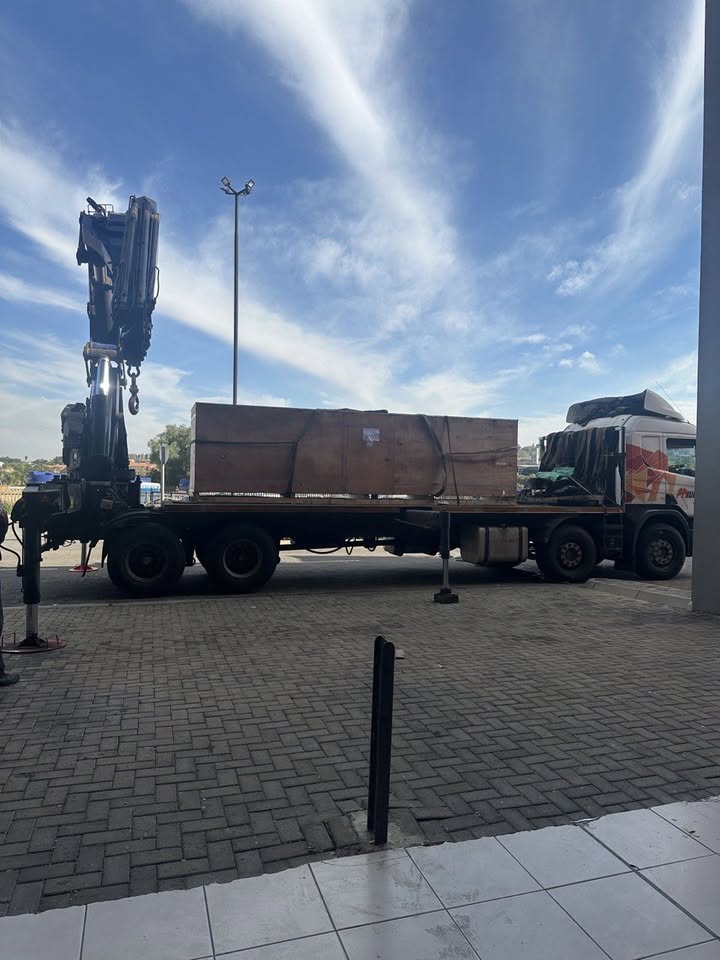
12 Heads Embroidery Machine
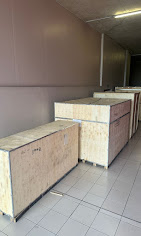
Toilet Paper Machine Machine
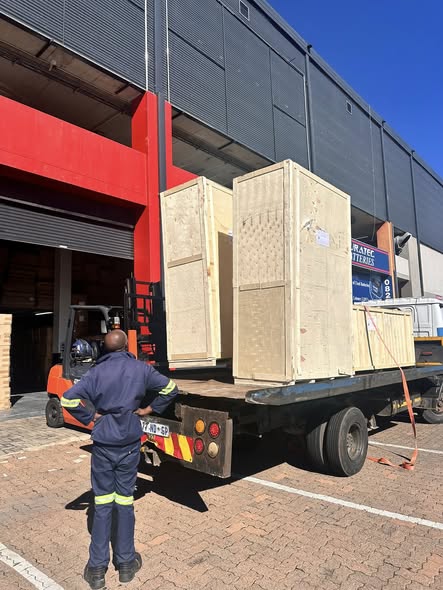
Order Collection
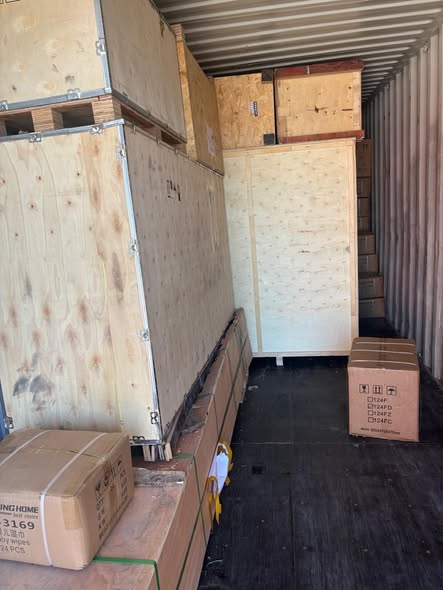
Cross Border Clients
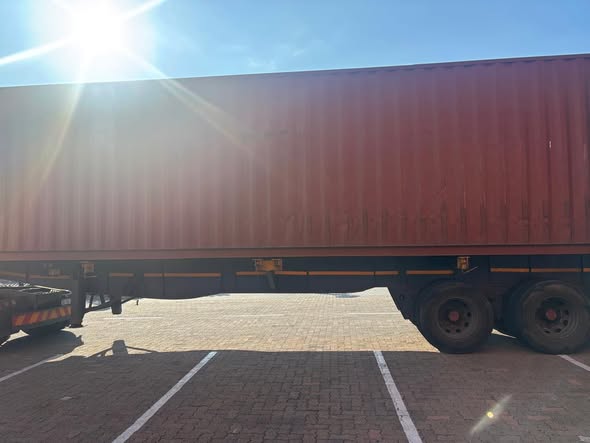
Order cros border countries Collected
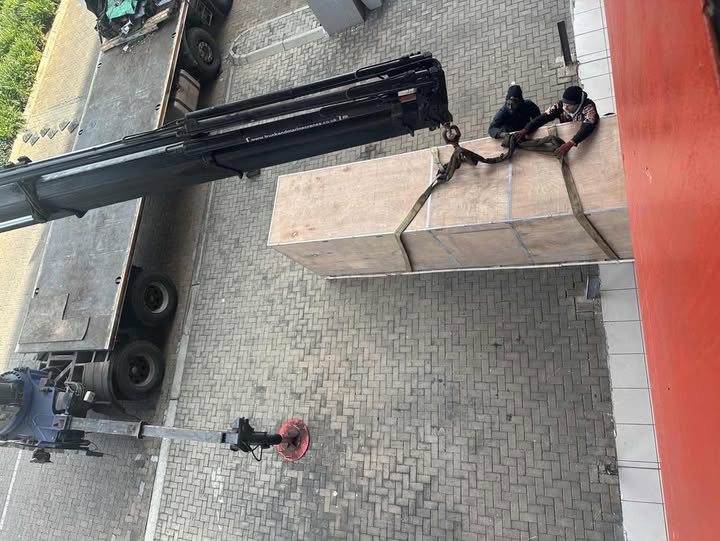
Industrial Machine Cllection
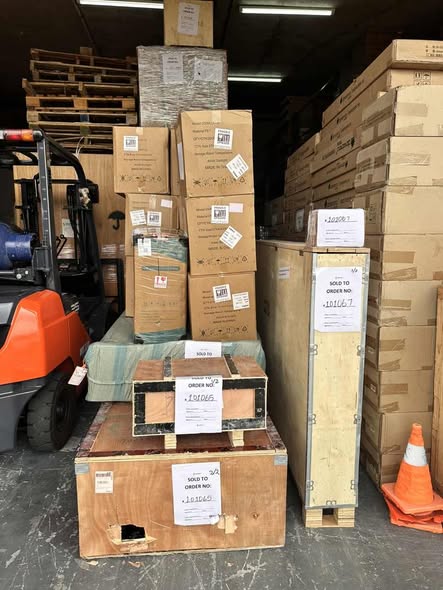
Agriculture Processing Machines
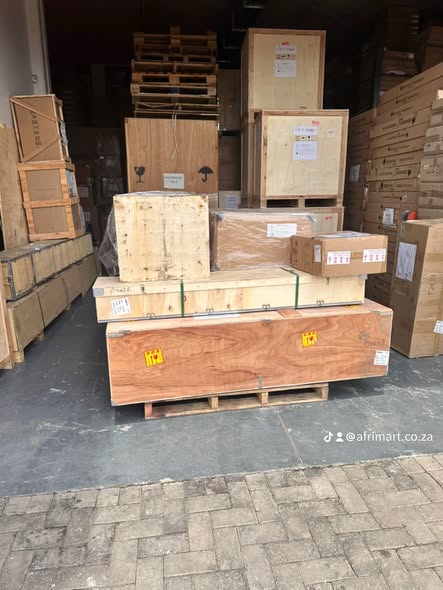
Ready for collection
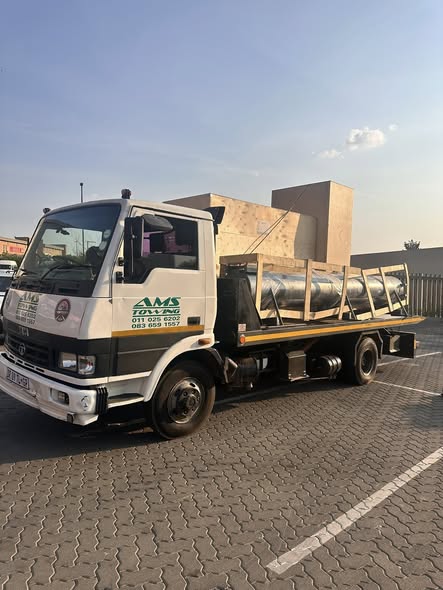
Water Pump Equipment
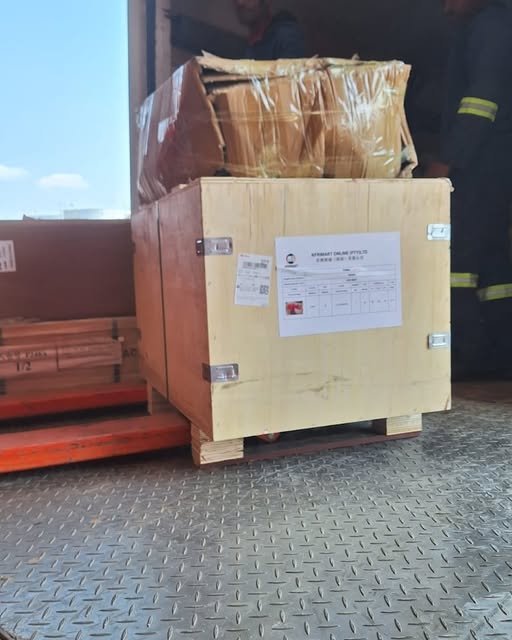
Packaging Machine and accessories

Fabrics Manufacturing Equipment
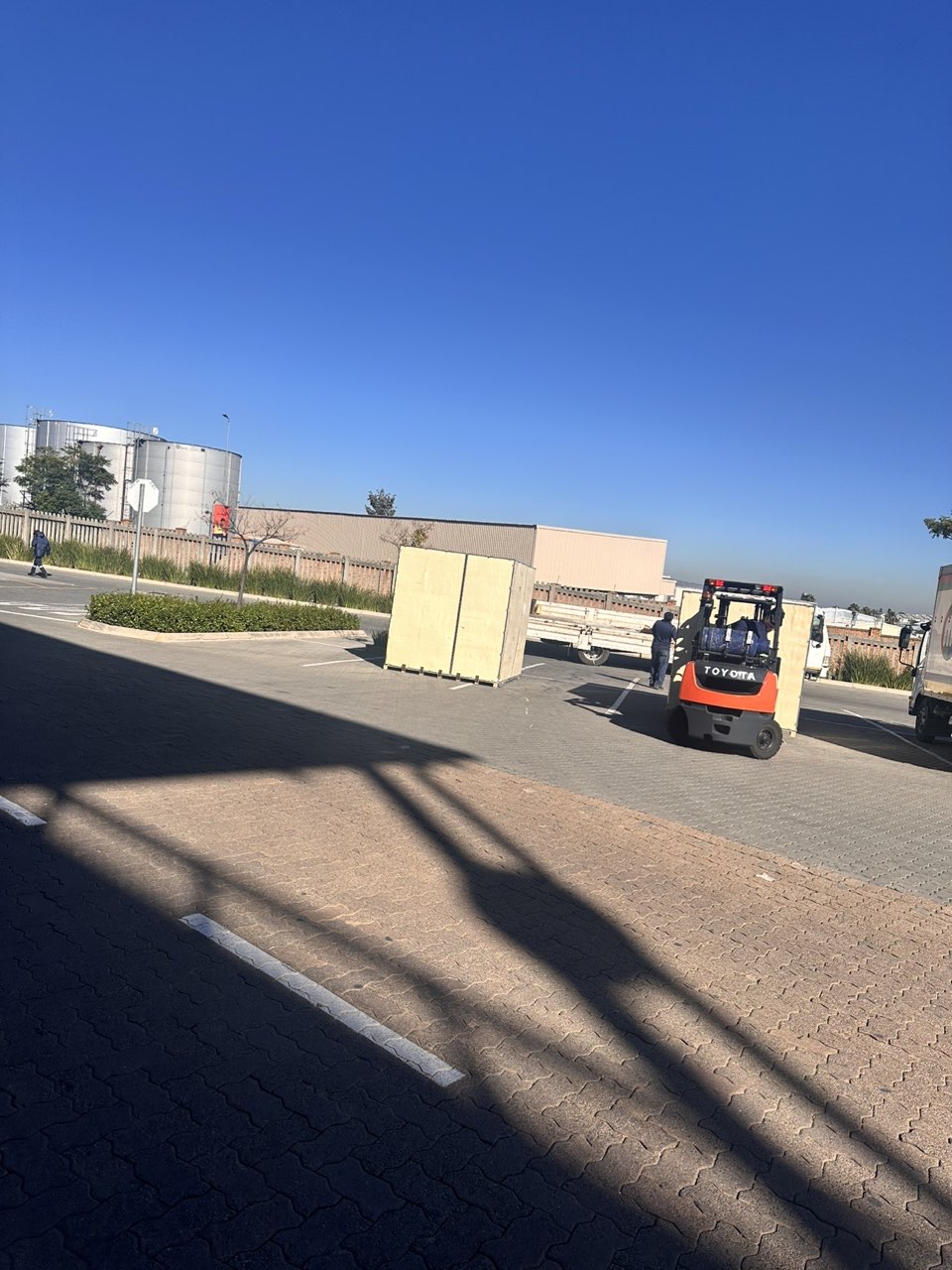
Mining Equipments
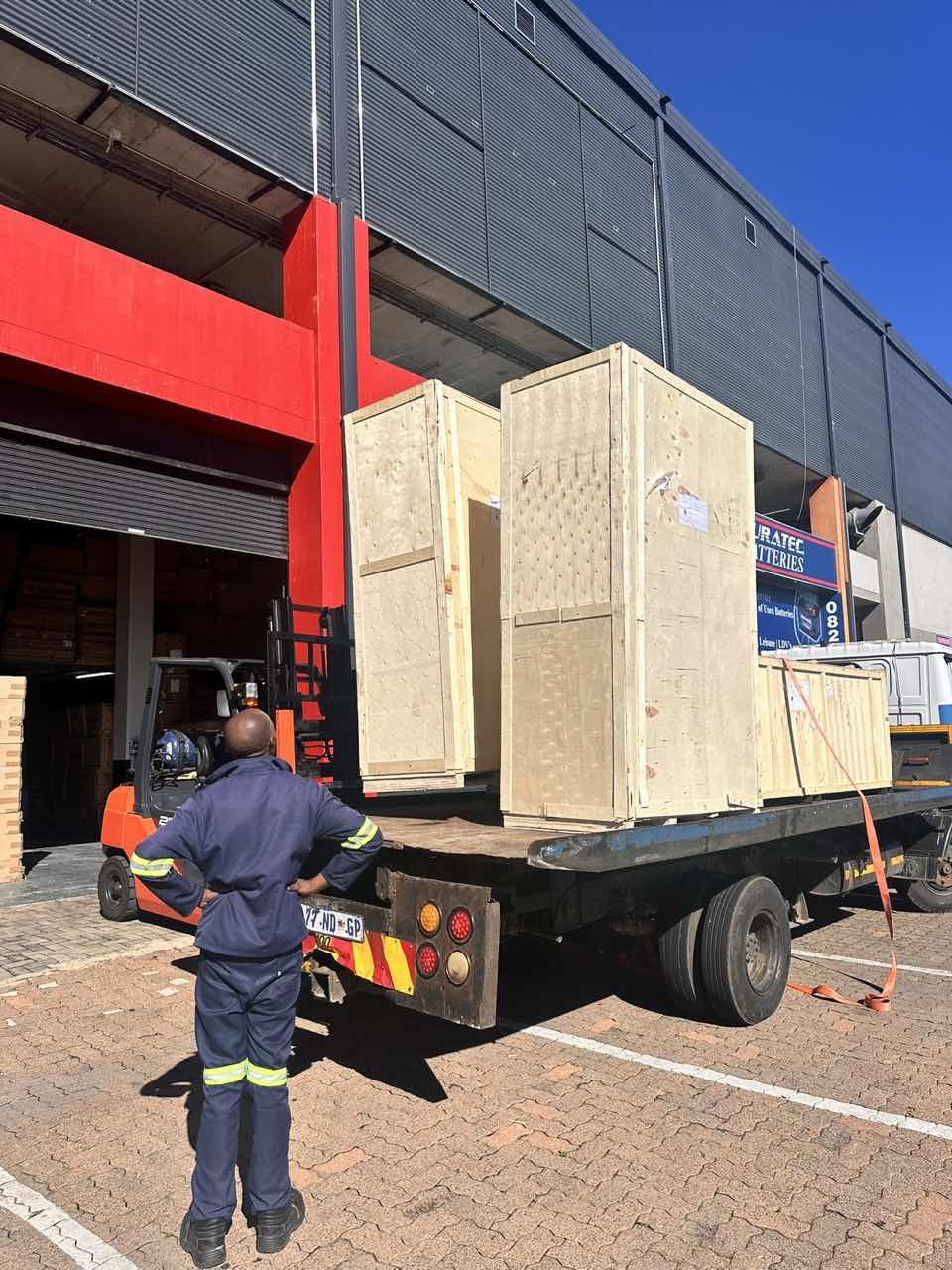
Food Processing Machine
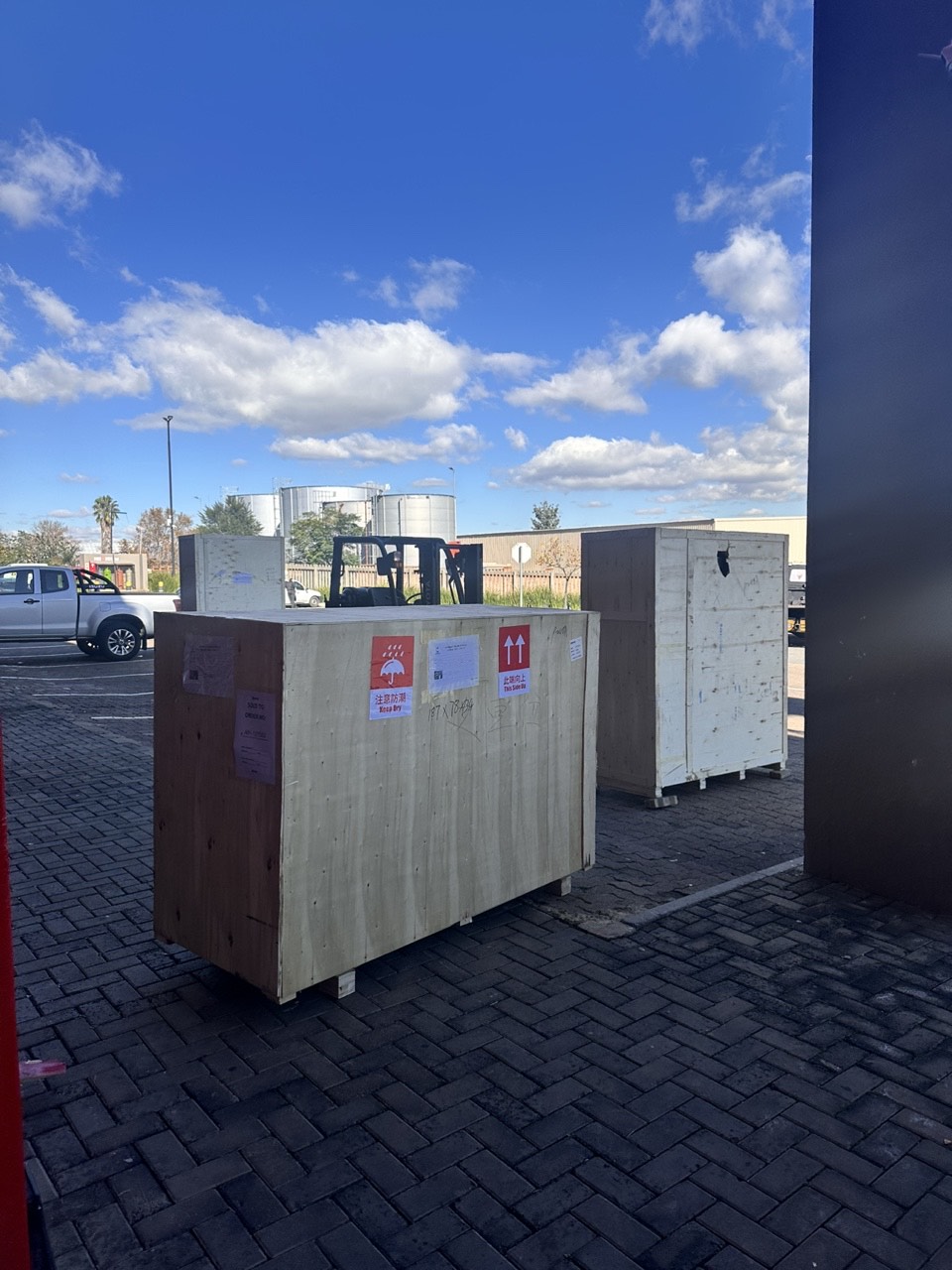
Batch of Orders
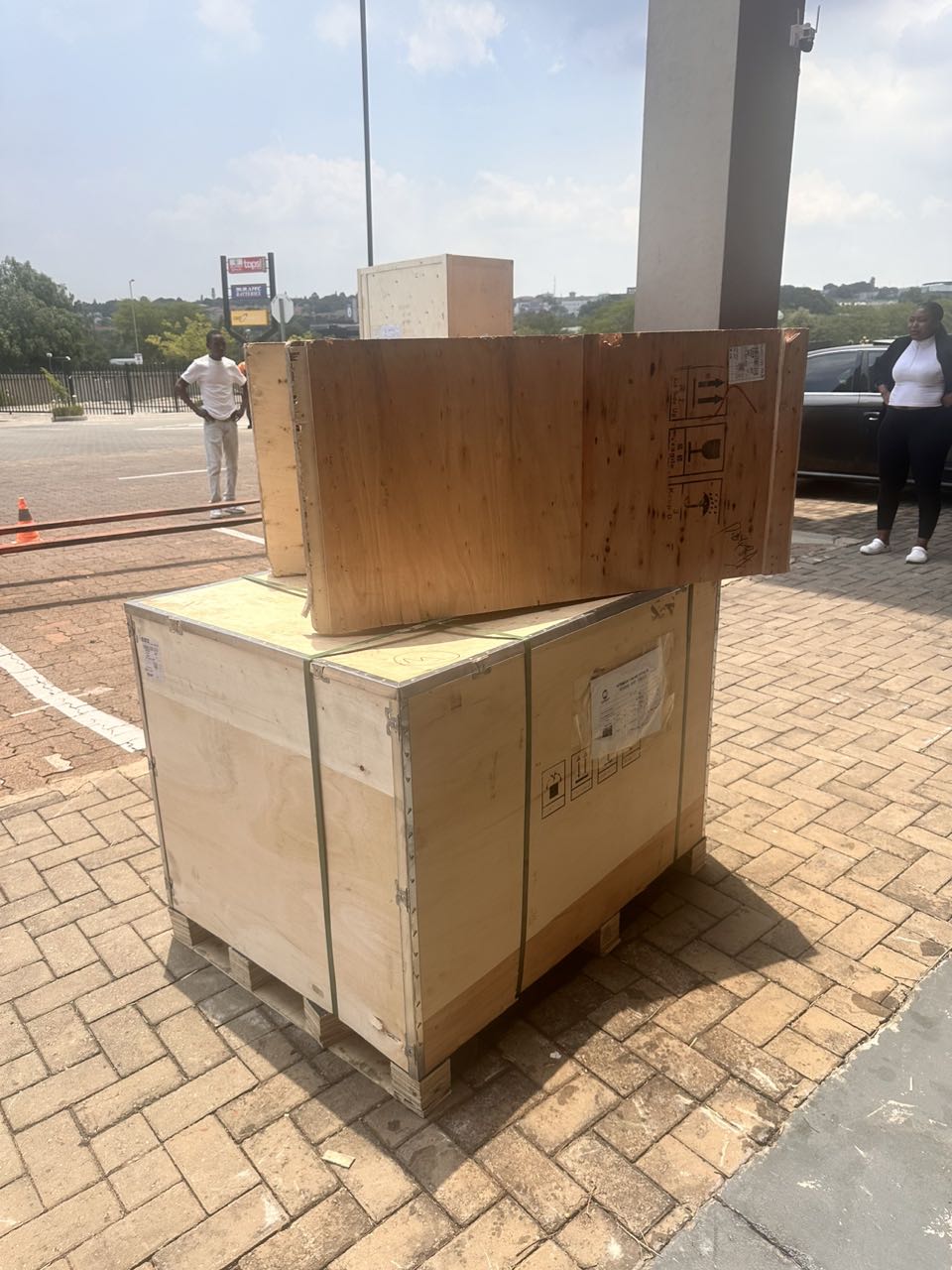
Batch of Orders
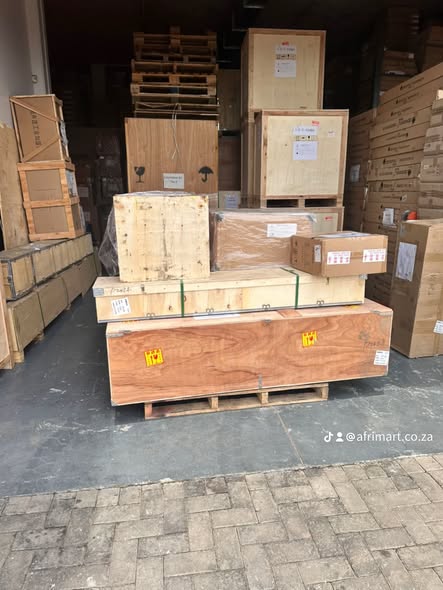
Latest Orders Labelled
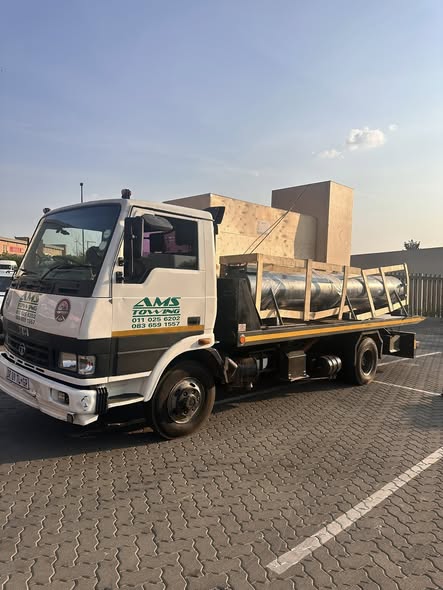
wheel alignment machines

new arrivals
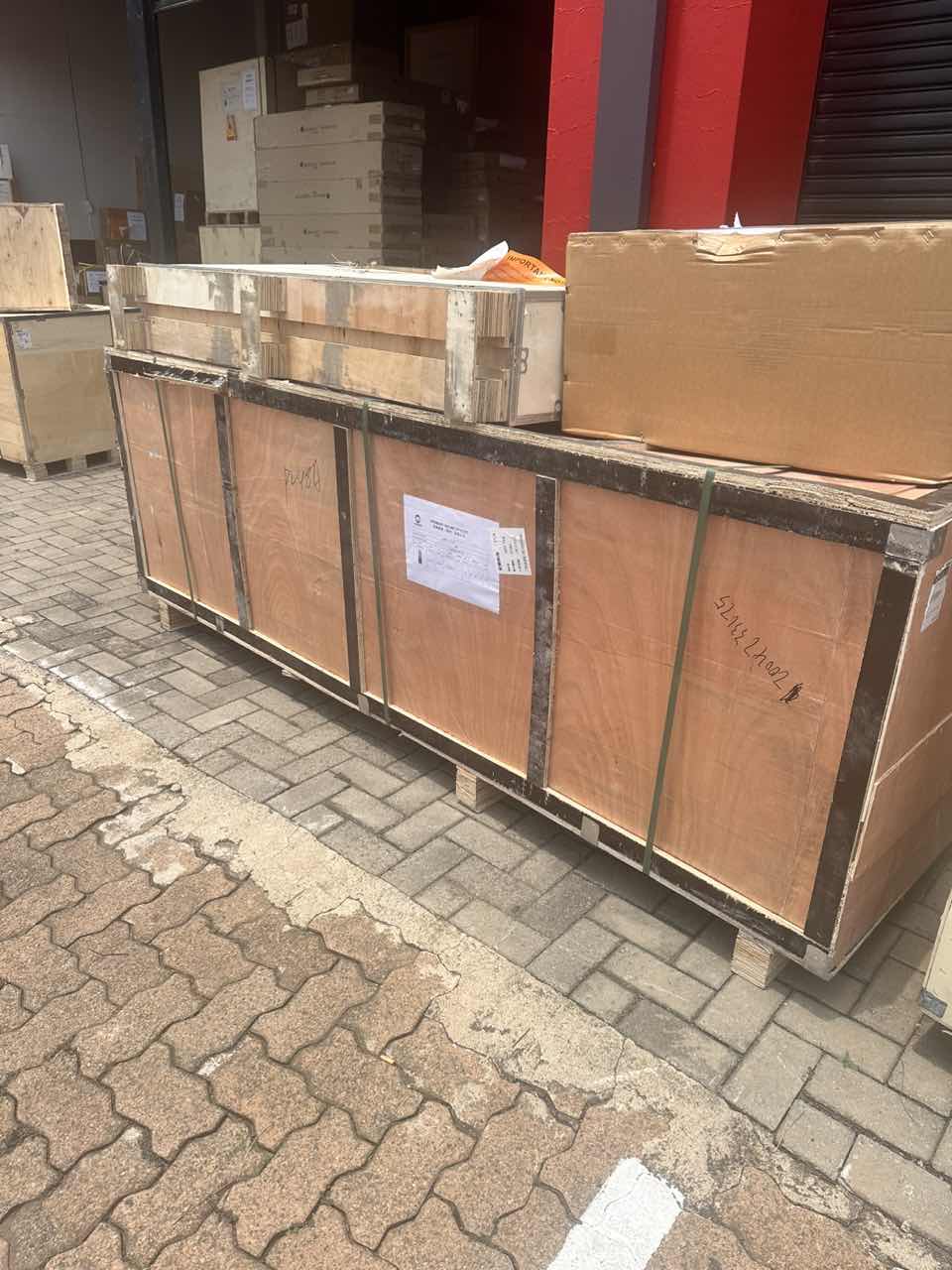
Pre Orders Offloading
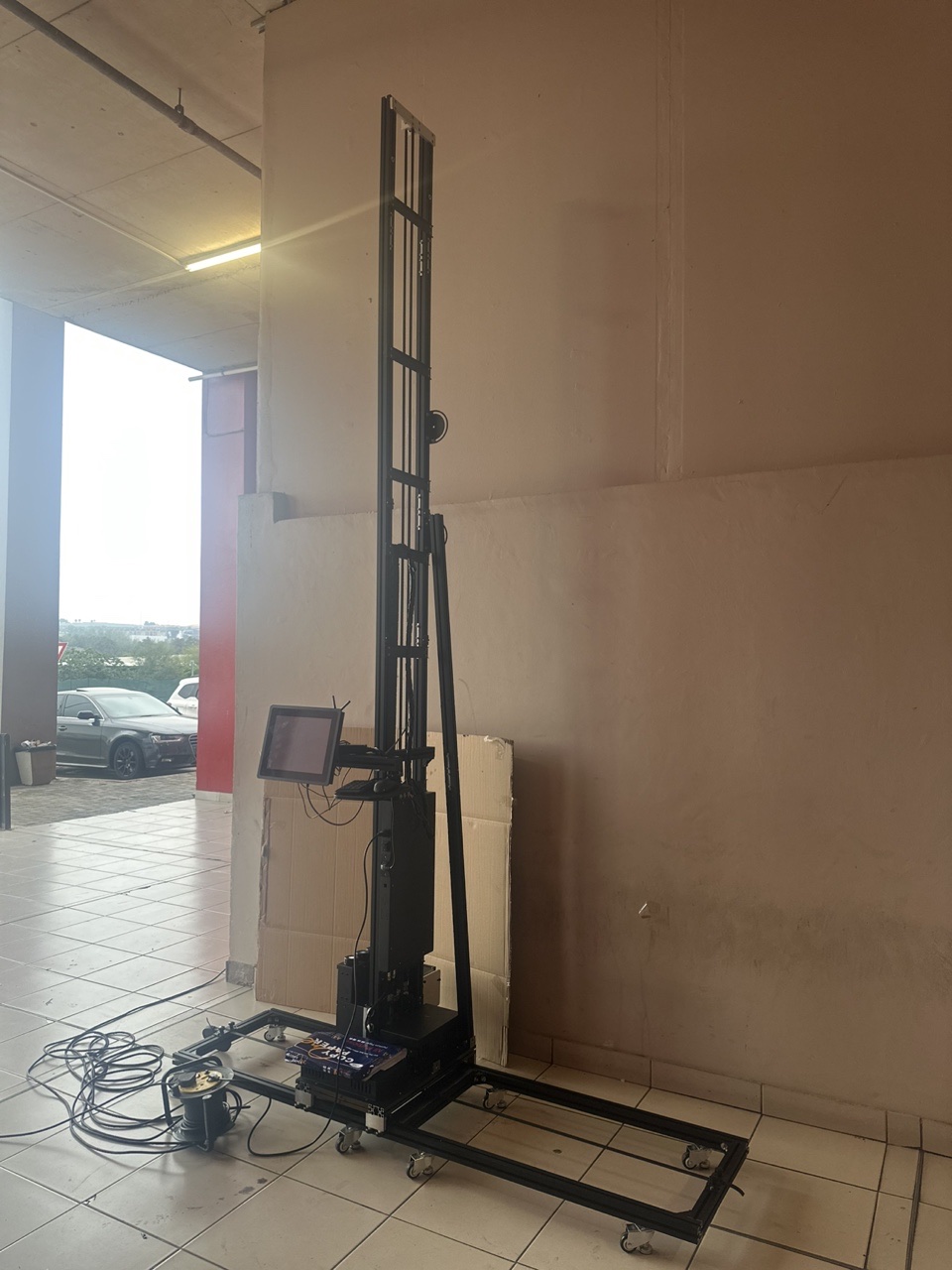
Latest Arrivals
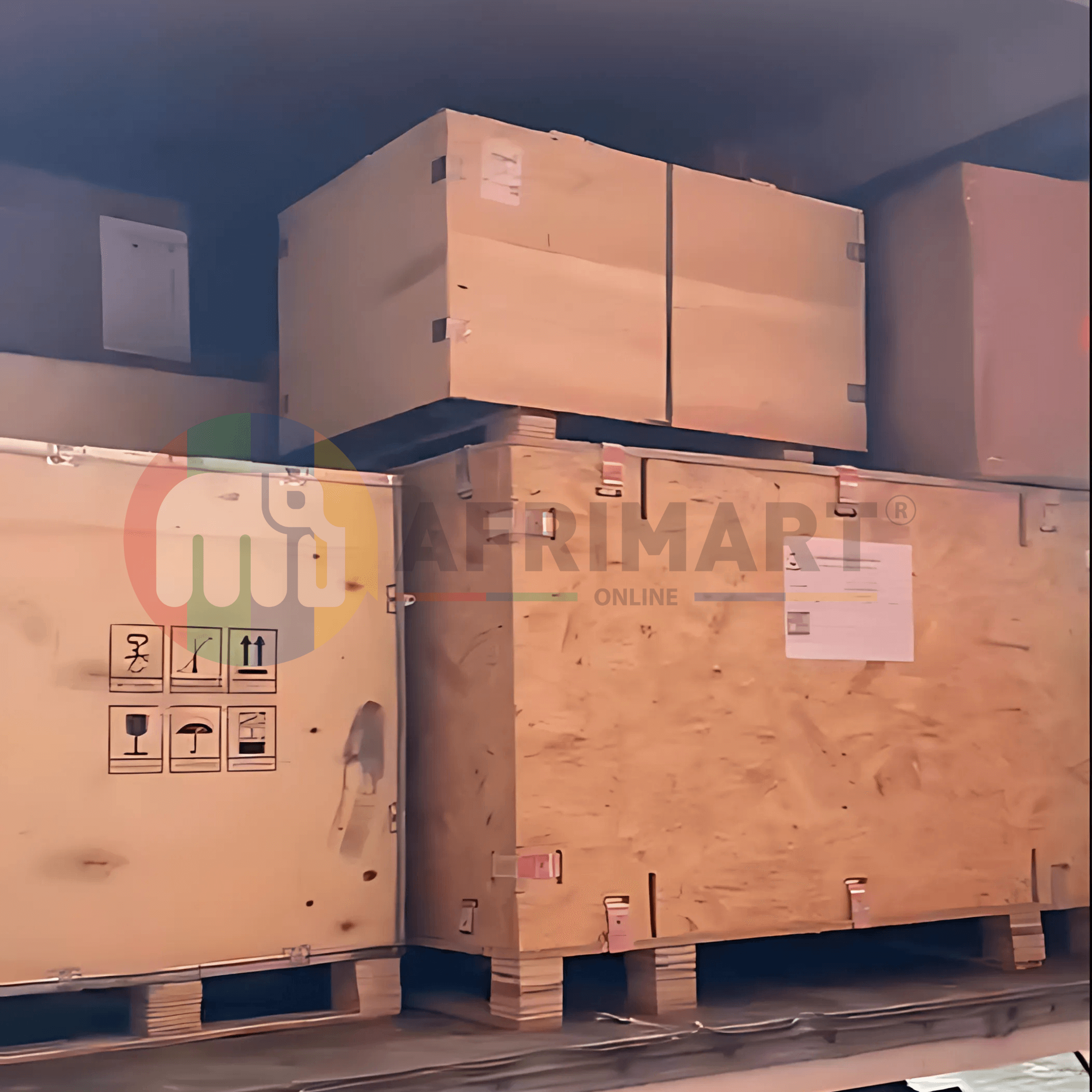
Latest Arrivals
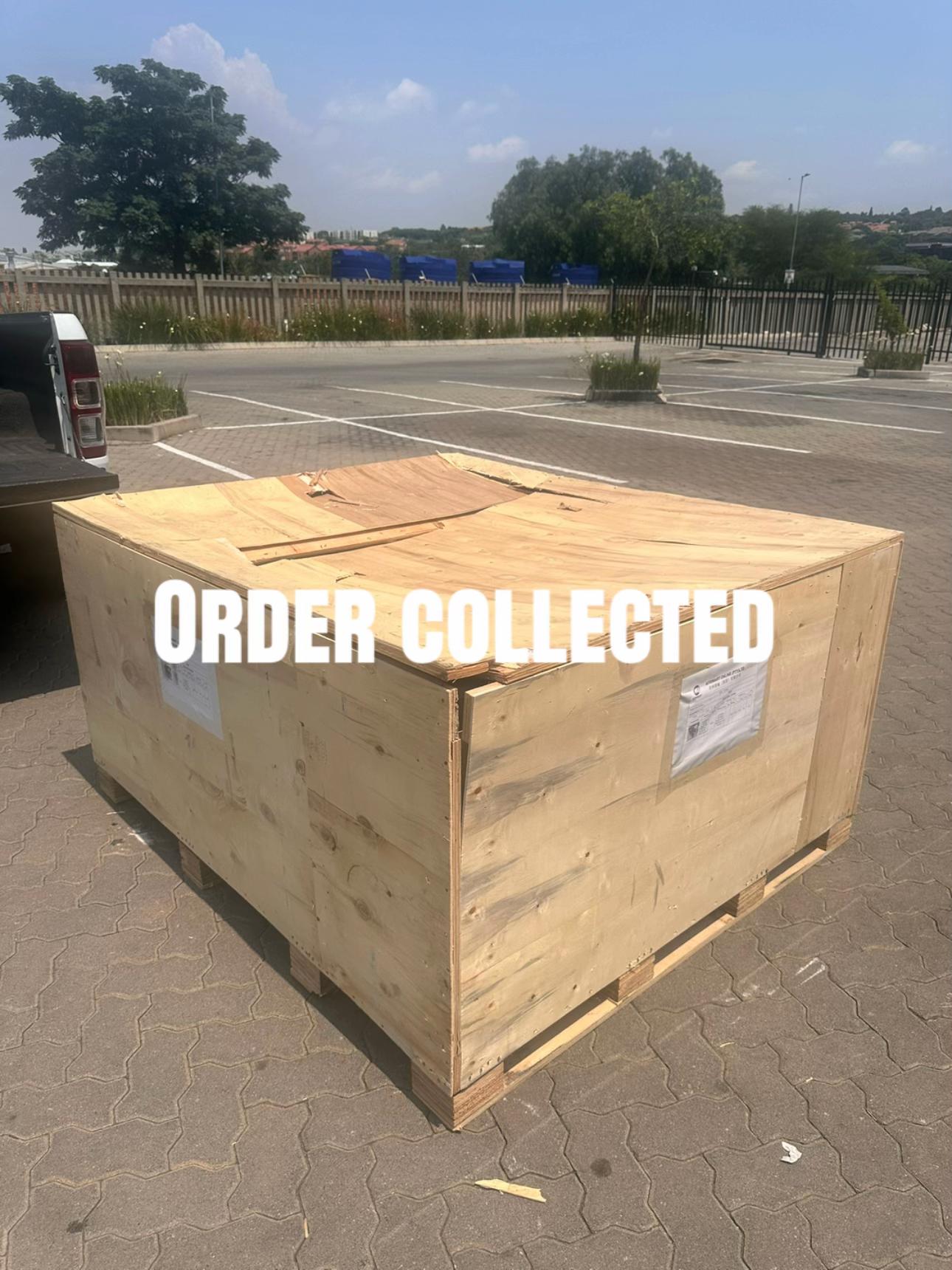
Latest Arrivals
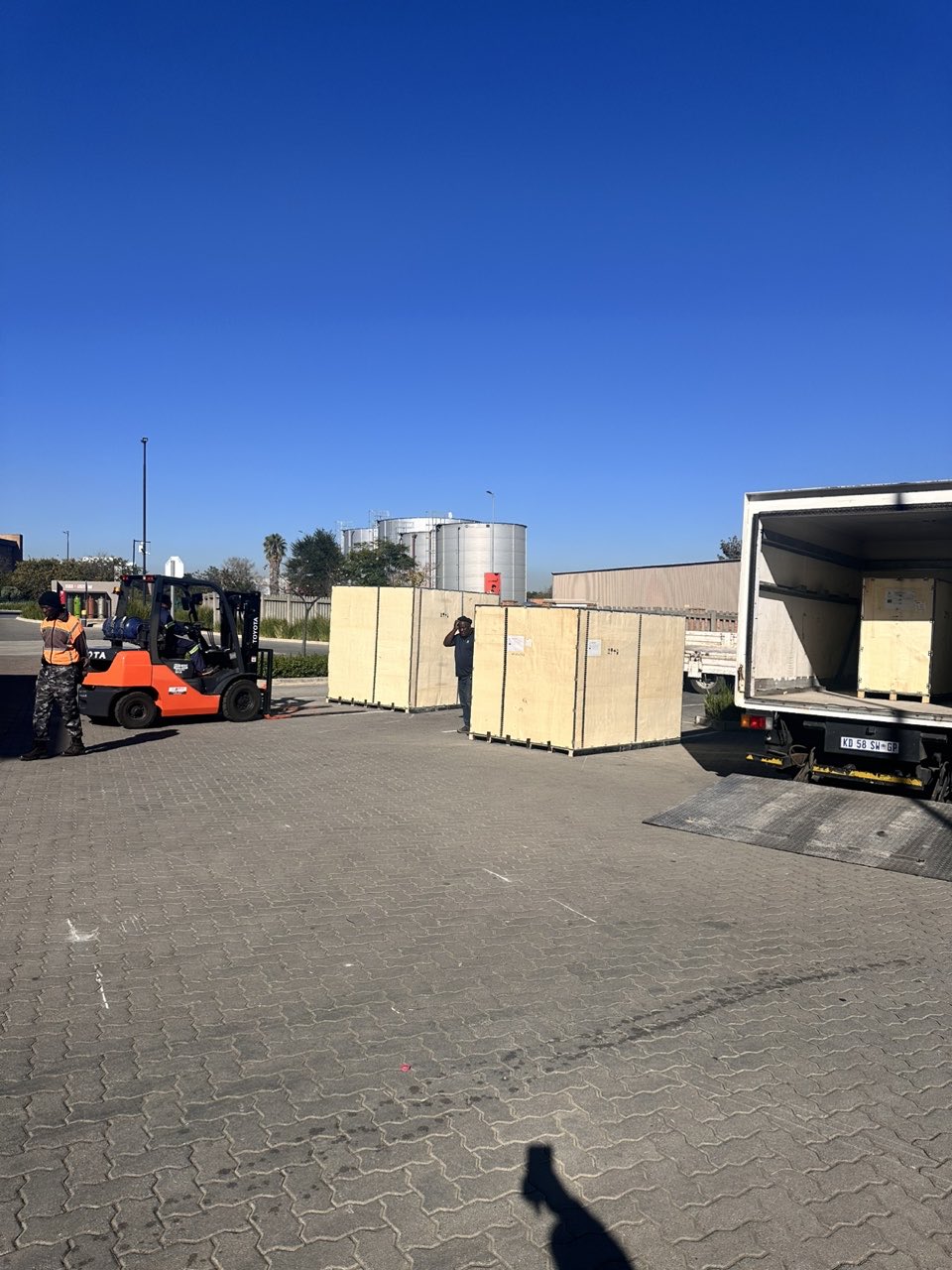
Loading
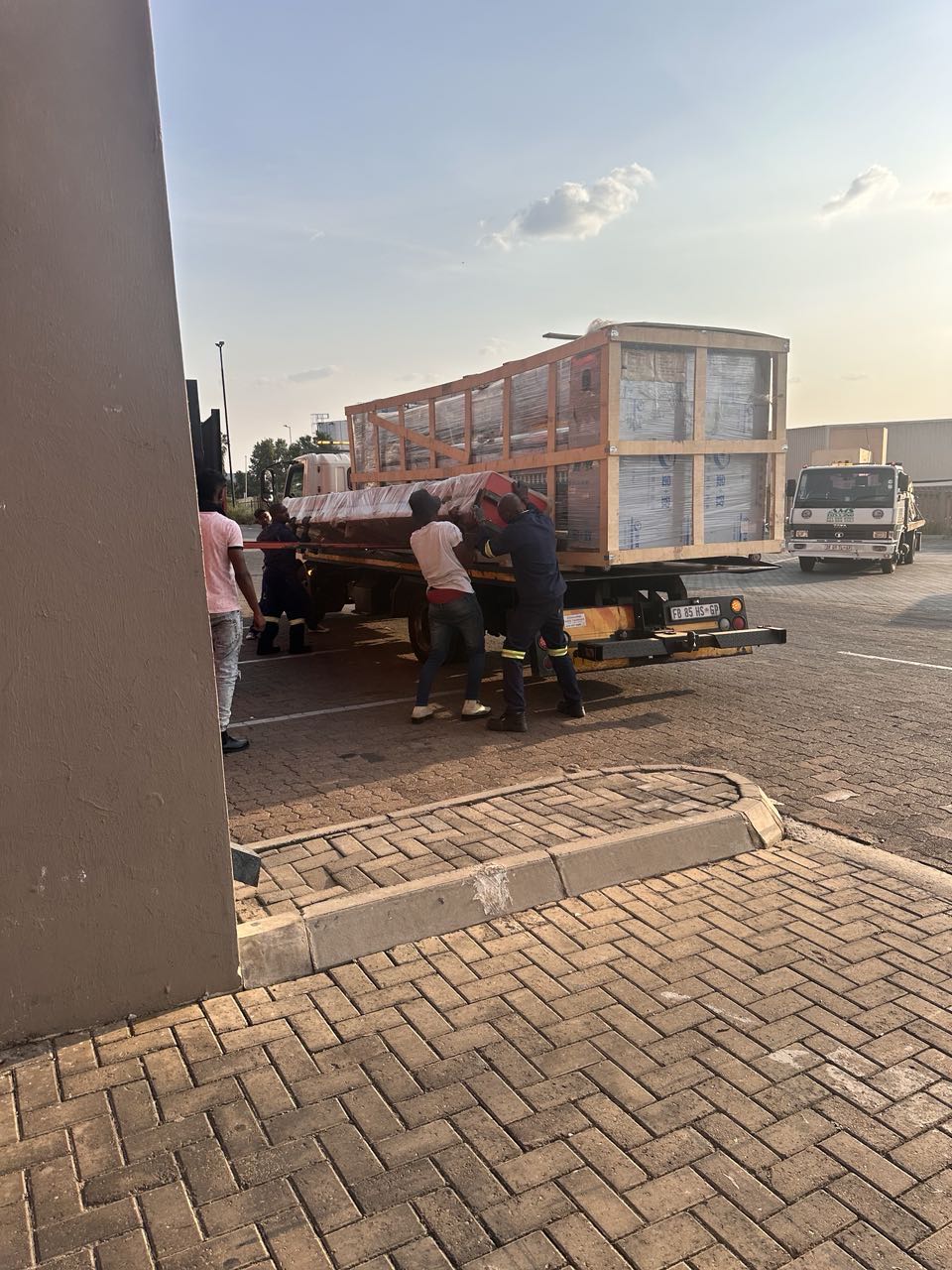
Toilet paper making machine
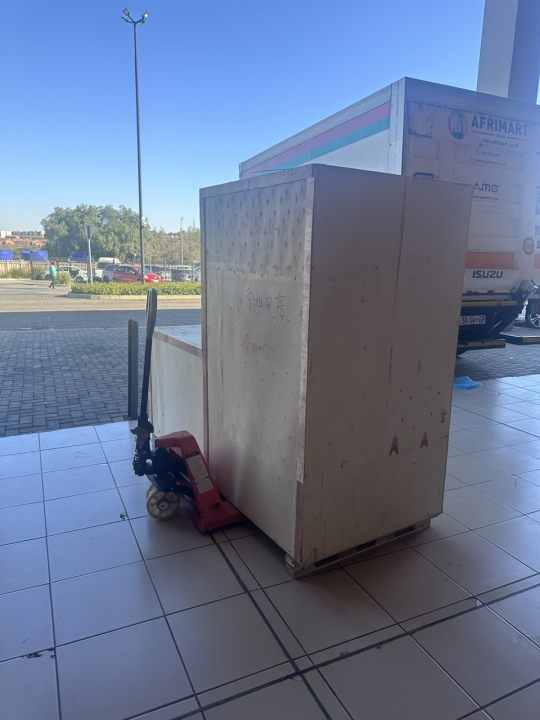
Toilet paper making machine
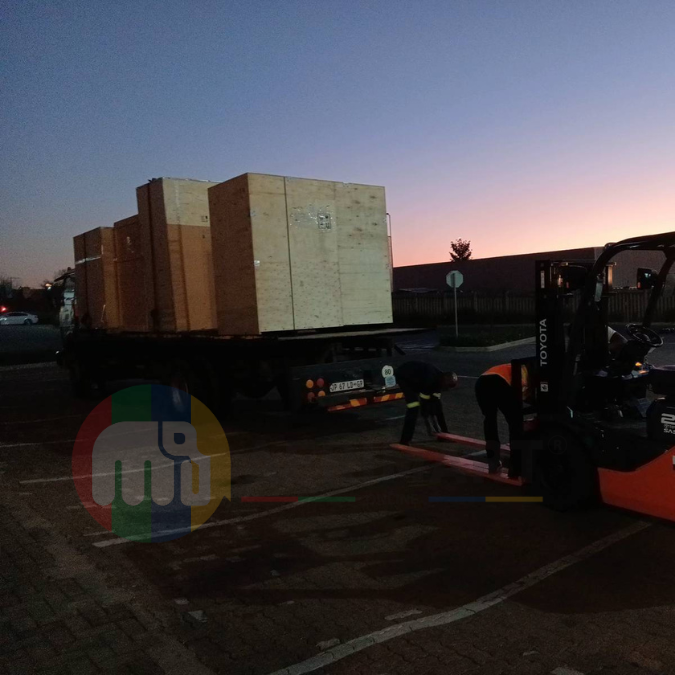
Toilet paper Rewinding Machine
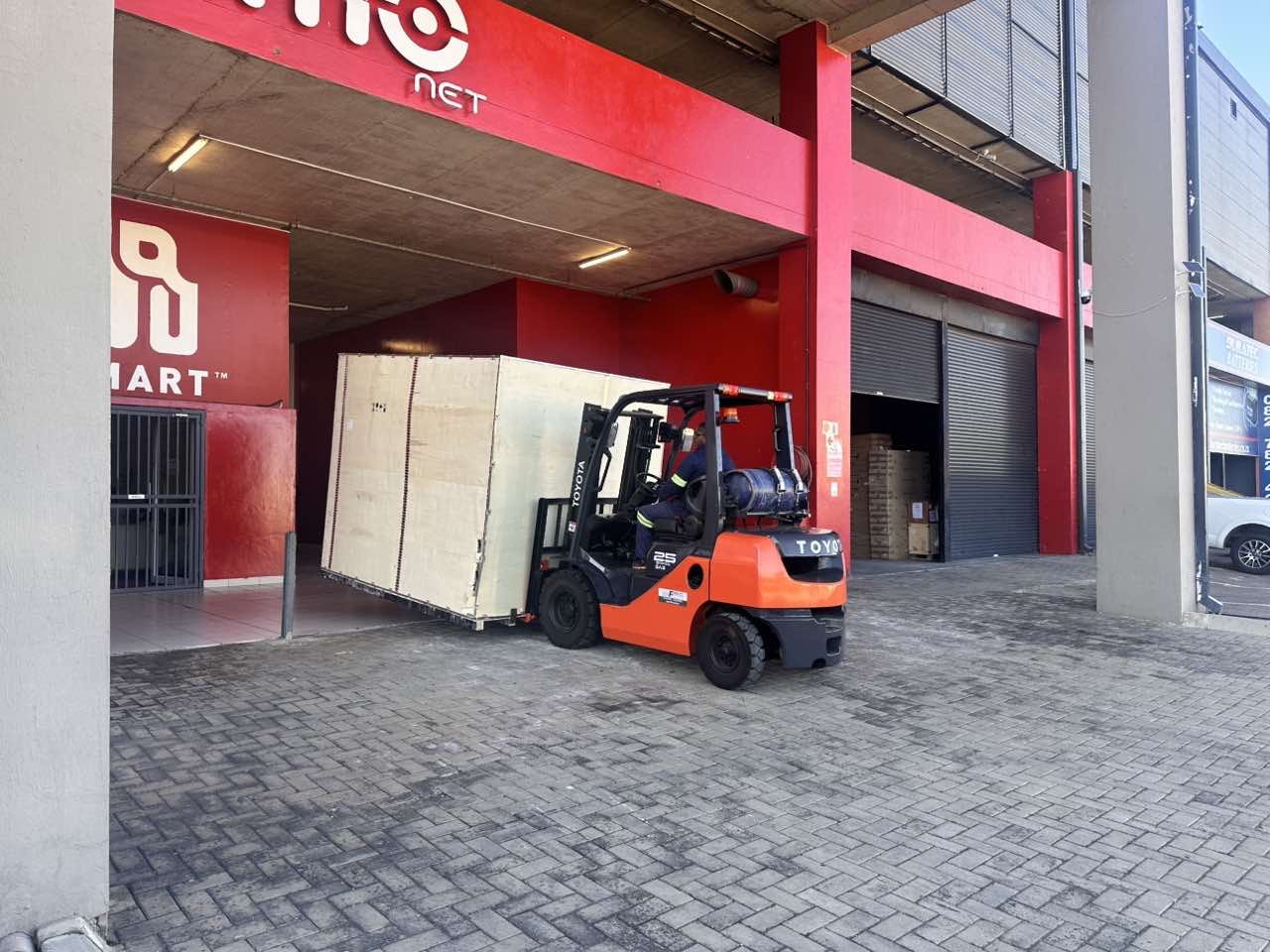
latest arrivals
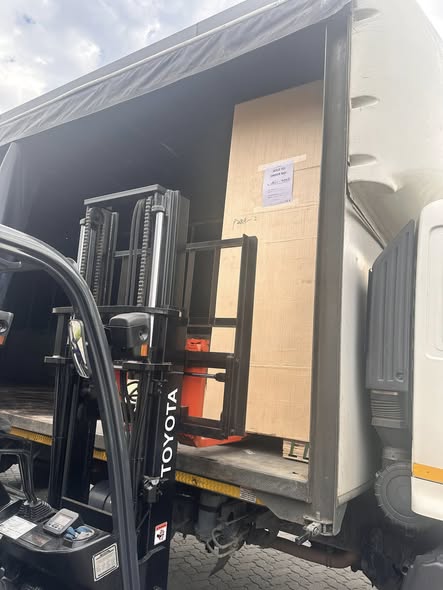
offloading
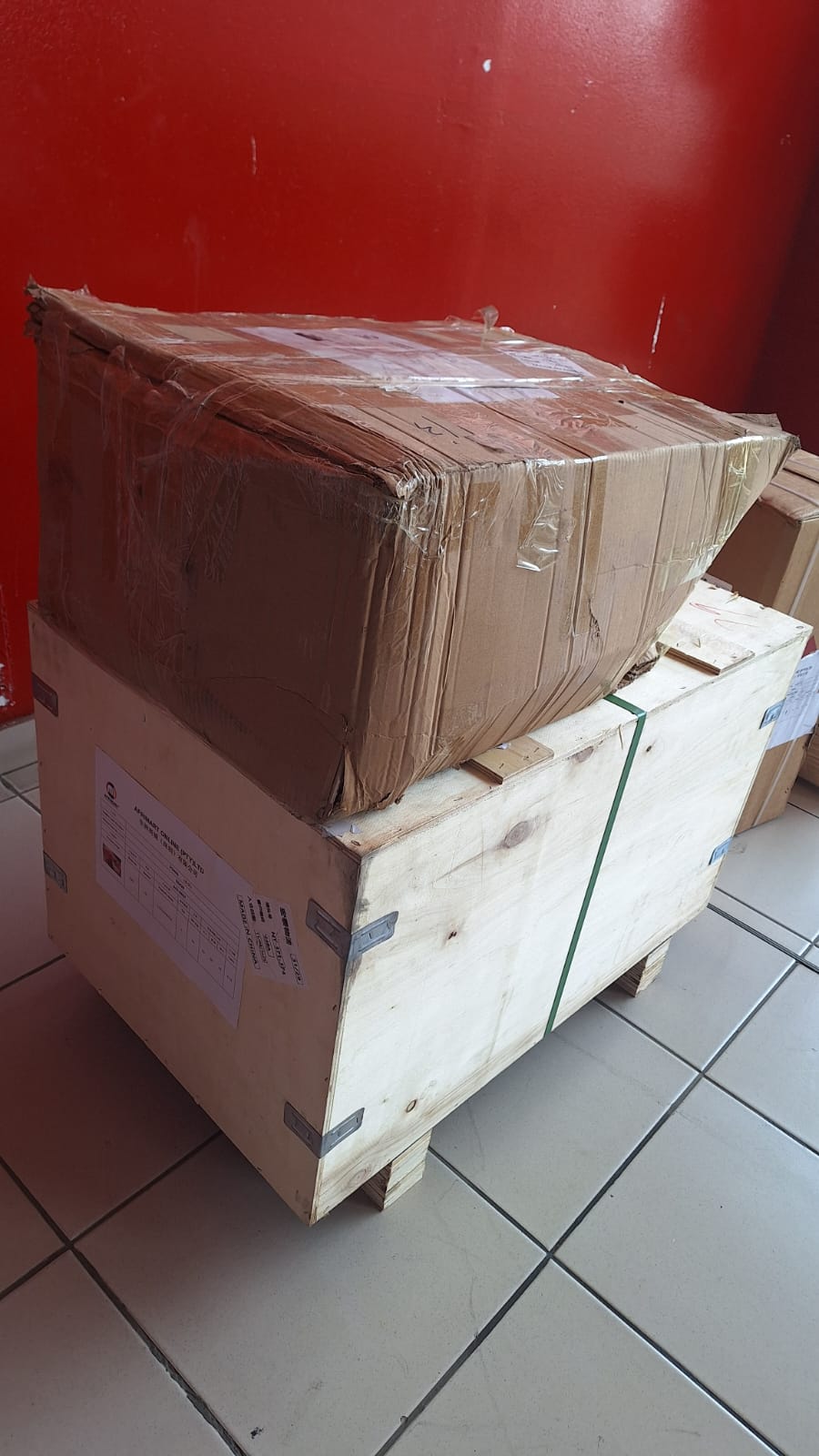
order success

order collection
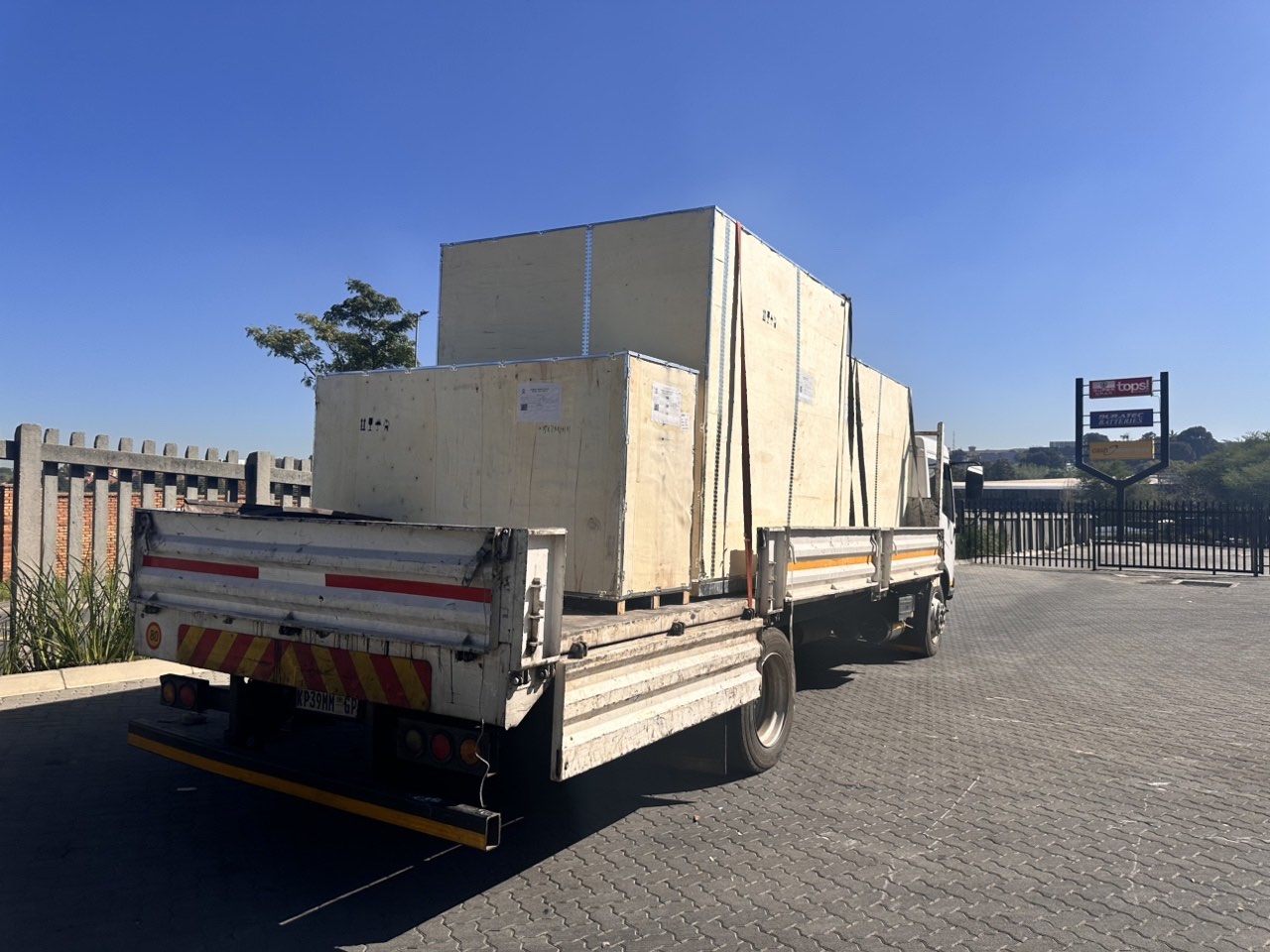
order offloading