B21, China Town Mall, Midrand

 Building Boards & Insulation
 Coated & Treated Products
Decorative Building Materials
EPDM/PVC/TPO Membrane
Coated & Treated Products
Decorative Building Materials
EPDM/PVC/TPO Membrane
 Flat Products (Sheets, Plates & Coils)
Gabion mesh
Geocell
Geogrid
Geomembrane Welding machine
HDPE Geomembrane
HDPE Geomembrane
Hdpe/Pvc Pipe
Industrial Hardware & Fasteners
LDPE LLDPE Geomembrane
Luxury Wall Panels
Nonwoven Geotextile
Other Geosynthetics
Pipe Floater
Pipeline & Fluid Systems
Pipes & Hollow Sections
PVC Ceilings
PVC Cornices
PVC Suspended Ceilings
PVC Wall Panels
Roofing & Cladding
Roofing & Corrugated Sheets
Rubber Hose
SPC Flooring
Strips & Bars
Structural Steel & Profiles
Flat Products (Sheets, Plates & Coils)
Gabion mesh
Geocell
Geogrid
Geomembrane Welding machine
HDPE Geomembrane
HDPE Geomembrane
Hdpe/Pvc Pipe
Industrial Hardware & Fasteners
LDPE LLDPE Geomembrane
Luxury Wall Panels
Nonwoven Geotextile
Other Geosynthetics
Pipe Floater
Pipeline & Fluid Systems
Pipes & Hollow Sections
PVC Ceilings
PVC Cornices
PVC Suspended Ceilings
PVC Wall Panels
Roofing & Cladding
Roofing & Corrugated Sheets
Rubber Hose
SPC Flooring
Strips & Bars
Structural Steel & Profiles
 Camera & Photo
 Chargers, Batteries & Power Supplies
 Commercial Equipment
 Home Audio & Video
 Portable Audio
 Printing Equipment
 Professional Audio
 Security & Protection
 Testing Equipment
 Advertising Boards
 Advertising Inflatables
 Advertising Light Boxes
 Commercial Fryers
 Computer Hardware & Software
 Digital Signage and Displays
 Display Racks
 Food Trucks
 Ice Cream Machines
 Interactive Boards
 Photo Booths
 Projectors & Presentation Equipments
 Refrigeration Equipment
 Supermarket Shelves
 Vending Machines
 Bedroom Furniture
 Commercial Furniture
 Decorations
 Dining Room Furniture
 Kitchen Furniture
 Living Room Furniture
 Office Furniture
 Agriculture Machinery
 Apparel Machinery
 Chemical Machinery
 Cleaning Equipment
 Construction Machinery
 Environmental Machinery
 Food & Beverage Machinery
 Industrial Machinery
 Machine Tool Equipment
 Machinery Accessories
 Material Handling
 Packaging Machines
 Brick Making Machinery
 Concrete Mixers
 Concrete Pumps
 Crushers
 Drilling Rigs
 Engineering & Construction Machinery
 Excavators
 Gas Generation Equipment
 Loaders
 Mineral Separators
 Mining Machinery
 Mortar Spray Machines
 Other Construction Machinery
 Road Machinery
 Stone Machinery
 Tile Making Machinery
 Truck Cranes
 Baking Equipments
 Beverage & Wine Machines
 Cake machine
 Donut machines
 Fermenting Equipment
 Fish Processing Machines
 Flour & Rice Mills
 Flour Mill
 Food Sterilizers
 Fruit & Vegetable Processing Machines
 Fruit & Vegetable Processing Machines
 Fryers
 Ice Cream Machines
 Juice Extractors
 Meat Processing Machinery
 Meat Slicers
 Other Food Processing Machinery
 Popcorn machine
 Snack Machines
 Vegetable Cutters
 Vegetable Washing Equipments
 Apparel & Textile Machinery
 CNC industrial Machinery
 Industrial Compressors & Parts
 Industrial Robots
 Industry Laser Equipment
 Machine Tool Equipment
 Manufacturing Machinery
 Metal & Metallurgy Machinery
 Paper Production Machinery
 Plastic & Rubber Processing Machinery
 Welding Equipment
 Woodworking Machinery
 Animal & Veterinary
 Household Medical Devices
 Medical Consumables
 Professional Medical Devices
 Testing Instrument
 Bone Surgical Instruments
 Burns Surgery Instruments
 Clinical Analytical Instruments
 Clinics Apparatuses
 Dental Chair
 Dental Consumables
 Dental Equipments
 Dental Handpiece
 Diagnostic Apparatuses
 Emergency & Clinics Apparatuses
 General Assay & Diagnostic Apparatuses
 Hospital Beds
 Hospital Chairs
 Hospital Trolley
 Implants & Interventional Materials
 Medical Cryogenic Equipments
 Medical Imaging Equipment
 Medical Optical Instruments
 Medical Ultrasound Instruments
 Medical X-ray Equipments
 Obstetrics & Gynecology Equipments
 Oral Therapy Equipments
 Physical Therapy Equipment
 Radiology Equipment & Accessories
 Rehabilitation Equipment
 Stethoscope
 Surgical Instruments
 Transfusion, Dialysis & Circulation Machines
 Vacuum Suction Devices
 Visual Acuity Examination Supplies
 Featured Accessories
 Mobile Phones
 Phone Accessories
 Screen Protector Machines
 Tablets
 Telecommunications
 Broadcast Intercom Systems
 Camera Modules
 Communication Antennas
 Corded Telephones
 Development Boards, Kits
 Enterprise Firewalls
 Enterprise Switches
 Fiber Optic Equipment
 Fixed Wireless Terminals
 Other Telecommunications Products
 PBX
PBX
 Signal conversion Boards
 Telecom Parts
 Wireless Infrastructure Equipment

No approved technical specifications are available yet. Please refer to the product description or contact our team.
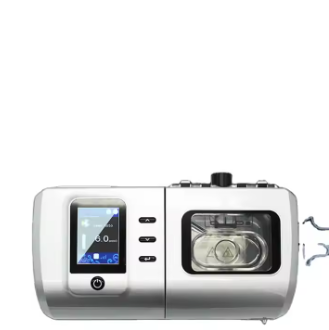
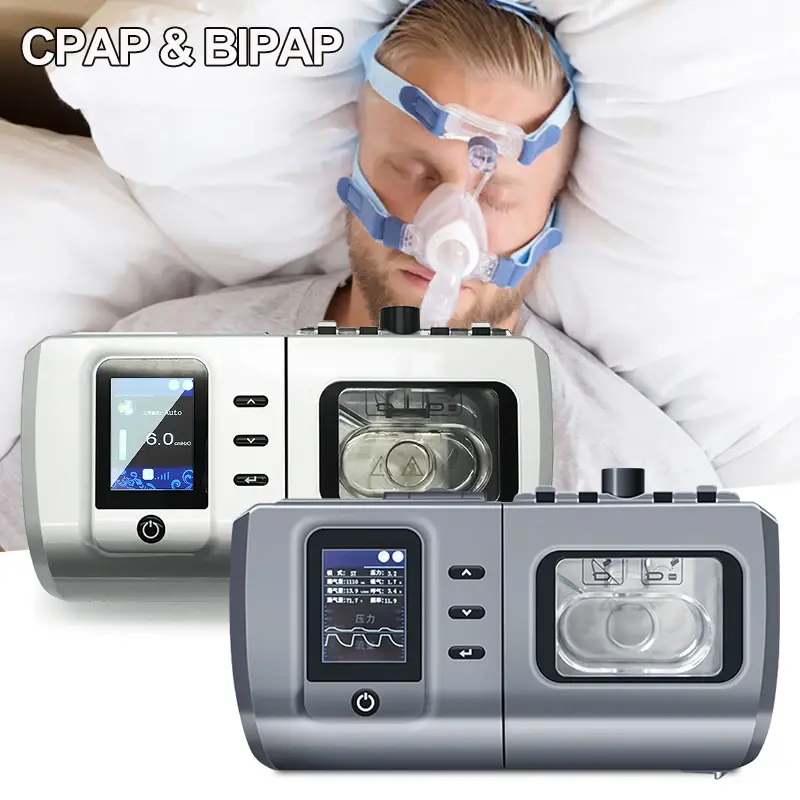
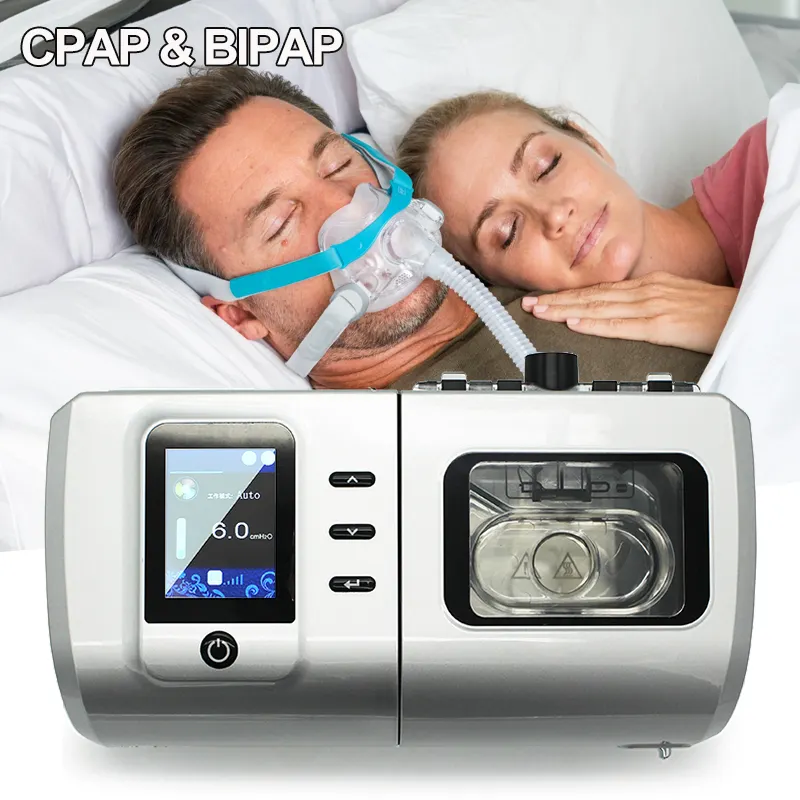
A portable CPAP machine is a compact device designed to treat sleep apnea by delivering a continuous flow of air to keep the airways open while you sleep. It is lightweight and easy to transport, making it ideal for travel.
A CPAP machine works by using a motor to blow air through a hose into a CPAP mask that fits over your nose or mouth. This airflow prevents your airway from collapsing during sleep, reducing interruptions and improving sleep quality.
Yes, portable CPAP machines are specifically designed for travel. They are smaller, lighter, and often come with travel bags or cases for easy transportation, making them convenient for use in hotels or while camping.
Many portable CPAP machines come with battery options or can be used with portable power sources, allowing for use in situations where a standard power outlet is not available, such as camping or during a power outage.
Key features to consider include size and weight, battery life, noise level, connectivity options (like Bluetooth), pressure settings, and whether it has a built-in humidifier for added comfort.
Yes, portable CPAP machines can be just as effective as standard models in treating sleep apnea. They provide consistent airflow and pressure settings to ensure proper treatment, although some may have fewer features.
Regular maintenance includes cleaning the mask, tubing, and water chamber (if applicable) with mild soap and water. It is important to follow the manufacturer’s instructions for specific cleaning guidelines and replacement schedules.
Yes, most portable CPAP machines are compatible with various CPAP masks. However, it's important to ensure that the mask fits properly and is compatible with the machine's connector.
Battery life can vary depending on the model and usage, but most portable CPAP machines can run for about 10 to 20 hours on a fully charged battery. Always check the specifications for your specific model.
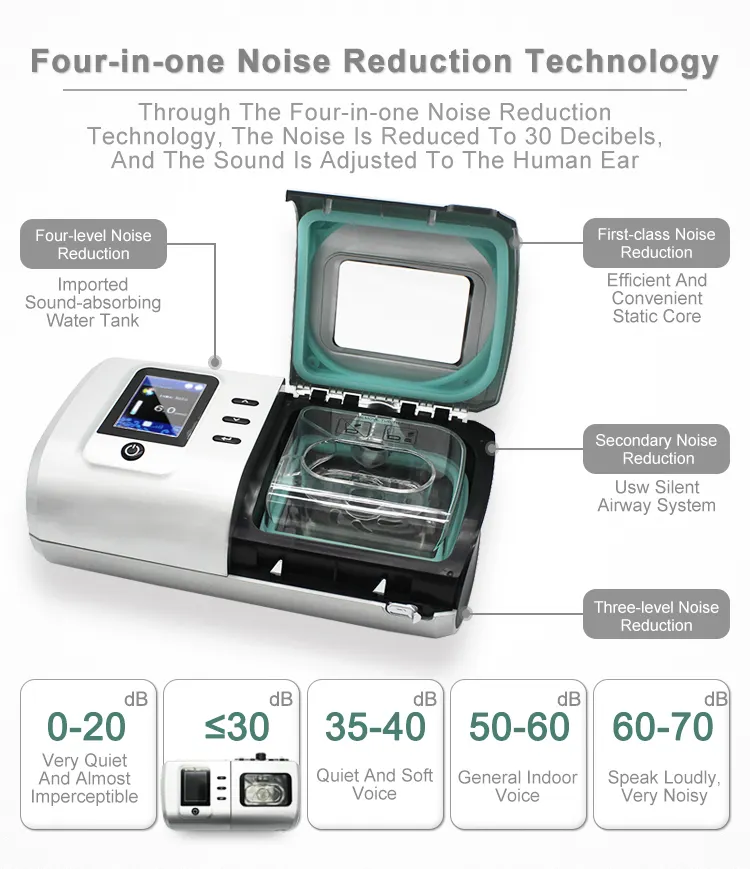
Portable CPAP machines are designed to operate quietly, typically producing noise levels similar to a soft hum. However, the noise level can vary between models, so check user reviews for feedback on noise levels.
Most portable CPAP machines come with a manufacturer warranty, typically ranging from one to two years. It's important to review the warranty terms and conditions before purchasing.
If your portable CPAP machine malfunctions, refer to the user manual for troubleshooting steps. If the issue persists, contact customer support or the retailer for assistance or potential repairs.
Yes, many users successfully use portable CPAP machines while camping, especially those with battery options or solar chargers. Ensure you have the necessary power source and follow any specific camping regulations regarding electronics.
Yes, in many regions, a prescription from a healthcare provider is required to purchase a CPAP machine, including portable models. Consult with your doctor for a proper diagnosis and prescription.
The price of portable CPAP machines can vary widely, typically ranging from $300 to $1,000, depending on features and brand. It's best to compare models and check for any available financing options.
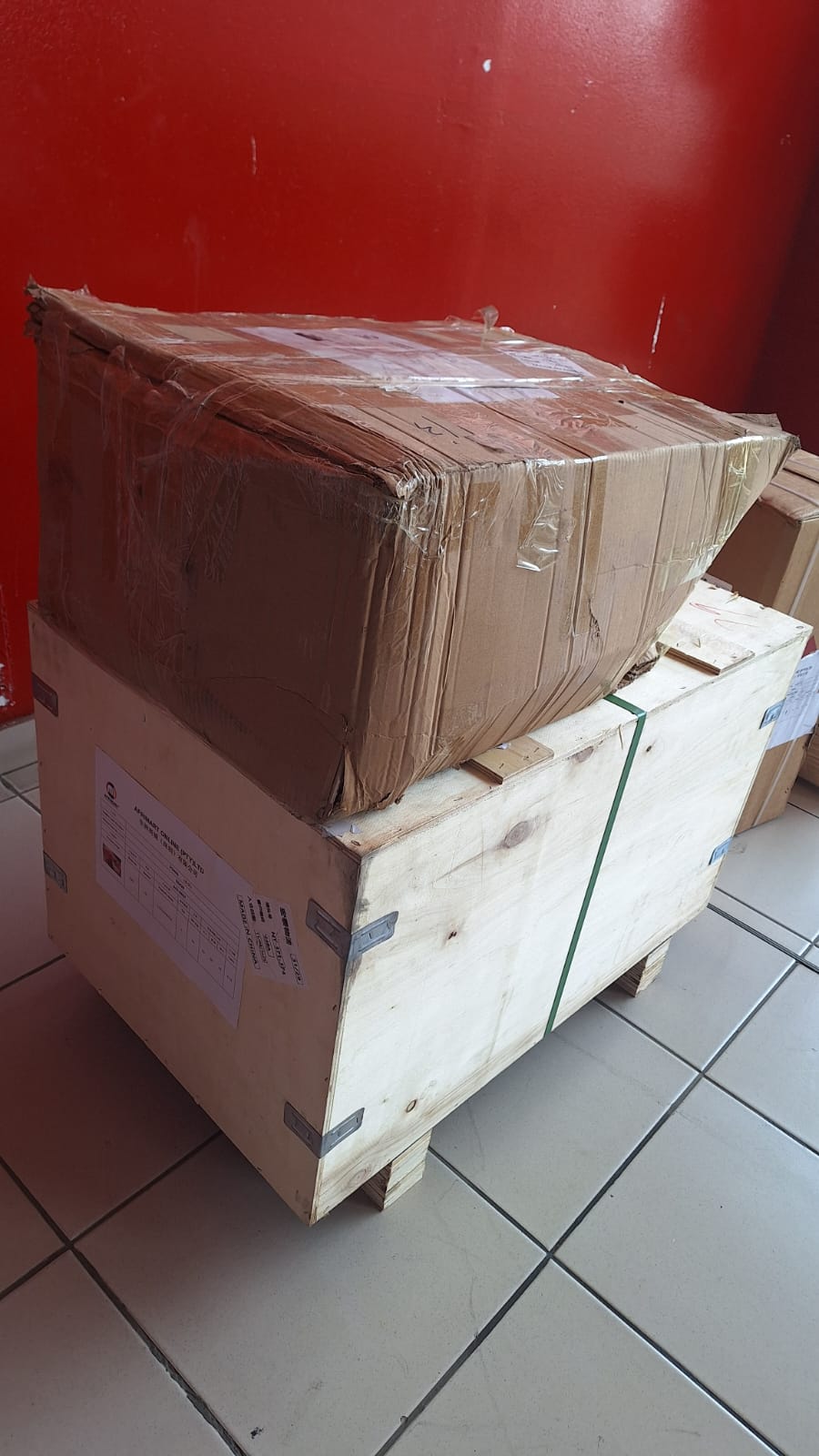
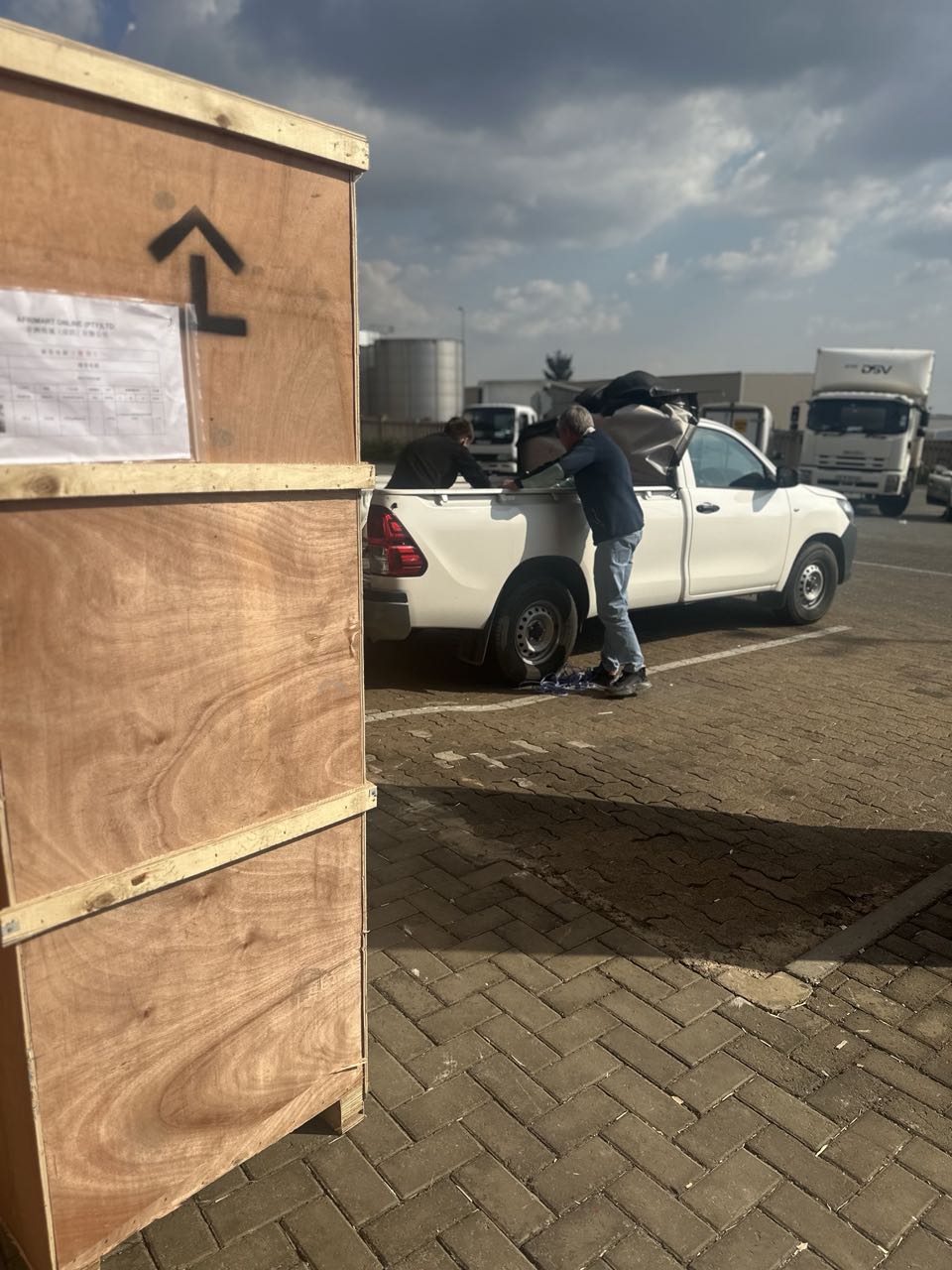
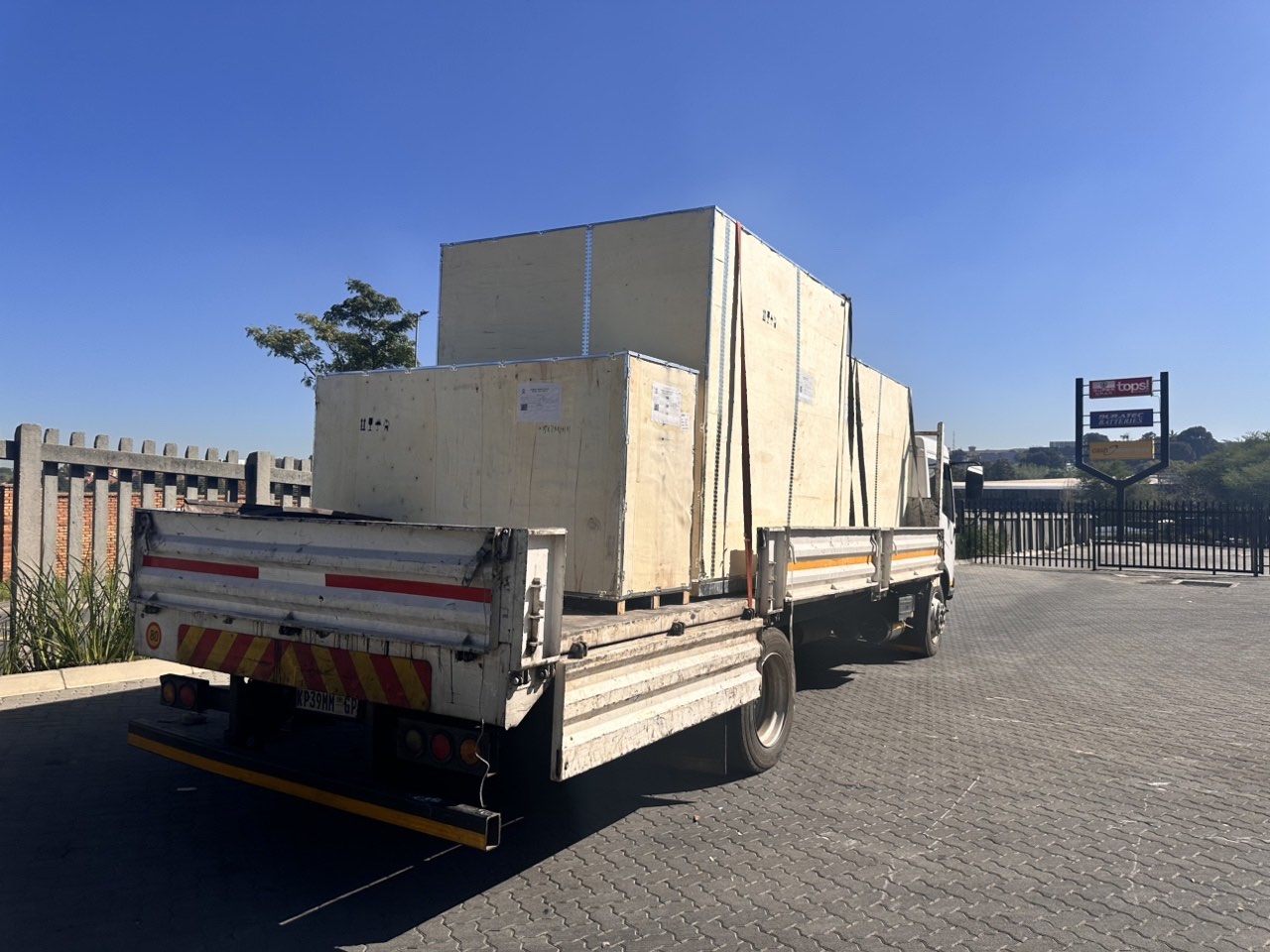
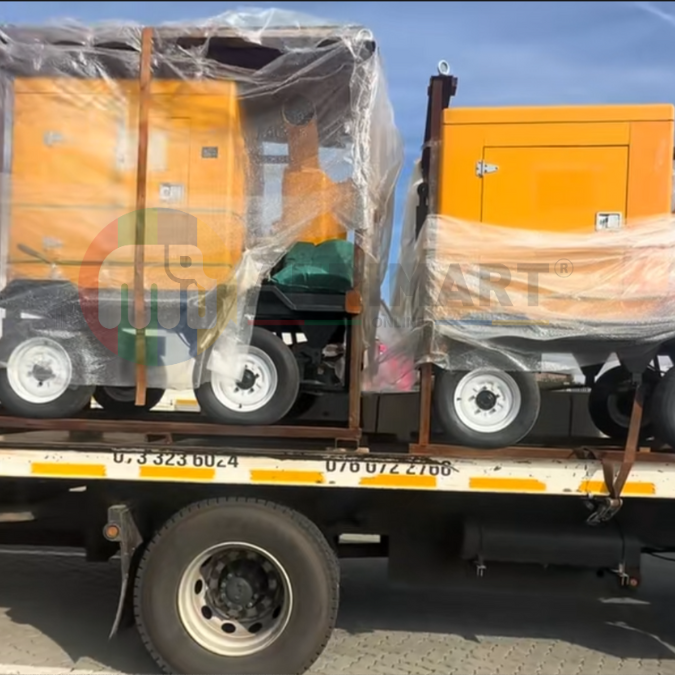
Discover our latest orders