B21, China Town Mall, Midrand

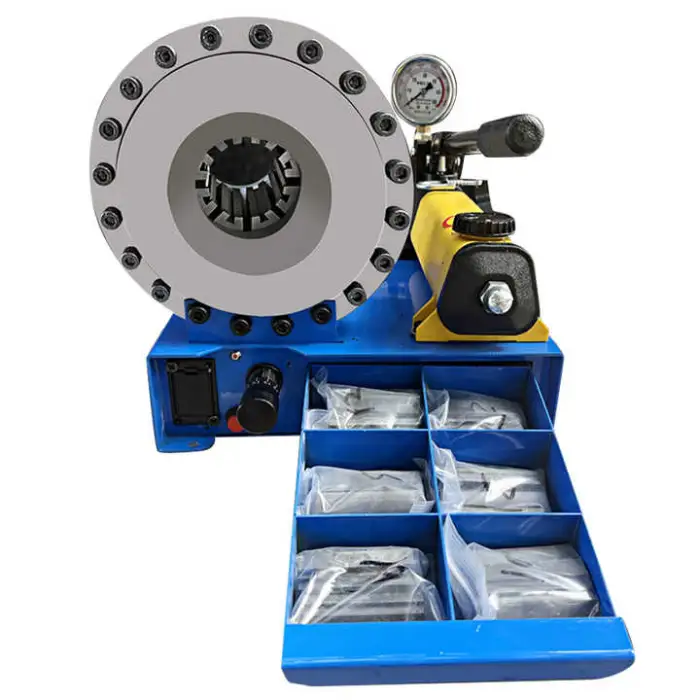
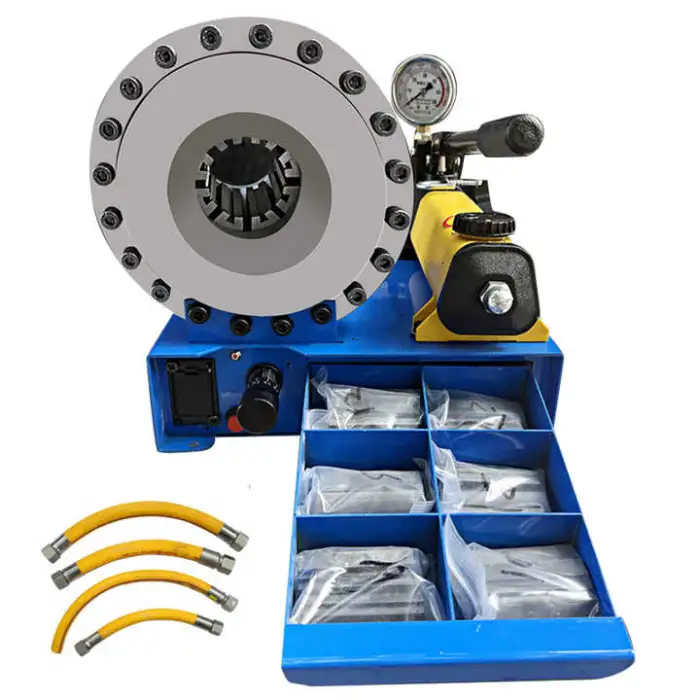
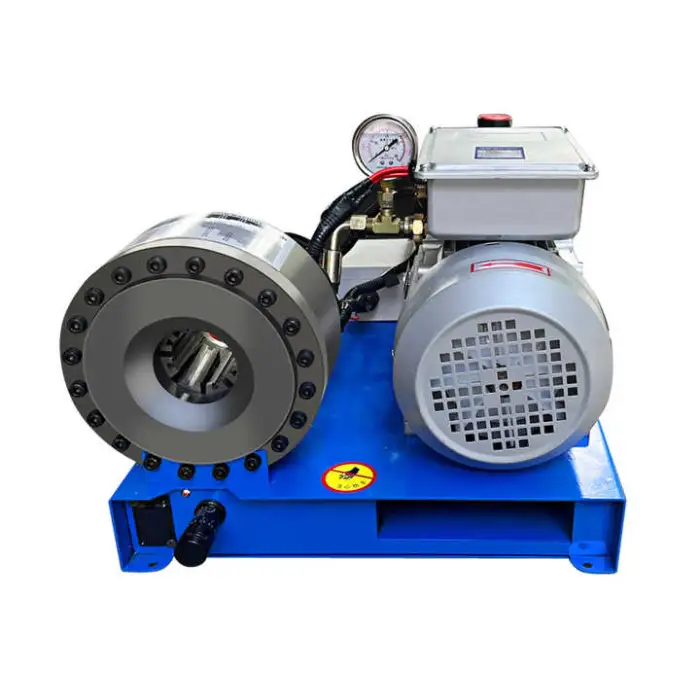
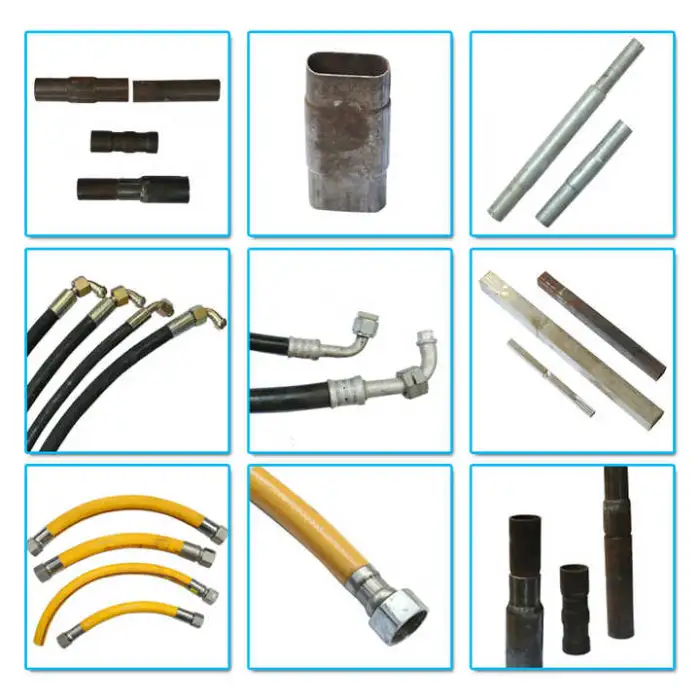
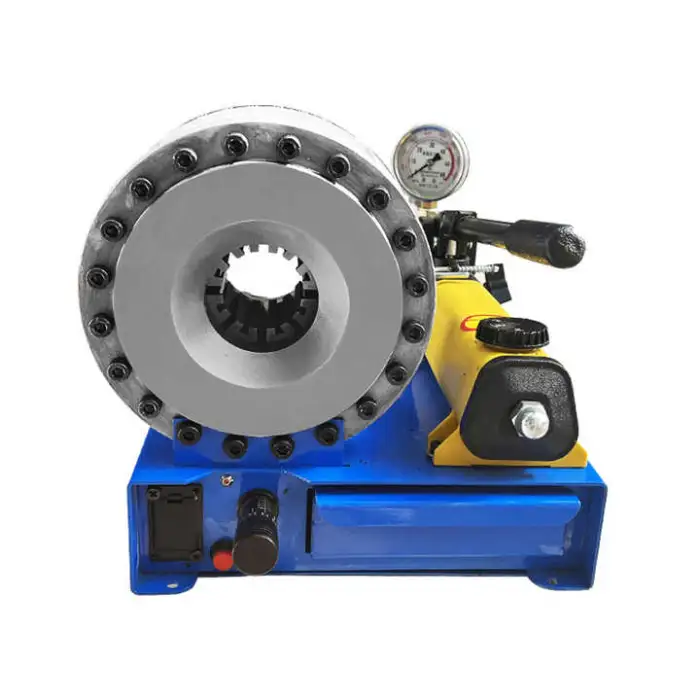
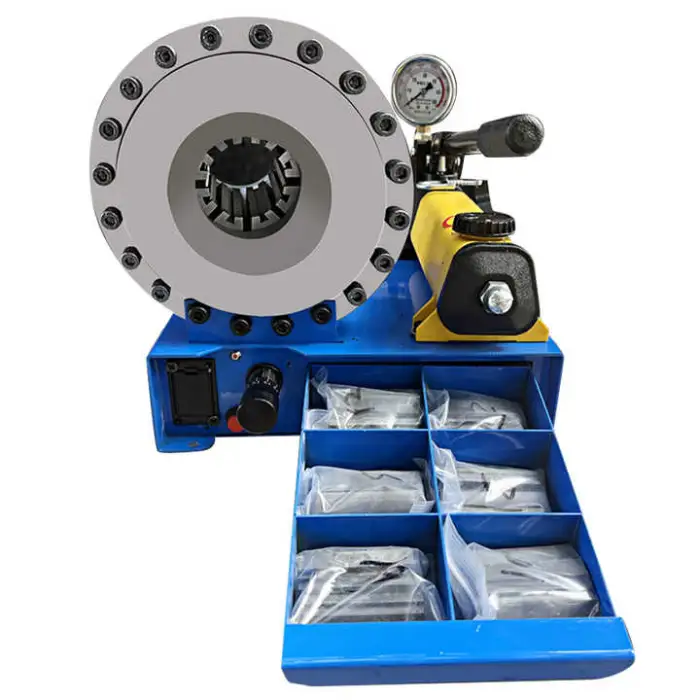
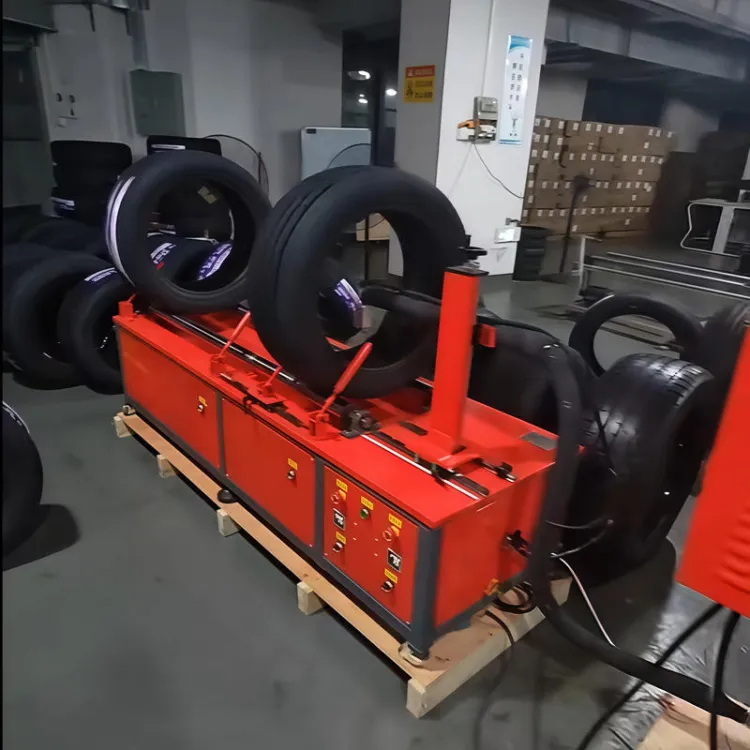
Pipe Shrinking Machine Steel Pipe Tube Head Reduce Diameter Joints Pressing Pipe End Forming Machine

- Section : Machinery
- Category : Machine Tool Equipment
- SKU : 1601196531915

Pipe Shrinking Machine Steel Pipe Tube Head Reduce Diameter Joints Pressing Pipe End Forming Machine
The Pipe Shrinking Machine is a powerful tool for reducing the diameter of steel pipes and tubes. It is designed to form and shape pipe ends efficiently. This machine is perfect for various materials, including brass, copper, stainless steel, plastic, and more. With its advanced features and capabilities, it is an essential addition to any workshop or manufacturing facility.
Specifications
| Attribute | Details |
|---|---|
| Max. Shrinking Capacity (Diameter) | 50 mm |
| Max. Tube Contracting Length | 50 mm |
| Max. Shrinking Capacity (Thickness) | 32 mm |
| Power | 200 kW |
| Weight | 30.000 KG |
| Single Package Size | 50X80X50 cm |
Key Features
- Multifunctional design for various materials.
- High power for effective pipe shrinking.
- Compact and lightweight for easy handling.
- Manual and automated options available.
- Comprehensive machinery test report provided.
Applications
- Manufacturing of pipes for construction.
- Automotive industry for tubing needs.
- Plumbing and HVAC applications.
- Custom metal fabrication projects.
- General manufacturing and assembly processes.
Product Info Gallery
- Shipping Timeframes: All orders are processed within 2-5 business days (excluding weekends and holidays). After your order has been processed, the estimated delivery time is before 04 Dec, 2026, depending on customs, Please note that due to high demand, some items may experience longer shipping times, which will be communicated at order confirmation email.
- Order Processing Time: Please allow 2-5 business days for us to process your order before it is shipped . Orders placed after 16:00 on Fridays, or during weekends and public holidays, will begin processing on the next business day. Processing times may be extended during peak seasons or sales events.
- Manufacturing Time: Some products needs manufacturing time, the manufacturing process will take approximately 10-30 business days depending on the product. This timeframe may vary depending on the complexity of the product and current demand. but this will be communicated with you during order confirmation.
- Returns and Exchanges: We offer a 30-day return policy for most items. If you are not completely satisfied with your purchase, you may return it within 30 days of receipt for a refund or exchange. Items must be unused, in their original packaging, and accompanied by proof of purchase. Return shipping costs are the responsibility of the customer, unless the item was damaged or defective upon arrival.
1. What does the Pipe Shrinking Machine do?
It reduces the outer diameter of steel pipes and tubes and shapes/form pipe ends for joining or assembly. It can handle forming operations on various materials including steel, stainless steel, brass, copper and some plastics.
2. What are the machine's maximum shrinking dimensions?
Maximum shrinking (diameter) is 50 mm and the maximum tube contracting (axial) length is 50 mm. The specification also lists a maximum shrinking (material thickness) of 32 mm—confirm which measurement refers to wall thickness with the supplier if needed.
3. What materials can this machine process?
The machine is designed for multiple materials: carbon steel, stainless steel, brass, copper and many plastics. Material formability and final results depend on wall thickness and alloy—test pieces are recommended.
4. What power supply does the machine require?
The spec lists a power rating of 200 kW. This is a high electrical demand and likely requires a heavy-duty three-phase supply and appropriate electrical infrastructure. Confirm exact electrical specifications and whether that figure refers to installed motor rating or peak power.
5. Is the machine manual or automatic?
Both manual and automated options are available according to the product description. Confirm which configuration you are ordering and what level of automation (PLC control, servo drives, automatic feeding) is included.
6. What are the machine's weight and shipping/package dimensions?
The listed weight is 30.000 KG and single package size is 50 x 80 x 50 cm. Because the weight and package dimensions may seem inconsistent for shipment, confirm final gross shipping weight and whether the machine is shipped assembled or in parts before booking transport.
7. Does the machine come with tooling/inserts for different pipe sizes?
Commonly these machines are supplied with a set of forming dies or heads for a range of diameters, but included tooling varies by supplier. Request a list of supplied dies and available spare tooling or custom tooling options.
8. Is a machinery test report included?
Yes — the product description states a comprehensive machinery test report is provided. Ask for a copy of the test report prior to shipment if you need to validate performance against your requirements.
9. What safety features are provided?
Typical safety features include emergency stop, safety guards, interlocks and overload protection. Exact protections depend on the chosen configuration—verify included safety devices and compliance with local safety standards.
10. What maintenance is required and how often?
Regular maintenance usually includes lubrication of moving parts, inspection and replacement of forming dies, checking hydraulic/electrical systems, and cleaning. Frequency depends on usage; a basic monthly inspection and more thorough quarterly servicing is common. Request the supplier's maintenance schedule and spare parts list.
11. Can the machine be customized for special pipe sizes or shapes?
Yes — many manufacturers offer customization such as special dies, longer contracting lengths, or different control systems. Provide drawings and sample parts to the supplier for feasibility and quotation.
12. What applications is this machine suited for?
Typical applications include construction pipe fabrication, automotive tubing operations, plumbing and HVAC fittings, custom metal fabrication and general manufacturing where end-forming or diameter reduction is required.
13. What documentation and support are provided on purchase?
The listing indicates a machinery test report is provided. Also ask the supplier for user manuals, electrical and hydraulic schematics, spare parts lists, tooling lists, and available training/installation support.
14. What are the lead time, minimum order quantity (MOQ) and warranty?
These commercial terms are not specified in the product description. Contact the supplier for current lead time, MOQ, pricing, shipping terms, and warranty coverage (commonly 12 months but varies).
15. Are certifications (e.g., CE) available for this machine?
Certifications depend on the manufacturer and the destination market. Ask the supplier to provide copies of relevant certifications such as CE, ISO or other conformity documents required for your country and industry.
Latest Order Arrivals
Discover our latest orders
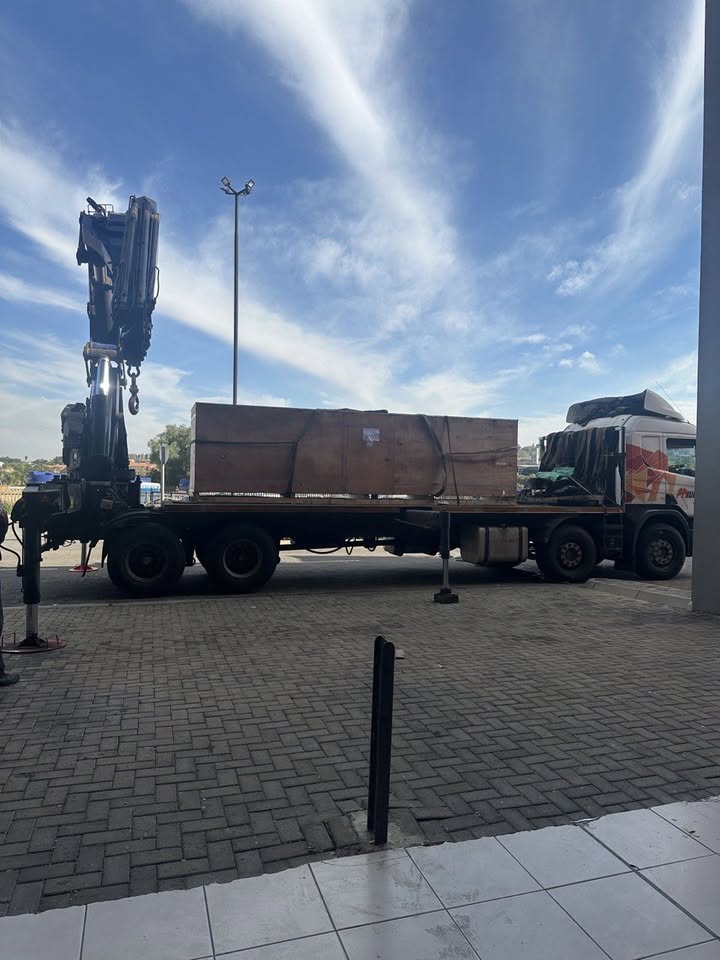
12 Heads Embroidery Machine
Toilet Paper Machine Machine
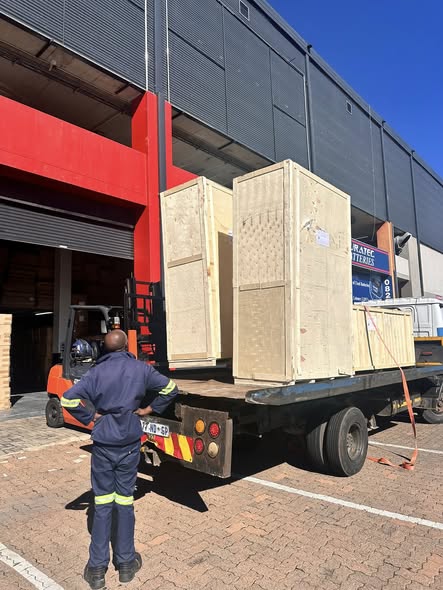
Order Collection
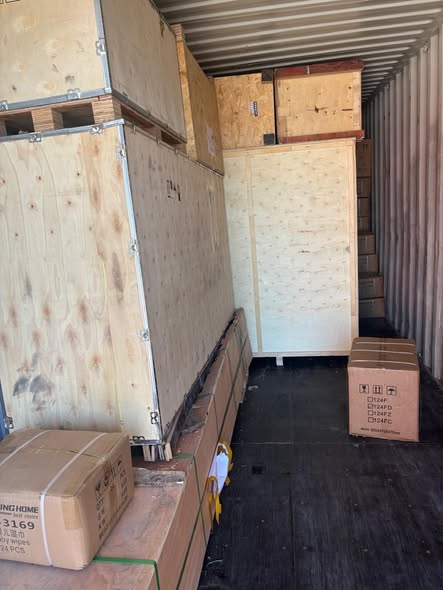
Cross Border Clients
Order cros border countries Collected
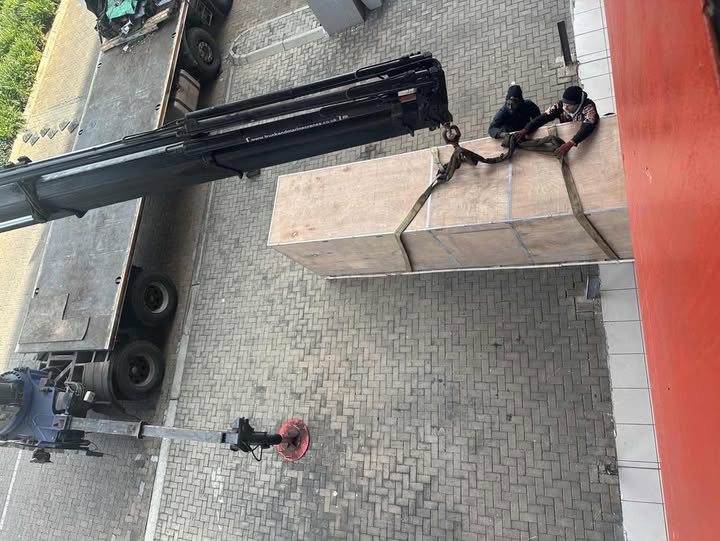
Industrial Machine Cllection
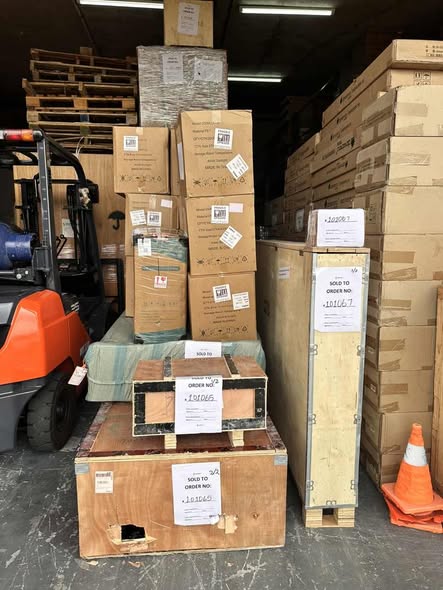
Agriculture Processing Machines
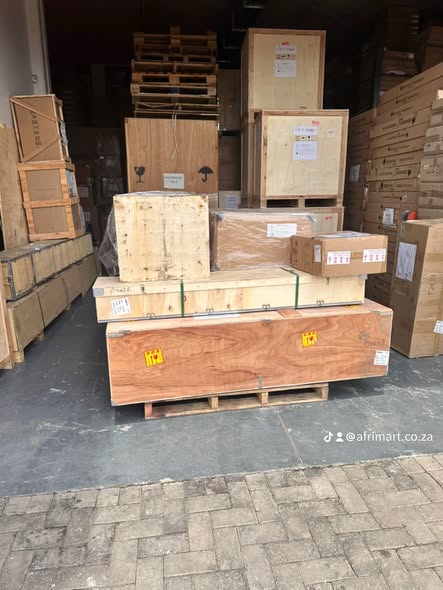
Ready for collection
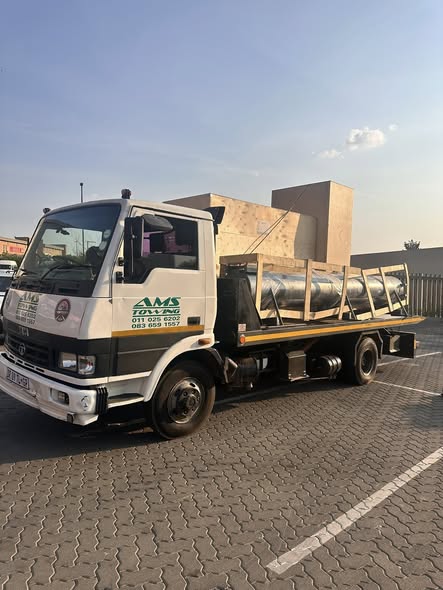
Water Pump Equipment
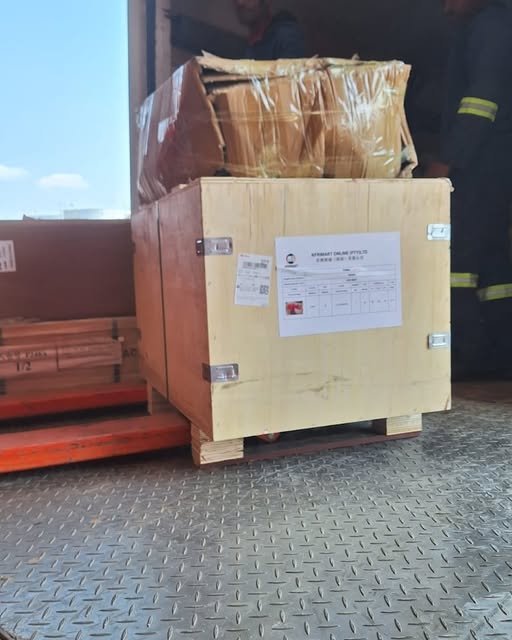
Packaging Machine and accessories
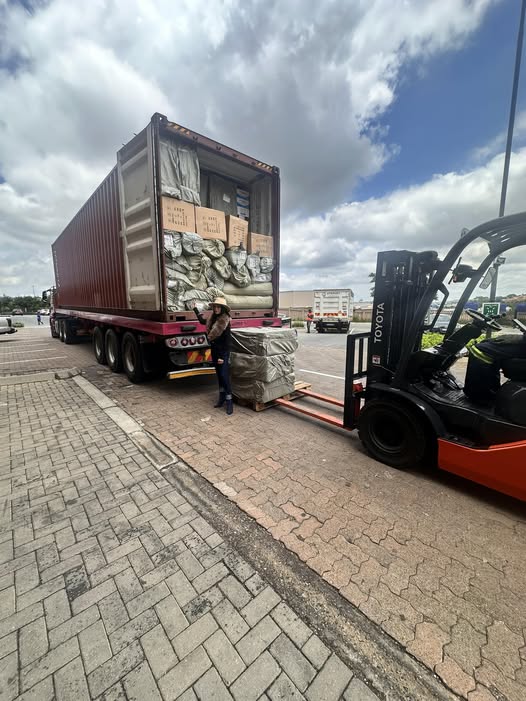
Fabrics Manufacturing Equipment
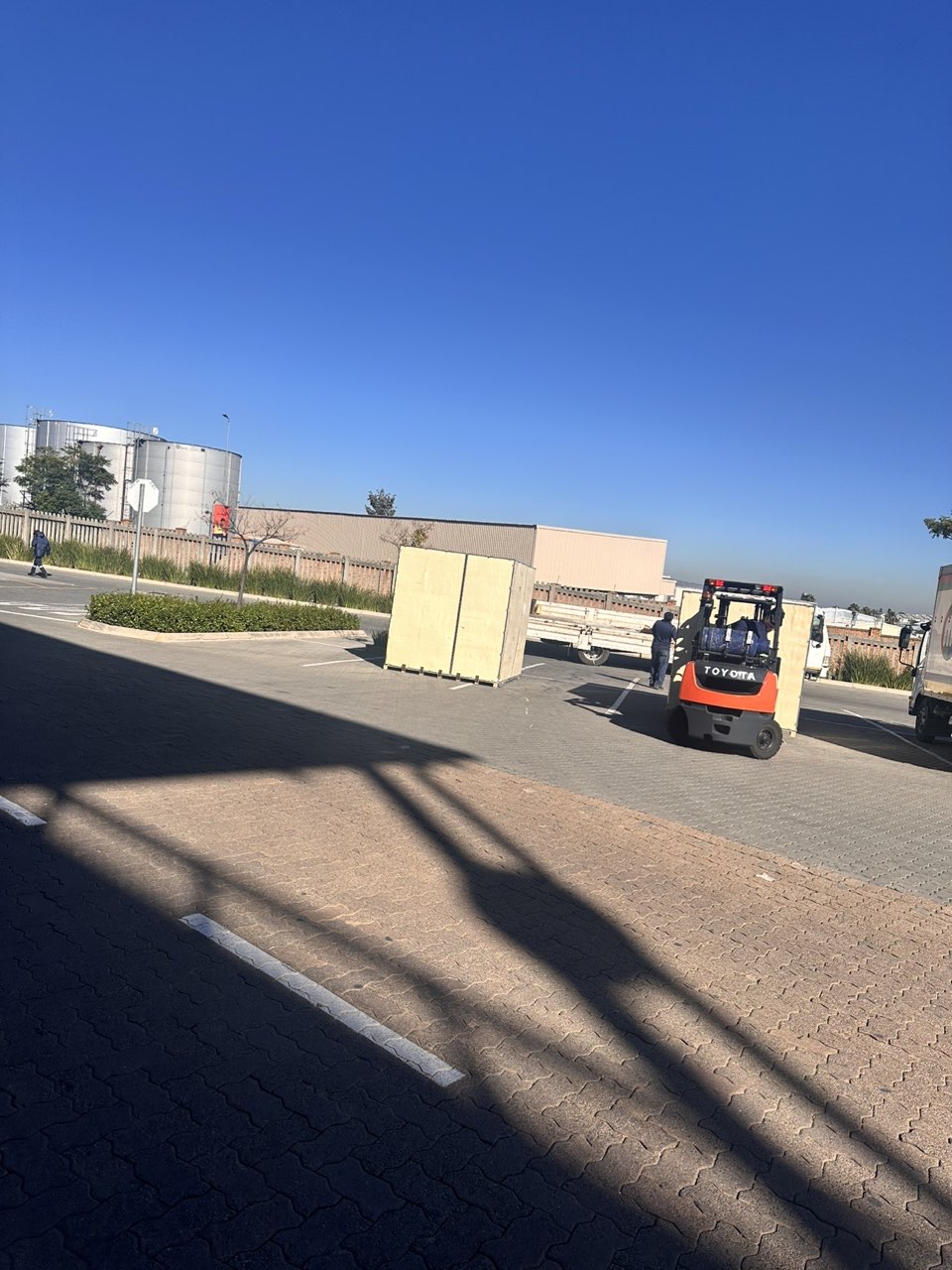
Mining Equipments
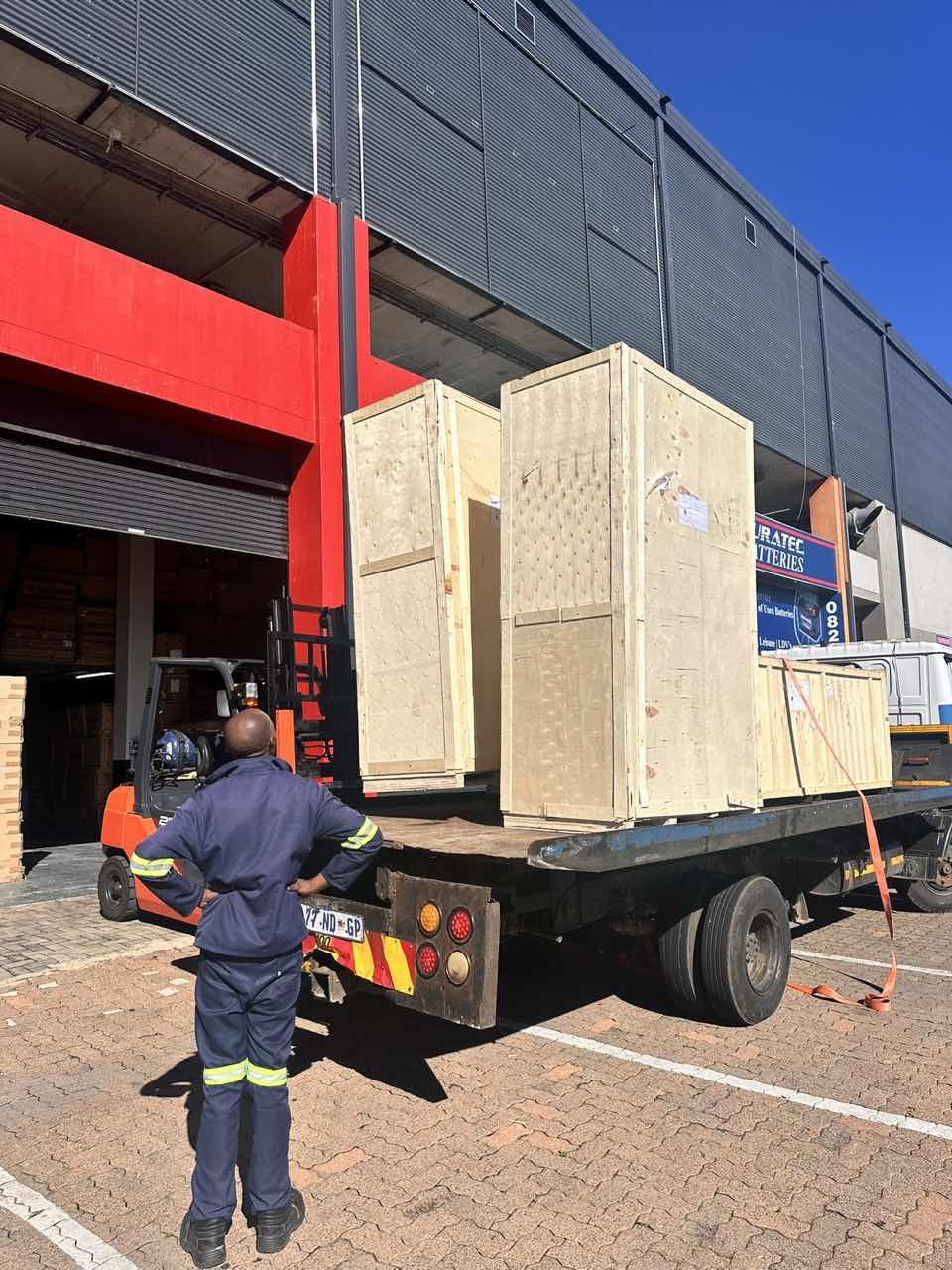
Food Processing Machine
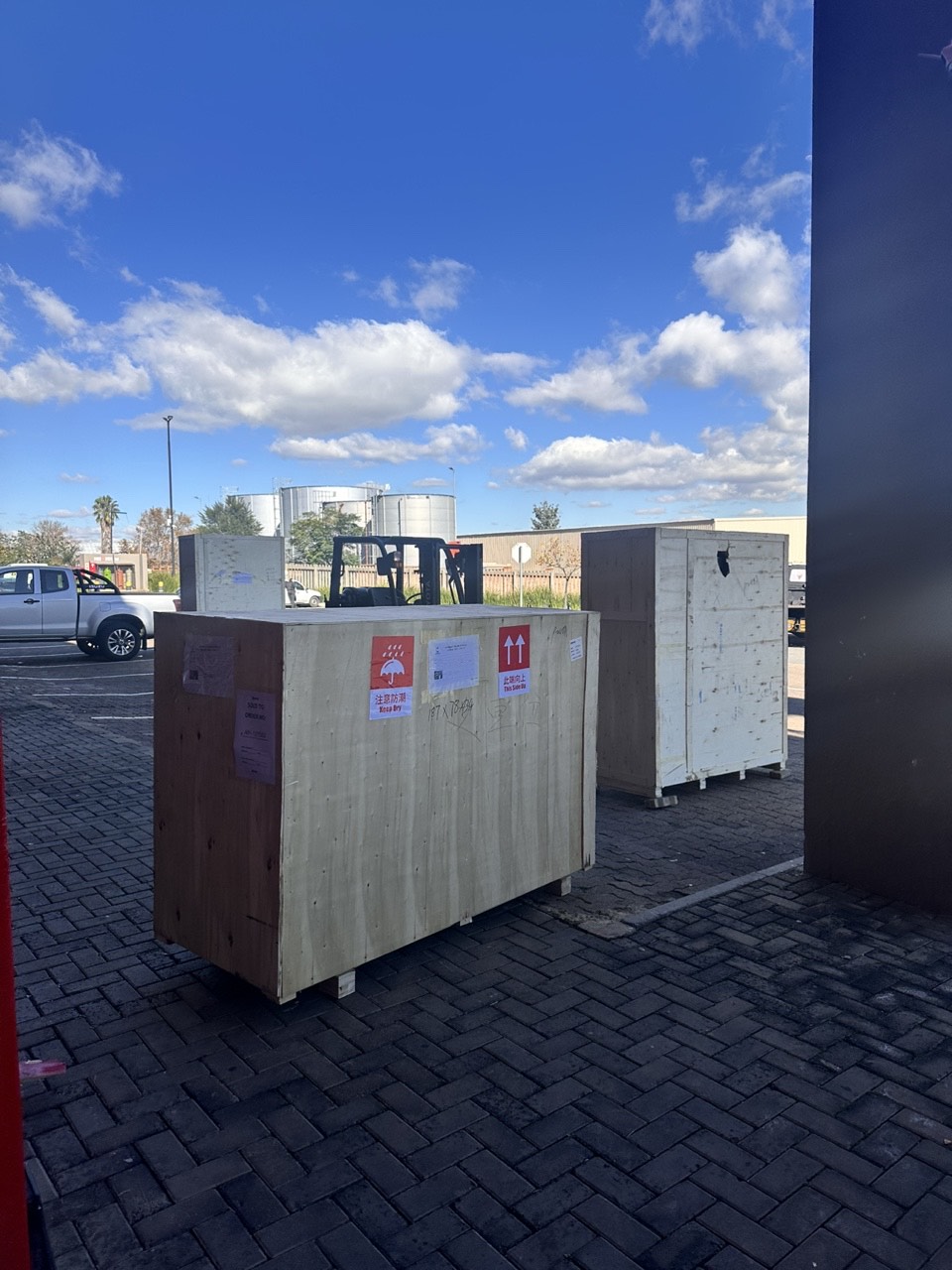
Batch of Orders
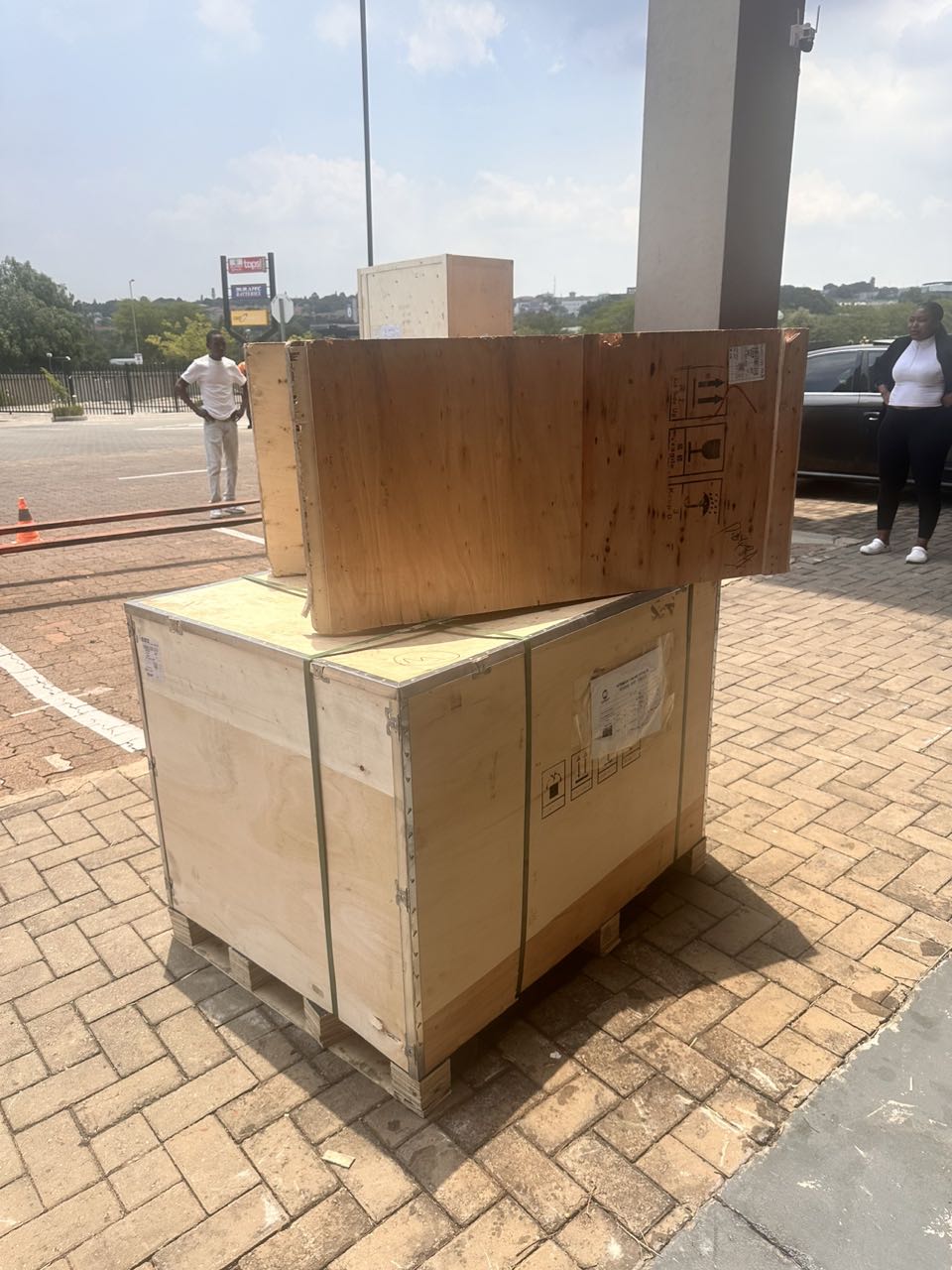
Batch of Orders
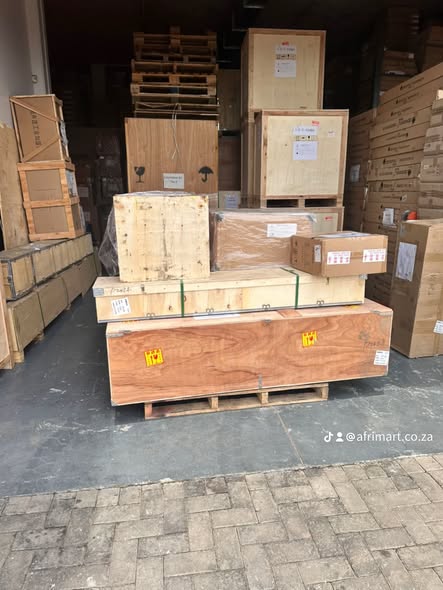
Latest Orders Labelled
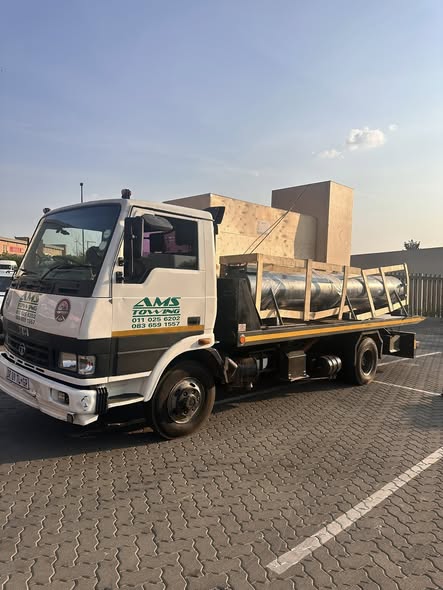
wheel alignment machines
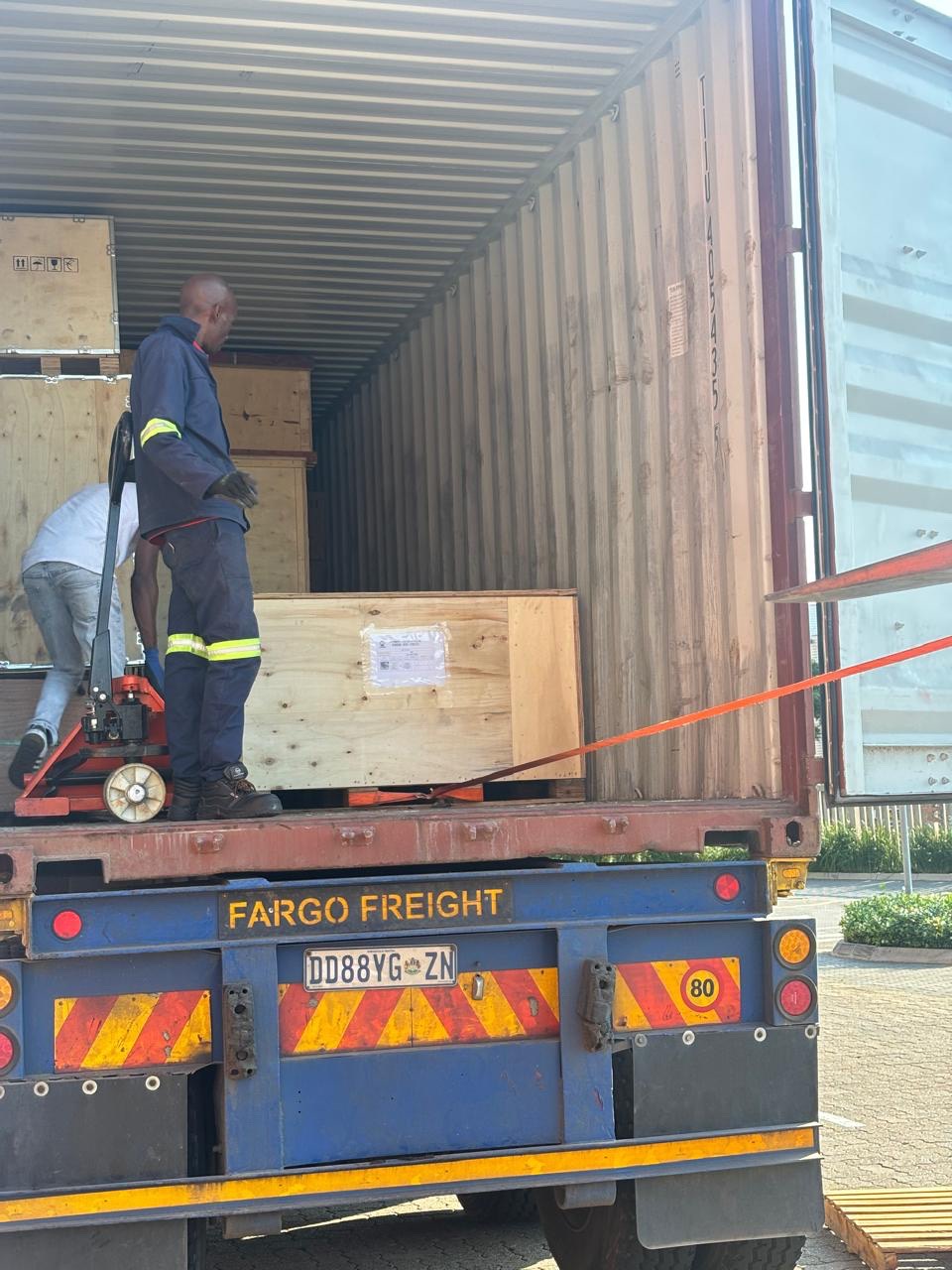
new arrivals
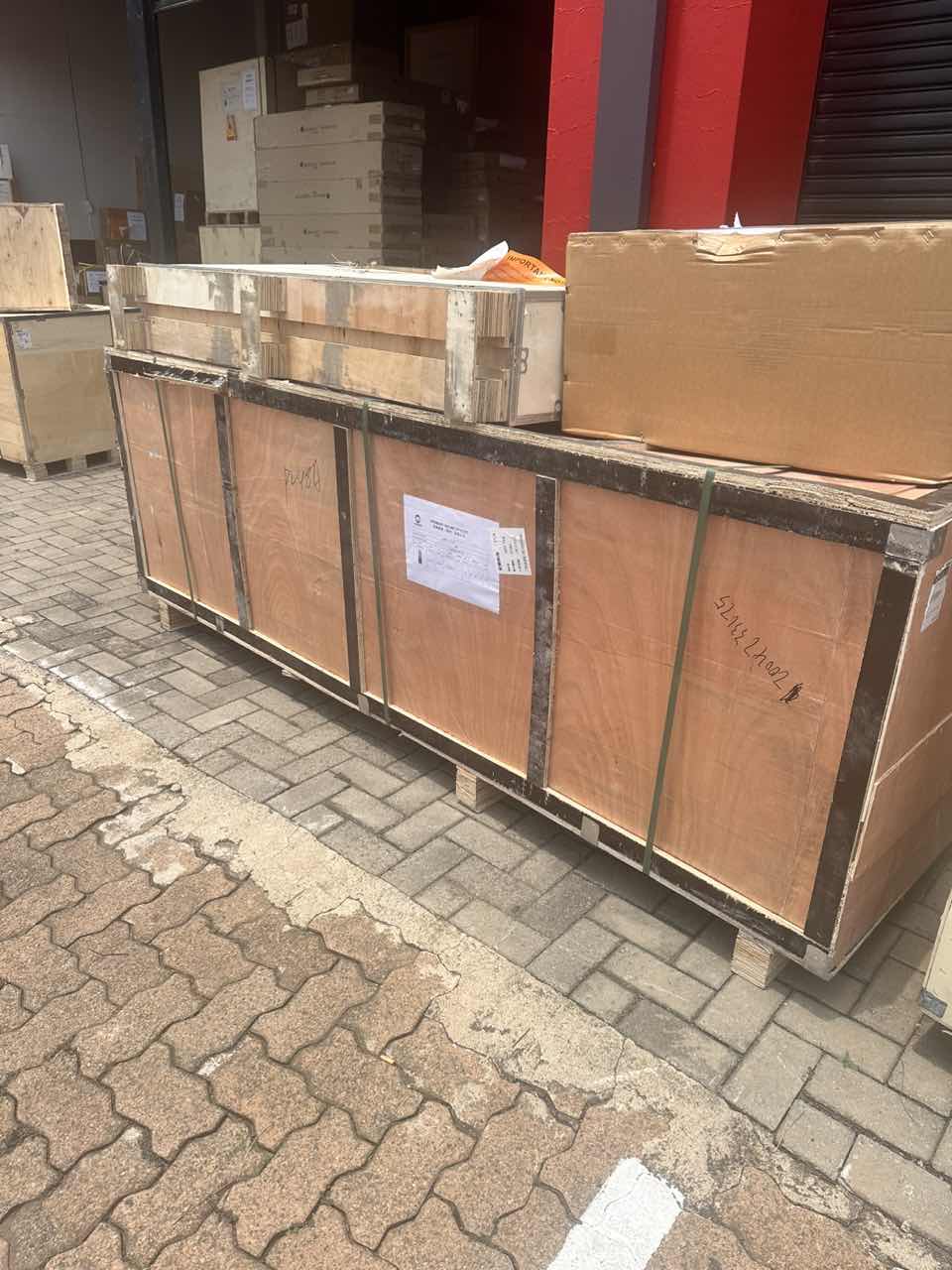
Pre Orders Offloading
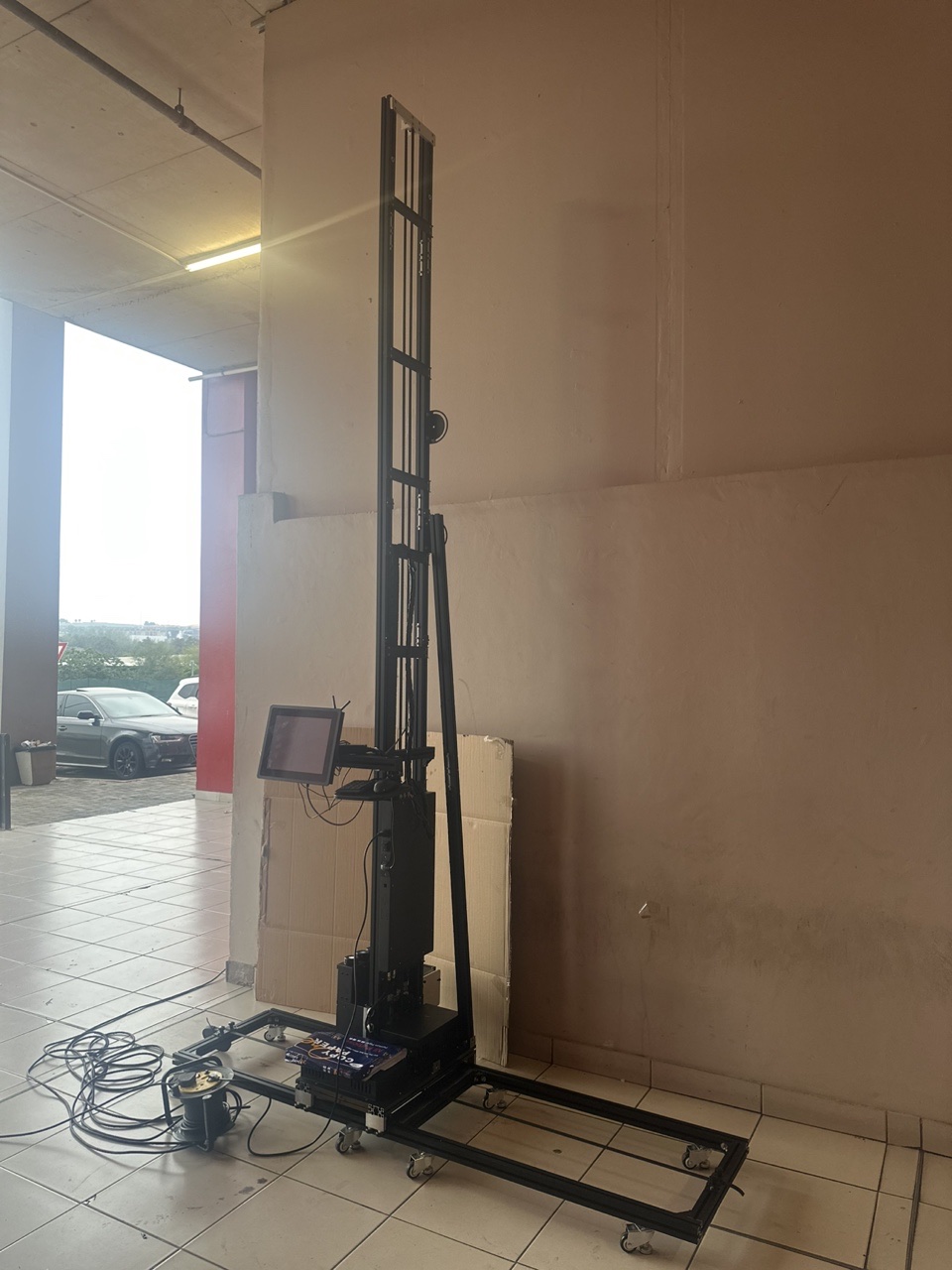
Latest Arrivals
Latest Arrivals
Latest Arrivals
Loading
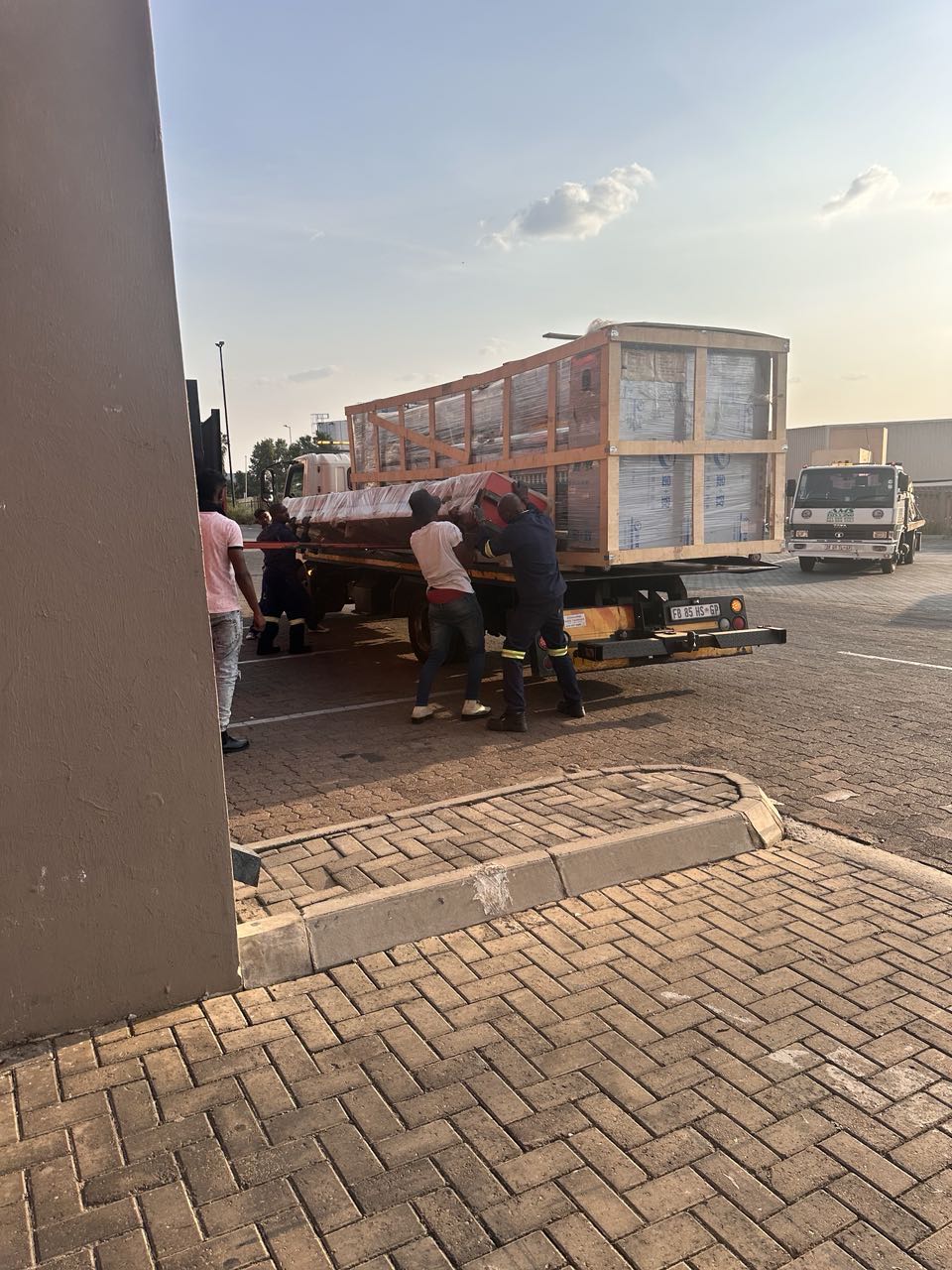
Toilet paper making machine
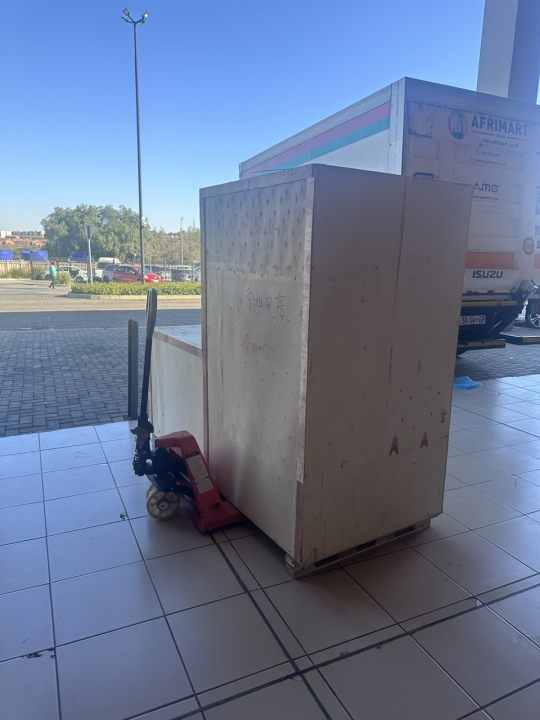
Toilet paper making machine
Toilet paper Rewinding Machine
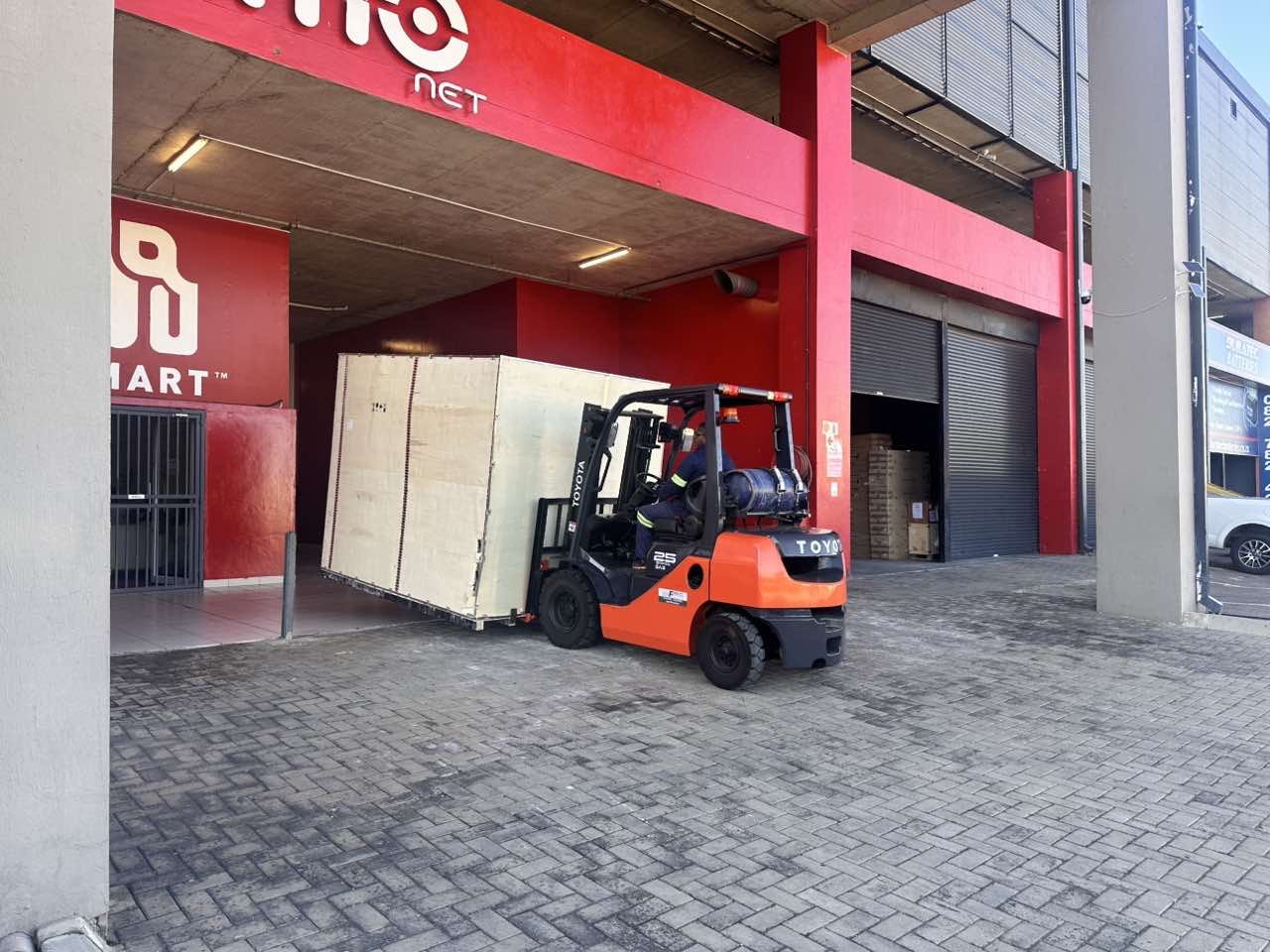
latest arrivals
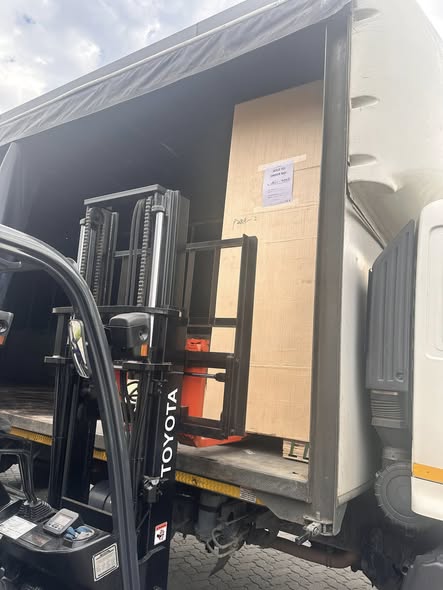
offloading
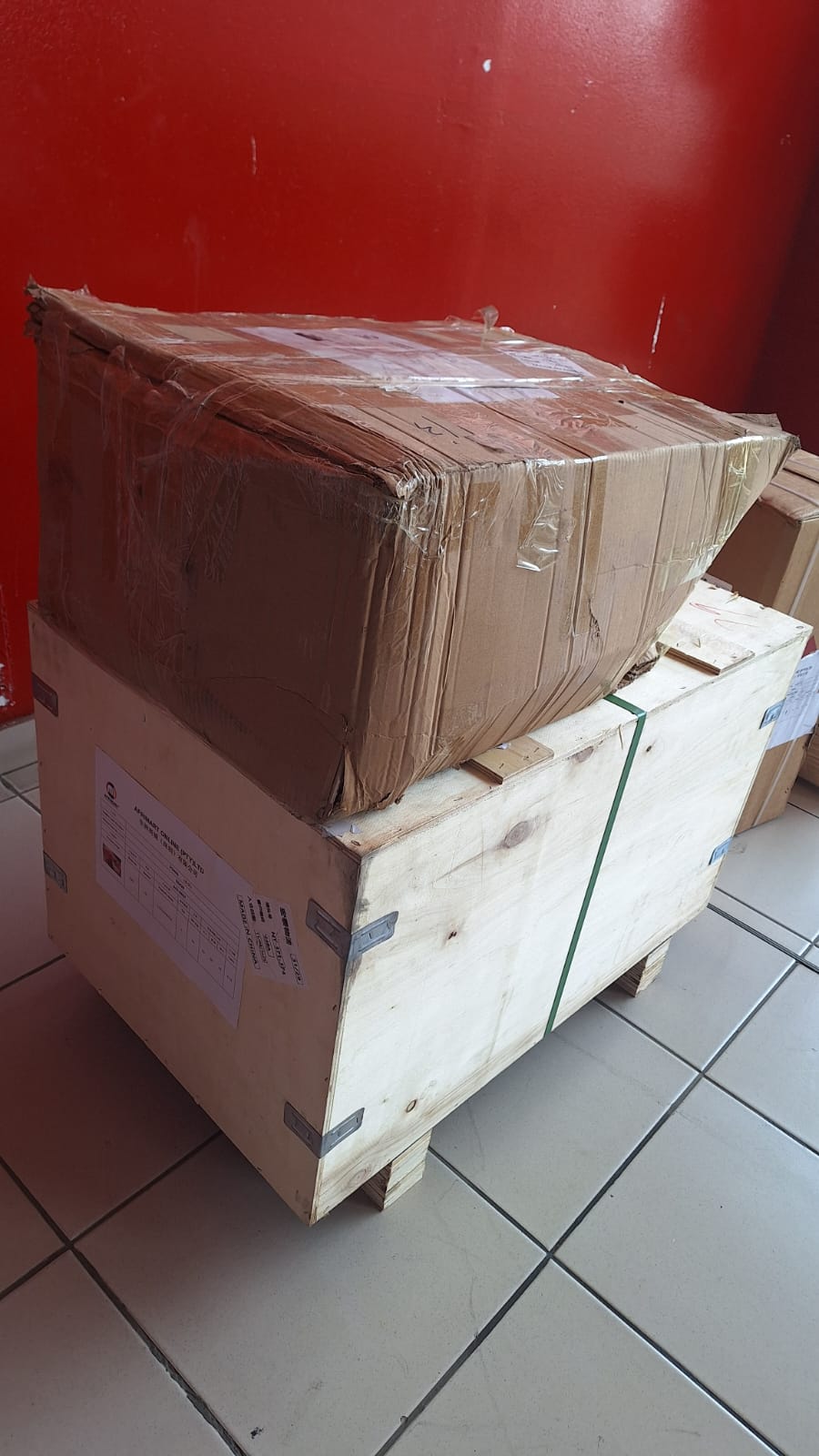
order success
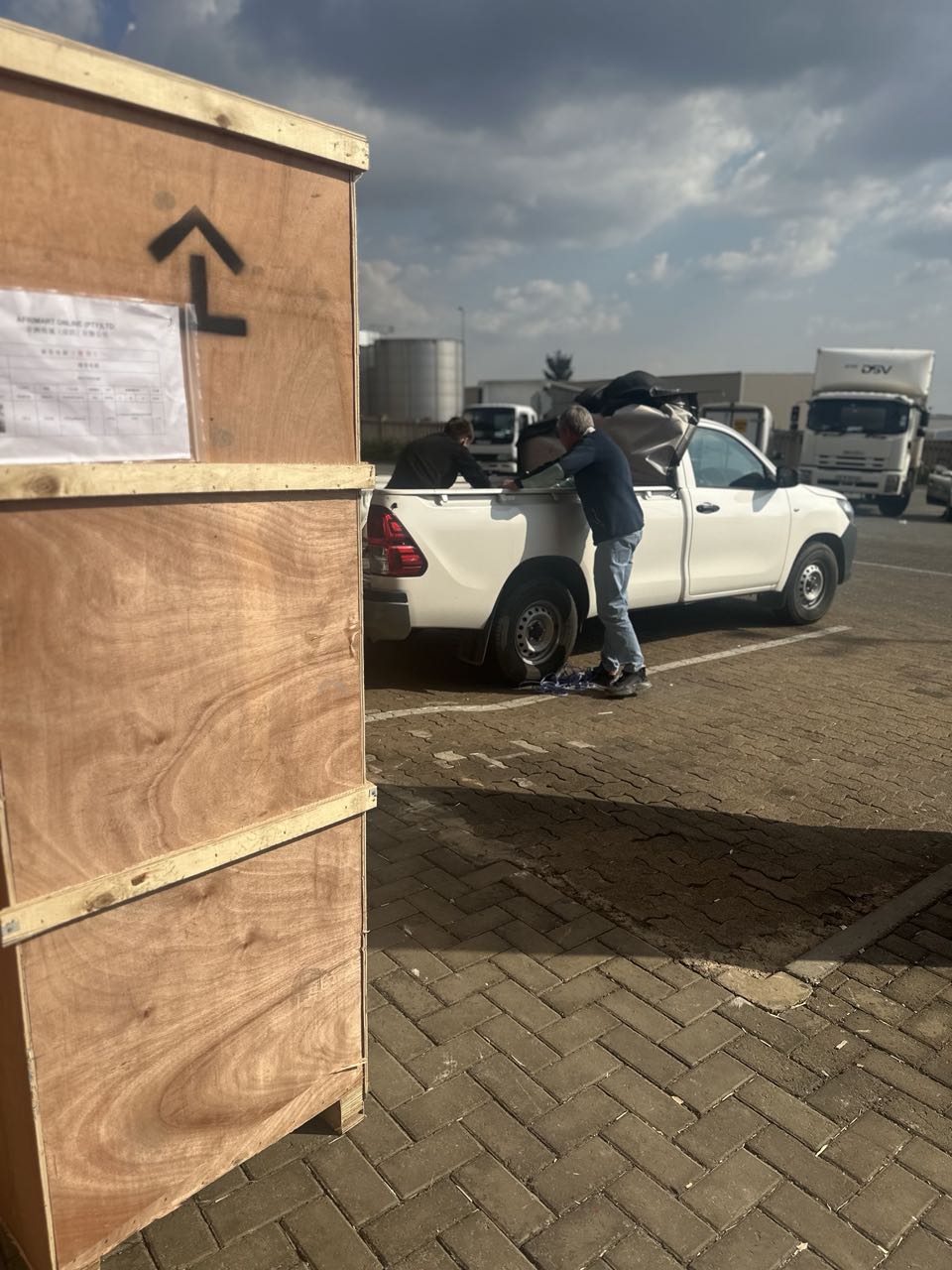
order collection
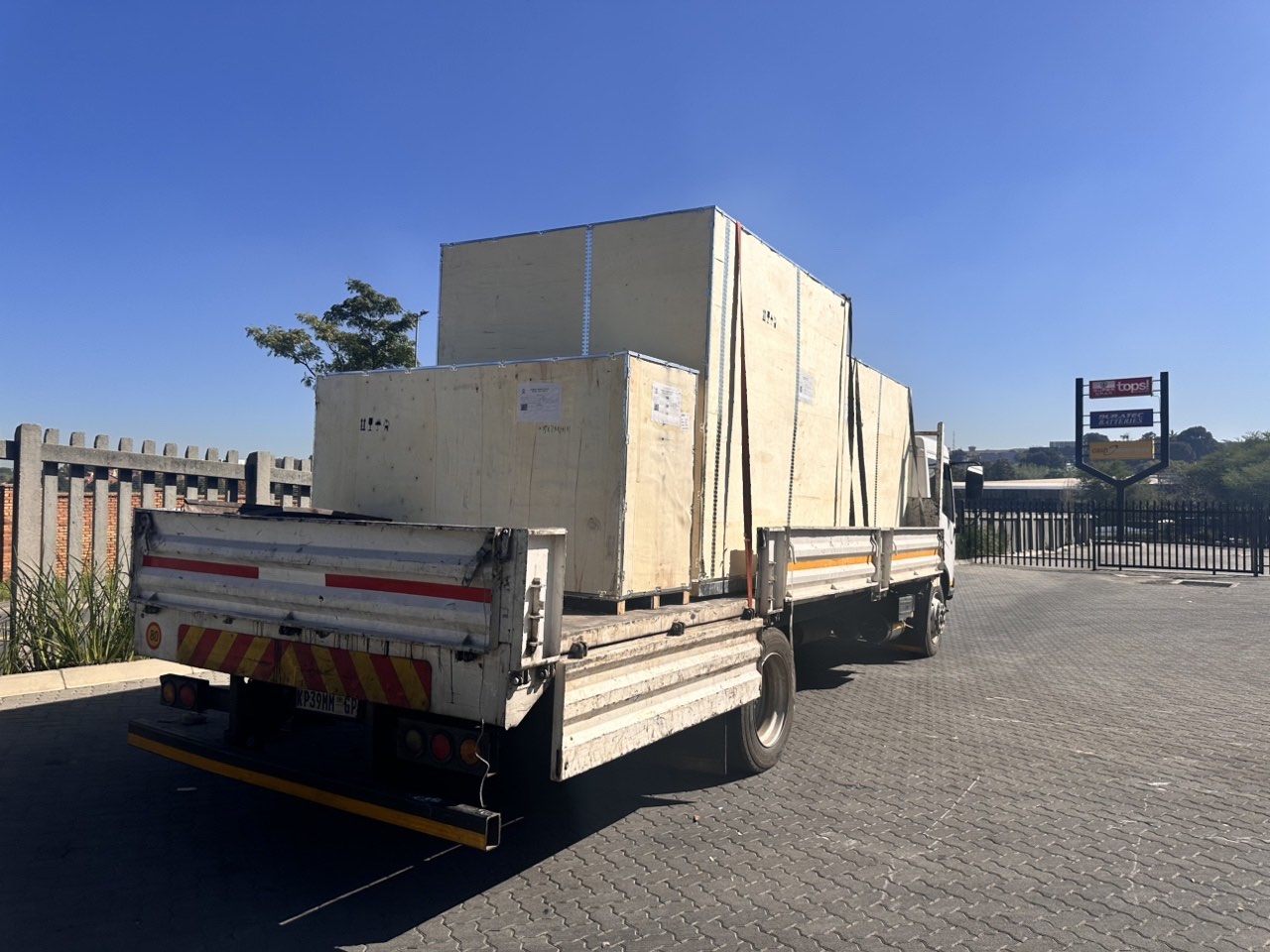
order offloading