B21, China Town Mall, Midrand

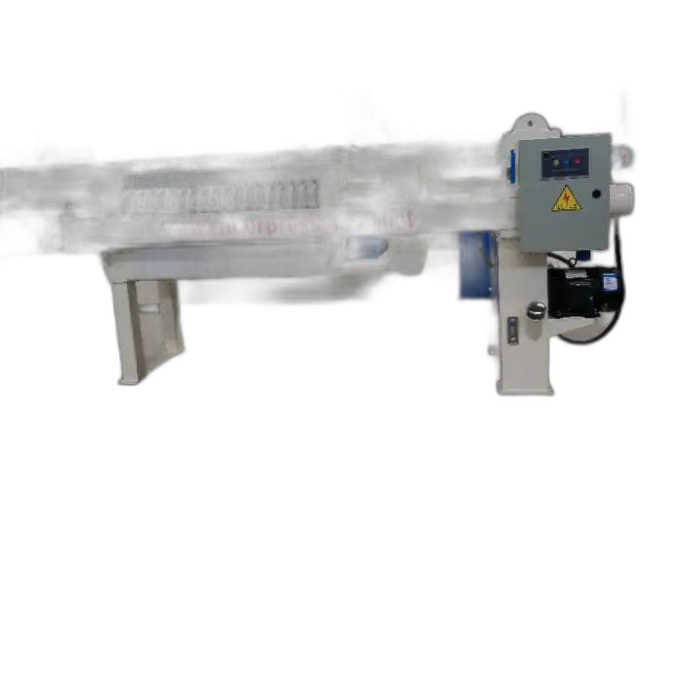
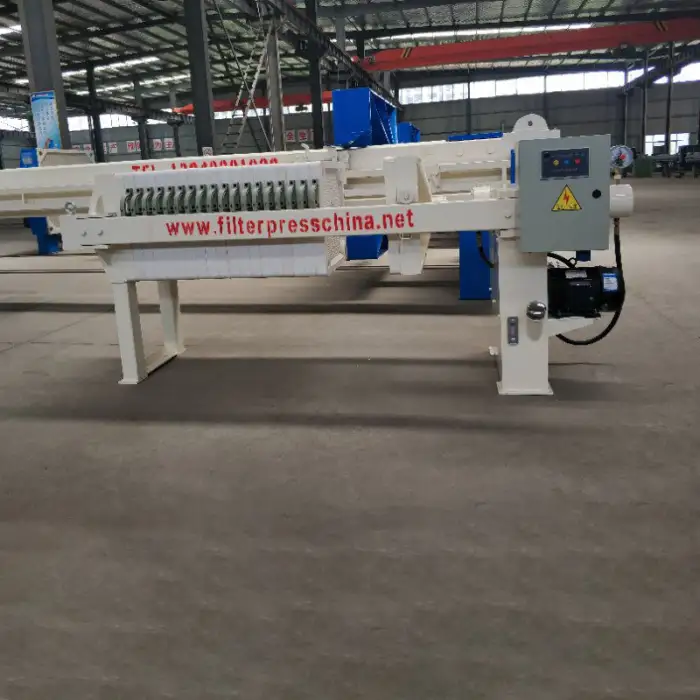
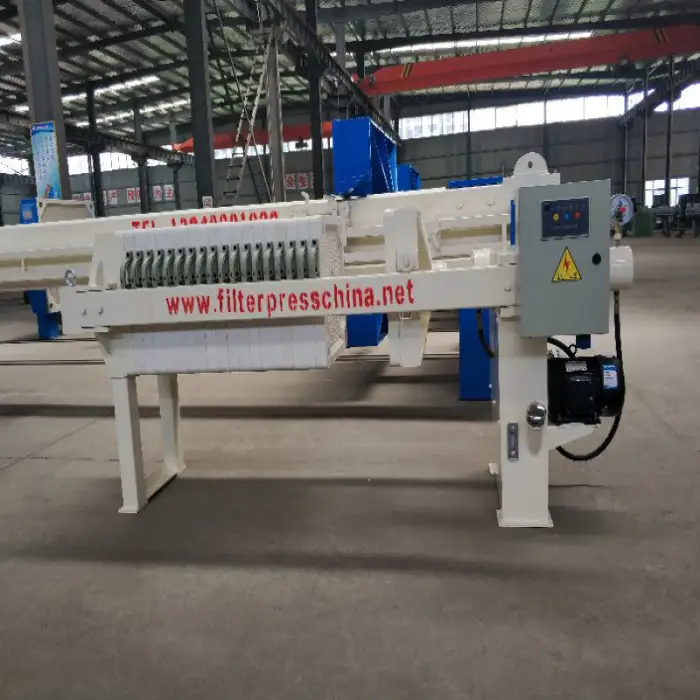
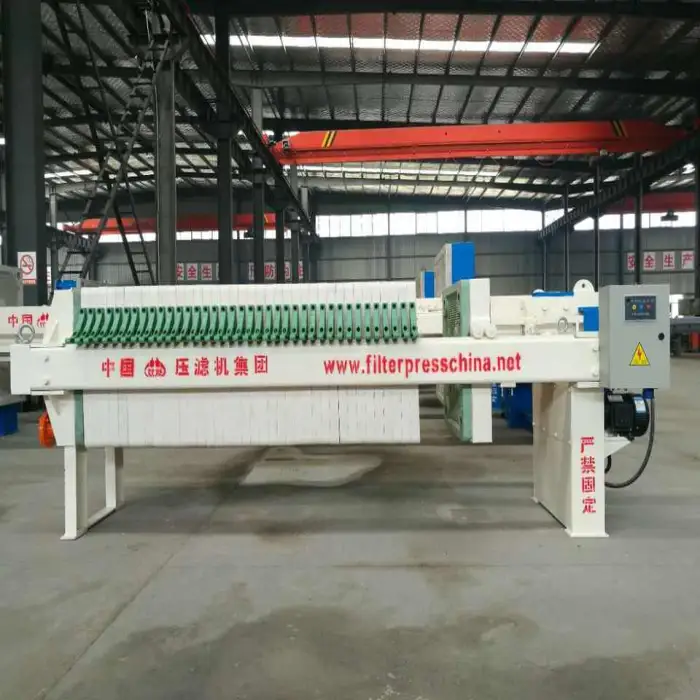
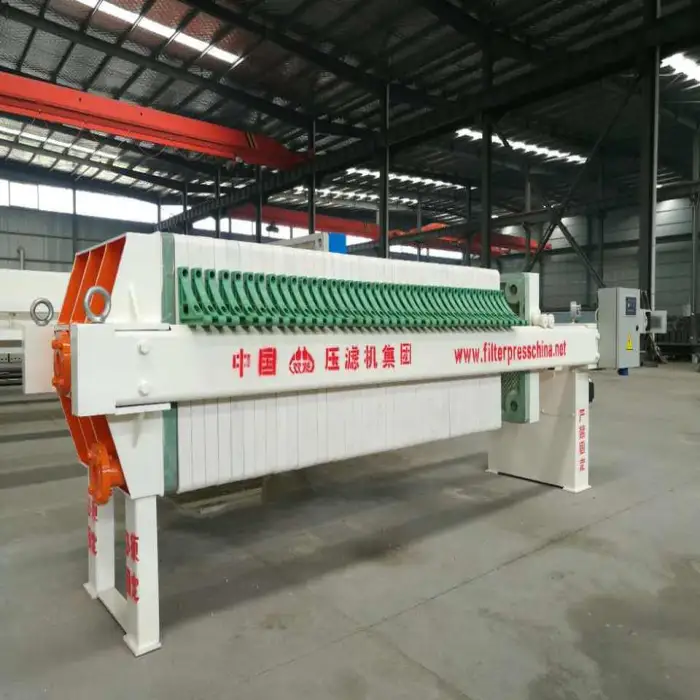
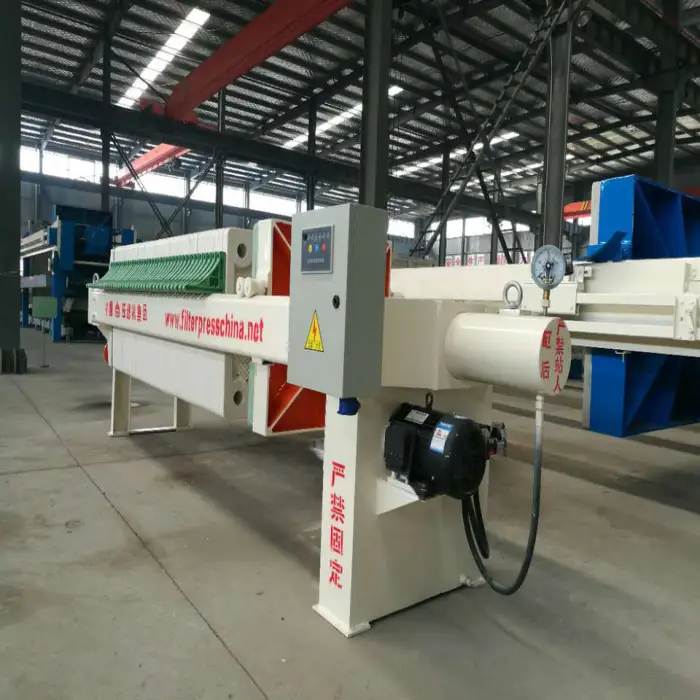
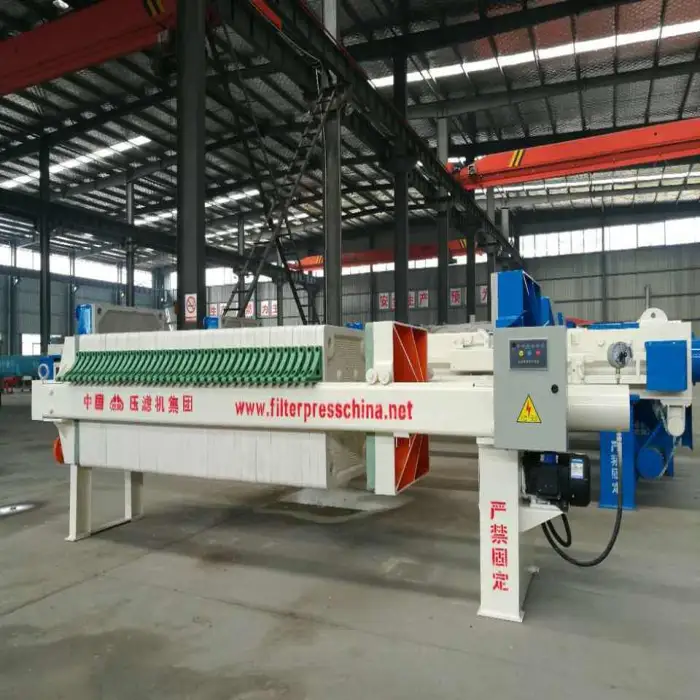
Okara Dewatering Machine, Filter Press for Slurry Dewatering
Asset finance available
Do you want funding for this equipment?
Afrimart can connect you with trusted funding partners who specialise in asset finance for businesses like yours. Compare options and apply in minutes — final approval is subject to provider review.
Check funding options
Secure & no obligation

- Section : Machinery
- Category : Cleaning Equipment
- SKU : 1601277544637

Okara Dewatering Machine, Filter Press for Slurry Dewatering
The Okara Dewatering Machine is an efficient solution for solid-liquid separation. This high-quality filter press helps remove excess water from slurries. It is perfect for various industries that need reliable dewatering. With its automatic and semi-automatic options, the Okara Dewatering Machine is easy to operate and maintain.
Specifications
| Attribute | Details |
|---|---|
| Product Name | Chamber Filter Press |
| Type | Integrated Type Electric Hydraulic Control |
| Condition | New |
| Voltage | 380V/50HZ |
| Power (W) | 2.5KW |
| Weight | 840 kg |
| Dimension (L*W*H) | 2380*900*850mm |
Key Features
- Automatic and semi-automatic operation options
- Robust electric hydraulic control system
- Compact design for easy installation
- High efficiency in solid-liquid filtration
- Durable construction for long-lasting use
Applications
- Food processing industries
- Wastewater treatment facilities
- Mining and mineral processing
- Chemical manufacturing
- Pharmaceutical production
Product Info Gallery
- Shipping Timeframes: All orders are processed within 2-5 business days (excluding weekends and holidays). After your order has been processed, the estimated delivery time is before 20 Nov, 2026, depending on customs, Please note that due to high demand, some items may experience longer shipping times, which will be communicated at order confirmation email.
- Order Processing Time: Please allow 2-5 business days for us to process your order before it is shipped . Orders placed after 16:00 on Fridays, or during weekends and public holidays, will begin processing on the next business day. Processing times may be extended during peak seasons or sales events.
- Manufacturing Time: Some products needs manufacturing time, the manufacturing process will take approximately 10-30 business days depending on the product. This timeframe may vary depending on the complexity of the product and current demand. but this will be communicated with you during order confirmation.
- Returns and Exchanges: We offer a 30-day return policy for most items. If you are not completely satisfied with your purchase, you may return it within 30 days of receipt for a refund or exchange. Items must be unused, in their original packaging, and accompanied by proof of purchase. Return shipping costs are the responsibility of the customer, unless the item was damaged or defective upon arrival.
1. What is the Okara Dewatering Machine (Chamber Filter Press)?
The Okara Dewatering Machine is a chamber filter press designed for solid–liquid separation. It uses hydraulic pressure to compress slurry between filter plates to form a filter cake and discharge clear filtrate. It is available in automatic and semi‑automatic configurations and is intended for industries such as food processing, wastewater treatment, mining, chemicals and pharmaceuticals.
2. How does this filter press work?
The machine feeds slurry into a series of filter chambers formed by plates and filter cloth. Hydraulic pressure compacts the solids into a cake while liquid passes through the cloth and is collected as filtrate. After filtration, the plates open and the solid cakes are discharged. The system uses an electric hydraulic control for plate pressing and release.
3. What are the main specifications of this unit?
Key specifications: type — integrated electric hydraulic chamber filter press; condition — new; voltage — 380V/50Hz; power — 2.5 kW; weight — 840 kg; dimensions — 2380 × 900 × 850 mm (L×W×H).
4. What operation modes are available and what is the difference?
Two modes are offered: automatic and semi‑automatic. Automatic mode controls feed, pressurization, cake formation, plate opening and closing via programmable controls with minimal operator input. Semi‑automatic mode requires manual intervention for some steps (for example starting/stopping feed or opening plates).
5. What types of slurry can this machine handle?
It is suitable for a wide range of slurries including okara (soy pulp), food processing residues, municipal and industrial sludge, mineral slurries, chemical precipitates and pharmaceutical suspensions. Performance depends on solids concentration, particle size and rheology.
6. What throughput or capacity can I expect?
Throughput depends on plate size/number, slurry solids content, cake thickness and cycle time. Because these variables differ by application, capacity is typically specified after sample testing or by providing process parameters so the supplier can size the unit correctly.
7. What level of dryness (cake moisture) can the press achieve?
Final cake moisture varies with the slurry characteristics, use of conditioning agents (polymers), applied pressure and cycle time. The machine can substantially reduce free water, but precise achievable moisture content should be determined with trial runs on your specific slurry.
8. What maintenance is required?
Routine maintenance includes daily inspections for leaks and damage, regular cleaning of filter cloths, checking and replacing worn gaskets or filter plates, monitoring hydraulic oil level and condition, and scheduled servicing of valves and pumps. Follow the manufacturer's maintenance schedule and record keeping for best results.
9. What filter cloths and materials are used, and can they be changed?
Filter cloth selection depends on particle size, chemical compatibility and desired filtrate clarity. Common materials include polyester and polypropylene cloths with various weaves. Cloths are replaceable and suppliers can recommend or supply the appropriate type for your slurry.
10. What are the installation requirements?
The unit requires a level, load‑bearing floor with adequate space for the machine dimensions and operator access. Electrical supply: 380V/50Hz three‑phase. Provide inlet feed piping, a filtrate collection line, and a means to handle discharged cakes (e.g., conveyors or bins). Specific site preparation details should be confirmed with the supplier.
11. What safety features does the machine include?
Typical safety features include hydraulic overload protection, emergency stop, interlocks to prevent plate opening under pressure, protective guards around moving parts and clear operator controls. Operators should be trained and local safety procedures followed.
12. Are spare parts and consumables available?
Yes. Consumables such as filter cloths, gaskets, plates, seals, pumps and hydraulic oil are commonly available. Ask the supplier for recommended spare parts list and lead times to minimize downtime.
13. Can the machine be customized for my process?
Yes. Common customizations include different plate sizes and counts, cloth materials, automation/control options, corrosion‑resistant materials, and integrated feed or cake handling equipment. Provide process details to the supplier for a tailored solution.
14. How is the cake removed and what about sticky or fibrous materials like okara?
Cake removal is done when plates open and the cakes fall out or are removed manually/automatically depending on setup. Sticky or fibrous materials may benefit from pre‑treatment (thickening, polymer conditioning) and appropriate cloth selection to improve cake release. Discuss your material characteristics with the supplier for best practices.
15. What warranty and after‑sales support are provided?
Warranty terms and after‑sales support vary by supplier. Typical offerings include a limited warranty on manufacturing defects, spare parts supply and technical support for installation and commissioning. Contact the vendor for specific warranty duration, service packages and response times.
Latest Order Arrivals
Discover our latest orders
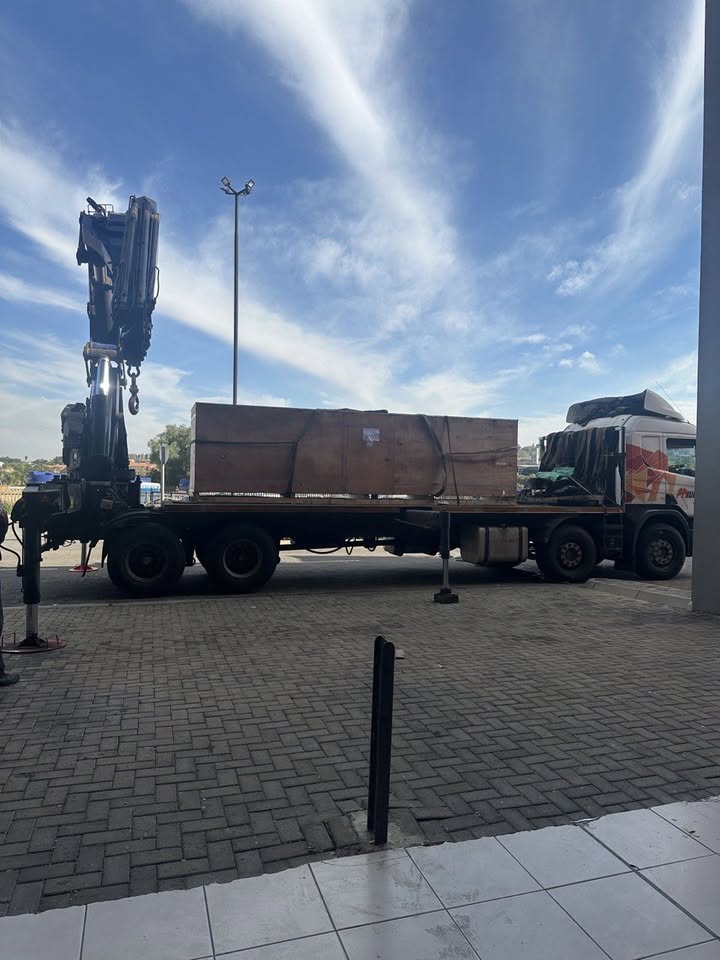
12 Heads Embroidery Machine
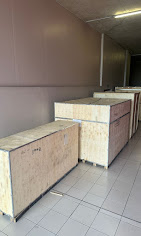
Toilet Paper Machine Machine
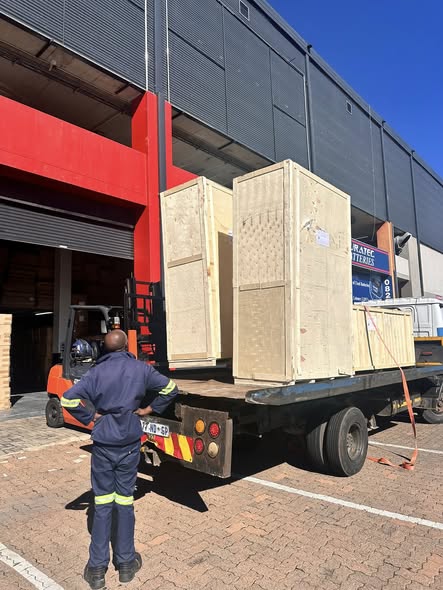
Order Collection
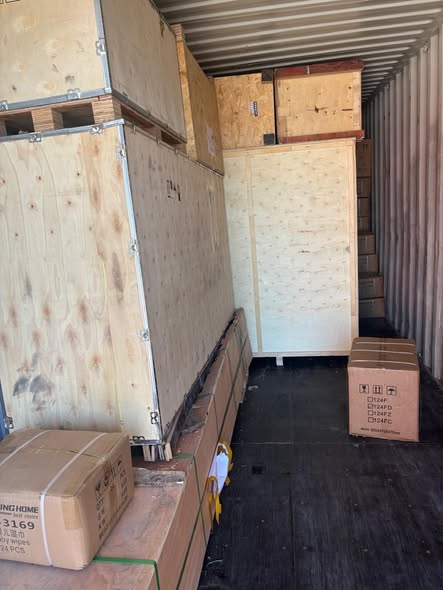
Cross Border Clients
Order cros border countries Collected
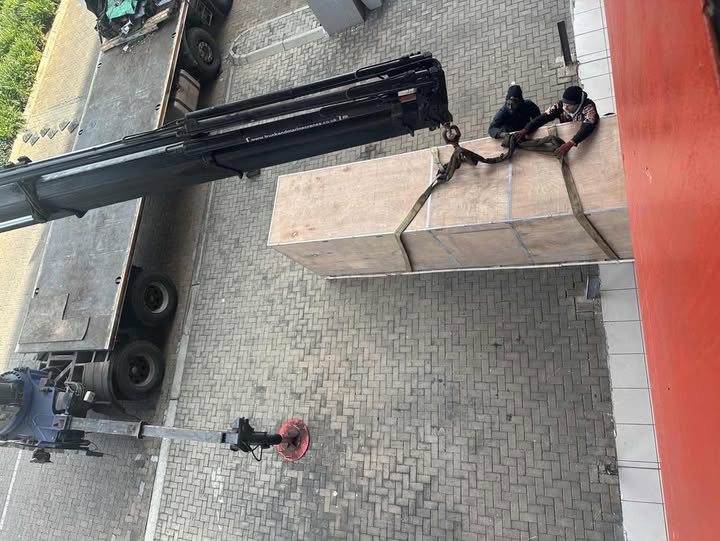
Industrial Machine Cllection
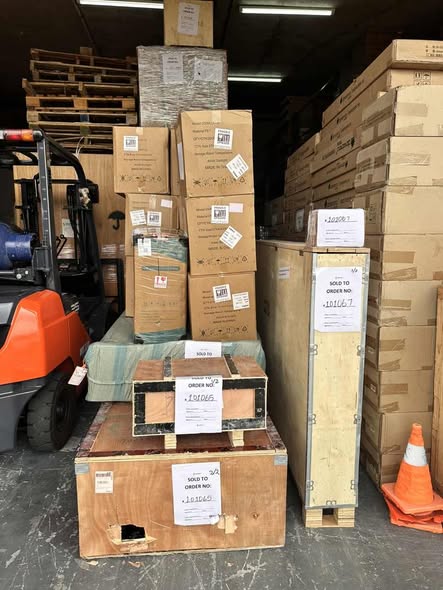
Agriculture Processing Machines
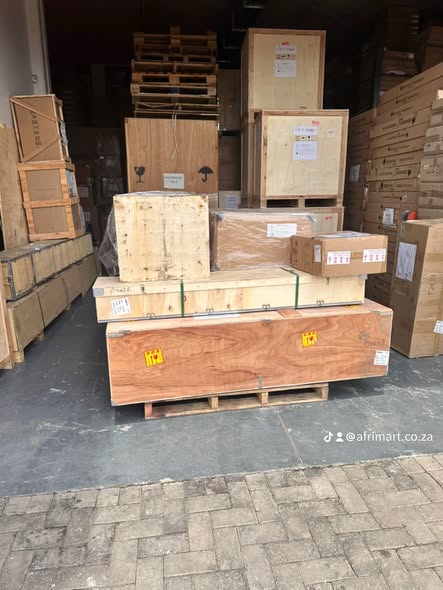
Ready for collection
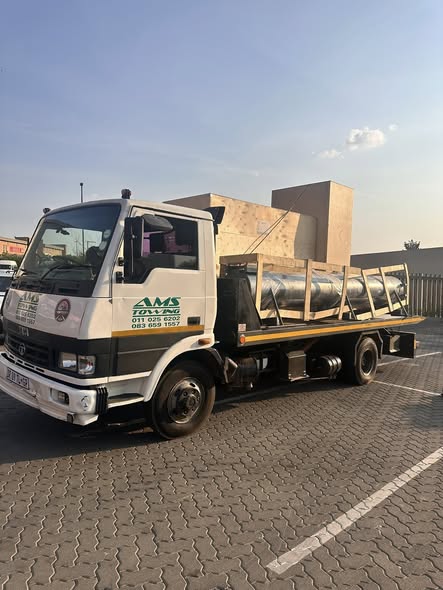
Water Pump Equipment
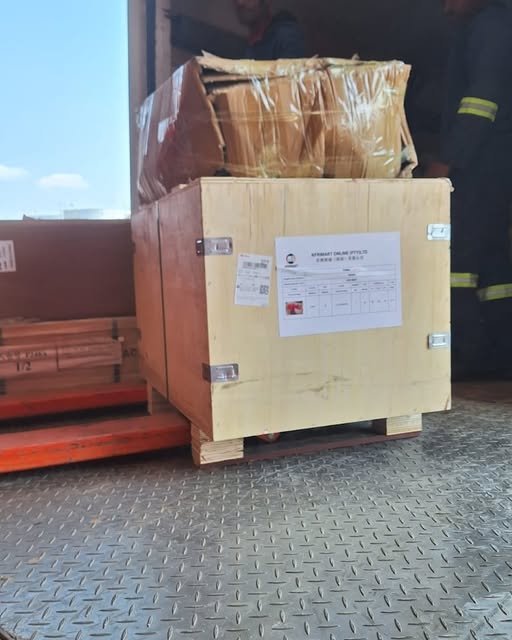
Packaging Machine and accessories
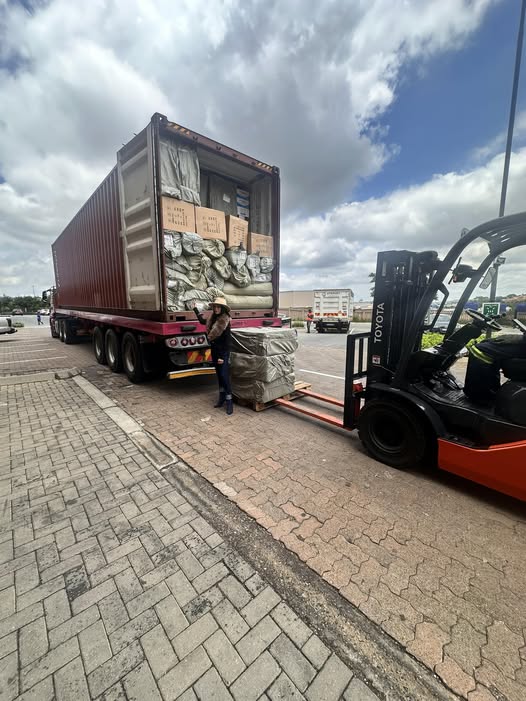
Fabrics Manufacturing Equipment
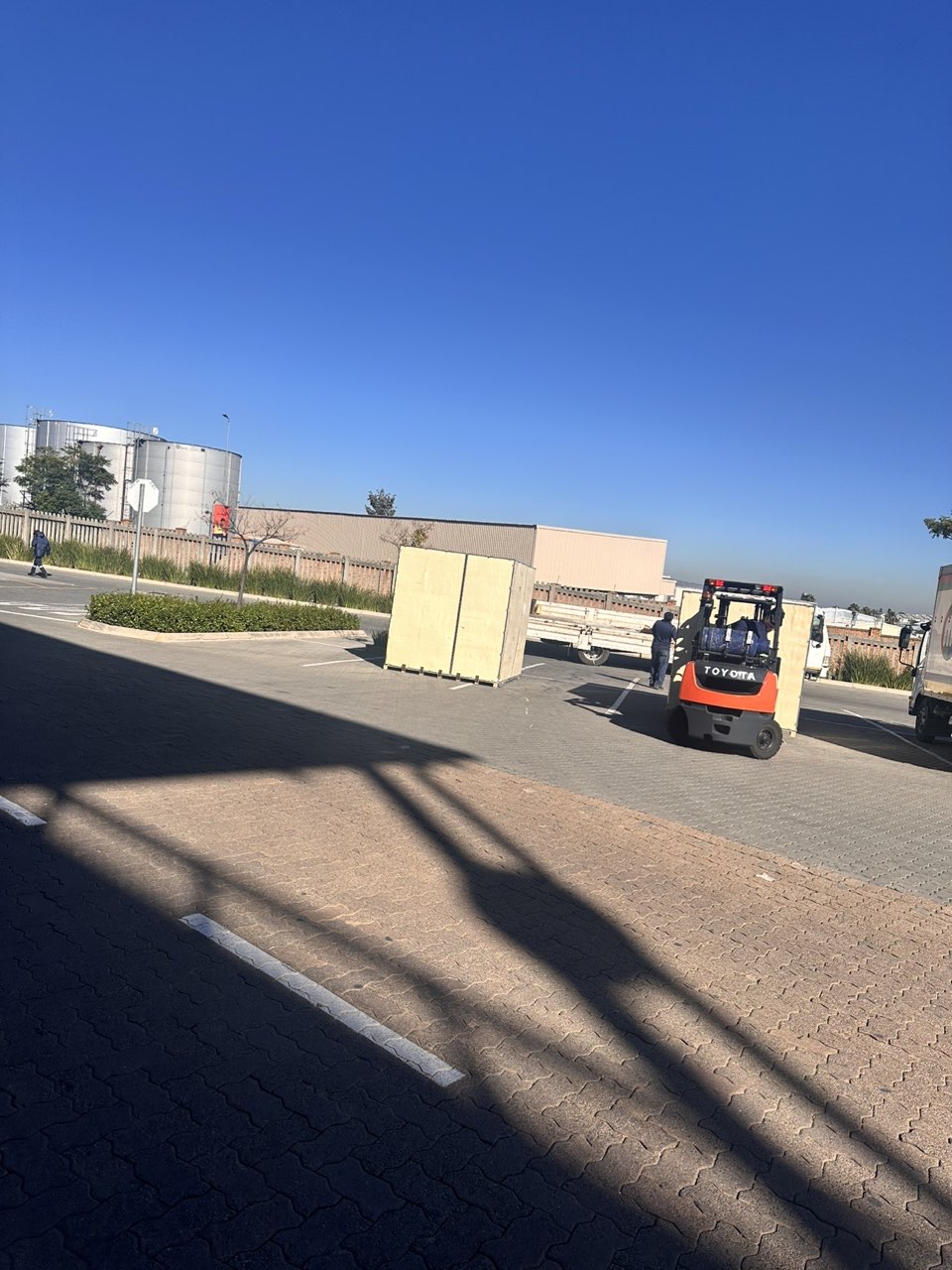
Mining Equipments
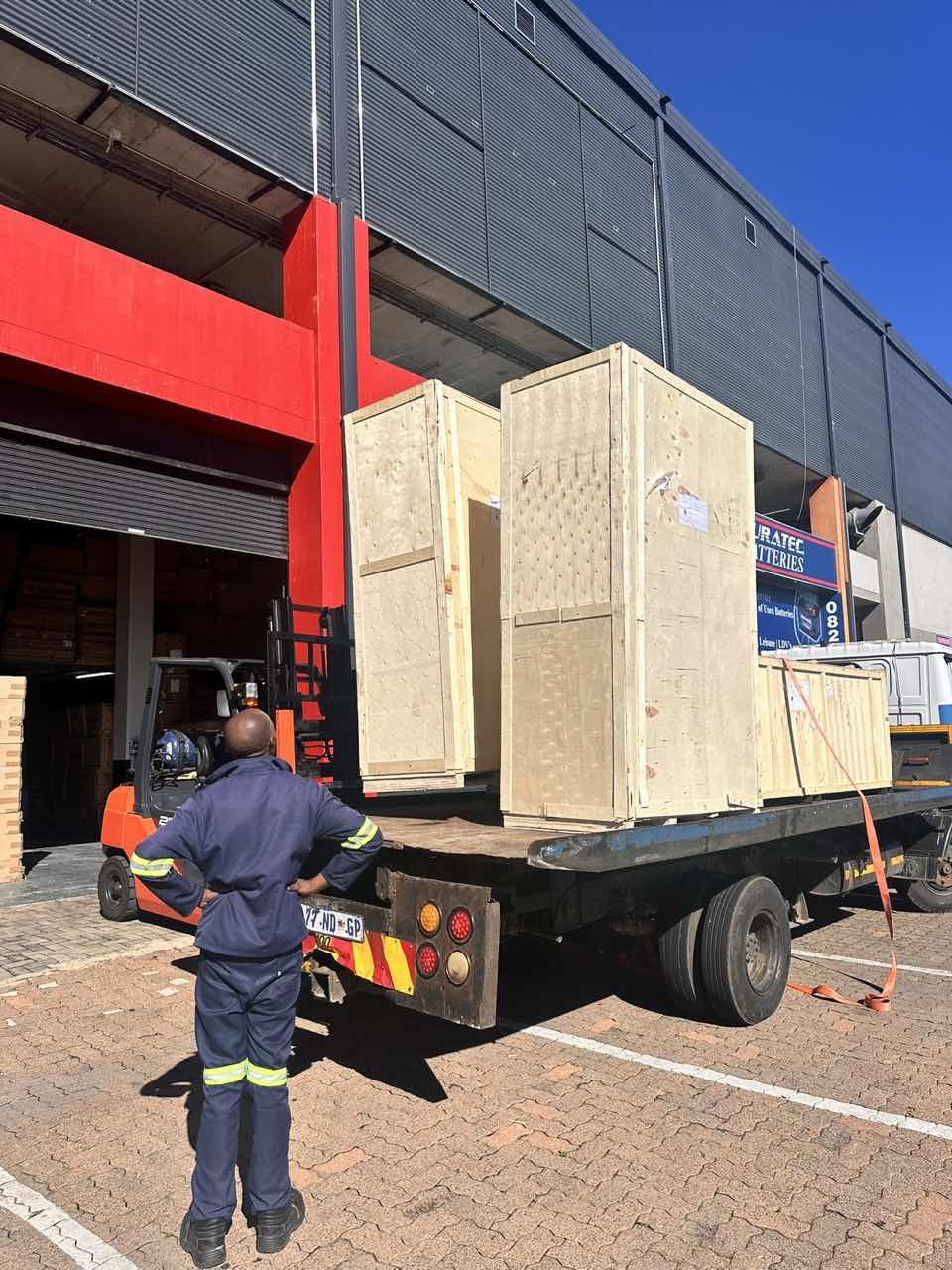
Food Processing Machine
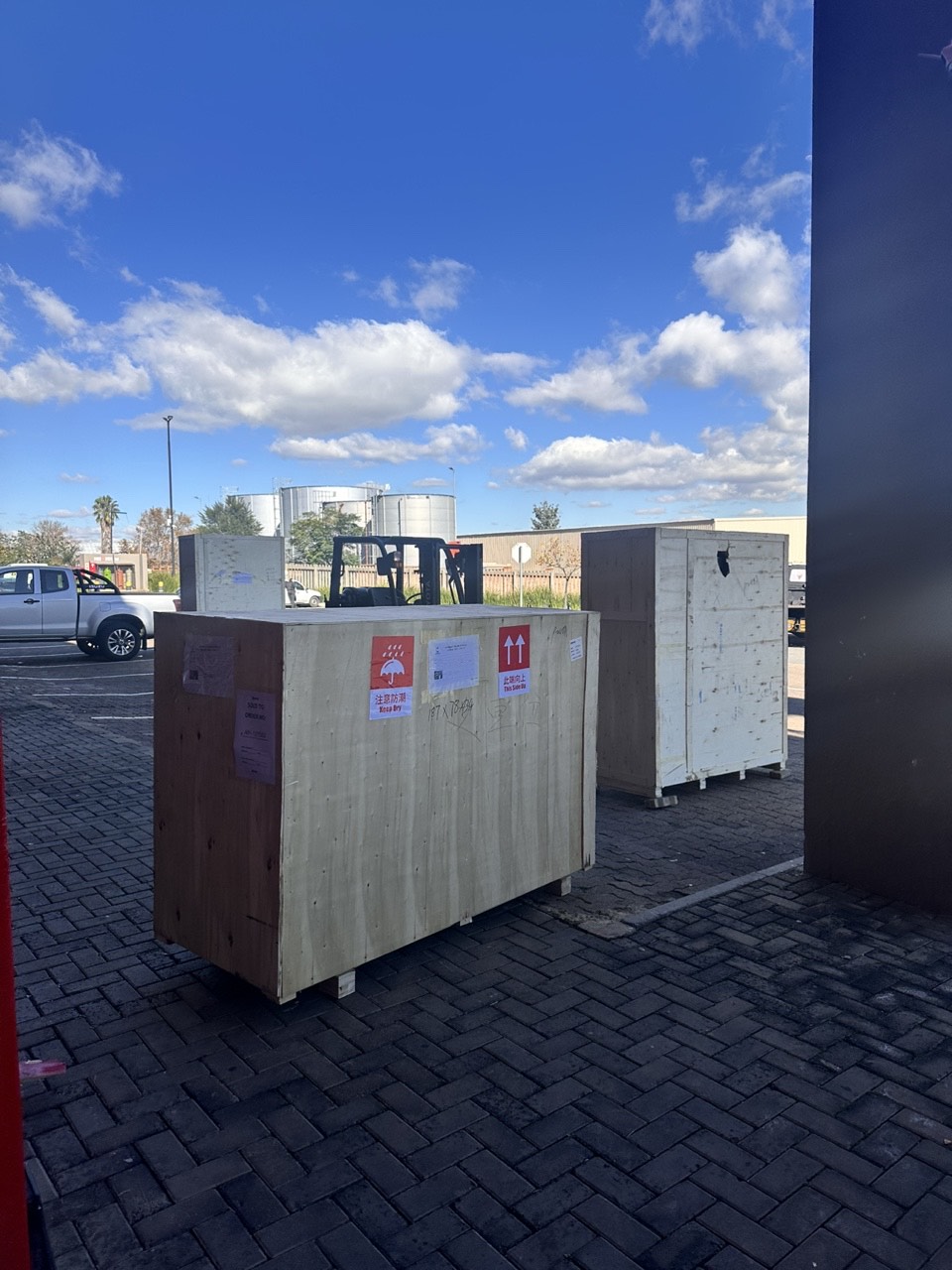
Batch of Orders
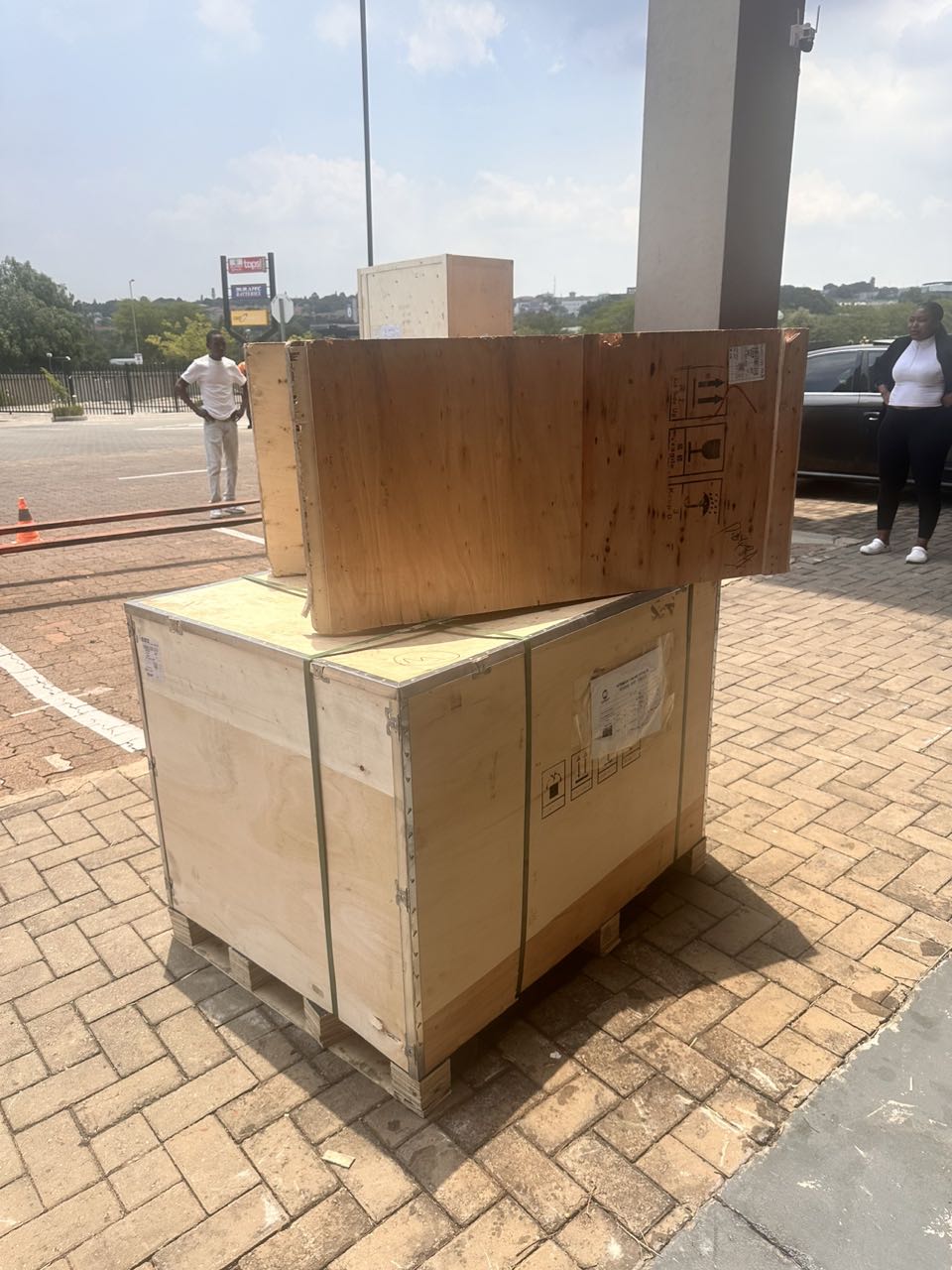
Batch of Orders
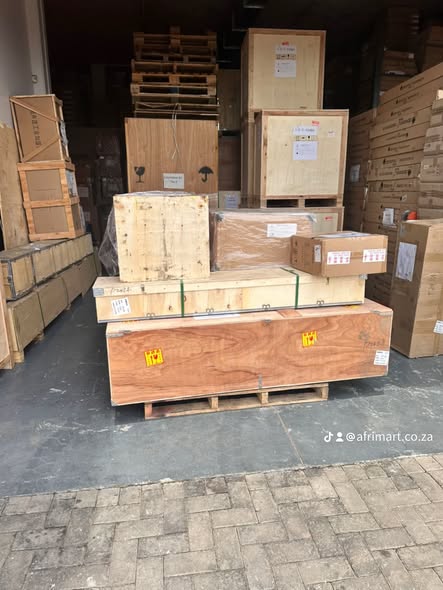
Latest Orders Labelled
wheel alignment machines
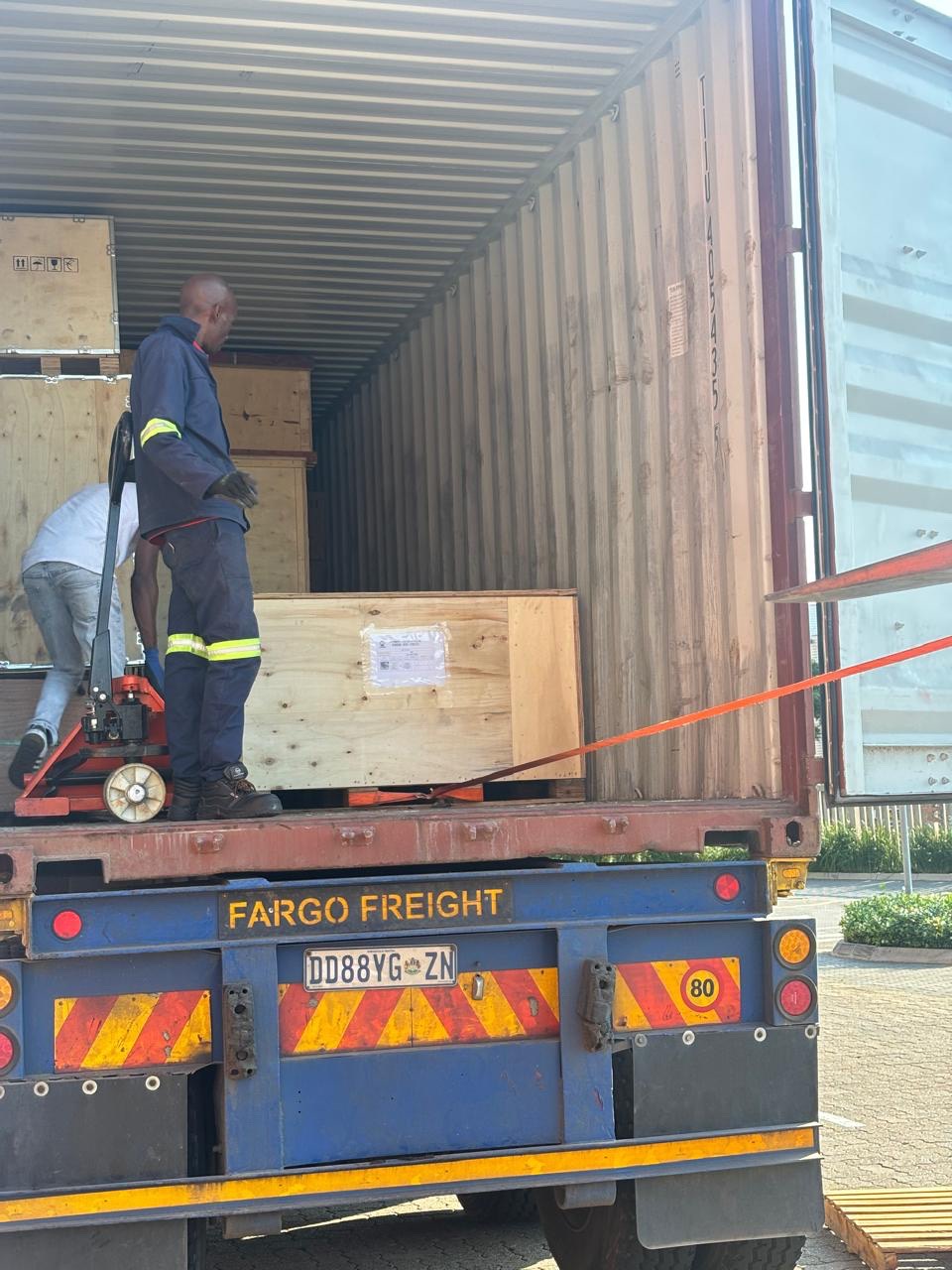
new arrivals
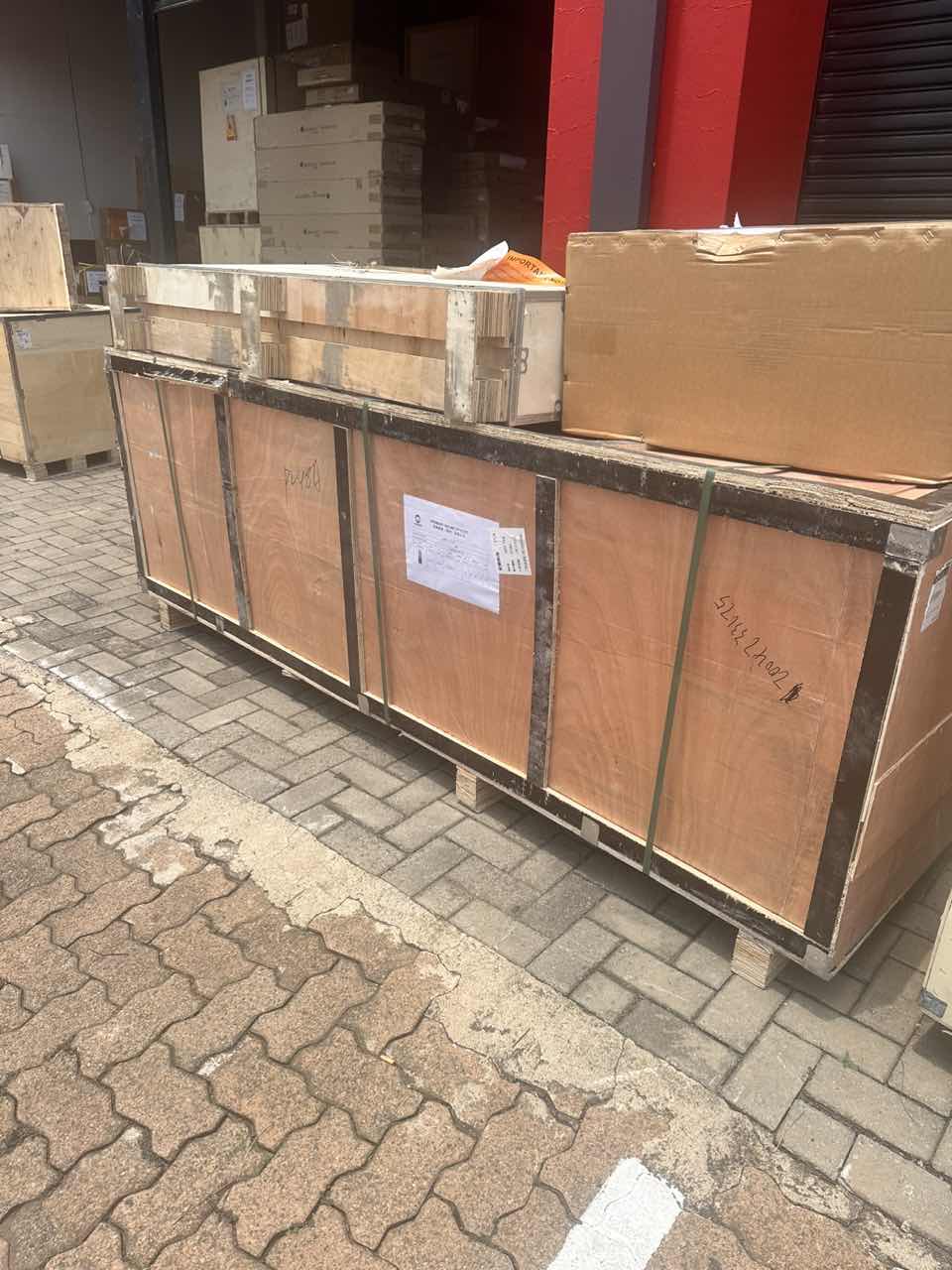
Pre Orders Offloading
Latest Arrivals
Latest Arrivals
Latest Arrivals
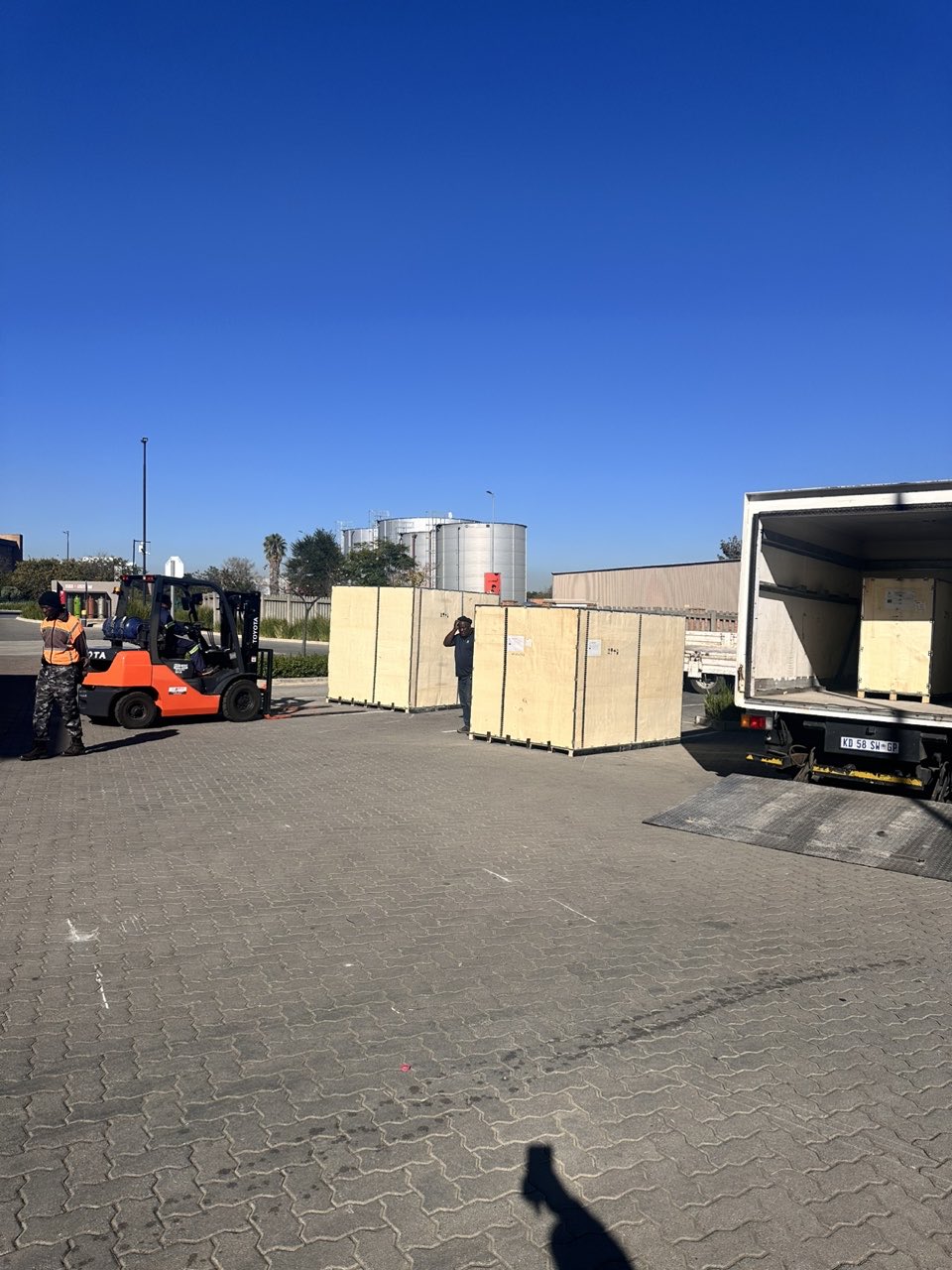
Loading
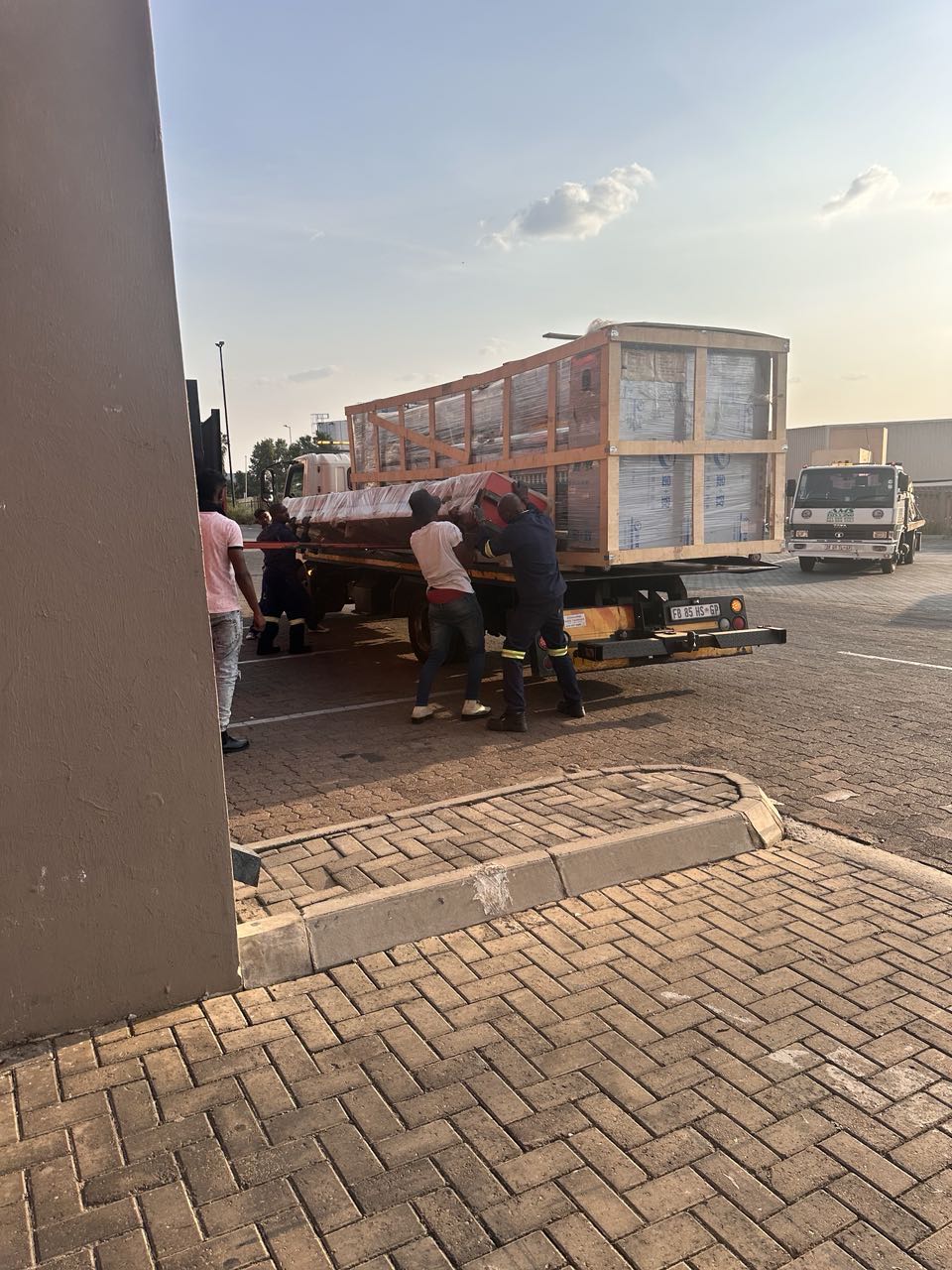
Toilet paper making machine
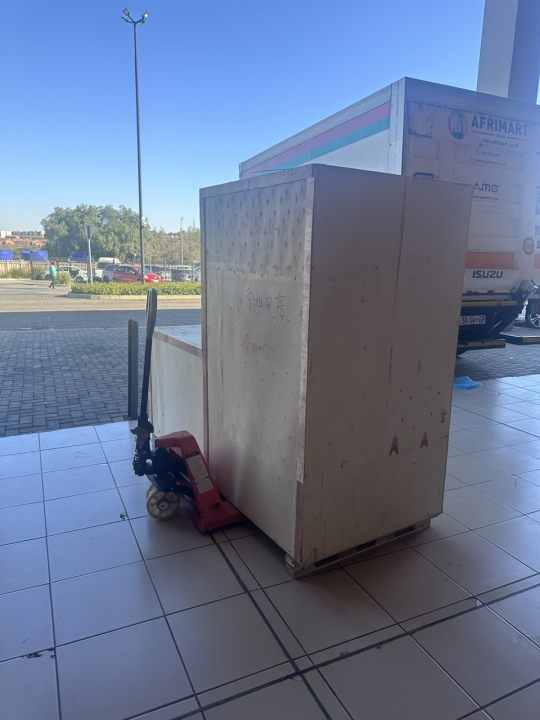
Toilet paper making machine
Toilet paper Rewinding Machine
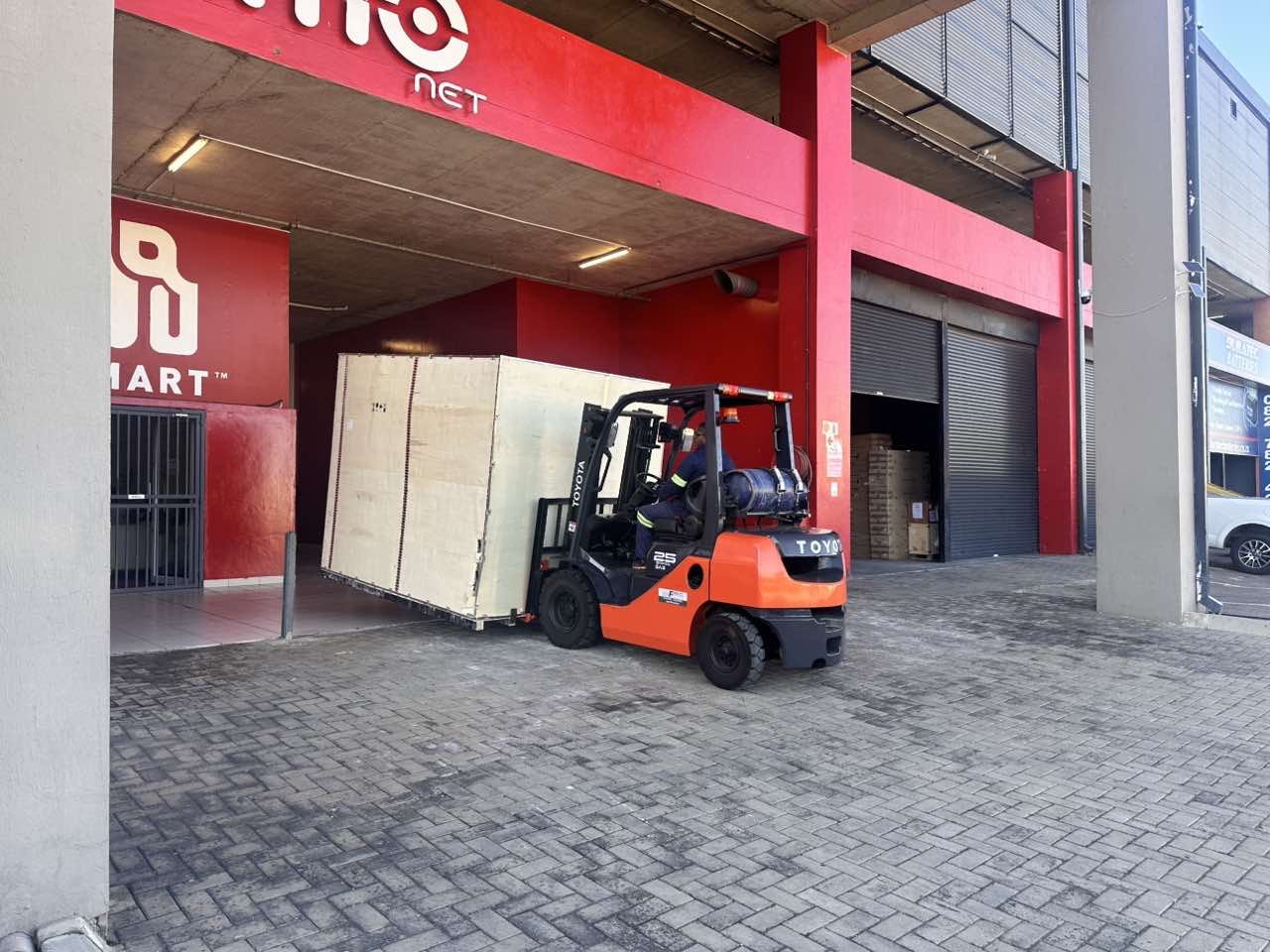
latest arrivals
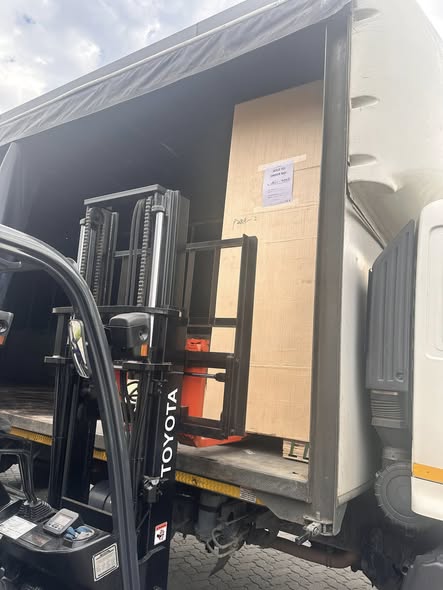
offloading
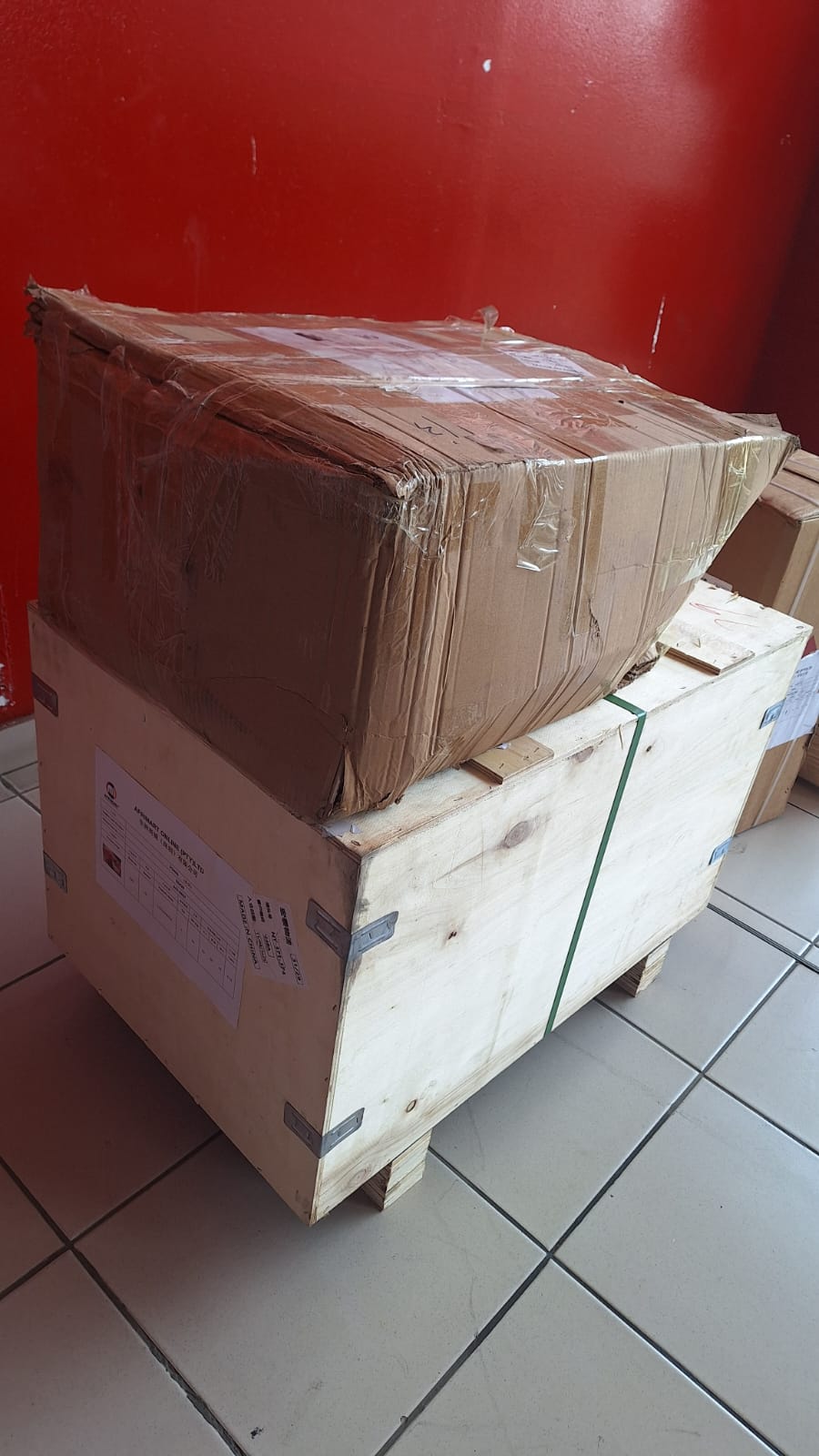
order success
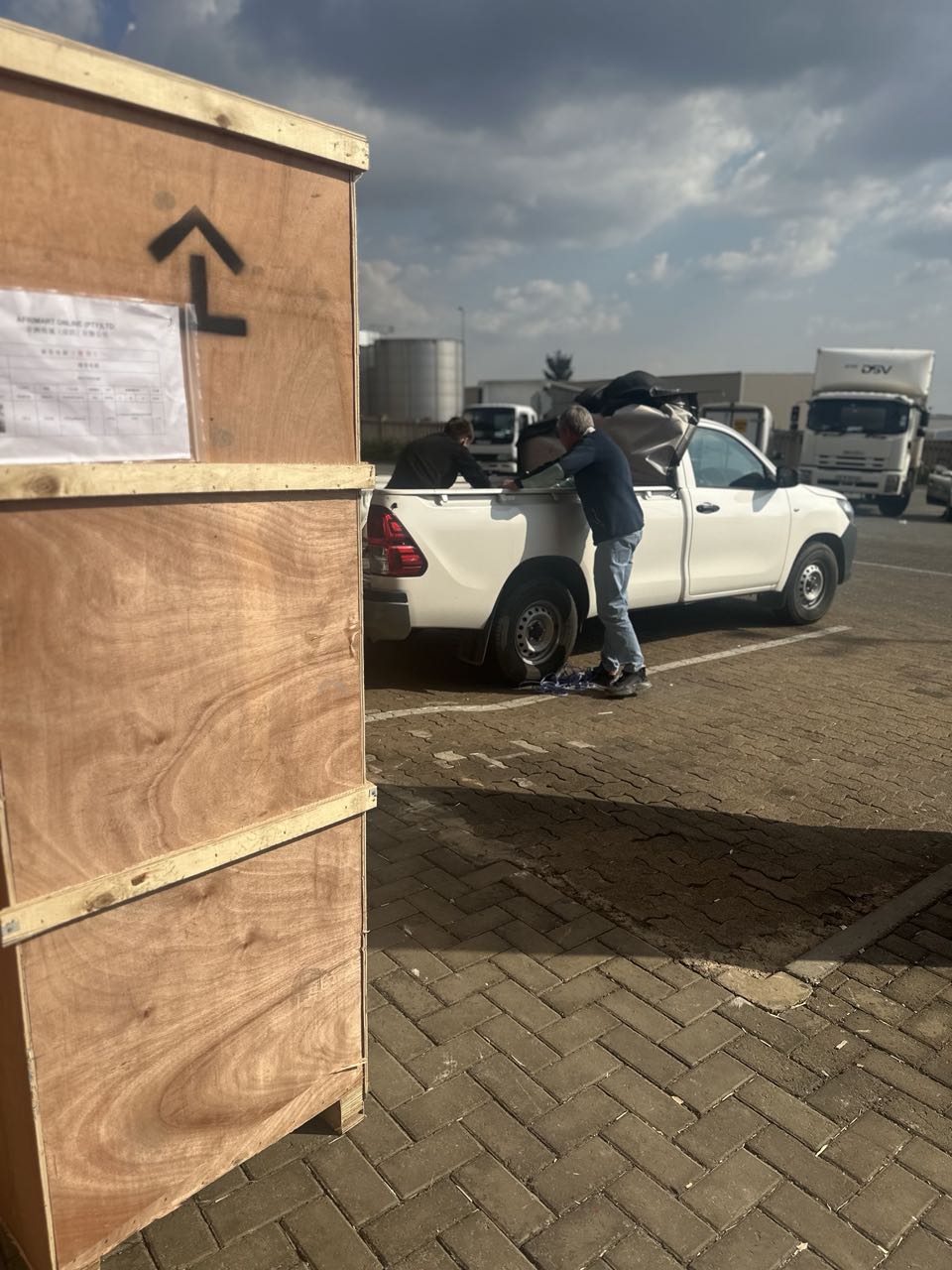
order collection
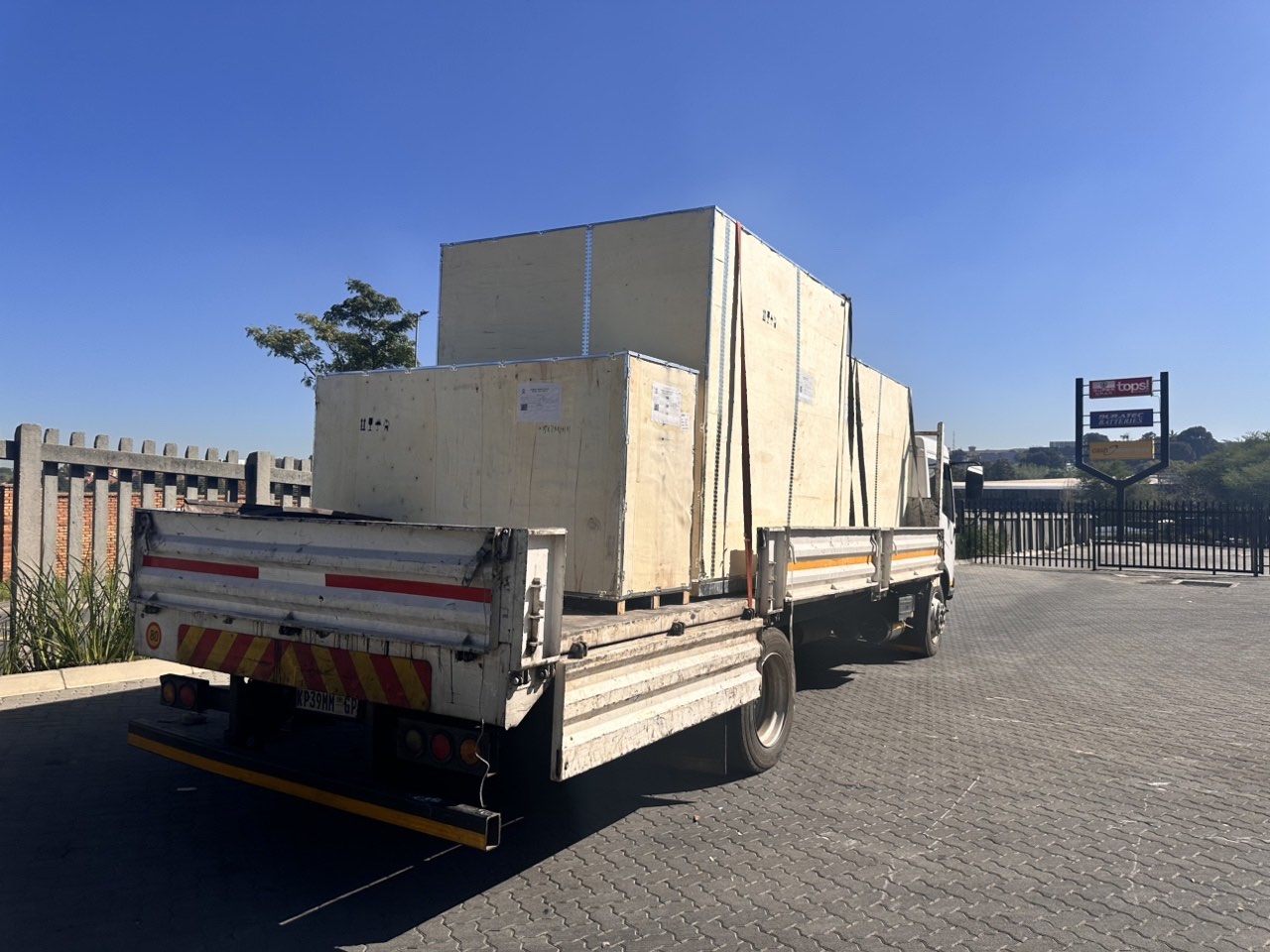
order offloading