B21, China Town Mall, Midrand

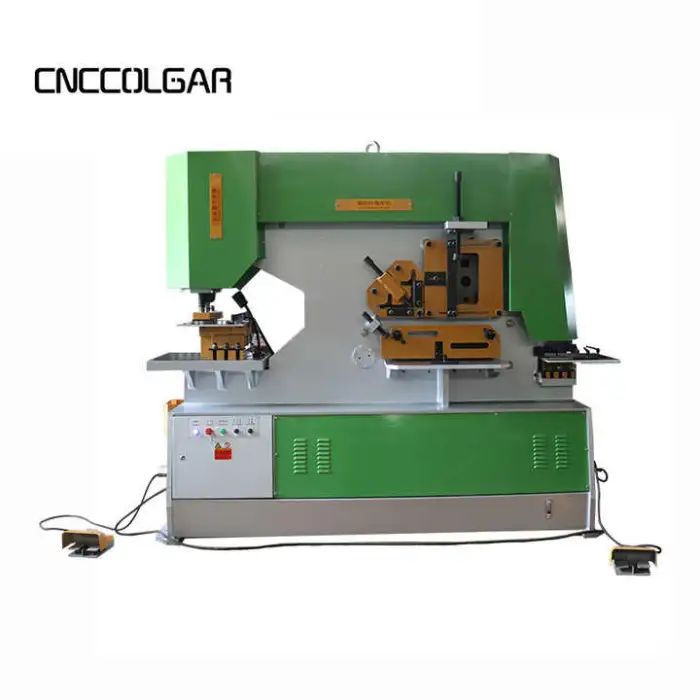
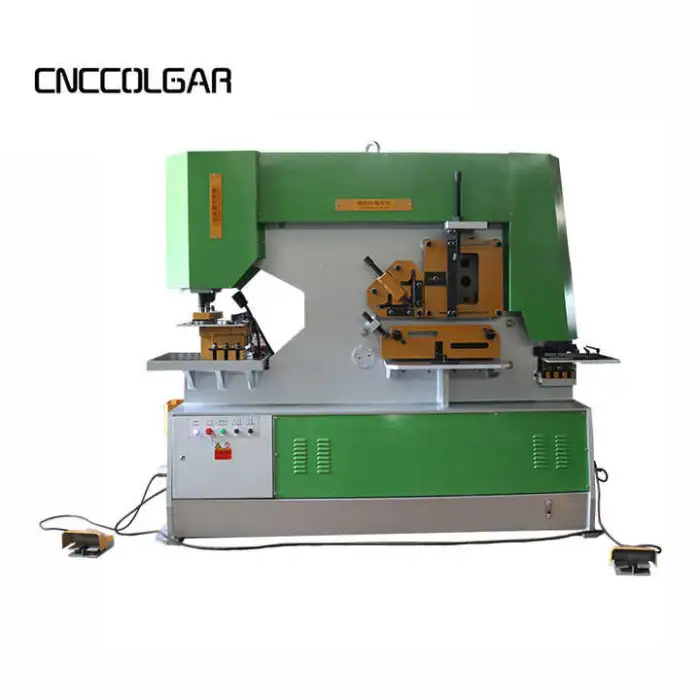
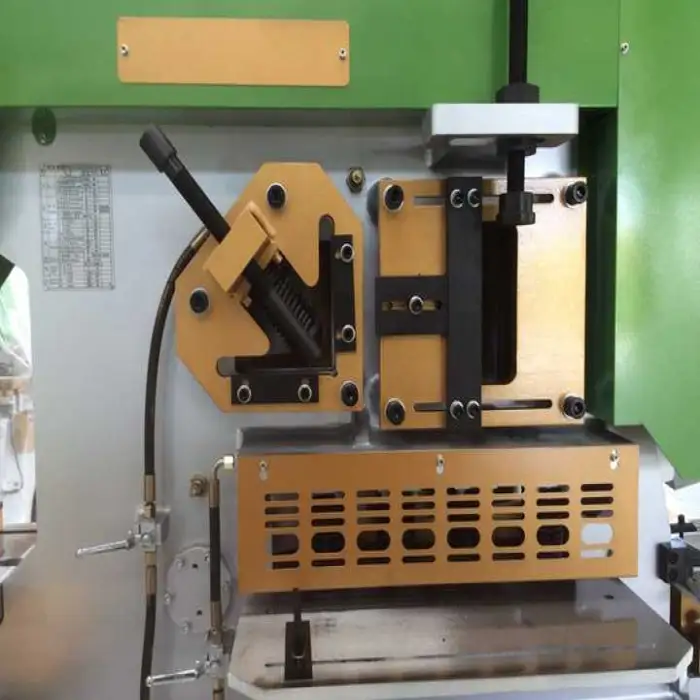
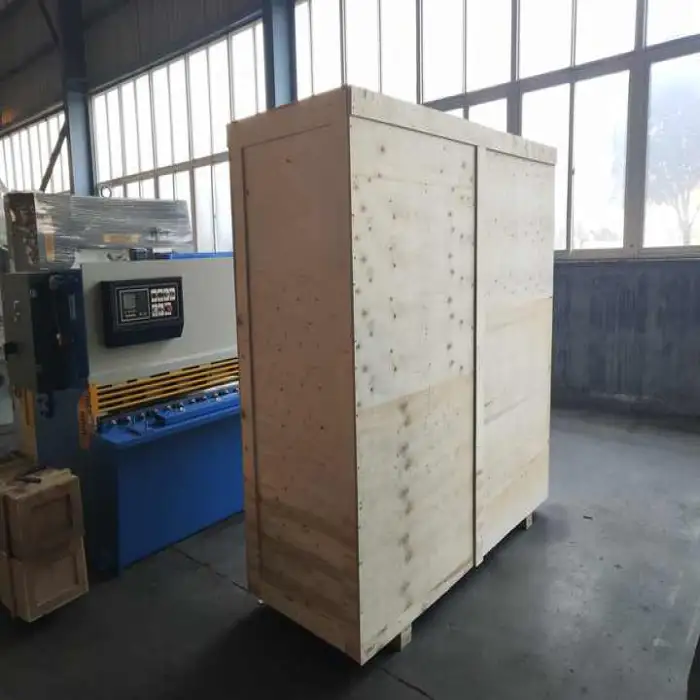
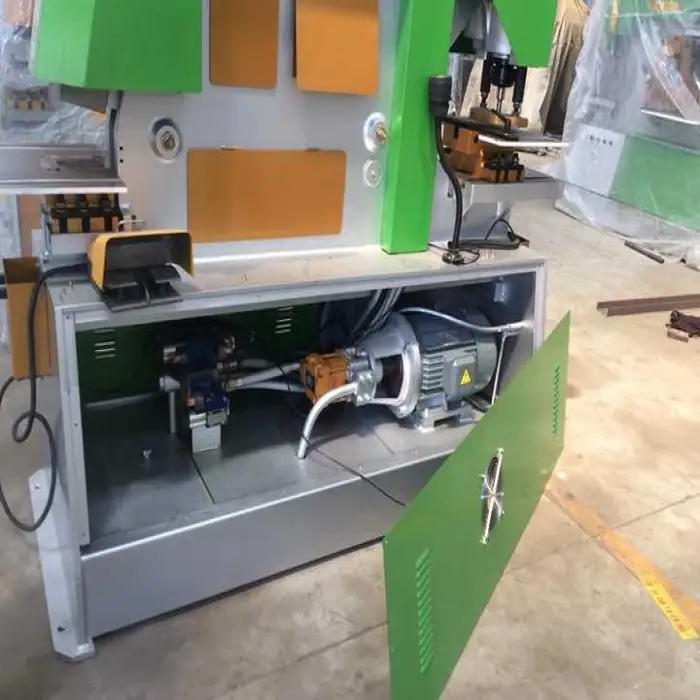
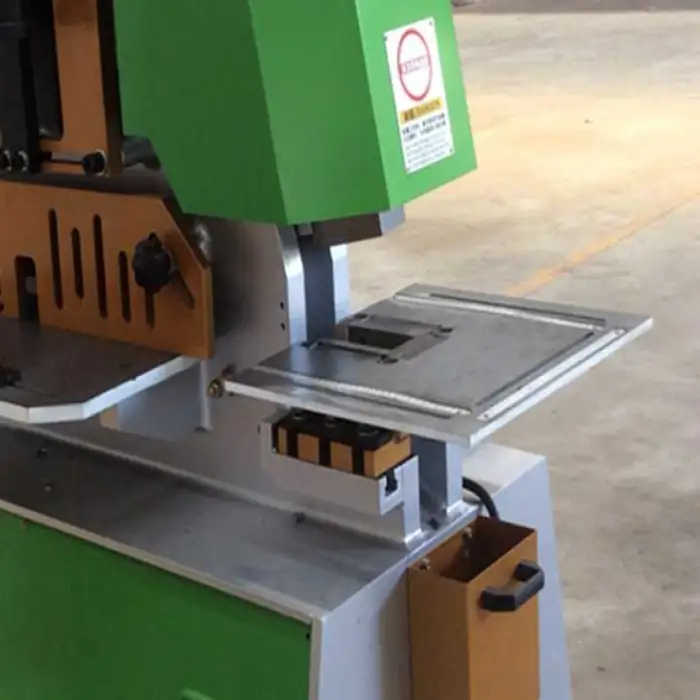
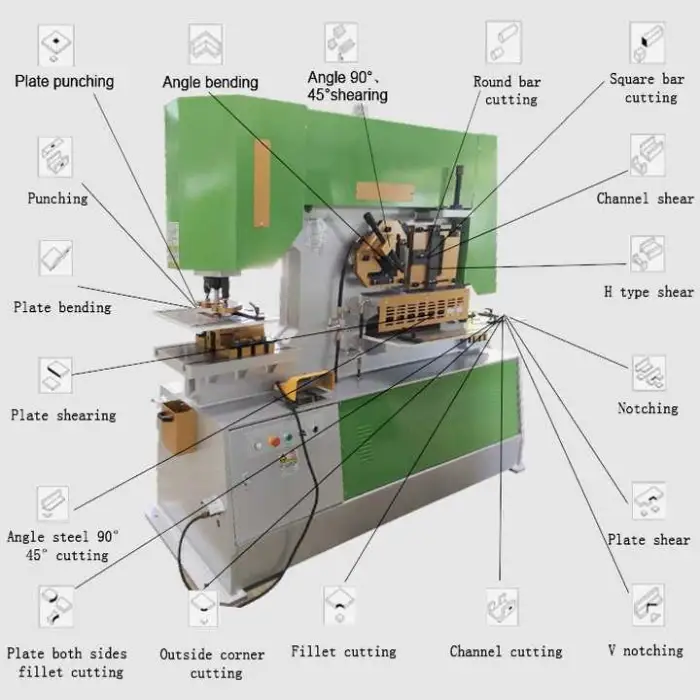
Multifunctional Hydraulic Ironworker Sheet Metal Ironworker Punching and Shearing Machine
Asset finance available
Do you want funding for this equipment?
Afrimart can connect you with trusted funding partners who specialise in asset finance for businesses like yours. Compare options and apply in minutes — final approval is subject to provider review.
Check funding options
Secure & no obligation

- Section : Machinery
- Category : Machine Tool Equipment
- SKU : 1601161937500

Multifunctional Hydraulic Ironworker Sheet Metal Ironworker Punching and Shearing Machine
The Multifunctional Hydraulic Ironworker is a powerful machine designed for punching and shearing metal. It is perfect for professionals who need a reliable tool for their metalworking tasks. With a nominal force of 600 kN and a motor power of 5.5 kW, this machine delivers efficiency and precision in every operation.
Specifications
| Attribute | Details |
|---|---|
| Power Source | Hydraulic |
| Nominal Force (kN) | 600 |
| Voltage | 380V/220V Optional |
| Weight (t) | 1.8 |
| Dimension (L*W*H) | 1740*810*1830 mm |
| Motor Power (kW) | 5.5 |
| Core Components | Bearing, Punching press 60T |
| Machine Type | Hydraulic Ironworker |
Key Features
- Powerful hydraulic operation for efficient metalworking.
- Compact design with a weight of 1.8 tons.
- High nominal force of 600 kN for effective punching and shearing.
- Available in 380V or 220V options for versatility.
- Durable construction with core components made from high-quality materials.
Applications
- Ideal for pressing metal products in workshops.
- Used in manufacturing and fabrication industries.
- Perfect for creating precision cuts in sheet metal.
- Suitable for both small and large scale metalworking projects.
- Essential for metal construction and repair tasks.
Product Info Gallery
- Shipping Timeframes: All orders are processed within 2-5 business days (excluding weekends and holidays). After your order has been processed, the estimated delivery time is before 05 Aug, 2026, depending on customs, Please note that due to high demand, some items may experience longer shipping times, which will be communicated at order confirmation email.
- Order Processing Time: Please allow 2-5 business days for us to process your order before it is shipped . Orders placed after 16:00 on Fridays, or during weekends and public holidays, will begin processing on the next business day. Processing times may be extended during peak seasons or sales events.
- Manufacturing Time: Some products needs manufacturing time, the manufacturing process will take approximately 10-30 business days depending on the product. This timeframe may vary depending on the complexity of the product and current demand. but this will be communicated with you during order confirmation.
- Returns and Exchanges: We offer a 30-day return policy for most items. If you are not completely satisfied with your purchase, you may return it within 30 days of receipt for a refund or exchange. Items must be unused, in their original packaging, and accompanied by proof of purchase. Return shipping costs are the responsibility of the customer, unless the item was damaged or defective upon arrival.
1. What is the primary function of the Multifunctional Hydraulic Ironworker?
It is a hydraulic metalworking machine designed primarily for punching and shearing sheet metal and similar profiles, offering a compact, powerful solution for fabrication and repair tasks.
2. What are the machine's main specifications?
Key specs: hydraulic power source, nominal force 600 kN (60T), motor power 5.5 kW, available voltage options 380V or 220V, weight 1.8 t, and dimensions 1740 × 810 × 1830 mm.
3. Which voltage should I choose: 380V or 220V?
Choose based on your facility's electrical supply. Industrial sites commonly use 380V 3-phase; 220V may be suitable for smaller workshops. Confirm phase and supply capability with your electrician and the supplier.
4. What materials and thicknesses can this ironworker handle?
Capacity depends on material type, thickness, and tooling. The 600 kN nominal force allows heavy-duty punching and shearing of common sheet metals, but exact thickness limits vary by punch/die size and material grade—refer to the manufacturer's tooling/capacity chart or contact the supplier for specific material tables.
5. What operations can this machine perform besides punching and shearing?
Many multifunctional ironworkers can be fitted with additional stations or attachments (e.g., notcher, angle shear, squaring shear, bending tools). Confirm which stations and attachments are supplied or available as options for this model.
6. What tooling (punches and dies) is compatible with this machine?
Compatibility depends on the machine's punch holder and die design. Standard ironworker tooling sizes are often supported, but always verify punch/die dimensions, material, and shank type with the supplier to ensure fit and safe operation.
7. What are the installation requirements?
The machine weighs 1.8 t and should be placed on a level, sturdy concrete floor. Electrical supply must match the selected voltage and phase. A qualified technician should handle mechanical positioning, electrical connection, and hydraulic checks per the installation manual.
8. What maintenance is required to keep the ironworker in good condition?
Regular maintenance includes checking and topping hydraulic fluid, changing hydraulic oil and filters at manufacturer-recommended intervals, inspecting punch/die wear, lubricating moving parts, and checking bolts and fittings. Follow the supplied maintenance schedule and keep records.
9. What safety features and precautions should I follow?
Use appropriate guards, emergency stop, and safety interlocks if fitted. Operators should wear PPE (safety glasses, gloves, hearing protection) and receive training. Keep hands clear of tooling, never bypass safety devices, and follow lockout/tagout procedures for maintenance.
10. How long is the expected service life and are spare parts available?
Service life depends on usage, maintenance, and operating conditions. Core components are built from durable materials, but wear parts (punches, dies, seals) will need replacement. Contact the supplier for spare parts availability and recommended spare parts lists.
11. What is the required hydraulic oil type and change interval?
The exact hydraulic oil grade and change interval are specified in the machine manual and depend on operating temperature and load. Use the manufacturer-recommended hydraulic oil and adhere to the scheduled replacement and filter-change intervals provided in the documentation.
12. Can this machine be used for production (high-volume) work?
Yes — with appropriate tooling, proper maintenance, and trained operators, this 600 kN ironworker can support continuous workshop production. For very high-volume or specialized production, discuss duty cycle, cooling, and customization options with the supplier.
13. Is operator training provided or recommended?
Operator training is strongly recommended. Many suppliers offer training on safe operation, tooling changes, and maintenance. Proper training reduces accidents, improves productivity, and extends the life of the machine.
14. How do I get warranty support or technical assistance?
Warranty terms and technical support procedures vary by supplier. Check the purchase documentation for warranty coverage, contact details, and the recommended process for service calls or replacement parts. Keep serial number and purchase records handy when contacting support.
Latest Order Arrivals
Discover our latest orders
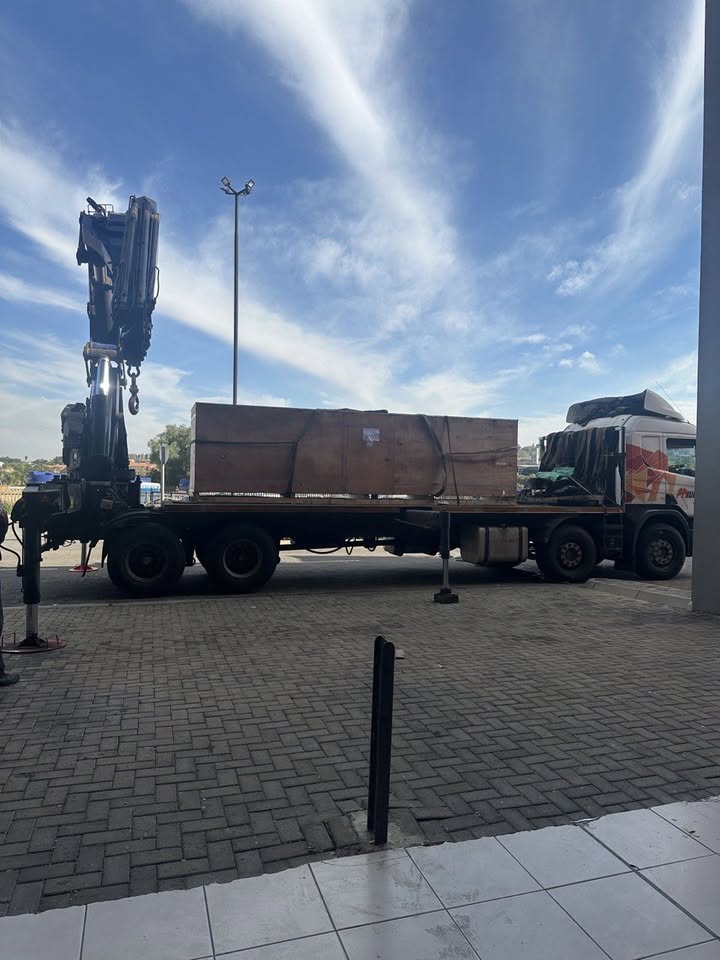
12 Heads Embroidery Machine
Toilet Paper Machine Machine
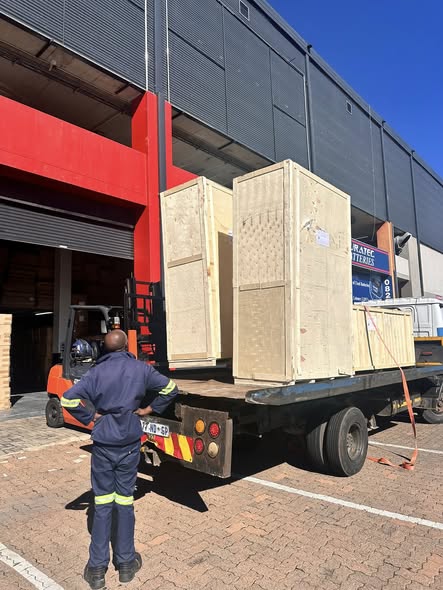
Order Collection
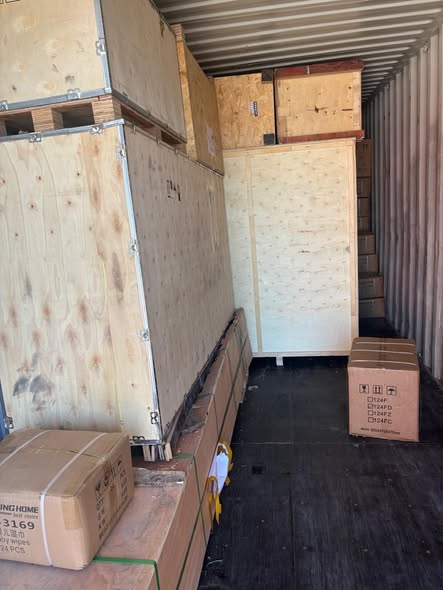
Cross Border Clients
Order cros border countries Collected
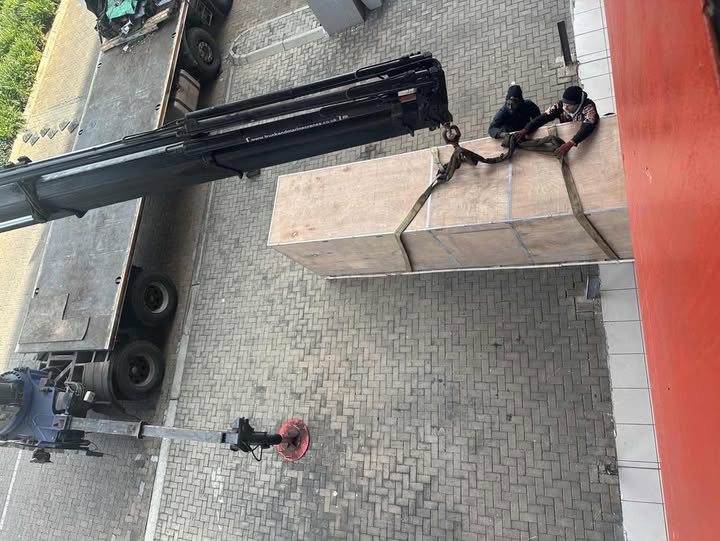
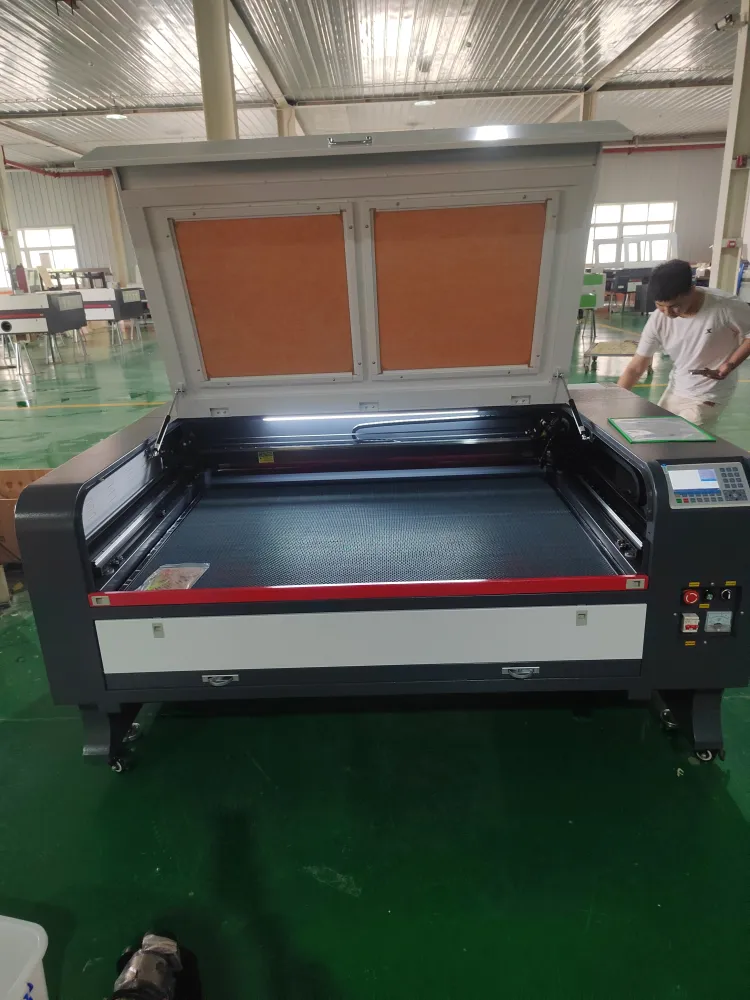
Industrial Machine Cllection
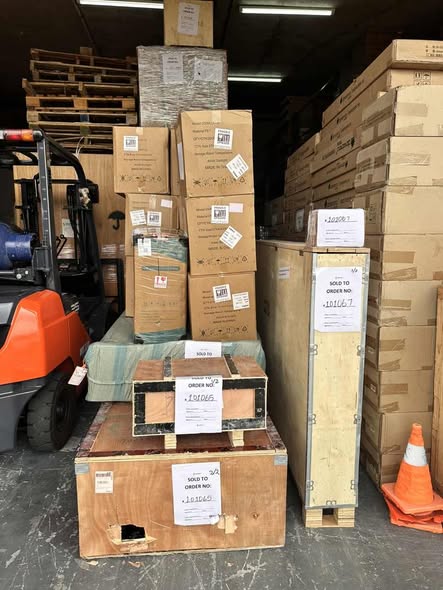
Agriculture Processing Machines
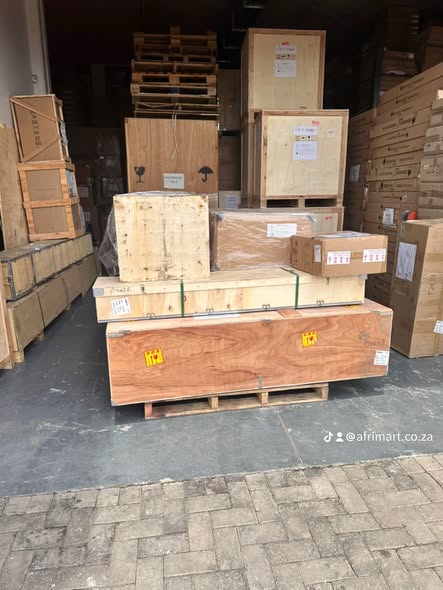
Ready for collection
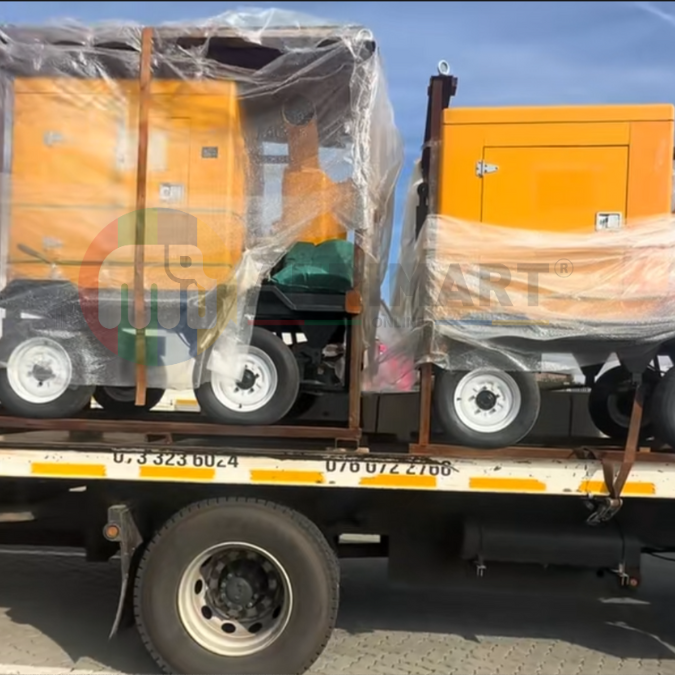
Water Pump Equipment
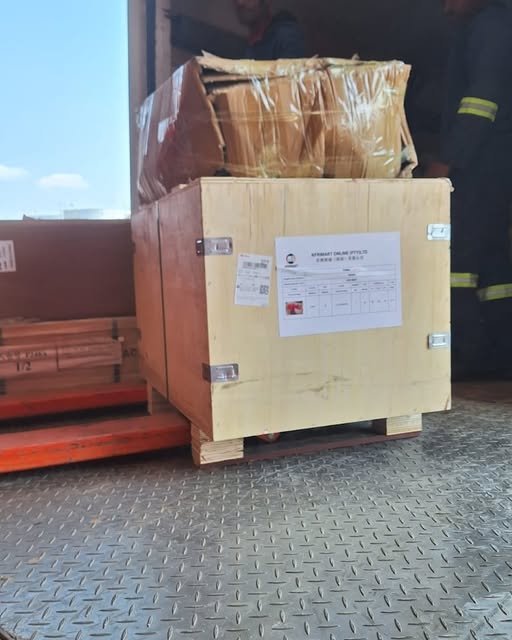
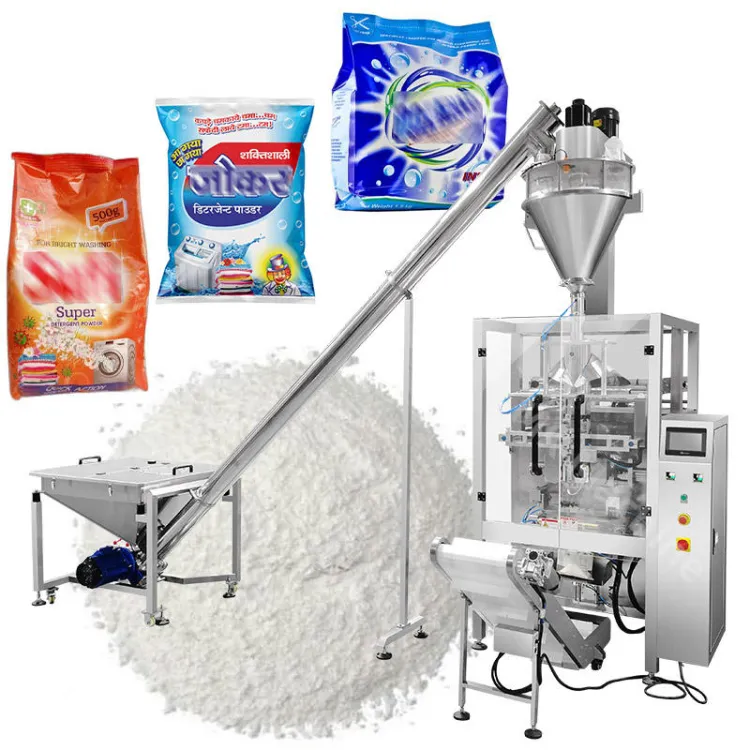
Packaging Machine and accessories
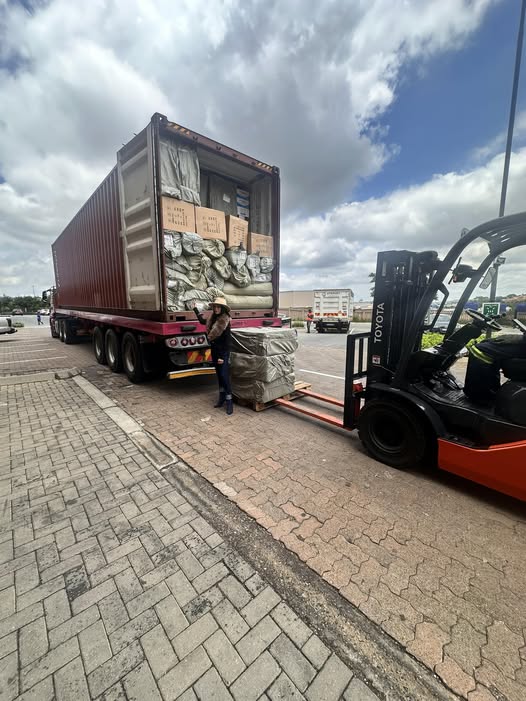
Fabrics Manufacturing Equipment
Mining Equipments
Food Processing Machine
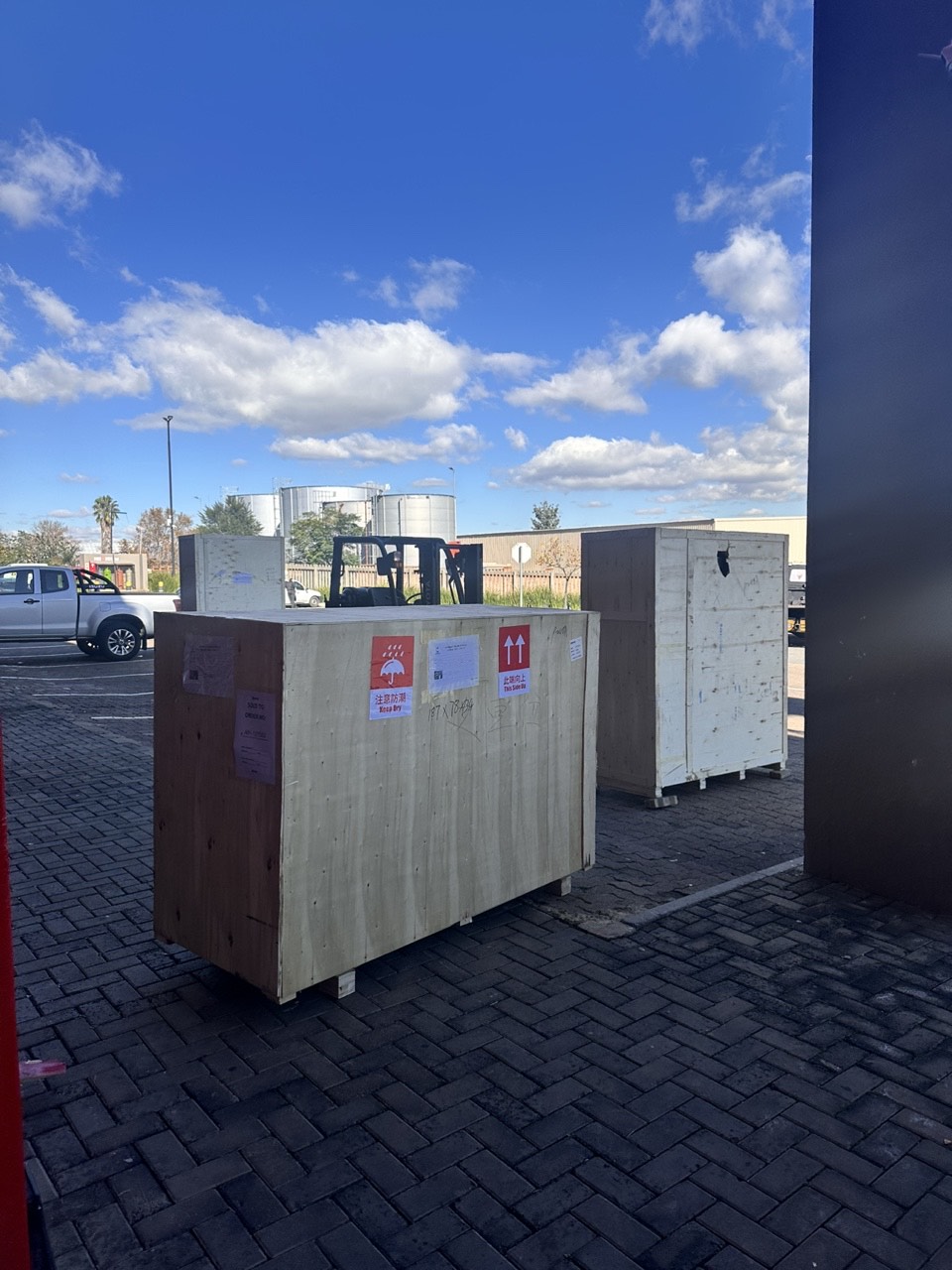
Batch of Orders
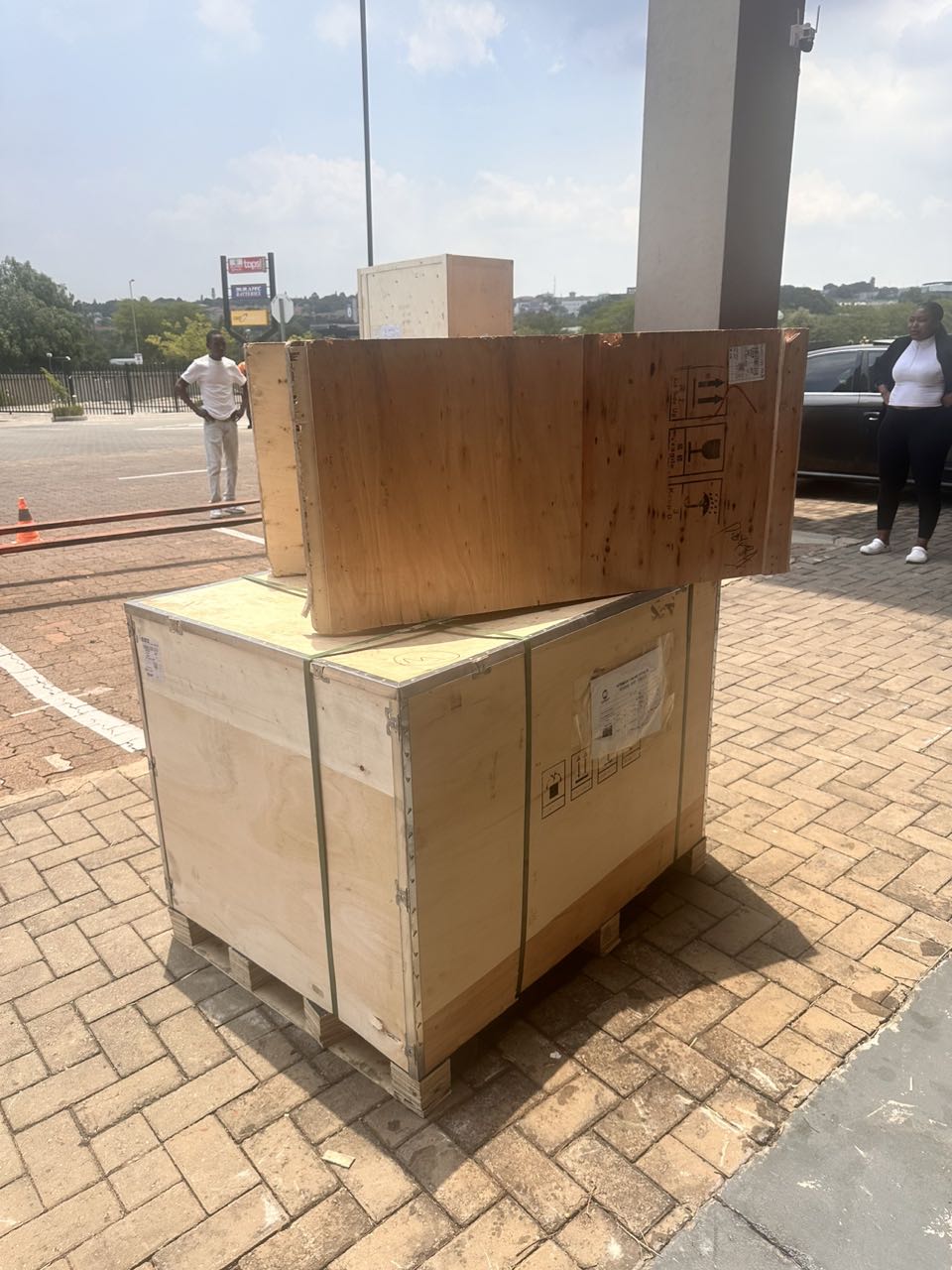
Batch of Orders
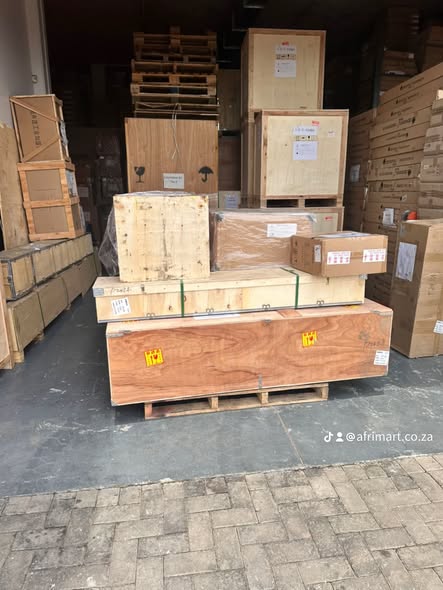
Latest Orders Labelled
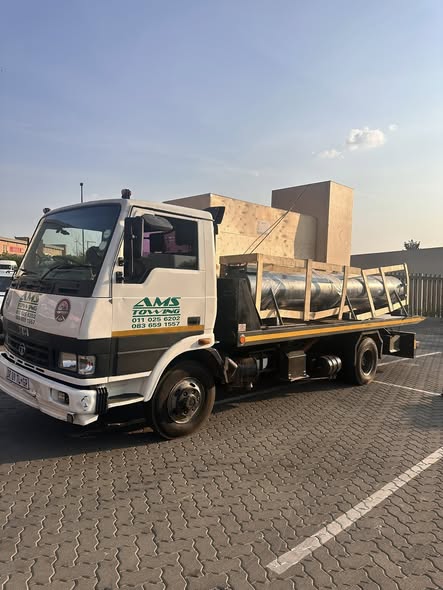
wheel alignment machines
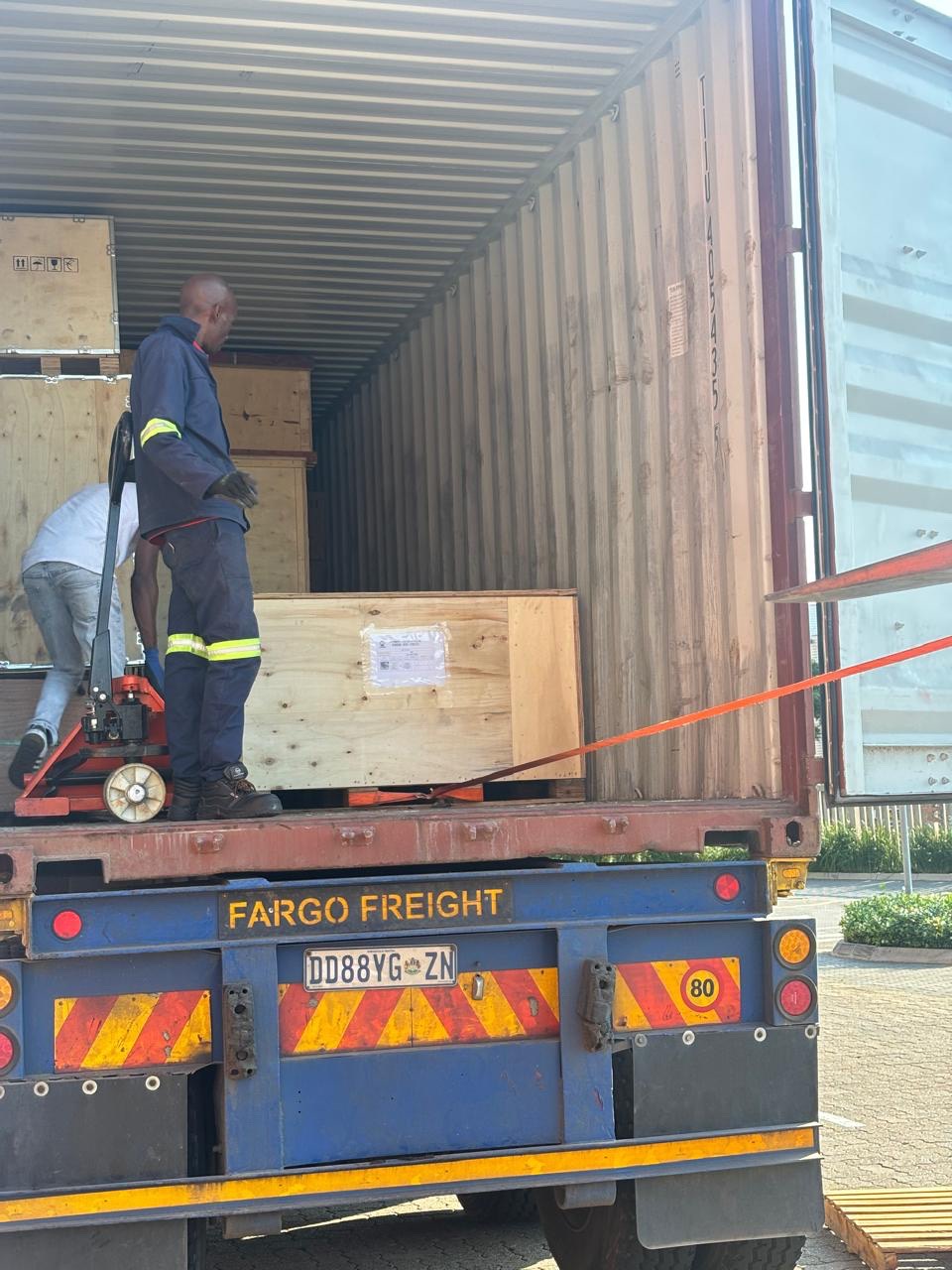
new arrivals
Pre Orders Offloading
Latest Arrivals
Latest Arrivals
Latest Arrivals
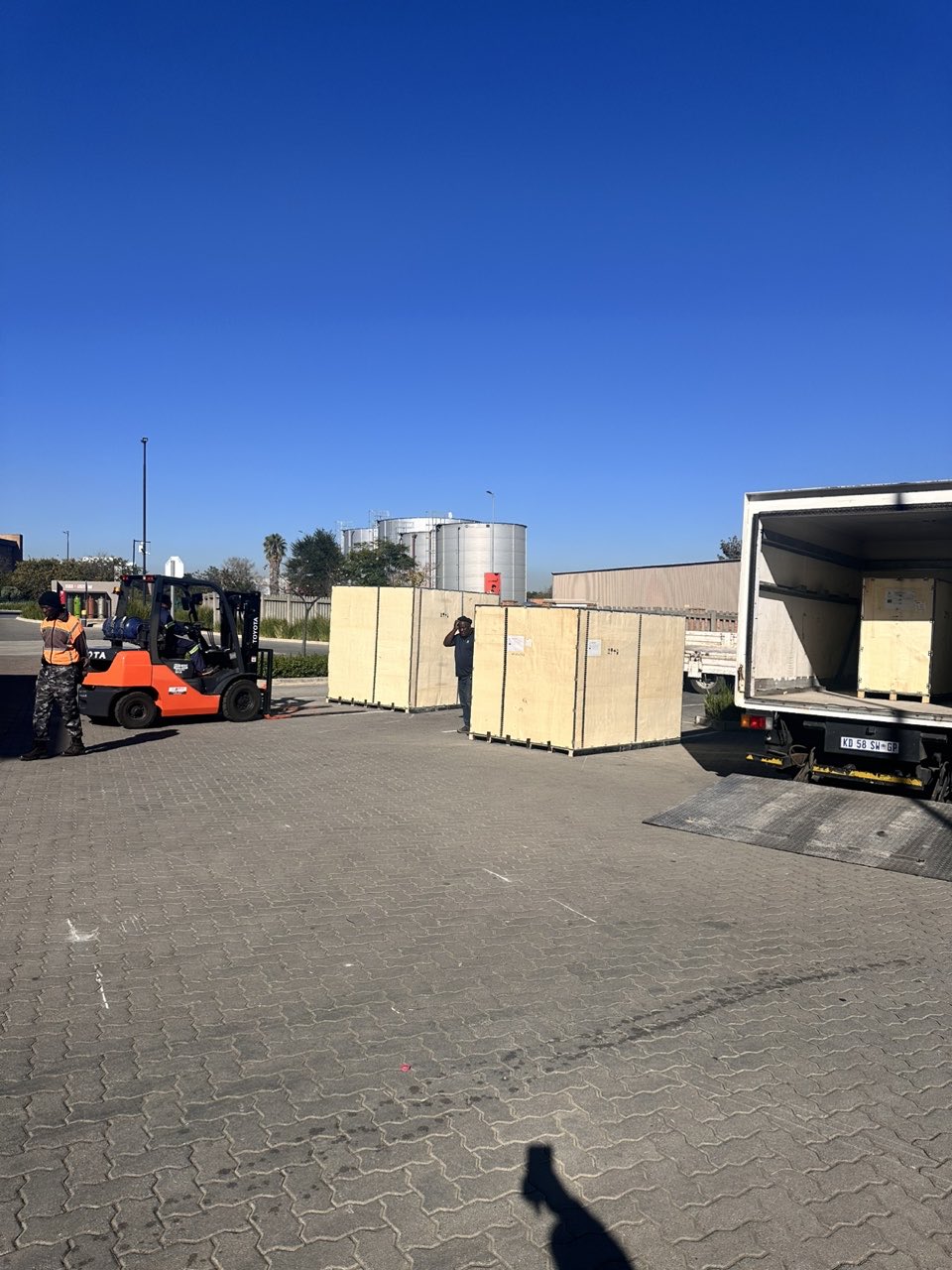
Loading
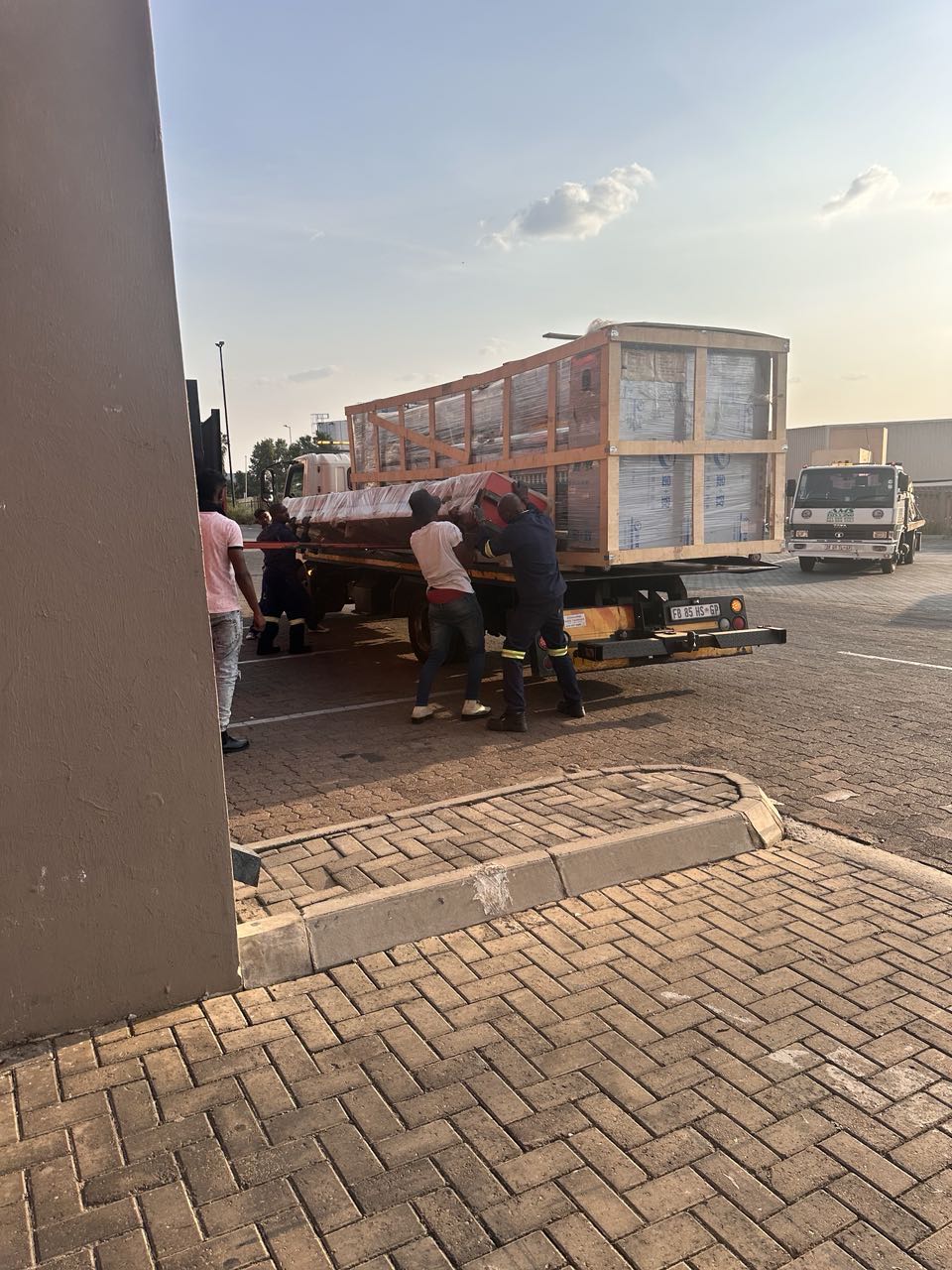
Toilet paper making machine
Toilet paper making machine
Toilet paper Rewinding Machine
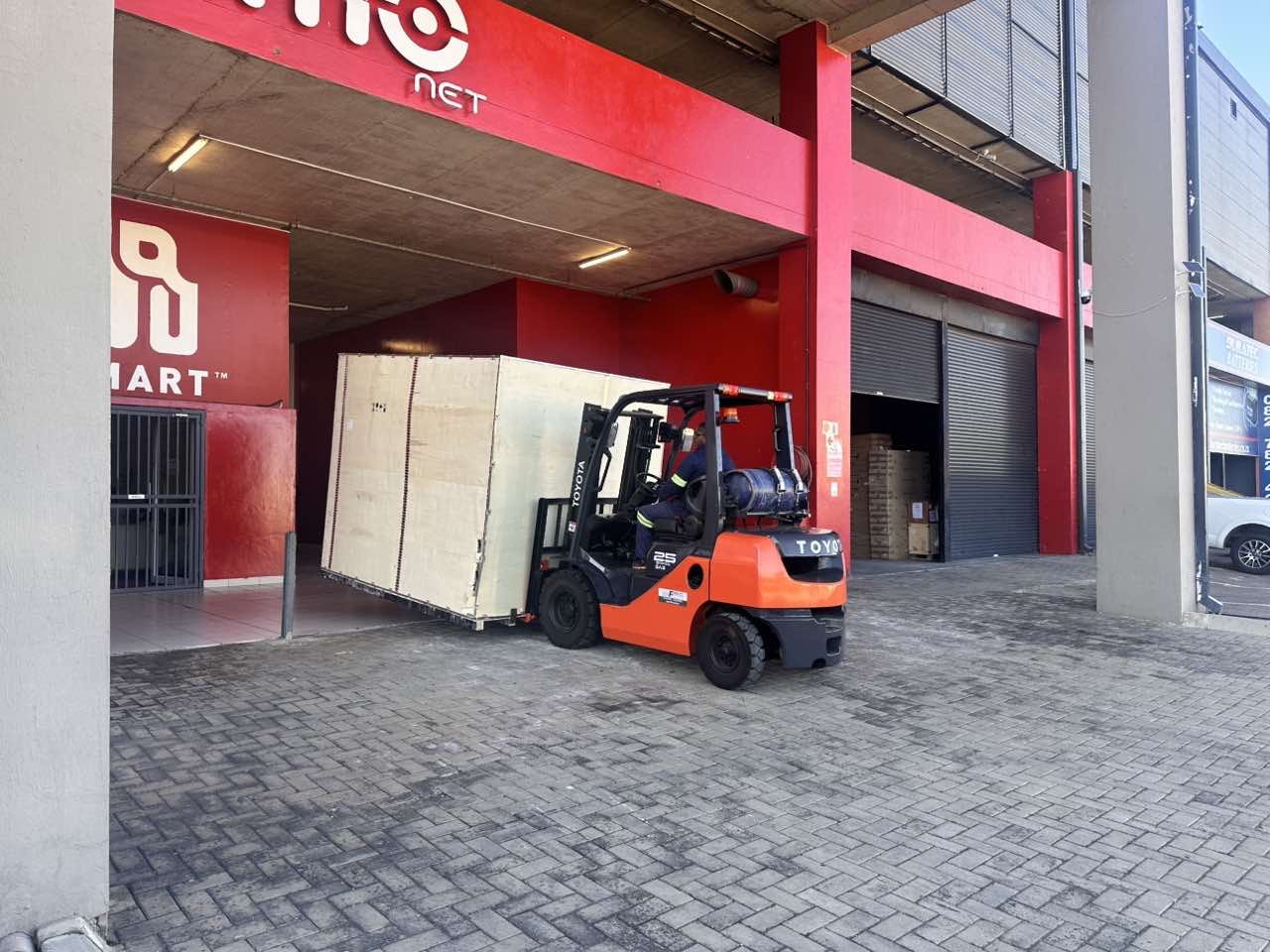
latest arrivals
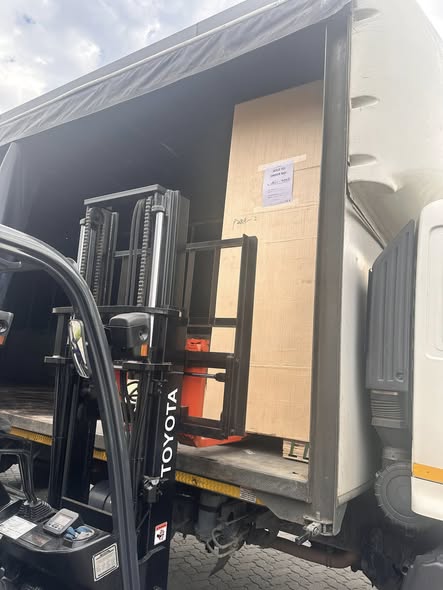
offloading
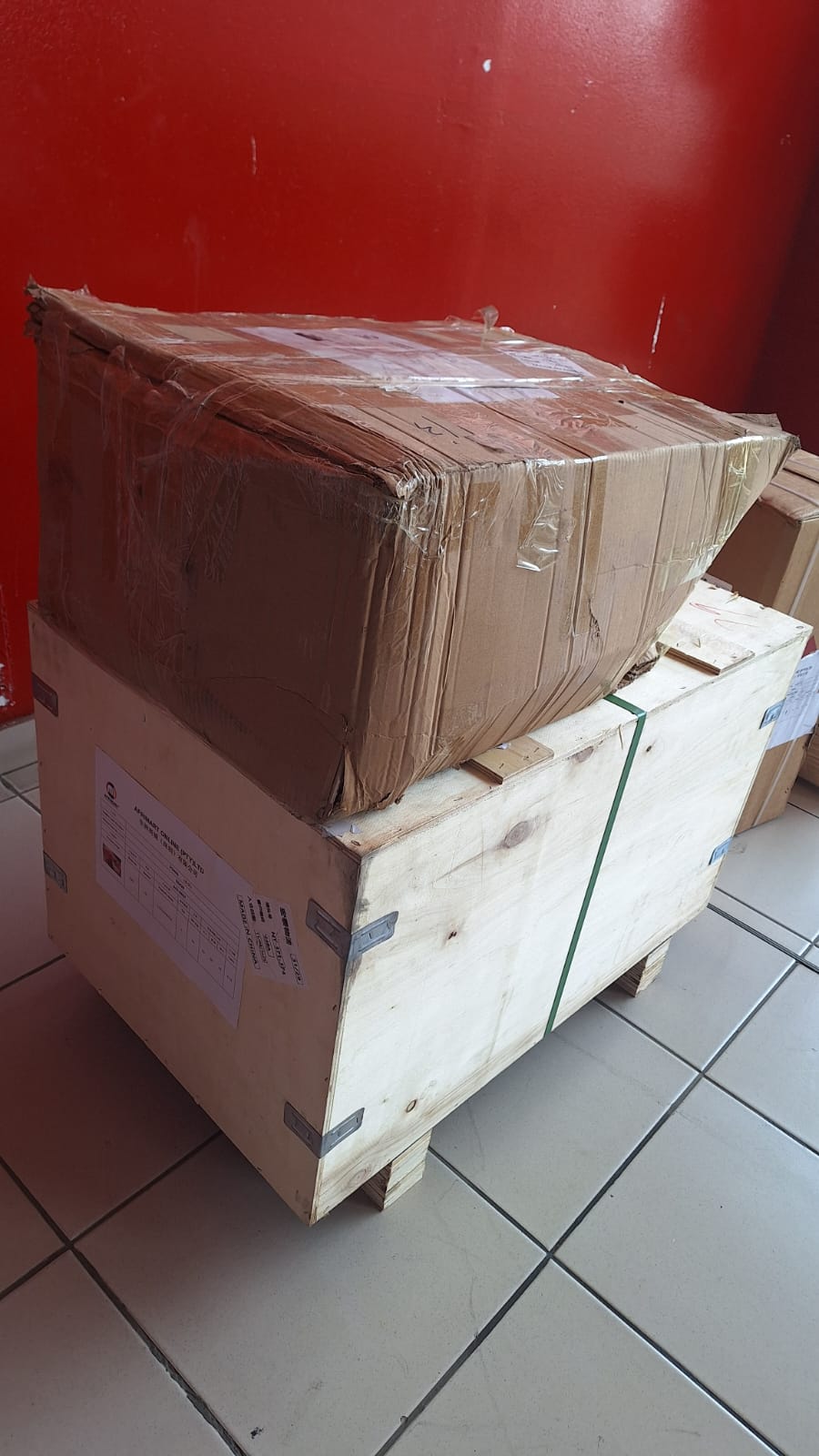
order success
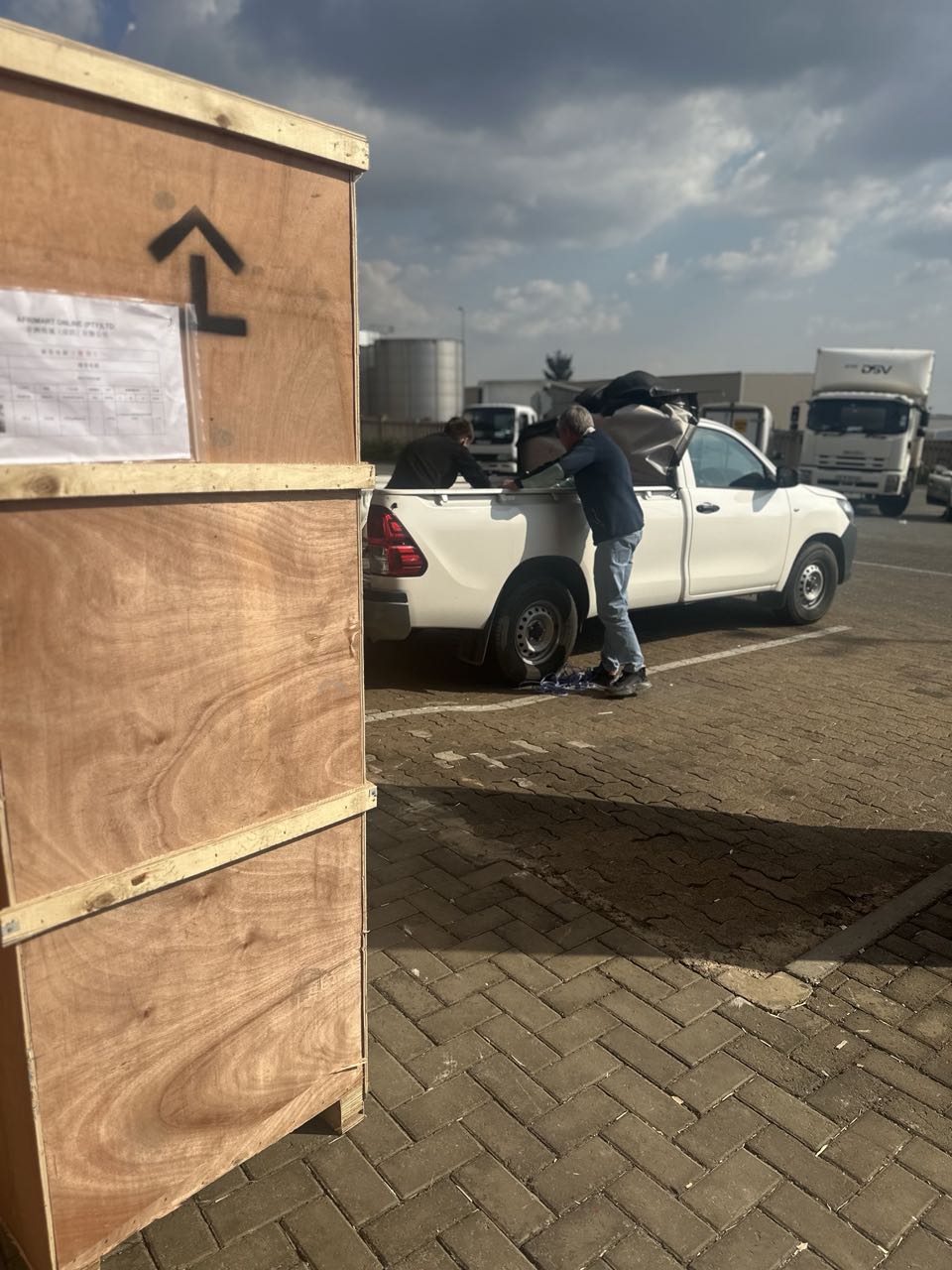
order collection
order offloading