B21, China Town Mall, Midrand

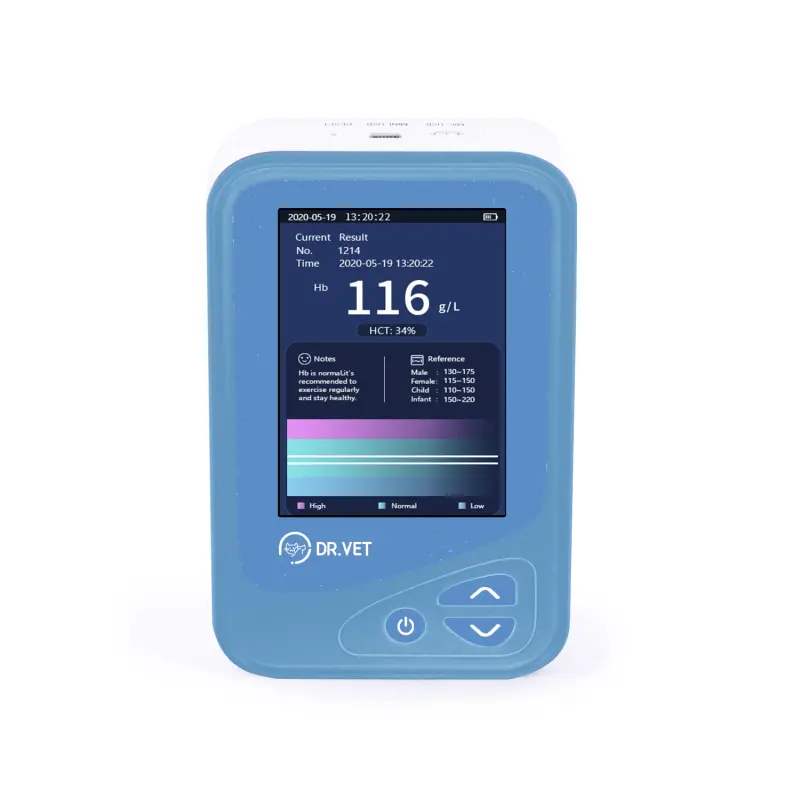
Modern Hemoglobin Analyzer

- Section : Medical Supplies
- Category : Professional Medical Devices
- SKU : 1600184004215


- Shipping Timeframes: All orders are processed within 2-5 business days (excluding weekends and holidays). After your order has been processed, the estimated delivery time is before 22 Aug, 2026, depending on customs, Please note that due to high demand, some items may experience longer shipping times, which will be communicated at order confirmation email.
- Order Processing Time: Please allow 2-5 business days for us to process your order before it is shipped . Orders placed after 16:00 on Fridays, or during weekends and public holidays, will begin processing on the next business day. Processing times may be extended during peak seasons or sales events.
- Manufacturing Time: Some products needs manufacturing time, the manufacturing process will take approximately 10-30 business days depending on the product. This timeframe may vary depending on the complexity of the product and current demand. but this will be communicated with you during order confirmation.
- Returns and Exchanges: We offer a 30-day return policy for most items. If you are not completely satisfied with your purchase, you may return it within 30 days of receipt for a refund or exchange. Items must be unused, in their original packaging, and accompanied by proof of purchase. Return shipping costs are the responsibility of the customer, unless the item was damaged or defective upon arrival.
1. What is a Modern Hemoglobin Analyzer?
A Modern Hemoglobin Analyzer is a medical device used to measure the concentration of hemoglobin in blood samples, providing essential information for diagnosing and monitoring various health conditions.
2. How does the Modern Hemoglobin Analyzer work?
The analyzer uses photometric techniques to measure the absorbance of light at specific wavelengths, allowing it to calculate the hemoglobin concentration in a blood sample.
3. What types of blood samples can be used with this analyzer?
The analyzer is designed to work with whole blood samples, typically collected in EDTA tubes for accurate results.
4. Is the Modern Hemoglobin Analyzer portable?
Yes, many models of Modern Hemoglobin Analyzers are designed to be compact and portable, making them suitable for use in various settings, including clinics, hospitals, and remote locations.
5. What is the typical turnaround time for results?
Most Modern Hemoglobin Analyzers provide results within minutes, allowing for quick decision-making in patient care.
6. Can this analyzer provide results for different types of hemoglobin?
Some advanced models can differentiate between various types of hemoglobin, such as fetal hemoglobin and hemoglobin variants, while others may focus solely on total hemoglobin concentration.
7. What are the maintenance requirements for this device?
Regular maintenance includes calibration, cleaning the optical components, and periodic performance checks to ensure accurate readings and longevity of the device.
8. Is training required to operate the Modern Hemoglobin Analyzer?
While the device is designed for user-friendly operation, training is recommended to ensure proper usage, maintenance, and understanding of the results provided.
9. What is the warranty period for the Modern Hemoglobin Analyzer?
The warranty period may vary by manufacturer, but typically ranges from one to three years, covering defects in materials and workmanship.
10. Can the analyzer connect to laboratory information systems?
Many Modern Hemoglobin Analyzers come equipped with connectivity options to integrate with laboratory information systems for efficient data management and reporting.
11. What are the power requirements for the device?
The power requirements typically involve standard electrical outlets, though some models may offer battery operation for added portability.
12. Is there a specific temperature range for operating the analyzer?
Yes, most analyzers have a specified temperature range for optimal performance, usually between 15°C to 30°C (59°F to 86°F).
13. What safety features are included in the Modern Hemoglobin Analyzer?
Safety features may include automatic shut-off, error alerts for incorrect sample handling, and protective covers to prevent contamination.
14. How often should the analyzer be calibrated?
Calibration frequency can vary based on usage and manufacturer guidelines, but regular calibration is typically recommended at least once a month.
15. Where can I find user manuals and technical support for the analyzer?
User manuals and technical support can usually be found on the manufacturer's website, or by contacting their customer service department directly.
Latest Order Arrivals
Discover our latest orders

12 Heads Embroidery Machine

Toilet Paper Machine Machine

Order Collection

Cross Border Clients

Order cros border countries Collected

Industrial Machine Cllection

Agriculture Processing Machines

Ready for collection

Water Pump Equipment

Packaging Machine and accessories

Fabrics Manufacturing Equipment

Mining Equipments

Food Processing Machine

Batch of Orders

Batch of Orders

Latest Orders Labelled

wheel alignment machines

new arrivals

Pre Orders Offloading

Latest Arrivals

Latest Arrivals

Latest Arrivals

Loading

Toilet paper making machine

Toilet paper making machine

Toilet paper Rewinding Machine

latest arrivals

offloading

order success

order collection

order offloading