B21, China Town Mall, Midrand

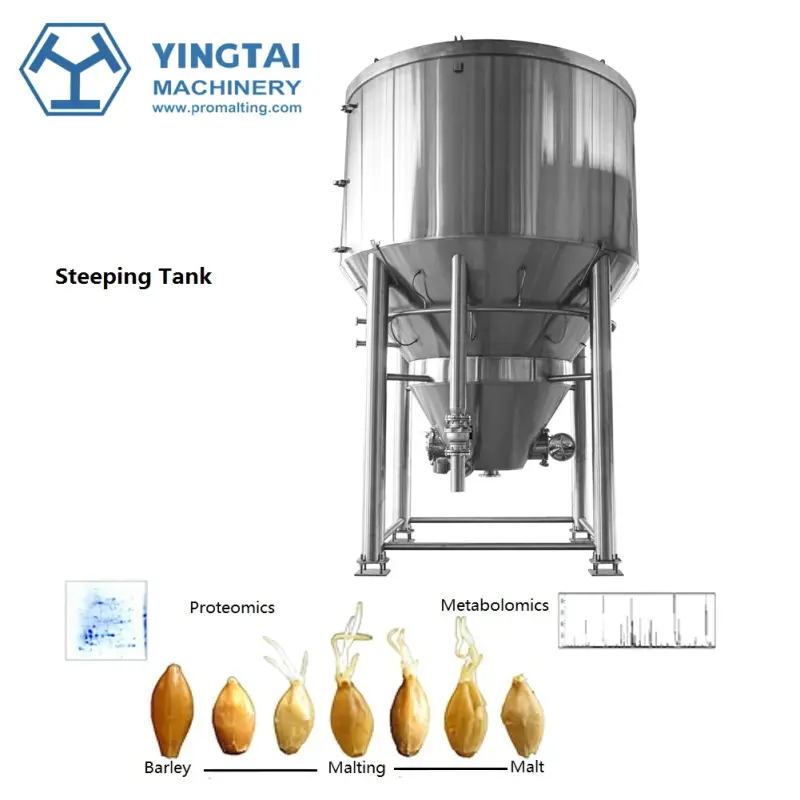
Modern Craft Malting Barley Steep Tank Malt Steeping Vessel Barley
Asset finance available
Do you want funding for this equipment?
Afrimart can connect you with trusted funding partners who specialise in asset finance for businesses like yours. Compare options and apply in minutes — final approval is subject to provider review.
Check funding options
Secure & no obligation

- Section : Machinery
- Category : Food & Beverage Machinery
- SKU : 60774692280



Main equipment
1. Barley Receiving and Screening System
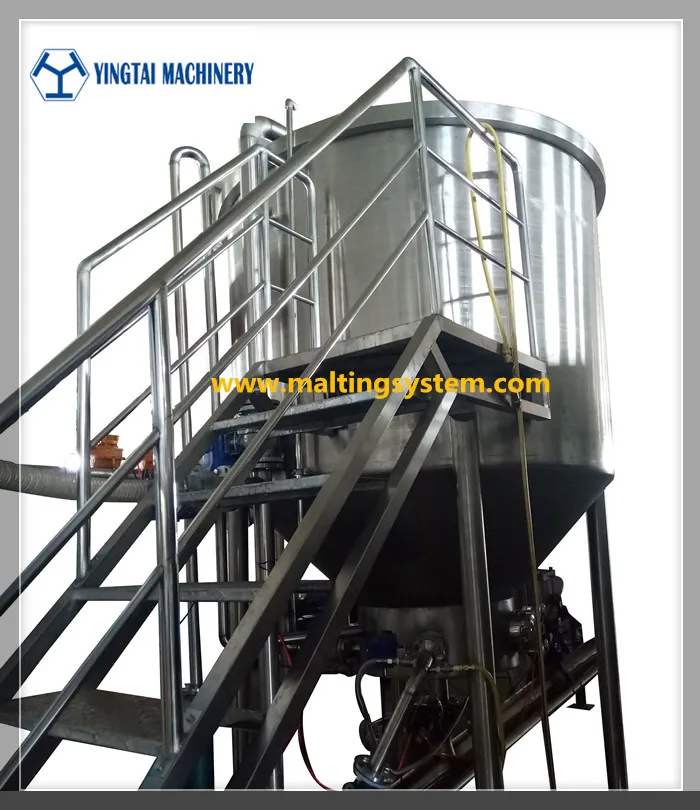
2. Barley Steeping System
Process description 1. Barley into the hopper, raised by the conveyor to self-balancing vibrating screen (equipped with pulse dust collector dust). The screened barley and water are mixed by a non-blocking pump to the steeping tank. |
- Shipping Timeframes: All orders are processed within 2-5 business days (excluding weekends and holidays). After your order has been processed, the estimated delivery time is before 11 Dec, 2026, depending on customs, Please note that due to high demand, some items may experience longer shipping times, which will be communicated at order confirmation email.
- Order Processing Time: Please allow 2-5 business days for us to process your order before it is shipped . Orders placed after 16:00 on Fridays, or during weekends and public holidays, will begin processing on the next business day. Processing times may be extended during peak seasons or sales events.
- Manufacturing Time: Some products needs manufacturing time, the manufacturing process will take approximately 10-30 business days depending on the product. This timeframe may vary depending on the complexity of the product and current demand. but this will be communicated with you during order confirmation.
- Returns and Exchanges: We offer a 30-day return policy for most items. If you are not completely satisfied with your purchase, you may return it within 30 days of receipt for a refund or exchange. Items must be unused, in their original packaging, and accompanied by proof of purchase. Return shipping costs are the responsibility of the customer, unless the item was damaged or defective upon arrival.
1. What is the Modern Craft Malting Barley Steep Tank used for?
It is used for receiving, screening and steeping barley as part of the malting process, and—on multi-use models—can also complete germination and drying for roasted malts.
2. What main systems are included with the equipment?
Main equipment includes a barley receiving and screening system (with self-balancing vibrating screen and pulse dust collector) and a barley steeping system that integrates steep tanks, air supply, CO2 pumping, and water supply/drainage.
3. What material is the steeping tank constructed from?
The steeping tank is made of SUS 304 stainless steel.
4. How does the barley move through the system?
Barley is fed into a hopper, conveyed to a vibrating screen, then mixed with water by a non-blocking pump and transferred to the steeping tank; after steeping, malt and water are pumped together to the drum container by a non-blocking pump.
5. Is the process automated?
Yes. The described processes—including receiving, screening, steeping, germination and drying—are controlled fully automatically. Typical systems use PLC-based controls with operator interfaces, but exact controls should be confirmed with the supplier.
6. How long does the steeping stage take?
General steeping time is less than 48 hours; exact duration depends on barley type and process settings.
7. What air/gas systems are provided in the steep tank?
The tank includes an air supply system and a CO2 pumping system to meet intermittent ventilation and process gas requirements (oxygenation and CO2 management) during steeping and germination.
8. Can this system handle roasted malts?
Yes. The Laizhou YINGTAI multi-use craft malting steeping tank is designed to complete germination and drying for roasted malts, with ventilating, oxygen supply and cooling during germination and a hot air furnace for controlled drying.
9. How is drying handled?
Drying is performed in the drying section using a hot air furnace, allowing control of different temperatures until the malt reaches required process indices.
10. What cleaning and sanitation features are available?
The SUS 304 construction supports sanitary cleaning. Specific CIP (clean-in-place) or sanitation options should be discussed with the manufacturer as they may be available or configurable.
11. What maintenance is required?
Regular maintenance typically includes inspection and cleaning of screens, pumps (non-blocking pumps), air and CO2 lines, pulse dust collector filters, seals and control system checks. Follow the manufacturer's maintenance schedule for details.
12. Can the equipment be customized for different capacities or process requirements?
Yes. Capacity, automation level, heating/drying specifications and ancillary systems are commonly customizable. Contact the supplier with your throughput and process requirements for a tailored solution.
13. What safety features should I expect?
Standard safety features include stainless steel sanitary construction, controlled ventilation and gas handling (CO2), automated controls with alarms interlocks, and safe access points. Request specific safety certifications and options from the vendor.
14. What information do you need to provide a quotation?
Typical details include desired throughput (kg/h or tons/day), batch size, target malt types (base or roasted malts), available utilities (power, steam, compressed air), installation location, and any required automation or certification standards.
15. Who provides spare parts and technical support/warranty?
Spare parts, technical support and warranty terms are provided by the manufacturer or authorized distributor—contact the supplier for details on warranty length, spare parts kits and after-sales service agreements.
Latest Order Arrivals
Discover our latest orders
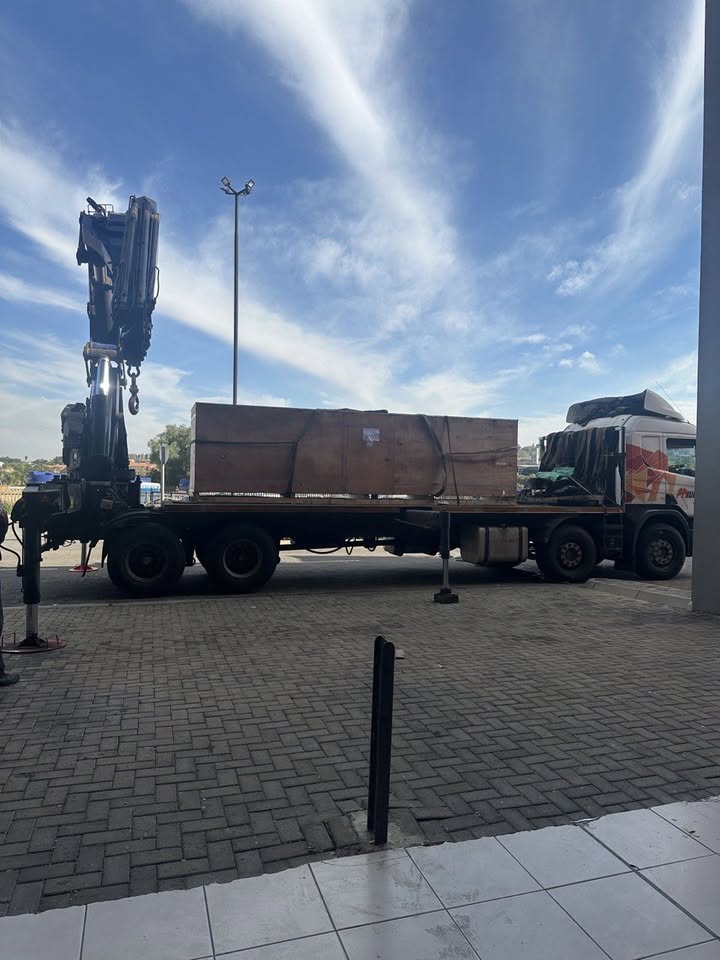
12 Heads Embroidery Machine
Toilet Paper Machine Machine
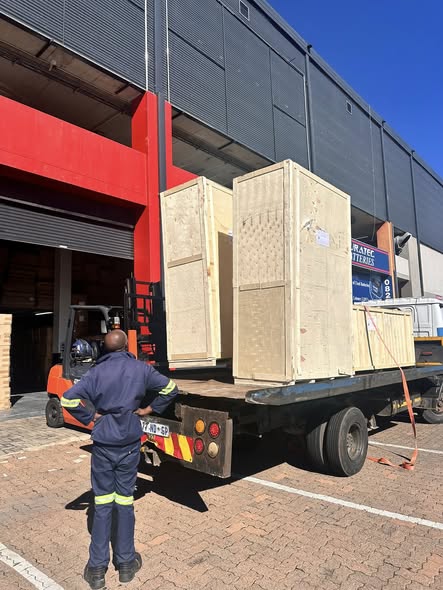
Order Collection
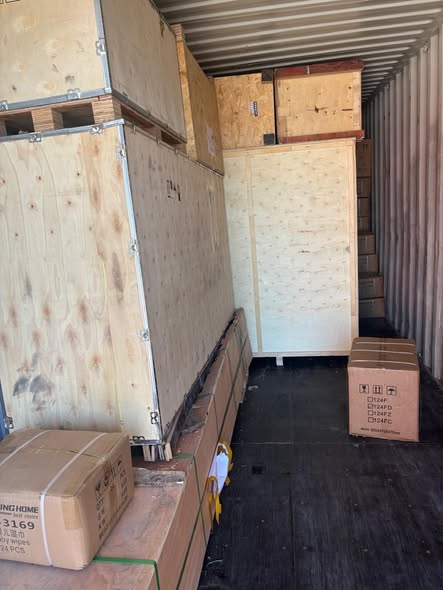
Cross Border Clients
Order cros border countries Collected
Industrial Machine Cllection
Agriculture Processing Machines
Ready for collection
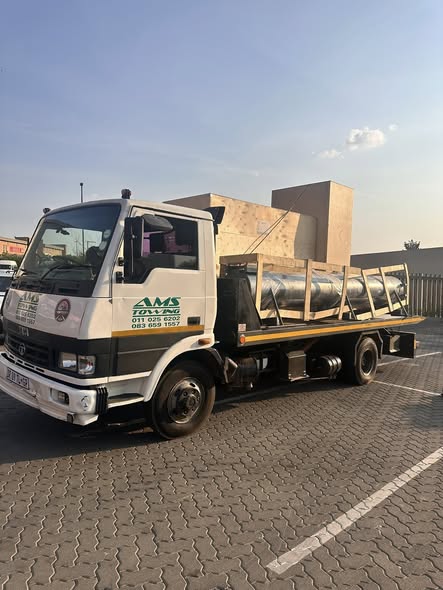
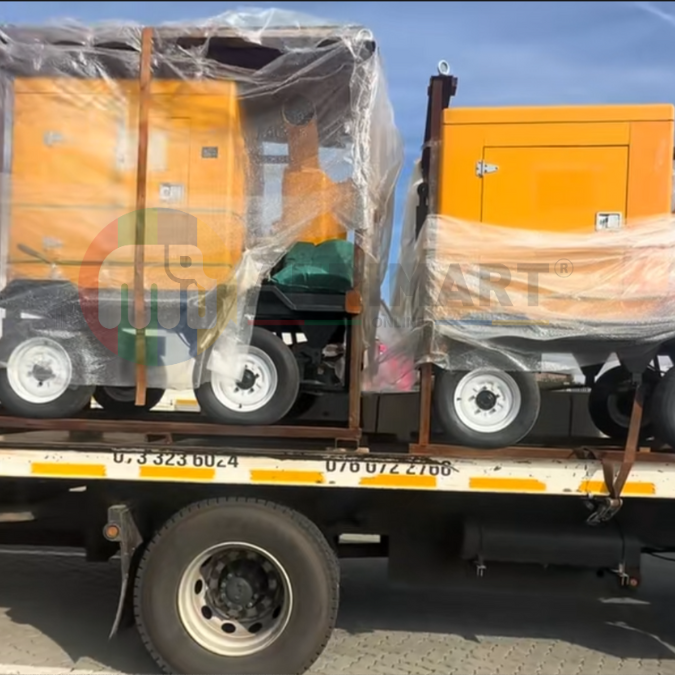
Water Pump Equipment
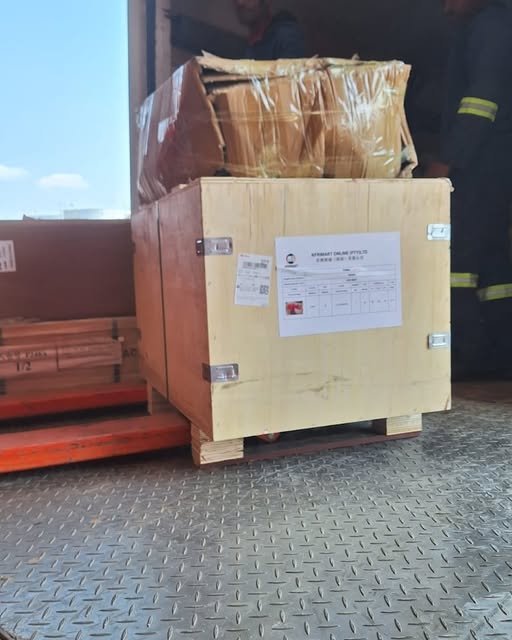
Packaging Machine and accessories
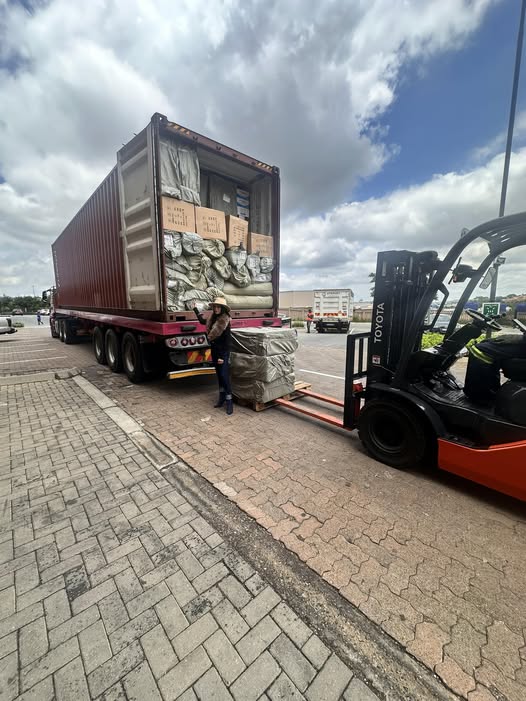
Fabrics Manufacturing Equipment
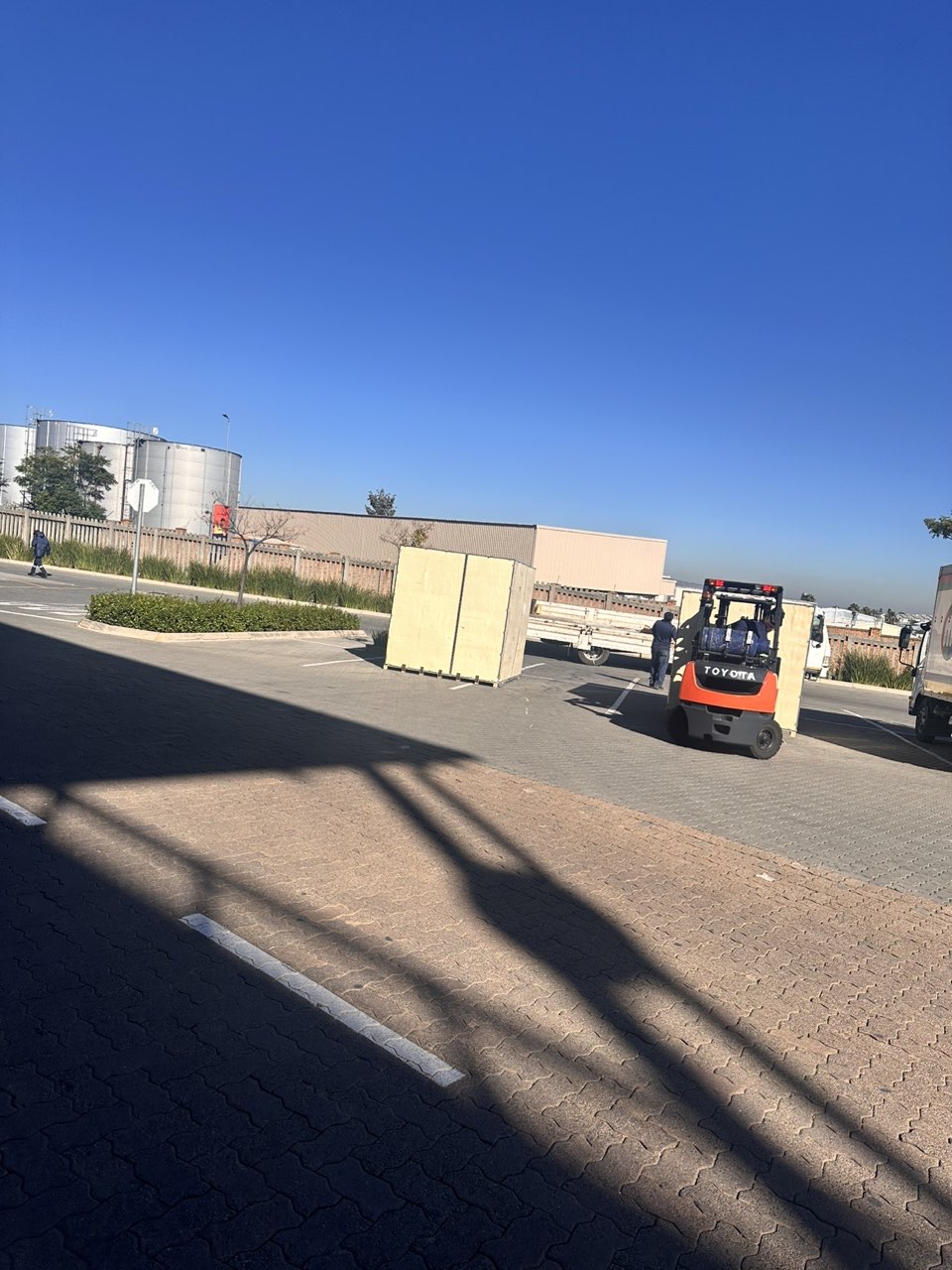
Mining Equipments
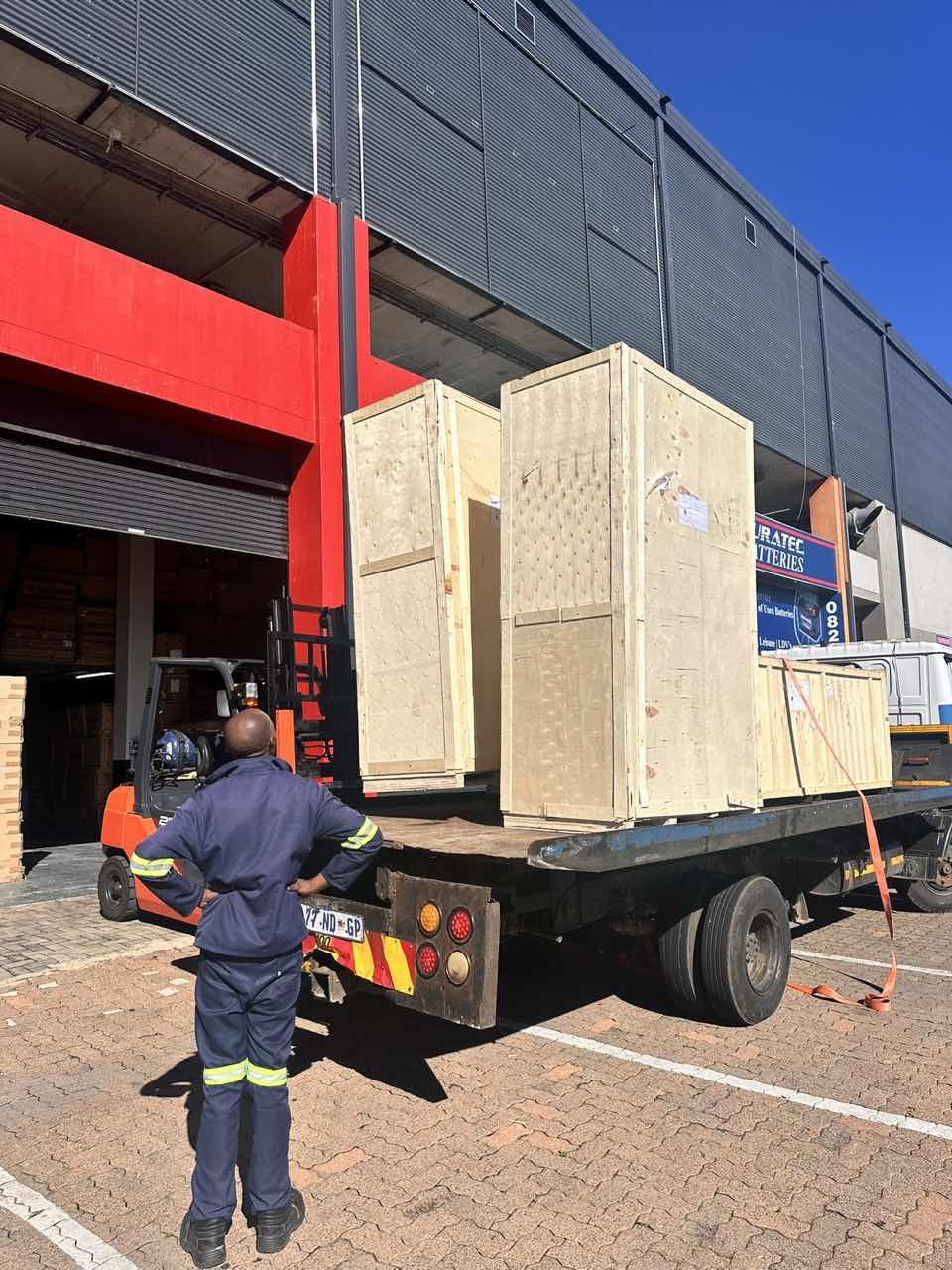
Food Processing Machine
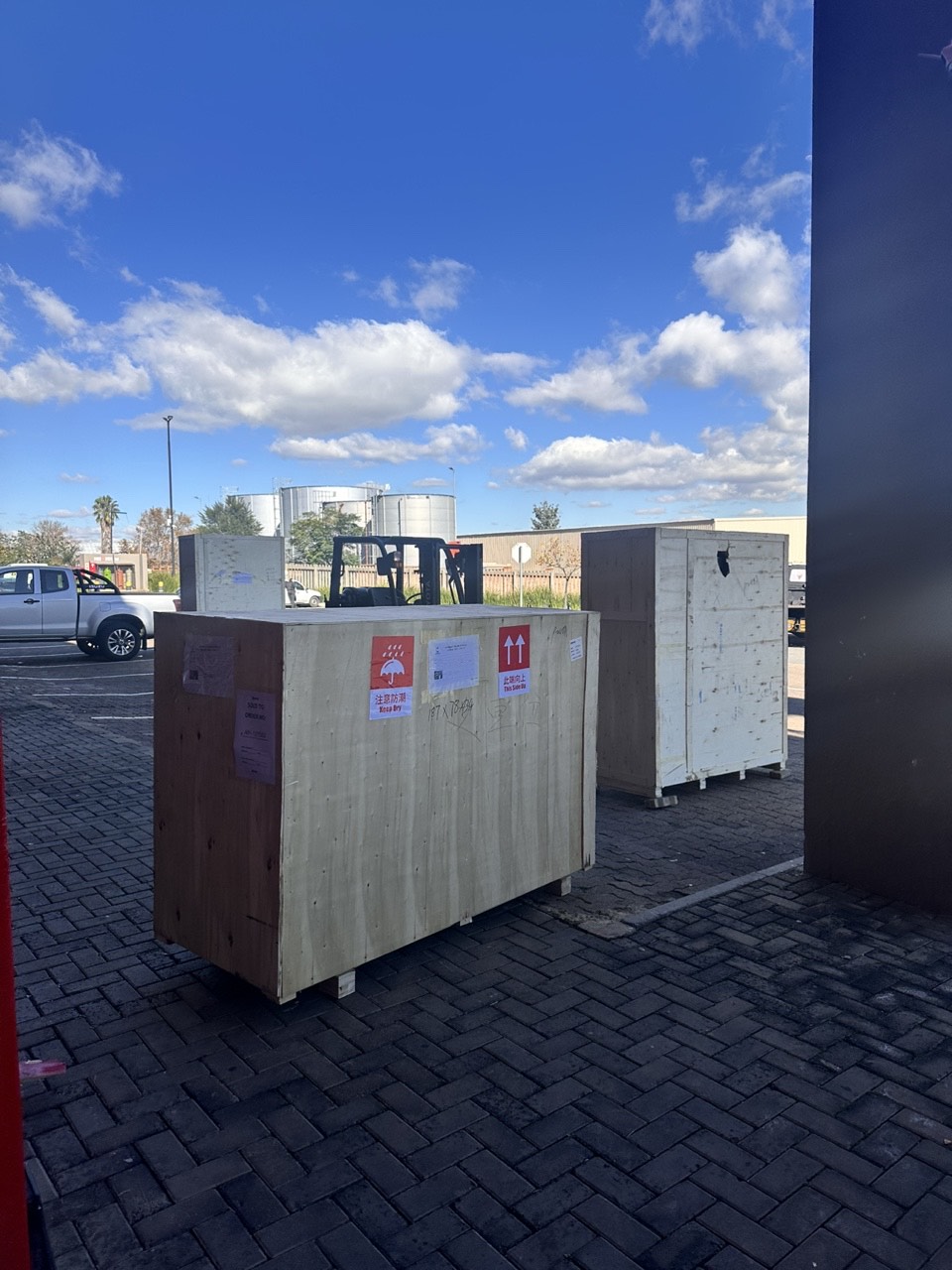
Batch of Orders
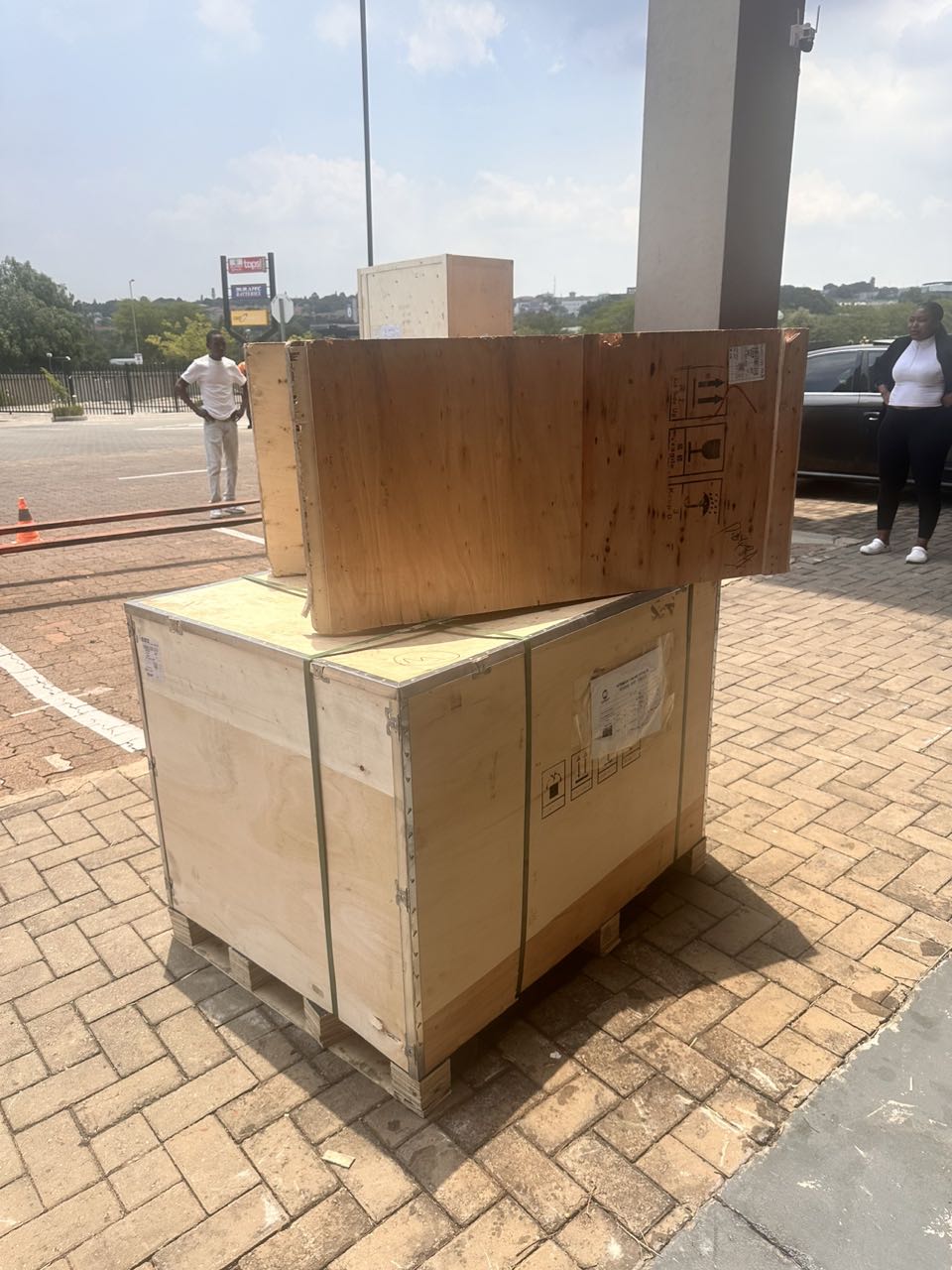
Batch of Orders
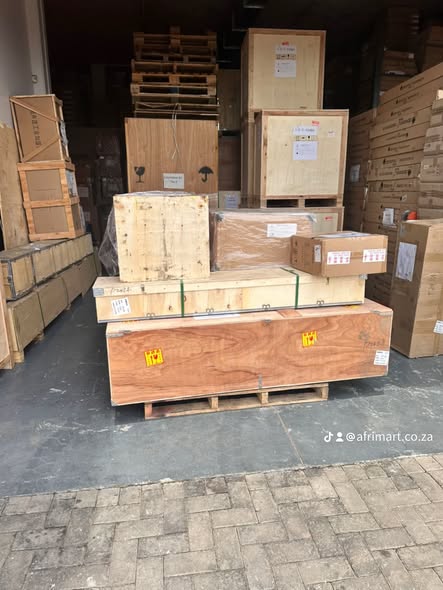
Latest Orders Labelled
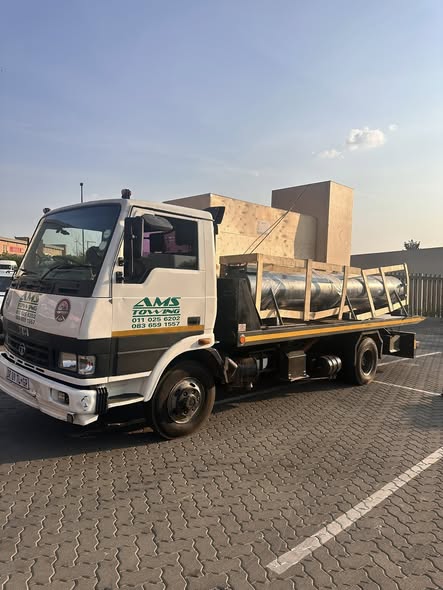
wheel alignment machines
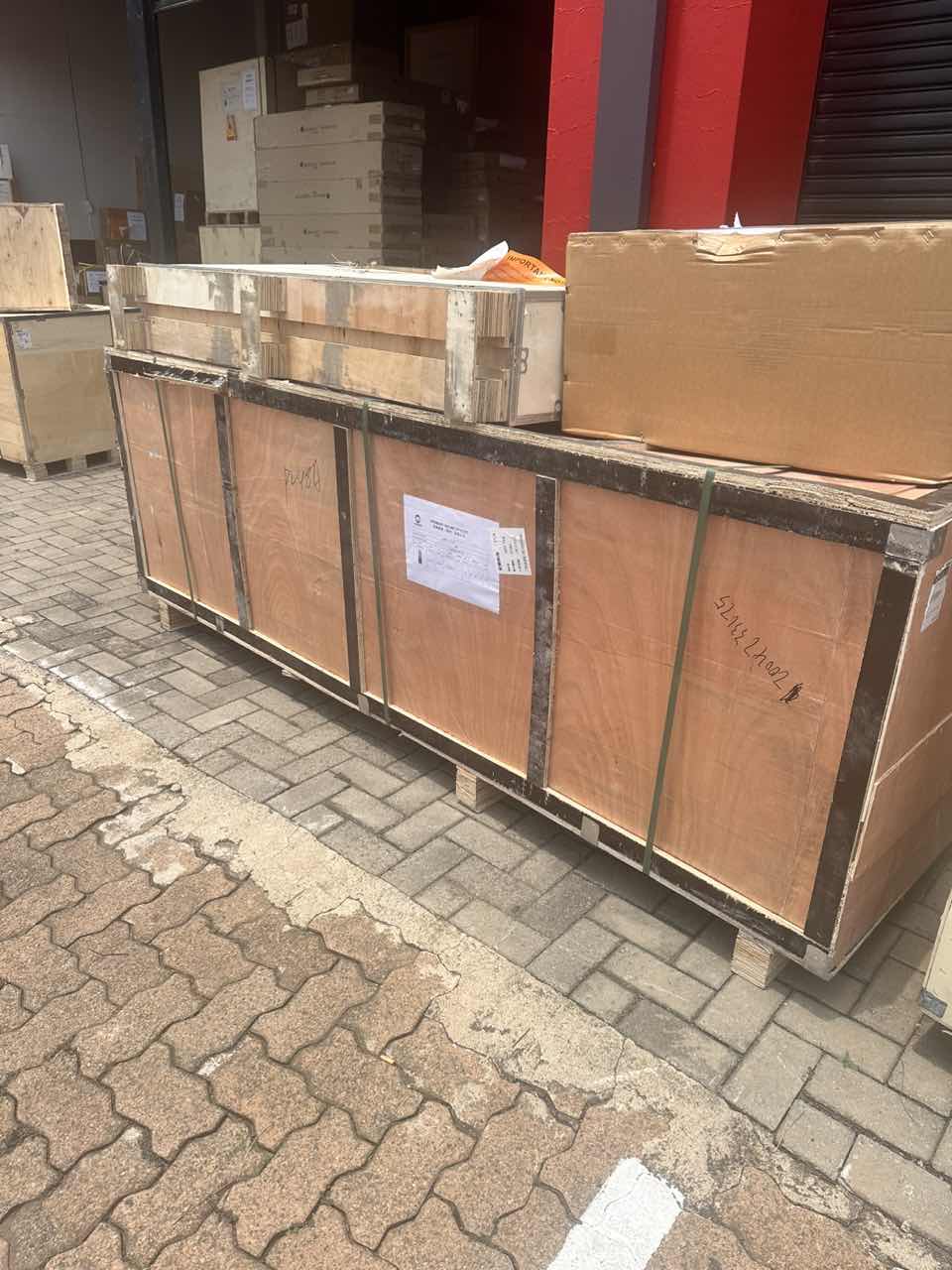
new arrivals
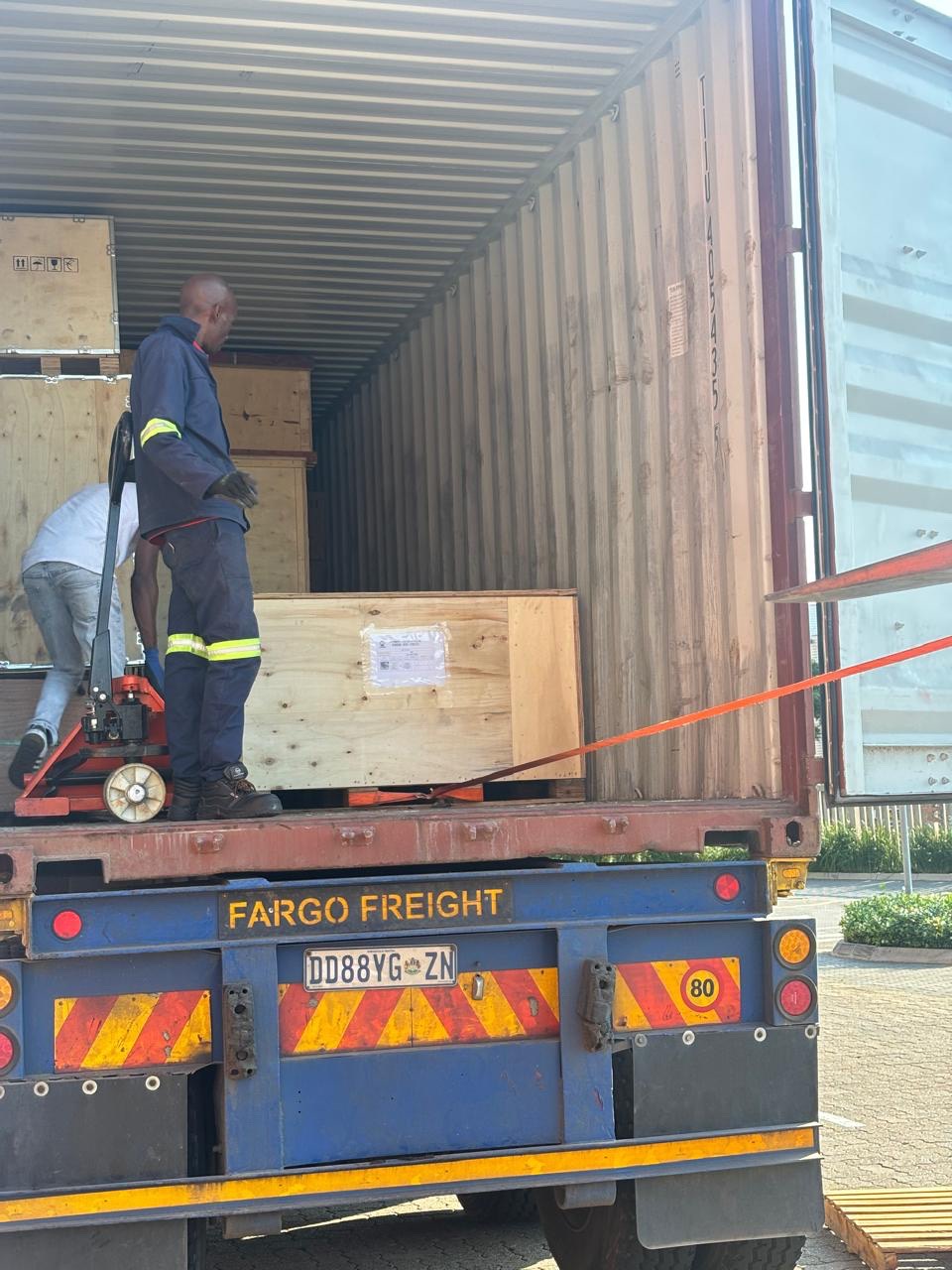
Pre Orders Offloading
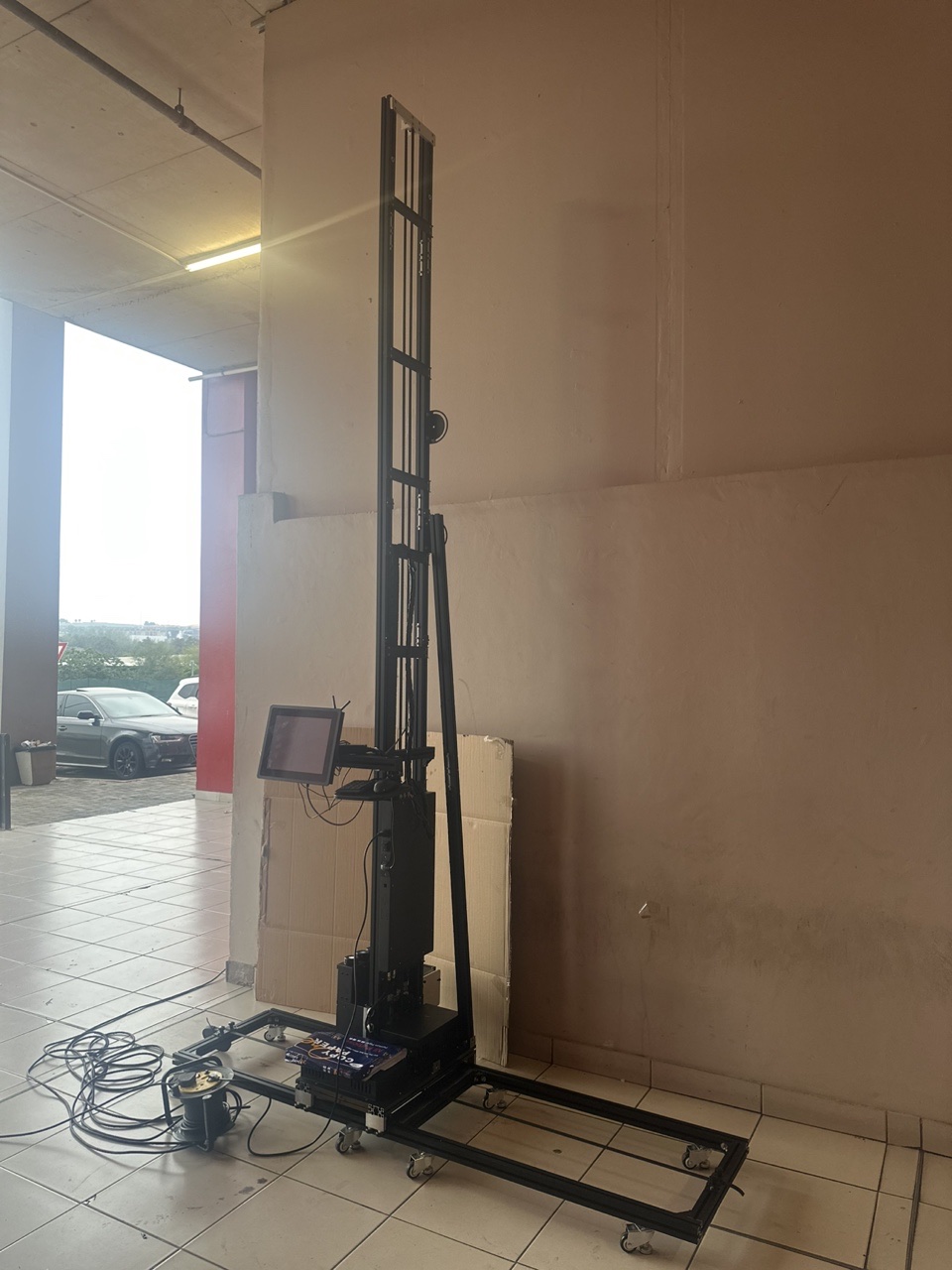
Latest Arrivals
Latest Arrivals
Latest Arrivals
Loading
Toilet paper making machine
Toilet paper making machine
Toilet paper Rewinding Machine
latest arrivals
offloading
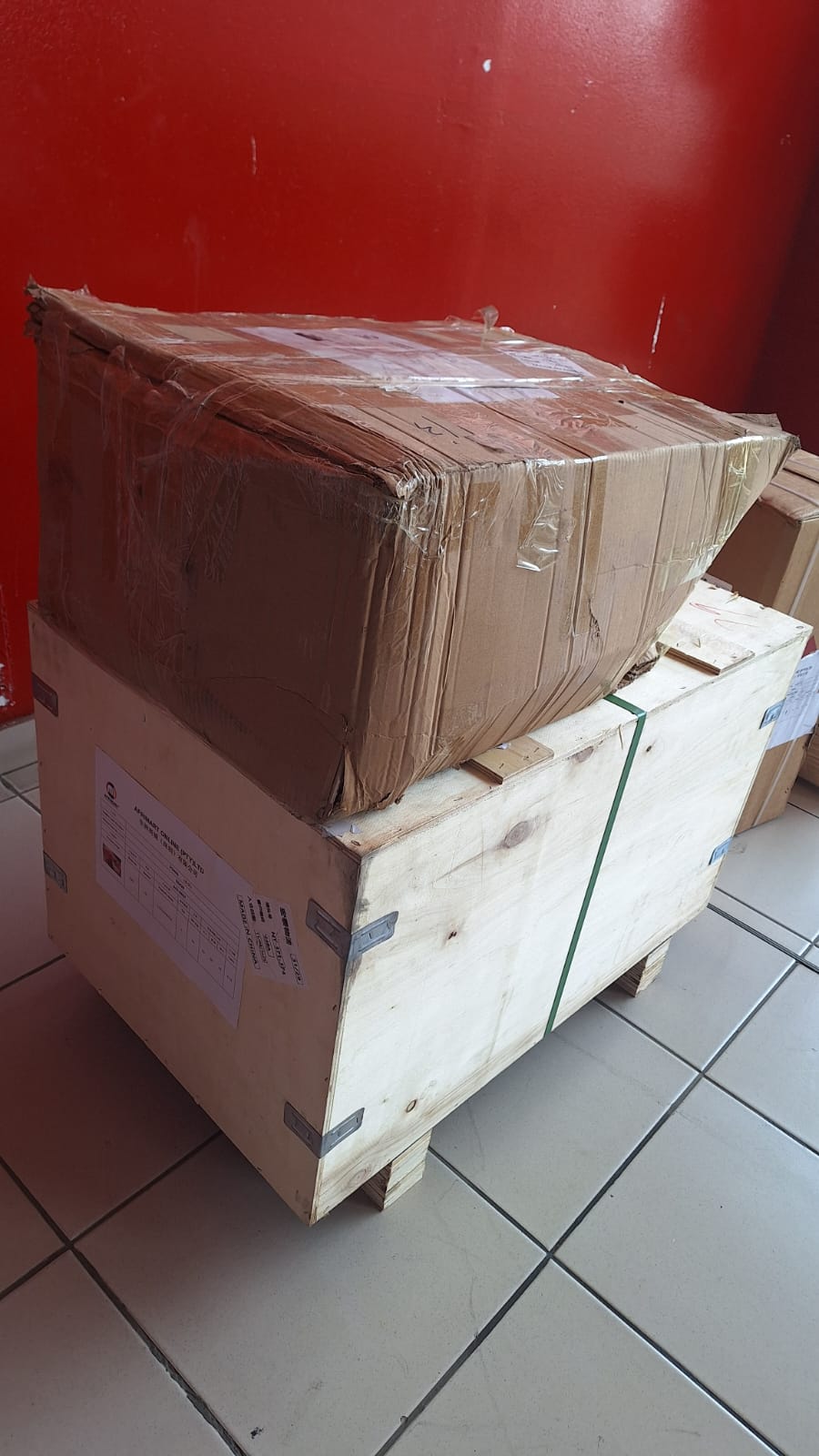
order success
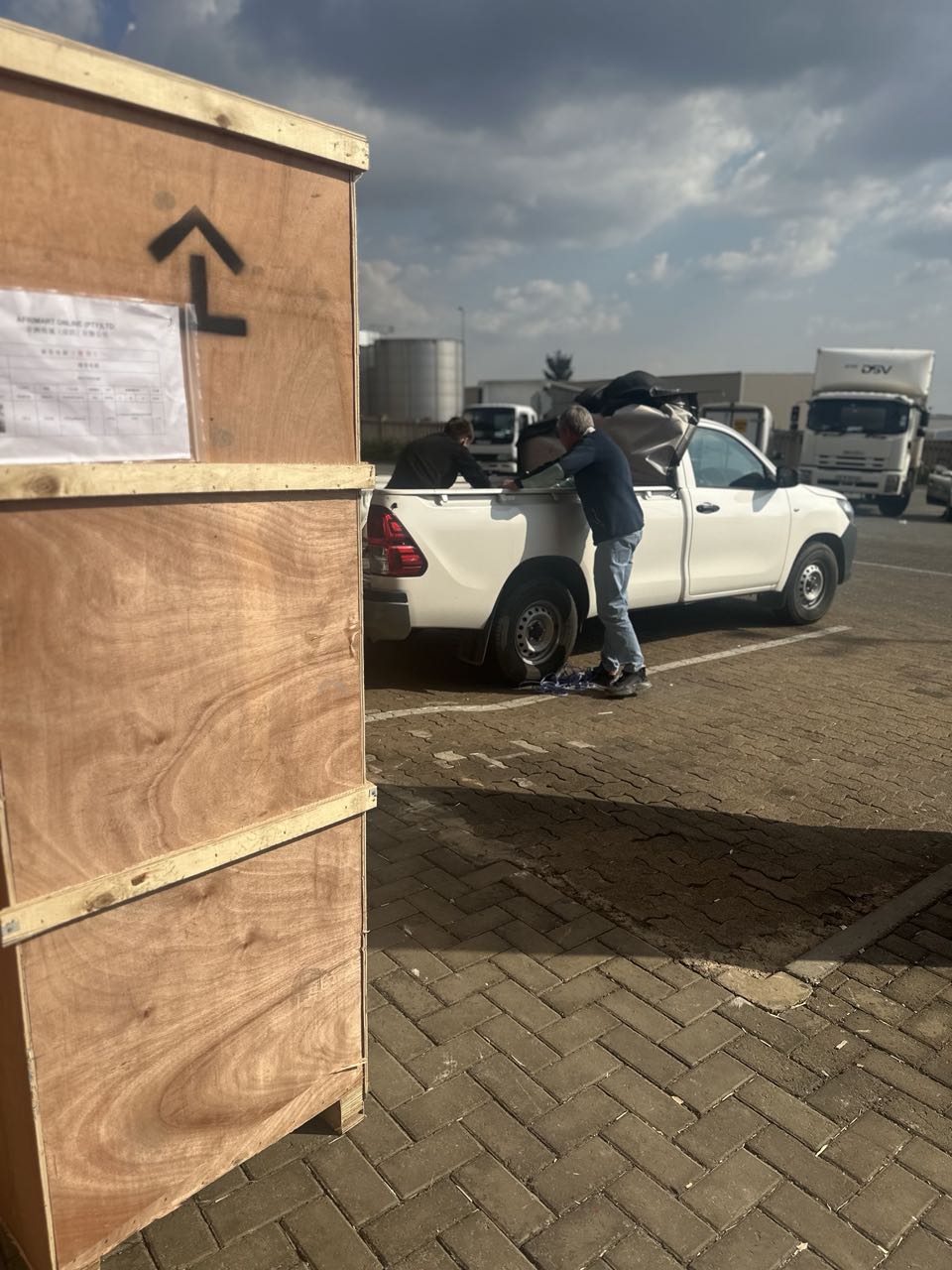
order collection
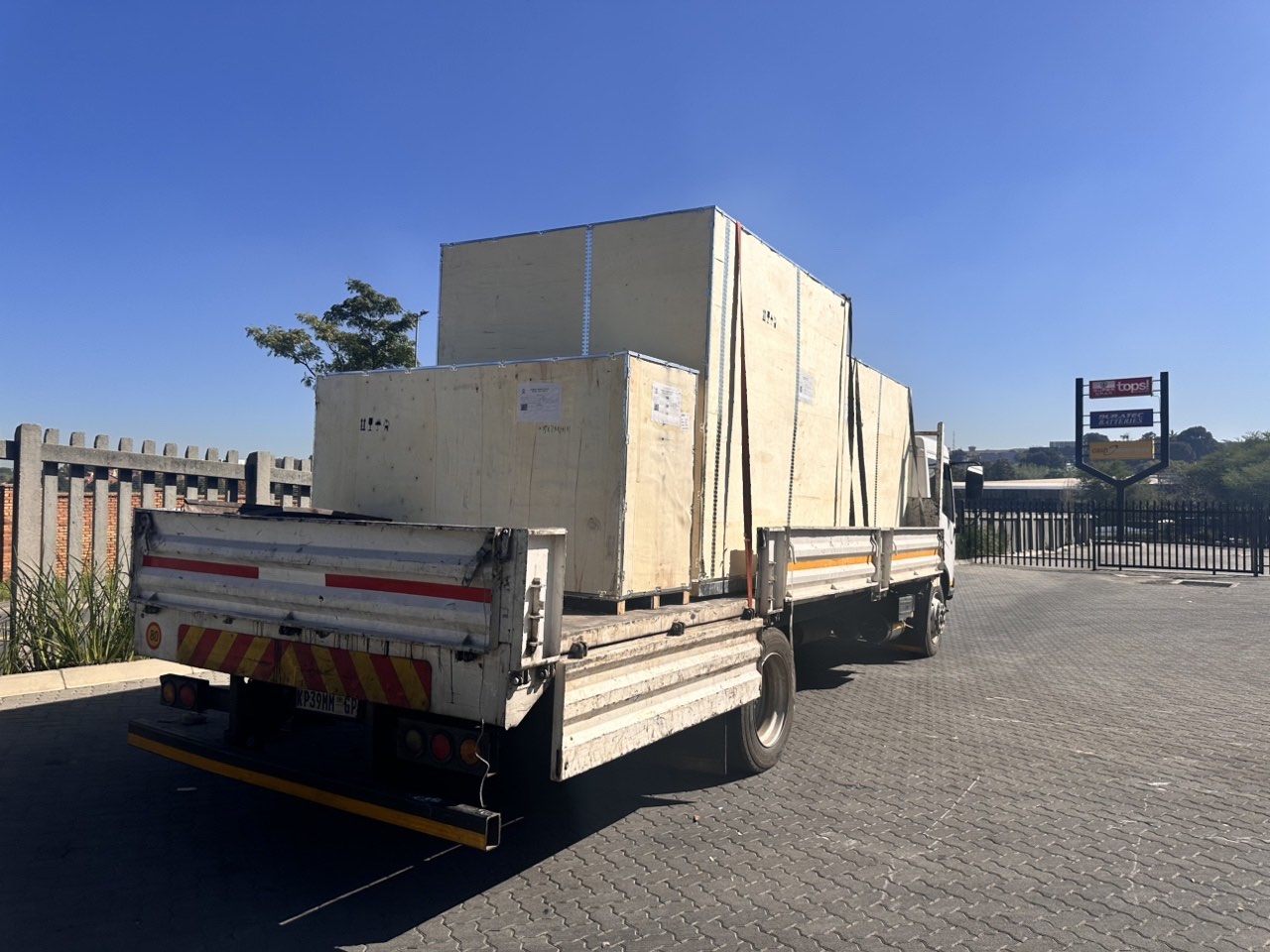
order offloading