B21, China Town Mall, Midrand

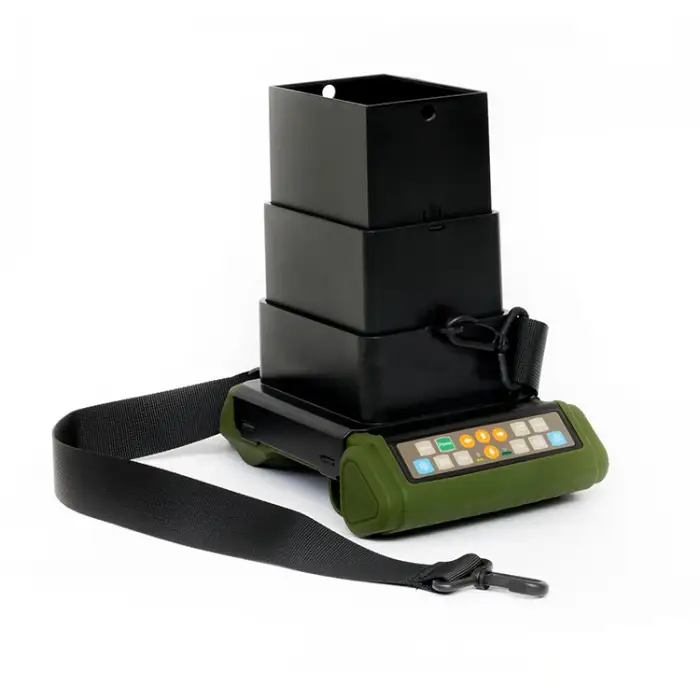
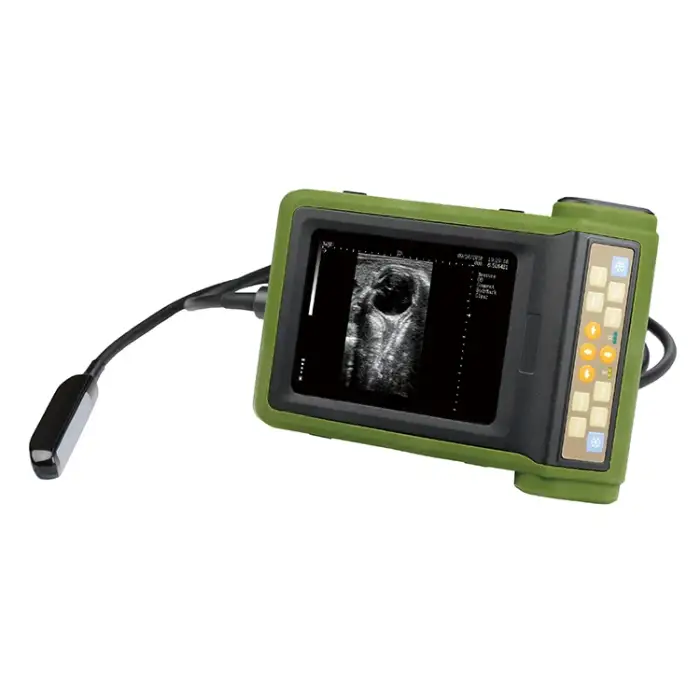
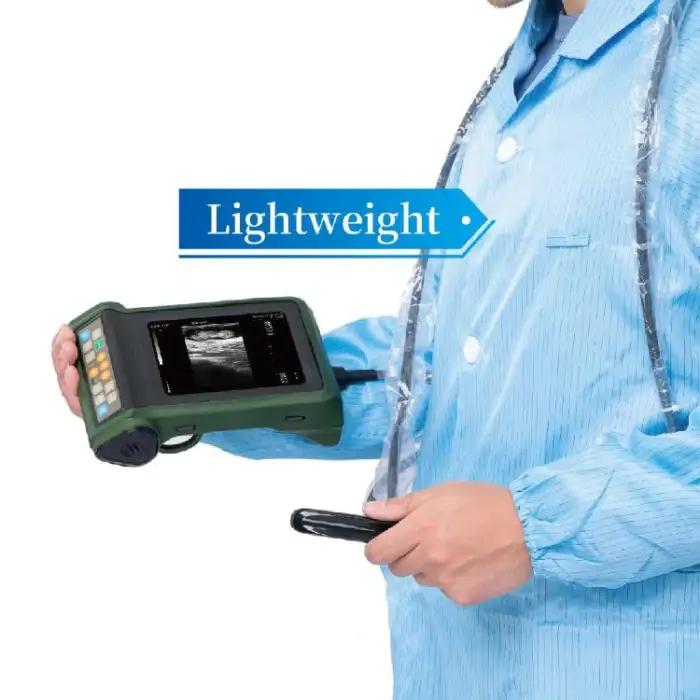

Medical flexible endoscope machine
Asset finance available
Do you want funding for this equipment?
Afrimart can connect you with trusted funding partners who specialise in asset finance for businesses like yours. Compare options and apply in minutes — final approval is subject to provider review.
Check funding options
Secure & no obligation

- SKU : 1601225643583

Overview
Product Description


- Shipping Timeframes: All orders are processed within 2-5 business days (excluding weekends and holidays). After your order has been processed, the estimated delivery time is before 09 Dec, 2026, depending on customs, Please note that due to high demand, some items may experience longer shipping times, which will be communicated at order confirmation email.
- Order Processing Time: Please allow 2-5 business days for us to process your order before it is shipped . Orders placed after 16:00 on Fridays, or during weekends and public holidays, will begin processing on the next business day. Processing times may be extended during peak seasons or sales events.
- Manufacturing Time: Some products needs manufacturing time, the manufacturing process will take approximately 10-30 business days depending on the product. This timeframe may vary depending on the complexity of the product and current demand. but this will be communicated with you during order confirmation.
- Returns and Exchanges: We offer a 30-day return policy for most items. If you are not completely satisfied with your purchase, you may return it within 30 days of receipt for a refund or exchange. Items must be unused, in their original packaging, and accompanied by proof of purchase. Return shipping costs are the responsibility of the customer, unless the item was damaged or defective upon arrival.
1. What is a medical flexible endoscope machine?
A medical flexible endoscope machine is a sophisticated medical device used for visualizing the interior of various organs and cavities in the body. It features a flexible tube with a camera and light source, allowing healthcare professionals to diagnose and treat conditions minimally invasively.
2. What are the main applications of a flexible endoscope?
Flexible endoscopes are primarily used in gastrointestinal, respiratory, and urological procedures. They can help in examining the esophagus, stomach, colon, lungs, and bladder, among other areas.
3. Is the flexible endoscope machine easy to operate?
Yes, the flexible endoscope machine is designed for ease of use. It typically includes user-friendly interfaces and controls, allowing trained medical personnel to operate it effectively.
4. What are the advantages of using a flexible endoscope over traditional surgical methods?
Flexible endoscopes offer several advantages, including reduced recovery times, minimal scarring, lower risk of infection, and the ability to perform diagnostic and therapeutic procedures in a single session.
5. How do I ensure the flexible endoscope is properly sterilized?
Proper sterilization of the flexible endoscope is crucial for patient safety. Follow the manufacturer's guidelines for cleaning and disinfection, which typically include using specialized cleaning solutions and autoclaving where applicable.
6. Can the flexible endoscope be used for biopsies?
Yes, many flexible endoscopes are equipped with tools that allow for biopsies to be performed during the procedure, enabling immediate tissue sampling for laboratory analysis.
7. What types of flexible endoscopes are available?
There are various types of flexible endoscopes, including gastroscopes, colonoscopes, bronchoscope, and cystoscopes, each designed for specific medical applications.
8. What is the typical lifespan of a flexible endoscope?
The lifespan of a flexible endoscope can vary based on usage and maintenance, but with proper care and regular servicing, they can last several years.
9. What should I consider when purchasing a flexible endoscope machine?
When purchasing a flexible endoscope machine, consider factors such as image quality, flexibility, ease of cleaning, compatibility with other equipment, warranty, and customer support.
10. Are there any risks associated with using a flexible endoscope?
While flexible endoscopy is generally safe, there are some risks, including bleeding, infection, and perforation of internal organs. These risks are usually minimized with skilled operation and proper technique.
11. What type of maintenance is required for the flexible endoscope machine?
Regular maintenance includes cleaning, inspection for wear and tear, and servicing as per the manufacturer's guidelines to ensure optimal performance and longevity.
12. Is training required to operate a flexible endoscope machine?
Yes, proper training is essential for medical professionals to operate a flexible endoscope machine safely and effectively, as well as to interpret the findings accurately.
13. Can the flexible endoscope be used in emergency situations?
Yes, flexible endoscopes can be valuable in emergency situations for quick diagnostics and interventions, especially in cases of gastrointestinal bleeding or airway obstruction.
14. What imaging technology is typically used in flexible endoscopes?
Flexible endoscopes often utilize high-definition cameras and advanced imaging technologies, such as narrow-band imaging and fluorescence imaging, to enhance visibility of tissues.
15. What should I do if the flexible endoscope shows signs of damage?
If you notice any signs of damage on the flexible endoscope, it is crucial to stop using it immediately and contact the manufacturer or a qualified technician for inspection and repair.
Latest Order Arrivals
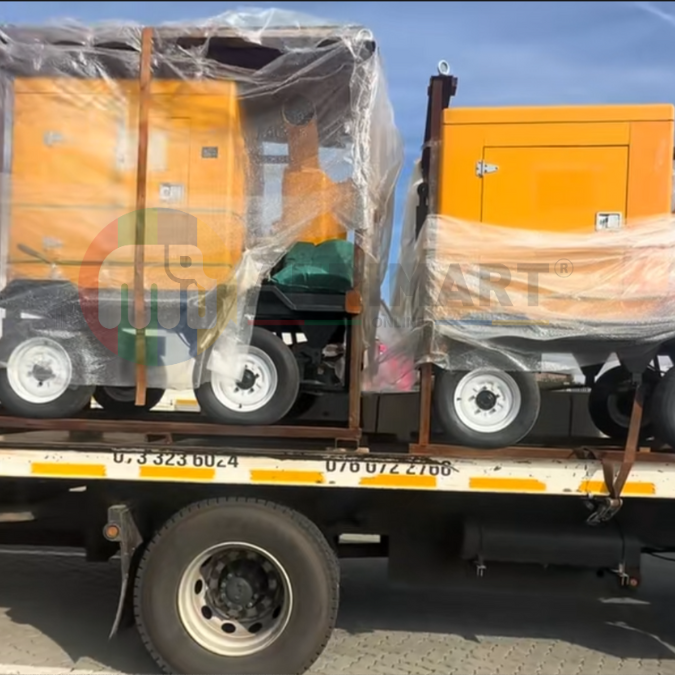
Discover our latest orders
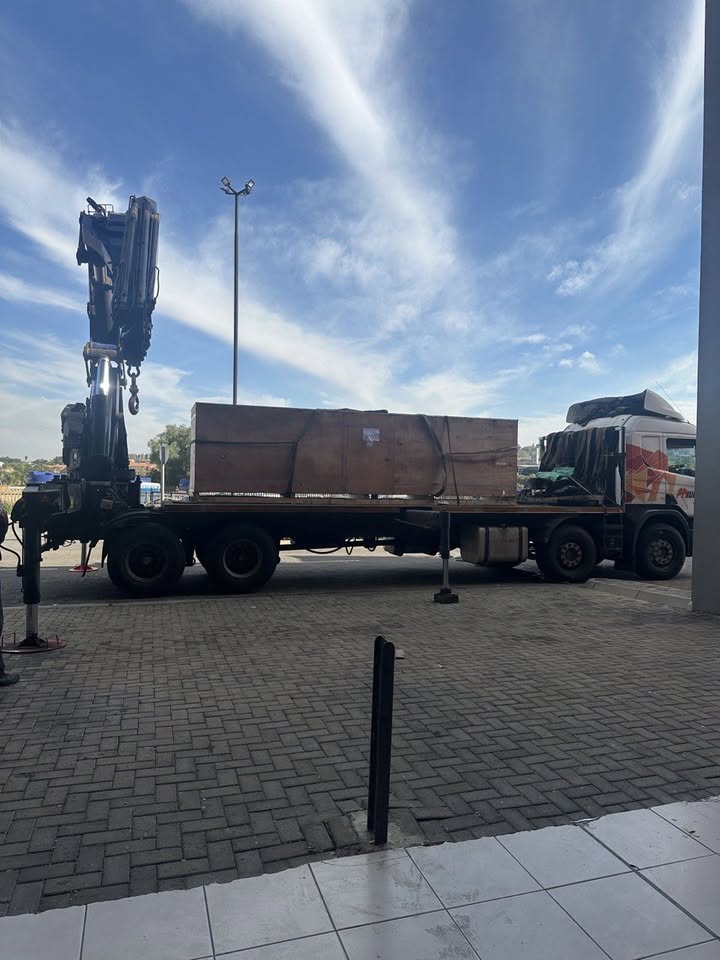
12 Heads Embroidery Machine
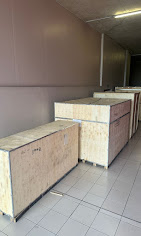
Toilet Paper Machine Machine
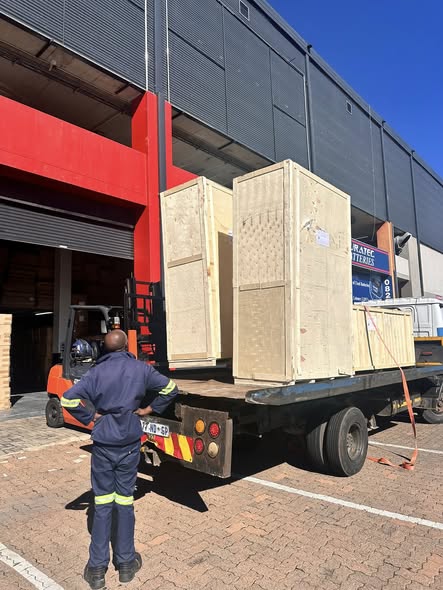
Order Collection
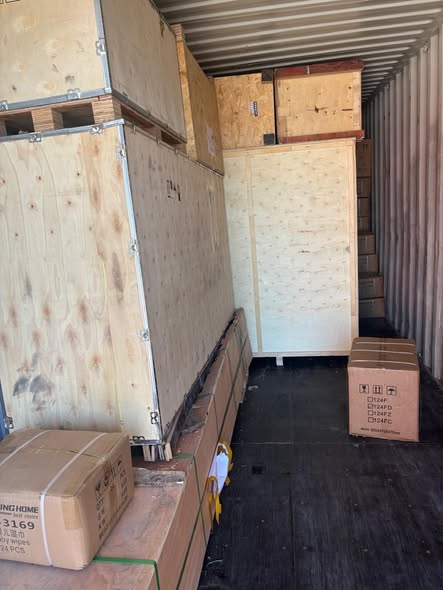
Cross Border Clients
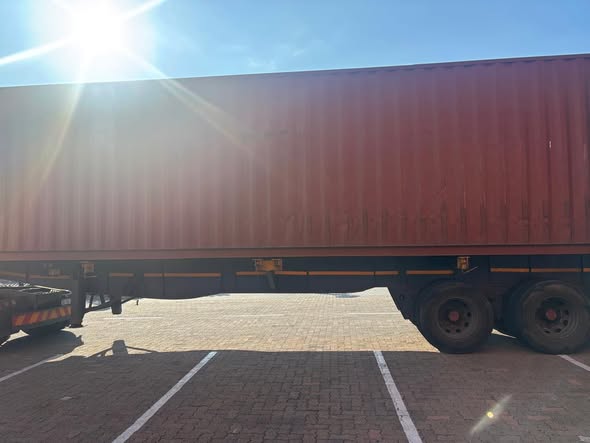
Order cros border countries Collected
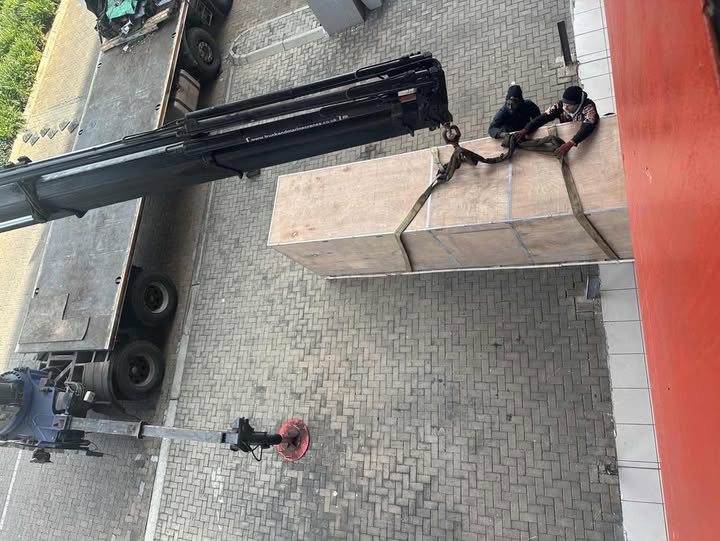
Industrial Machine Cllection
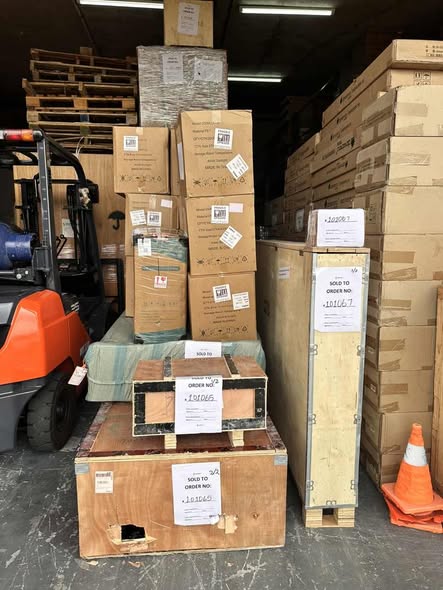
Agriculture Processing Machines
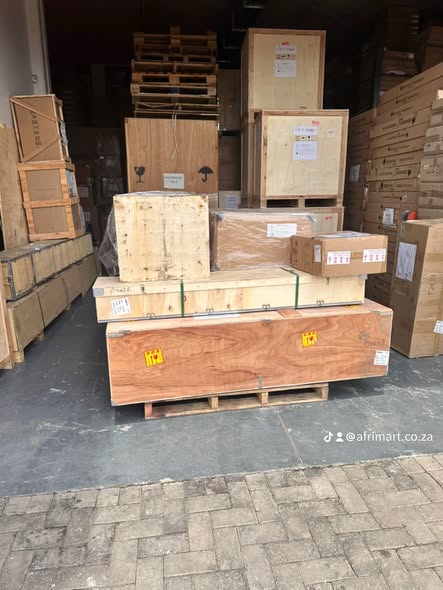
Ready for collection
Water Pump Equipment
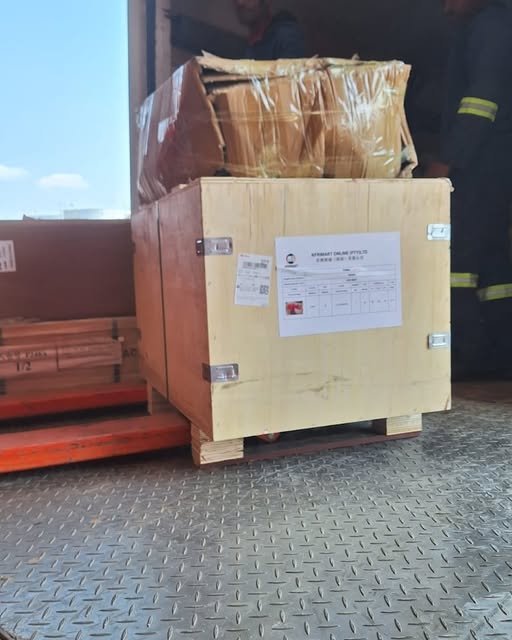
Packaging Machine and accessories
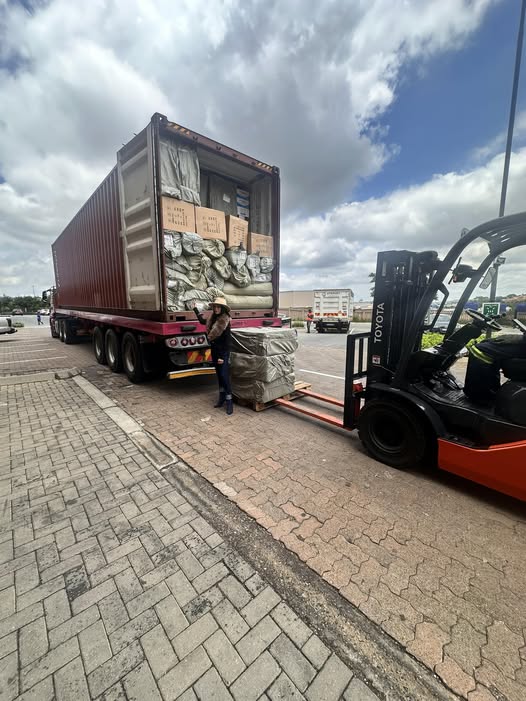
Fabrics Manufacturing Equipment
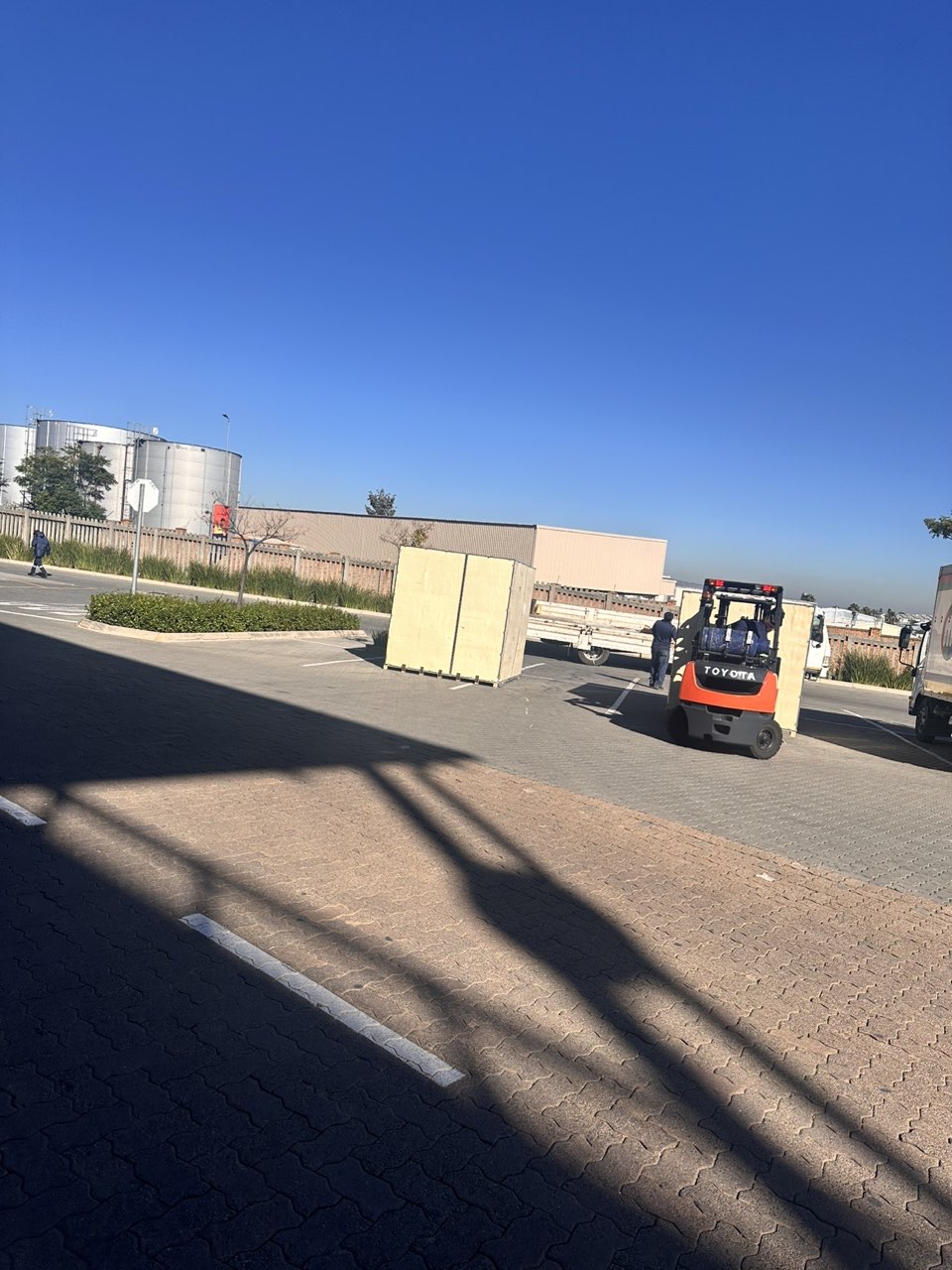
Mining Equipments
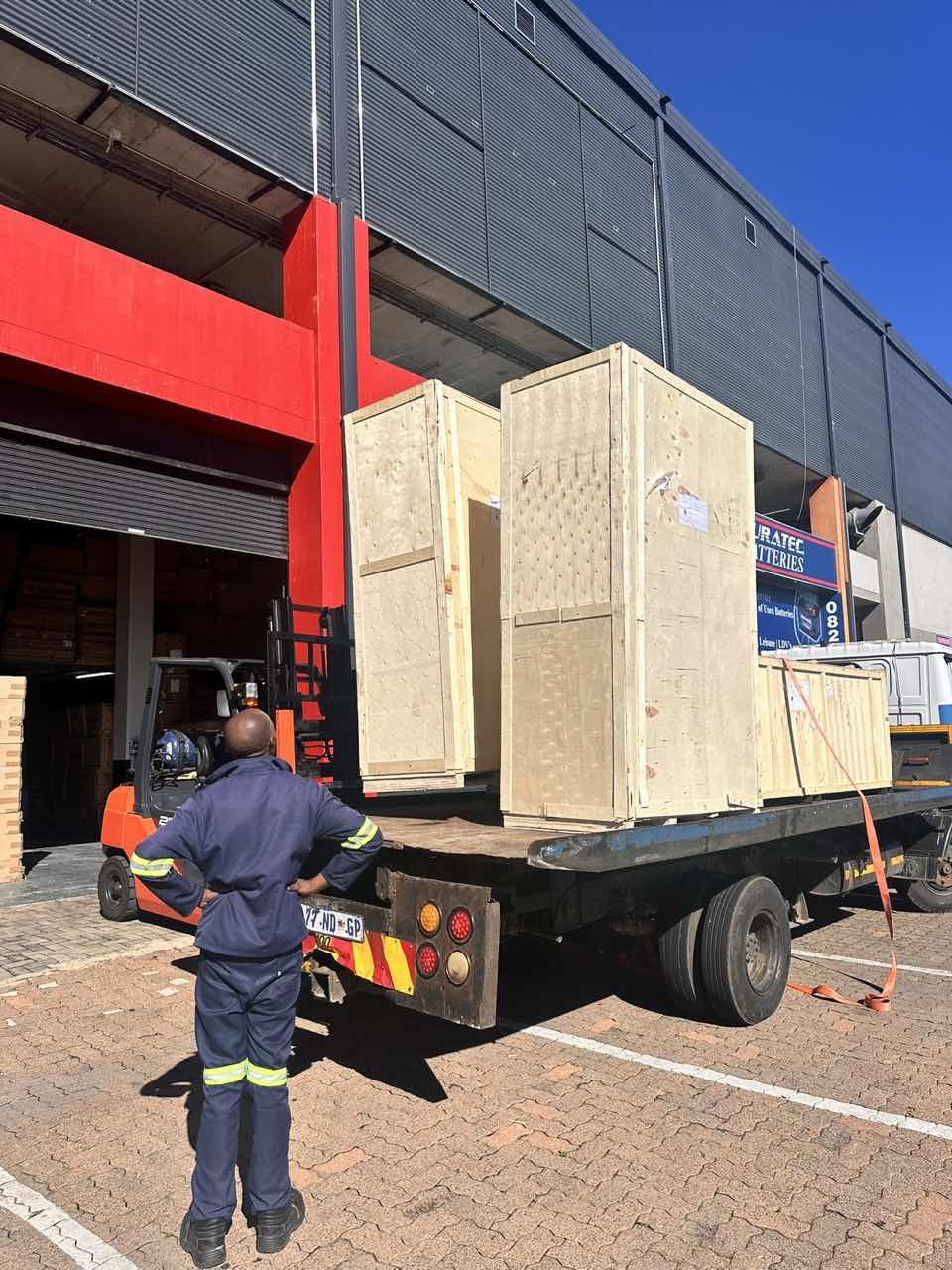
Food Processing Machine
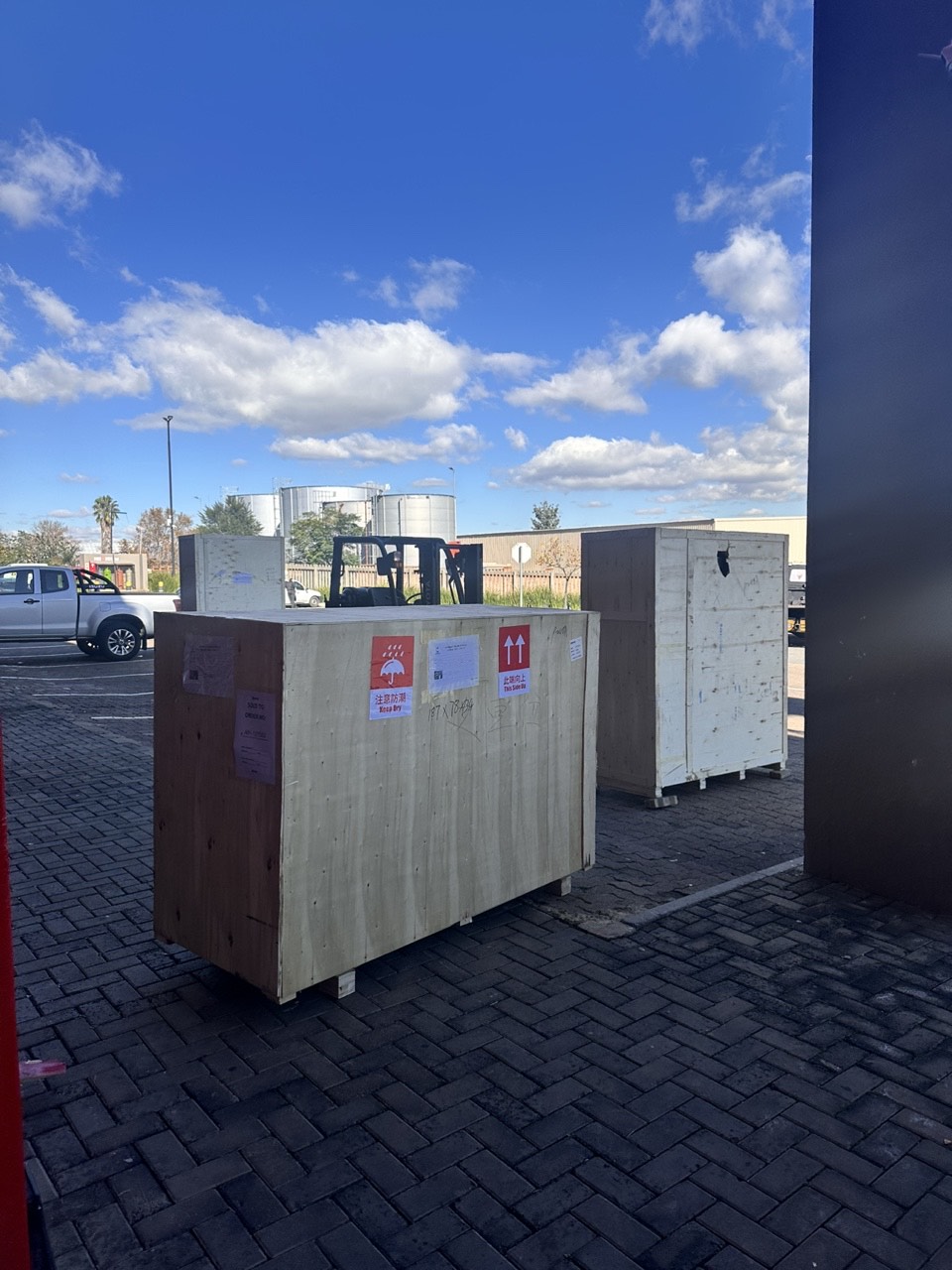
Batch of Orders
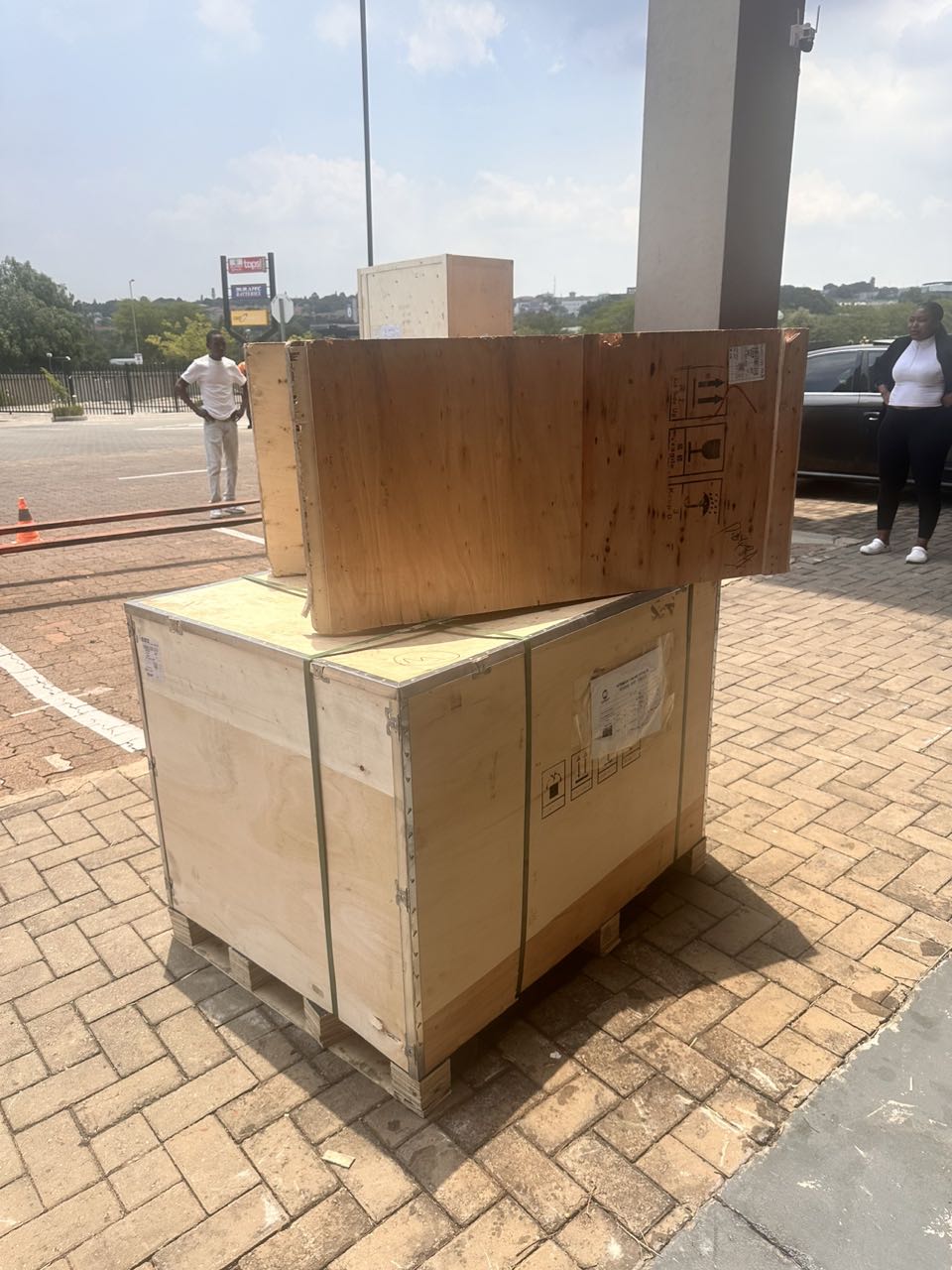
Batch of Orders
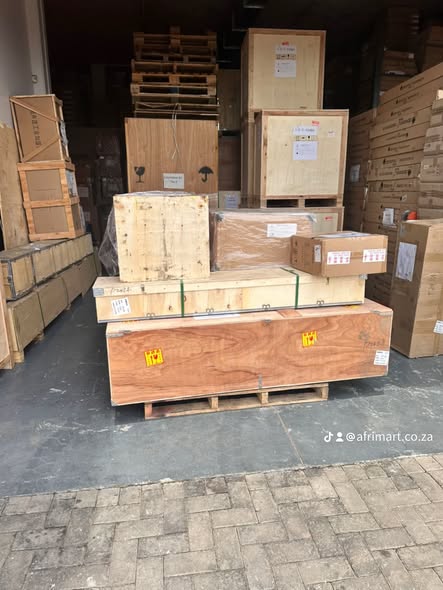
Latest Orders Labelled
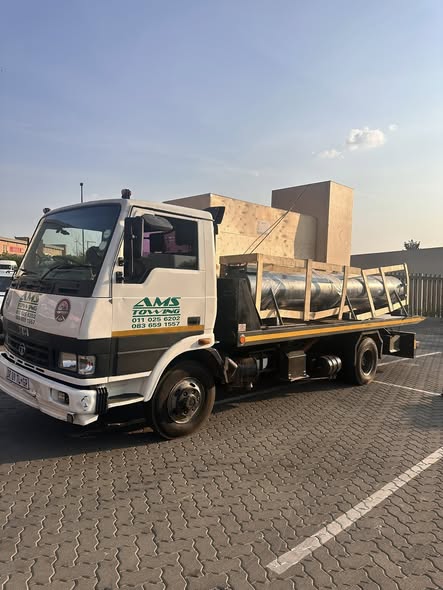
wheel alignment machines
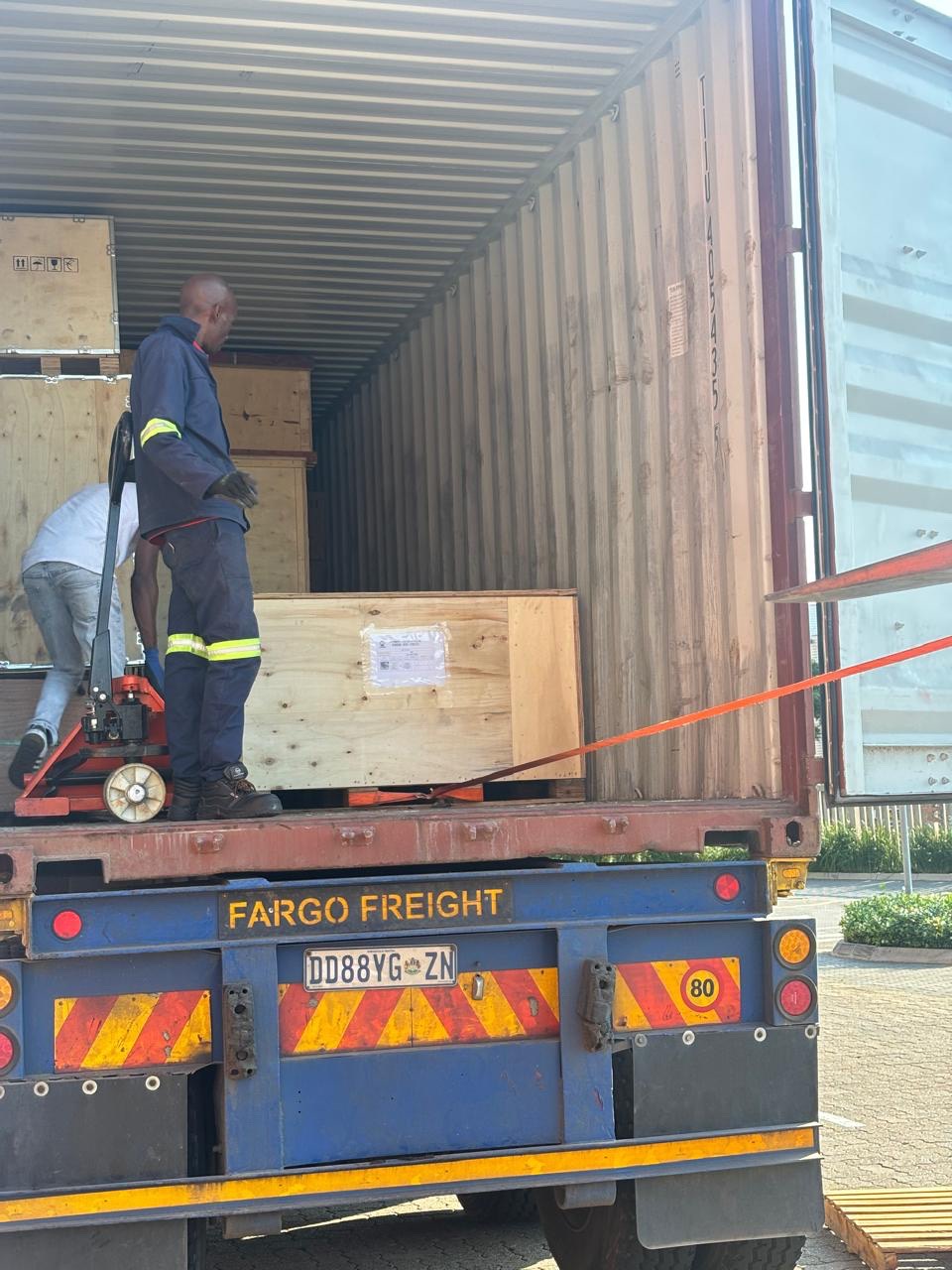
new arrivals
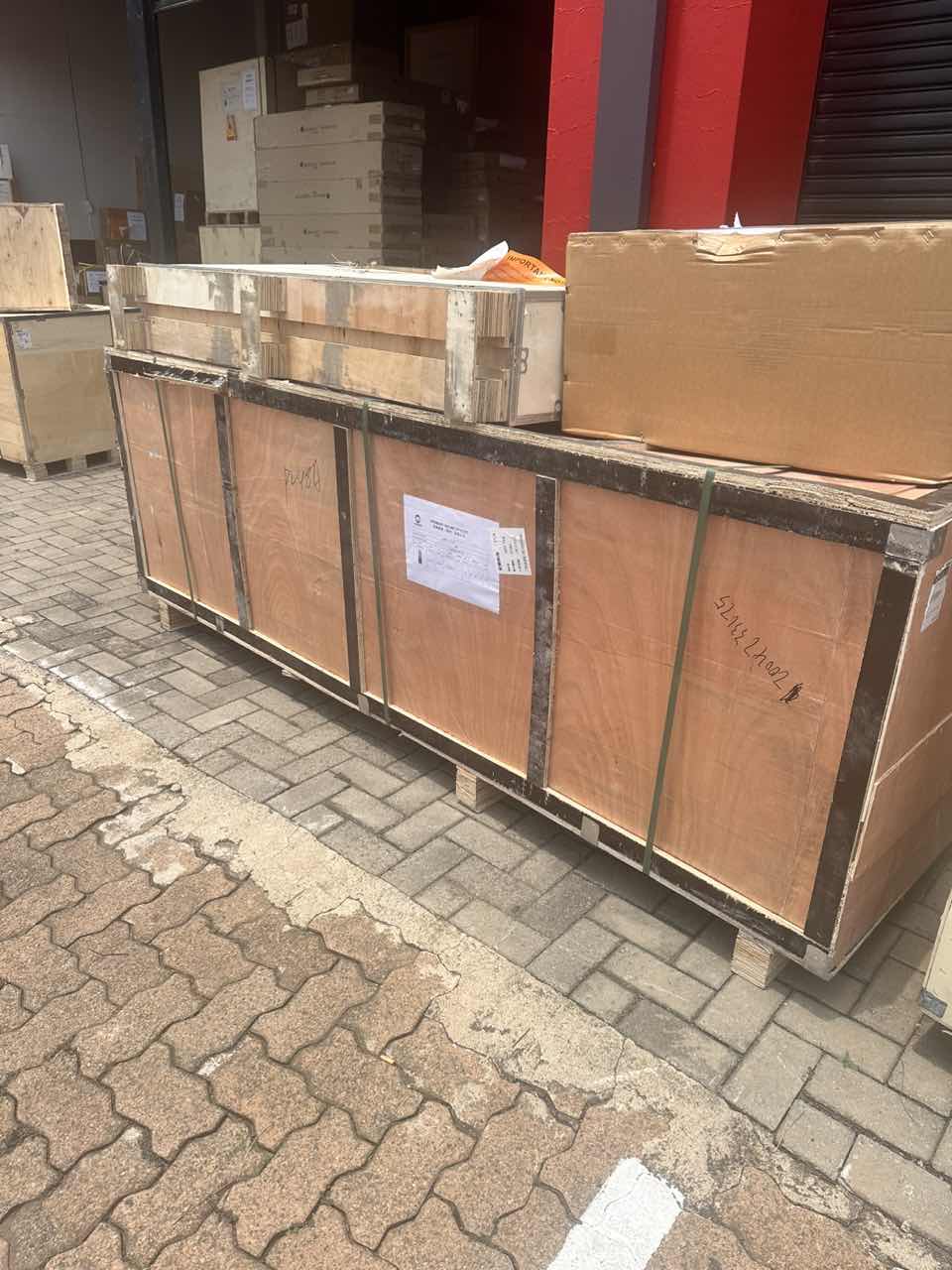
Pre Orders Offloading
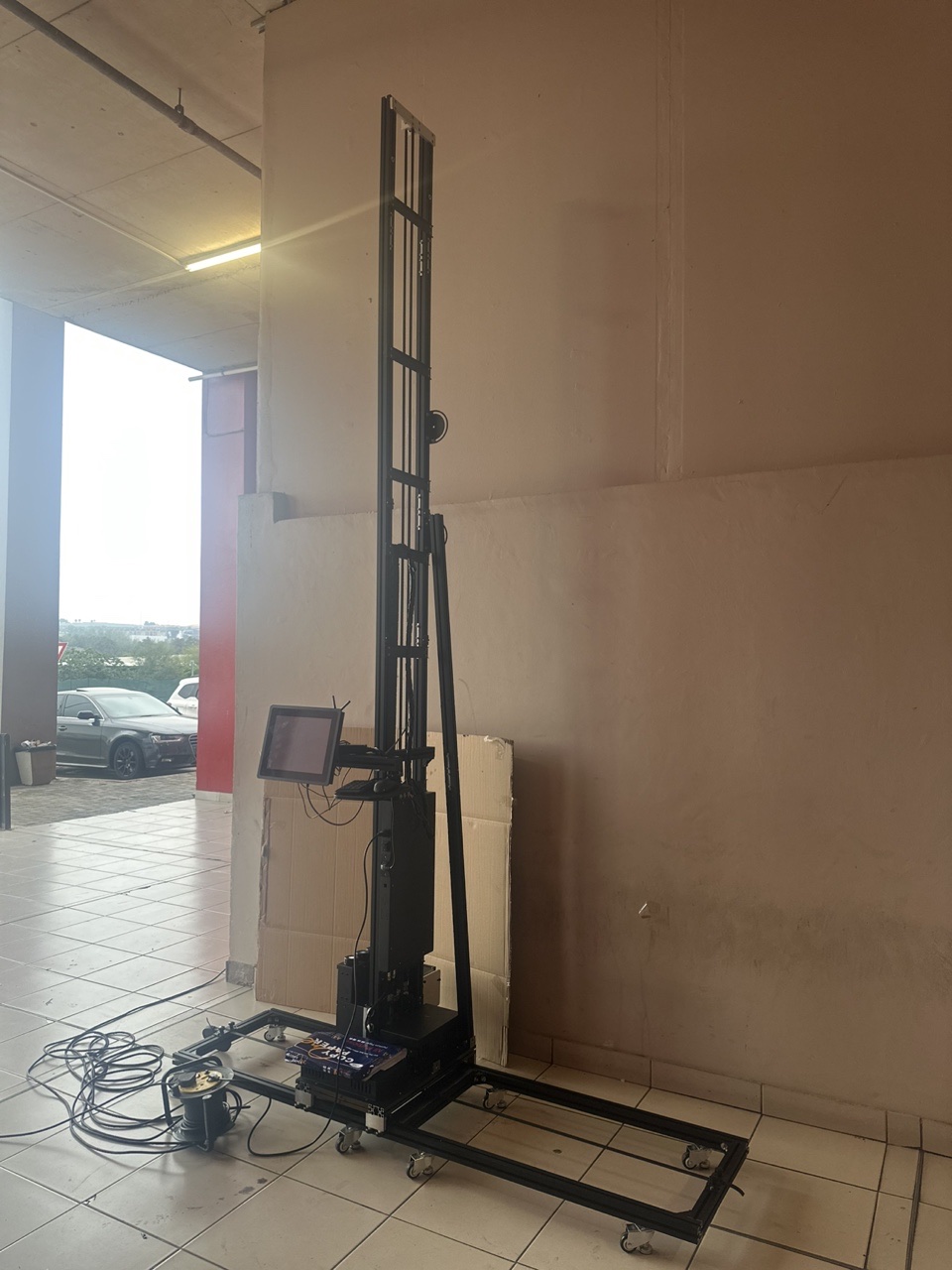
Latest Arrivals
Latest Arrivals
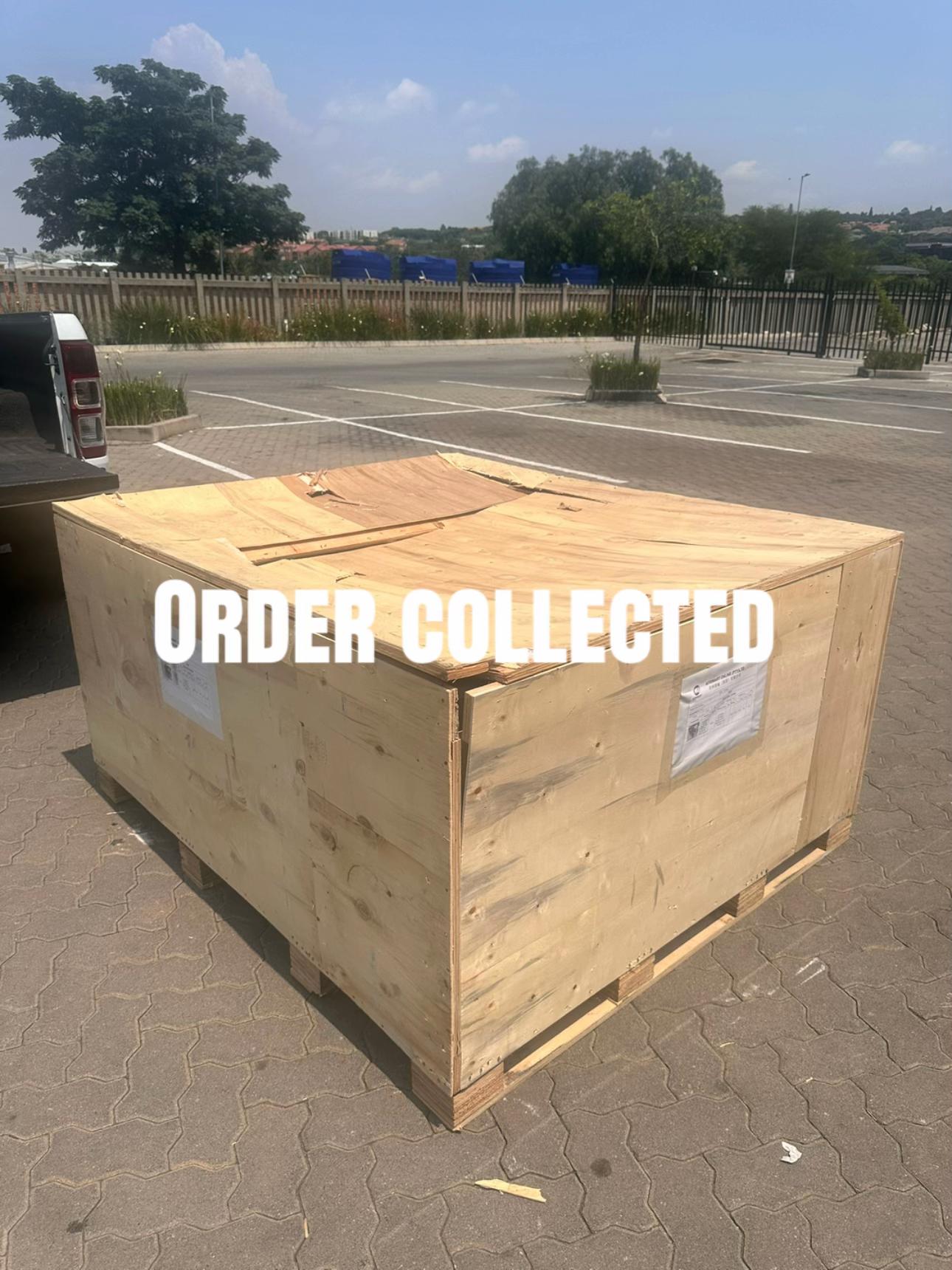
Latest Arrivals
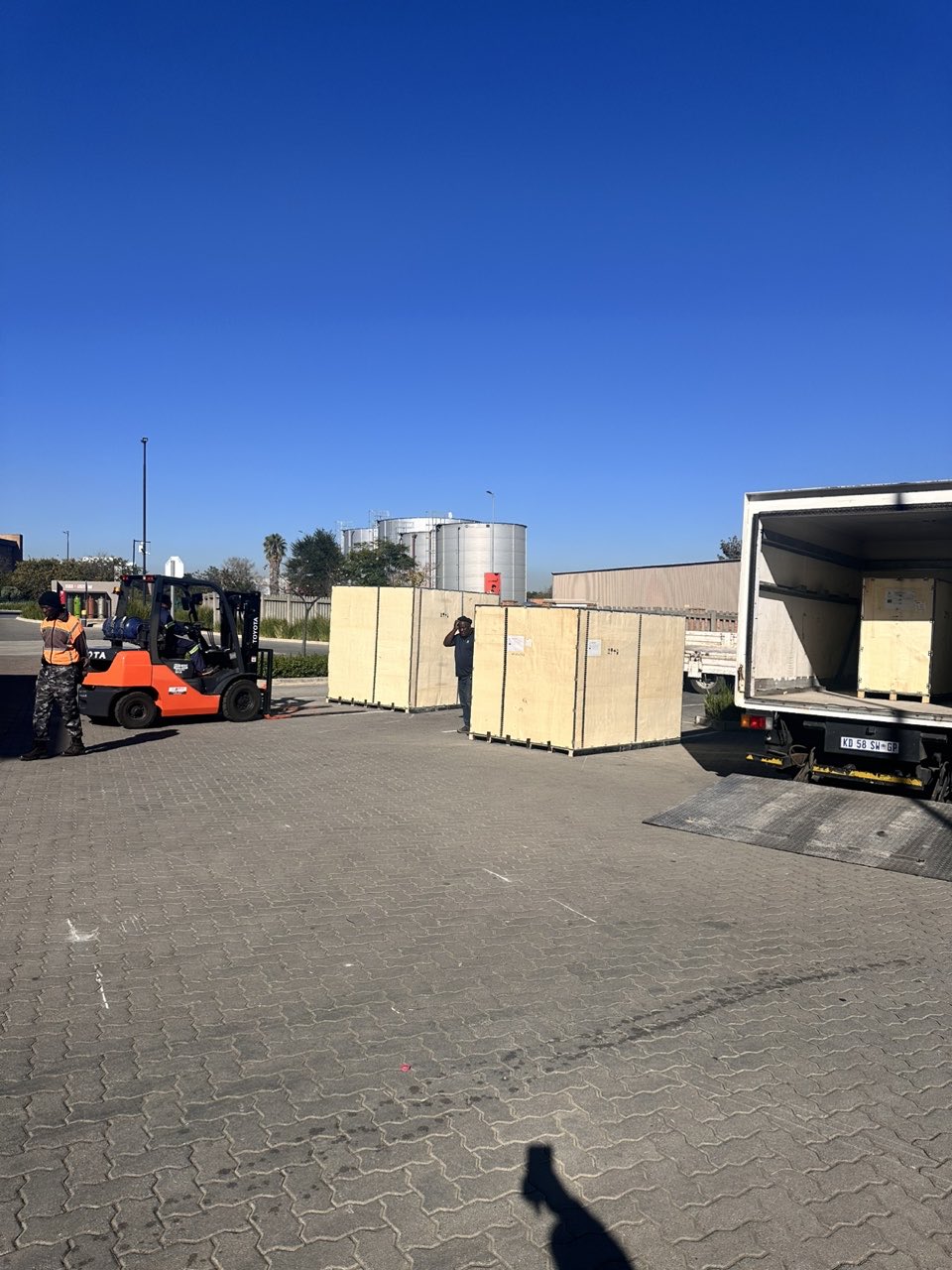
Loading
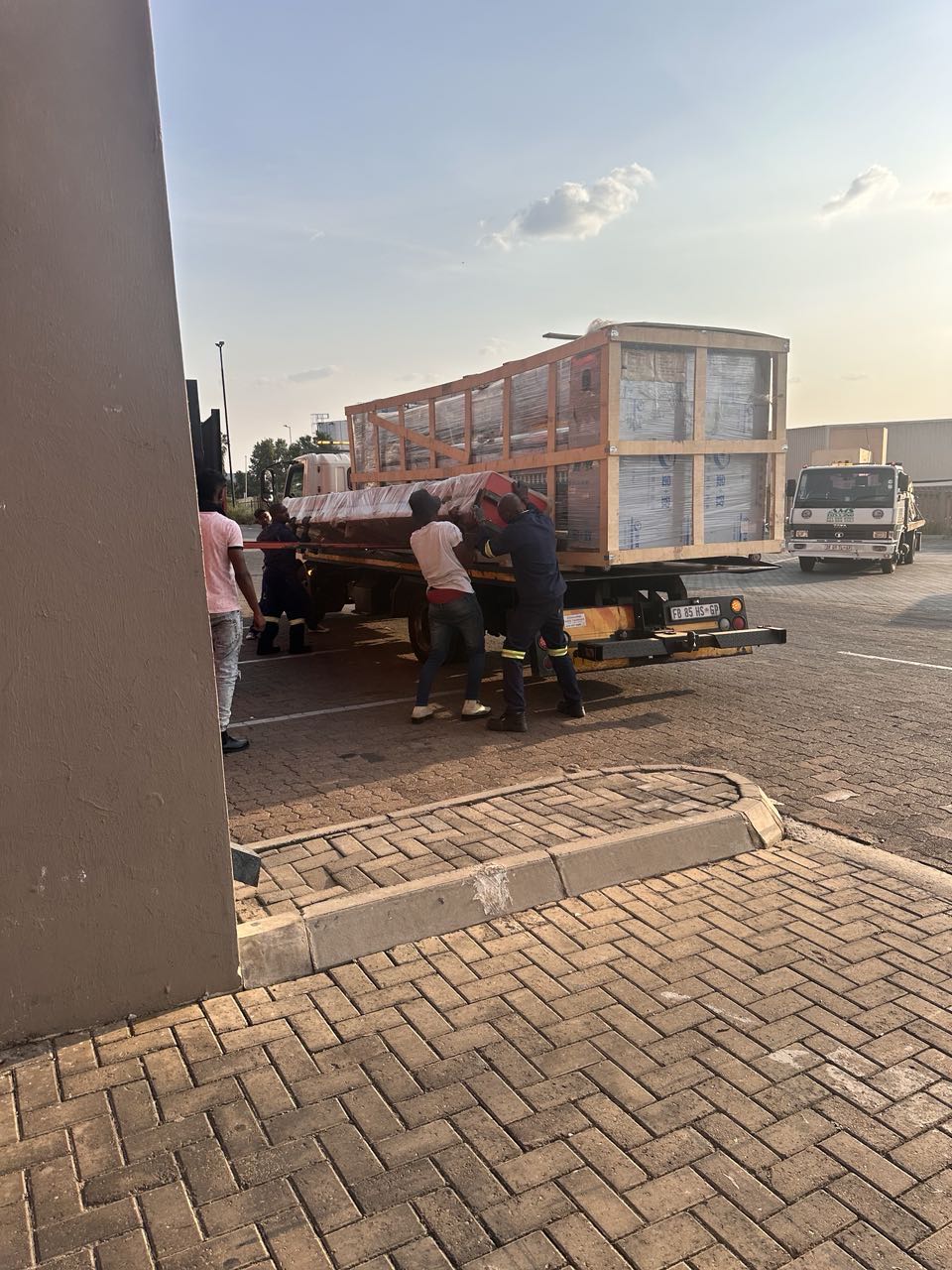
Toilet paper making machine
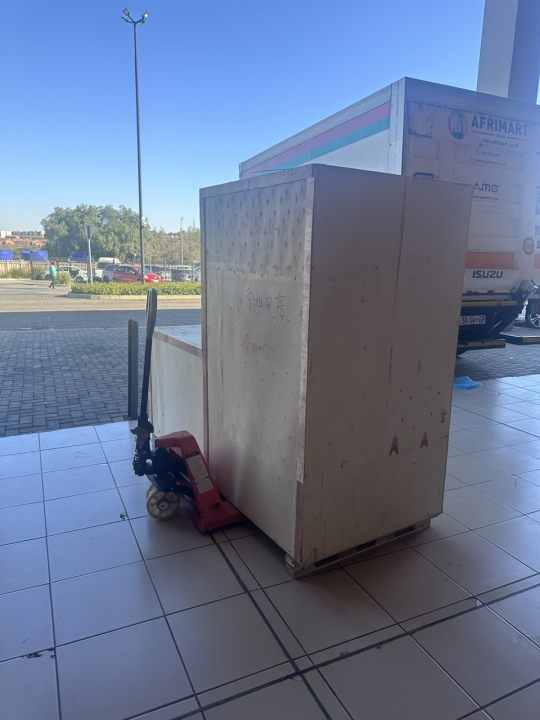
Toilet paper making machine
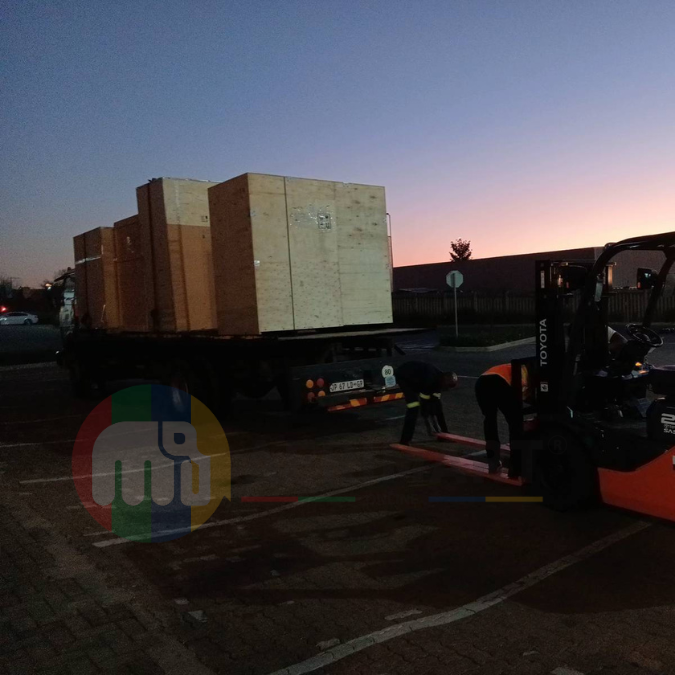
Toilet paper Rewinding Machine
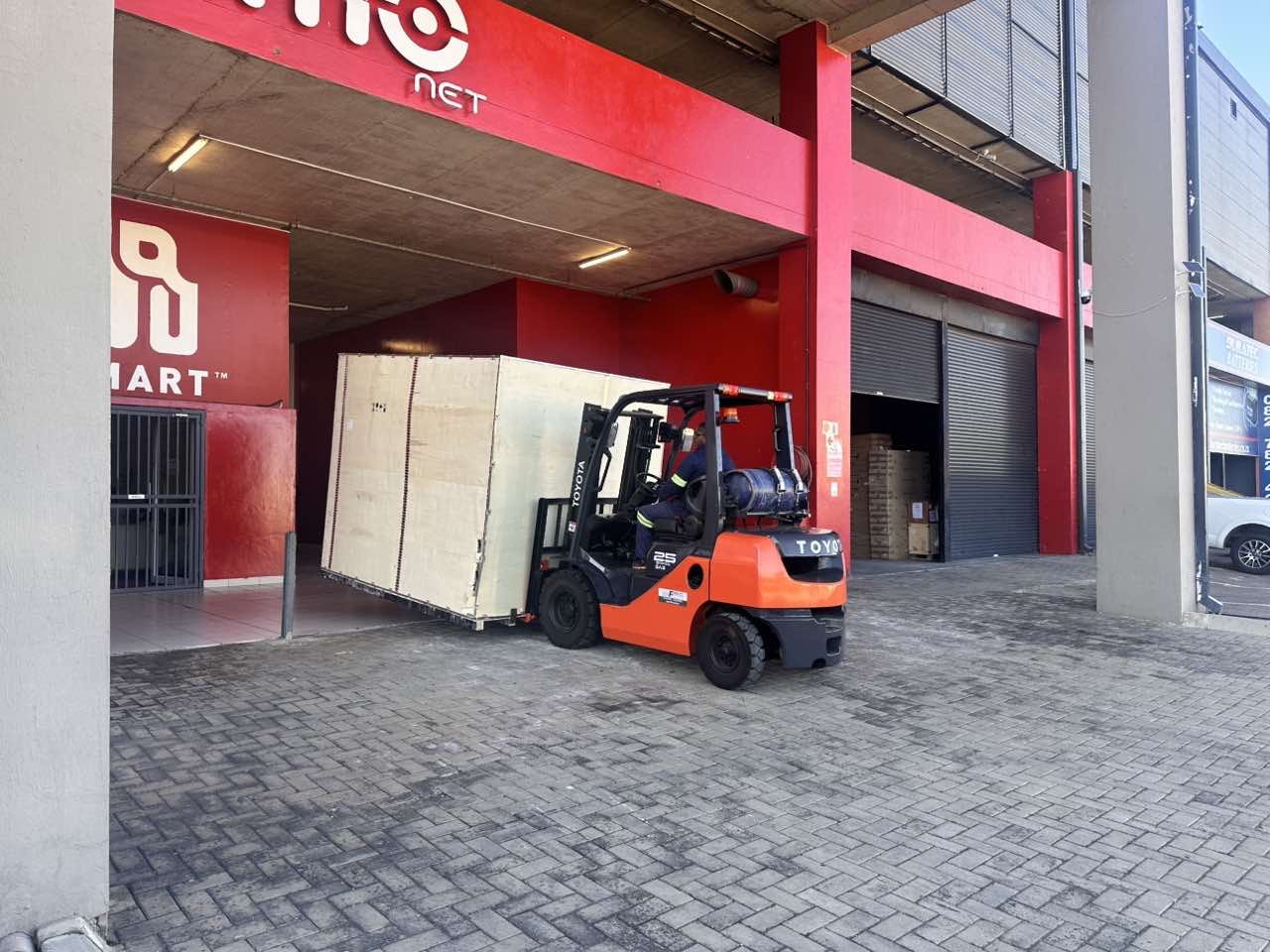
latest arrivals
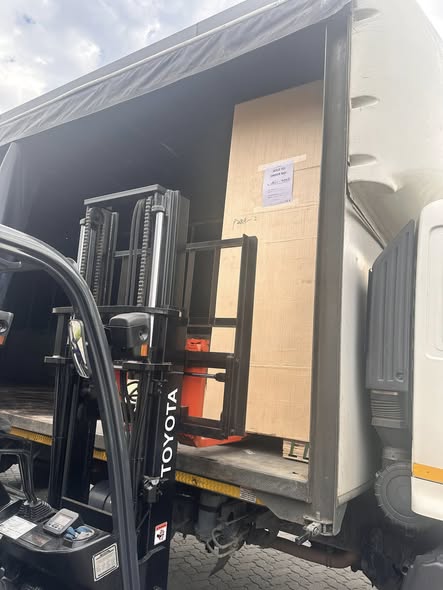
offloading
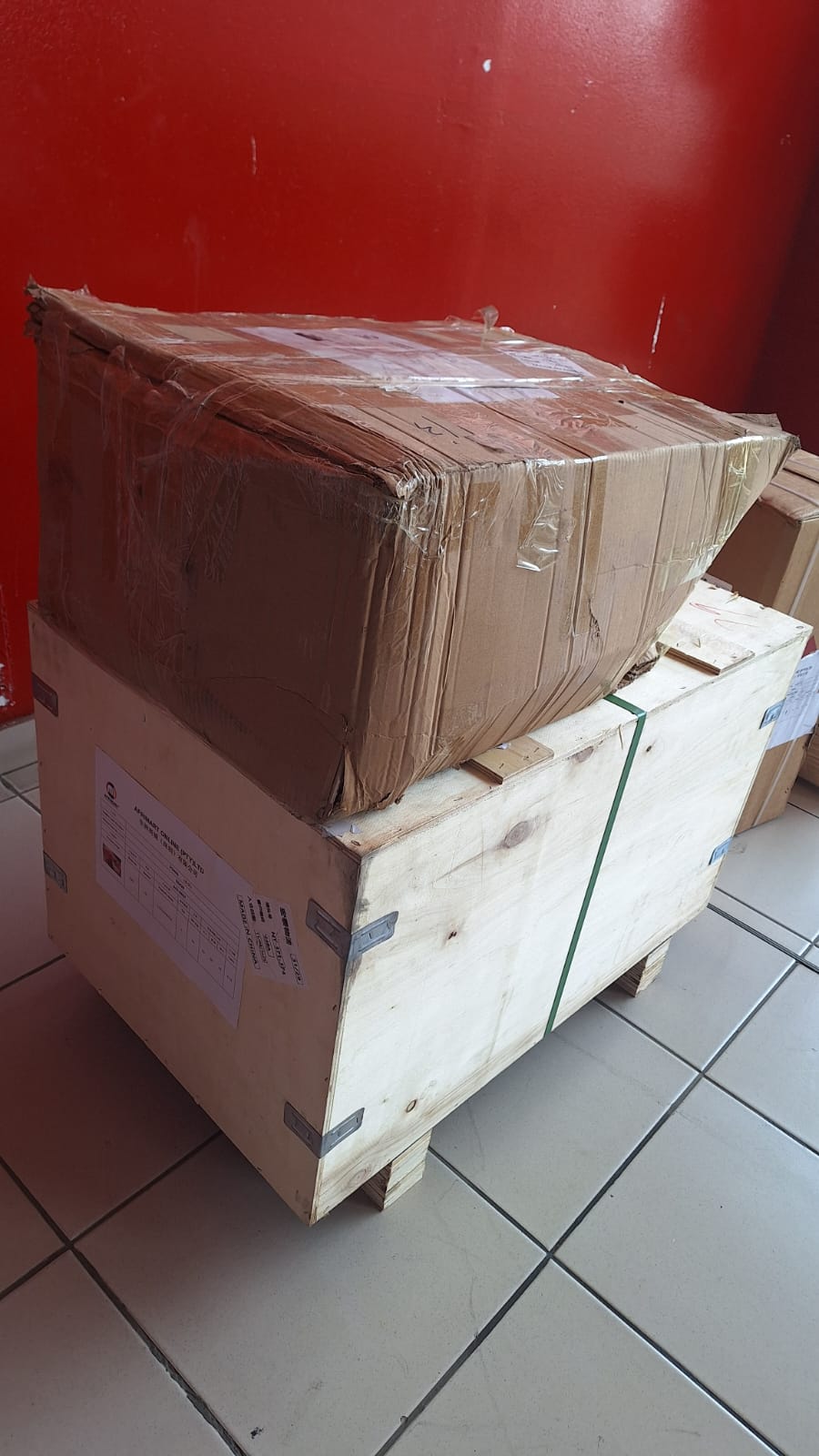
order success
order collection
order offloading