


B21, China Town Mall, Midrand

 Building Boards & Insulation
 Coated & Treated Products
Decorative Building Materials
EPDM/PVC/TPO Membrane
Coated & Treated Products
Decorative Building Materials
EPDM/PVC/TPO Membrane
 Flat Products (Sheets, Plates & Coils)
Gabion mesh
Geocell
Geogrid
Geomembrane Welding machine
HDPE Geomembrane
HDPE Geomembrane
Hdpe/Pvc Pipe
Industrial Hardware & Fasteners
LDPE LLDPE Geomembrane
Luxury Wall Panels
Nonwoven Geotextile
Other Geosynthetics
Pipe Floater
Pipeline & Fluid Systems
Pipes & Hollow Sections
PVC Ceilings
PVC Cornices
PVC Suspended Ceilings
PVC Wall Panels
Roofing & Cladding
Roofing & Corrugated Sheets
Rubber Hose
SPC Flooring
Strips & Bars
Structural Steel & Profiles
Flat Products (Sheets, Plates & Coils)
Gabion mesh
Geocell
Geogrid
Geomembrane Welding machine
HDPE Geomembrane
HDPE Geomembrane
Hdpe/Pvc Pipe
Industrial Hardware & Fasteners
LDPE LLDPE Geomembrane
Luxury Wall Panels
Nonwoven Geotextile
Other Geosynthetics
Pipe Floater
Pipeline & Fluid Systems
Pipes & Hollow Sections
PVC Ceilings
PVC Cornices
PVC Suspended Ceilings
PVC Wall Panels
Roofing & Cladding
Roofing & Corrugated Sheets
Rubber Hose
SPC Flooring
Strips & Bars
Structural Steel & Profiles
 Camera & Photo
 Chargers, Batteries & Power Supplies
 Commercial Equipment
 Home Audio & Video
 Portable Audio
 Printing Equipment
 Professional Audio
 Security & Protection
 Testing Equipment
 Advertising Boards
 Advertising Inflatables
 Advertising Light Boxes
 Commercial Fryers
 Computer Hardware & Software
 Digital Signage and Displays
 Display Racks
 Food Trucks
 Ice Cream Machines
 Interactive Boards
 Photo Booths
 Projectors & Presentation Equipments
 Refrigeration Equipment
 Supermarket Shelves
 Vending Machines
 Bedroom Furniture
 Commercial Furniture
 Decorations
 Dining Room Furniture
 Kitchen Furniture
 Living Room Furniture
 Office Furniture
 Agriculture Machinery
 Apparel Machinery
 Chemical Machinery
 Cleaning Equipment
 Construction Machinery
 Environmental Machinery
 Food & Beverage Machinery
 Industrial Machinery
 Machine Tool Equipment
 Machinery Accessories
 Material Handling
 Packaging Machines
 Brick Making Machinery
 Concrete Mixers
 Concrete Pumps
 Crushers
 Drilling Rigs
 Engineering & Construction Machinery
 Excavators
 Gas Generation Equipment
 Loaders
 Mineral Separators
 Mining Machinery
 Mortar Spray Machines
 Other Construction Machinery
 Road Machinery
 Stone Machinery
 Tile Making Machinery
 Truck Cranes
 Baking Equipments
 Beverage & Wine Machines
 Cake machine
 Donut machines
 Fermenting Equipment
 Fish Processing Machines
 Flour & Rice Mills
 Flour Mill
 Food Sterilizers
 Fruit & Vegetable Processing Machines
 Fruit & Vegetable Processing Machines
 Fryers
 Ice Cream Machines
 Juice Extractors
 Meat Processing Machinery
 Meat Slicers
 Other Food Processing Machinery
 Popcorn machine
 Snack Machines
 Vegetable Cutters
 Vegetable Washing Equipments
 Apparel & Textile Machinery
 CNC industrial Machinery
 Industrial Compressors & Parts
 Industrial Robots
 Industry Laser Equipment
 Machine Tool Equipment
 Manufacturing Machinery
 Metal & Metallurgy Machinery
 Paper Production Machinery
 Plastic & Rubber Processing Machinery
 Welding Equipment
 Woodworking Machinery
 Animal & Veterinary
 Household Medical Devices
 Medical Consumables
 Professional Medical Devices
 Testing Instrument
 Bone Surgical Instruments
 Burns Surgery Instruments
 Clinical Analytical Instruments
 Clinics Apparatuses
 Dental Chair
 Dental Consumables
 Dental Equipments
 Dental Handpiece
 Diagnostic Apparatuses
 Emergency & Clinics Apparatuses
 General Assay & Diagnostic Apparatuses
 Hospital Beds
 Hospital Chairs
 Hospital Trolley
 Implants & Interventional Materials
 Medical Cryogenic Equipments
 Medical Imaging Equipment
 Medical Optical Instruments
 Medical Ultrasound Instruments
 Medical X-ray Equipments
 Obstetrics & Gynecology Equipments
 Oral Therapy Equipments
 Physical Therapy Equipment
 Radiology Equipment & Accessories
 Rehabilitation Equipment
 Stethoscope
 Surgical Instruments
 Transfusion, Dialysis & Circulation Machines
 Vacuum Suction Devices
 Visual Acuity Examination Supplies
 Featured Accessories
 Mobile Phones
 Phone Accessories
 Screen Protector Machines
 Tablets
 Telecommunications
 Broadcast Intercom Systems
 Camera Modules
 Communication Antennas
 Corded Telephones
 Development Boards, Kits
 Enterprise Firewalls
 Enterprise Switches
 Fiber Optic Equipment
 Fixed Wireless Terminals
 Other Telecommunications Products
 PBX
PBX
 Signal conversion Boards
 Telecom Parts
 Wireless Infrastructure Equipment
Select a product option to continue.
Explore funding with Afrimart's partners. Subject to provider approval.

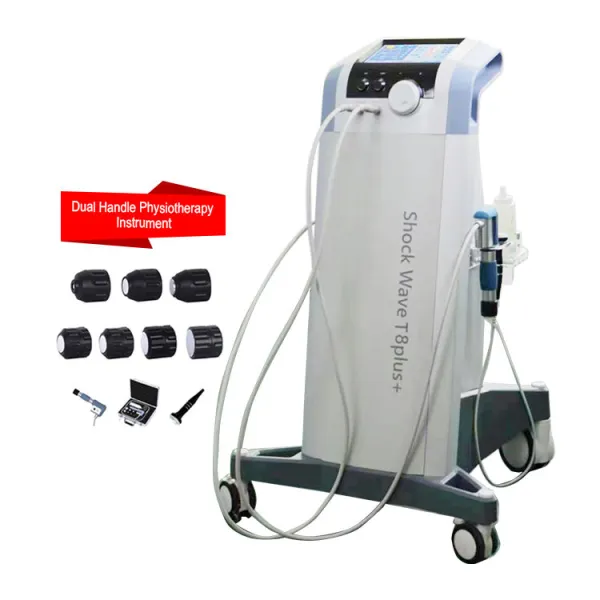
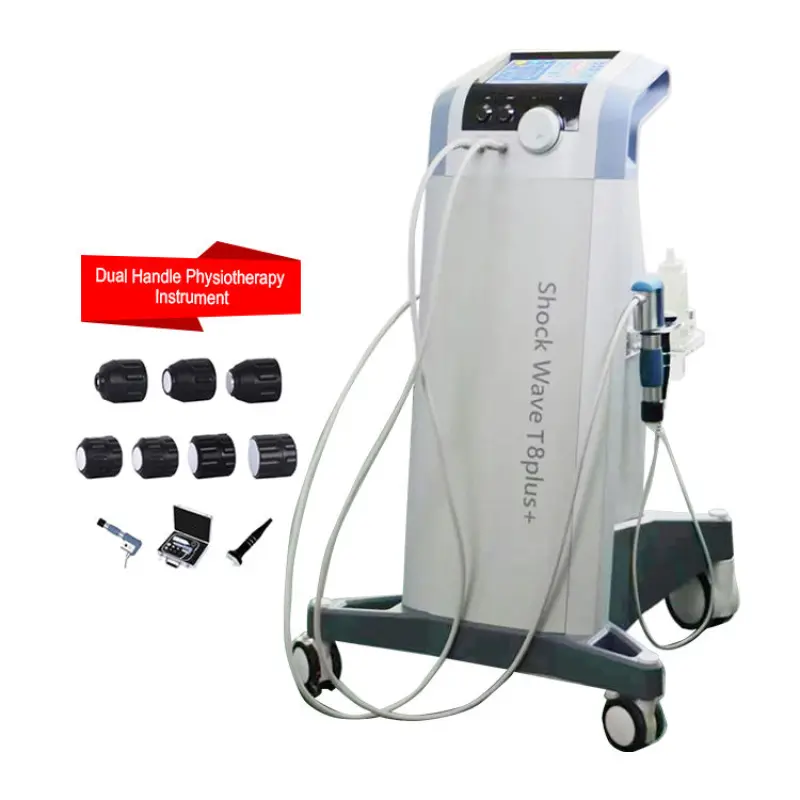
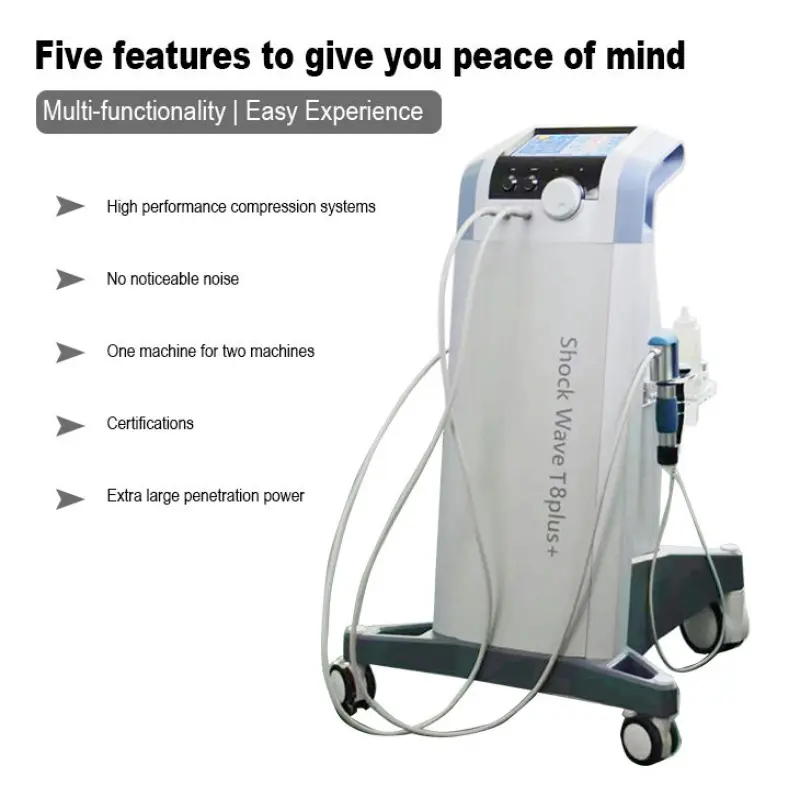
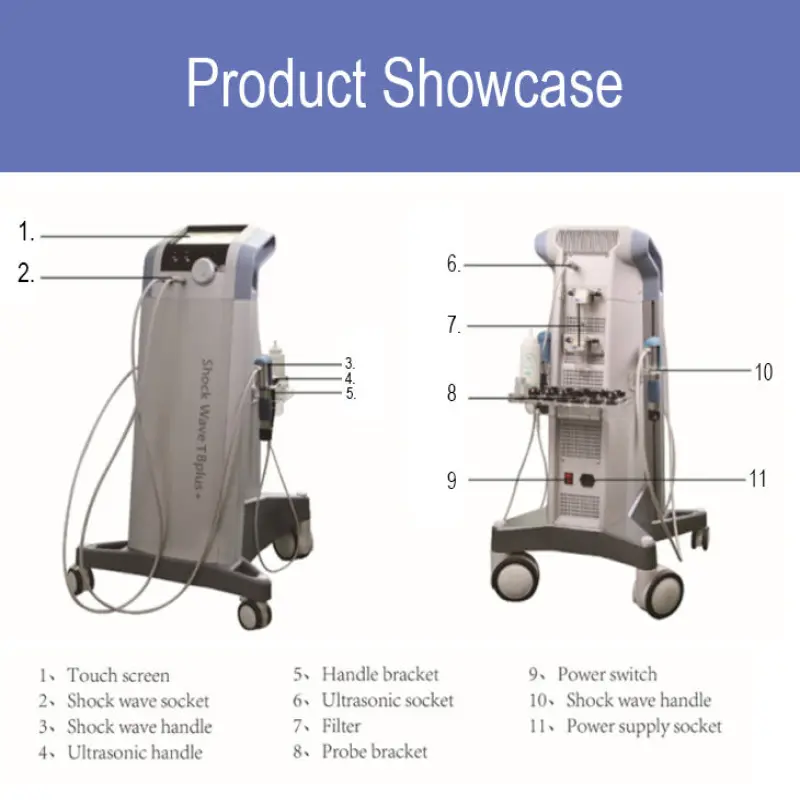
The Shockwave Therapy Machine for Physical Therapy is designed to offer effective treatment for joint pain and erectile dysfunction. With its advanced shockwave therapy technology, this device provides targeted treatment to improve mobility, reduce pain, and promote healing. Whether for rehabilitation or pain management, it’s an essential tool in modern physiotherapy.
The Shockwave Therapy Machine for Physical Therapy is a highly effective tool for treating joint pain and erectile dysfunction. Its versatile settings, user-friendly interface, and powerful shockwave technology make it a valuable addition to any physiotherapy practice or wellness routine.

FEATURES
High effectiveness, fast relieve pain.
No need for surgery,the cure rate of 80~90%.
Noninvasive, no anesthetic, convenient and fast.
Widely applied to different soft tissue treatments.
This machine could be used to treat joints pain and ED erectile dysfunction treatment.
Does not hurt the normal tissue, only for the disease, especially the necrotic cells play a role.
Shock wave working therapy:
The Shock-wave therapy is a modern method used to treat shoulder injuries, chronic Achilles tendonitis, plantar fasciitis, elbow tendinopathies and chronic stages of the myofascial syndrome (pain of the muscles). It is also used to speed up the healing process of fractures which take too long to repair or are not repairing at all as is the case in pseudoarthrosis.The shockwave system uses the ballistic principle of shock wave generation: A pressure wave is formed via a shock wave machine by using accelerated compressed air. The compressed air is generated by an electronically-controlled ballistic-pressure compressor.Using elastic impact, the kinetic energy of the shock wave machine is transferred into the probe of the applicator and then into the client's body.Consequently, during the treatment,the end of the applicator must be in direct-contact with the skin and subcutaneous tissue.Shockwave is aimed at the affected areas that are the source of chronic pain. The influence of the shockwaves causes to the dissolution of calcium deposits and leads to better vascularization.The after-effect is relief from the pain.
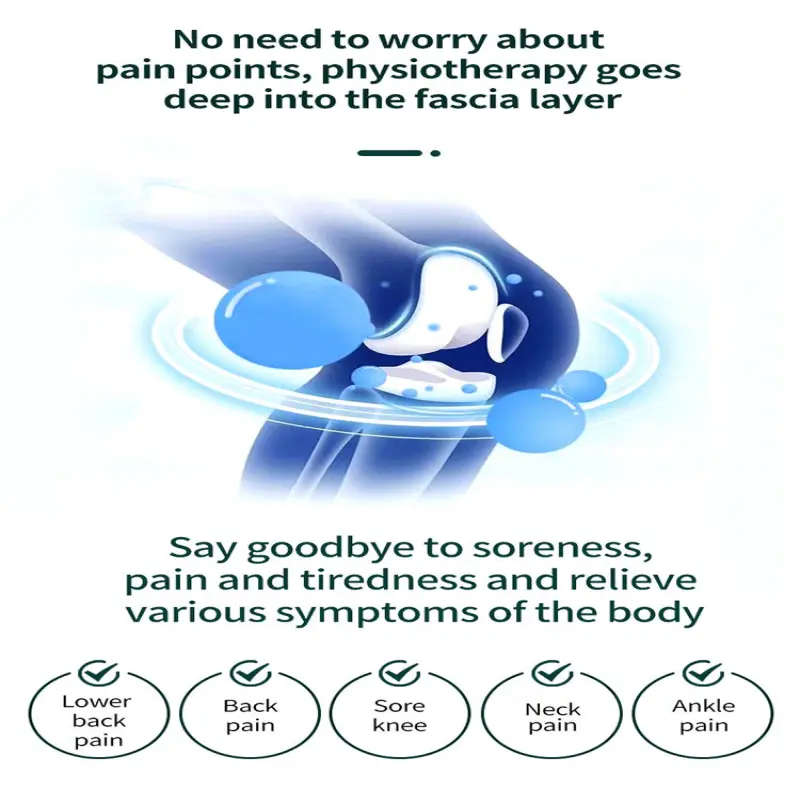
Extracorporeal shock-wave therapy (ESWT) has reported to treat a variety of pain conditions effectively and safely, including myofascial pain syndrome, knee pain, chronic pelvic pain syndrome, chronic rotator cuff tendonitis, sacroiliac joint pain, and frozen shoulder.

Pneumatic Shockwave: Pneumatic ballistic shock wave instrument is compressor generated pulse sound waves into precise ballistic, compare with the electromagnetic shock wave (more energy generated max to 8 bar). And also impact faster, configuration higher and more expensive, much more longer lifespan. Frequency 1-21Hz, enable to reach to 8cm subcutaneously, to apply on Periosteal and create heat,instant temperature reach to 43℃,at the same time,improve blood circulation.
Ultrasound physiotherapy: The ultrasound waves are generated by a piezoelectric effect caused by the vibration of crystals within the head of the probe. The ultrasound waves that pass through the skin cause a vibration of the local soft tissues.
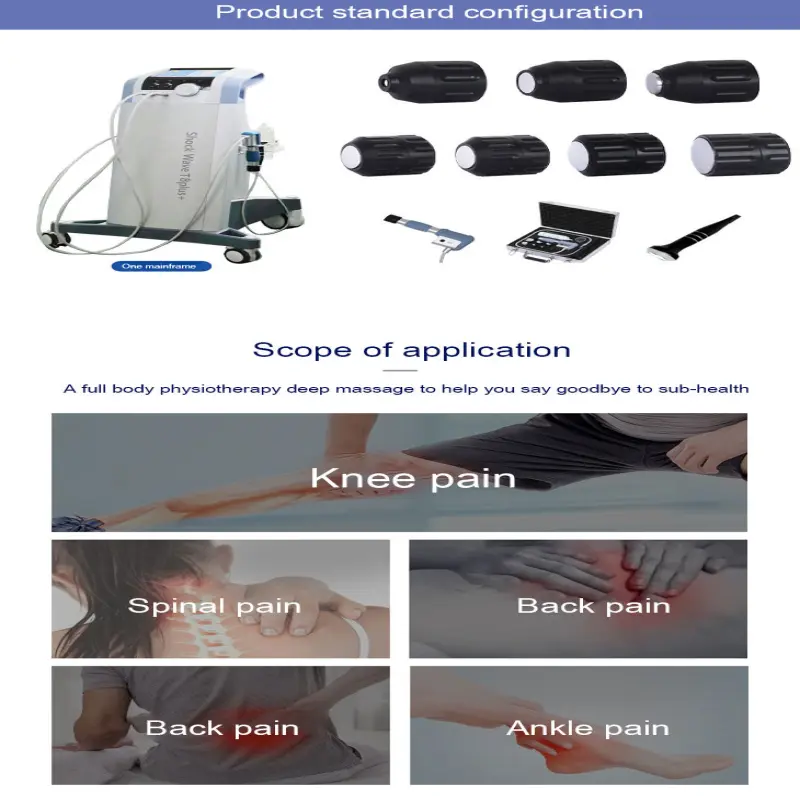
Extracorporeal shock-wave therapy (ESWT) can be used to treat but is not limited to:
- Painful shoulder, rotator cuff tendinitis, calcific shoulder tendonitis
- Epicondylitis (golfers and tennis elbow)
- Achilles tendinitis, Achilles bursitis
- Patellar tendinitis, patellar bursitis
- Frozen shoulder
- Plantar fasciitis
- ITB friction syndrome
- Hip bursitis, hip tendinitis
- Back pain
- Morton's neuroma
- Musclular trigger points
- Body shaping, skin beauty and massage

No approved technical specifications are available yet. Please refer to the product description or contact our team.
The Shockwave Therapy Machine is primarily used for treating joint pain and erectile dysfunction through advanced shockwave therapy technology.
Shockwave therapy works by generating pressure waves that are directed at the affected areas. These waves stimulate healing in tissues, improve blood flow, and help dissolve calcium deposits.
The treatment is generally non-invasive and does not require anesthesia. Some patients may experience mild discomfort, but it is typically well-tolerated.
This machine can treat a variety of conditions including joint pain, erectile dysfunction, chronic tendonitis, plantar fasciitis, and more.
The machine offers adjustable power levels ranging from 0.5 to 10 bar, allowing for customized treatment intensity based on individual patient needs.
While the machine is designed for easy operation with a touch screen interface, it is recommended that operators receive proper training in shockwave therapy techniques for optimal results.
Yes, the machine can be used on various body parts for treatments, including shoulders, elbows, knees, and other areas affected by pain.
The treatment frequency may vary depending on the condition being treated, but typically sessions are spaced days apart to allow for recovery and healing.
While it is designed for professional use in physiotherapy practices, some models may be suitable for home use under the guidance of a healthcare professional.
The Shockwave Therapy Machine supports both 110V and 220V input, making it versatile for use in different regions.
A typical treatment session lasts between 15 to 30 minutes, depending on the condition being treated and the specific protocols used.
Yes, the machine is effective for treating sports injuries, including tendonitis and muscle strains, by promoting healing and reducing pain.
The benefits include non-invasive treatment, quick recovery times, pain relief, improved mobility, and enhanced healing processes.
There is typically no downtime after treatment, and most patients can resume normal activities immediately following a session.
The number of sessions required can vary based on the condition and individual response, but most patients see improvements within 3 to 6 sessions.
Discover our latest orders































