B21, China Town Mall, Midrand

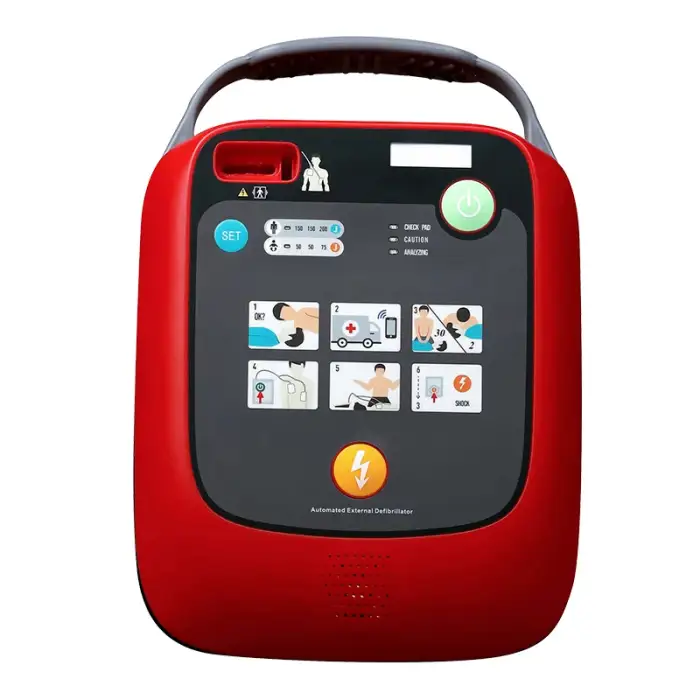
Medical Equipment Portable Aed Defibrillator In First-aid Devices

- Section : Medical Supplies
- Category : Professional Medical Devices
- SKU : 1601160171917

Product descriptions from the supplier
Overview
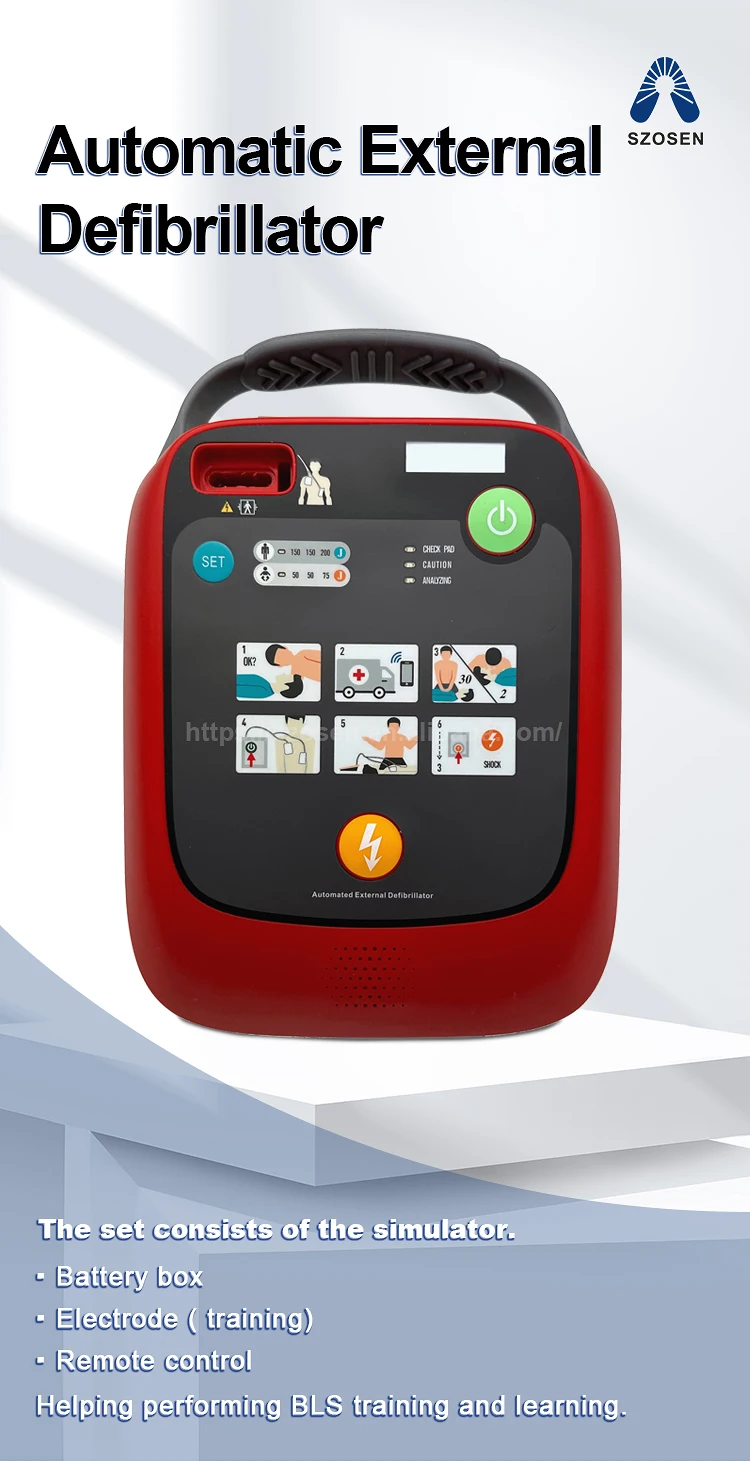
| Category | Specification |
| Waveform | Biphasic Truncated exponential |
| Energy Sequence | Adult mode:1501,1501,200]Pediatric mode:501,501,75] |
| Analysis Time | J sec |
| Instruction | Voice and Visual Prompts |
| Controls | Three buttons-ON/OFF, SHOCK,SET |
- Shipping Timeframes: All orders are processed within 2-5 business days (excluding weekends and holidays). After your order has been processed, the estimated delivery time is before 05 Dec, 2026, depending on customs, Please note that due to high demand, some items may experience longer shipping times, which will be communicated at order confirmation email.
- Order Processing Time: Please allow 2-5 business days for us to process your order before it is shipped . Orders placed after 16:00 on Fridays, or during weekends and public holidays, will begin processing on the next business day. Processing times may be extended during peak seasons or sales events.
- Manufacturing Time: Some products needs manufacturing time, the manufacturing process will take approximately 10-30 business days depending on the product. This timeframe may vary depending on the complexity of the product and current demand. but this will be communicated with you during order confirmation.
- Returns and Exchanges: We offer a 30-day return policy for most items. If you are not completely satisfied with your purchase, you may return it within 30 days of receipt for a refund or exchange. Items must be unused, in their original packaging, and accompanied by proof of purchase. Return shipping costs are the responsibility of the customer, unless the item was damaged or defective upon arrival.
1. What is a portable AED defibrillator?
A portable AED (Automated External Defibrillator) is a compact device designed to be used in emergencies to restore a normal heart rhythm by delivering an electric shock to a person experiencing sudden cardiac arrest.
2. How does the Medical Equipment Portable AED Defibrillator work?
The device analyzes the heart's rhythm and determines if a shock is needed. If so, it provides voice and visual prompts to guide the user through the process, making it easy to operate even for those without medical training.
3. What are the modes available in this defibrillator?
This defibrillator features two modes: Adult mode, which uses energy sequences of 150J, 150J, and 200J, and Pediatric mode, which uses 50J, 50J, and 75J.
4. What kind of prompts does the AED provide?
The AED provides both voice and visual prompts to guide the user through the defibrillation process, ensuring that even untrained bystanders can assist in an emergency.
5. Is the AED easy to use?
Yes, the AED is designed for ease of use with only three buttons: ON/OFF, SHOCK, and SET. It provides clear instructions to help users act quickly during emergencies.
6. Can this AED be used on children?
Yes, the AED has a Pediatric mode, which is specifically designed to deliver appropriate energy levels for children, making it safe for use on younger patients.
7. What is the analysis time of this defibrillator?
The analysis time for this defibrillator is 10 seconds, allowing it to quickly assess the heart's rhythm before advising whether a shock is necessary.
8. What kind of waveform does this AED use?
The AED utilizes a biphasic truncated exponential waveform, which is effective in delivering shocks to restore normal heart rhythm.
9. Is the AED portable?
Yes, the Medical Equipment Portable AED Defibrillator is designed to be lightweight and compact, making it easy to carry and transport for emergency situations.
10. How often should the AED be checked for maintenance?
It is recommended to check the AED regularly, ideally once a month, to ensure it is functioning properly and that the battery and pads are not expired.
11. What is the battery life of this AED?
The battery life can vary depending on usage, but typically, AED batteries last for several years. It's important to check the specific battery specifications for this model.
12. Are replacement pads available for this AED?
Yes, replacement pads are available and should be replaced according to the manufacturer's guidelines or when they expire.
13. What kind of training is required to use this AED?
While the AED is designed for easy use, it is recommended to undergo CPR and AED training to enhance effectiveness and confidence in an emergency situation.
14. Is this AED compliant with medical regulations?
Yes, this AED complies with relevant medical regulations and standards, ensuring it is safe and effective for emergency use.
15. What should I do if the AED indicates a shock is needed?
If the AED indicates that a shock is needed, ensure that no one is touching the patient and press the SHOCK button when prompted to deliver the shock.
Latest Order Arrivals
Discover our latest orders
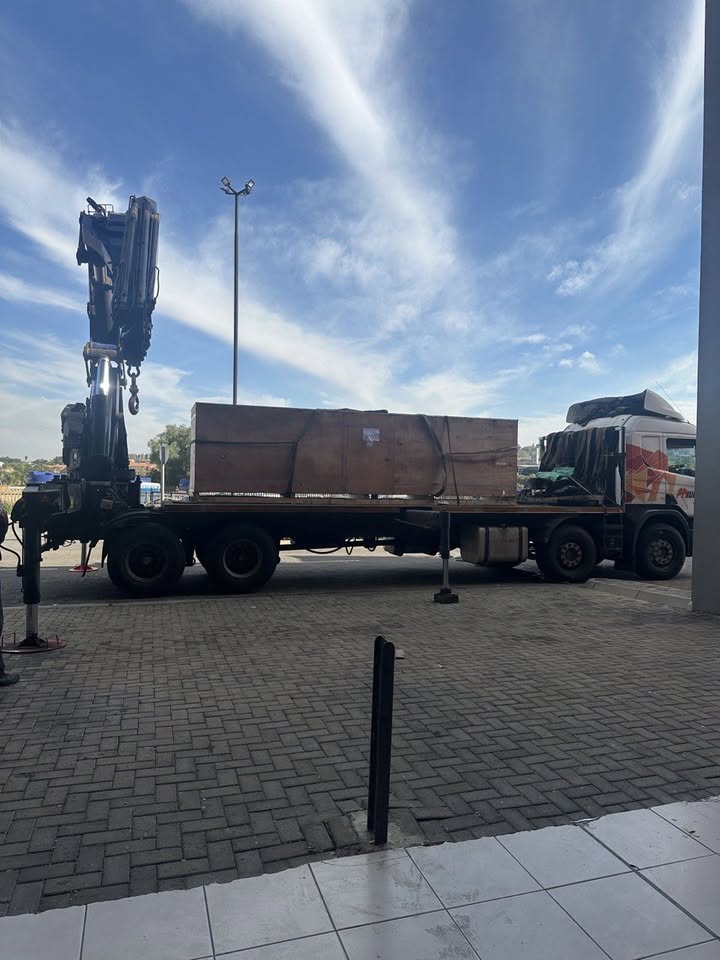
12 Heads Embroidery Machine
Toilet Paper Machine Machine
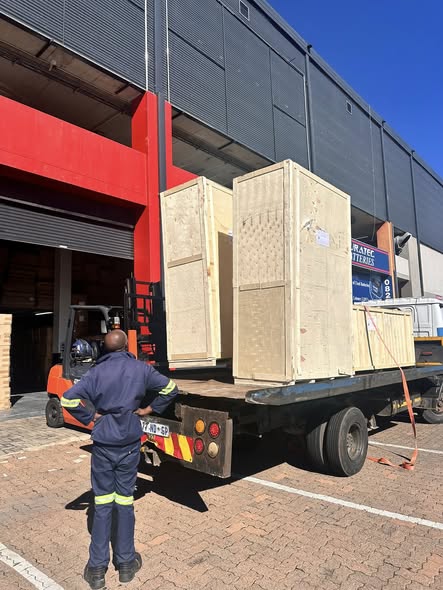
Order Collection
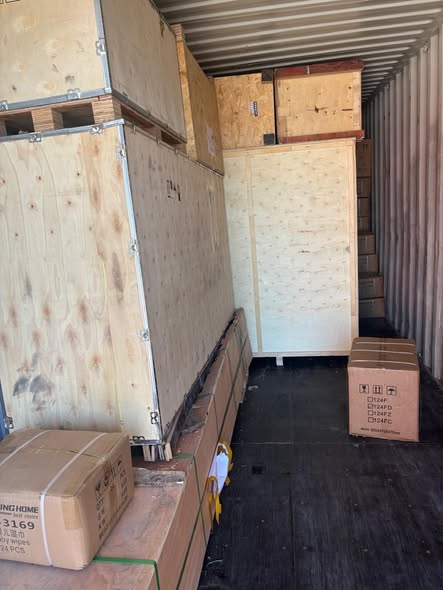
Cross Border Clients
Order cros border countries Collected
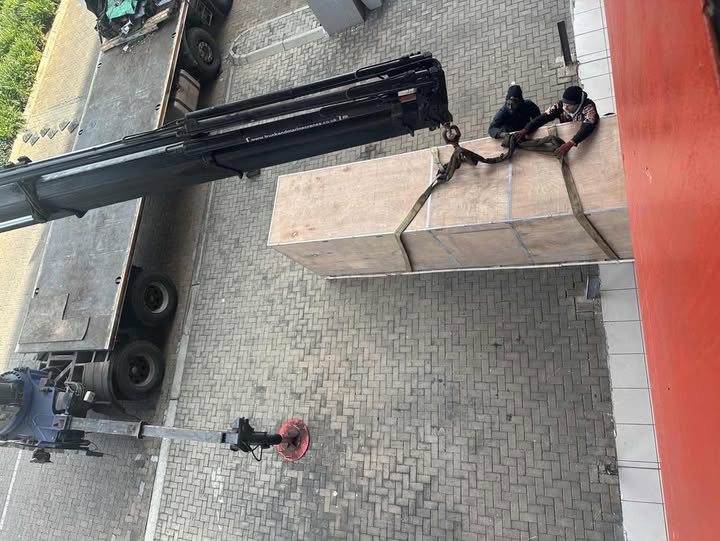
Industrial Machine Cllection
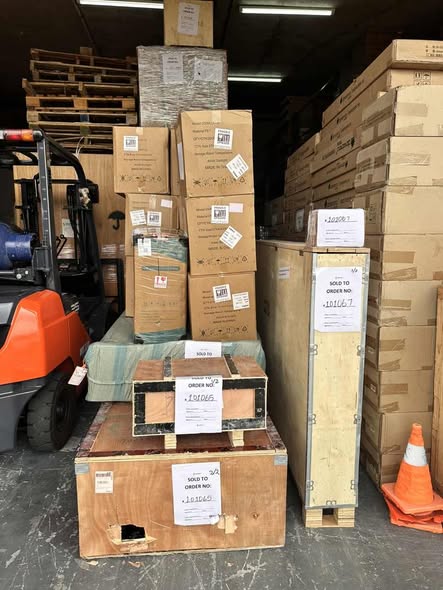
Agriculture Processing Machines
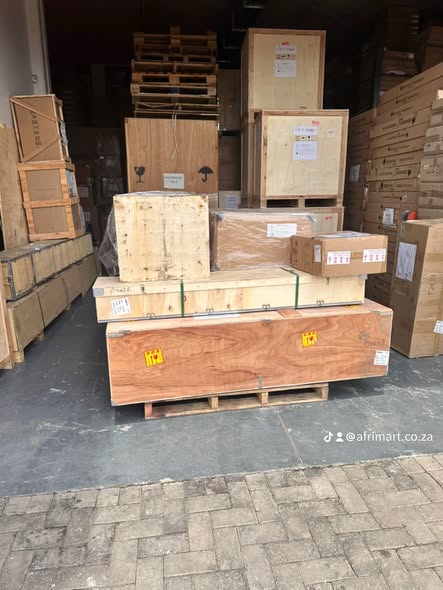
Ready for collection
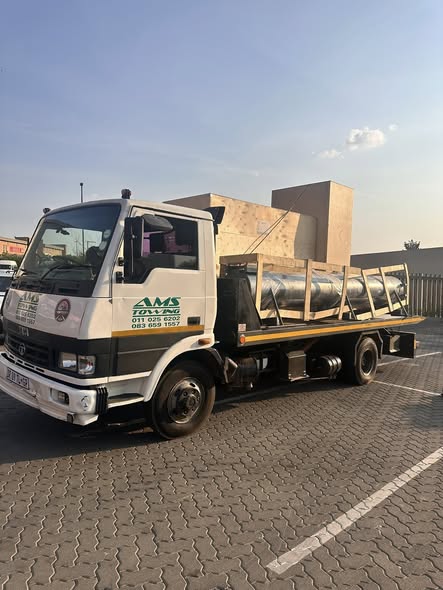
Water Pump Equipment
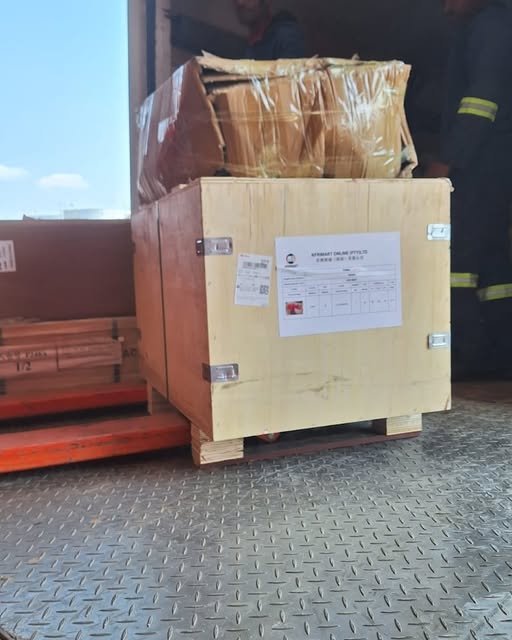
Packaging Machine and accessories

Fabrics Manufacturing Equipment
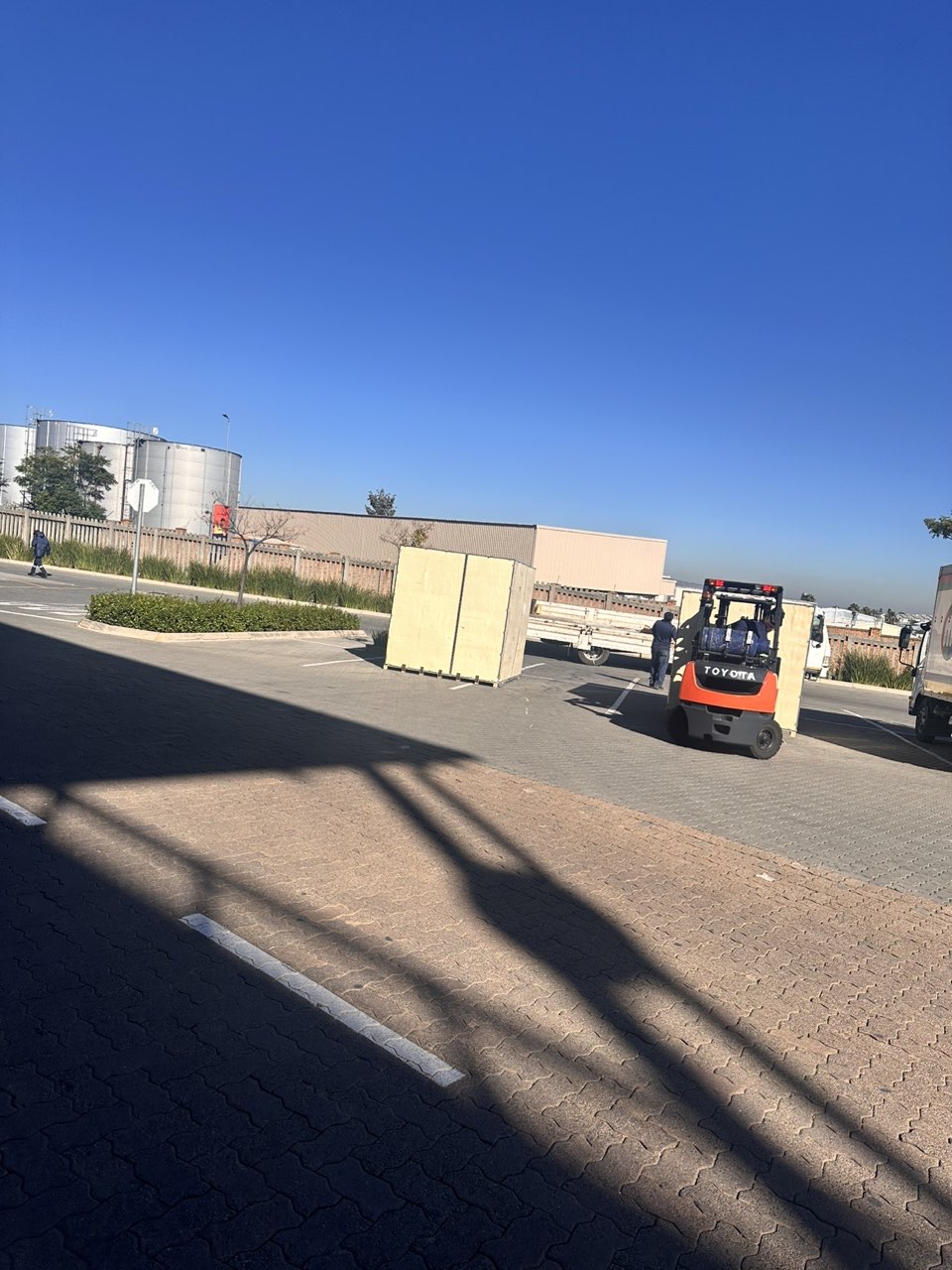
Mining Equipments
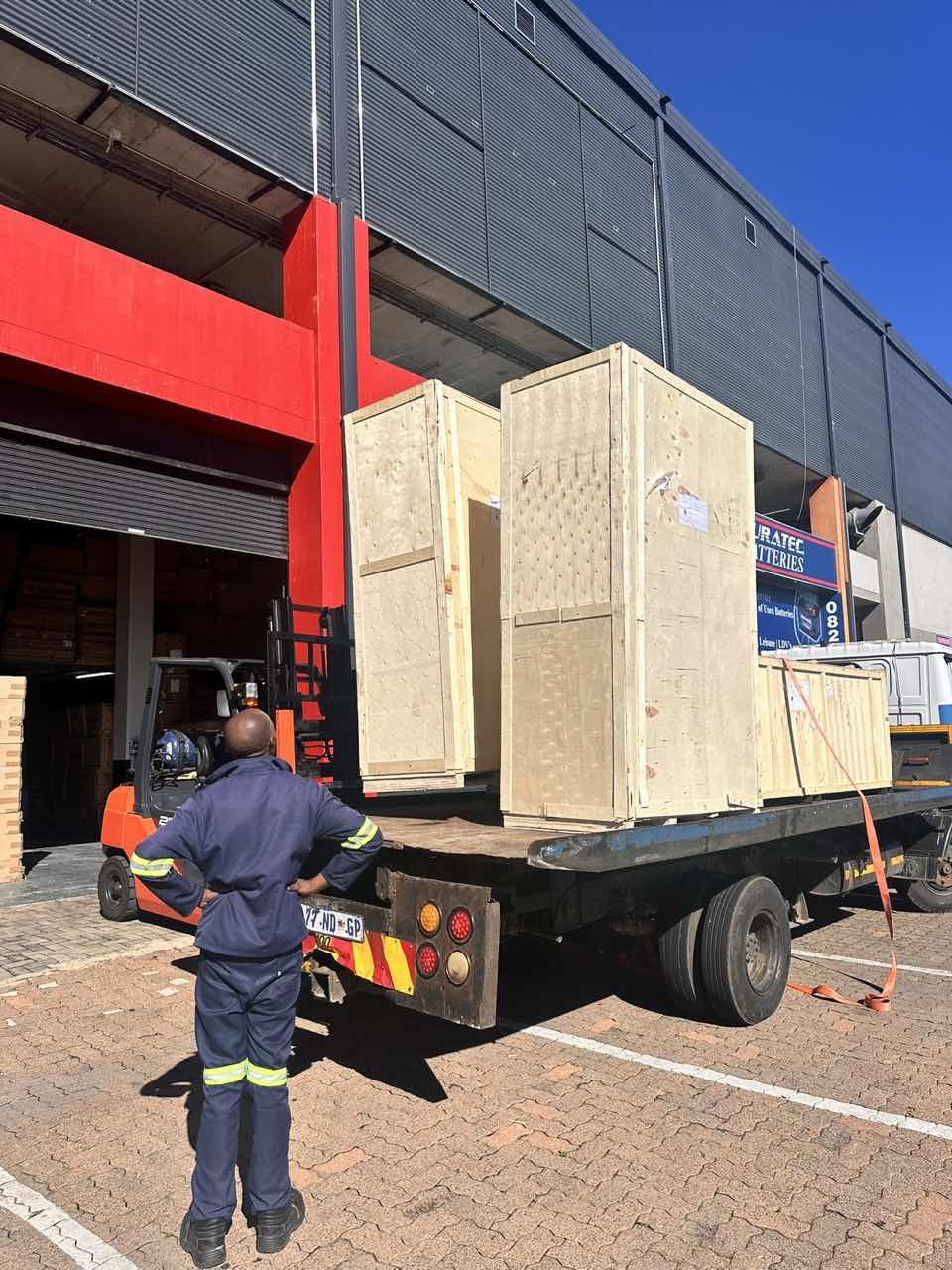
Food Processing Machine
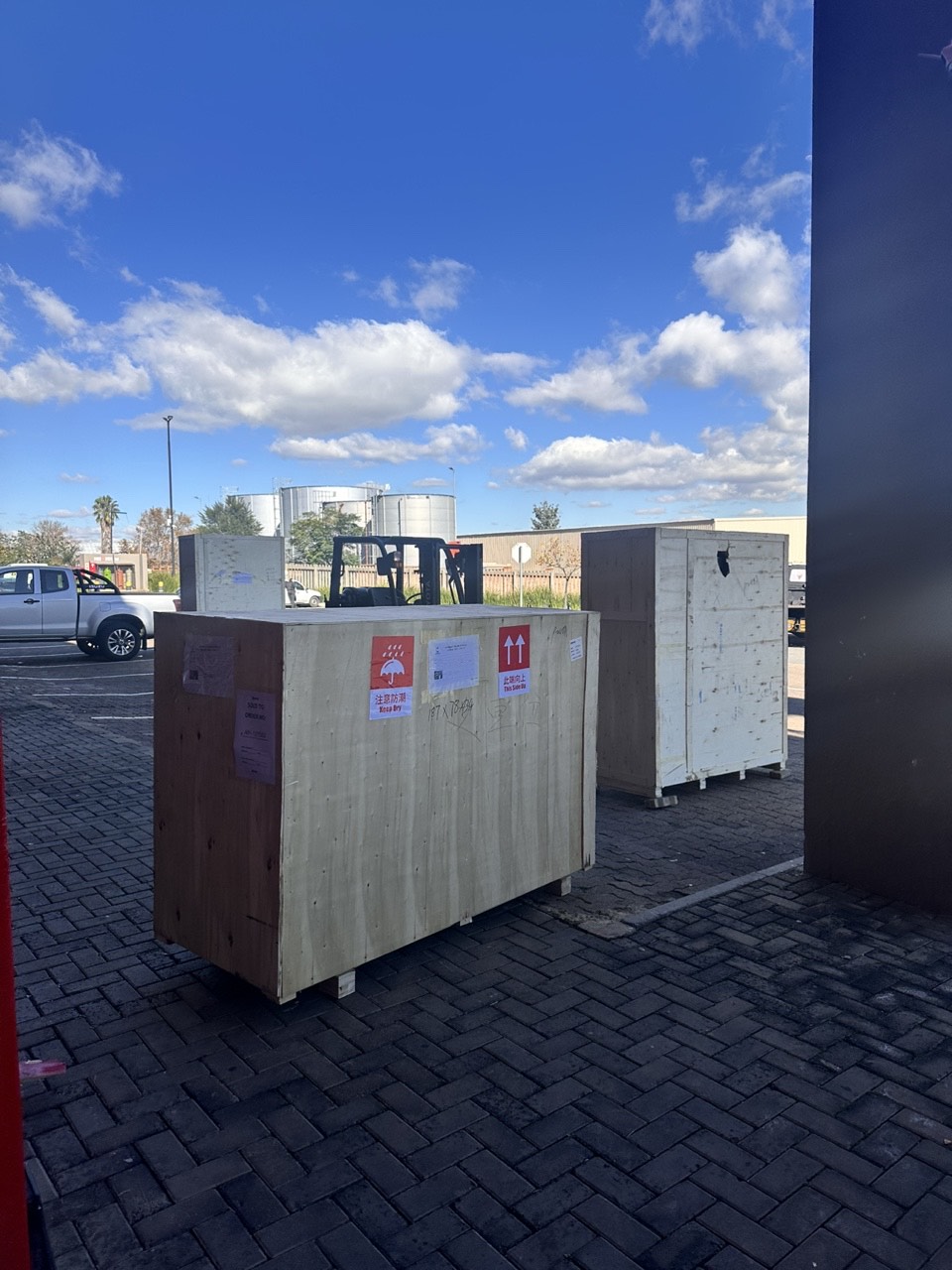
Batch of Orders
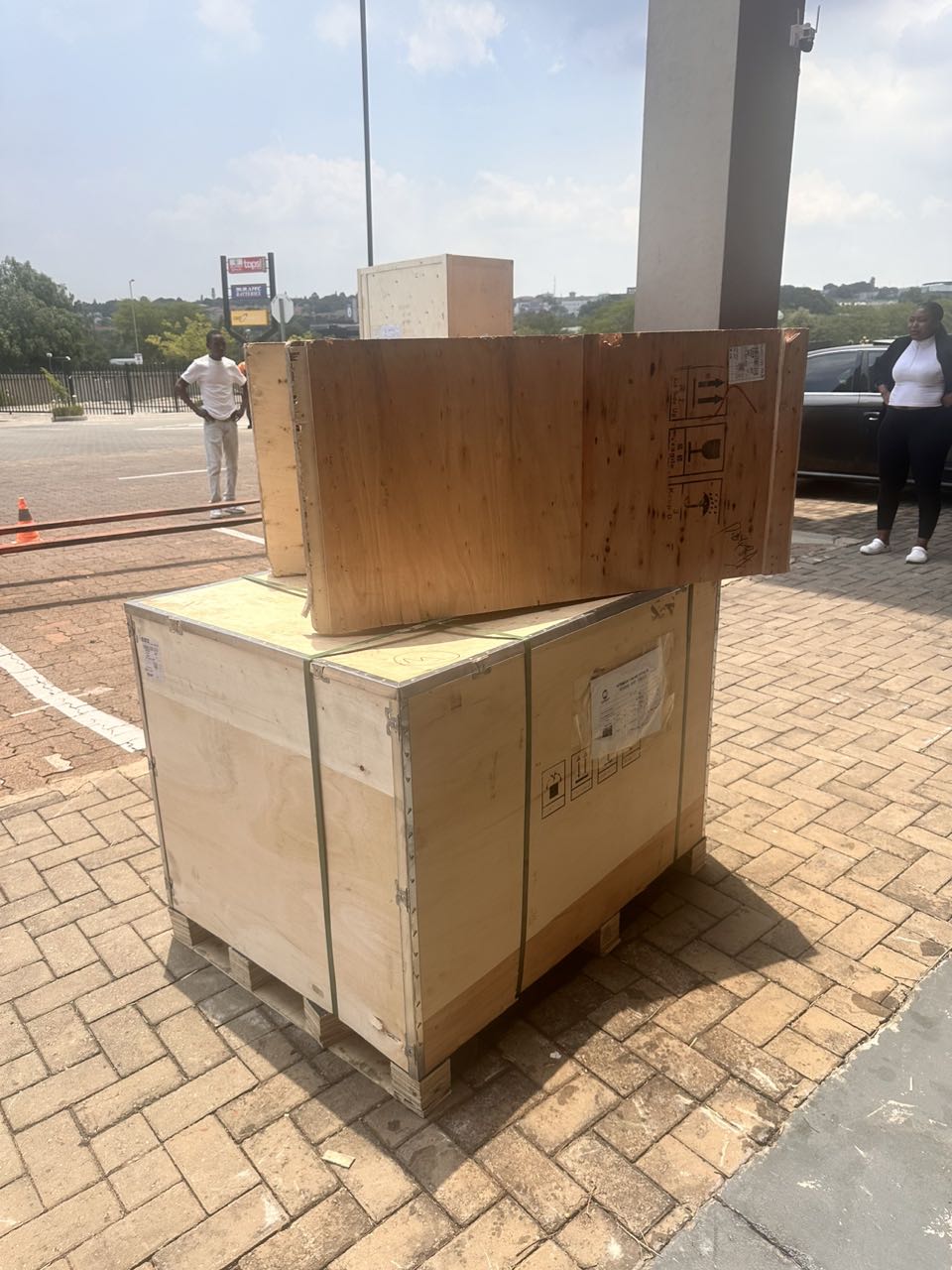
Batch of Orders
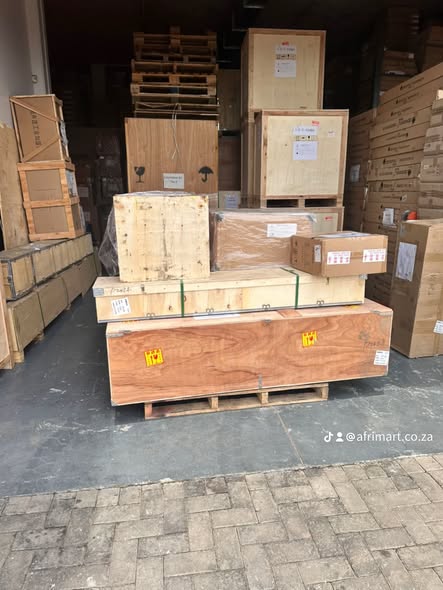
Latest Orders Labelled
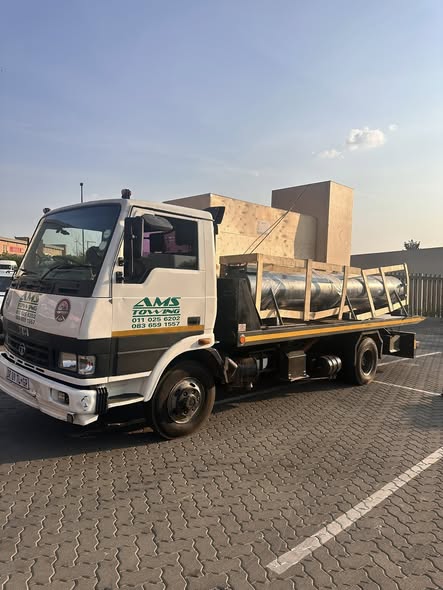
wheel alignment machines

new arrivals
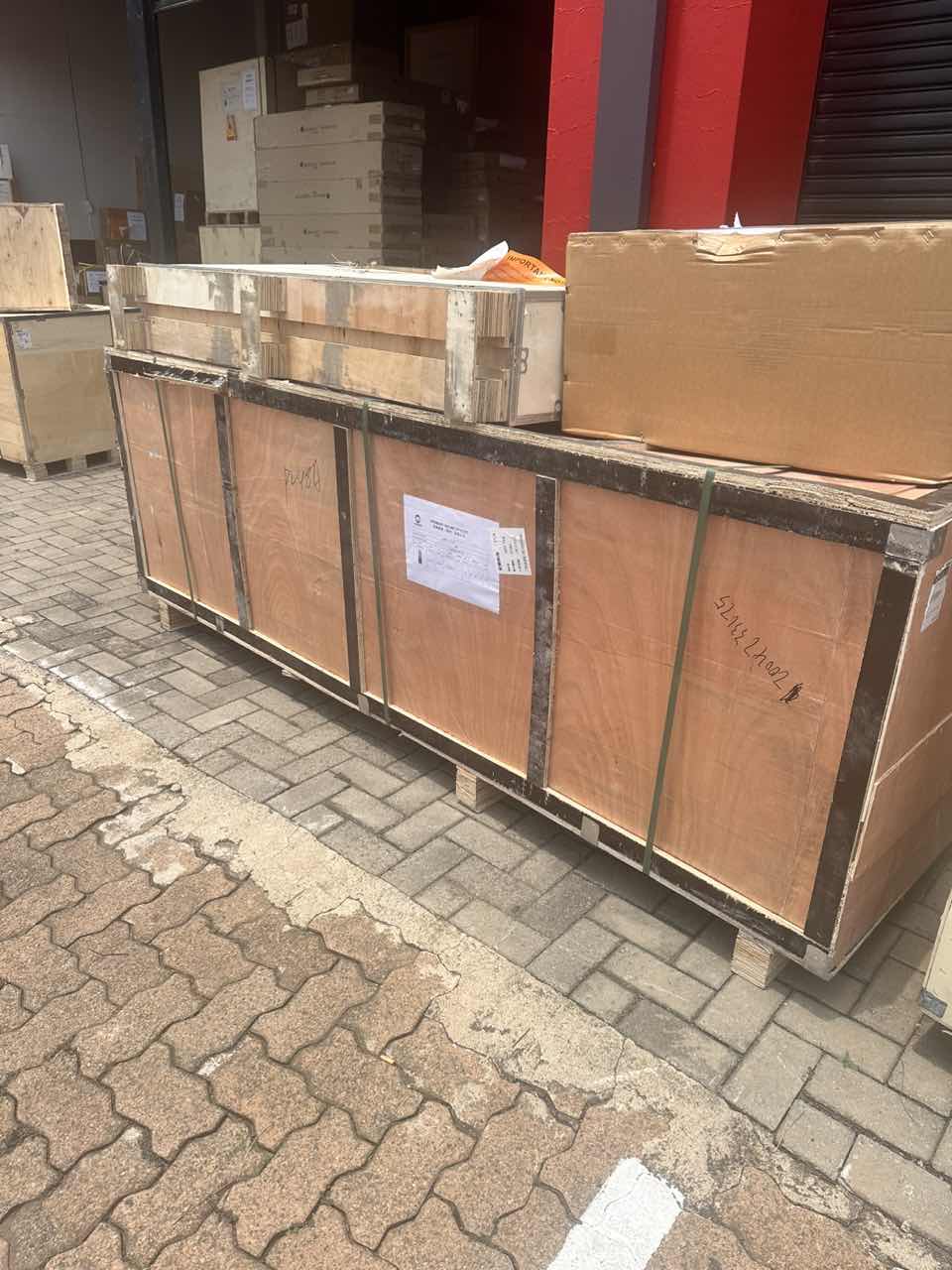
Pre Orders Offloading
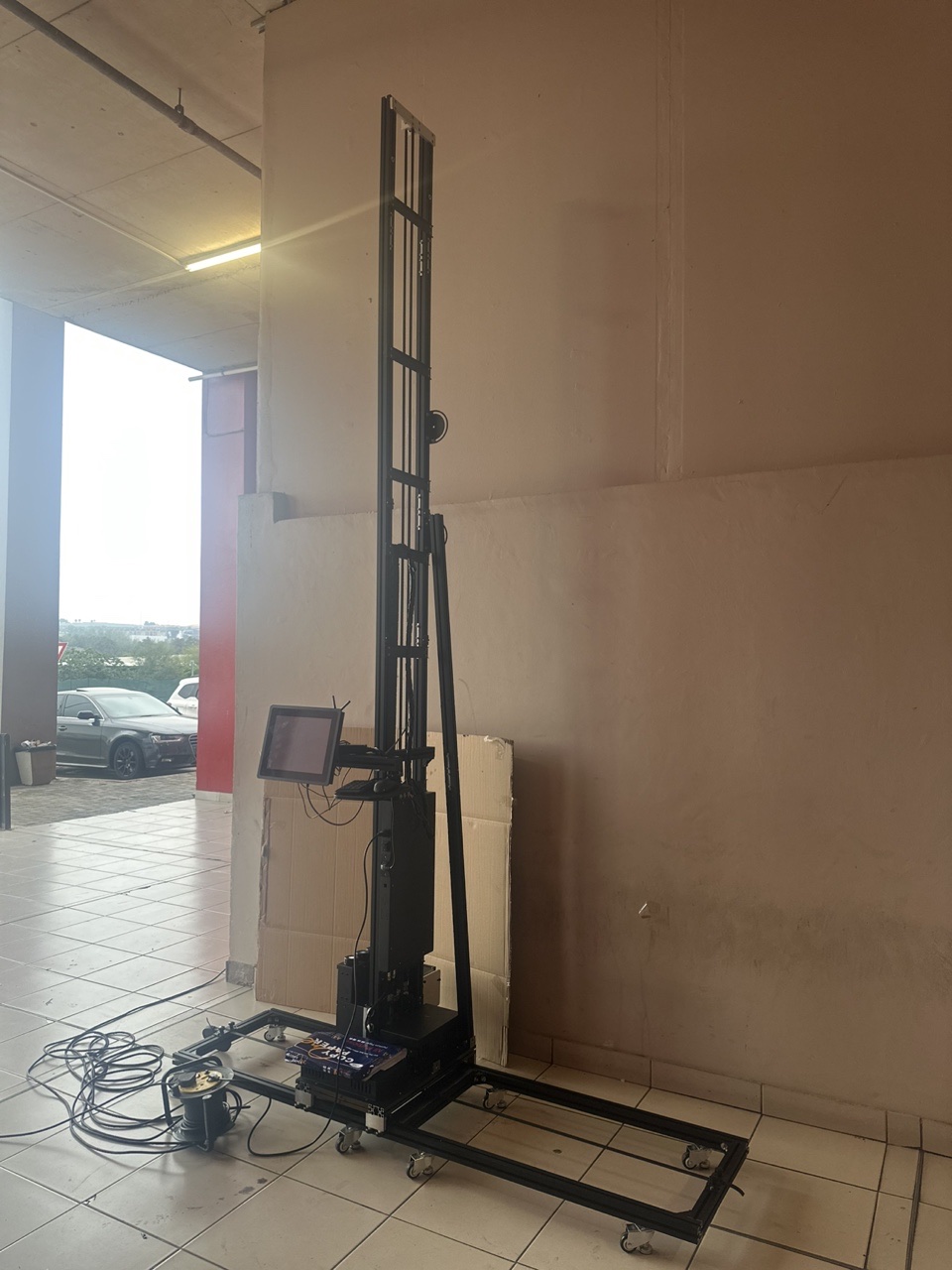
Latest Arrivals
Latest Arrivals

Latest Arrivals
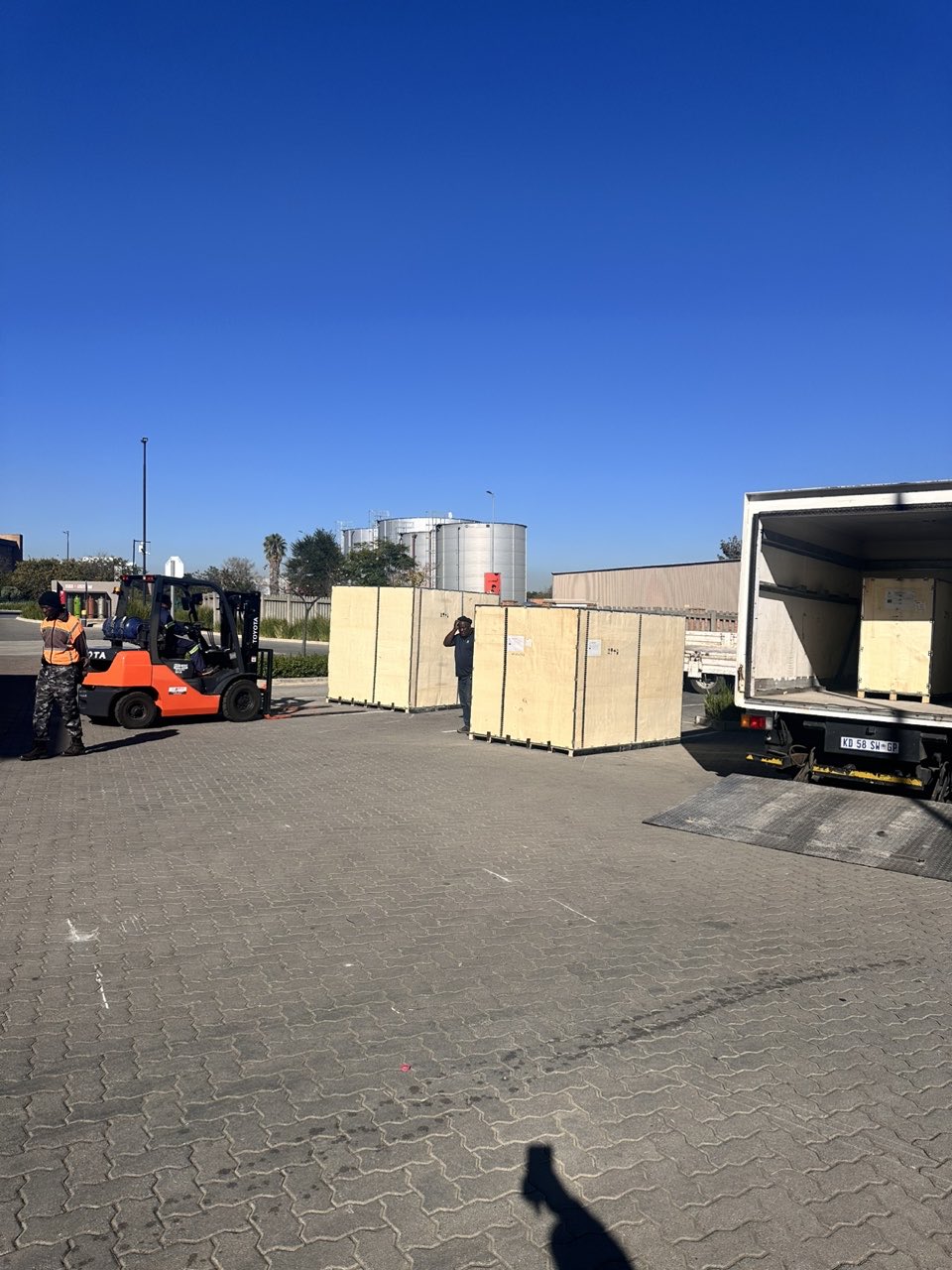
Loading
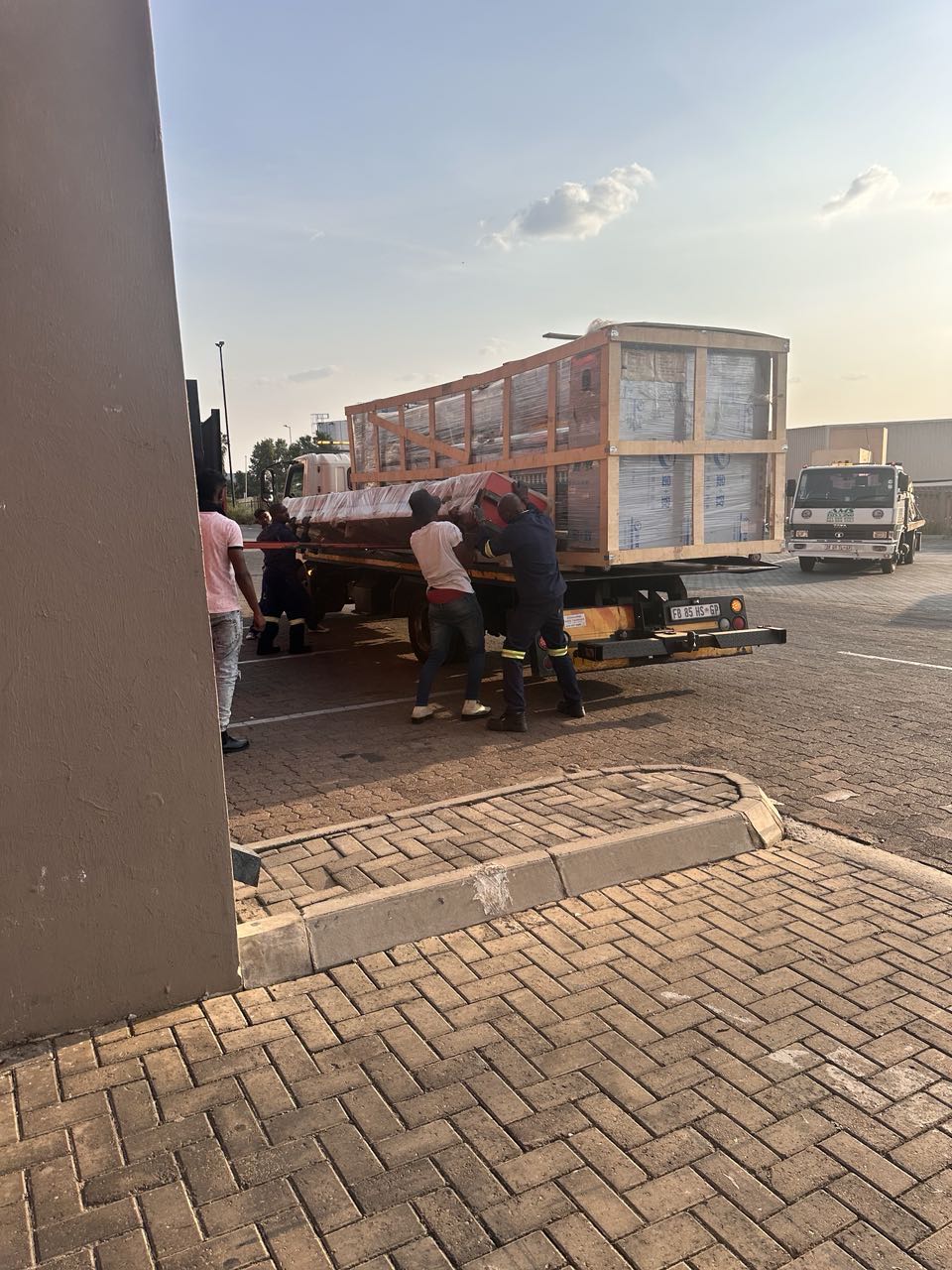
Toilet paper making machine
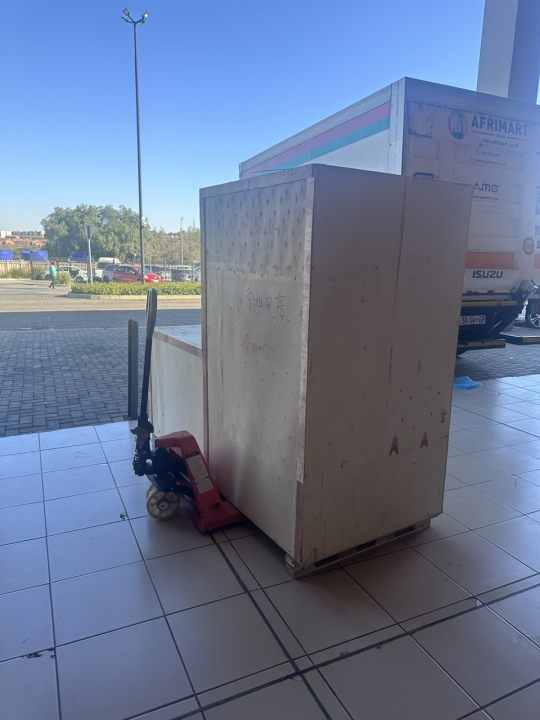
Toilet paper making machine

Toilet paper Rewinding Machine
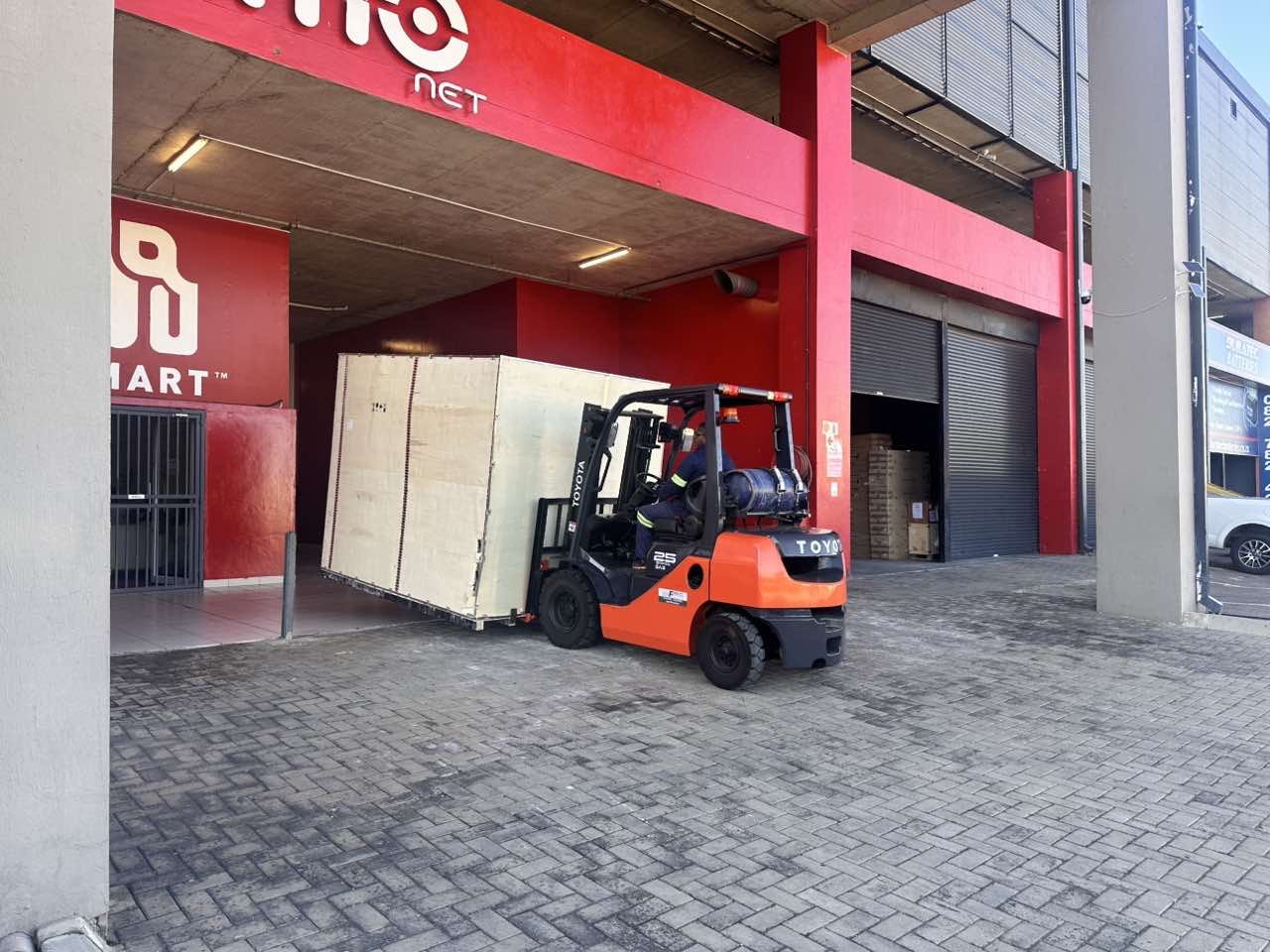
latest arrivals
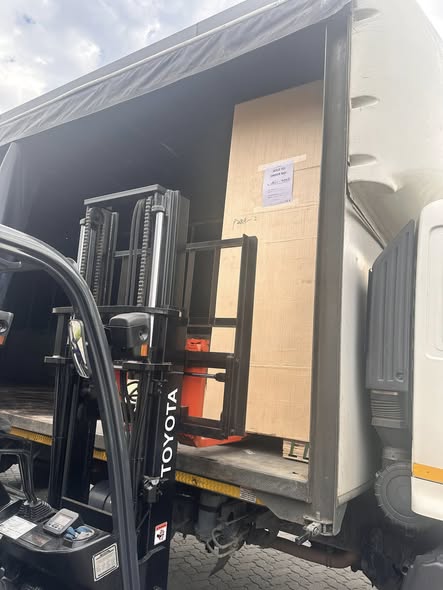
offloading
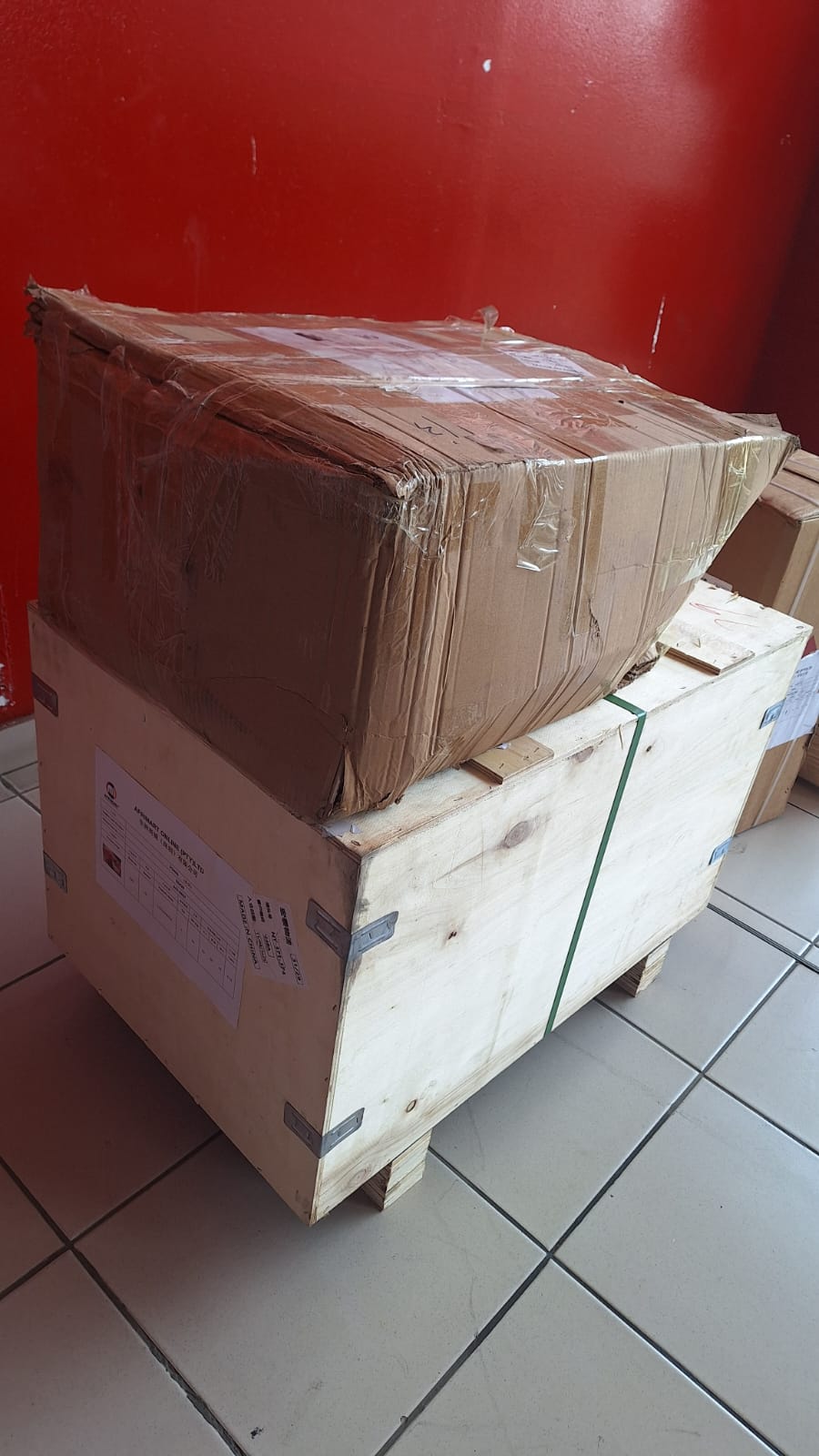
order success

order collection
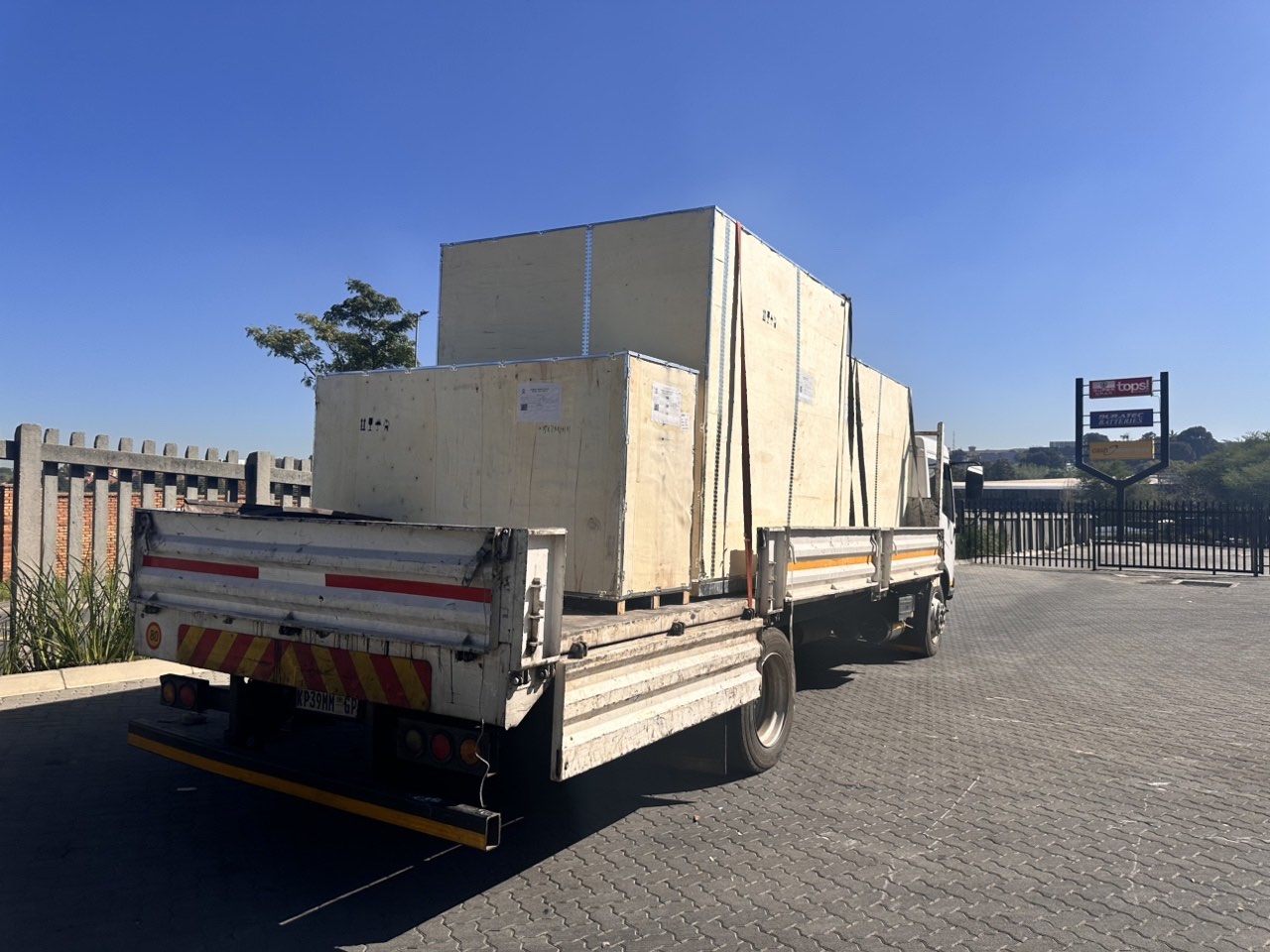
order offloading