B21, China Town Mall, Midrand

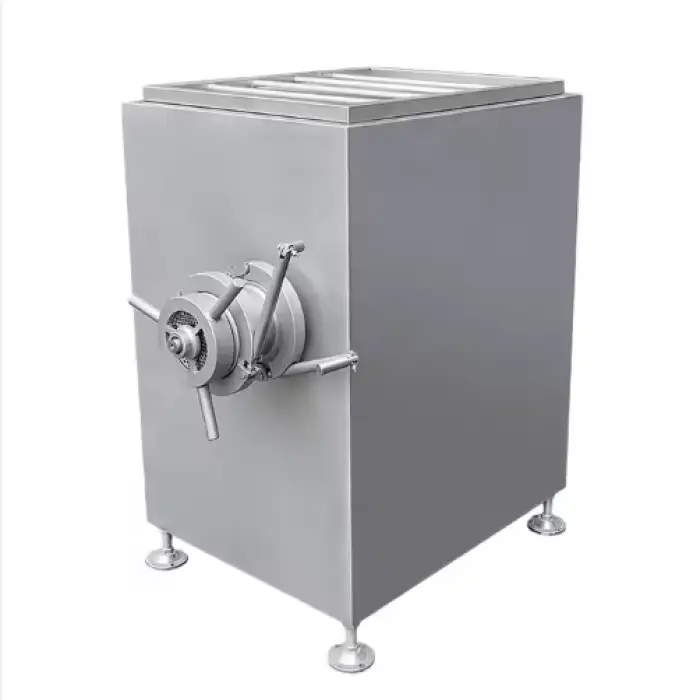
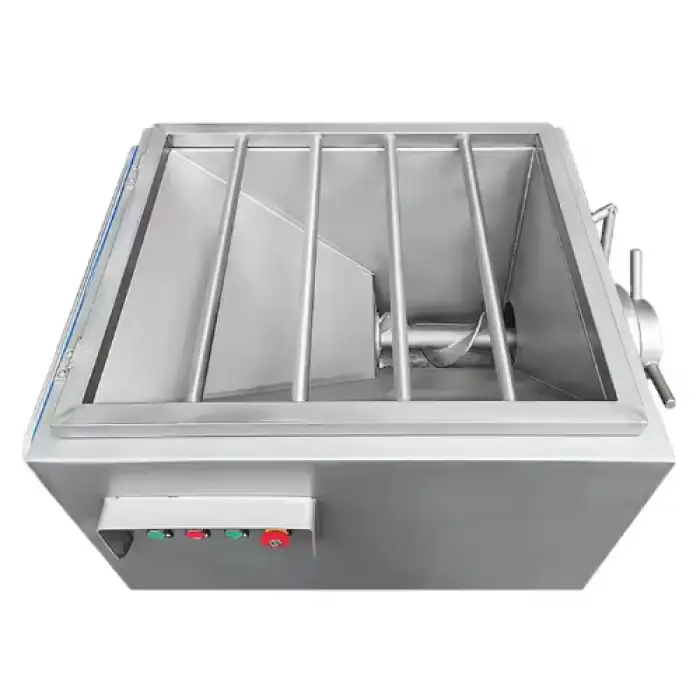
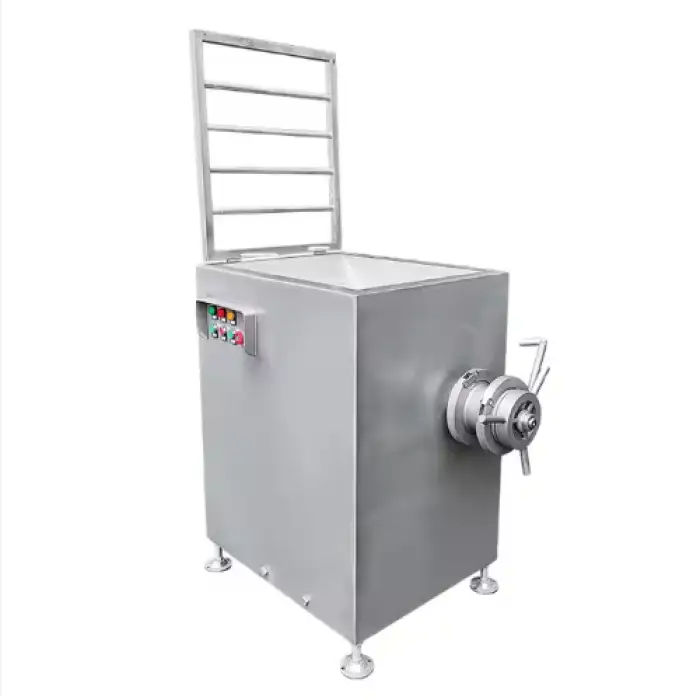
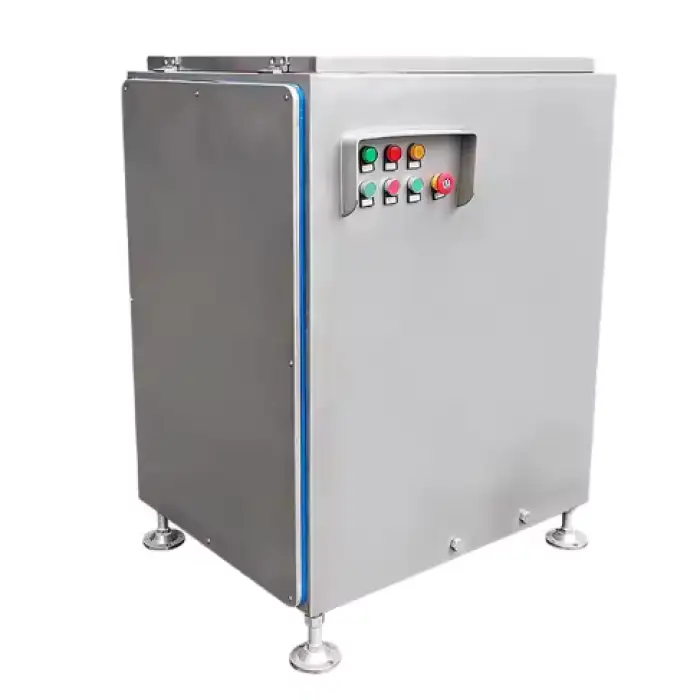
Meat Processing Machinery Industrial Frozen Meat Grinder Fish Mincer Mince Meat Machine
Asset finance available
Do you want funding for this equipment?
Afrimart can connect you with trusted funding partners who specialise in asset finance for businesses like yours. Compare options and apply in minutes — final approval is subject to provider review.
Check funding options
Secure & no obligation

- Section : Machinery
- Category : Other Food Processing Machinery
- SKU : 1601377148540

Meat Processing Machinery Industrial Frozen Meat Grinder Fish Mincer Mince Meat Machine
Introducing the Meat Processing Machinery Industrial Frozen Meat Grinder Fish Mincer Mince Meat Machine, a powerful and efficient tool for all your meat processing needs. This machine is designed to handle large volumes of meat with ease, making it perfect for industrial use. Its sturdy construction and advanced features ensure reliable performance, helping you achieve the best results every time.
Specifications
| Attribute | Details |
|---|---|
| Condition | New |
| Operating Mode | Automatic |
| Max. Capacity | >10L |
| Production Capacity | 5500kg/h |
| Dimensions | 1800 x 1250 x 1600 mm |
| Weight | 2000 KG |
| Meat Particle Size | 4-35mm |
| Voltage | 380V |
Key Features
- High production capacity of 5500kg/h.
- Automatic operating mode for ease of use.
- Robust design for industrial-grade performance.
- Adjustable meat particle size from 4-35mm.
- Compact dimensions for efficient space usage.
Applications
- Meat processing facilities.
- Commercial kitchens and restaurants.
- Food manufacturing plants.
- Fish processing industries.
- Butcher shops and meat markets.
The Meat Processing Machinery Industrial Frozen Meat Grinder Fish Mincer Mince Meat Machine is your go-to solution for efficient and high-quality meat processing. Upgrade your operations today!
Product Info Gallery
- Shipping Timeframes: All orders are processed within 2-5 business days (excluding weekends and holidays). After your order has been processed, the estimated delivery time is before 30 Nov, 2026, depending on customs, Please note that due to high demand, some items may experience longer shipping times, which will be communicated at order confirmation email.
- Order Processing Time: Please allow 2-5 business days for us to process your order before it is shipped . Orders placed after 16:00 on Fridays, or during weekends and public holidays, will begin processing on the next business day. Processing times may be extended during peak seasons or sales events.
- Manufacturing Time: Some products needs manufacturing time, the manufacturing process will take approximately 10-30 business days depending on the product. This timeframe may vary depending on the complexity of the product and current demand. but this will be communicated with you during order confirmation.
- Returns and Exchanges: We offer a 30-day return policy for most items. If you are not completely satisfied with your purchase, you may return it within 30 days of receipt for a refund or exchange. Items must be unused, in their original packaging, and accompanied by proof of purchase. Return shipping costs are the responsibility of the customer, unless the item was damaged or defective upon arrival.
1. What is the machine's production capacity?
Under ideal conditions the machine is rated up to 5,500 kg/hour. Actual throughput will vary based on meat type, temperature (fresh vs. frozen), fat content and pre-cut size.
2. What power supply does the grinder require?
The unit is designed for 380 V three-phase industrial power. A qualified electrician should perform final electrical connections and ensure proper grounding.
3. What particle sizes can be produced?
Adjustable particle sizes from 4 mm to 35 mm are achievable by changing the cutting plates/screens and/or cutter settings as provided with the machine.
4. Can it process frozen meat and fish?
Yes — the machine is built to handle frozen and fresh meat and fish. For best performance and longevity follow recommended pre-processing (e.g., block size, partial thawing) and the supplier's operating guidelines.
5. What are the machine dimensions and weight?
Overall dimensions are 1800 x 1250 x 1600 mm and the machine weight is approximately 2,000 kg. Plan for appropriate floor load capacity and handling equipment for delivery/installation.
6. Is the operating mode manual or automatic?
The unit operates automatically with controls for feed and processing. Specific control features and automation levels may vary by model — consult your supplier for control panel details.
7. What safety features should I expect?
Typical safety provisions include emergency stop, interlocked access panels, and proper guarding around moving parts. Operators should follow lockout/tagout procedures and wear appropriate PPE.
8. How do I clean and sanitize the machine?
Follow the manufacturer's cleaning protocol: shut down and lock out power, remove and clean removable parts (cutters, plates, trays) with food-safe detergents, rinse and sanitize. Avoid directing high-pressure water at electrical components.
9. What maintenance is required?
Regular maintenance includes inspection and replacement of cutting blades and plates, lubrication of bearings per manual, checking belt tension and motor condition, and routine electrical inspections. Keep a maintenance log.
10. What spare parts should I keep on hand?
Recommended spares: cutting knives, perforated plates/screens (various hole sizes), seals, bearings, drive belts, and fuses. Exact parts depend on your production needs.
11. Does the machine come with installation or training services?
Installation and training options vary by supplier. Many vendors offer on-site installation, commissioning and operator training — confirm availability and fees when ordering.
12. How heavy and what equipment is needed for delivery and placement?
At roughly 2,000 kg, the machine requires heavy-duty handling equipment such as a forklift or crane and sufficient personnel for safe lifting and placement. Ensure clear access and a solid level foundation.
13. Can the machine be customized for my operation?
Many suppliers offer customization (different plate sizes, feed systems, enhanced automation or integration with conveyors). Discuss your production requirements with the vendor to determine feasible options.
14. What should I do if the machine clogs or the motor overheats?
Stop the machine, lock out power, clear the obstruction following the manual, inspect cutters/plates for damage, and allow the motor to cool. If overheating persists, contact authorized service to inspect motor and electrical components.
15. Are certifications and warranty information available?
Certification (e.g., CE, ISO) availability and warranty terms depend on the manufacturer or distributor. Request copies of certification documents and the written warranty policy before purchase.
Latest Order Arrivals
Discover our latest orders

12 Heads Embroidery Machine

Toilet Paper Machine Machine

Order Collection

Cross Border Clients

Order cros border countries Collected

Industrial Machine Cllection

Agriculture Processing Machines

Ready for collection

Water Pump Equipment

Packaging Machine and accessories

Fabrics Manufacturing Equipment

Mining Equipments

Food Processing Machine

Batch of Orders

Batch of Orders

Latest Orders Labelled

wheel alignment machines

new arrivals

Pre Orders Offloading

Latest Arrivals

Latest Arrivals

Latest Arrivals

Loading

Toilet paper making machine

Toilet paper making machine

Toilet paper Rewinding Machine

latest arrivals

offloading

order success

order collection

order offloading