B21, China Town Mall, Midrand

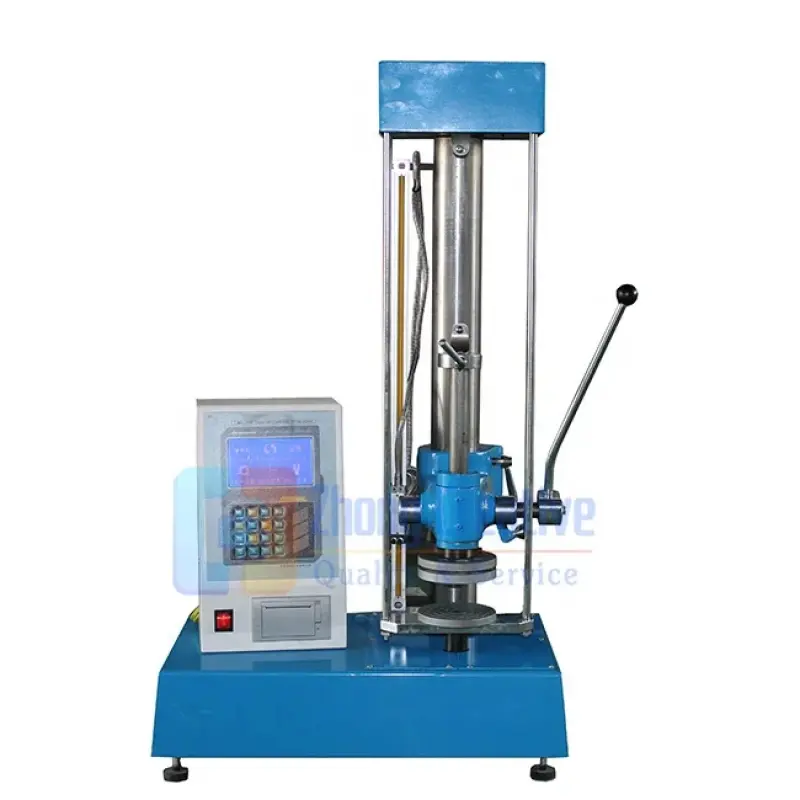
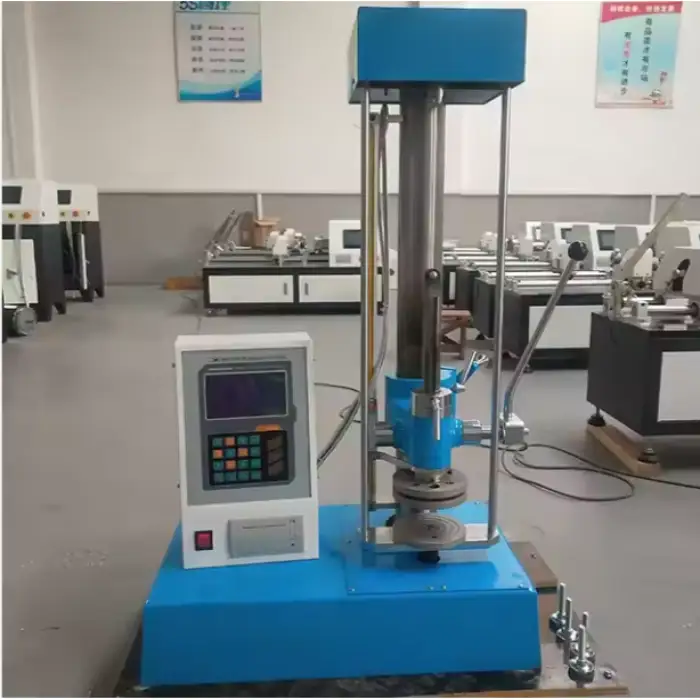
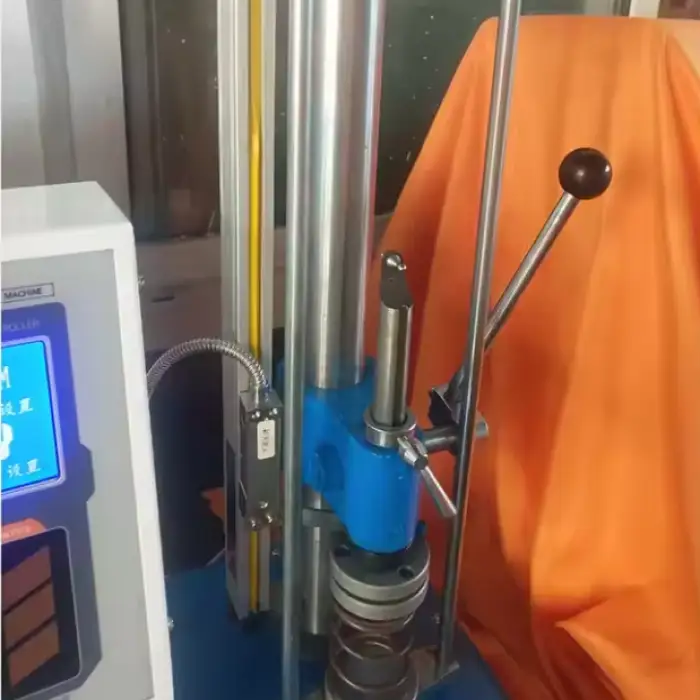
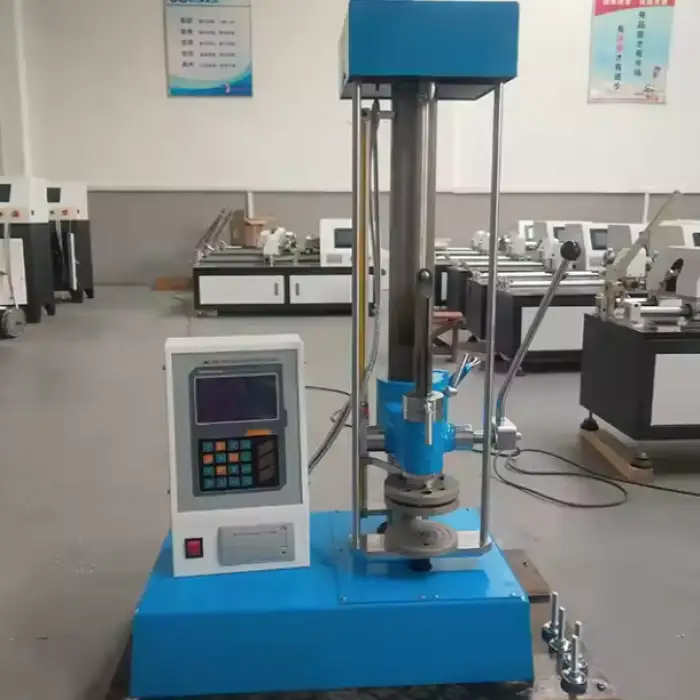
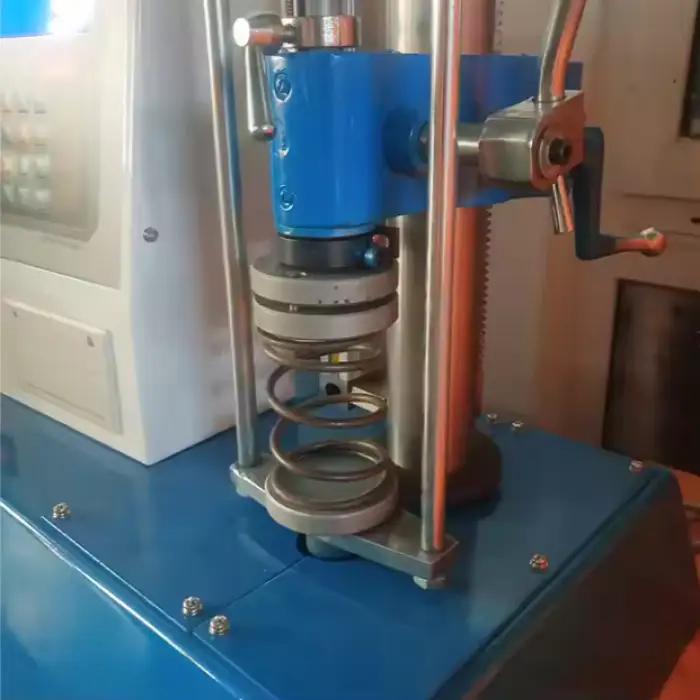
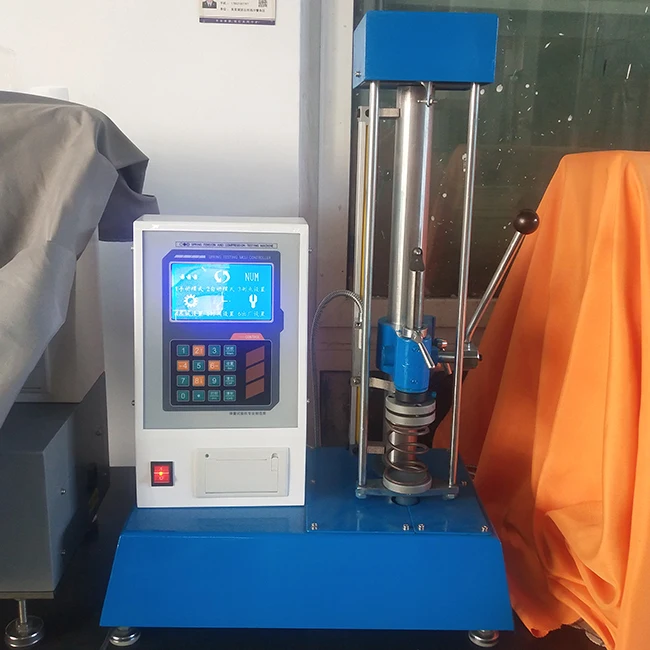
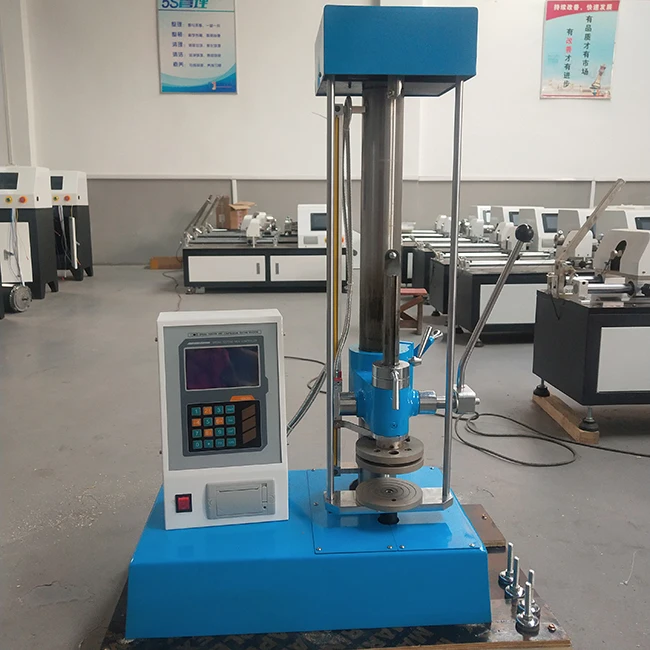
Manual Spring Tensile and Compression Testing Machine ZCTL-S200N
Asset finance available
Do you want funding for this equipment?
Afrimart can connect you with trusted funding partners who specialise in asset finance for businesses like yours. Compare options and apply in minutes — final approval is subject to provider review.
Check funding options
Secure & no obligation

- Section : Consumer Electronics
- Category : Test Instruments
- SKU : 1600838467791

Manual Spring Tensile and Compression Testing Machine ZCTL-S200N
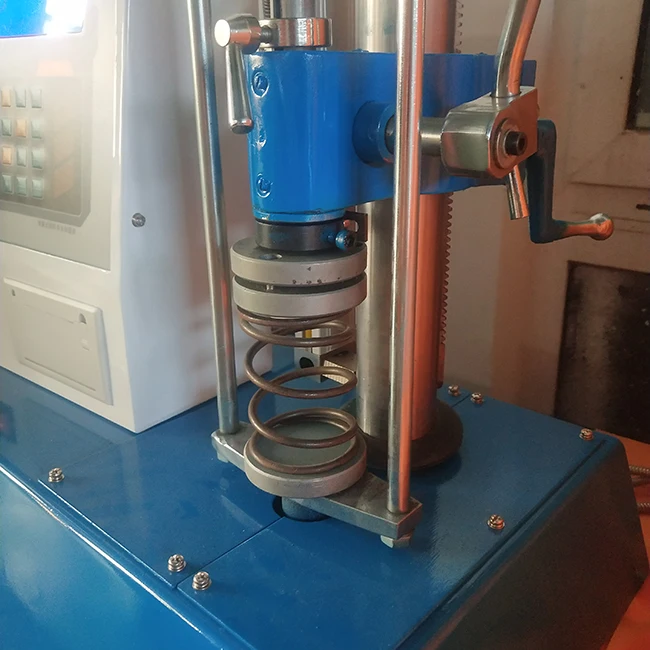
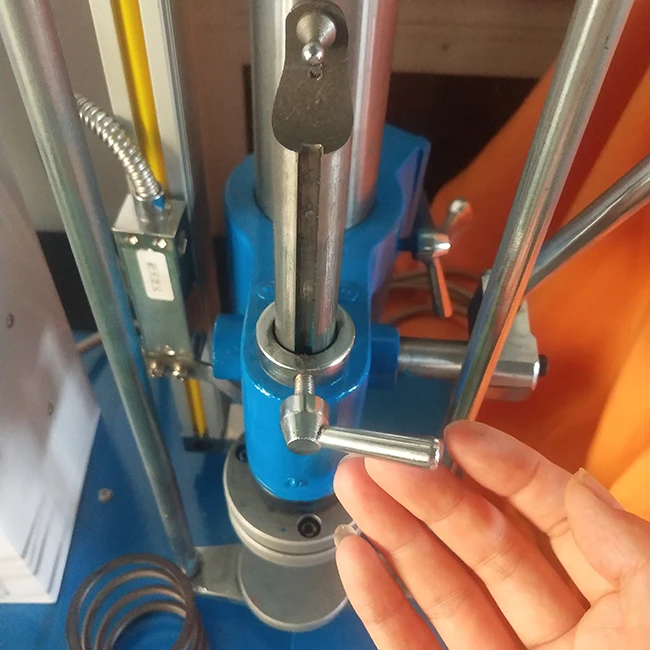
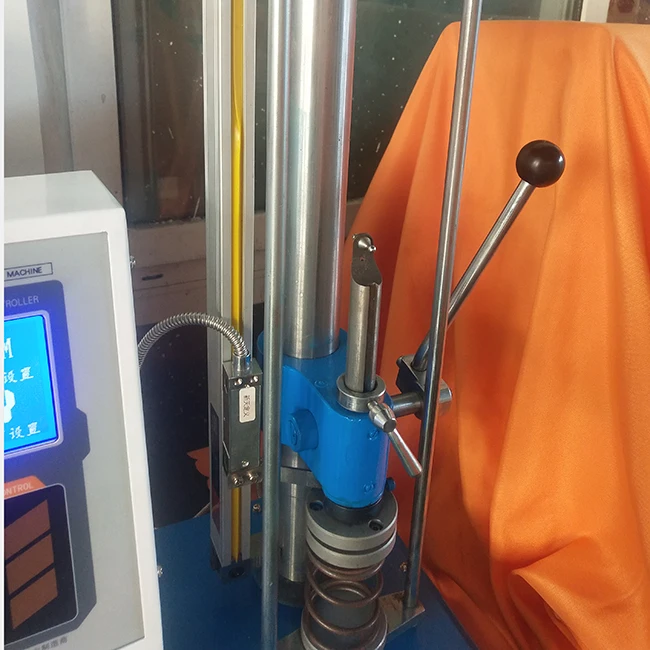
The Manual Spring Tensile and Compression Testing Machine ZCTL-S200N is a versatile and precise device designed for testing the tensile and compression properties of springs. Its manual operation and advanced display features make it a reliable choice for laboratories, workshops, and quality control environments.
Key Features
Accurate Testing Capabilities:
Measures tensile and compression forces with high precision. Equipped with an LCD display for clear and easy-to-read results.
Wide Measuring Range:
Covers forces from 1 to 100% with a resolution of 0.01N, ensuring detailed and accurate measurements.
Compact and Durable Design:
With a sturdy frame weighing 90kg, it provides stability during testing. The 60mm platen diameter supports various spring sizes.
Adjustable Testing Space:
Features a 220mm stretching space and a 200mm compression space to accommodate diverse testing needs.
High-Resolution Measurements:
Displacement resolution of 0.01mm enables precise monitoring and adjustments.
Specification
| Model | ZCTL-S200N |
| Working method | Manual loading |
| Display type | LCD display |
| Measuring range | 1-100% |
| Test resolution | 0.01N |
| Relative error of test force indication value | ±1.0% |
| Displacement resolution | 0.01mm |
| Stretching space | 220mm |
| Compression space | 200mm |
| Platen diameter | 60mm |
| Testing machine size | 520×350×930mm |
| Weight | 90kg |
| Power supply | AC 220V±10% 50Hz |
The Manual Spring Tensile and Compression Testing Machine ZCTL-S200N ensures dependable performance for spring testing applications, combining durability with exceptional measurement accuracy. Its user-friendly design makes it ideal for industries requiring detailed force and displacement analysis.
Product Info Gallery
- Shipping Timeframes: All orders are processed within 2-5 business days (excluding weekends and holidays). After your order has been processed, the estimated delivery time is before 02 Dec, 2026, depending on customs, Please note that due to high demand, some items may experience longer shipping times, which will be communicated at order confirmation email.
- Order Processing Time: Please allow 2-5 business days for us to process your order before it is shipped . Orders placed after 16:00 on Fridays, or during weekends and public holidays, will begin processing on the next business day. Processing times may be extended during peak seasons or sales events.
- Manufacturing Time: Some products needs manufacturing time, the manufacturing process will take approximately 10-30 business days depending on the product. This timeframe may vary depending on the complexity of the product and current demand. but this will be communicated with you during order confirmation.
- Returns and Exchanges: We offer a 30-day return policy for most items. If you are not completely satisfied with your purchase, you may return it within 30 days of receipt for a refund or exchange. Items must be unused, in their original packaging, and accompanied by proof of purchase. Return shipping costs are the responsibility of the customer, unless the item was damaged or defective upon arrival.
1. What is the ZCTL-S200N used for?
The ZCTL-S200N is a manual tensile and compression testing machine designed for measuring the mechanical properties of springs — including tensile (stretching) force, compression force and displacement — in laboratories, workshops and quality-control environments.
2. How is the ZCTL-S200N operated?
The machine uses manual loading (hand or mechanical screw/lever operation) to apply tensile or compressive force to the spring while its built-in sensors and LCD display record force and displacement values. Operators mount the sample between platens, adjust the test spacing, then slowly apply load while monitoring the display.
3. What measurement ranges and resolutions does the machine provide?
The ZCTL-S200N displays forces across its full-scale range (1–100% of the instrument capacity) with a force resolution of 0.01 N. Displacement resolution is 0.01 mm. The indicated relative error of the test force value is ±1.0%.
4. What are the maximum stroke / test spaces for tension and compression?
The machine provides a 220 mm stretching (tensile) space and a 200 mm compression space, suitable for a wide variety of spring lengths and compression/tension tests.
5. What platen size and sample sizes can it accommodate?
Standard platens have a 60 mm diameter. This platen size supports many common spring geometries; larger or specialized fixtures may be required for very large or unusually shaped springs (contact the manufacturer or supplier for options).
6. Does the ZCTL-S200N require electrical power?
Yes. Although loading is manual, the display and measurement electronics require AC power: AC 220 V ±10%, 50 Hz (single phase) to operate the LCD and internal sensors.
7. What is the physical size and installation requirement?
Machine dimensions are 520 × 350 × 930 mm, and it weighs approximately 90 kg. It should be installed on a stable, level bench or floor with adequate space around it for safe operation and sample handling.
8. How accurate are the force readings?
Force readings have a relative error of ±1.0% of the indicated value and a resolution of 0.01 N. For critical measurements, follow a regular calibration schedule and use proper fixturing and test procedures.
9. Does the machine provide data output to a computer or printer?
The standard ZCTL-S200N is equipped with an LCD display for direct reading. It does not include built-in PC communications or data-logging ports by default; contact the manufacturer or supplier to discuss optional data output or upgraded models if computer logging or printing is required.
10. How often should the machine be calibrated and maintained?
Calibration frequency depends on usage and measurement requirements; a common recommendation is annual calibration using certified force standards or by a qualified calibration provider. Routine maintenance (monthly or per-use) should include cleaning platen surfaces, checking mechanical guides and fasteners, and lightly lubricating moving parts as recommended by the manufacturer.
11. What safety precautions should operators follow?
Keep hands and clothing clear of moving parts and between platens during loading. Wear appropriate PPE (safety glasses and gloves as needed). Do not exceed the machine’s rated capacity, secure samples properly, and follow lockout procedures when performing maintenance. Ensure the machine is on a stable surface with adequate clearance.
12. Can I use different grips or fixtures with this machine?
Yes. While the machine comes with standard platens, many spring tests require specialized grips or fixtures. Custom or optional fixtures may be available from the manufacturer or third-party suppliers — confirm compatibility with the 60 mm platen diameter and mounting interface.
13. What environmental conditions are recommended for accurate testing?
For best accuracy and instrument longevity, operate in a clean, vibration-free environment at moderate temperatures (commonly 15–35 °C) and non-condensing humidity. Avoid direct sunlight, excessive dust and corrosive atmospheres. Consult the manufacturer for specific environmental limits.
14. How do I interpret the "1–100%" measuring range specification?
"1–100%" refers to the usable measurement span from the lower measurable limit up to full-scale capacity of the instrument (the exact full-scale force in newtons may vary by calibration and configuration). For the absolute maximum force value in newtons, refer to the detailed datasheet or ask the supplier/manufacturer.
15. Who do I contact for spare parts, accessories or technical support?
Contact the machine supplier or the manufacturer’s technical support for spare parts, replacement sensors, optional fixtures, calibration services and troubleshooting guidance. Keep the machine model (ZCTL-S200N), serial number and purchase information available when requesting support.
Latest Order Arrivals
Discover our latest orders
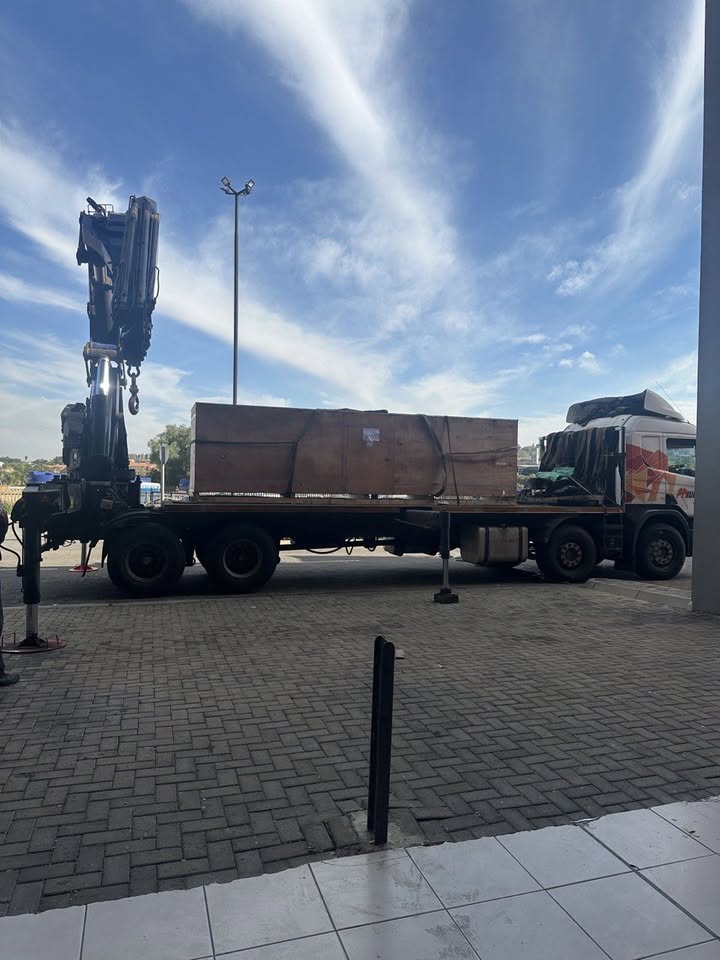
12 Heads Embroidery Machine
Toilet Paper Machine Machine
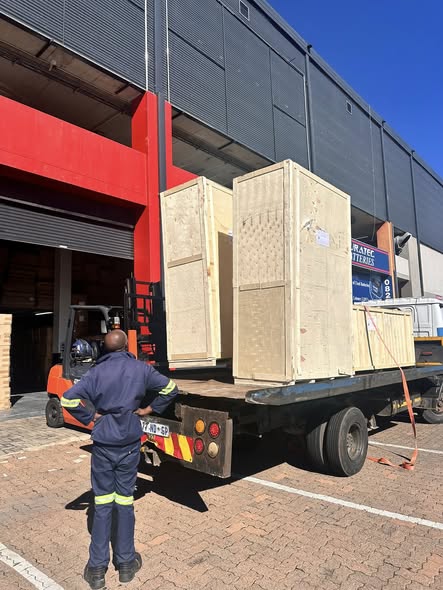
Order Collection
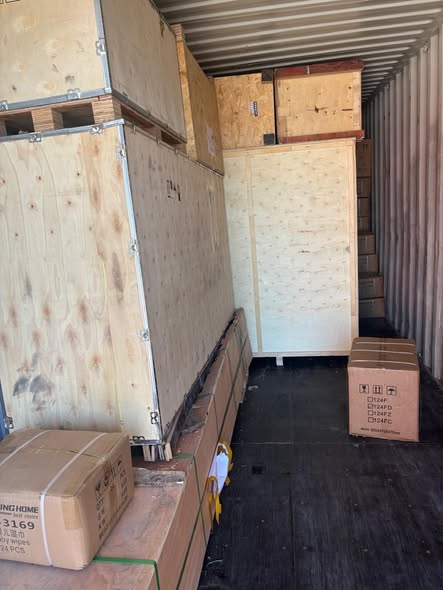
Cross Border Clients
Order cros border countries Collected
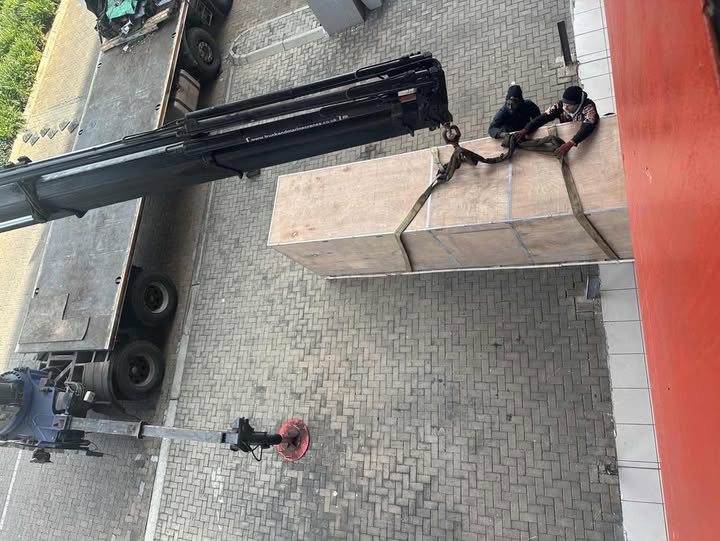
Industrial Machine Cllection
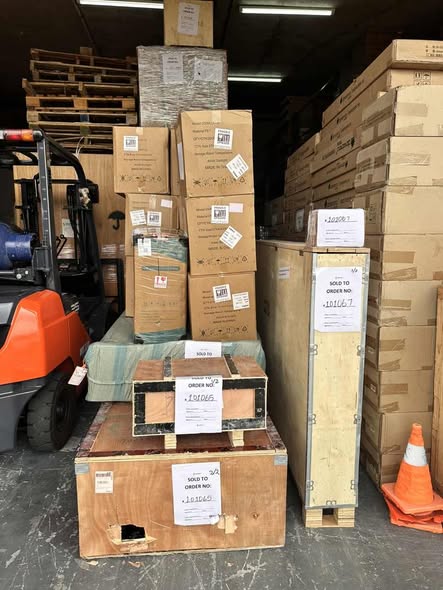
Agriculture Processing Machines
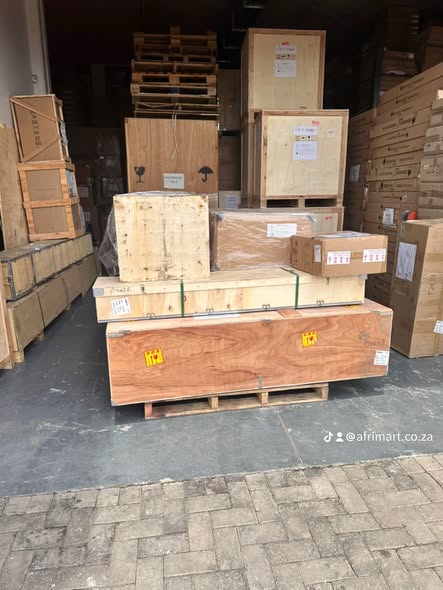
Ready for collection
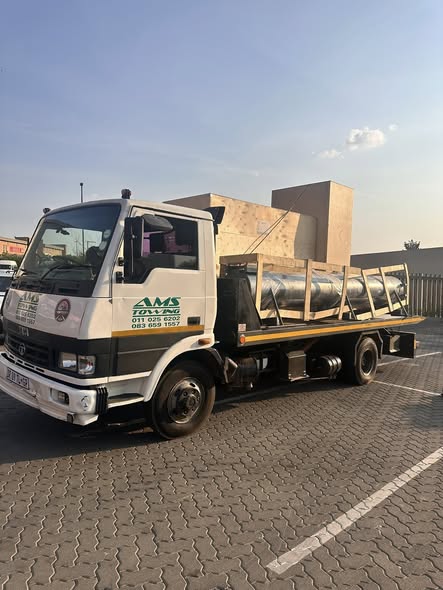
Water Pump Equipment
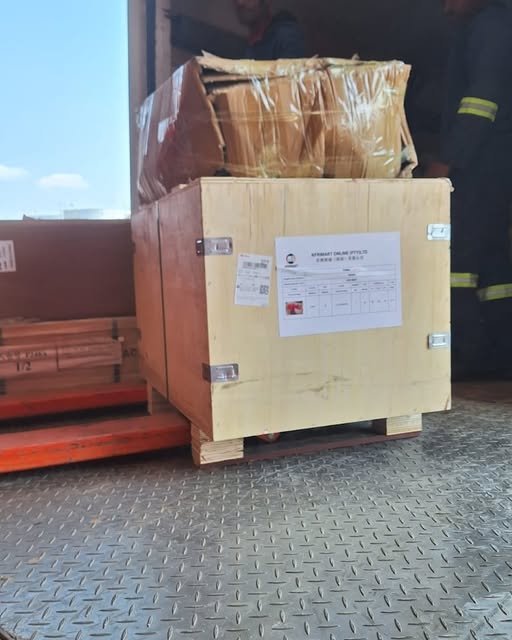
Packaging Machine and accessories
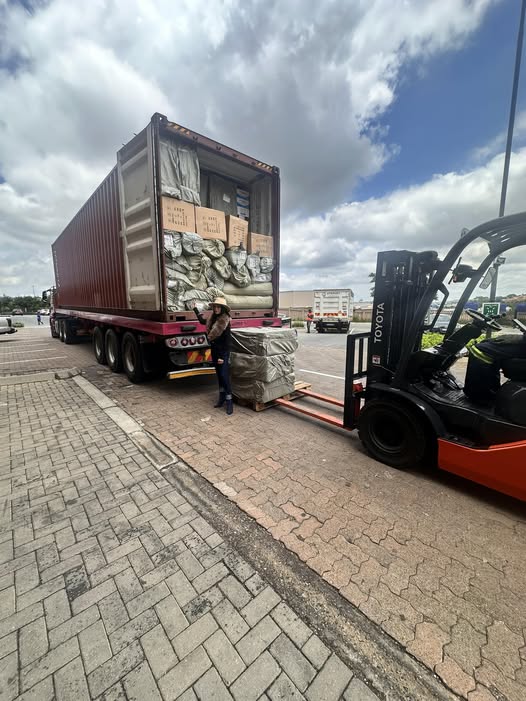
Fabrics Manufacturing Equipment
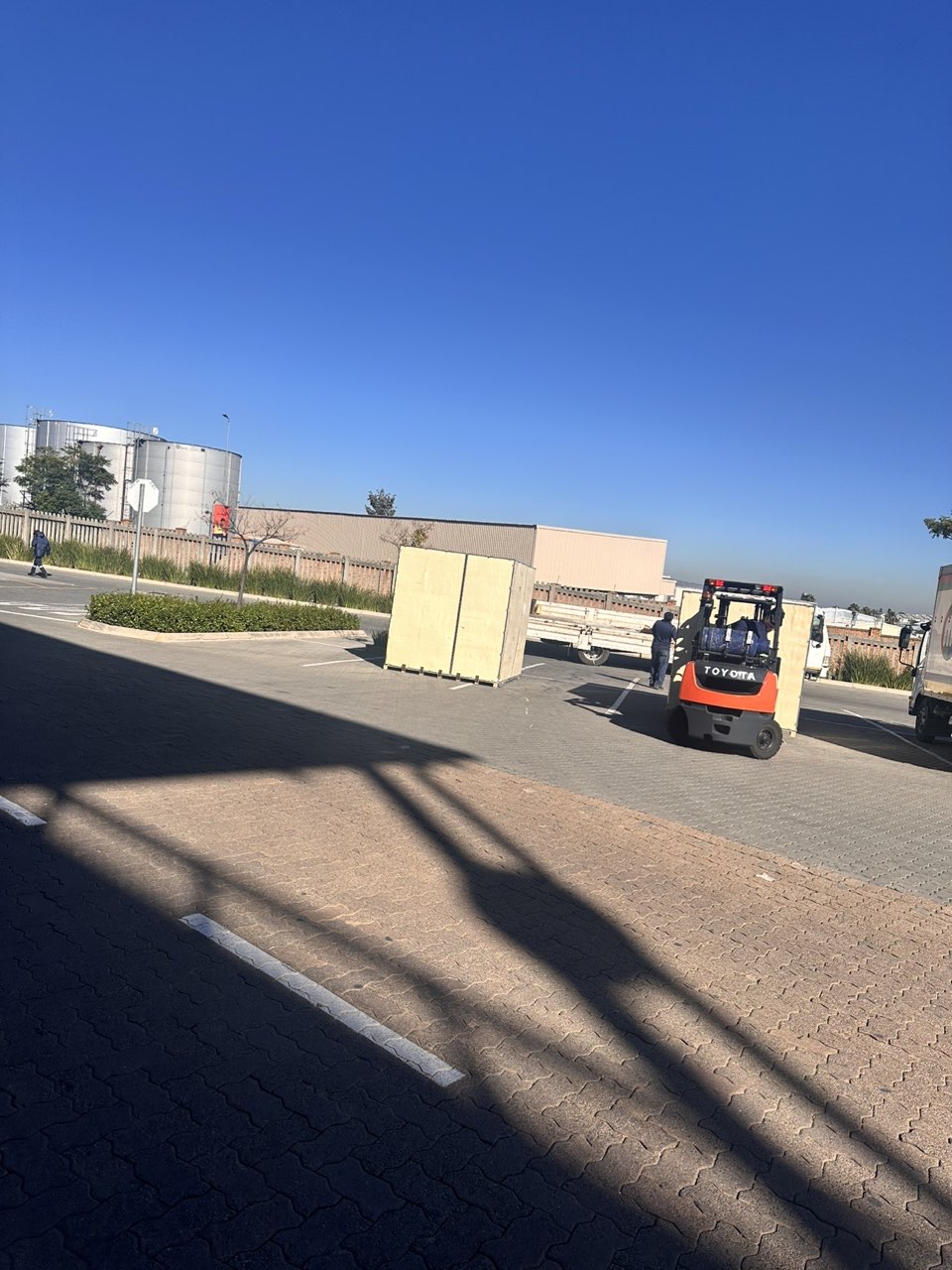
Mining Equipments
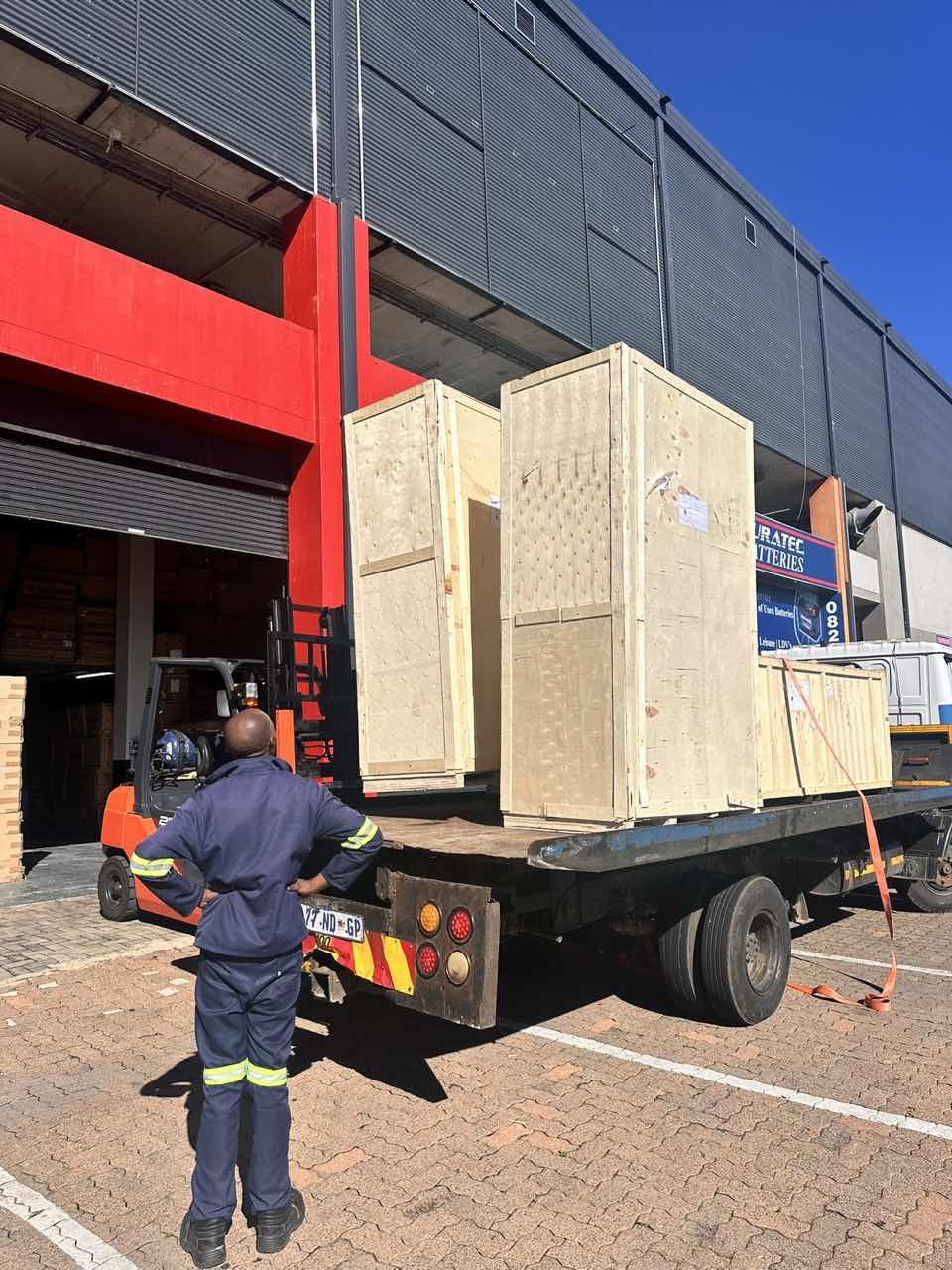
Food Processing Machine
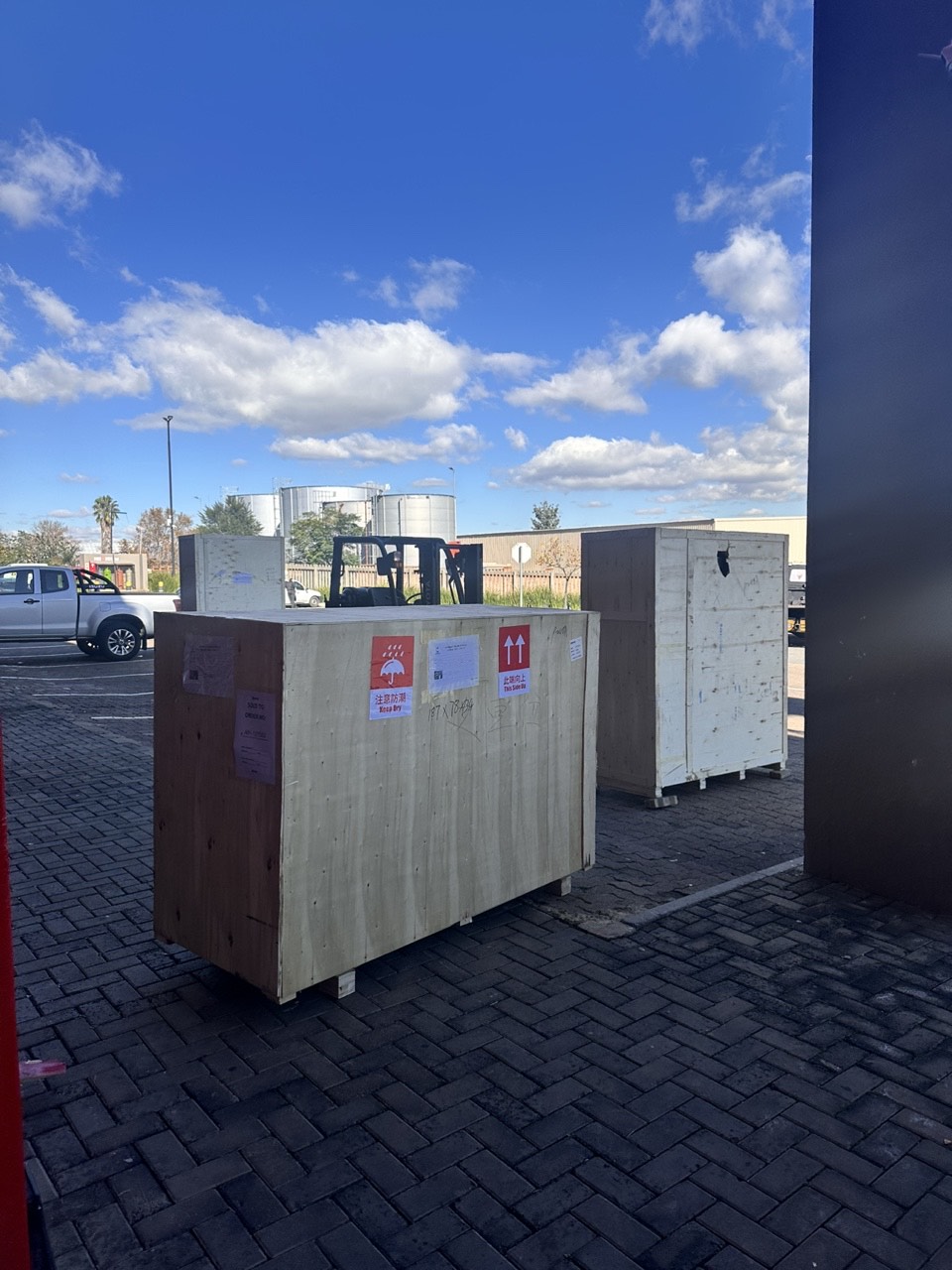
Batch of Orders
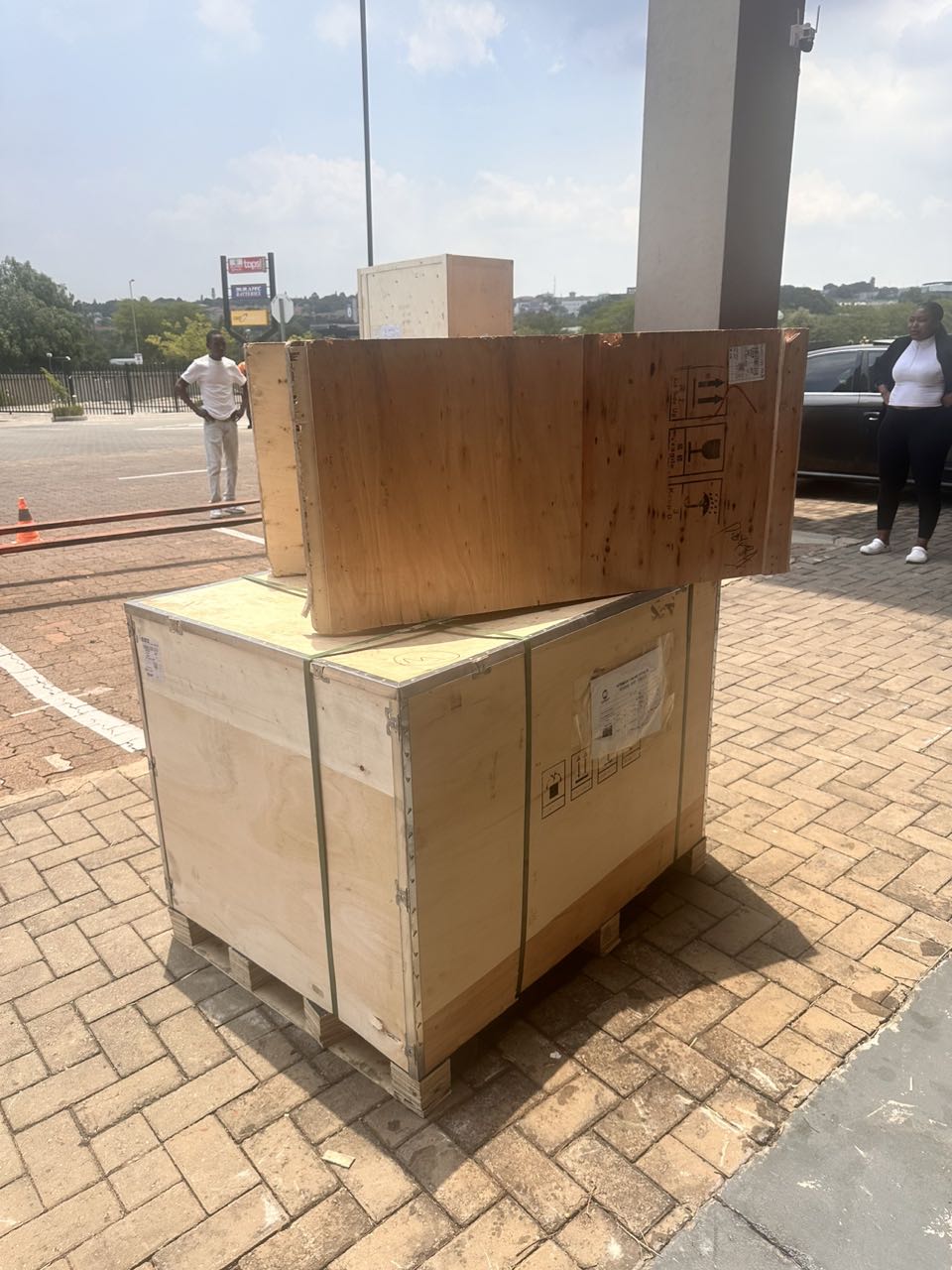
Batch of Orders
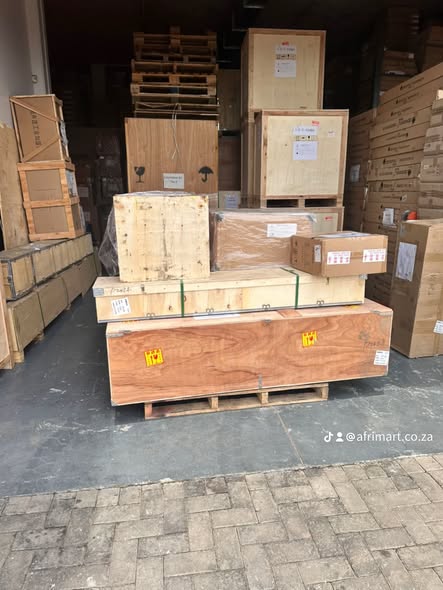
Latest Orders Labelled
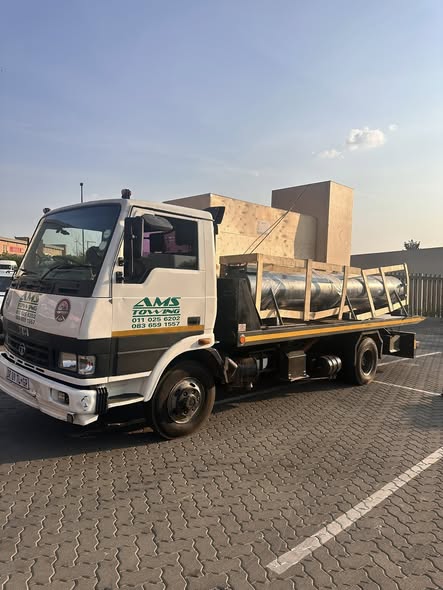
wheel alignment machines
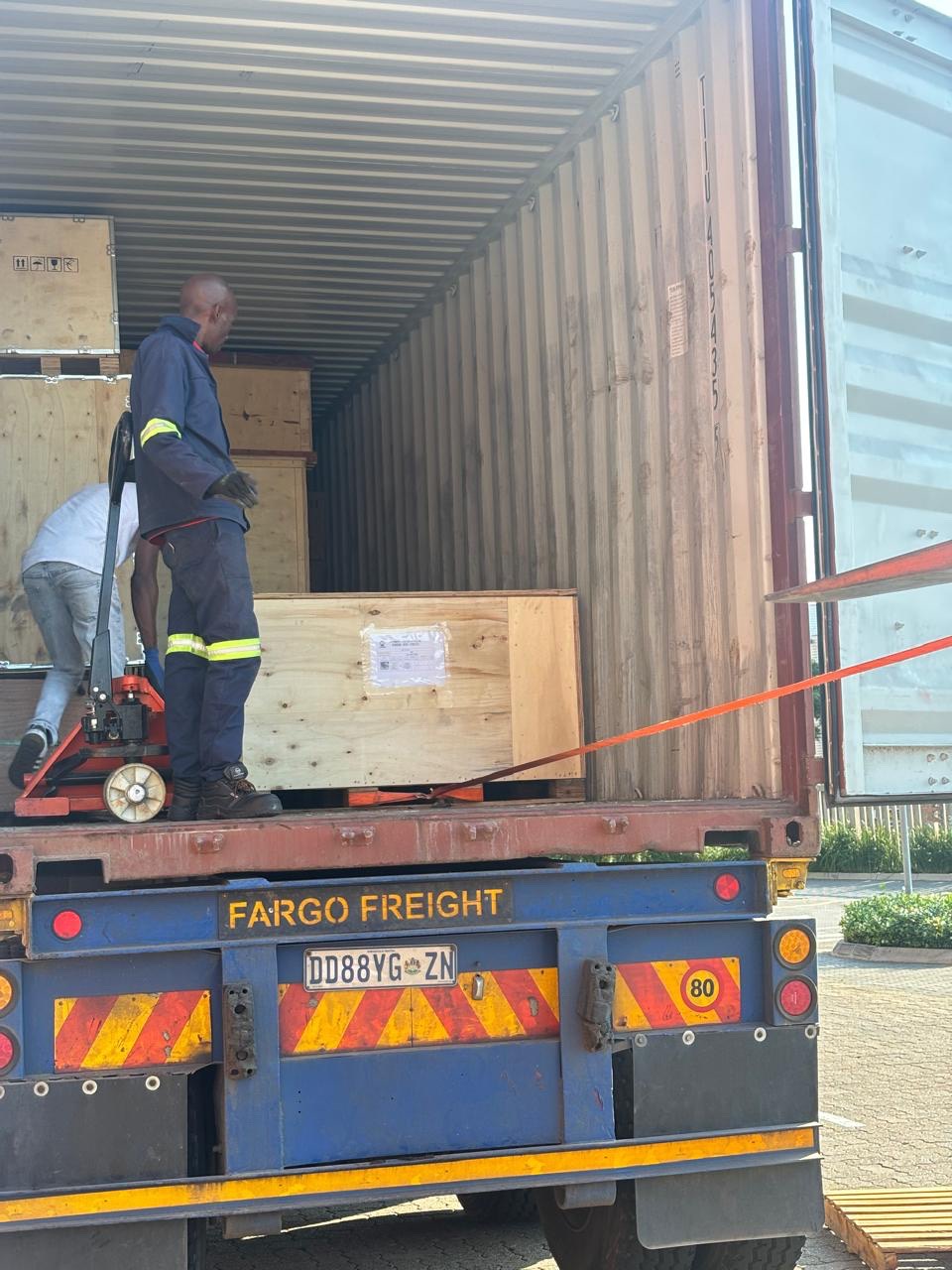
new arrivals
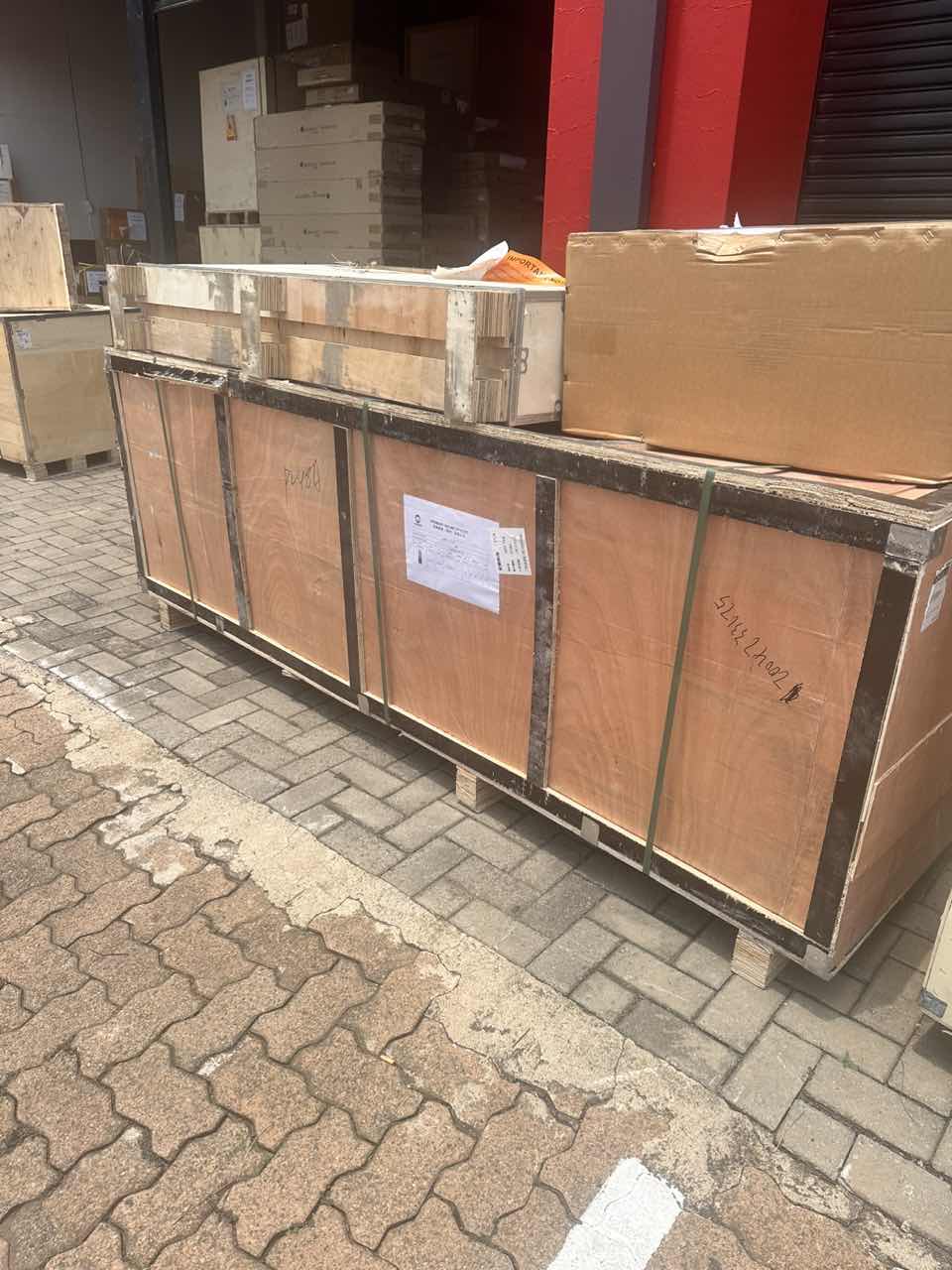
Pre Orders Offloading
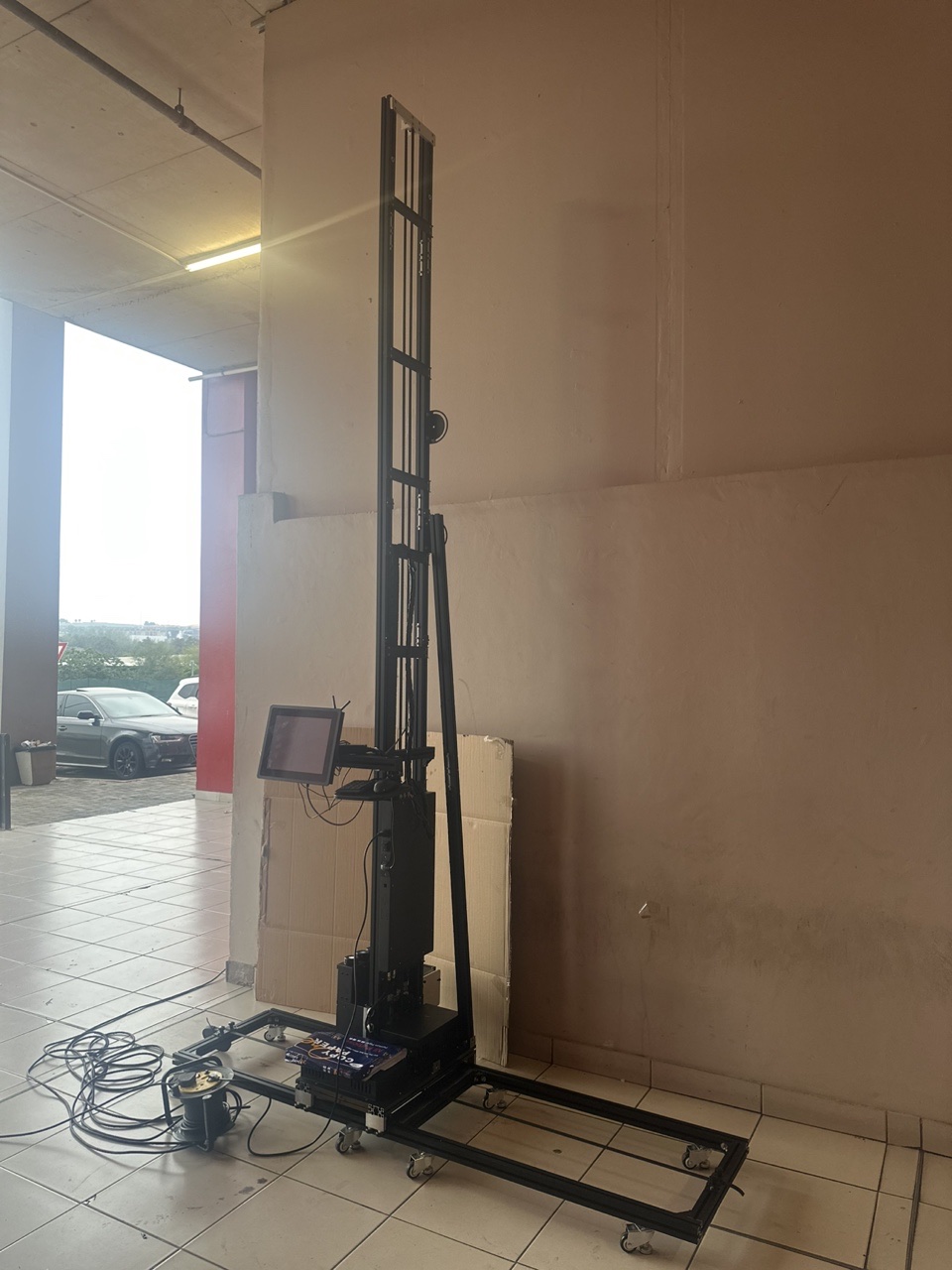
Latest Arrivals
Latest Arrivals
Latest Arrivals
Loading
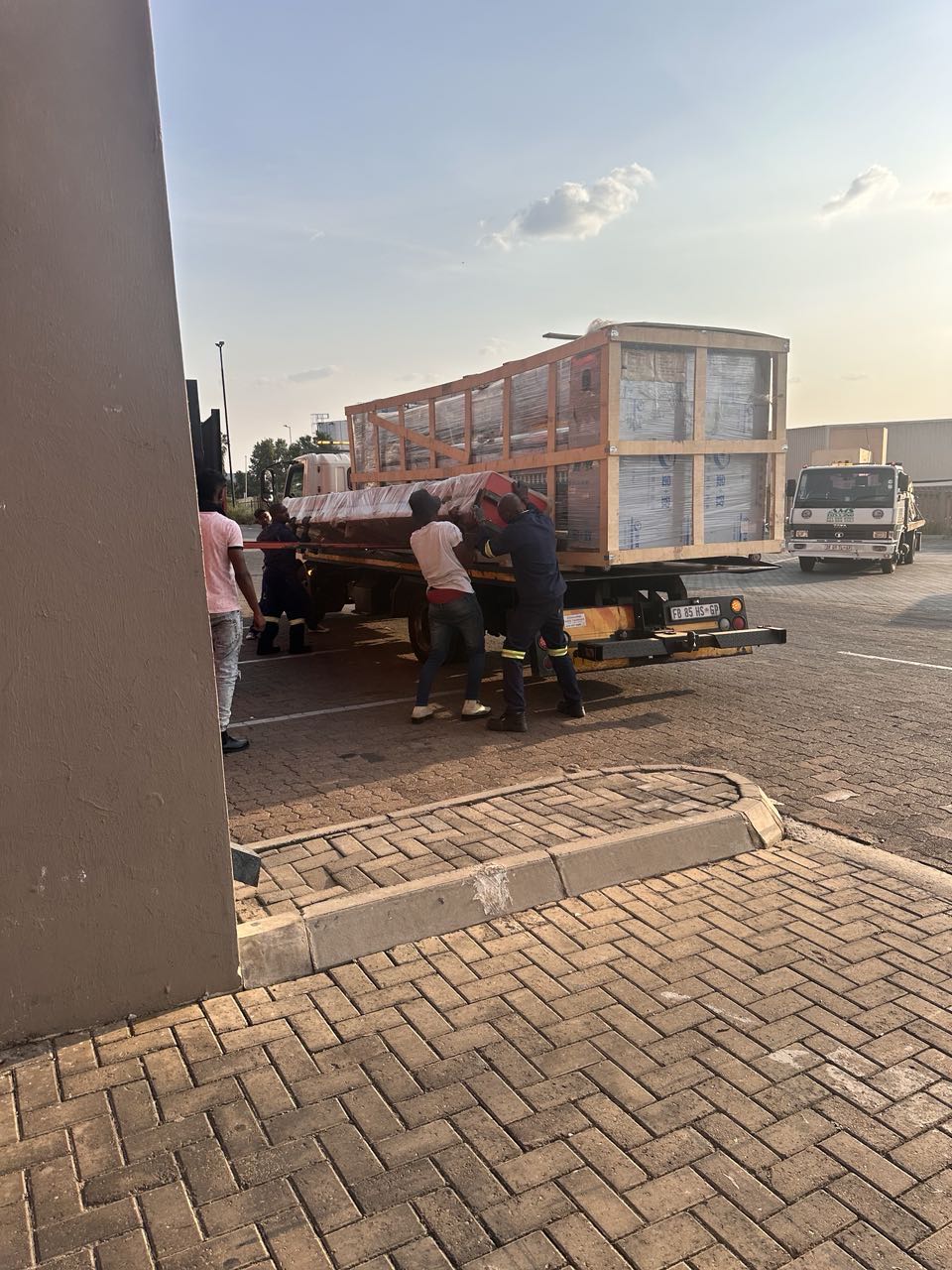
Toilet paper making machine
Toilet paper making machine
Toilet paper Rewinding Machine
latest arrivals
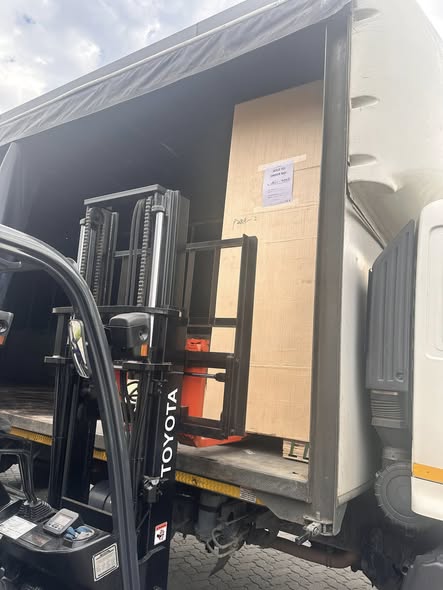
offloading
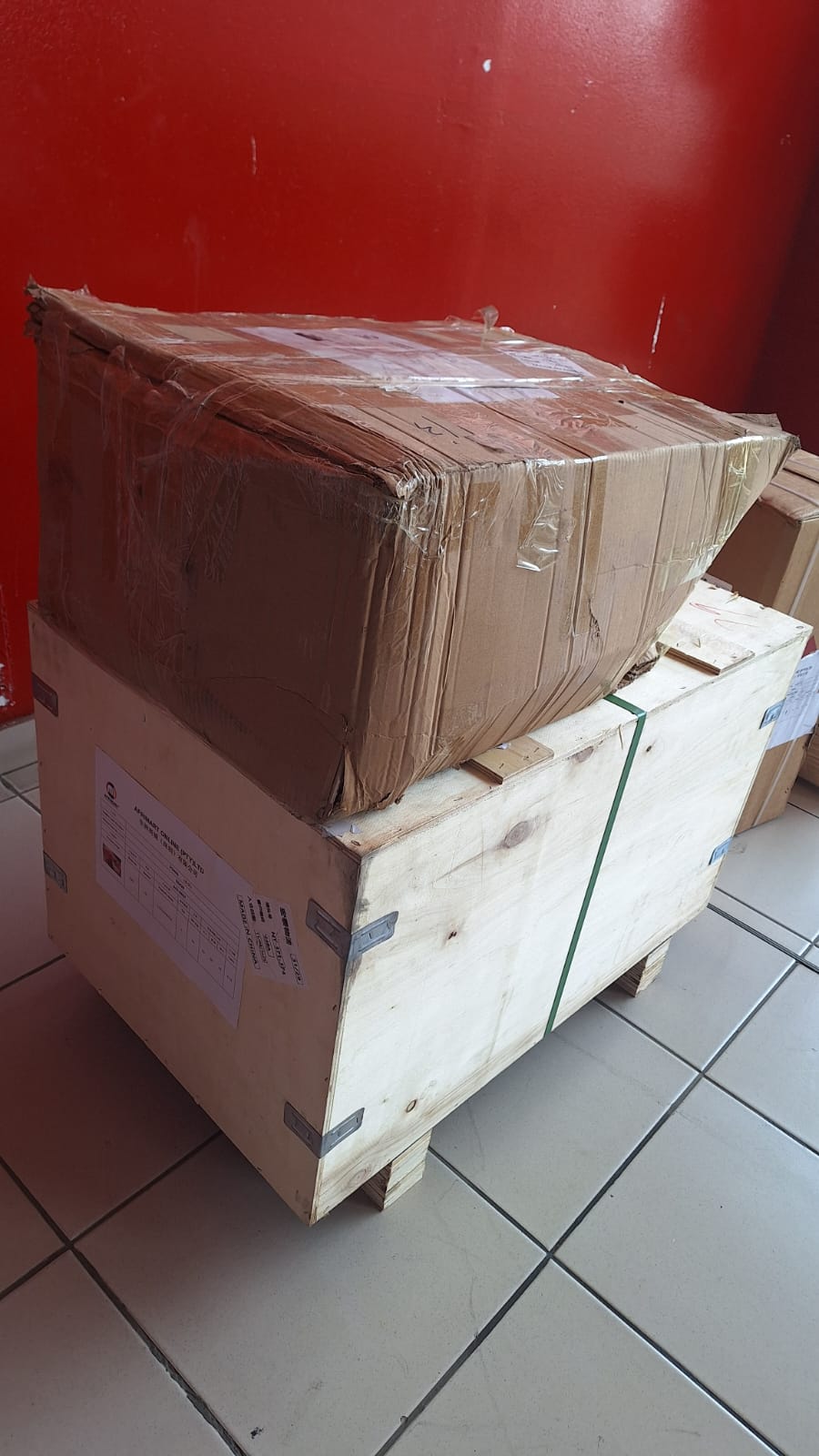
order success
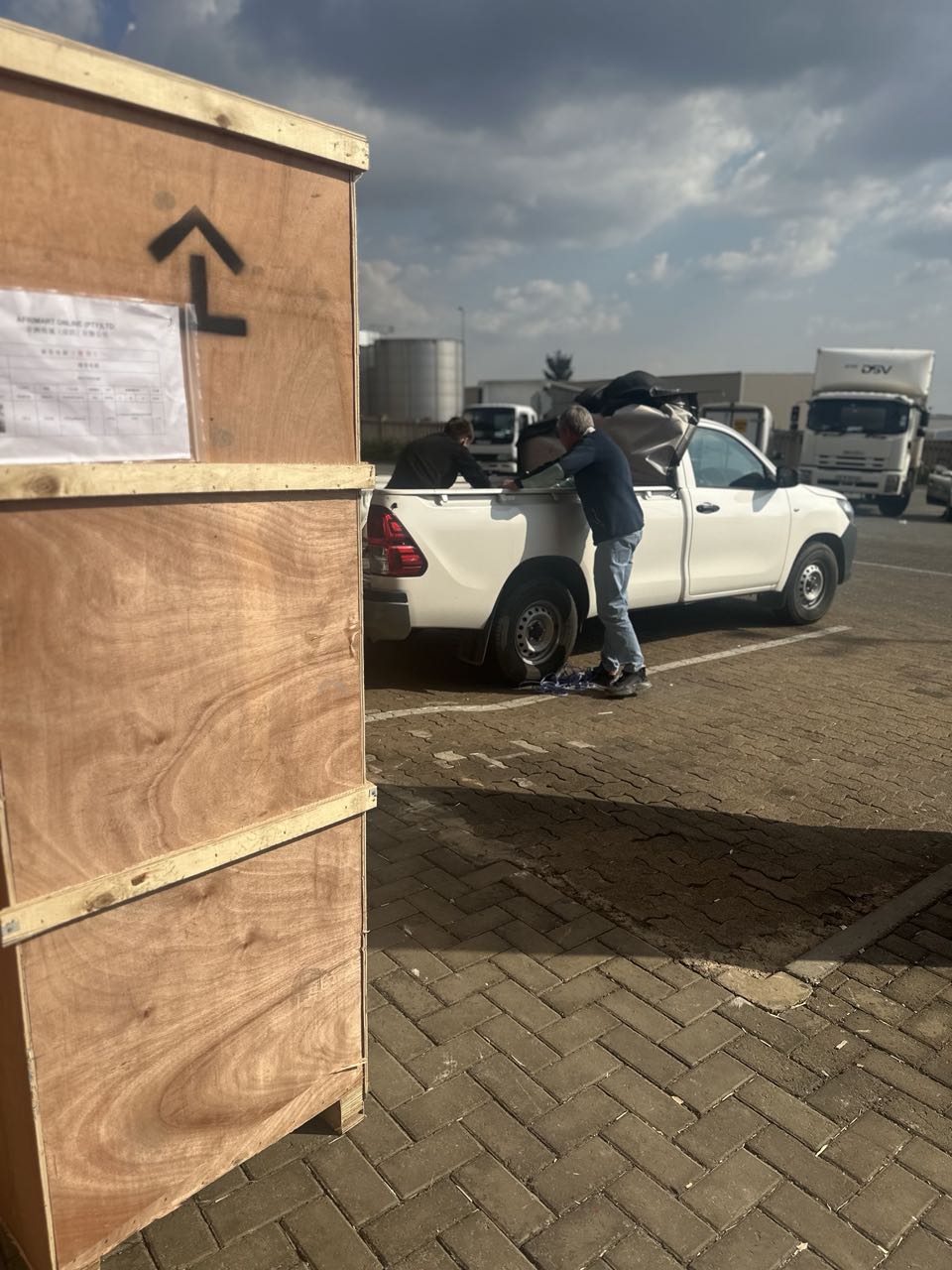
order collection
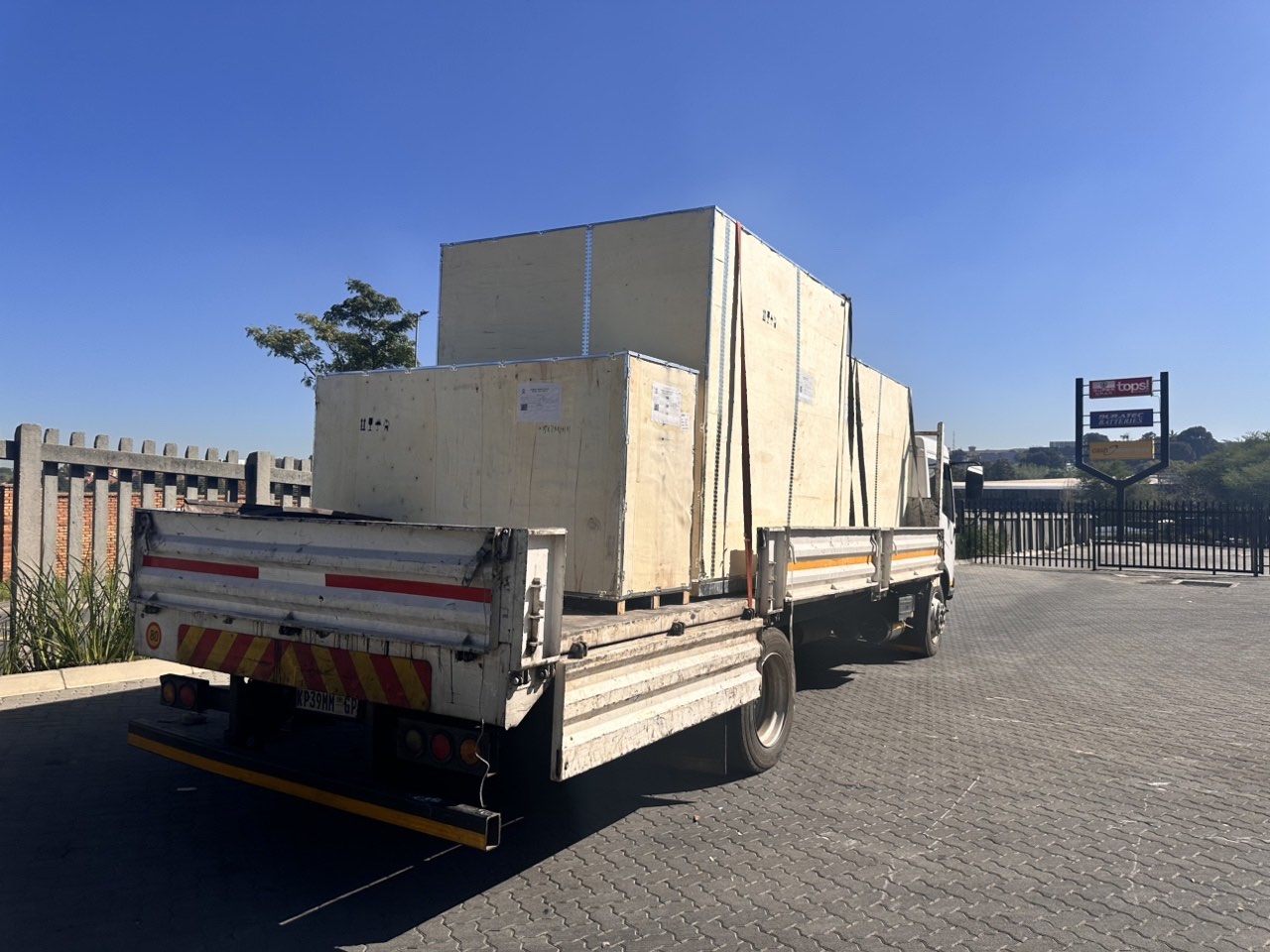
order offloading