B21, China Town Mall, Midrand

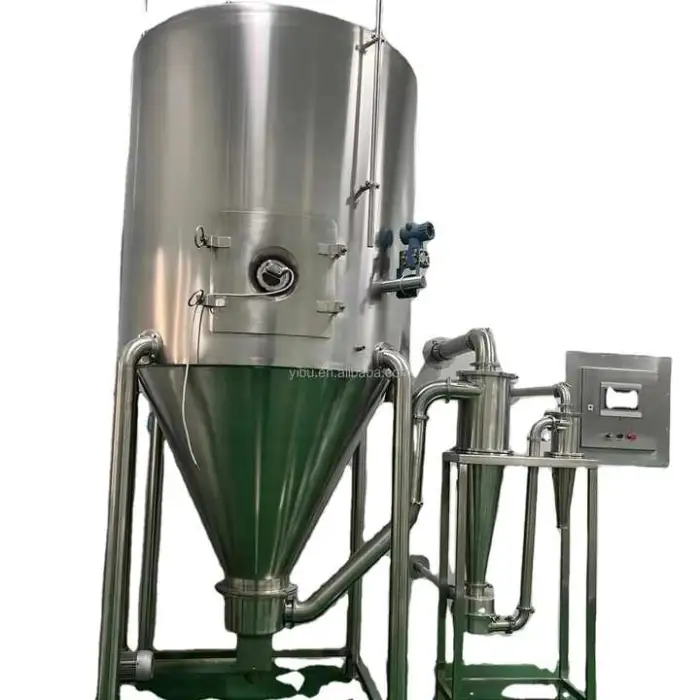
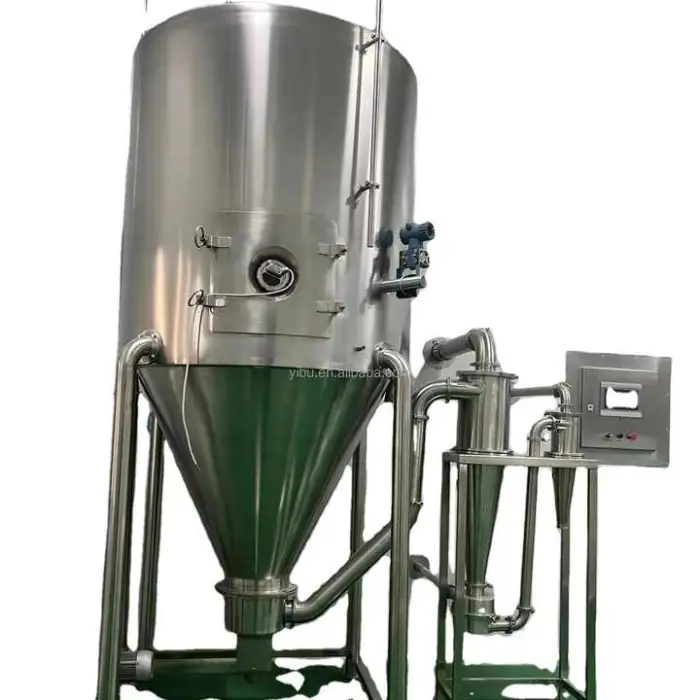
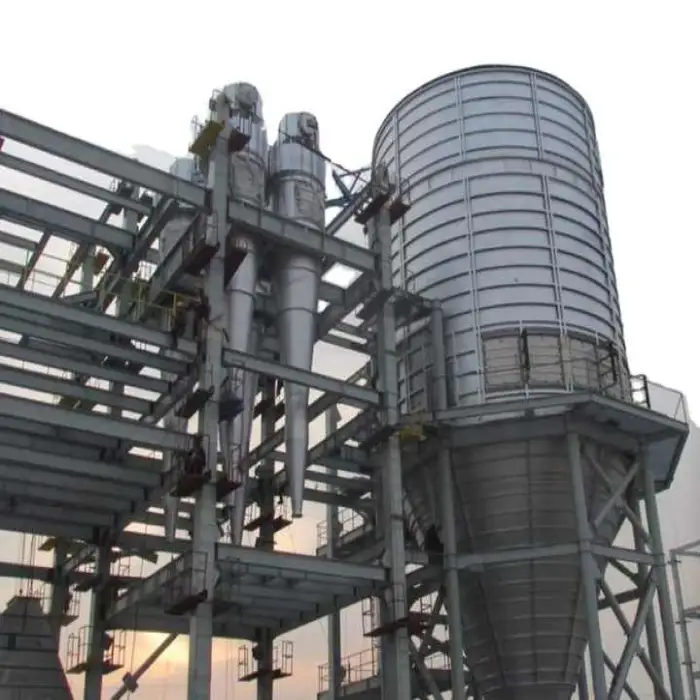
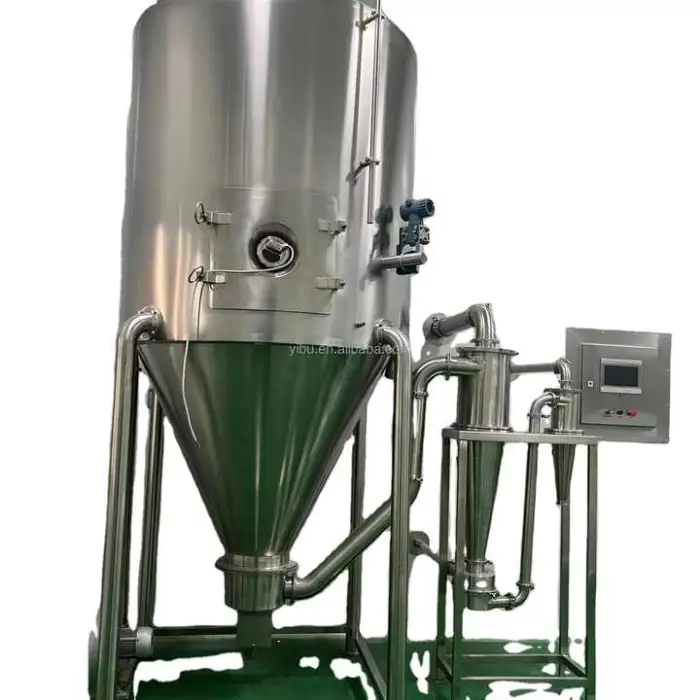
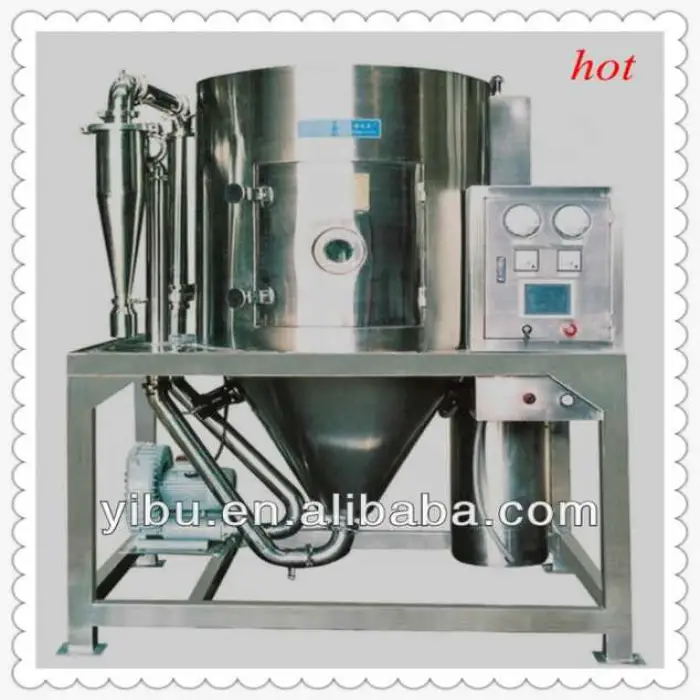
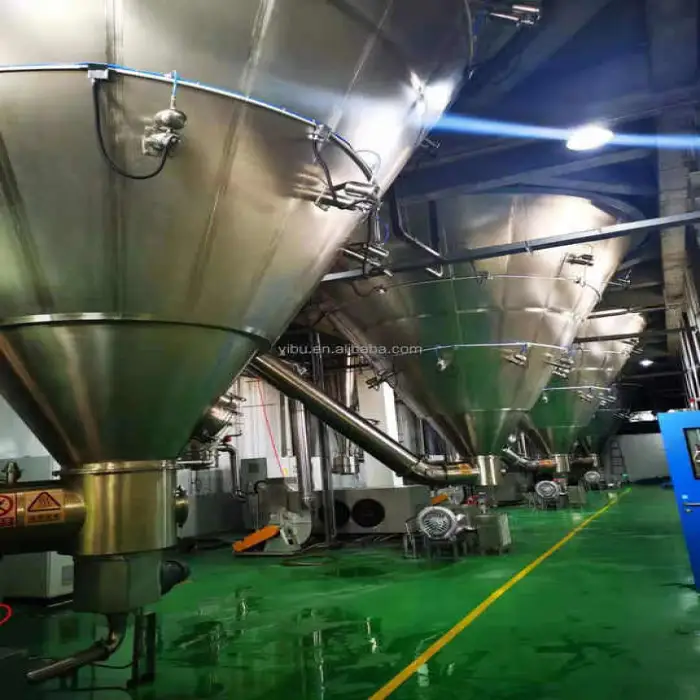
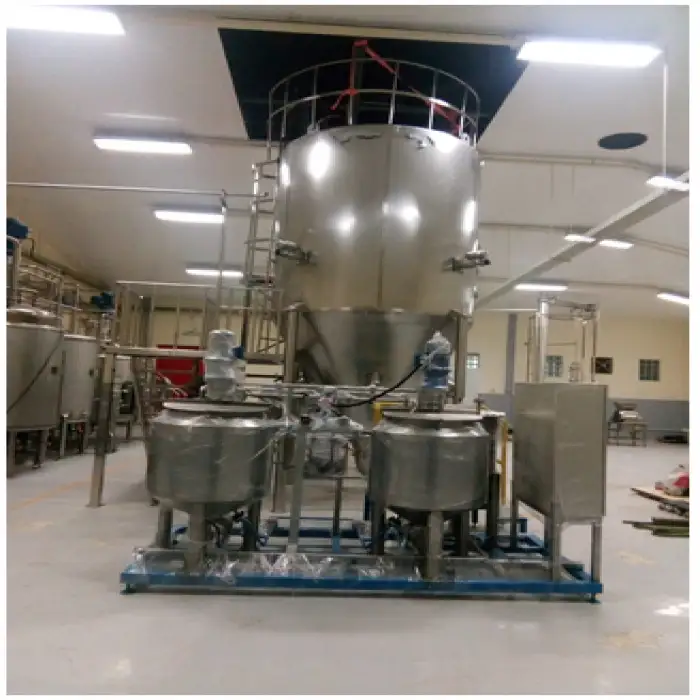
LPG Model Stainless Steel 200kg/h Automatic Spray Drying Machine Atomizer Centrifugal Powder Spray Dryer
Asset finance available
Do you want funding for this equipment?
Afrimart can connect you with trusted funding partners who specialise in asset finance for businesses like yours. Compare options and apply in minutes — final approval is subject to provider review.
Check funding options
Secure & no obligation

- Section : Machinery
- Category : Industrial Machinery
- SKU : 1601043131561

LPG Model Stainless Steel 200kg/h Automatic Spray Drying Machine Atomizer Centrifugal Powder Spray Dryer
The LPG Model Stainless Steel 200kg/h Automatic Spray Drying Machine is a top-of-the-line solution for drying various products efficiently. This advanced machine is designed to process a wide range of materials, making it ideal for industries such as food and chemical production. With its automatic operation and high capacity, this spray dryer ensures consistent quality and performance.
Specifications
| Attribute | Details |
|---|---|
| Brand Name | YIBU |
| Capacity | 5-5000 KG |
| Dimensions (L*W*H) | 1.8 * 0.93 * 2.22 m |
| Power | 2.2 KW - 255 KW |
| Voltage | 220V - 480V (TBD) |
| Automatic Grade | Automatic |
| Heating Method | Gas / Diesel / Steam / Electric |
| Function | Cooling + Drying + Dehumidity |
Key Features
- High-capacity machine, processing up to 200kg/h.
- Automatic operation for easy use.
- Versatile heating methods: gas, diesel, steam, or electric.
- Stainless steel construction for durability and hygiene.
- Efficient cooling, drying, and dehumidifying functions.
Applications
- Drying fruit and vegetable juices.
- Producing milk powder.
- Processing food products.
- Manufacturing chemical products.
- Creating powdered supplements and additives.
Product Info Gallery
- Shipping Timeframes: All orders are processed within 2-5 business days (excluding weekends and holidays). After your order has been processed, the estimated delivery time is before 30 Nov, 2026, depending on customs, Please note that due to high demand, some items may experience longer shipping times, which will be communicated at order confirmation email.
- Order Processing Time: Please allow 2-5 business days for us to process your order before it is shipped . Orders placed after 16:00 on Fridays, or during weekends and public holidays, will begin processing on the next business day. Processing times may be extended during peak seasons or sales events.
- Manufacturing Time: Some products needs manufacturing time, the manufacturing process will take approximately 10-30 business days depending on the product. This timeframe may vary depending on the complexity of the product and current demand. but this will be communicated with you during order confirmation.
- Returns and Exchanges: We offer a 30-day return policy for most items. If you are not completely satisfied with your purchase, you may return it within 30 days of receipt for a refund or exchange. Items must be unused, in their original packaging, and accompanied by proof of purchase. Return shipping costs are the responsibility of the customer, unless the item was damaged or defective upon arrival.
1. What is the production capacity of this spray drying machine?
The LPG Model is rated at 200 kg/h nominal capacity. The model family covers a wider capacity range (5–5000 kg/h); actual capacity depends on the feed material, solids concentration and operating conditions.
2. What are the machine dimensions and required installation space?
The machine's main dimensions are 1.8 × 0.93 × 2.22 m. Additional clearance is required for service, piping, material inlet and exhaust. Contact the supplier for a recommended layout and full footprint including auxiliary equipment.
3. What power and voltage options are available?
Power requirements vary by configuration (2.2 kW up to 255 kW depending on options). Voltage is configurable to suit your supply (typical options 220 V–480 V). Final electrical specs are confirmed at order.
4. Which heating methods does the dryer support?
The unit supports multiple heating sources: gas, diesel, steam or electric heating. The preferred method is selected based on local utilities and product requirements.
5. What types of products can this spray dryer process?
It is suitable for drying fruit and vegetable juices, milk and dairy blends, food ingredients, chemical products, powdered supplements and additives. Some heat-sensitive materials may require process optimization to protect product quality.
6. What type of atomizer does the machine use and what are the benefits?
This model uses a centrifugal (rotary) atomizer. Benefits include the ability to produce fine, uniform particles and handle a range of feed viscosities at high throughput. Atomizer speed and feed rate are adjustable to tune particle size.
7. What particle sizes and final moisture can I expect?
Particle size and final moisture depend on formulation and operating parameters. Typical particle sizes from centrifugal spray drying range from roughly 10–200 µm. Final powder moisture is commonly in the low single digits (e.g., ~1–6%), but exact results depend on product and settings.
8. What materials are used for product contact parts and are sanitary finishes available?
The dryer is constructed of stainless steel for durability and hygiene. Food-grade contact surfaces are typically supplied in stainless grades suitable for your product (commonly 304 or 316L). Specify sanitary finishes and material grade at time of order.
9. Does the machine have automatic controls and what do they manage?
Yes — the LPG Model is designed for automatic operation. Control systems manage parameters such as feed rate, atomizer speed, inlet/outlet temperatures, and alarms. PLC/touchscreen control packages and data logging options are available as part of the control system.
10. How is powder recovered and what is the typical yield?
Powder is normally separated using cyclone and/or bag filter systems for recovery. Many formulations achieve high recovery (often >90%) with appropriate cyclone / filter selection and operating conditions; yields vary by product and process tuning.
11. What cleaning and maintenance are required?
Routine maintenance includes inspection and cleaning of the drying chamber, atomizer, cyclones/filters, feed pump and exhaust system. CIP (clean-in-place) or manual cleaning options can be provided—frequency depends on the product. Follow supplier maintenance schedules for bearings, seals and wear parts.
12. What safety features are included and what should I consider for combustible powders?
Standard safety features typically include temperature and pressure monitoring, interlocks and emergency stops. For combustible powders, dust explosion mitigation (e.g., inerting, certified venting, explosion suppression or specialized filters) should be specified and designed to applicable regulations.
13. What utilities are required to operate the machine?
Required utilities depend on configuration: electrical supply (voltage per order), chosen heating fuel (gas or diesel) or steam supply, and possibly chilled water or cooling utilities for auxiliary systems. Exhaust ventilation and dust handling utilities are also required. Supplier will provide a utility list for installation.
14. Can the machine be customized or supplied with additional accessories?
Yes. Common customizations and accessories include different atomizer sizes, homogenizers, feed pumps, bag filters, cyclones, CIP systems, insulation, control packages, and sanitary material-grade options. Contact the supplier to specify required options.
15. How do I get pricing, lead time, warranty and after-sales support?
Pricing and lead time depend on configuration and options — contact the manufacturer/distributor with product details and required options for a quotation. Warranty, spare parts kits, commissioning, operator training and after-sales support are typically available; request terms during the sales process.
Latest Order Arrivals
Discover our latest orders

12 Heads Embroidery Machine

Toilet Paper Machine Machine

Order Collection

Cross Border Clients

Order cros border countries Collected

Industrial Machine Cllection

Agriculture Processing Machines

Ready for collection

Water Pump Equipment

Packaging Machine and accessories

Fabrics Manufacturing Equipment

Mining Equipments

Food Processing Machine

Batch of Orders

Batch of Orders

Latest Orders Labelled

wheel alignment machines

new arrivals

Pre Orders Offloading

Latest Arrivals

Latest Arrivals

Latest Arrivals

Loading

Toilet paper making machine

Toilet paper making machine

Toilet paper Rewinding Machine

latest arrivals

offloading

order success

order collection

order offloading