B21, China Town Mall, Midrand

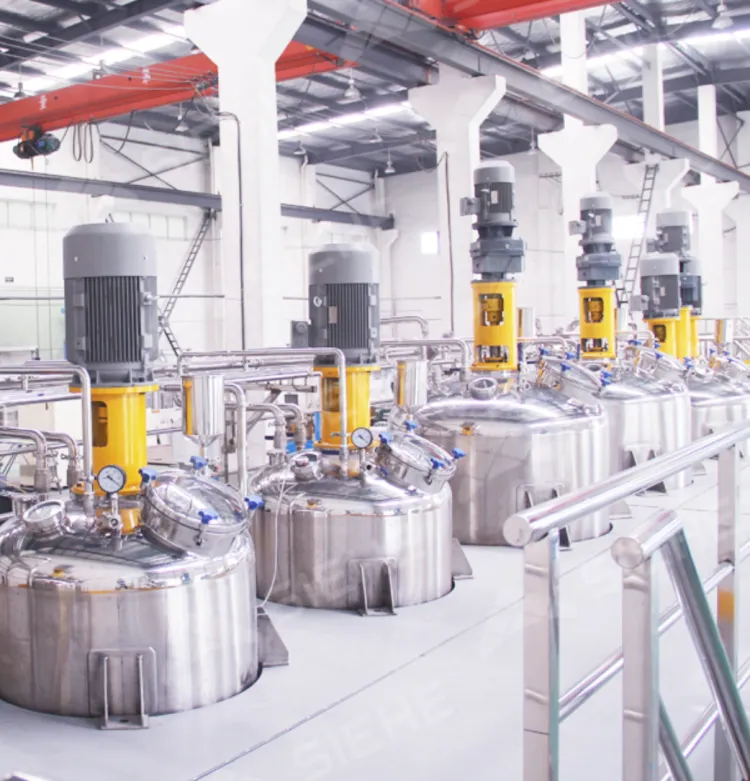
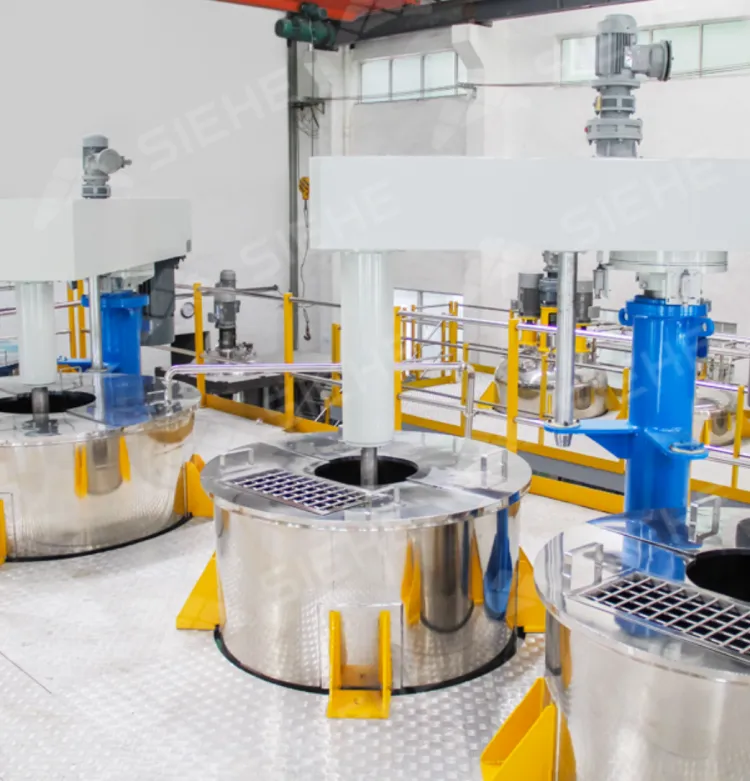
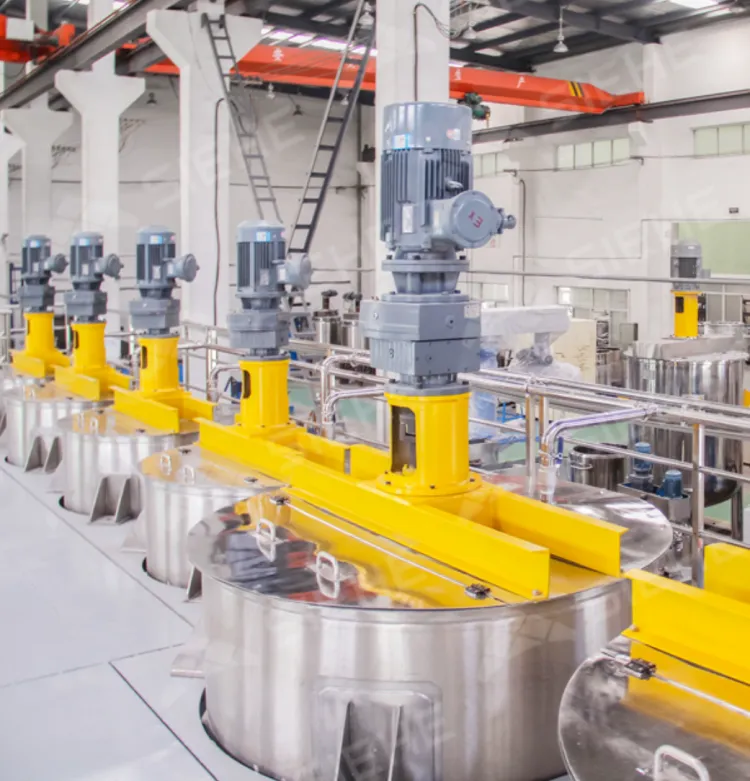
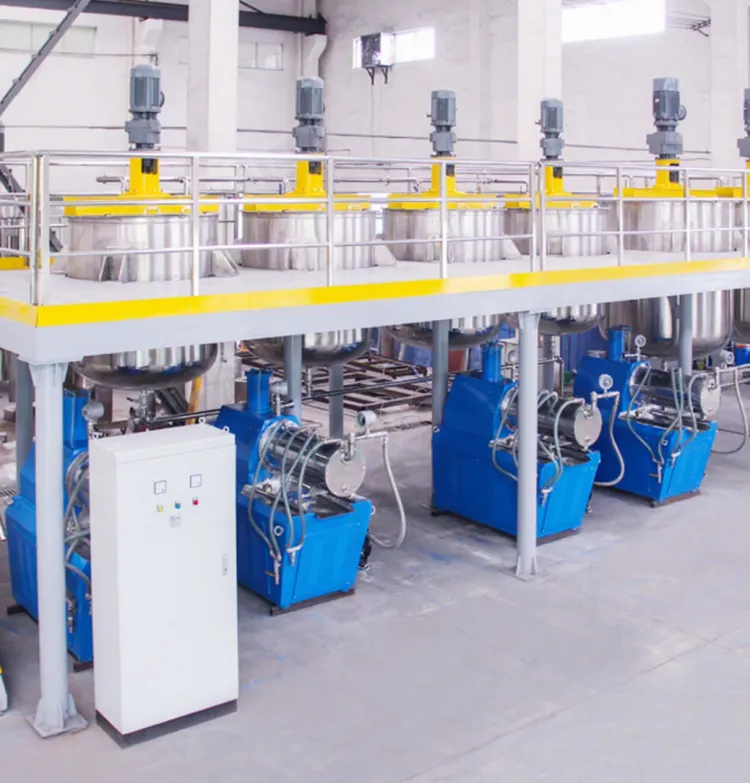
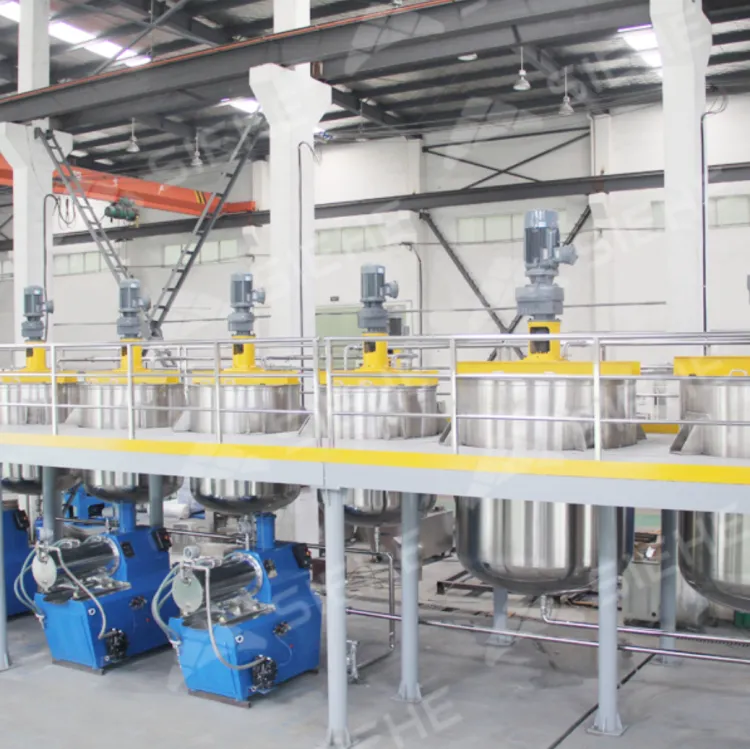
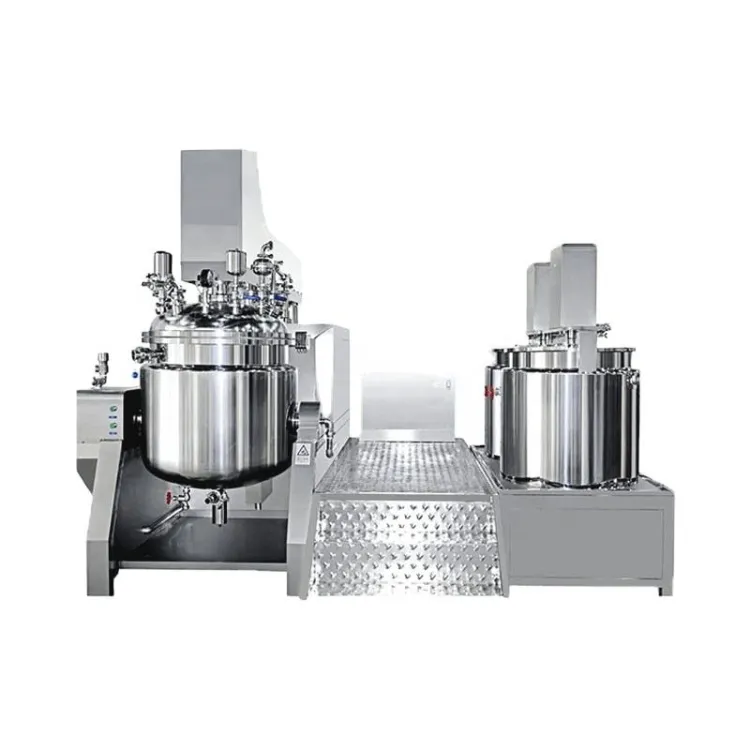
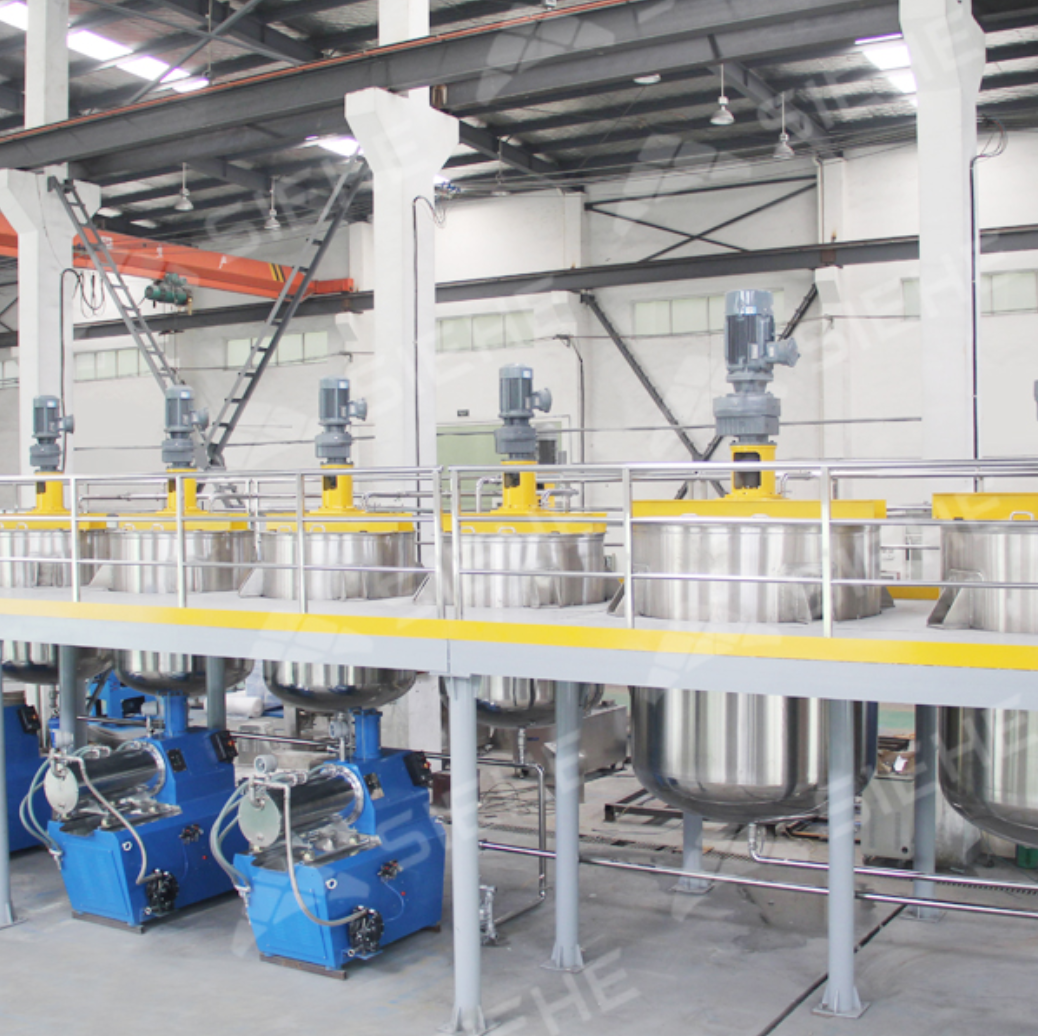
Liquid water based paint making machine production Line
Asset finance available
Do you want funding for this equipment?
Afrimart can connect you with trusted funding partners who specialise in asset finance for businesses like yours. Compare options and apply in minutes — final approval is subject to provider review.
Check funding options
Secure & no obligation

- Section : Production Lines
- Category : Production Lines
- SKU : 62575646778

Product Description
Application
Liquid coating: interior paint, exterior paint, emulsion paint, floor paint, wood paint, indutrial paint, etc.
water- based paint, water dilutable coating, water dispersible paint(latex paint), and etc.
solvent based nitrolacquer, polyurethane paint, enamel, varnish, anti-corrosion paint, finishing varnish,epoxy paint , etc.
Paste-like coating: granite paint, elastic paint, road marking paint, stone paint, wall putty, car putty, etc.
Capacity: 1,000T/year - 100,000T/year
Liquid coating production layout
1. powder dispersing, depolymerizing and mixing
2. grinding
3. Tinting & filtering & filling


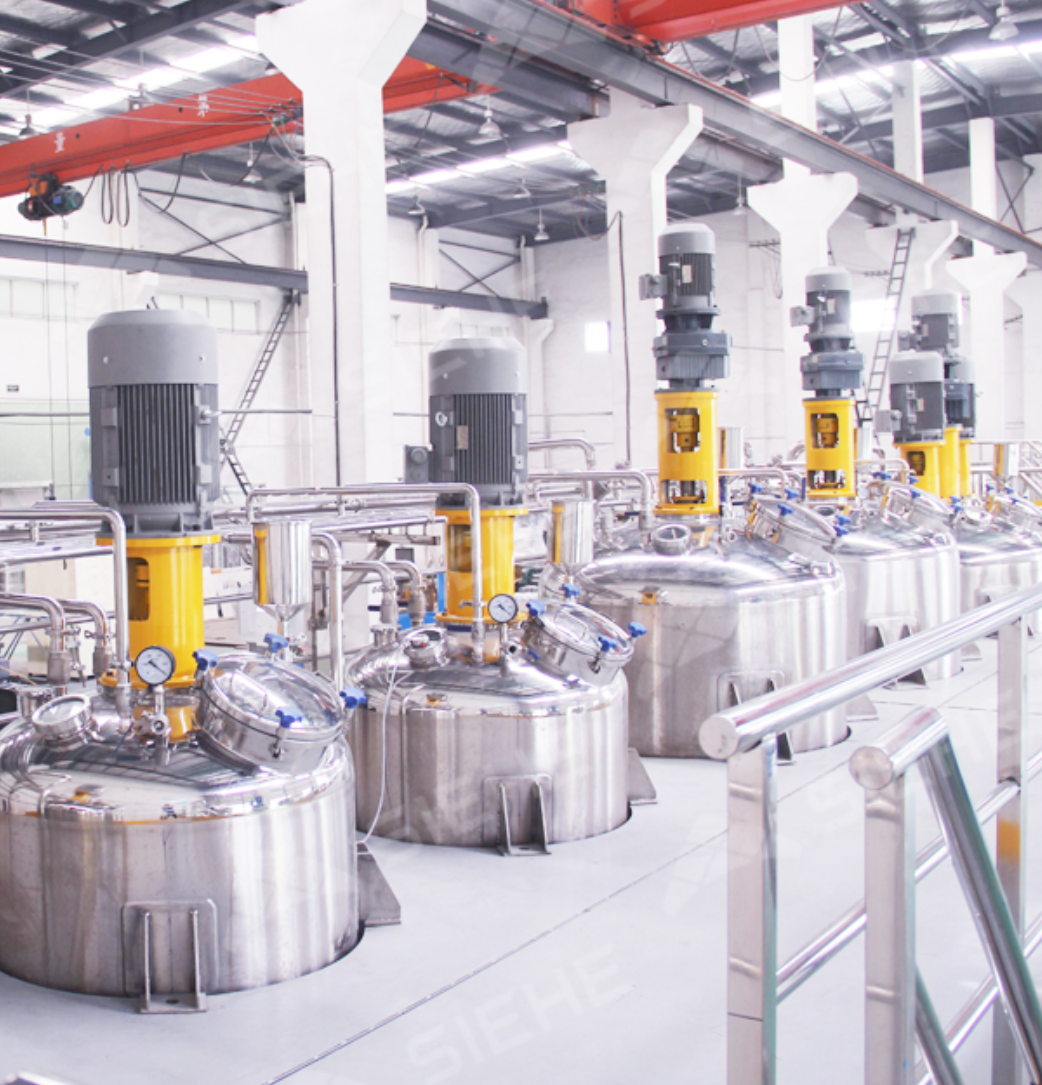
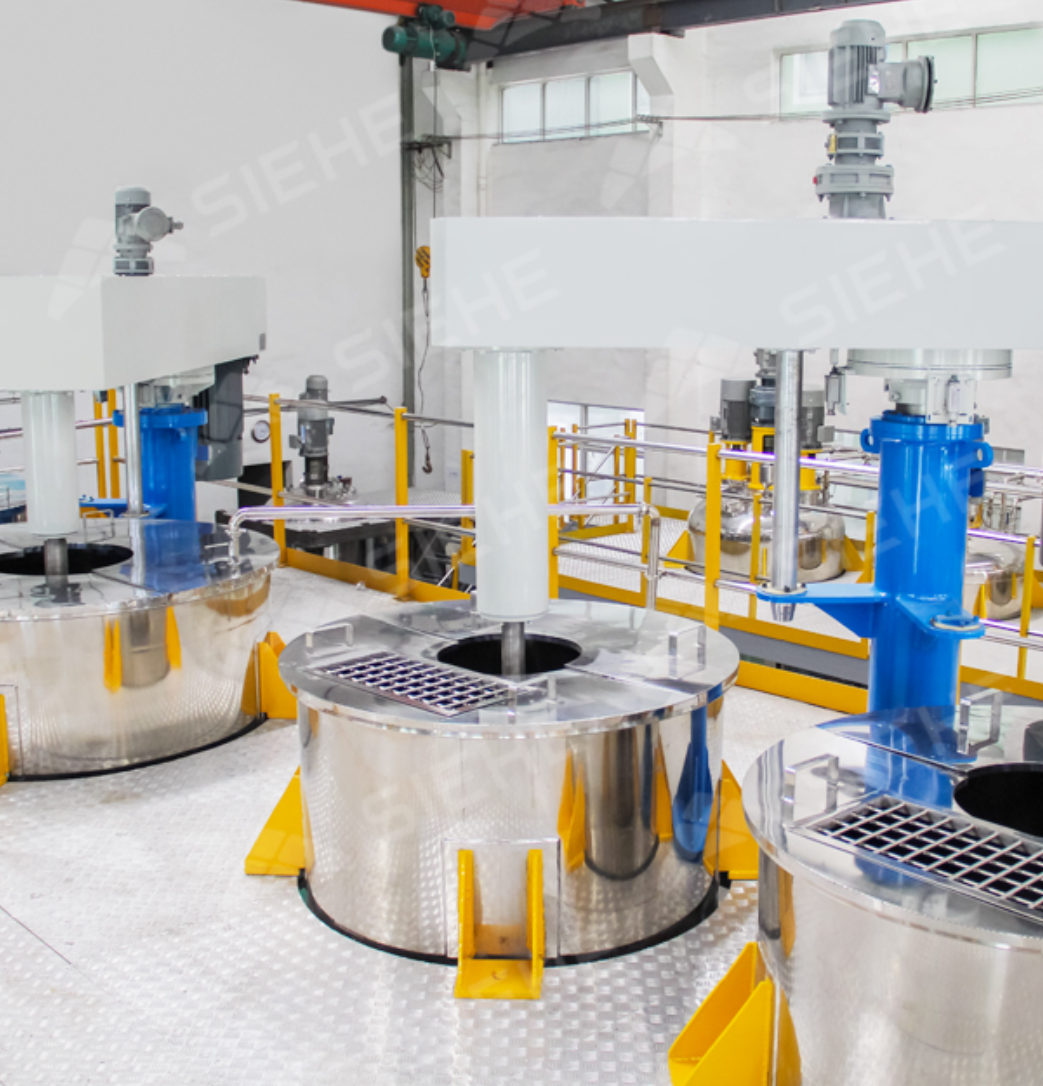
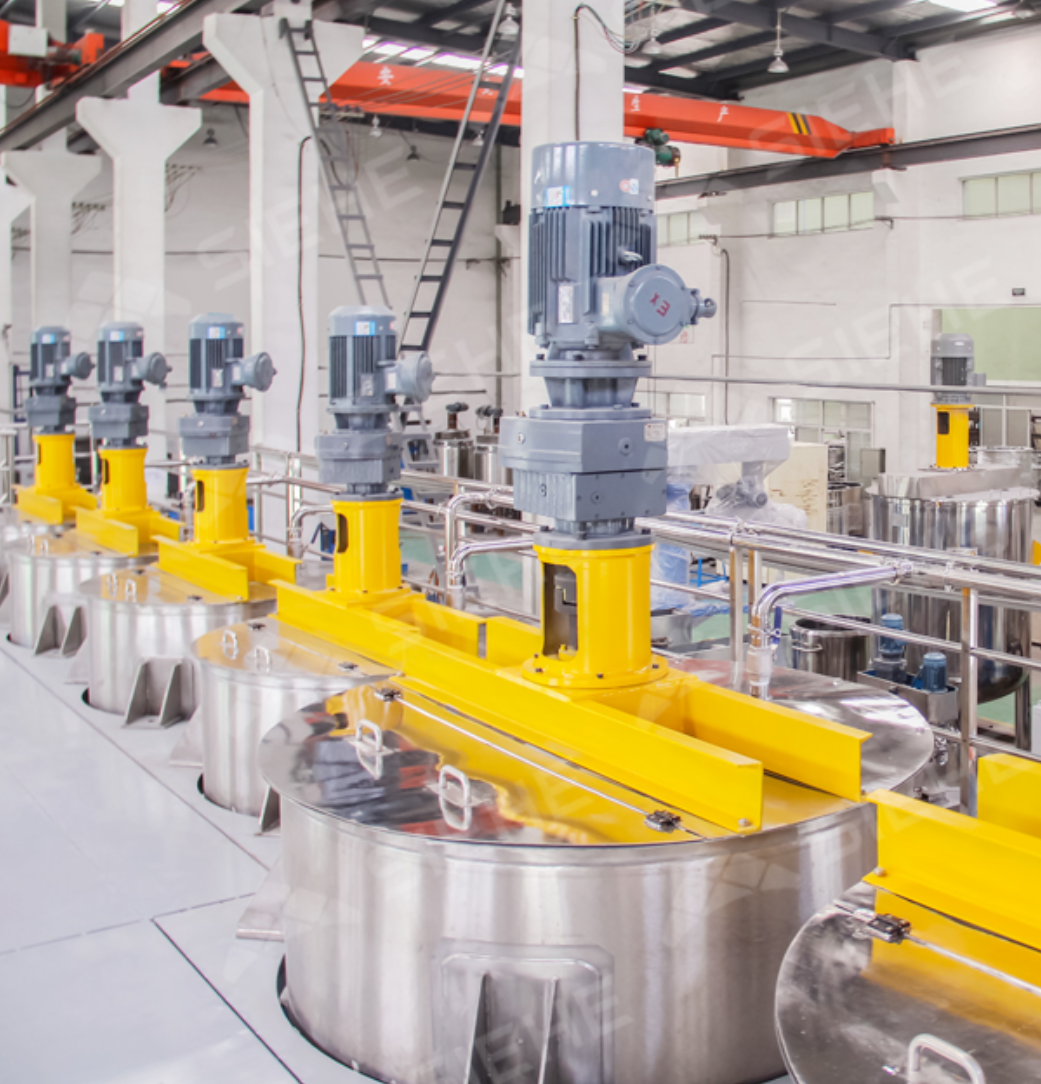
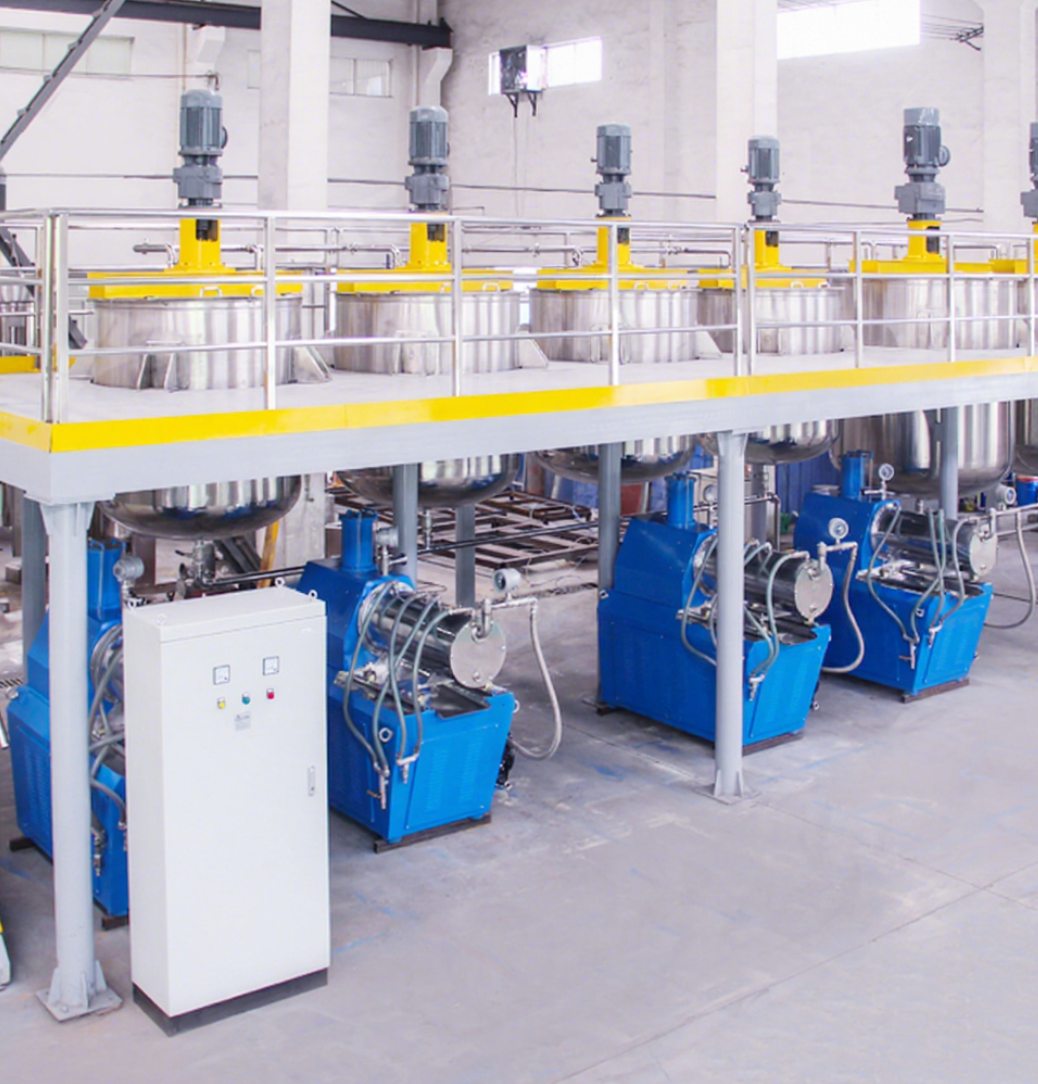
Technical Description
| Process | Powder raw materials feeding machine | Liquid raw materials feeding machine | Slurry making machine | Different color tinting machine | Grinding machine | Filling machine |
| Machine used | Vacuum feeding | Delivery pipe | Disperser | Two shaft mixer | Basket mill | 25L filling machine |
| Air convey | Weighting pipe | Mixer | Three shaft mixer | Horizontal beads mill | ≤5L filling machine | |
Product Related
Related Products
- Shipping Timeframes: All orders are processed within 2-5 business days (excluding weekends and holidays). After your order has been processed, the estimated delivery time is before 05 Dec, 2026, depending on customs, Please note that due to high demand, some items may experience longer shipping times, which will be communicated at order confirmation email.
- Order Processing Time: Please allow 2-5 business days for us to process your order before it is shipped . Orders placed after 16:00 on Fridays, or during weekends and public holidays, will begin processing on the next business day. Processing times may be extended during peak seasons or sales events.
- Manufacturing Time: Some products needs manufacturing time, the manufacturing process will take approximately 10-30 business days depending on the product. This timeframe may vary depending on the complexity of the product and current demand. but this will be communicated with you during order confirmation.
- Returns and Exchanges: We offer a 30-day return policy for most items. If you are not completely satisfied with your purchase, you may return it within 30 days of receipt for a refund or exchange. Items must be unused, in their original packaging, and accompanied by proof of purchase. Return shipping costs are the responsibility of the customer, unless the item was damaged or defective upon arrival.
1. What types of paints can be produced with the Liquid Water Based Paint Making Machine Production Line?
The machine can produce various types of paints including liquid coatings such as interior paint, exterior paint, emulsion paint, floor paint, wood paint, industrial paint, and water-based paint. It also accommodates solvent-based nitrolacquer, polyurethane paint, enamel, varnish, anti-corrosion paint, and epoxy paint.
2. What is the production capacity of this machine?
The production capacity of the Liquid Water Based Paint Making Machine Production Line ranges from 1,000 tons per year to 100,000 tons per year, depending on the specific configuration and requirements.
3. Can this machine handle both liquid and paste-like coatings?
Yes, the machine is capable of producing both liquid coatings and paste-like coatings, such as granite paint, elastic paint, road marking paint, stone paint, wall putty, and car putty.
4. What is the process involved in using this paint making machine?
The process involves several steps: powder raw materials feeding, liquid raw materials feeding, slurry making, grinding, tinting, filtering, and filling.
5. What kind of raw materials are needed for the paint production?
The machine requires both powder raw materials and liquid raw materials for the production of different types of paints.
6. Is the machine suitable for producing water-based paints?
Yes, the machine is specifically designed to produce water-based paints, including water-dilutable coatings and water-dispersible paints (latex paints).
7. What components are included in the production line?
The production line includes several components such as a powder dispersing machine, liquid raw materials feeding machine, slurry making machine, different color tinting machines, grinding machines, and filling machines.
8. How does the tinting process work in this machine?
The tinting process involves using a specialized tinting machine that allows for the mixing of various colors to achieve the desired paint shade before the final filling.
9. Can the machine produce custom colors?
Yes, the machine is equipped with a color tinting feature that allows for the production of custom colors based on customer specifications.
10. What safety features are included in the machine?
The machine includes safety features such as vacuum feeding systems, delivery pipes, and various mixers that ensure safe operation during production.
11. Is training provided for operating the machine?
Yes, training is typically provided for operators to ensure they understand how to operate the machine safely and efficiently.
12. What maintenance is required for the paint making machine?
Regular maintenance includes cleaning various components, checking for any wear and tear, and ensuring that all safety features are functioning properly.
13. What is the warranty period for the machine?
The warranty period varies by manufacturer, but typically, it ranges from 1 to 2 years, covering parts and labor.
14. Can this machine be used for small-scale production?
While the machine is designed for large-scale production, it can be configured for smaller production runs depending on the specific needs of the user.
15. What are the energy requirements for operating the machine?
The energy requirements will depend on the specific model and configuration but typically include electricity for powering motors and components.
Latest Order Arrivals
Discover our latest orders
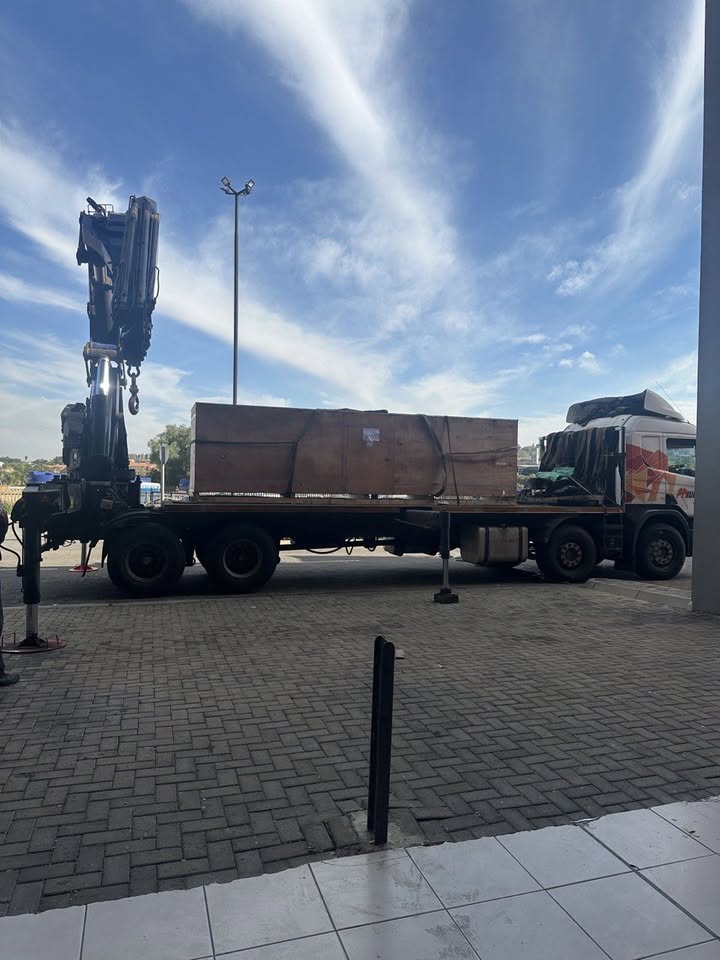
12 Heads Embroidery Machine
Toilet Paper Machine Machine
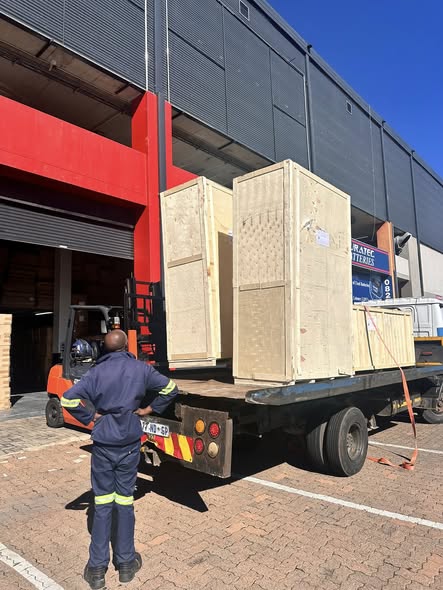
Order Collection
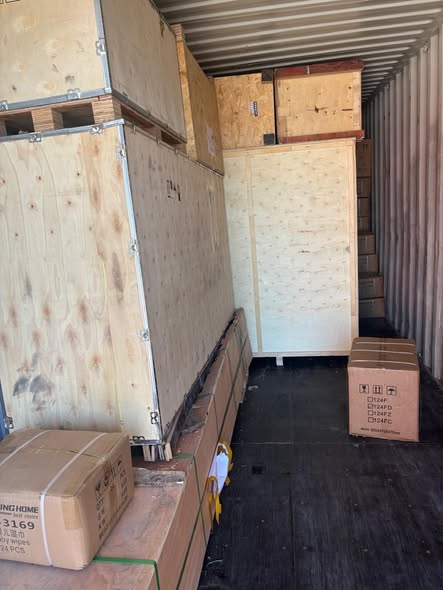
Cross Border Clients
Order cros border countries Collected
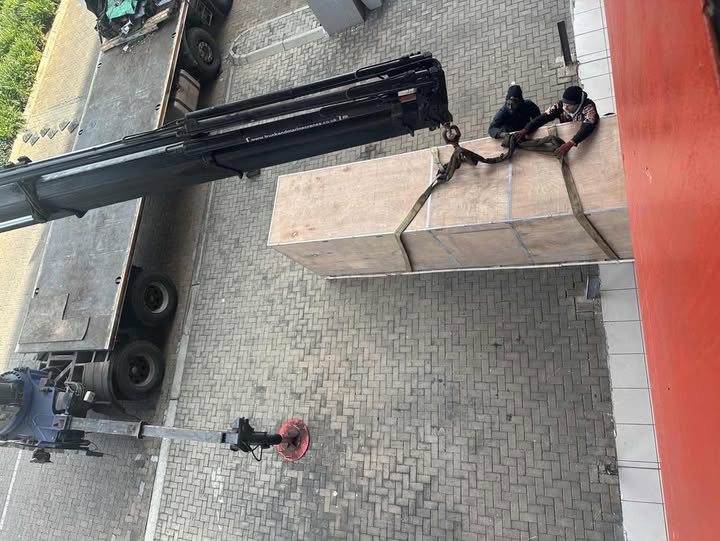
Industrial Machine Cllection
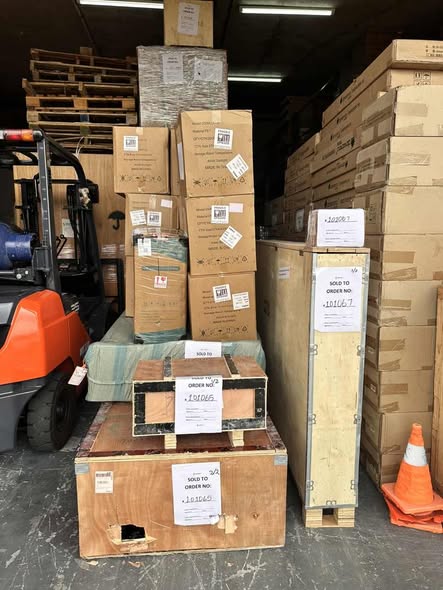
Agriculture Processing Machines
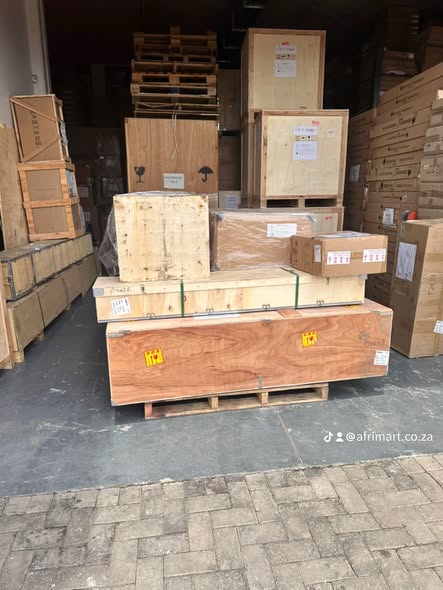
Ready for collection
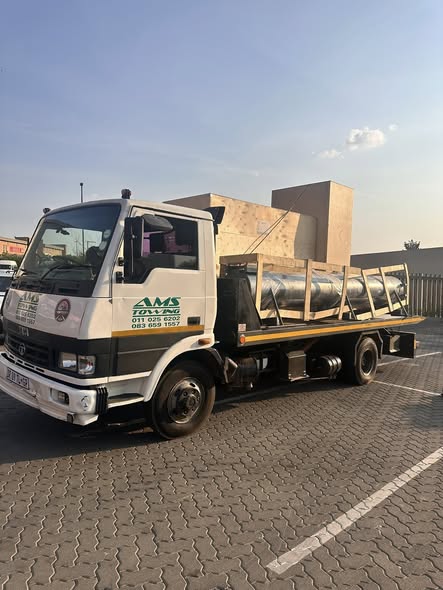
Water Pump Equipment
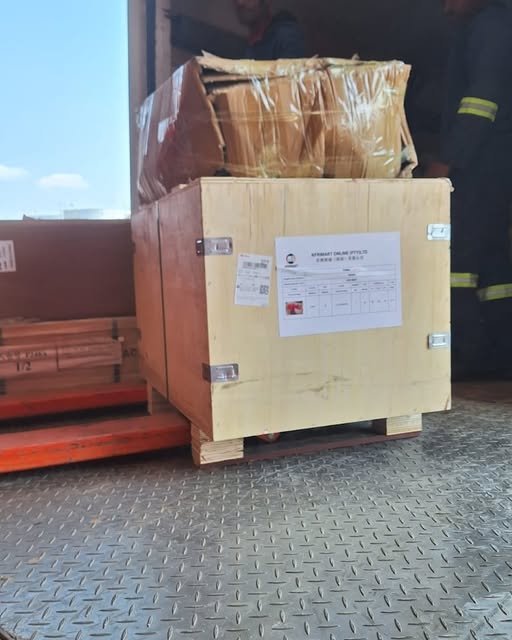
Packaging Machine and accessories
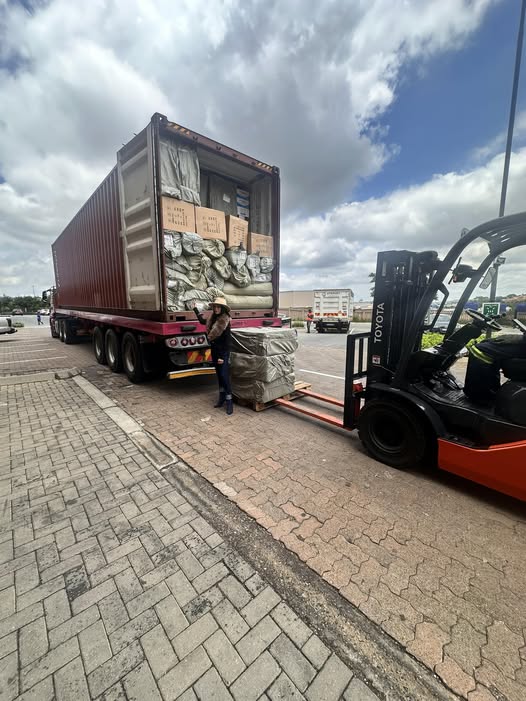
Fabrics Manufacturing Equipment
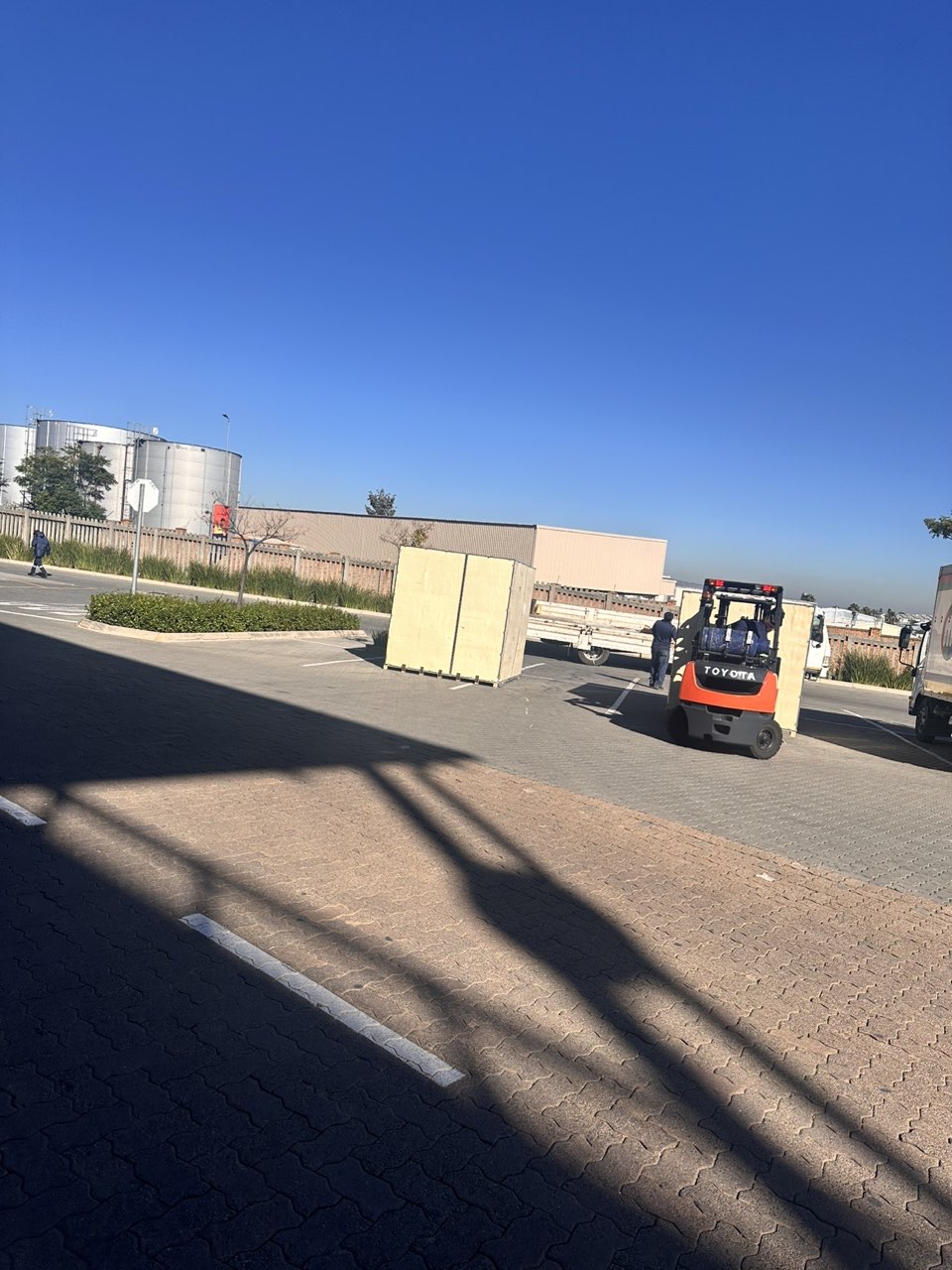
Mining Equipments
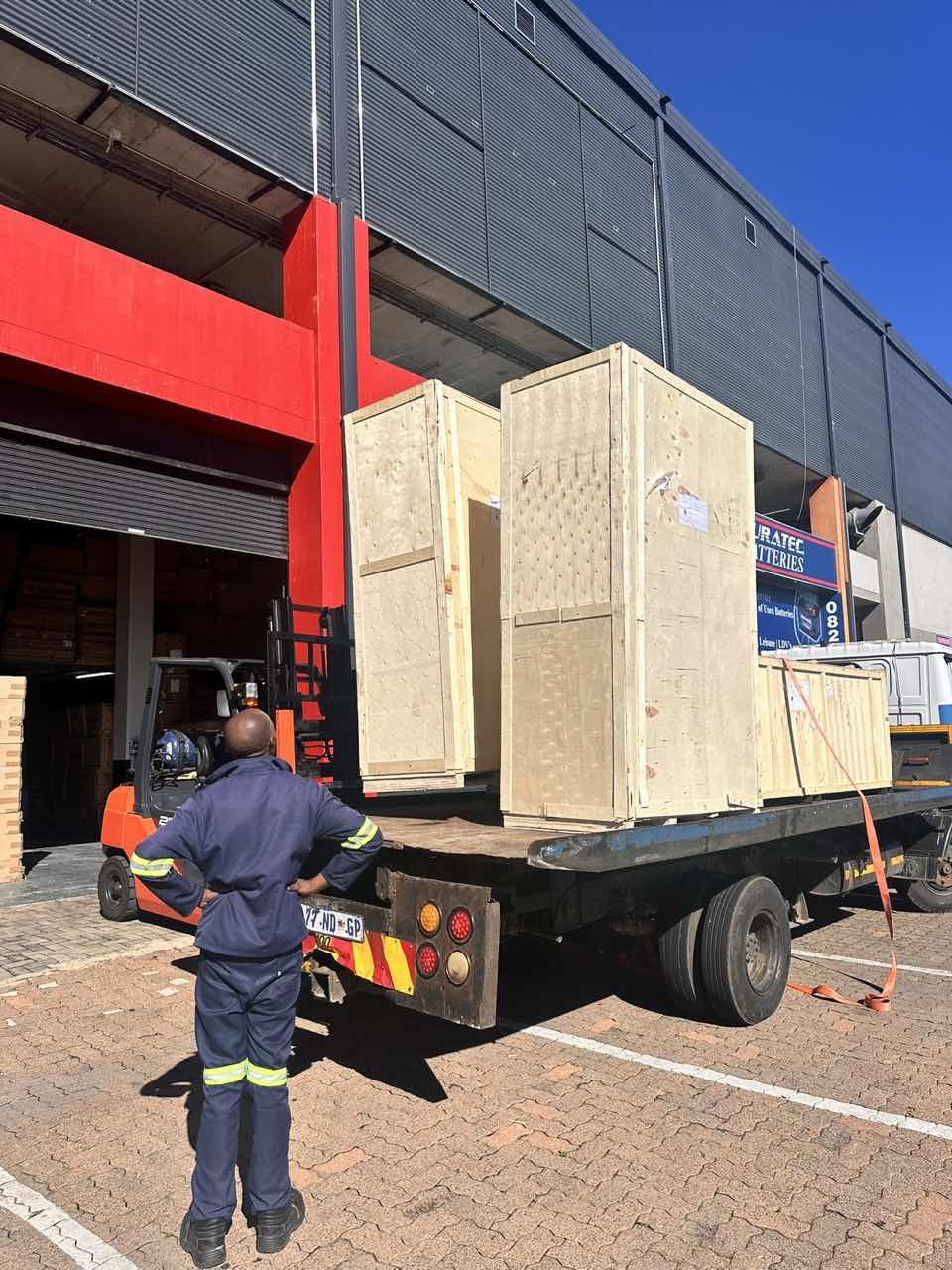
Food Processing Machine
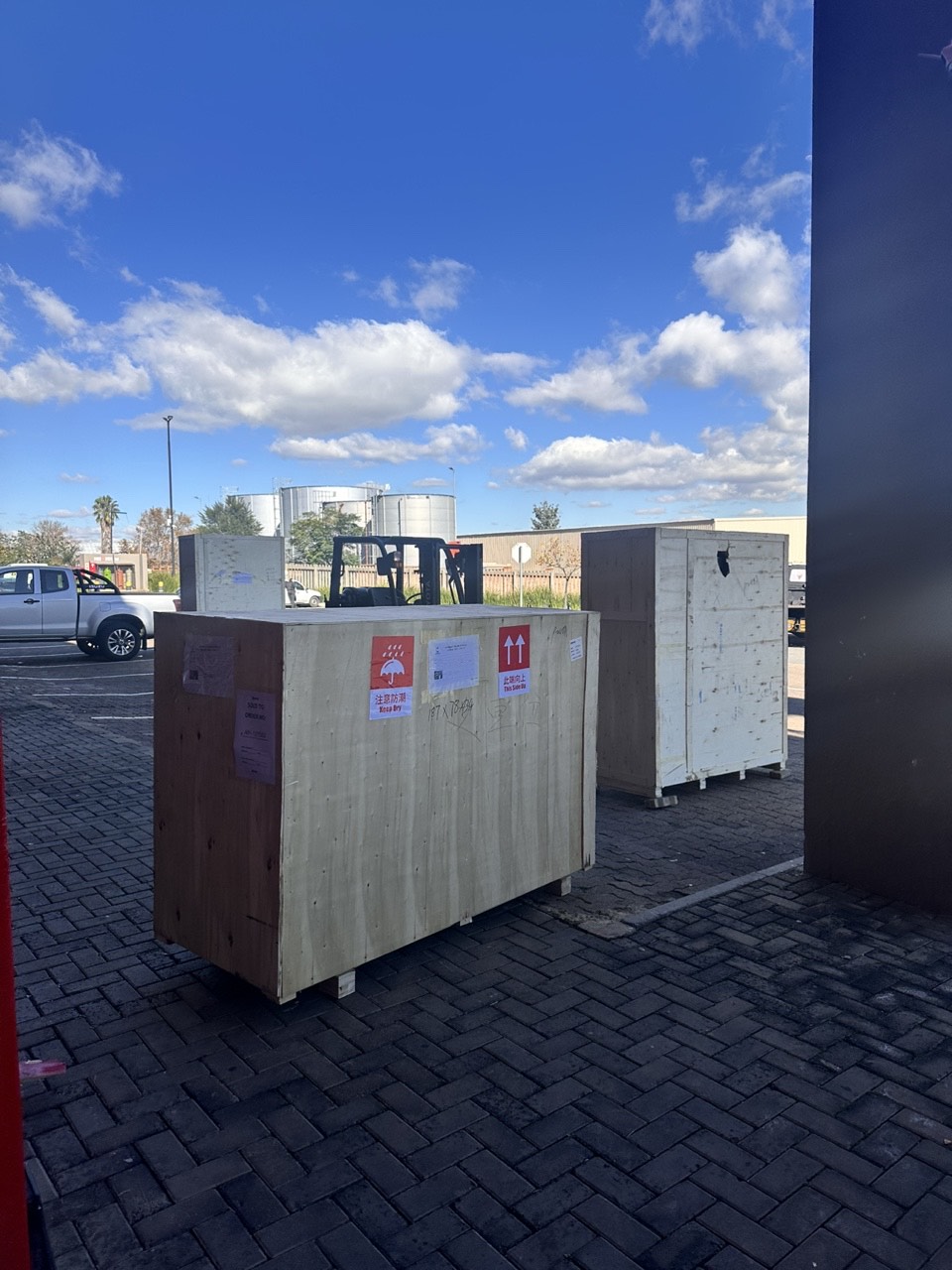
Batch of Orders
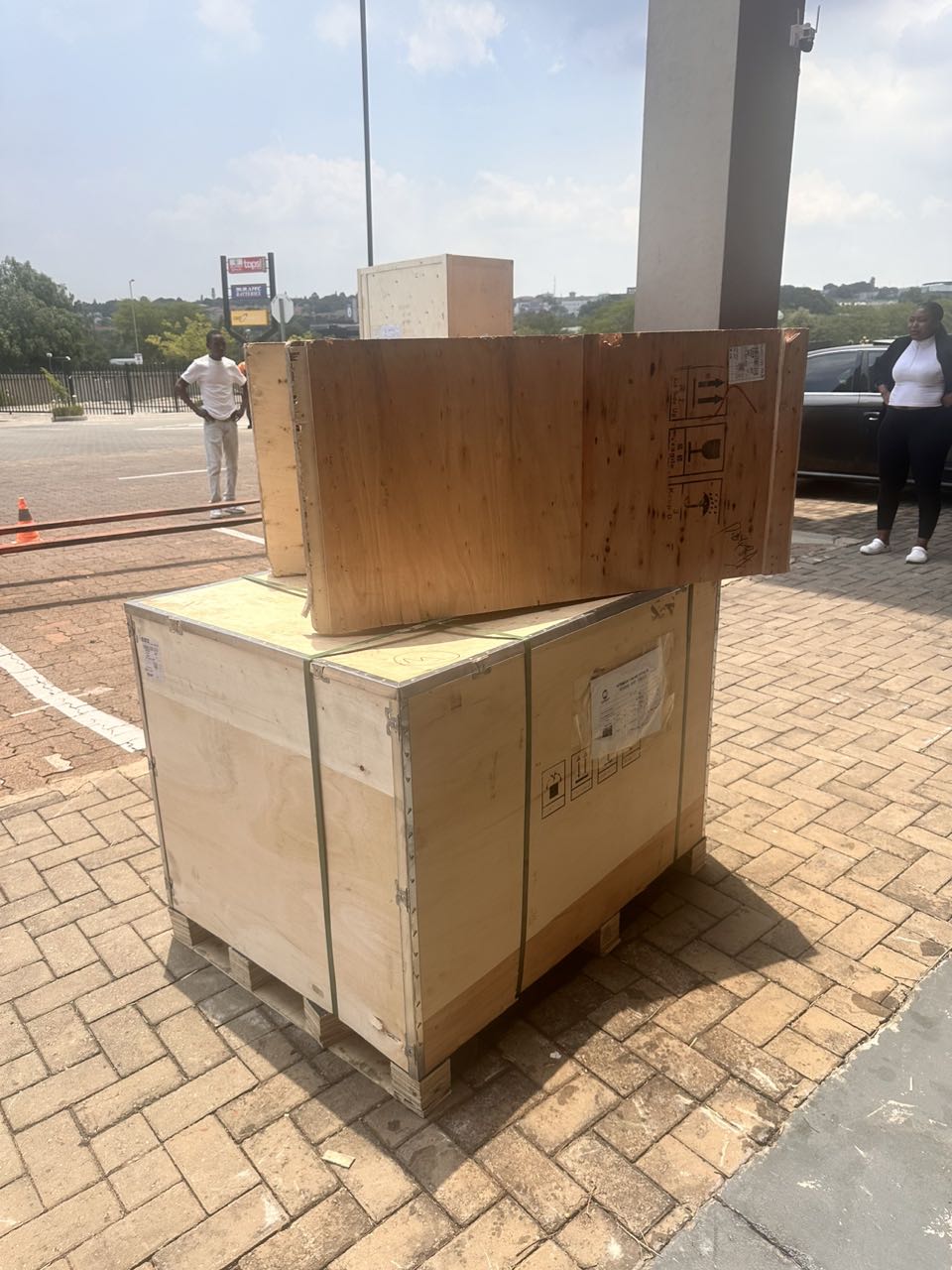
Batch of Orders
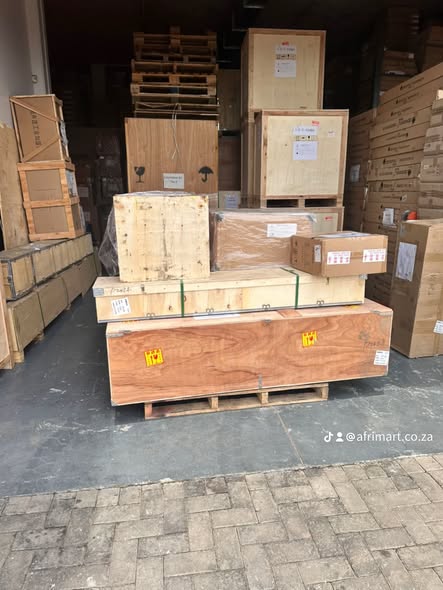
Latest Orders Labelled
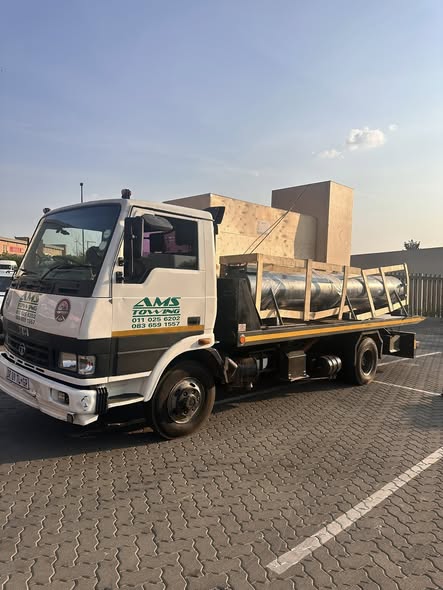
wheel alignment machines
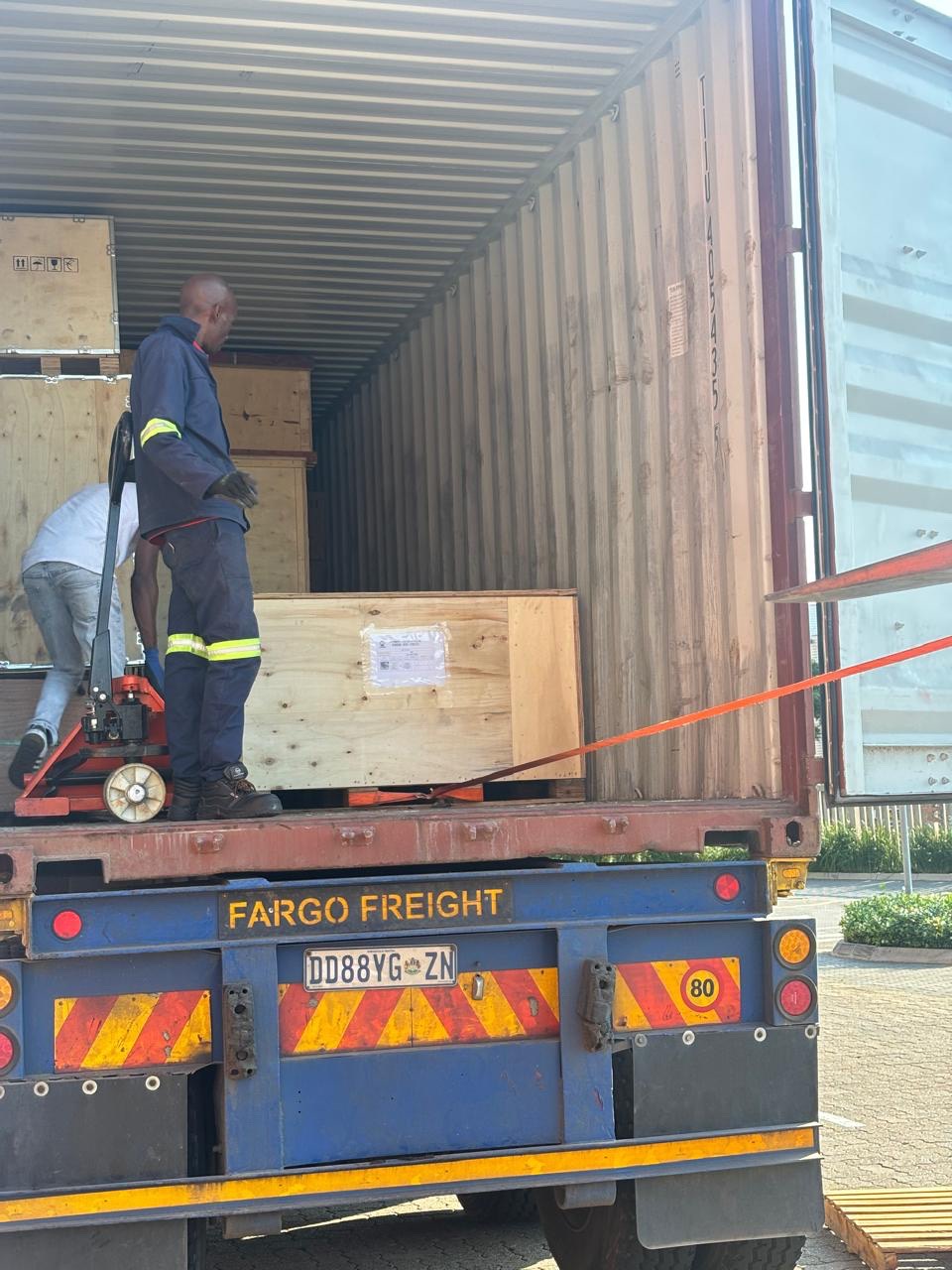
new arrivals
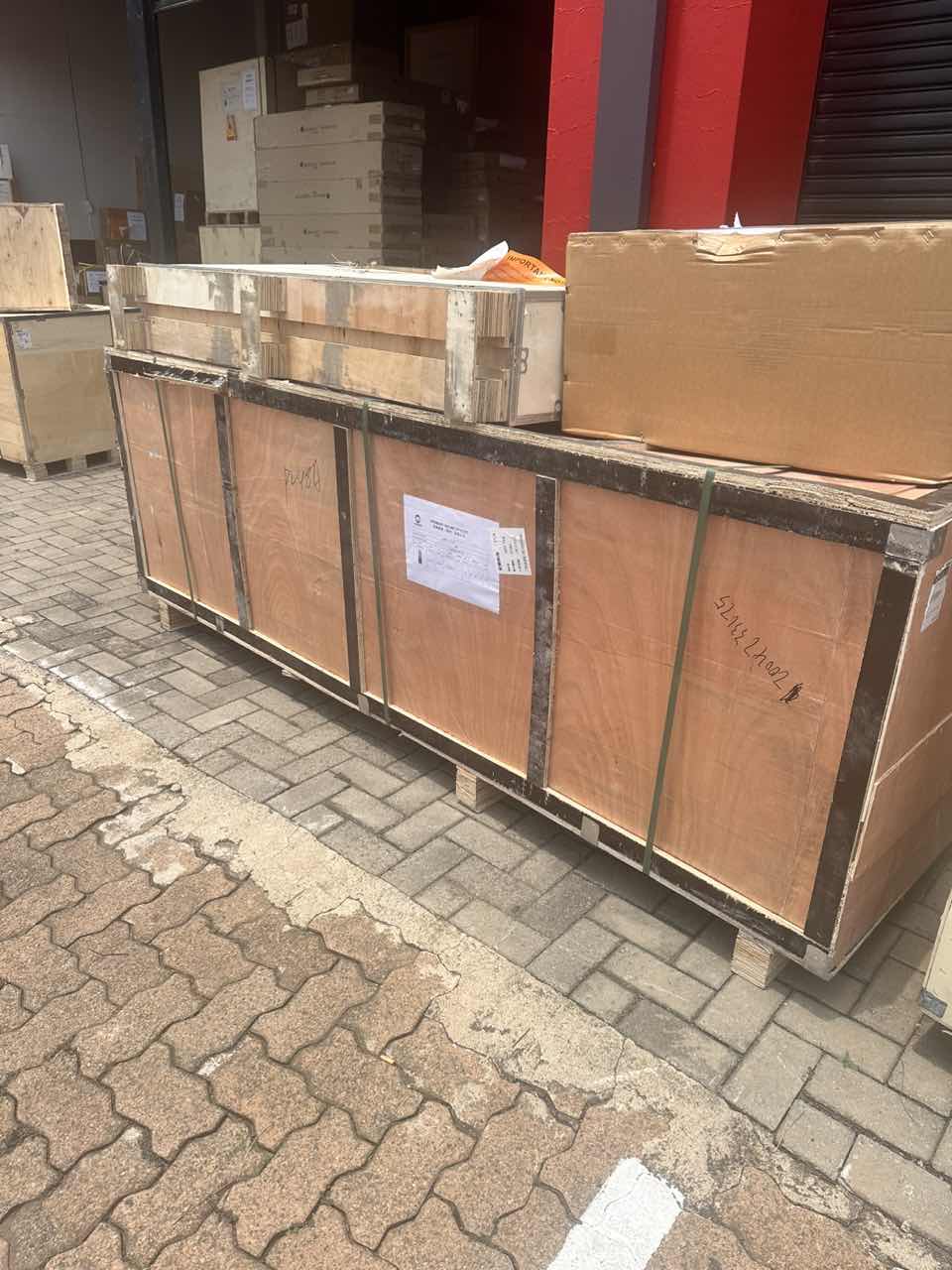
Pre Orders Offloading
Latest Arrivals
Latest Arrivals
Latest Arrivals
Loading
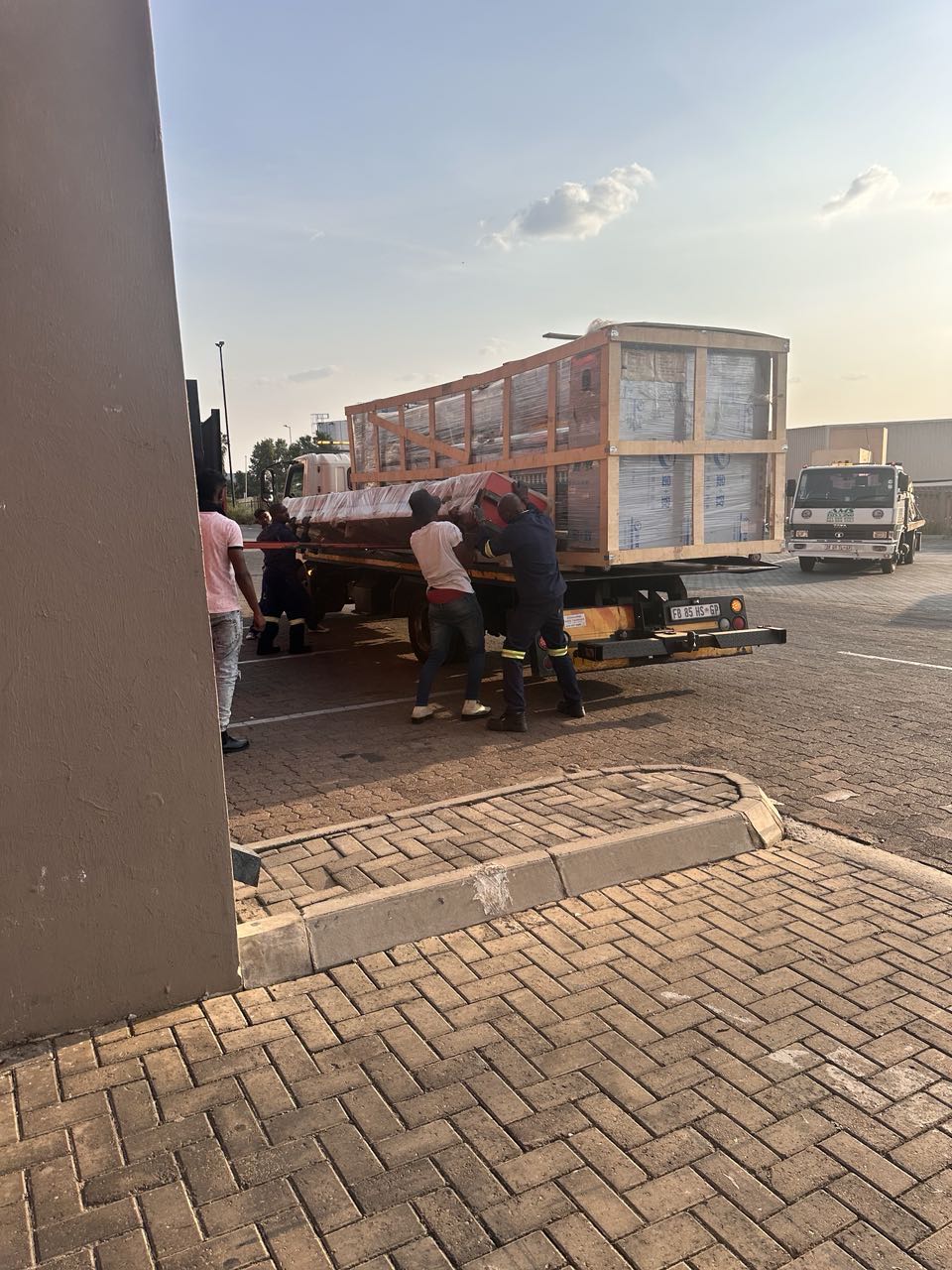
Toilet paper making machine
Toilet paper making machine
Toilet paper Rewinding Machine
latest arrivals
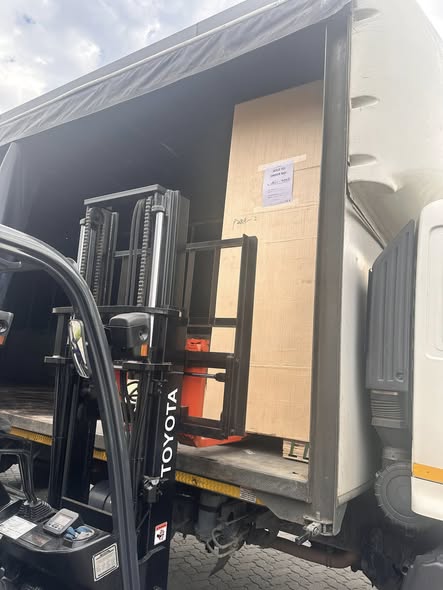
offloading
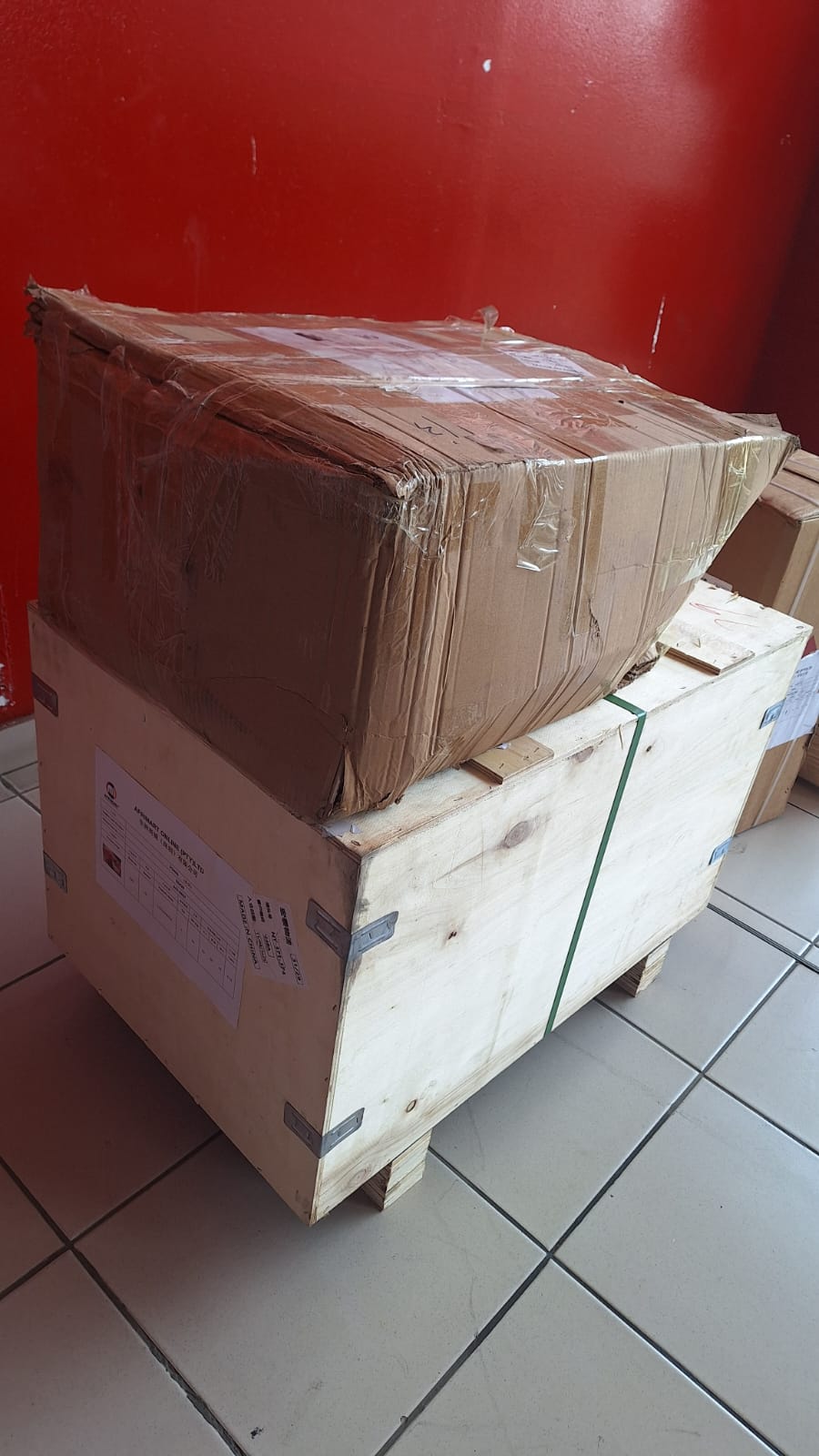
order success
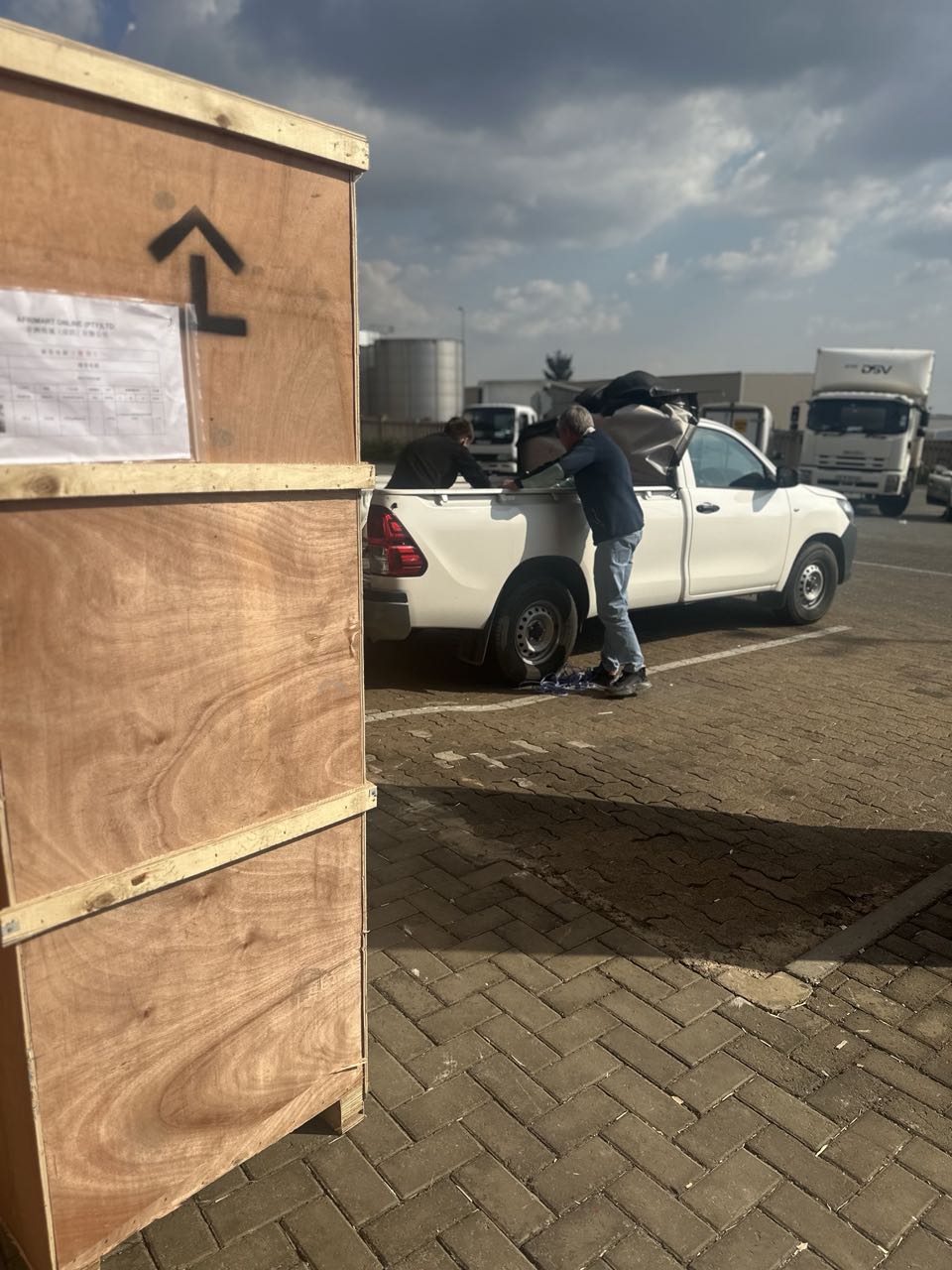
order collection
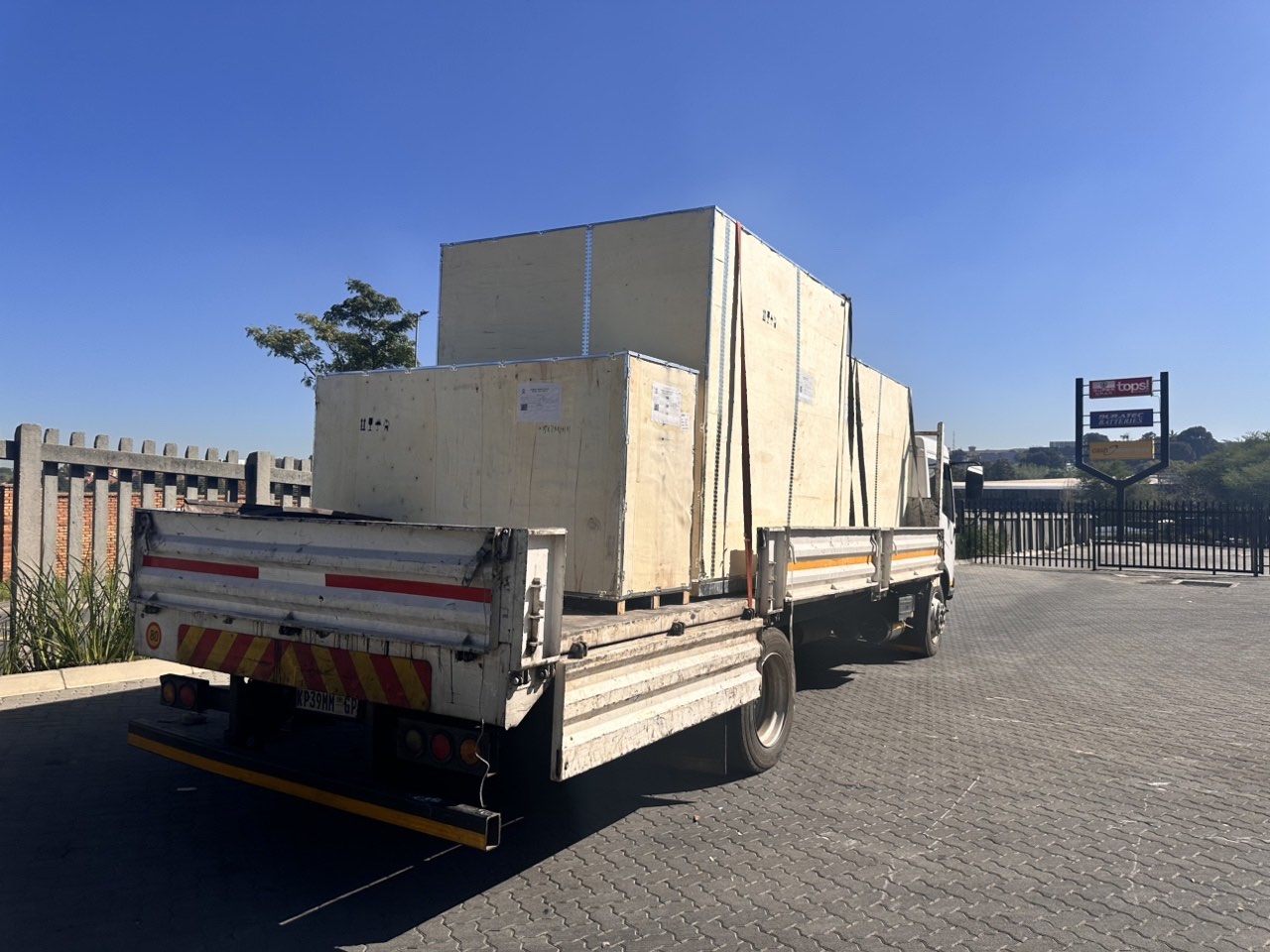
order offloading