B21, China Town Mall, Midrand

Browse categoriesView all categories
Appliances
View all products →


Beauty & Personal Care
View all products →


Car Parts
View all products →


Computers
View all products →


Construction Material
View all products → Building Boards & Insulation
Coated & Treated Products
Decorative Building Materials
EPDM/PVC/TPO Membrane
Building Boards & Insulation
Coated & Treated Products
Decorative Building Materials
EPDM/PVC/TPO Membrane
 Flat Products (Sheets, Plates & Coils)
Gabion mesh
Geocell
Geogrid
Geomembrane Welding machine
HDPE Geomembrane
HDPE Geomembrane
Hdpe/Pvc Pipe
Industrial Hardware & Fasteners
LDPE LLDPE Geomembrane
Luxury Wall Panels
Nonwoven Geotextile
Other Geosynthetics
Pipe Floater
Pipeline & Fluid Systems
Pipes & Hollow Sections
PVC Ceilings
PVC Cornices
PVC Suspended Ceilings
PVC Wall Panels
Roofing & Cladding
Roofing & Corrugated Sheets
Rubber Hose
SPC Flooring
Strips & Bars
Structural Steel & Profiles
Flat Products (Sheets, Plates & Coils)
Gabion mesh
Geocell
Geogrid
Geomembrane Welding machine
HDPE Geomembrane
HDPE Geomembrane
Hdpe/Pvc Pipe
Industrial Hardware & Fasteners
LDPE LLDPE Geomembrane
Luxury Wall Panels
Nonwoven Geotextile
Other Geosynthetics
Pipe Floater
Pipeline & Fluid Systems
Pipes & Hollow Sections
PVC Ceilings
PVC Cornices
PVC Suspended Ceilings
PVC Wall Panels
Roofing & Cladding
Roofing & Corrugated Sheets
Rubber Hose
SPC Flooring
Strips & Bars
Structural Steel & Profiles


Consumer Electronics
View all products → Camera & Photo
 Chargers, Batteries & Power Supplies
 Commercial Equipment
 Home Audio & Video
 Portable Audio
 Printing Equipment
 Professional Audio
 Security & Protection
 Testing Equipment


Commercial Equipment
 Advertising Boards
 Advertising Inflatables
 Advertising Light Boxes
 Commercial Fryers
 Computer Hardware & Software
 Digital Signage and Displays
 Display Racks
 Food Trucks
 Ice Cream Machines
 Interactive Boards
 Photo Booths
 Projectors & Presentation Equipments
 Refrigeration Equipment
 Supermarket Shelves
 Vending Machines


Electrical & Tools
View all products →


Renewable Energy
 Energy Storage System
 Flexible Solar Panels
 Home Energy Storage
 Lead Acid Batteries
 Lithium Ion Batteries
 Portable Power Stations
 Renewable Energy Accessories
 Solar Charge Controller
 Solar Energy System
 Solar Inverters
 Solar Light
 Solar Mounting System
 Solar Panels
 Solar Production Lines
 Solar Water Pump
 Uninterruptible Power Supplies
 Wind Generators
 Wind Power Generation System


Furniture
View all products → Bedroom Furniture
 Commercial Furniture
 Decorations
 Dining Room Furniture
 Kitchen Furniture
 Living Room Furniture
 Office Furniture


Kids & Toys
View all products →


Machinery
View all products →
Aftersales
 Agriculture Machinery
 Apparel Machinery
 Chemical Machinery
 Cleaning Equipment
 Construction Machinery
 Environmental Machinery
 Food & Beverage Machinery
 Industrial Machinery
 Machine Tool Equipment
 Machinery Accessories
 Material Handling
 Packaging Machines
Agriculture Machinery
Apparel Machinery
Chemical Machinery
Cleaning Equipment
Construction Machinery
Environmental Machinery
Food & Beverage Machinery
Industrial Machinery
Machine Tool Equipment
Machinery Accessories
Material Handling
Packaging Machines


Construction Machinery
 Brick Making Machinery
 Concrete Mixers
 Concrete Pumps
 Crushers
 Drilling Rigs
 Engineering & Construction Machinery
 Excavators
 Gas Generation Equipment
 Loaders
 Mineral Separators
 Mining Machinery
 Mortar Spray Machines
 Other Construction Machinery
 Road Machinery
 Stone Machinery
 Tile Making Machinery
 Truck Cranes


Food & Beverage Machinery
 Baking Equipments
 Beverage & Wine Machines
 Cake machine
 Donut machines
 Fermenting Equipment
 Fish Processing Machines
 Flour & Rice Mills
 Flour Mill
 Food Sterilizers
 Fruit & Vegetable Processing Machines
 Fruit & Vegetable Processing Machines
 Fryers
 Ice Cream Machines
 Juice Extractors
 Meat Processing Machinery
 Meat Slicers
 Other Food Processing Machinery
 Popcorn machine
 Snack Machines
 Vegetable Cutters
 Vegetable Washing Equipments
Industrial Machinery
 Apparel & Textile Machinery
 CNC industrial Machinery
 Industrial Compressors & Parts
 Industrial Robots
 Industry Laser Equipment
 Machine Tool Equipment
 Manufacturing Machinery
 Metal & Metallurgy Machinery
 Paper Production Machinery
 Plastic & Rubber Processing Machinery
 Welding Equipment
 Woodworking Machinery


Medical Supplies
View all products → Animal & Veterinary
 Household Medical Devices
 Medical Consumables
 Professional Medical Devices
 Testing Instrument


Professional Medical Devices
 Bone Surgical Instruments
 Burns Surgery Instruments
 Clinical Analytical Instruments
 Clinics Apparatuses
 Dental Chair
 Dental Consumables
 Dental Equipments
 Dental Handpiece
 Diagnostic Apparatuses
 Emergency & Clinics Apparatuses
 General Assay & Diagnostic Apparatuses
 Hospital Beds
 Hospital Chairs
 Hospital Trolley
 Implants & Interventional Materials
 Medical Cryogenic Equipments
 Medical Imaging Equipment
 Medical Optical Instruments
 Medical Ultrasound Instruments
 Medical X-ray Equipments
 Obstetrics & Gynecology Equipments
 Oral Therapy Equipments
 Physical Therapy Equipment
 Radiology Equipment & Accessories
 Rehabilitation Equipment
 Stethoscope
 Surgical Instruments
 Transfusion, Dialysis & Circulation Machines
 Vacuum Suction Devices
 Visual Acuity Examination Supplies


Pet Supplies
View all products →


Phones & Accessories
View all products → Featured Accessories
 Mobile Phones
 Phone Accessories
 Screen Protector Machines
 Tablets
 Telecommunications


Telecommunications
 Broadcast Intercom Systems
 Camera Modules
 Communication Antennas
 Corded Telephones
 Development Boards, Kits
 Enterprise Firewalls
 Enterprise Switches
 Fiber Optic Equipment
 Fixed Wireless Terminals
 Other Telecommunications Products
 PBX
PBX
 Signal conversion Boards
 Telecom Parts
 Wireless Infrastructure Equipment
Production Lines
View all products →

Metal Components
Custom fabricated metal assemblies
Flanges, couplings, and joints
Machined metal parts and forgings
Metal brackets, connectors, and fasteners
Metal frames and chassis components
Metal plates, sheets, and coils
Metal stampings and pressings
Pipes, tubes, and fittings (steel, copper, aluminum)
Steel beams, angles, channels, and structural sections
Wire mesh and expanded metal
Raw Inputs
Ceramic powders and compounds
Composite material components
Glass sheets and raw glass materials
Plastic resins and polymers (pellets, granules, powder)
Raw minerals and aggregates
Raw rubber and elastomer compounds
Raw steel, aluminum, copper, and other metal stock materials
Textile fibers and fabrics
Wood lumber and timber sheets
Sports & Entertainment
View all products →


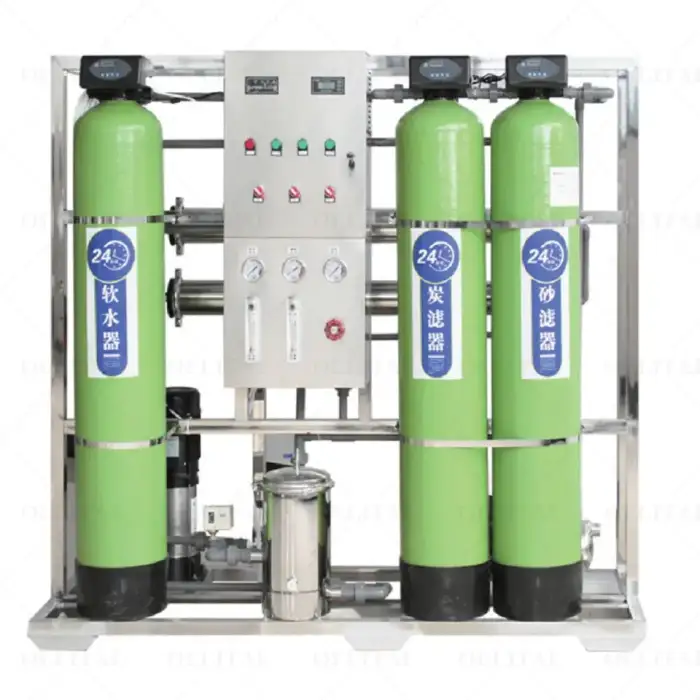
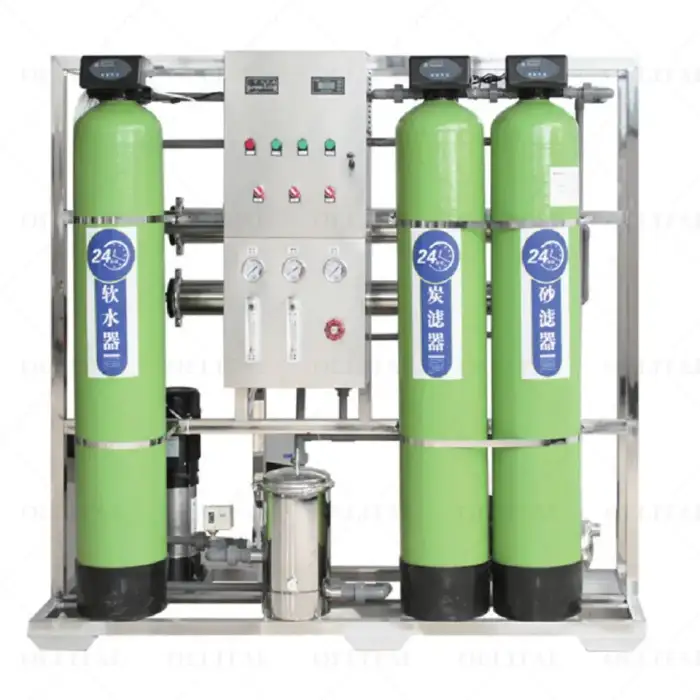
Industrial Water Treatment Equipment Reverse Osmosis Water Purification Machine Water Filter System
Asset finance available
Do you want funding for this equipment?
Afrimart can connect you with trusted funding partners who specialise in asset finance for businesses like yours. Compare options and apply in minutes — final approval is subject to provider review.
Check funding options
Secure & no obligation

- Section : Machinery
- Category : Industrial Machinery
- SKU : 1601164946461



Reverse osmosis pure water equipment is a device that uses reverse osmosis technology to remove impurities and dissolved solids from water. It is widely used in various fields that require high-purity water, such as drinking water treatment, industrial production, laboratory research and medical purposes. Reverse osmosis (RO) is a process that removes dissolved ions, organic matter and microorganisms in water through a semi-permeable membrane, which can significantly improve water quality.- Pretreatment system: Including sand filter, activated carbon filter and softener, etc., used to remove large particles, residual chlorine, organic matter and hardness ions in water, protect reverse osmosis membrane and extend its service life.- High-pressure pump: Provides sufficient pressure to push water into the reverse osmosis membrane, usually requiring a pressure several times higher than normal water pressure to overcome the osmotic pressure of the water.- Reverse osmosis membrane assembly: The core component is usually composed of a multi-layer composite membrane with high interception capacity, which can remove most dissolved solids, ions, microorganisms and organic matter in water.
- Control system: Automatically control the operation of the equipment, monitor and adjust parameters such as pressure and flow, and ensure the stable and efficient operation of the system.
- Post-treatment system: Including UV sterilizer, ultrafilter or mixed bed ion exchanger to further improve the purity of pure water to meet the needs of specific applications.

Main features:
- Efficient purification: It can remove most of the dissolved solids, heavy metals, bacteria and viruses in the water, and the purification effect is remarkable.- High degree of automation: The equipment is usually equipped with an automatic control system, which is easy to operate and maintain.- Energy saving and environmental protection: Modern reverse osmosis equipment has low energy consumption and small wastewater discharge, which meets environmental protection requirements.- Wide range of applications: It can be applied to a variety of water sources, such as tap water, surface water and groundwater, and has strong adaptability.
| Model | Double can version | Three can version | ||
| Tank materia | Stainless steel tank | Fiberglass tank | Stainless steel tank | Fiberglass tank |
| Raw water booster pump | Nanfang pump | New Territories pump | Lingxiao pumr | (optional) |
| Vertical high-pressure pump | Nanfang pump | Ney Territories pump | Lingxiao pump | (optional) |
| Filter valve head | automatie valve head | manual valve head | (optional) | |
| Softening valve head | automatie valte head | manual valte head | (optional) | |
| Filtration process | quartz sand-activated carbon | |||
| Ion exchange regeneration | 70L chemical/salt box | (optional) | ||
| Precision filter | 5-core 20-inch 5umPP cotton | (optional) | ||
| RO reverse osmosis membrane | 4040 | (optional) | ||
| Water production capacity | 1 ton (0.25 to 50 tons can be customized | |||
| Pipe material | PVC | 304 stainless stee | (optional) | |
| Solenoid valve | Normally closed pure copper solenoid valve |
* All models can be customized according to drawings and needs. Contact an engineer today to learn about the most suitable and cost-effective solution!


- Shipping Timeframes: All orders are processed within 2-5 business days (excluding weekends and holidays). After your order has been processed, the estimated delivery time is before 15 Dec, 2026, depending on customs, Please note that due to high demand, some items may experience longer shipping times, which will be communicated at order confirmation email.
- Order Processing Time: Please allow 2-5 business days for us to process your order before it is shipped . Orders placed after 16:00 on Fridays, or during weekends and public holidays, will begin processing on the next business day. Processing times may be extended during peak seasons or sales events.
- Manufacturing Time: Some products needs manufacturing time, the manufacturing process will take approximately 10-30 business days depending on the product. This timeframe may vary depending on the complexity of the product and current demand. but this will be communicated with you during order confirmation.
- Returns and Exchanges: We offer a 30-day return policy for most items. If you are not completely satisfied with your purchase, you may return it within 30 days of receipt for a refund or exchange. Items must be unused, in their original packaging, and accompanied by proof of purchase. Return shipping costs are the responsibility of the customer, unless the item was damaged or defective upon arrival.
1. What is reverse osmosis and how does it work?
Reverse osmosis is a water purification process that removes impurities and dissolved solids from water through a semi-permeable membrane. It works by applying pressure to the water, forcing it through the membrane, which allows only pure water to pass while blocking contaminants.
2. What types of impurities can this system remove?
The reverse osmosis water purification machine can remove dissolved solids, heavy metals, bacteria, viruses, organic matter, and microorganisms, significantly improving water quality.
3. What are the key components of the system?
The system includes a pretreatment system (sand and activated carbon filters), a high-pressure pump, a reverse osmosis membrane assembly, a control system, and a post-treatment system (like UV sterilizers) to enhance water purity.
4. How often should the filters be replaced?
Filter replacement frequency depends on water quality and usage. Generally, pre-filters and post-filters should be checked and replaced every 6 to 12 months, while the reverse osmosis membrane may last 2 to 5 years.
5. What is the water production capacity of this system?
The system can produce 1 ton of purified water, with customizable options ranging from 0.25 to 50 tons depending on your needs.
6. Is the system energy-efficient?
Yes, modern reverse osmosis systems are designed to be energy-efficient, with low energy consumption and minimal wastewater discharge, making them environmentally friendly.
7. Can this system be used for different water sources?
Yes, the reverse osmosis system is adaptable and can be used with various water sources, including tap water, surface water, and groundwater.
8. What materials are used in the construction of the system?
The system is available in various materials, including stainless steel and fiberglass for tanks, PVC and 304 stainless steel for piping, ensuring durability and resistance to corrosion.
9. Is there a warranty or guarantee on the equipment?
Warranty details vary by manufacturer and model. It is recommended to check with the supplier for specific warranty terms and support options.
10. How can I customize the system to meet my specific needs?
All models can be customized based on your requirements. You can contact an engineer to discuss your specific needs and find the most suitable solution.
11. What is the purpose of the pretreatment system?
The pretreatment system removes large particles, residual chlorine, organic matter, and hardness ions from the water, protecting the reverse osmosis membrane and extending its service life.
12. How does the control system enhance the operation of the equipment?
The control system automatically manages the operation of the equipment, monitors pressure and flow, and adjusts parameters to ensure stable and efficient performance.
13. What are the post-treatment options available?
Post-treatment options may include UV sterilizers, ultrafilters, or mixed bed ion exchangers that further enhance the purity of the water to meet specific application needs.
14. How do I maintain the reverse osmosis system?
Regular maintenance involves checking and replacing filters, cleaning the system, and monitoring performance indicators. It's advisable to consult the user manual for detailed maintenance instructions.
15. Can the system remove fluoride from water?
Yes, reverse osmosis systems are effective at removing fluoride along with many other contaminants, providing purified water that meets various health standards.
Latest Order Arrivals
Discover our latest orders
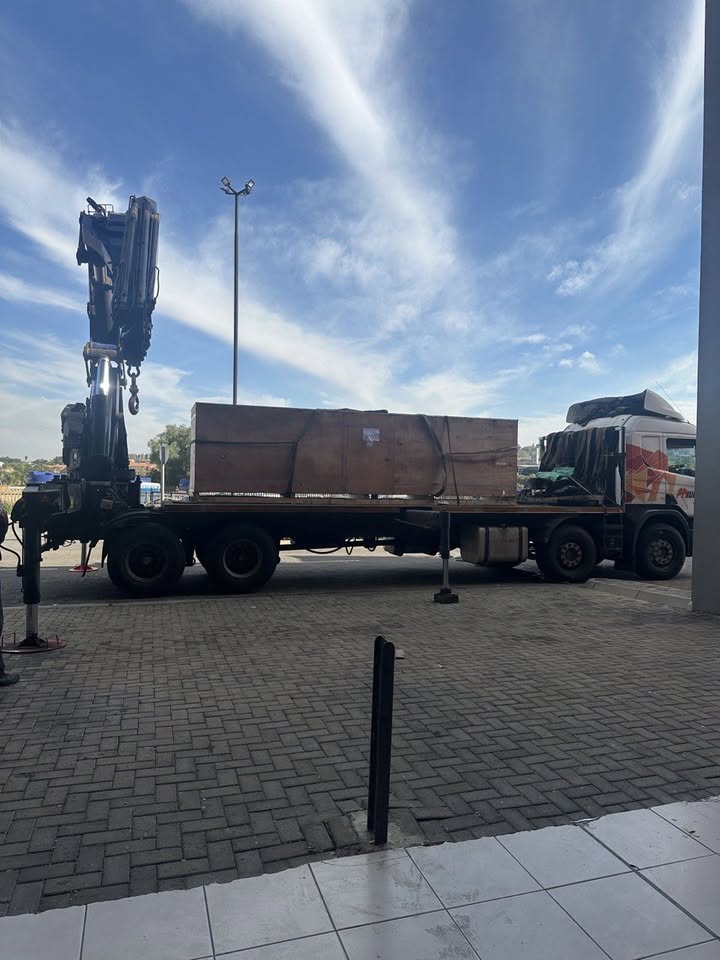
12 Heads Embroidery Machine
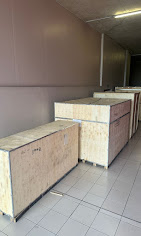
Toilet Paper Machine Machine
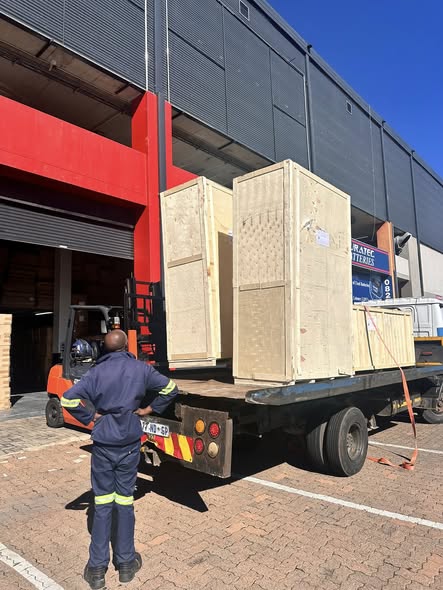
Order Collection
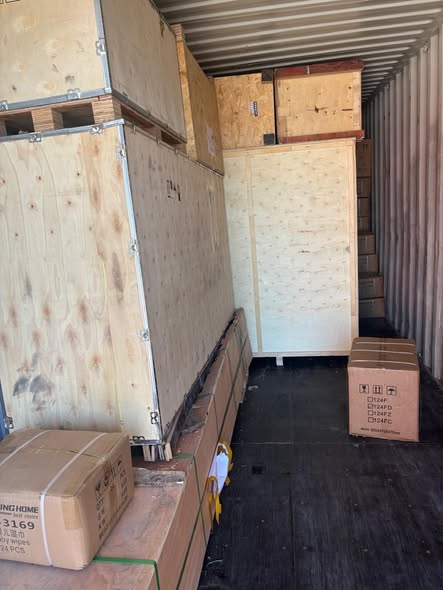
Cross Border Clients
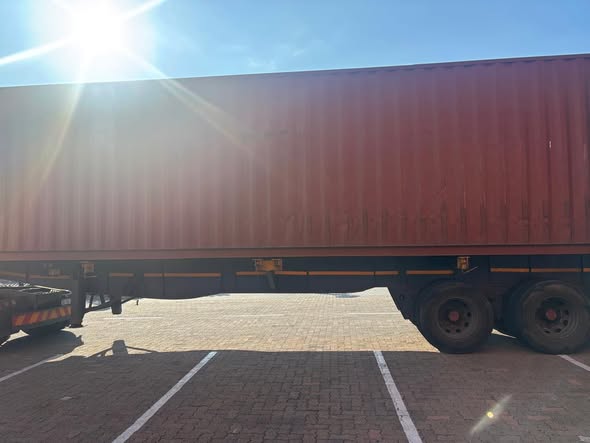
Order cros border countries Collected
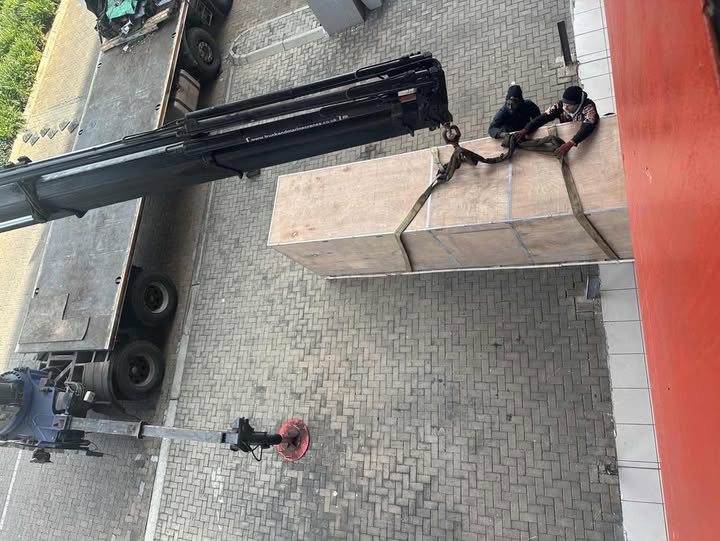
Industrial Machine Cllection
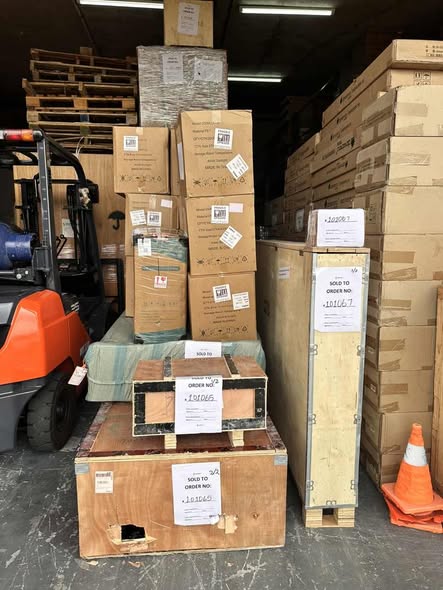
Agriculture Processing Machines
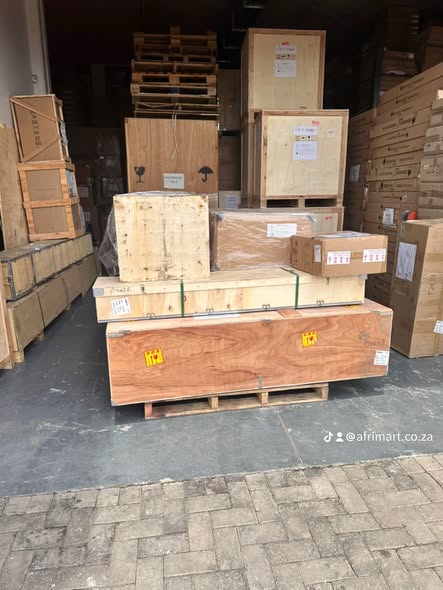
Ready for collection
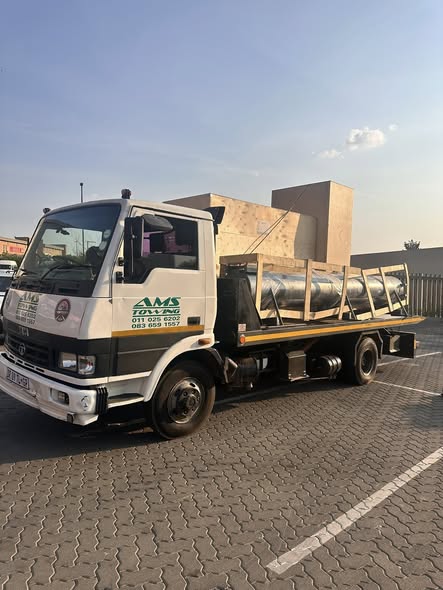
Water Pump Equipment
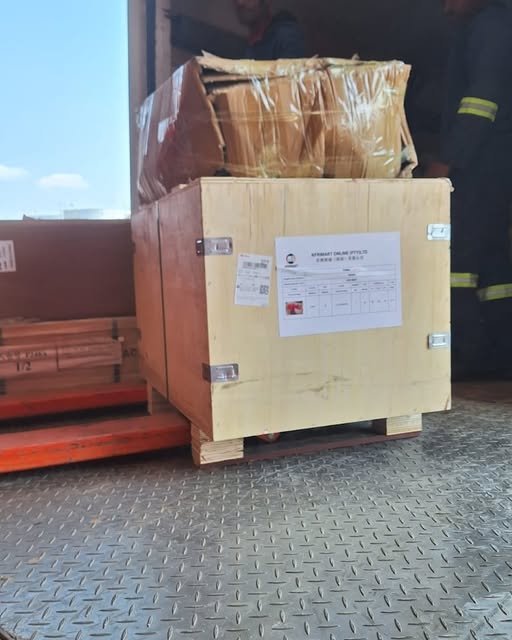
Packaging Machine and accessories
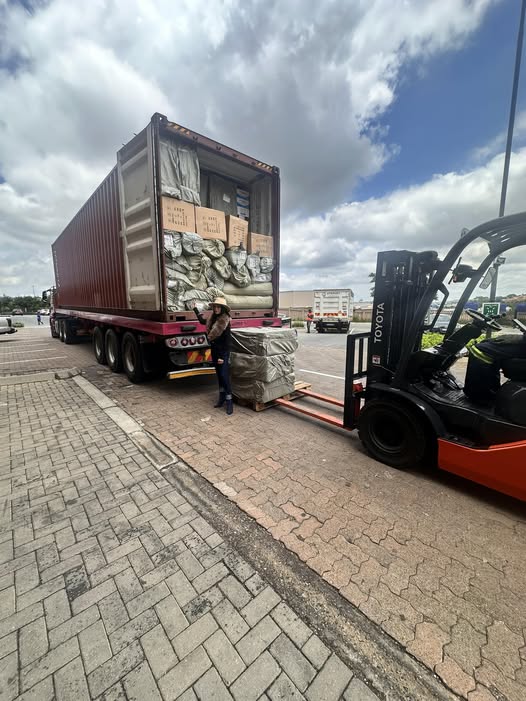
Fabrics Manufacturing Equipment
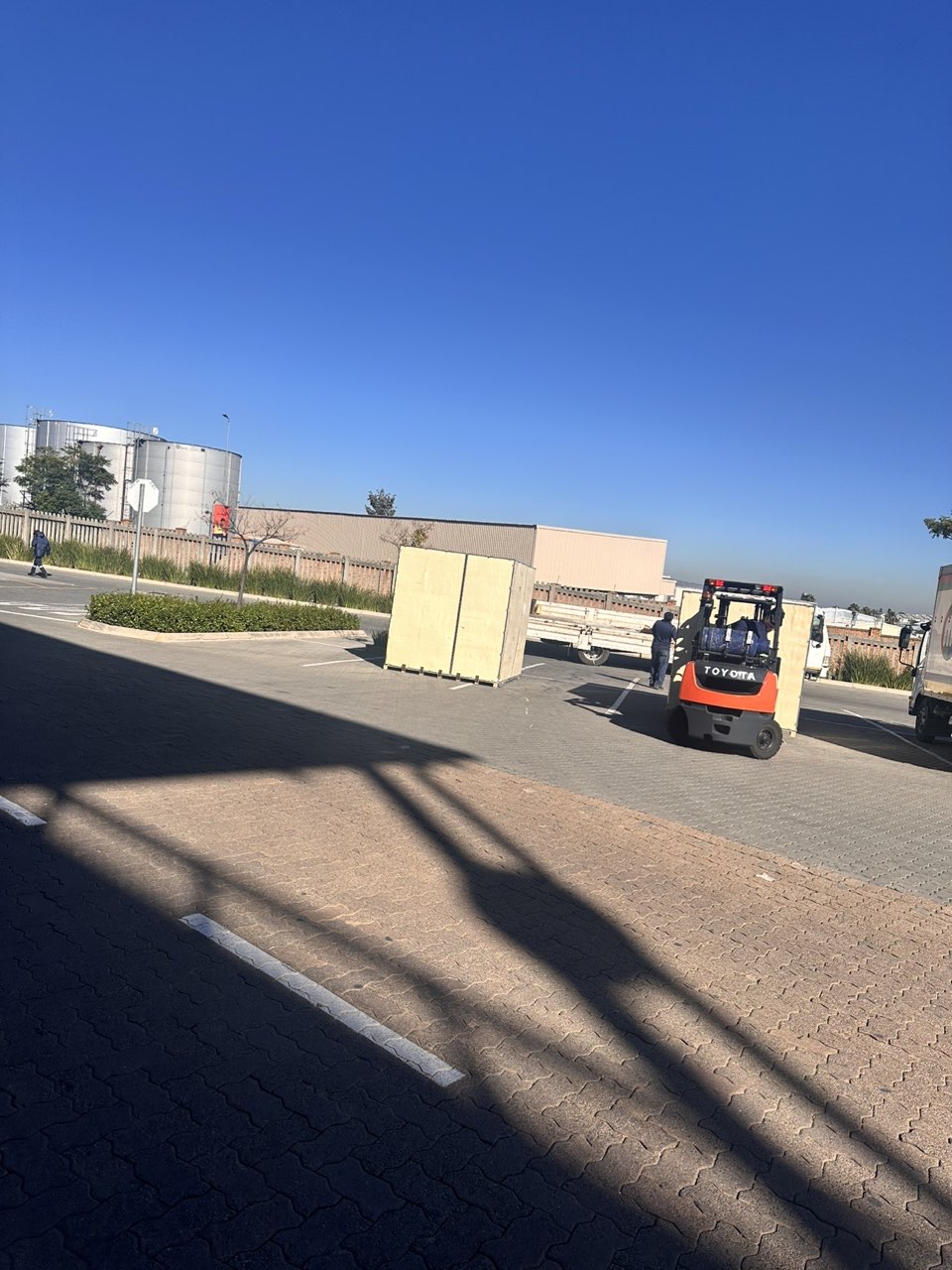
Mining Equipments
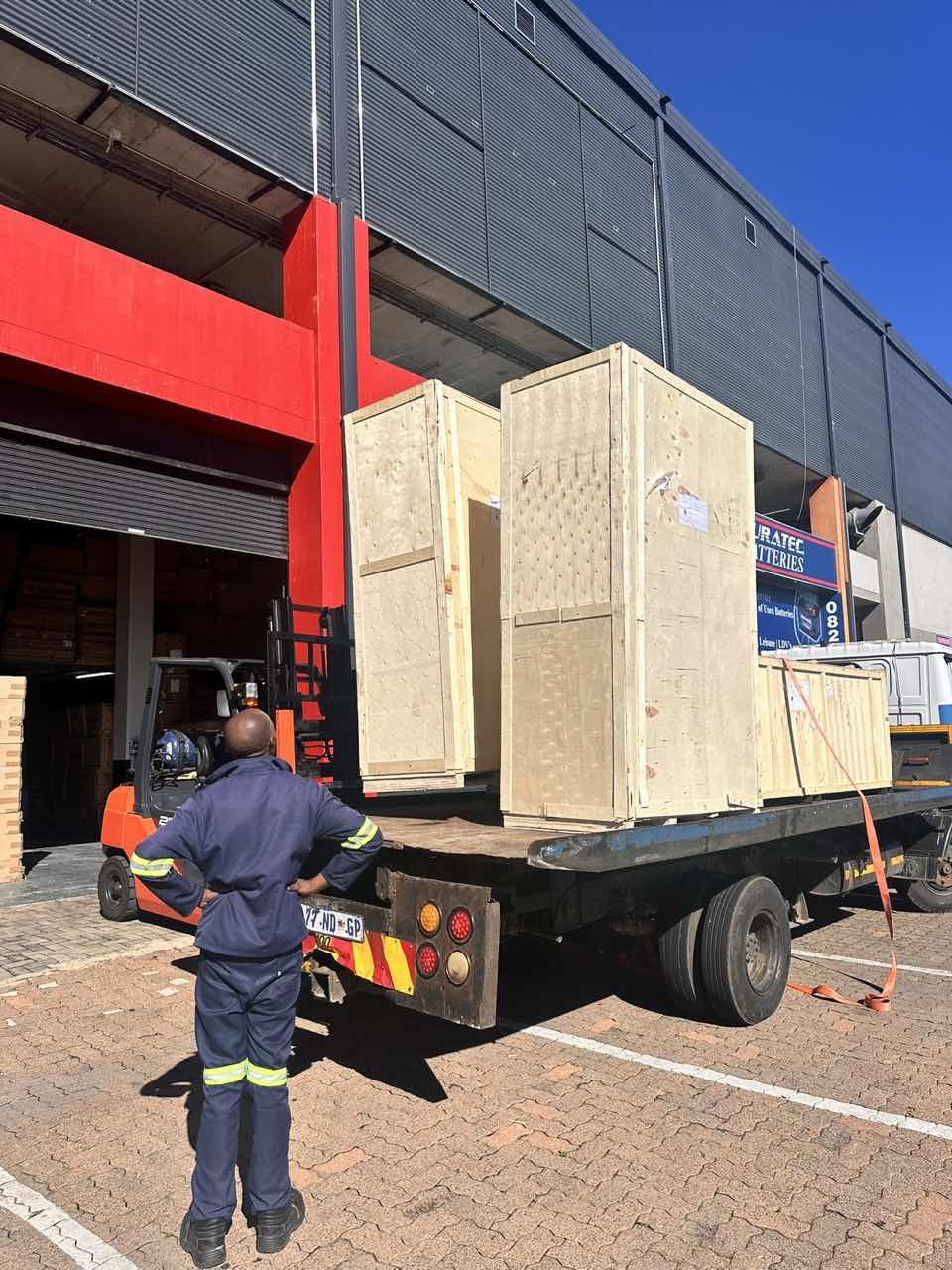
Food Processing Machine
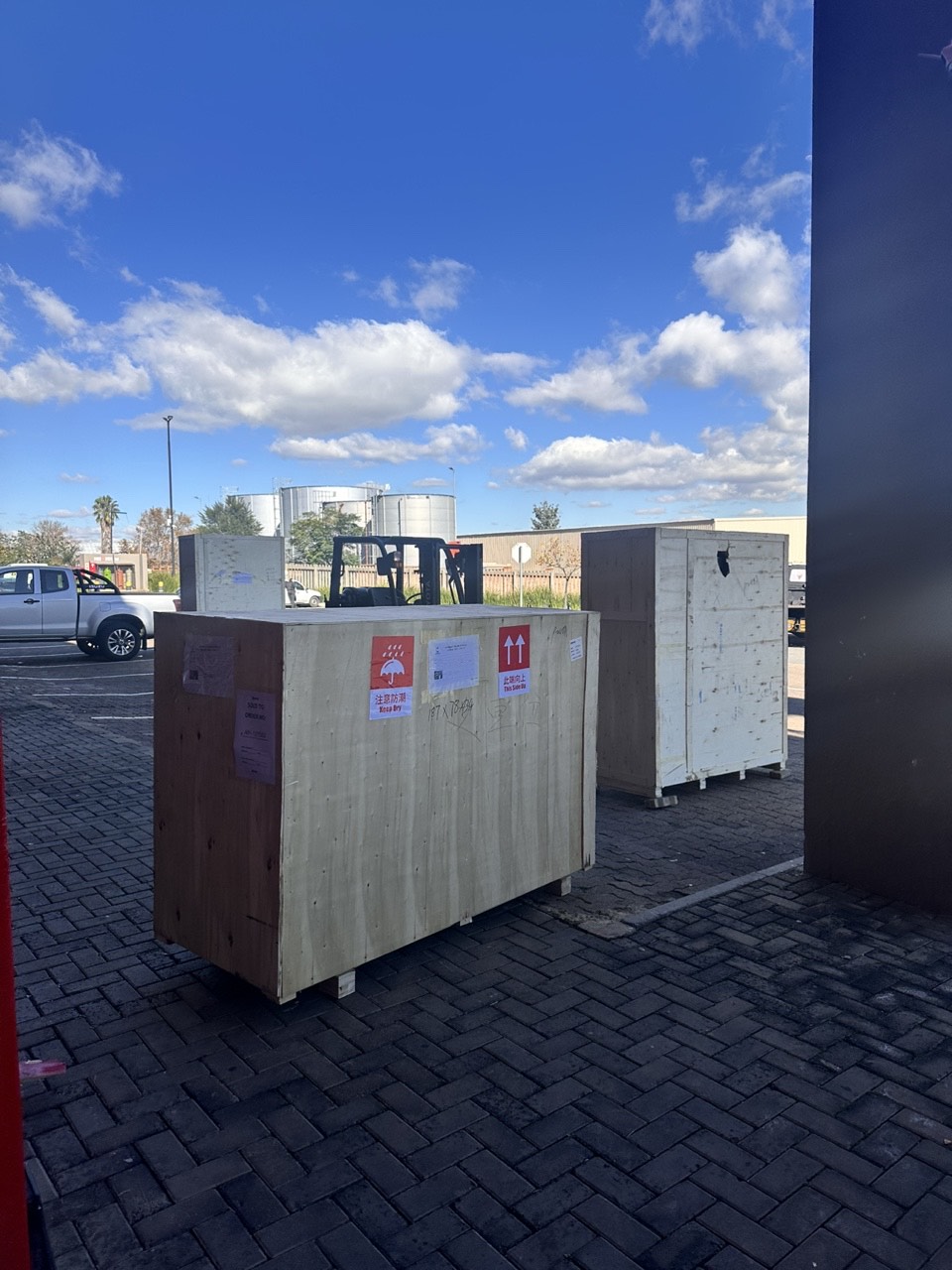
Batch of Orders
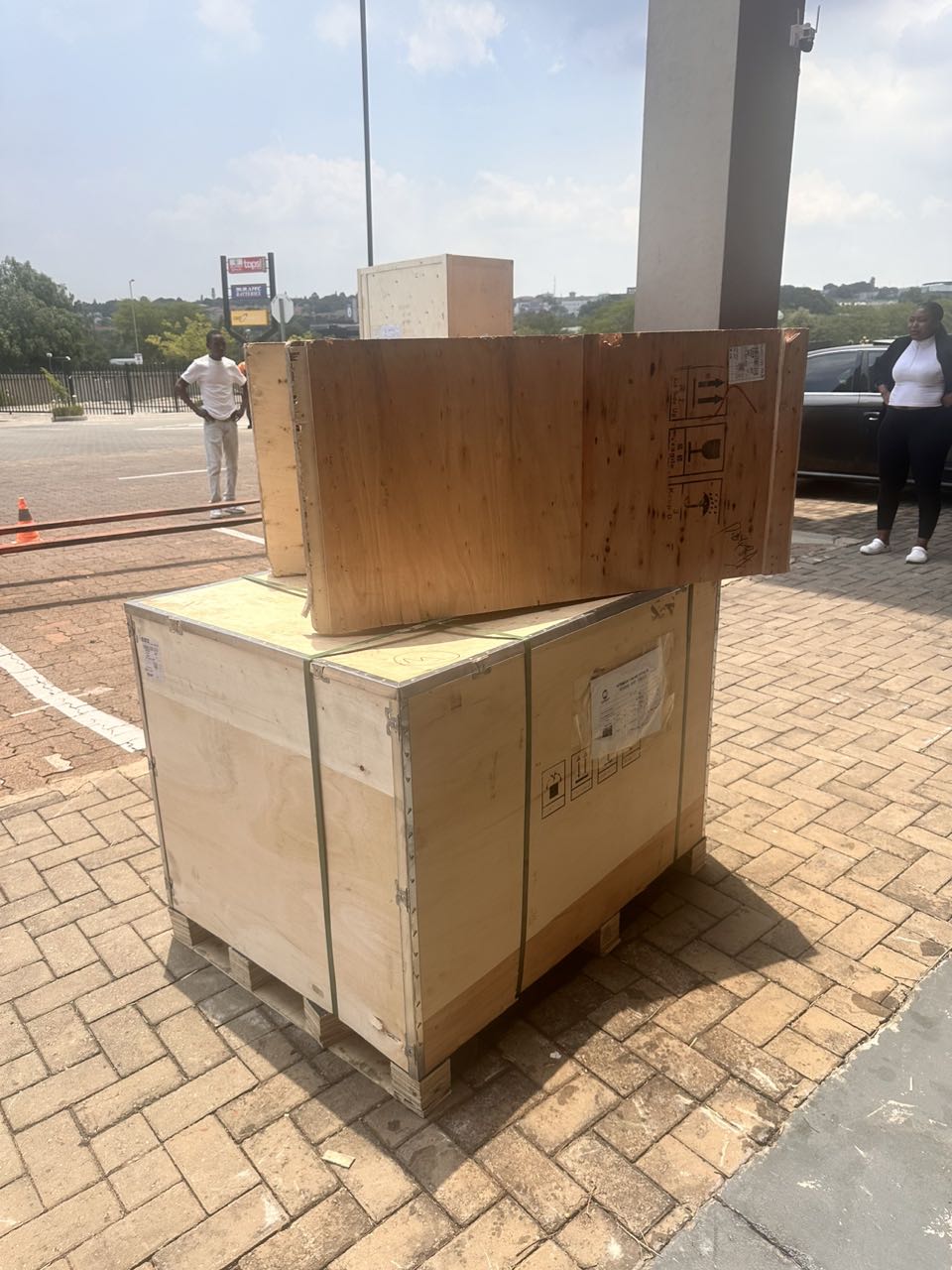
Batch of Orders
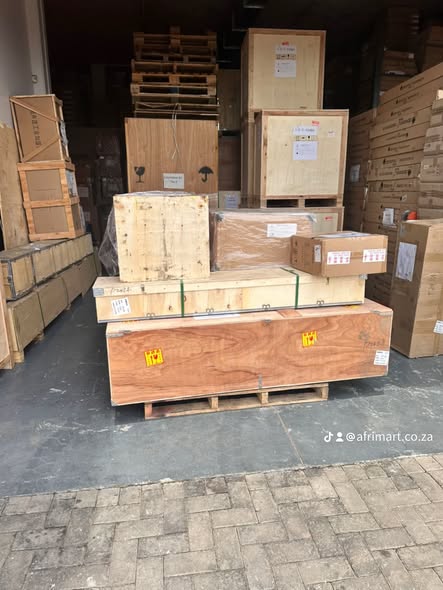
Latest Orders Labelled
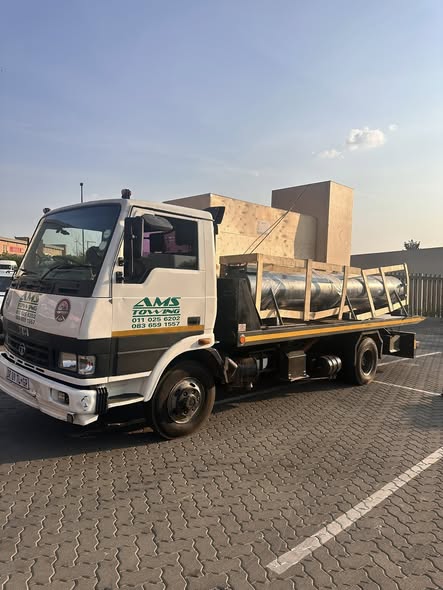
wheel alignment machines
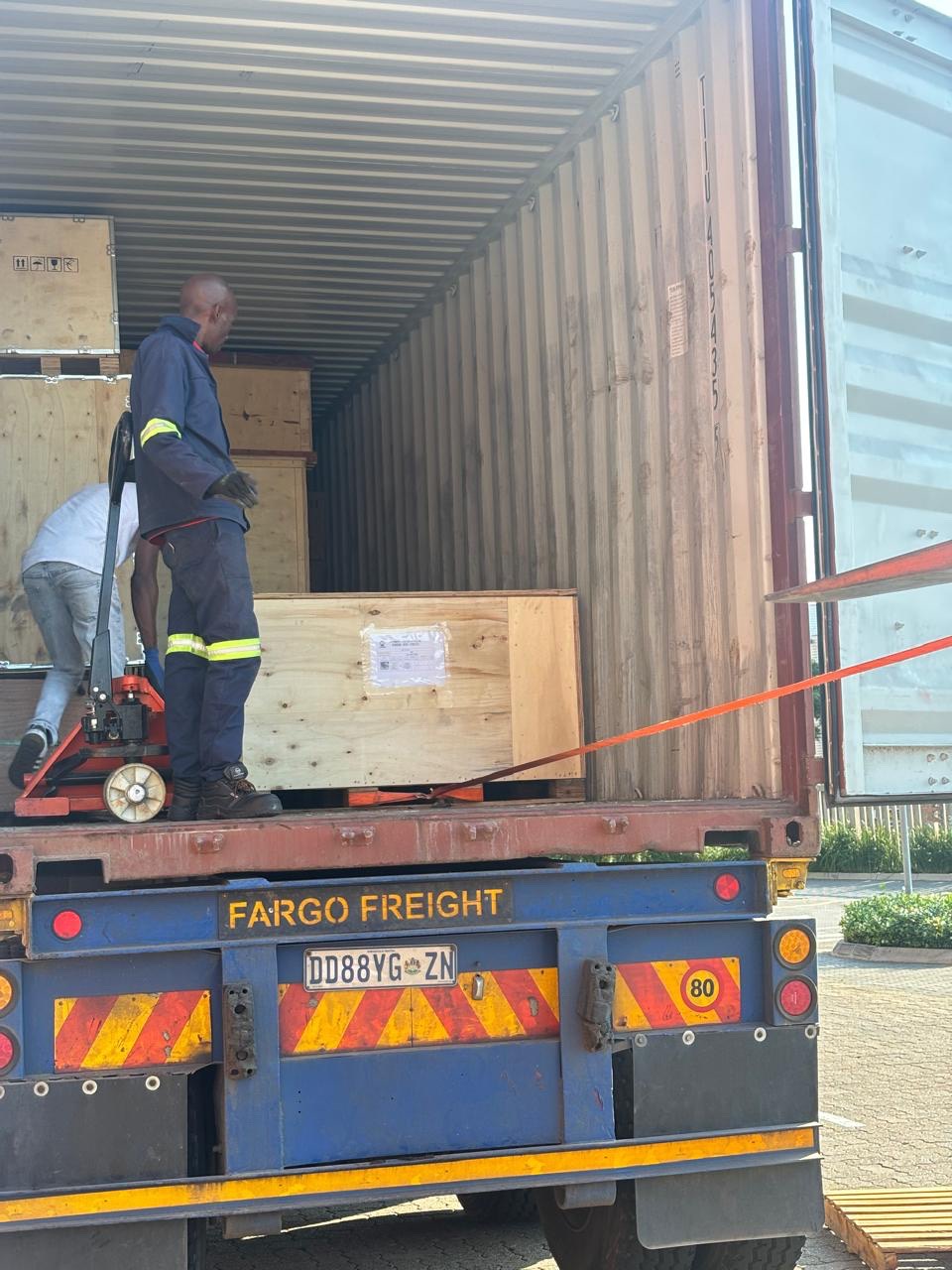
new arrivals
Pre Orders Offloading
Latest Arrivals
Latest Arrivals
Latest Arrivals
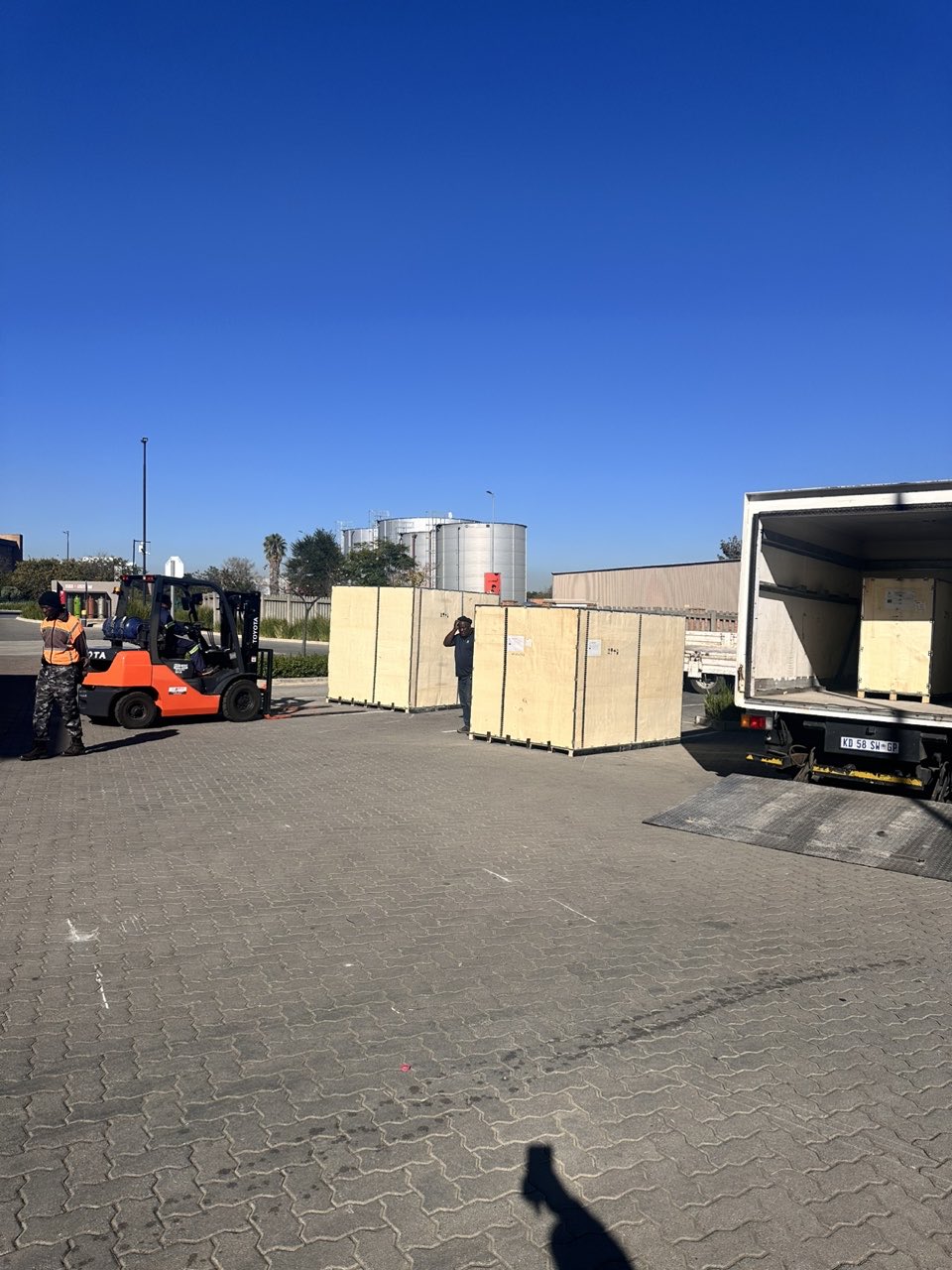
Loading
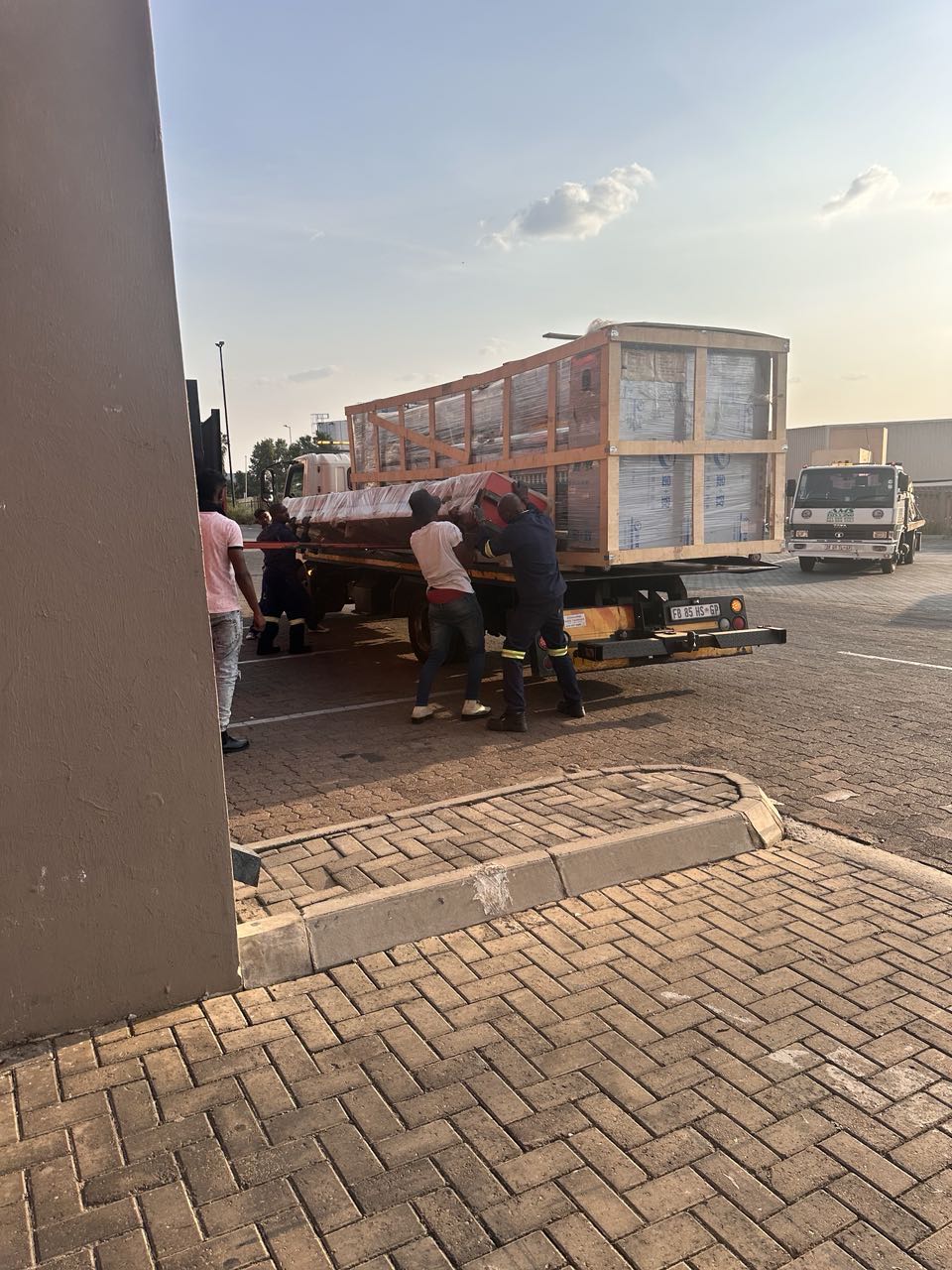
Toilet paper making machine
Toilet paper making machine
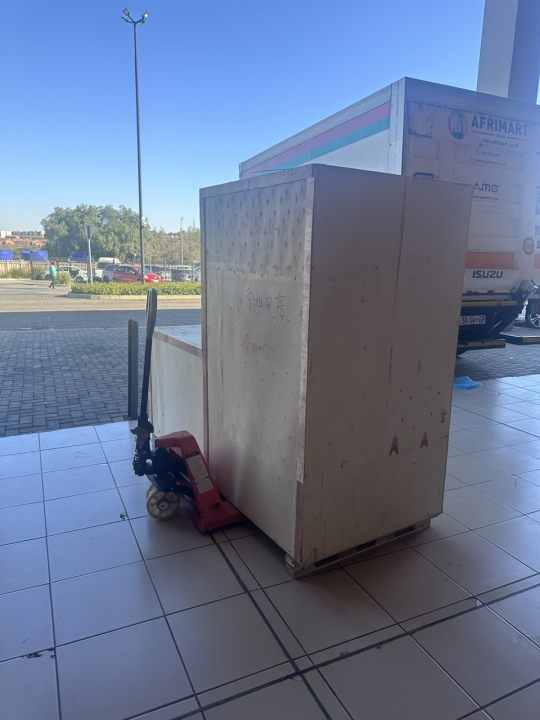
Toilet paper Rewinding Machine
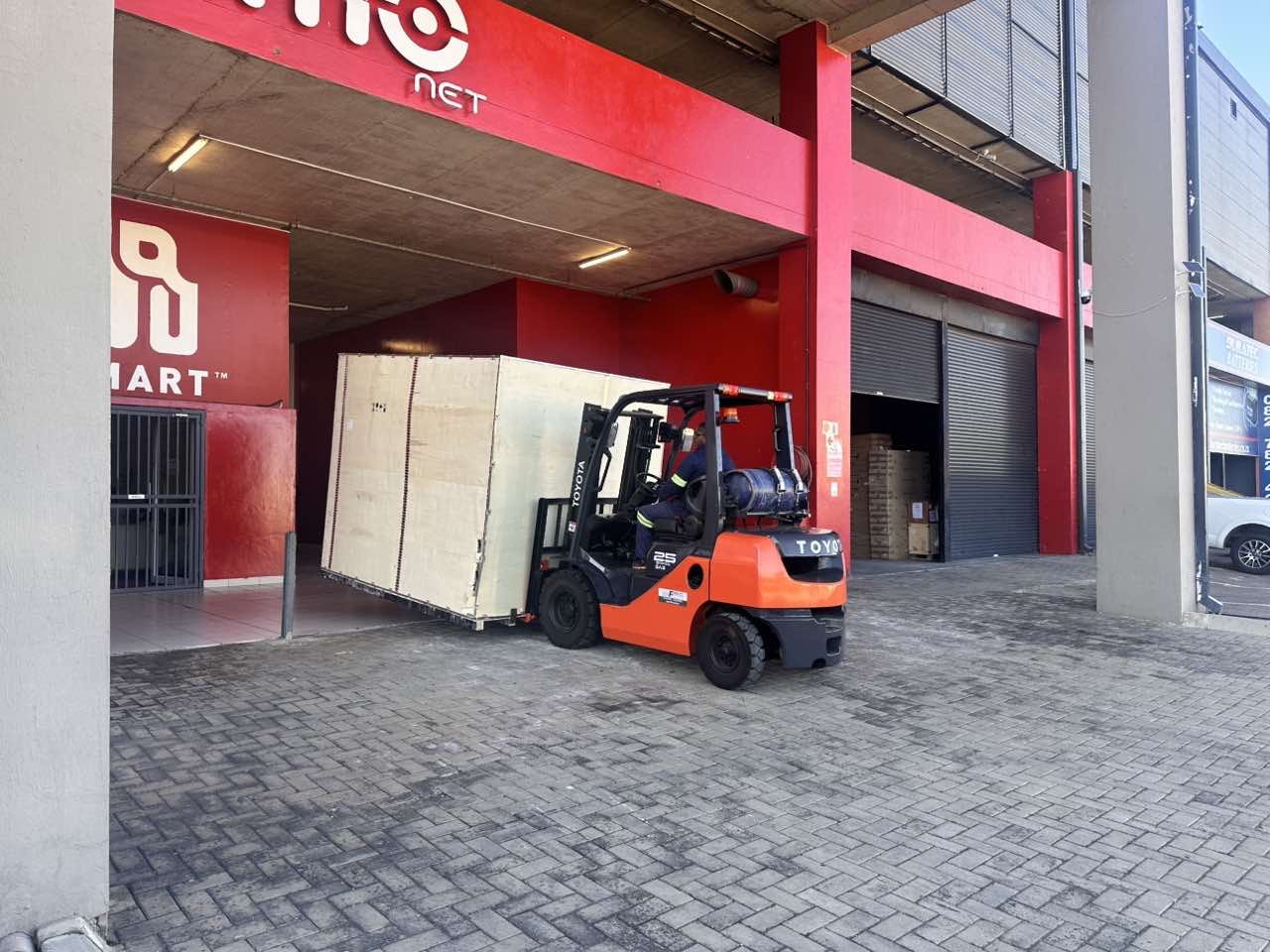
latest arrivals
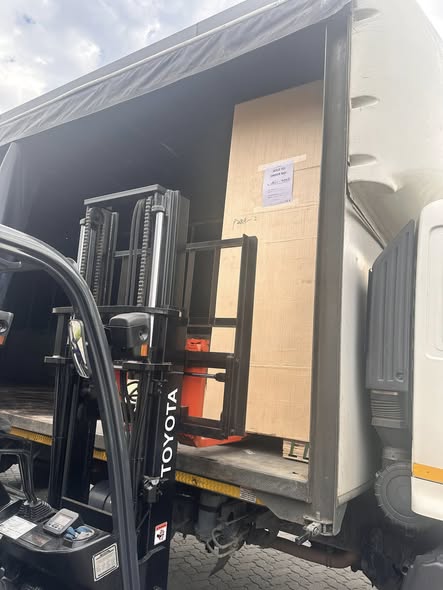
offloading
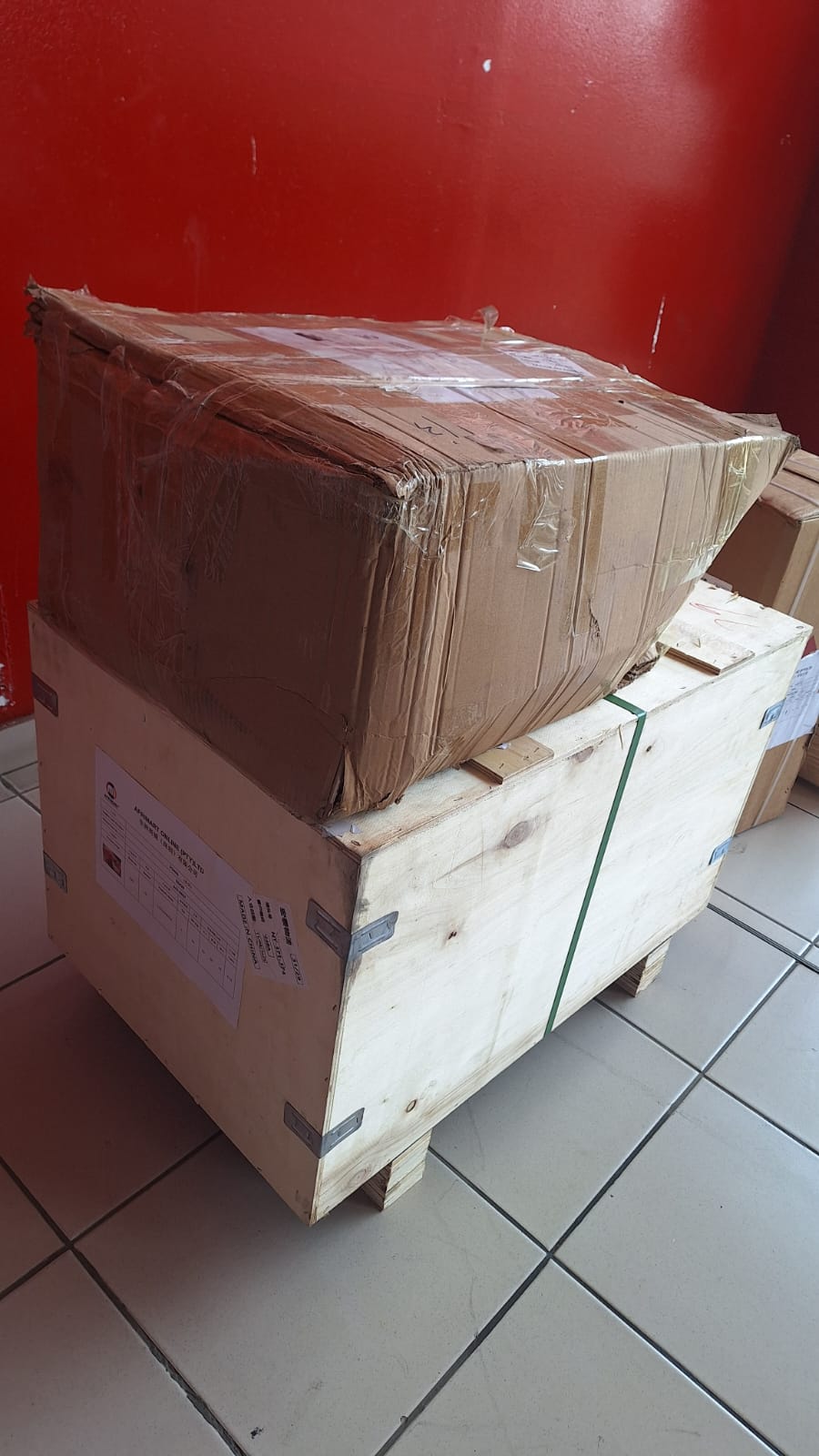
order success
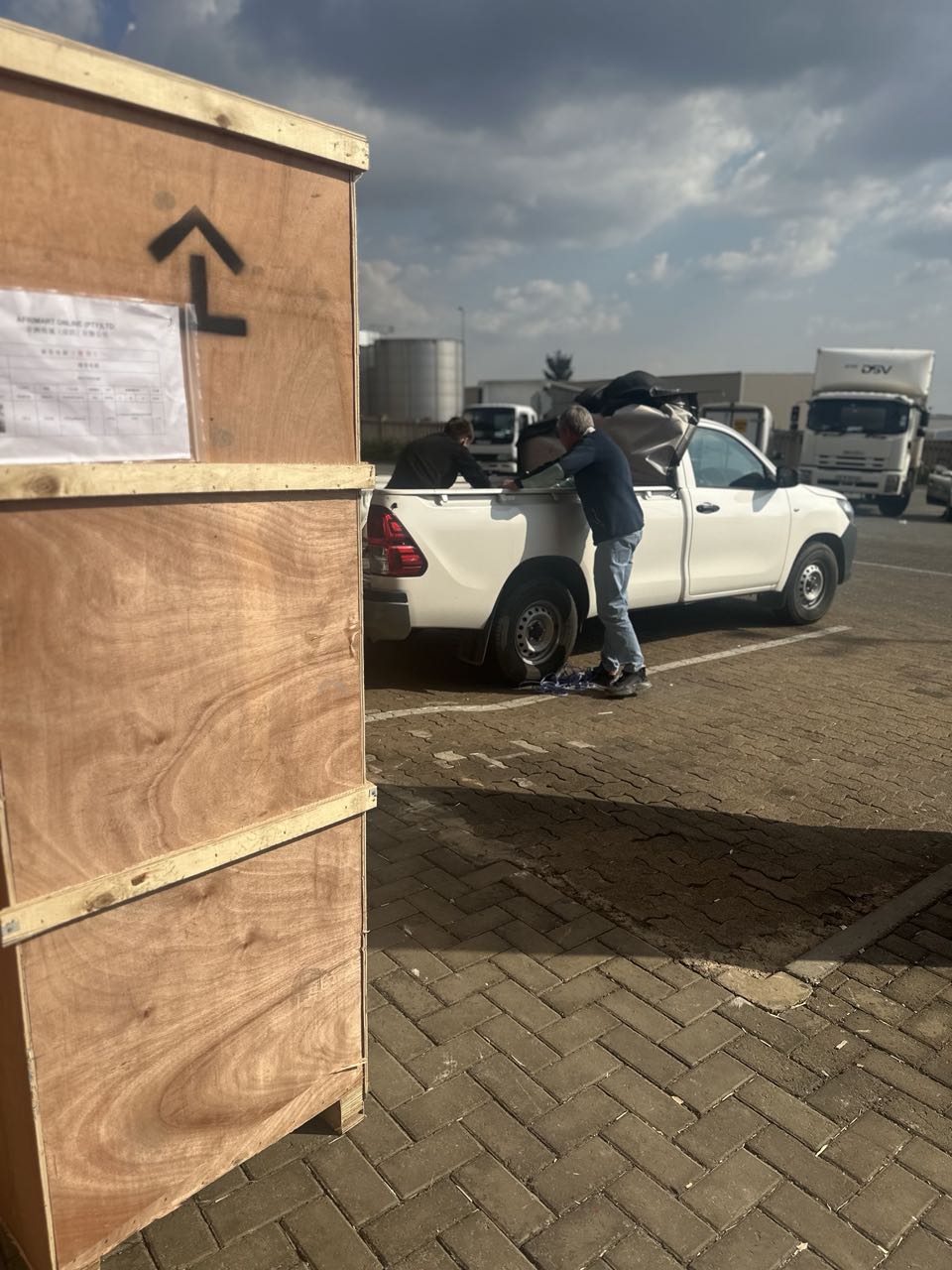
order collection
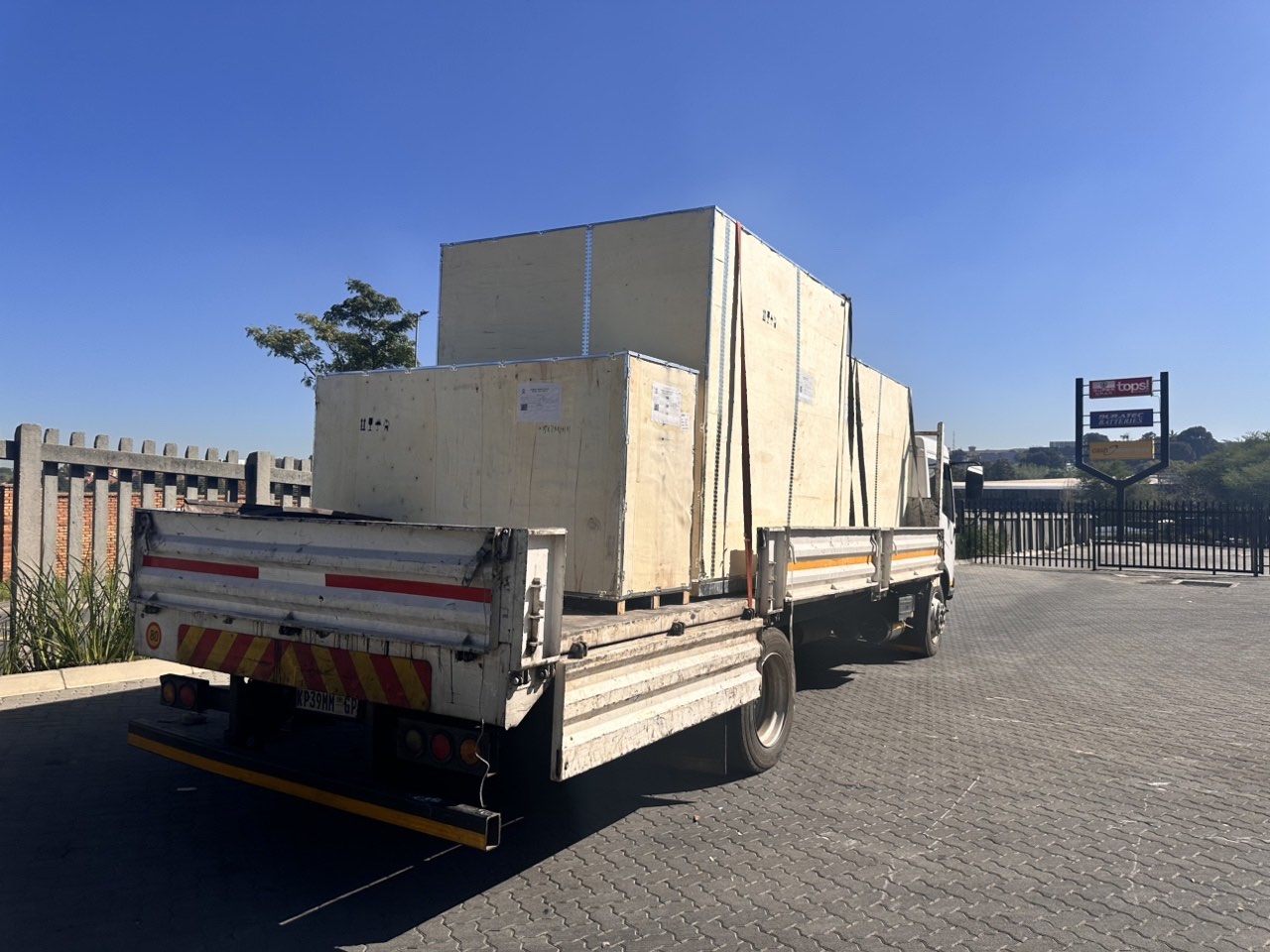
order offloading