B21, China Town Mall, Midrand

 Building Boards & Insulation
 Coated & Treated Products
Decorative Building Materials
EPDM/PVC/TPO Membrane
Coated & Treated Products
Decorative Building Materials
EPDM/PVC/TPO Membrane
 Flat Products (Sheets, Plates & Coils)
Gabion mesh
Geocell
Geogrid
Geomembrane Welding machine
HDPE Geomembrane
HDPE Geomembrane
Hdpe/Pvc Pipe
Industrial Hardware & Fasteners
LDPE LLDPE Geomembrane
Luxury Wall Panels
Nonwoven Geotextile
Other Geosynthetics
Pipe Floater
Pipeline & Fluid Systems
Pipes & Hollow Sections
PVC Ceilings
PVC Cornices
PVC Suspended Ceilings
PVC Wall Panels
Roofing & Cladding
Roofing & Corrugated Sheets
Rubber Hose
SPC Flooring
Strips & Bars
Structural Steel & Profiles
Flat Products (Sheets, Plates & Coils)
Gabion mesh
Geocell
Geogrid
Geomembrane Welding machine
HDPE Geomembrane
HDPE Geomembrane
Hdpe/Pvc Pipe
Industrial Hardware & Fasteners
LDPE LLDPE Geomembrane
Luxury Wall Panels
Nonwoven Geotextile
Other Geosynthetics
Pipe Floater
Pipeline & Fluid Systems
Pipes & Hollow Sections
PVC Ceilings
PVC Cornices
PVC Suspended Ceilings
PVC Wall Panels
Roofing & Cladding
Roofing & Corrugated Sheets
Rubber Hose
SPC Flooring
Strips & Bars
Structural Steel & Profiles
 Camera & Photo
 Chargers, Batteries & Power Supplies
 Commercial Equipment
 Home Audio & Video
 Portable Audio
 Printing Equipment
 Professional Audio
 Security & Protection
 Testing Equipment
 Advertising Boards
 Advertising Inflatables
 Advertising Light Boxes
 Commercial Fryers
 Computer Hardware & Software
 Digital Signage and Displays
 Display Racks
 Food Trucks
 Ice Cream Machines
 Interactive Boards
 Photo Booths
 Projectors & Presentation Equipments
 Refrigeration Equipment
 Supermarket Shelves
 Vending Machines
 Bedroom Furniture
 Commercial Furniture
 Decorations
 Dining Room Furniture
 Kitchen Furniture
 Living Room Furniture
 Office Furniture
 Agriculture Machinery
 Apparel Machinery
 Chemical Machinery
 Cleaning Equipment
 Construction Machinery
 Environmental Machinery
 Food & Beverage Machinery
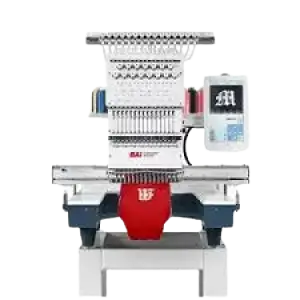 Industrial Machinery
 Machine Tool Equipment
 Machinery Accessories
 Material Handling
 Packaging Machines
 Brick Making Machinery
 Concrete Mixers
 Concrete Pumps
 Crushers
 Drilling Rigs
 Engineering & Construction Machinery
 Excavators
 Gas Generation Equipment
 Loaders
 Mineral Separators
 Mining Machinery
 Mortar Spray Machines
 Other Construction Machinery
 Road Machinery
 Stone Machinery
 Tile Making Machinery
 Truck Cranes
 Baking Equipments
 Beverage & Wine Machines
 Cake machine
 Donut machines
 Fermenting Equipment
 Fish Processing Machines
 Flour & Rice Mills
 Flour Mill
 Food Sterilizers
 Fruit & Vegetable Processing Machines
 Fruit & Vegetable Processing Machines
 Fryers
 Ice Cream Machines
 Juice Extractors
 Meat Processing Machinery
 Meat Slicers
 Other Food Processing Machinery
 Popcorn machine
 Snack Machines
 Vegetable Cutters
 Vegetable Washing Equipments
 Apparel & Textile Machinery
 CNC industrial Machinery
 Industrial Compressors & Parts
 Industrial Robots
 Industry Laser Equipment
 Machine Tool Equipment
 Manufacturing Machinery
 Metal & Metallurgy Machinery
 Paper Production Machinery
 Plastic & Rubber Processing Machinery
 Welding Equipment
 Woodworking Machinery
 Animal & Veterinary
 Household Medical Devices
 Medical Consumables
 Professional Medical Devices
 Testing Instrument
 Bone Surgical Instruments
 Burns Surgery Instruments
 Clinical Analytical Instruments
 Clinics Apparatuses
 Dental Chair
 Dental Consumables
 Dental Equipments
 Dental Handpiece
 Diagnostic Apparatuses
 Emergency & Clinics Apparatuses
 General Assay & Diagnostic Apparatuses
 Hospital Beds
 Hospital Chairs
 Hospital Trolley
 Implants & Interventional Materials
 Medical Cryogenic Equipments
 Medical Imaging Equipment
 Medical Optical Instruments
 Medical Ultrasound Instruments
 Medical X-ray Equipments
 Obstetrics & Gynecology Equipments
 Oral Therapy Equipments
 Physical Therapy Equipment
 Radiology Equipment & Accessories
 Rehabilitation Equipment
 Stethoscope
 Surgical Instruments
 Transfusion, Dialysis & Circulation Machines
 Vacuum Suction Devices
 Visual Acuity Examination Supplies
 Featured Accessories
 Mobile Phones
 Phone Accessories
 Screen Protector Machines
 Tablets
 Telecommunications
 Broadcast Intercom Systems
 Camera Modules
 Communication Antennas
 Corded Telephones
 Development Boards, Kits
 Enterprise Firewalls
 Enterprise Switches
 Fiber Optic Equipment
 Fixed Wireless Terminals
 Other Telecommunications Products
 PBX
PBX
 Signal conversion Boards
 Telecom Parts
 Wireless Infrastructure Equipment
Select a product option to continue.


No approved technical specifications are available yet. Please refer to the product description or contact our team.
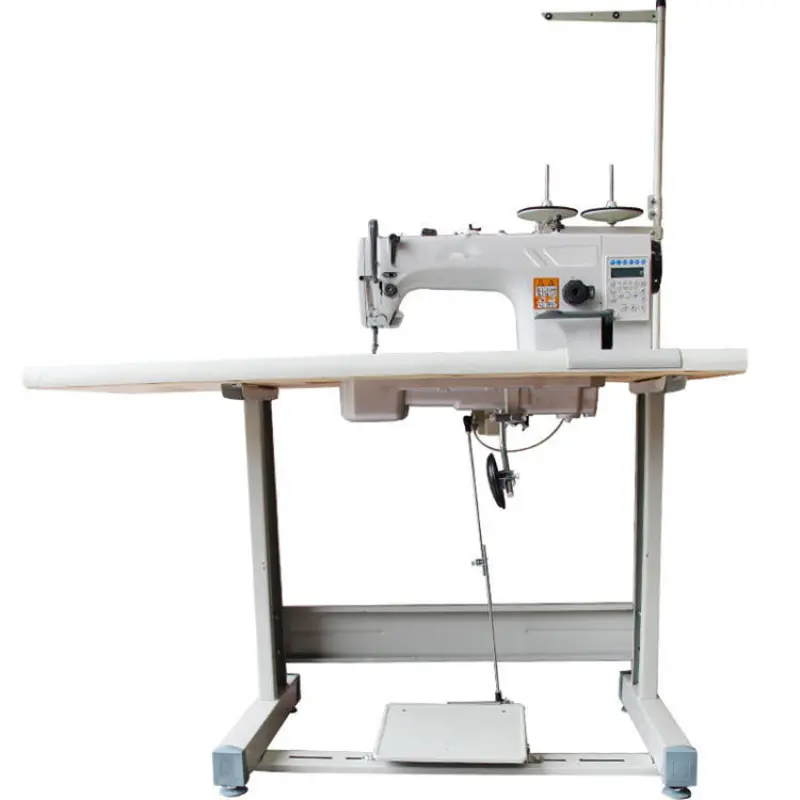
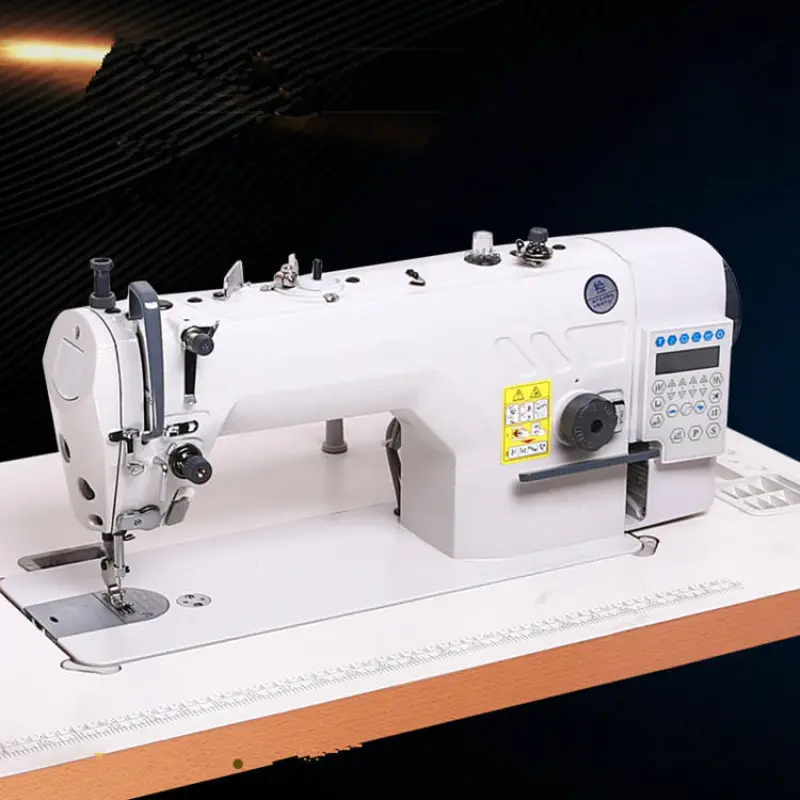
Industrial sewing machines are designed for a wide range of materials, from lightweight fabrics (silk, polyester) to heavy-duty materials (denim, canvas, upholstery fabric, leather). Choose the machine model and needle type rated for the specific fabric thickness and hardness.
Common industrial machines support lockstitch and chainstitch. Specialized models may offer overlock, coverstitch, blindstitch, and multi-needle configurations. Check the model specifications to confirm supported stitch types.
Sewing speeds vary by model and application, but many industrial machines run between 2,000 and 6,000 stitches per minute. Heavy-duty or specialized processes may operate at lower speeds to maintain stitch quality.
Most industrial sewing machines are sold with either a clutch motor (traditional) or a servo motor (energy-efficient, quieter, and offers better speed control). Some suppliers offer the option to upgrade or change motor types.
Industrial machines typically require 110–120V or 220–240V, single-phase or three-phase depending on the motor and region. Verify the machine's electrical specifications and power supply compatibility before installation.
Regular maintenance includes daily cleaning of lint and debris, periodic oiling/lubrication per the manufacturer's schedule, replacing needles and bobbins as needed, and routine inspection and adjustment of tension and timing. Professional servicing is recommended for more complex repairs.
Select needle size and type based on fabric weight and material (e.g., universal, leather, ballpoint). Use thread strength and thickness appropriate for material and stitch type—polyester threads are common for general use; bonded nylon or heavy-duty polyester for thick materials.
Yes, most industrial sewing machines have readily available spare parts (needles, bobbins, presser feet, belts, motors) and accessories (rollers, walking feet, extensible tables). Availability depends on brand and model—check with the supplier for specific part numbers.
Safety features may include finger guards, belt covers, emergency stop switches, auto shutoff for overheating, and CE/UL safety compliance. Proper training and personal protective equipment (PPE) are also important for safe operation.
Warranties vary by manufacturer and seller. Typical warranties cover manufacturing defects for 1–2 years on the machine head and a shorter period for electrical components. Confirm warranty terms, what is covered, and any required registration.
Yes. Many industrial machines can be configured with multi-needle heads, automatic thread trimmers, programmable stitch patterns, and robotic feeders for high-volume or automated production. Check model options for automation capabilities.
Installation typically requires a sturdy table or stand, adequate floor space for operator movement, and clearance for attached accessories (knees, feeders). Ensure access to the proper power outlet and consider lighting and ventilation. Exact dimensions depend on the model and attachments.
Operators should be trained on threading, tension adjustment, needle replacement, basic troubleshooting, and safety procedures. Many suppliers offer on-site or online training, manuals, and video tutorials. For complex repairs, factory-trained technicians are recommended.
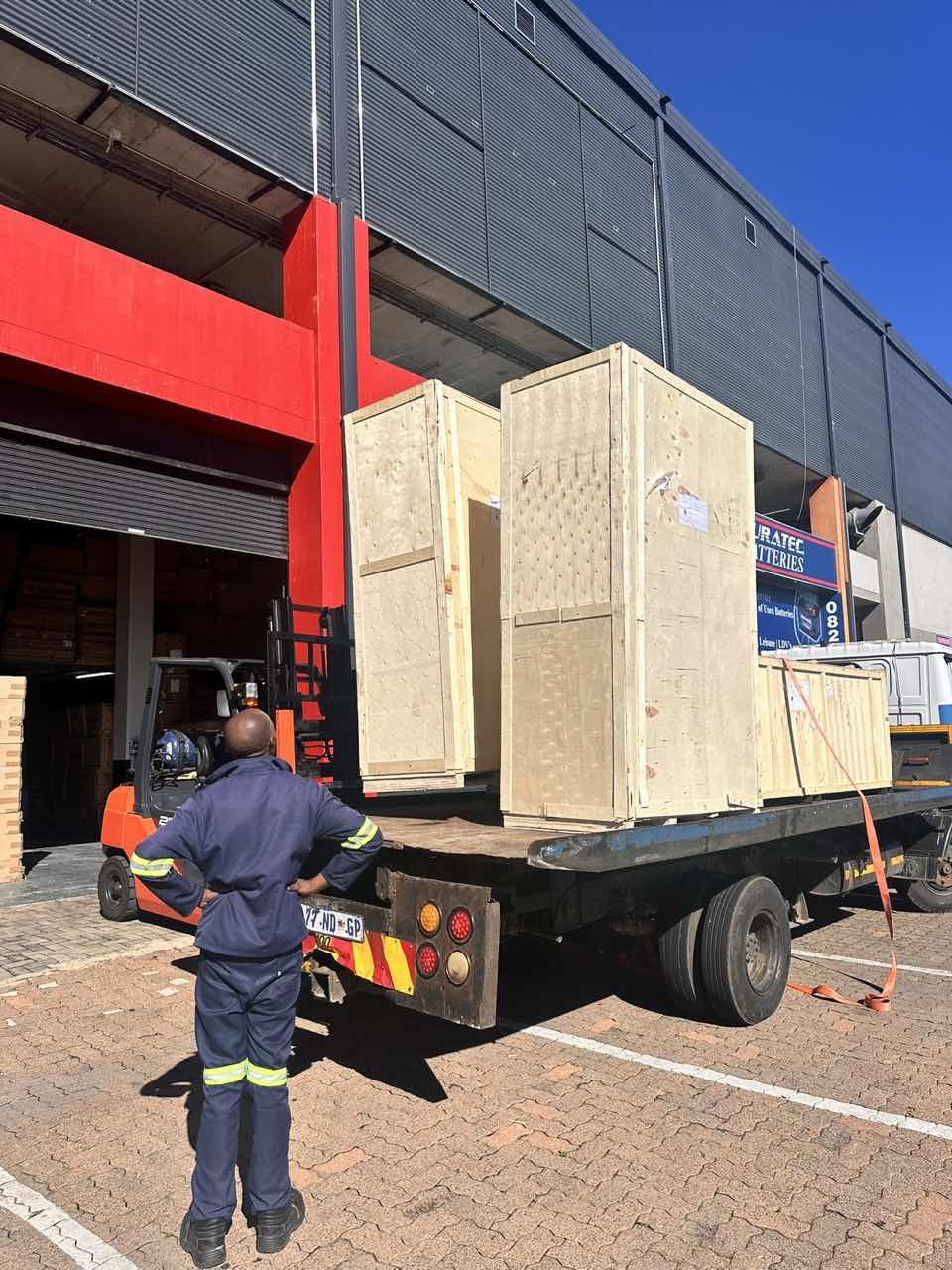
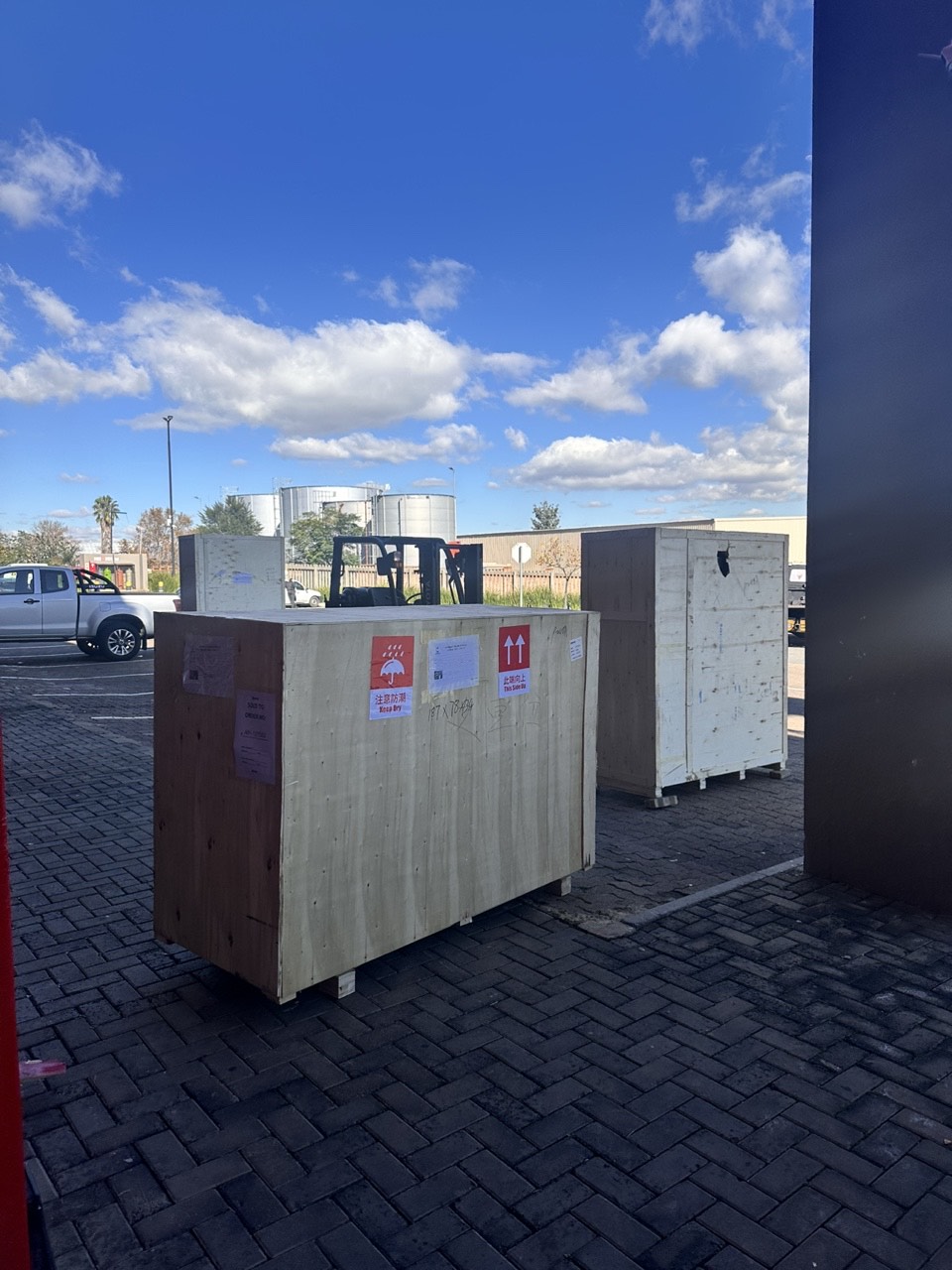
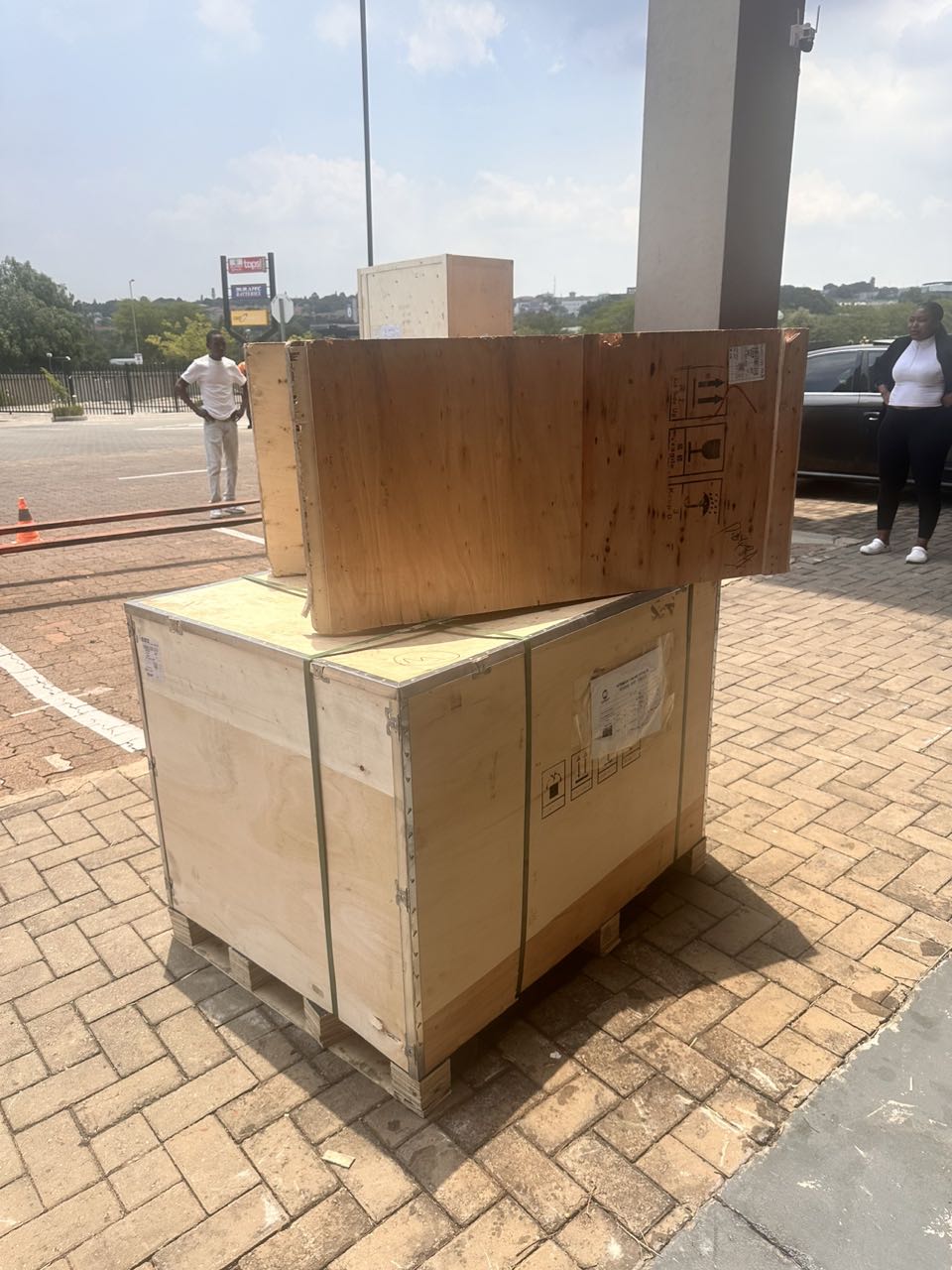
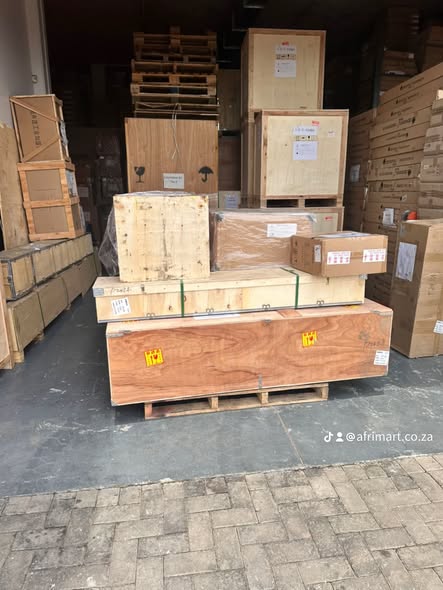
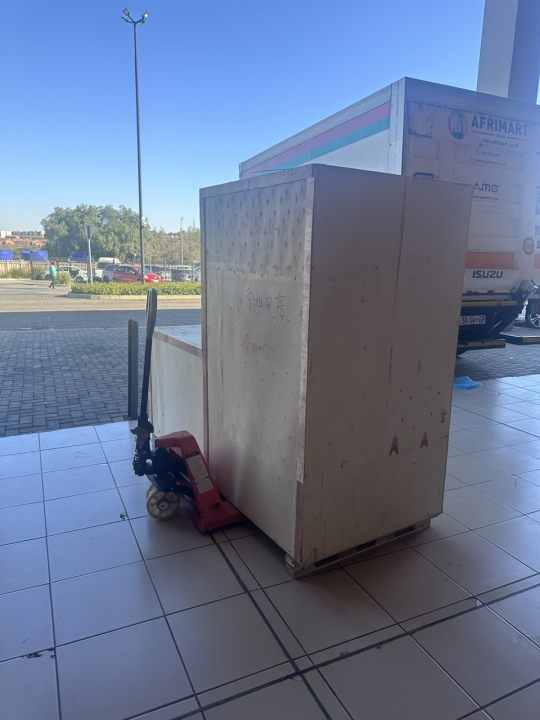
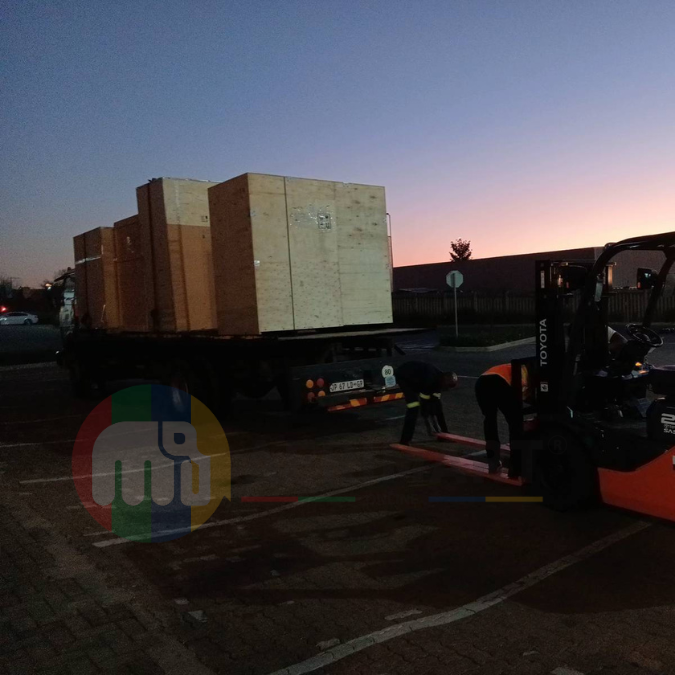
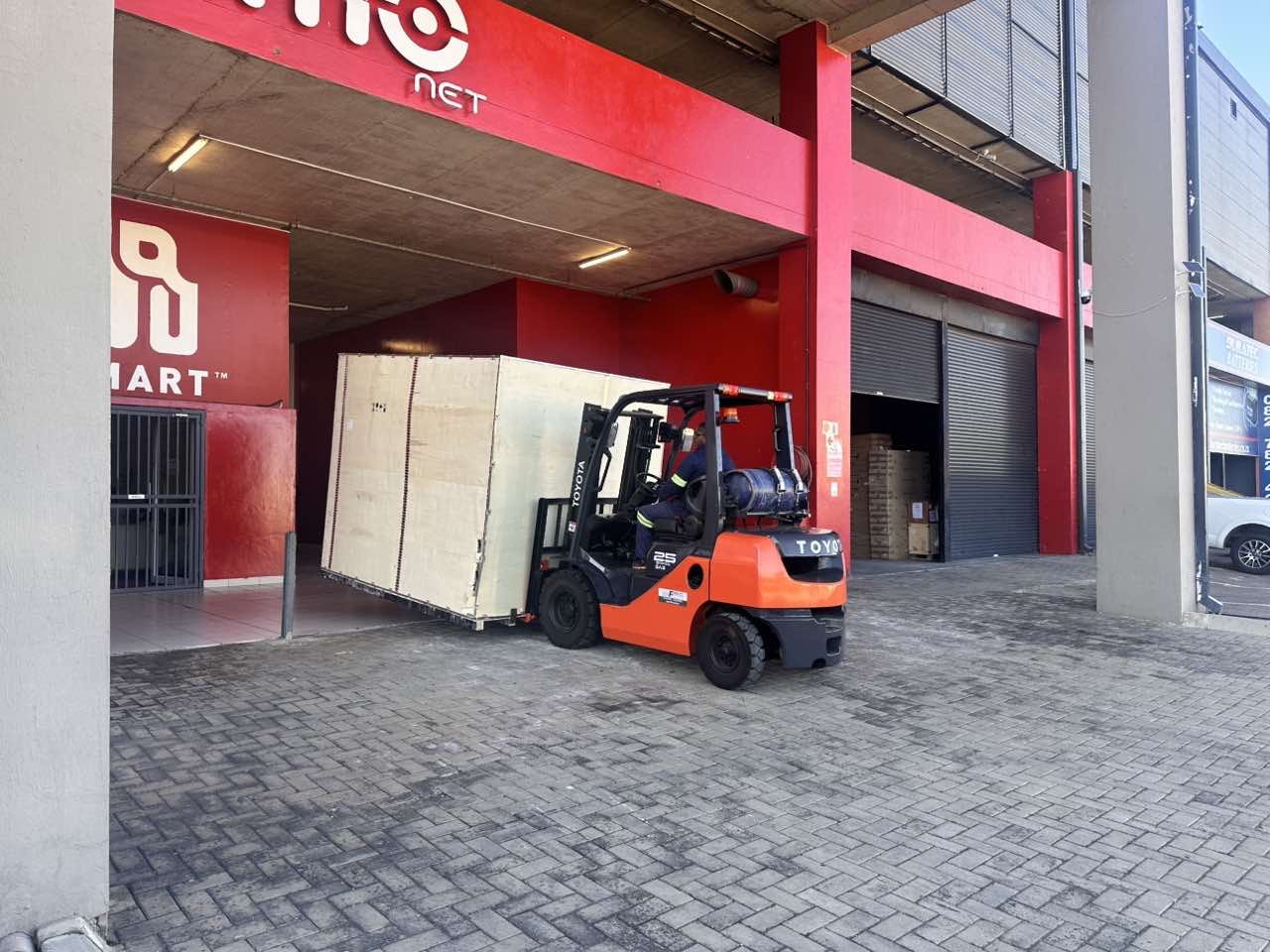
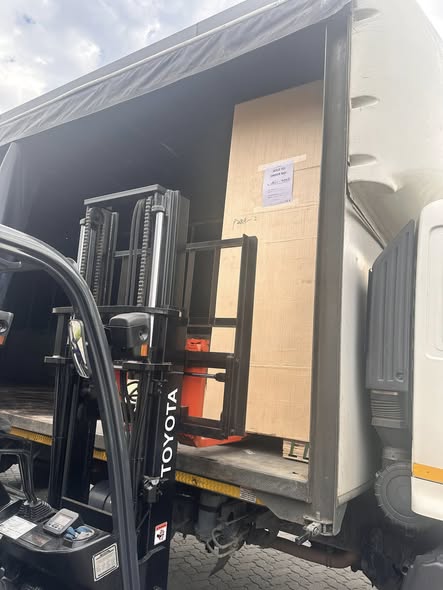
Lead times vary by stock availability, customization, and shipping destination—ranging from a few days for stock models to several weeks for custom or backordered units. Machines are typically crated and shipped by freight; confirm freight terms, insurance, and installation options with the seller.
Common causes include a bent or dull needle, incorrect needle size/type, poor-quality thread, incorrect tension settings, or timing issues. Start by replacing the needle, rethreading the machine, and checking tension. If the problem persists, consult the manual or contact a qualified technician.
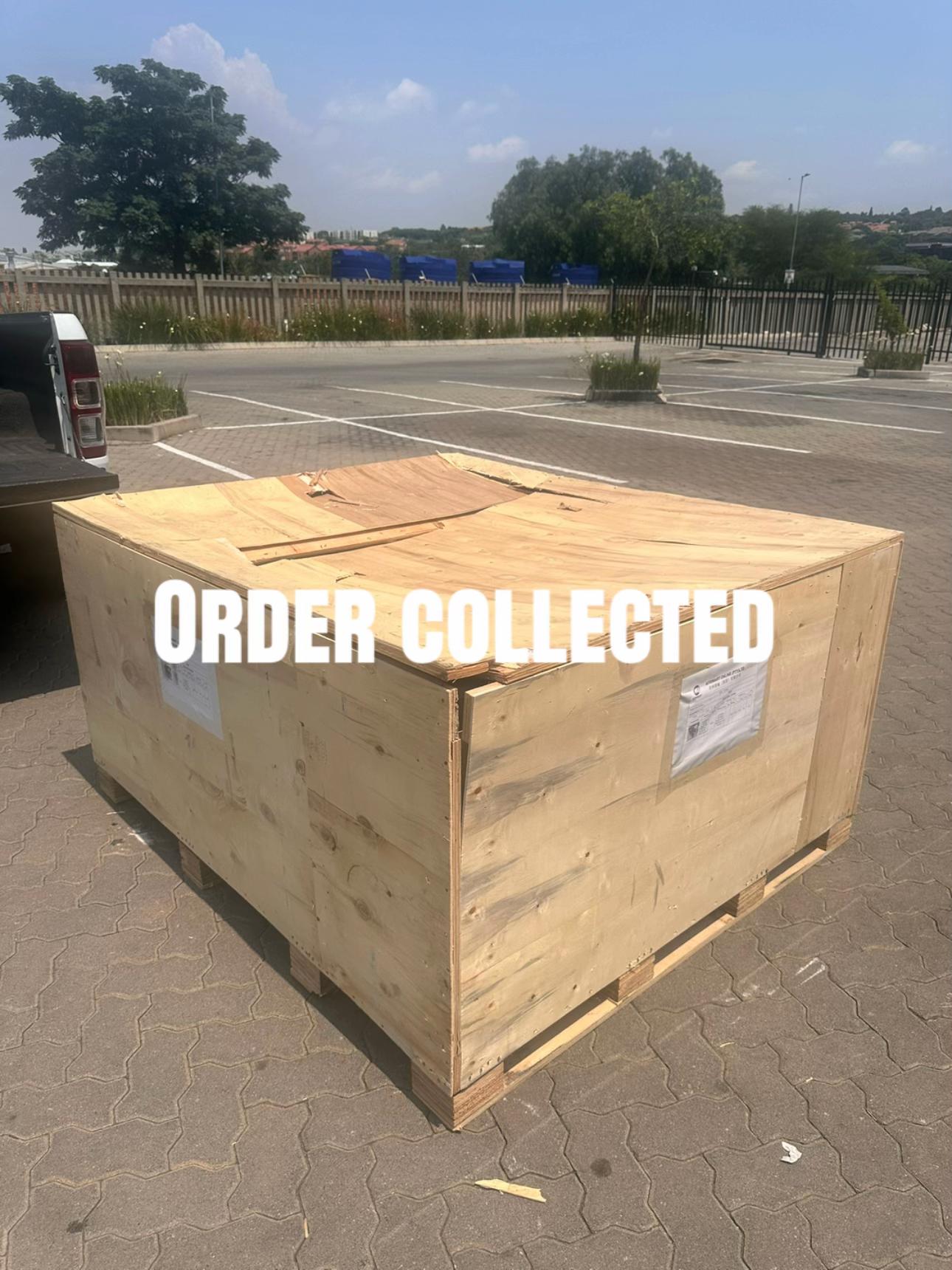
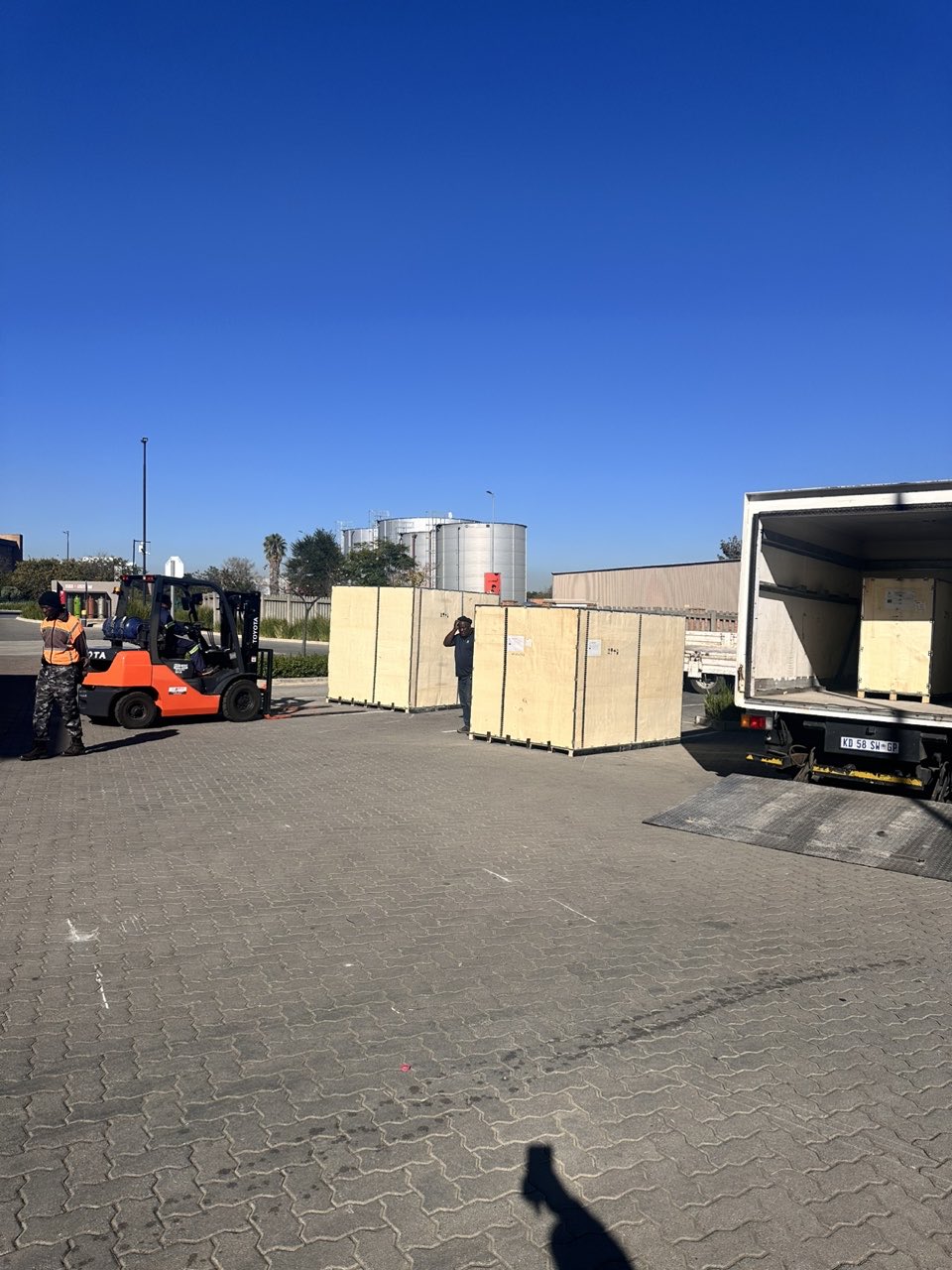
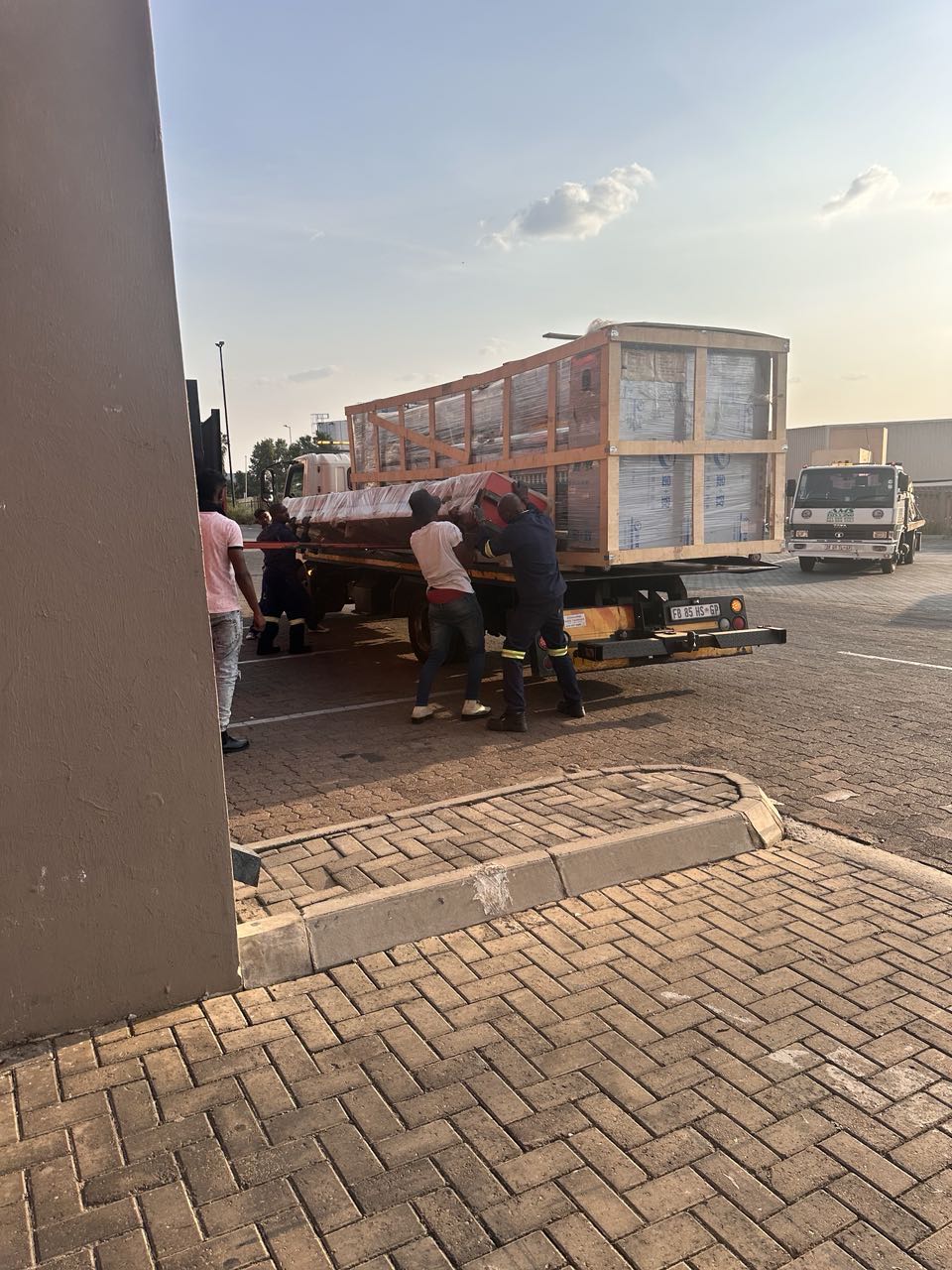
Discover our latest orders