B21, China Town Mall, Midrand

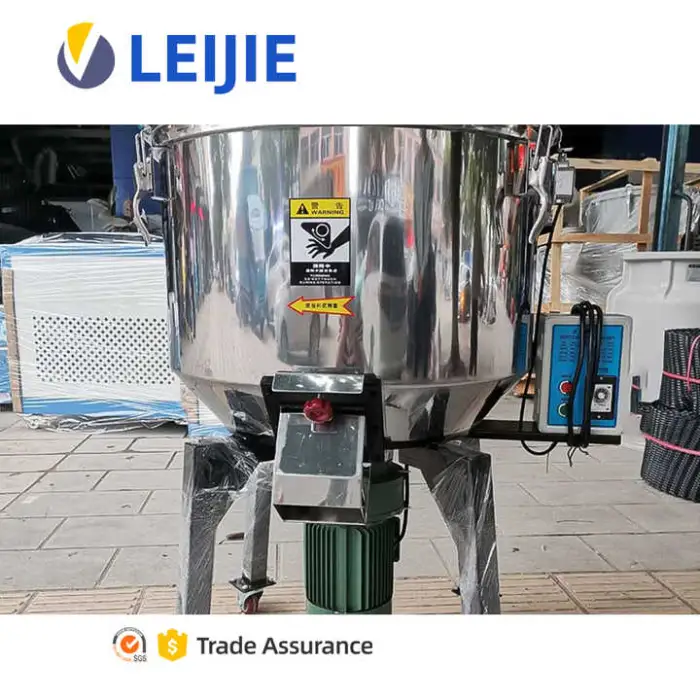
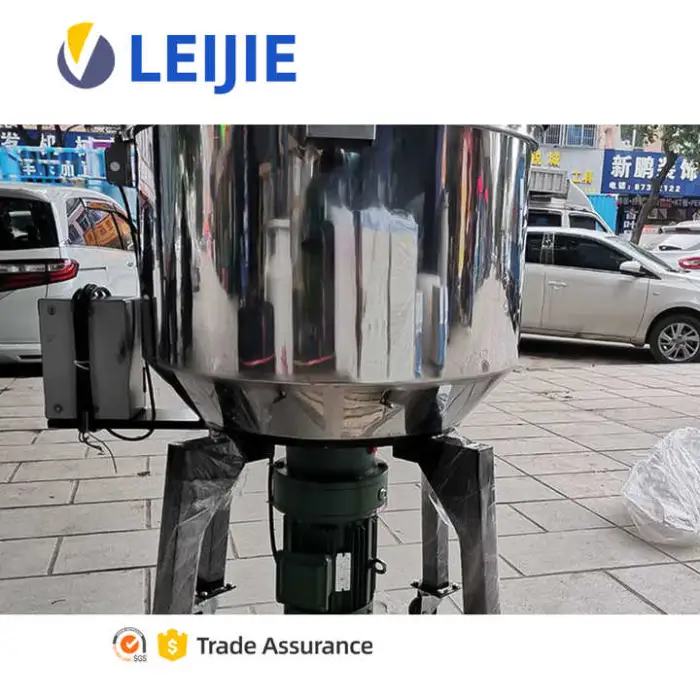
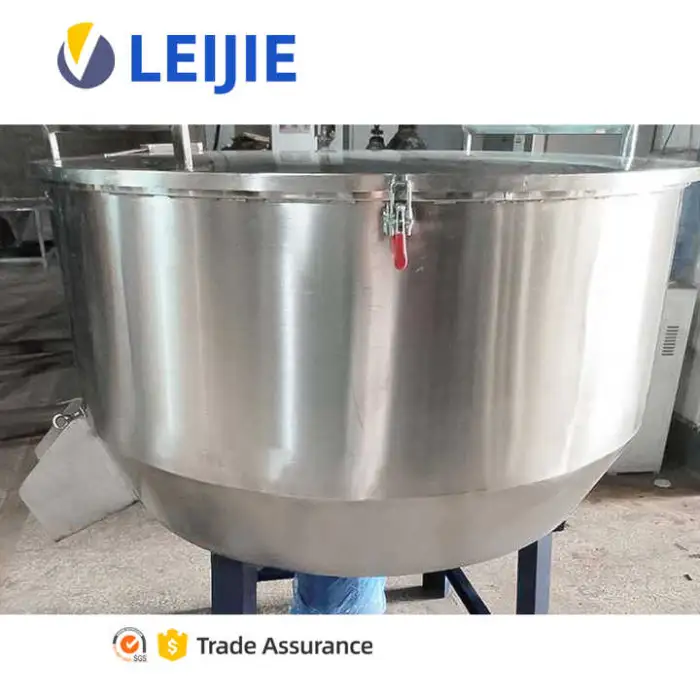
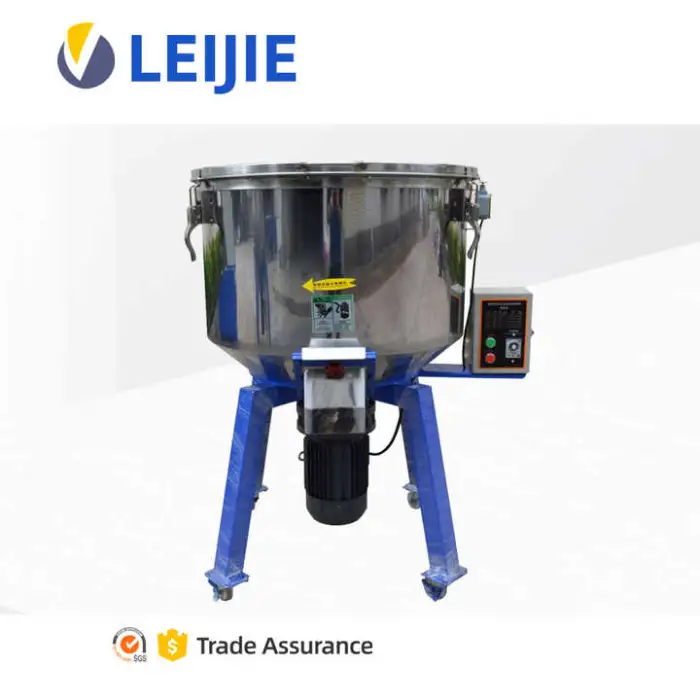
High-Speed Small Flour Mixing Machine Automatic Lab Ribbon Blender Wet Granule Color Food Mixer Stainless Steel Pump Bearing

- Section : Machinery
- Category : Plastic & Rubber Processing Machinery
- SKU : 1601406260809

High-Speed Small Flour Mixing Machine Automatic Lab Ribbon Blender Wet Granule Color Food Mixer Stainless Steel Pump Bearing
The High-Speed Small Flour Mixing Machine is a perfect solution for mixing flour and other wet granules. This automatic lab ribbon blender is designed for efficiency and reliability. Made from high-quality stainless steel, it ensures durability and easy cleaning. With its advanced features, this mixer is ideal for various food applications.
Specifications
| Attribute | Details |
|---|---|
| Material | Stainless Steel |
| Automatic Grade | Automatic |
| Core Components | PLC, Engine, Bearing, Gearbox, Motor, Pressure Vessel, Gear, Pump |
| Voltage | 380V |
| Product Type | V-Type Mixer |
| Capacity (kg) | Customized |
| Output (kg/h) | 100 |
| Weight (kg) | 2000 |
| Selling Units | Single item |
| Single Package Size | 50X50X50 cm |
| Single Gross Weight | 50.000 KG |
Key Features
- High-speed mixing for quick results.
- Automatic operation for ease of use.
- Durable stainless steel construction.
- Efficient mixing for wet granules and flour.
- Customizable capacity to fit your needs.
Applications
- Mixing flour for baking.
- Creating wet granules for food production.
- Laboratory testing of food mixtures.
- Food processing in commercial kitchens.
- Research and development in food science.
Product Info Gallery
- Shipping Timeframes: All orders are processed within 2-5 business days (excluding weekends and holidays). After your order has been processed, the estimated delivery time is before 30 Nov, 2026, depending on customs, Please note that due to high demand, some items may experience longer shipping times, which will be communicated at order confirmation email.
- Order Processing Time: Please allow 2-5 business days for us to process your order before it is shipped . Orders placed after 16:00 on Fridays, or during weekends and public holidays, will begin processing on the next business day. Processing times may be extended during peak seasons or sales events.
- Manufacturing Time: Some products needs manufacturing time, the manufacturing process will take approximately 10-30 business days depending on the product. This timeframe may vary depending on the complexity of the product and current demand. but this will be communicated with you during order confirmation.
- Returns and Exchanges: We offer a 30-day return policy for most items. If you are not completely satisfied with your purchase, you may return it within 30 days of receipt for a refund or exchange. Items must be unused, in their original packaging, and accompanied by proof of purchase. Return shipping costs are the responsibility of the customer, unless the item was damaged or defective upon arrival.
1. What material is the machine made from?
The machine is constructed from stainless steel for durability and easy cleaning. Ask the supplier which stainless grade is used (commonly SS304 or SS316) to confirm corrosion resistance and suitability for your product.
2. Is this a ribbon blender or a V-type mixer?
The specification lists the product type as a V-type mixer while the product name references a ribbon blender. Agitator design can vary by configuration — confirm with the supplier which agitator (V‑type, ribbon/spiral or a hybrid) is supplied for your order.
3. What capacity and throughput does the machine deliver?
Capacity is customizable to your needs. The listed nominal output is 100 kg/h. Final capacity and throughput depend on material properties and the specific configuration selected.
4. Can it handle wet granules and flour for food applications?
Yes — the machine is designed for mixing flour and wet granules and is suitable for many food processing, lab and R&D applications. For sticky or highly moist formulations, discuss agitator type and anti-stick options with the manufacturer.
5. What level of automation and control does it have?
The unit is described as automatic and includes core components such as a PLC and motor. Controls are typically configurable (mixing time, speed, sequence). Ask the supplier for the control panel layout and available automation features.
6. What are the electrical requirements?
The listed voltage is 380V (three‑phase). Confirm the exact voltage/frequency required for your region and whether a transformer or different electrical configuration is needed.
7. How easy is it to clean and sanitize?
Stainless steel construction facilitates cleaning. Cleaning method (manual disassembly vs. CIP) and surface finish (polish level) depend on configuration — request details from the supplier if CIP capability or specific hygiene standards are required.
8. What maintenance is required for bearings, gearbox and pump?
Routine maintenance typically includes regular inspection and lubrication of bearings and gearbox, checking seals, and servicing the pump per the manufacturer's schedule. Obtain the maintenance manual and recommended service intervals before operation.
9. What are the machine weight and installation requirements?
The specification lists a machine weight of 2000 kg. Packaging dimensions and gross weight in the spec appear inconsistent; confirm the final machine dimensions, lifting points, foundation requirements and necessary clearance with the supplier to plan installation.
10. Does the machine meet food safety and regulatory standards?
Food‑grade suitability depends on materials, surface finish and seals. The listing does not specify certifications — request copies of relevant certifications (e.g., FDA, EU, ISO) and material declarations from the supplier.
11. Can the machine be customized?
Yes — capacity is customizable and other options (agitator type, surface finish, control systems, pump/feeding arrangements) are often available. Discuss your product characteristics and process requirements with the manufacturer to define options.
12. What spare parts and service support are available?
Core components listed include PLC, motor, gearbox, pump and bearings. Ask the supplier about spare parts availability, lead times, recommended spare part kits, warranty coverage and local service/support network.
13. Is this machine suitable for laboratory R&D and scale-up trials?
Yes — it is described as a lab automatic mixer suitable for R&D and small‑scale production. For scale‑up you should validate mixing performance and work with the manufacturer to match lab results to larger production models.
14. What about noise, vibration and safety features?
High‑speed mixers can generate noise and vibration. Specific levels and mitigation (insulation, mounts) depend on configuration. Safety features (guards, emergency stop, interlocks) vary by model — request the safety specification and sound level data from the supplier.
15. What are the shipping, packaging and lead time details?
The spec shows a single package size of 50x50x50 cm and gross weight 50 kg, which seems inconsistent with the machine weight; confirm actual shipping dimensions, crating, transport method, customs documentation and lead time with the supplier before ordering.
Latest Order Arrivals
Discover our latest orders
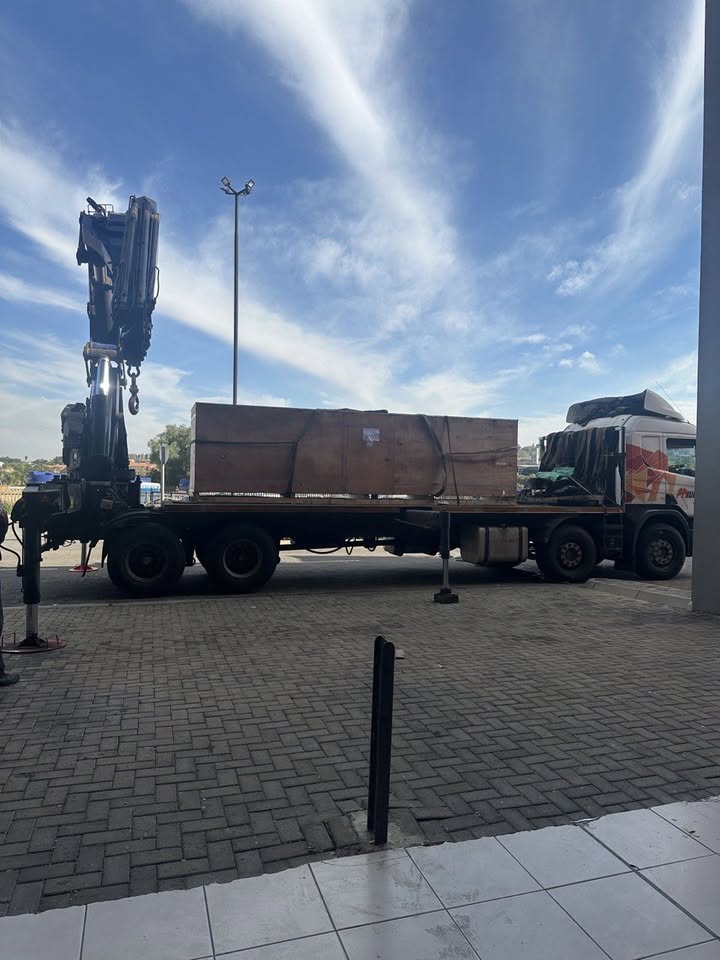
12 Heads Embroidery Machine
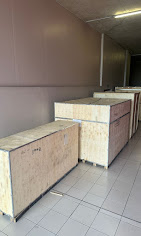
Toilet Paper Machine Machine
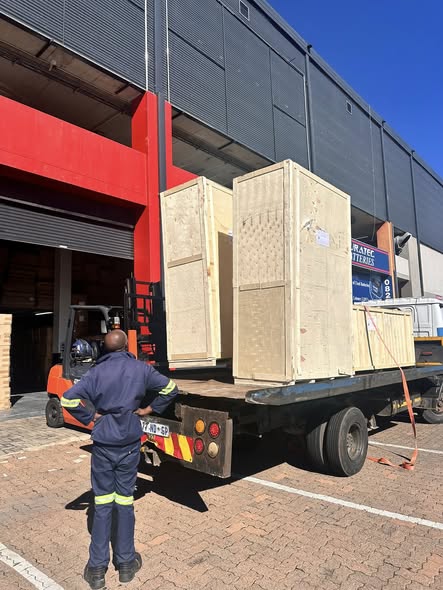
Order Collection
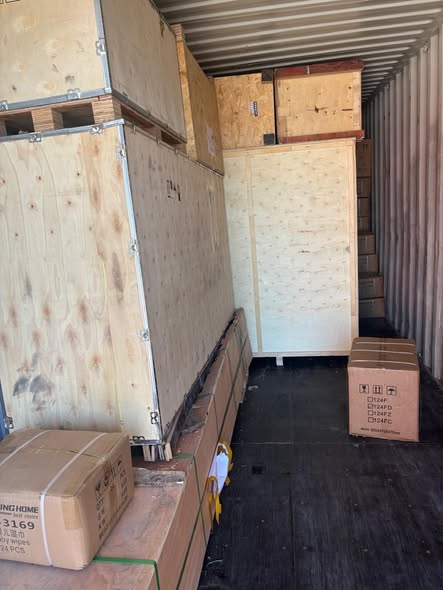
Cross Border Clients
Order cros border countries Collected
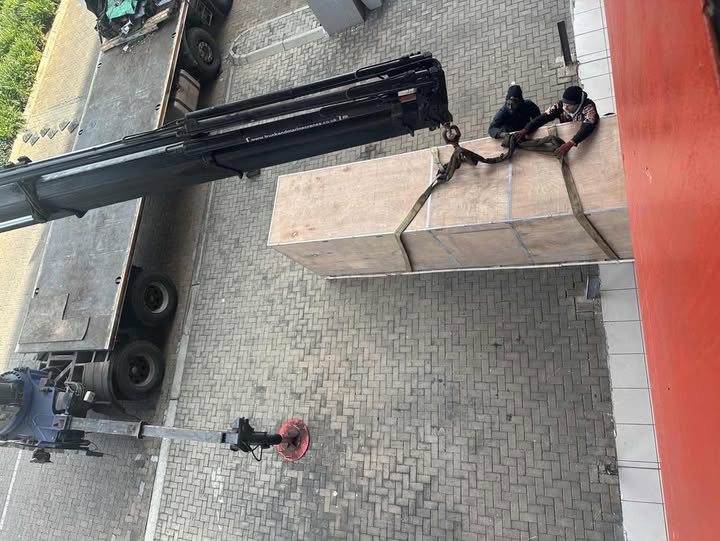
Industrial Machine Cllection
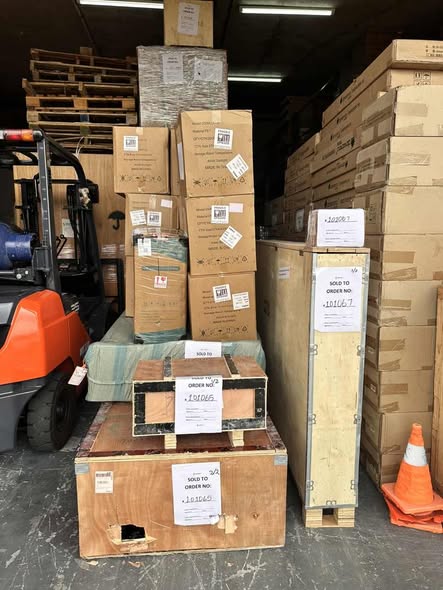
Agriculture Processing Machines
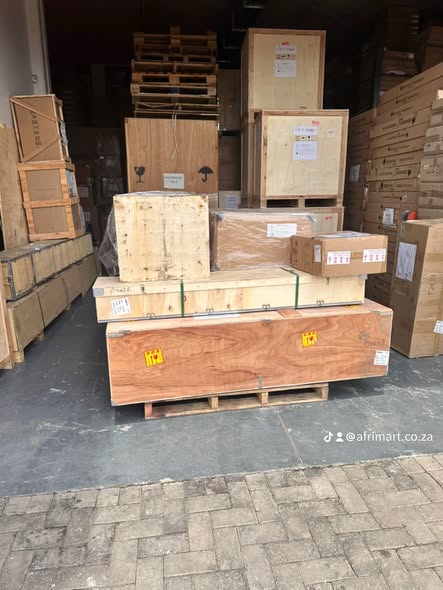
Ready for collection
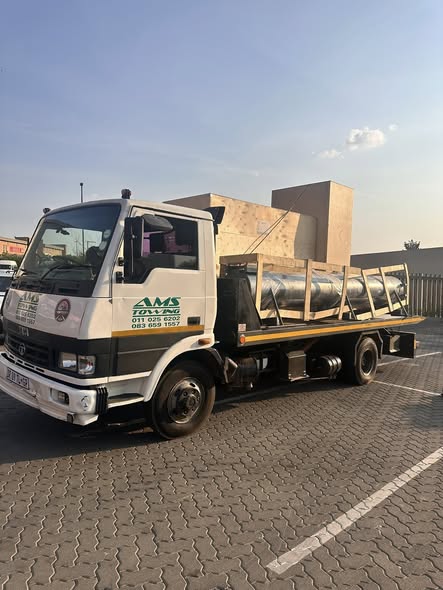
Water Pump Equipment
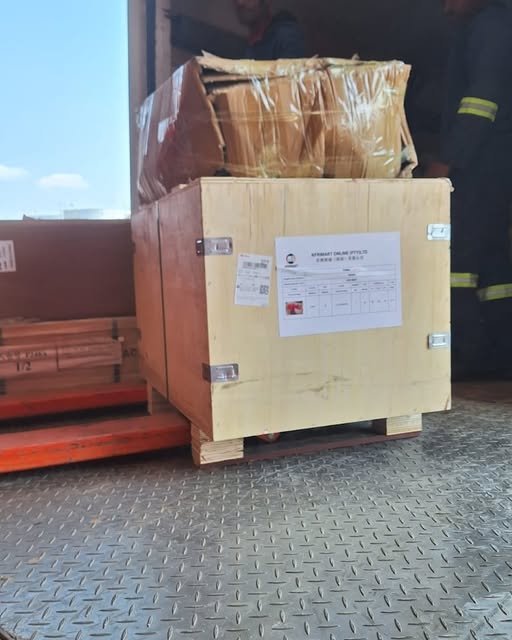
Packaging Machine and accessories
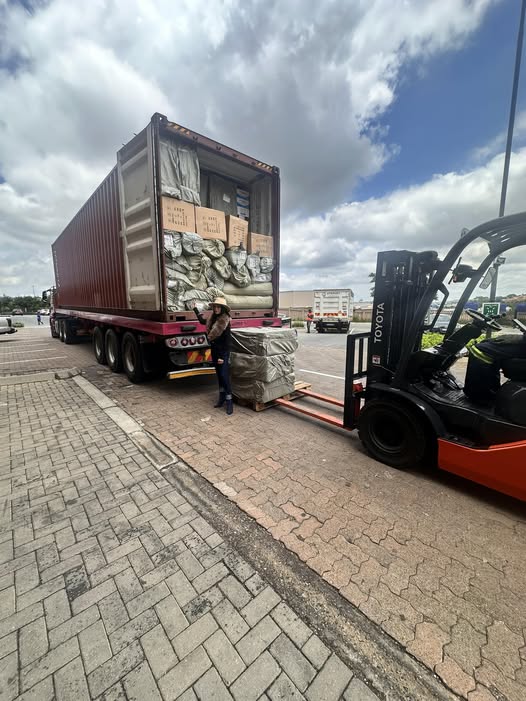
Fabrics Manufacturing Equipment
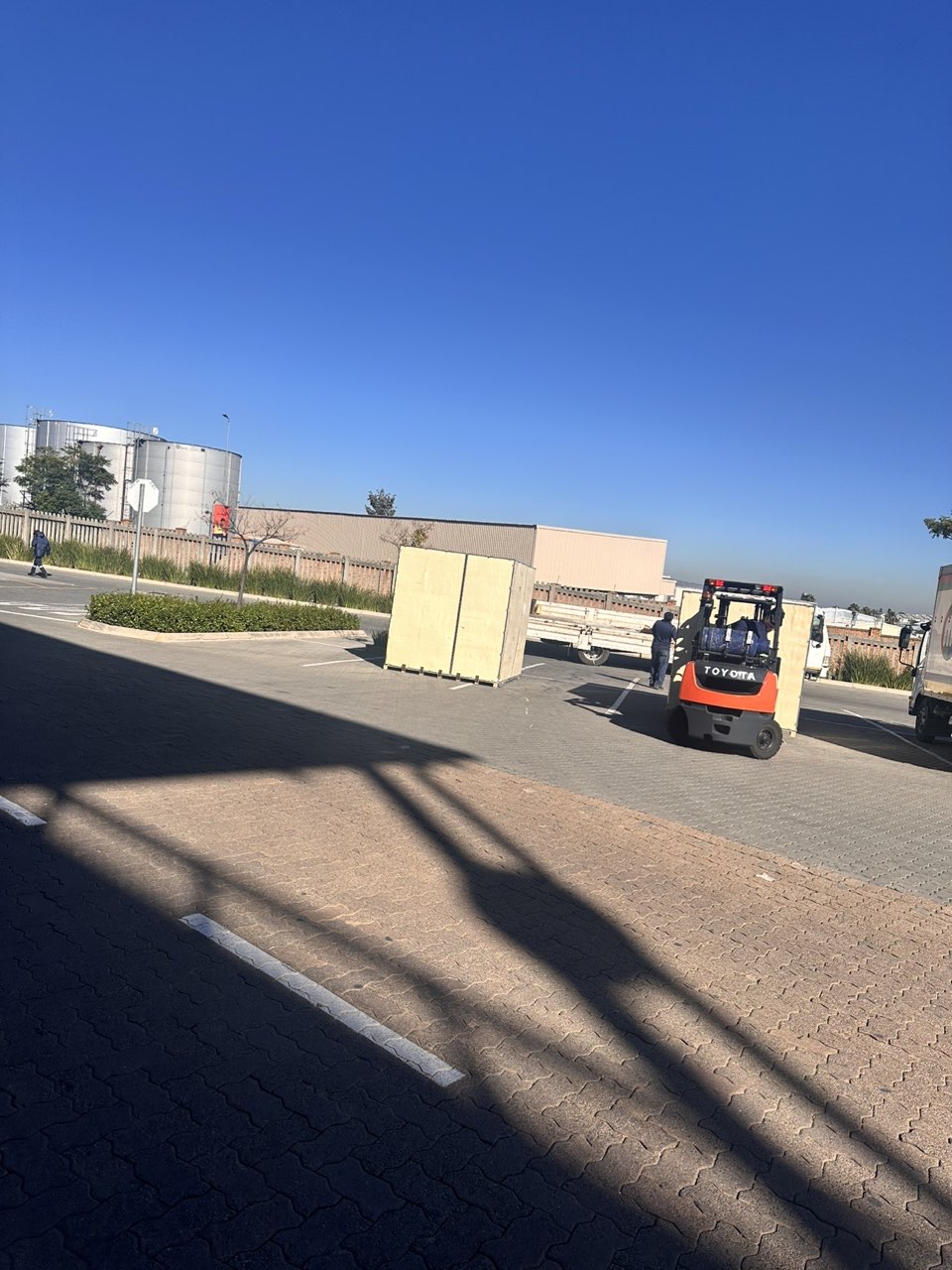
Mining Equipments
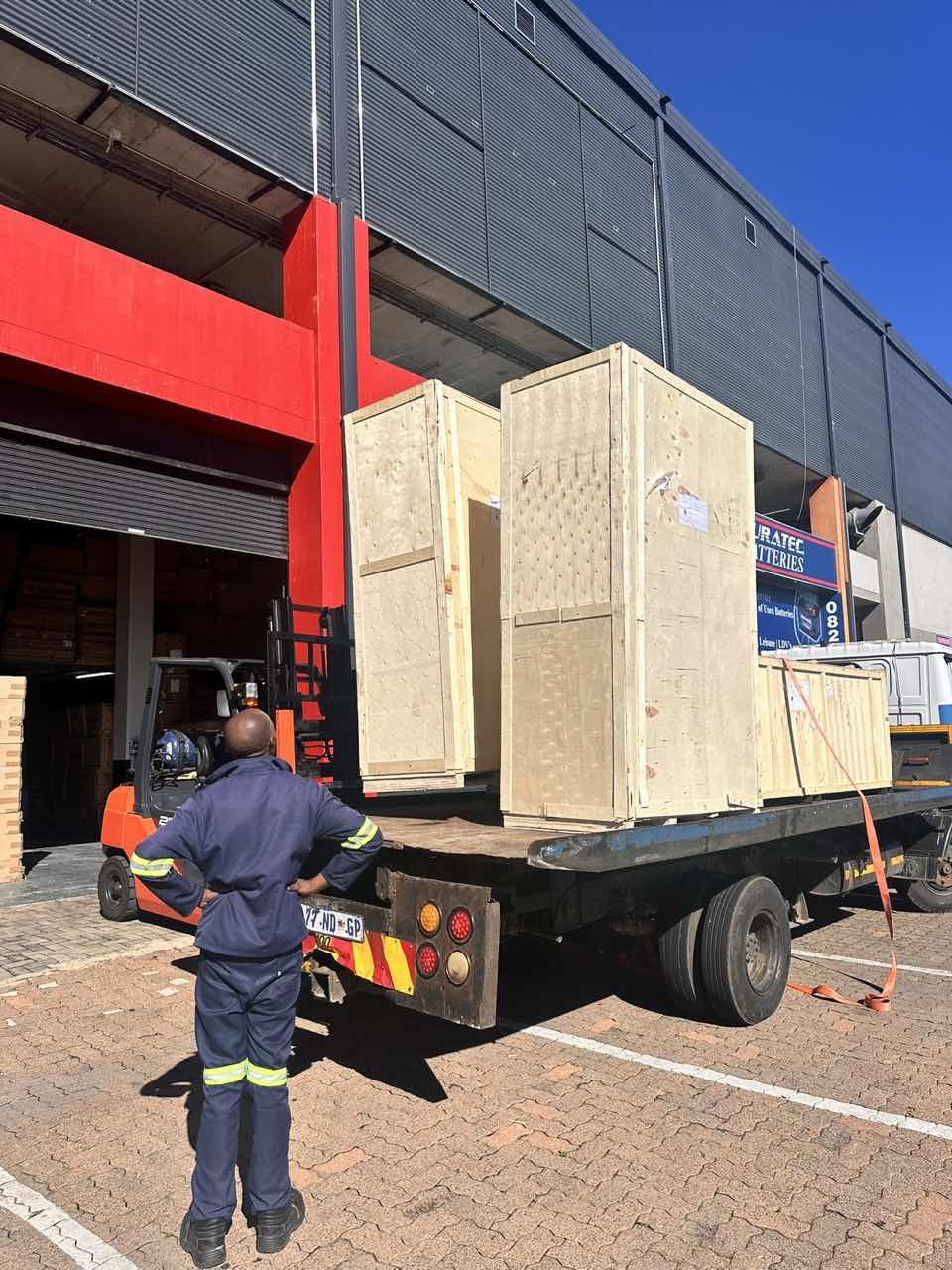
Food Processing Machine
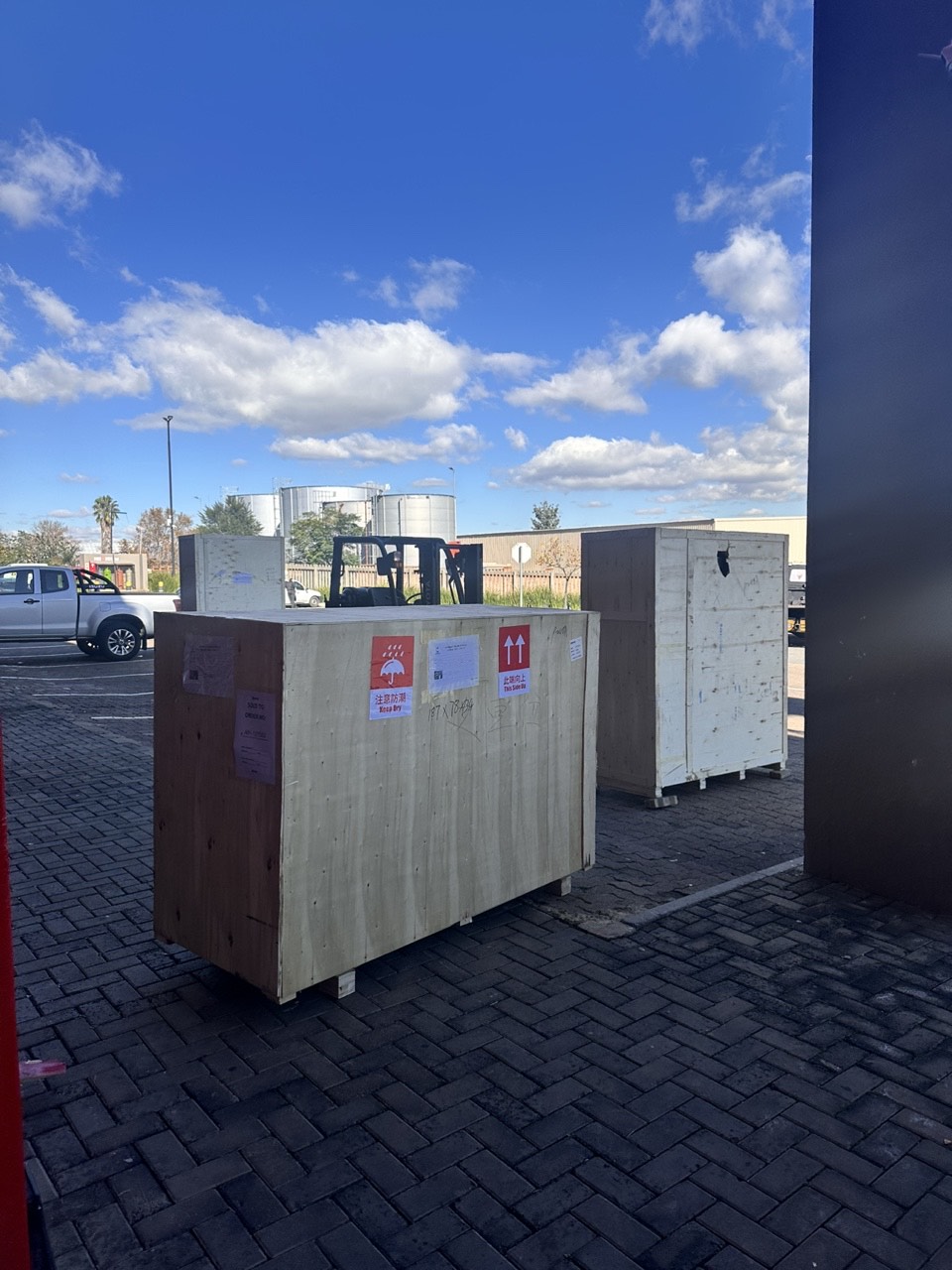
Batch of Orders
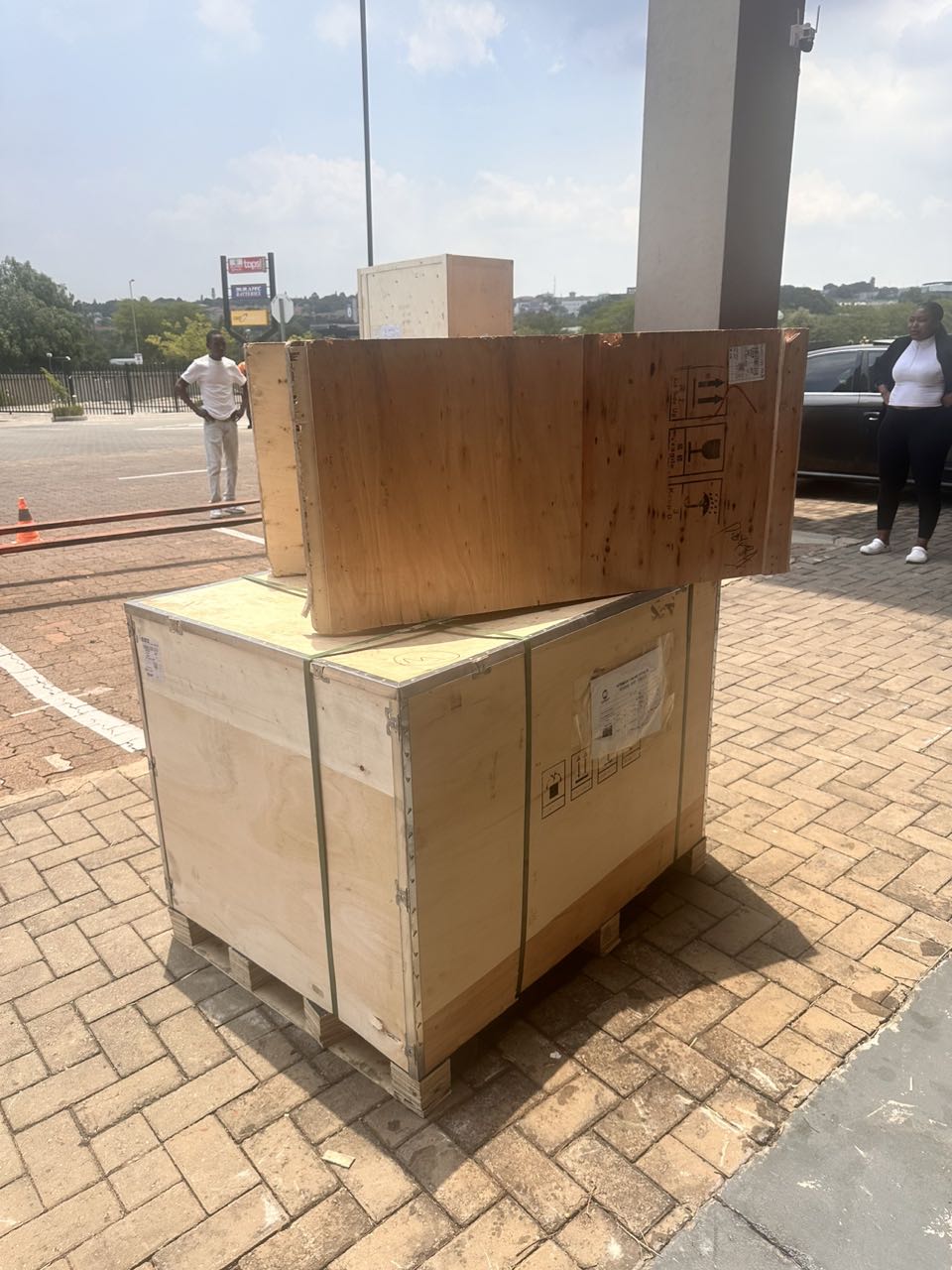
Batch of Orders
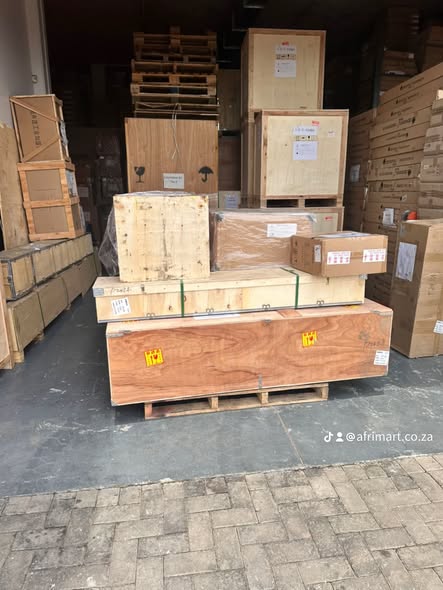
Latest Orders Labelled
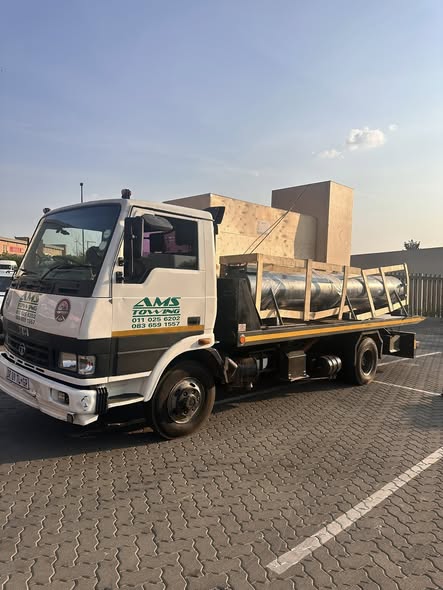
wheel alignment machines
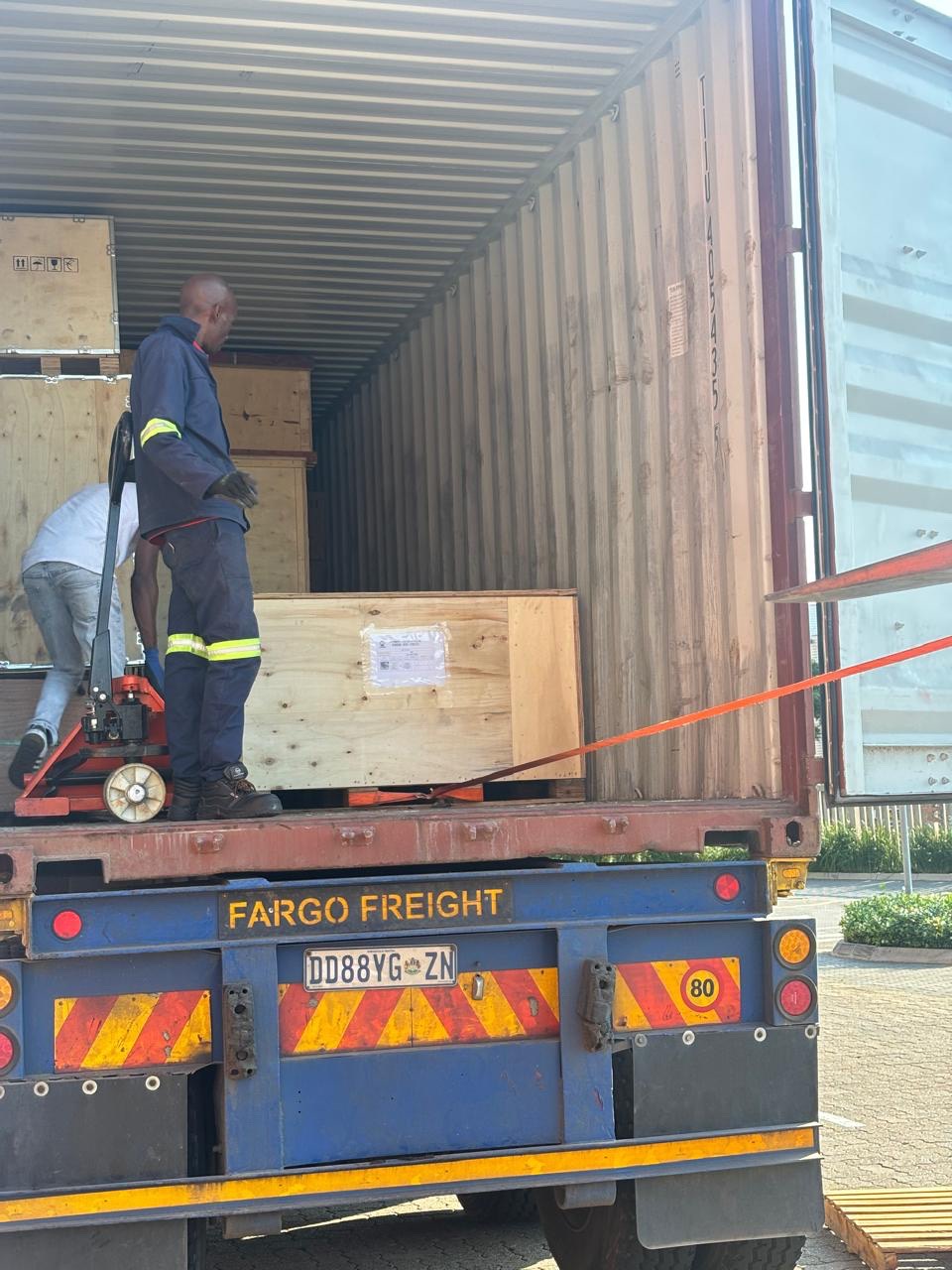
new arrivals
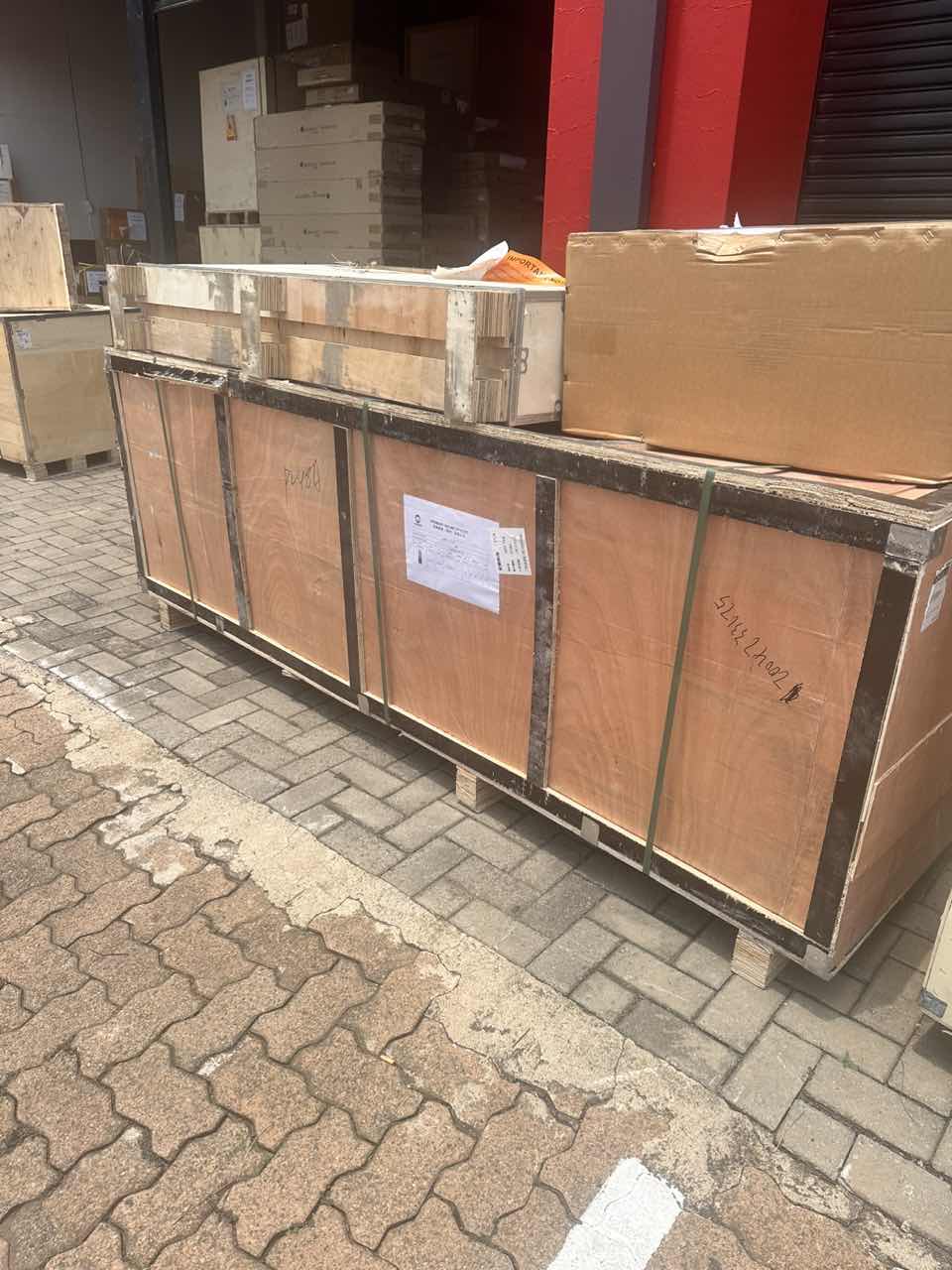
Pre Orders Offloading
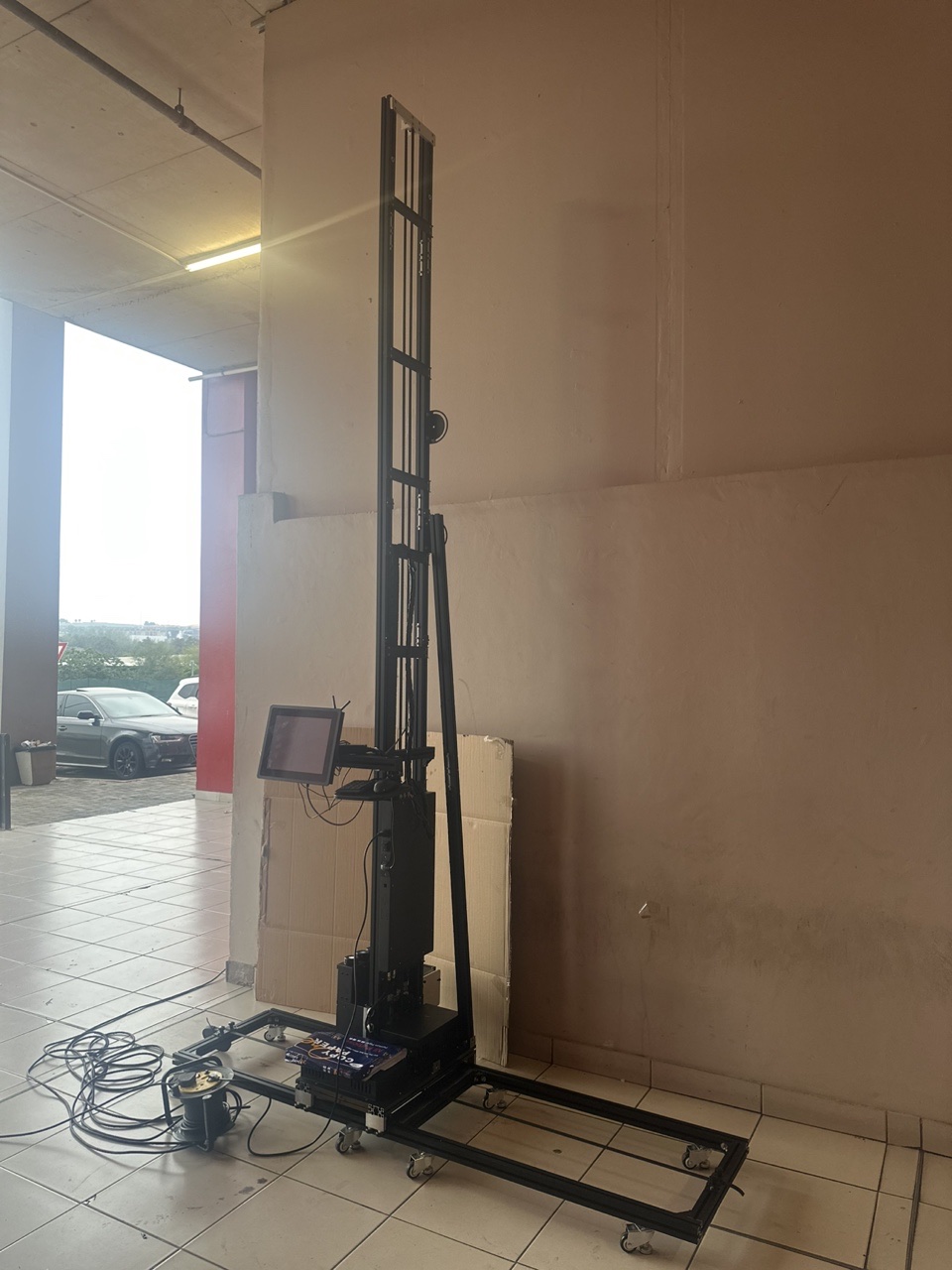
Latest Arrivals
Latest Arrivals
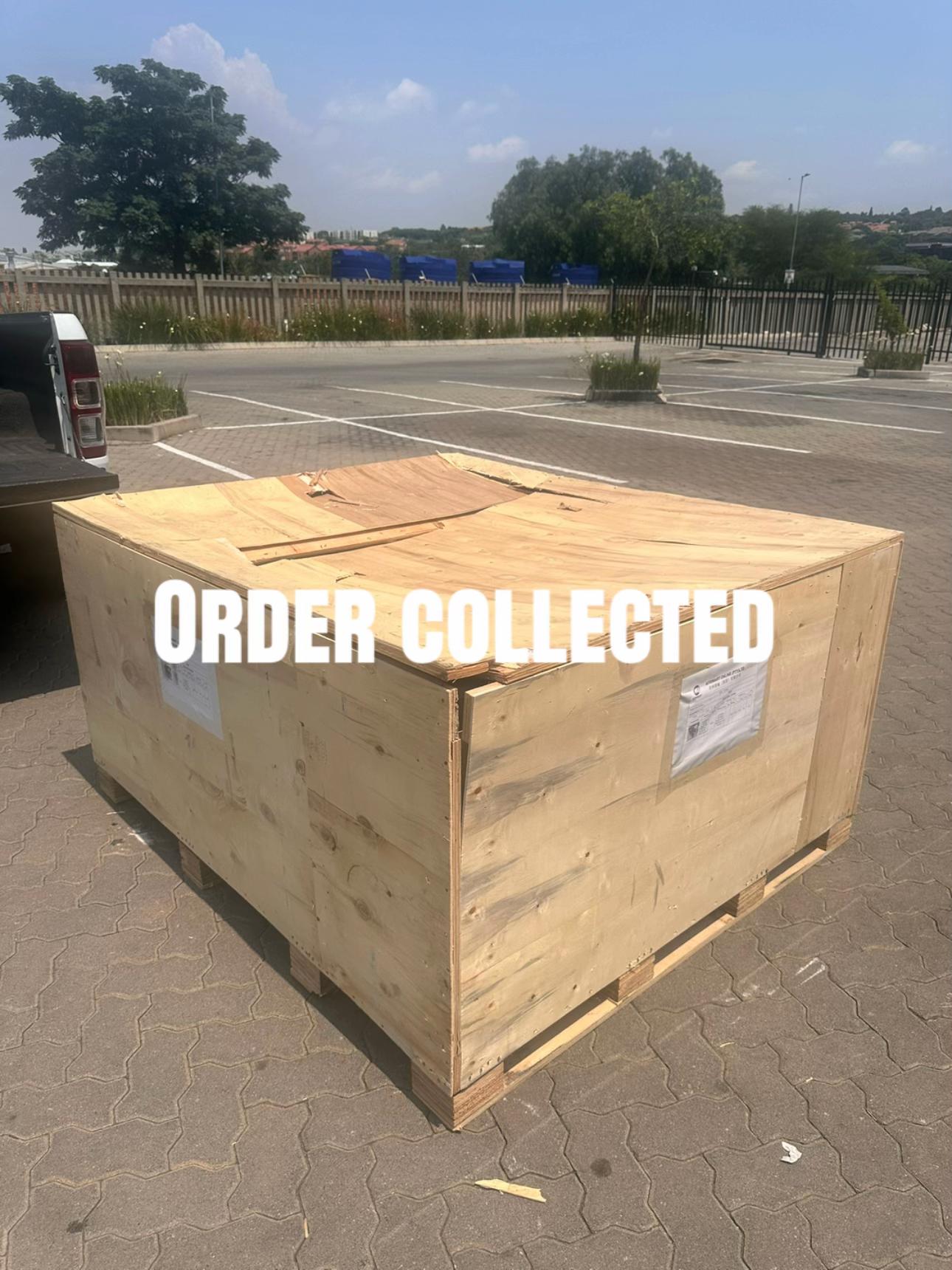
Latest Arrivals
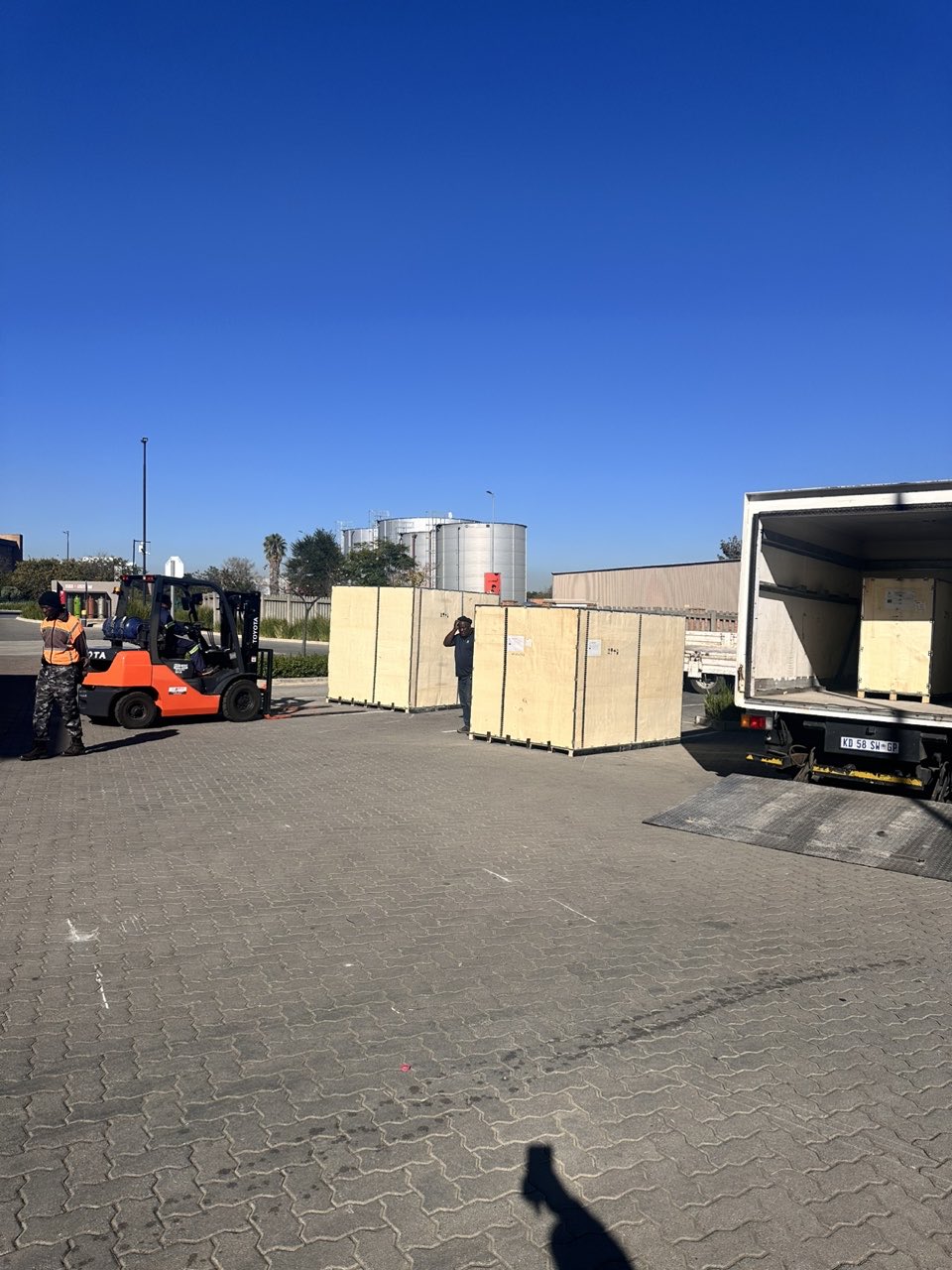
Loading
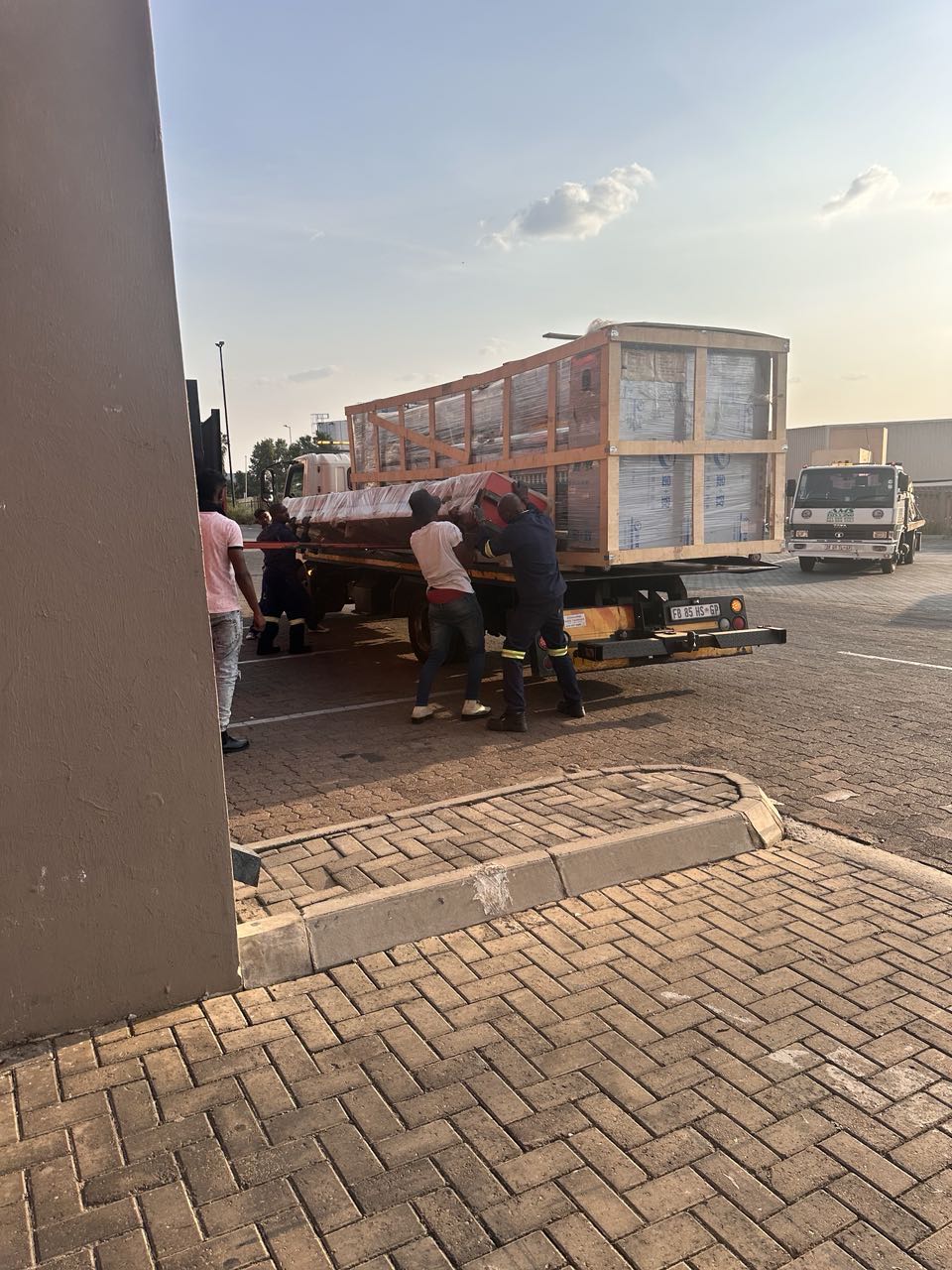
Toilet paper making machine
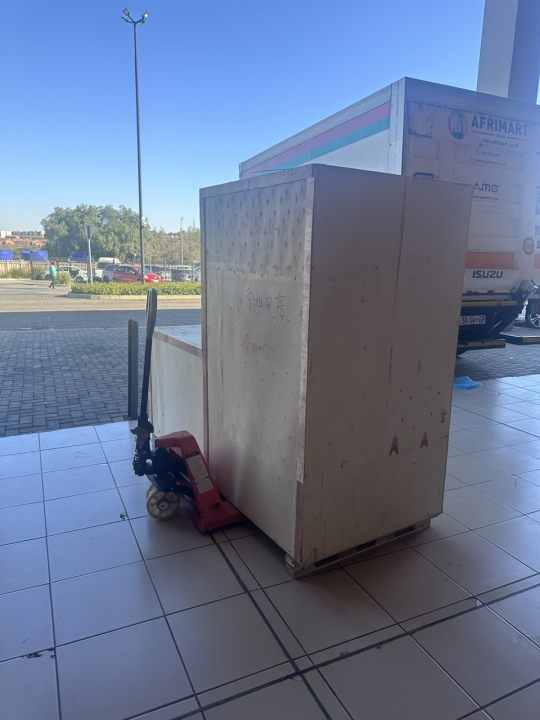
Toilet paper making machine
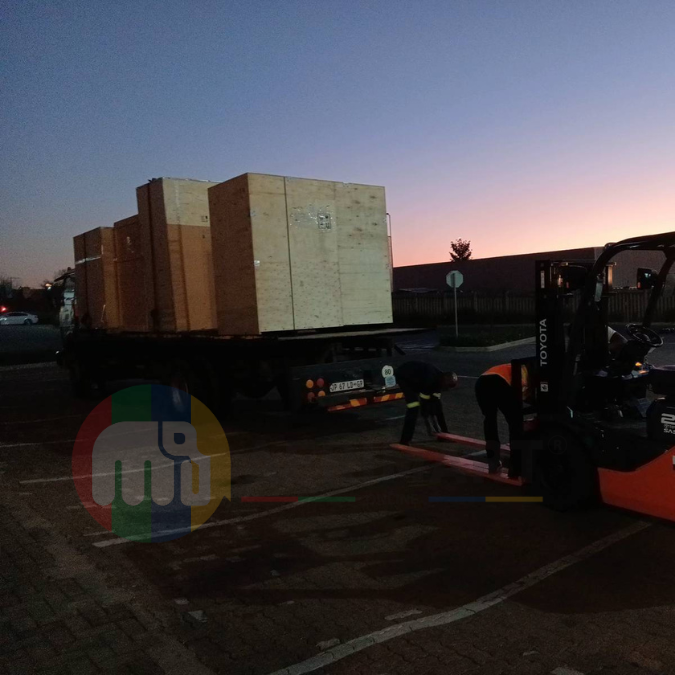
Toilet paper Rewinding Machine
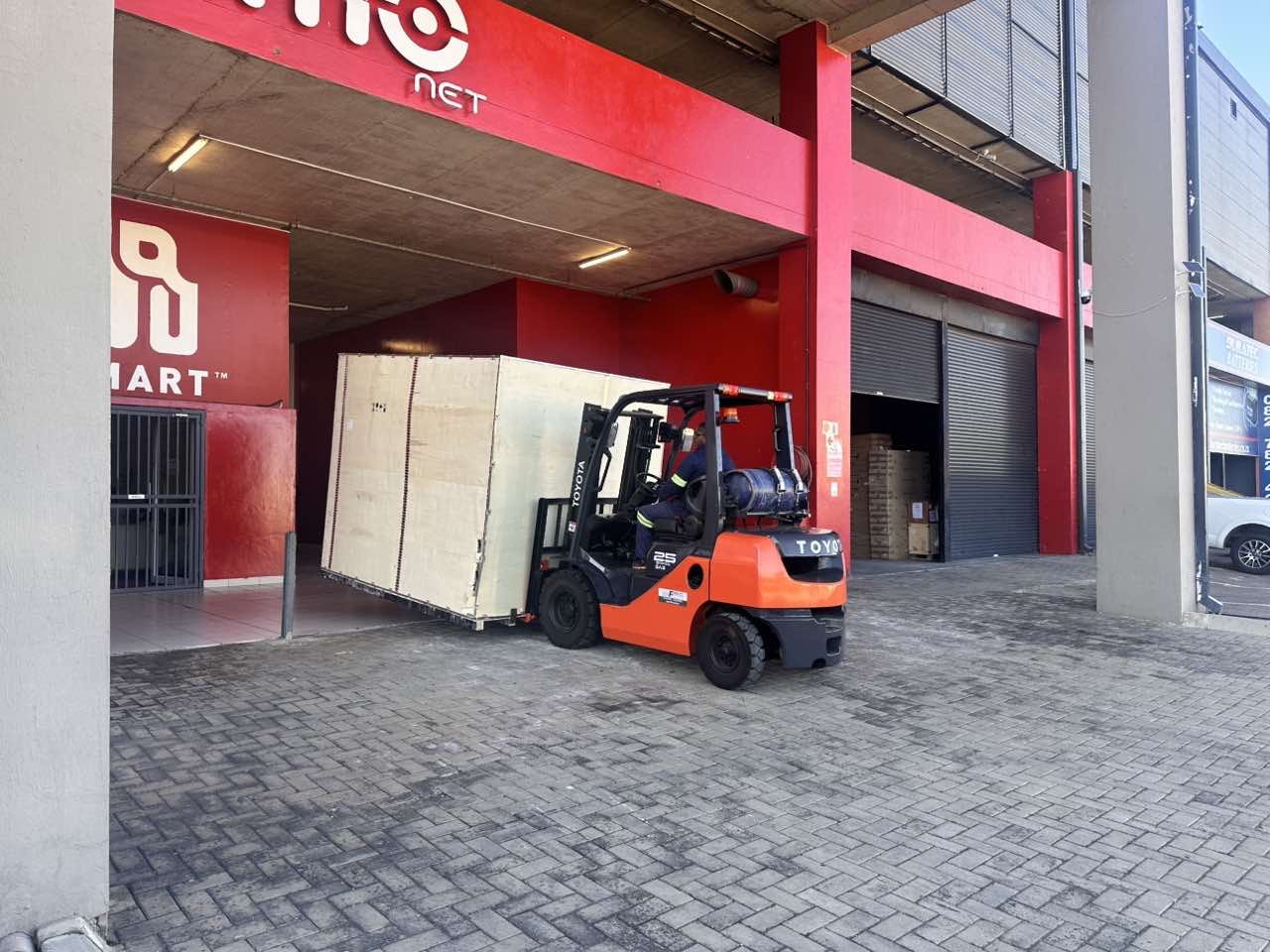
latest arrivals
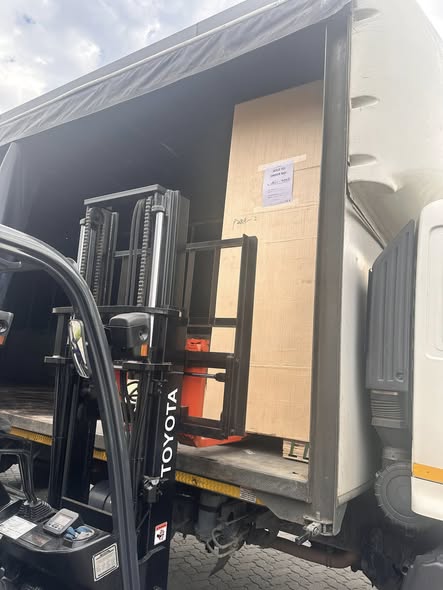
offloading
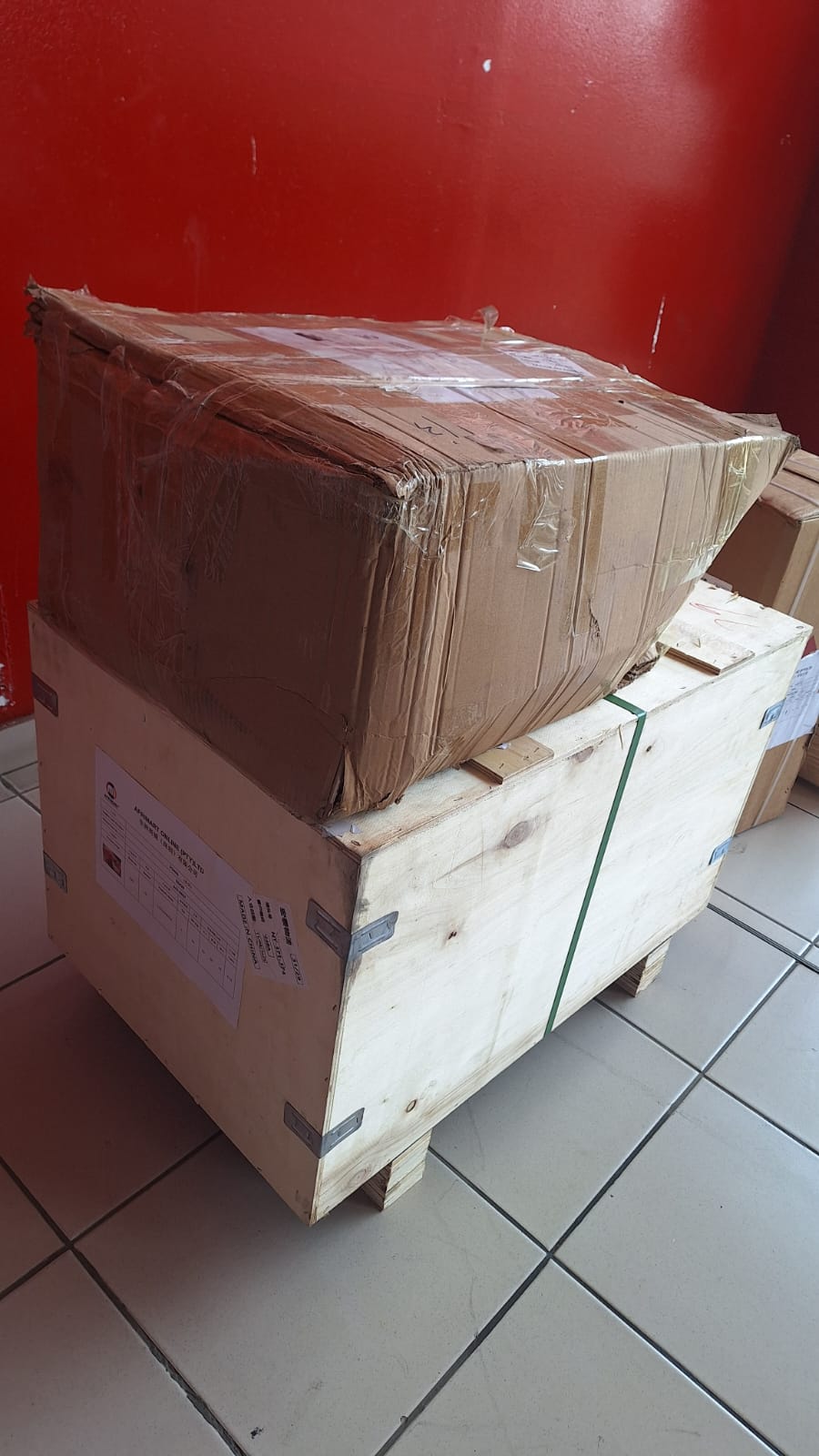
order success
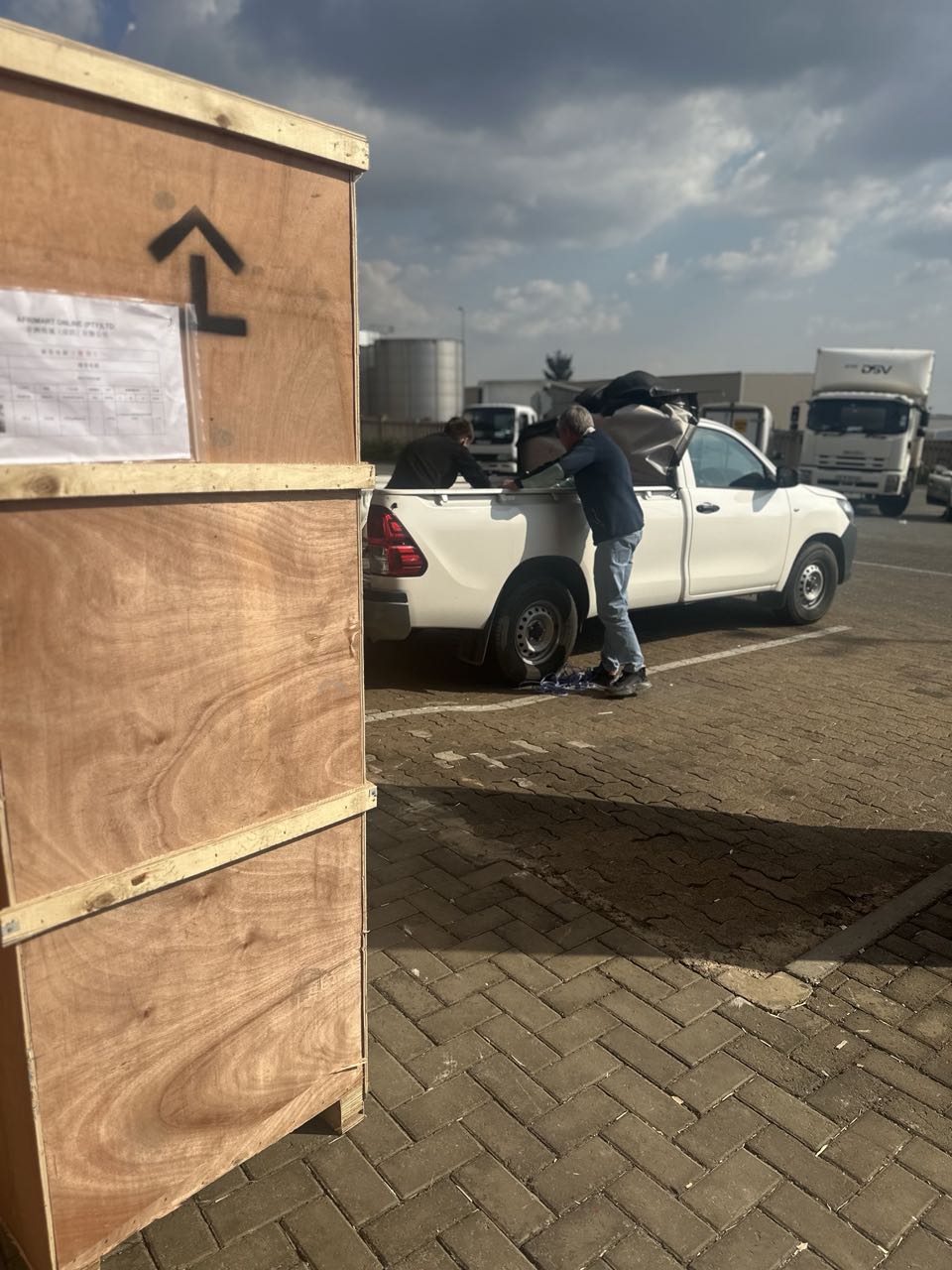
order collection
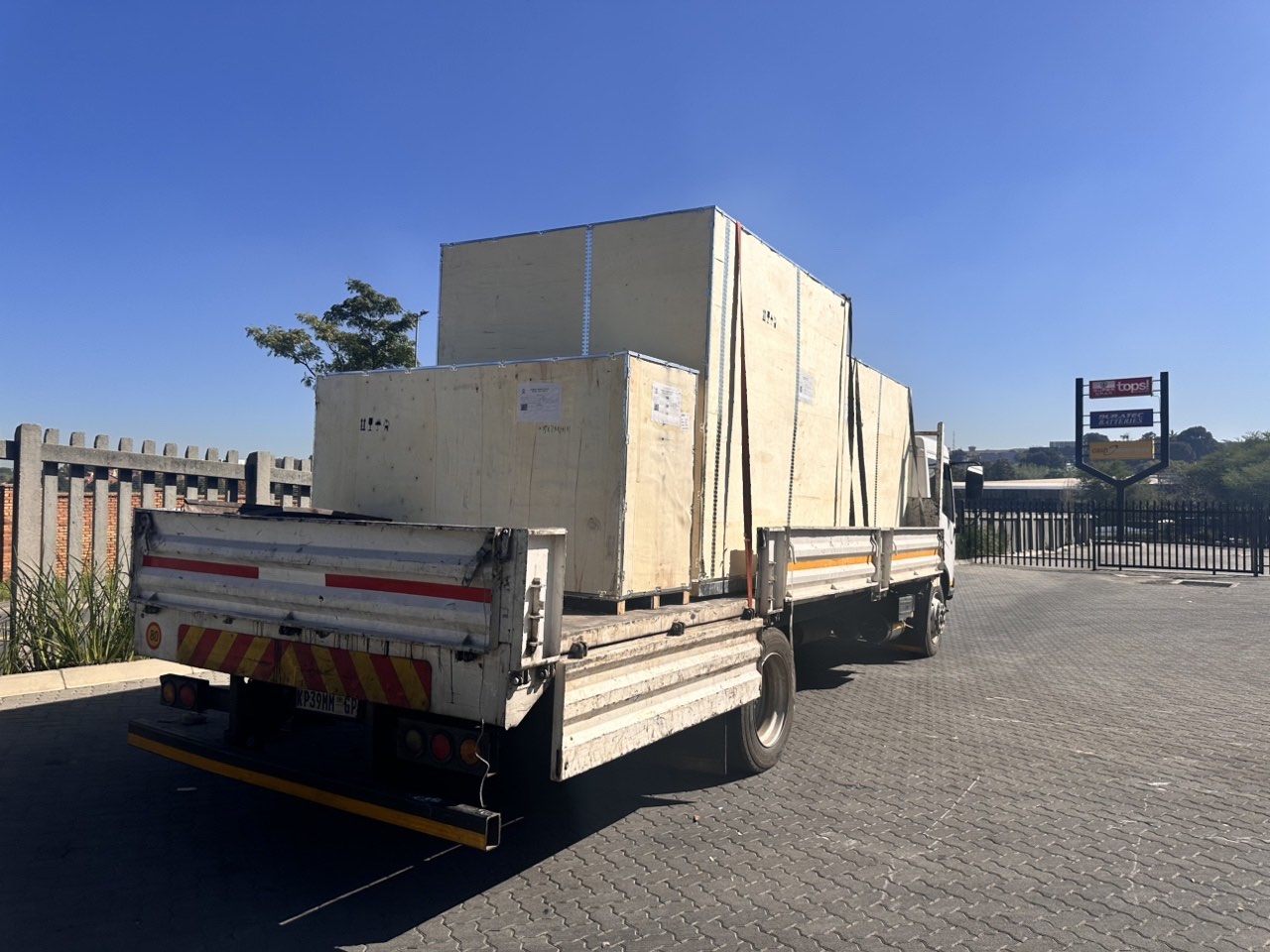
order offloading