B21, China Town Mall, Midrand

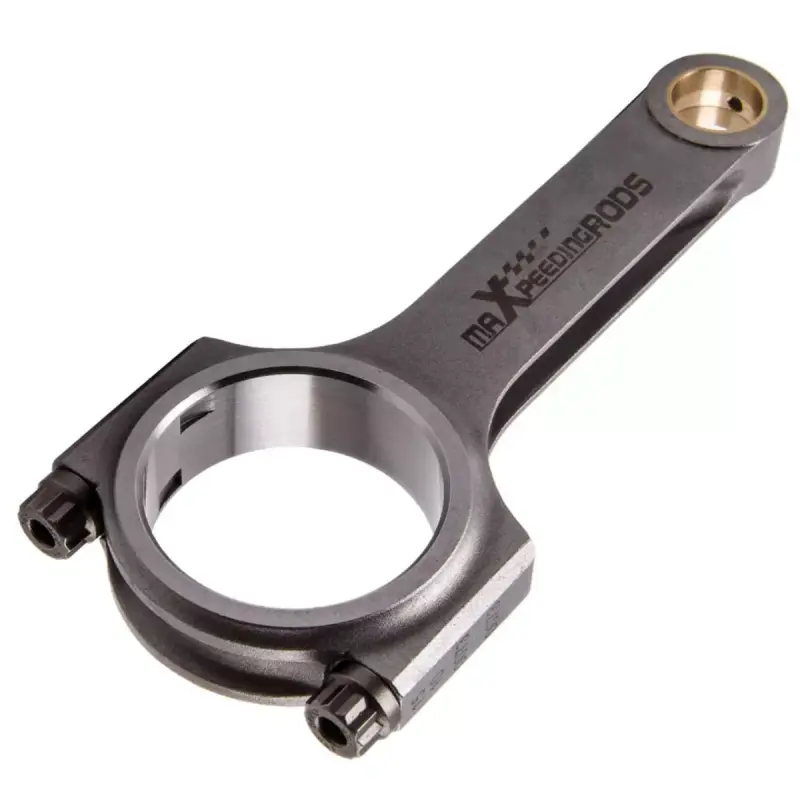
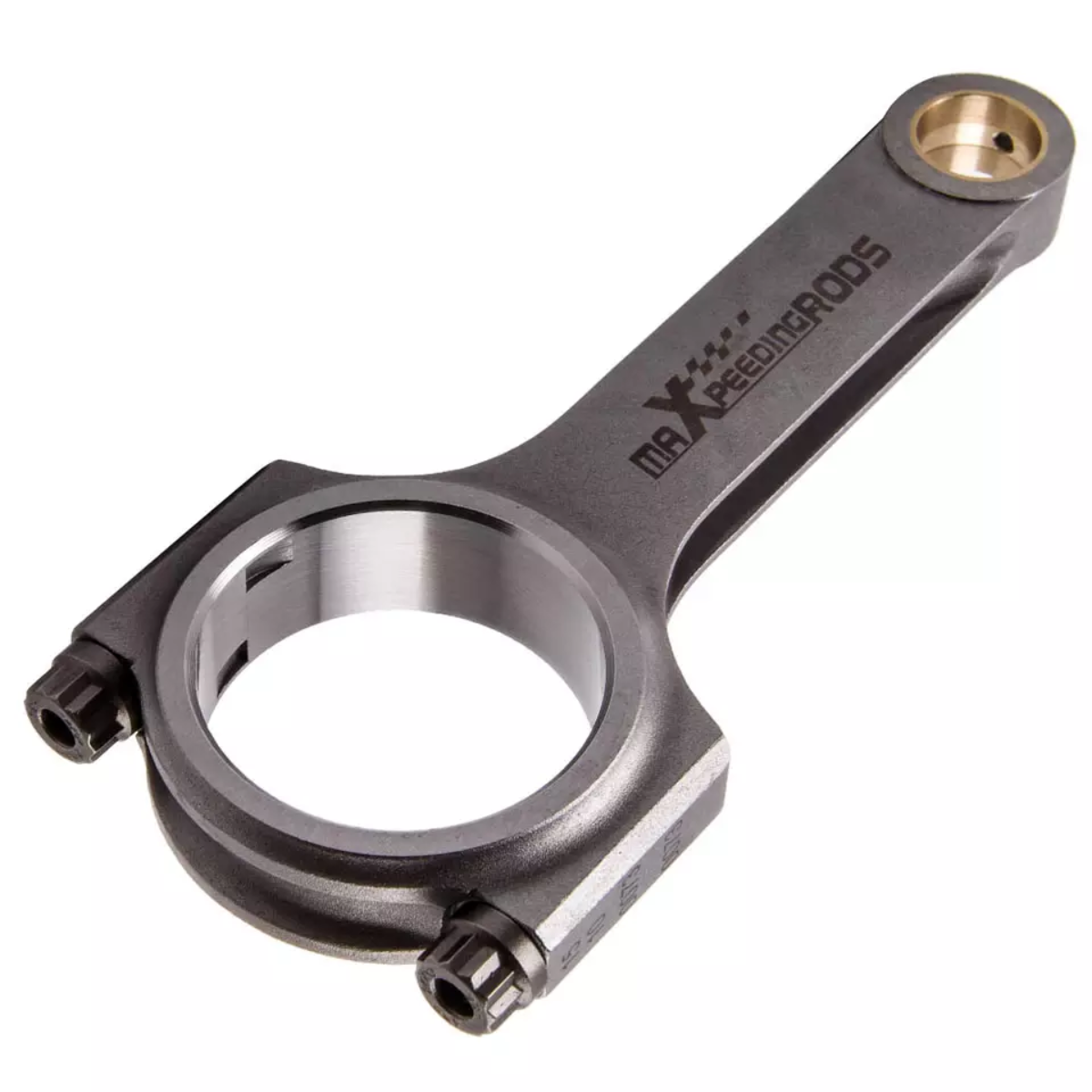
H-Beam Connecting Rods for Subaru Impreza Legacy EJ20 EJ25 GC8 GDB maXpeedingrods Forged Conods ARP Bolts Set

- Section : Sports & Entertainment
- Category : Vehicle Parts & Accessories
- SKU : 1600268423429

Overview
Carfitment and part number
| Car Fitment | Model | Year | Engine |
|---|---|---|---|
| Subaru | Legacy | 1989-1991 | 1800 4WD |
| OEM No. | Ref. |
|---|---|
| EJ20 EJ22 EJ25 conrods | - |

Specification
| Fit for | for Subaru Impreza WRX STI EJ20 EJ22 EJ25 Engine for Subaru Legacy EJ20 EJ22 EJ25 Engine 2002-2005 for Subaru Impreza WRX STI Forester Legacy WRX 2.0L Turbo (EJ205 Engine) 1998-present for Subaru Impreza WRX STi 2.0L Turbo (EJ207 Engine) 2006-2014 for Subaru Impreza WRX 2.5L Turbo (EJ255 Engine) 2004-2016 for Subaru Impreza WRX STI 2.5L Turbo (EJ257 Engine) For Saab 9-2X 2005-2006 For Isuzu Aska 1990-1993 For Subaru Legacy for JDM 1989-2009 for Subaru Forester for JDM SF series (1997 - 2002) For Subaru Impreza WRX 2006-2014 For Subaru Forester XT 2004-2013 For Subaru Outback XT 2005, 2007-2009 For impreza 95-01 For Outback 95-96 | |||||
| Type | H-Beam Connecting Rod | |||||
| Fastener Tensile Strength (psi) | The connecting rods all include ARP 2000 bolts, which are rated at 220,000 psi, and the optional ARP L19 material at 260,000 psi is available as an upgraded product. | |||||
| Weight Tolerance | The big end bores are honed to a +/-.0004 in tolerance | |||||
| Bolts | Including Genuine 3/8" ARP 2000 bolts | |||||
| Note | Extra cost for upgrading to ARP L19 bolts | |||||
| Warranty | 2 years warranty. | |||||
| HP Rating | 200HP/piece | |||||
| Dimensions | ||||||
| Center to center length | 130.5mm/5.137" | |||||
| Big end diameter | 55mm/2.165" | |||||
| Small end diameter | 23mm/0.905" | |||||
| Big end width | 21.38mm/0.840" | |||||
| Small end width | 21.38mm/0.840" | |||||
| Feature | 1. TüV Certification Con Rods ; 2. Material: Forged SAE 4340 Chrome Moly Steel for the highest strength and durability, dedicated for Racing; 3. Genuine ARP 2000 bolts ,Optional ARP L9 fasteners available as an upgrade 4. H-Beam design reduces weight without compromising strength; 5.Heat-treating & Shot-peened for remained consistent and strong. Shot-peened finish to remove potential for stress risers; 6.100% CNC machined,Precision rod cap alignment dowels; 7.Bores finished to +/- .01 mm ; 8.Balanced 9. Each rod is magnetic particle tested to ensure free of flaws ; 10.100% X-rayed, sonic tested; | |||||
Product Description
①Made of forged steel :4340 EN24;
②Forged 4340 aircraft chrome moly quality steel;
③4340 Forged Steel Strength, toughness and resistance to impact;
④4340 Forged Steel packed full of performance features, such as a compact uniform-grain structure for ultimate strength;
⑤Forged from SAE 4340 steel for superior strength;
二.:
①Multi Stage Heat Treatment for maximum strength, dimensional stability, and fatigue life;
②Heat treated to increase tensile strength;
③Multi-stage heat treated for dimensional stability and fatigue life。
三.:
①Shot Peening for improved fatigue life;
②All rods are Shot Peening, micro-polished to improve fatigue life;
四.
①CNC machining for superior tolerances, precise as much as +/-.0004 in;
②CNC Machined and the bores honed to exact same tolerances;
五.
①Bronze wrist pin bushings are fitted to each rod to increased wear resistance.
②All rods have a wear resistant bronze bushing for long wrist pin life;
六.:
①H beam design greatly increases strength and durability;
②Able to handle the most abusive forces of your race engine, these straight H-beams are the stoutest configurations available.
七.:
①Optimal balancing for weight matched sets of ± 1 gram;
②Sets are weight matched to +/- 1g.
八.:
①Laser-Etched maXpeedingrods Logo For Authenticity;
②Provide non-logo products, also provide private customized logo;
九.:
①Extra lubrication
to minimize pin wear;
②pin oiling for long wrist pin life
十.
①Dimensionally and magnaflux inspected to ensure extreme reliability;
②Magnaflux Inspection guarantees that the consistency of the forged material meets our high-quality standard;
十一.
①100% X-rayed, sonic tested
十二.:
①Increased horsepower and efficiency Specifically engineered for demanding race applications Strength for high horsepower applications while keeping leightweight in Mind;
②They mesh quality materials, precision forging, excellent craftsmanship, and high-tech designs to deliver a flawless performance for your race engine.


- Shipping Timeframes: All orders are processed within 2-5 business days (excluding weekends and holidays). After your order has been processed, the estimated delivery time is before 03 Oct, 2026, depending on customs, Please note that due to high demand, some items may experience longer shipping times, which will be communicated at order confirmation email.
- Order Processing Time: Please allow 2-5 business days for us to process your order before it is shipped . Orders placed after 16:00 on Fridays, or during weekends and public holidays, will begin processing on the next business day. Processing times may be extended during peak seasons or sales events.
- Manufacturing Time: Some products needs manufacturing time, the manufacturing process will take approximately 10-30 business days depending on the product. This timeframe may vary depending on the complexity of the product and current demand. but this will be communicated with you during order confirmation.
- Returns and Exchanges: We offer a 30-day return policy for most items. If you are not completely satisfied with your purchase, you may return it within 30 days of receipt for a refund or exchange. Items must be unused, in their original packaging, and accompanied by proof of purchase. Return shipping costs are the responsibility of the customer, unless the item was damaged or defective upon arrival.
1. Which Subaru models and engines do these H-beam connecting rods fit?
They are engineered for Subaru EJ-series 4-cylinder engines including EJ20, EJ22 and EJ25 found in various Impreza (WRX/STi), Legacy, Forester and Outback models (examples: GC8, GDB, EJ205/EJ207/EJ255/EJ257 applications). Always verify fitment for your specific year and engine code before purchase.
2. What material and manufacturing processes are used?
Forged from SAE 4340 (EN24) chrome-moly steel, multi-stage heat-treated, shot-peened, CNC machined, magnaflux/MP tested and 100% X-rayed/sonic tested for material integrity and fatigue resistance.
3. What type of fasteners are included and can they be upgraded?
Sets include genuine 3/8" ARP 2000 bolts (rated ~220,000 psi). An optional upgrade to ARP L19 bolts (rated ~260,000 psi) is available for an extra cost.
4. Are these rods sold as a complete set and do they include bolts?
Yes — they are supplied as a complete set sized for Subaru 4-cylinder engines and include ARP 2000 bolts by default. Boltless variants are also offered for customers who prefer to use their own fasteners.
5. What are the key dimensions and tolerances?
Center-to-center length: 130.5 mm (5.137"). Big end diameter: 55.0 mm. Small end diameter: 23.0 mm. Big and small end widths: 21.38 mm. Big end bores are honed to approximately +/-0.0004" and all bores are finished to +/-0.01 mm.
6. What is the weight matching tolerance for the set?
Sets are balanced and weight-matched to within +/- 1 gram per rod to ensure consistent rotating assembly balance.
7. What horsepower capacity do these rods support?
Specification lists a nominal rating of 200 HP per rod. For high-horsepower or heavily modified engines you should consider bolt upgrades (ARP L19) and consult a professional engine builder.
8. What quality checks and testing are performed?
Each rod undergoes magnetic particle (magnaflux) inspection, shot peening, 100% X-ray and sonic testing, plus dimensional checks and laser-etch marking for traceability.
9. Is there a warranty and what does it cover?
A 2-year warranty against manufacturing defects is provided. It typically does not cover damage from improper installation, engine failure due to other components, racing abuse beyond intended use, or normal wear; follow installation instructions and retain proof of purchase.
10. Do these rods include wrist pin bushings?
Yes — bronze wrist pin bushings are fitted to increase wear resistance and extend wrist pin life.
11. Can these rods be used for turbocharged/race engines?
Yes — the H-beam 4340 forged design, heat treatment and testing make them suitable for demanding and turbocharged applications, but confirm overall rotating assembly strength and consider bolt upgrades for very high horsepower builds.
12. Do I need to perform additional machining or fitment checks before installation?
Yes. Although bores are precision-honed, you should verify big-end bore clearances, piston-to-wall and piston-pin clearances, and rod-to-crank journal clearances. A machine shop or experienced engine builder should perform final clearancing and torque procedures.
13. What are the recommended installation practices for rod bolts?
Follow ARP's torque and/or torque-plus-angle specifications for the supplied bolts. Replace rod bolts if they are reused beyond recommended service life, and always use proper assembly lube and a calibrated torque wrench or angle gauge.
14. Are there cosmetic or customization options?
Yes — rods feature a laser-etched maXpeedingrods logo for authenticity. Non-logo products and private/custom logo options are available on request. Titanium-plated upgrade models are also offered.
15. Should I have balancing done after installation?
Yes — while the rods are matched to +/-1 g, a complete rotating assembly balance (including pistons, wrist pins, rings and rods) is recommended when building a high-performance or race engine to minimize vibrations and maximize reliability.
Latest Order Arrivals
Discover our latest orders
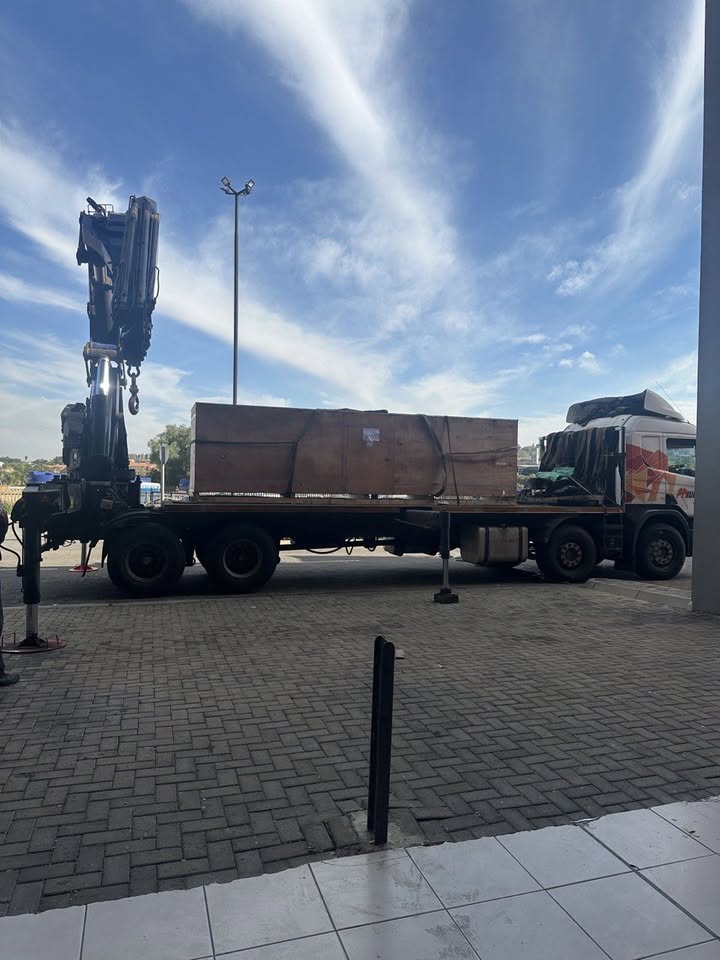
12 Heads Embroidery Machine
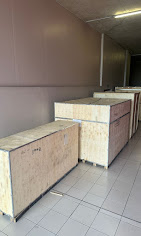
Toilet Paper Machine Machine
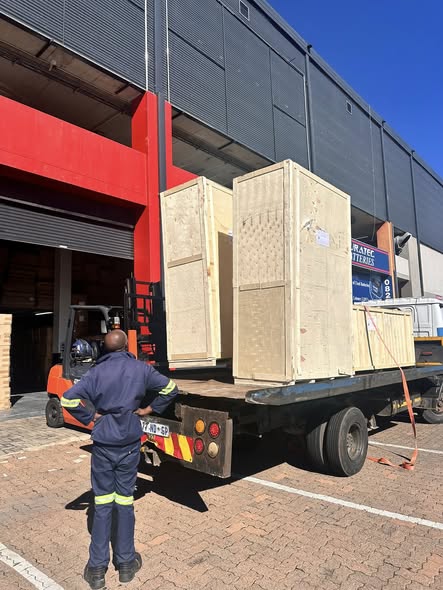
Order Collection
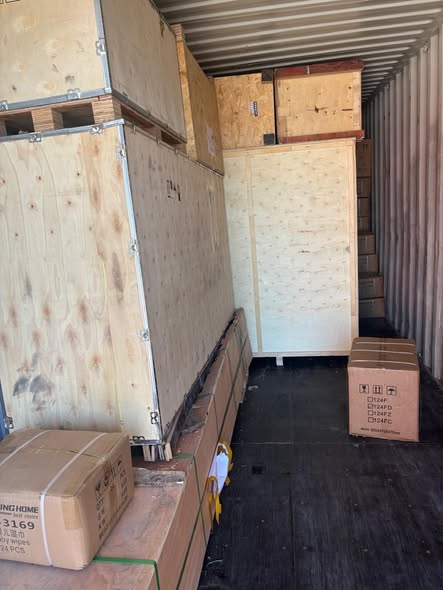
Cross Border Clients
Order cros border countries Collected
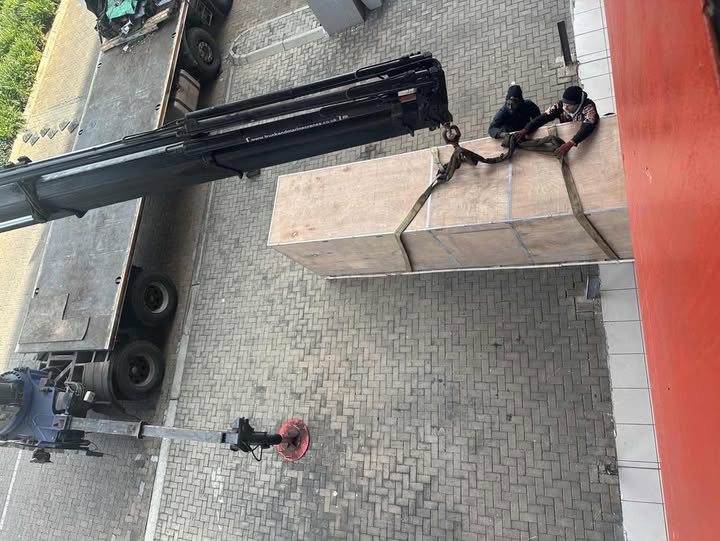
Industrial Machine Cllection
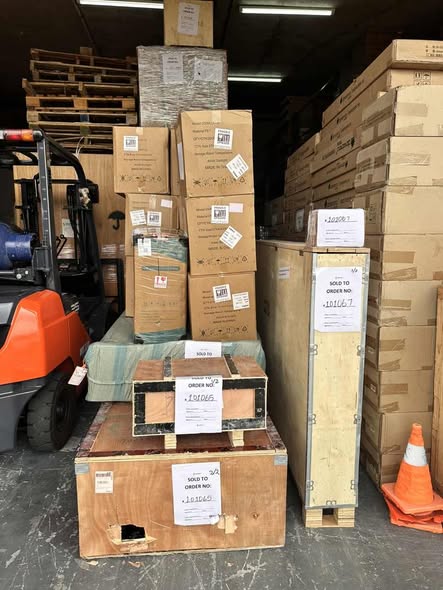
Agriculture Processing Machines
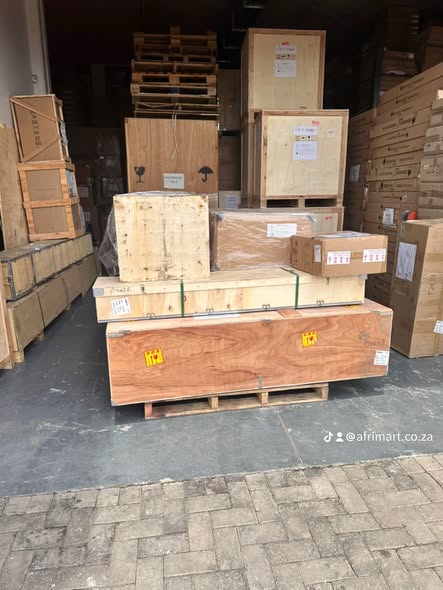
Ready for collection
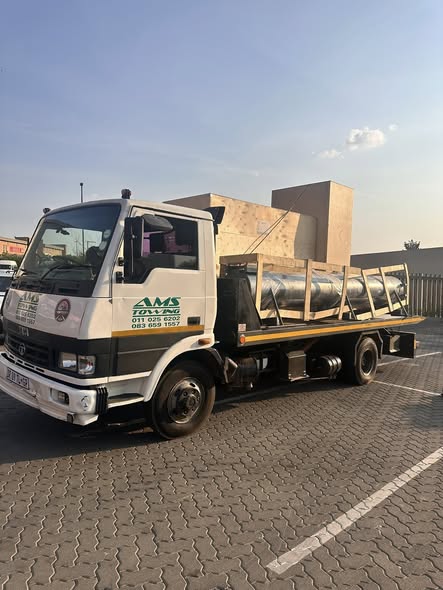
Water Pump Equipment
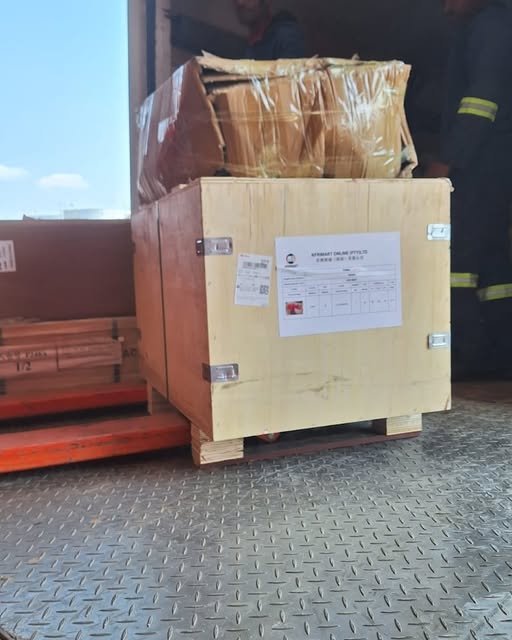
Packaging Machine and accessories
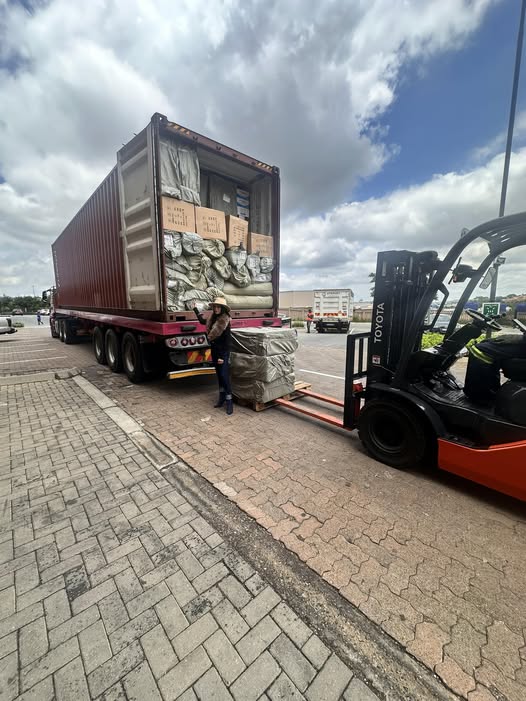
Fabrics Manufacturing Equipment
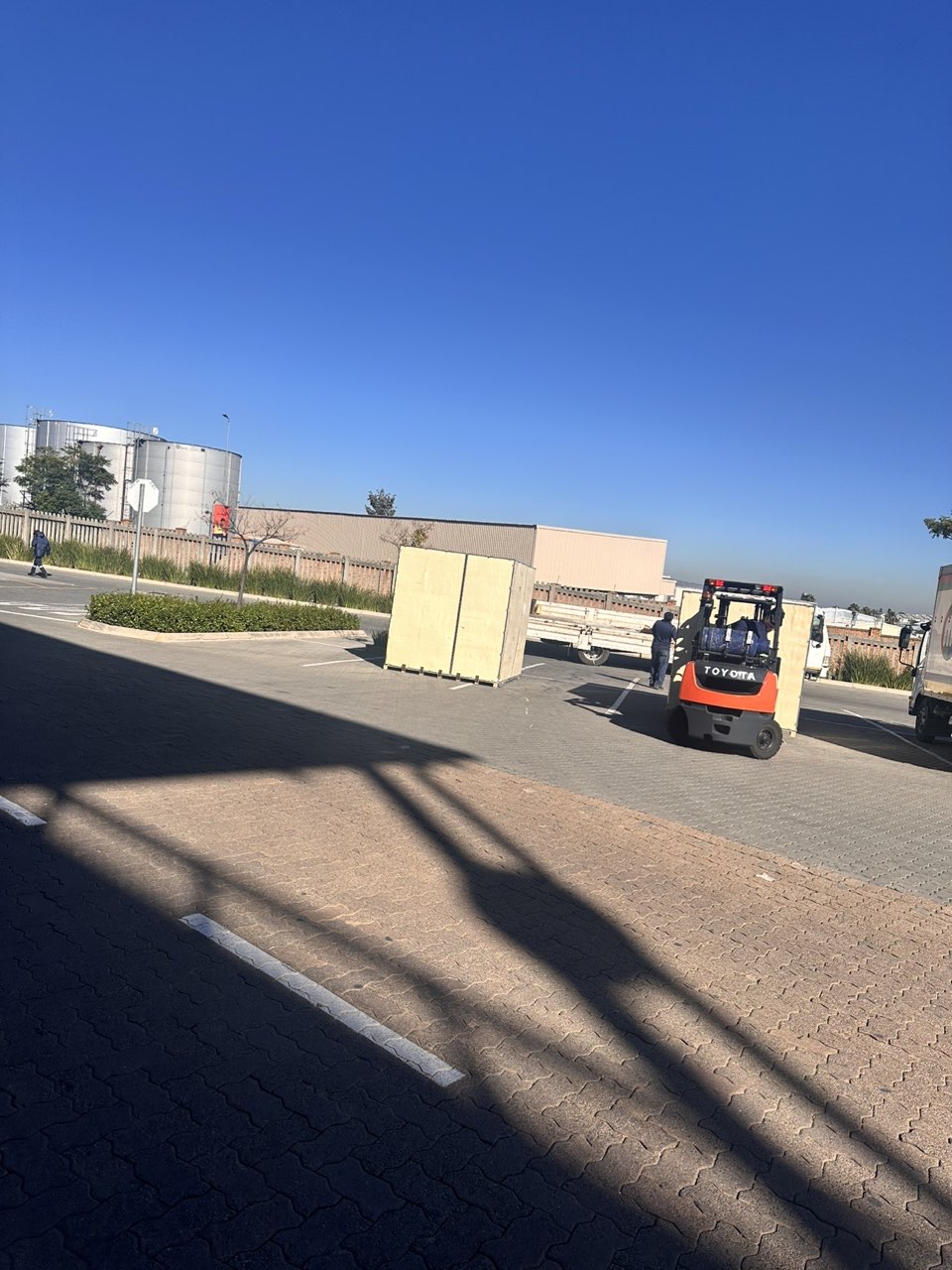
Mining Equipments
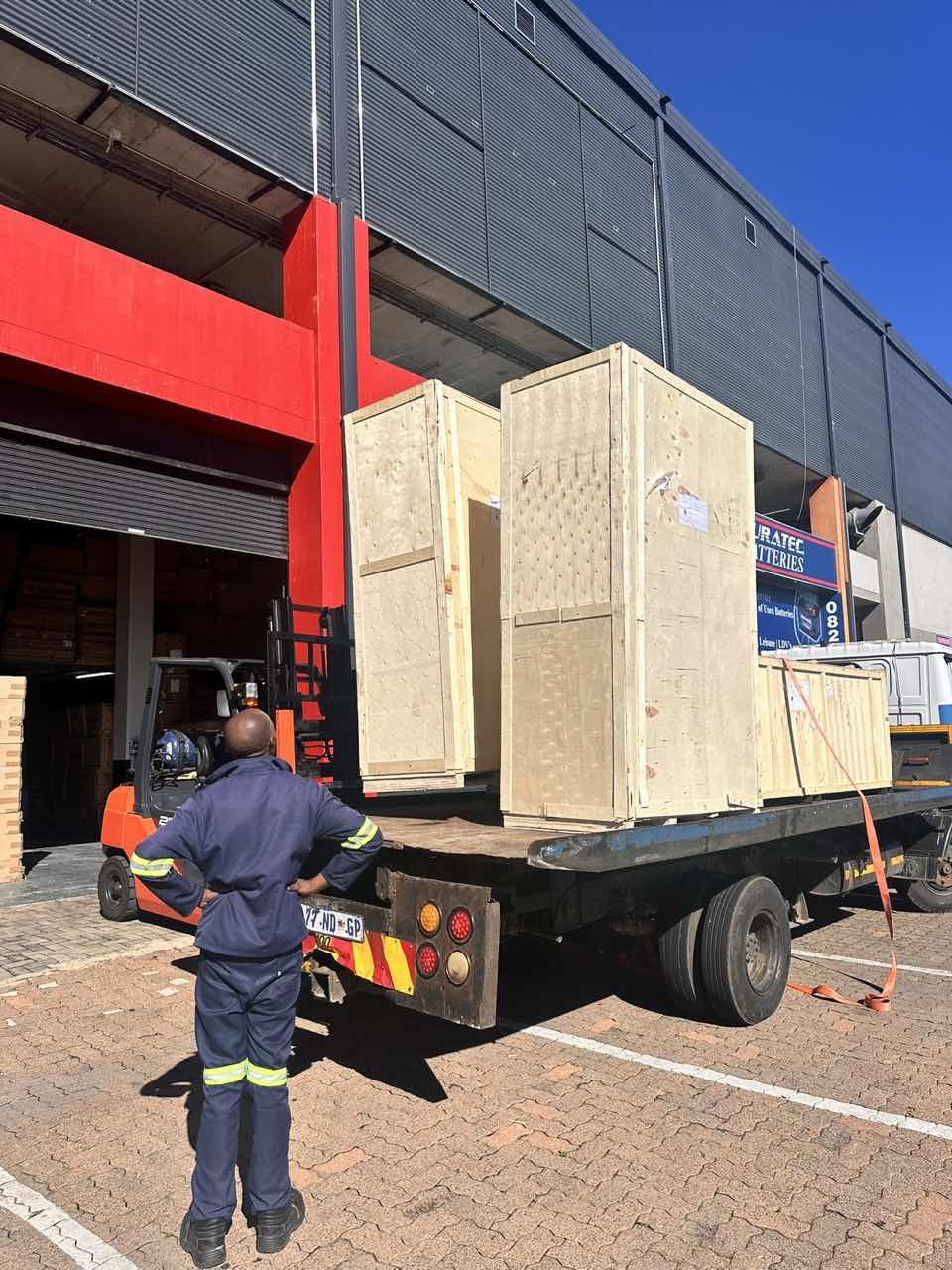
Food Processing Machine
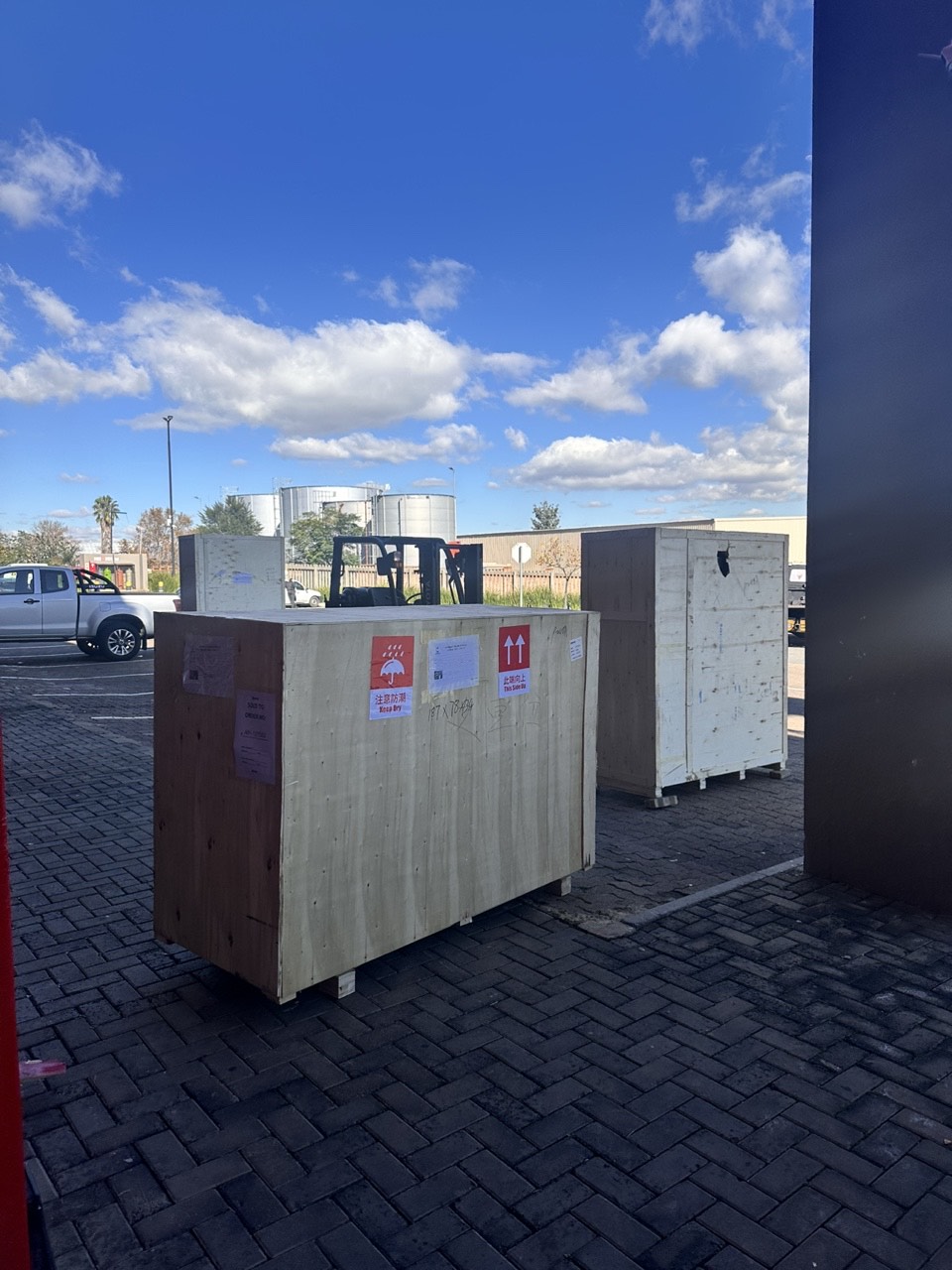
Batch of Orders
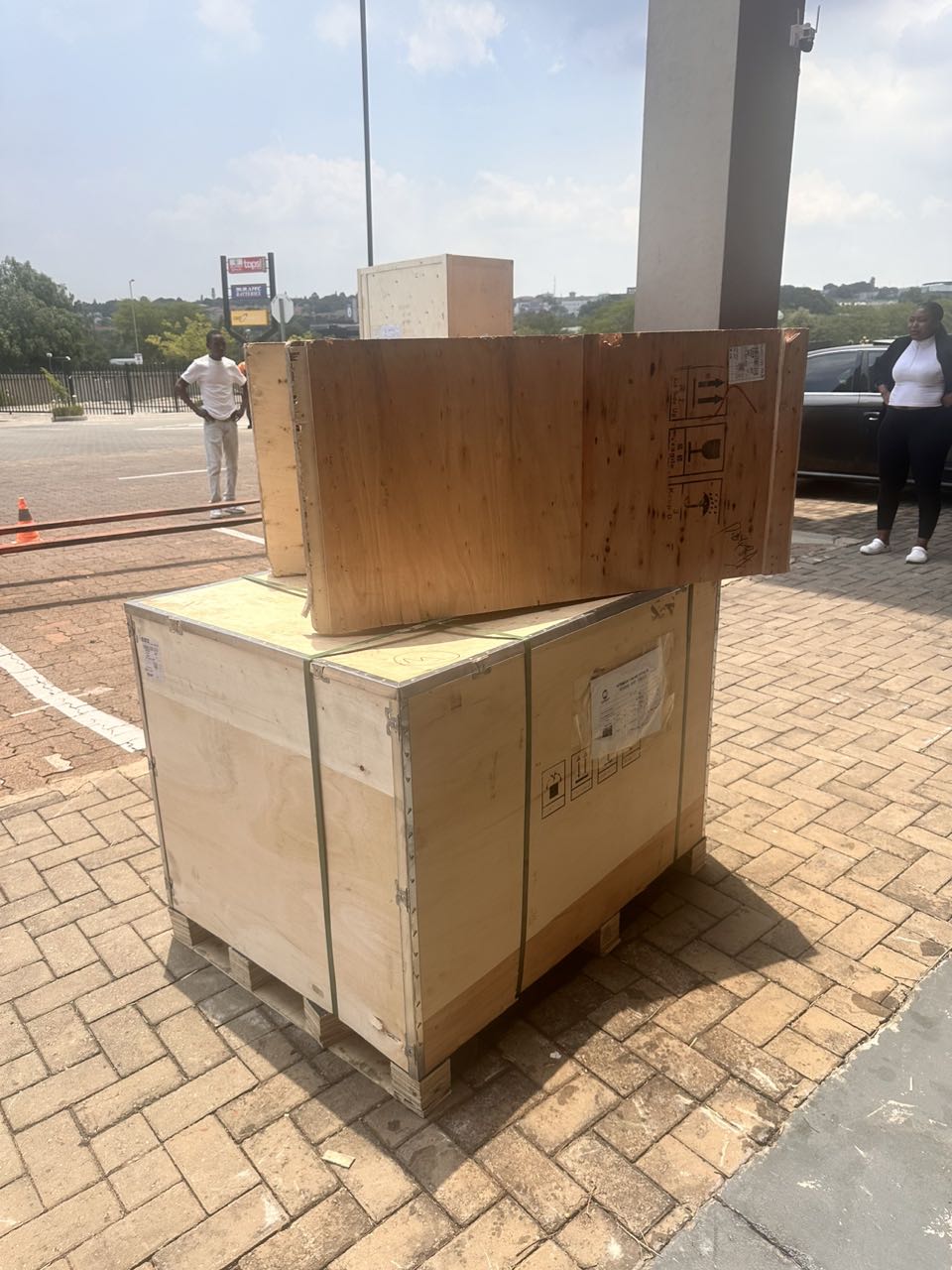
Batch of Orders
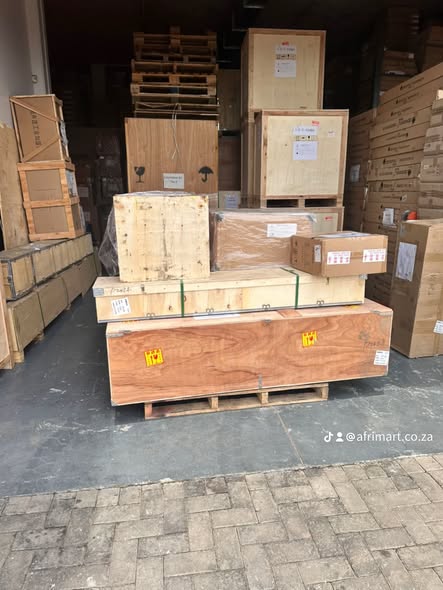
Latest Orders Labelled
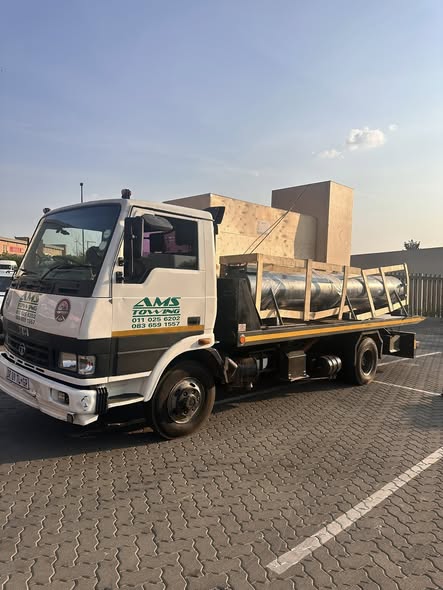
wheel alignment machines
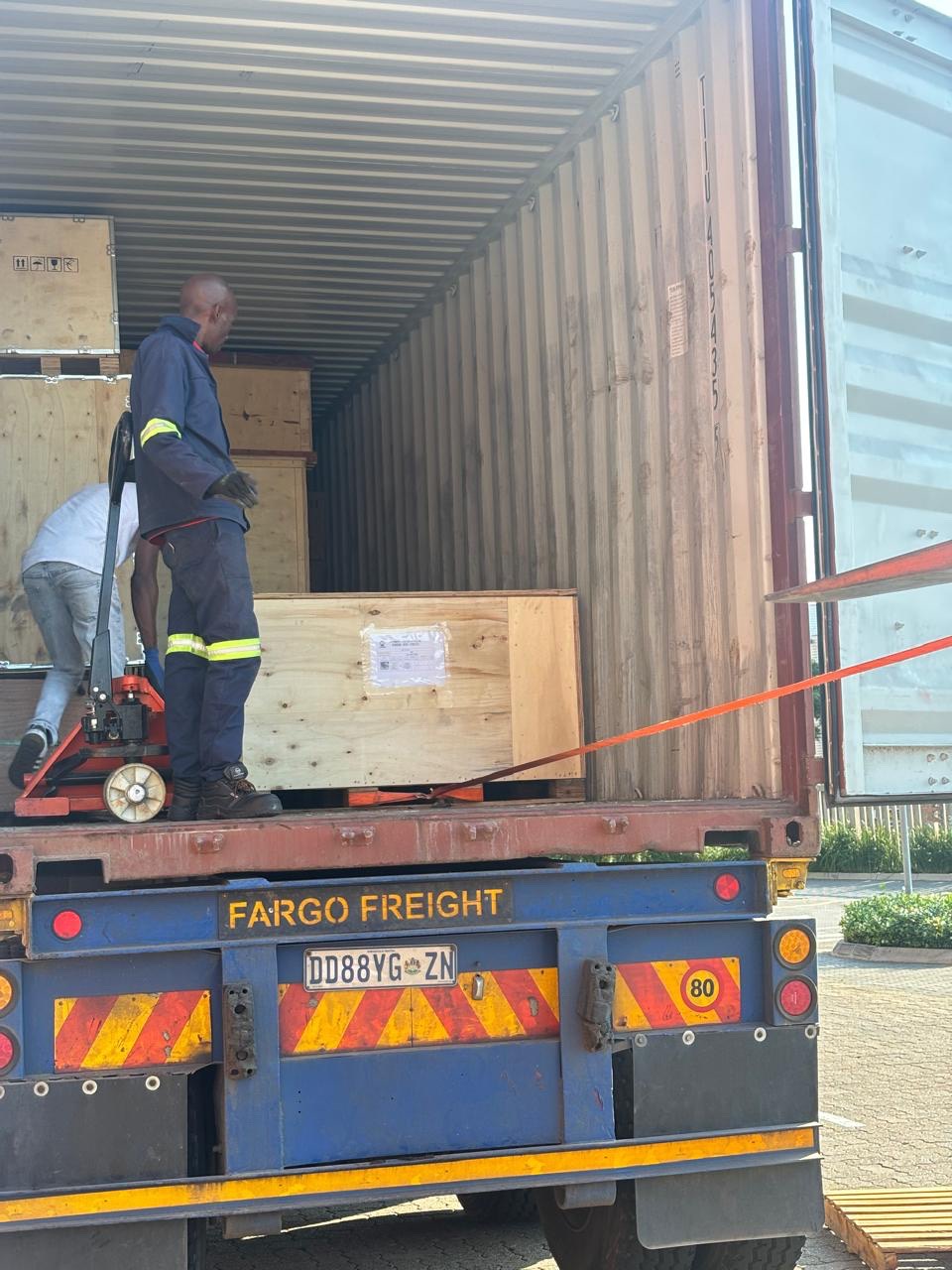
new arrivals
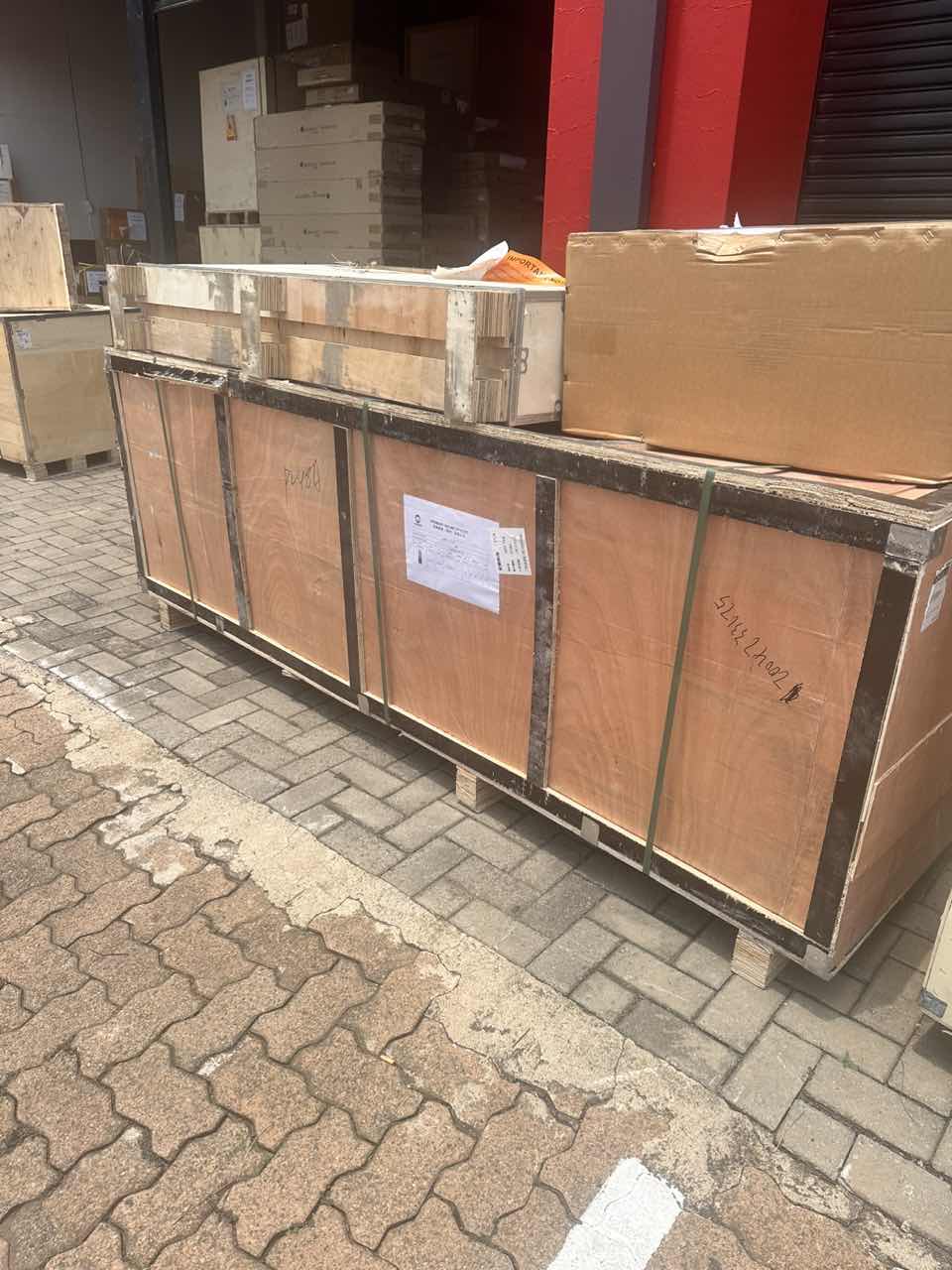
Pre Orders Offloading
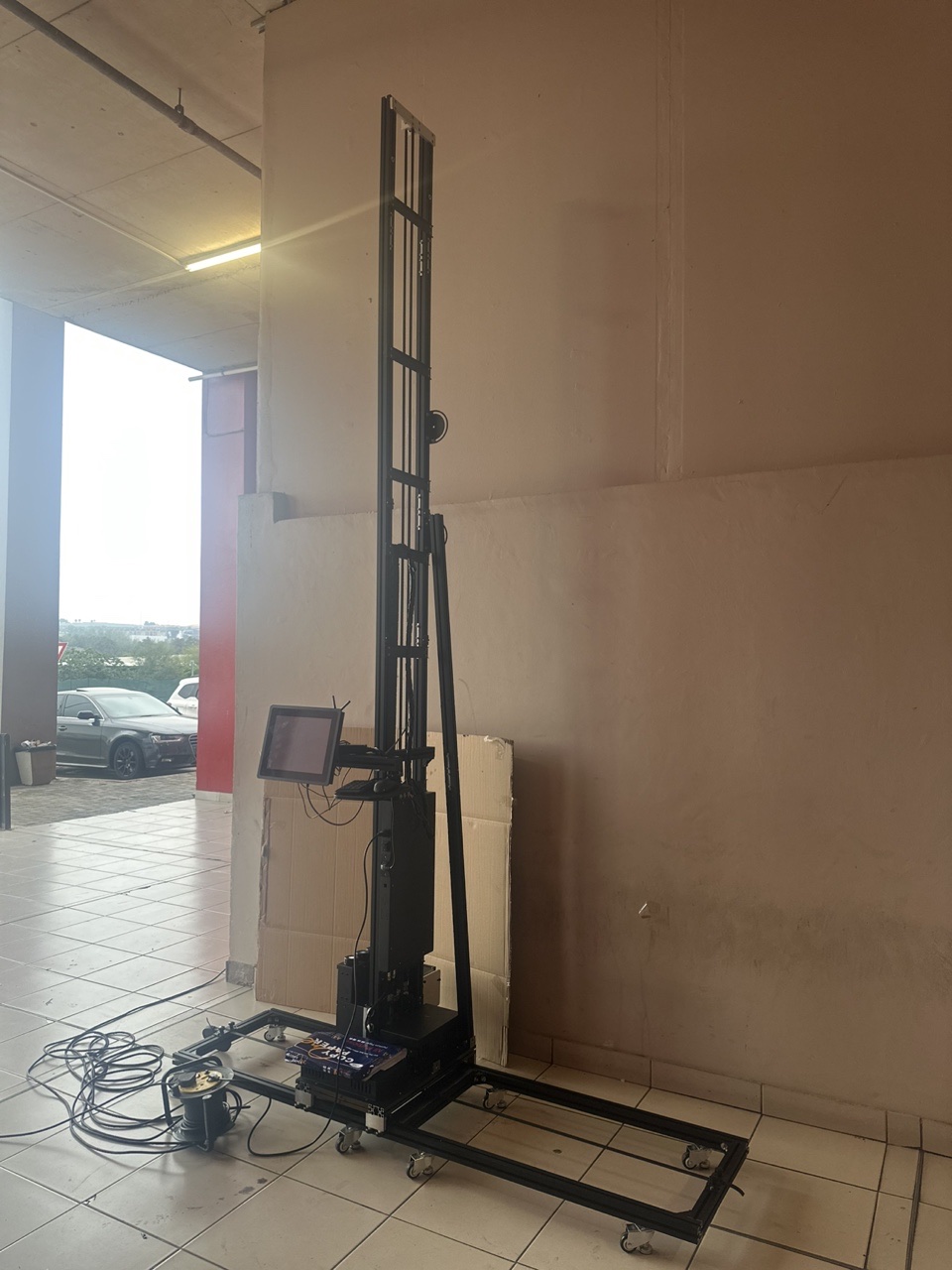
Latest Arrivals
Latest Arrivals
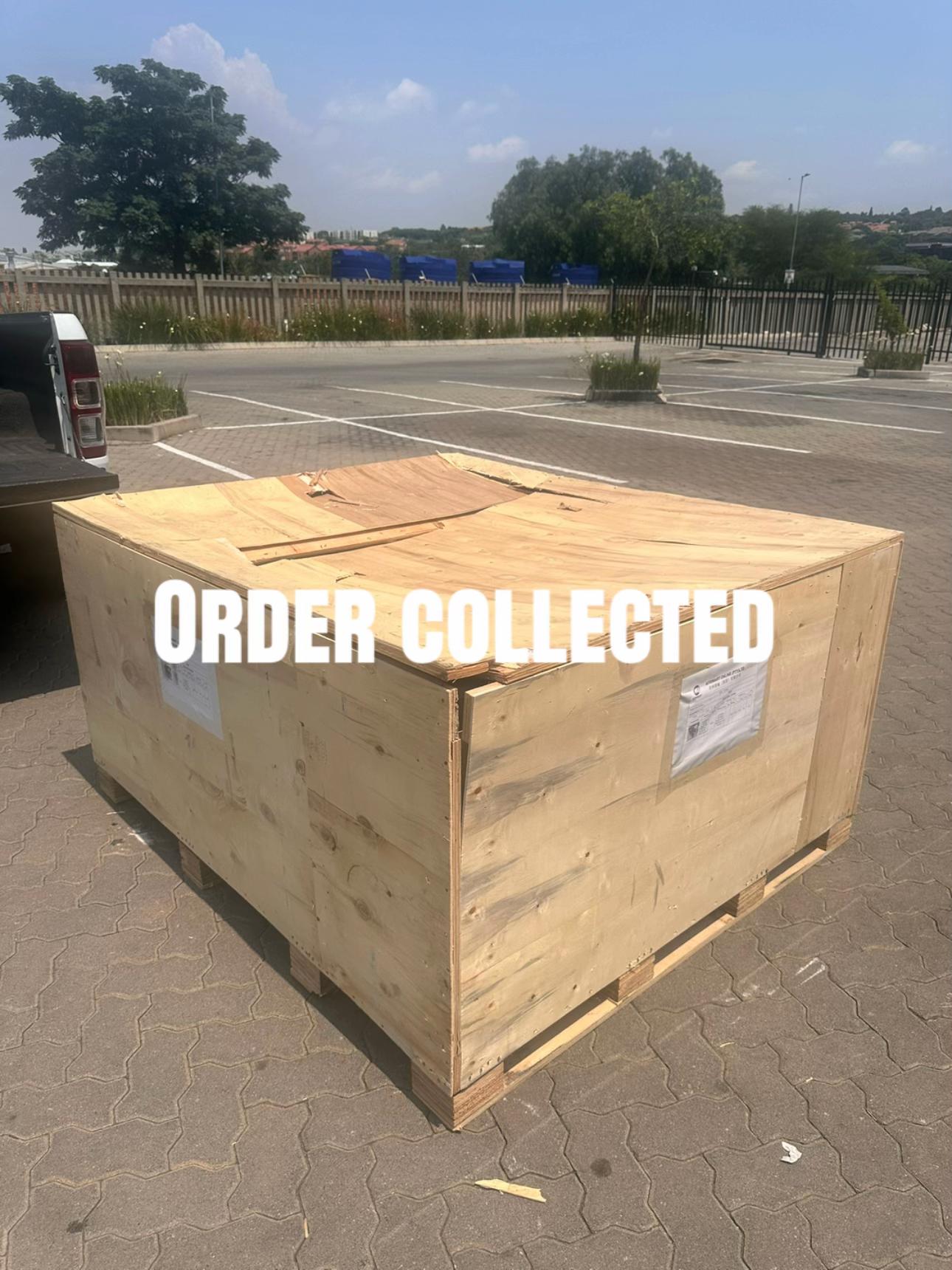
Latest Arrivals
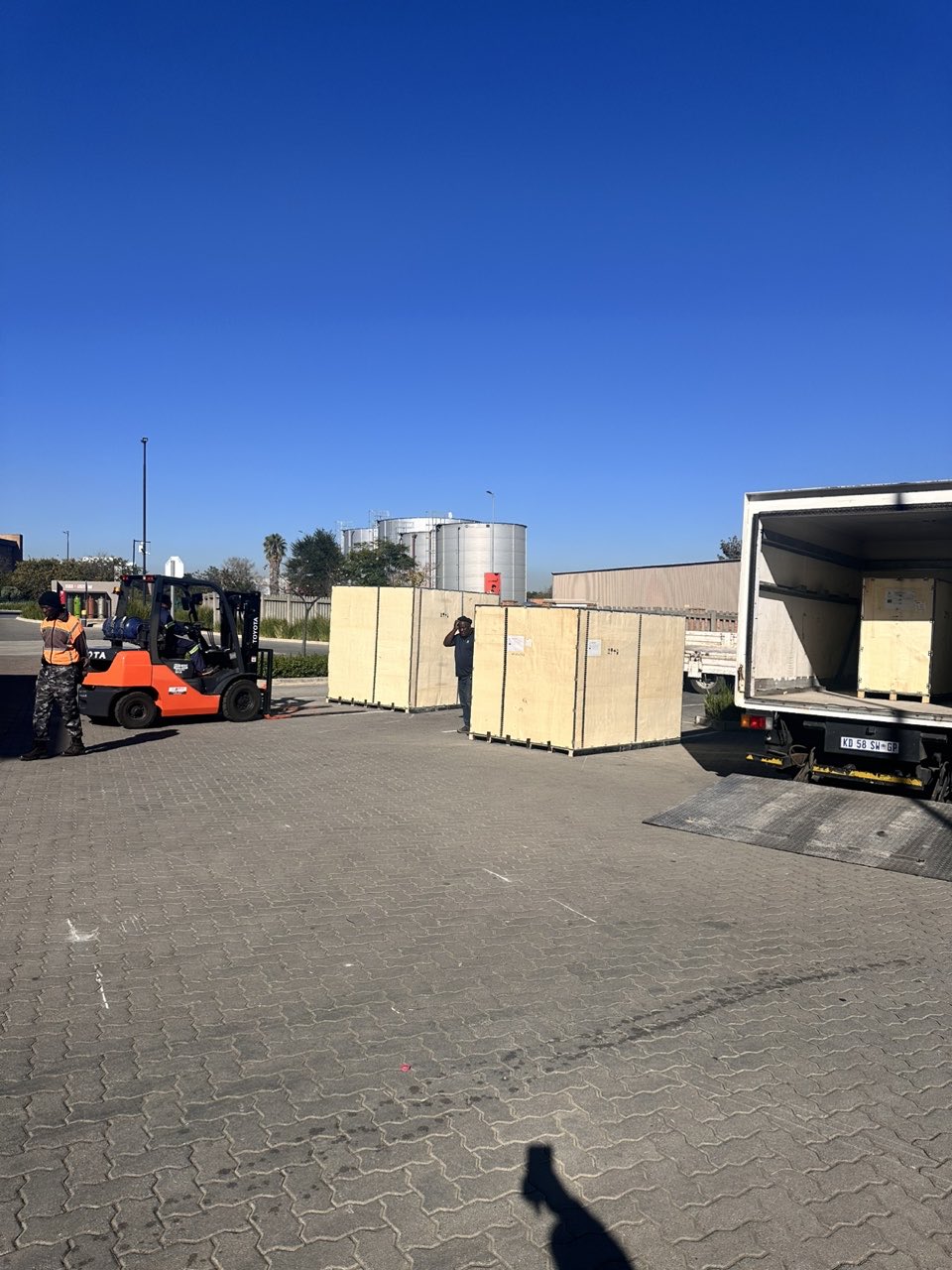
Loading
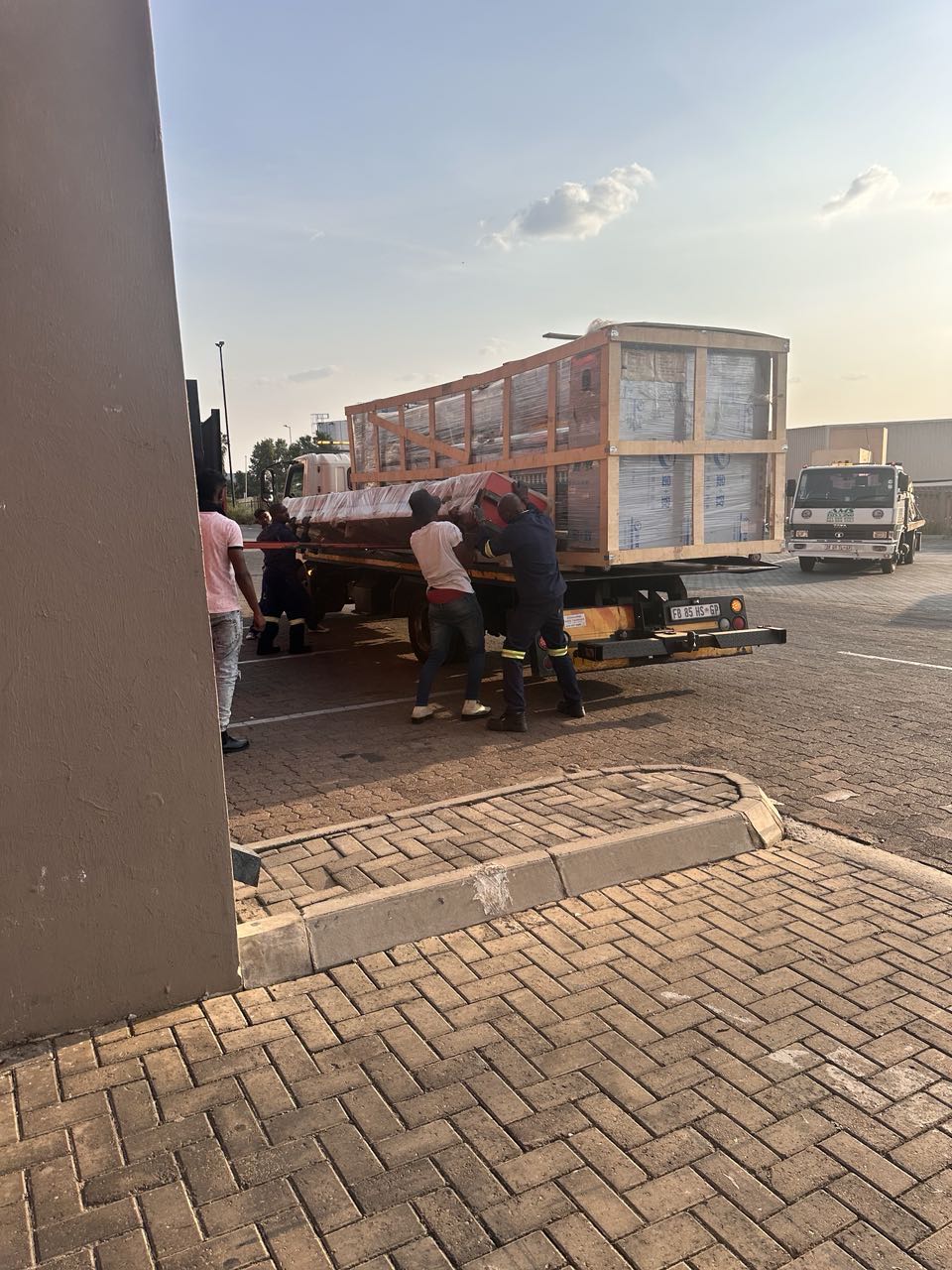
Toilet paper making machine
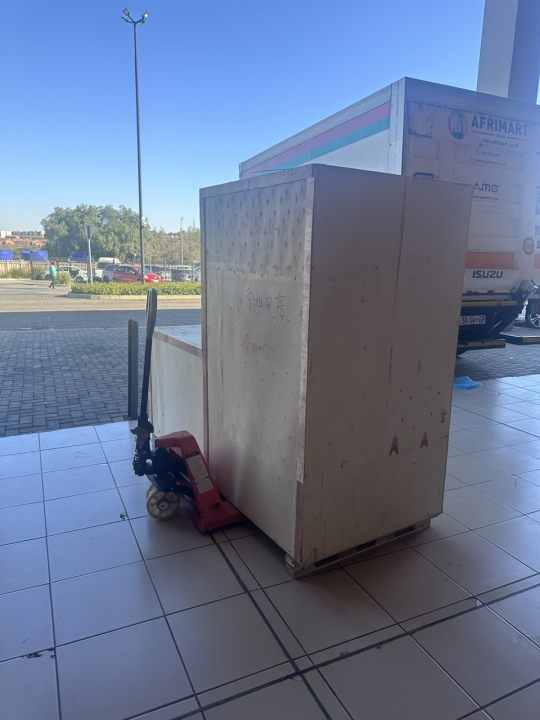
Toilet paper making machine
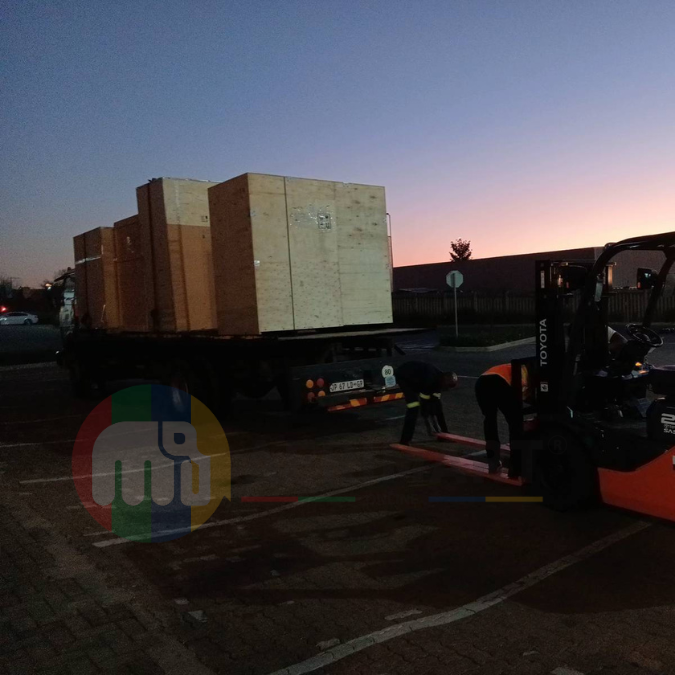
Toilet paper Rewinding Machine
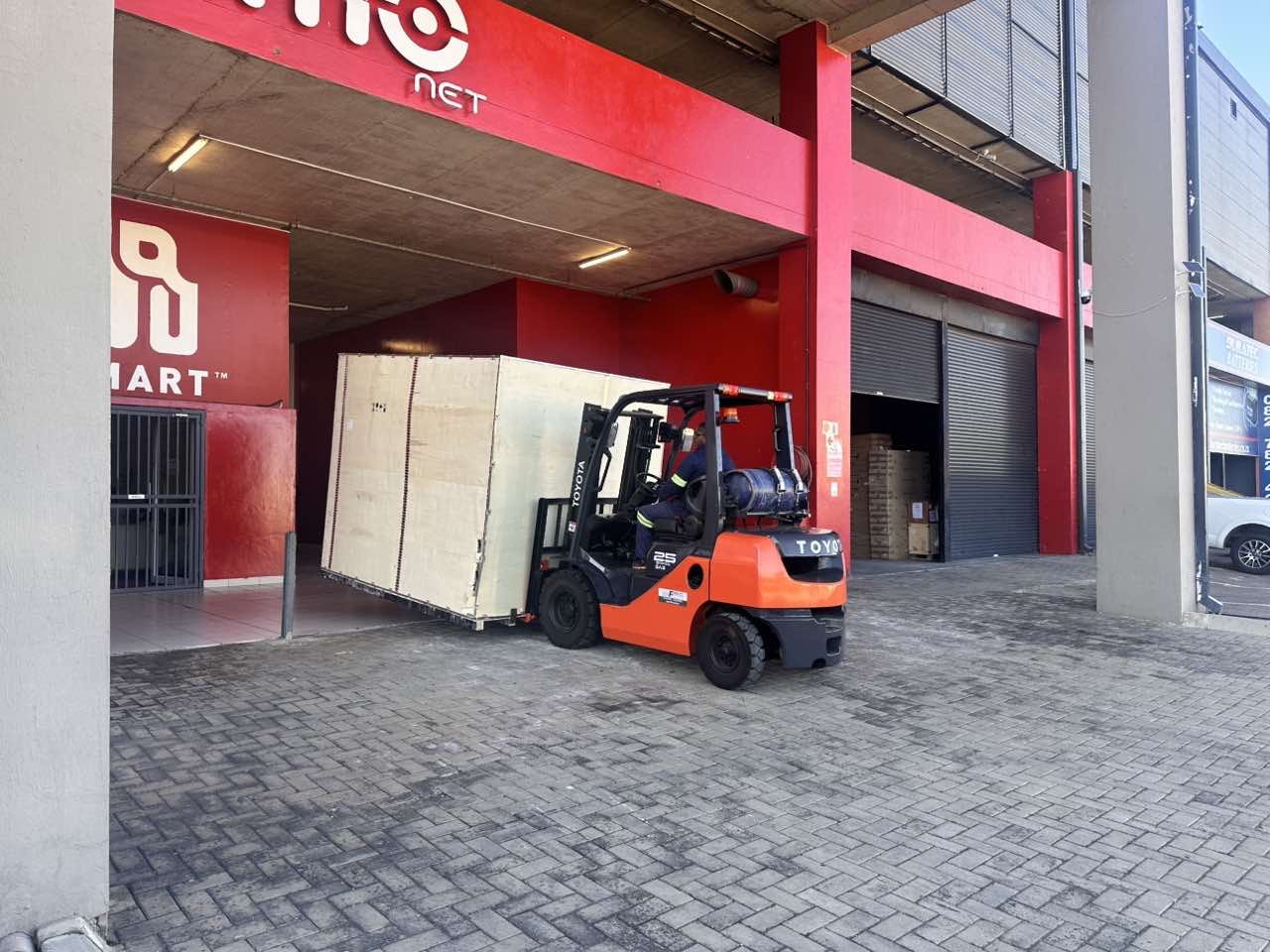
latest arrivals
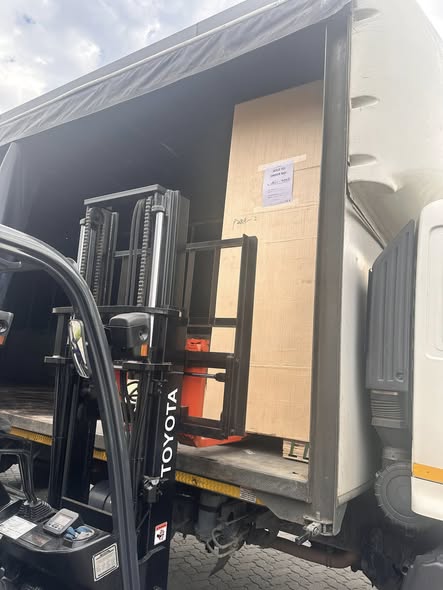
offloading
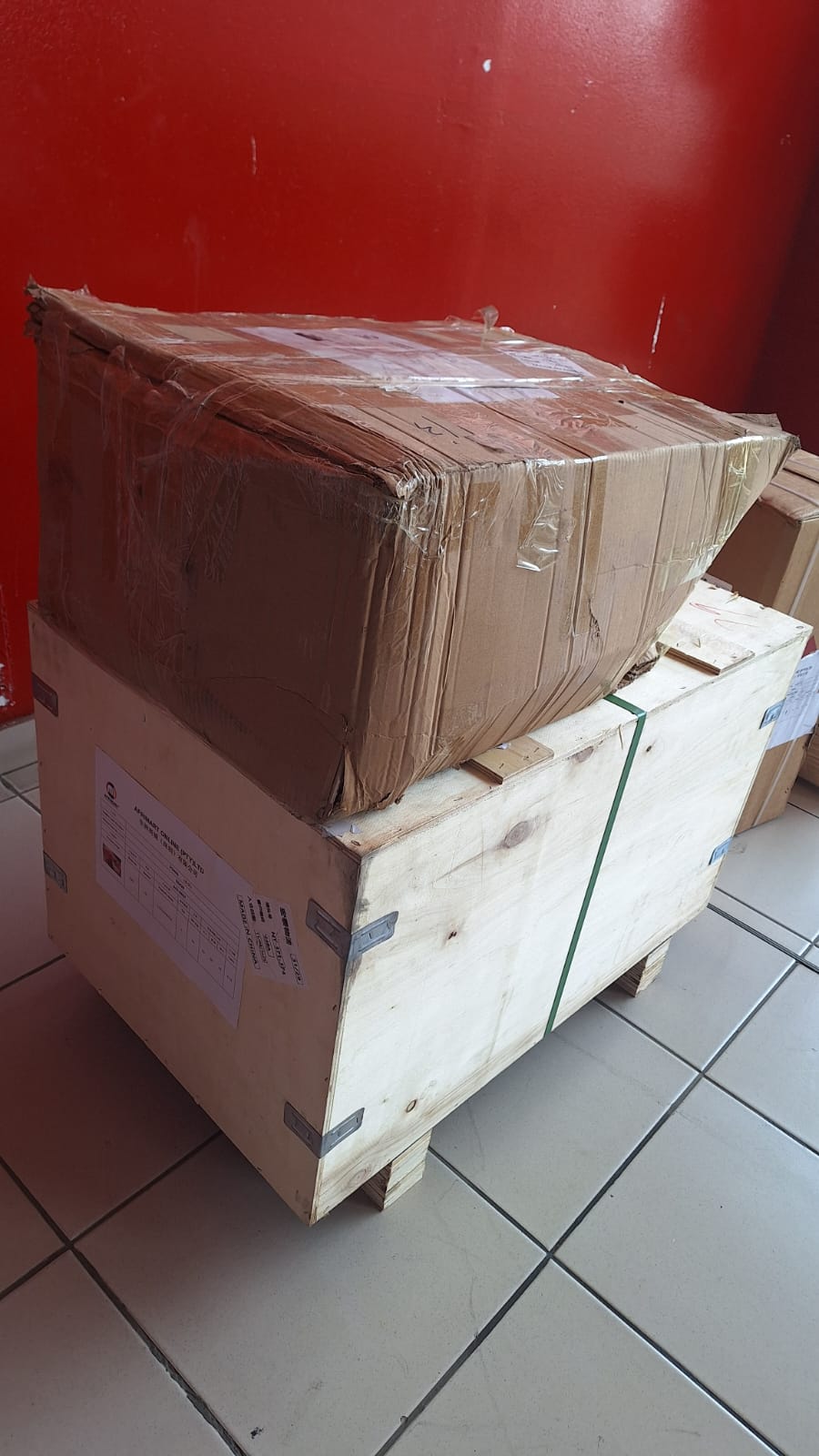
order success
order collection
order offloading