B21, China Town Mall, Midrand

Browse categoriesView all categories
Appliances
View all products →Beauty & Personal Care
View all products →Car Parts
View all products →Computers
View all products →Construction Material
View all products → Building Boards & Insulation
 Coated & Treated Products
Decorative Building Materials
EPDM/PVC/TPO Membrane
Coated & Treated Products
Decorative Building Materials
EPDM/PVC/TPO Membrane
 Flat Products (Sheets, Plates & Coils)
Gabion mesh
Geocell
Geogrid
Geomembrane Welding machine
HDPE Geomembrane
HDPE Geomembrane
Hdpe/Pvc Pipe
Industrial Hardware & Fasteners
LDPE LLDPE Geomembrane
Luxury Wall Panels
Nonwoven Geotextile
Other Geosynthetics
Pipe Floater
Pipeline & Fluid Systems
Pipes & Hollow Sections
PVC Ceilings
PVC Cornices
PVC Suspended Ceilings
PVC Wall Panels
Roofing & Cladding
Roofing & Corrugated Sheets
Rubber Hose
SPC Flooring
Strips & Bars
Structural Steel & Profiles
Flat Products (Sheets, Plates & Coils)
Gabion mesh
Geocell
Geogrid
Geomembrane Welding machine
HDPE Geomembrane
HDPE Geomembrane
Hdpe/Pvc Pipe
Industrial Hardware & Fasteners
LDPE LLDPE Geomembrane
Luxury Wall Panels
Nonwoven Geotextile
Other Geosynthetics
Pipe Floater
Pipeline & Fluid Systems
Pipes & Hollow Sections
PVC Ceilings
PVC Cornices
PVC Suspended Ceilings
PVC Wall Panels
Roofing & Cladding
Roofing & Corrugated Sheets
Rubber Hose
SPC Flooring
Strips & Bars
Structural Steel & Profiles
Consumer Electronics
View all products → Camera & Photo
 Chargers, Batteries & Power Supplies
 Commercial Equipment
 Home Audio & Video
 Portable Audio
 Printing Equipment
 Professional Audio
 Security & Protection
 Testing Equipment
Commercial Equipment
 Advertising Boards
 Advertising Inflatables
 Advertising Light Boxes
 Commercial Fryers
 Computer Hardware & Software
 Digital Signage and Displays
 Display Racks
 Food Trucks
 Ice Cream Machines
 Interactive Boards
 Photo Booths
 Projectors & Presentation Equipments
 Refrigeration Equipment
 Supermarket Shelves
 Vending Machines
Electrical & Tools
View all products →Furniture
View all products → Bedroom Furniture
 Commercial Furniture
 Decorations
 Dining Room Furniture
 Kitchen Furniture
 Living Room Furniture
 Office Furniture
Kids & Toys
View all products →Machinery
View all products →
Aftersales
 Agriculture Machinery
 Apparel Machinery
 Chemical Machinery
 Cleaning Equipment
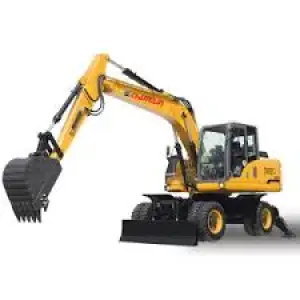 Construction Machinery
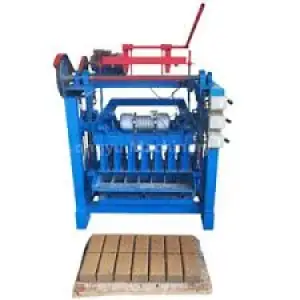 Environmental Machinery
 Food & Beverage Machinery
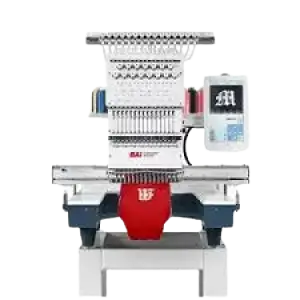 Industrial Machinery
 Machine Tool Equipment
 Machinery Accessories
 Material Handling
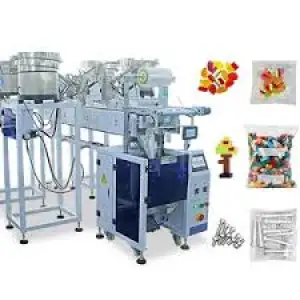 Packaging Machines
Agriculture Machinery
Apparel Machinery
Chemical Machinery
Cleaning Equipment
Construction Machinery
Environmental Machinery
Food & Beverage Machinery
Industrial Machinery
Machine Tool Equipment
Machinery Accessories
Material Handling
Packaging Machines
Construction Machinery
 Brick Making Machinery
 Concrete Mixers
 Concrete Pumps
 Crushers
 Drilling Rigs
 Engineering & Construction Machinery
 Excavators
 Gas Generation Equipment
 Loaders
 Mineral Separators
 Mining Machinery
 Mortar Spray Machines
 Other Construction Machinery
 Road Machinery
 Stone Machinery
 Tile Making Machinery
 Truck Cranes
Food & Beverage Machinery
 Baking Equipments
 Beverage & Wine Machines
 Cake machine
 Donut machines
 Fermenting Equipment
 Fish Processing Machines
 Flour & Rice Mills
 Flour Mill
 Food Sterilizers
 Fruit & Vegetable Processing Machines
 Fruit & Vegetable Processing Machines
 Fryers
 Ice Cream Machines
 Juice Extractors
 Meat Processing Machinery
 Meat Slicers
 Other Food Processing Machinery
 Popcorn machine
 Snack Machines
 Vegetable Cutters
 Vegetable Washing Equipments
Industrial Machinery
 Apparel & Textile Machinery
 CNC industrial Machinery
 Industrial Compressors & Parts
 Industrial Robots
 Industry Laser Equipment
 Machine Tool Equipment
 Manufacturing Machinery
 Metal & Metallurgy Machinery
 Paper Production Machinery
 Plastic & Rubber Processing Machinery
 Welding Equipment
 Woodworking Machinery
Medical Supplies
View all products → Animal & Veterinary
 Household Medical Devices
 Medical Consumables
 Professional Medical Devices
 Testing Instrument
Professional Medical Devices
 Bone Surgical Instruments
 Burns Surgery Instruments
 Clinical Analytical Instruments
 Clinics Apparatuses
 Dental Chair
 Dental Consumables
 Dental Equipments
 Dental Handpiece
 Diagnostic Apparatuses
 Emergency & Clinics Apparatuses
 General Assay & Diagnostic Apparatuses
 Hospital Beds
 Hospital Chairs
 Hospital Trolley
 Implants & Interventional Materials
 Medical Cryogenic Equipments
 Medical Imaging Equipment
 Medical Optical Instruments
 Medical Ultrasound Instruments
 Medical X-ray Equipments
 Obstetrics & Gynecology Equipments
 Oral Therapy Equipments
 Physical Therapy Equipment
 Radiology Equipment & Accessories
 Rehabilitation Equipment
 Stethoscope
 Surgical Instruments
 Transfusion, Dialysis & Circulation Machines
 Vacuum Suction Devices
 Visual Acuity Examination Supplies
Pet Supplies
View all products →Phones & Accessories
View all products → Featured Accessories
 Mobile Phones
 Phone Accessories
 Screen Protector Machines
 Tablets
 Telecommunications
Telecommunications
 Broadcast Intercom Systems
 Camera Modules
 Communication Antennas
 Corded Telephones
 Development Boards, Kits
 Enterprise Firewalls
 Enterprise Switches
 Fiber Optic Equipment
 Fixed Wireless Terminals
 Other Telecommunications Products
 PBX
PBX
 Signal conversion Boards
 Telecom Parts
 Wireless Infrastructure Equipment
Prefab & Modular Homes
View all products →Production Lines
View all products →Metal Components
Custom fabricated metal assemblies
Flanges, couplings, and joints
Machined metal parts and forgings
Metal brackets, connectors, and fasteners
Metal frames and chassis components
Metal plates, sheets, and coils
Metal stampings and pressings
Pipes, tubes, and fittings (steel, copper, aluminum)
Steel beams, angles, channels, and structural sections
Wire mesh and expanded metal
Raw Inputs
Ceramic powders and compounds
Composite material components
Glass sheets and raw glass materials
Plastic resins and polymers (pellets, granules, powder)
Raw minerals and aggregates
Raw rubber and elastomer compounds
Raw steel, aluminum, copper, and other metal stock materials
Textile fibers and fabrics
Wood lumber and timber sheets
Renewable Energy
View all products →Sports & Entertainment
View all products →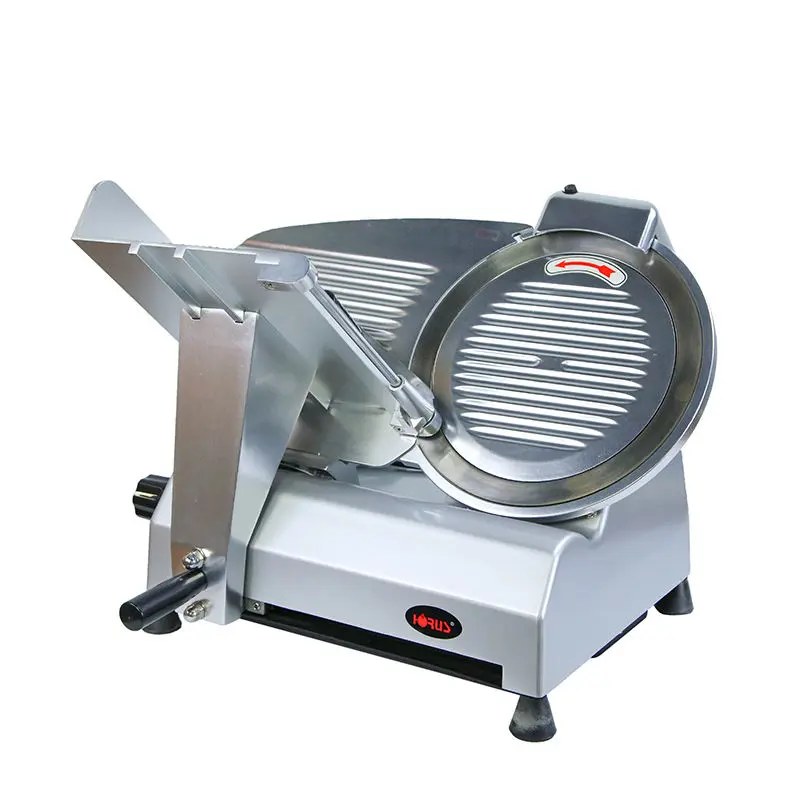

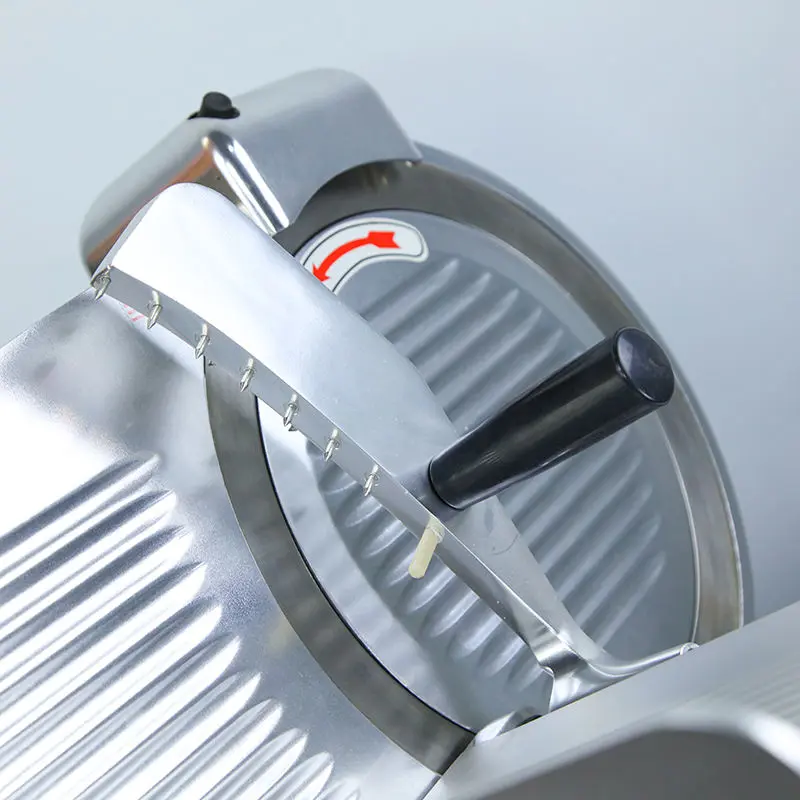
Electric Slicers
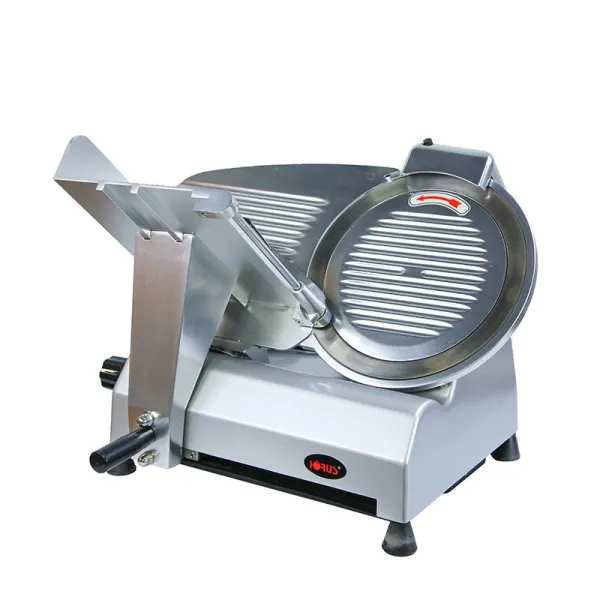
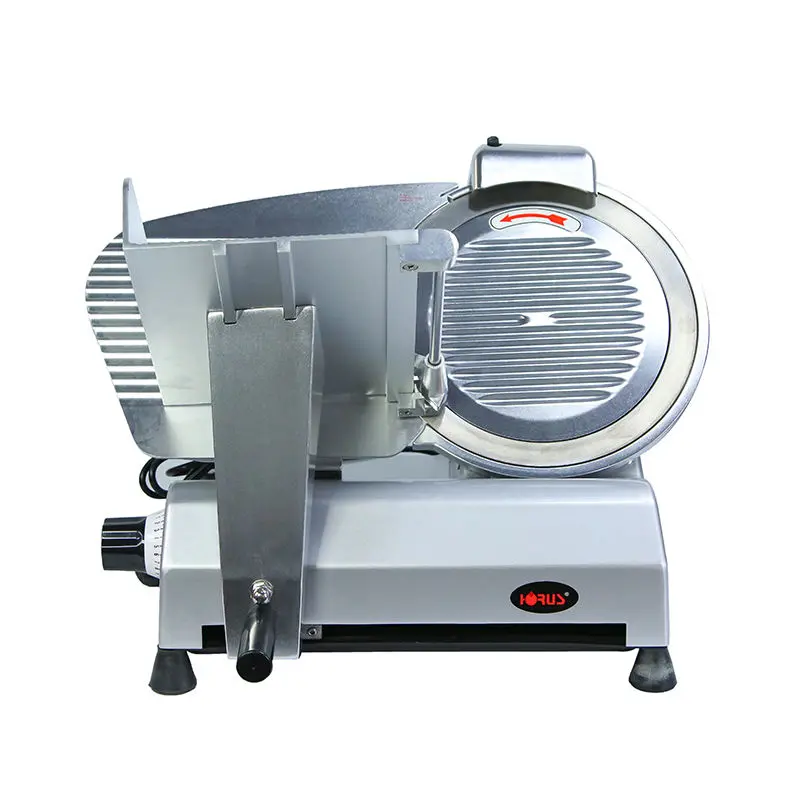
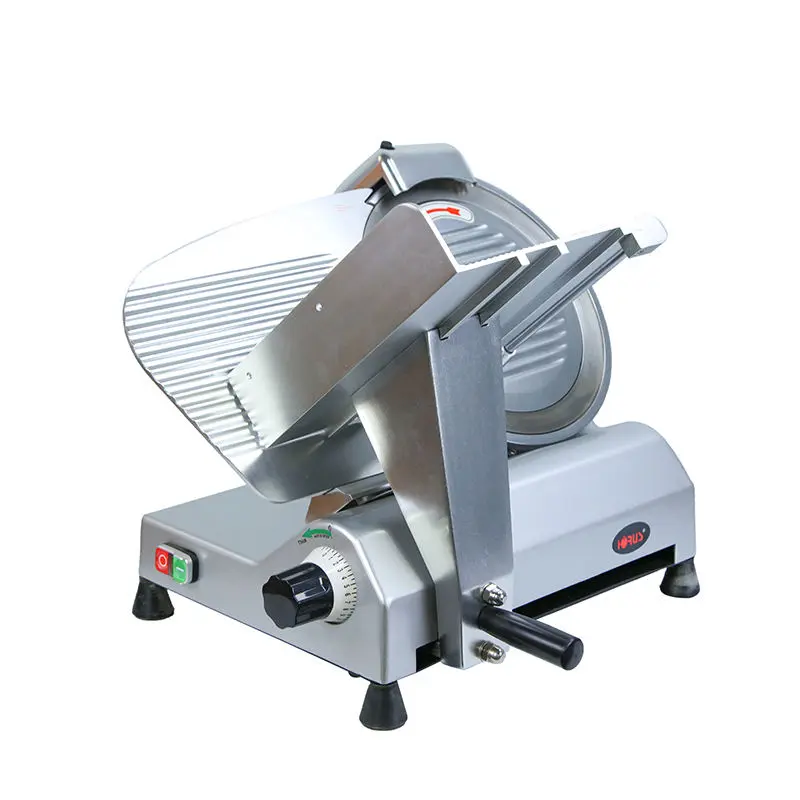
Frozen Bacon Slicer Machine Meat Cutter
The Frozen Bacon Slicer Machine is a specialized tool designed to slice frozen bacon and other meats with precision and ease. Ideal for commercial kitchens, butcher shops, delis, and food processing plants, this meat cutter ensures fast and accurate slicing, even throug...
Select a product option to continue.

Product Description
Frozen Bacon Slicer Machine – Meat Cutter
The Frozen Bacon Slicer Machine is a specialized tool designed to slice frozen bacon and other meats with precision and ease. Ideal for commercial kitchens, butcher shops, delis, and food processing plants, this meat cutter ensures fast and accurate slicing, even through frozen products. With its sharp blades, adjustable slicing settings, and durable construction, it makes meat preparation quicker and more consistent, helping you meet high-demand food production needs.
Key Features
Designed for Frozen Meat
This slicer is specifically built to handle frozen bacon and other meats. It can cut through frozen slabs with ease, making it perfect for businesses that need to slice frozen products quickly.
Precise and Clean Cuts
The machine is equipped with sharp, durable blades that produce clean, precise cuts every time. The slicer ensures uniform slices, which is important for consistent portion sizes and presentation.
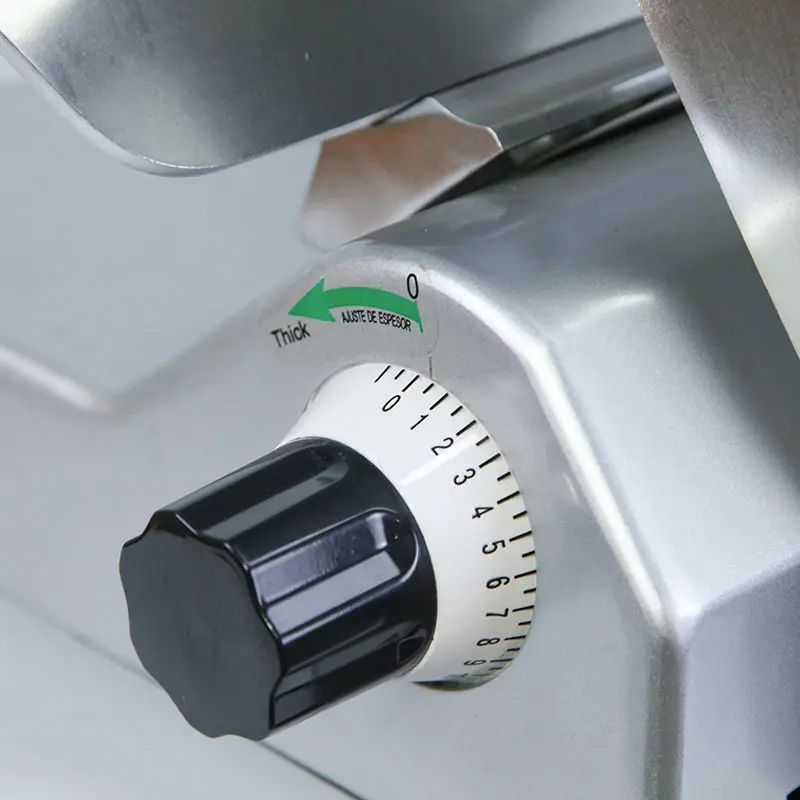
Adjustable Slice Thickness
You can easily adjust the thickness of the bacon slices based on your preference. Whether you need thin slices for sandwiches or thicker cuts for cooking, this slicer provides the flexibility you need.
Powerful Motor
The slicer features a strong motor that ensures smooth, consistent operation even when cutting through tough, frozen meats. The motor provides the power needed for high-efficiency slicing, making it ideal for busy kitchens and high-volume food processing.
Durable Construction
Built with high-quality stainless steel, the Frozen Bacon Slicer is designed for long-lasting durability. Stainless steel resists rust and corrosion, ensuring the slicer remains in good condition even with frequent use in a commercial setting.
High Capacity
This slicer is designed to handle large quantities of frozen meat. It helps save time by slicing many portions quickly, making it an excellent choice for businesses that need to process large volumes of frozen bacon and other meats.
Safety Features
Safety is a top priority with this slicer. It includes safety guards, a non-slip base, and an emergency shut-off switch to prevent accidents during operation. These features make it safe and easy to use, even in busy environments.
Easy to Use
The Frozen Bacon Slicer is easy to operate with its simple controls. Once set up, the machine requires minimal effort from the user to begin slicing, which is perfect for businesses with a fast-paced workflow.
Easy to Clean
Cleaning this slicer is simple and quick. The removable parts, such as the blade and meat tray, are easy to wash and maintain, ensuring the machine remains hygienic and ready for the next use.
Conclusion
The Frozen Bacon Slicer Machine is an essential tool for any business that needs to slice frozen bacon or other meats quickly and efficiently. With its powerful motor, adjustable slicing thickness, and durable stainless steel construction, this meat cutter ensures consistent, professional results every time. Whether you're working in a restaurant, deli, butcher shop, or food processing plant, this slicer helps you save time and effort while delivering precise, high-quality slices. Its safety features and ease of use make it a reliable and safe choice for any commercial kitchen.
Product Info Gallery


Product video
Frequently Asked Questions
What is the Frozen Bacon Slicer Machine – Meat Cutter used for?
A commercial-grade slicer designed to cut frozen bacon and other frozen meats quickly and precisely. It produces uniform slices and is intended for restaurants, delis, butcher shops and food processing environments.
Which types of meat can this machine slice?
Primarily frozen bacon and frozen slabs of pork, beef or similar boneless meats. It is not intended for cutting through bone or extremely dense, rock-hard items.
How do I adjust the slice thickness?
The machine has an adjustable thickness control—typically a dial or lever. Set the desired thickness, lock the setting if applicable, position the meat and operate the slicer. Refer to the operator manual for exact steps and maximum/minimum thickness ranges for your model.
What is the blade made of and how long will it last?
Blades are made from durable, food-grade stainless steel for corrosion resistance and consistent cutting. Blade life depends on usage and maintenance; regular cleaning, correct use, and periodic sharpening or replacement will extend service life.
How powerful is the motor and can it handle continuous commercial use?
The slicer is equipped with a robust motor designed for heavy-duty, high-volume slicing of frozen meats. It is intended for commercial use, but continuous duty depends on the specific model and recommended duty cycle—check the model specifications and follow cooling/rest guidance in the manual.
What is the slicing capacity or throughput?
Throughput varies with slice thickness, product size and operator workflow. The machine is built for high-capacity use and can process large quantities faster than manual slicing methods; consult your supplier for performance estimates for your product and setup.
What safety features are included?
Common safety features include blade guards, a non-slip base, meat-holding fixtures, and an emergency shut-off switch. Always use provided guards, follow safe operating procedures and ensure operators are trained.
How do I clean and sanitize the slicer?
Disconnect power before cleaning. Remove removable parts (blade cover, tray, meat pusher) and wash with warm, soapy water, then sanitize per your facility's food-safety protocol. Wipe down stainless surfaces and dry thoroughly. Follow the manufacturer's cleaning instructions for safe blade removal and reassembly.
How should I maintain and sharpen or replace the blade?
Inspect blades regularly for nicks and dulling. Sharpen according to the manufacturer's recommended interval or replace when sharpening is no longer effective. Use only approved replacement blades and follow the manual for safe removal and installation.
What are the electrical and installation requirements?
Requirements depend on the model—commercial units may require specific voltages, dedicated circuits and grounded outlets. Install on a stable, level surface with adequate ventilation. Always verify the model's electrical rating on the specification plate and have a qualified electrician perform electrical setup if needed.
Is the slicer suitable for use with partially thawed or refrigerated meat?
Yes — the slicer can often handle partially thawed or refrigerated meat, but performance and slice quality are best when the product is at the recommended frozen firmness described in the manual. Avoid slicing overly soft meat as it may compress rather than slice cleanly.
Can the machine slice cured or smoked bacon?
Yes, it can slice cured or smoked bacon provided the product is within an appropriate hardness range. Extremely dense or overly dry cured items may require different blade settings or may not slice as cleanly.
What certifications and warranties are available?
Certifications (such as NSF, CE or local food-safety approvals) and warranty terms vary by model and supplier. Request certificate and warranty information from your vendor before purchase to ensure the machine meets regulatory and service expectations.
What are common troubleshooting tips if the slicer isn’t cutting properly?
If slices are uneven or dull: check blade sharpness, cleanliness and proper tension. If the motor stalls or slows: make sure meat isn't too hard, avoid overloading, and check electrical supply. For vibration or unusual noise: ensure the unit is on a level surface and all fasteners are tight. Always unplug before inspection or service.
How should I store the slicer when not in use?
Clean and dry all parts, protect or cover the blade, and store in a dry, temperature-stable area. Disconnect power and keep removable parts together to avoid damage or loss. Follow any manufacturer storage recommendations for long-term downtime.
Technical Specifications
No approved technical specifications are available yet. Please refer to the product description or contact our team.
Related Products

Latest Order Arrivals
Discover our latest orders

12 Heads Embroidery Machine

Toilet Paper Machine Machine

Order Collection

Cross Border Clients

Order cros border countries Collected

Industrial Machine Cllection

Agriculture Processing Machines

Ready for collection

Water Pump Equipment

Packaging Machine and accessories

Fabrics Manufacturing Equipment

Mining Equipments

Food Processing Machine

Batch of Orders

Batch of Orders

Latest Orders Labelled

wheel alignment machines

new arrivals

Pre Orders Offloading

Latest Arrivals

Latest Arrivals

Latest Arrivals

Loading

Toilet paper making machine

Toilet paper making machine

Toilet paper Rewinding Machine

latest arrivals

offloading

order success

order collection

order offloading