B21, China Town Mall, Midrand

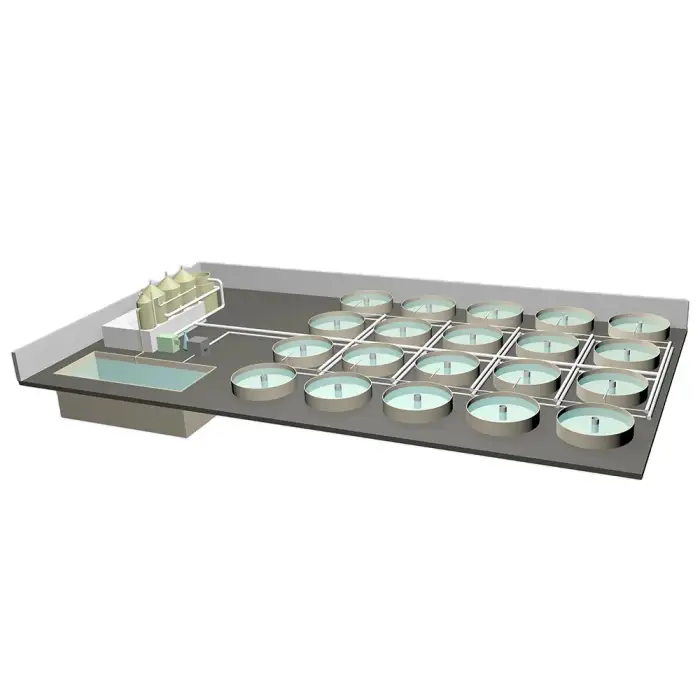
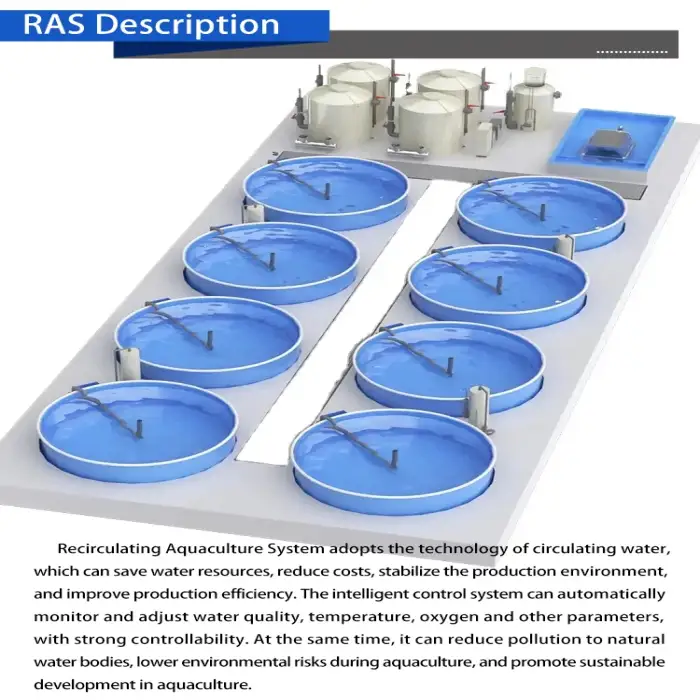
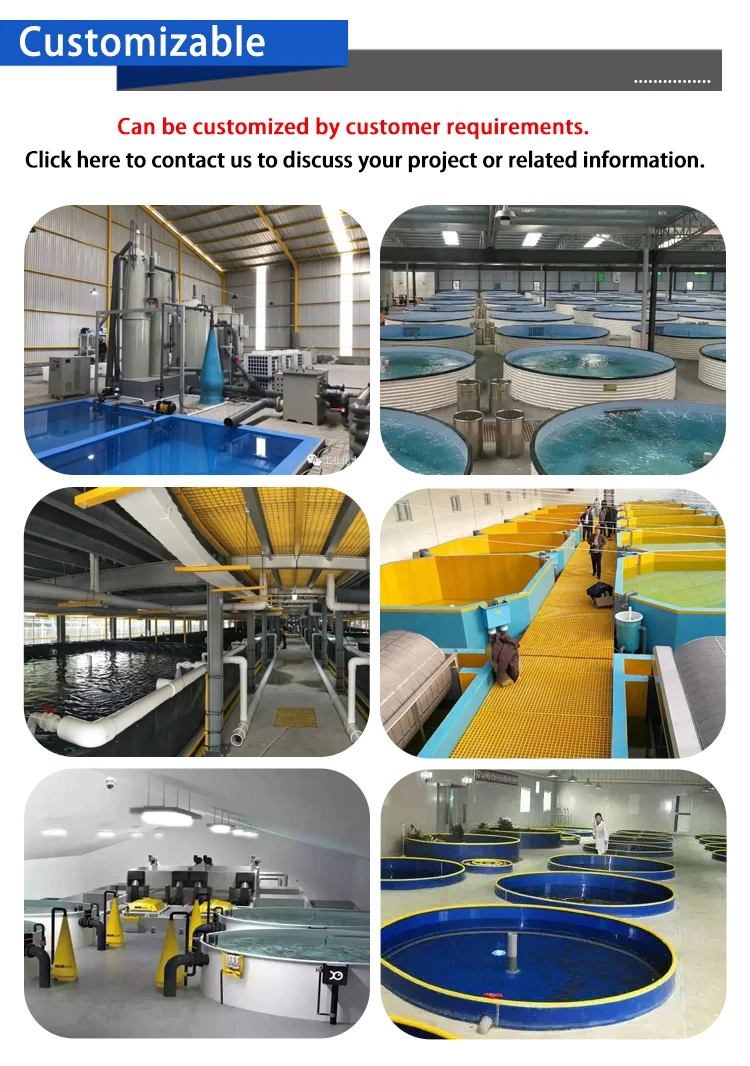
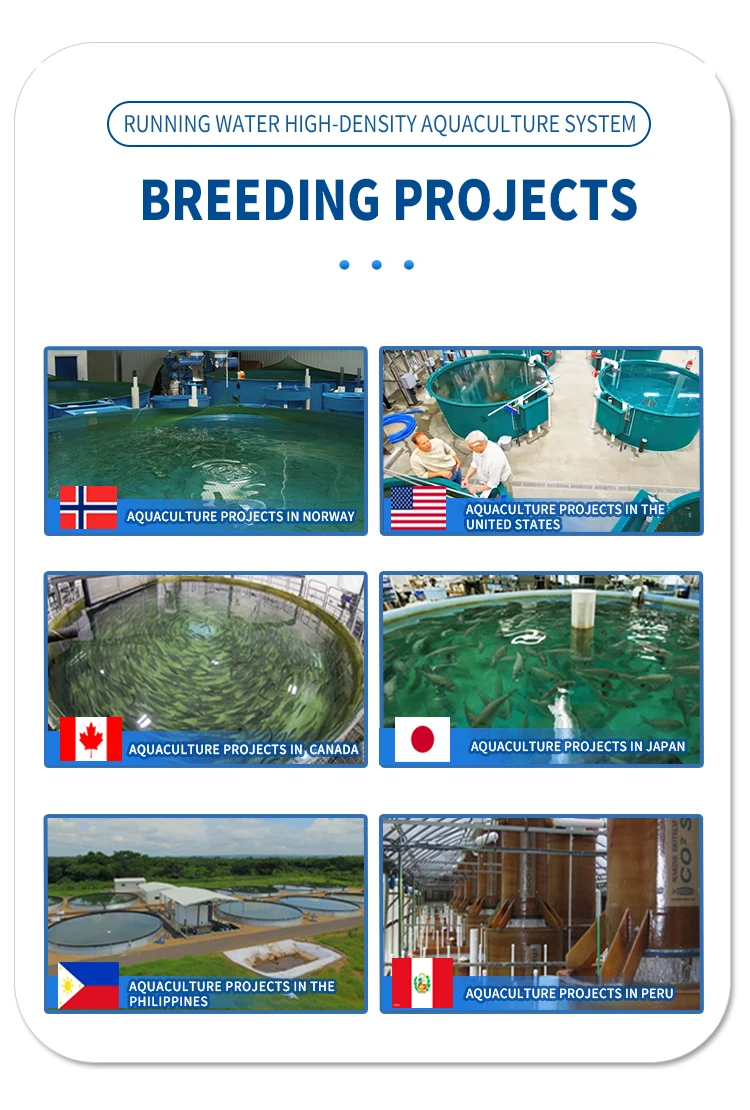
Fish farming equipment aquaculture ras system for tilapia fish grow Circulating water filtration

- Section : Machinery
- Category : Agriculture Machinery
- SKU : 1600902112455

Hot selling koi fish pond in Britain and Europe Personal household necessities Plastic fish pond


| Model | Water flowrate | Water volume | Power consumption | Space required | Diameter | Production |
| RAS200 | 200m³ | 100-300m³ | 17-35kw | 200-400m³ | 5 | 35000kg/cycle |
| RAS300 | 300m³ | 150-450m³ | 25-50kw | 250-700m³ | 6 | 45000kg/cycle |
| RAS500 | 500m³ | 250-750m³ | 40-80kw | 400-1100m³ | 7 | 75000kg/cycle |
| RAS800 | 800m³ | 400-1200m³ | 60-120kw | 700-2000m³ | 8 | 120000kg/cycle |


- Shipping Timeframes: All orders are processed within 2-5 business days (excluding weekends and holidays). After your order has been processed, the estimated delivery time is before 06 Oct, 2026, depending on customs, Please note that due to high demand, some items may experience longer shipping times, which will be communicated at order confirmation email.
- Order Processing Time: Please allow 2-5 business days for us to process your order before it is shipped . Orders placed after 16:00 on Fridays, or during weekends and public holidays, will begin processing on the next business day. Processing times may be extended during peak seasons or sales events.
- Manufacturing Time: Some products needs manufacturing time, the manufacturing process will take approximately 10-30 business days depending on the product. This timeframe may vary depending on the complexity of the product and current demand. but this will be communicated with you during order confirmation.
- Returns and Exchanges: We offer a 30-day return policy for most items. If you are not completely satisfied with your purchase, you may return it within 30 days of receipt for a refund or exchange. Items must be unused, in their original packaging, and accompanied by proof of purchase. Return shipping costs are the responsibility of the customer, unless the item was damaged or defective upon arrival.
1. What is a RAS system?
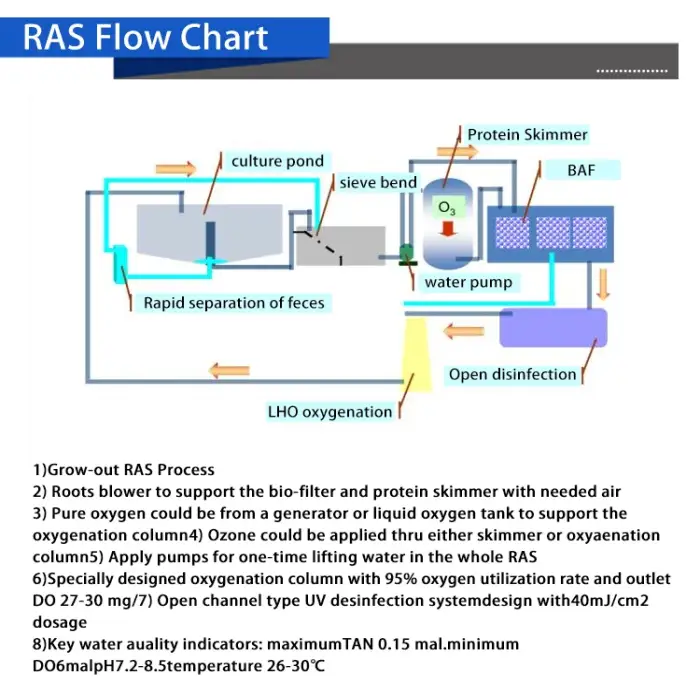
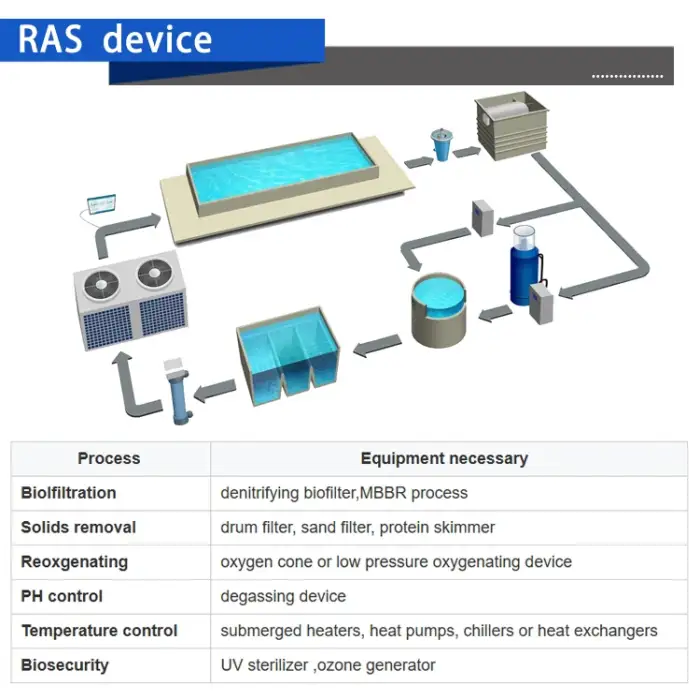
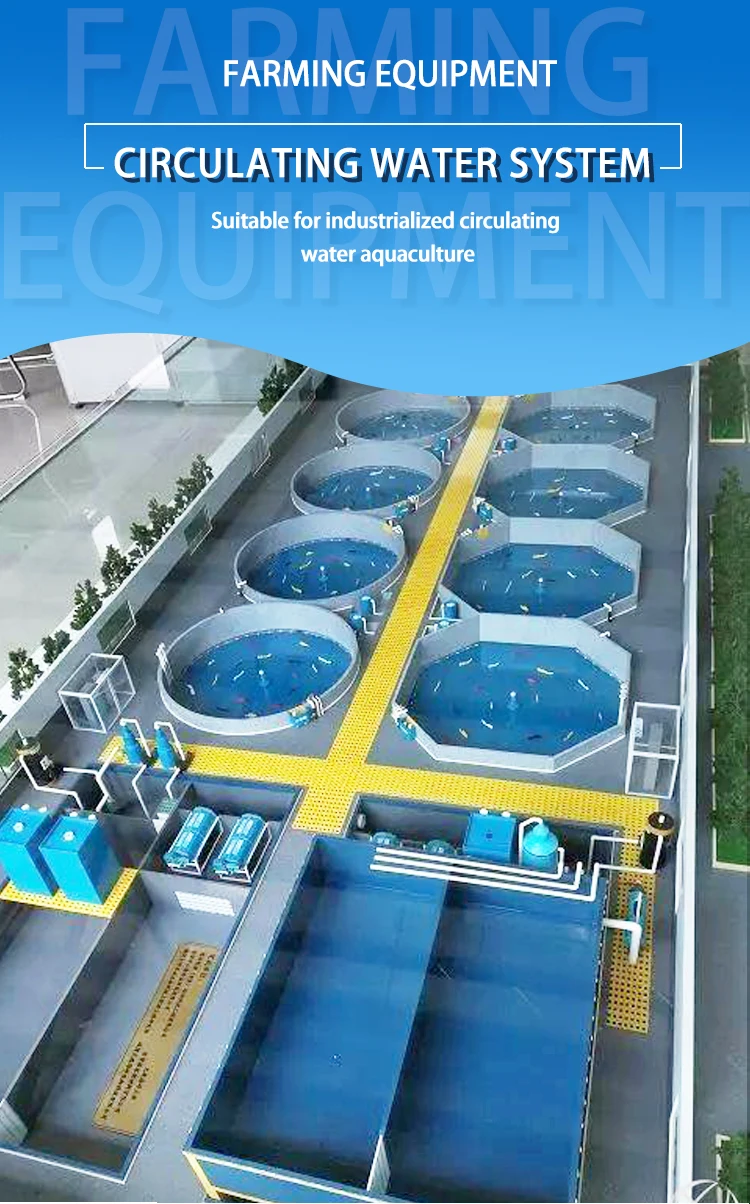
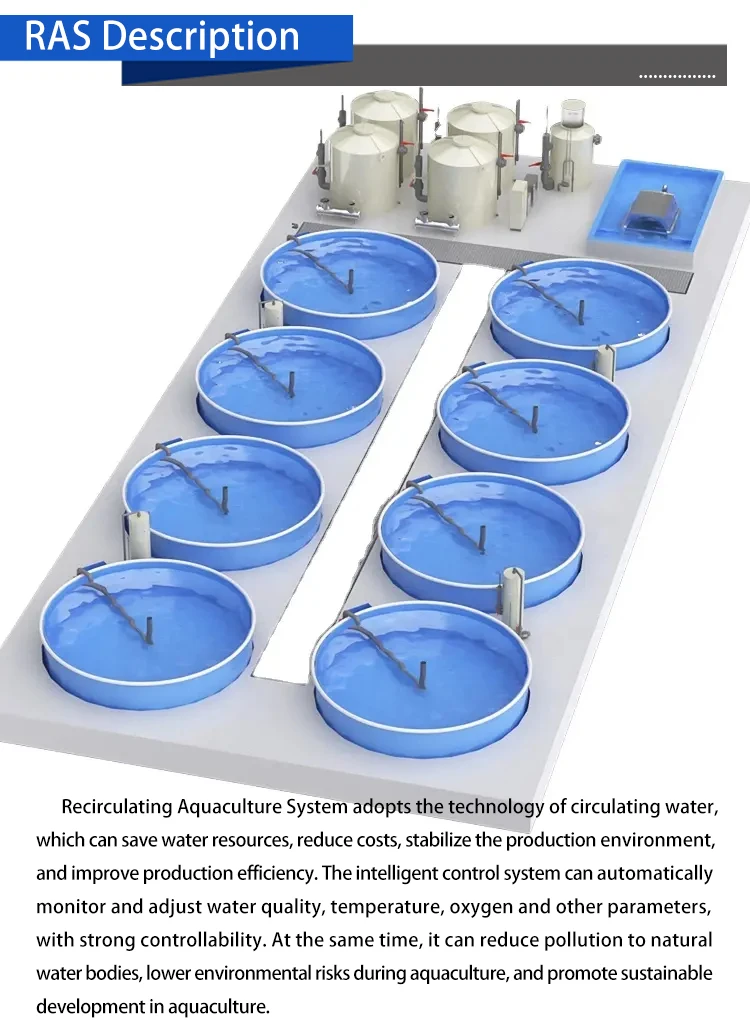
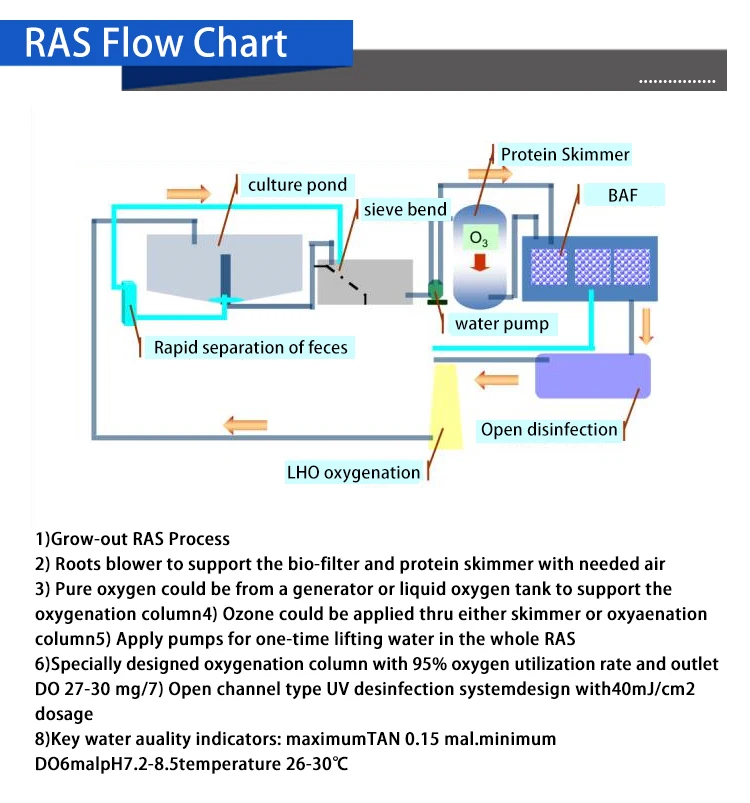
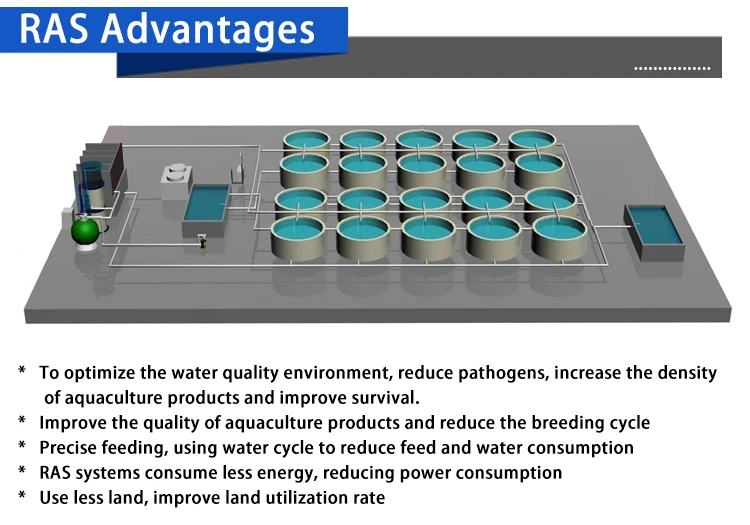
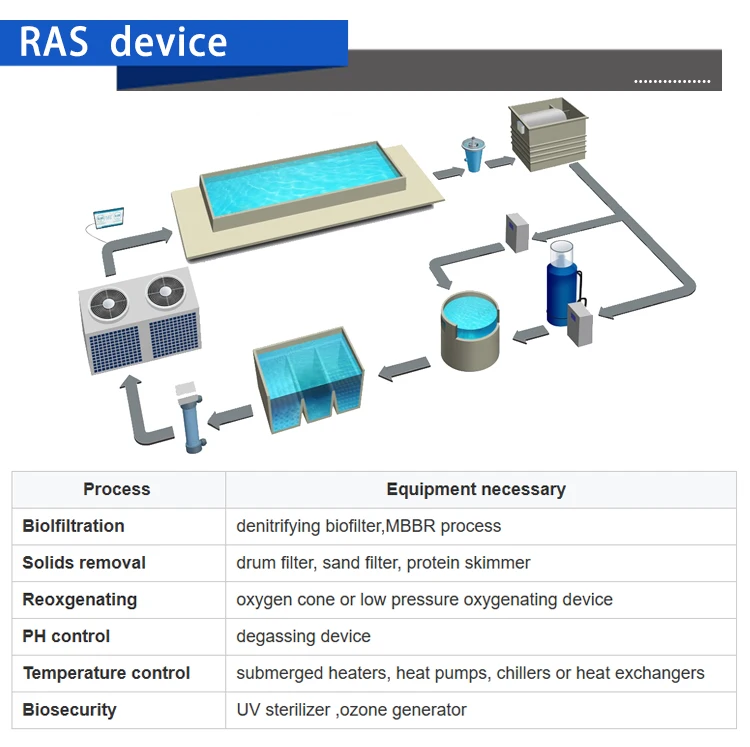
A RAS (Recirculating Aquaculture System) is a type of fish farming system that recycles water through filtration and treatment processes, allowing for sustainable fish production.
2. What types of fish can be raised in this system?
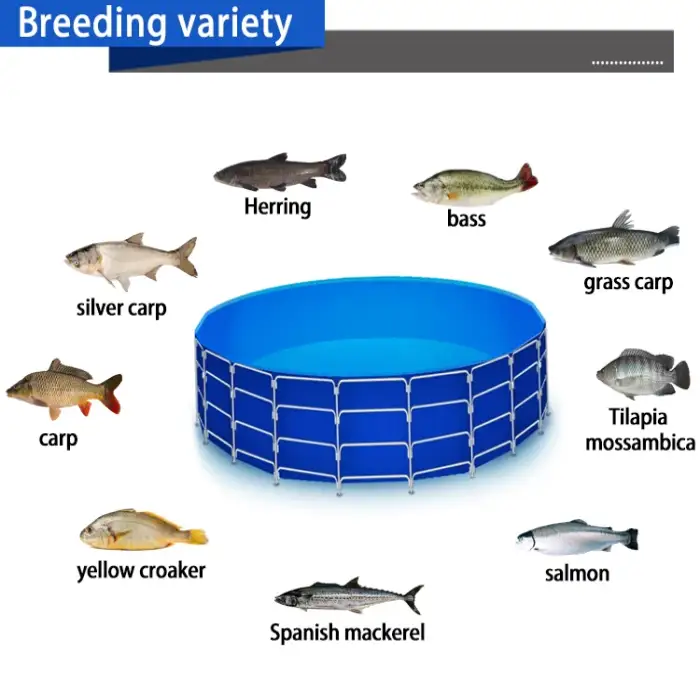
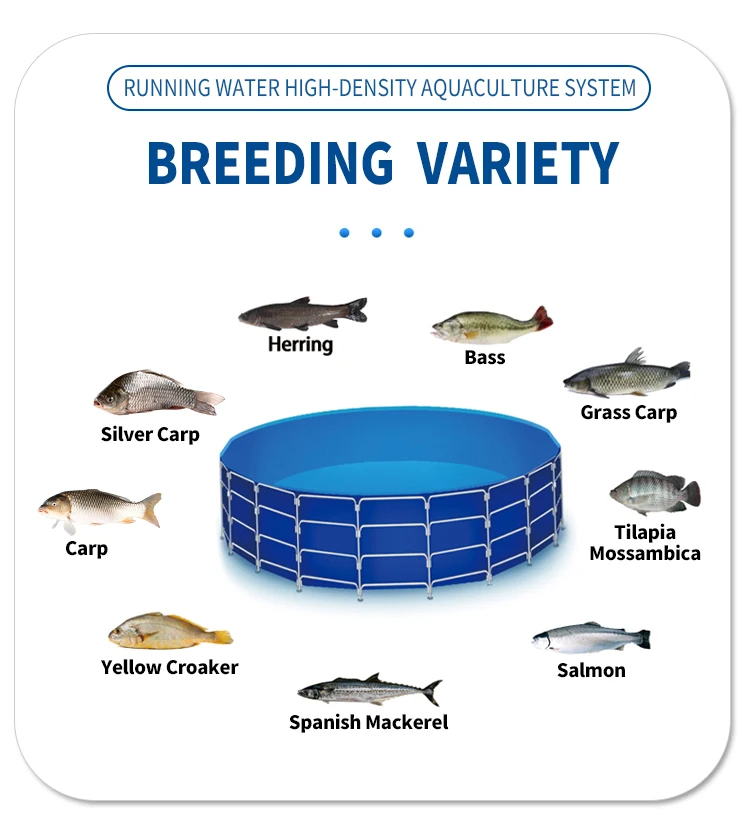
The RAS system is specifically designed for tilapia fish, but it can also be adapted for other species depending on the setup and filtration methods used.
3. What are the power requirements for the different models?
Power consumption varies by model: RAS200 uses 17-35 kW, RAS300 uses 25-50 kW, RAS500 uses 40-80 kW, and RAS800 uses 60-120 kW.
4. How much water can each model hold?
The water volumes for each model are as follows: RAS200 holds 100-300 m³, RAS300 holds 150-450 m³, RAS500 holds 250-750 m³, and RAS800 holds 400-1200 m³.
5. What is the space requirement for each model?
The space required varies by model: RAS200 needs 200-400 m², RAS300 requires 250-700 m², RAS500 needs 400-1100 m², and RAS800 requires 700-2000 m².
6. What is the production capacity of each RAS model?
The production capacity is 5000 kg/cycle for RAS200, RAS300, and RAS500, while RAS800 has a higher capacity of 12000 kg/cycle.
7. Is this equipment suitable for beginners in aquaculture?
Yes, the RAS system can be suitable for beginners, but it's important to familiarize yourself with aquaculture practices and system maintenance.
8. What is the lifespan of the filtration system?
The lifespan of the filtration system can vary based on usage and maintenance, but with proper care, it can last several years.
9. Can I use this system for other types of fish?
While primarily designed for tilapia, the RAS can be modified to accommodate other fish species, provided their specific needs are met.
10. How often do I need to change the water in the RAS?
In a well-maintained RAS, water changes are minimal as the system recycles water, but routine monitoring and occasional partial water changes are recommended.
11. What materials are the ponds made from?
The ponds are made from durable plastic, designed to withstand outdoor conditions and provide a safe environment for fish.
12. Is there any training available for using the RAS system?
Yes, many suppliers offer training or resources on how to operate and maintain RAS systems effectively.
13. What is the warranty period for this equipment?
Warranty periods can vary by manufacturer, so it's best to check with the supplier for specific warranty details.
14. Can the RAS system be automated?
Yes, the RAS system can be equipped with automated monitoring and control systems to optimize water quality and fish health.
15. What are the benefits of using a RAS for fish farming?
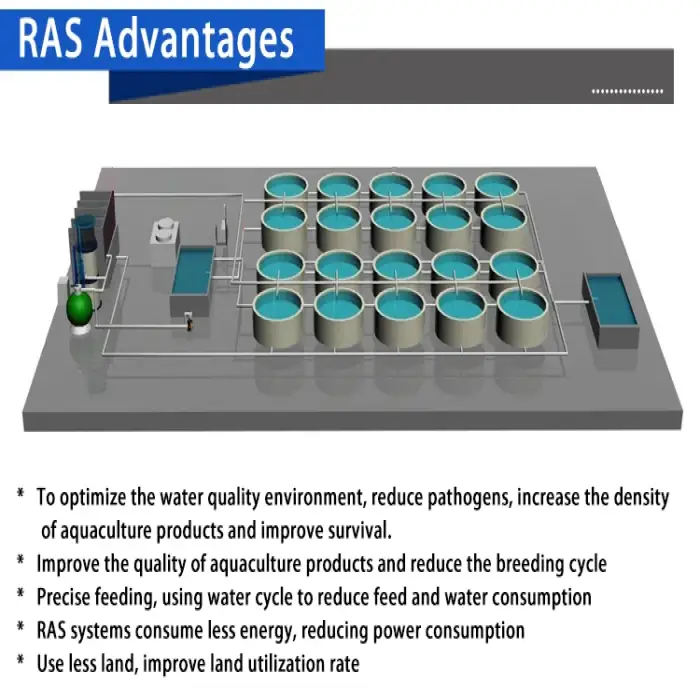
Benefits of RAS include efficient water use, reduced environmental impact, improved fish growth rates, and the ability to farm fish in urban or limited spaces.
Latest Order Arrivals
Discover our latest orders
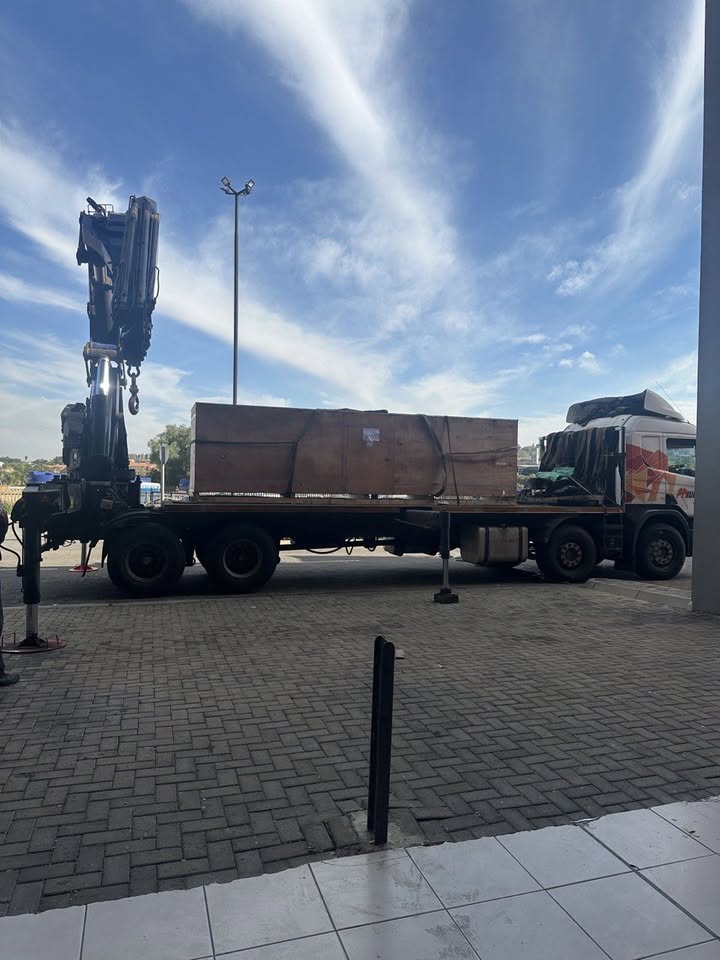
12 Heads Embroidery Machine
Toilet Paper Machine Machine
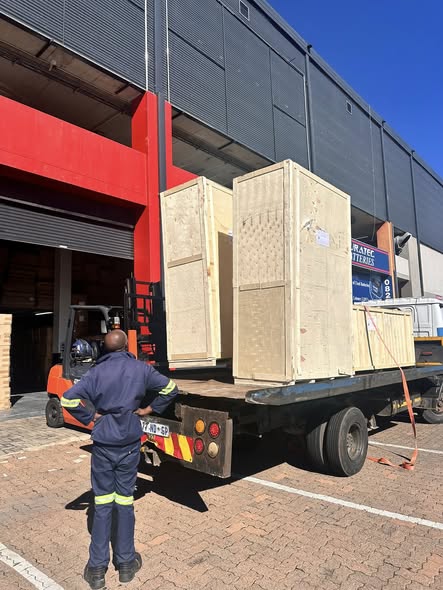
Order Collection
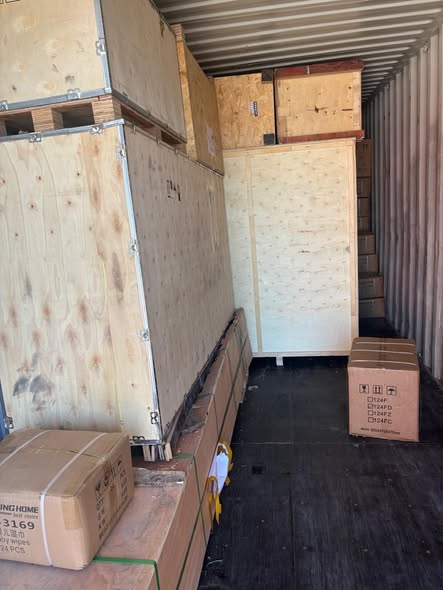
Cross Border Clients
Order cros border countries Collected
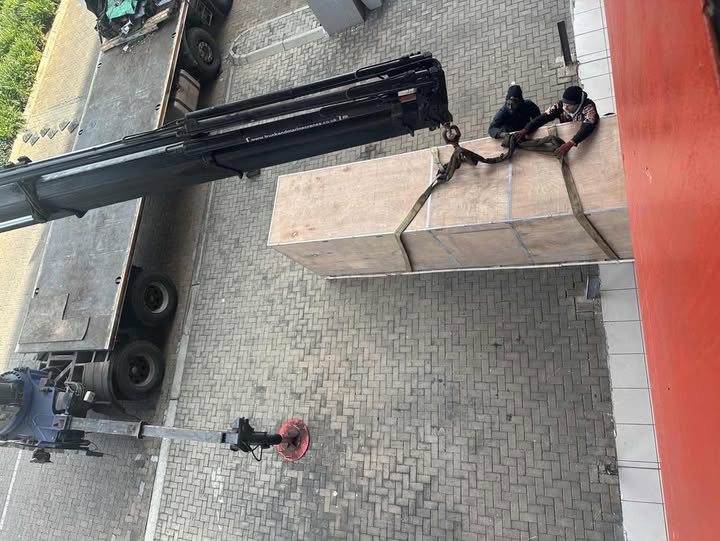
Industrial Machine Cllection
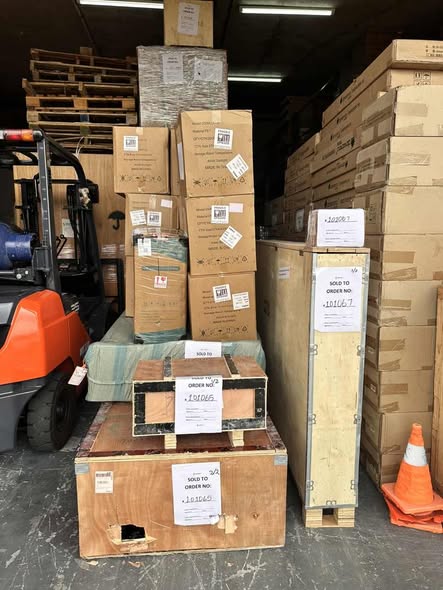
Agriculture Processing Machines
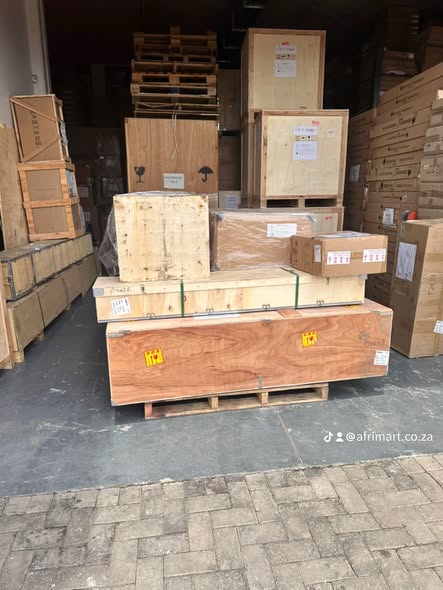
Ready for collection
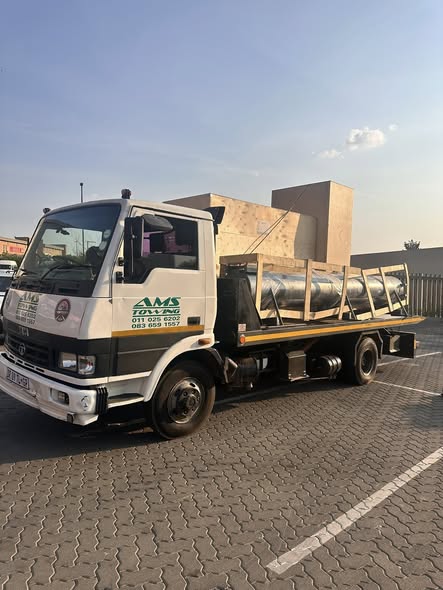
Water Pump Equipment
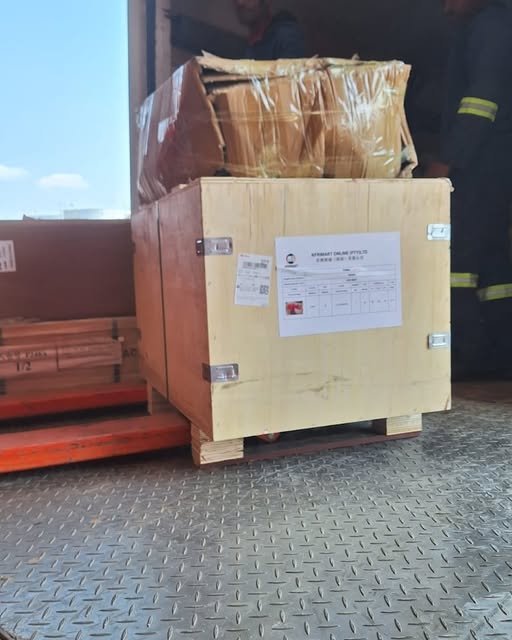
Packaging Machine and accessories
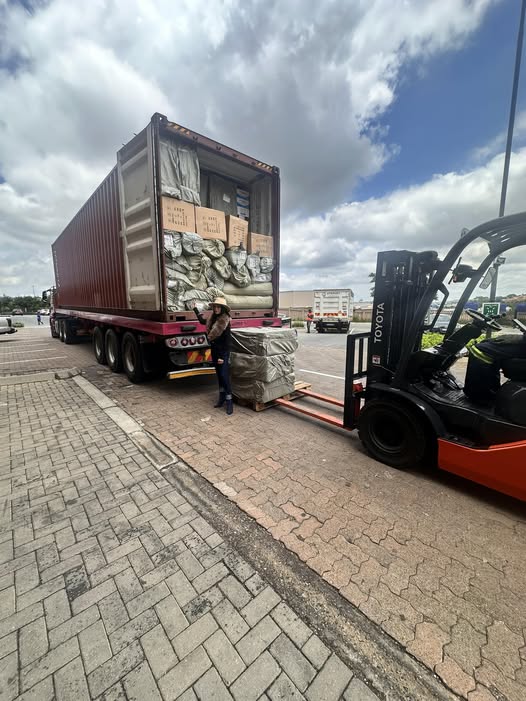
Fabrics Manufacturing Equipment
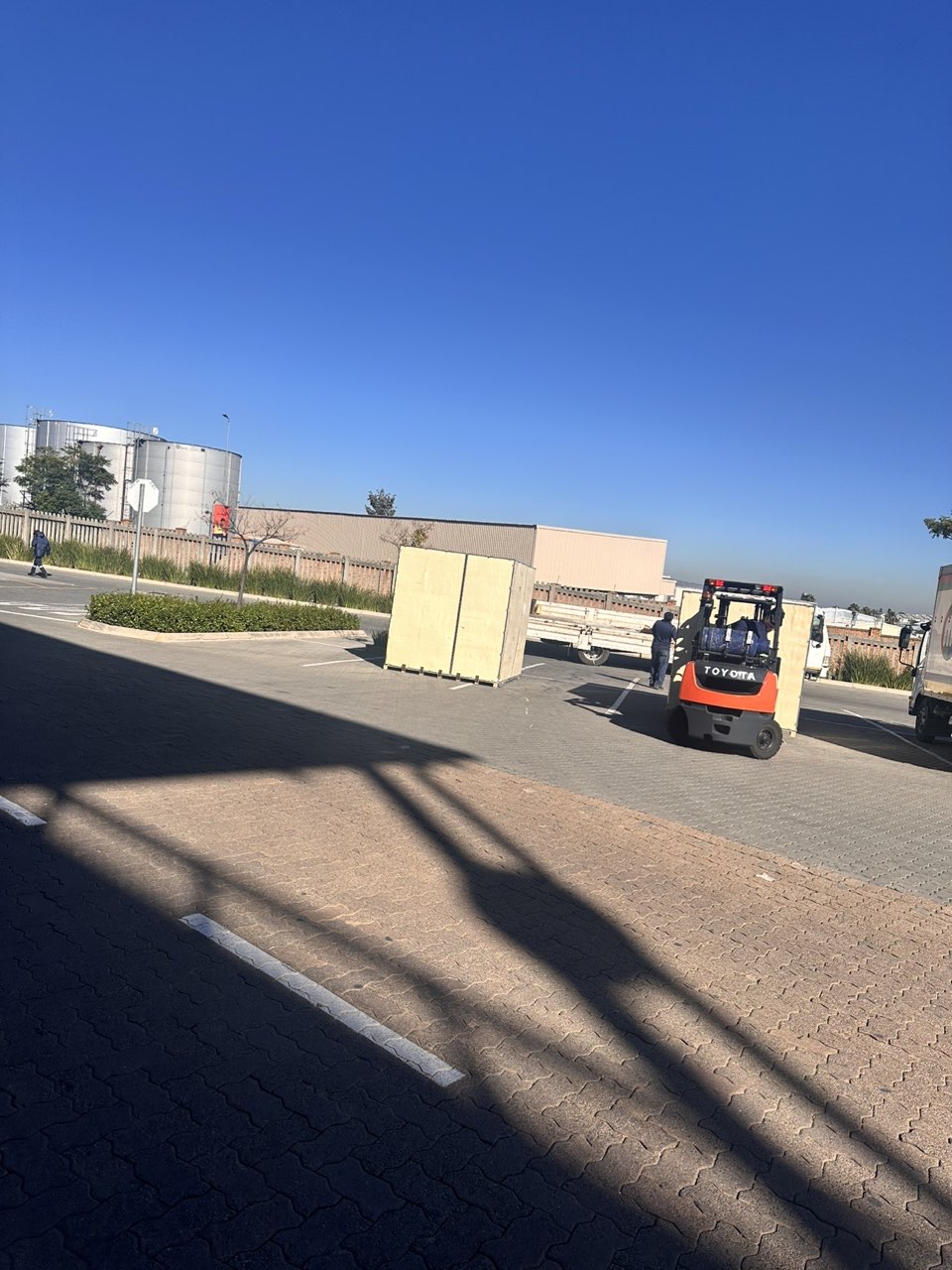
Mining Equipments
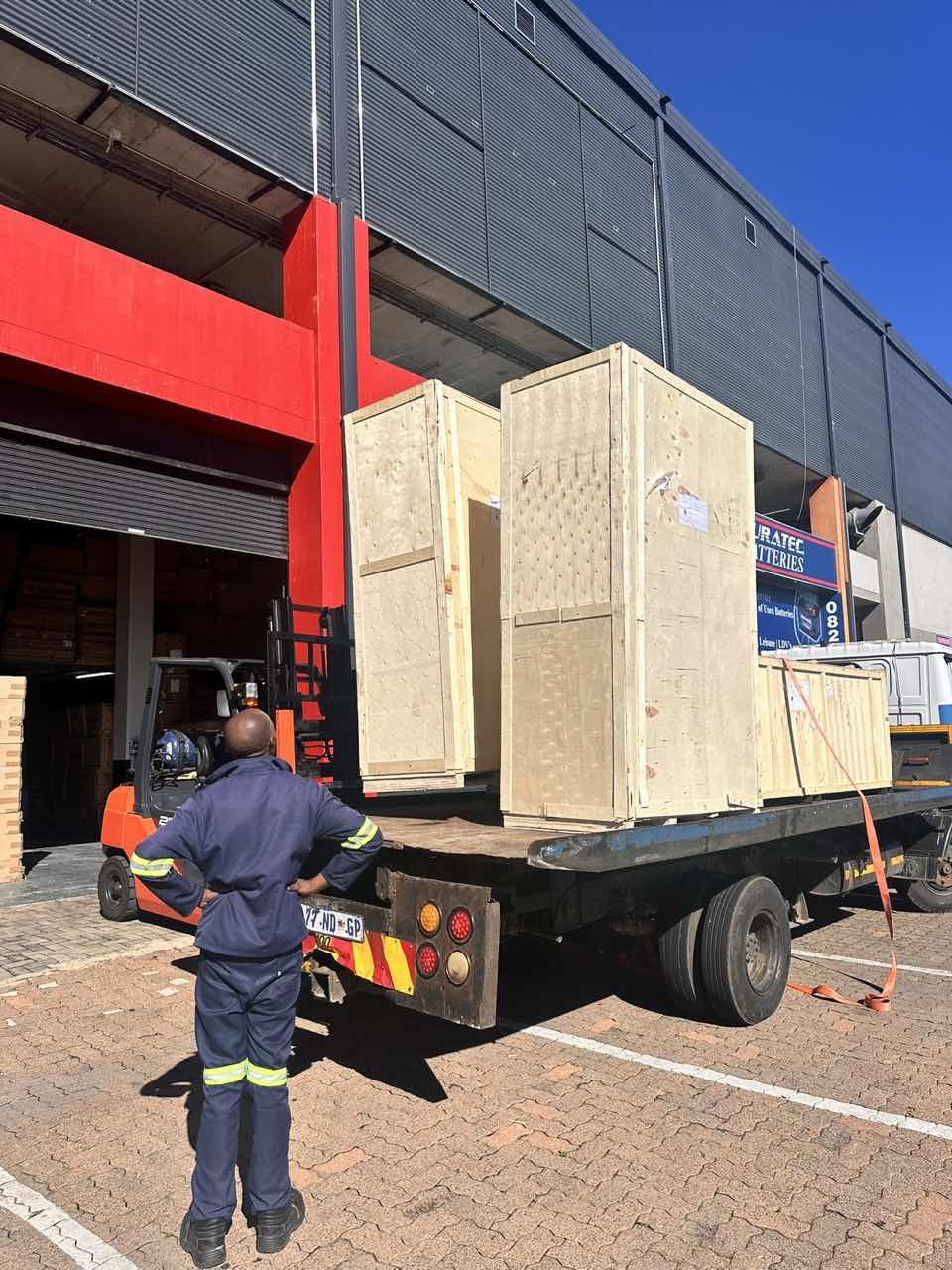
Food Processing Machine
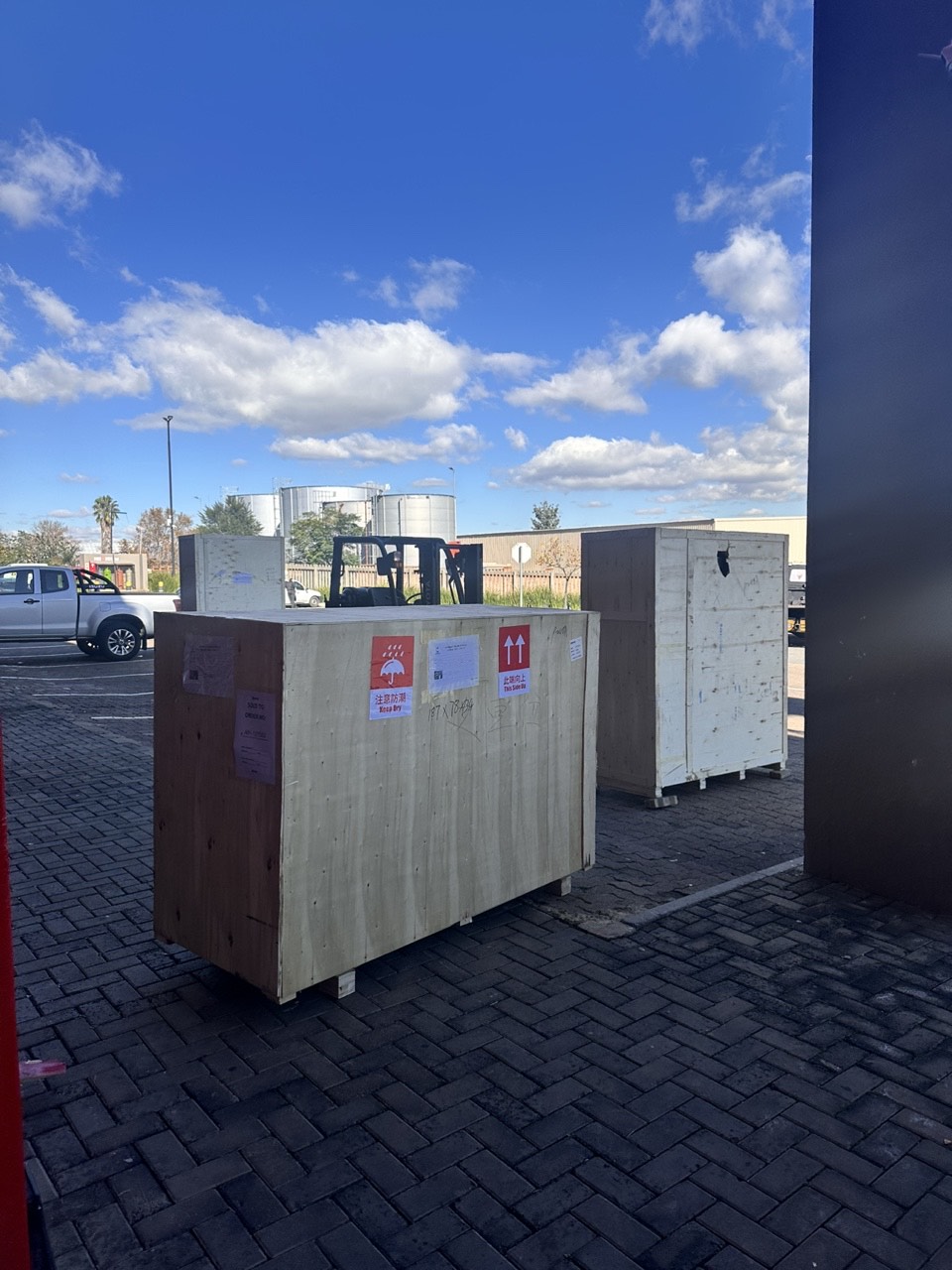
Batch of Orders
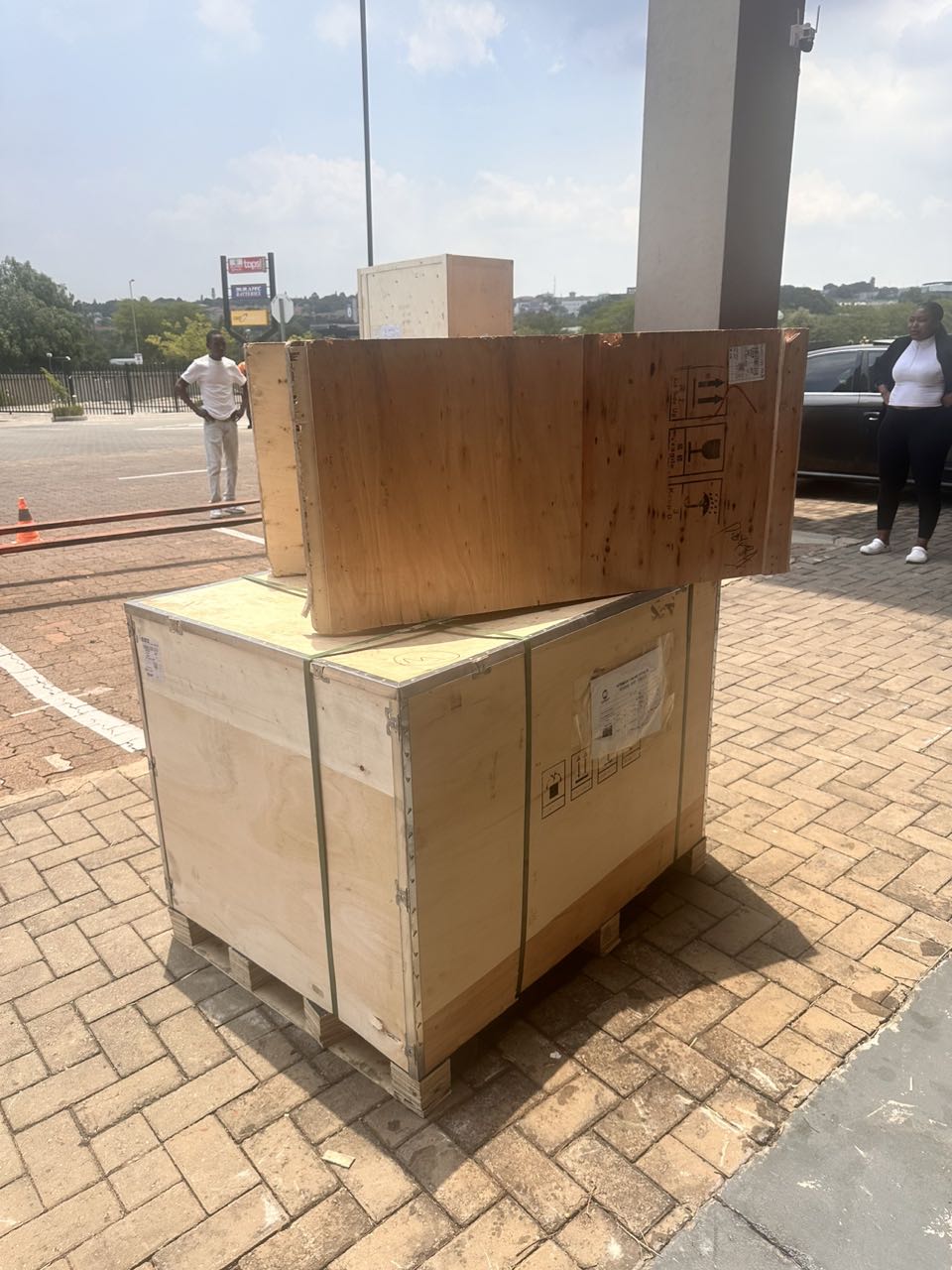
Batch of Orders
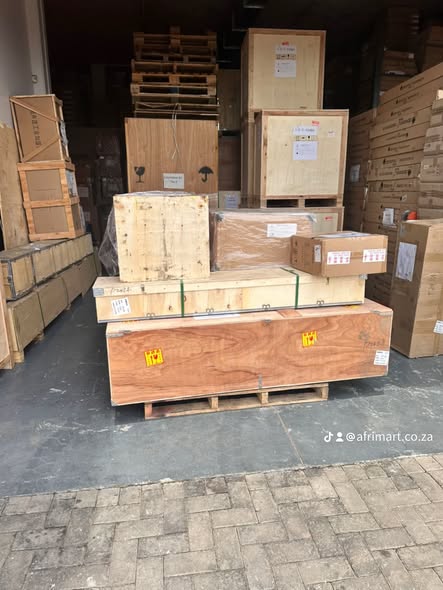
Latest Orders Labelled
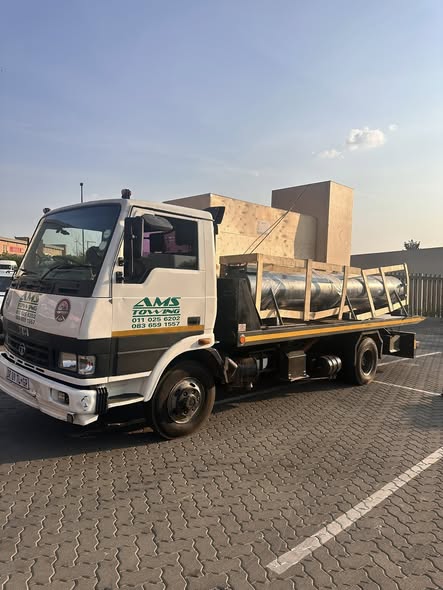
wheel alignment machines
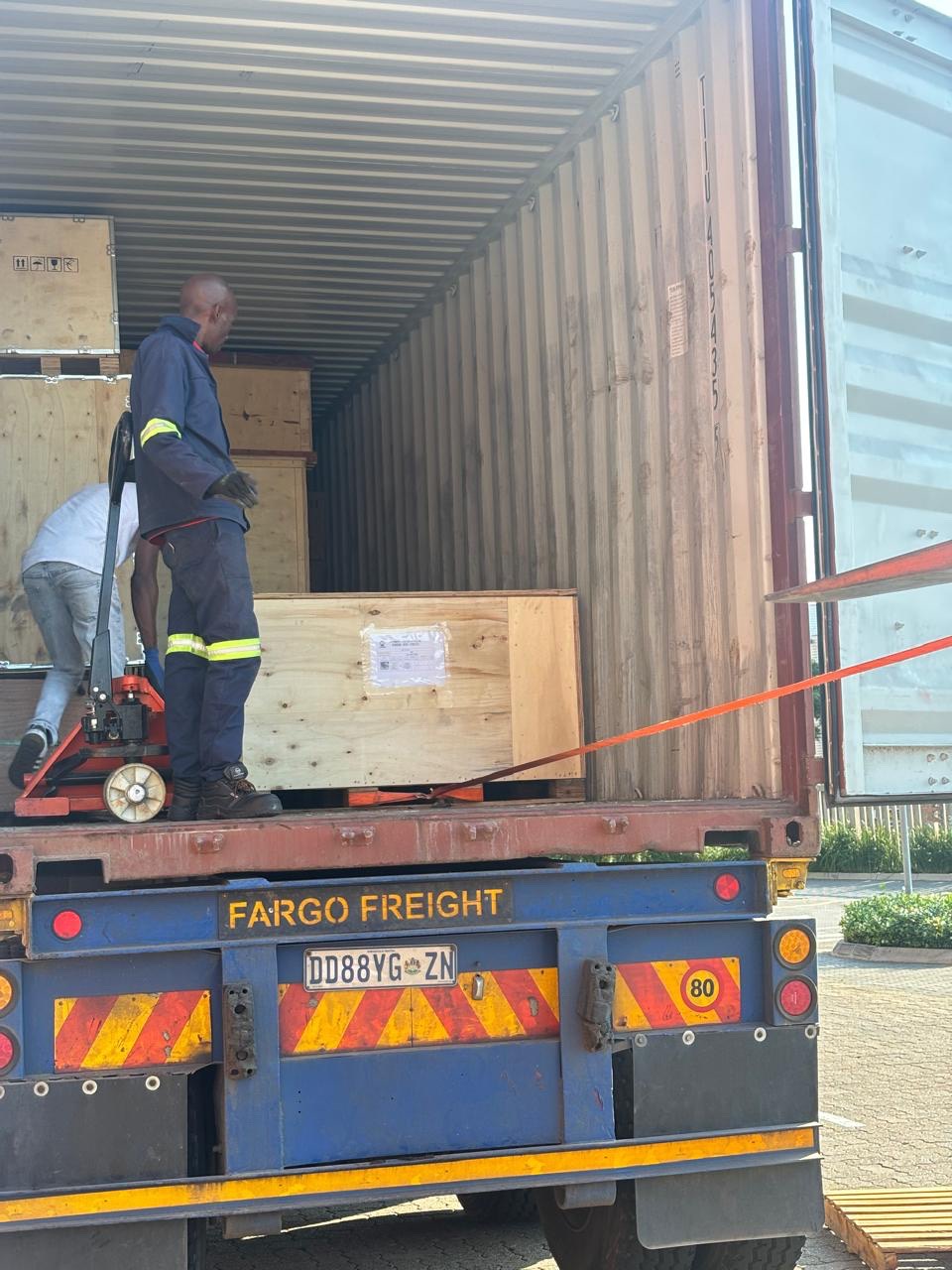
new arrivals
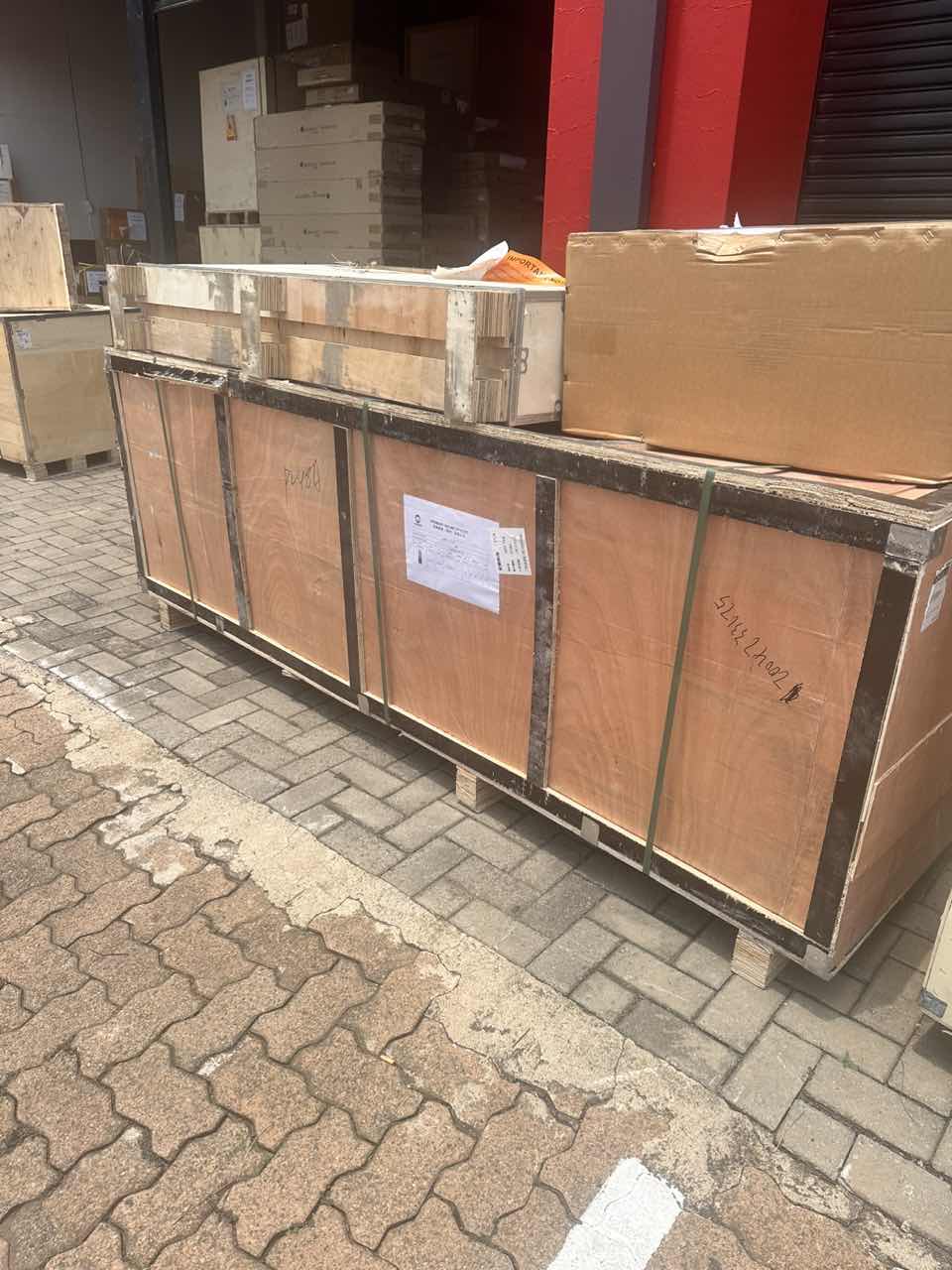
Pre Orders Offloading
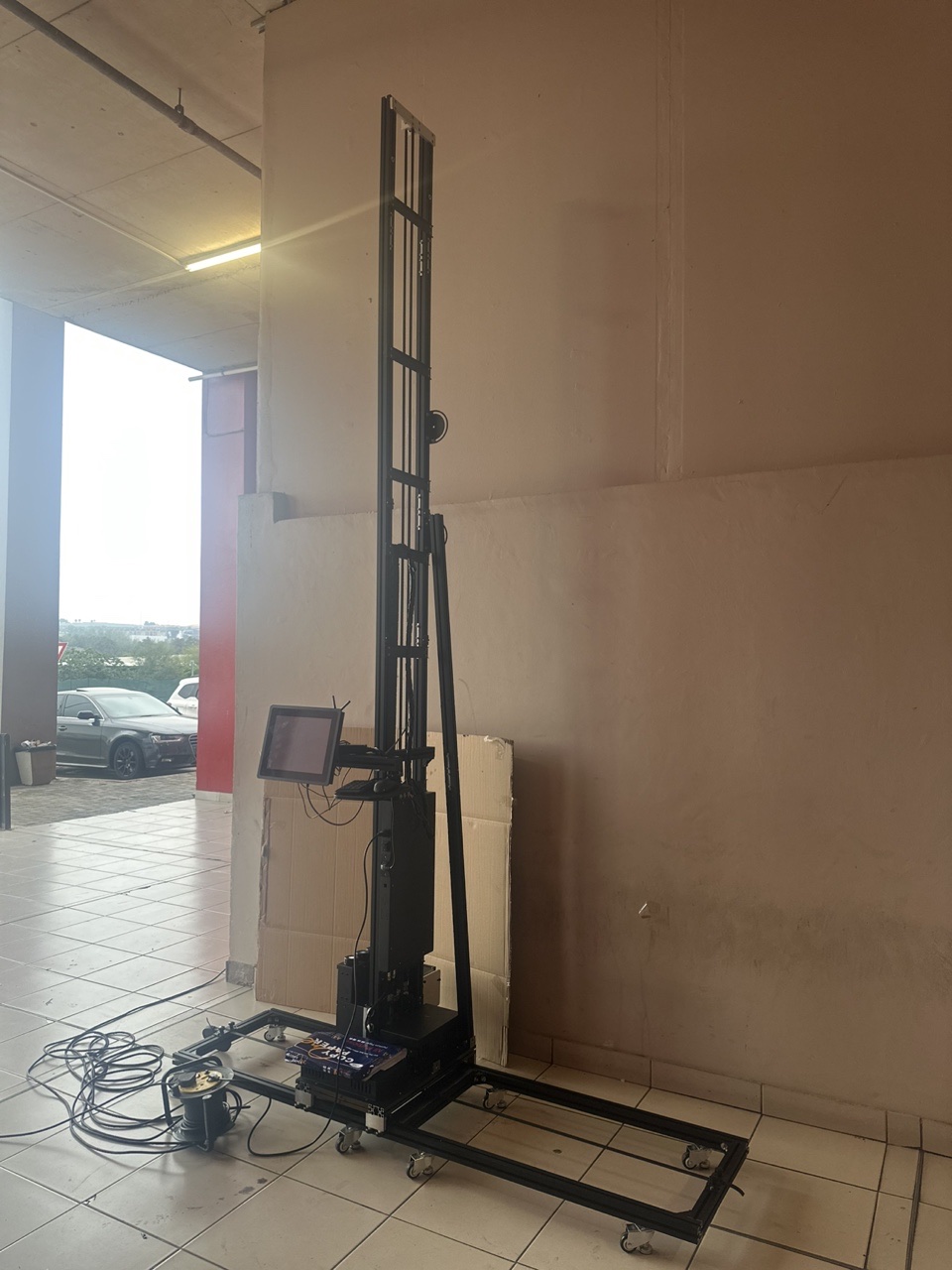
Latest Arrivals
Latest Arrivals
Latest Arrivals
Loading
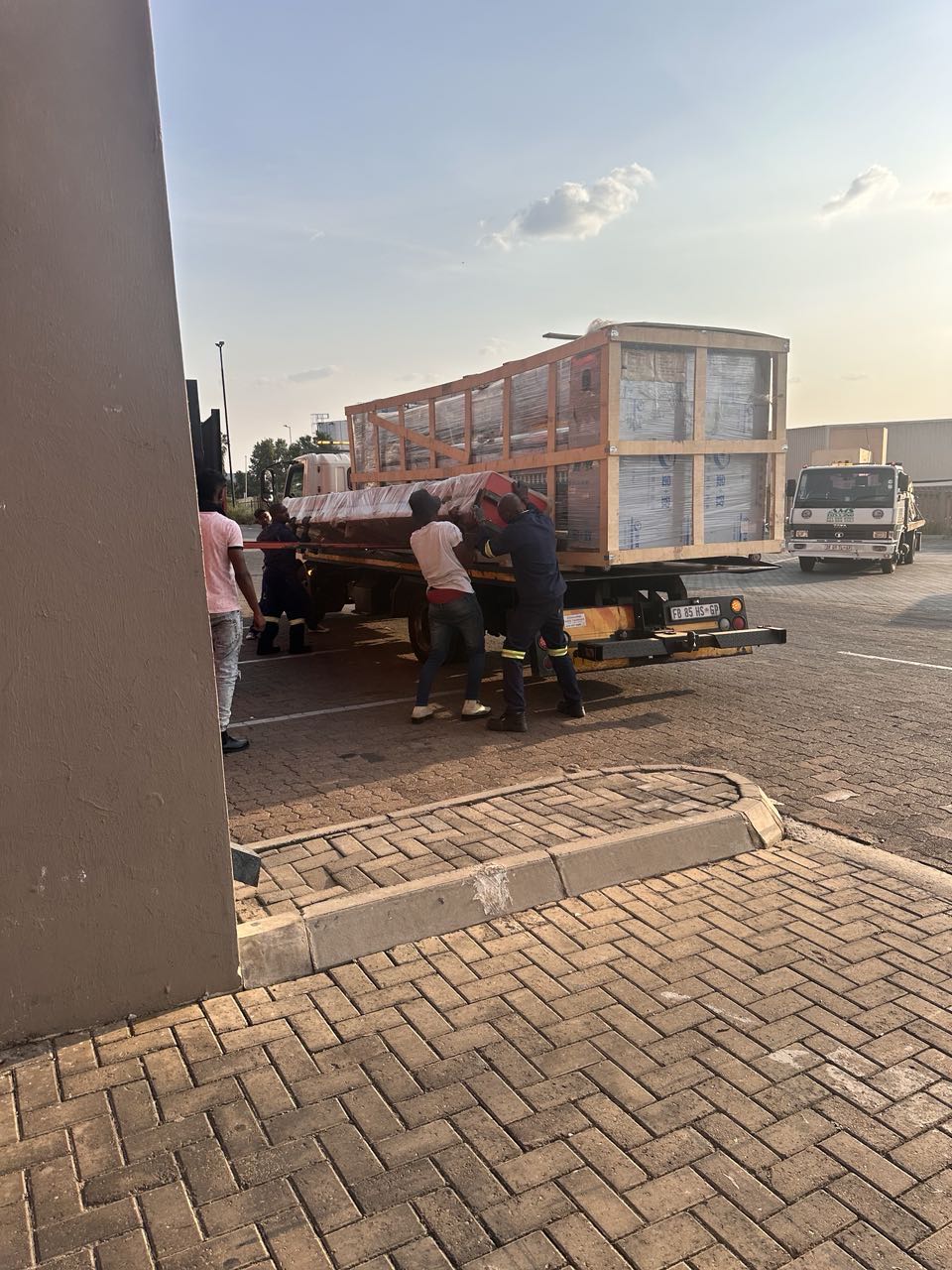
Toilet paper making machine
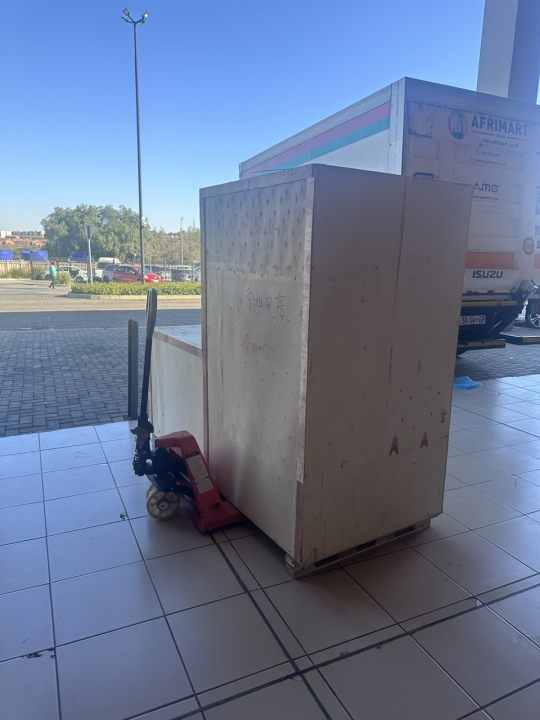
Toilet paper making machine
Toilet paper Rewinding Machine
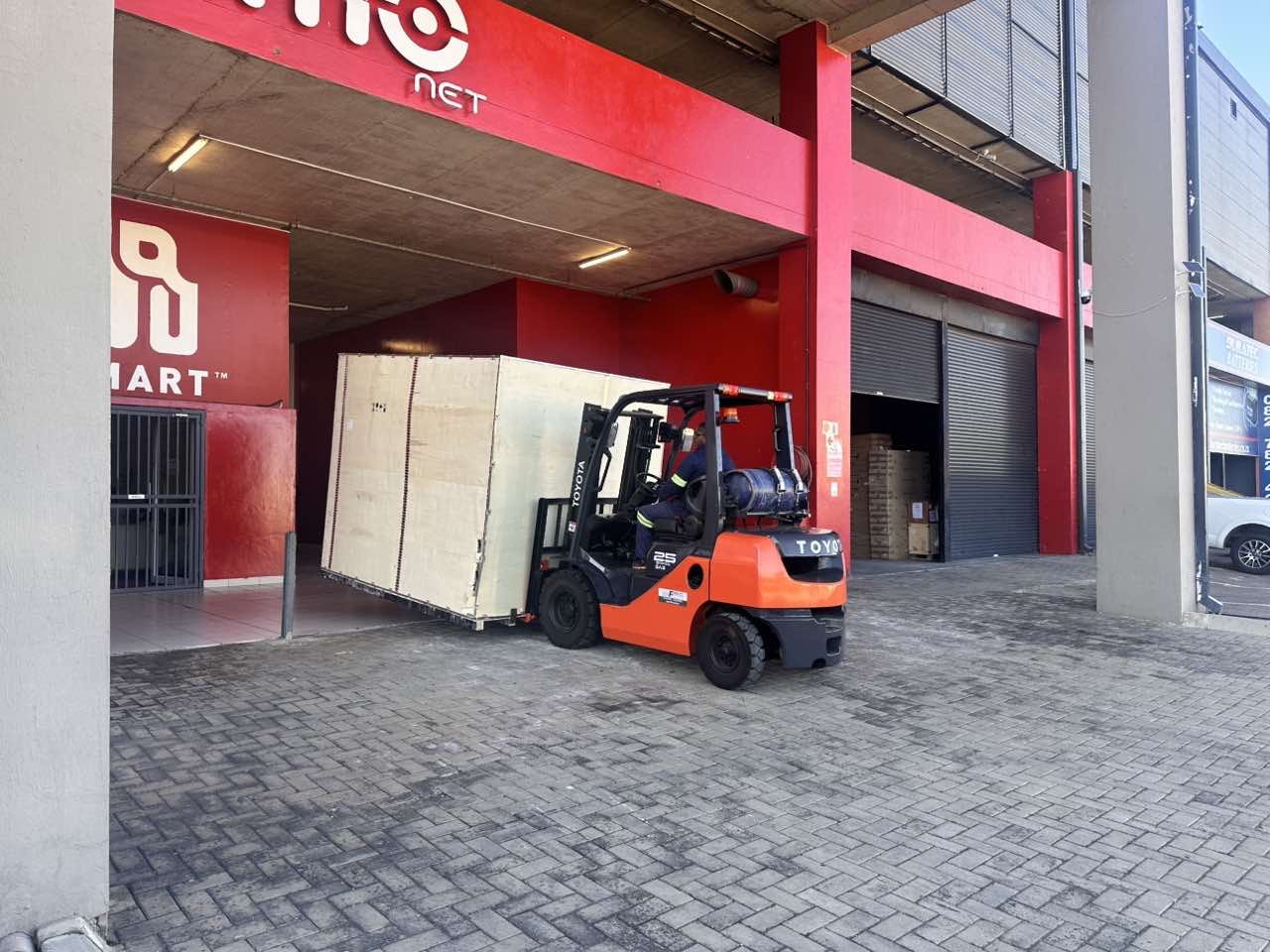
latest arrivals
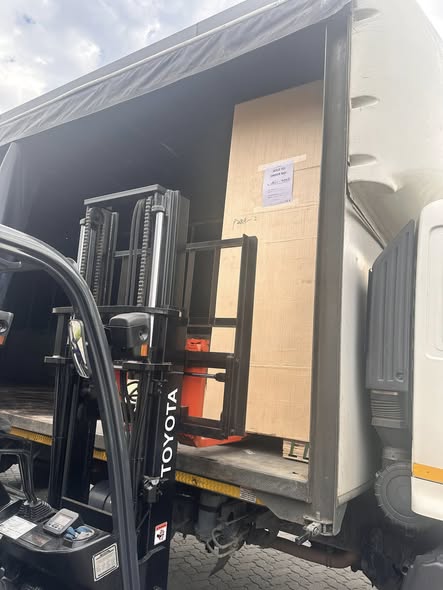
offloading
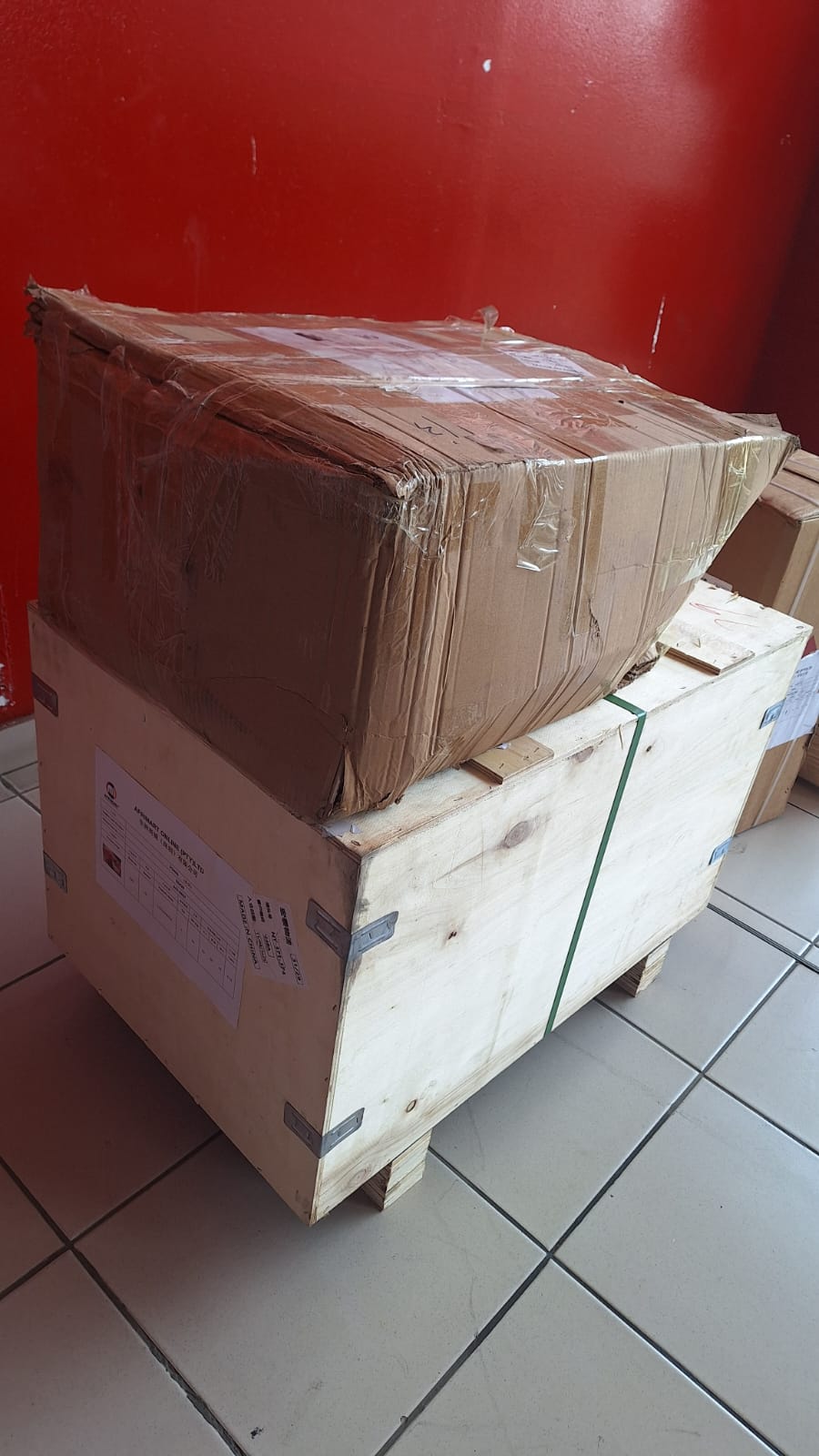
order success
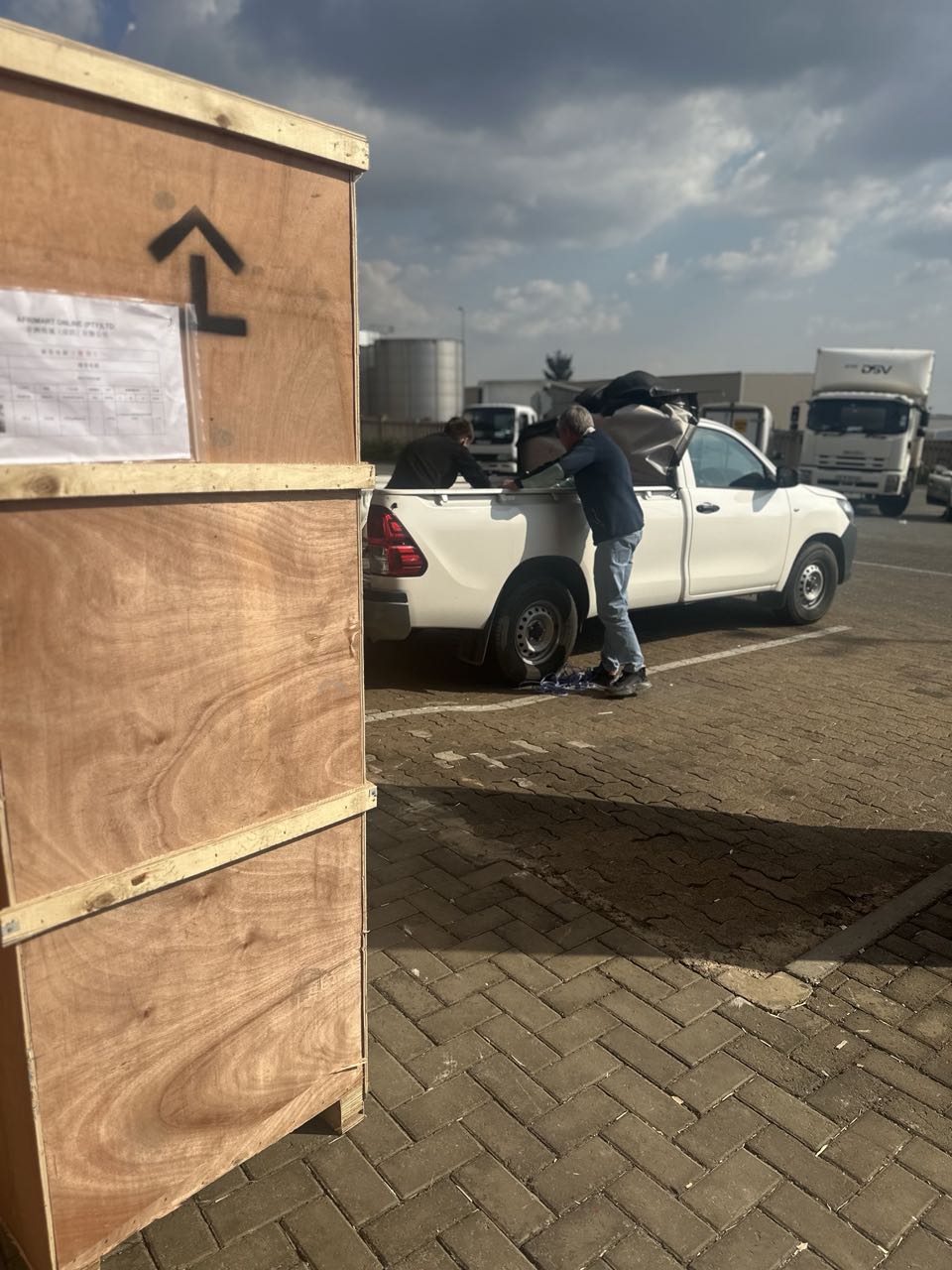
order collection
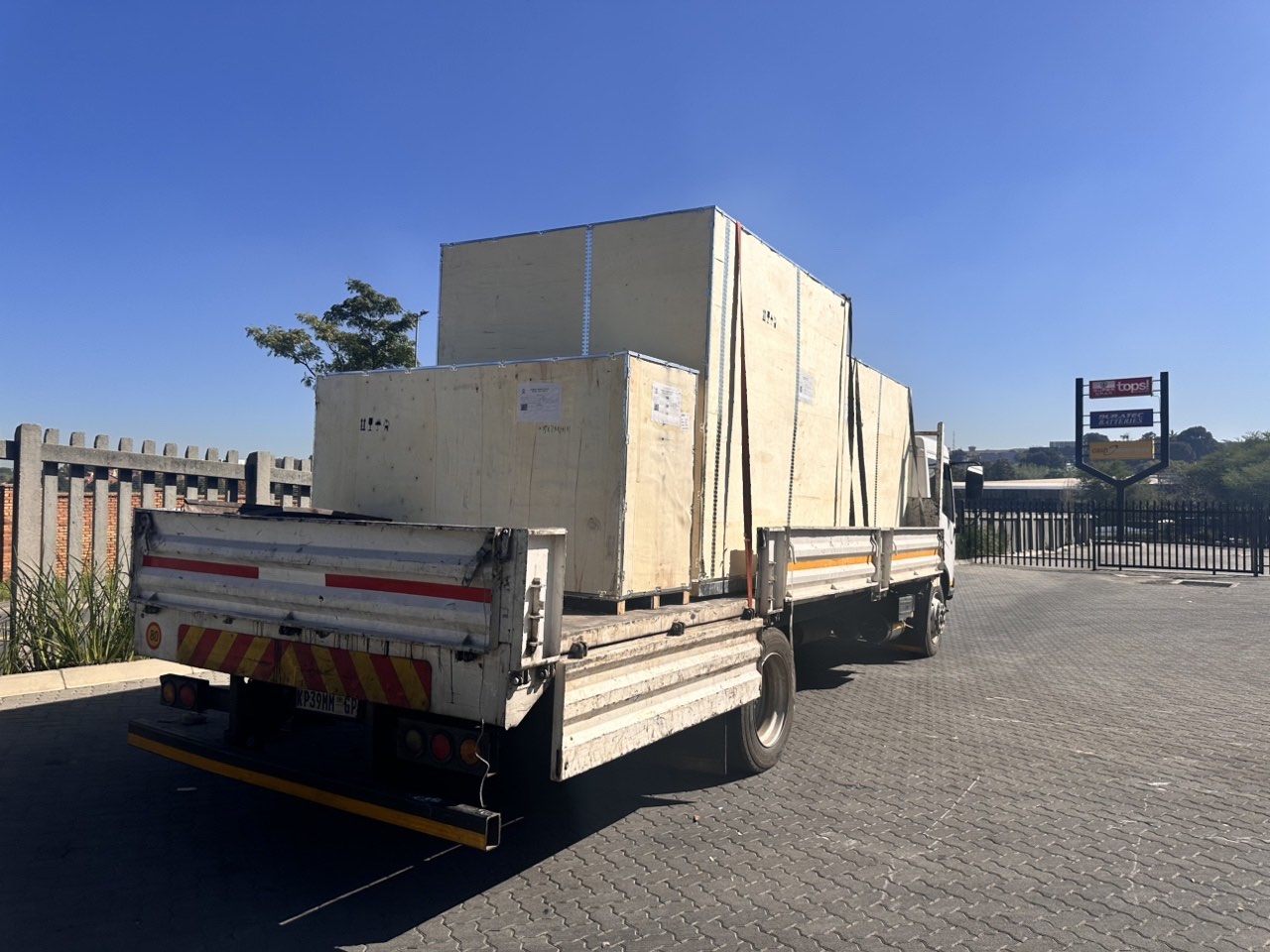
order offloading