B21, China Town Mall, Midrand

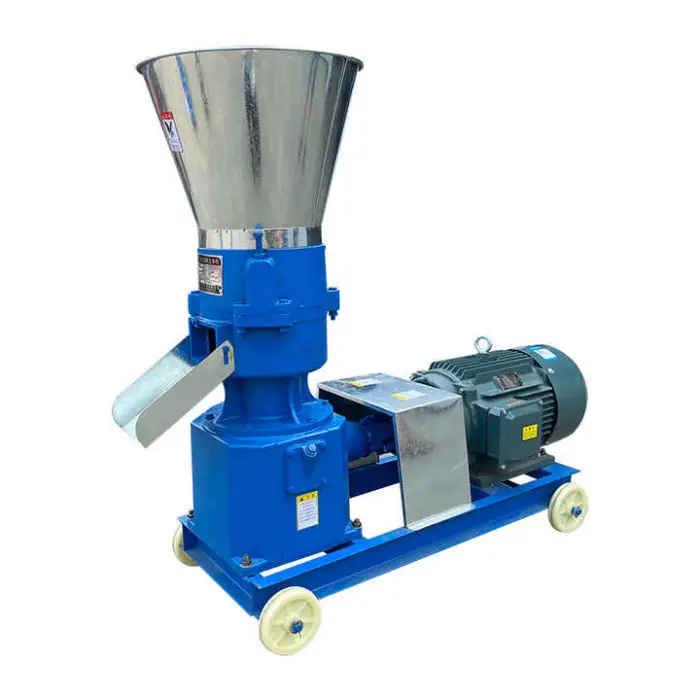
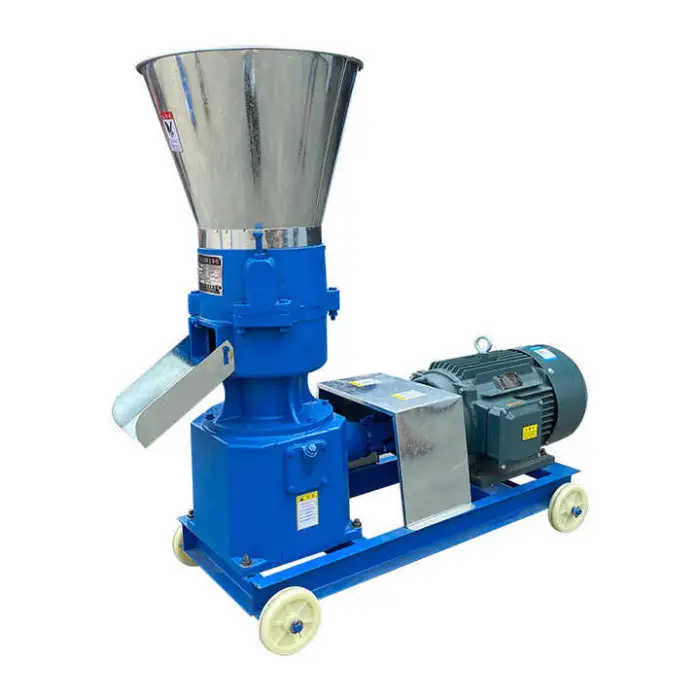
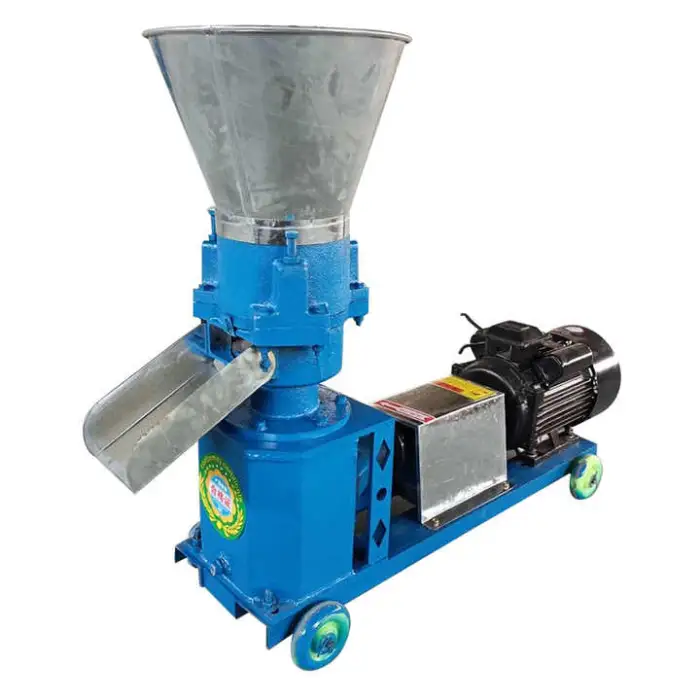
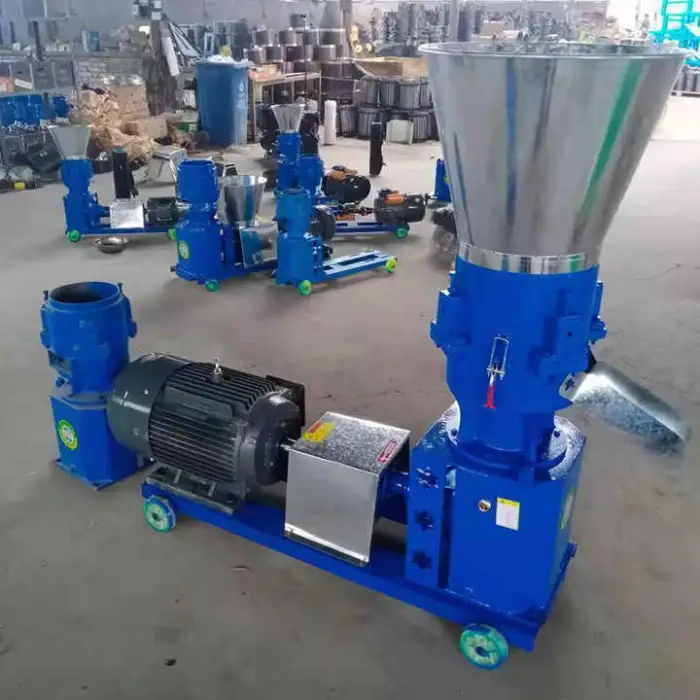
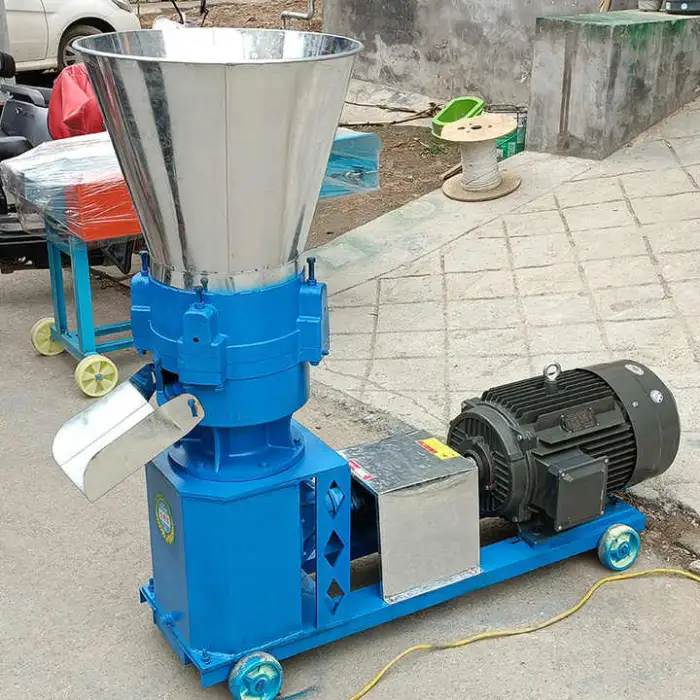
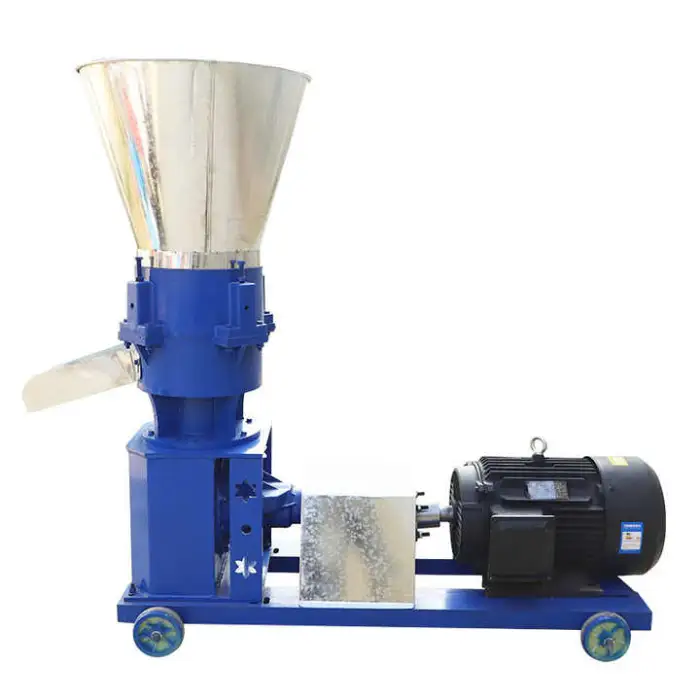
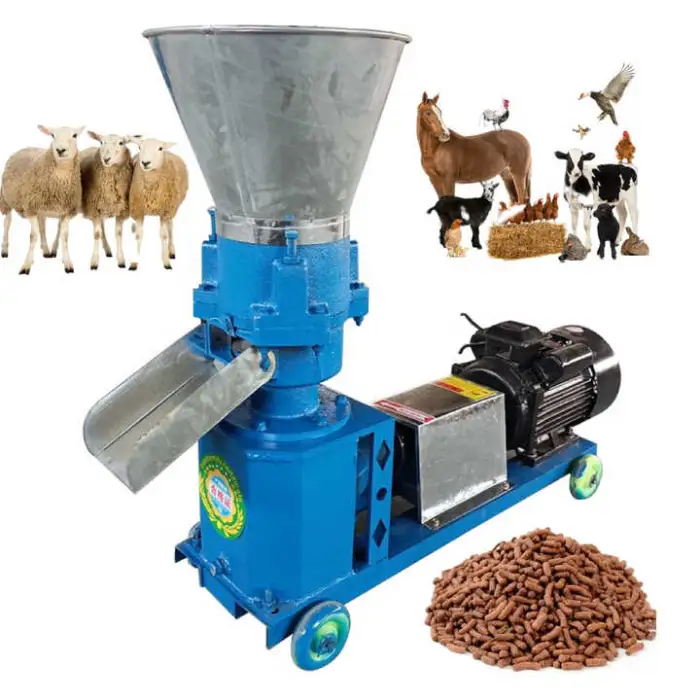
Electricity Animal Chicken Cow Horse Feed Pellet Making Machine Pelletizer Diesel Pellet Machine Wood Pellet Machine

- Section : Machinery
- Category : Other Food Processing Machinery
- SKU : 1601330190067

Electricity Animal Chicken Cow Horse Feed Pellet Making Machine Pelletizer Diesel Pellet Machine Wood Pellet Machine
The Electricity Animal Chicken Cow Horse Feed Pellet Making Machine is a powerful tool for farmers and animal feed producers. This machine makes it easy to create high-quality feed pellets for various animals. It is designed for durability and high productivity, ensuring that you can produce feed efficiently. With multiple models available, this pelletizer can meet the needs of different farming operations.
Specifications
| Attribute | Details |
|---|---|
| Type | Feed Pellet Machine |
| Condition | New |
| Capacity | Multiple models |
| Weight | 900.000 KG |
| Voltage | 220v/380v |
| Power Source | Electricity |
| Feature | Durable |
| Single Package Size | 210X210X210 cm |
Key Features
- High productivity for efficient feed production.
- Durable construction for long-term use.
- Multiple models available to suit different needs.
- Easy to operate and maintain.
- Customizable colors for personalized preferences.
Applications
- Producing feed pellets for chickens, cows, and horses.
- Creating customized animal feed based on nutritional needs.
- Enhancing feed quality for better animal health.
- Supporting small to large scale farming operations.
- Improving feed storage and handling efficiency.
Product Info Gallery
- Shipping Timeframes: All orders are processed within 2-5 business days (excluding weekends and holidays). After your order has been processed, the estimated delivery time is before 01 Apr, 2026, depending on customs, Please note that due to high demand, some items may experience longer shipping times, which will be communicated at order confirmation email.
- Order Processing Time: Please allow 2-5 business days for us to process your order before it is shipped . Orders placed after 16:00 on Fridays, or during weekends and public holidays, will begin processing on the next business day. Processing times may be extended during peak seasons or sales events.
- Manufacturing Time: Some products needs manufacturing time, the manufacturing process will take approximately 10-30 business days depending on the product. This timeframe may vary depending on the complexity of the product and current demand. but this will be communicated with you during order confirmation.
- Returns and Exchanges: We offer a 30-day return policy for most items. If you are not completely satisfied with your purchase, you may return it within 30 days of receipt for a refund or exchange. Items must be unused, in their original packaging, and accompanied by proof of purchase. Return shipping costs are the responsibility of the customer, unless the item was damaged or defective upon arrival.
1. What animals is this pellet machine suitable for?
The machine is designed to produce feed pellets for a variety of animals, including chickens, cows, horses and other livestock and poultry.
2. What power options are available?
There are multiple models. The standard electric versions run on 220V/380V. The product name also refers to diesel-driven models — confirm with the supplier which power source (electric or diesel) is included when ordering.
3. What is the production capacity?
Capacity varies by model. Specific output (kg/h or ton/day) depends on the chosen model and raw material — contact the supplier for model-specific capacity details.
4. What types of raw materials can be used?
Common raw materials include corn, soybean meal, straw, alfalfa, grass, crop residues and mixed feed formulas. Materials should be ground and have appropriate moisture content for pelleting.
5. What pellet sizes can the machine produce?
Pellet diameter and length depend on the die installed. Most models support a range of die sizes to make pellets suitable for different animals; ask the supplier which die sizes are available.
6. How durable and maintainable is the machine?
The machine is described as having durable construction for long-term use and is designed for easy operation and maintenance. Routine tasks include checking and replacing dies/rollers, lubrication, and cleaning.
7. What are the physical dimensions and weight for shipping?
Single package size is 210 x 210 x 210 cm and the listed weight is 900 kg. Final shipping dimensions/weight may vary by model and accessories.
8. Is installation and commissioning included?
Installation and commissioning policies vary by supplier and region. Many sellers offer on-site installation or video guidance for a fee — confirm services when placing the order.
9. Can the machine produce wood pellets as well as animal feed?
Some models are suitable for both animal feed and biomass (wood) pelletizing, but this depends on the specific model and die type. Clarify intended use with the supplier to ensure the correct configuration.
10. Are spare parts and accessories available?
Spare parts such as dies, rollers, belts and motors are typically available. Ask the supplier about spare-part availability, lead times and recommended spare parts to keep on hand.
11. What safety features should I expect?
Expected safety features include emergency stop switches, protective covers for moving parts, proper grounding for electric models and clear operating instructions. Follow local electrical and machine-safety regulations.
12. Can I customize the machine's color or configuration?
Yes — the description notes customizable colors. Other customizations (power type, die sizes, auxiliary equipment) may be available; discuss specific customization requests with the supplier.
13. How do I prepare raw material for best pelleting results?
Best practice is to grind raw materials to a uniform fine particle size and control moisture content (typically 12–18% for many feed formulas). Proper formulation and conditioning improve pellet quality and production efficiency.
14. What maintenance schedule is recommended?
Perform daily inspections, clean the machine after use, lubricate bearings and moving parts as recommended, and check dies/rollers for wear. Replace worn components promptly to maintain performance.
15. What warranty and after-sales support are provided?
Warranty terms and after-sales support vary by manufacturer and seller. Confirm warranty duration, what it covers, and available technical support or training before purchasing.
Latest Order Arrivals
Discover our latest orders
12 Heads Embroidery Machine
Dewatering Pump Machine
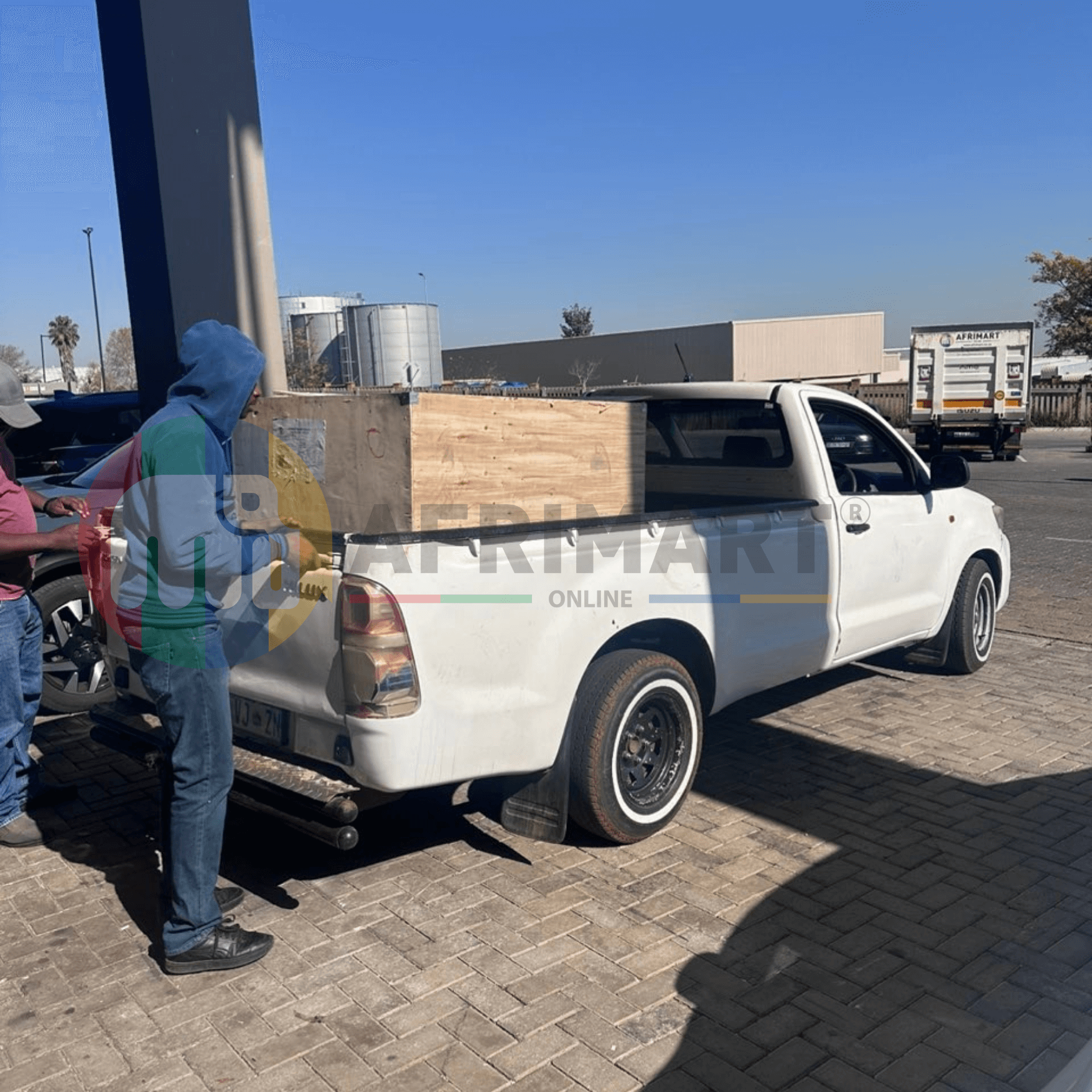
Order Collection
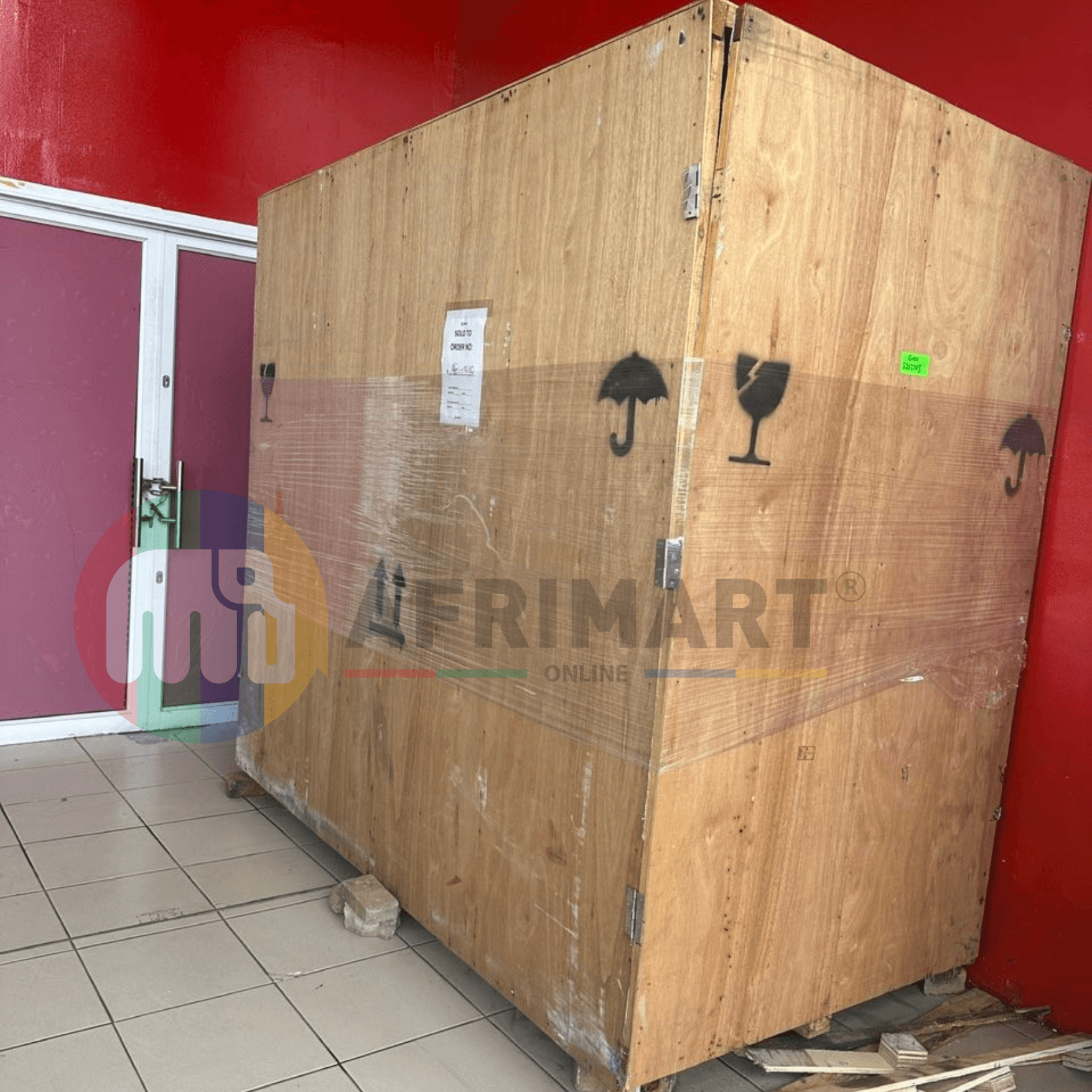
Portable Water Drilling Rig
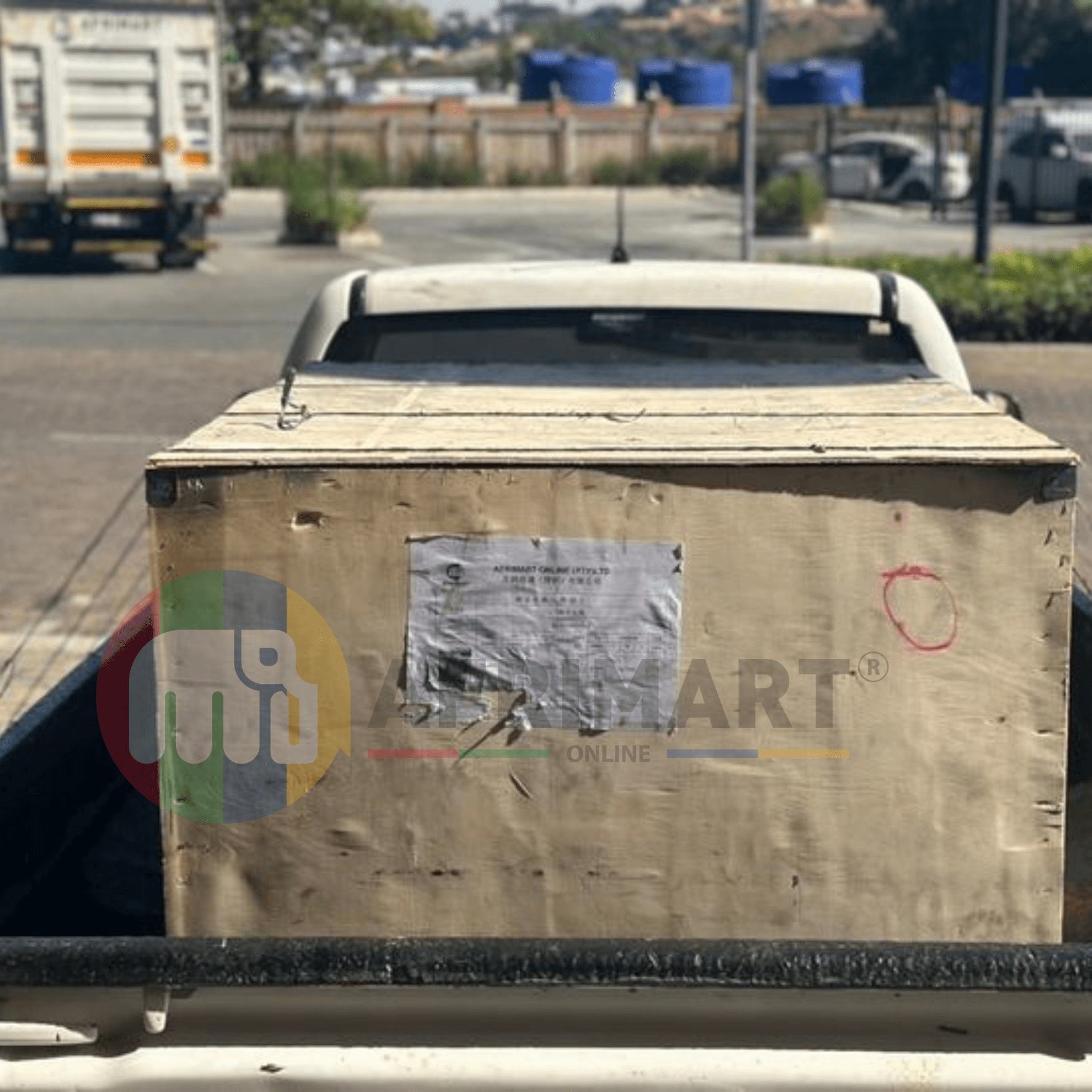
Order Usefully Collected
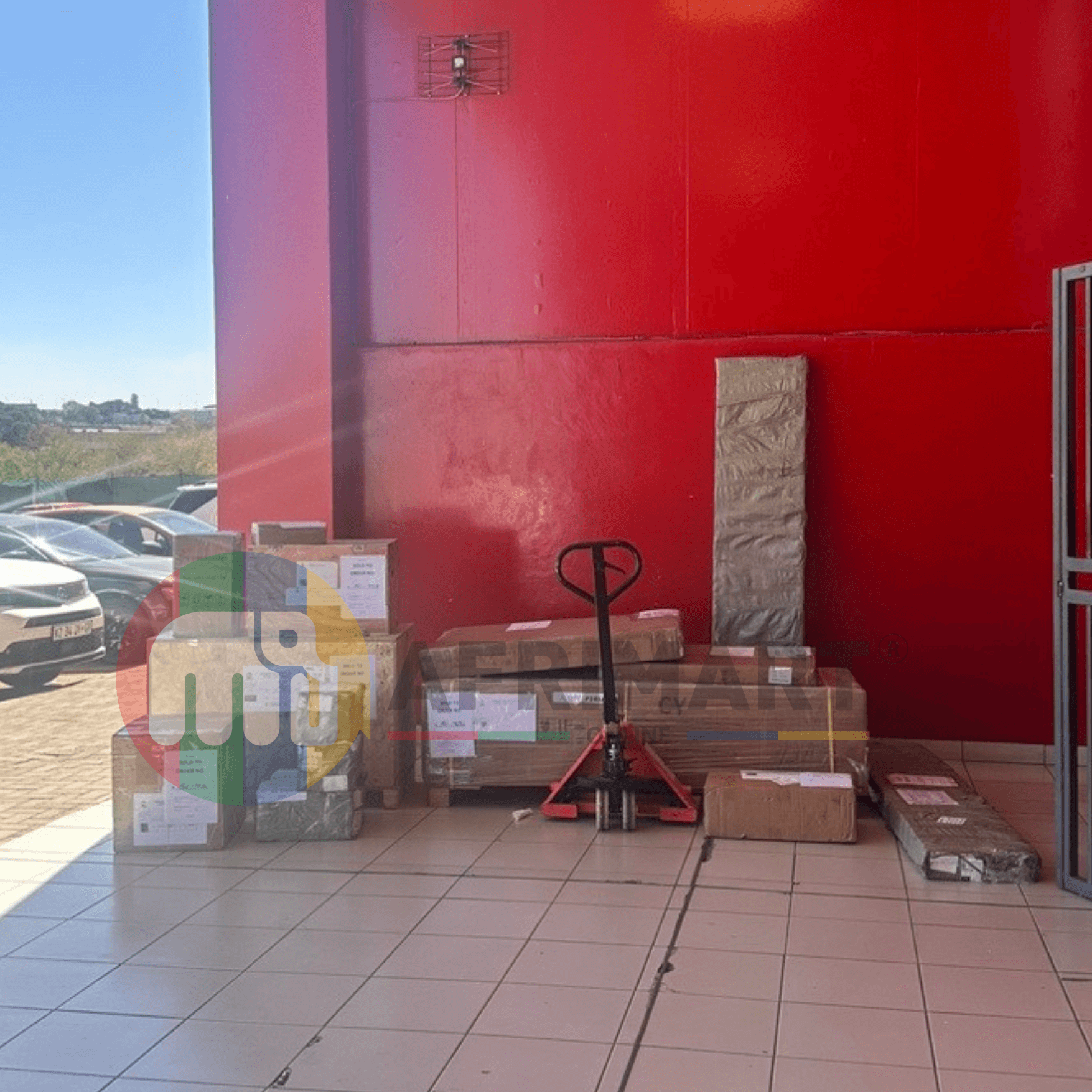
Batch of Orders
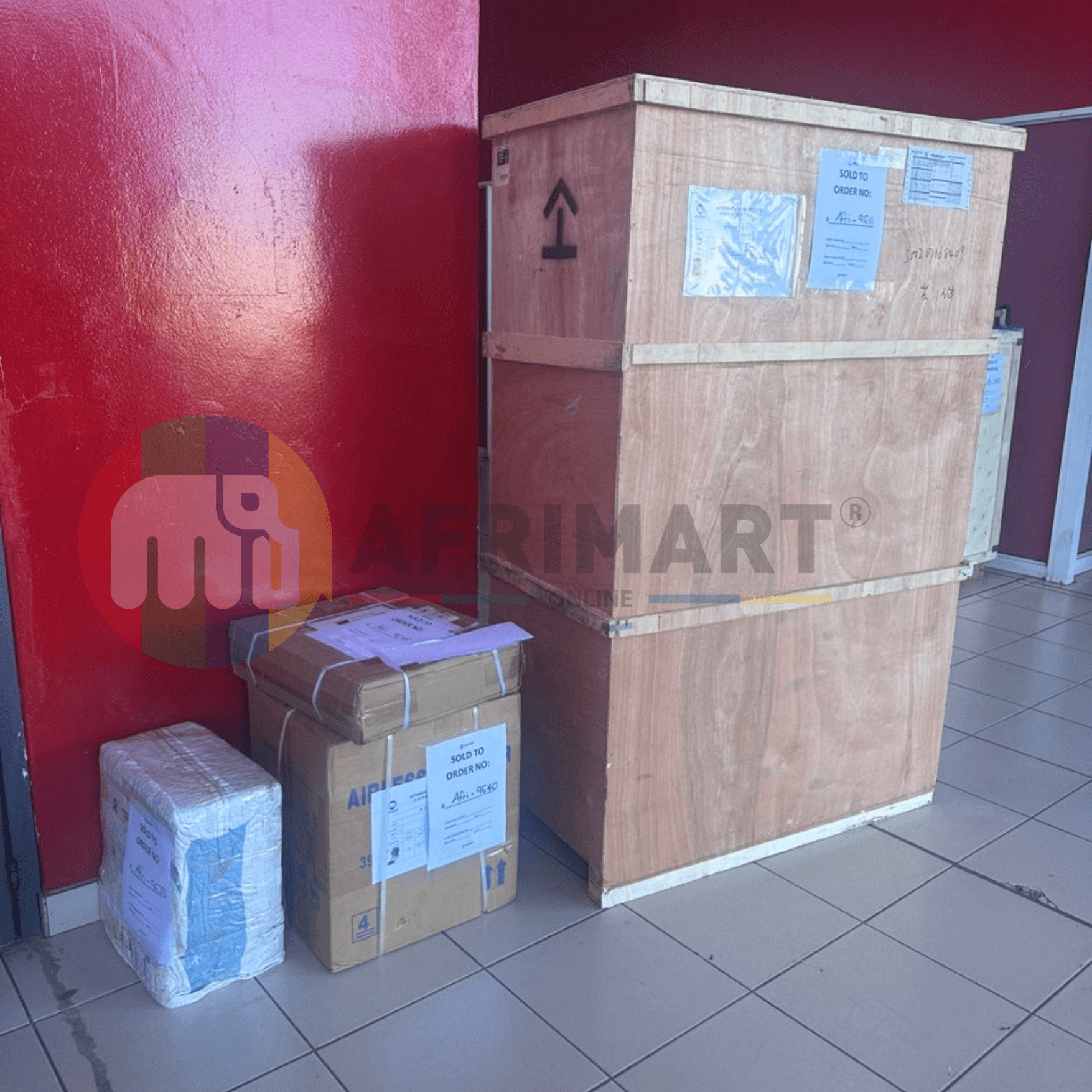
Agriculture Processing Machines
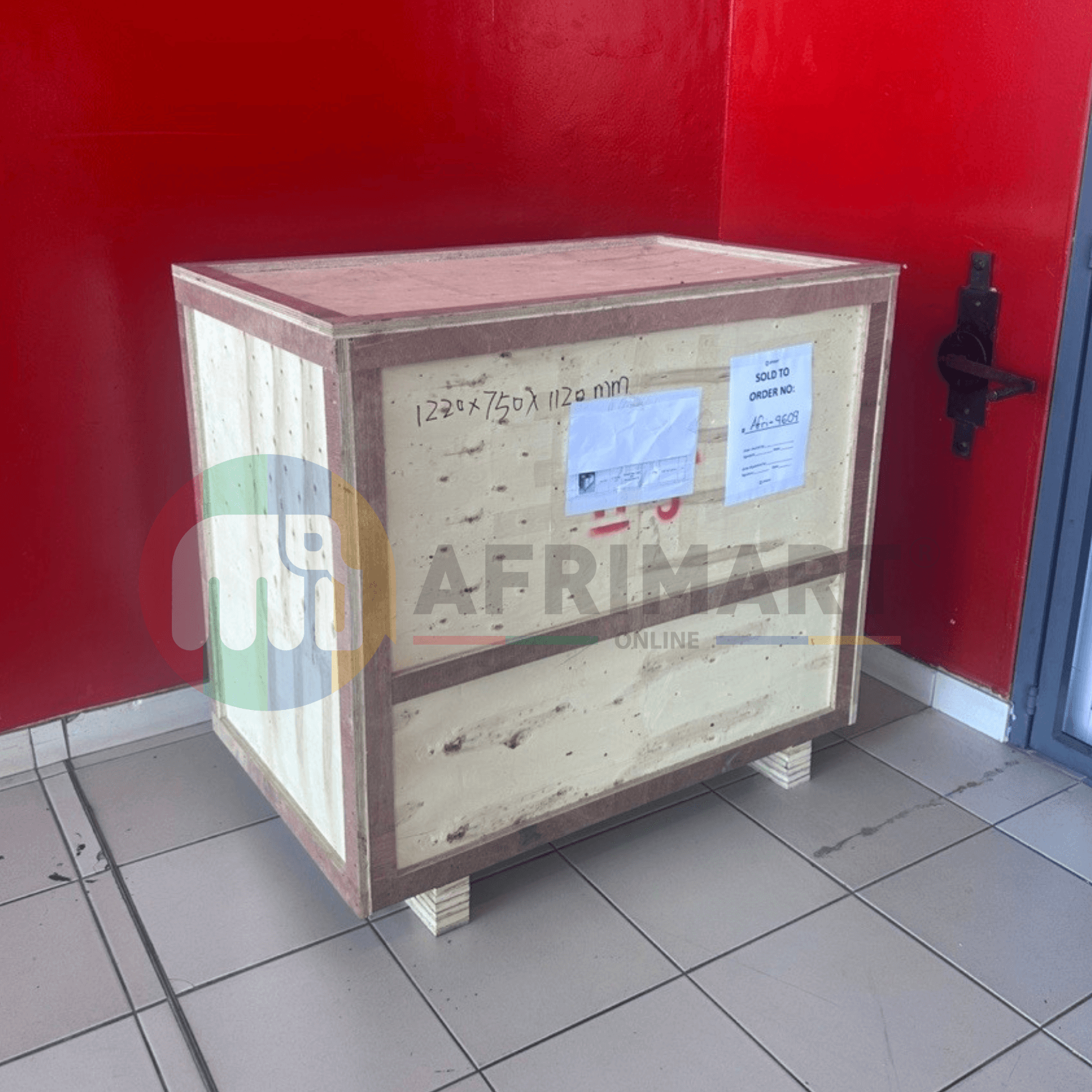
Meat Grinder Machine
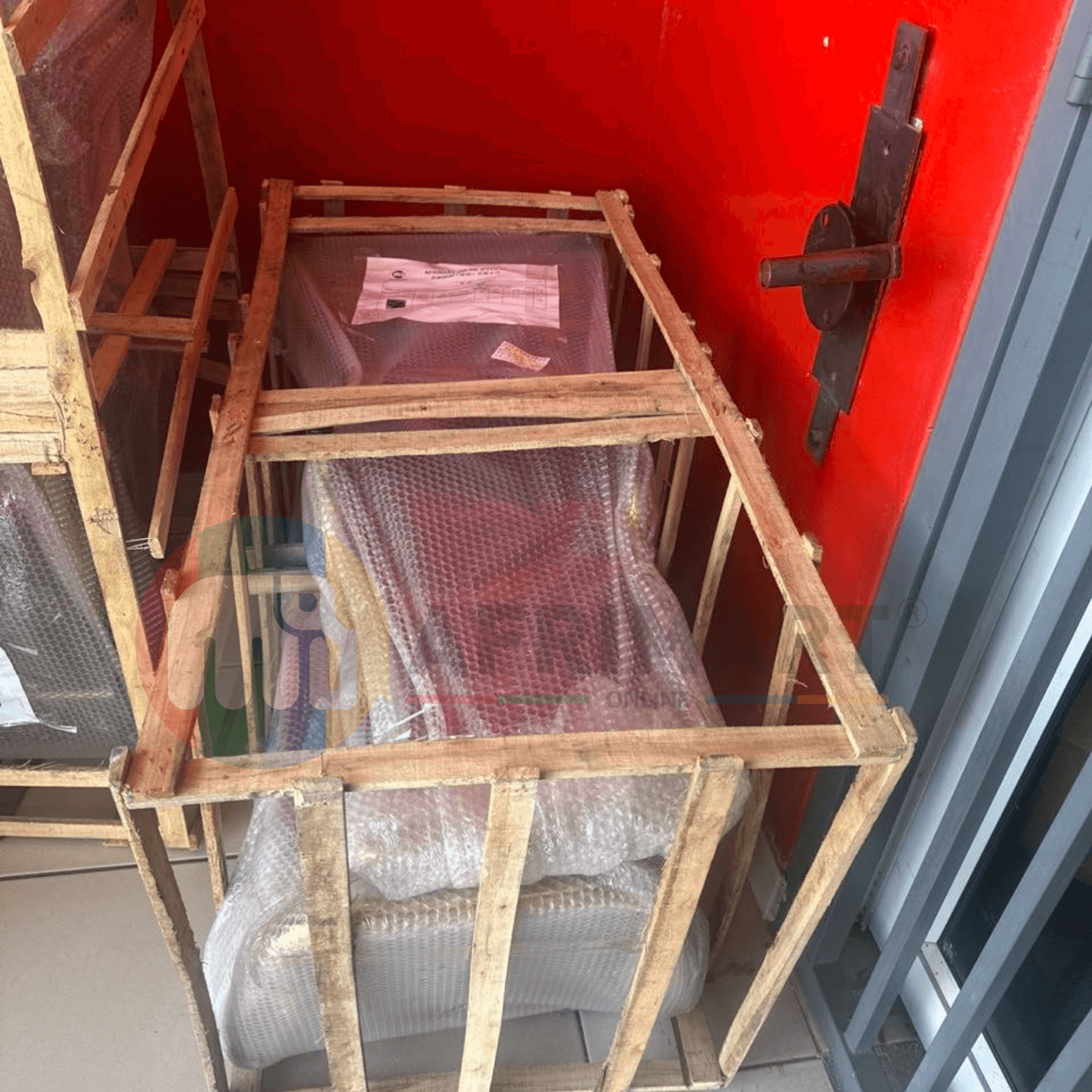
Water Pump Equipment
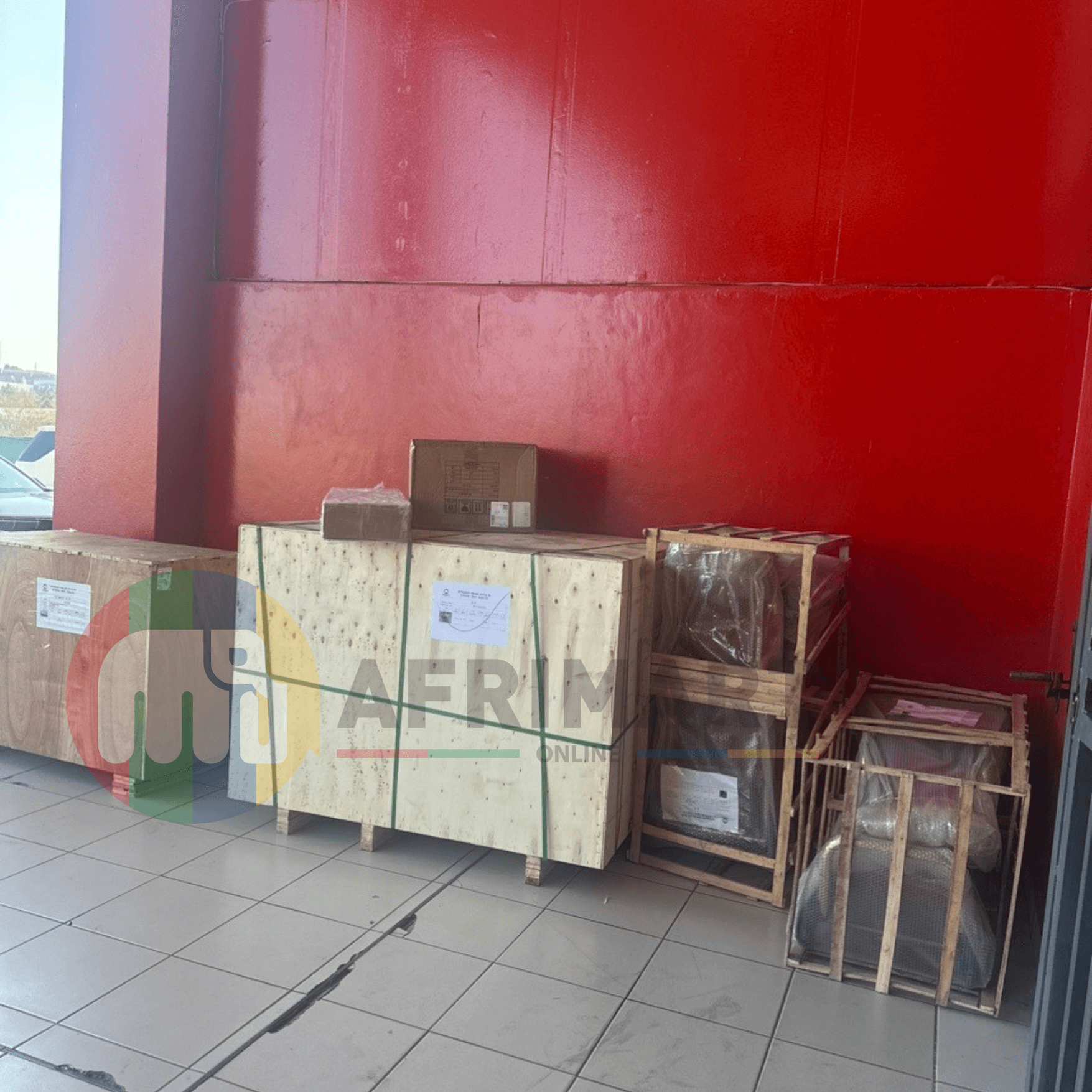
Packaging Machine and accessories
Fabrics Manufacturing Equipment
Mining Equipments
Food Processing Machine
Batch of Orders
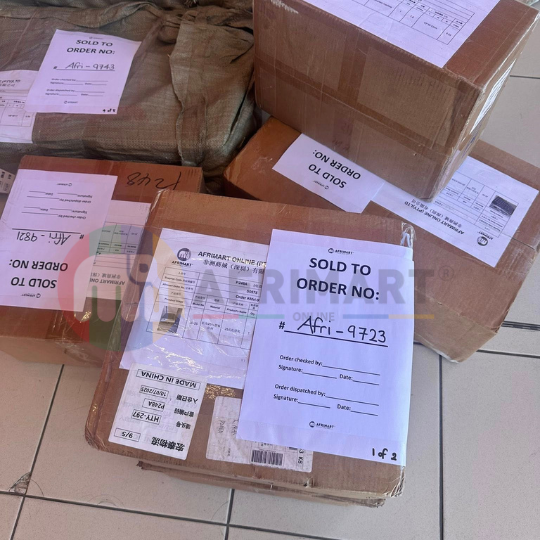
Batch of Orders
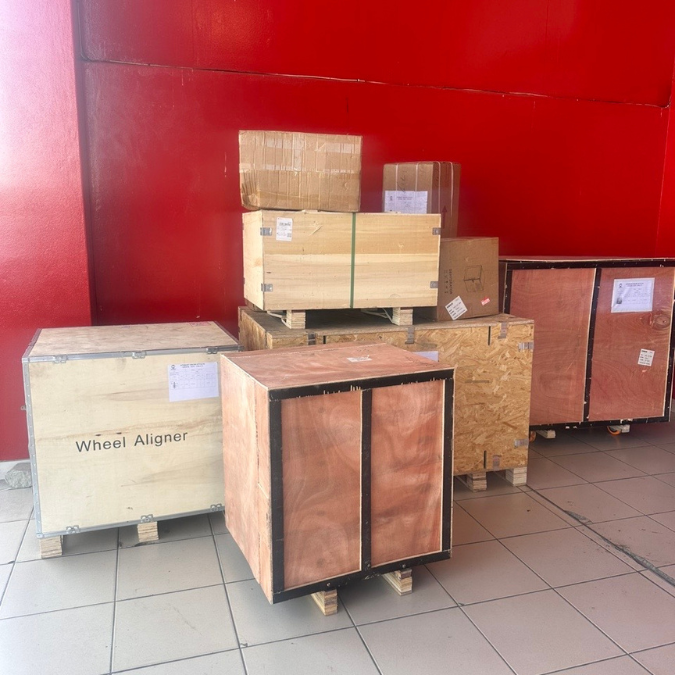
Latest Orders Labelled
wheel alignment machines
new arrivals
Pre Orders Offloading
Latest Arrivals
Latest Arrivals
Latest Arrivals
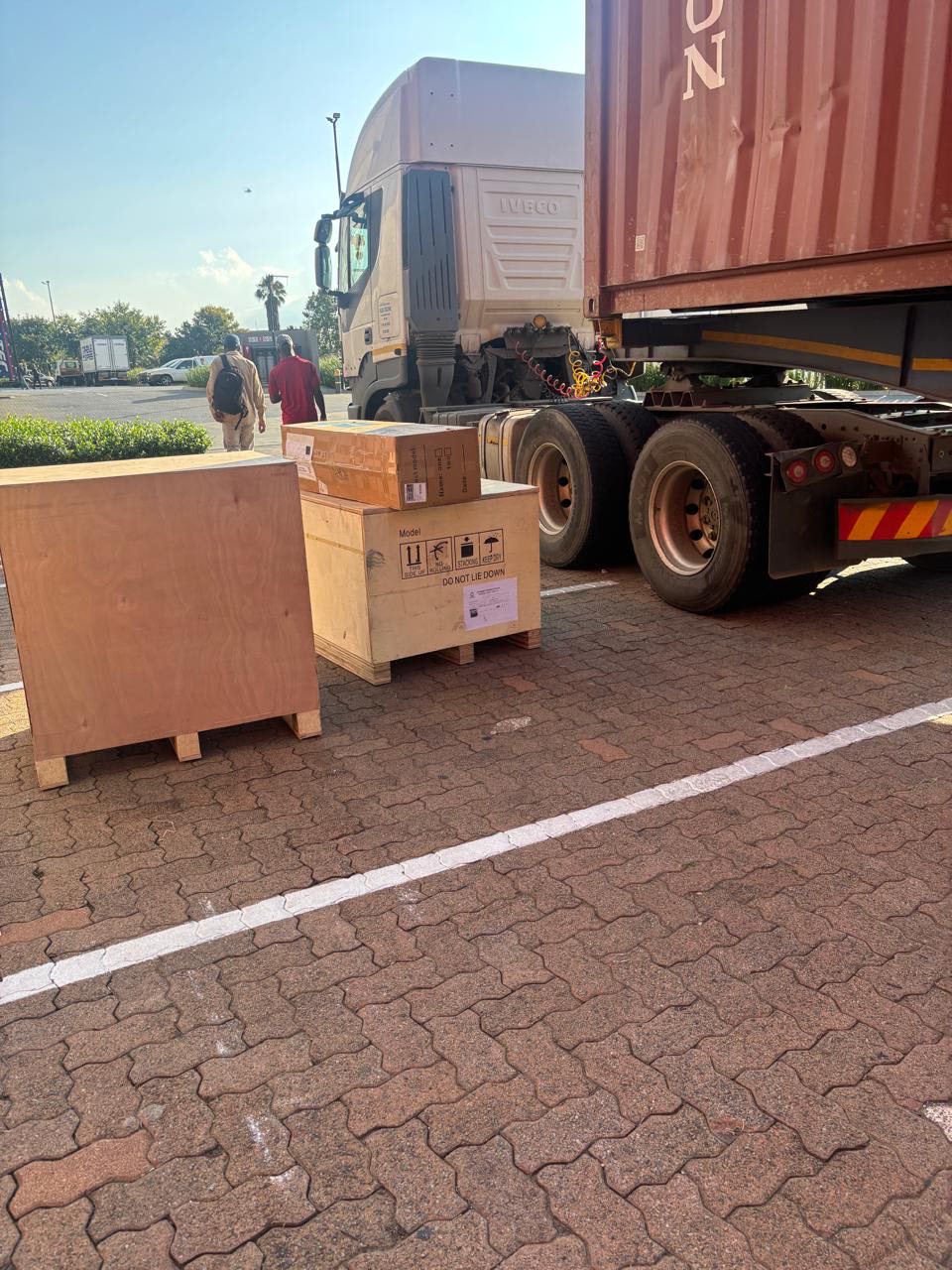
26 January 2026
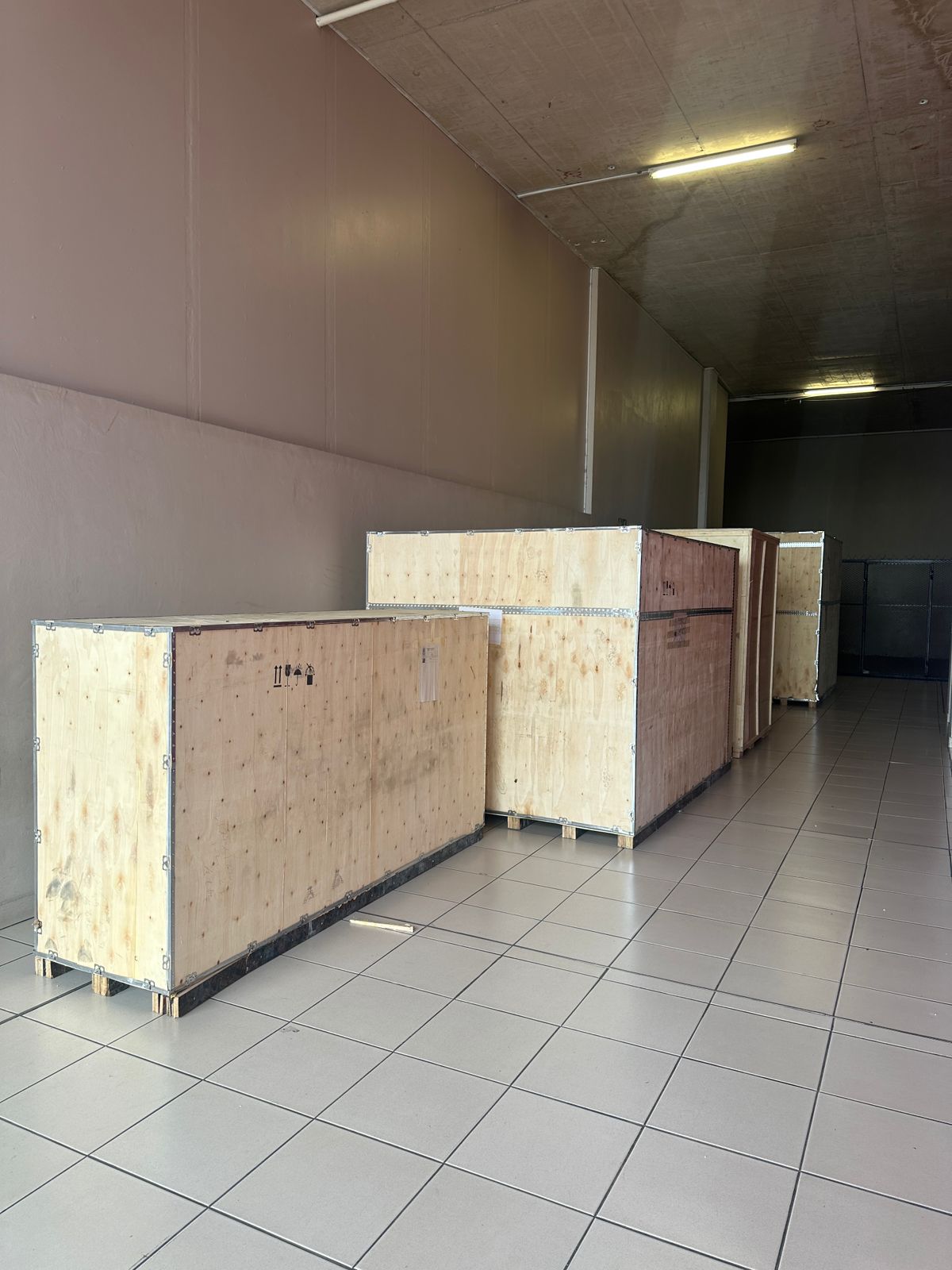
Toilet paper making machine
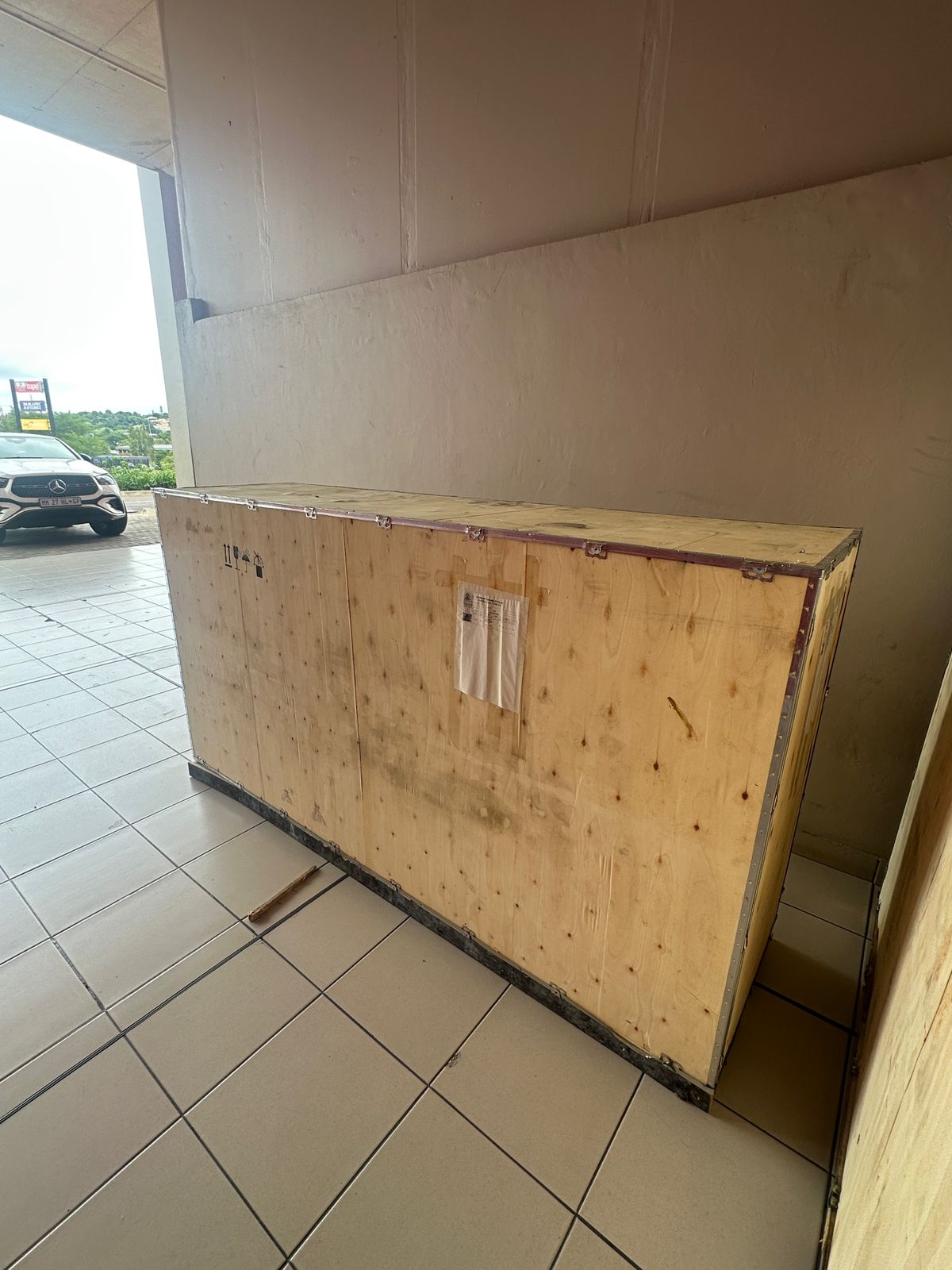
Toilet paper making machine
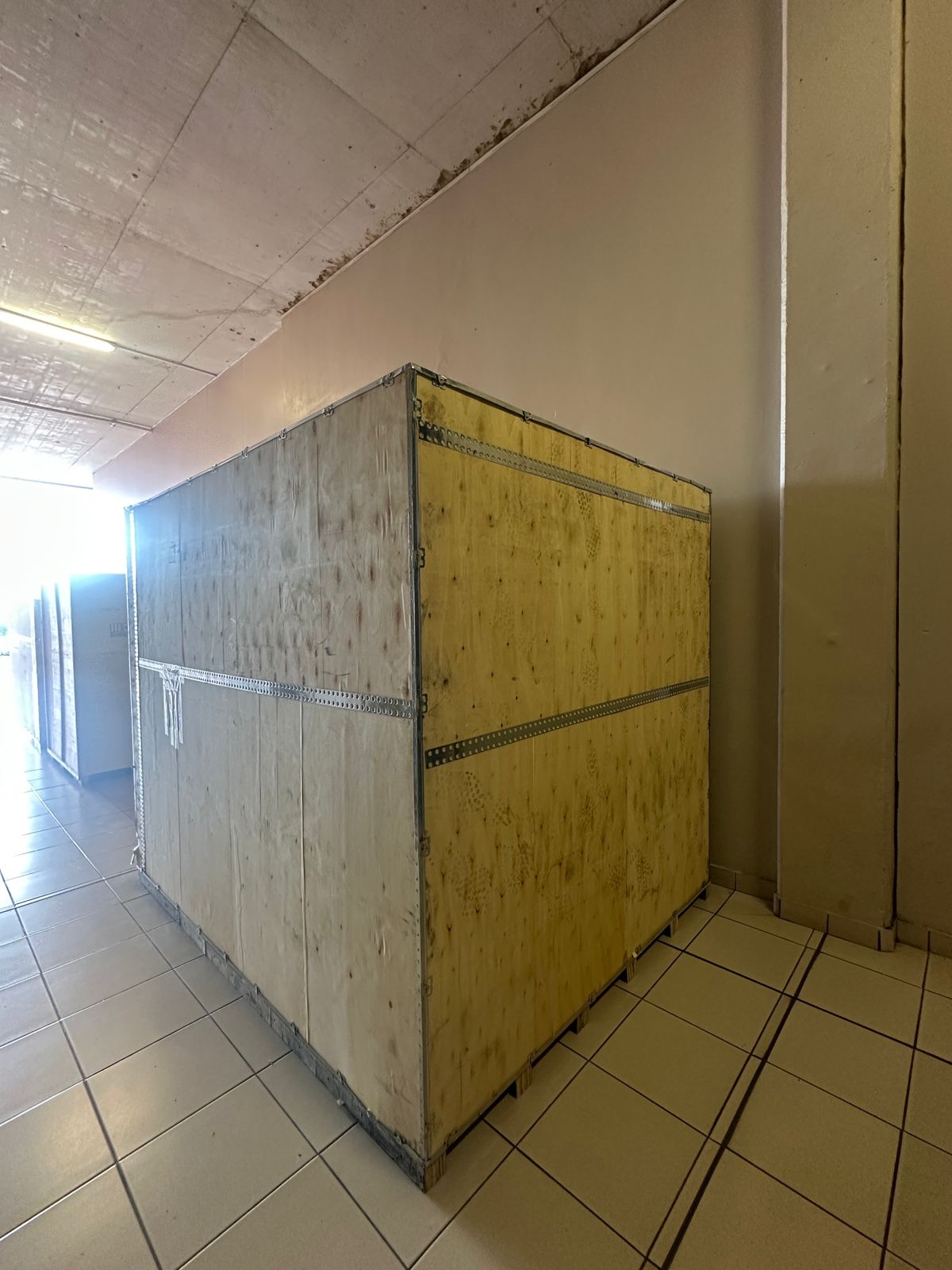
Toilet paper Rewinding Machine
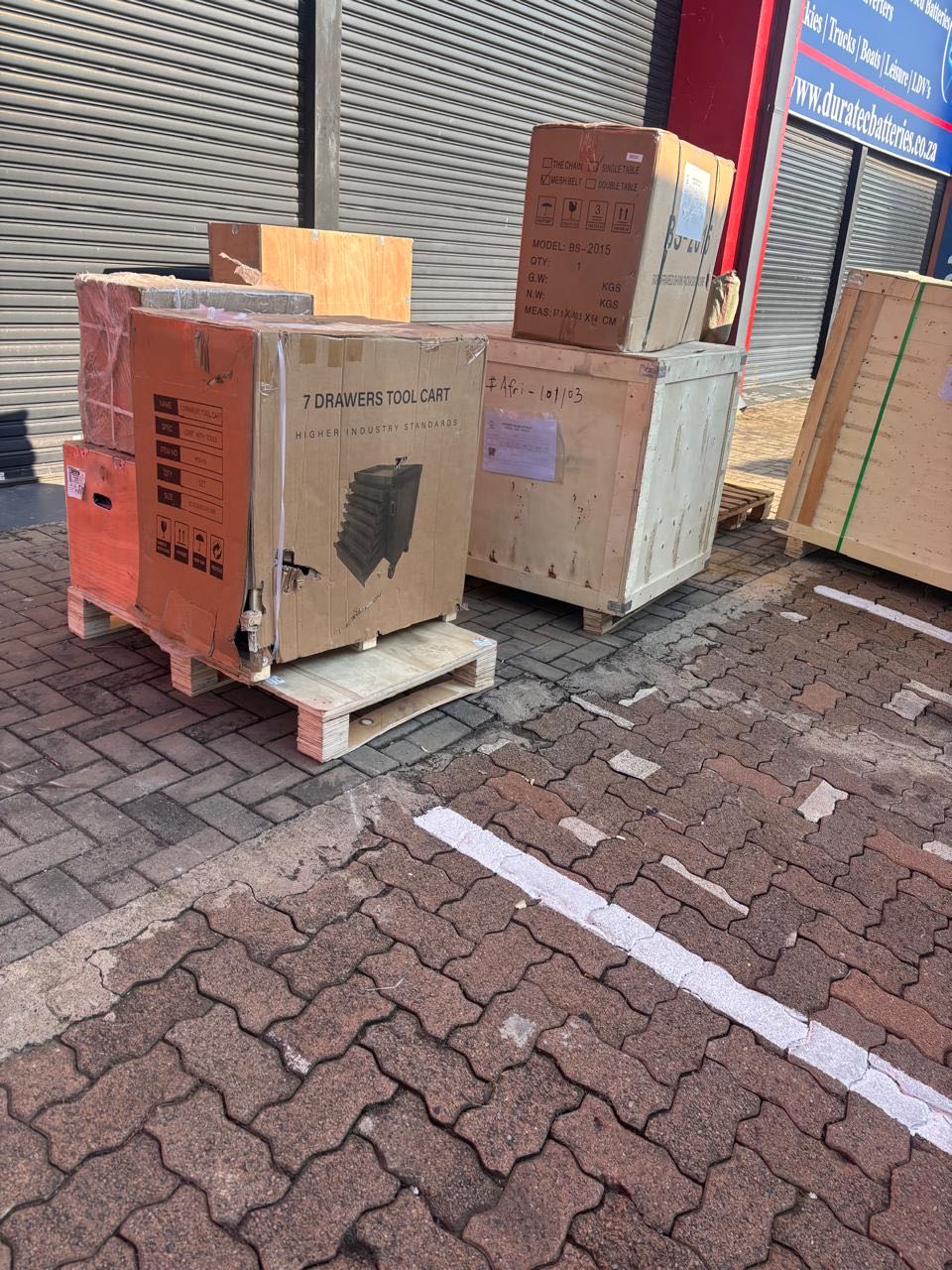
latest arrivals
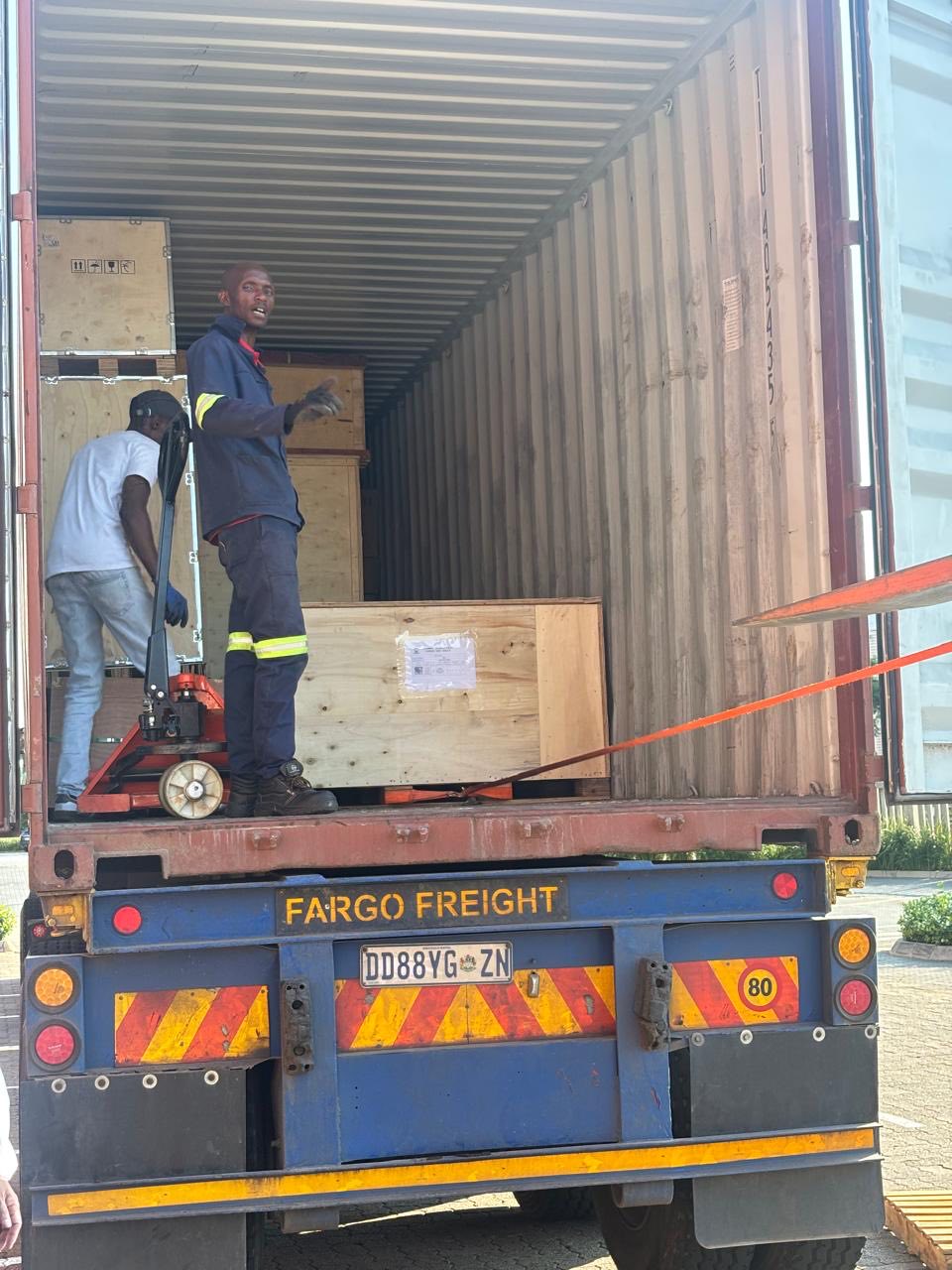
offloading
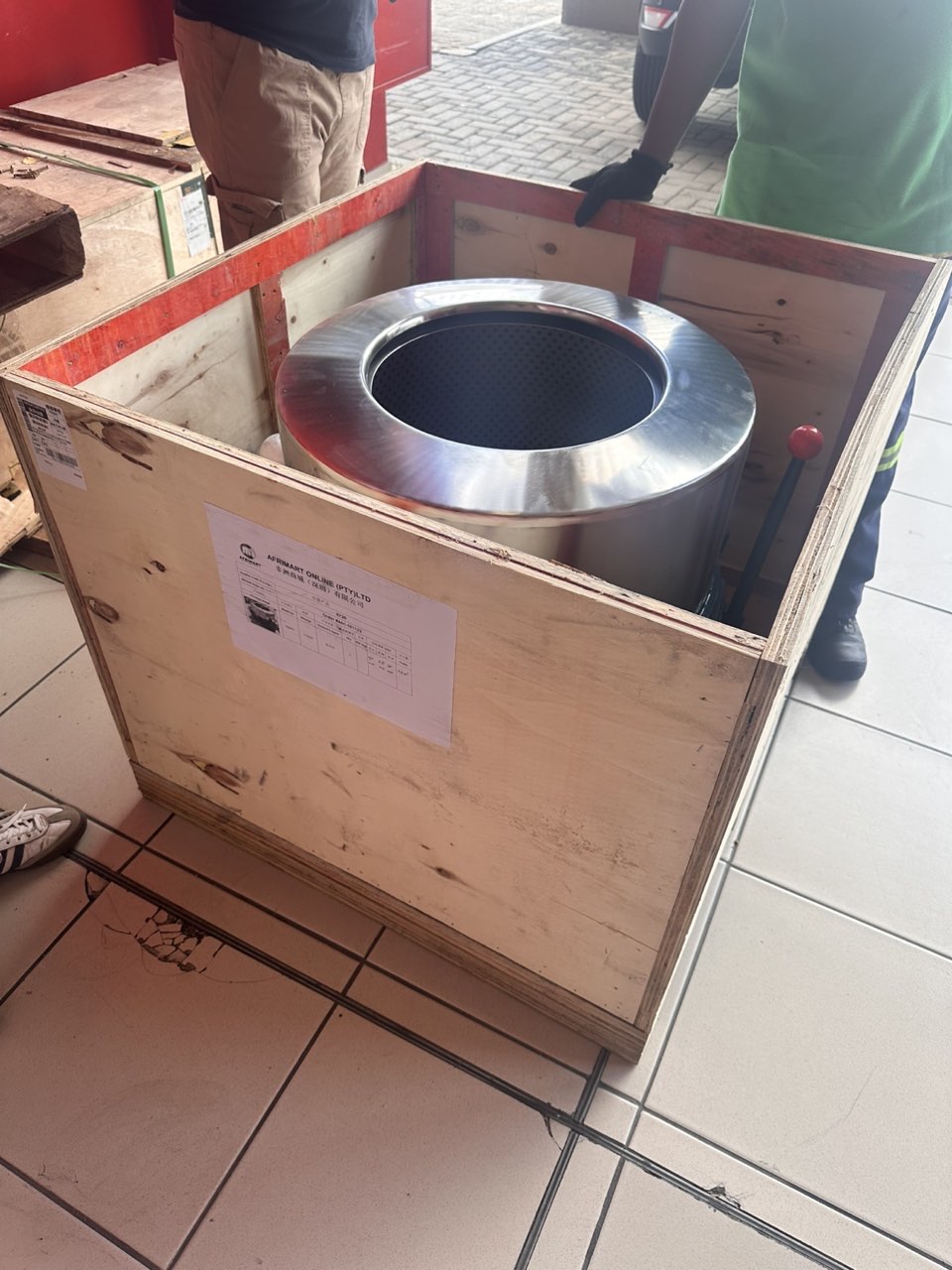
order success
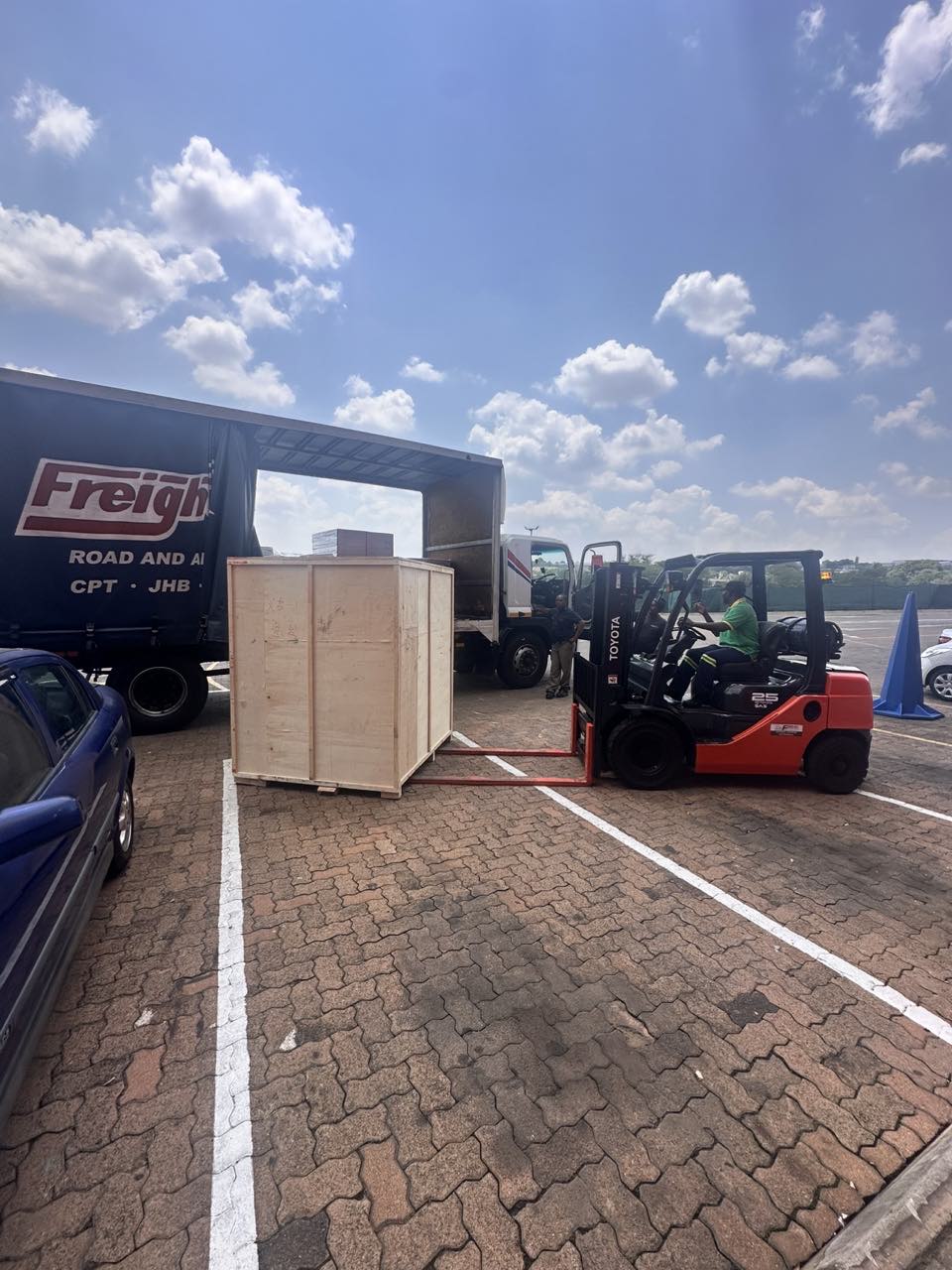
order collection
order offloading