B21, China Town Mall, Midrand

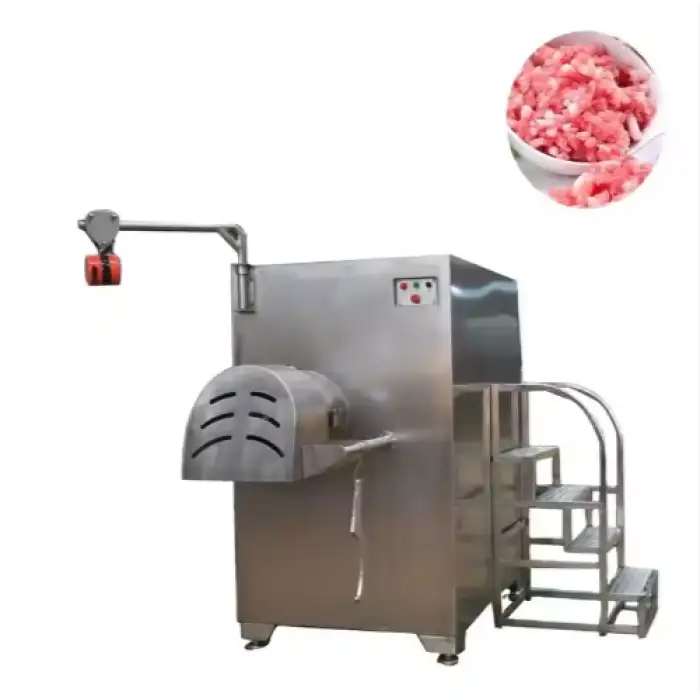
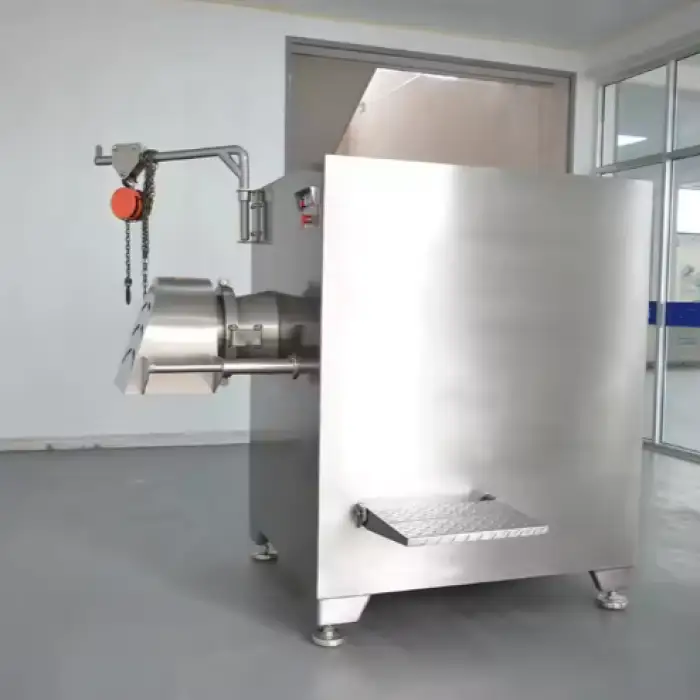
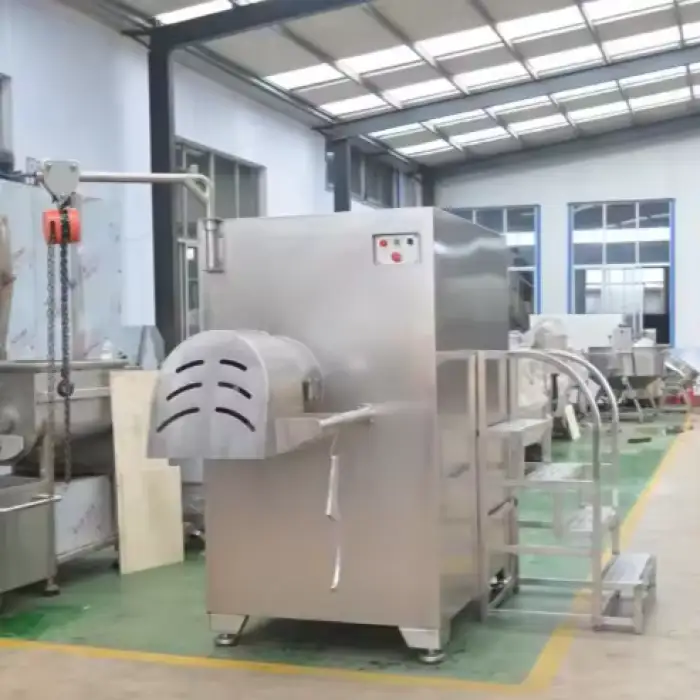
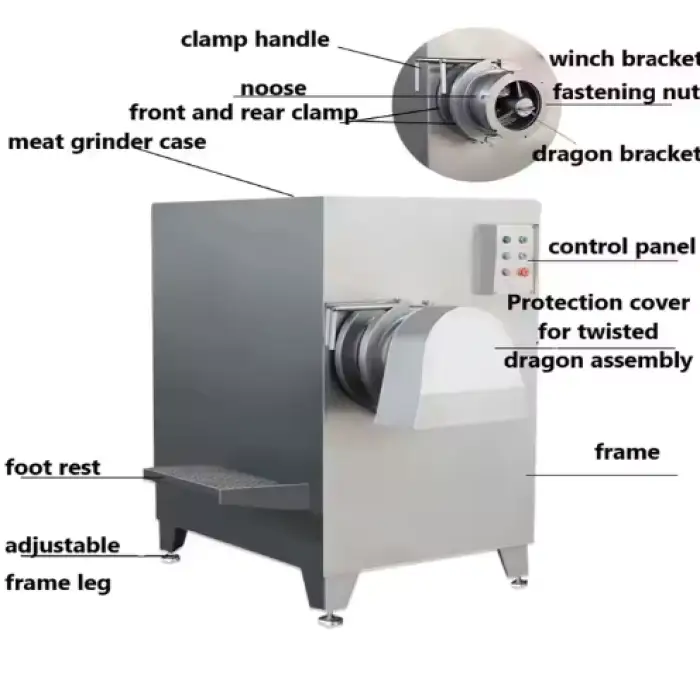
Electric Farm Industry Meat Mincer Motorized Industrial Chicken Meat Grinder Machine
Asset finance available
Do you want funding for this equipment?
Afrimart can connect you with trusted funding partners who specialise in asset finance for businesses like yours. Compare options and apply in minutes — final approval is subject to provider review.
Check funding options
Secure & no obligation

- Section : Machinery
- Category : Other Food Processing Machinery
- SKU : 1601284730469

Electric Farm Industry Meat Mincer Motorized Industrial Chicken Meat Grinder Machine
The Electric Farm Industry Meat Mincer is a powerful and efficient solution for grinding meat and vegetables. This motorized industrial chicken meat grinder machine is designed for high production capacity, making it ideal for farms and food processing businesses. With a robust build and easy operation, it simplifies your meat processing tasks.
Specifications
| Attribute | Details |
|---|---|
| Condition | New |
| Production Capacity | 500-1000 KG/H |
| Power (w) | 5.5 KW |
| Weight | 180 KG |
| Voltage | 220V/380V |
| Dimensions (L*W*H) | 850*500*860 mm |
| Capacity (KG/S Batch) | 10-1000 |
| Material | 304 Stainless Steel |
| Application | Meat, Vegetable |
Key Features
- High production capacity of 500-1000 KG/H.
- Powerful 5.5 KW motor for efficient grinding.
- Made from durable 304 stainless steel.
- Compact dimensions for easy placement.
- Easy to operate and maintain.
Applications
- Grinding chicken and other meats.
- Processing vegetables for various dishes.
- Ideal for farms and food processing plants.
- Perfect for catering services and restaurants.
- Useful in meat shops for quick service.
Product Info Gallery
- Shipping Timeframes: All orders are processed within 2-5 business days (excluding weekends and holidays). After your order has been processed, the estimated delivery time is before 30 Nov, 2026, depending on customs, Please note that due to high demand, some items may experience longer shipping times, which will be communicated at order confirmation email.
- Order Processing Time: Please allow 2-5 business days for us to process your order before it is shipped . Orders placed after 16:00 on Fridays, or during weekends and public holidays, will begin processing on the next business day. Processing times may be extended during peak seasons or sales events.
- Manufacturing Time: Some products needs manufacturing time, the manufacturing process will take approximately 10-30 business days depending on the product. This timeframe may vary depending on the complexity of the product and current demand. but this will be communicated with you during order confirmation.
- Returns and Exchanges: We offer a 30-day return policy for most items. If you are not completely satisfied with your purchase, you may return it within 30 days of receipt for a refund or exchange. Items must be unused, in their original packaging, and accompanied by proof of purchase. Return shipping costs are the responsibility of the customer, unless the item was damaged or defective upon arrival.
1. What is the production capacity of this meat mincer?
The machine is rated for high production capacity of approximately 500–1000 kg per hour. Actual throughput depends on meat type, grind plate size, and feed conditions.
2. What motor power and voltages are available?
This model uses a 5.5 kW motor. Voltage options include 220V and 380V — check the specific unit you order to confirm single‑phase or three‑phase configuration.
3. What are the machine dimensions and weight?
Dimensions are 850 × 500 × 860 mm (L×W×H) and the machine weight is approximately 180 kg.
4. What materials is the grinder made from?
All product-contact surfaces are manufactured from 304 stainless steel for durability and easy cleaning.
5. What types of food can this grinder process?
It is suitable for grinding chicken and other meats as well as vegetables. It is designed primarily for meat processing in farms, meat shops, catering and food‑processing plants. Avoid trying to grind large bones unless explicitly specified by the supplier.
6. What does 'Capacity (KG/S Batch) 10-1000' mean?
This indicates the machine can handle small batches (around 10 kg) up to much larger batch sizes (approaching 1000 kg) depending on how you feed and operate it. Continuous throughput is expressed separately as 500–1000 kg/h.
7. How should I install the machine and connect power?
Place the unit on a stable, level surface. Have a qualified electrician connect the power supply, ensuring correct voltage, proper phase, and a dedicated circuit with appropriate protection and grounding.
8. How do I clean and sanitize the grinder?
Disassemble removable parts (feed tray, auger, blade, plates) and wash with warm soapy water, rinse and sanitize. Wipe down the exterior stainless steel surfaces. Do not submerge or spray the motor housing; avoid water ingress. Dry parts thoroughly before reassembly.
9. Are spare parts and consumables available?
Common spare parts such as cutting blades, grinding plates, augers and gaskets are typically available. Contact your supplier for part numbers, availability and compatible plate sizes.
10. What safety features and precautions are recommended?
Ensure guards and feed chutes are in place during operation. Use a pusher — never hands — to feed product. Make sure the machine is grounded, disconnect power before maintenance, and follow lockout/tagout procedures. Use hearing and eye protection as needed.
11. How noisy is the machine during operation?
Industrial meat grinders produce noticeable operational noise. The exact decibel level depends on installation and product; use hearing protection in sustained close proximity and consider placing the unit in an enclosed or insulated area if noise is a concern.
12. What maintenance is required to keep the machine running reliably?
Daily cleaning of food‑contact parts, routine inspection of blades and plates for wear, periodic lubrication of bearings as recommended by the manufacturer, and timely replacement of worn components will prolong service life. Follow the supplier's maintenance schedule.
13. Is the machine suitable for small restaurants or only industrial plants?
While built for industrial/high‑capacity use (farms, processing plants, meat shops), smaller operations or large catering services may use it if they need high throughput and have space, power supply and trained operators.
14. How is the machine shipped and installed given its weight?
At ~180 kg, the machine is heavy and is typically palletized. Forklift or pallet jack is recommended for unloading and placement. Professional installation and electrical hookup are advised.
15. What warranty, certifications or after‑sales support are available?
Warranty terms, certifications (e.g., CE, ISO), and after‑sales service vary by supplier. Ask your seller for warranty duration, available certifications, local service centers and spare parts support before purchase.
Latest Order Arrivals
Discover our latest orders
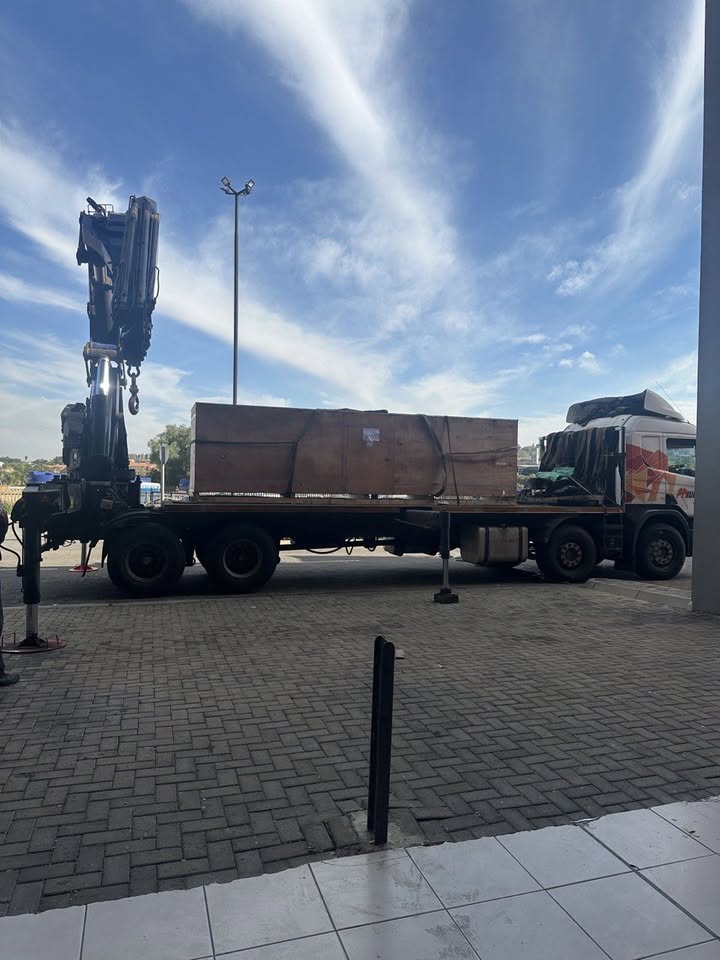
12 Heads Embroidery Machine
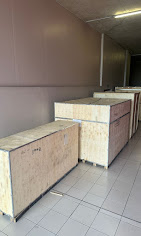
Toilet Paper Machine Machine
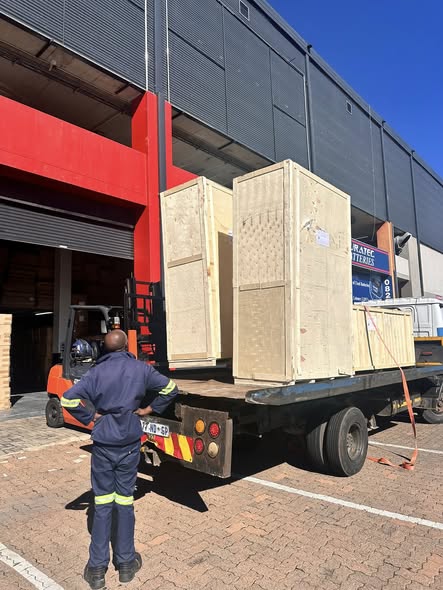
Order Collection
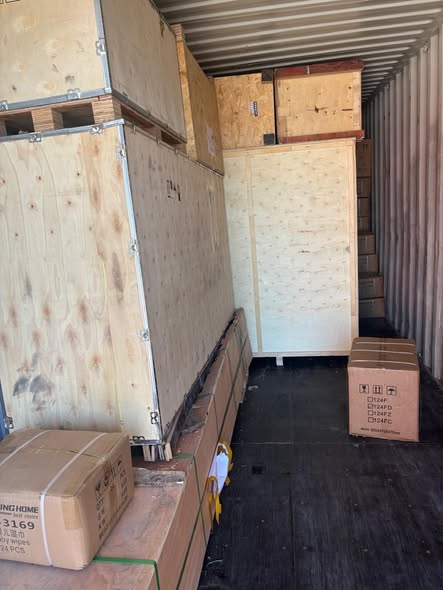
Cross Border Clients
Order cros border countries Collected
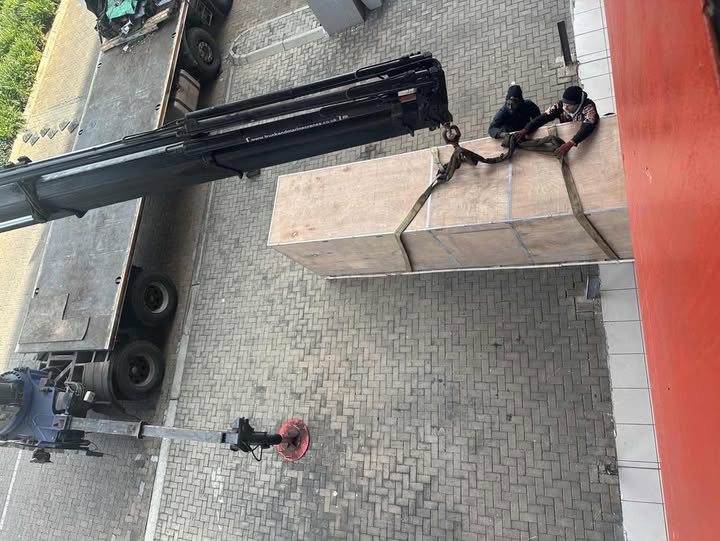
Industrial Machine Cllection
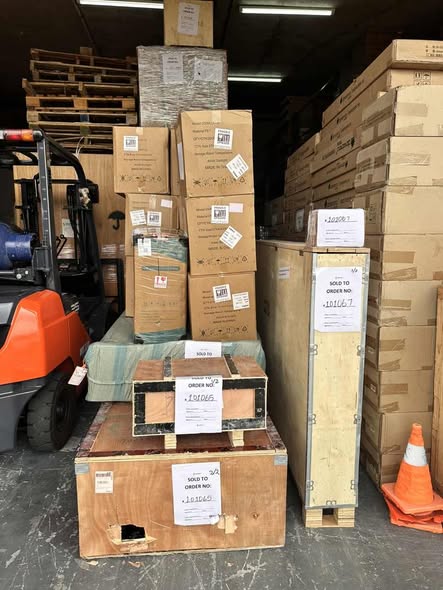
Agriculture Processing Machines
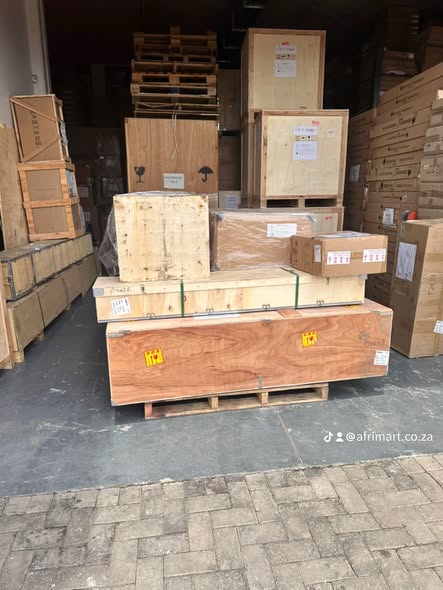
Ready for collection
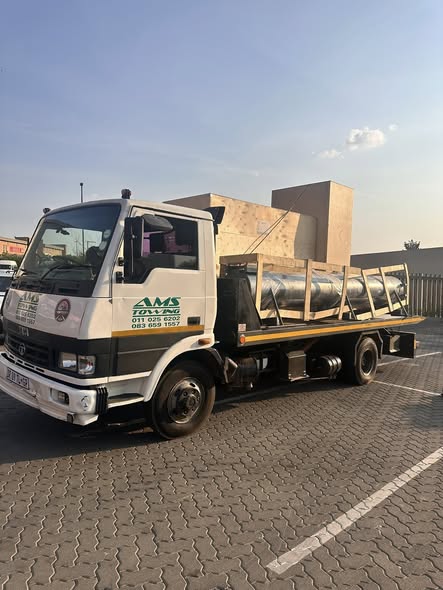
Water Pump Equipment
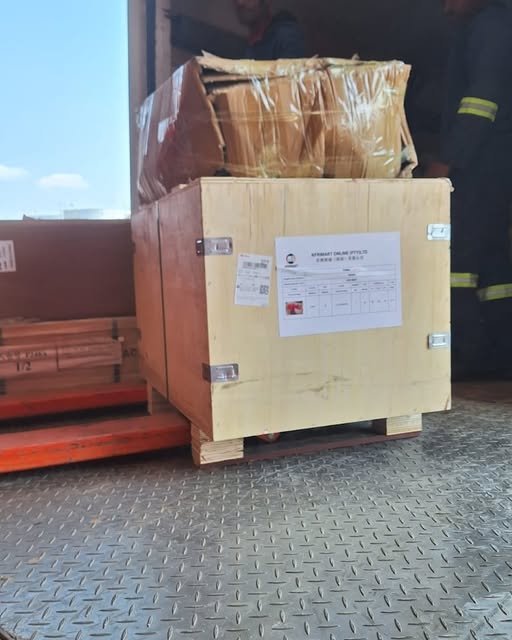
Packaging Machine and accessories
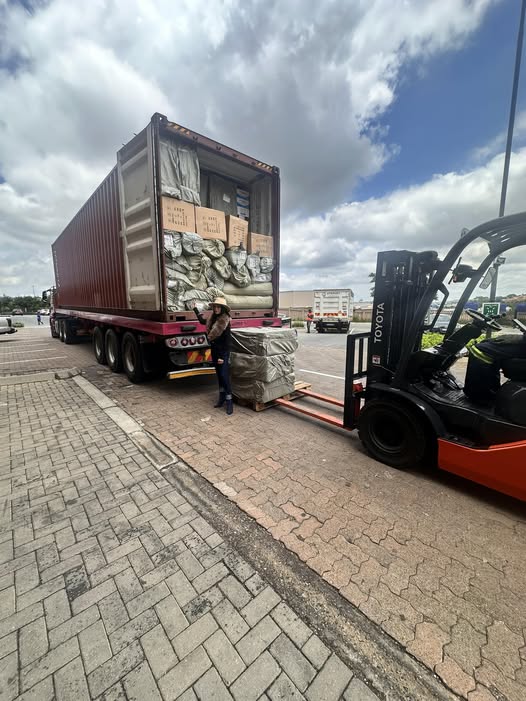
Fabrics Manufacturing Equipment
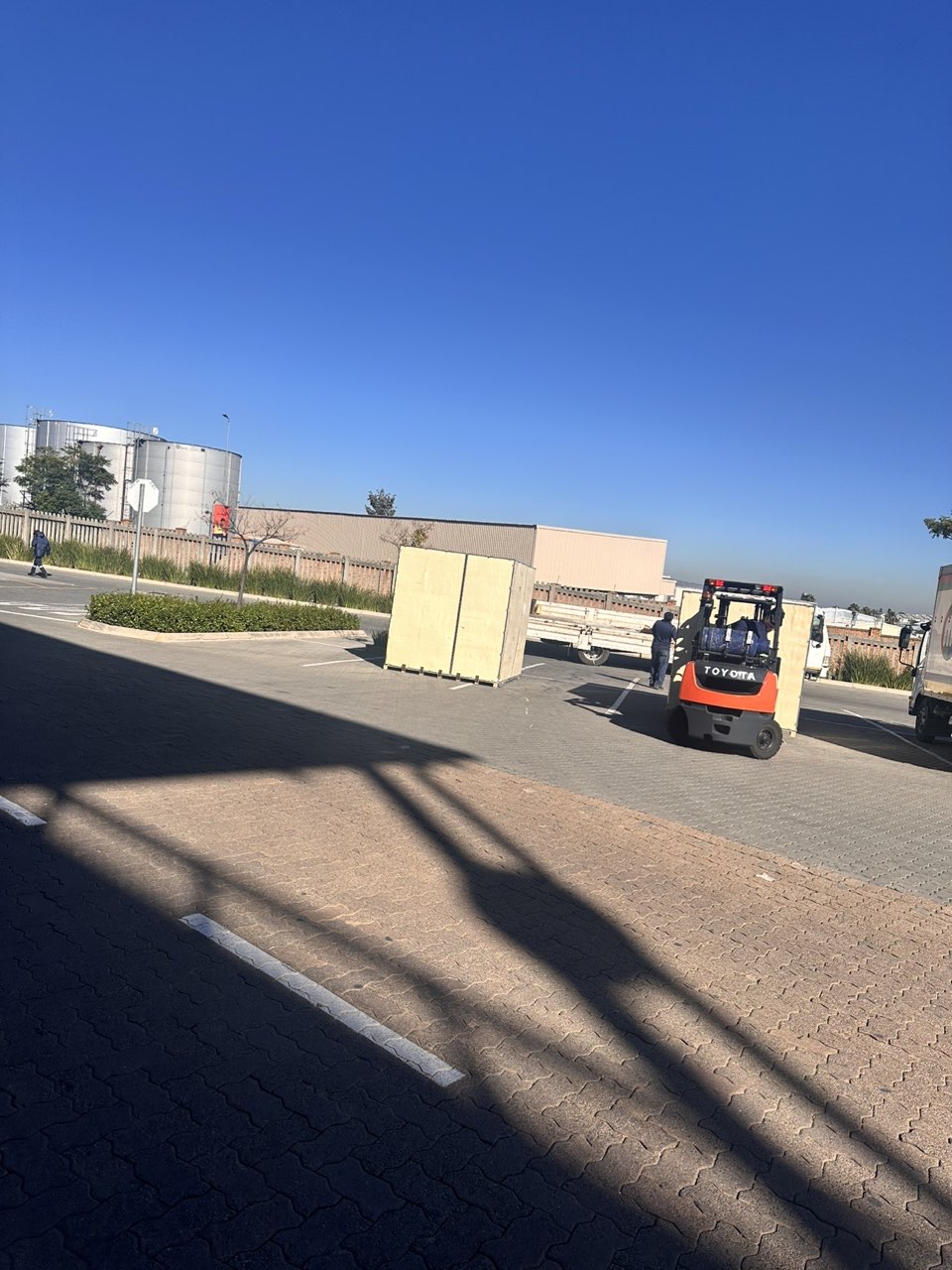
Mining Equipments
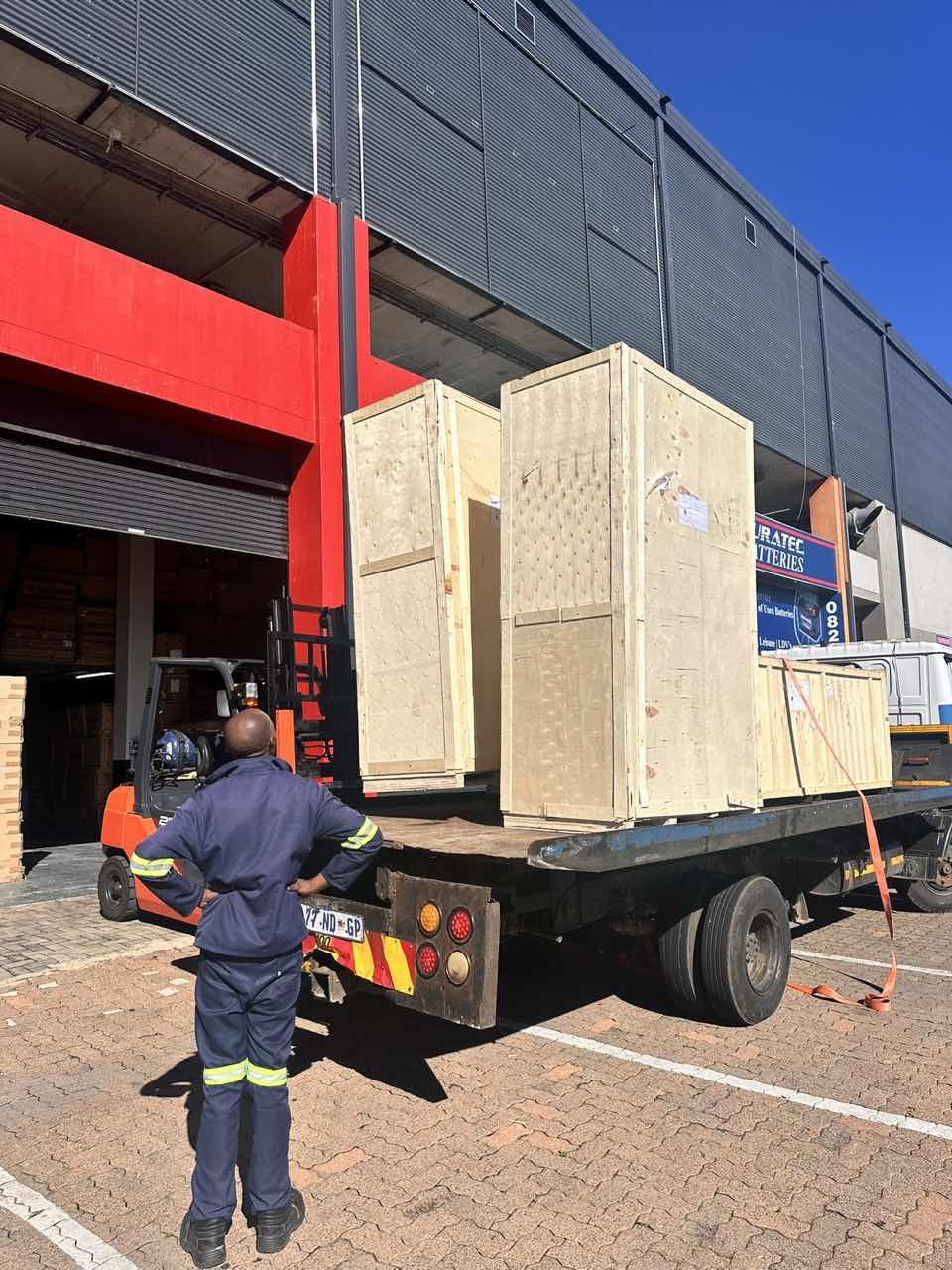
Food Processing Machine
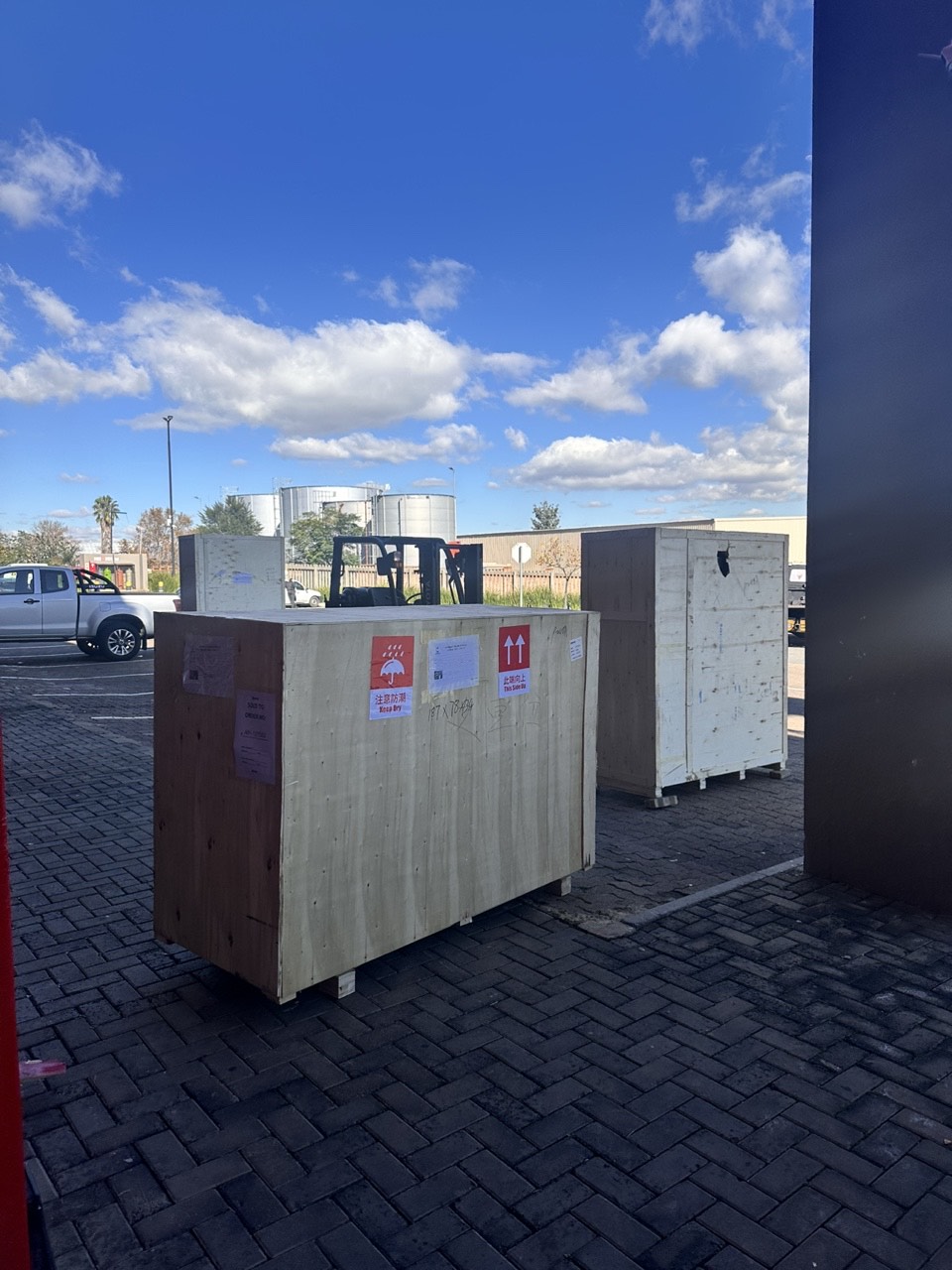
Batch of Orders
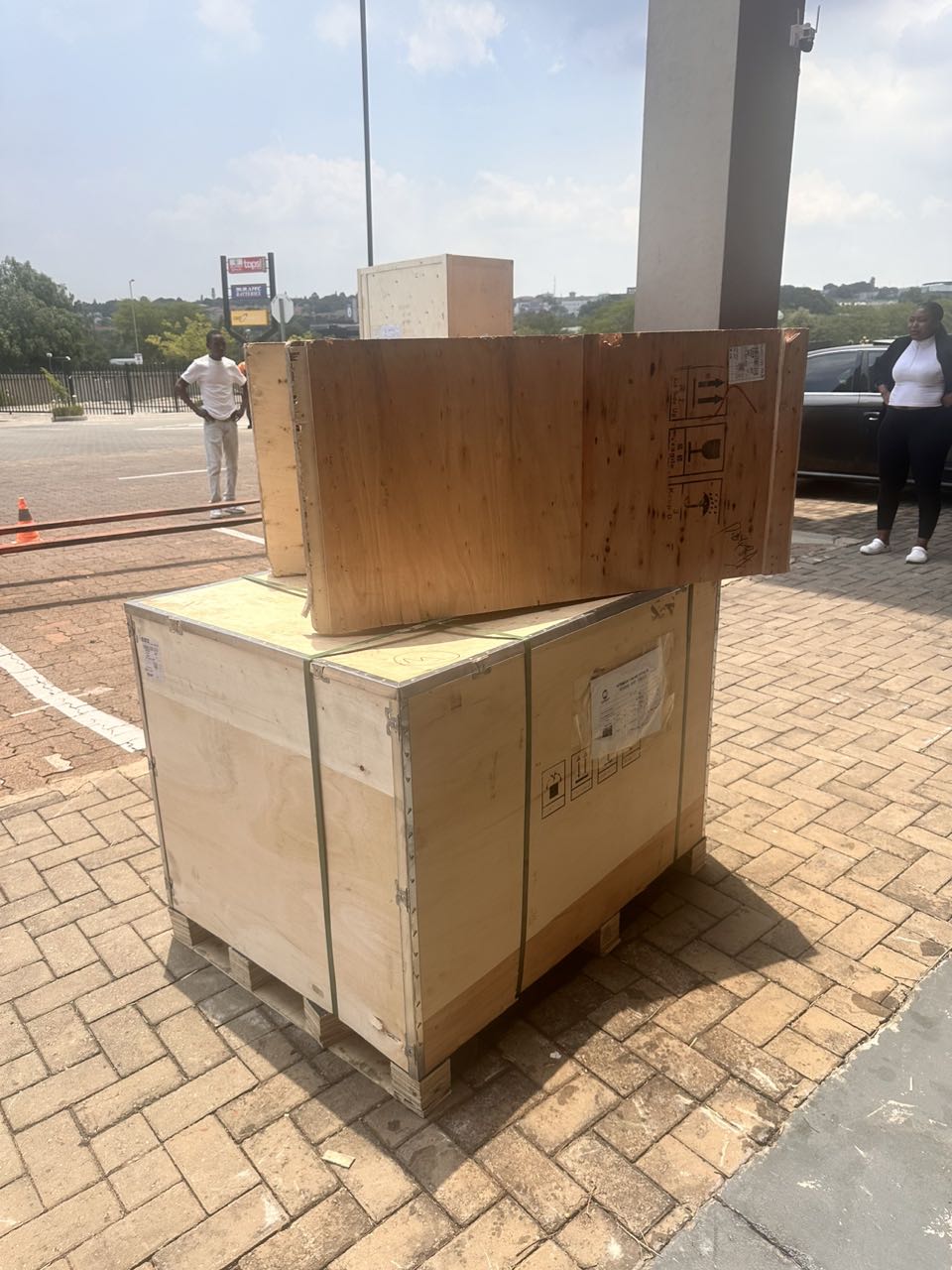
Batch of Orders
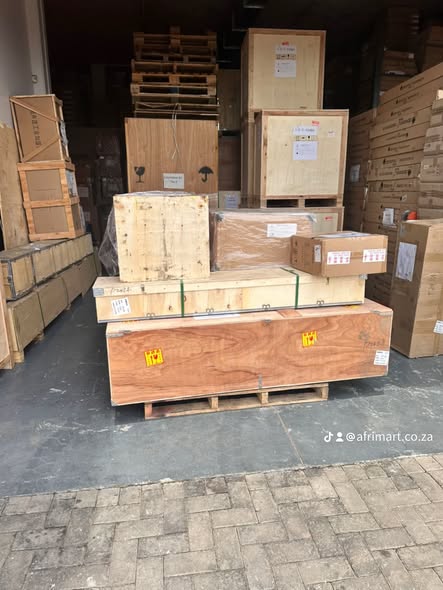
Latest Orders Labelled
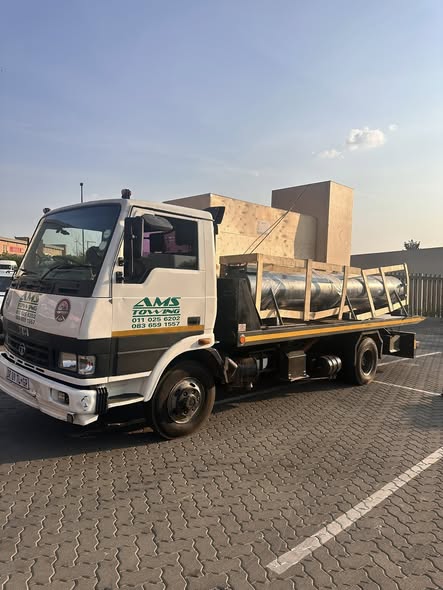
wheel alignment machines
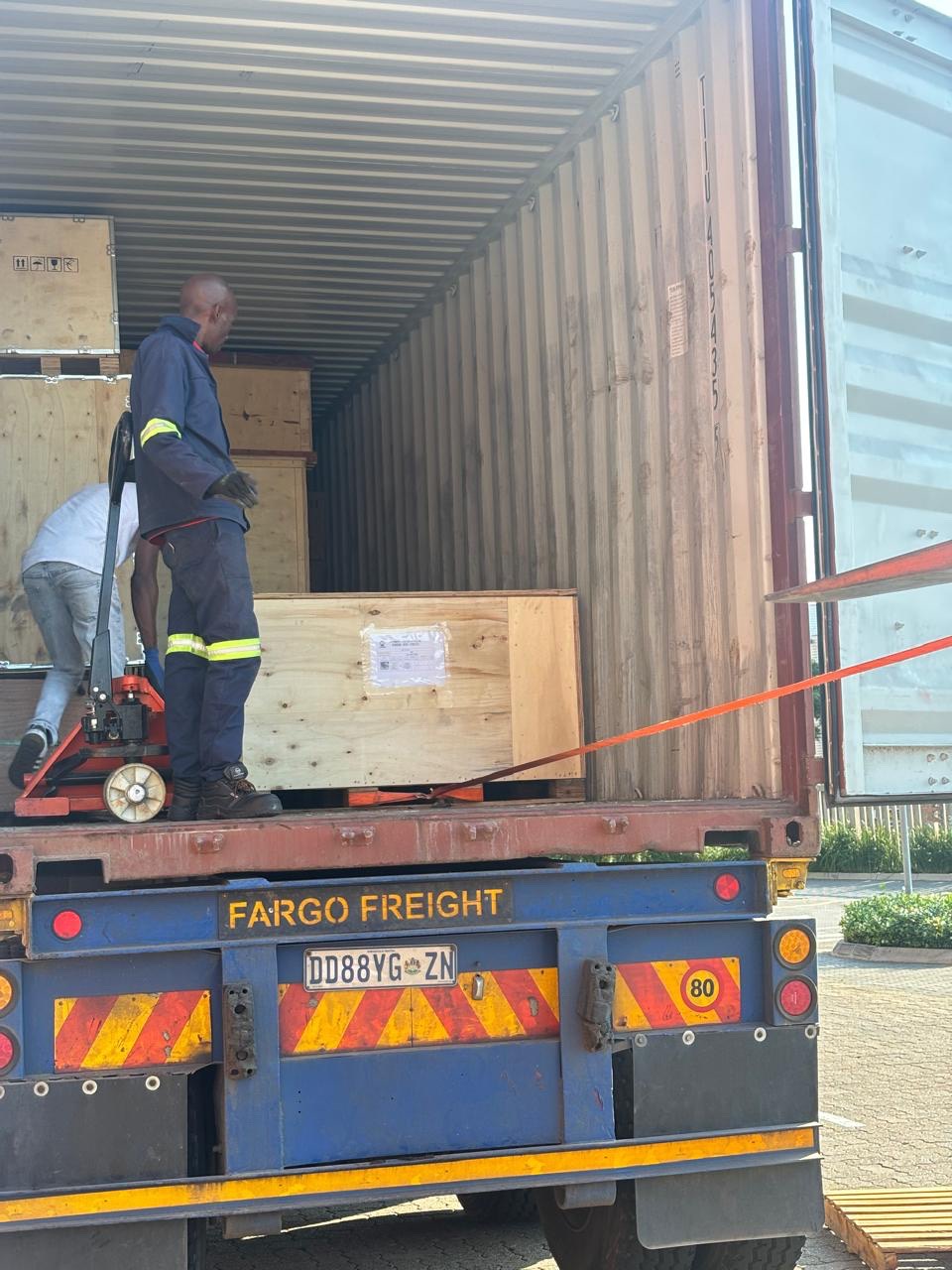
new arrivals
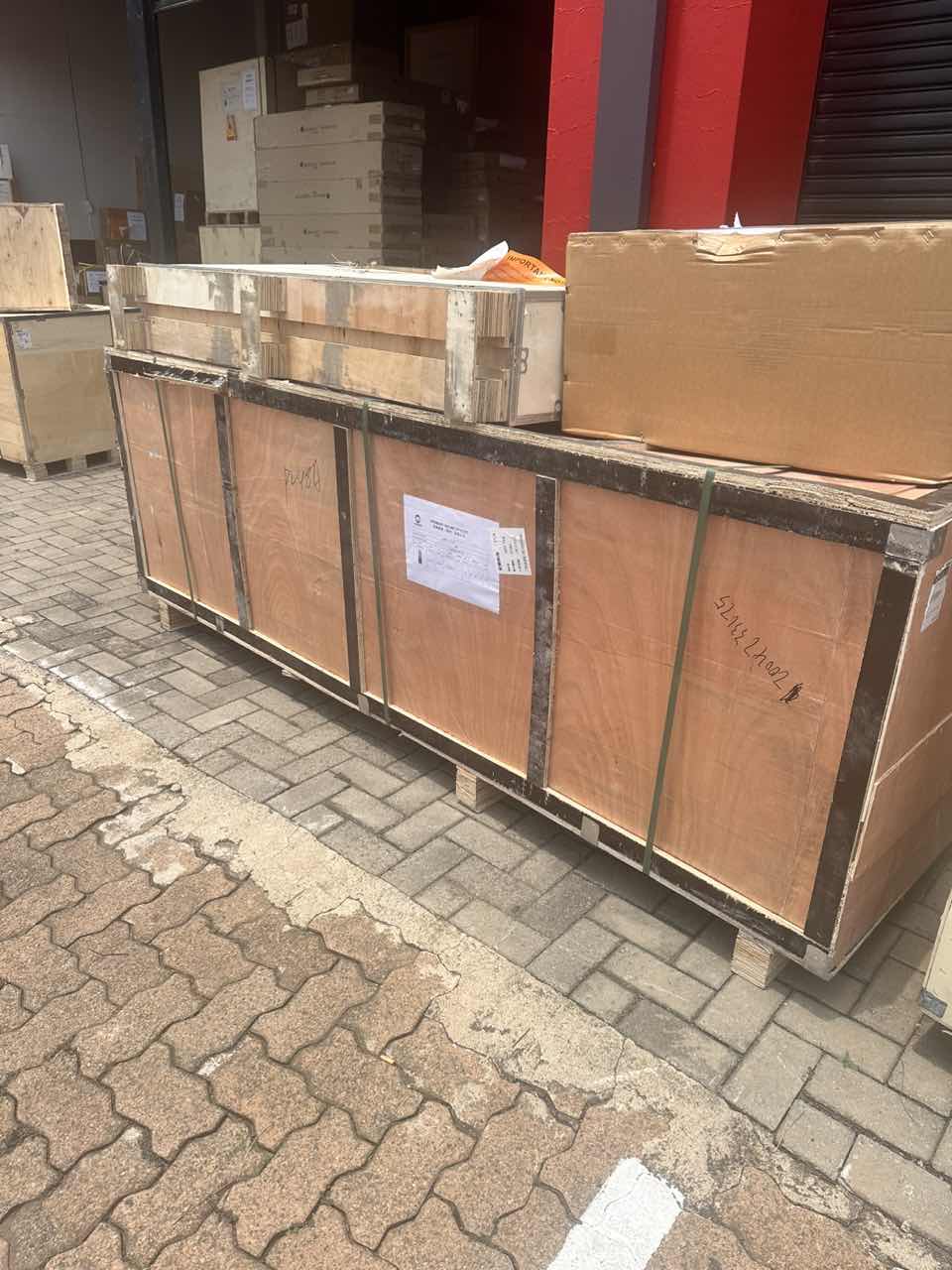
Pre Orders Offloading
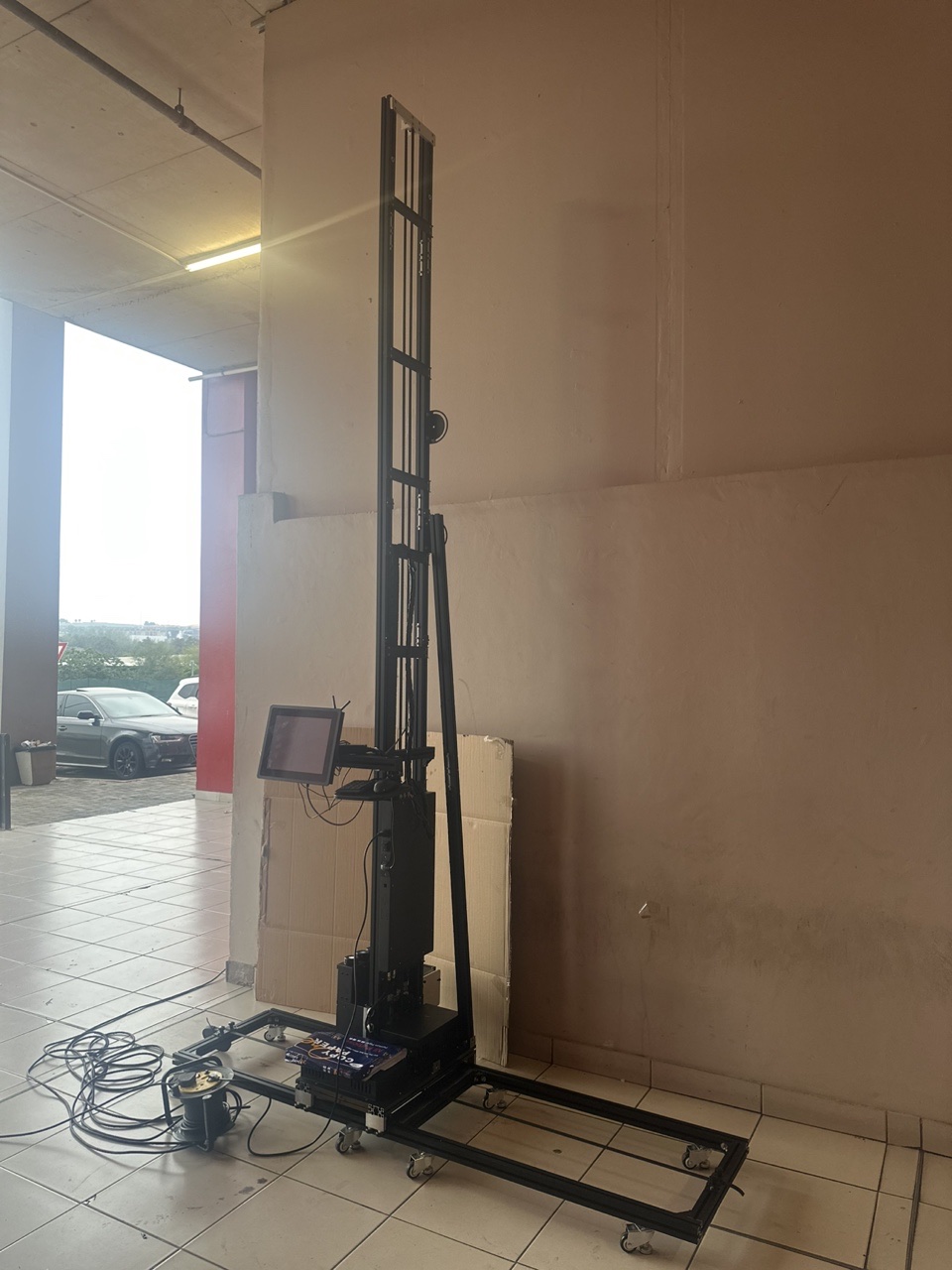
Latest Arrivals
Latest Arrivals
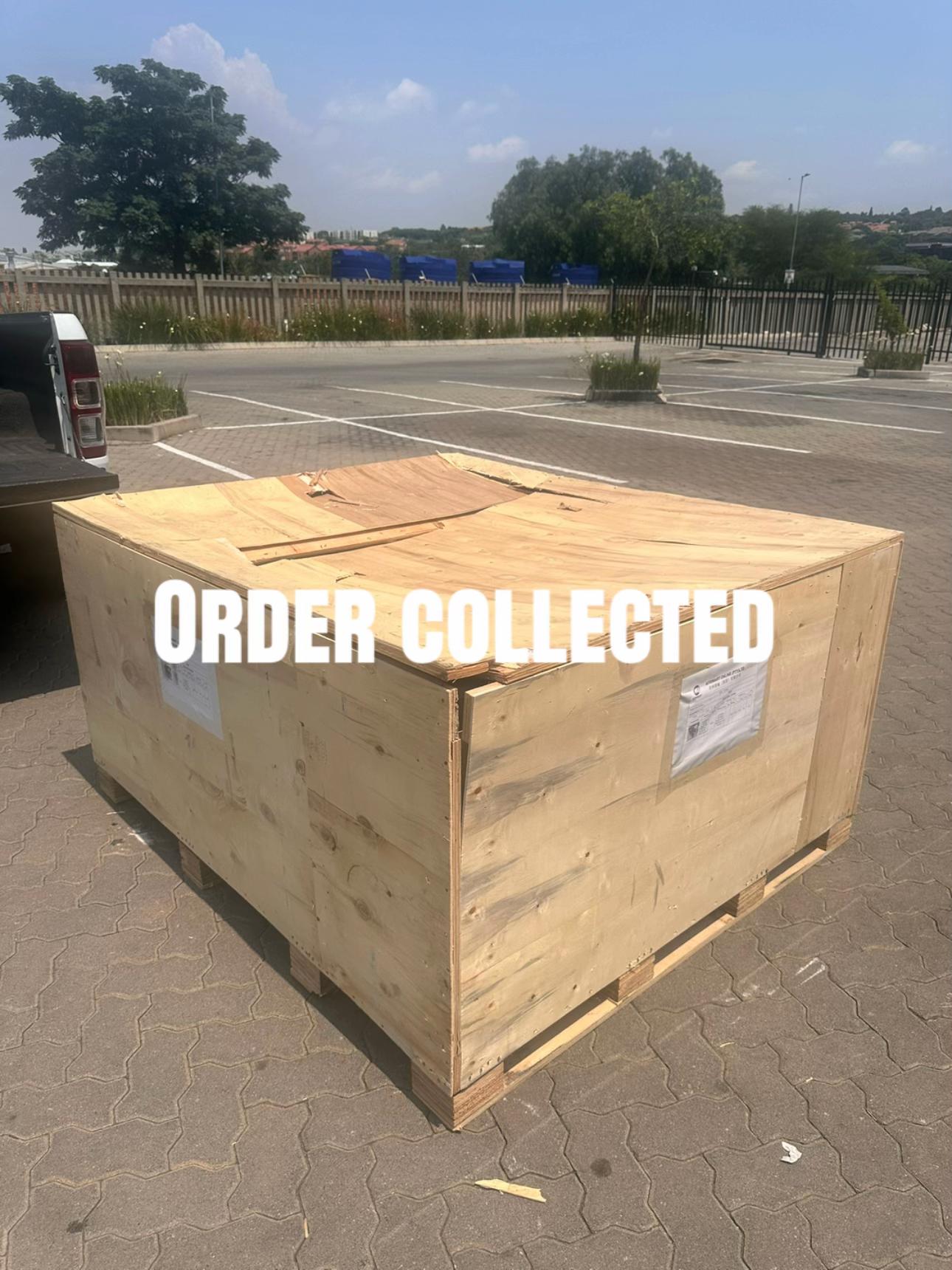
Latest Arrivals
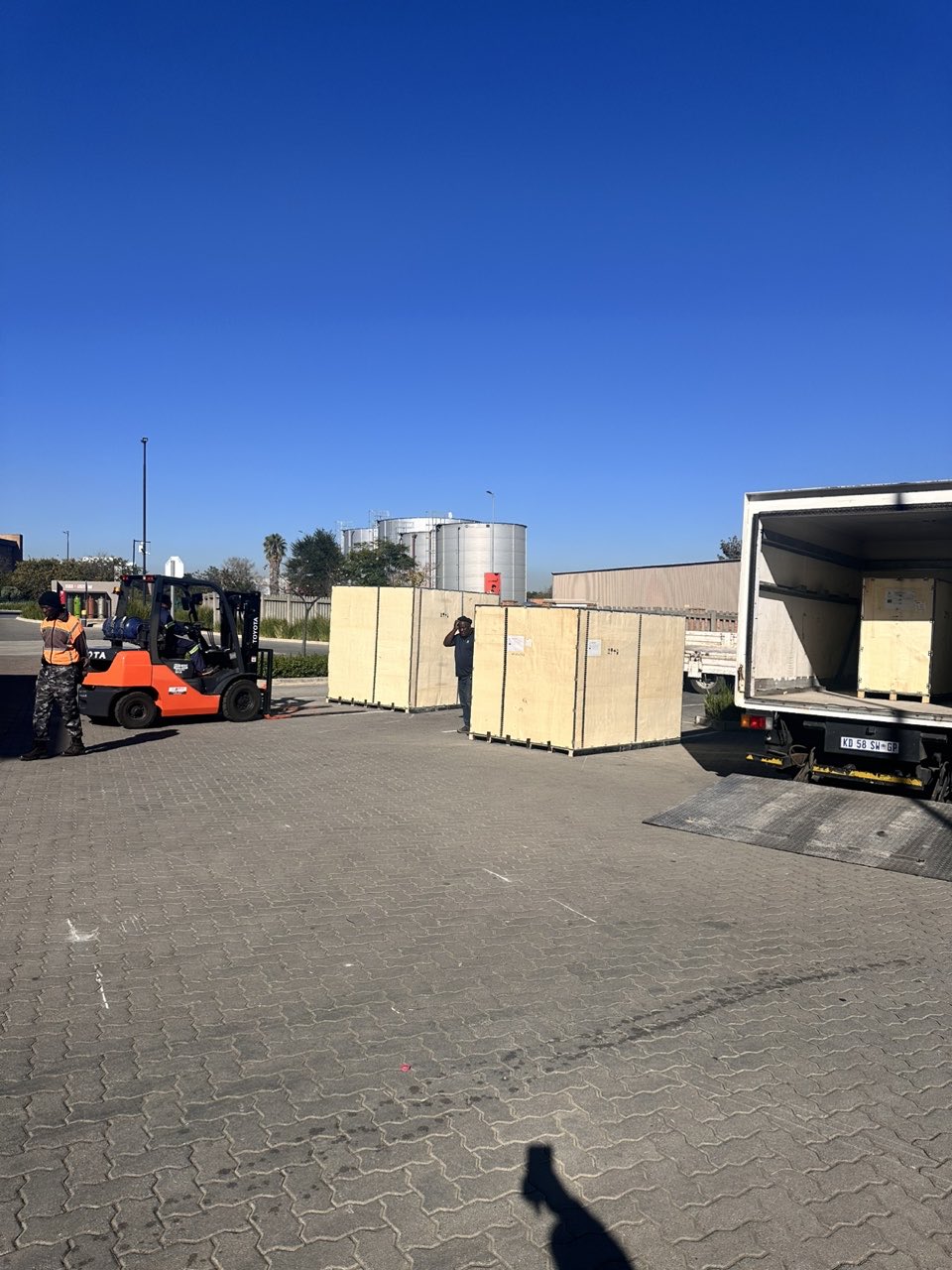
Loading
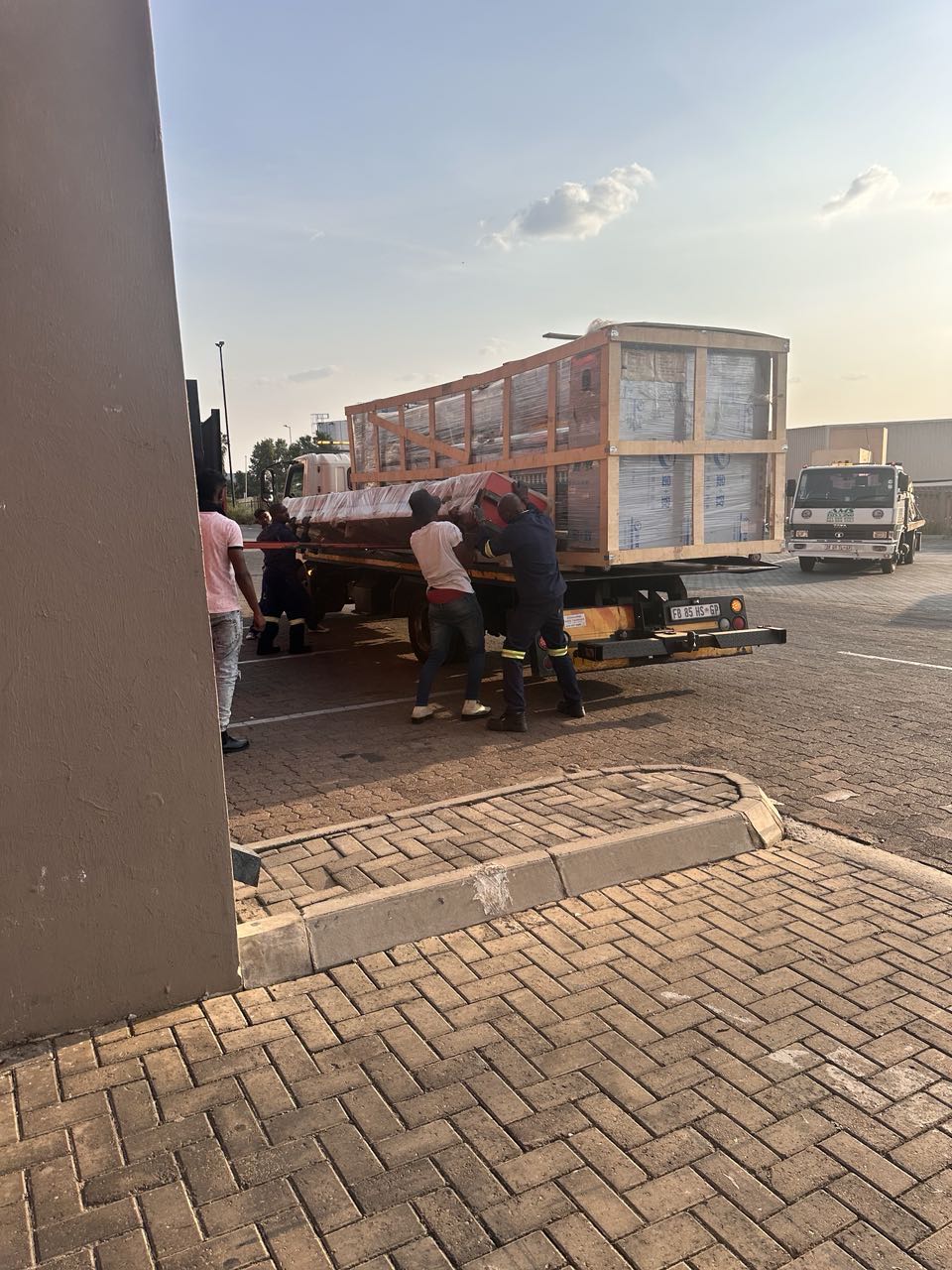
Toilet paper making machine
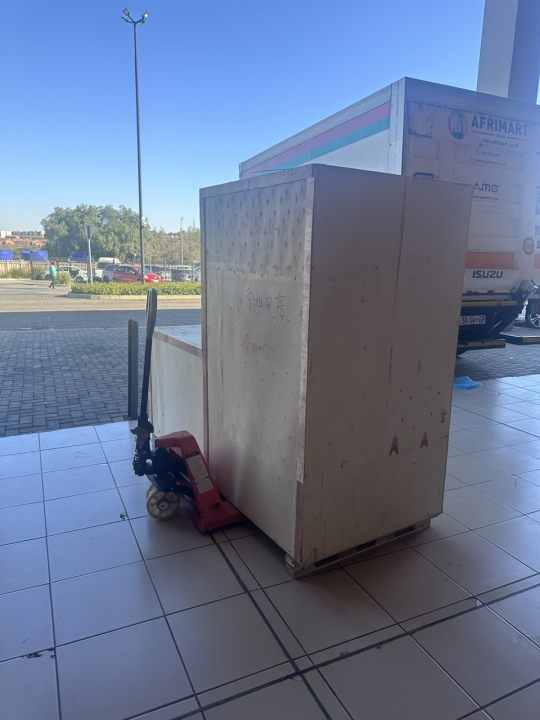
Toilet paper making machine
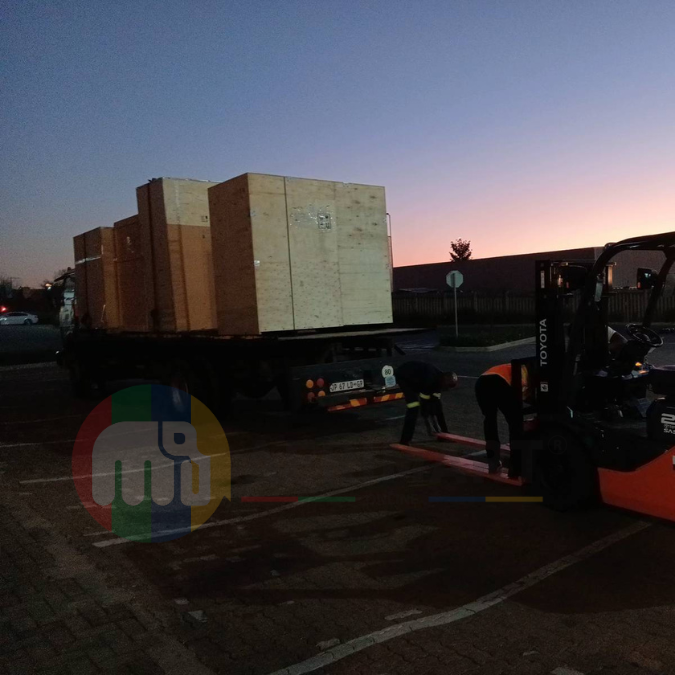
Toilet paper Rewinding Machine
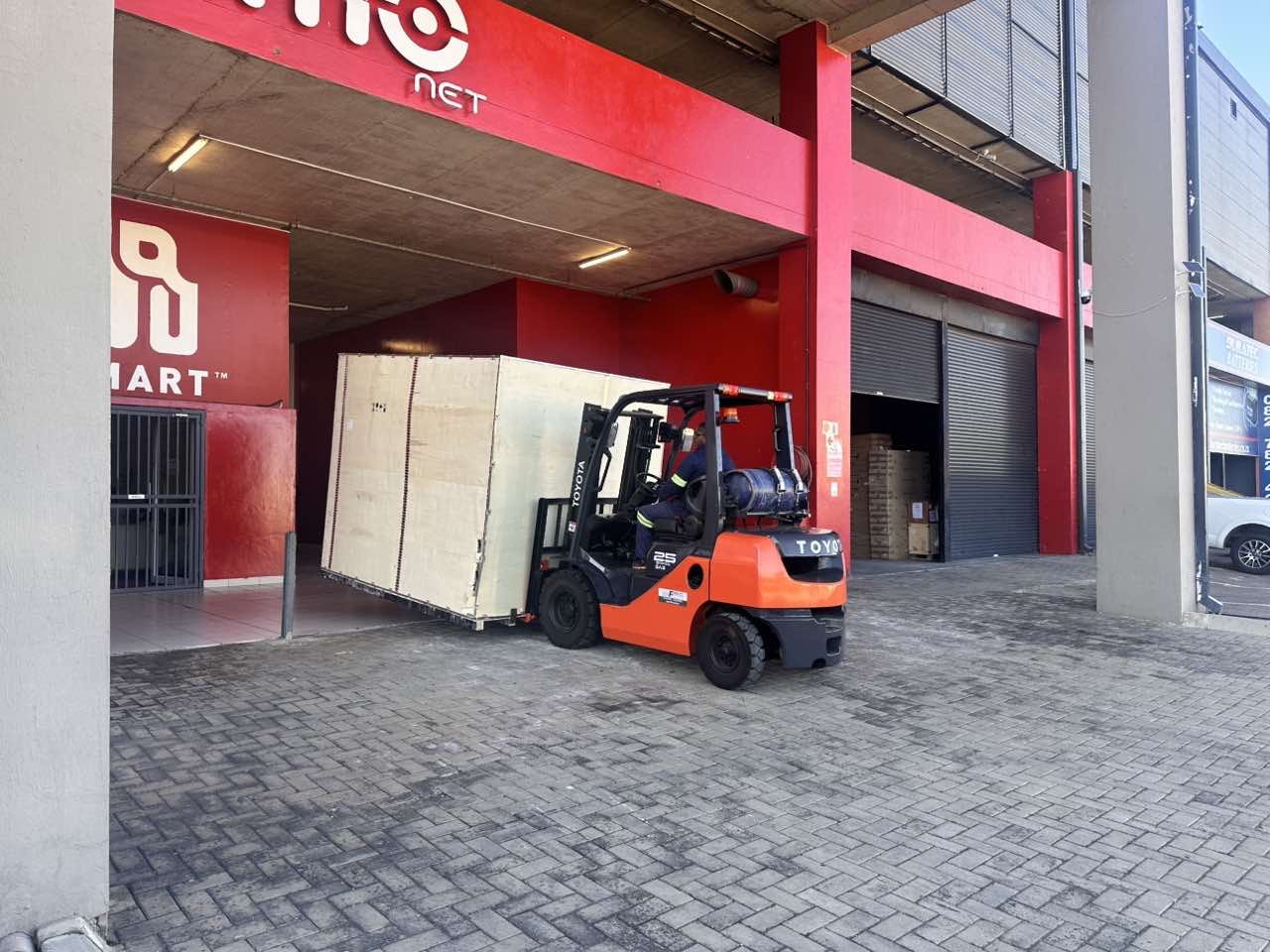
latest arrivals
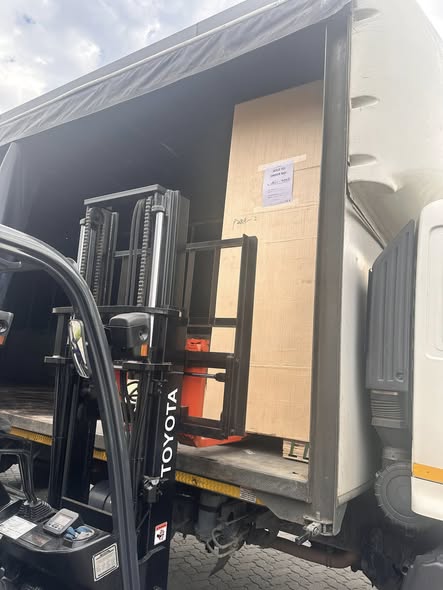
offloading
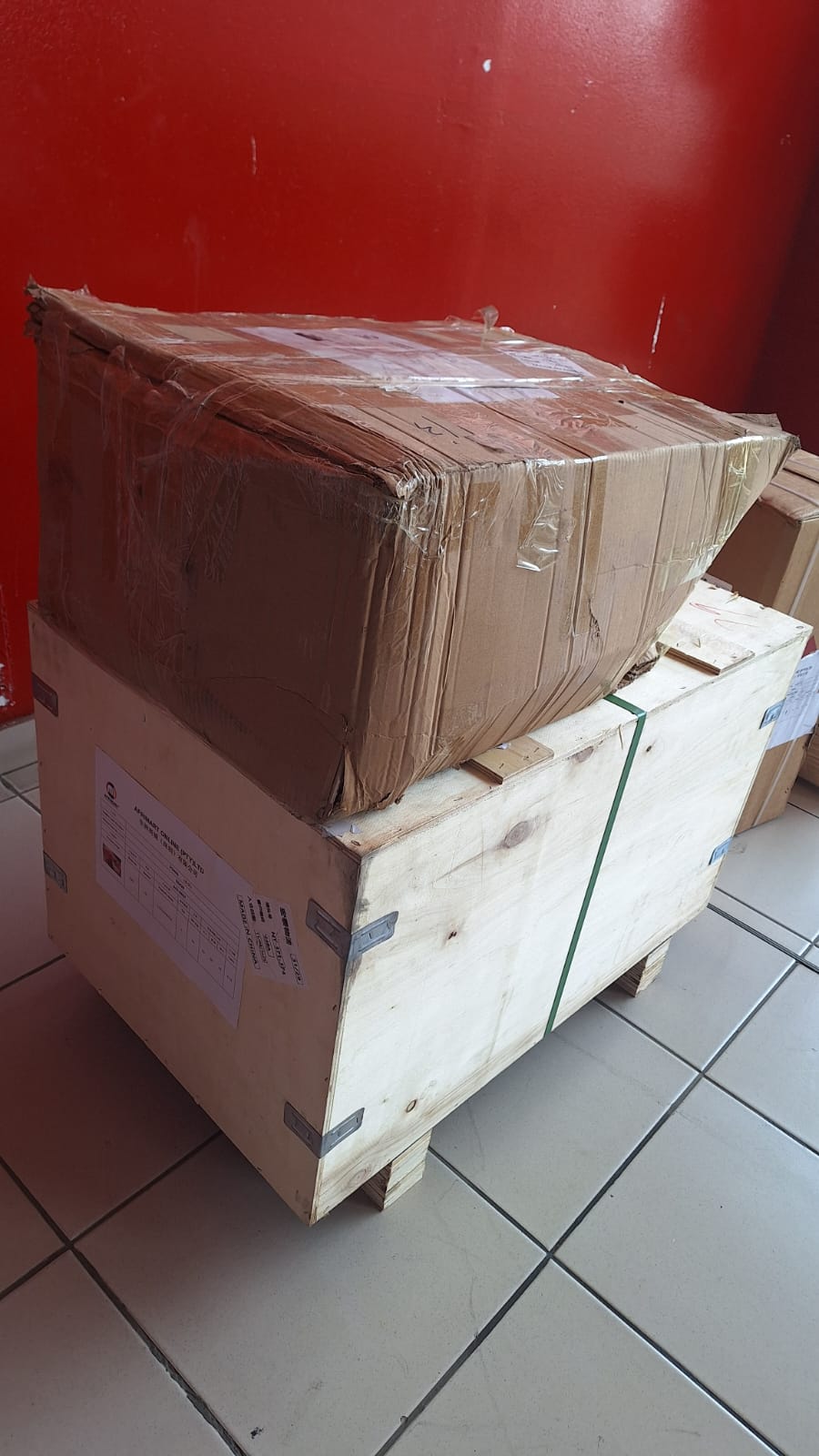
order success
order collection
order offloading