B21, China Town Mall, Midrand

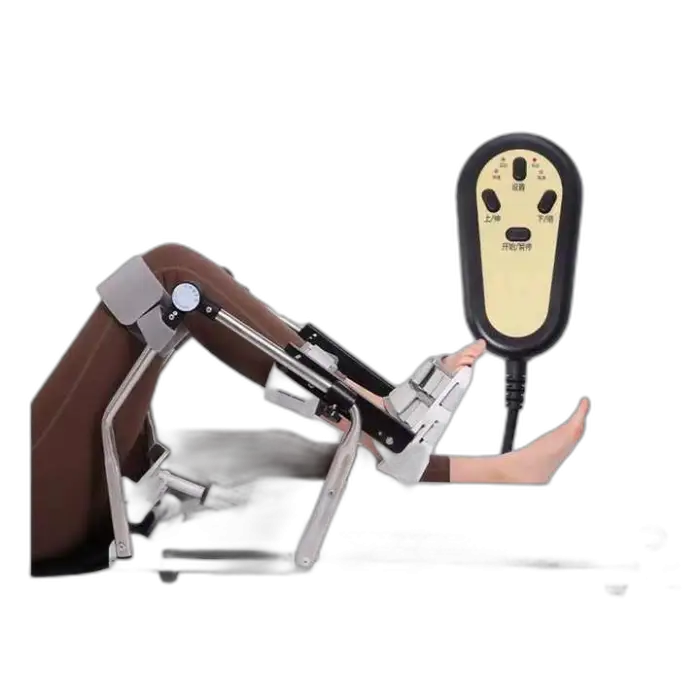
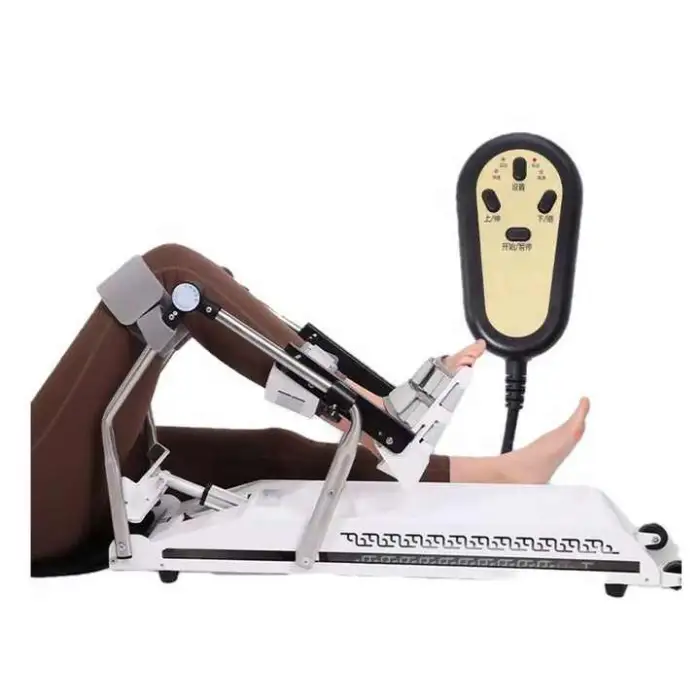
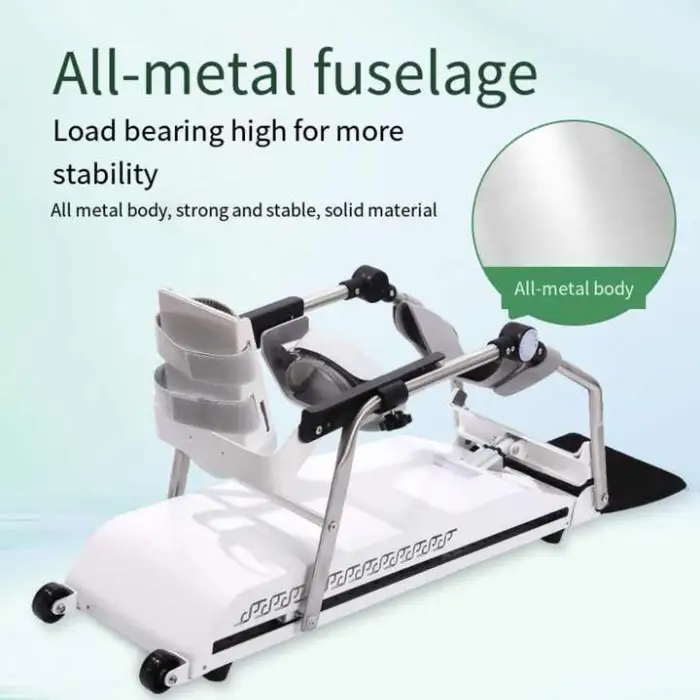
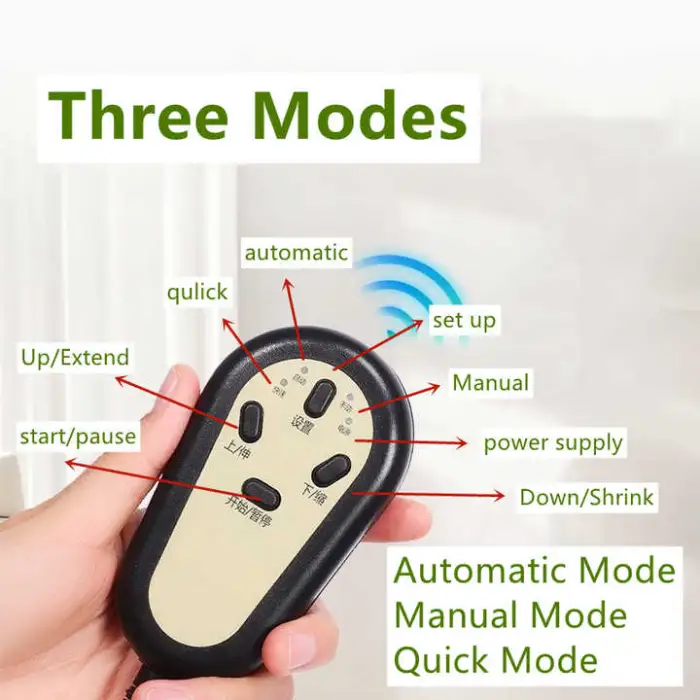
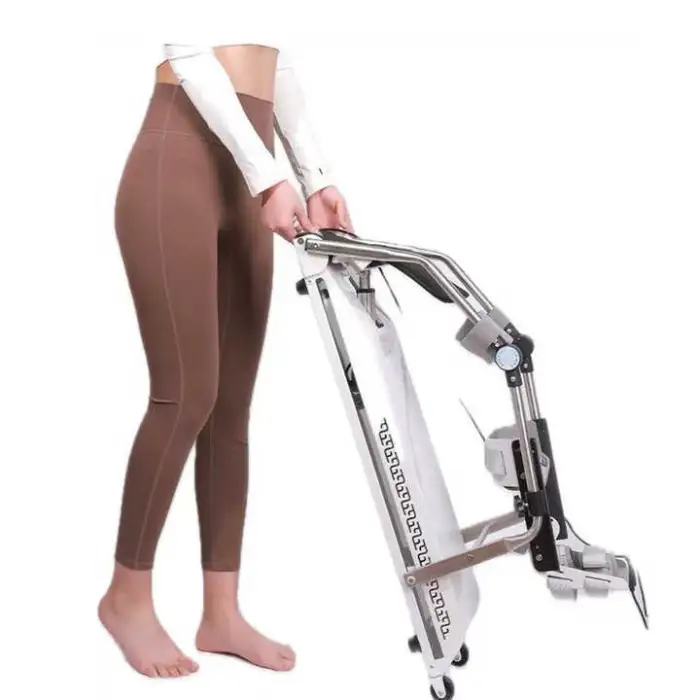
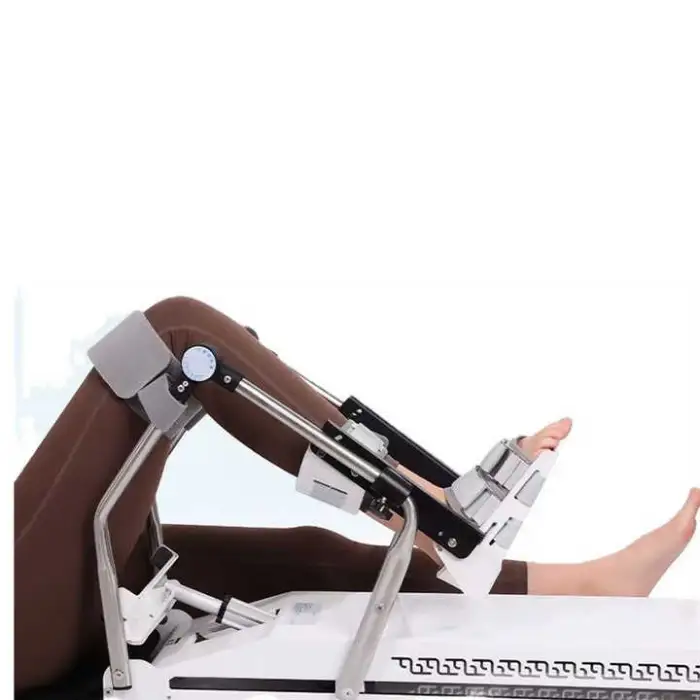
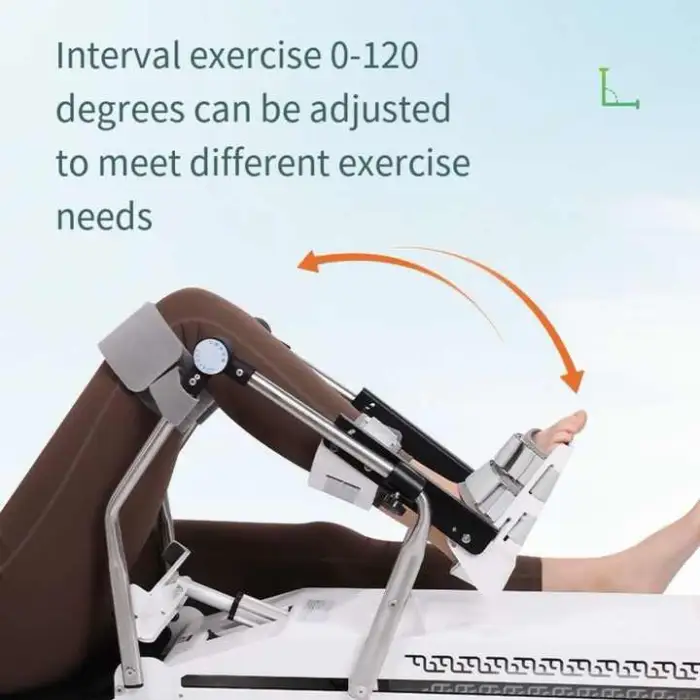
Electric CPM Knee Rehabilitation Machine Lower Limb Exercise Bending Stretching Knee Joint Rehabilitation Training Device
- Section : Medical Supplies
- Category : Household Medical Devices
- SKU : 1601378742900

Electric CPM Knee Rehabilitation Machine Lower Limb Exercise Bending Stretching Knee Joint Rehabilitation Training Device
The Electric CPM Knee Rehabilitation Machine is designed to help you recover your knee joint mobility. This easy-to-use device promotes bending and stretching exercises for effective rehabilitation. Whether you are healing from an injury or surgery, this machine is here to support your journey to better health.
Specifications
| Attribute | Details |
|---|---|
| Product Name | Electric CPM Knee Rehabilitation Machine |
| Color | White |
| Material | ABS |
| Function | Health Care |
| Weight | 10.4 kg |
| OEM | Accept |
| MOQ | 1 |
| Selling Units | Single item |
| Single Package Size | 10X20X10 cm |
| Single Gross Weight | 20.000 KG |
Key Features
- Promotes knee joint recovery.
- Easy to operate with simple controls.
- Lightweight design for easy transport.
- Durable ABS material for long-lasting use.
- Compact size for convenient storage.
Applications
- Post-surgery rehabilitation.
- Injury recovery therapy.
- Chronic knee pain management.
- Physical therapy sessions.
- Home health care routine.
Product Info Gallery
- Shipping Timeframes: All orders are processed within 2-5 business days (excluding weekends and holidays). After your order has been processed, the estimated delivery time is before 01 Oct, 2026, depending on customs, Please note that due to high demand, some items may experience longer shipping times, which will be communicated at order confirmation email.
- Order Processing Time: Please allow 2-5 business days for us to process your order before it is shipped . Orders placed after 16:00 on Fridays, or during weekends and public holidays, will begin processing on the next business day. Processing times may be extended during peak seasons or sales events.
- Manufacturing Time: Some products needs manufacturing time, the manufacturing process will take approximately 10-30 business days depending on the product. This timeframe may vary depending on the complexity of the product and current demand. but this will be communicated with you during order confirmation.
- Returns and Exchanges: We offer a 30-day return policy for most items. If you are not completely satisfied with your purchase, you may return it within 30 days of receipt for a refund or exchange. Items must be unused, in their original packaging, and accompanied by proof of purchase. Return shipping costs are the responsibility of the customer, unless the item was damaged or defective upon arrival.
1. What does CPM stand for and how does the Electric CPM Knee Rehabilitation Machine work?
CPM stands for Continuous Passive Motion. The machine gently moves the knee joint through controlled bending and stretching cycles to maintain mobility, reduce stiffness, and support post-operative or injury recovery without the patient actively exerting the muscle.
2. Who is this device intended for?
It is intended for people recovering from knee surgery (e.g., ACL, knee replacement), knee injuries, those with chronic knee stiffness or pain, and use in physical therapy or home health care routines — ideally under guidance from a clinician.
3. Can it be used on either the left or right leg?
Yes. CPM machines are typically designed to be used on either the left or right knee; you position the limb on the support and secure it with the provided straps. Follow the user manual for correct placement.
4. What adjustable settings does the machine have (range of motion, speed, duration)?
The product description does not specify exact ranges. Most CPM devices allow you to adjust range of motion (flexion/extension), cycle speed, and treatment duration. Check the included manual or contact the seller for the exact adjustment ranges for this model.
5. Is the machine easy to operate at home?
Yes. The device is described as easy to operate with simple controls, making it suitable for home use. However, initial setup and recommended settings should be confirmed by a healthcare professional.
6. What are the device dimensions, weight and portability?
The unit is made from ABS, weighs about 10.4 kg, and is described as lightweight and compact for easy transport and storage. The listed single package size is 10X20X10 cm and single gross weight 20.000 KG; packaging dimensions and shipping weight may vary by supplier.
7. What power source does the machine use?
The product description doesn’t list the power source. CPM machines commonly use an AC adapter (and some models use rechargeable batteries). Confirm the exact power requirements with the seller or the product manual before purchase.
8. Are there any safety precautions or contraindications?
Yes. Do not use if you have an active infection in the knee, uncontrolled swelling, deep vein thrombosis (DVT) unless approved by a doctor, or if instructed otherwise by your physician. Always consult your surgeon or physical therapist before beginning CPM therapy and follow prescribed limits.
9. Will the machine cause pain during use?
CPM is intended to be gentle. Mild discomfort or stretching sensation can be normal, but sharp or increased pain is not. Stop use and consult your healthcare provider if you experience significant pain, numbness, or circulatory changes.
10. How do I clean and maintain the device?
Wipe the exterior surfaces and straps with a soft cloth and mild disinfectant. Avoid soaking or using harsh chemicals on components. Regularly inspect straps and fasteners for wear. Refer to the manufacturer’s maintenance guide for specifics.
11. What comes in the package?
The description lists a single item selling unit but does not give a detailed parts list. Typically packages include the CPM unit, power adapter, leg supports/straps, and a user manual. Confirm exact contents with the seller before purchase.
12. Is the product customizable or available for OEM branding?
Yes. The specifications indicate OEM is accepted, meaning the manufacturer can provide custom branding or configurations. Minimum order quantity (MOQ) is listed as 1, but OEM terms and lead times should be discussed with the supplier.
13. Can this device be used without supervision?
Although the device is designed for home use and is easy to operate, initial use and prescribed settings should be determined by a healthcare professional. Patients with cognitive impairment or limited mobility should have assistance during use.
14. What should I do if the unit makes unusual noise or malfunctions?
Stop use immediately if you hear unusual noises or observe malfunctions. Disconnect power, check for obstructions, and inspect attachments. Contact the seller or manufacturer for troubleshooting, repair, or replacement as per warranty terms.
15. Where can I get warranty, service, or replacement parts?
Warranty and after-sales service details are not included in the description. Contact the seller or manufacturer for warranty coverage, service centers, and availability of replacement parts and accessories before purchasing.
Latest Order Arrivals
Discover our latest orders

12 Heads Embroidery Machine

Toilet Paper Machine Machine

Order Collection

Cross Border Clients

Order cros border countries Collected

Industrial Machine Cllection

Agriculture Processing Machines

Ready for collection

Water Pump Equipment

Packaging Machine and accessories

Fabrics Manufacturing Equipment

Mining Equipments

Food Processing Machine

Batch of Orders

Batch of Orders

Latest Orders Labelled

wheel alignment machines

new arrivals

Pre Orders Offloading

Latest Arrivals

Latest Arrivals

Latest Arrivals

Loading

Toilet paper making machine

Toilet paper making machine

Toilet paper Rewinding Machine

latest arrivals

offloading

order success

order collection

order offloading