B21, China Town Mall, Midrand

 Building Boards & Insulation
 Coated & Treated Products
Decorative Building Materials
EPDM/PVC/TPO Membrane
Coated & Treated Products
Decorative Building Materials
EPDM/PVC/TPO Membrane
 Flat Products (Sheets, Plates & Coils)
Gabion mesh
Geocell
Geogrid
Geomembrane Welding machine
HDPE Geomembrane
HDPE Geomembrane
Hdpe/Pvc Pipe
Industrial Hardware & Fasteners
LDPE LLDPE Geomembrane
Luxury Wall Panels
Nonwoven Geotextile
Other Geosynthetics
Pipe Floater
Pipeline & Fluid Systems
Pipes & Hollow Sections
PVC Ceilings
PVC Cornices
PVC Suspended Ceilings
PVC Wall Panels
Roofing & Cladding
Roofing & Corrugated Sheets
Rubber Hose
SPC Flooring
Strips & Bars
Structural Steel & Profiles
Flat Products (Sheets, Plates & Coils)
Gabion mesh
Geocell
Geogrid
Geomembrane Welding machine
HDPE Geomembrane
HDPE Geomembrane
Hdpe/Pvc Pipe
Industrial Hardware & Fasteners
LDPE LLDPE Geomembrane
Luxury Wall Panels
Nonwoven Geotextile
Other Geosynthetics
Pipe Floater
Pipeline & Fluid Systems
Pipes & Hollow Sections
PVC Ceilings
PVC Cornices
PVC Suspended Ceilings
PVC Wall Panels
Roofing & Cladding
Roofing & Corrugated Sheets
Rubber Hose
SPC Flooring
Strips & Bars
Structural Steel & Profiles
 Camera & Photo
 Chargers, Batteries & Power Supplies
 Commercial Equipment
 Home Audio & Video
 Portable Audio
 Printing Equipment
 Professional Audio
 Security & Protection
 Testing Equipment
 Advertising Boards
 Advertising Inflatables
 Advertising Light Boxes
 Commercial Fryers
 Computer Hardware & Software
 Digital Signage and Displays
 Display Racks
 Food Trucks
 Ice Cream Machines
 Interactive Boards
 Photo Booths
 Projectors & Presentation Equipments
 Refrigeration Equipment
 Supermarket Shelves
 Vending Machines
 Bedroom Furniture
 Commercial Furniture
 Decorations
 Dining Room Furniture
 Kitchen Furniture
 Living Room Furniture
 Office Furniture
 Agriculture Machinery
 Apparel Machinery
 Chemical Machinery
 Cleaning Equipment
 Construction Machinery
 Environmental Machinery
 Food & Beverage Machinery
 Industrial Machinery
 Machine Tool Equipment
 Machinery Accessories
 Material Handling
 Packaging Machines
 Brick Making Machinery
 Concrete Mixers
 Concrete Pumps
 Crushers
 Drilling Rigs
 Engineering & Construction Machinery
 Excavators
 Gas Generation Equipment
 Loaders
 Mineral Separators
 Mining Machinery
 Mortar Spray Machines
 Other Construction Machinery
 Road Machinery
 Stone Machinery
 Tile Making Machinery
 Truck Cranes
 Baking Equipments
 Beverage & Wine Machines
 Cake machine
 Donut machines
 Fermenting Equipment
 Fish Processing Machines
 Flour & Rice Mills
 Flour Mill
 Food Sterilizers
 Fruit & Vegetable Processing Machines
 Fruit & Vegetable Processing Machines
 Fryers
 Ice Cream Machines
 Juice Extractors
 Meat Processing Machinery
 Meat Slicers
 Other Food Processing Machinery
 Popcorn machine
 Snack Machines
 Vegetable Cutters
 Vegetable Washing Equipments
 Apparel & Textile Machinery
 CNC industrial Machinery
 Industrial Compressors & Parts
 Industrial Robots
 Industry Laser Equipment
 Machine Tool Equipment
 Manufacturing Machinery
 Metal & Metallurgy Machinery
 Paper Production Machinery
 Plastic & Rubber Processing Machinery
 Welding Equipment
 Woodworking Machinery
 Animal & Veterinary
 Household Medical Devices
 Medical Consumables
 Professional Medical Devices
 Testing Instrument
 Bone Surgical Instruments
 Burns Surgery Instruments
 Clinical Analytical Instruments
 Clinics Apparatuses
 Dental Chair
 Dental Consumables
 Dental Equipments
 Dental Handpiece
 Diagnostic Apparatuses
 Emergency & Clinics Apparatuses
 General Assay & Diagnostic Apparatuses
 Hospital Beds
 Hospital Chairs
 Hospital Trolley
 Implants & Interventional Materials
 Medical Cryogenic Equipments
 Medical Imaging Equipment
 Medical Optical Instruments
 Medical Ultrasound Instruments
 Medical X-ray Equipments
 Obstetrics & Gynecology Equipments
 Oral Therapy Equipments
 Physical Therapy Equipment
 Radiology Equipment & Accessories
 Rehabilitation Equipment
 Stethoscope
 Surgical Instruments
 Transfusion, Dialysis & Circulation Machines
 Vacuum Suction Devices
 Visual Acuity Examination Supplies
 Featured Accessories
 Mobile Phones
 Phone Accessories
 Screen Protector Machines
 Tablets
 Telecommunications
 Broadcast Intercom Systems
 Camera Modules
 Communication Antennas
 Corded Telephones
 Development Boards, Kits
 Enterprise Firewalls
 Enterprise Switches
 Fiber Optic Equipment
 Fixed Wireless Terminals
 Other Telecommunications Products
 PBX
PBX
 Signal conversion Boards
 Telecom Parts
 Wireless Infrastructure Equipment
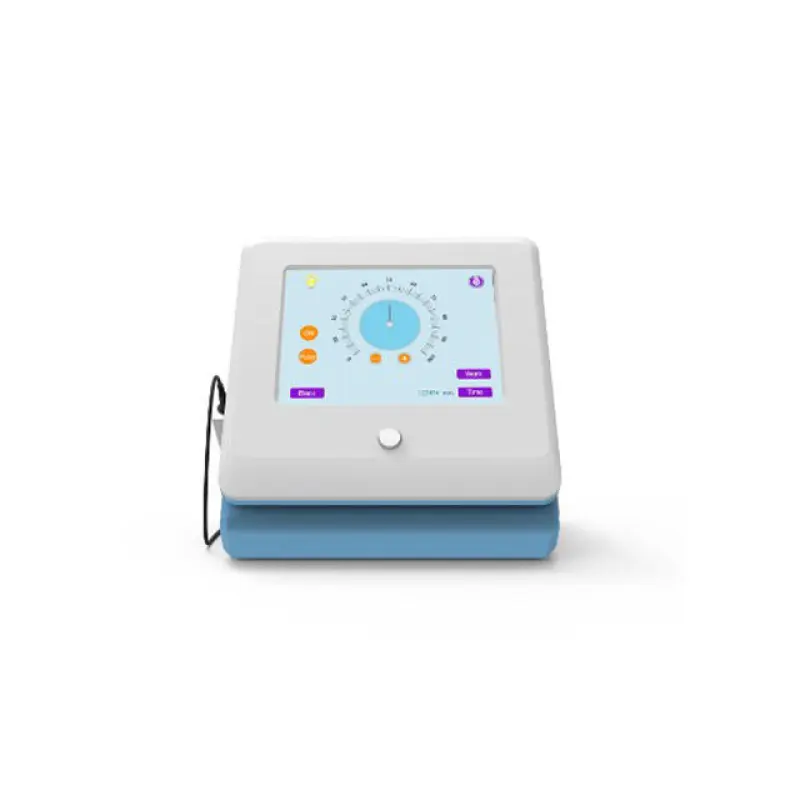
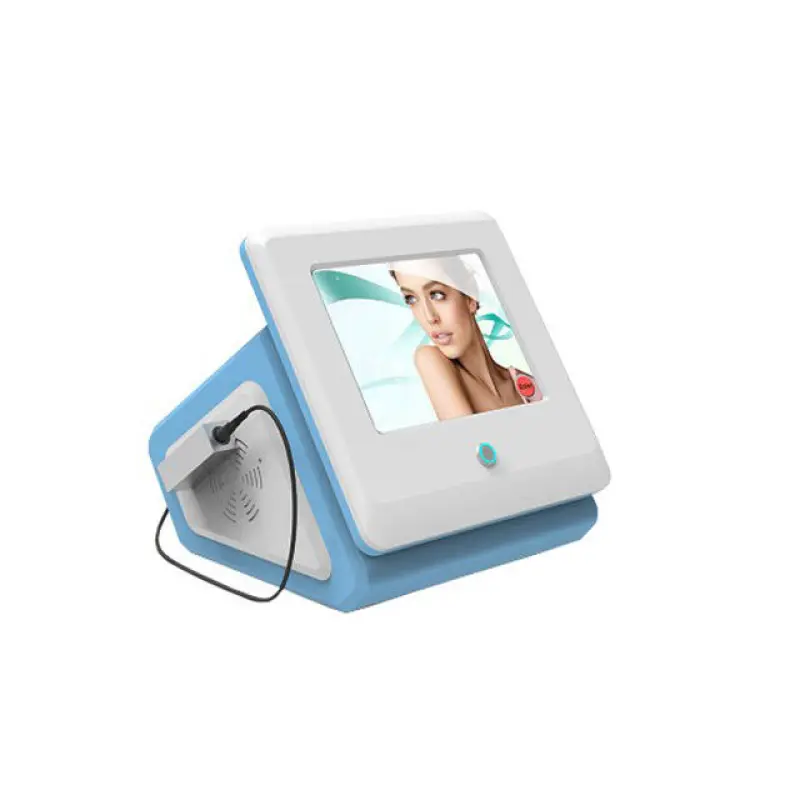
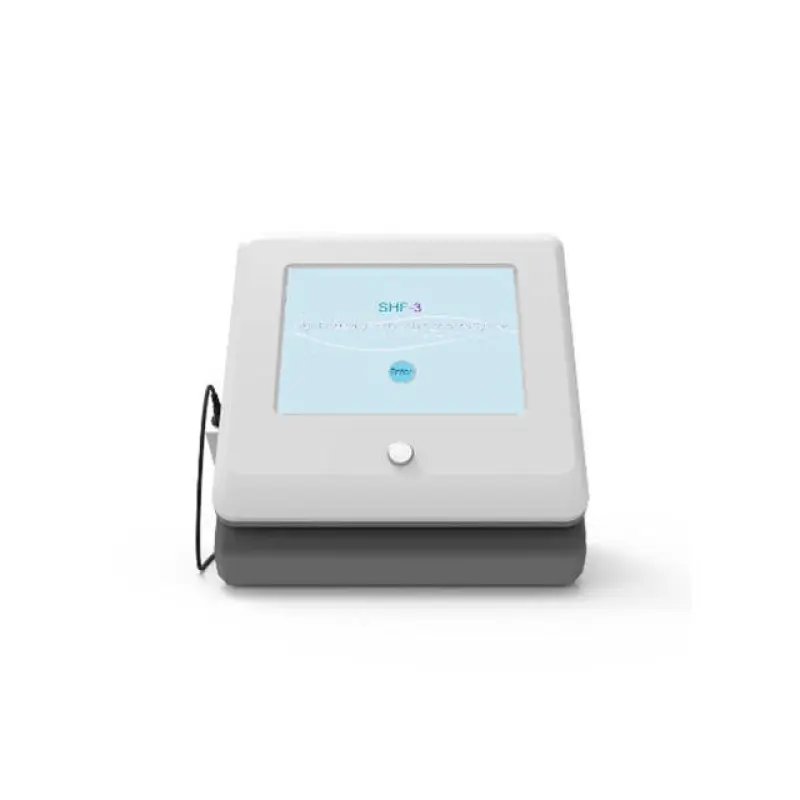
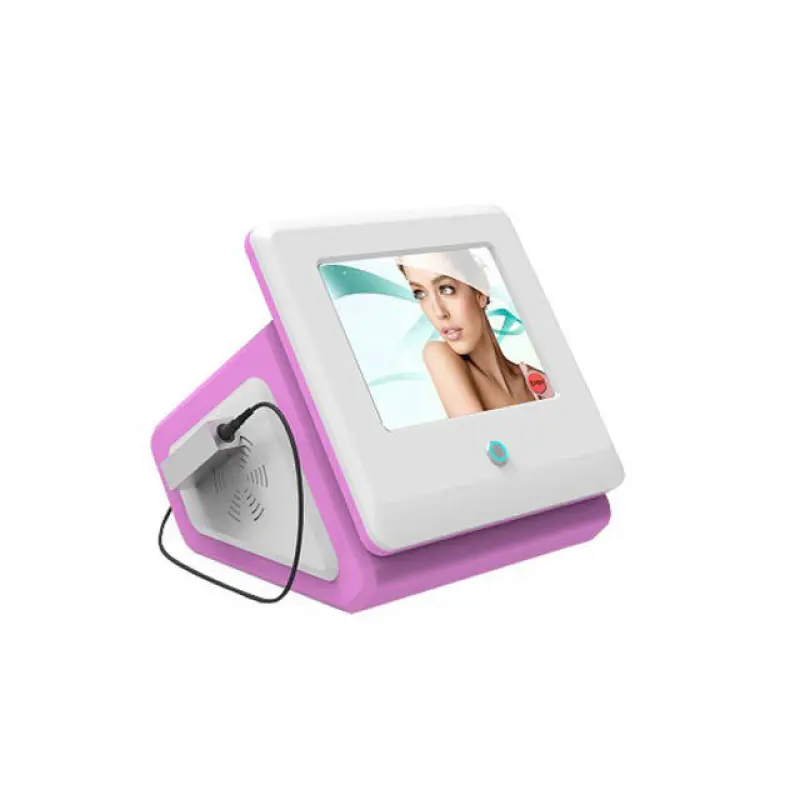
The Sano RF Vein Removal Device is a cutting-edge solution for vein treatment in commercial settings. Designed for ease of use, this portable device utilizes high-frequency radio waves to target and treat veins effectively. Whether you're looking to offer vein removal o...

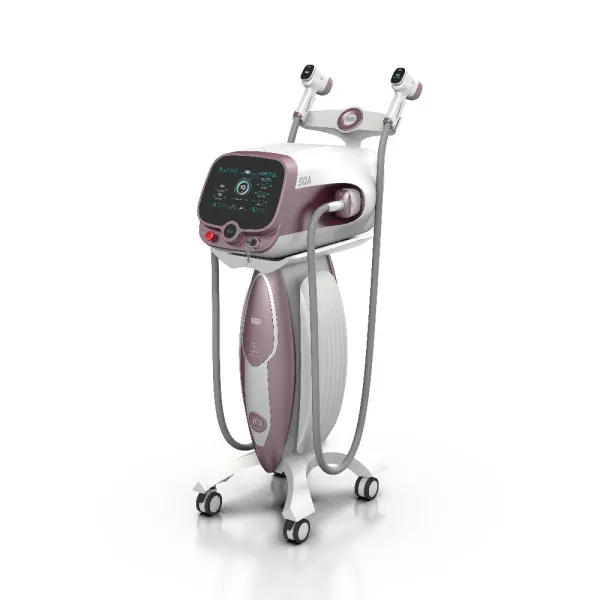
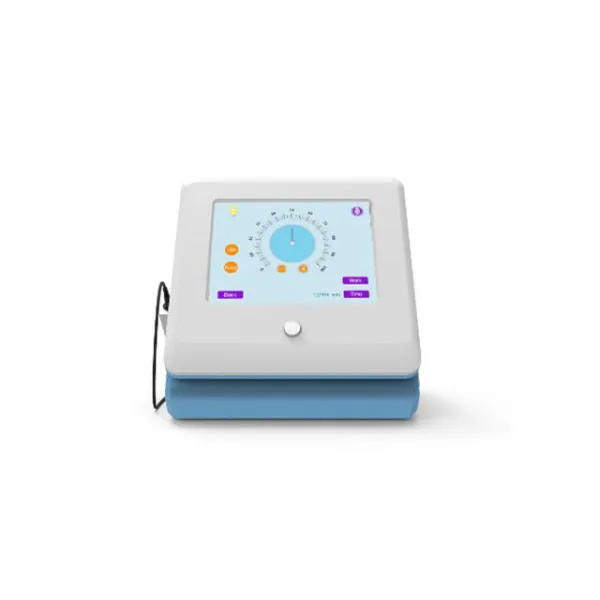
The Sano RF Vein Removal Device is a cutting-edge solution for vein treatment in commercial settings. Designed for ease of use, this portable device utilizes high-frequency radio waves to target and treat veins effectively. Whether you're looking to offer vein removal or skin rejuvenation treatments, the Sano RF Vein Removal Device delivers precision and comfort for both practitioners and clients.
Radio Frequency Technology: This device uses high radio frequency to target and treat veins. By applying controlled energy, it effectively removes veins without invasive surgery, making it a non-invasive option for clients seeking vein treatments.
Adjustable Output Power: The output power is fully adjustable, ranging from 0-100% with a ±10% tolerance. This flexibility allows the practitioner to tailor the treatment to each client's needs, ensuring effective and customized results.
Pulse and Continuous Work Modes: The Sano RF Vein Removal Device offers both pulse and continuous work modes. This allows for precise control over the treatment intensity and duration, ensuring that each session is as effective as possible.
Needle Diameter: The device uses a very fine needle with a diameter of just 0.01mm, which helps to target veins with high precision, minimizing discomfort and improving the outcome of the treatment.
High Frequency of 30MHz: Operating at a frequency of 30MHz, this device ensures deep penetration of radio frequency energy into the skin, offering effective vein removal and skin tightening benefits.
10.4-Inch LCD Touch Screen: The device is equipped with a 10.4-inch LCD touch screen for easy and intuitive control. The large display ensures that settings and adjustments are simple to view and modify during treatment.
Compact and Portable: With a device size of 320mm x 360mm x 370mm and a weight of 7.3 kg, the Sano RF Vein Removal Device is compact and portable, making it easy to move and store in any commercial setting.
Certifications: This device is CE certified and meets ISO 13485 and ISO 9001 standards, ensuring that it adheres to international quality and safety regulations.
The Sano RF Vein Removal Device is a powerful, portable, and easy-to-use machine ideal for commercial use in vein treatment clinics or beauty salons. Using high-frequency radio waves, this device delivers effective, non-invasive treatments that target veins with precision. Its adjustable output power, pulse/continuous modes, and fine needle size ensure maximum comfort and optimal results for clients. With its 10.4-inch touch screen and compact design, this device is perfect for professionals looking to provide advanced vein removal and skin rejuvenation treatments.


 .
.

No approved technical specifications are available yet. Please refer to the product description or contact our team.
The Sano RF Vein Removal Device is a portable radio frequency (RF) machine designed for commercial use to treat superficial veins (varicose/spider veins) and provide skin rejuvenation. It uses high-frequency RF energy to coagulate and reduce targeted veins non‑invasively, with adjustable power and pulse/continuous modes for practitioner control.
No. The device is intended for professional and commercial use (clinics, medical spas, beauty salons). Proper training and clinical judgment are required to use it safely and effectively.
Key specs include: operating frequency 30 MHz, adjustable output power 0–100% (±10% tolerance), pulse and continuous work modes, needle diameter 0.01 mm, 10.4‑inch LCD touch screen, dimensions 320×360×370 mm, and weight 7.3 kg. It is CE certified and meets ISO 13485 and ISO 9001 standards.
The product description states CE certification and compliance with ISO 13485 and ISO 9001 quality management standards. For regulatory approval beyond these (for example FDA clearance), check with the manufacturer or local distributor.
Common contraindications include pregnancy, presence of pacemakers or implanted electronic devices, active skin infections or open wounds at the treatment site, uncontrolled systemic disease (e.g., severe diabetes), and known clotting disorders. Always screen clients and consult the device manual and a medical professional when in doubt.
Discomfort varies by client and treatment area. Because the device uses a very fine needle (0.01 mm) and RF energy, many clients experience only mild discomfort or a brief stinging sensation. Topical anesthetic or local numbing can be used according to practitioner preference and local regulations.
Results depend on vein size, depth, and individual response. Small spider veins may respond in one or a few sessions, whereas larger or more extensive veins often require multiple treatments spaced weeks apart. Provide clients with individualized expectations during consultation.
Common temporary side effects include redness, mild swelling, pinpoint scabbing, darkening of treated spots, and slight tenderness. Rare risks include infection, scarring, or undesirable pigment changes if protocols are not followed. Proper technique, post‑care, and sterilization reduce risk.
Follow the manufacturer's instructions. Many practitioners use single‑use sterile needles or disposable tips to minimize infection risk. If reusable components are provided, they must be cleaned and sterilized according to the device manual and local health regulations.
Routine maintenance generally includes cleaning the handpiece and touch screen with approved disinfectants, inspecting cables and connectors, replacing consumables (needles/tips), and storing the unit in a dry environment. Perform functional checks before use and follow the manufacturer's maintenance schedule.
The product description does not list voltage or plug type. Check the user manual or contact your supplier for local voltage requirements and whether an adapter is needed for your region.
Yes. Operators should complete manufacturer training or accredited courses covering device operation, safety protocols, client selection, and emergency procedures. Local regulations may require licensed medical or aesthetic professionals to perform RF vein treatments.
Aftercare typically includes keeping the area clean, avoiding direct sun exposure, following any topical care instructions, and possibly wearing compression if recommended. Downtime is usually minimal; clients can often resume normal activities the same day, though temporary redness or scabbing may occur.
Discover our latest orders