B21, China Town Mall, Midrand

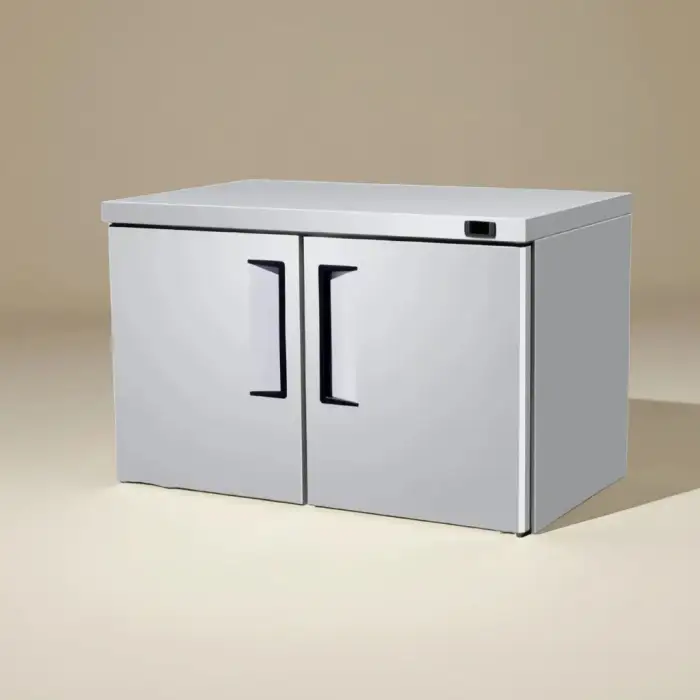
Commercial Undercounter Kitchen Machines Stainless Steel 3-Door Air-Cooling Single-Temperature Kitchen Machines

- Section : Consumer Electronics
- Category : Electric Slicers
- SKU : 1601427291140

Commercial Undercounter Kitchen Machines Stainless Steel 3-Door Air-Cooling Single-Temperature Kitchen Machines
The Commercial Undercounter Kitchen Machines Stainless Steel 3-Door Air-Cooling Single-Temperature Kitchen Machines are perfect for storing food safely. These machines are made of durable stainless steel and have three doors for easy access. They keep your food at the right temperature, making them ideal for busy kitchens.
Specifications
| Attribute | Details |
|---|---|
| Number Of Doors | 3 Doors |
| Equipment Type | Undercounter refrigerator |
| Temperature Range (°C) | +4~-5℃ / 23~39℉ |
| Defrost Type | Automatic Defrost |
| Power Source | Electric |
| Dimension (L*W*H) | 36 x 30 x 35 3/4 inch |
| Power | 300w |
| Refrigerant | R290 (Propane) |
| Brand Name | Eddysen |
| Weight (kg) | 230l |
| Material | Stainless Steel |
| Cooling System | Air-Cooling System |
| Compressor | EMBRACO |
| Function | Food Storage |
| Gross Weight | 95kg |
Key Features
- Three-door design for easy access.
- Digital temperature control for accuracy.
- Frost-free operation for convenience.
- Adjustable shelves for customizable storage.
- Energy Star certified for efficiency.
- Built from durable stainless steel.
Applications
- Restaurants and cafes.
- Food trucks and catering services.
- Schools and hospitals.
- Grocery stores and delis.
- Any commercial kitchen setting requiring food storage.
Product Info Gallery
- Shipping Timeframes: All orders are processed within 2-5 business days (excluding weekends and holidays). After your order has been processed, the estimated delivery time is before 03 Dec, 2026, depending on customs, Please note that due to high demand, some items may experience longer shipping times, which will be communicated at order confirmation email.
- Order Processing Time: Please allow 2-5 business days for us to process your order before it is shipped . Orders placed after 16:00 on Fridays, or during weekends and public holidays, will begin processing on the next business day. Processing times may be extended during peak seasons or sales events.
- Manufacturing Time: Some products needs manufacturing time, the manufacturing process will take approximately 10-30 business days depending on the product. This timeframe may vary depending on the complexity of the product and current demand. but this will be communicated with you during order confirmation.
- Returns and Exchanges: We offer a 30-day return policy for most items. If you are not completely satisfied with your purchase, you may return it within 30 days of receipt for a refund or exchange. Items must be unused, in their original packaging, and accompanied by proof of purchase. Return shipping costs are the responsibility of the customer, unless the item was damaged or defective upon arrival.
1. What is the 'Commercial Undercounter Stainless Steel 3-Door Air-Cooling Single-Temperature' machine?
It's a commercial-grade undercounter refrigeration unit made of stainless steel, with three doors, air-cooled refrigeration, and a single temperature zone designed to store chilled food and ingredients at one uniform temperature.
2. Is this unit a refrigerator or a freezer?
Models with 'single-temperature' can be configured as a refrigerated cabinet or a frozen cabinet depending on the specific product. Check the model specification or data plate to confirm whether it is set for refrigeration (above freezing) or freezing (below 32°F / 0°C).
3. What does 'single-temperature' mean?
Single-temperature means the cabinet has one refrigerated zone that maintains a single, uniform temperature throughout the interior rather than multiple independently controlled zones.
4. What are the typical dimensions and will it fit under my counter?
Undercounter units are designed to fit beneath standard commercial counters, but exact heights, depths and widths vary by model. Always check the product's specification sheet for precise external dimensions and ensure you measure your counter opening before purchase.
5. What kind of ventilation or clearance does an air-cooled unit require?
Air-cooled units need unobstructed airflow around the condenser. Typical installation requires several inches of clearance at the back and sides and an open or ventilated front grill. Refer to the installation guide for the manufacturer’s recommended clearances.
6. What are the electrical requirements?
Electrical requirements vary by model (voltage, amperage and plug type). Check the unit’s data plate or spec sheet. Commercial machines commonly require a dedicated circuit and proper grounding; installation by a licensed electrician is recommended.
7. Are the doors reversible or lockable?
Many commercial undercounter models offer reversible hinges and an optional or built-in lock on each door, but features differ by model. Confirm hinge configuration and lock availability on the product details.
8. Are shelves adjustable and what is the interior storage configuration?
Most units include adjustable stainless steel or wire shelves so you can reconfigure storage. The number and type of shelves, and whether there are pan or drawer options, depends on the model—see the spec sheet for interior layout.
9. How do I clean and maintain the stainless steel exterior and interior?
Use a mild detergent or stainless steel cleaner, soft cloths, and avoid abrasive pads. Clean spills promptly, sanitize interior surfaces regularly, and follow the manufacturer’s cleaning instructions to protect gaskets and finishes.
10. Does the unit require manual defrost or is defrost automatic?
Many modern air-cooled commercial undercounter units feature automatic or electronic defrost, but some may require manual defrosting. Check the product specification to confirm the defrost type and recommended procedures.
11. How noisy is the unit?
Compressor and fan noise is normal for commercial refrigeration. Sound levels vary by model; air-cooled undercounter units are designed to operate in kitchen environments but may produce audible clicks or hums. If noise is a concern, review the manufacturer's published dB rating or ask the supplier for a noise specification.
12. What routine maintenance is required to keep the unit running efficiently?
Regular maintenance includes cleaning condenser coils, checking and replacing door gaskets if worn, ensuring proper door seal, draining and cleaning condensate lines as needed, and scheduling periodic professional service for the refrigeration system.
13. Is this unit energy efficient?
Air-cooled commercial units vary in energy performance. Look for energy-efficient components (high-efficiency compressors, LED lighting, good insulation) and certifications like ENERGY STAR where available. Proper installation and maintaining condenser cleanliness also affect efficiency.
14. Can the top of the unit be used as a work surface?
Many stainless steel undercounter units have a durable top suitable for light prep work or placing small equipment, but heavy loads or cutting directly on the surface is not recommended unless the manufacturer specifies it as a worktop.
15. What warranty and service options are available?
Warranty terms vary by manufacturer; most commercial refrigeration units include a limited parts and labor warranty and a longer compressor warranty. Check the product warranty documents for coverage details and inquire about optional extended warranties and local service support.
Latest Order Arrivals
Discover our latest orders
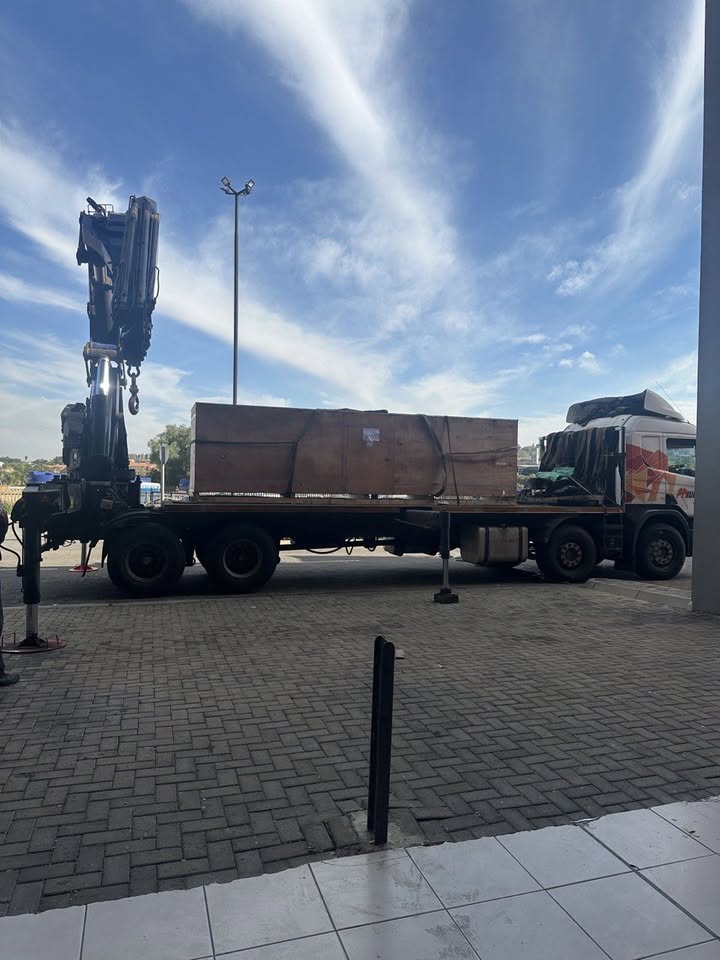
12 Heads Embroidery Machine
Toilet Paper Machine Machine
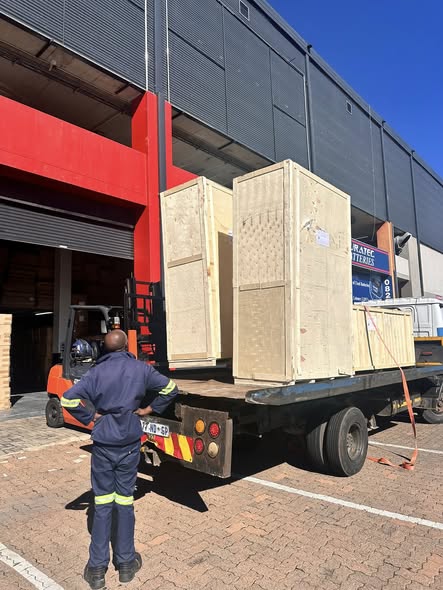
Order Collection
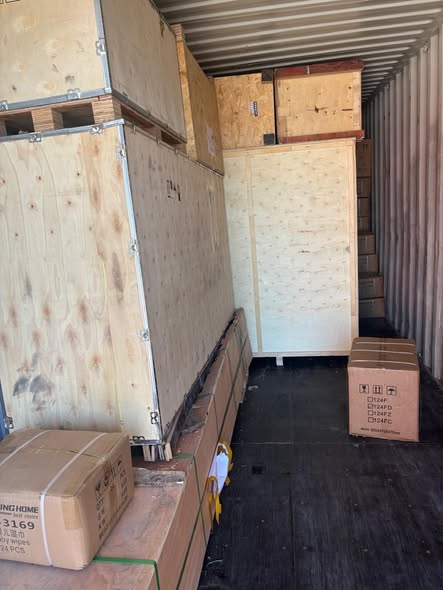
Cross Border Clients
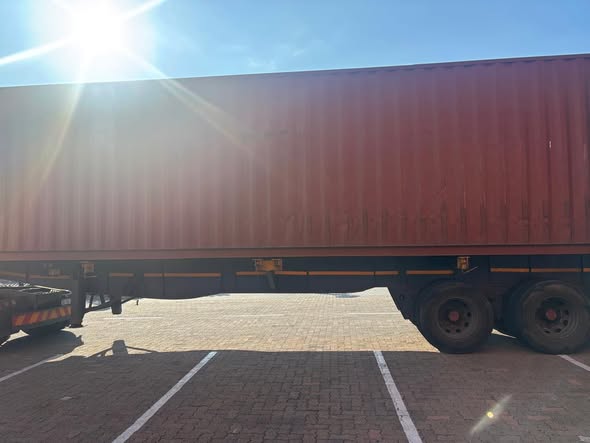
Order cros border countries Collected
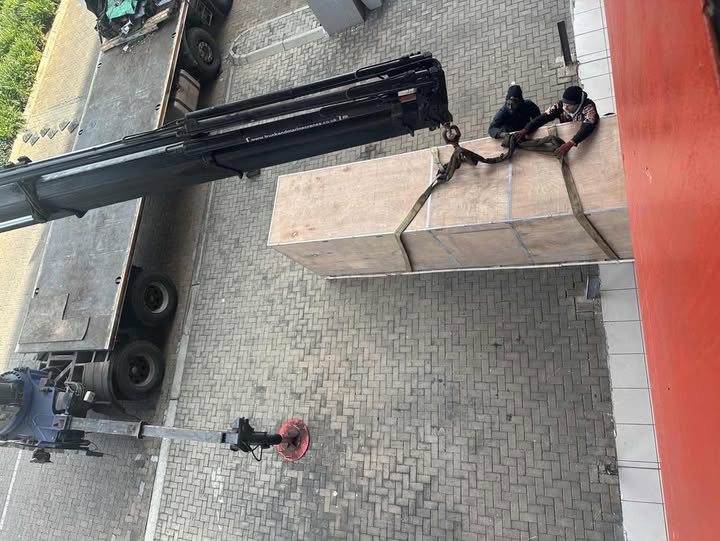
Industrial Machine Cllection
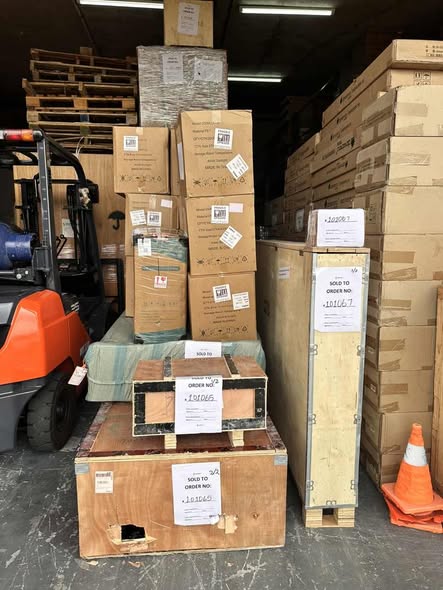
Agriculture Processing Machines
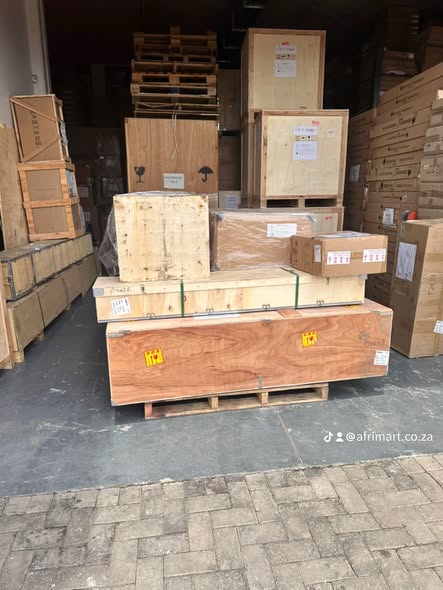
Ready for collection
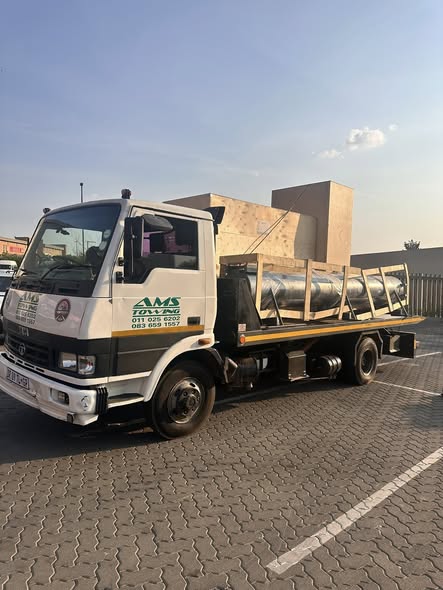
Water Pump Equipment
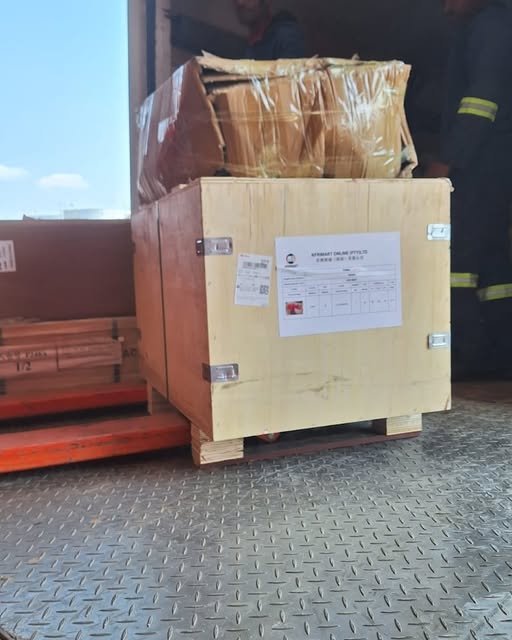
Packaging Machine and accessories
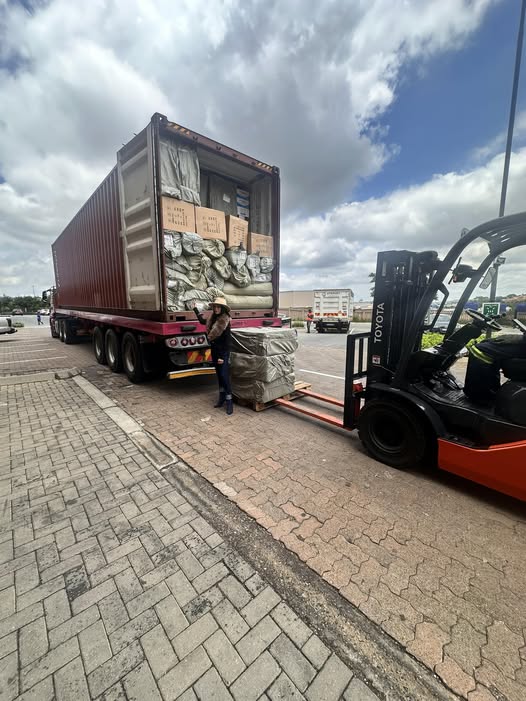
Fabrics Manufacturing Equipment
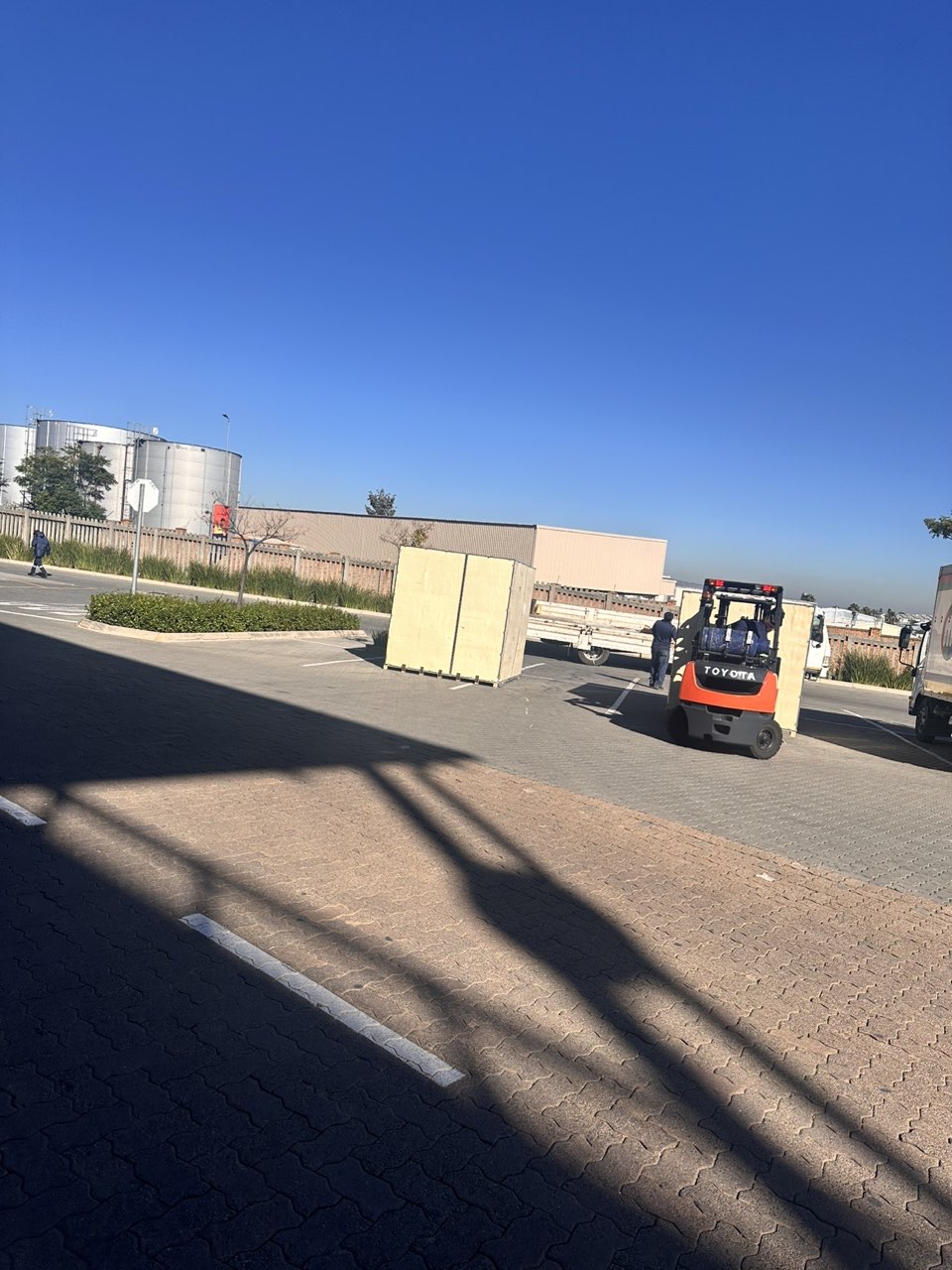
Mining Equipments
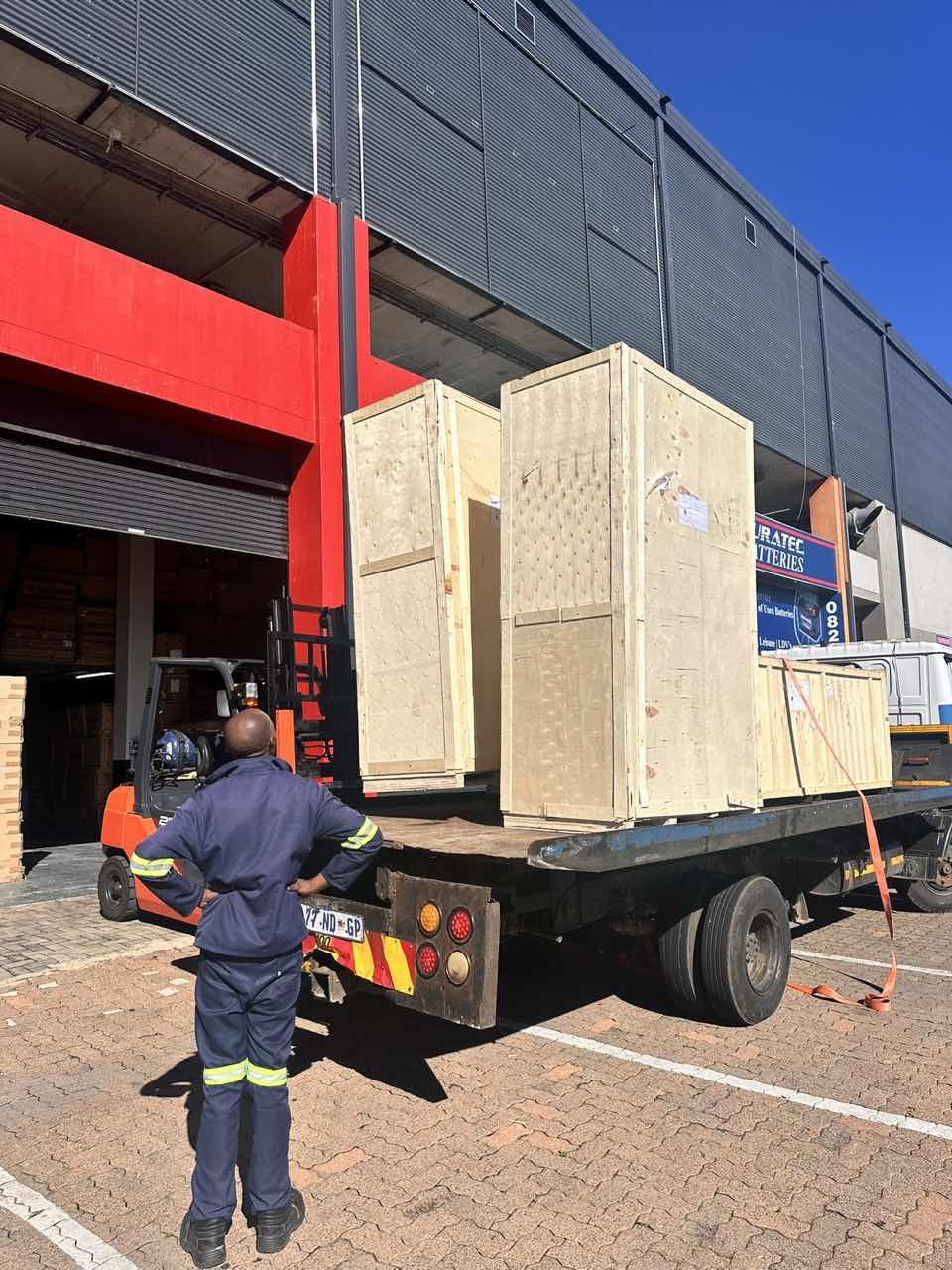
Food Processing Machine
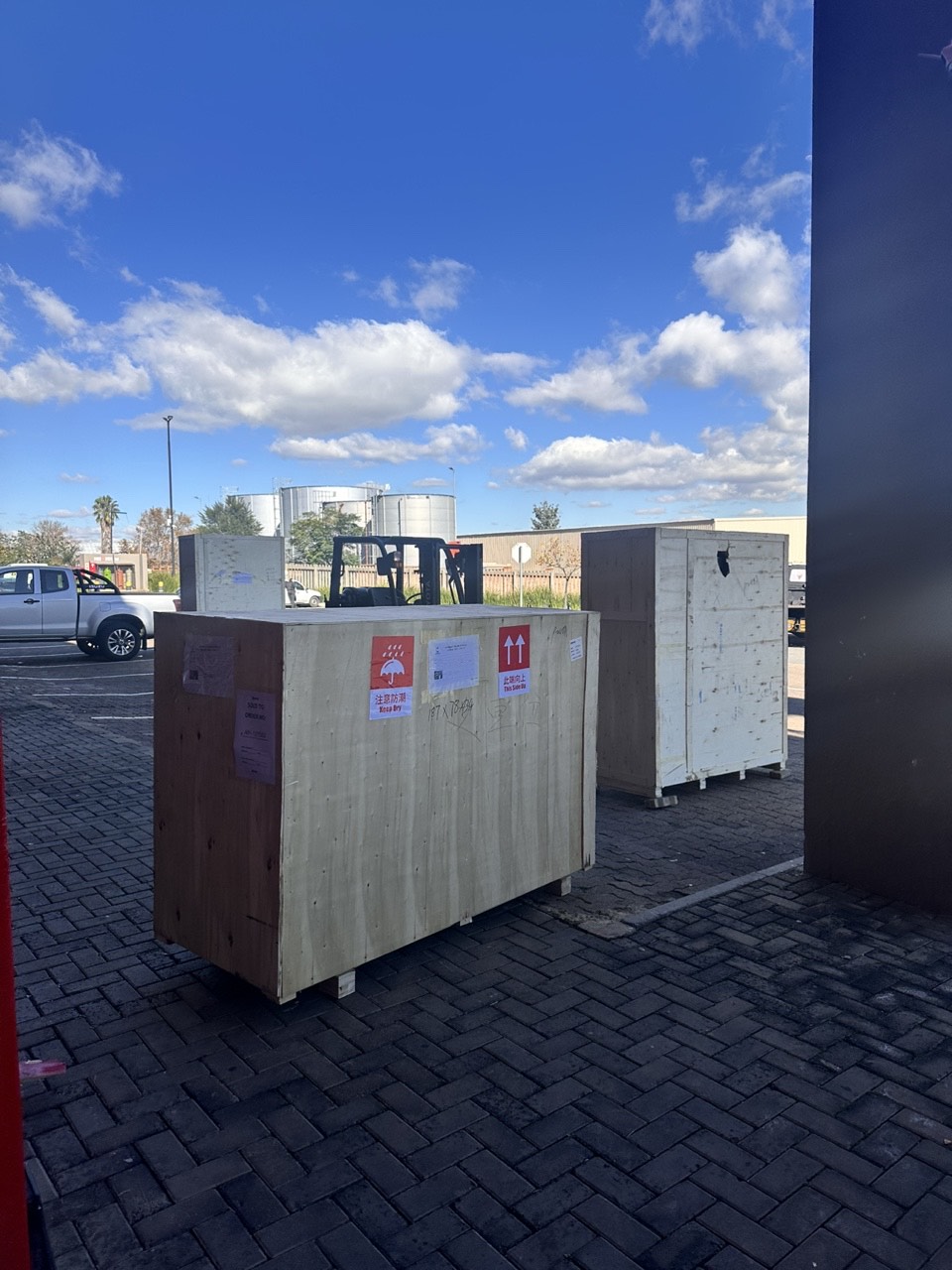
Batch of Orders
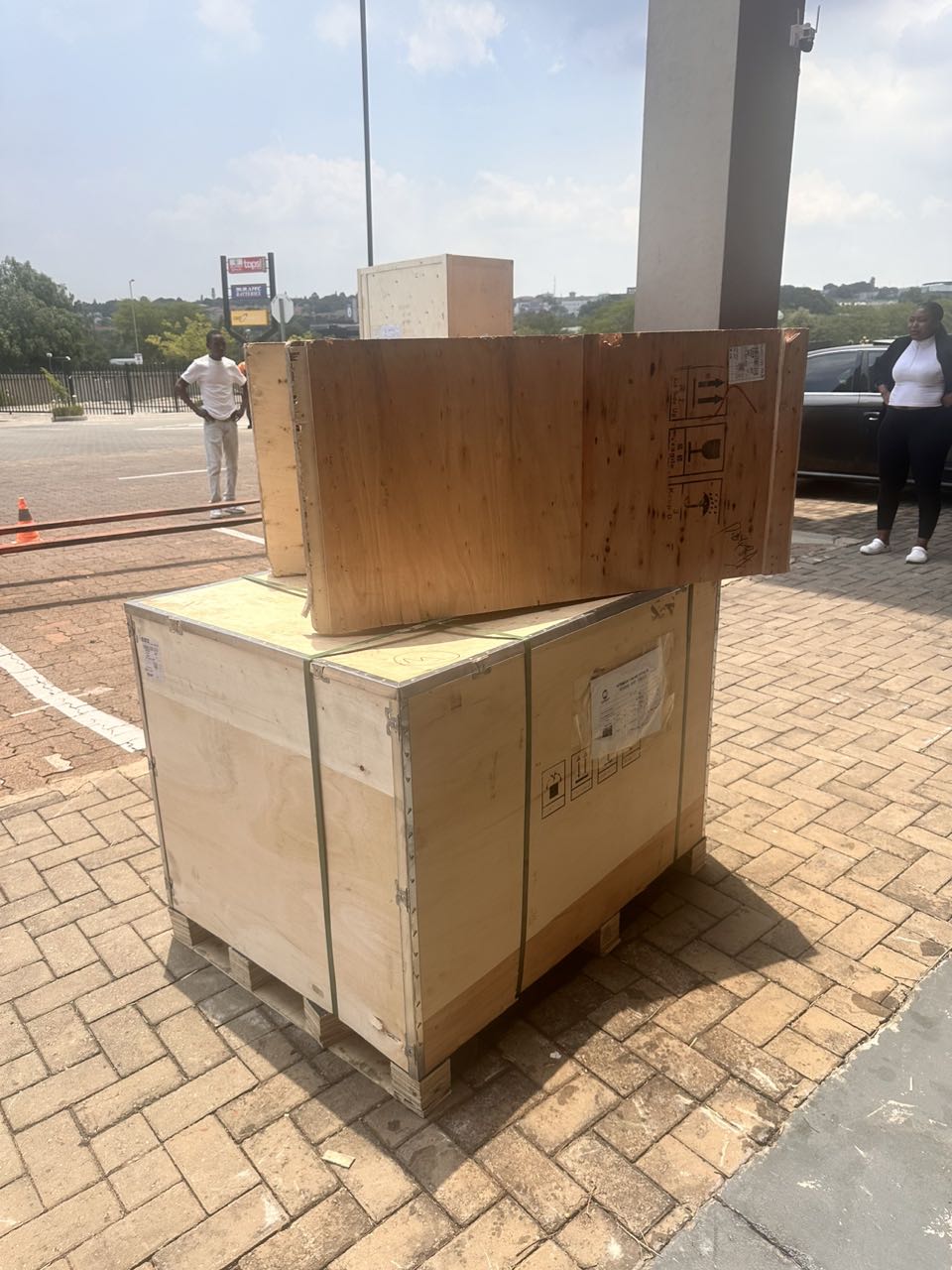
Batch of Orders
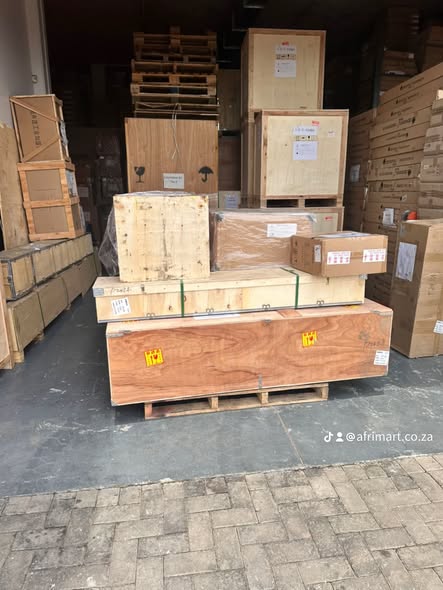
Latest Orders Labelled
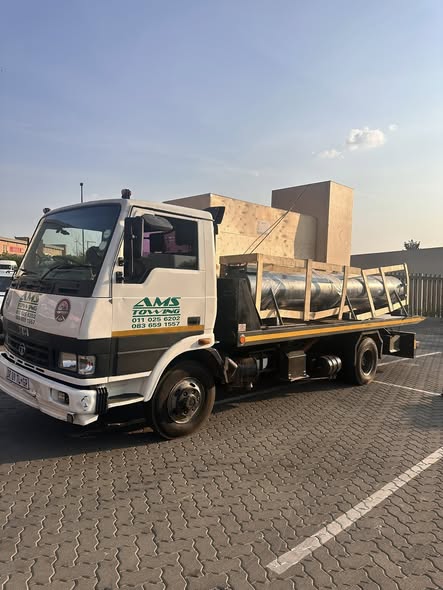
wheel alignment machines
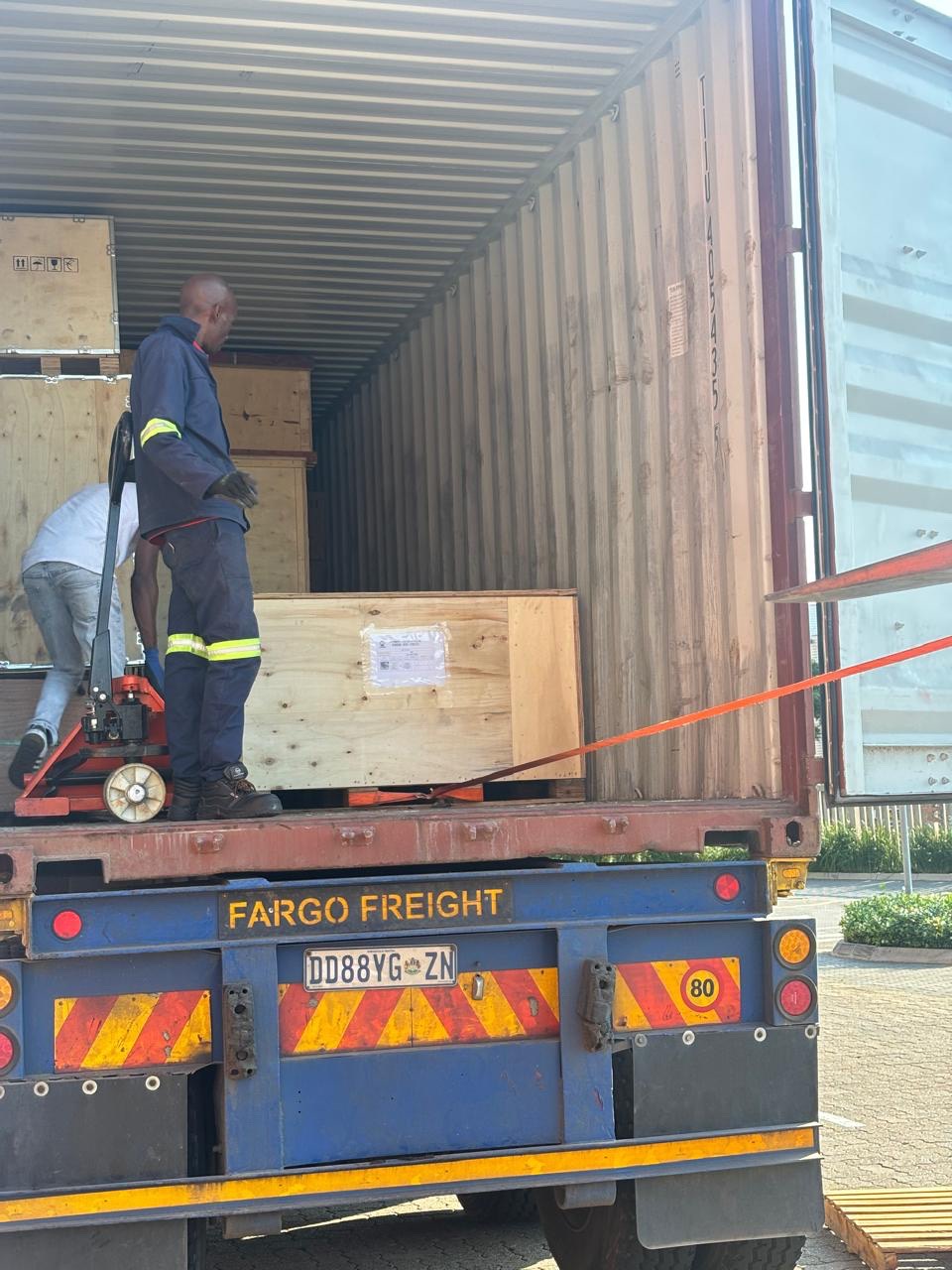
new arrivals
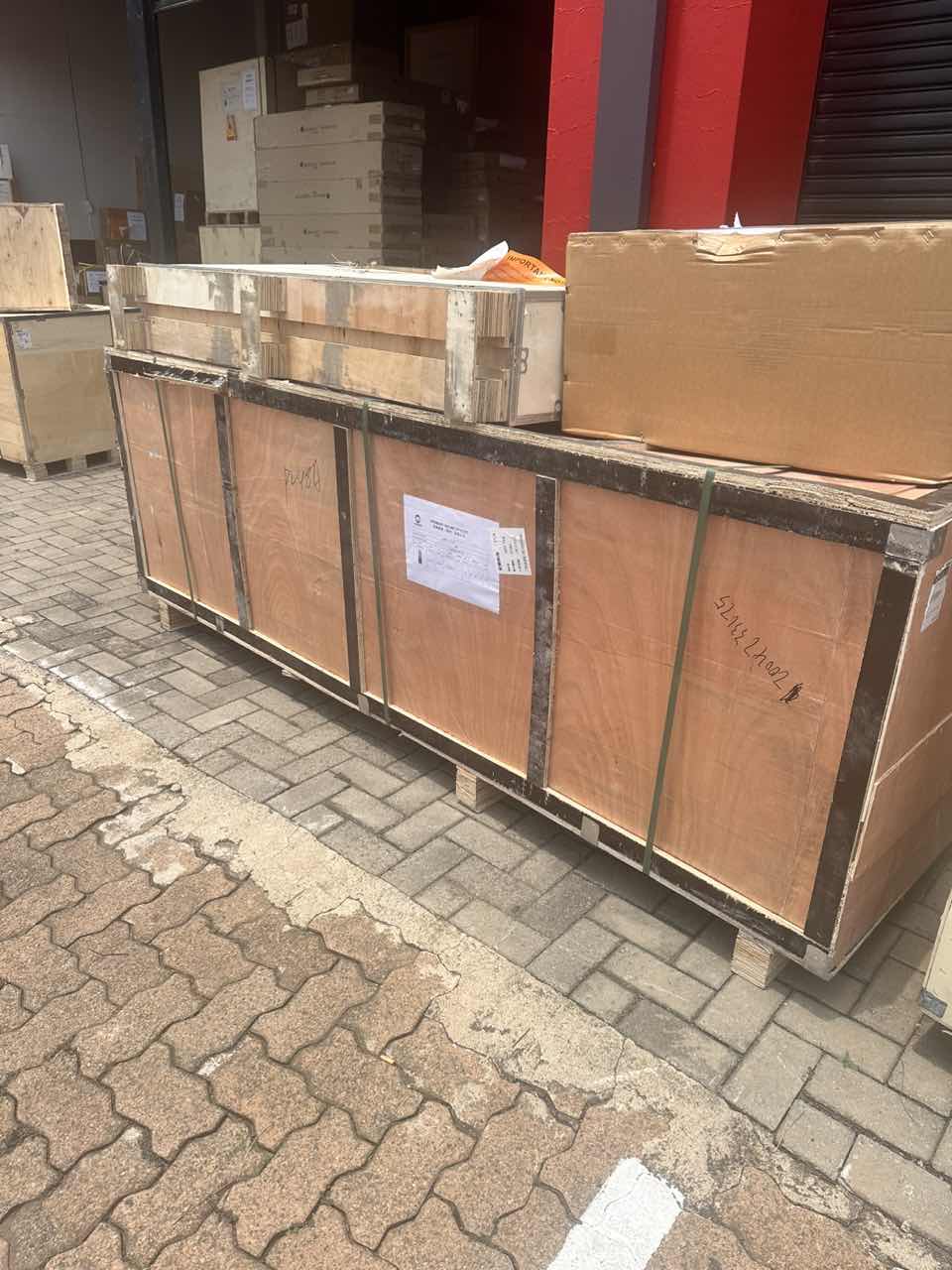
Pre Orders Offloading
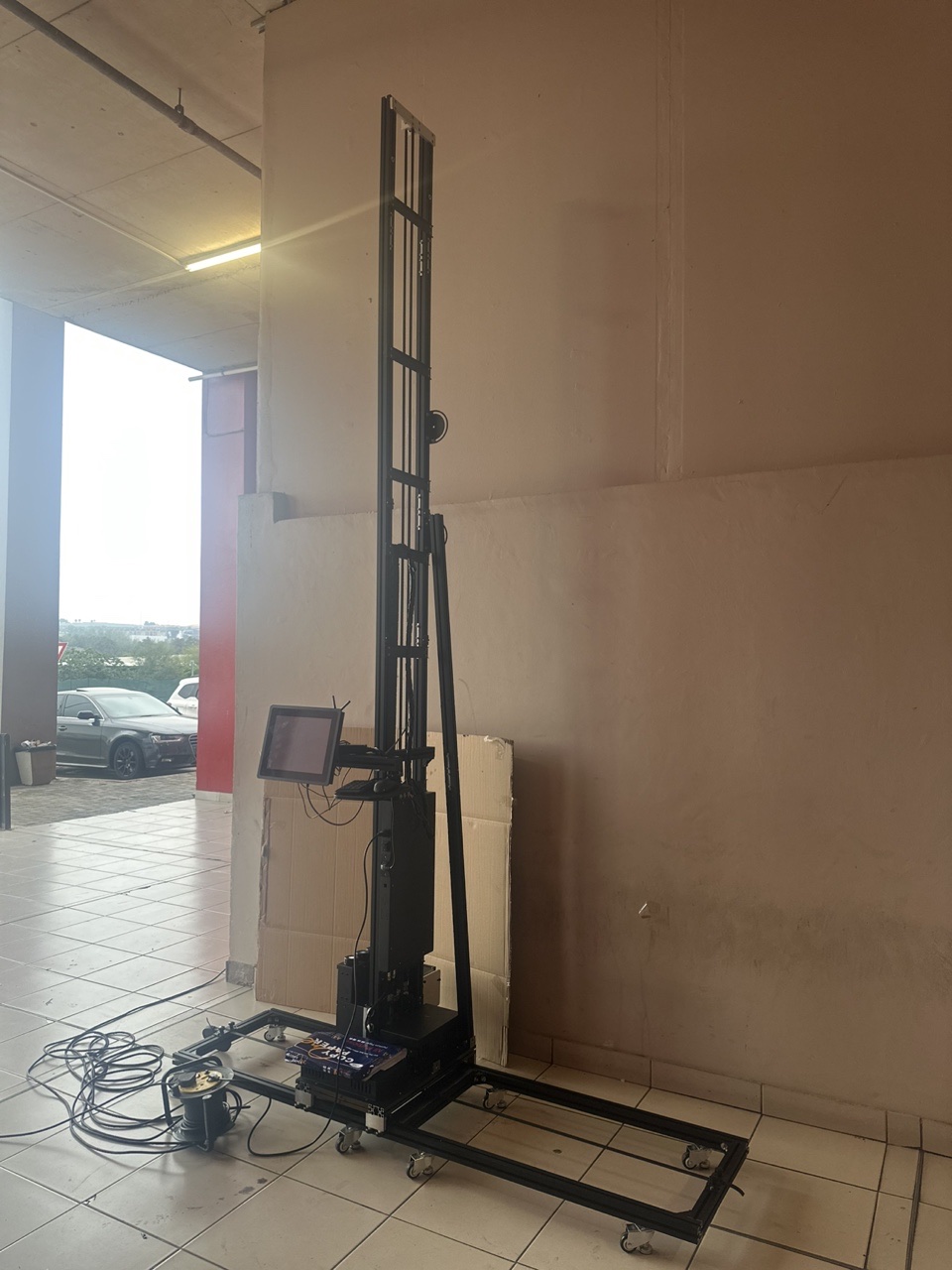
Latest Arrivals
Latest Arrivals
Latest Arrivals
Loading
Toilet paper making machine
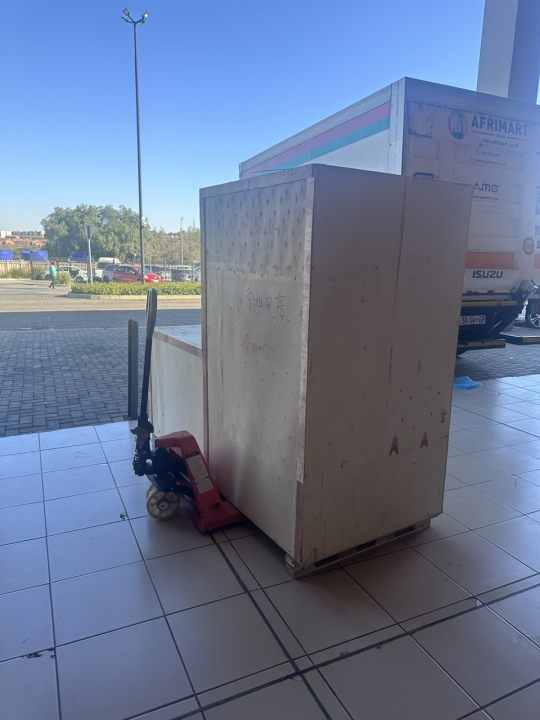
Toilet paper making machine
Toilet paper Rewinding Machine
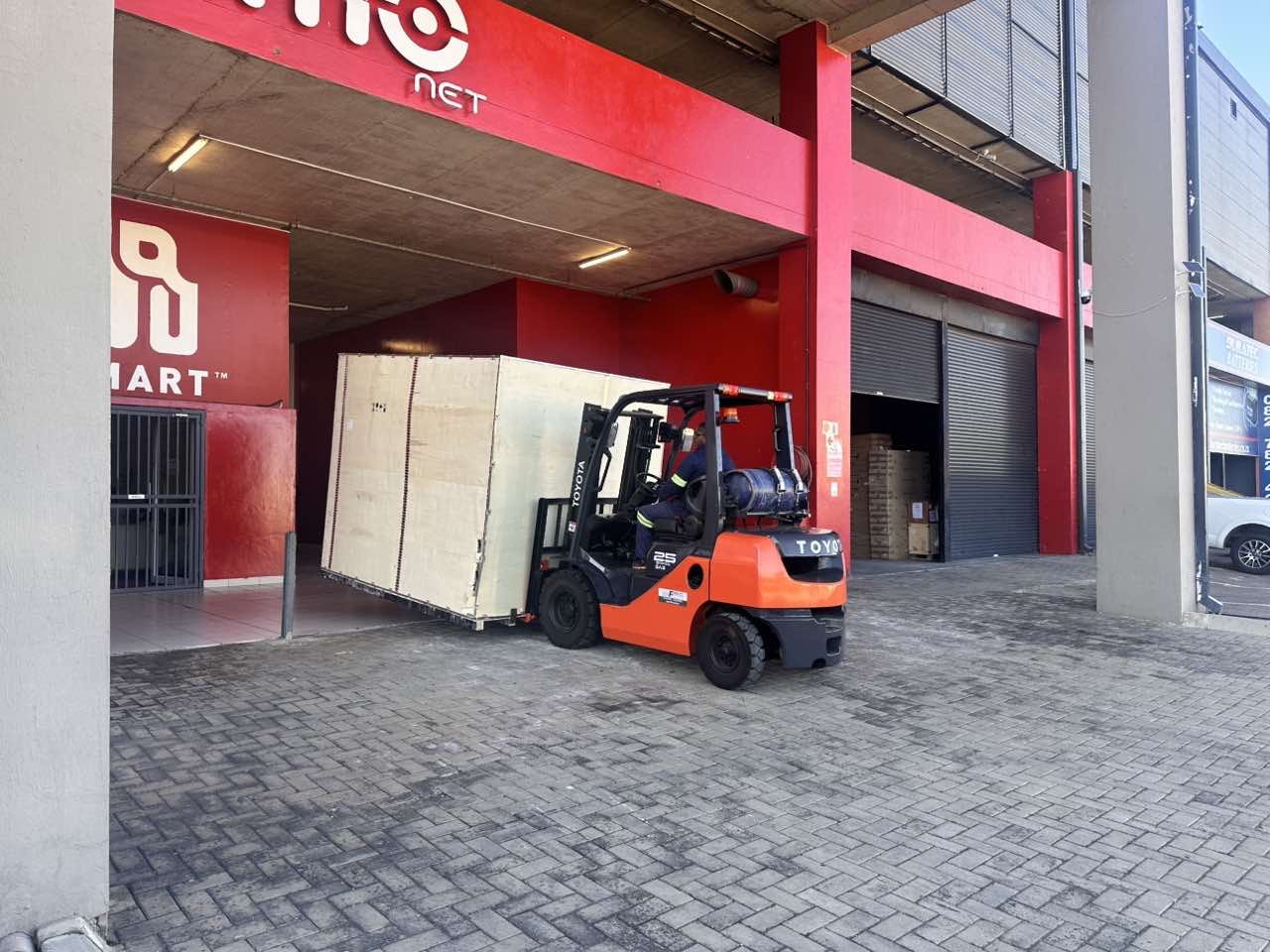
latest arrivals
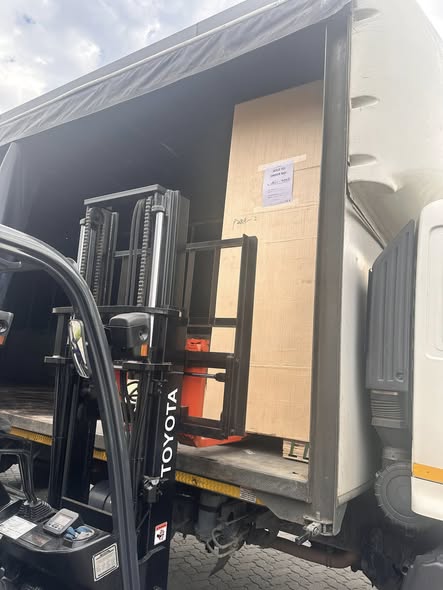
offloading
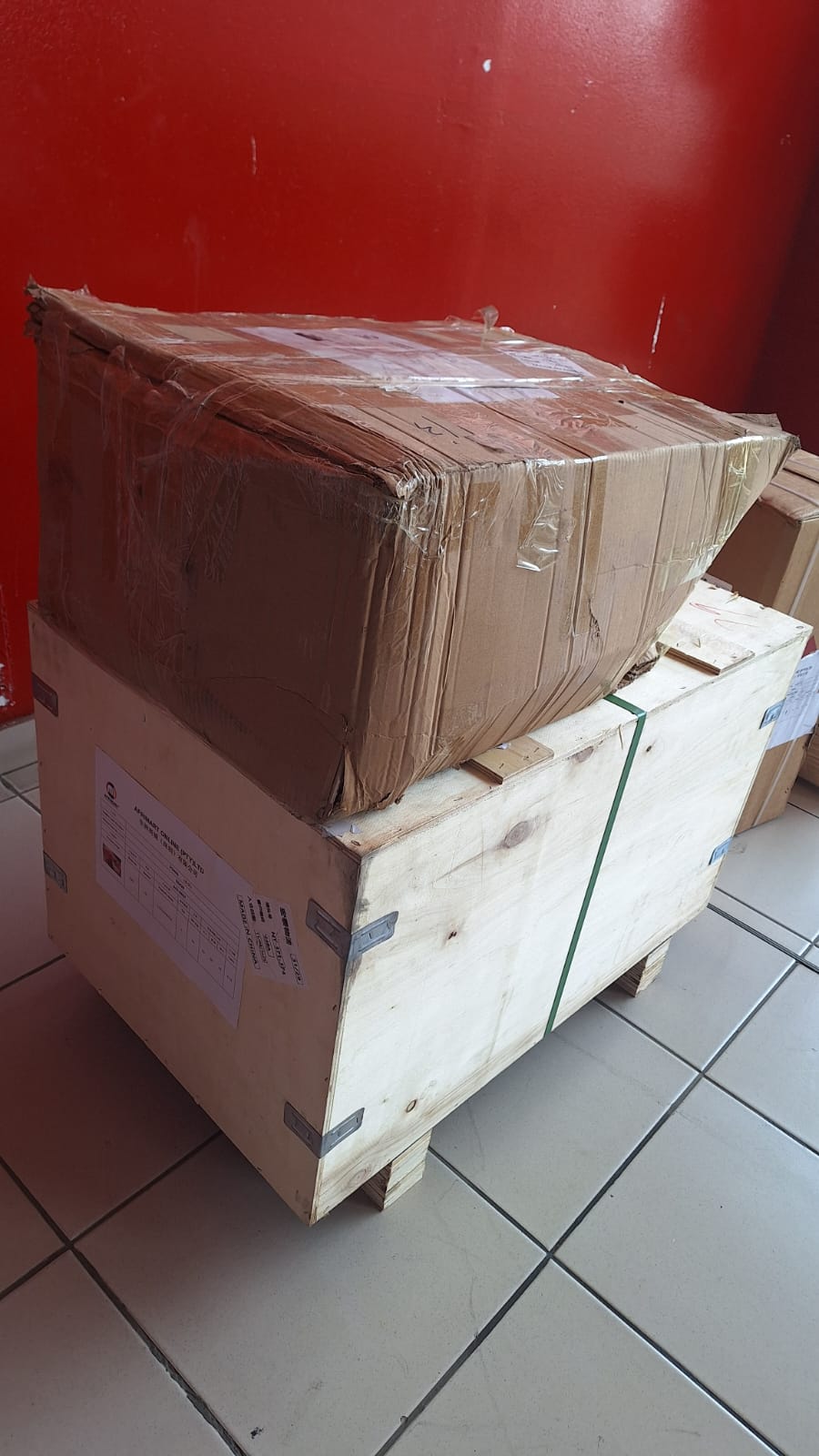
order success
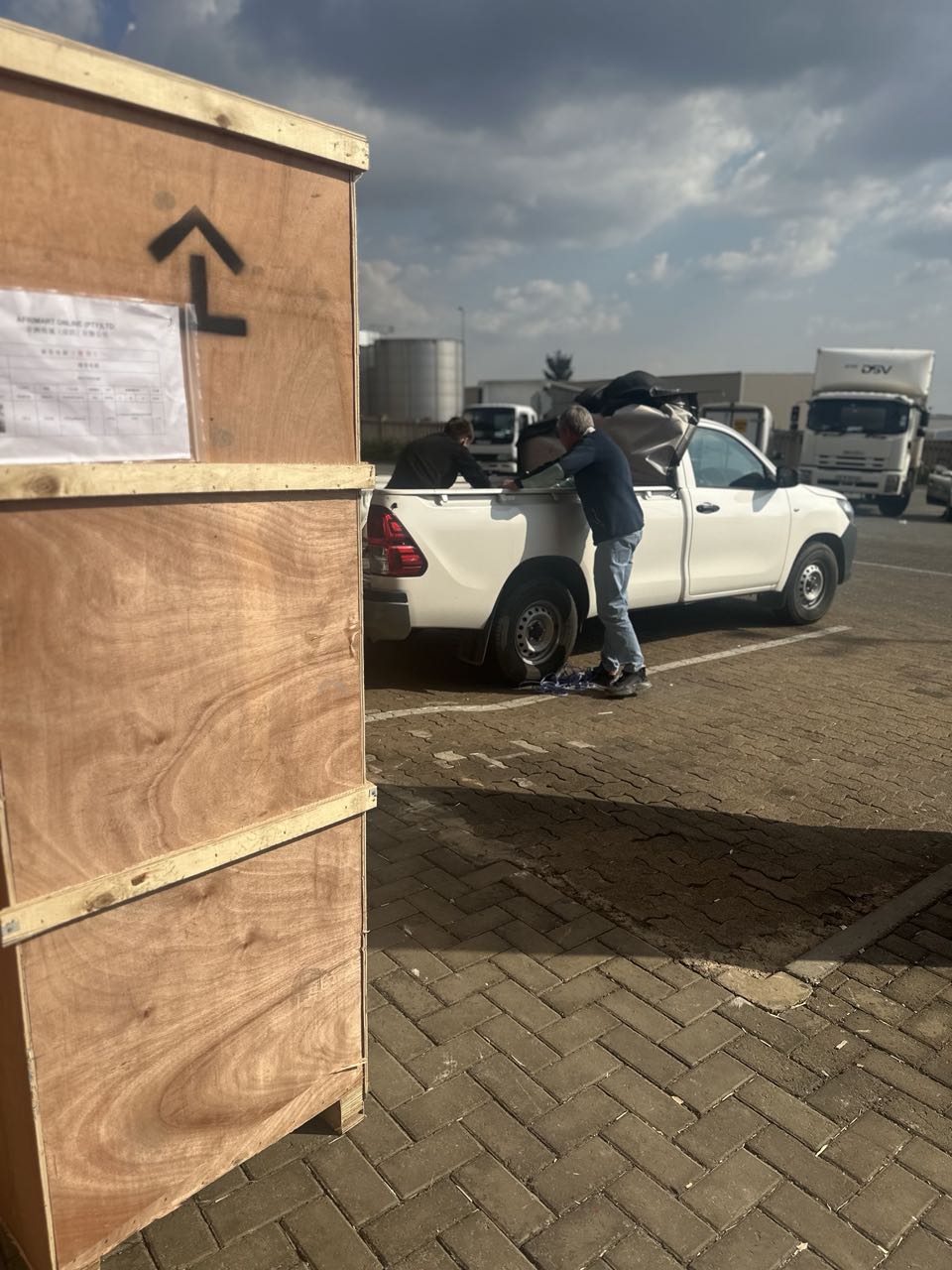
order collection
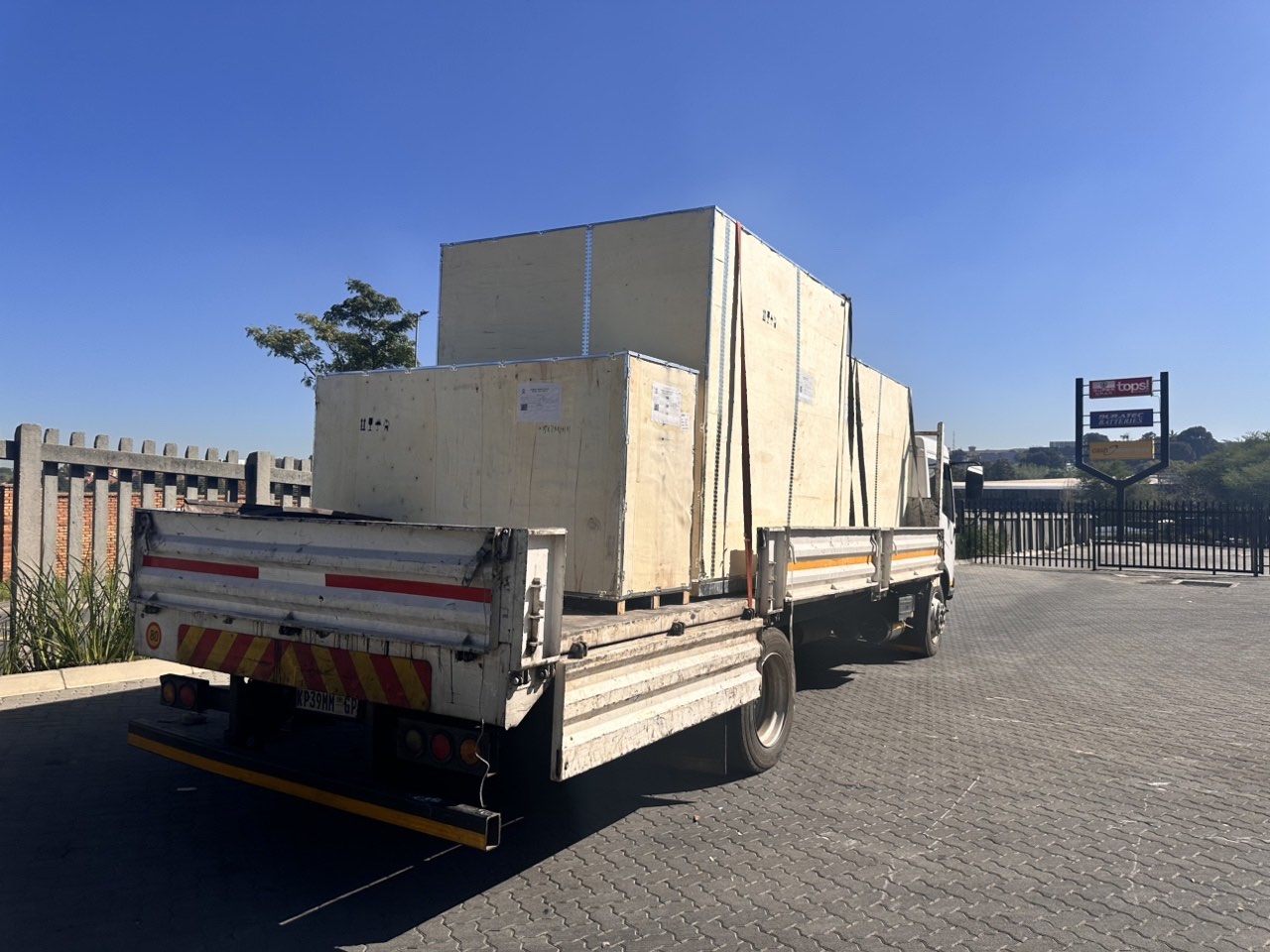
order offloading