B21, China Town Mall, Midrand

Browse categoriesView all categories
Appliances
View all products →Beauty & Personal Care
View all products →Car Parts
View all products →Computers
View all products →Construction Material
View all products → Building Boards & Insulation
 Coated & Treated Products
Decorative Building Materials
EPDM/PVC/TPO Membrane
Coated & Treated Products
Decorative Building Materials
EPDM/PVC/TPO Membrane
 Flat Products (Sheets, Plates & Coils)
Gabion mesh
Geocell
Geogrid
Geomembrane Welding machine
HDPE Geomembrane
HDPE Geomembrane
Hdpe/Pvc Pipe
Industrial Hardware & Fasteners
LDPE LLDPE Geomembrane
Luxury Wall Panels
Nonwoven Geotextile
Other Geosynthetics
Pipe Floater
Pipeline & Fluid Systems
Pipes & Hollow Sections
PVC Ceilings
PVC Cornices
PVC Suspended Ceilings
PVC Wall Panels
Roofing & Cladding
Roofing & Corrugated Sheets
Rubber Hose
SPC Flooring
Strips & Bars
Structural Steel & Profiles
Flat Products (Sheets, Plates & Coils)
Gabion mesh
Geocell
Geogrid
Geomembrane Welding machine
HDPE Geomembrane
HDPE Geomembrane
Hdpe/Pvc Pipe
Industrial Hardware & Fasteners
LDPE LLDPE Geomembrane
Luxury Wall Panels
Nonwoven Geotextile
Other Geosynthetics
Pipe Floater
Pipeline & Fluid Systems
Pipes & Hollow Sections
PVC Ceilings
PVC Cornices
PVC Suspended Ceilings
PVC Wall Panels
Roofing & Cladding
Roofing & Corrugated Sheets
Rubber Hose
SPC Flooring
Strips & Bars
Structural Steel & Profiles
Consumer Electronics
View all products → Camera & Photo
 Chargers, Batteries & Power Supplies
 Commercial Equipment
 Home Audio & Video
 Portable Audio
 Printing Equipment
 Professional Audio
 Security & Protection
 Testing Equipment
Commercial Equipment
 Advertising Boards
 Advertising Inflatables
 Advertising Light Boxes
 Commercial Fryers
 Computer Hardware & Software
 Digital Signage and Displays
 Display Racks
 Food Trucks
 Ice Cream Machines
 Interactive Boards
 Photo Booths
 Projectors & Presentation Equipments
 Refrigeration Equipment
 Supermarket Shelves
 Vending Machines
Electrical & Tools
View all products →Furniture
View all products → Bedroom Furniture
 Commercial Furniture
 Decorations
 Dining Room Furniture
 Kitchen Furniture
 Living Room Furniture
 Office Furniture
Kids & Toys
View all products →Machinery
View all products →
Aftersales
 Agriculture Machinery
 Apparel Machinery
 Chemical Machinery
 Cleaning Equipment
 Construction Machinery
 Environmental Machinery
 Food & Beverage Machinery
 Industrial Machinery
 Machine Tool Equipment
 Machinery Accessories
 Material Handling
 Packaging Machines
Agriculture Machinery
Apparel Machinery
Chemical Machinery
Cleaning Equipment
Construction Machinery
Environmental Machinery
Food & Beverage Machinery
Industrial Machinery
Machine Tool Equipment
Machinery Accessories
Material Handling
Packaging Machines
Construction Machinery
 Brick Making Machinery
 Concrete Mixers
 Concrete Pumps
 Crushers
 Drilling Rigs
 Engineering & Construction Machinery
 Excavators
 Gas Generation Equipment
 Loaders
 Mineral Separators
 Mining Machinery
 Mortar Spray Machines
 Other Construction Machinery
 Road Machinery
 Stone Machinery
 Tile Making Machinery
 Truck Cranes
Food & Beverage Machinery
 Baking Equipments
 Beverage & Wine Machines
 Cake machine
 Donut machines
 Fermenting Equipment
 Fish Processing Machines
 Flour & Rice Mills
 Flour Mill
 Food Sterilizers
 Fruit & Vegetable Processing Machines
 Fruit & Vegetable Processing Machines
 Fryers
 Ice Cream Machines
 Juice Extractors
 Meat Processing Machinery
 Meat Slicers
 Other Food Processing Machinery
 Popcorn machine
 Snack Machines
 Vegetable Cutters
 Vegetable Washing Equipments
Industrial Machinery
 Apparel & Textile Machinery
 CNC industrial Machinery
 Industrial Compressors & Parts
 Industrial Robots
 Industry Laser Equipment
 Machine Tool Equipment
 Manufacturing Machinery
 Metal & Metallurgy Machinery
 Paper Production Machinery
 Plastic & Rubber Processing Machinery
 Welding Equipment
 Woodworking Machinery
Medical Supplies
View all products → Animal & Veterinary
 Household Medical Devices
 Medical Consumables
 Professional Medical Devices
 Testing Instrument
Professional Medical Devices
 Bone Surgical Instruments
 Burns Surgery Instruments
 Clinical Analytical Instruments
 Clinics Apparatuses
 Dental Chair
 Dental Consumables
 Dental Equipments
 Dental Handpiece
 Diagnostic Apparatuses
 Emergency & Clinics Apparatuses
 General Assay & Diagnostic Apparatuses
 Hospital Beds
 Hospital Chairs
 Hospital Trolley
 Implants & Interventional Materials
 Medical Cryogenic Equipments
 Medical Imaging Equipment
 Medical Optical Instruments
 Medical Ultrasound Instruments
 Medical X-ray Equipments
 Obstetrics & Gynecology Equipments
 Oral Therapy Equipments
 Physical Therapy Equipment
 Radiology Equipment & Accessories
 Rehabilitation Equipment
 Stethoscope
 Surgical Instruments
 Transfusion, Dialysis & Circulation Machines
 Vacuum Suction Devices
 Visual Acuity Examination Supplies
Pet Supplies
View all products →Phones & Accessories
View all products → Featured Accessories
 Mobile Phones
 Phone Accessories
 Screen Protector Machines
 Tablets
 Telecommunications
Telecommunications
 Broadcast Intercom Systems
 Camera Modules
 Communication Antennas
 Corded Telephones
 Development Boards, Kits
 Enterprise Firewalls
 Enterprise Switches
 Fiber Optic Equipment
 Fixed Wireless Terminals
 Other Telecommunications Products
 PBX
PBX
 Signal conversion Boards
 Telecom Parts
 Wireless Infrastructure Equipment
Prefab & Modular Homes
View all products →Production Lines
View all products →Metal Components
Custom fabricated metal assemblies
Flanges, couplings, and joints
Machined metal parts and forgings
Metal brackets, connectors, and fasteners
Metal frames and chassis components
Metal plates, sheets, and coils
Metal stampings and pressings
Pipes, tubes, and fittings (steel, copper, aluminum)
Steel beams, angles, channels, and structural sections
Wire mesh and expanded metal
Raw Inputs
Ceramic powders and compounds
Composite material components
Glass sheets and raw glass materials
Plastic resins and polymers (pellets, granules, powder)
Raw minerals and aggregates
Raw rubber and elastomer compounds
Raw steel, aluminum, copper, and other metal stock materials
Textile fibers and fabrics
Wood lumber and timber sheets
Renewable Energy
View all products →Sports & Entertainment
View all products →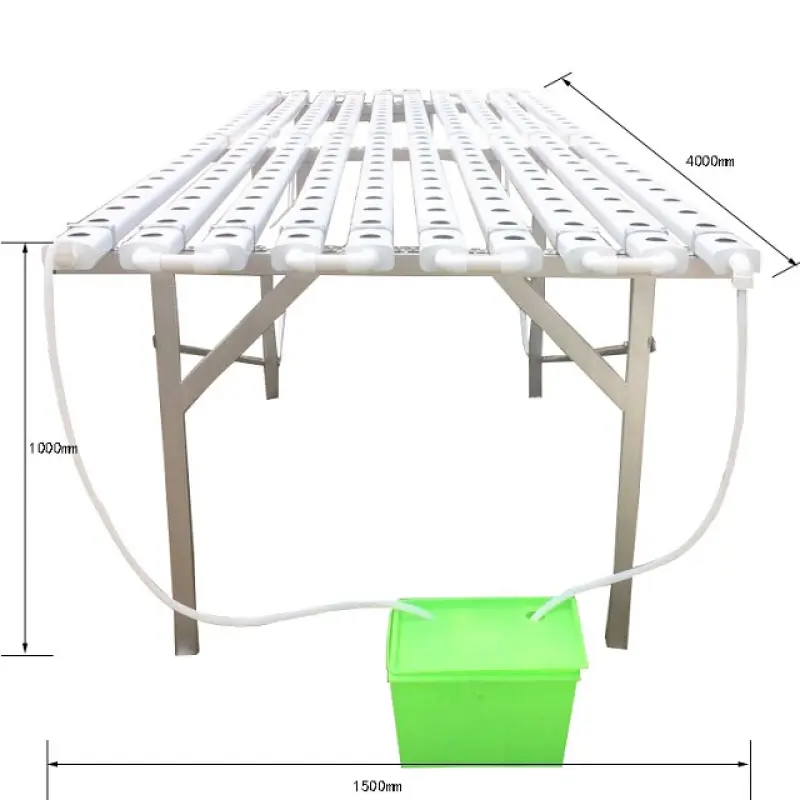
Home & Garden
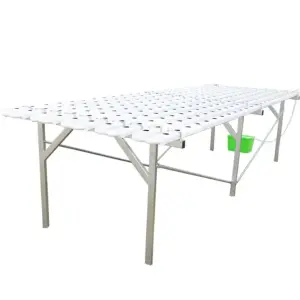
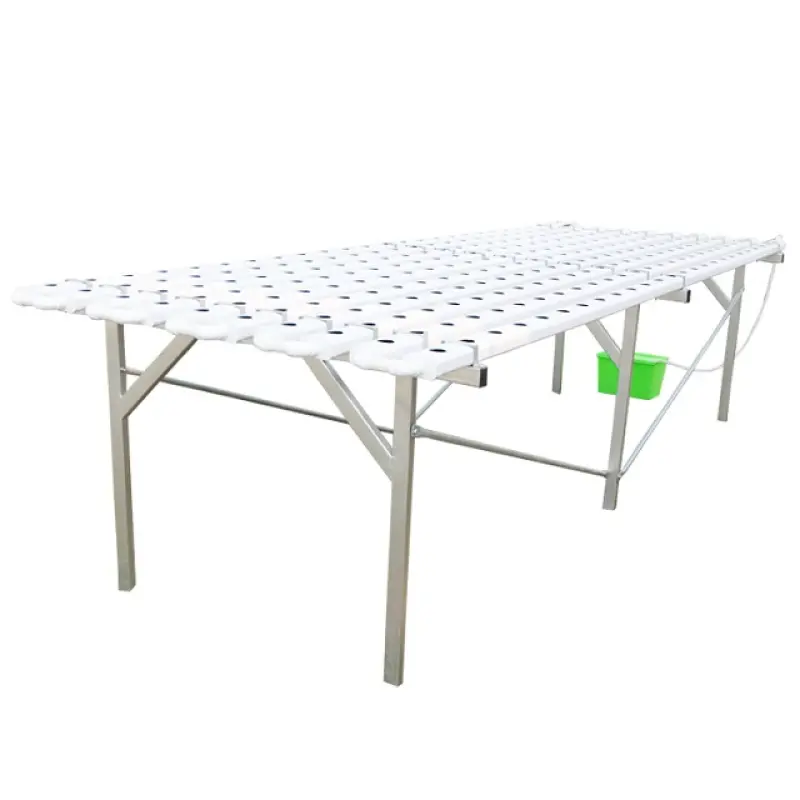
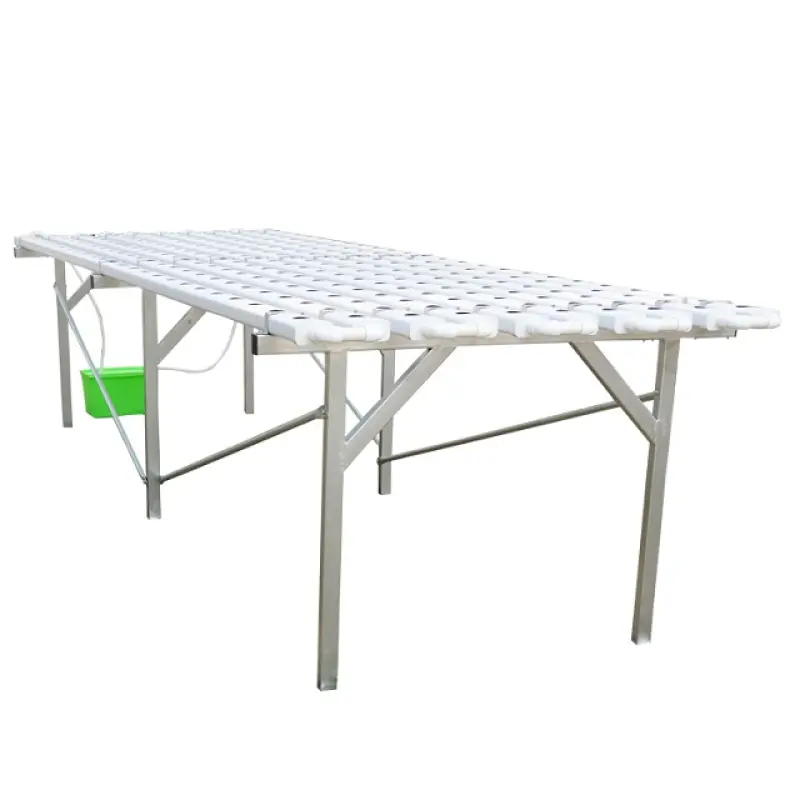
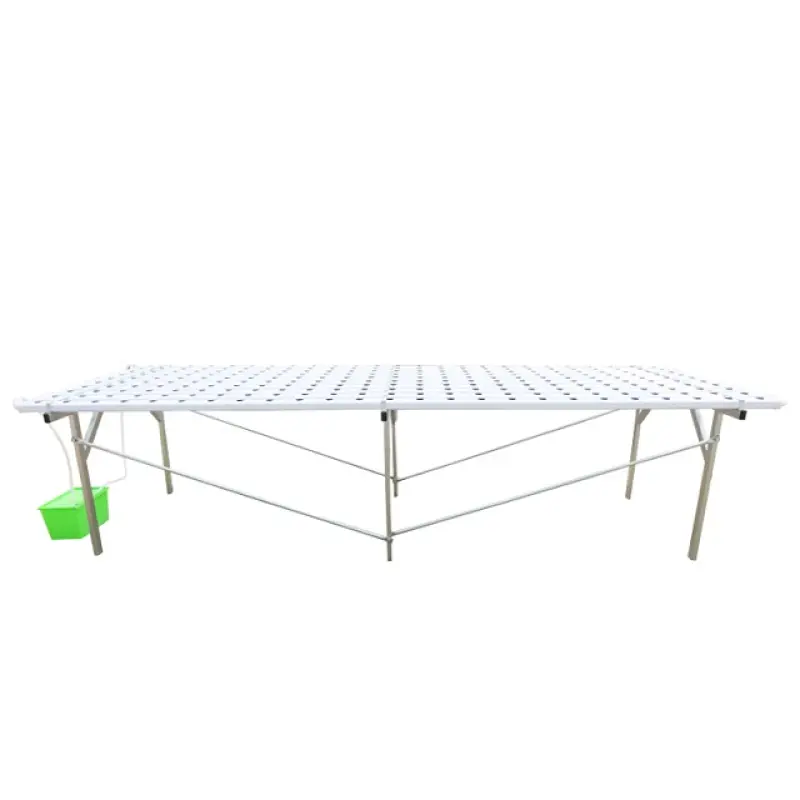
Commercial PVC NFT Hydroponic System for Greenhouses
Introducing the Skyplant Commercial Hydroponic Garden System, a modern and efficient way to grow your own vegetables and fruits without soil. This hydroponic system is designed for commercial use, providing a reliable and scalable solution for growing high-quality crops...
Select a product option to continue.

Product Description
Skyplant Commercial Hydroponic Garden System - Grow Vegetables and Fruits Efficiently
Introducing the Skyplant Commercial Hydroponic Garden System, a modern and efficient way to grow your own vegetables and fruits without soil. This hydroponic system is designed for commercial use, providing a reliable and scalable solution for growing high-quality crops all year round. With its space-saving design and advanced features, this system is perfect for urban farms, greenhouses, or any commercial space looking to grow fresh produce efficiently.
Key Features:
- Large Size: The system's dimensions (4m in length, 1.5m in width, and 1m in height) provide ample space for growing a variety of vegetables and fruits, making it suitable for commercial-scale production.
- 25 Planting Holes: Each 4m section of the garden system is equipped with 25 planting holes, allowing you to grow a significant number of plants in a compact area, maximizing your space and yield.
- High-Quality PVC Material: Made with food-grade PVC material, this hydroponic garden system is safe for growing produce. The durable, UV-resistant material ensures that the system will last through repeated use and provide the ideal environment for plant growth.
- Hydroponic System: This system uses water and nutrients to feed the plants directly, promoting healthier and faster growth compared to traditional soil-based methods. It reduces water usage and helps create a more sustainable growing environment.
- Modern Appearance: The white color and sleek design of the system give it a modern look that fits seamlessly into any commercial setting, whether you're using it indoors or in a greenhouse.
- Versatile Use: Ideal for growing a wide range of vegetables and fruits, the Skyplant hydroponic system is perfect for growing leafy greens, herbs, tomatoes, strawberries, and more.
- Commercial Application: Designed specifically for commercial use, this system is perfect for large-scale production, providing an efficient way to grow fresh produce with minimal space and effort.
- Easy to Maintain: The system is designed to be low-maintenance, with easy access to all planting holes and water management systems, allowing for hassle-free care and operation.
The Skyplant Commercial Hydroponic Garden System is an excellent choice for anyone looking to grow fresh, high-quality vegetables and fruits on a commercial scale. With its modern design, efficient use of space, and durable materials, it offers a smart solution for sustainable agriculture.
Product Info Gallery
| Model | SP-H-200 | SP-H-400 | SP-H-800 |
| Size | 200cm | 400cm | 800cm |
Product video
Frequently Asked Questions
What is the Commercial PVC NFT Hydroponic System?
The Skyplant Commercial PVC NFT Hydroponic System is a soil-free growing setup designed for commercial greenhouse or urban farm use. It uses the Nutrient Film Technique (NFT) to recirculate a thin film of nutrient solution across plant roots in food-grade, UV-resistant PVC channels for efficient, high-density vegetable and fruit production year-round.
What models and sizes are available?
Models shown are SP-H-200, SP-H-400 and SP-H-800. The SP-H-400 corresponds to the 4.0 m length example in the description (4.0 m × 1.5 m × 1.0 m). Other models are proportionally shorter/longer (200 cm and 800 cm); contact the supplier for exact dimensions and configuration per model.
How many planting holes does the system have?
The listing states that each 4 m section (SP-H-400) is equipped with 25 planting holes. Hole counts for other model lengths may scale accordingly—confirm the exact number of holes for SP-H-200 and SP-H-800 with the vendor.
What material is the system made from and is it safe for food production?
The system is constructed from food-grade, UV-resistant PVC designed for durability and long service life. The materials are selected to be safe for growing edible crops; verify specific material certifications with your supplier if required.
What hydroponic technique does this system use?
It uses the Nutrient Film Technique (NFT), where a thin recirculating stream of nutrient solution flows along the bottom of the channels, bathing roots and promoting rapid nutrient uptake and oxygenation without soil.
Does the system include the pump, reservoir and other accessories?
Package contents vary by vendor. The core product is the PVC NFT channel system; pumps, reservoirs, fittings, nutrient dosing, lighting and automation may be sold separately or included in kit options. Confirm included components with the seller or request a full kit if you need a turnkey solution.
What types of crops can I grow in this system?
This NFT system is ideal for leafy greens (lettuce, spinach, kale), herbs, and smaller fruiting crops like strawberries and some determinate tomatoes or peppers. Larger vine crops may require support and spacing adjustments. Choose varieties suited to high-density hydroponic production.
What environmental conditions does it need (light, temperature, humidity)?
Optimal conditions depend on the crop, but generally: full greenhouse or supplemental grow lighting for year-round production; temperatures typically 18–26°C for most leafy greens; relative humidity 50–75%. Fruiting crops may require warmer day temperatures and higher light levels. Monitor crop-specific requirements.
How do I manage water and nutrients (pH, EC, and frequency)?
Maintain nutrient solution pH in crop-appropriate ranges—commonly 5.5–6.5 for most greens. Electrical conductivity (EC) varies by crop: leafy greens ~1.0–1.6 mS/cm, herbs ~1.0–2.0 mS/cm, fruiting crops higher (2.0–3.5 mS/cm). Check and top up nutrient solution daily and perform a full reservoir change or balancing schedule per your nutrient supplier's recommendations.
How often and how should the system be cleaned and maintained?
Regular maintenance includes daily monitoring of pump operation and solution levels, weekly checks of pH/EC, and periodic flushing/cleaning of channels and reservoir (typically every 2–8 weeks depending on crop and water quality). Clean channels between crop cycles with food-safe disinfectant to prevent biofilm and pathogen buildup.
What are the space and installation requirements?
Allow space for the system footprint (check model dimensions), access aisles for planting and harvest, and room for a reservoir and pump. Ensure a level floor, appropriate drainage and potable water access. Installation can be modular and scalable—multiple units can be linked or arranged to fit greenhouse layouts.
How much water and labour does the system save compared with soil farming?
NFT systems typically use substantially less water than field soil production because water is recirculated; savings commonly range from 70–90% depending on management. Labour is reduced for tasks like weeding and soil preparation, but you still need labour for planting, monitoring, pruning and harvest.
How do I prevent pests and diseases in an NFT system?
Use integrated pest management (IPM): maintain good hygiene, clean channels between crops, monitor plants frequently, control greenhouse ingress, and introduce biological controls or targeted treatments when needed. Proper nutrient balance and environmental control reduce plant stress and disease susceptibility.
Is technical support, spare parts or a warranty provided?
Warranty, technical support and spare-parts availability vary by supplier and region. Ask the vendor for warranty terms, lead times for replacement parts (pipe fittings, net pots, pumps) and available installation or after-sales service before purchasing.
Can this system be automated or integrated with monitoring sensors?
Yes. NFT systems are commonly integrated with timers, nutrient dosing systems, pH/EC controllers, flow sensors and environmental monitoring (temperature, humidity, CO2, light). Check compatibility with your chosen automation components or ask the supplier for recommended controllers and integration options.
Technical Specifications
No approved technical specifications are available yet. Please refer to the product description or contact our team.
Related Products

Latest Order Arrivals
Discover our latest orders
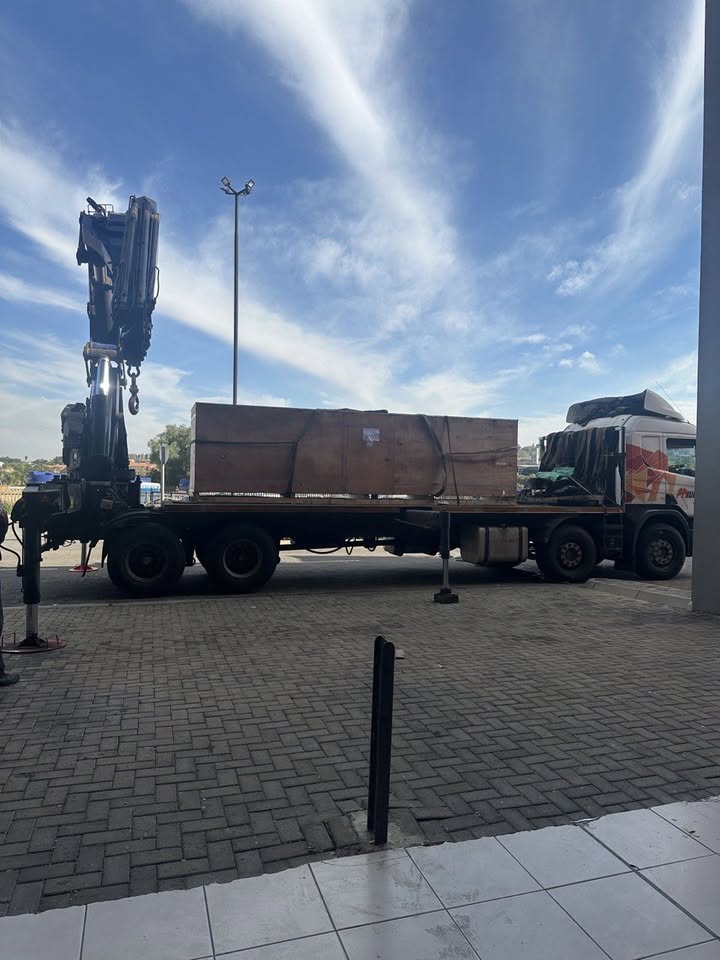
12 Heads Embroidery Machine
Toilet Paper Machine Machine
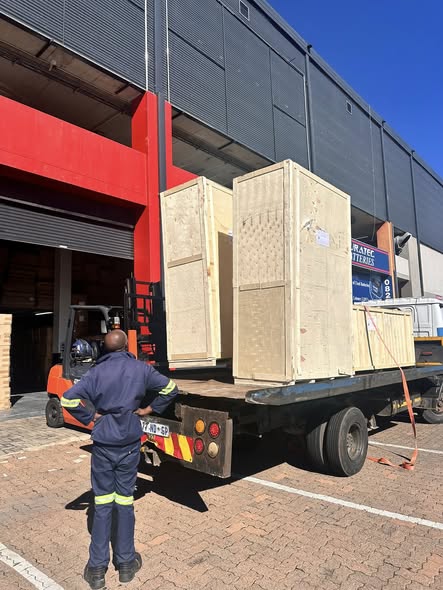
Order Collection
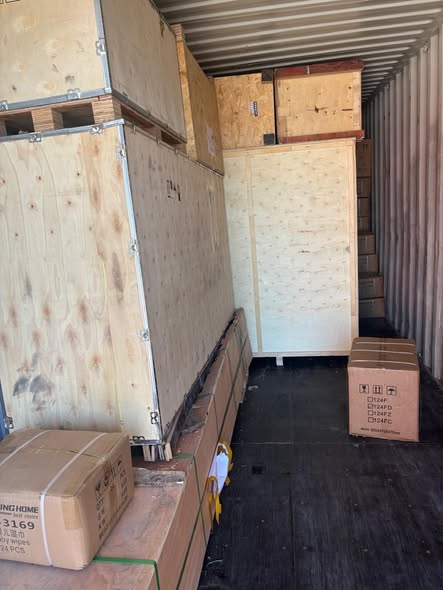
Cross Border Clients
Order cros border countries Collected
Industrial Machine Cllection
Agriculture Processing Machines
Ready for collection
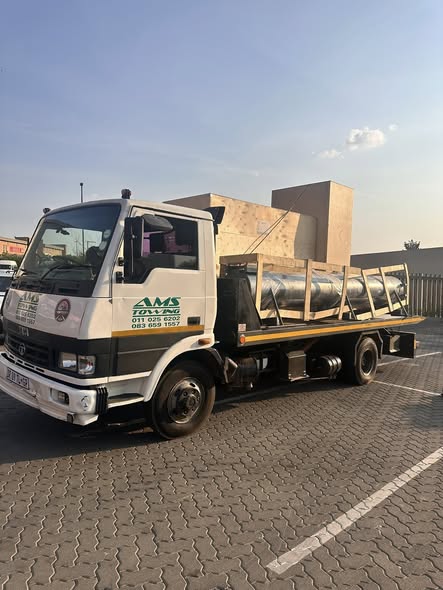
Water Pump Equipment
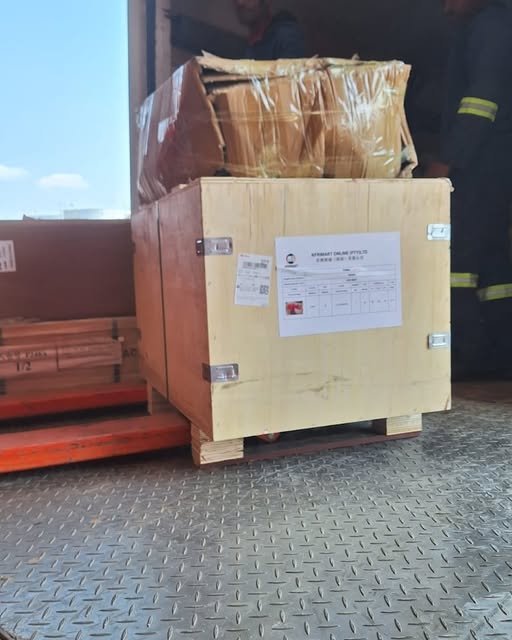
Packaging Machine and accessories
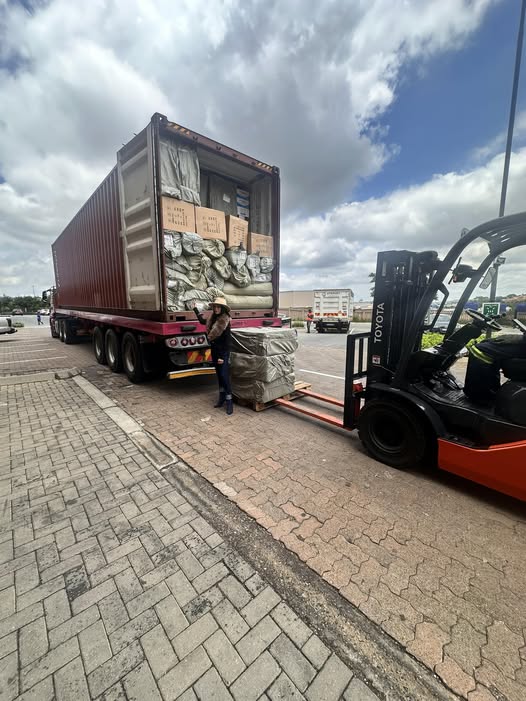
Fabrics Manufacturing Equipment
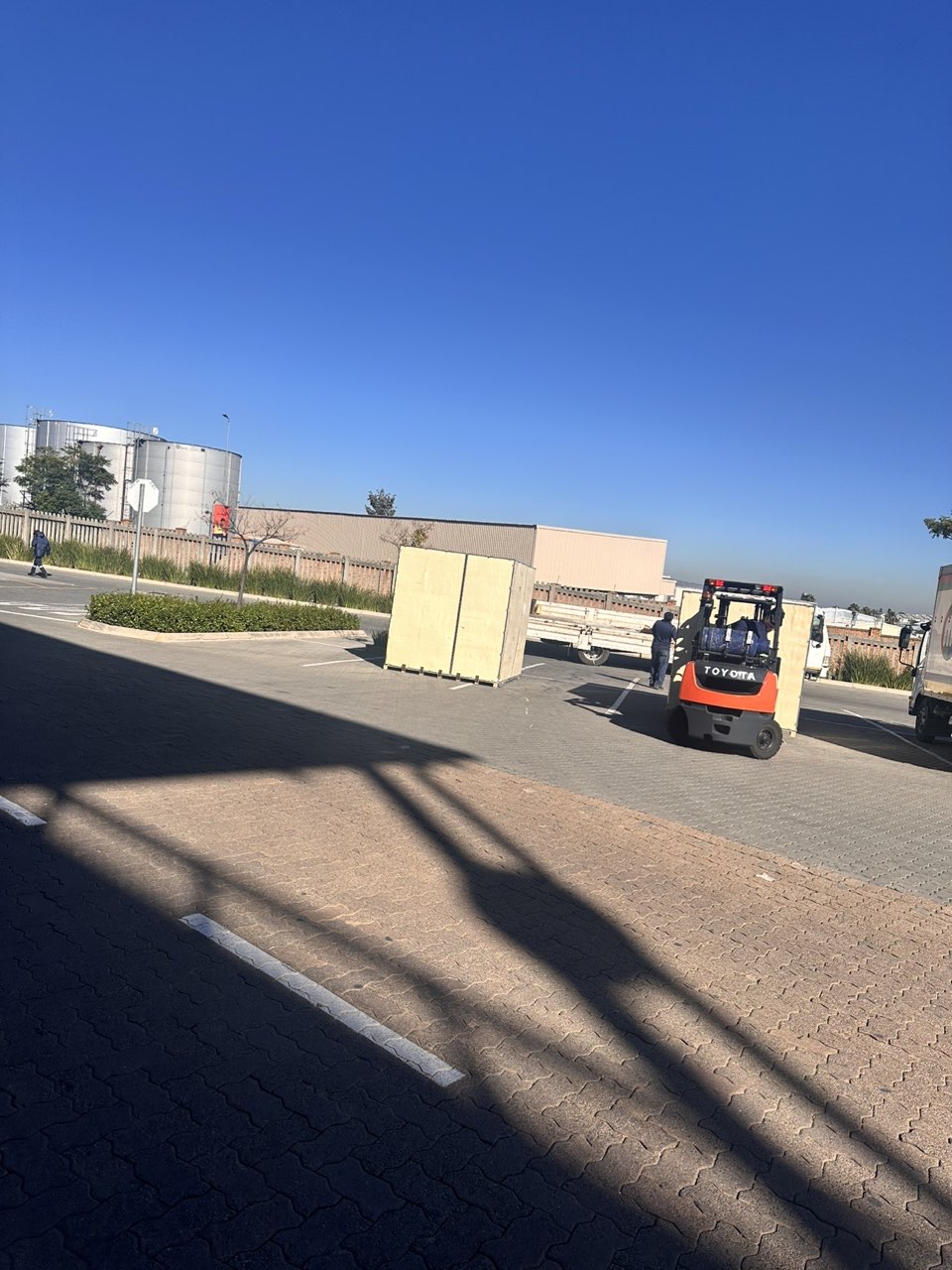
Mining Equipments
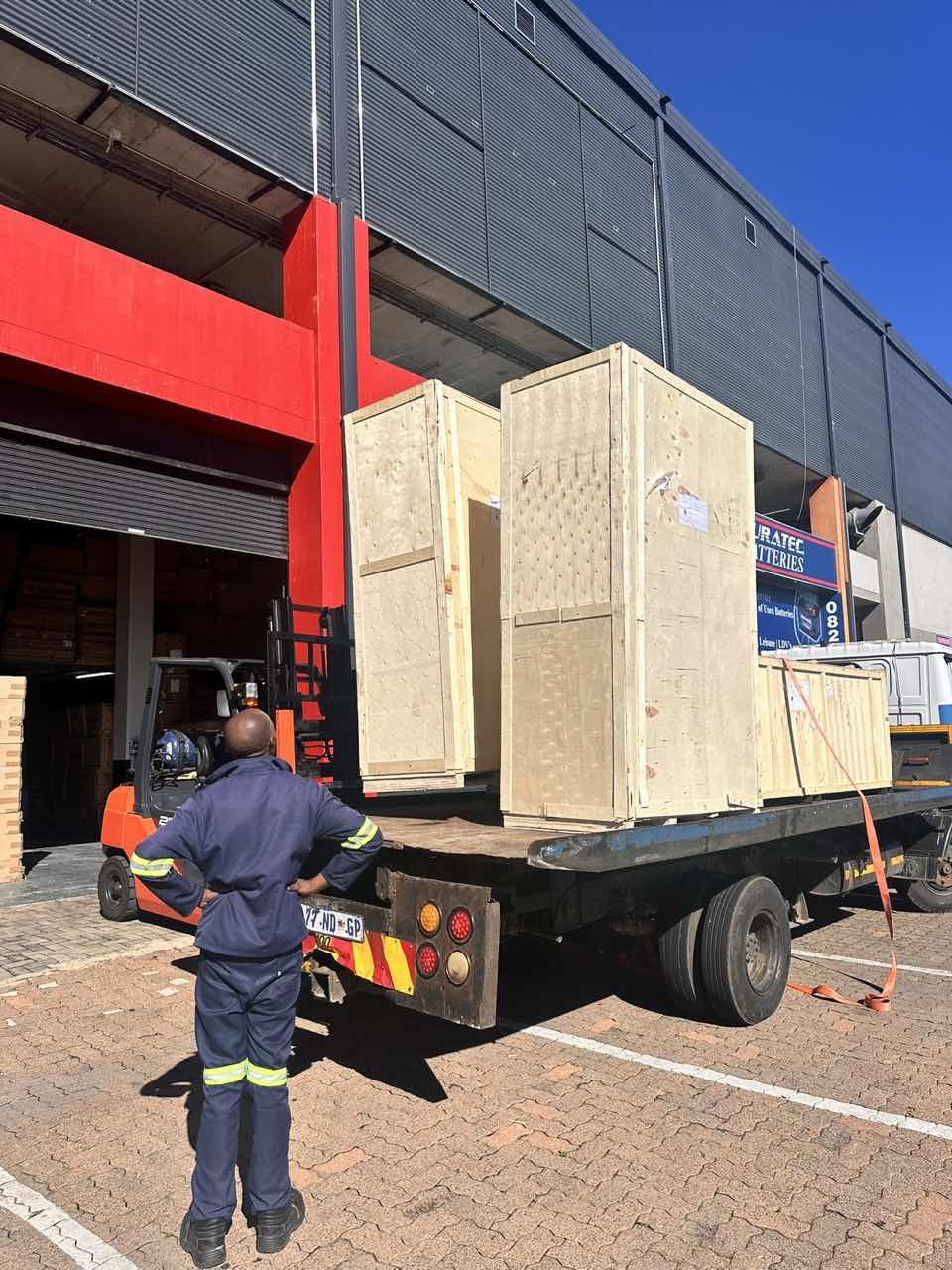
Food Processing Machine
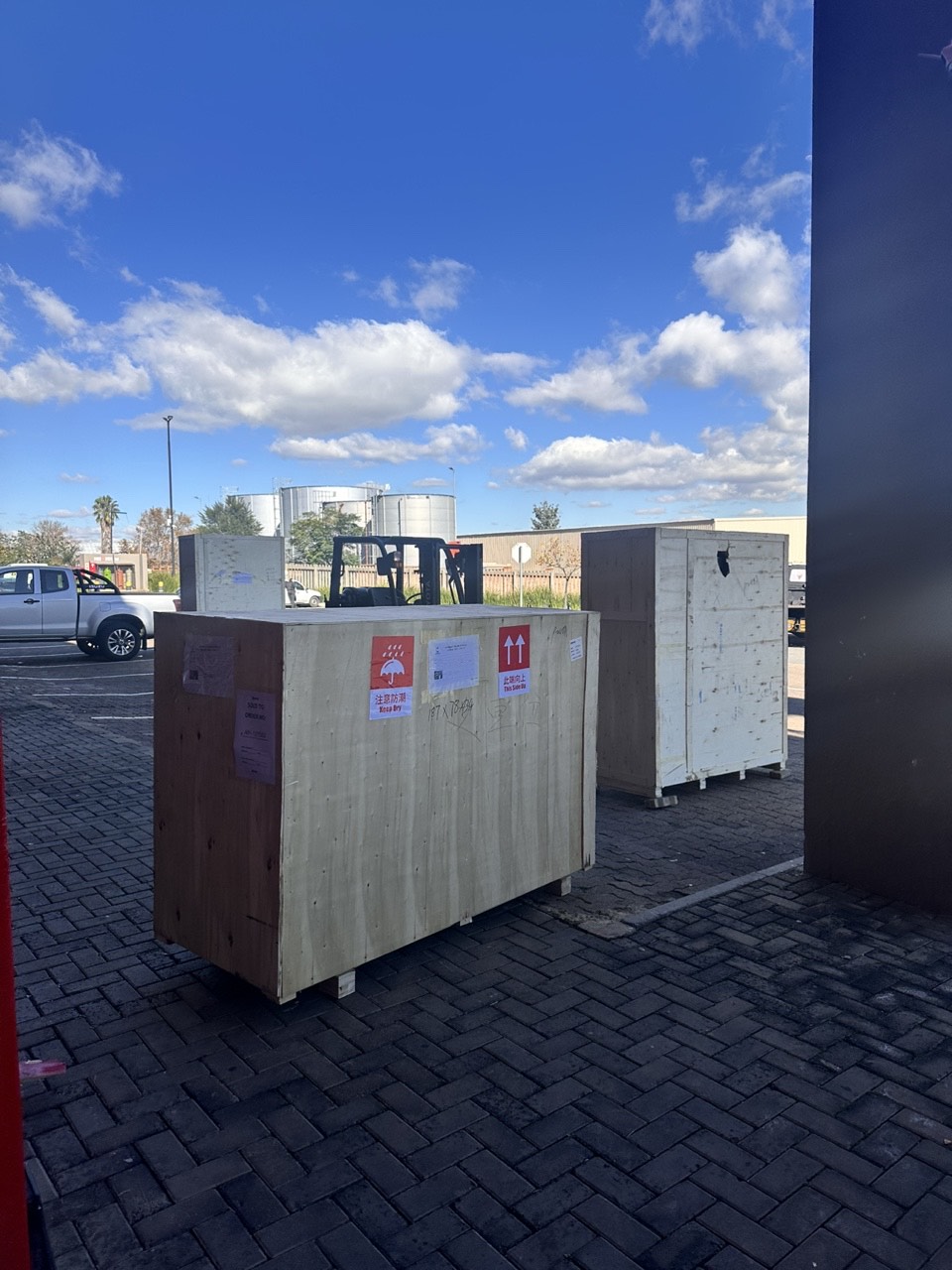
Batch of Orders
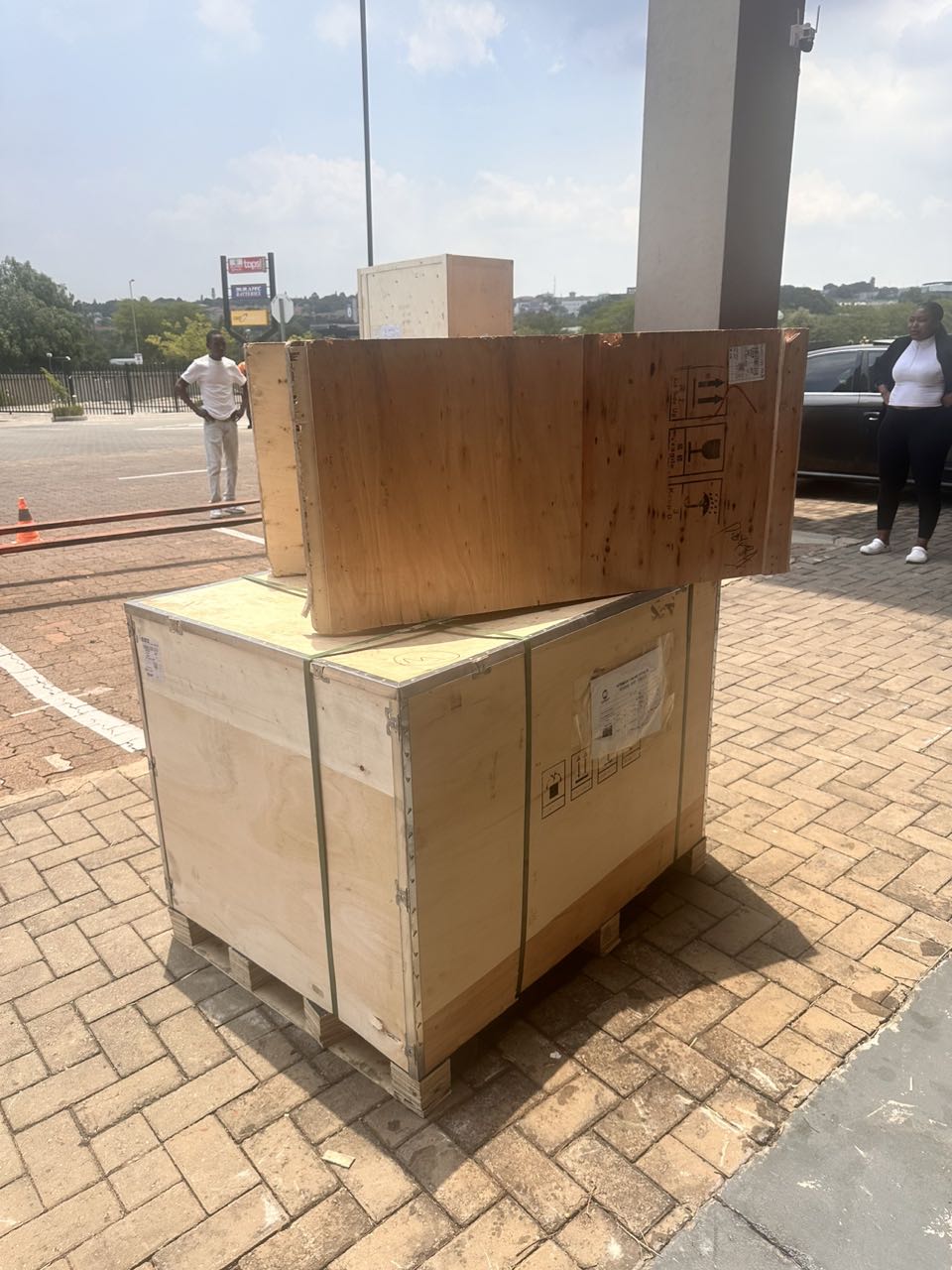
Batch of Orders
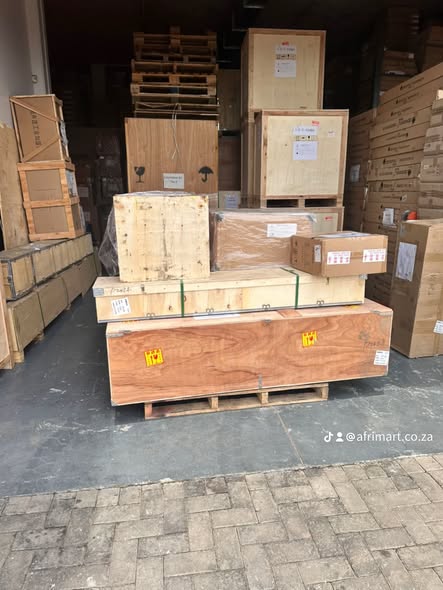
Latest Orders Labelled
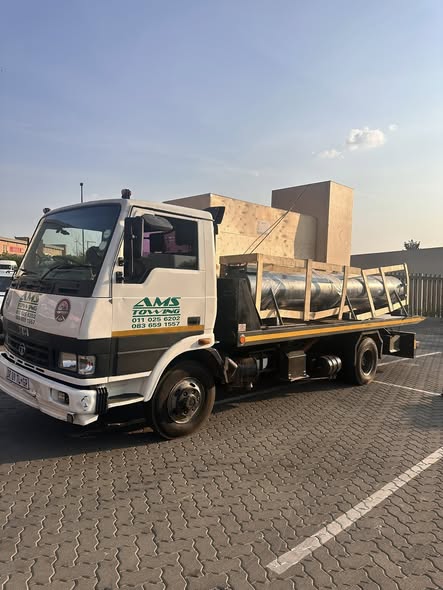
wheel alignment machines

new arrivals
Pre Orders Offloading
Latest Arrivals
Latest Arrivals
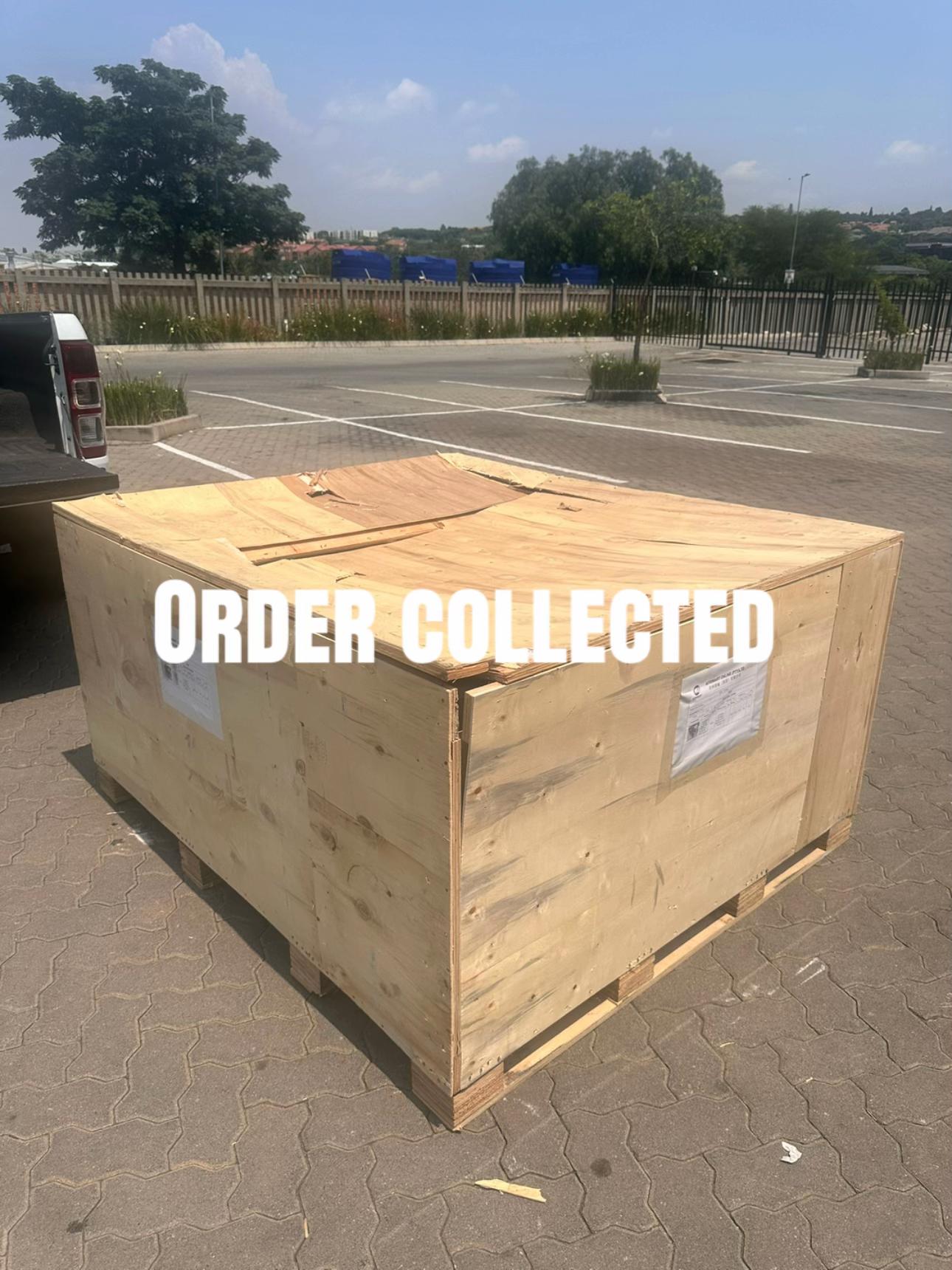
Latest Arrivals
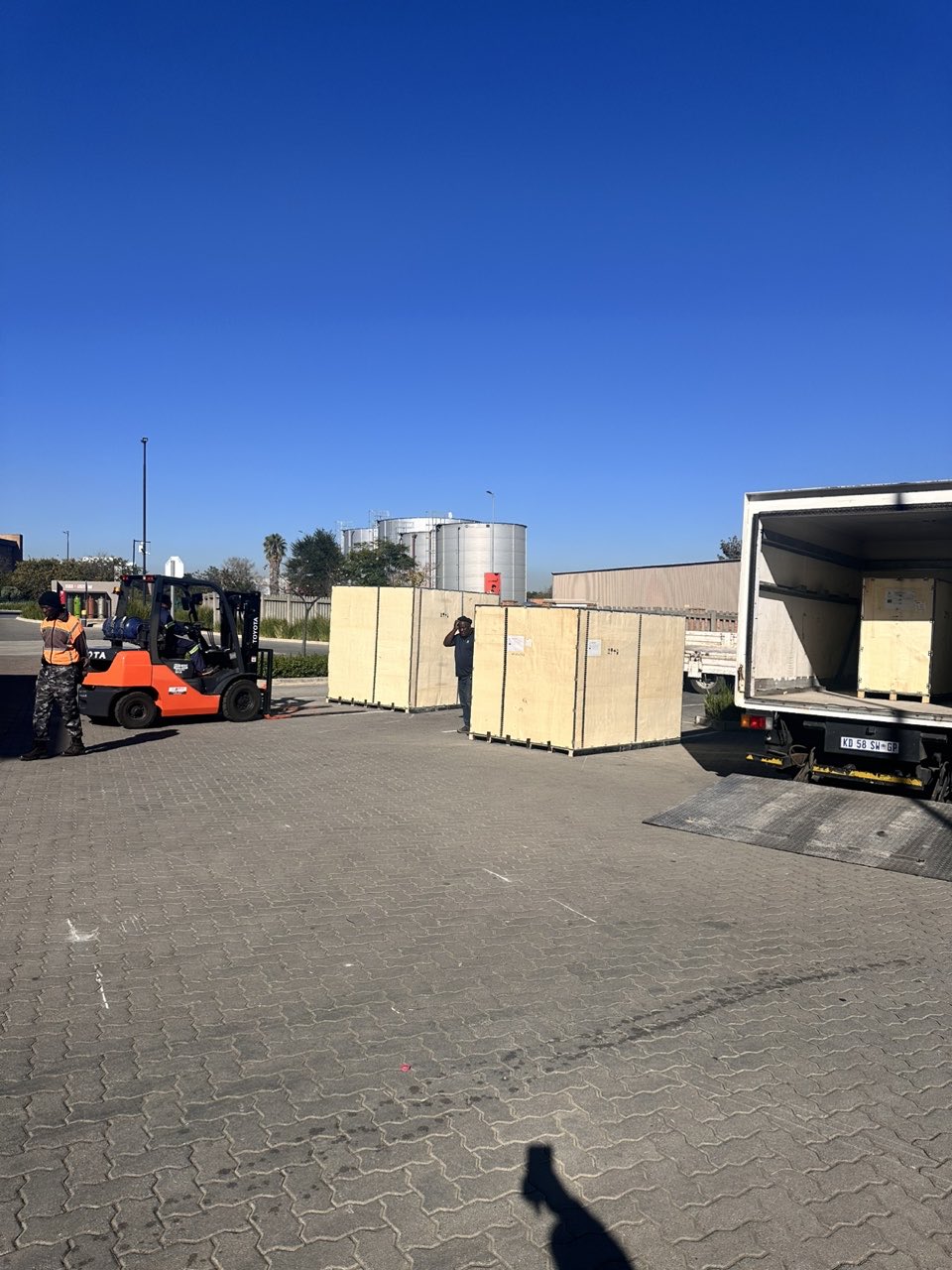
Loading
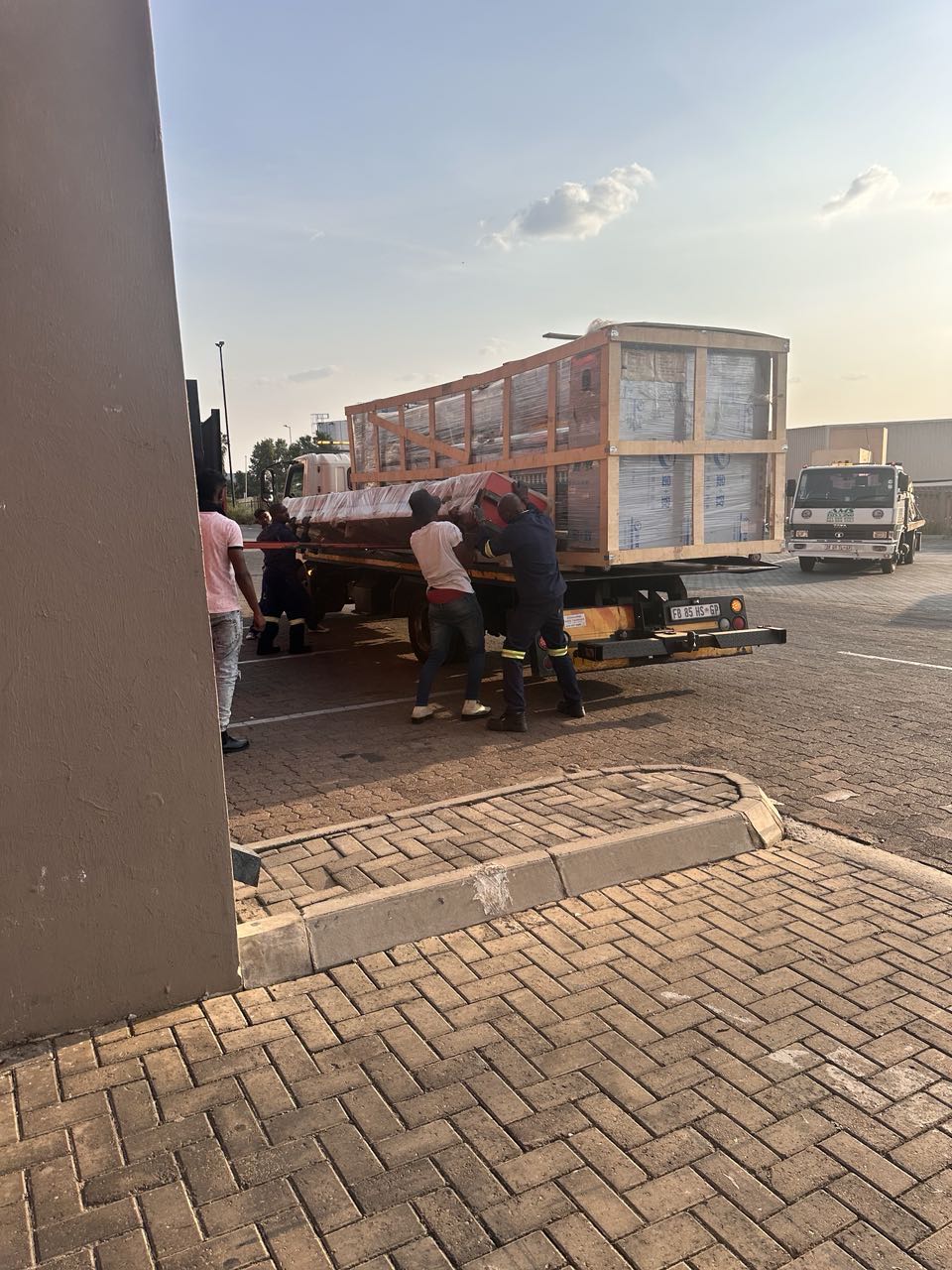
Toilet paper making machine
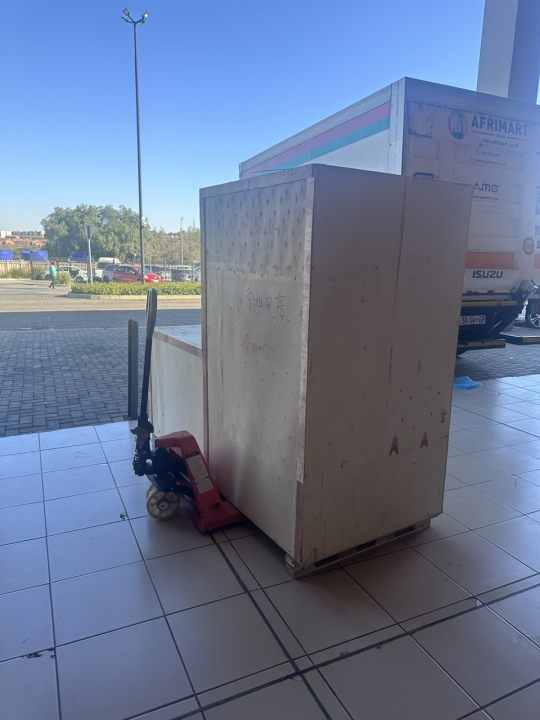
Toilet paper making machine
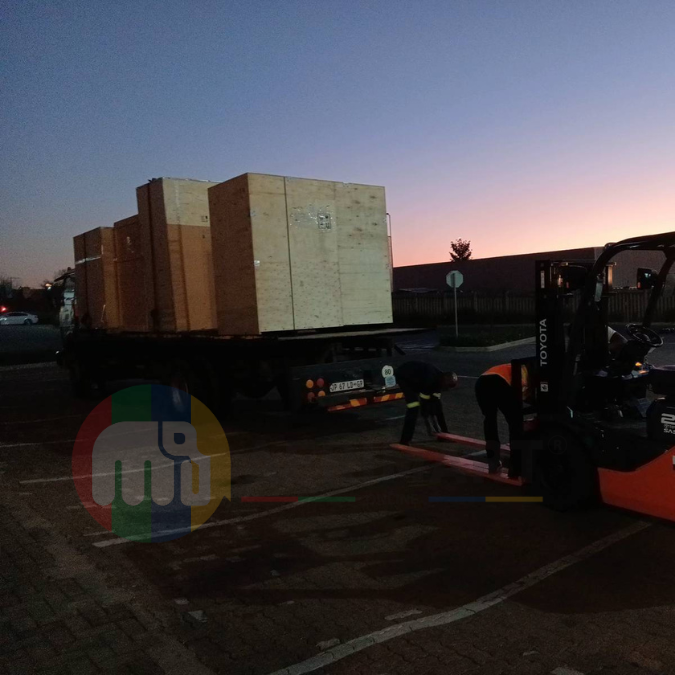
Toilet paper Rewinding Machine
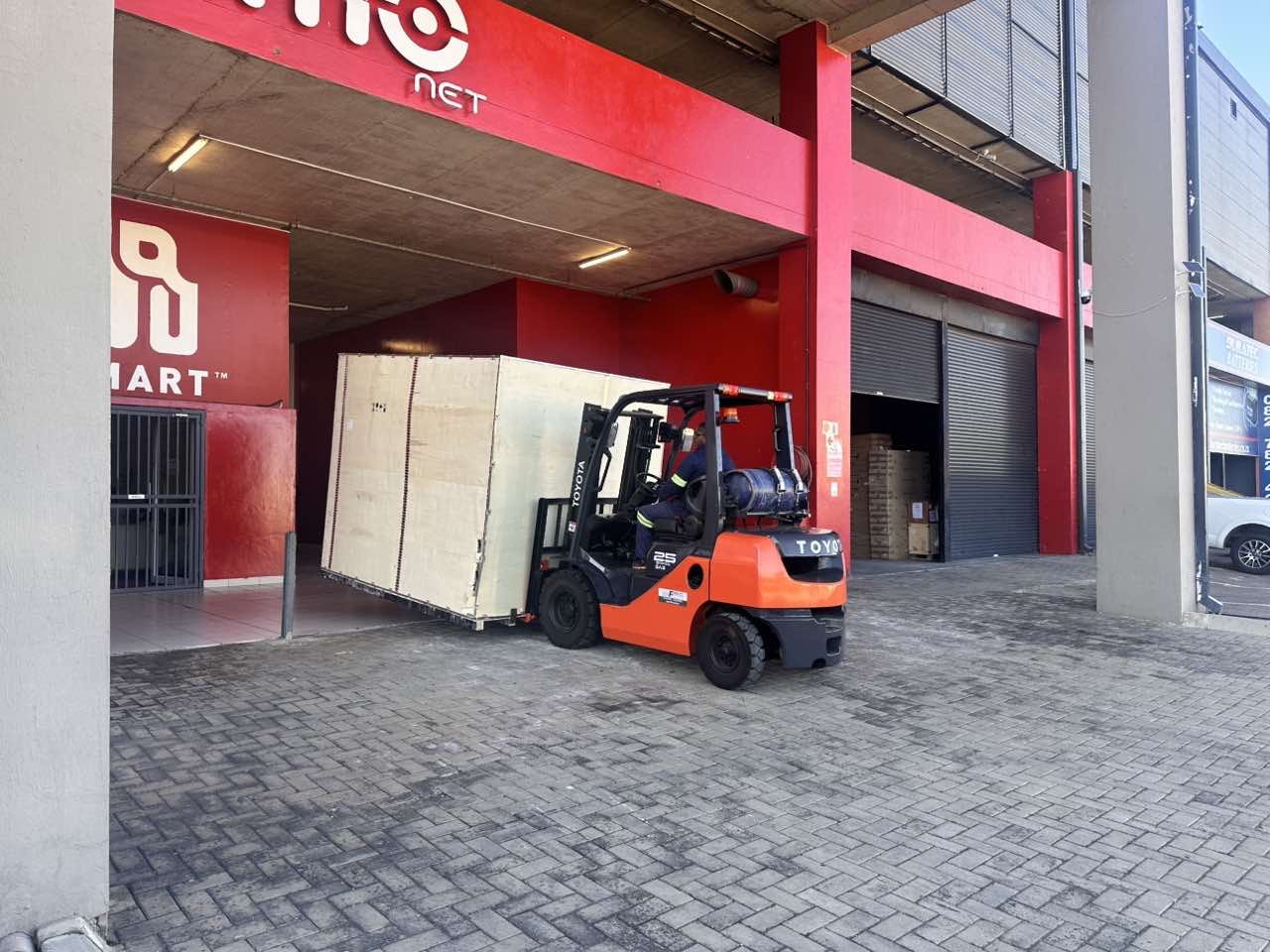
latest arrivals
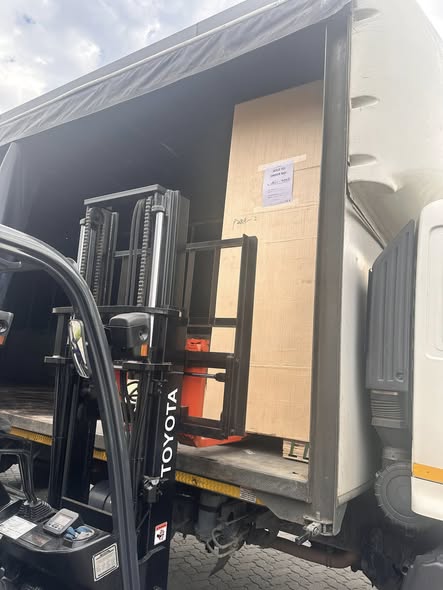
offloading
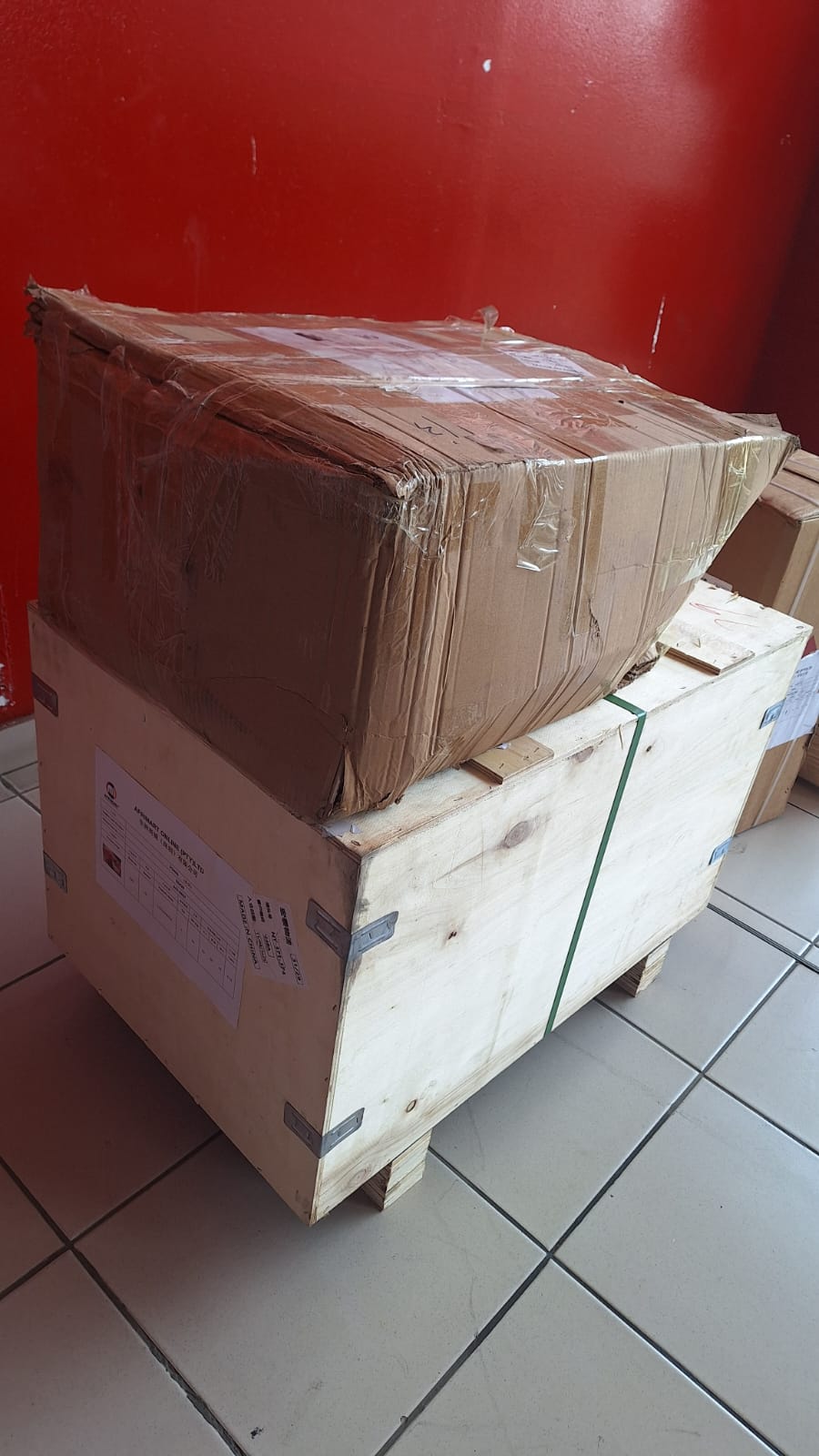
order success
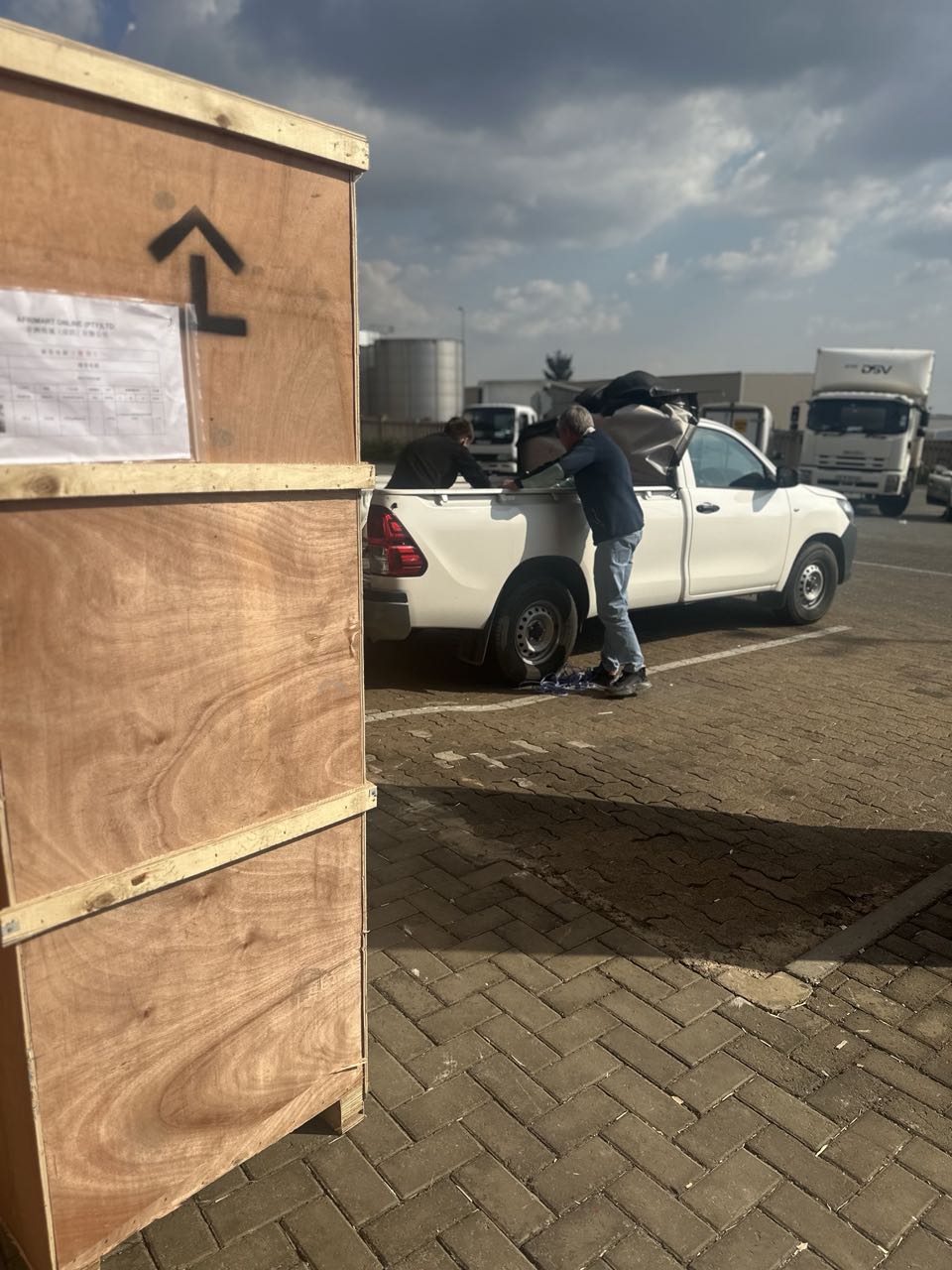
order collection
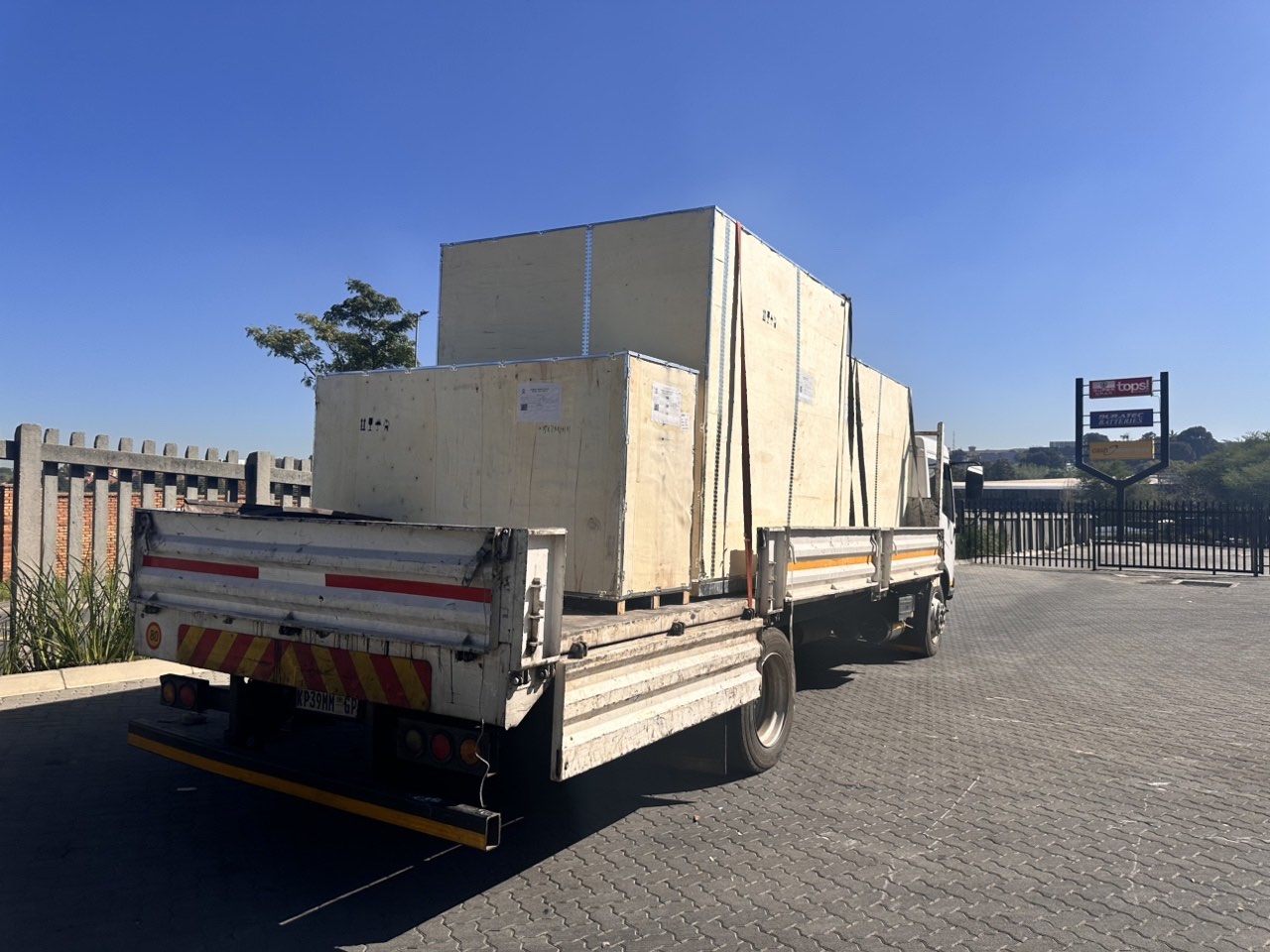
order offloading
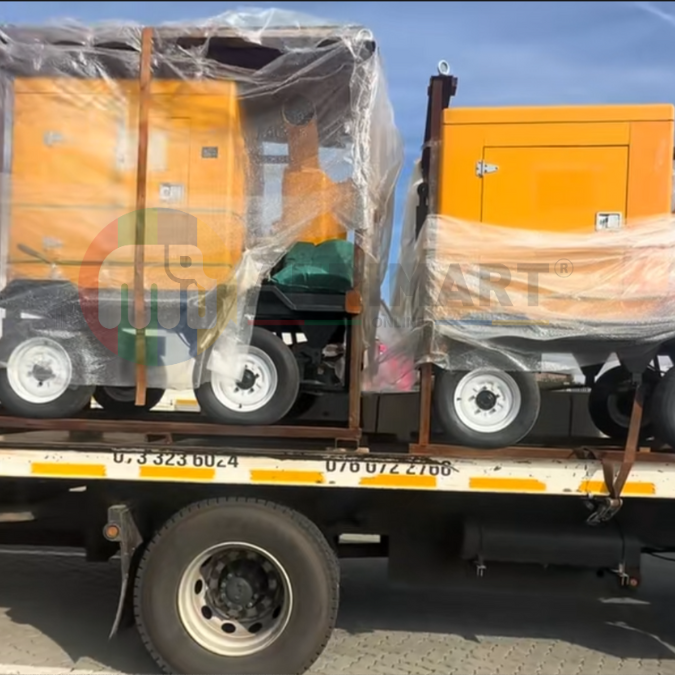
collected
Recently Viewed Products