B21, China Town Mall, Midrand

Browse categoriesView all categories
Appliances
View all products →


Beauty & Personal Care
View all products →


Car Parts
View all products →


Computers
View all products →


Construction Material
View all products →
Building Boards & Insulation
Coated & Treated Products
 Flat Products (Sheets, Plates & Coils)
Industrial Hardware & Fasteners
Luxury Wall Panels
Pipeline & Fluid Systems
Pipes & Hollow Sections
PVC Ceilings
PVC Cornices
PVC Suspended Ceilings
PVC Wall Panels
Roofing & Cladding
Roofing & Corrugated Sheets
SPC Flooring
Strips & Bars
Structural Steel & Profiles
Flat Products (Sheets, Plates & Coils)
Industrial Hardware & Fasteners
Luxury Wall Panels
Pipeline & Fluid Systems
Pipes & Hollow Sections
PVC Ceilings
PVC Cornices
PVC Suspended Ceilings
PVC Wall Panels
Roofing & Cladding
Roofing & Corrugated Sheets
SPC Flooring
Strips & Bars
Structural Steel & Profiles
Flat Products (Sheets, Plates & Coils)
Industrial Hardware & Fasteners
Luxury Wall Panels
Pipeline & Fluid Systems
Pipes & Hollow Sections
PVC Ceilings
PVC Cornices
PVC Suspended Ceilings
PVC Wall Panels
Roofing & Cladding
Roofing & Corrugated Sheets
SPC Flooring
Strips & Bars
Structural Steel & Profiles

Consumer Electronics
View all products → Camera & Photo
 Chargers, Batteries & Power Supplies
 Commercial Equipment
 Home Audio & Video
 Portable Audio
 Printing Equipment
 Professional Audio
 Security & Protection
 Testing Equipment


Commercial Equipment
 Advertising Boards
 Advertising Inflatables
 Advertising Light Boxes
 Commercial Fryers
 Computer Hardware & Software
 Digital Signage and Displays
 Display Racks
 Food Trucks
 Ice Cream Machines
 Interactive Boards
 Photo Booths
 Projectors & Presentation Equipments
 Refrigeration Equipment
 Supermarket Shelves
 Vending Machines


Electrical & Tools
View all products →


Renewable Energy
 Energy Storage System
 Flexible Solar Panels
 Home Energy Storage
 Lead Acid Batteries
 Lithium Ion Batteries
 Portable Power Stations
 Renewable Energy Accessories
 Solar Charge Controller
 Solar Energy System
 Solar Inverters
 Solar Light
 Solar Mounting System
 Solar Panels
 Solar Production Lines
 Solar Water Pump
 Uninterruptible Power Supplies
 Wind Generators
 Wind Power Generation System


Furniture
View all products → Bedroom Furniture
 Commercial Furniture
 Decorations
 Dining Room Furniture
 Kitchen Furniture
 Living Room Furniture
 Office Furniture


Kids & Toys
View all products →


Machinery
View all products →
Aftersales
 Agriculture Machinery
 Apparel Machinery
 Chemical Machinery
 Cleaning Equipment
 Construction Machinery
 Environmental Machinery
 Food & Beverage Machinery
 Industrial Machinery
 Machine Tool Equipment
 Machinery Accessories
 Material Handling
 Packaging Machines
Agriculture Machinery
Apparel Machinery
Chemical Machinery
Cleaning Equipment
Construction Machinery
Environmental Machinery
Food & Beverage Machinery
Industrial Machinery
Machine Tool Equipment
Machinery Accessories
Material Handling
Packaging Machines


Construction Machinery
 Brick Making Machinery
 Concrete Mixers
 Concrete Pumps
 Crushers
 Drilling Rigs
 Engineering & Construction Machinery
 Excavators
 Gas Generation Equipment
 Loaders
 Mineral Separators
 Mining Machinery
 Mortar Spray Machines
 Other Construction Machinery
 Road Machinery
 Stone Machinery
 Tile Making Machinery
 Truck Cranes


Food & Beverage Machinery
 Baking Equipments
 Beverage & Wine Machines
 Cake machine
 Donut machines
 Fermenting Equipment
 Fish Processing Machines
 Flour & Rice Mills
 Flour Mill
 Food Sterilizers
 Fruit & Vegetable Processing Machines
 Fruit & Vegetable Processing Machines
 Fryers
 Ice Cream Machines
 Juice Extractors
 Meat Processing Machinery
 Meat Slicers
 Other Food Processing Machinery
 Popcorn machine
 Snack Machines
 Vegetable Cutters
 Vegetable Washing Equipments
Industrial Machinery
 Apparel & Textile Machinery
 CNC industrial Machinery
 Industrial Compressors & Parts
 Industrial Robots
 Industry Laser Equipment
 Machine Tool Equipment
 Manufacturing Machinery
 Metal & Metallurgy Machinery
 Paper Production Machinery
 Plastic & Rubber Processing Machinery
 Welding Equipment
 Woodworking Machinery


Medical Supplies
View all products → Animal & Veterinary
 Household Medical Devices
 Medical Consumables
 Professional Medical Devices
 Testing Instrument


Professional Medical Devices
 Bone Surgical Instruments
 Burns Surgery Instruments
 Clinical Analytical Instruments
 Clinics Apparatuses
 Dental Chair
 Dental Consumables
 Dental Equipments
 Dental Handpiece
 Diagnostic Apparatuses
 Emergency & Clinics Apparatuses
 General Assay & Diagnostic Apparatuses
 Hospital Beds
 Hospital Chairs
 Hospital Trolley
 Implants & Interventional Materials
 Medical Cryogenic Equipments
 Medical Imaging Equipment
 Medical Optical Instruments
 Medical Ultrasound Instruments
 Medical X-ray Equipments
 Obstetrics & Gynecology Equipments
 Oral Therapy Equipments
 Physical Therapy Equipment
 Radiology Equipment & Accessories
 Rehabilitation Equipment
 Stethoscope
 Surgical Instruments
 Transfusion, Dialysis & Circulation Machines
 Vacuum Suction Devices
 Visual Acuity Examination Supplies


Pet Supplies
View all products →


Phones & Accessories
View all products → Featured Accessories
 Mobile Phones
 Phone Accessories
 Screen Protector Machines
 Tablets
 Telecommunications


Telecommunications
 Broadcast Intercom Systems
 Camera Modules
 Communication Antennas
 Corded Telephones
 Development Boards, Kits
 Enterprise Firewalls
 Enterprise Switches
 Fiber Optic Equipment
 Fixed Wireless Terminals
 Other Telecommunications Products
 PBX
PBX
 Signal conversion Boards
 Telecom Parts
 Wireless Infrastructure Equipment
Production Lines
View all products →

Metal Components
Custom fabricated metal assemblies
Flanges, couplings, and joints
Machined metal parts and forgings
Metal brackets, connectors, and fasteners
Metal frames and chassis components
Metal plates, sheets, and coils
Metal stampings and pressings
Pipes, tubes, and fittings (steel, copper, aluminum)
Steel beams, angles, channels, and structural sections
Wire mesh and expanded metal
Raw Inputs
Ceramic powders and compounds
Composite material components
Glass sheets and raw glass materials
Plastic resins and polymers (pellets, granules, powder)
Raw minerals and aggregates
Raw rubber and elastomer compounds
Raw steel, aluminum, copper, and other metal stock materials
Textile fibers and fabrics
Wood lumber and timber sheets
Sports & Entertainment
View all products →


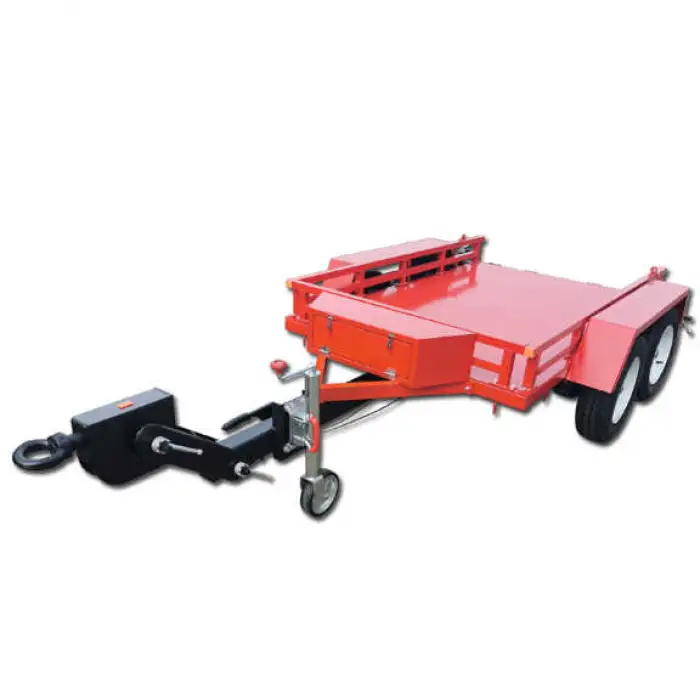
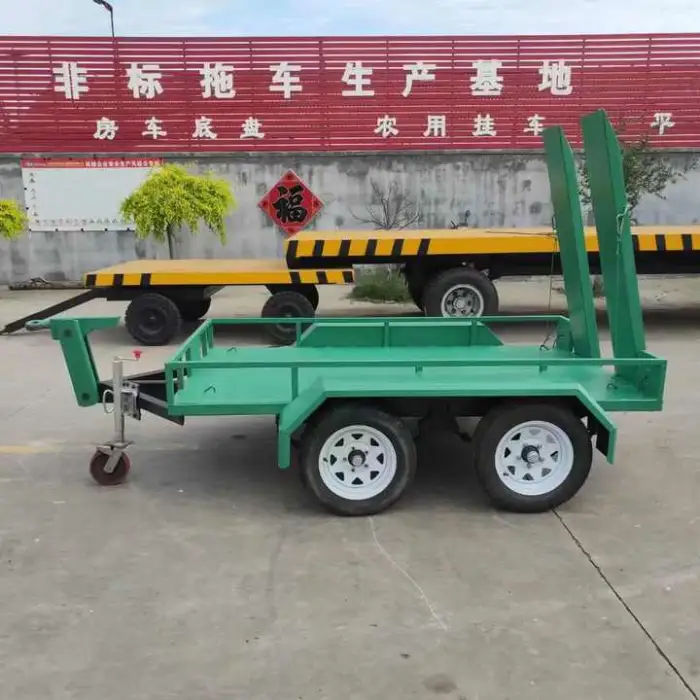
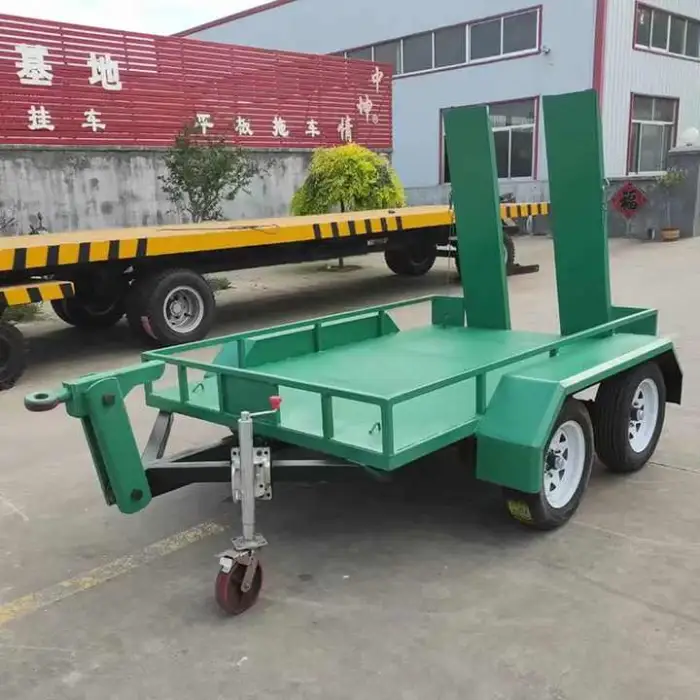
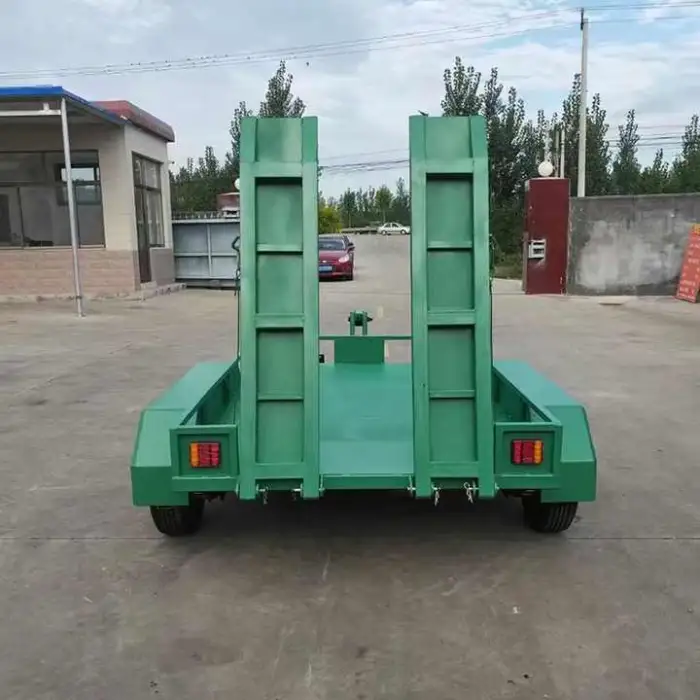
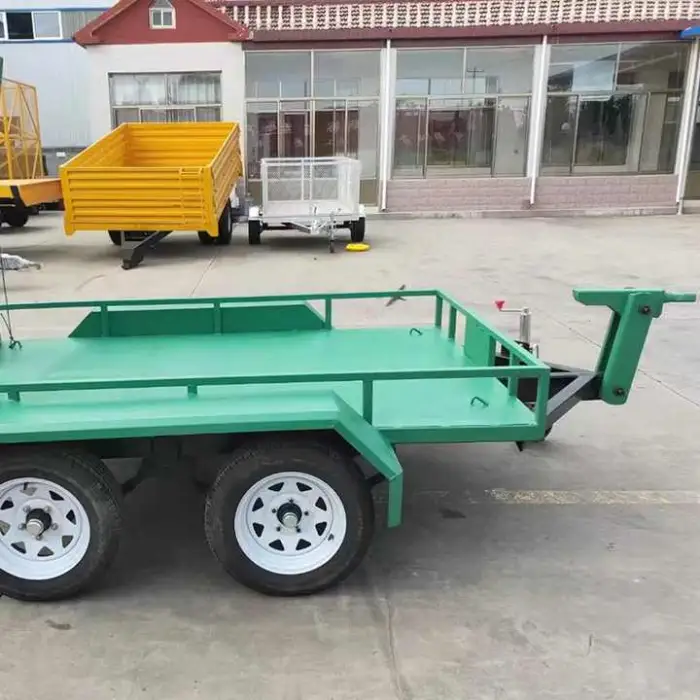
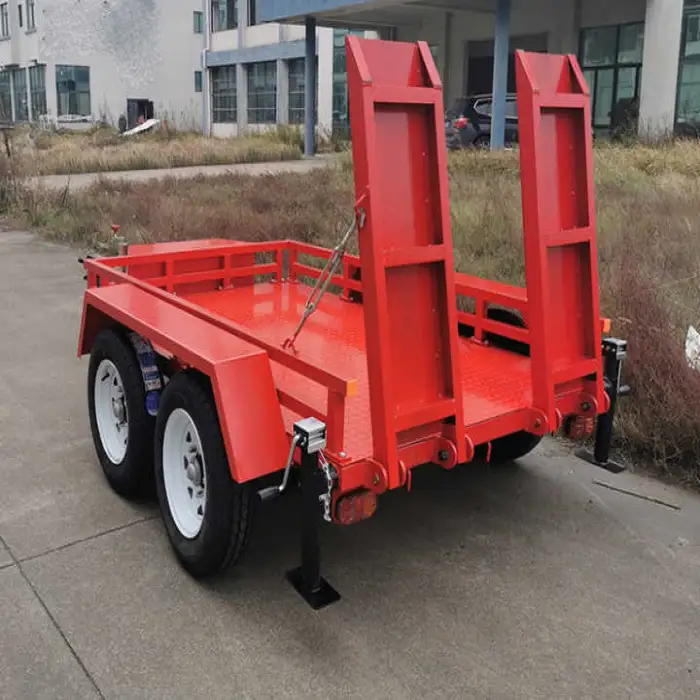
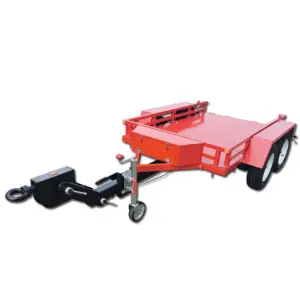
Car Hydraulic 3 Tonne Trailer Low Bed Tilt Trailer Tandem Car Trailer

- Section : Sports & Entertainment
- Category : Trailers
- SKU : 1601279806371

Car Hydraulic 3 Tonne Trailer Low Bed Tilt Trailer Tandem Car Trailer
The Car Hydraulic 3 Tonne Trailer Low Bed Tilt Trailer is perfect for transporting vehicles safely and easily. With a strong design and a high payload capacity, this trailer is built to handle your car hauling needs. Whether you're a professional or a DIY enthusiast, this trailer will make your transport tasks simple and efficient.
Specifications
| Attribute | Details |
|---|---|
| Max Payload | 2001-3000 kg |
| Brand Name | Trailer |
| Size | 2500*1600*1750 mm |
| Selling Units | Single item |
Key Features
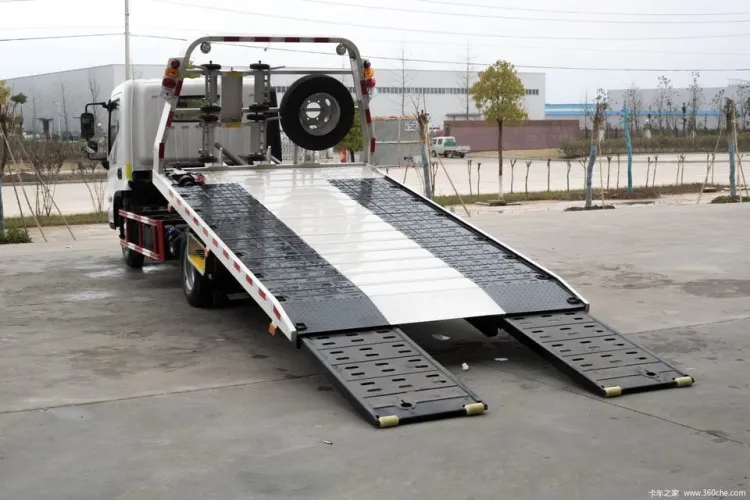
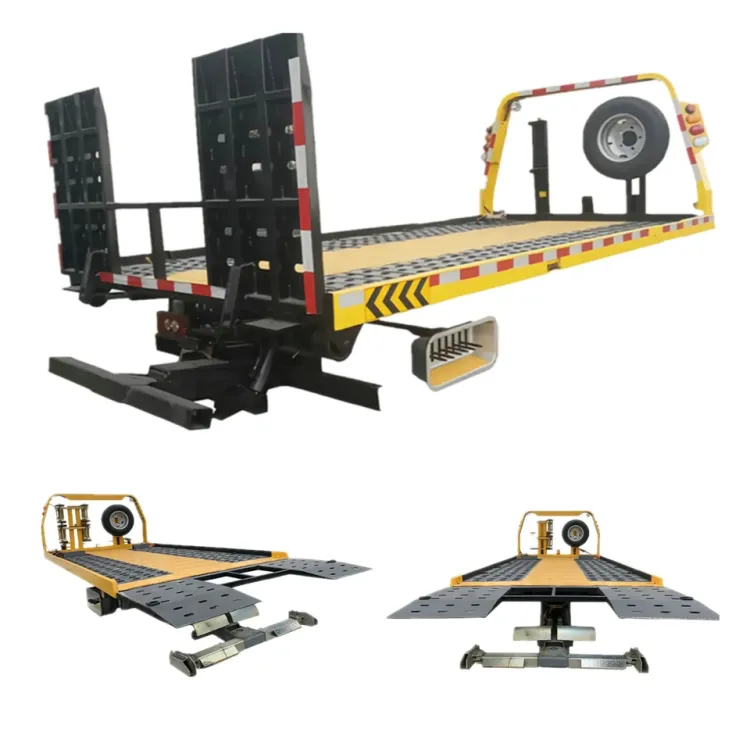
- Hydraulic tilt for easy loading and unloading.
- Robust construction for durability and safety.
- Large payload capacity of up to 3000 kg.
- Ideal size for various vehicle types.
- Easy to maneuver with tandem axle design.
Applications
- Transporting cars for racing events.
- Moving vehicles for repair or maintenance.
- Hauling classic cars to shows.
- Delivering vehicles to customers.
- Utilizing for personal use or business needs.
Product Info Gallery

- Shipping Timeframes: All orders are processed within 2-5 business days (excluding weekends and holidays). After your order has been processed, the estimated delivery time is before 11 Dec, 2026, depending on customs, Please note that due to high demand, some items may experience longer shipping times, which will be communicated at order confirmation email.
- Order Processing Time: Please allow 2-5 business days for us to process your order before it is shipped . Orders placed after 16:00 on Fridays, or during weekends and public holidays, will begin processing on the next business day. Processing times may be extended during peak seasons or sales events.
- Manufacturing Time: Some products needs manufacturing time, the manufacturing process will take approximately 10-30 business days depending on the product. This timeframe may vary depending on the complexity of the product and current demand. but this will be communicated with you during order confirmation.
- Returns and Exchanges: We offer a 30-day return policy for most items. If you are not completely satisfied with your purchase, you may return it within 30 days of receipt for a refund or exchange. Items must be unused, in their original packaging, and accompanied by proof of purchase. Return shipping costs are the responsibility of the customer, unless the item was damaged or defective upon arrival.
1. What is the maximum payload capacity of this trailer?
The trailer has a maximum payload in the 2001–3000 kg range and is rated to carry up to 3000 kg. Always check the specific model plate and paperwork for the exact rating.
2. What are the overall dimensions of the trailer?
The listed dimensions are 2500 × 1600 × 1750 mm (L × W × H). Confirm with the seller whether these are overall or platform dimensions and ask for usable bed length/width if you need to fit a particular vehicle.
3. What types of vehicles can this low bed tilt trailer transport?
It’s designed for cars and similar vehicles up to the payload limit — suitable for everyday cars, race cars, classic cars and many low-slung vehicles. Always verify both the vehicle weight and its dimensions against the trailer’s rated payload and bed size before loading.
4. How does the hydraulic tilt system work?
The hydraulic tilt raises and lowers the bed to create a low loading angle for easy drive-on/drive-off. Models may use a manual hydraulic pump or an electric/hydraulic power unit — check the specific unit details from the supplier.
5. Why does the trailer have a tandem axle and what are the benefits?
The tandem (two-axle) design increases load capacity, stability and towing smoothness compared with a single axle. It distributes weight better for heavier vehicles and improves handling at speed.
6. Are brakes fitted to the trailer?
Brake setup can vary by model and region (electric brakes, surge/overrun brakes, or none). Check the product specifications or contact the seller to confirm which brake system is fitted and whether it meets your local legal requirements.
7. What towing vehicle is required to tow this trailer safely?
You need a towing vehicle whose rated towing capacity exceeds the combined weight of the loaded trailer (tare + payload). Also ensure the towball/hitch rating, electrics (lighting/brake actuator) and rear axle rating of your vehicle are compatible.
8. How should a car be secured on the trailer?
Use rated wheel nets orRatchet straps attached to appropriate anchor points or D‑rings, chock the wheels, and follow a cross‑tie method to prevent movement. Verify the trailer’s tie‑down point types and ratings before use.
9. Is this trailer suitable for very low ground‑clearance or custom race cars?
Yes — the low bed and hydraulic tilt reduce the loading angle, making it good for lower cars. However, verify ramp height/angle and overall bed height against your vehicle’s approach and departure clearances.
10. What is the unladen (tare) weight and the Gross Vehicle Weight (GVW)?
Tare weight and exact GVW are model-specific and not listed here. Contact the seller or check the specification plate/documentation to obtain tare weight and the trailer’s GVW.
11. What maintenance is required for the hydraulic system and axles?
Regularly check hydraulic fluid level and hoses for leaks, grease axle bearings per manufacturer intervals, inspect brakes, wheel bearings and tyres, and look for structural cracks or loose fasteners. Follow the supplier’s maintenance schedule for best results.
12. Are spare parts or accessories (ramps, winch, spare wheel) available?
Many suppliers offer accessories such as loading ramps, electric or manual winches, spare wheels, wheel nets and extra tie‑downs. Ask your vendor about available options and compatibility with the exact model.
13. How is the trailer delivered and does it require assembly?
Delivery and assembly vary by supplier. Some trailers arrive fully assembled and ready to hitch, others may require simple on‑site assembly (attach hitch, lights or ramps). Confirm delivery method, lead time and any installation services with the seller.
14. What safety certifications or warranties come with the trailer?
Certifications (CE, ISO, local approvals) and warranty terms differ between manufacturers and sellers. Request copies of conformity certificates and the written warranty before purchase to confirm coverage and compliance.
15. What legal or registration requirements apply when using this trailer?
Trailer registration, lighting, braking requirements and the need for additional licensing vary by jurisdiction and depend on the trailer’s GVW. Check local transport authority rules to ensure compliance with registration, insurance and towing licence requirements.
Latest Order Arrivals
Discover our latest orders
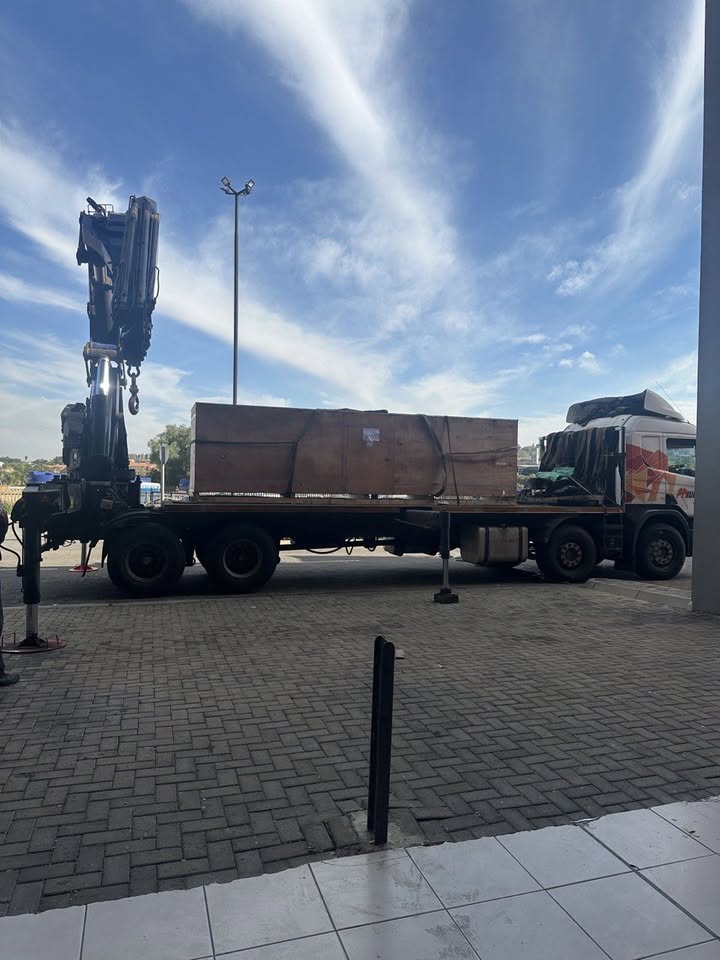
12 Heads Embroidery Machine
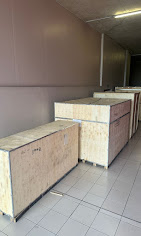
Toilet Paper Machine Machine
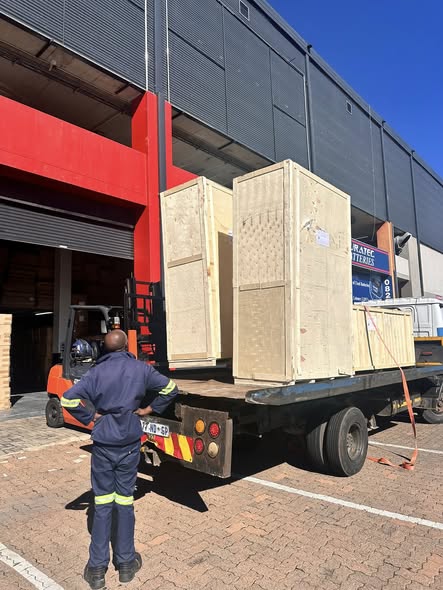
Order Collection
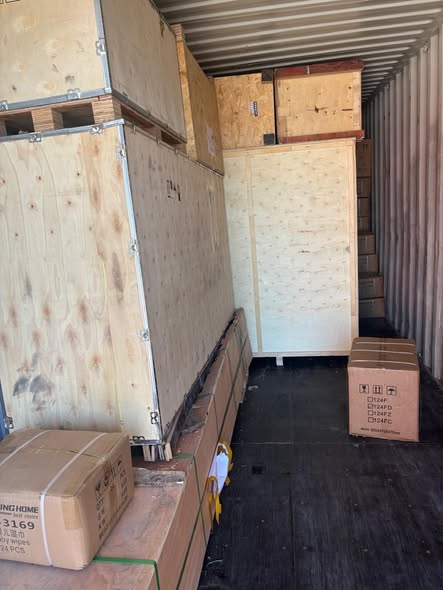
Cross Border Clients
Order cros border countries Collected
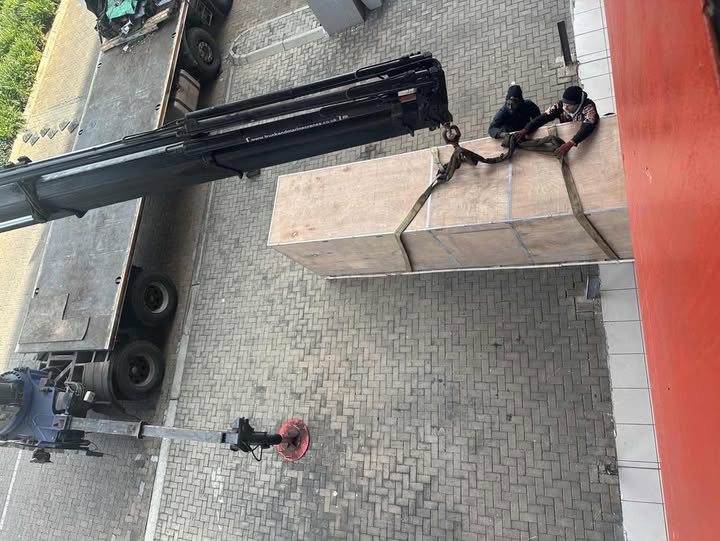
Industrial Machine Cllection
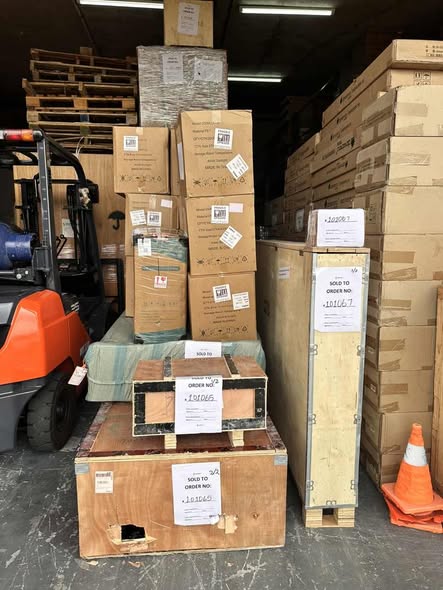
Agriculture Processing Machines
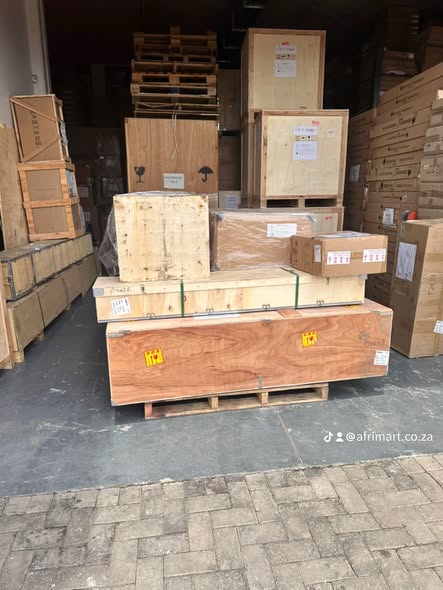
Ready for collection
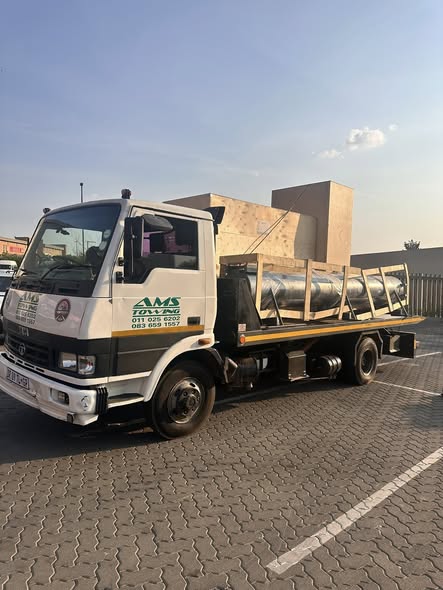
Water Pump Equipment
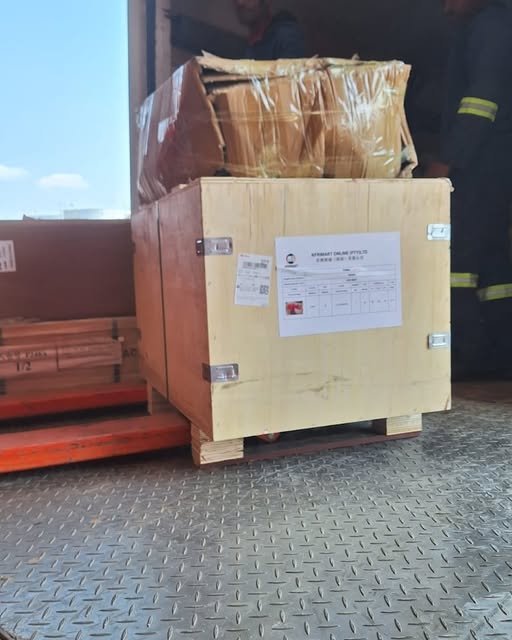
Packaging Machine and accessories
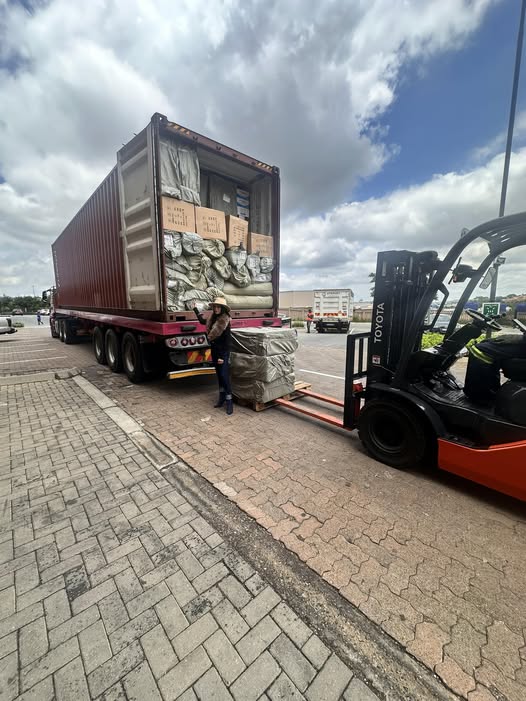
Fabrics Manufacturing Equipment
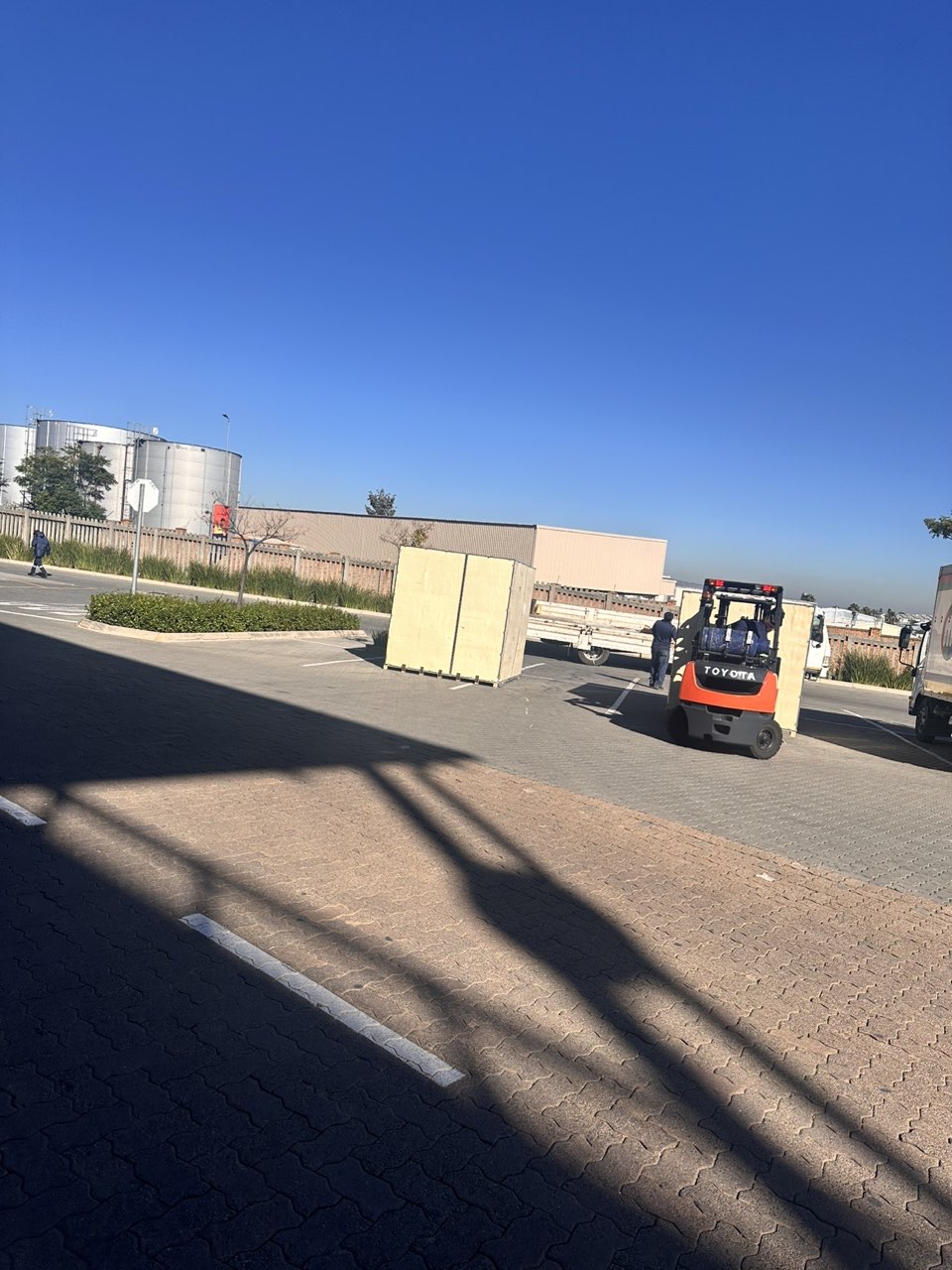
Mining Equipments
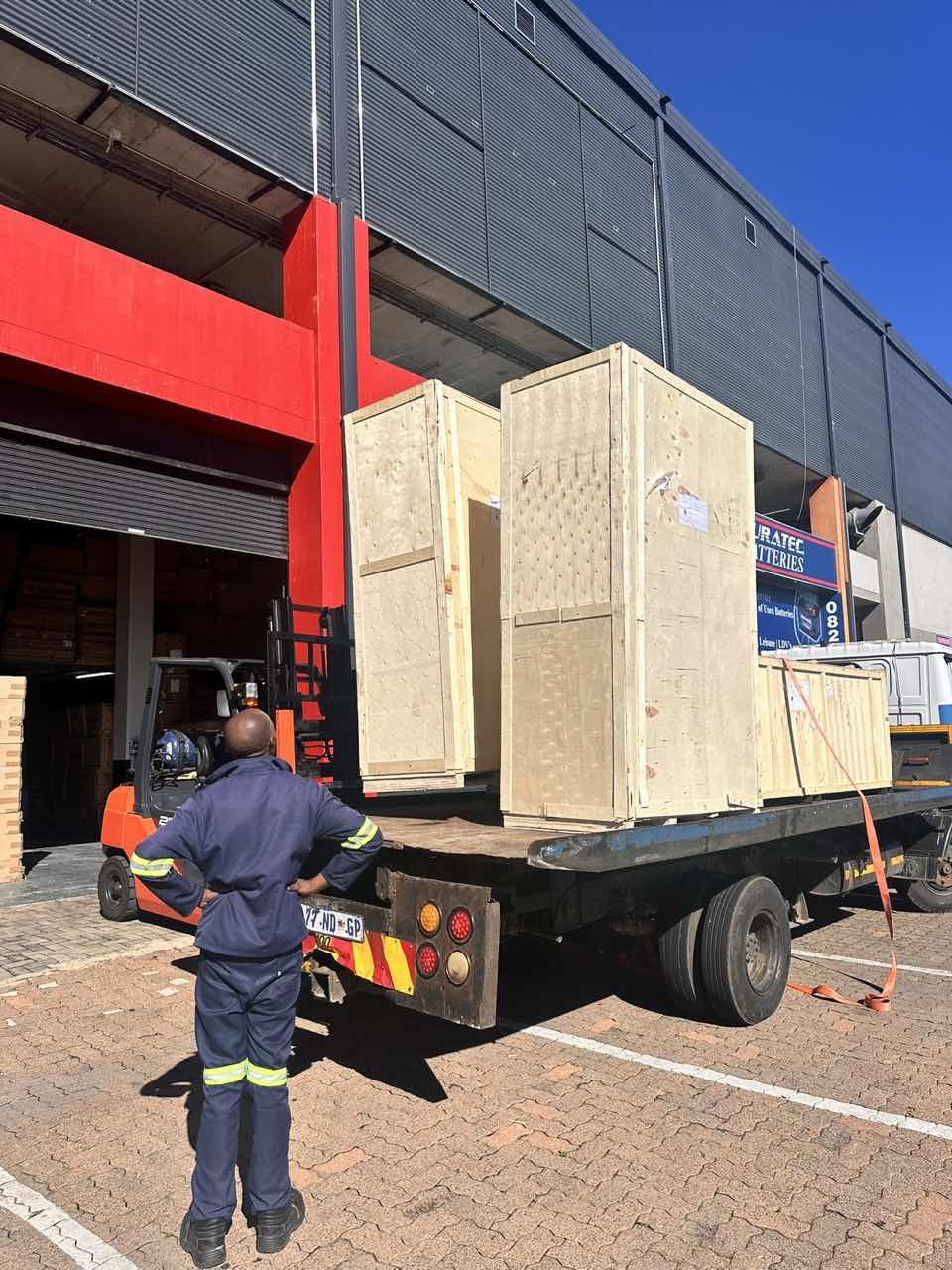
Food Processing Machine
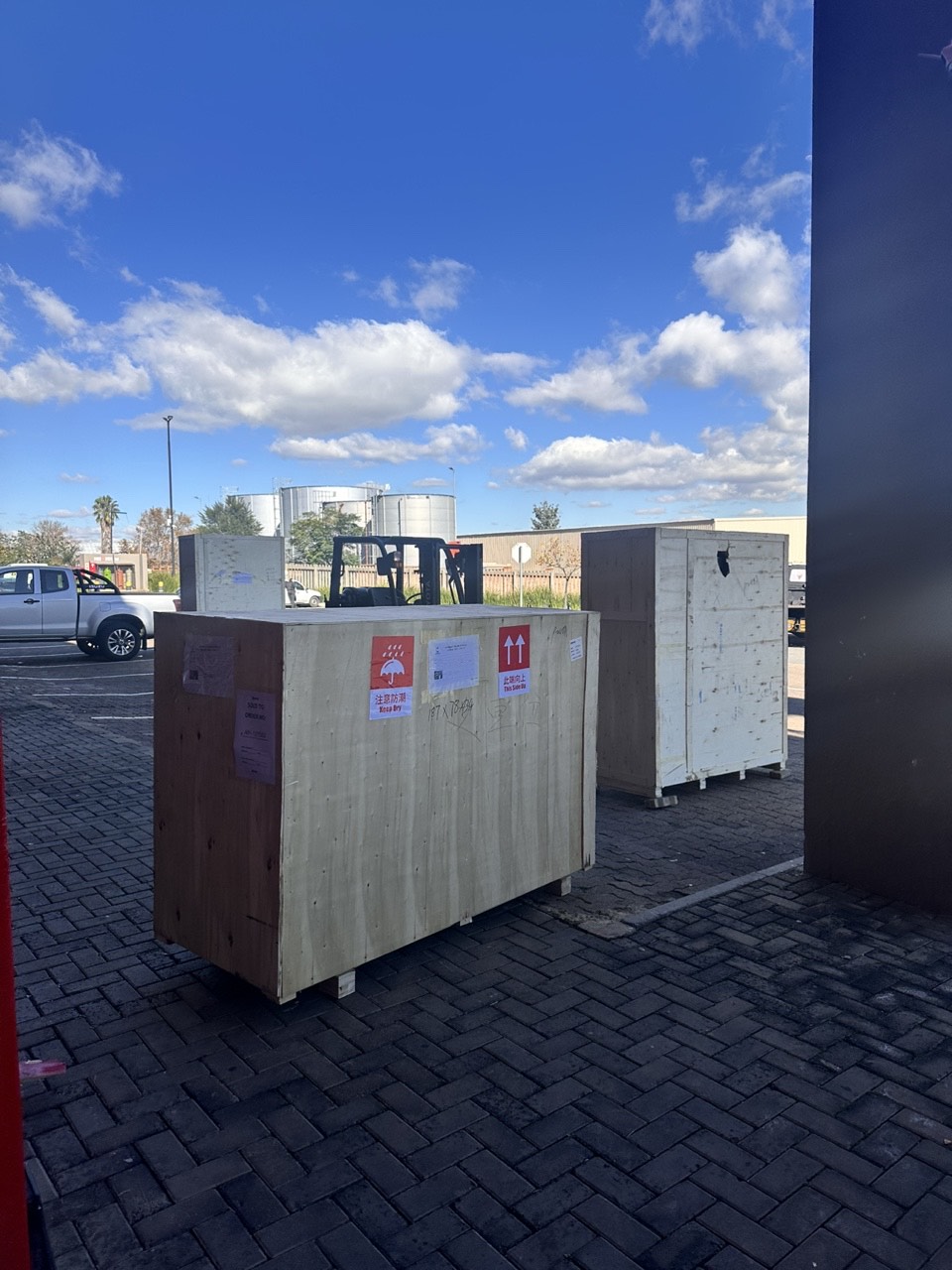
Batch of Orders
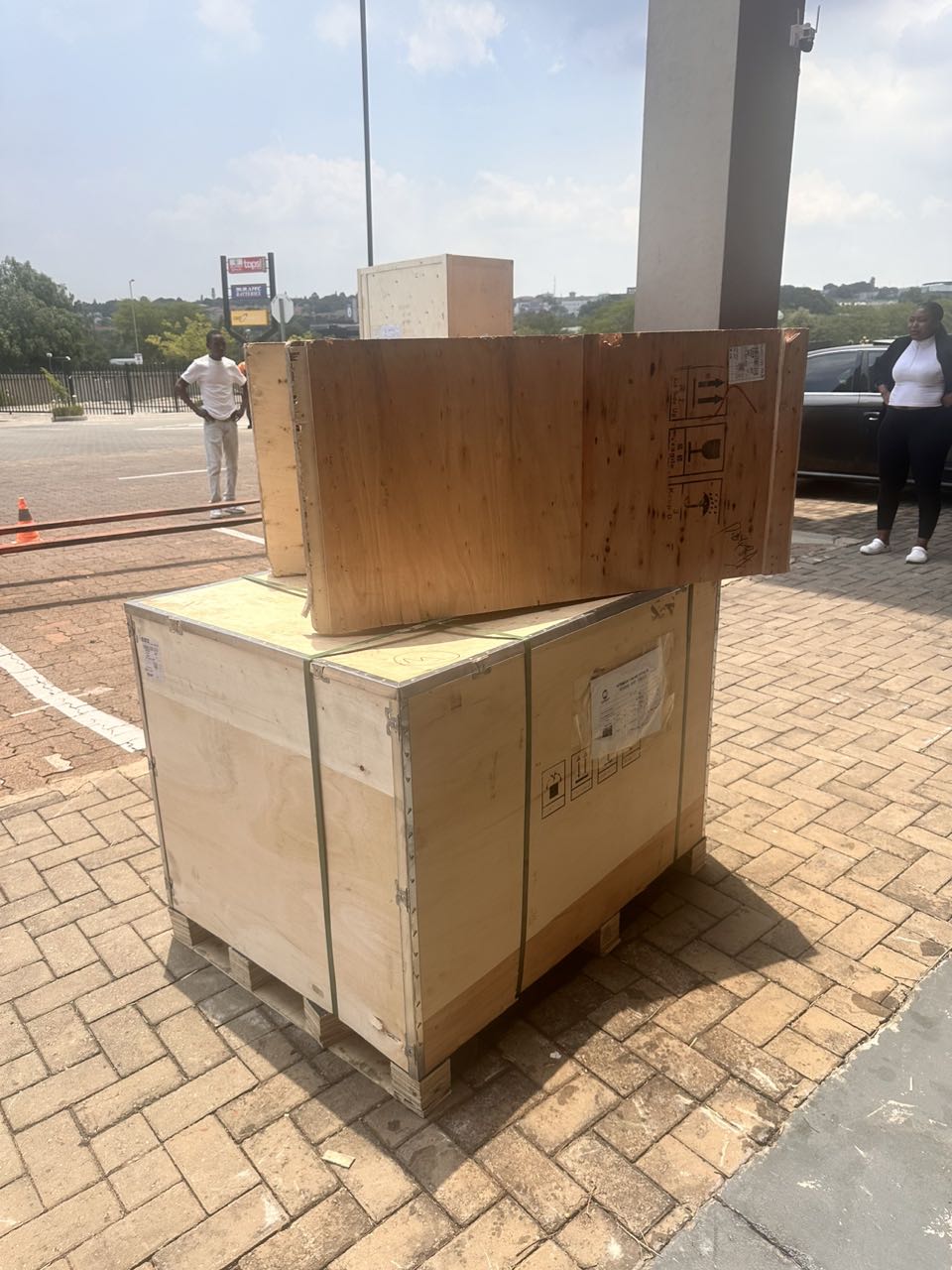
Batch of Orders
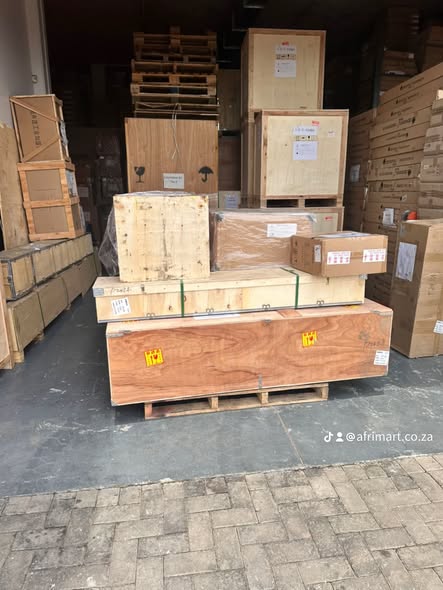
Latest Orders Labelled
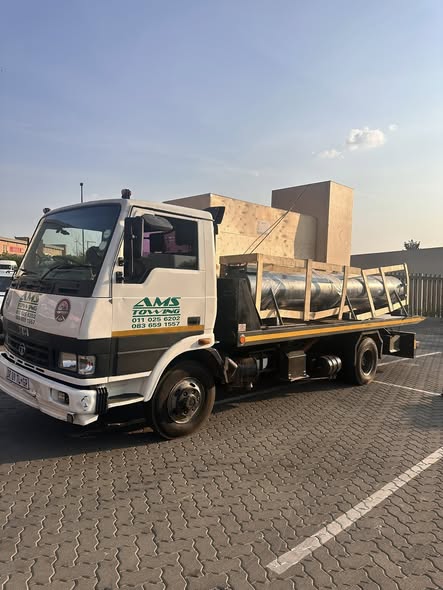
wheel alignment machines
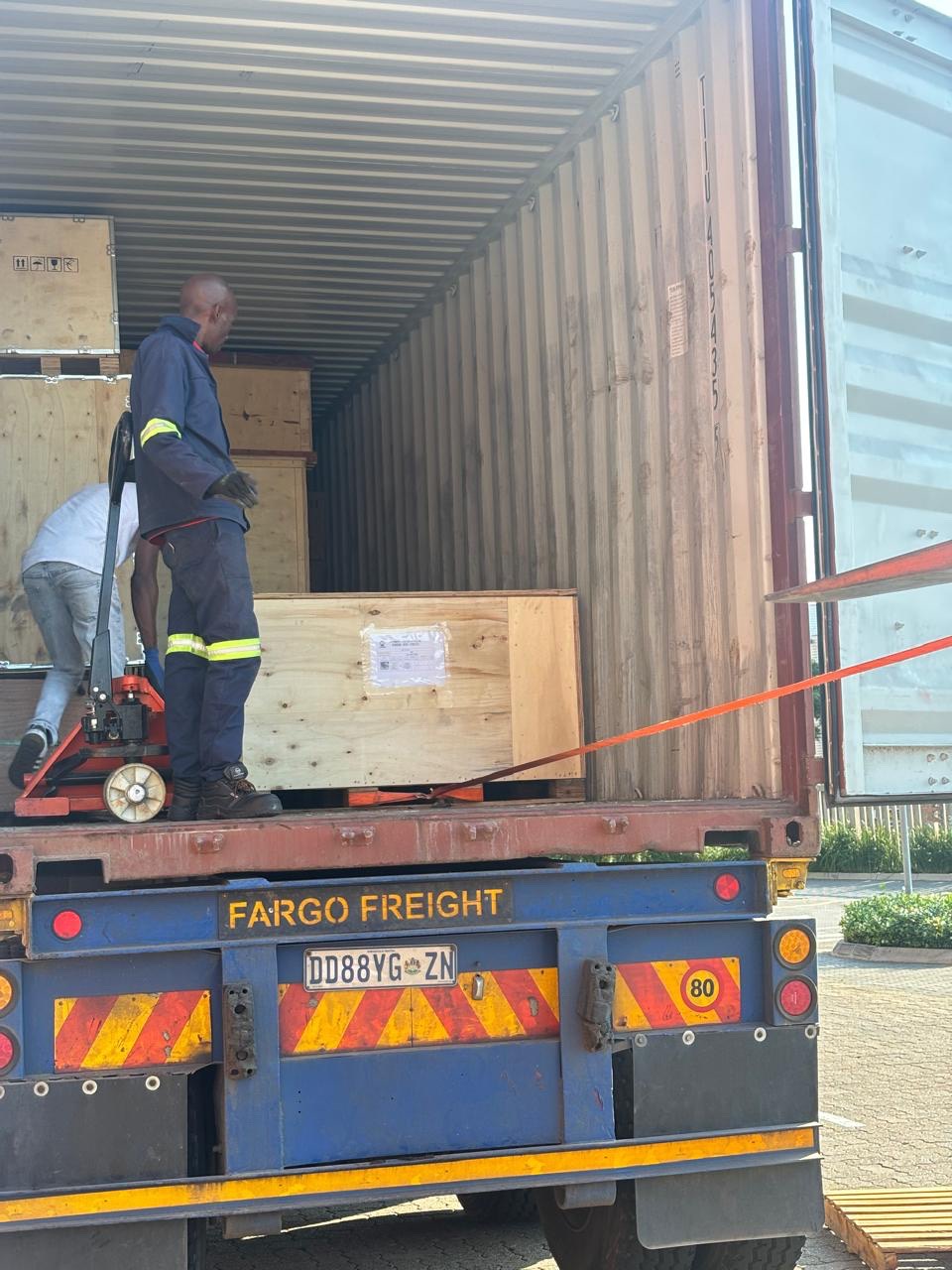
new arrivals
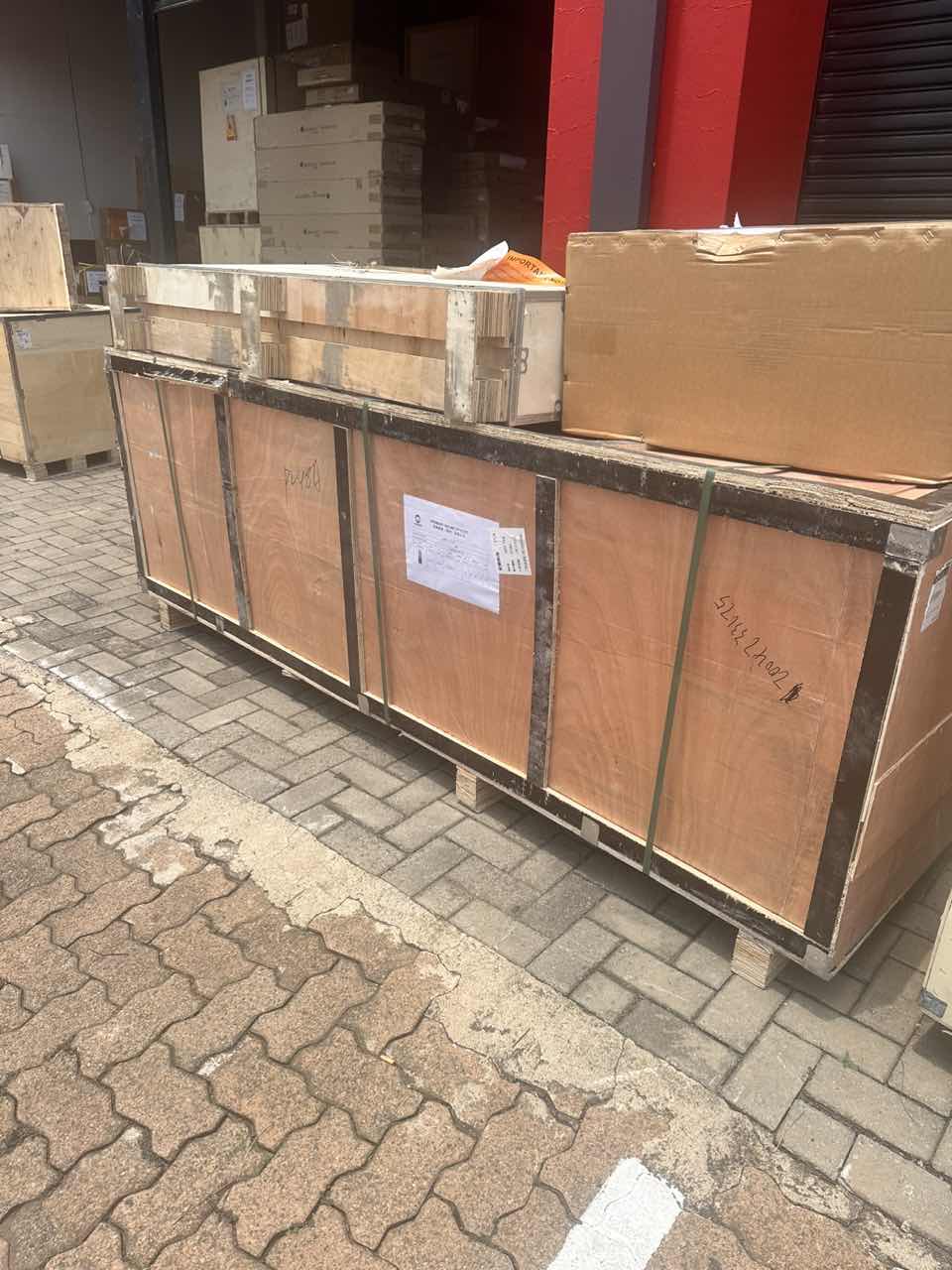
Pre Orders Offloading
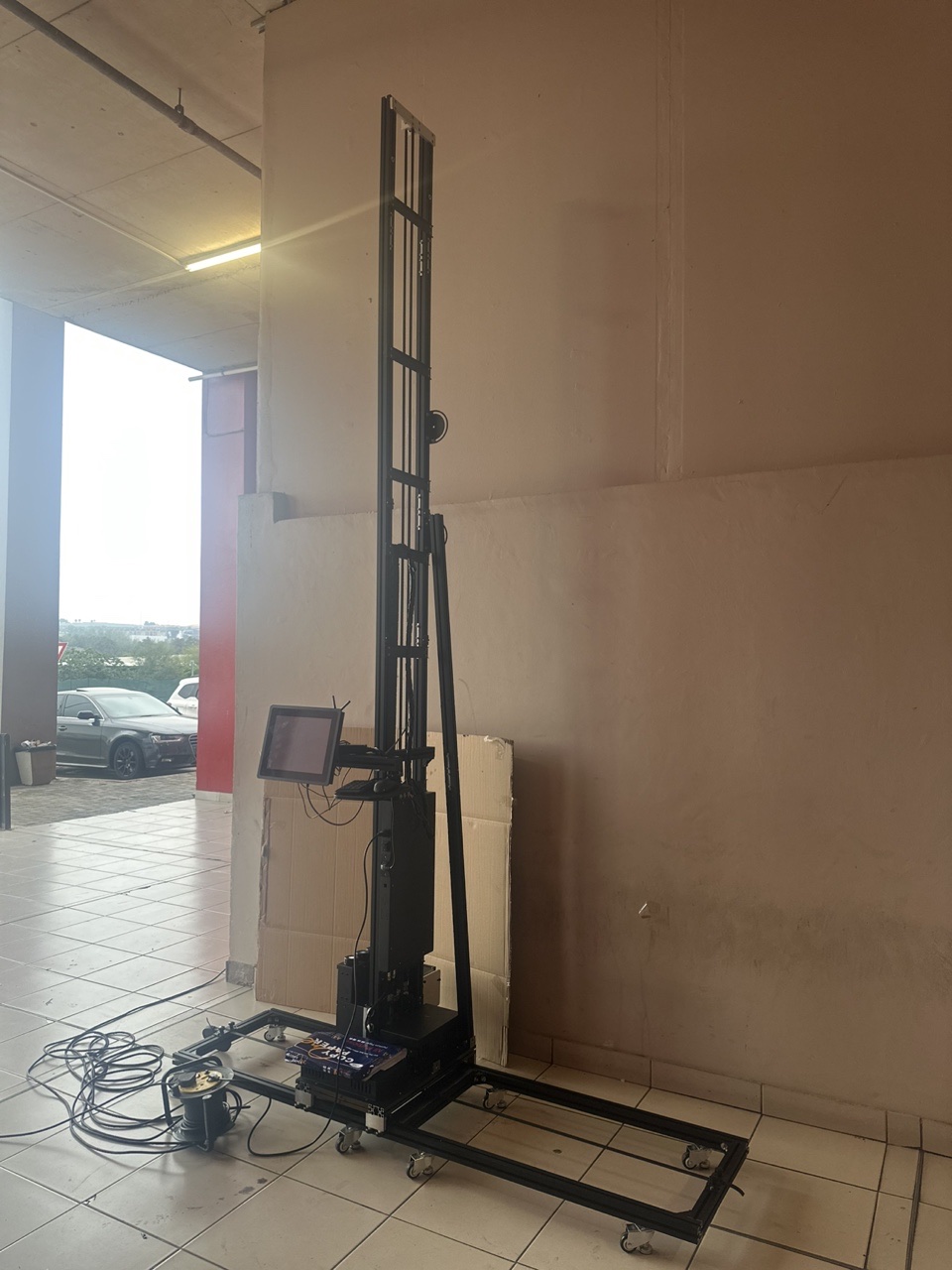
Latest Arrivals
Latest Arrivals
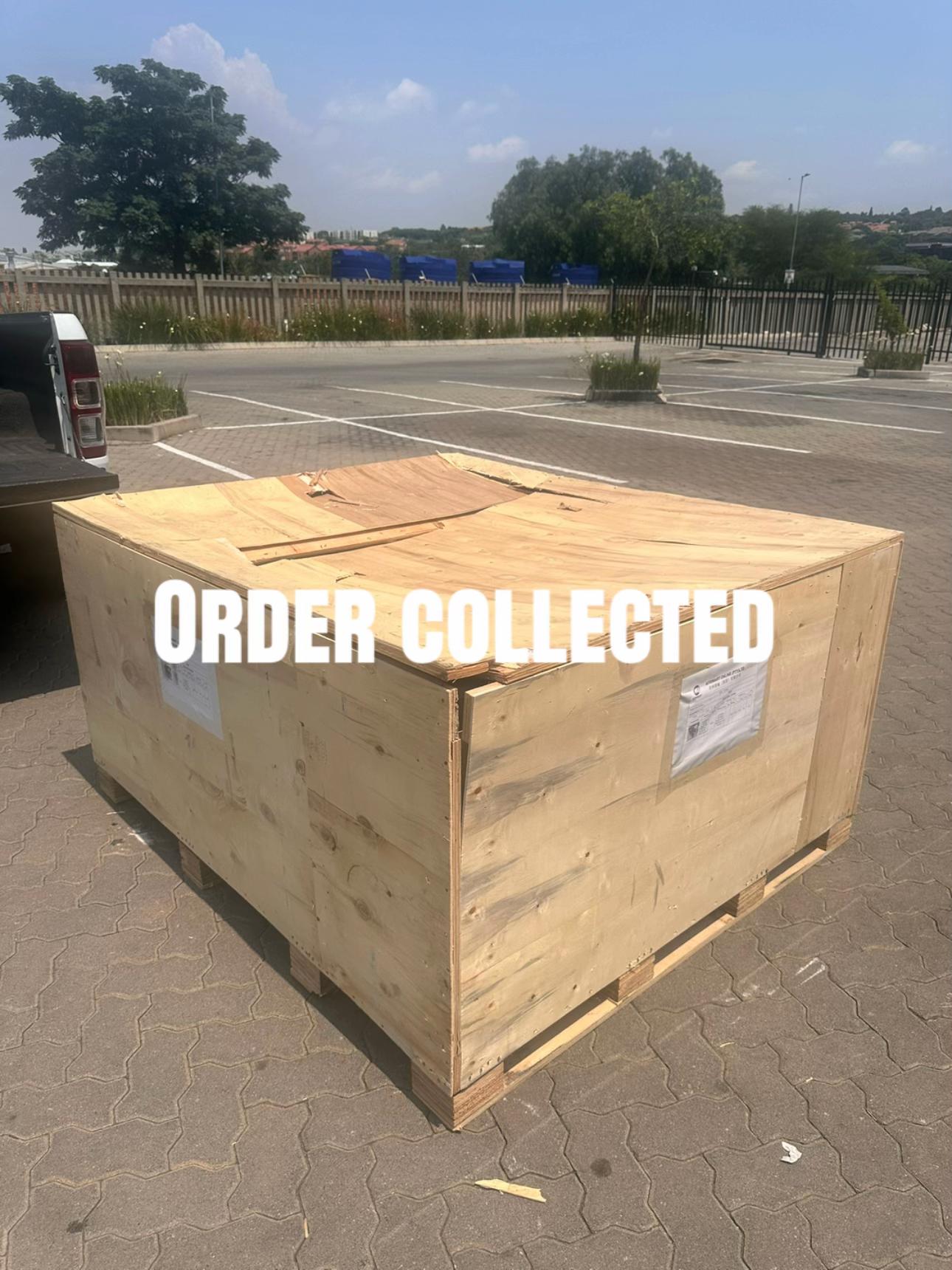
Latest Arrivals
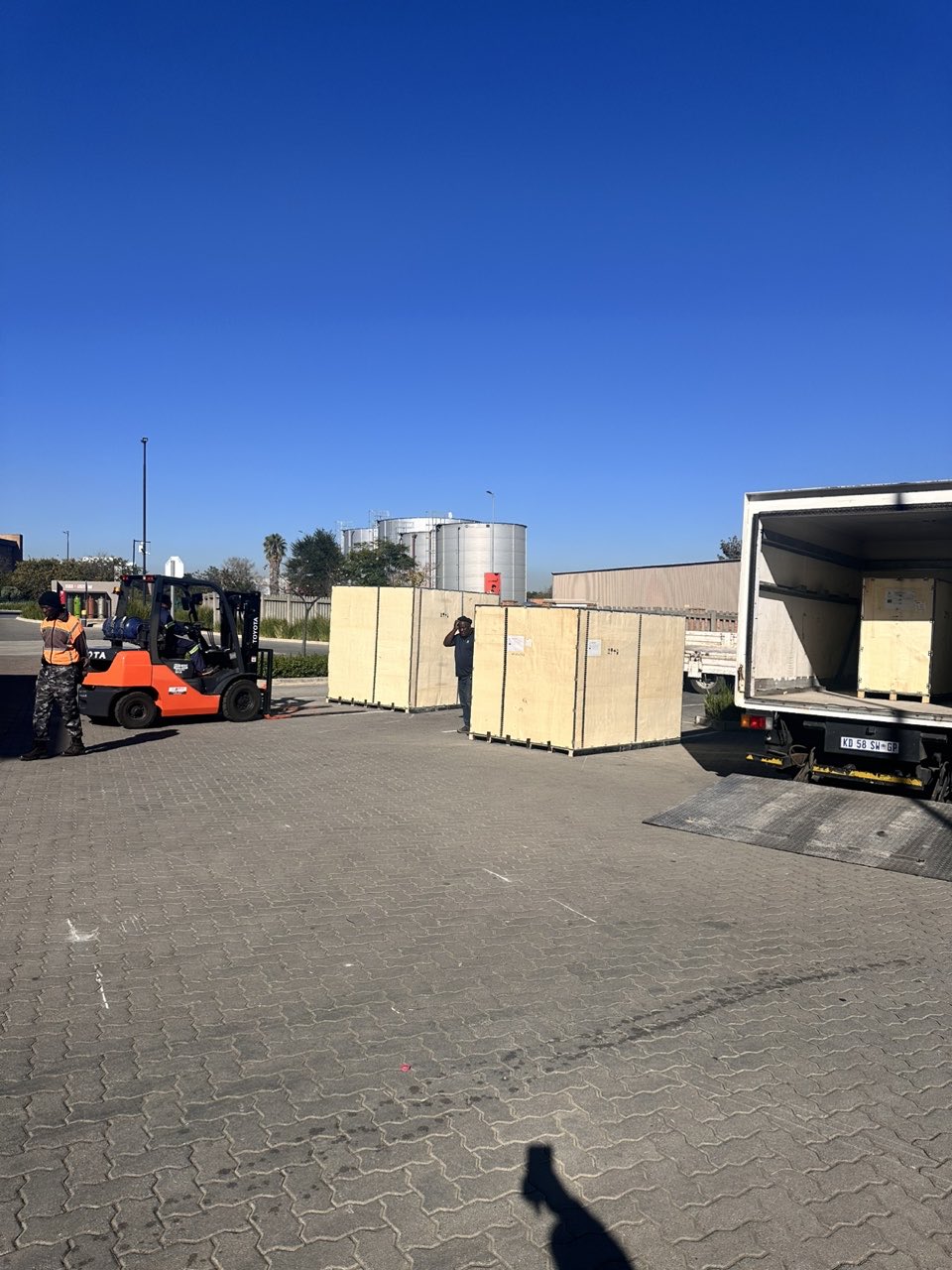
Loading
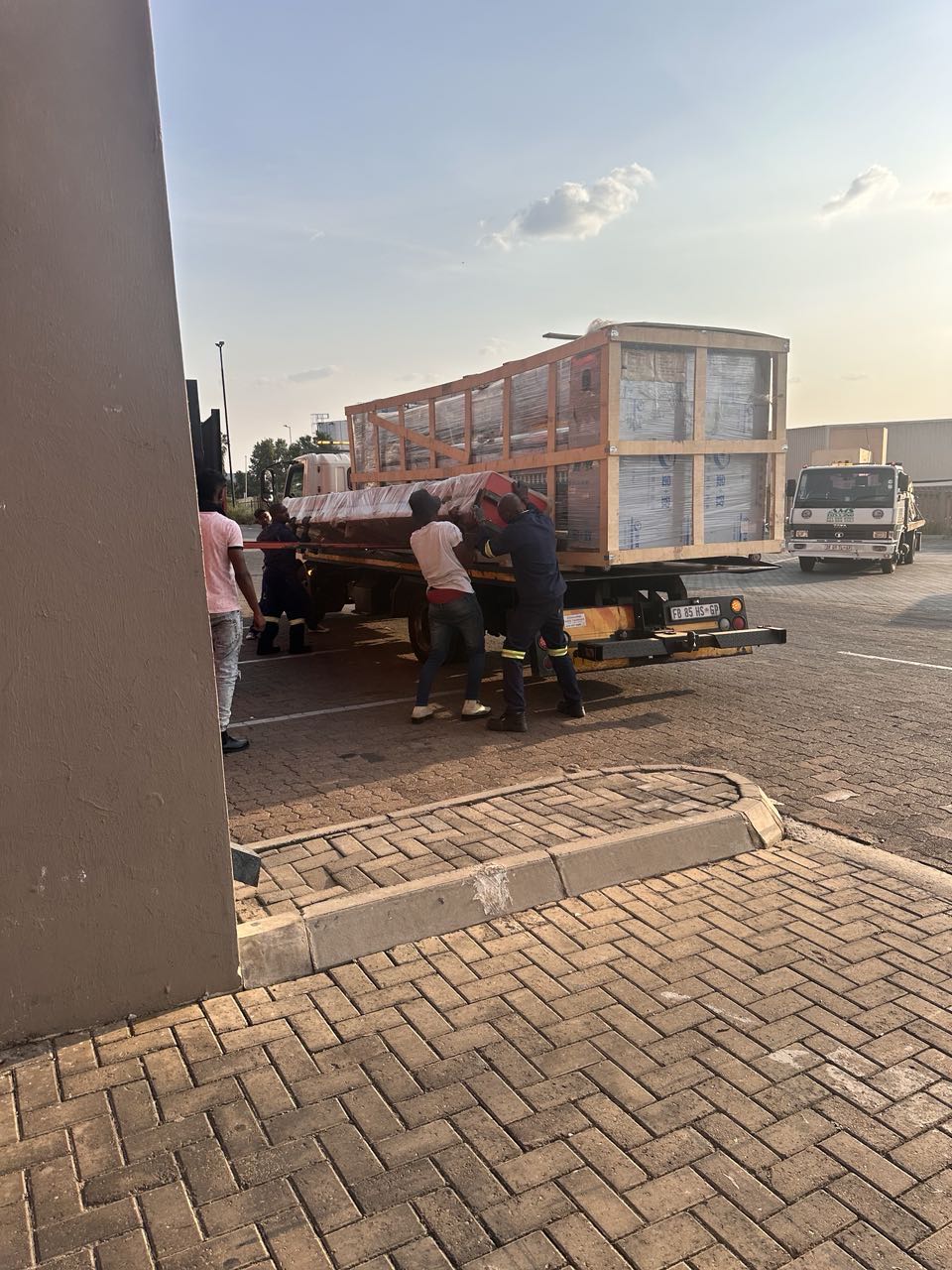
Toilet paper making machine
Toilet paper making machine
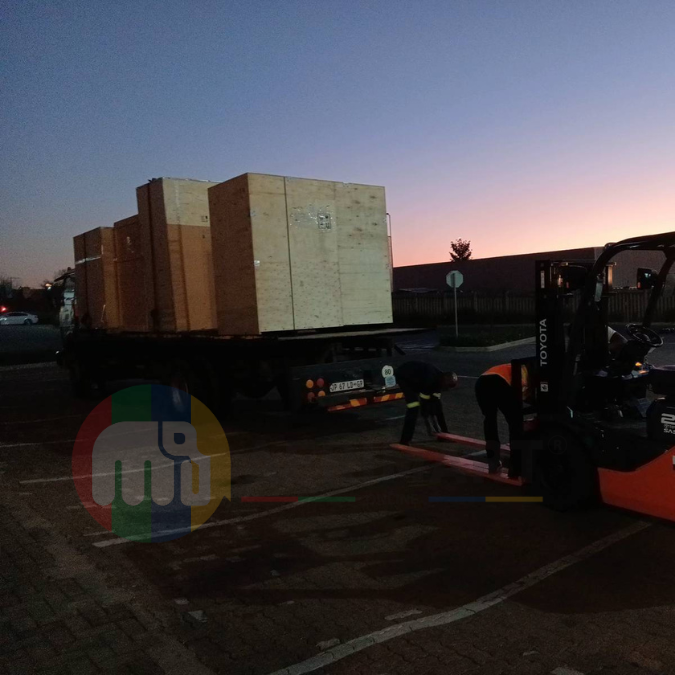
Toilet paper Rewinding Machine
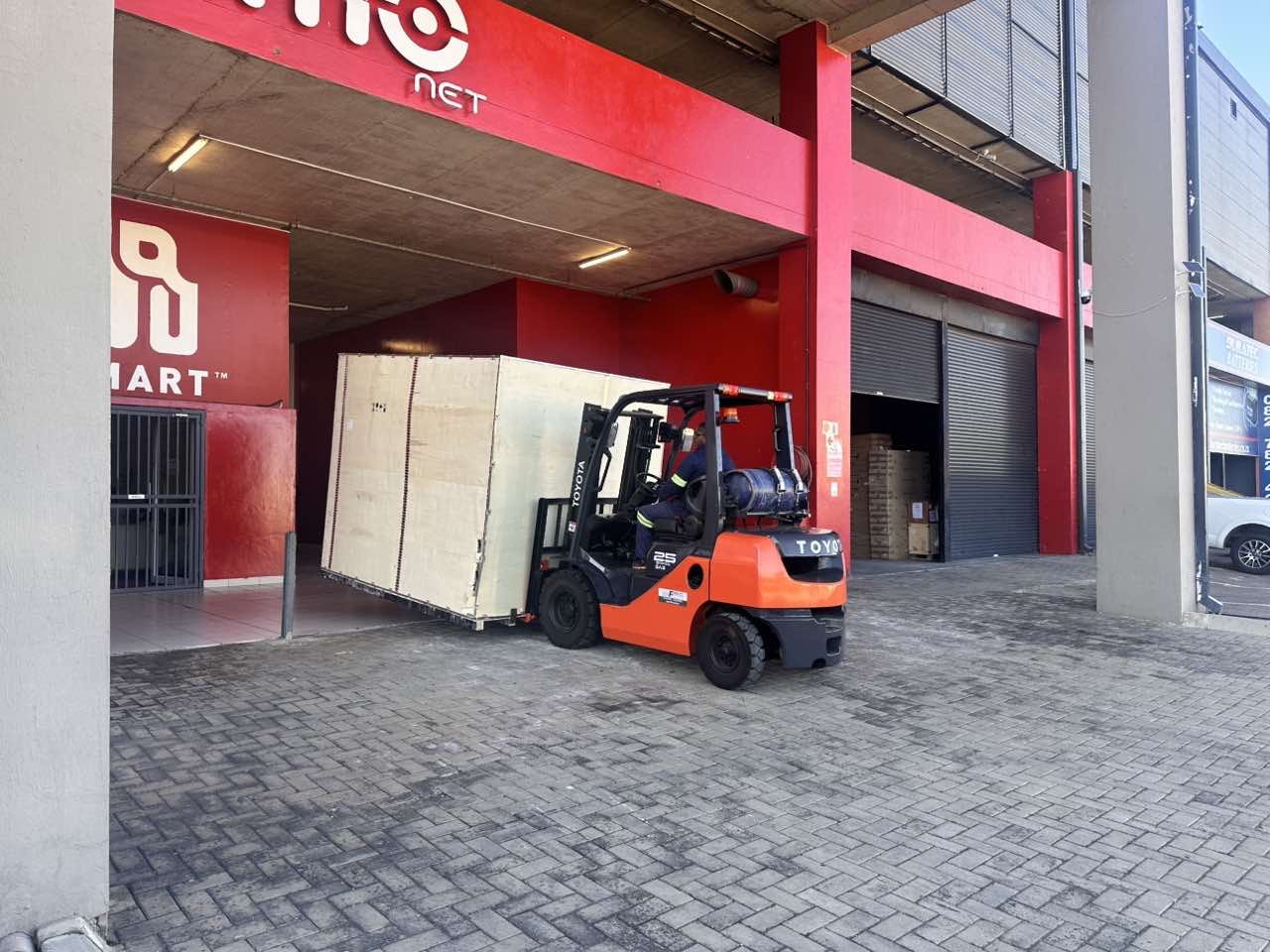
latest arrivals
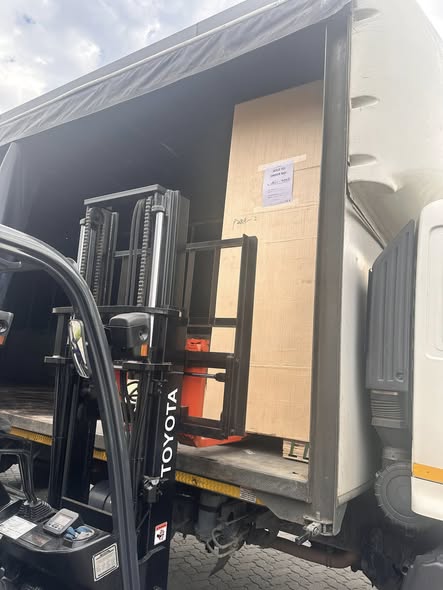
offloading
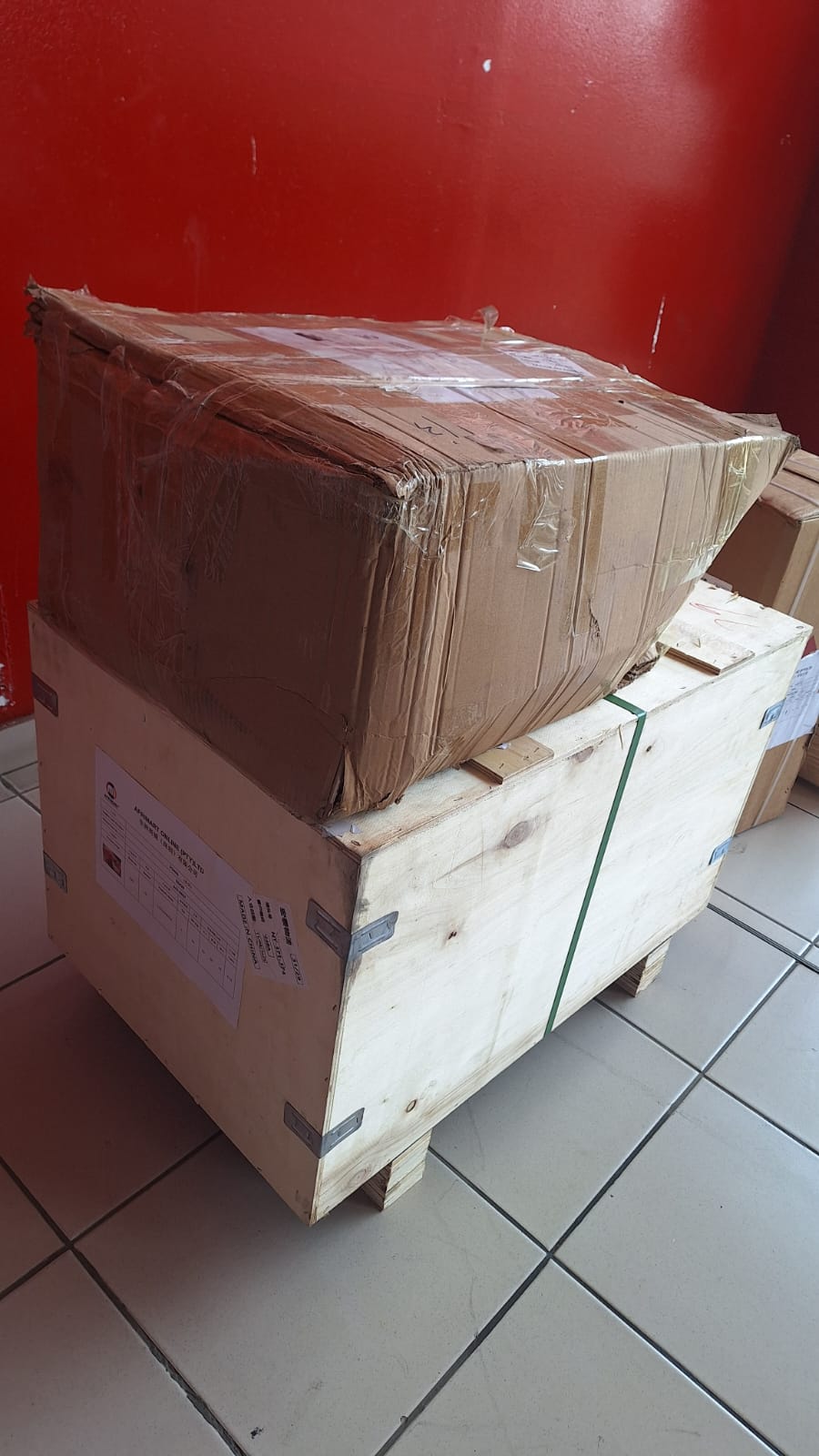
order success
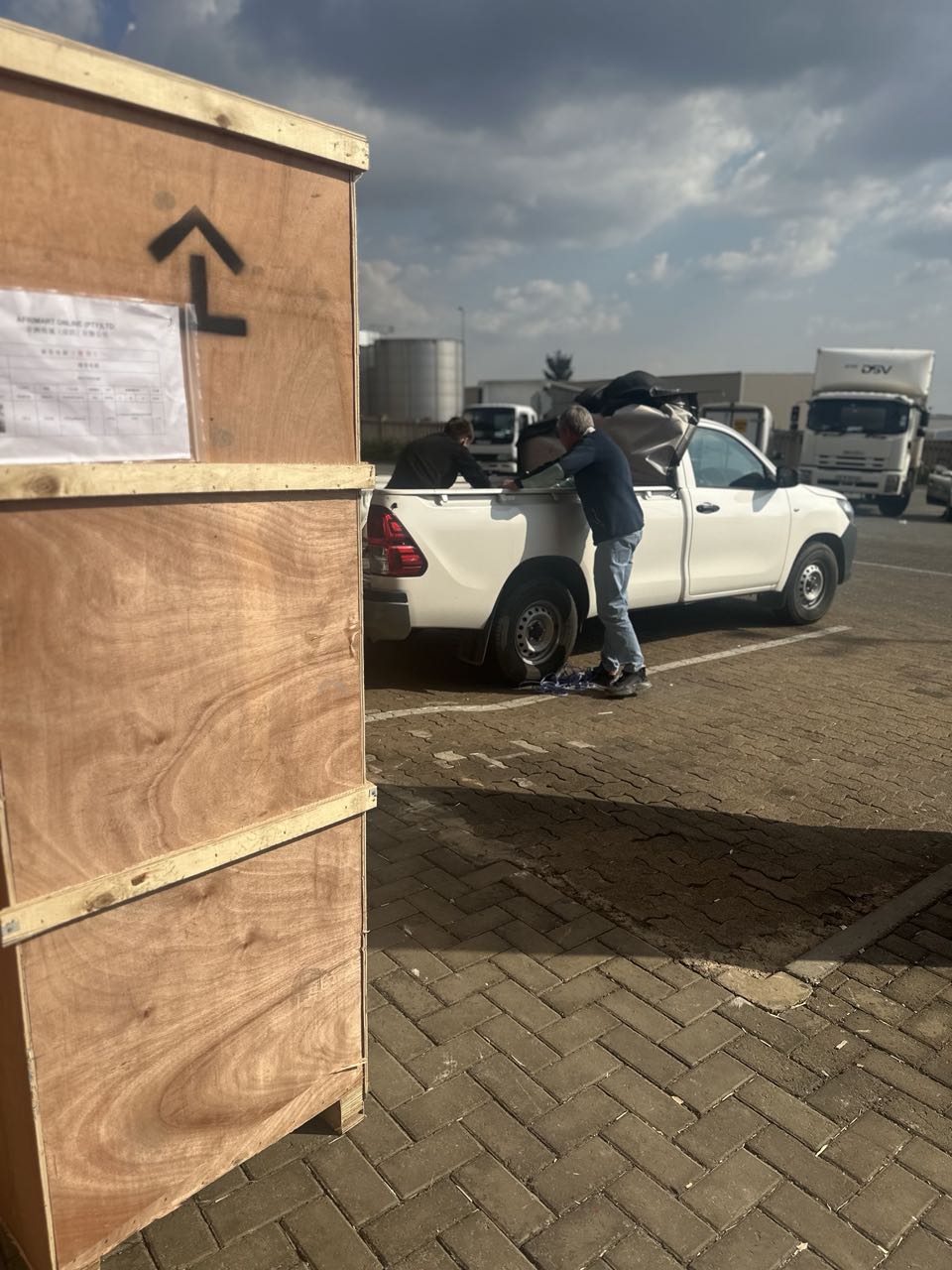
order collection
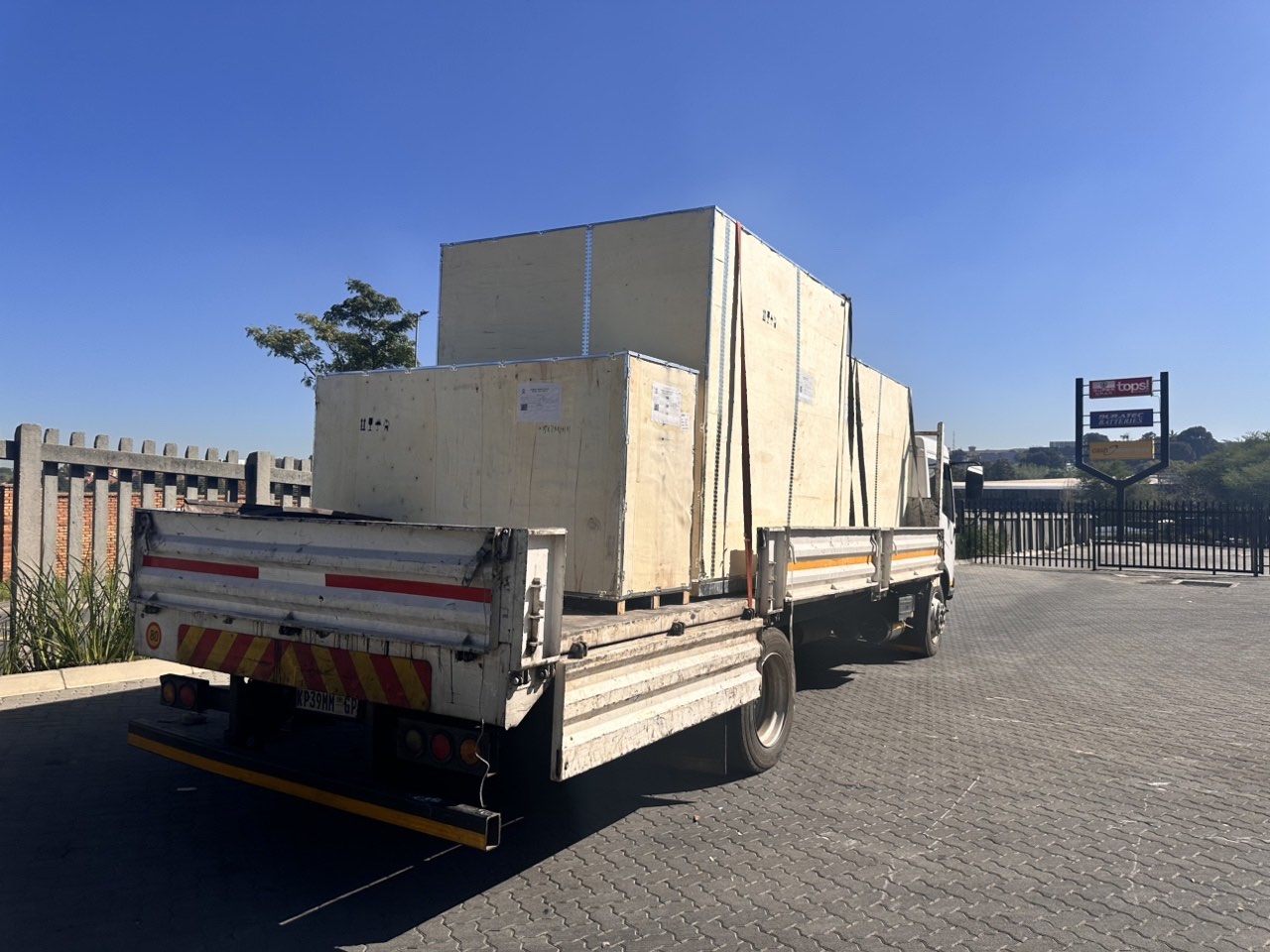
order offloading