B21, China Town Mall, Midrand

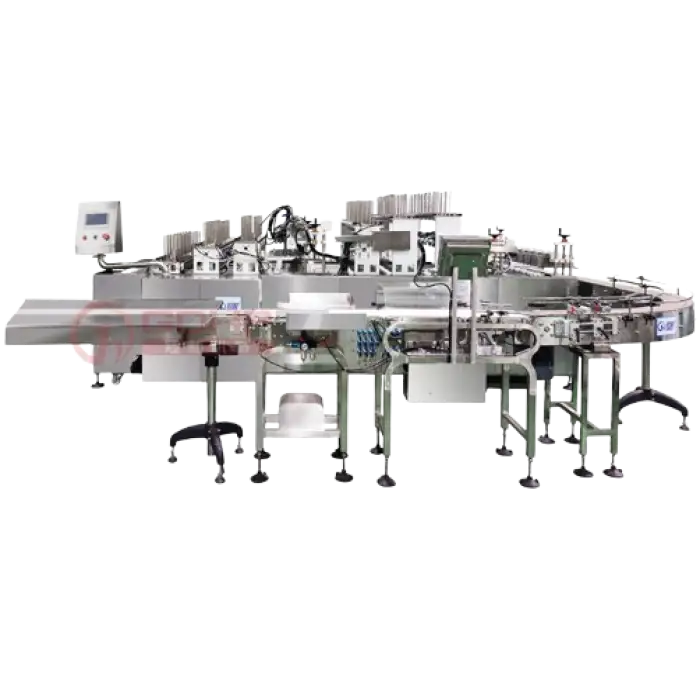
Butter Margarine Yogurt Milk Plastic Box Fully Automatic Filling, Sealing and Capping Machine
Asset finance available
Do you want funding for this equipment?
Afrimart can connect you with trusted funding partners who specialise in asset finance for businesses like yours. Compare options and apply in minutes — final approval is subject to provider review.
Check funding options
Secure & no obligation

- Section : Machinery
- Category : Packaging Machines
- SKU : 1601369338486

Butter Margarine Yogurt Milk Plastic Box Fully Automatic Filling, Sealing and Capping Machine
This Butter Margarine Yogurt Milk Plastic Box Fully Automatic Filling, Sealing and Capping Machine is designed for efficiency and ease of use. It automates the packaging process for dairy products like milk, butter, margarine, and yogurt. With this machine, you can enhance your production line and ensure high-quality packaging every time.
Specifications
| Attribute | Details |
|---|---|
| Packaging Type | CANS, Plastic Box |
| Driven Type | Electric |
| Service Provided | Online Support |
| Voltage | 220v/380v |
| Automatic Grade | Automatic |
| Packaging Material | Wood |
| Application | Food |
| Filling Material | Milk, Butter, Margarine, Yogurt |
| Filling Accuracy | ±1% |
| Weight (KG) | 2000 |
| Selling Units | Single Item |
Key Features
- Fully automatic operation for easy use.
- Suitable for various dairy products.
- High filling accuracy of ±1%.
- Electric driven for reliable performance.
- Online support available for assistance.
Applications
- Filling milk into plastic boxes.
- Packaging butter and margarine.
- Sealing yogurt containers.
- Suitable for small to large production lines.
- Ideal for dairy product manufacturers.
Product Info Gallery
- Shipping Timeframes: All orders are processed within 2-5 business days (excluding weekends and holidays). After your order has been processed, the estimated delivery time is before 20 Nov, 2026, depending on customs, Please note that due to high demand, some items may experience longer shipping times, which will be communicated at order confirmation email.
- Order Processing Time: Please allow 2-5 business days for us to process your order before it is shipped . Orders placed after 16:00 on Fridays, or during weekends and public holidays, will begin processing on the next business day. Processing times may be extended during peak seasons or sales events.
- Manufacturing Time: Some products needs manufacturing time, the manufacturing process will take approximately 10-30 business days depending on the product. This timeframe may vary depending on the complexity of the product and current demand. but this will be communicated with you during order confirmation.
- Returns and Exchanges: We offer a 30-day return policy for most items. If you are not completely satisfied with your purchase, you may return it within 30 days of receipt for a refund or exchange. Items must be unused, in their original packaging, and accompanied by proof of purchase. Return shipping costs are the responsibility of the customer, unless the item was damaged or defective upon arrival.
1. What dairy products can this machine package?
It is designed for milk, yogurt, butter and margarine. It can often be adapted for similar dairy or food products — contact the supplier with your product details for confirmation.
2. What container types and sizes does it support?
The machine supports plastic boxes and cans (as listed). Exact size and volume ranges depend on the model and tooling; provide your container dimensions to get a compatibility check.
3. What is the filling accuracy?
The filling accuracy is ±1% under normal operating conditions.
4. What is the machine's production speed (throughput)?
Throughput depends on container size, fill volume, product viscosity and configuration. Please provide the desired fills-per-minute or daily output and container details for a specific throughput estimate.
5. How does the machine seal and cap containers?
The machine performs automated sealing and capping. The exact sealing method and cap styles supported depend on your container and cap type — heat or induction sealing and a range of capping heads can usually be provided or customized.
6. Can it handle high-viscosity products like butter and margarine?
Yes — the machine is intended for products from low-viscosity milk to higher-viscosity butter/margarine. For very stiff or chilled products, temperature control or special pumping/filling systems may be recommended.
7. Does the machine include temperature control or warming for butter/margarine?
Temperature control options (heating or insulated hoppers and heated pumps) are commonly available as add-ons. Specify your product temperature requirements so the supplier can recommend necessary options.
8. What materials contact the product and is it food-grade?
The machine is intended for food applications and is supplied with food-contact components. Confirm the exact construction materials (for example stainless steel grade) with the supplier to ensure they meet your regulatory and sanitary requirements.
9. What are the electrical requirements?
Voltage options listed are 220 V or 380 V. Final power consumption and electrical specifications will be provided based on the selected configuration.
10. How large is the machine and what are installation requirements?
Weight is approximately 2000 kg; the footprint varies by configuration. Installation requires a level floor, appropriate electrical supply, and access for maintenance. The supplier typically provides footprint drawings and installation guidance.
11. Is cleaning in place (CIP) supported?
CIP capability depends on the selected model and options. Many dairy packaging lines offer CIP-compatible components or can be supplied with hygiene-focused designs. Ask the supplier if CIP is required for your operation.
12. What maintenance and support are provided?
Online support is available as stated. Routine maintenance is recommended (lubrication, wear parts inspection). Ask about spare parts availability, recommended maintenance schedules and local service options.
13. What certifications or compliance (e.g., CE, HACCP) does the machine have?
Certifications are not listed in the basic spec. Request documentation from the supplier for CE, ISO, HACCP, or other regulatory compliance required in your market.
14. How long does it take to change over between different containers or products?
Changeover time depends on tooling, container differences and optional quick-change systems. Simple size changes can be fast; major format changes may take longer. Provide details for an estimated changeover time.
15. What warranty and spare parts policy is offered?
Warranty and spare parts policies are not specified in the sheet. Contact the supplier for warranty terms, spare parts kits, lead times and any available service contracts.
Latest Order Arrivals
Discover our latest orders
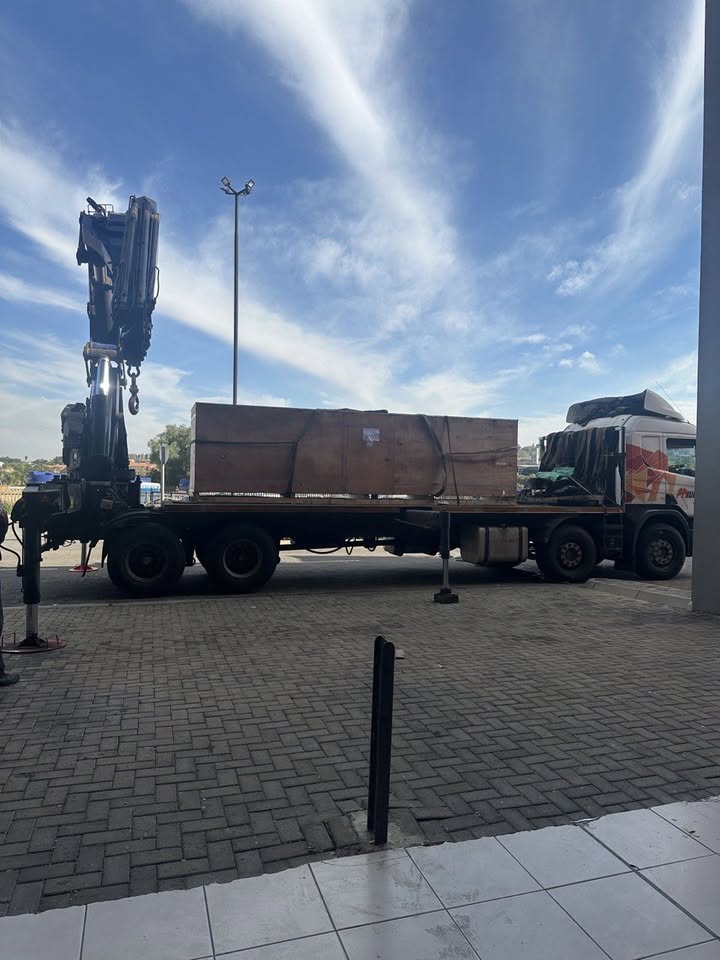
12 Heads Embroidery Machine
Toilet Paper Machine Machine
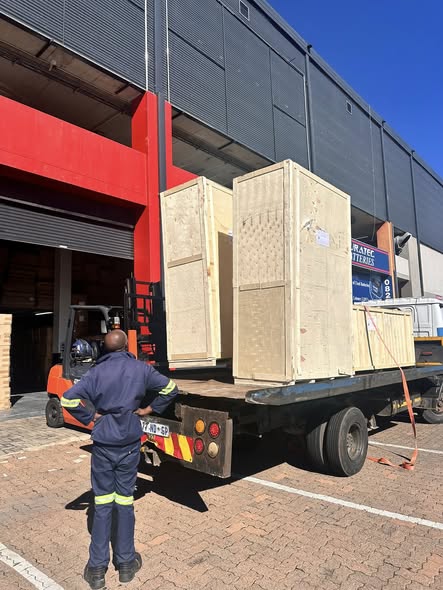
Order Collection
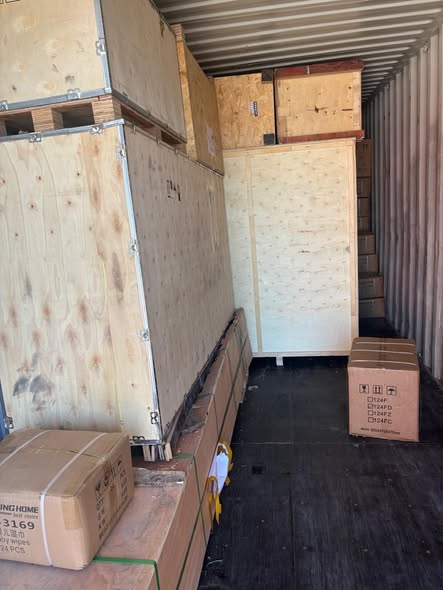
Cross Border Clients
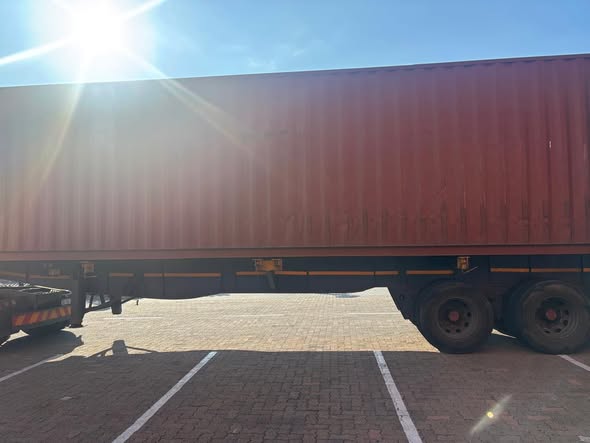
Order cros border countries Collected
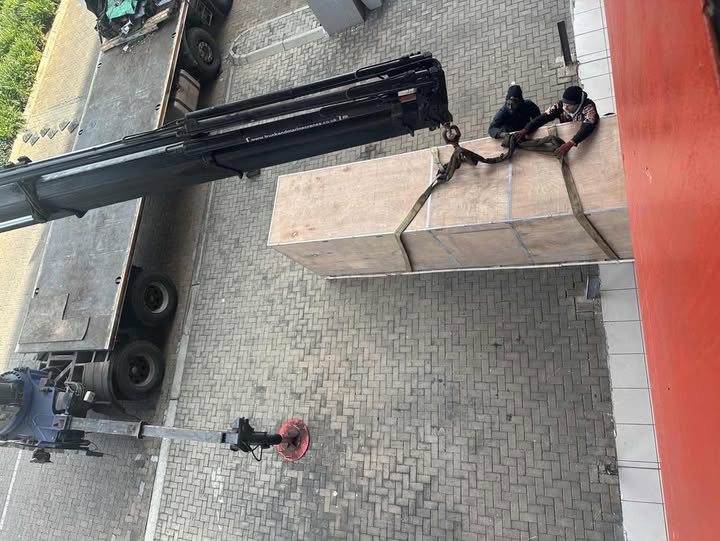
Industrial Machine Cllection
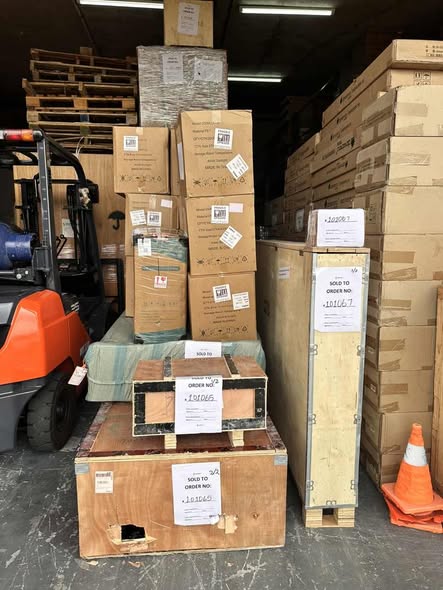
Agriculture Processing Machines
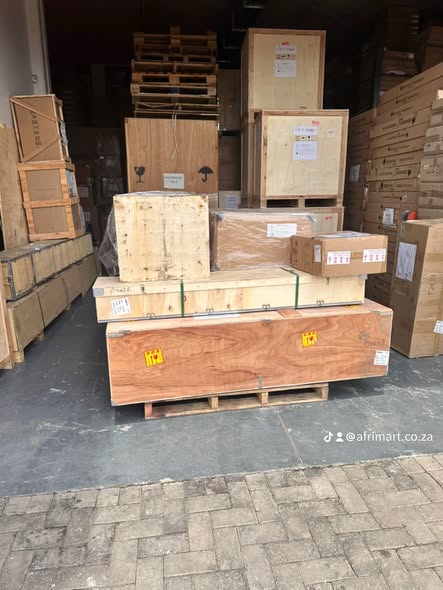
Ready for collection
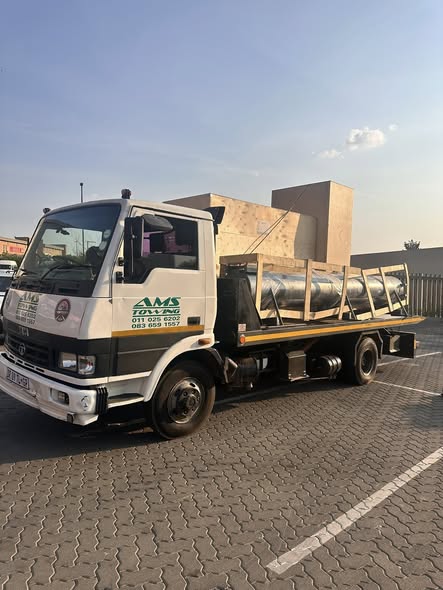
Water Pump Equipment
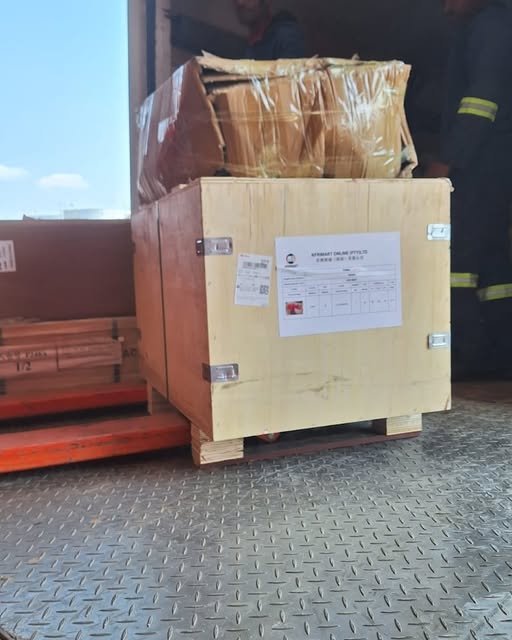
Packaging Machine and accessories
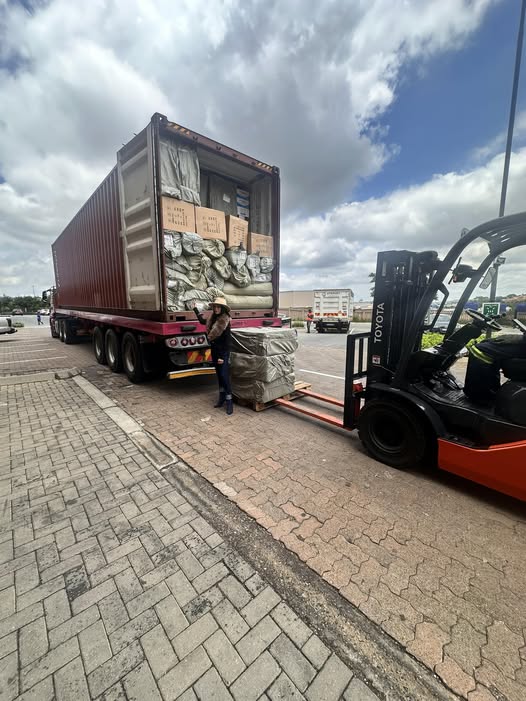
Fabrics Manufacturing Equipment
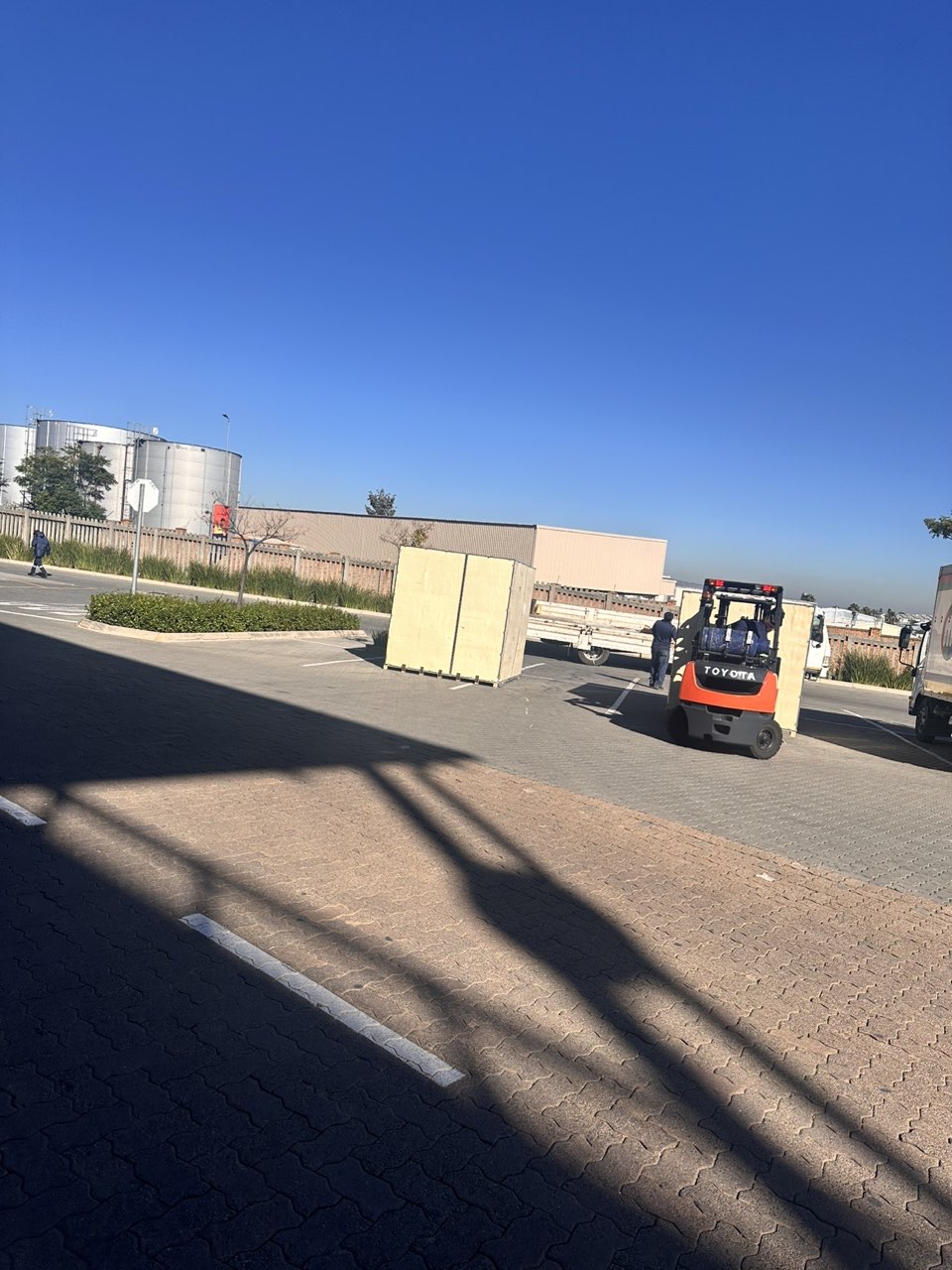
Mining Equipments
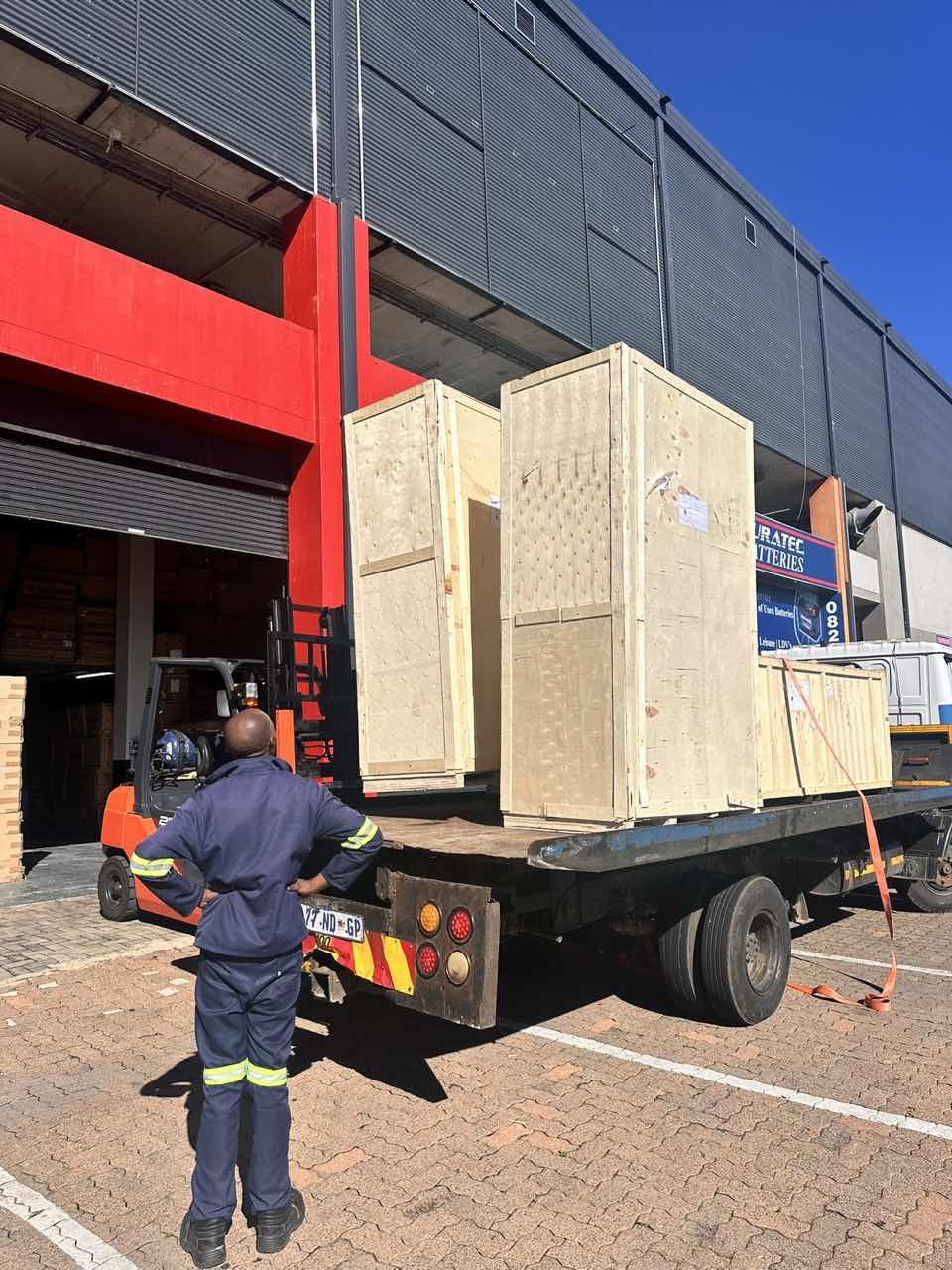
Food Processing Machine
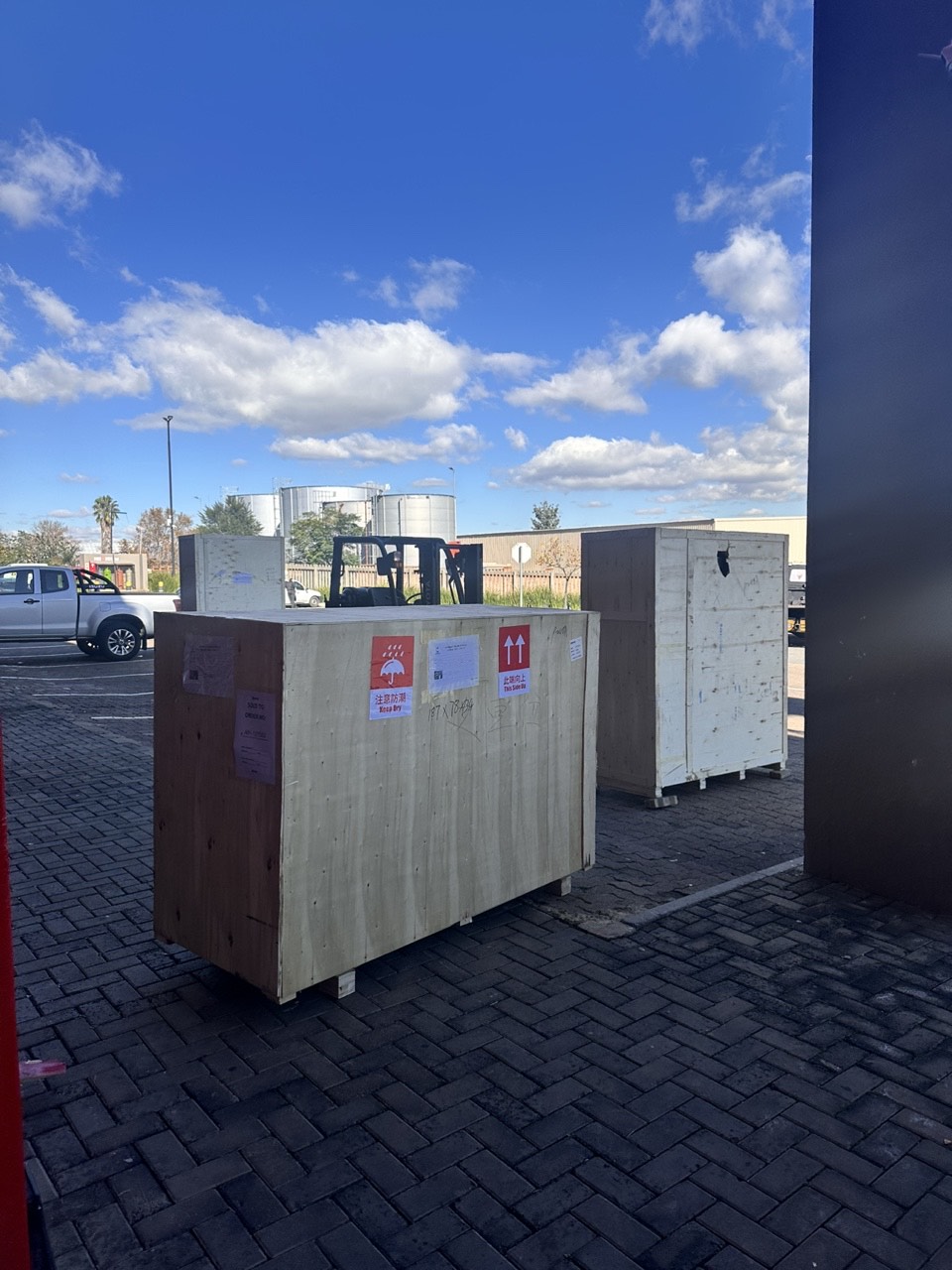
Batch of Orders
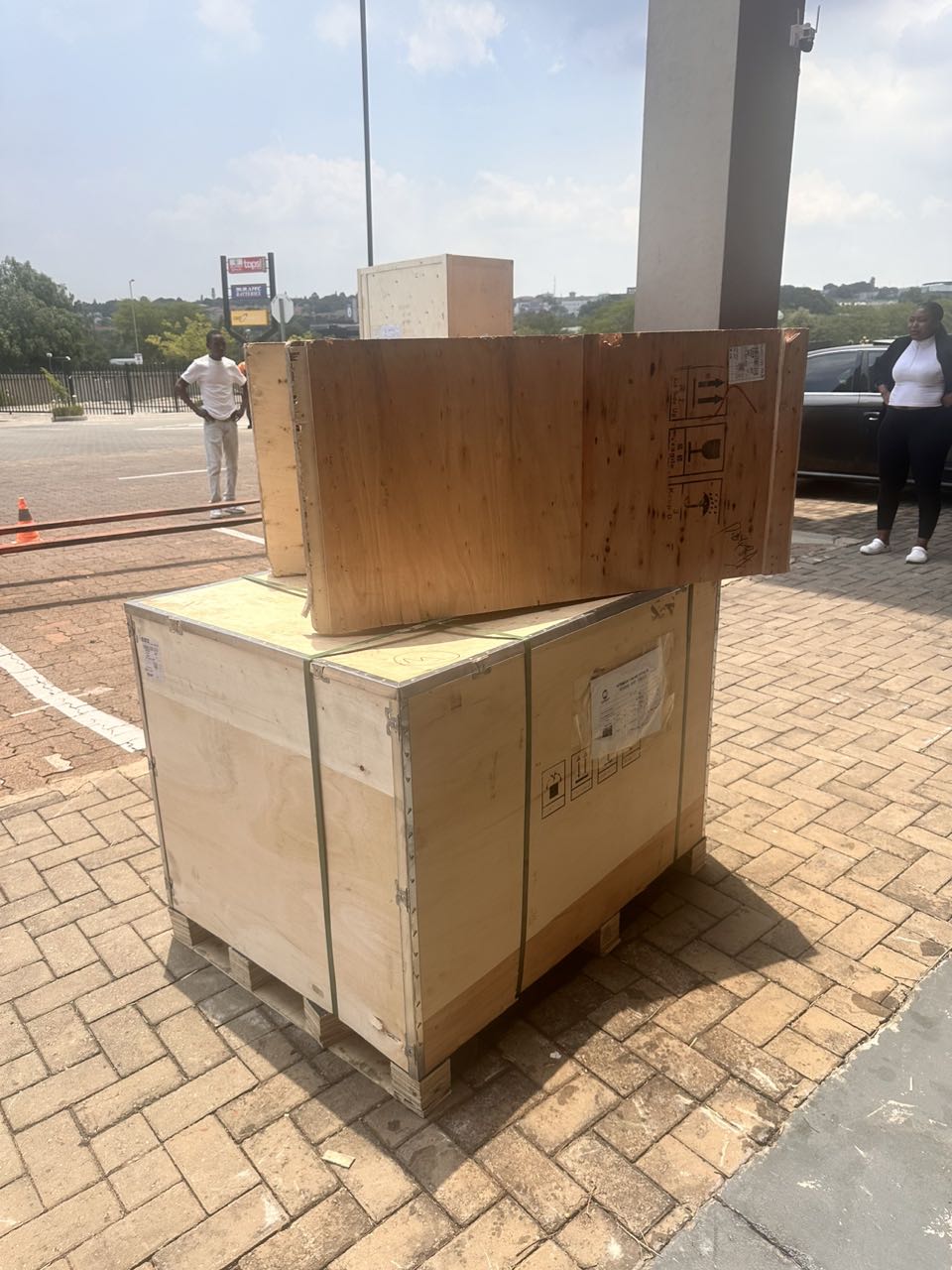
Batch of Orders
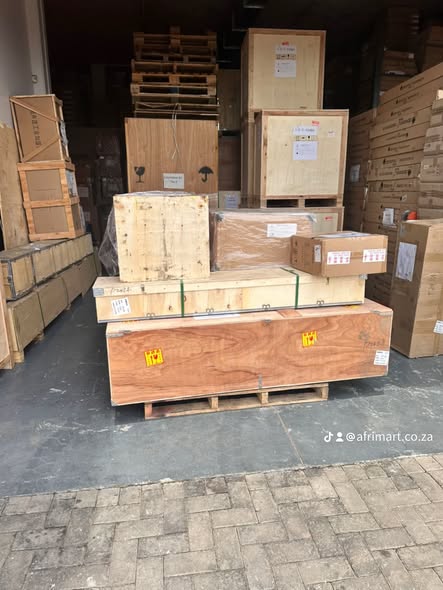
Latest Orders Labelled
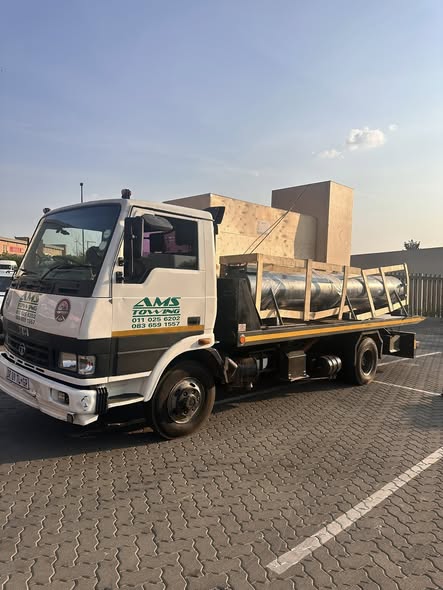
wheel alignment machines
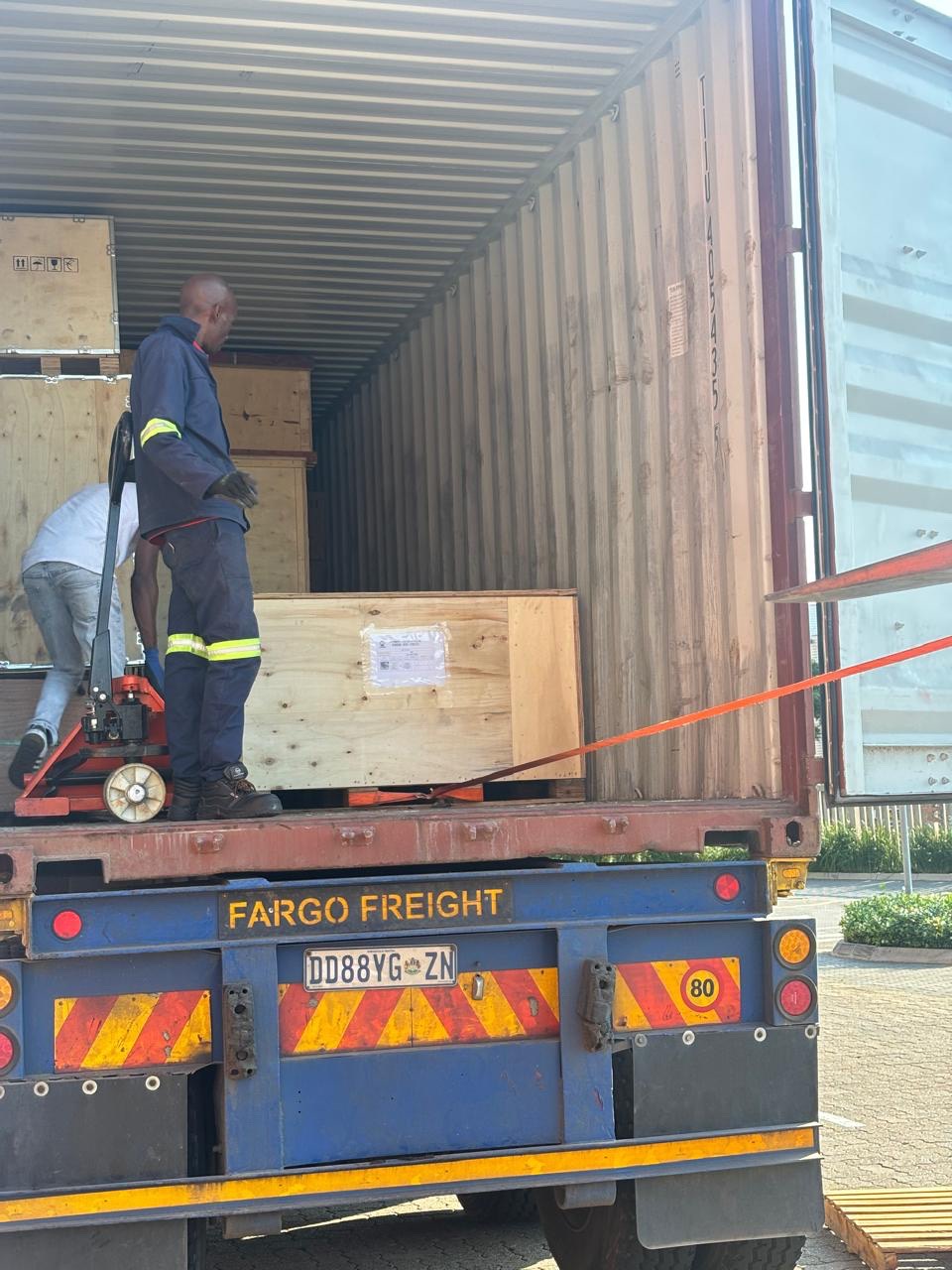
new arrivals
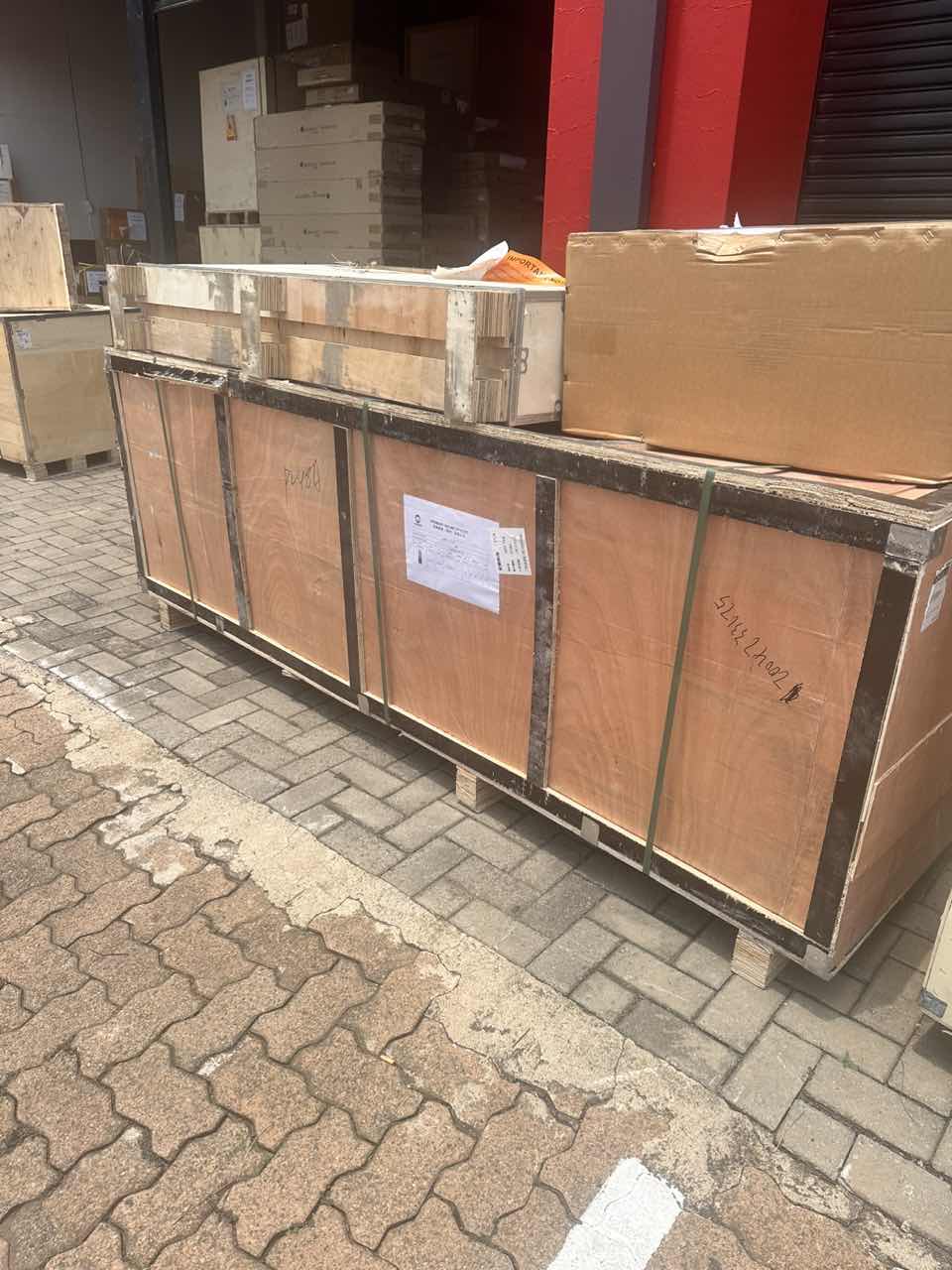
Pre Orders Offloading
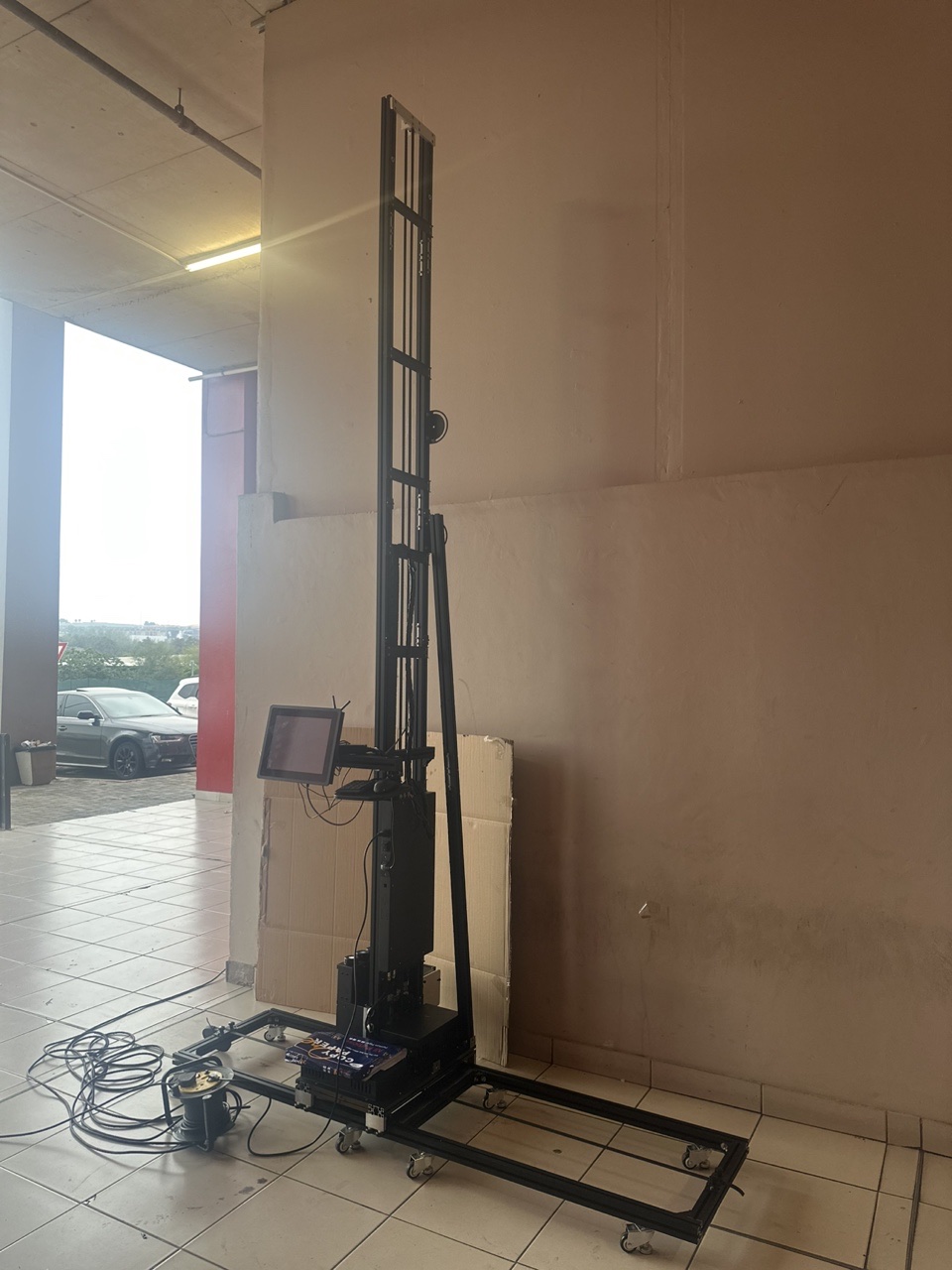
Latest Arrivals
Latest Arrivals
Latest Arrivals
Loading
Toilet paper making machine
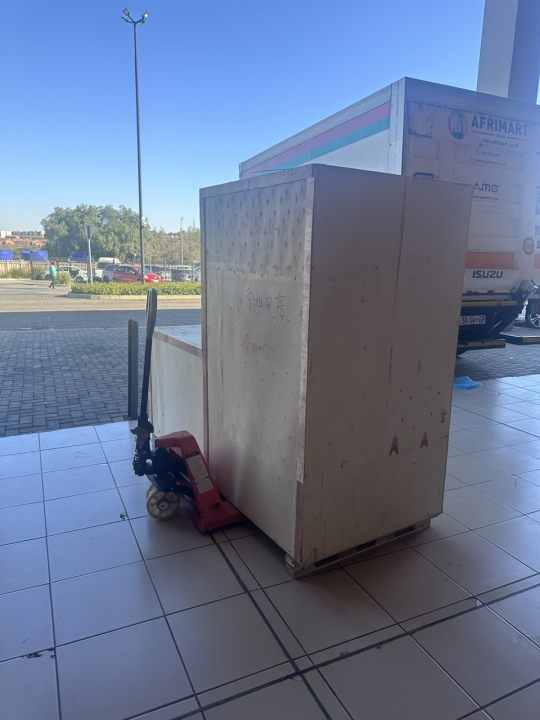
Toilet paper making machine
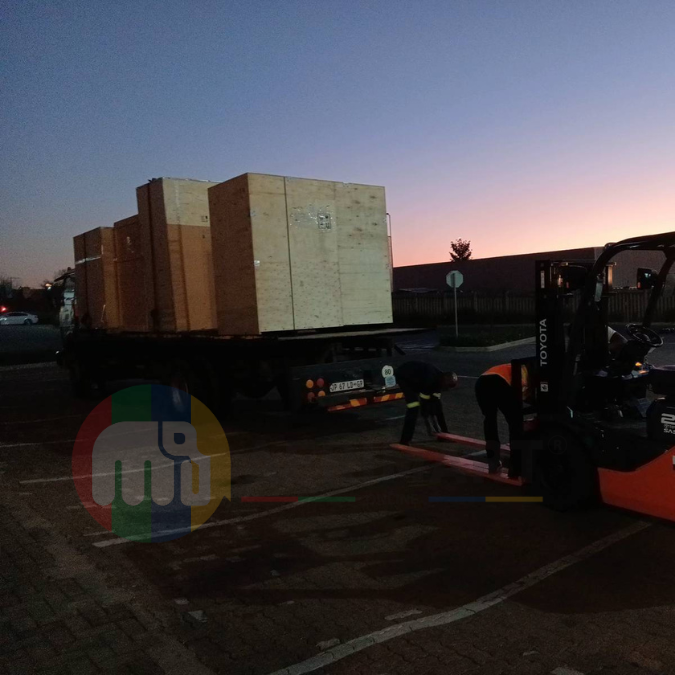
Toilet paper Rewinding Machine
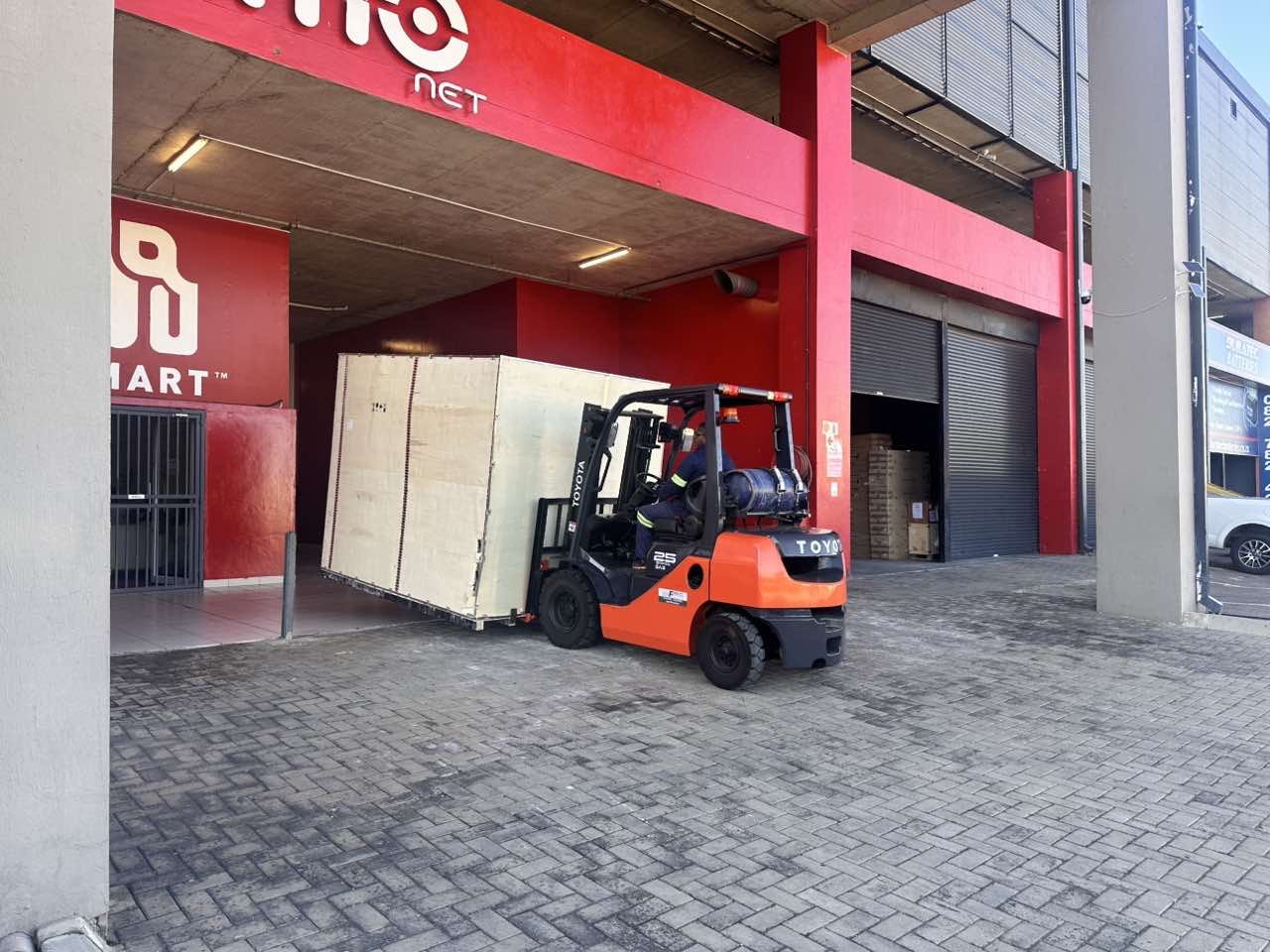
latest arrivals
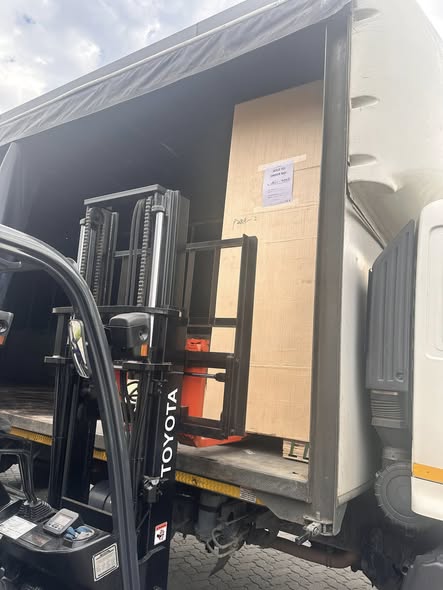
offloading
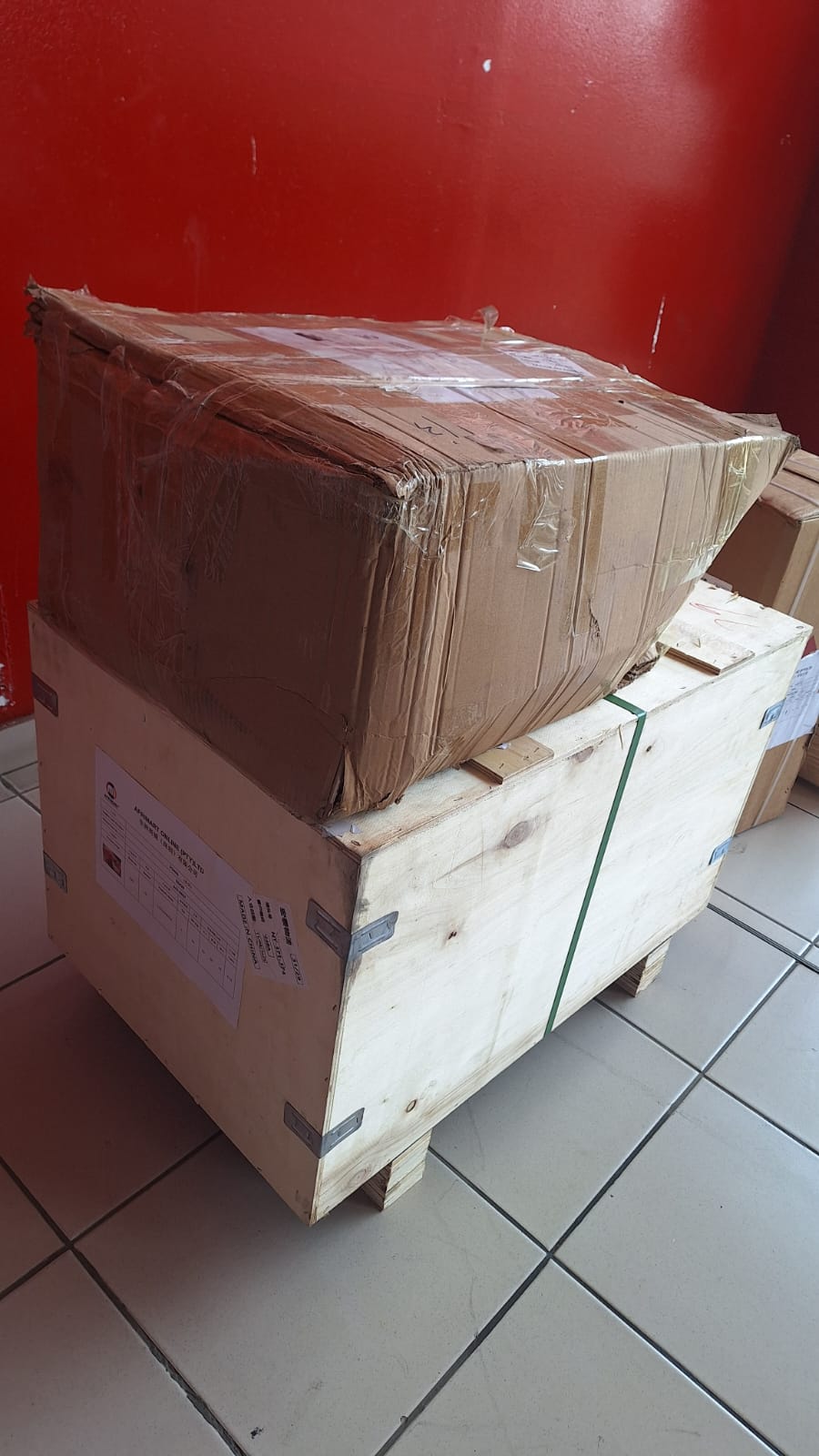
order success
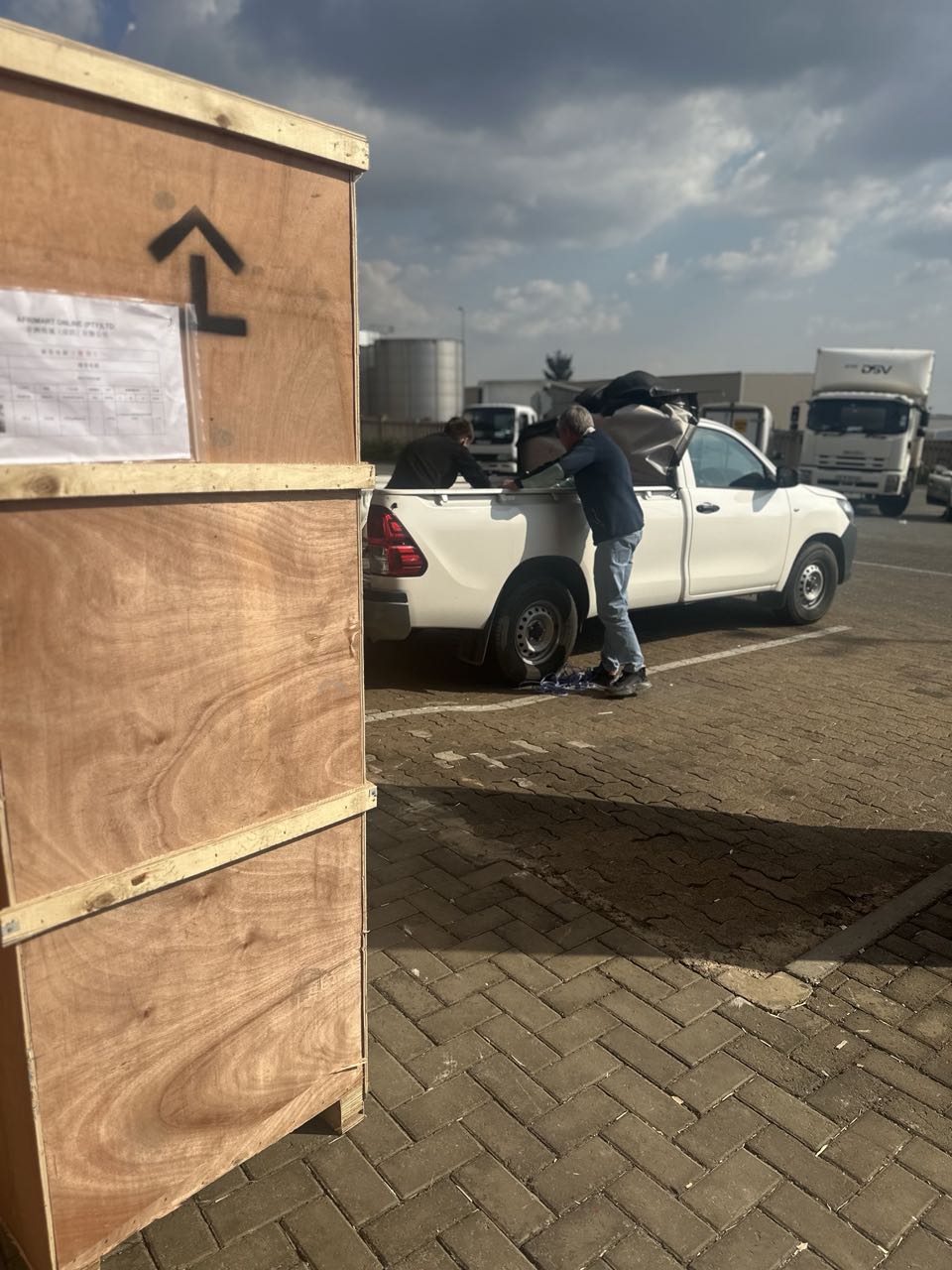
order collection
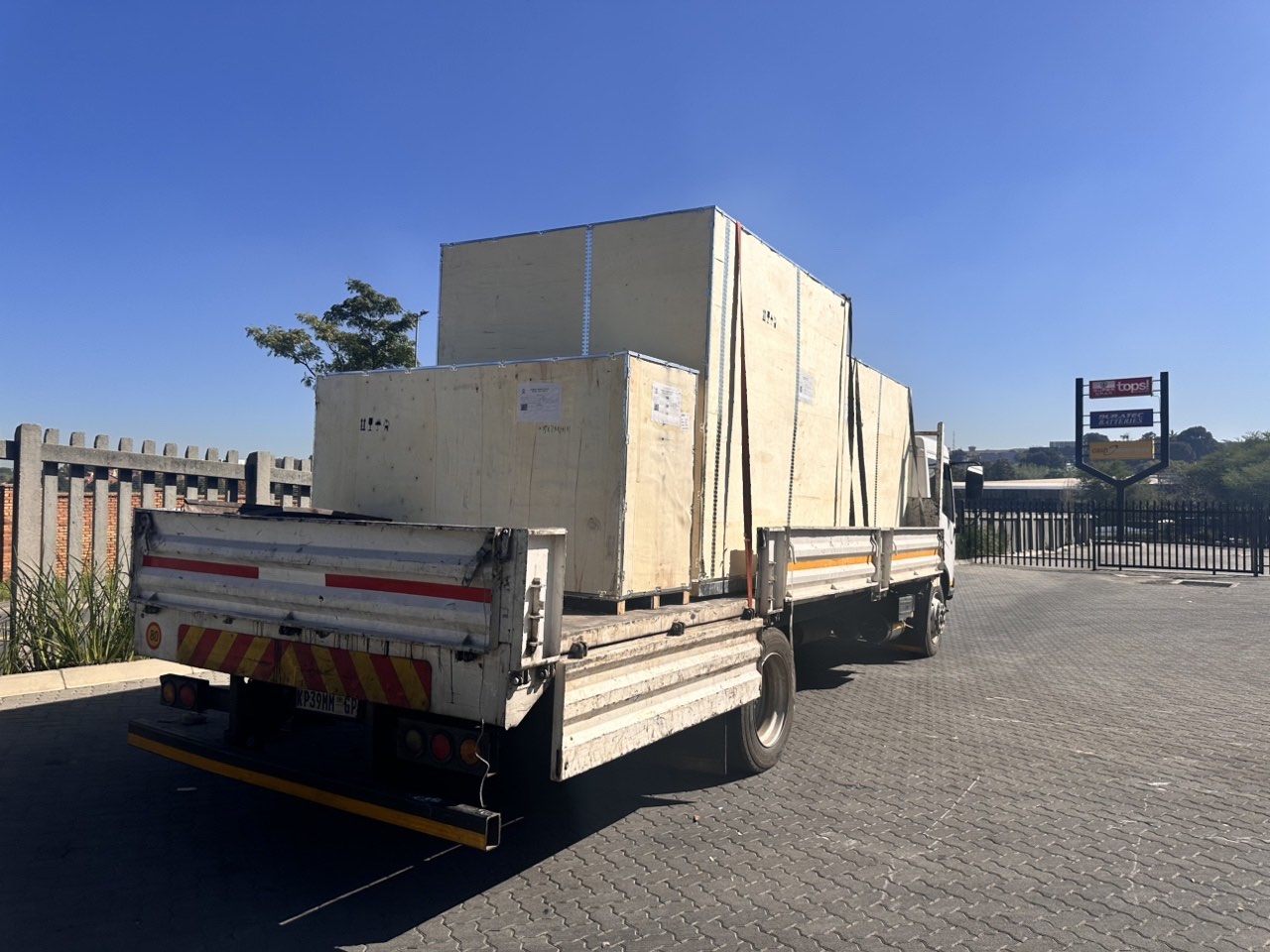
order offloading