B21, China Town Mall, Midrand

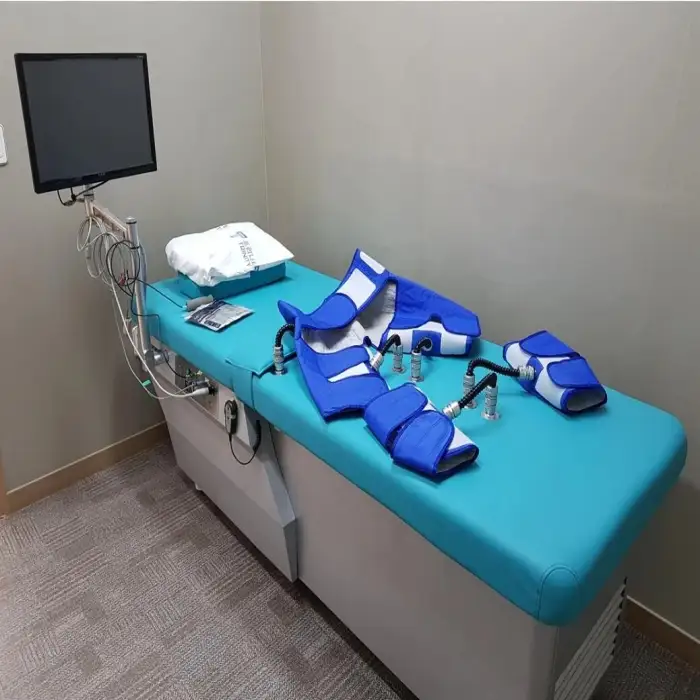
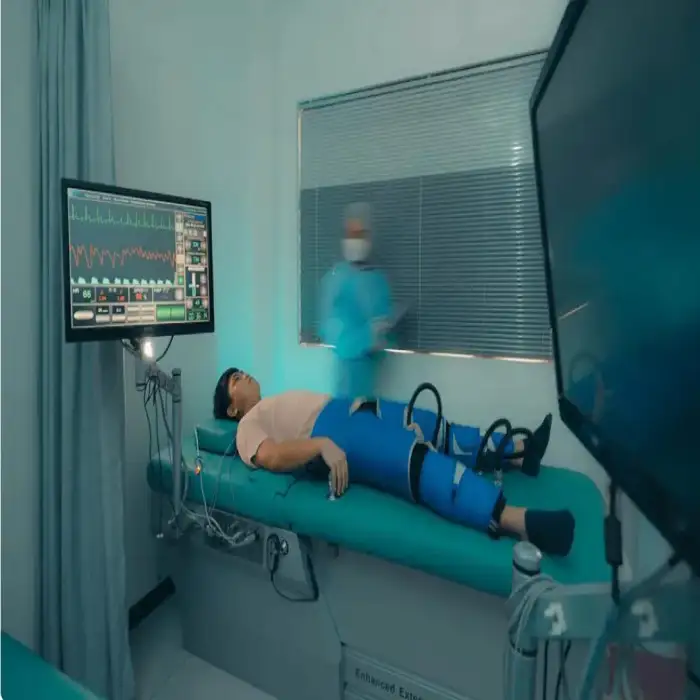
Best Effective ECP machine EECP medical device for Angina Treatment without open heart surgery
Asset finance available
Do you want funding for this equipment?
Afrimart can connect you with trusted funding partners who specialise in asset finance for businesses like yours. Compare options and apply in minutes — final approval is subject to provider review.
Check funding options
Secure & no obligation

- SKU : 1600637150702

- Shipping Timeframes: All orders are processed within 2-5 business days (excluding weekends and holidays). After your order has been processed, the estimated delivery time is before 05 Sep, 2026, depending on customs, Please note that due to high demand, some items may experience longer shipping times, which will be communicated at order confirmation email.
- Order Processing Time: Please allow 2-5 business days for us to process your order before it is shipped . Orders placed after 16:00 on Fridays, or during weekends and public holidays, will begin processing on the next business day. Processing times may be extended during peak seasons or sales events.
- Manufacturing Time: Some products needs manufacturing time, the manufacturing process will take approximately 10-30 business days depending on the product. This timeframe may vary depending on the complexity of the product and current demand. but this will be communicated with you during order confirmation.
- Returns and Exchanges: We offer a 30-day return policy for most items. If you are not completely satisfied with your purchase, you may return it within 30 days of receipt for a refund or exchange. Items must be unused, in their original packaging, and accompanied by proof of purchase. Return shipping costs are the responsibility of the customer, unless the item was damaged or defective upon arrival.
1. What is the Best Effective ECP machine used for?
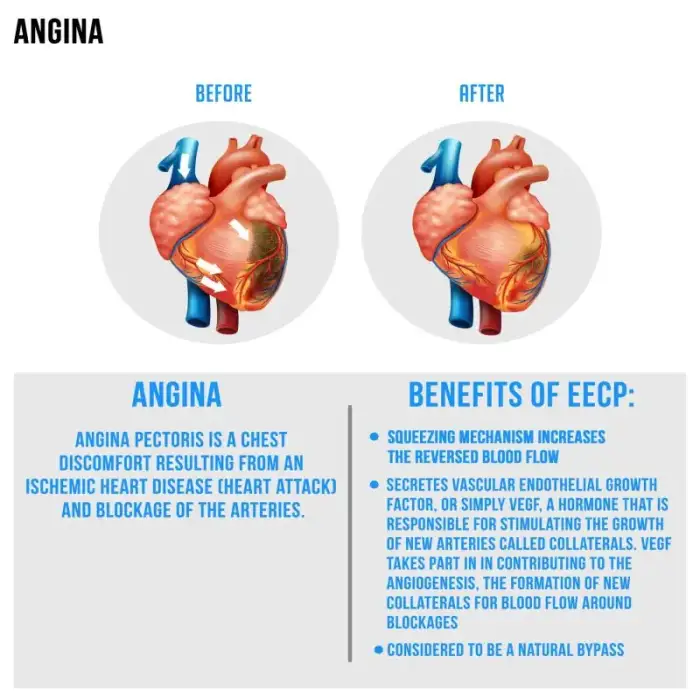
The Best Effective ECP machine is designed for the non-invasive treatment of angina, providing an alternative to open heart surgery by reducing the number and intensity of angina episodes.
2. How does the ECP machine work?
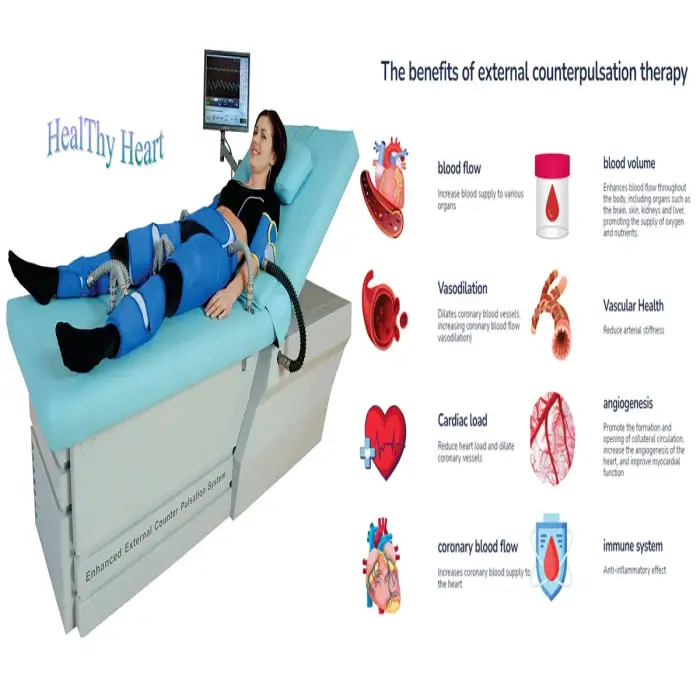
The ECP machine uses compression cuffs on the patient's legs, which inflate and deflate in sync with the heart's rhythm, enhancing blood flow and reducing cardiac workload.
3. Is the ECP therapy painful?
No, ECP therapy is non-invasive and generally painless. Patients may feel a gentle pressure from the cuffs but should not experience any discomfort.
4. How long does an ECP treatment session last?
Each ECP treatment session typically lasts about 35 to 60 minutes, depending on the patient's condition and the prescribed treatment plan.
5. How many sessions of ECP therapy are usually required?
Most patients require a series of sessions, often around 35, conducted over a period of several weeks to achieve optimal results.
6. Are there any side effects of ECP therapy?
ECP therapy is considered safe with minimal side effects. Some patients may experience mild bruising or skin irritation at the cuff sites.
7. Who can benefit from the ECP machine?
Patients with chronic angina, those who are not candidates for surgery, or those seeking a non-drug therapy option can benefit from ECP therapy.
8. Is ECP therapy suitable for everyone?
ECP therapy may not be suitable for individuals with certain medical conditions, such as severe peripheral vascular disease or certain heart conditions. A physician's assessment is necessary.
9. How does the ECP machine improve blood flow?
The machine enhances blood flow by creating a retrograde pulse wave and increasing venous return, which improves coronary perfusion and cardiac output.
10. What are the main features of the Best Effective ECP machine?
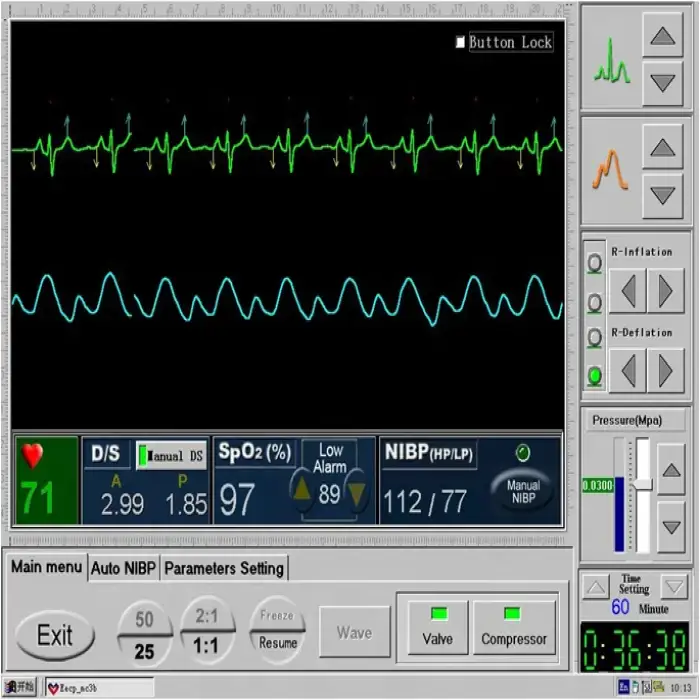
Key features include an all-in-one integrated design, self-development software for precise ECG tracing, a user-friendly touch screen, and maintenance-free components.
11. What is the operating temperature range for the ECP machine?
The Best Effective ECP machine operates effectively within a temperature range of 10℃ to 35℃.
12. Can the ECP machine be used at home?
ECP therapy is typically conducted in a clinical setting under professional supervision, as proper monitoring and equipment are necessary for safety and effectiveness.
13. What is the voltage requirement for the ECP machine?
The ECP machine requires a single-phase voltage of 220V ± 22V and 20A for proper operation.
14. What is the purpose of the external trigger in the ECP machine?
The external trigger, which uses the R-wave of the patient's ECG, synchronizes the inflation and deflation of the cuffs with the patient's heart rhythm, ensuring optimal therapy timing.
15. How does the ECP machine assist in reducing heart attack risk?
By improving blood flow and reducing angina episodes, ECP therapy helps decrease the workload on the heart and lowers the risk of heart attacks.
Latest Order Arrivals
Discover our latest orders
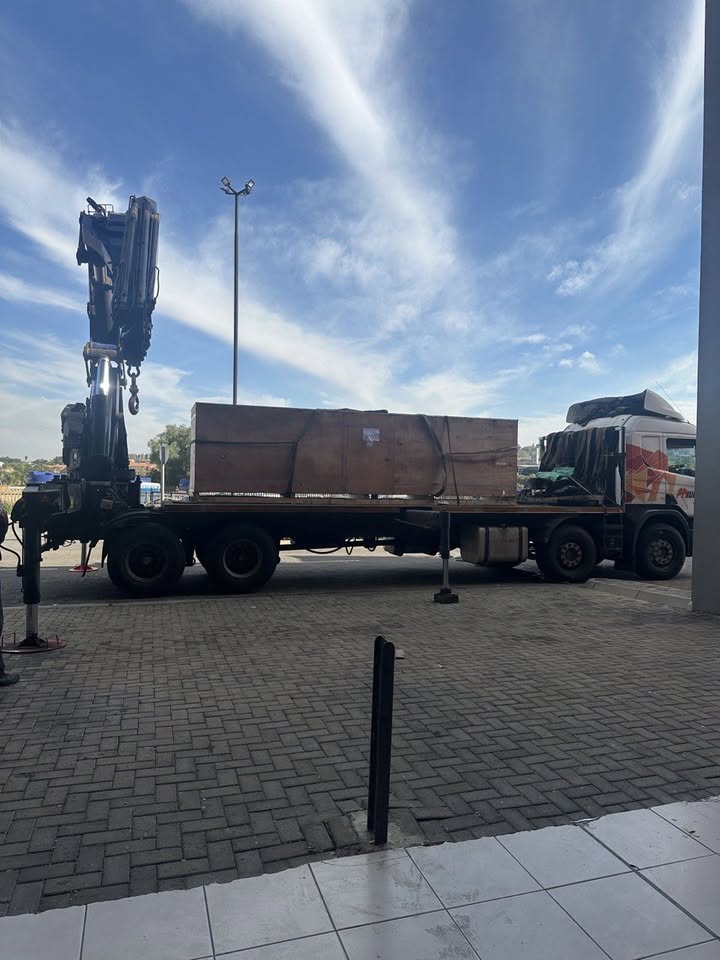
12 Heads Embroidery Machine
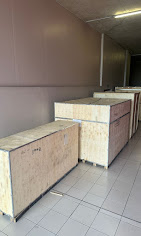
Toilet Paper Machine Machine
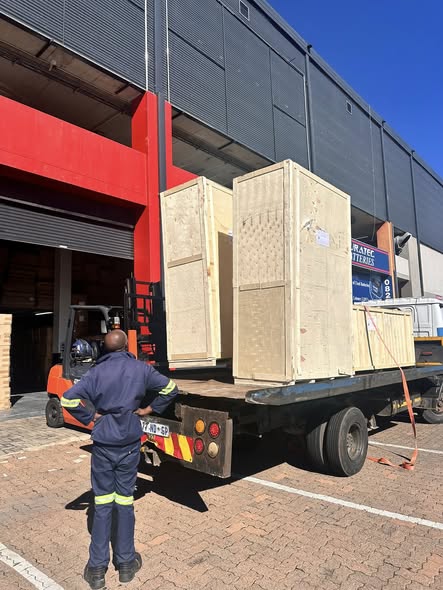
Order Collection
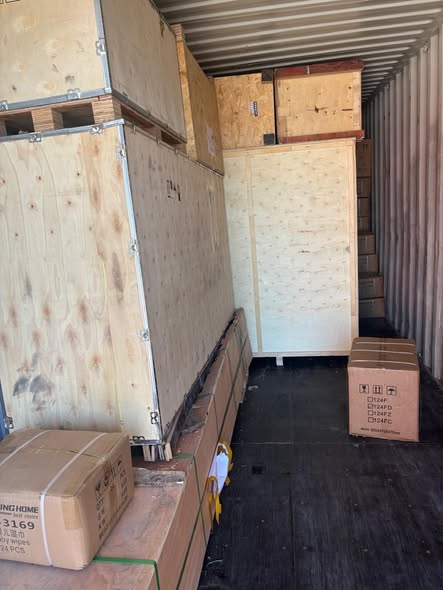
Cross Border Clients
Order cros border countries Collected
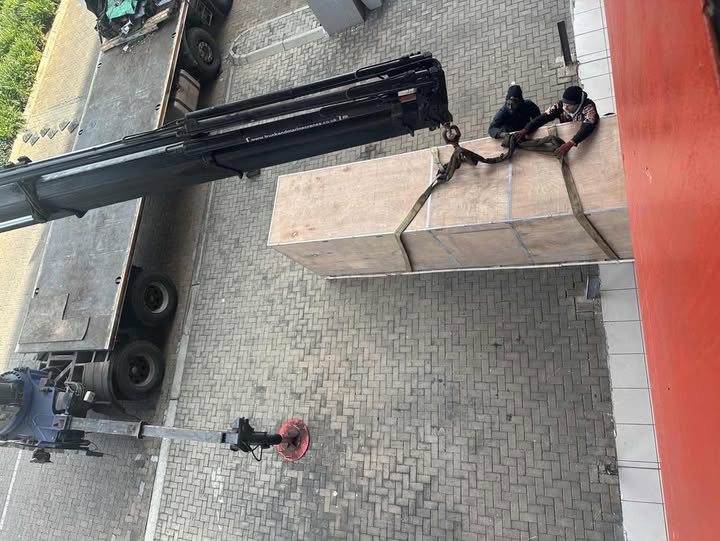
Industrial Machine Cllection
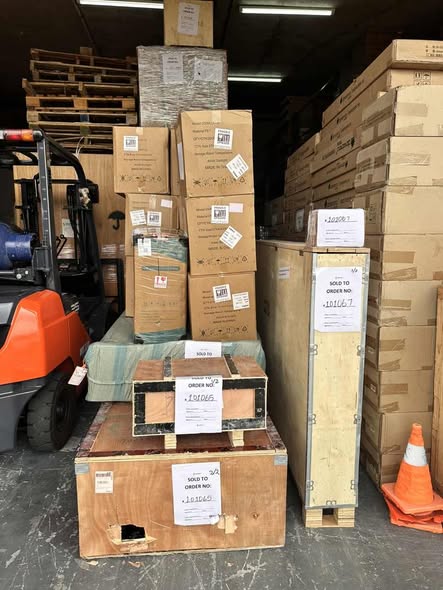
Agriculture Processing Machines
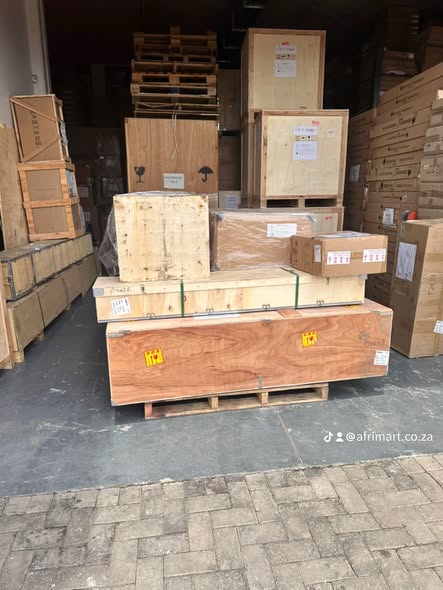
Ready for collection
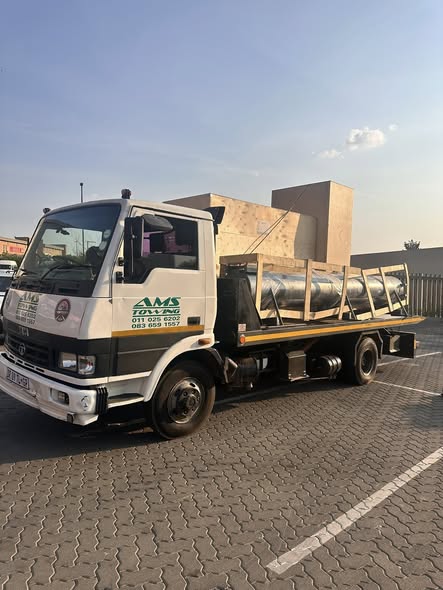
Water Pump Equipment
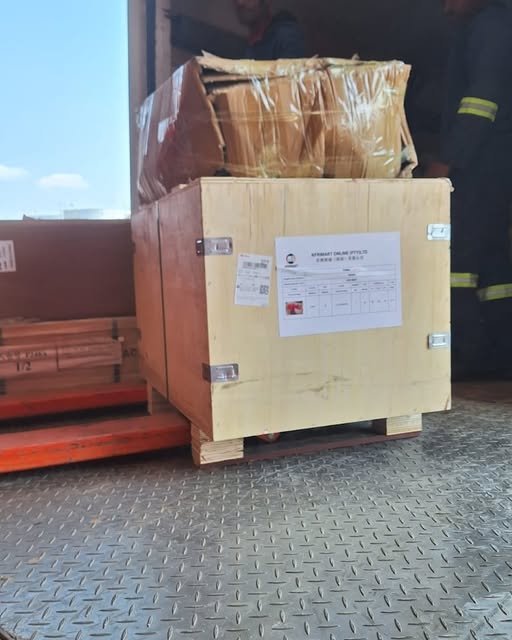
Packaging Machine and accessories
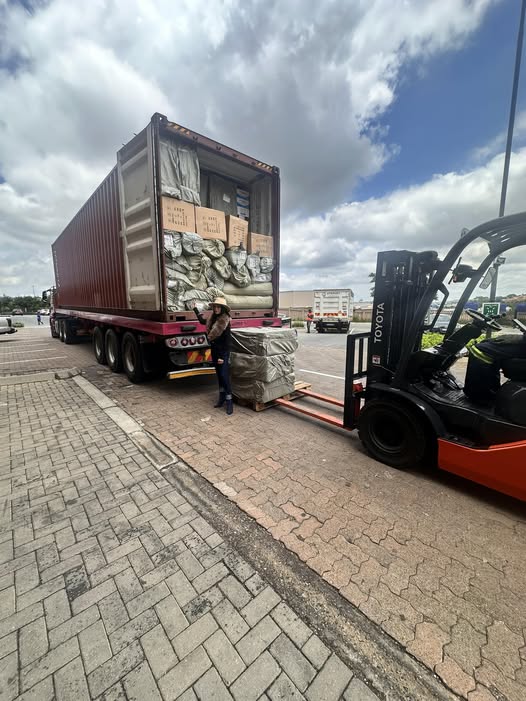
Fabrics Manufacturing Equipment
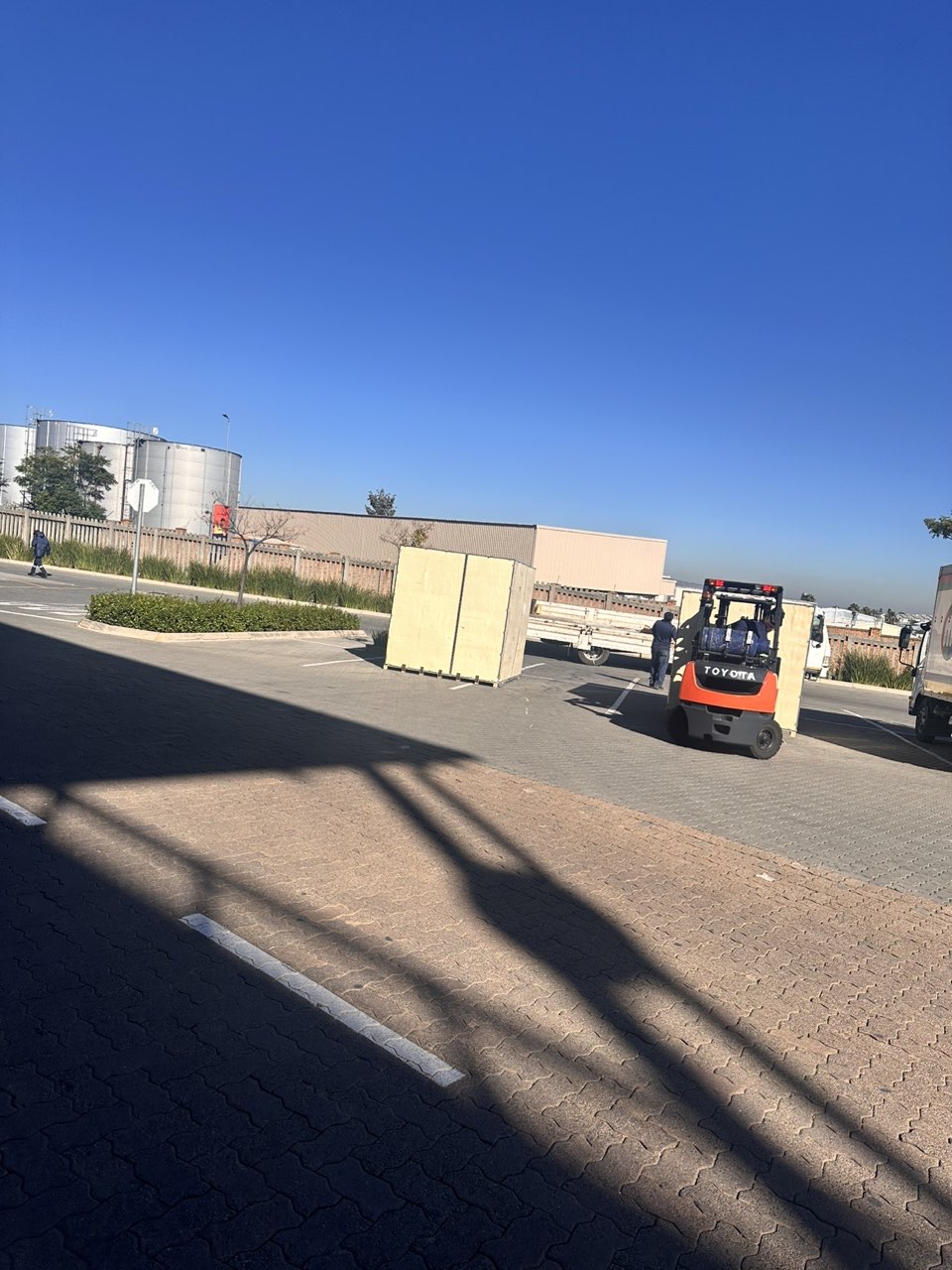
Mining Equipments
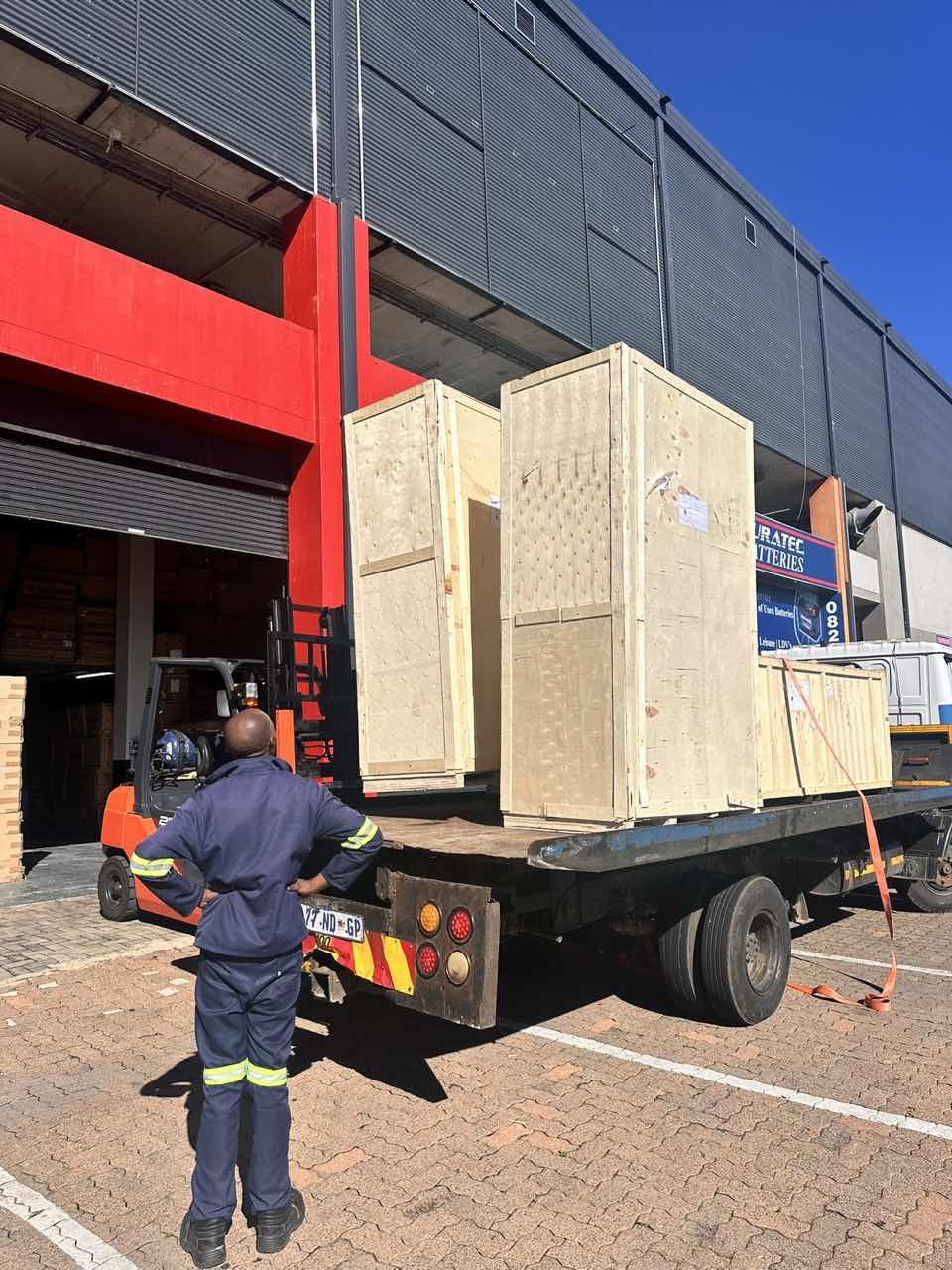
Food Processing Machine
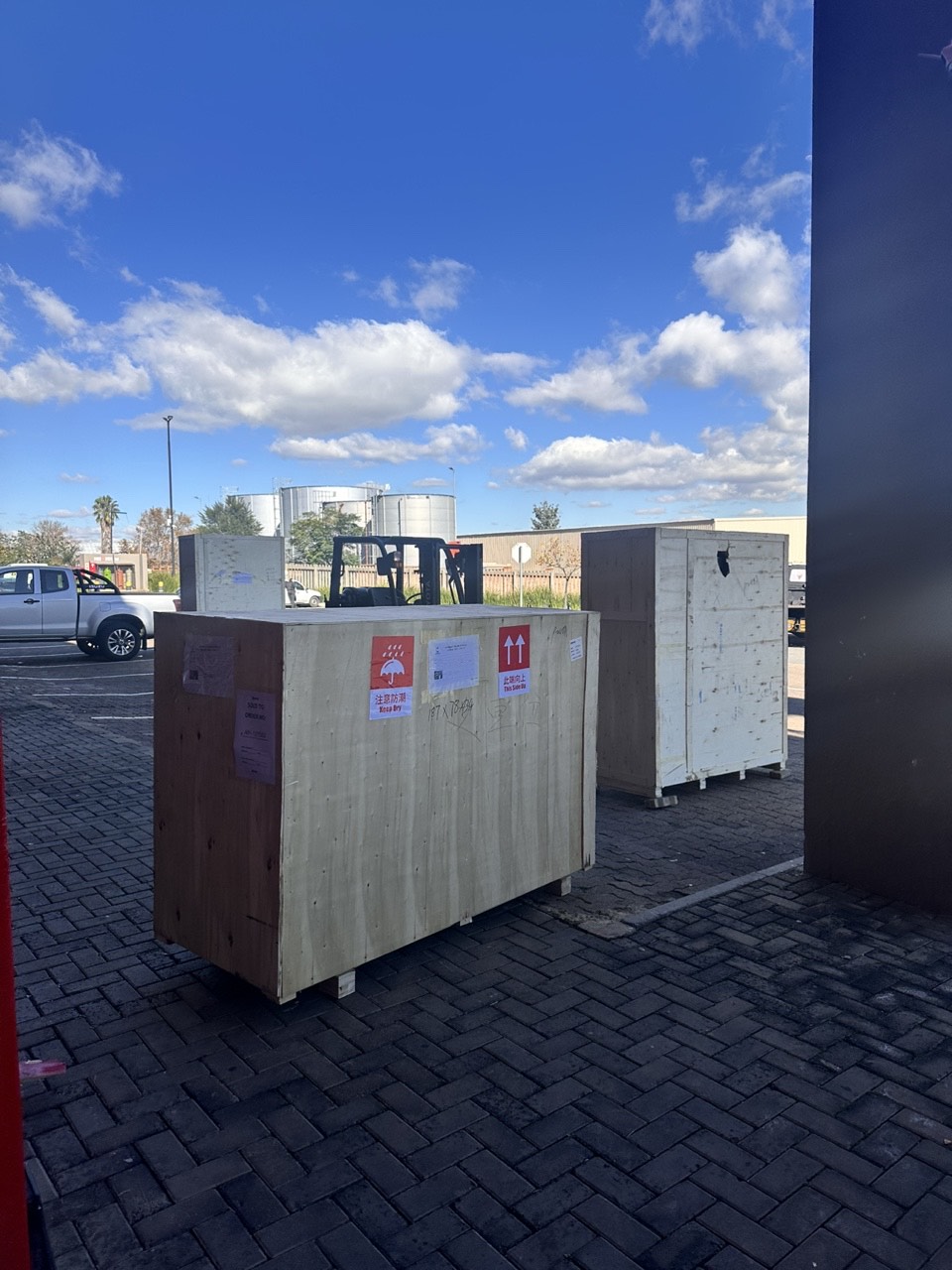
Batch of Orders
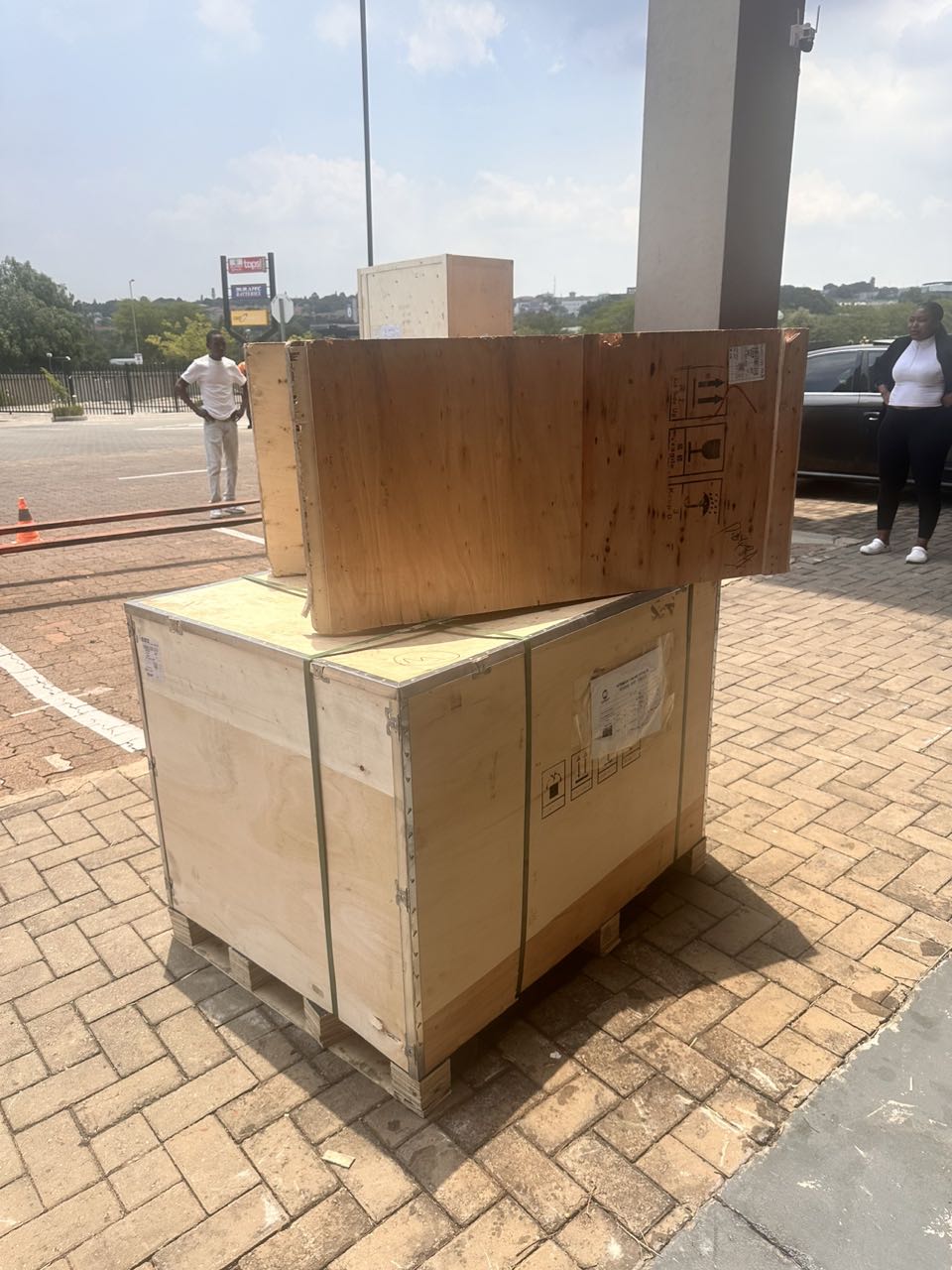
Batch of Orders
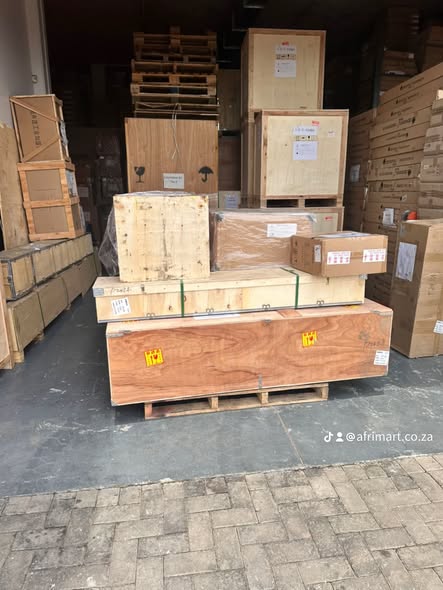
Latest Orders Labelled
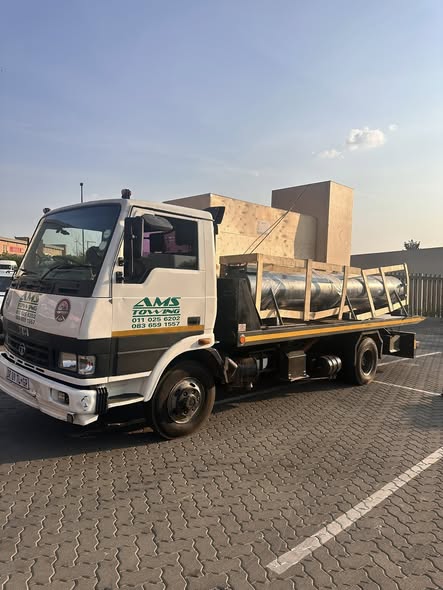
wheel alignment machines
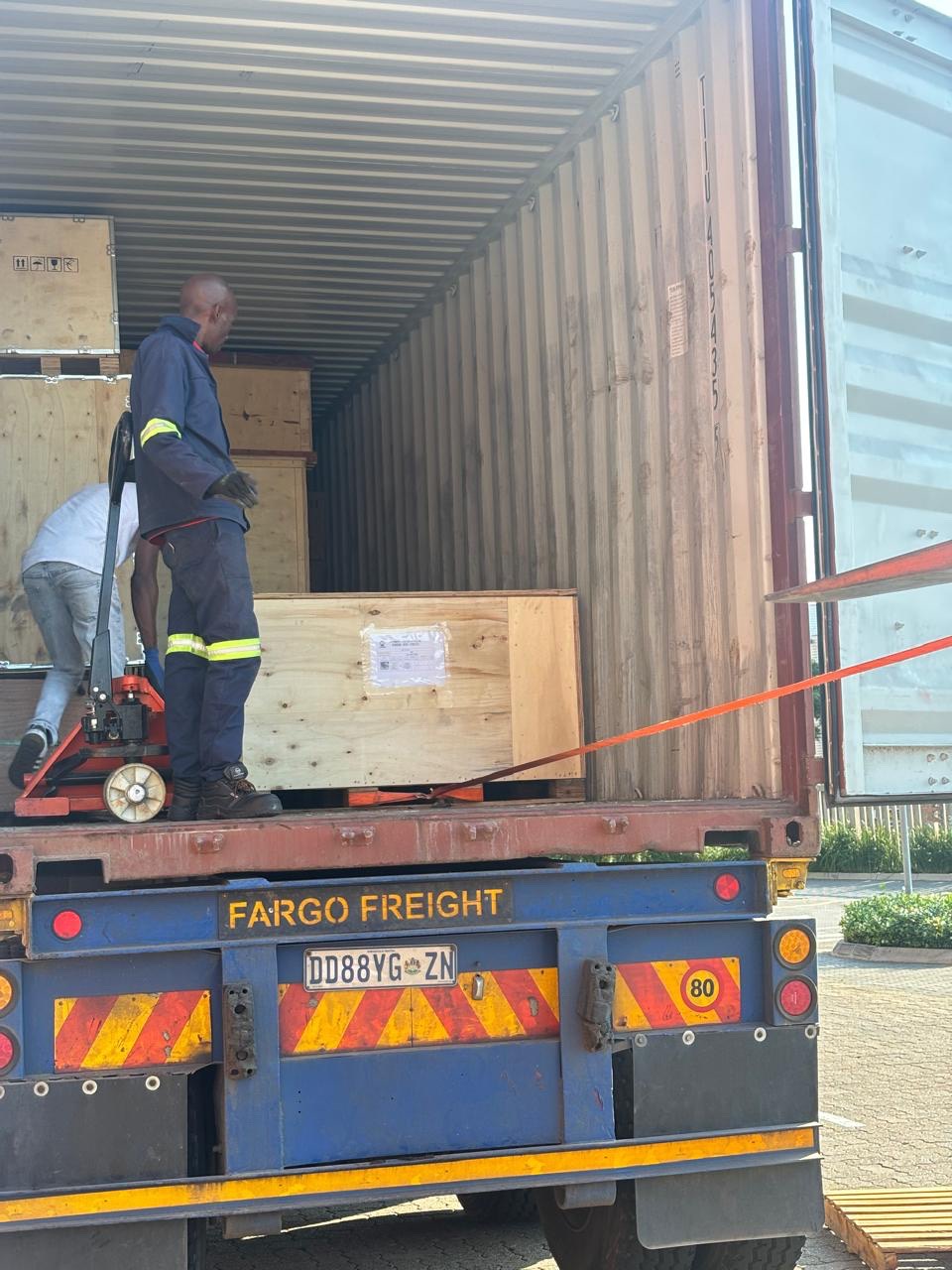
new arrivals
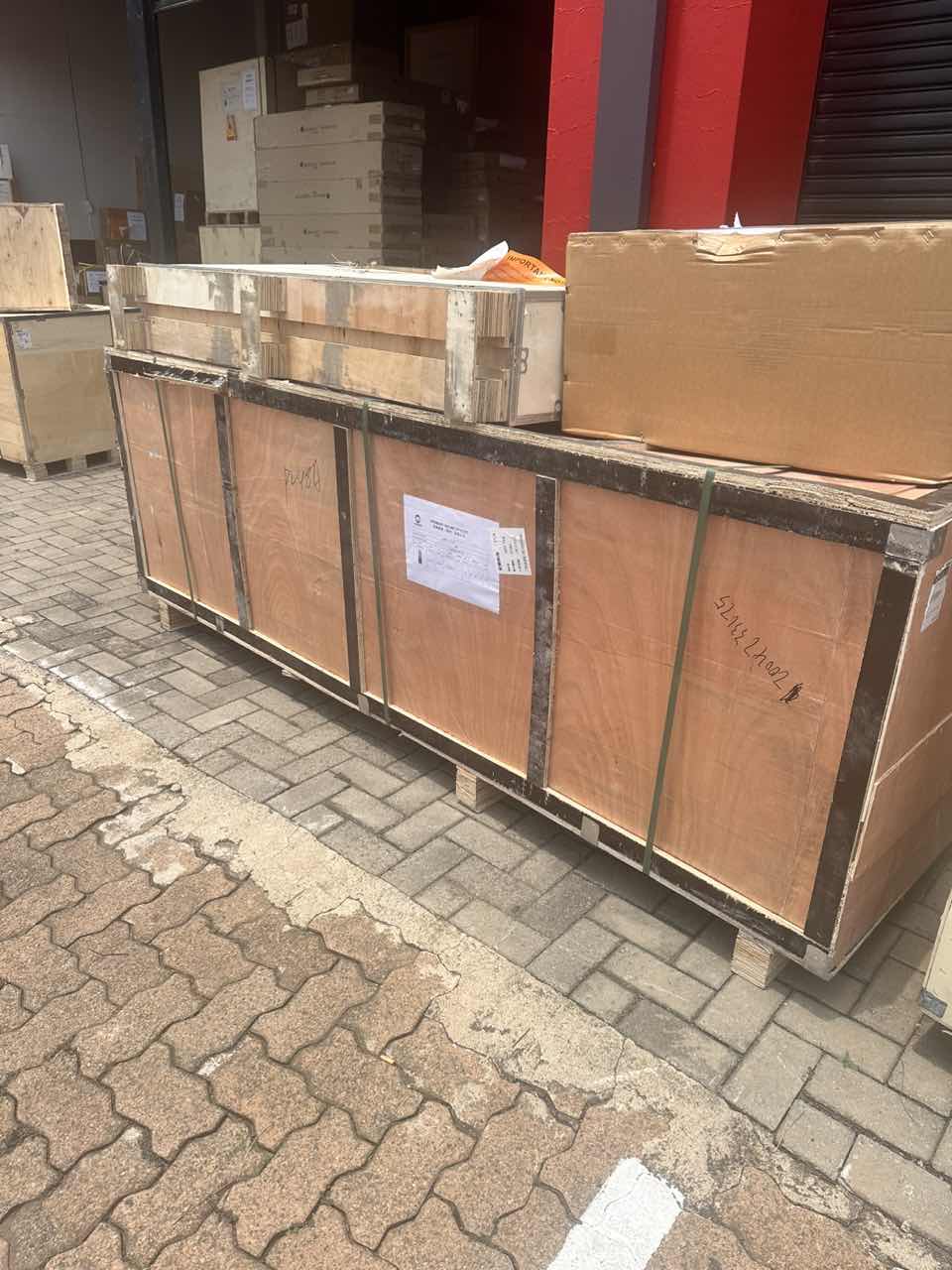
Pre Orders Offloading
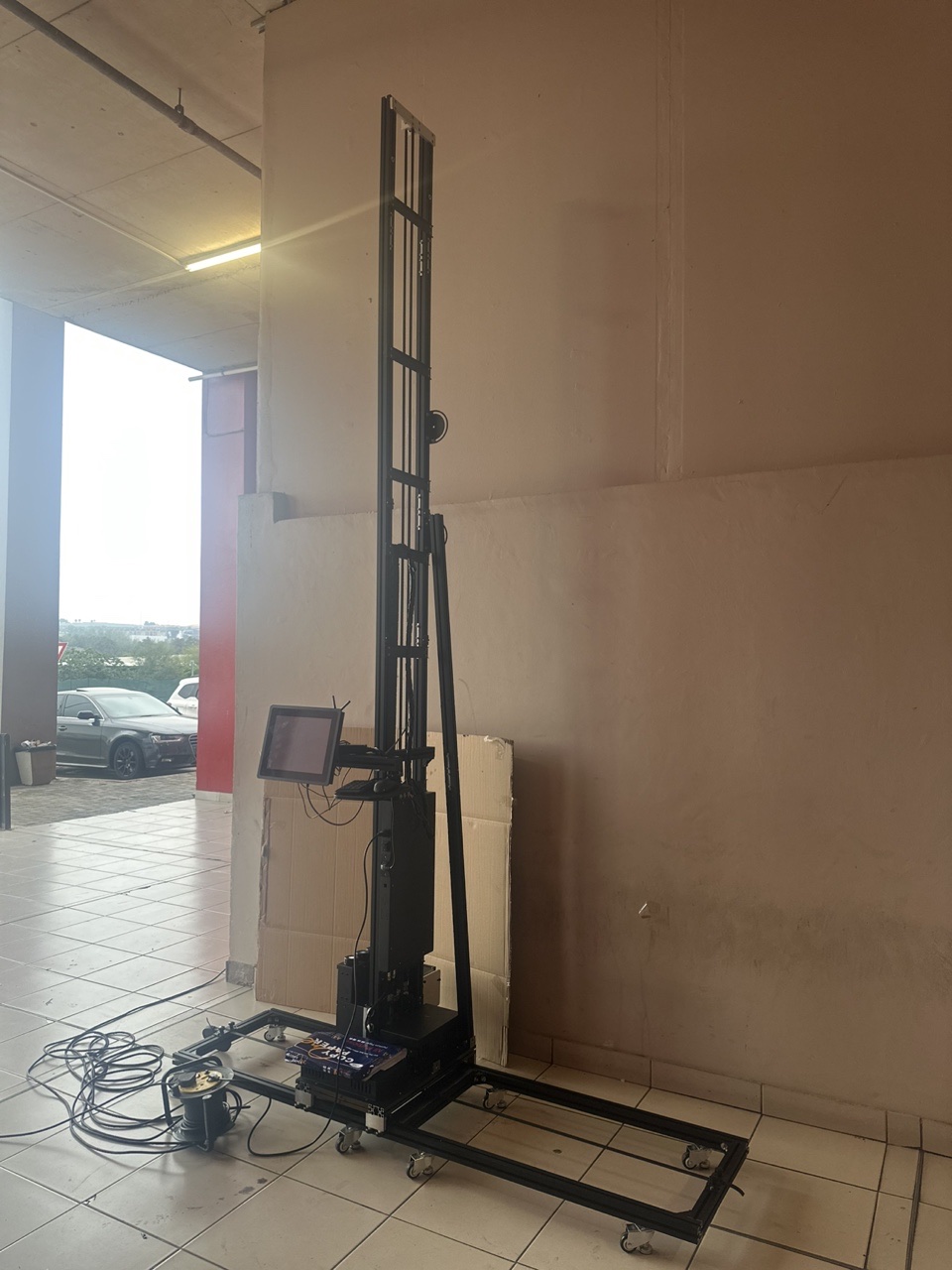
Latest Arrivals
Latest Arrivals
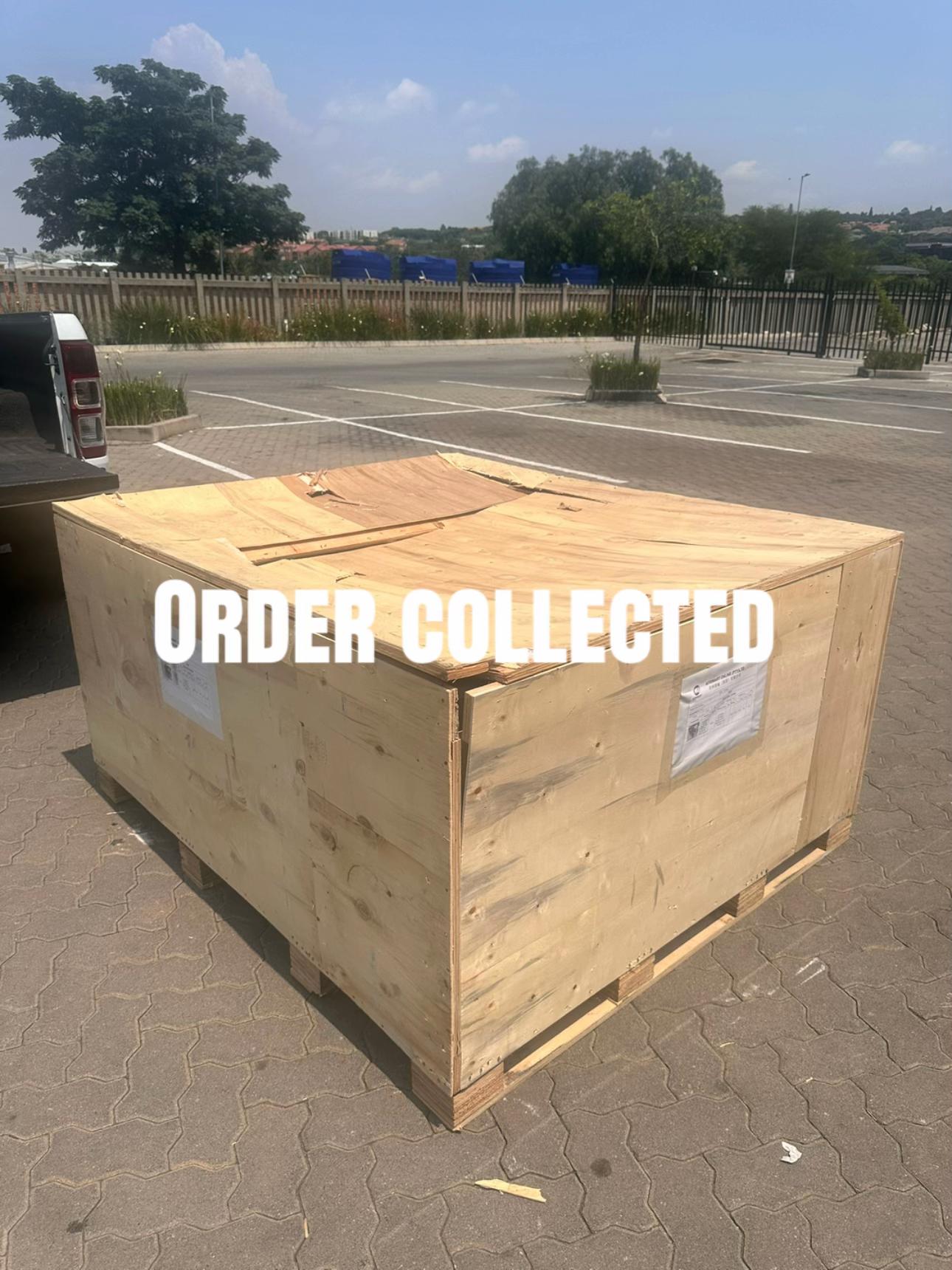
Latest Arrivals
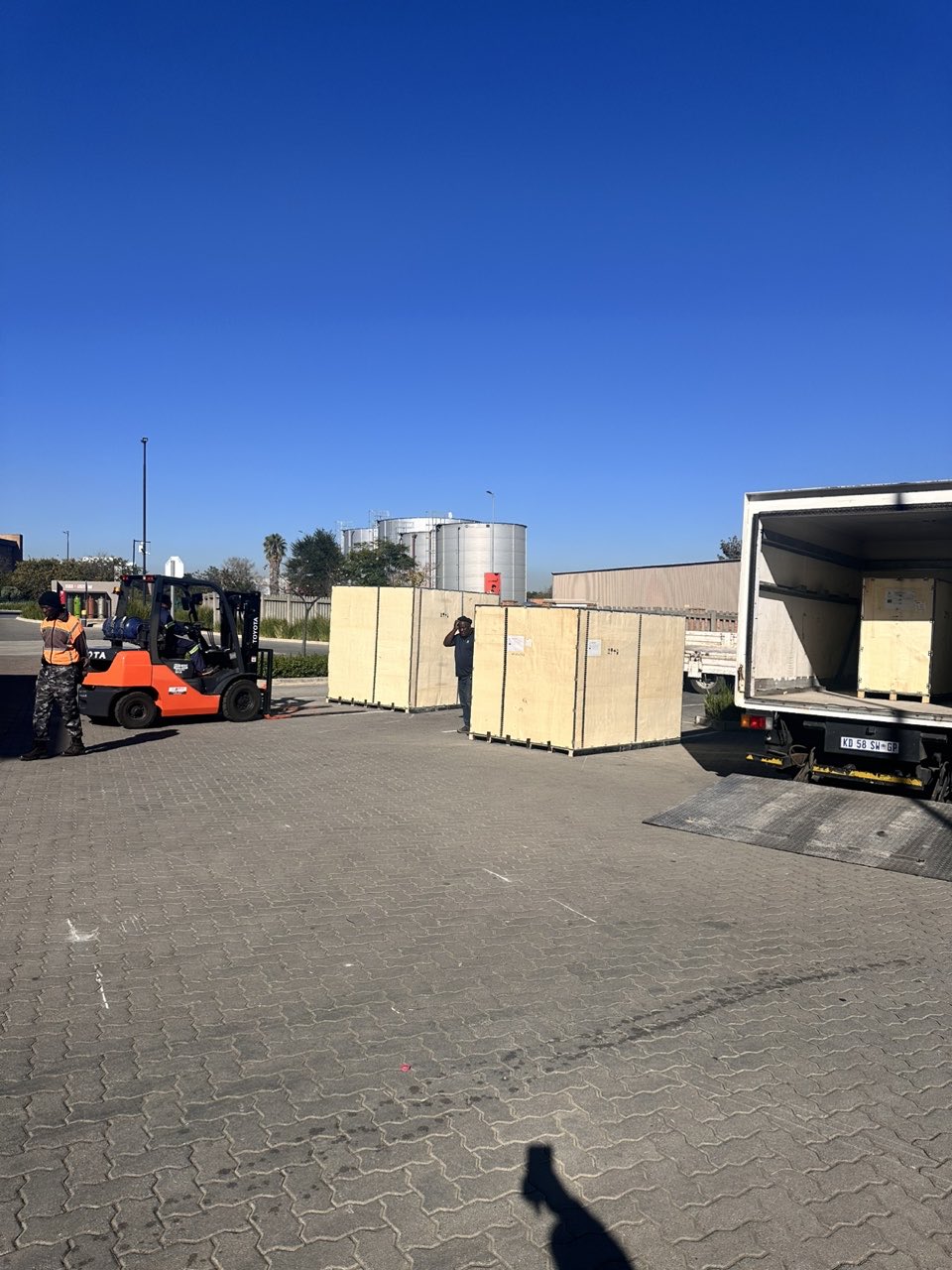
Loading
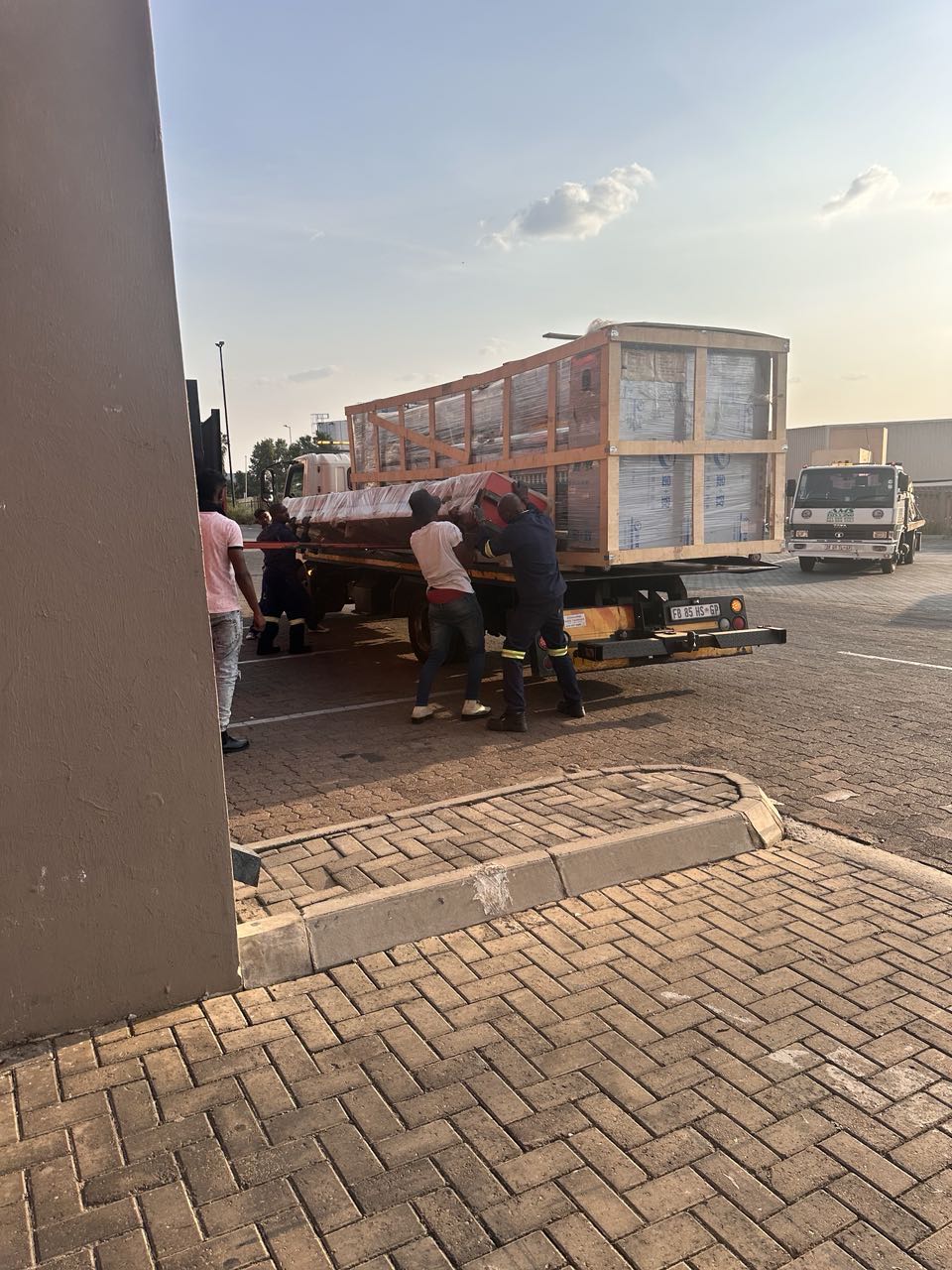
Toilet paper making machine
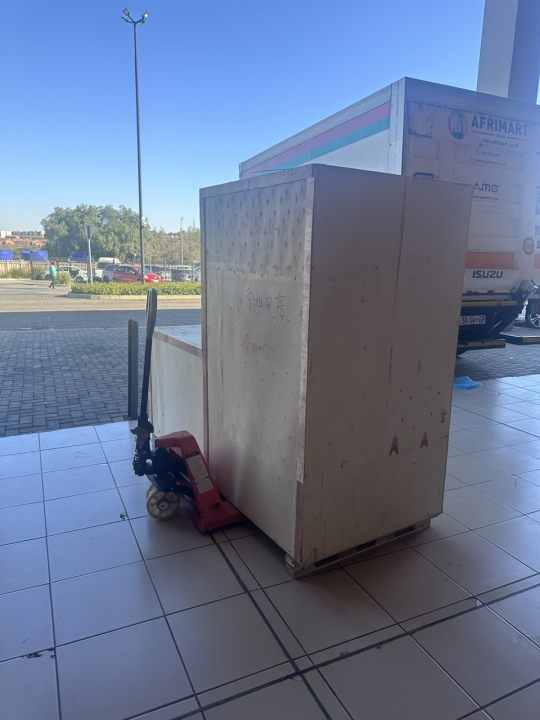
Toilet paper making machine
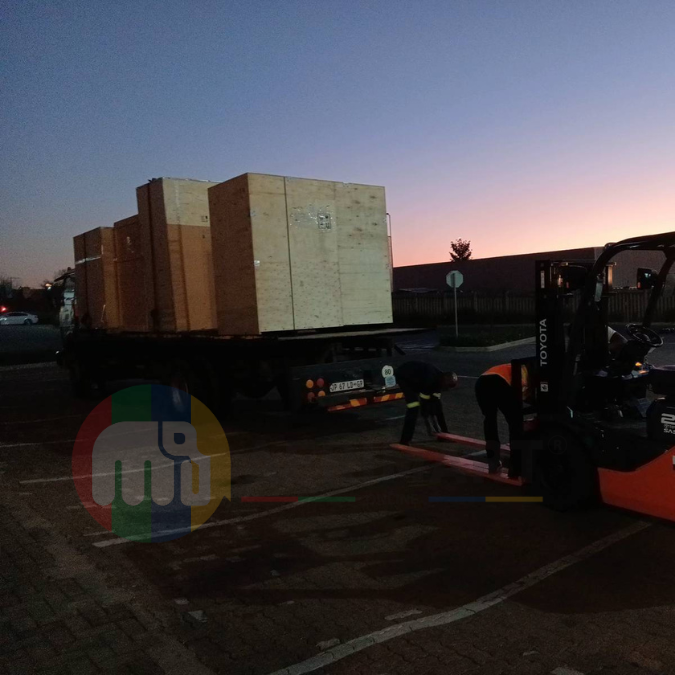
Toilet paper Rewinding Machine
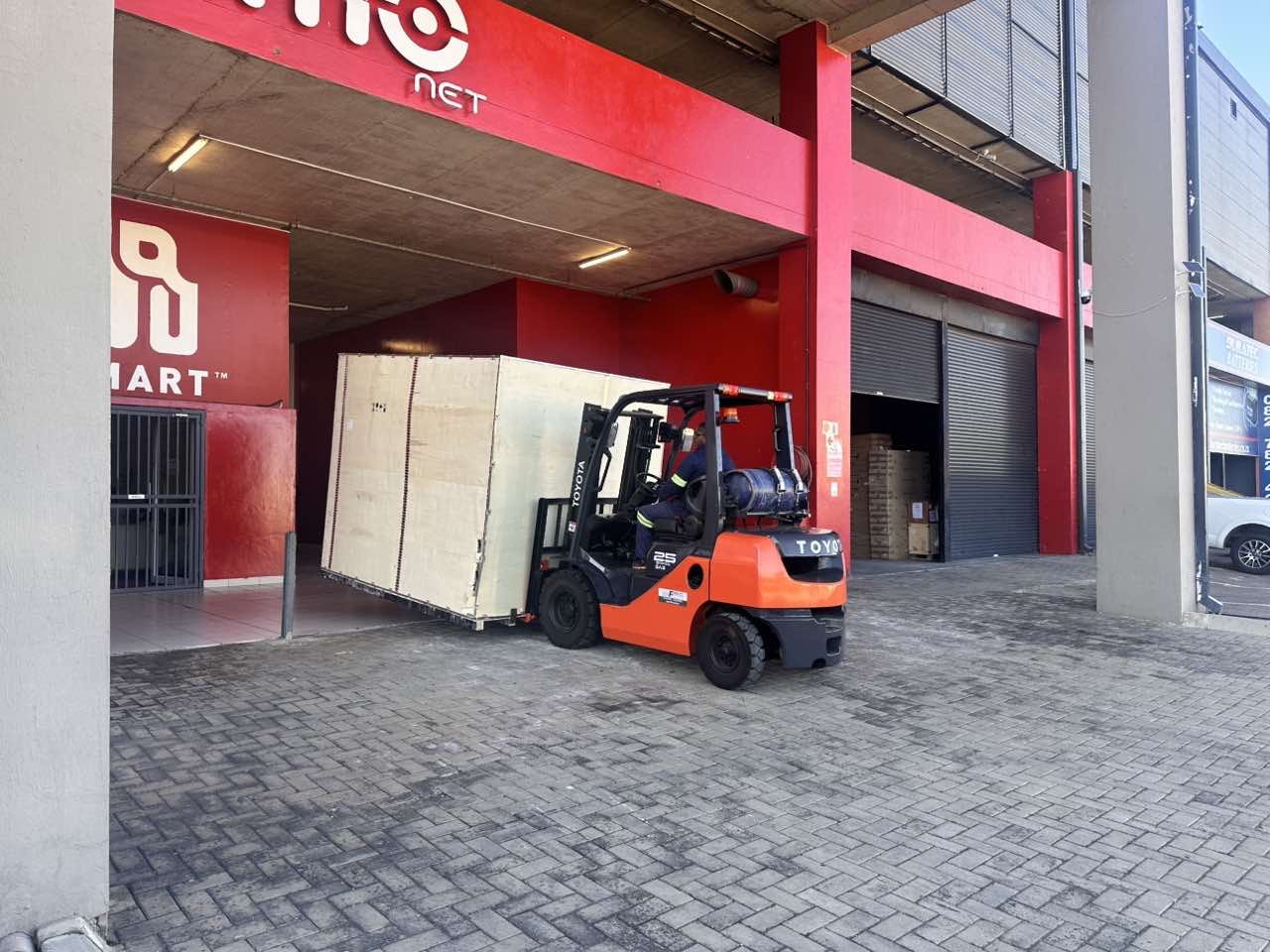
latest arrivals
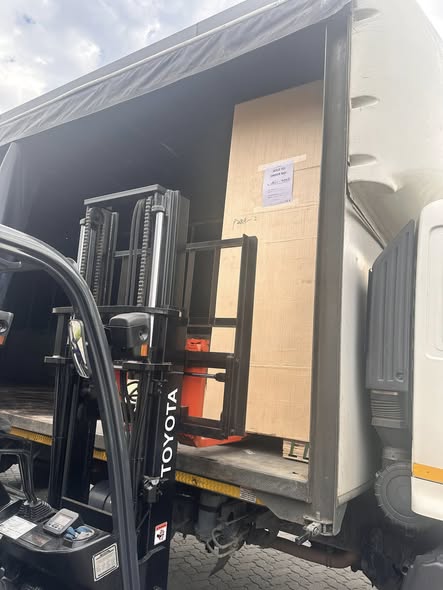
offloading
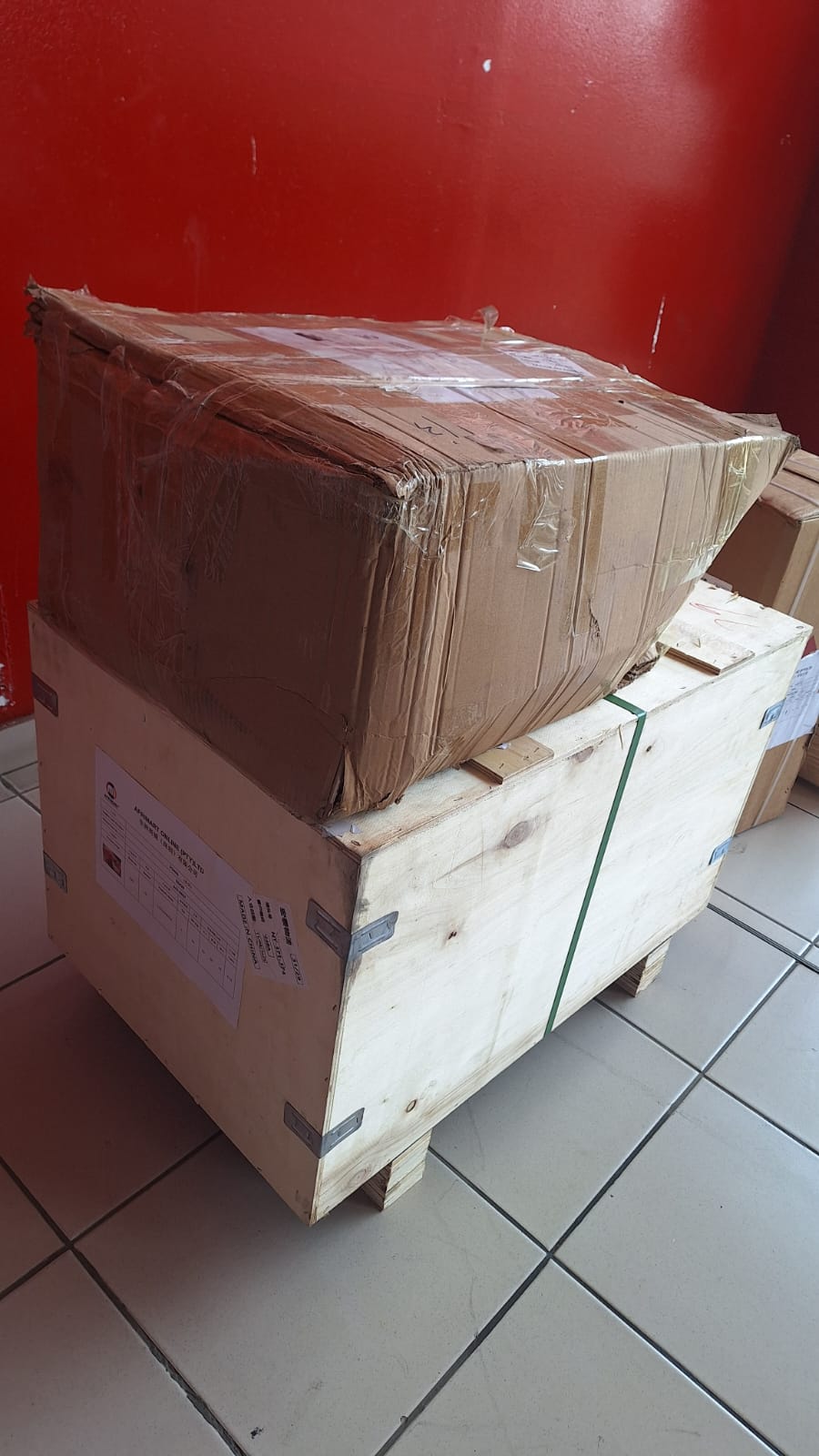
order success

order collection
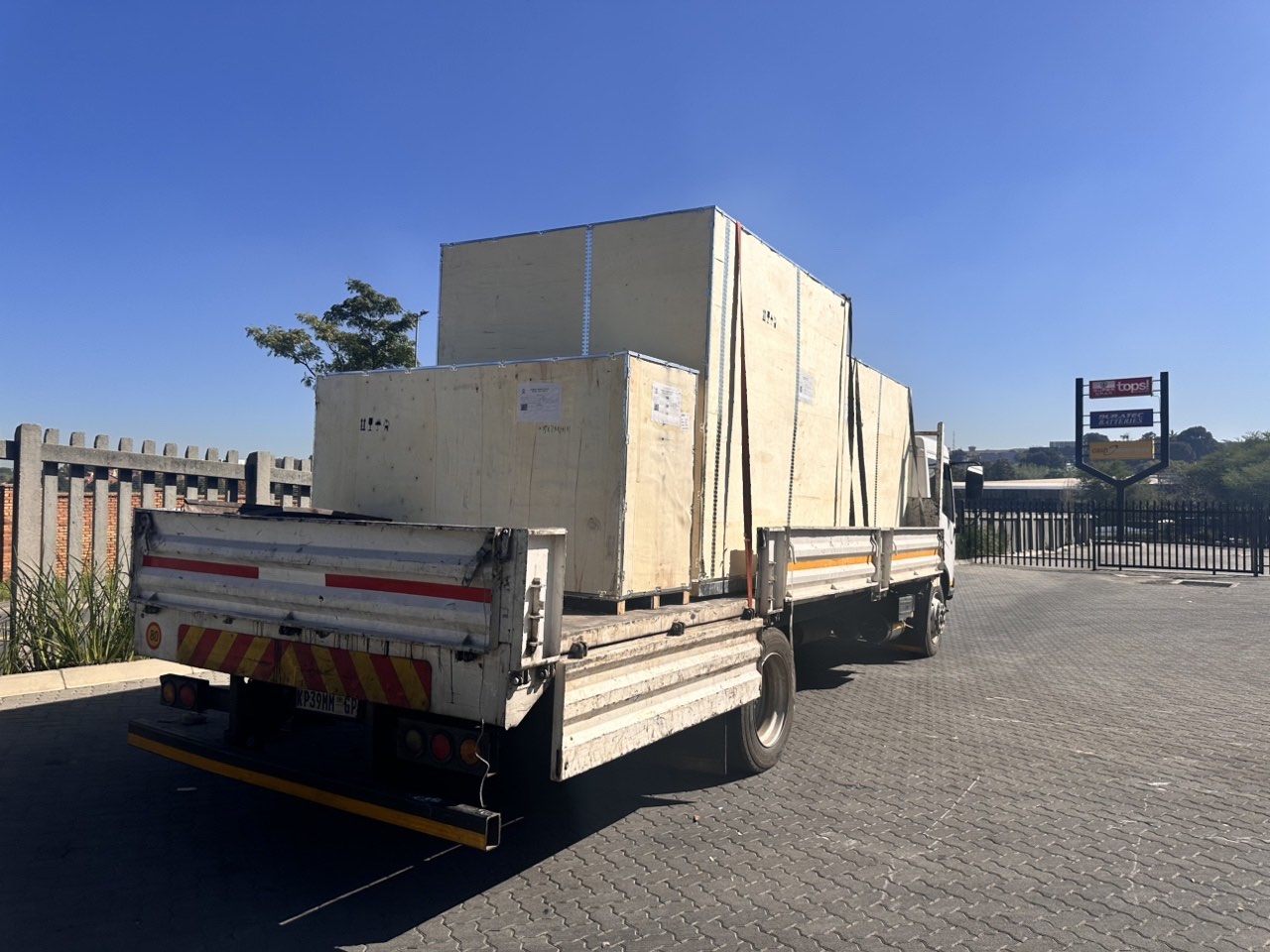
order offloading